Manual Transfer Fuel Diesel Pump Suppliers and Manufacturers
Compare 33 verified suppliers of manual transfer fuel diesel pumps across locations like Jiangsu, Shandong, and Zhejiang. Review response times, lead times, certifications, and pricing to source the right equipment for your needs; review the available evidence before requesting comparable quotations from suitable candidates.
Updated
Suppliers List

XUZHOU DESHENG PETROL MACHINE CO., LTD.
- Verified by SGS
- Trading Company,Manufacturer/Factory
- China Jiangsu
- Lead time23 days
- Avg. response≤ 7h
Main productsFuel Nozzle, Fuel Dispenser, Fuel Station Parts, Fuel Tanker Parts, Fuel Tanker Manhole Cover, Fuel Tanker Bottom Valve, Mobile Fuel Station, Fuel Nozzle Parts, Fuel Dispenser Parts
Main marketsSouth America,Eastern Europe,Mid East,North America,Southeast Asia,Eastern Asia,Oceania,Western Europe,Africa

Jinan Aurora International Trade Co., Ltd.
- Verified by SGS
- Trading Company
- China Shandong
- Lead time15 days
- Avg. response≤ 10h
Main productsTruck Parts, Infrared Thermal Imaging Devices, Handheld Thermal Cameras, Laser Distance Meters, Laser Rangefinder Modules, Industrial Thermal Imaging Solutions, Precision Measurement Instruments, OEM & ODM Electronic Products
Main marketsEurope
Ningbo Haidu Auto Parts Co., Ltd
- Manufacturer, Trading Company
- Zhejiang, China
- Lead time30 days
- Avg. response≤ 3h
Main productsSilicone Hose,Rubber Hose,Automotive Part,Automotive Hose,Hose Fitting
Main marketsDomestic Market(100.00%)
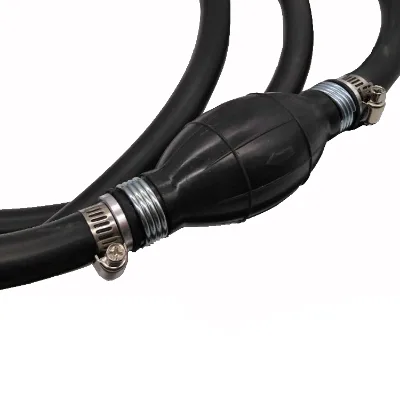
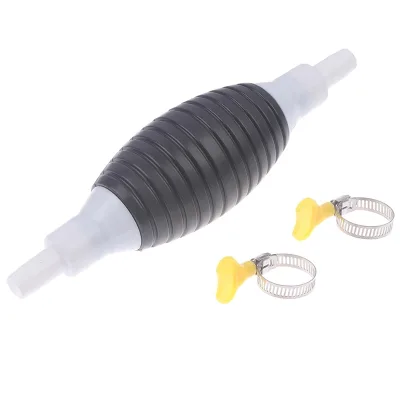
Fuel Pump Rubber Manual Oil Transfer Pump Petrol Diesel Liquid Manual Pump Fuel Saver
$0.9249 - $1.5575
MOQ: 100 pieces
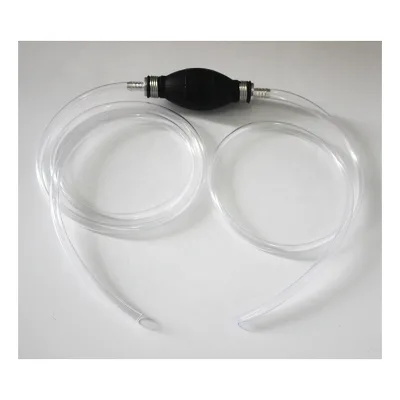
$0.5142 - $2.7761
MOQ: 100 Minimum

Zhejiang Jiasong Technology Co., Ltd.
- Manufacturer/Factory
- China Zhejiang
- Lead time23 days
- Avg. response≤ 18h
Main productsSubmersible Pump, Fuel Dispenser Parts, Positive Displacement Flow Meter, Fuel Pump, Gear Pump, Fuel Flow Meter, Electronic Transfer Pump, Meter, Fuel Dispenser, Measuring Can
Main marketsSouth America,Eastern Europe,Mid East,North America,Southeast Asia,Eastern Asia,Western Europe,Africa

- Verified by CTI
- Manufacturer/Factory
- China Fujian
- Lead time45 days
- Avg. response≤ 8h
Main productsTiming Tools, Hand Tools, Garage Equipment, Hydraulic Jacks, Tyre Changer, Lifts, Riveter, Impact Sockets, Drill Bits, Bead Seater
Main marketsSouth America,Eastern Europe,Mid East,Southeast Asia,Oceania,Western Europe

$2.40 - $2.50
MOQ: 300 Pieces

$102.00 - $105.00
MOQ: 150 Pieces

$1.30 - $1.34
MOQ: 500 Pieces
Shenzhen Wenchuangfu Electronic Plastic Product Co., Ltd.
- Verified by SGS Group
- Manufacturer, Trading Company
- Lead time5 days
- Avg. response≤ 7h
Main productsChicken Coop Door; Egg Incubator; Pet Toys; Mini Sealer; Phone Holder

Linyi Xinchen Machinery Co., Ltd.
- Verified by TUVRHEINLAND
- Combined
- China Shandong
- Lead time30 days
- Avg. response≤ 7h
Main marketsAustralia


Heavy Duty Diesel Engine Fuel Transfer Pump with Manual Priming for off-Road Equipment
$8.00 - $12.00
MOQ: 1 Pieces

Ningbo Yinzhou Everyoung Metals Co., Ltd.
- Verified by TUVRHEINLAND
- Combined
- China Zhejiang
- Lead time30 days
- Avg. response≤ 5h
Main productsDiesel Tank, Diesel Pump, Fuel Pump, Adblue Pump, Gasoline Pump, Portable Diesel Tank, Hose Reel, Flow Meter, Positive Displacement Flow Meter, Sprayer Pump
Main marketsSoutheast Asia/ Mideast,Domestic,Australia

Diesel Transfer Pump 12V DC Electric Fuel Pump for Diesel Fuel Transfer
$35.00 - $50.00
MOQ: 100 Pieces


Henan Eaglestar Energy Technology Co., Ltd.
- Verified by BV
- Combined
- China Henan
- Lead time15 days
- Avg. response≤ 12h
Main productsHydrogen Filling Machine and Related Equipment, Compressed Natural Gas Fueling Machine, Tank Level Monitoring System
Main marketsEurope

$1500.00 - $6000.00
MOQ: 1 Pieces


Cangzhou Leadway Machinery Equipment Co., Ltd.
- Trading Company
- Hebei, China
- Lead time3 days
- Avg. response≤ 2h
Main productsFilling Machine,Sealing machine,strapping machine,Inkjet printer,Mixing machine
Main marketsWestern Europe(20.00%), North America(15.00%), Africa(10.00%), Northern Europe(10.00%), Eastern Asia(10.00%), Eastern Europe(6.00%), Southeast Asia(5.00%), Central America(5.00%), South America(5.00%), South Asia(5.00%), Oceania(5.00%), Mid East(4.00%)
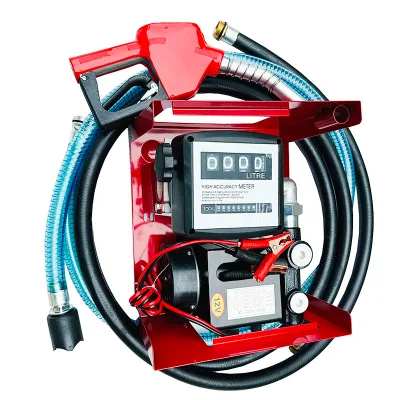
Transfer Refueling Pump 12 Volt Diesel Fuel Pump With Meter Portable Fuel Oil Transfer Pump Set
$52.1937 - $104.3874
MOQ: 1 sets
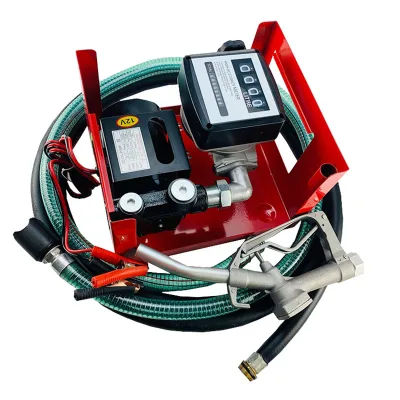
Portable Fuel Transfer Pump Electric Diesel Fuel Pump Set Kerosene Transfer Pump Kit
$72.0284 - $103.3441
MOQ: 1 sets
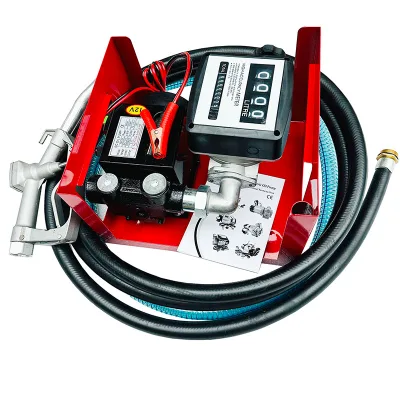
Electric Transfer Pump Oil diesel Pump With Automatic or Manual Handle Nozzle
$52.1937 - $104.3874
MOQ: 1 sets
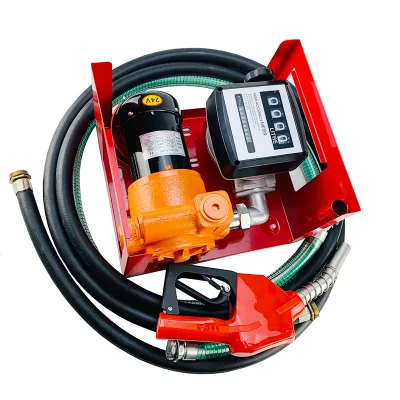
Pump Fuel Dispenser 12V 24V Portable Oil Fuel Transfer 12v 24v Portable Transfer diesel Fuel Pump
$52.1937 - $104.3874
MOQ: 1 sets
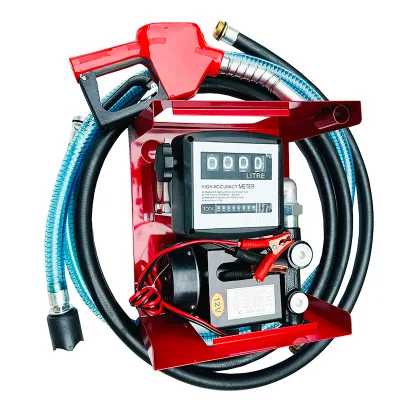
DC Power 12V 24V AC 220V/110V Electric Transfer Pump with Manual Handle Nozzle or Auto Nozzle
$52.1937 - $104.3874
MOQ: 1 sets
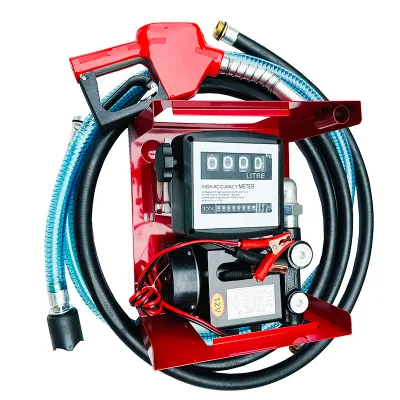
$52.1937 - $104.3874
MOQ: 1 sets

Shenzhen E-18th Technology Co., Ltd.
- Manufacturer, Trading Company, Distributor/Wholesaler
- Guangdong, China
- Lead time3 days
- Avg. response≤ 3h
Main productsMisting System,Garden Sprinkler,Kitchen Tools,Bike Accessories,Outdoor item
Main marketsSouth America(14.00%), North America(14.00%), South Asia(9.50%), Western Europe(8.00%), Southern Europe(8.00%), Eastern Europe(8.00%), Central America(8.00%), Northern Europe(8.00%), Eastern Asia(5.00%), Africa(4.50%), Mid East(4.00%), Domestic Market(4.00%), Oceania(3.00%), Southeast Asia(2.00%)
Brook (Cangzhou) Machinery Equipment Sales Co., Ltd.
- Trading Company
- Hebei, China
- Lead time0 days
- Avg. response≤ 5h
Main productsfilling machine,Capping machine,Labeling machine,Fully automated production line,Automatic sealing machine
Main marketsSoutheast Asia(30.00%), Mid East(20.00%), Southern Europe(10.00%), Eastern Asia(10.00%), South America(10.00%), North America(10.00%), Eastern Europe(10.00%)

Zhejiang Maide Machine Co., Ltd.
- Verified by BV
- Combined
- China Zhejiang
- Lead time15 days
- Avg. response≤ 25h
Main productsAutomatic Nozzle, Fuel Dispenser Meter, Vane Pump, LPG Dispenser, Electric Transfer Pump, Positive Displacement Meter
Main marketsSouth America,Africa,Southeast Asia/ Mideast,East Asia(Japan/ South Korea),Europe,Australia,North America

Cangzhou Aistar Metalware Co., Ltd.
- Trading Company
- Hebei, China
- Lead time0 days
- Avg. response≤ 5h
Main productscamlock coupling,valves,fuel dispenser,measuring can,jerry can
Main marketsAfrica(20.00%), North America(20.00%), Southeast Asia(10.00%), South America(10.00%), Domestic Market(4.00%), South Asia(4.00%), Southern Europe(4.00%), Northern Europe(4.00%), Central America(4.00%), Western Europe(4.00%), Eastern Asia(4.00%), Mid East(4.00%), Oceania(4.00%), Eastern Europe(4.00%)
Aistar Petroleum Equipment (Cangzhou) Co., Ltd.
- Trading Company
- Hebei, China
- Lead time7 days
- Avg. response≤ 4h
Main productsfuel dispenser&parts,fuel nozzle,gas station product,messure can,Petroleum equipment and accessories
Main marketsSoutheast Asia(15.00%), Mid East(15.00%), Africa(15.00%), North America(15.00%), Western Europe(11.00%), Eastern Asia(10.00%), Eastern Europe(8.00%), Oceania(4.00%), Central America(3.00%), South America(2.00%), South Asia(1.00%), Northern Europe(1.00%)
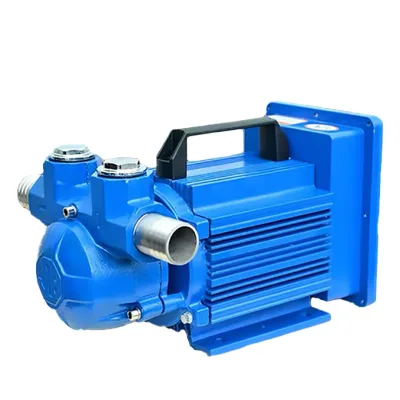
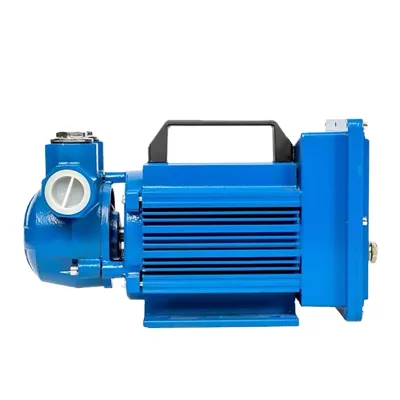
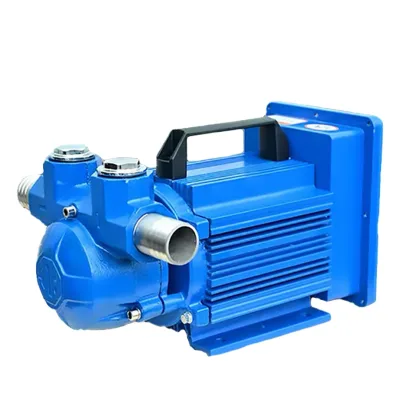
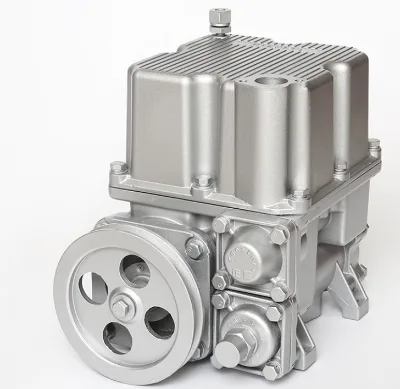
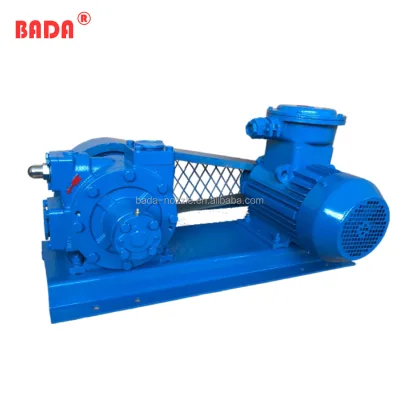
12V / 24V Fuel Transfer Pump/Explosion-proof Pump for Transferring Gasoline / Diesel
$122.00
MOQ: 50 pieces
Wenzhou Bada Machine Co., Ltd.
- Manufacturer, Trading Company
- Zhejiang, China
- Lead time30 days
- Avg. response≤ 3h
Main productsFuel Nozzle,Fuel Flow Meter,Fuel Pump,Fuel Dispenser,Gas station parts
Main marketsEastern Asia(16.67%), Mid East(16.67%), Africa(16.67%), Southeast Asia(16.67%), Eastern Europe(16.67%), Domestic Market(16.65%)
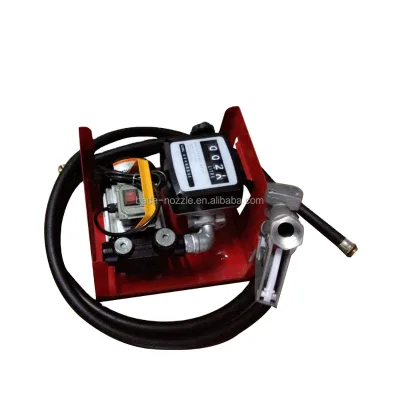
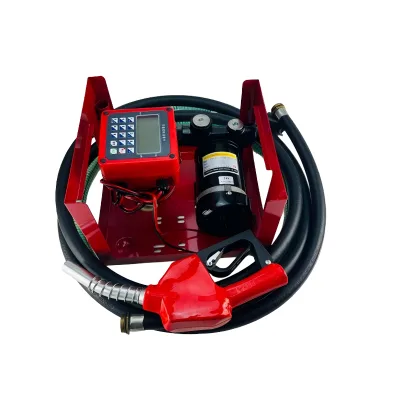
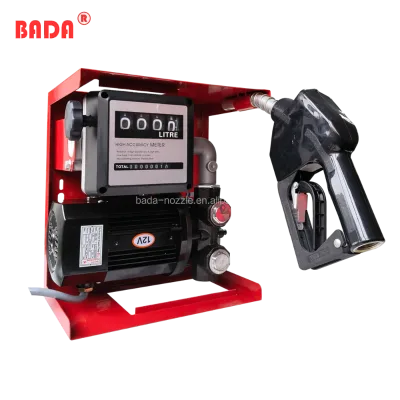
Manual Nozzle AC 220 /12V/24V Portable diesel Transfer Pump
$80.00 - $95.00
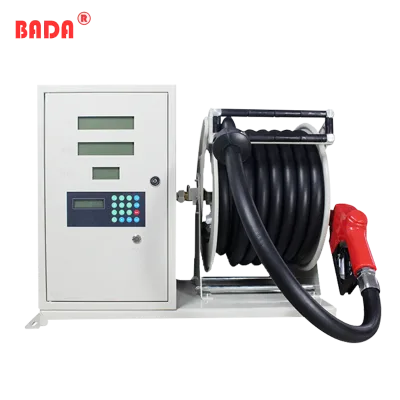
Fuel Transfer Pump with Automatic Retractable Winding Fuel Diesel Hose Reel
$537.5774 - $568.5902
MOQ: 1 sets
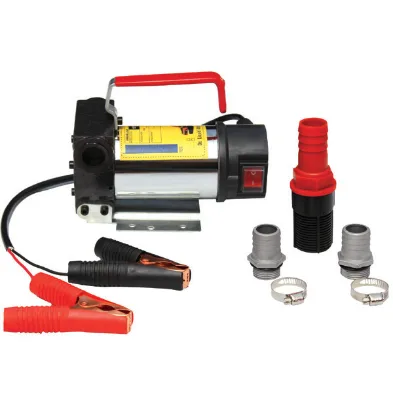
DC 12V Diesel Transfer Pump Handling Pump Easy Tansporting
$12.00 - $15.00
Guangzhou Everblue Technology Co., Ltd.
- Verified by SGS Group
- Manufacturer, Trading Company
- Lead time7 days
- Avg. response≤ 1h
Main productsAdBlue (DEF, AUS40, Anticrystallization Urea Solution), Antifreezing Solution, car wash wax, AdBlue Dispensers, Diesel Transfer Fuel Pump
Main marketsDomestic Market(40%), Southeast Asia(15%), Africa(15%)
Zhejiang Koeo Petroleum Machinery Co., Ltd.
- Verified by SGS Group
- Manufacturer, Trading Company
- Lead time30 days
- Avg. response≤ 5h
Main productsFlow Meter, Fuel Pump, Fuel Dispenser Nozzle/Fuel Dispenser Accessories, Fuel Hose Reel
Main marketsSouth America(26%), Mid East(15%), Western Europe(12%)

Beloni (Jiangsu) Pump Manufacturing Co., Ltd.
- Verified by SGS
- Combined
- China Jiangsu
- Lead time15 days
- Avg. response≤ 2h
Main productsChemical Pumps, Axial Flow Pump, Centrifugal Pump, Self-Priming Pump, High Pressure Oil Pump, Diesel Pump, Slurry Pump, Bb Seires Chemical Pump, Vertical Pipeline Pump, Submersible Pump
Main marketsDomestic

JIANHU LUCKY GOLD TRADING CO., LTD.
- Verified by SGS
- Trading Company
- China Jiangsu
- Lead time60 days
- Avg. response≤ 6h
Main marketsDomestic,Australia

Shanghai Mac-Beyond Machinery Co., Ltd.
- Verified by SGS
- Trading Company
- China Shanghai
- Lead time0 days
- Avg. response≤ 7h
Main productsFlow Meter, Vane Pump, Fuel Transfer Pump, Oil Nozzle, LPG Gas Pump, Oval Gear Flow Meter, Fuel Dispenser, Tank Truck Spare Parts, Fuel Dispenser Accessories, LPG Compressor
Jiangsu Jiasheng Petroleum Tech Co., Ltd.
- Manufacturer, Trading Company
- Jiangsu, China
- Lead time20 days
- Avg. response≤ 4h
Main productsTank Truck Parts,Water Cart Parts,PVC Tube,Gas Station Parts,Oil Pump
Main marketsDomestic Market(80.00%), Africa(10.00%), Southeast Asia(5.00%), Eastern Europe(1.00%), Southern Europe(0.50%), Northern Europe(0.50%), Central America(0.50%), Eastern Asia(0.50%), Mid East(0.50%), Oceania(0.50%), South America(0.50%), North America(0.50%)

Jiangsu Jiasheng Petroleum Tech Co., Ltd.
- Verified by TUVRHEINLAND
- Combined
- China Jiangsu
- Lead time15 days
- Avg. response≤ 7h
Main productsFuel Nozzles, Ball Valve, Gas Station Parts, Water Truck Parts, Tank Truck Parts
Main marketsSouth America,Domestic

Jiasheng 12V Electric Diesel Transfer Pump Fuel Pump for Fuel Station
$185.50 - $210.50
MOQ: 10 Pieces

12V/24V Portable Cast Iron Fuel Transfer Pump for Diesel Biodiesel and Kerosene
$185.50 - $210.50
MOQ: 10 Pieces


- Trading Company
- China Zhejiang
- Lead time30 days
- Avg. response≤ 4h
Main productsElectric Tools, Power Tools, Cordless Tools, Bench Tools, Garden Tools, Gand Tools, Auto Tools, Car Tools, Hydraulic Tools
Main marketsSouth America,Europe,North America

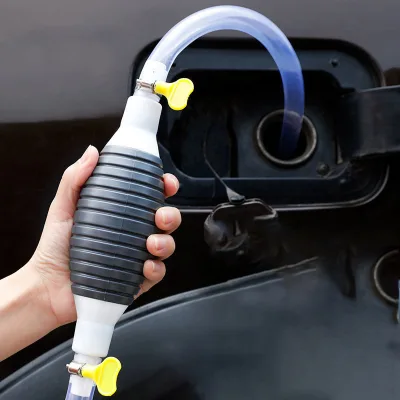
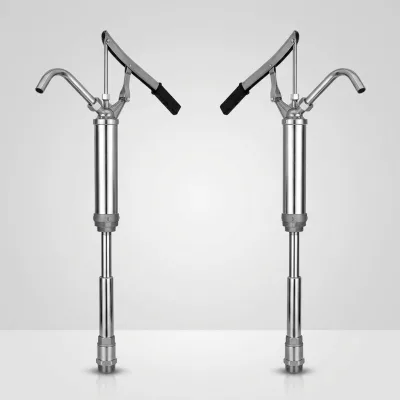
Rotary Fluid Transfer Pump Oil Barrel Hand Pump Petrol Diesel Pump (48150011B)
$6.50 - $7.50
MOQ: 1000 Pieces

Hand Fuel Transfer Pump with 8mm Primer Hose for Fluid Transfer (48140016A)
$1.00 - $1.50
MOQ: 3000 Pieces

Zhejiang Galaxy Machinery Manufacture Co., Ltd.
- Verified by BV
- Combined
- China Zhejiang
- Lead time30 days
- Avg. response≤ 5h
Main productsBall Valve, Valve, Def Pumps, Nozzle, Electric Pumps, Emergency Shut-off Valve, Globe Valve, Breakaway, Vane Pump, Butterfly Valve
Main marketsEurope,North America

Henan Wenjia Energy Technology Co., Ltd.
- Verified by SGS
- Combined
- China Henan
- Lead time15 days
- Avg. response≤ 5h
Main productsFuel Dispenser, Fuel Pump, Submersible Pump, Fuel Gear Pump, Gas Dispenser, LPG Dispenser, Automatic Car Cleaning Machine, Car Charging Pile, Gas Station Equipment, Petrol Pump
Main marketsSoutheast Asia/ Mideast

Shanghai Haoyang Pump Valve Manufacturing Co., Ltd.
- Verified by BV
- Combined
- China Shanghai
- Lead time15 days
- Avg. response≤ 3h
Main productsDiaphragm Pump, Air Powered Diaphragm Pump, Pneumatic Diaphragm Pump, Air Operated Double Diaphragm Pump, Diaphragm Dosing Pump, Stainless Steel Pump, Stainless Steel Diaphragm Pump, Electric Double Diaphragm Pump, Aluminum Alloy Pump, Air Diaphragm Pump
Main marketsSouth America,Africa,Southeast Asia/ Mideast,East Asia(Japan/ South Korea),Domestic,Europe,Australia,North America
Hebei Normas Hardware Tools Co., Ltd.
- Manufacturer, Trading Company
- Hebei, China
- Lead time7 days
- Avg. response≤ 5h
Main productsElectric Fueling Pump,Submersible Water Pump,Electric Barrel Pump,Manual Filling Pump,Explosion-Proof Pump
Main marketsNorth America(20.00%), Africa(20.00%), South Asia(15.00%), Southeast Asia(15.00%), Northern Europe(15.00%), Oceania(15.00%)

Wenling Shellmax Equipment Manufacturing Co., Ltd.
- Combined
- China Zhejiang
- Lead time15 days
- Avg. response≤ 23h
Main productsGarage Equipments, Welding Machine, Quartz Machinery, Feeding Machine, Spot Welder, Fuel Saver Kit, Electric Motor, Aerator, Auto Parts, OEM Products
Main marketsSouth America,Southeast Asia/ Mideast,North America
Ningbo Shiji Bosi Tools Co., Ltd.
- Manufacturer
- Zhejiang, China
- Lead time10 days
- Avg. response≤ 9h
Main productsHand Tools,Power Tools
Main marketsDomestic Market(80.00%), Southeast Asia(10.00%), Mid East(10.00%)

Taizhou Bozhou Machinery Co., Ltd.
- Verified by BV
- Combined
- China Zhejiang
- Lead time30 days
- Avg. response≤ 12h
Main productsPower Tiller, Brush Cutter, Tracked Lawn Mower, Chainsaws, Wood Chipper, Gasoline Water Pump, Gasoline Generator, Centrifugal Priming Pump, Gasoline Engine, Gasoline Lawn Mower
Main marketsDomestic

- Verified by SGS
- Trading Company
- China Zhejiang
- Lead time15 days
- Avg. response≤ 4h
Main productsWater Pump, Submersible Pump, Deep Well Pump, Land Pump, Solar Pump, Permanent Magnet Multi-Stage Centrifugal Pump, Pressure Switch, Plunger Pump, Car Washing, Sprayer
Main marketsSouth America,Southeast Asia/ Mideast,Domestic,Europe


Durable DC-12V-C Pump Lightweight Fuel Transfer Pump - Easy to Carry & Affordable
$10.49 - $11.20
MOQ: 100 Pieces

YONGKANG LONGMA SWITCH FACTORY
- Verified by SGS
- Trading Company
- China Zhejiang
- Lead time30 days
- Avg. response≤ 15h
Main productsPower Tool Switch
Main marketsSouth America,Southeast Asia/ Mideast,Domestic


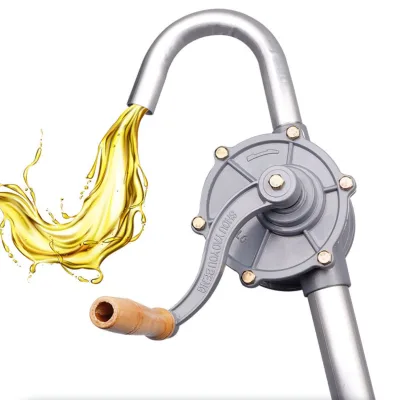
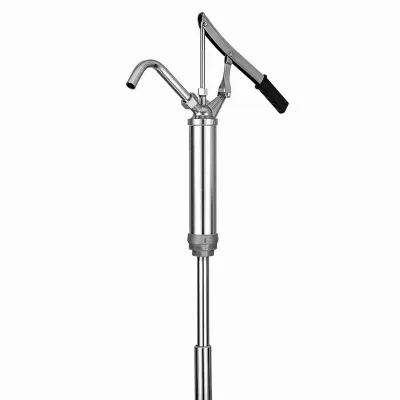


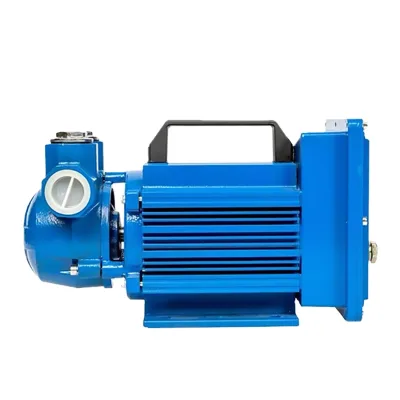
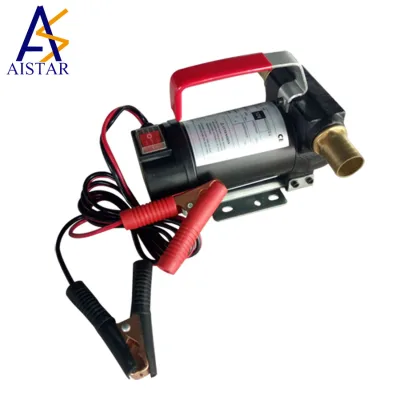








Comprehensive Sourcing Guide
Manual Transfer Fuel Diesel Pump Supplier Concentration and Factory Types
The current supplier landscape for manual transfer fuel diesel pumps reveals a distinct geographic concentration in China, with active manufacturing and trading entities located in Jiangsu, Shandong, and Zhejiang provinces. These regions serve as primary hubs for industrial components, offering buyers access to a diverse range of production capabilities. In Jiangsu, suppliers often operate as both trading companies and manufacturers, leveraging local industrial ecosystems to produce specialized equipment such as electronic fuel pumps and diesel transfer units. This dual operational model allows for flexibility in sourcing, where buyers can access both direct factory pricing and the logistical support of established trading firms. The presence of own-brand capabilities, such as DESEINOR, indicates that some Jiangsu-based entities have developed proprietary product lines, suggesting a higher level of technical integration and brand identity within the supply chain.
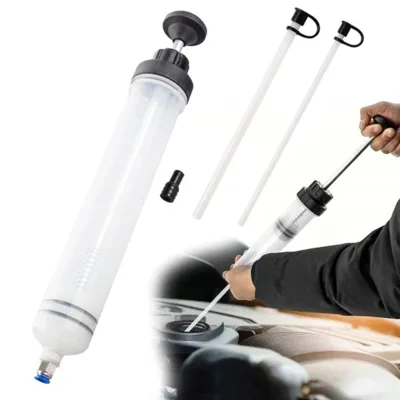
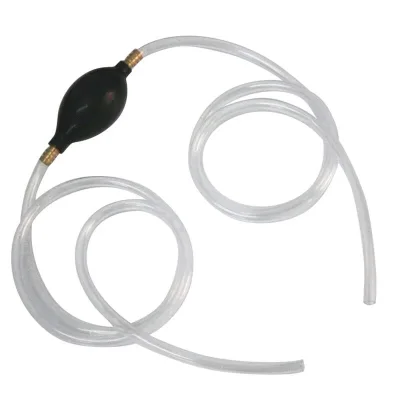
In contrast, suppliers in Shandong and Zhejiang demonstrate different specializations within the same product category. Shandong-based entities frequently focus on heavy-duty applications, offering diesel engine fuel transfer pumps and high-pressure injection systems that cater to construction machinery and heavy equipment sectors. These suppliers often emphasize OEM and ODM capacities, indicating a readiness to customize products for specific industrial requirements. Meanwhile, Zhejiang-based manufacturers specialize in smaller-scale, manual solutions, such as rubber and aluminum alloy hand pumps for automotive and marine use. These suppliers typically highlight their ability to provide customized support through OEM and ODM services, catering to buyers who require specific material compositions or branding. The variation in factory types across these regions allows buyers to select partners based on their specific volume needs, technical specifications, and desired level of customization, ensuring a tailored sourcing strategy.
How to Verify Manual Transfer Fuel Diesel Pump Suppliers
Verifying the credibility and operational capacity of suppliers requires a systematic approach that leverages available verification data and certification records. Buyers should prioritize suppliers who display third-party verification badges, such as SGS, which provide an additional layer of confidence regarding the company’s legitimacy and operational standards. In the current market, several suppliers have undergone such verification processes, signaling a commitment to transparency and quality assurance. Additionally, checking for relevant system certifications is crucial, as these documents validate the supplier’s adherence to international quality management standards. For instance, ISO 9000 and ISO 9001 certifications are commonly displayed by suppliers in this category, indicating that their manufacturing processes are monitored and controlled to meet specific quality benchmarks. These certifications are particularly important for buyers who require consistent product quality and reliable supply chain performance.
Beyond certifications, buyers should assess the supplier’s response time and lead time metrics to gauge their operational efficiency and customer service responsiveness. A supplier with a rapid response time, such as those averaging under seven hours, is likely more agile in addressing inquiries and resolving issues, which is critical for maintaining smooth procurement operations. Similarly, lead time data provides insight into the supplier’s production capacity and logistical capabilities. Suppliers with shorter lead times, such as those around fifteen to twenty-three days, may be better suited for buyers with urgent delivery requirements. However, buyers must also consider the complexity of the product; customized or heavy-duty items may naturally require longer production periods. By cross-referencing verification status, certifications, and operational metrics, buyers can build a comprehensive profile of each supplier, ensuring that their chosen partners meet both quality and logistical expectations.
What to Compare Across Manual Transfer Fuel Diesel Pump Suppliers
When evaluating multiple suppliers, buyers must compare key commercial and operational dimensions to identify the most suitable partner for their specific needs. One critical factor is the minimum order quantity (MOQ), which varies significantly across different product types and suppliers. For example, some electronic fuel pumps may have an MOQ of just one unit, catering to small-scale or trial orders, while manual hand pumps might require a minimum purchase of one hundred pieces. This variation allows buyers to align their procurement strategy with their inventory requirements and budget constraints. Additionally, price ranges offer valuable insights into the cost structure of different suppliers. Electronic diesel transfer pumps may be priced around fifty dollars per unit, whereas heavy-duty diesel engine fuel pumps can range from two hundred sixty to two thousand eight hundred dollars, reflecting differences in material quality, complexity, and application.
Another essential comparison point is the customization availability and product specifications. Suppliers that offer customization options, such as OEM and ODM services, provide greater flexibility for buyers seeking branded or specialized products. For instance, some suppliers allow customization of materials, colors, and dimensions, enabling buyers to tailor products to their specific operational environments. Furthermore, comparing the main products offered by each supplier helps buyers assess their expertise and focus. Suppliers specializing in fuel station parts and tanker components may be better suited for industrial clients, while those focusing on automotive hoses and manual pumps may cater to retail or light commercial markets. By systematically comparing MOQs, prices, customization options, and product specializations, buyers can make informed decisions that balance cost, quality, and operational fit.
Common Manual Transfer Fuel Diesel Pump Sourcing Risks
Sourcing manual transfer fuel diesel pumps involves several potential risks that buyers must proactively manage to ensure a successful procurement process. One significant risk is the variability in product quality and performance, particularly when dealing with suppliers who offer a wide range of products without clear specialization. For example, some suppliers may list both electronic fuel pumps and manual hand pumps, which could indicate a lack of focused expertise in either category. Buyers should be cautious of suppliers who do not provide detailed product specifications or test results, as this may lead to receiving products that do not meet their operational requirements. Additionally, the risk of miscommunication regarding customization requirements can result in products that do not align with the buyer’s branding or technical needs, leading to delays and additional costs.
Another common risk is the discrepancy between quoted lead times and actual delivery schedules. Suppliers may advertise short lead times to attract buyers, but production delays or logistical issues can extend these timelines significantly. Buyers should verify lead time claims by requesting recent order examples or checking supplier performance metrics. Furthermore, the risk of inadequate after-sales support is prevalent, especially when dealing with trading companies that may not have direct control over manufacturing processes. Buyers should ensure that suppliers offer clear warranty terms and responsive customer service, particularly for products like diesel transfer pumps that require regular maintenance. By identifying and mitigating these risks through thorough due diligence and clear contractual agreements, buyers can protect their interests and ensure a reliable supply chain.
Manual Transfer Fuel Diesel Pump Regional Sourcing and Logistics
The geographic location of suppliers plays a crucial role in determining logistics costs, delivery times, and overall supply chain efficiency. Suppliers located in Jiangsu, Shandong, and Zhejiang provinces offer distinct logistical advantages based on their proximity to major ports and industrial hubs. Jiangsu-based suppliers, for instance, benefit from access to Shanghai Port, facilitating efficient export operations for electronic fuel pumps and diesel transfer units. This location advantage can reduce transit times and shipping costs for buyers targeting international markets. Similarly, Shandong-based suppliers, with their focus on heavy-duty diesel engine components, may leverage regional industrial networks to streamline production and distribution, ensuring timely delivery for large-scale industrial orders.
Zhejiang-based suppliers, specializing in manual hand pumps and rubber hoses, often cater to smaller, high-volume orders that require flexible logistics solutions. Their location in a major manufacturing hub allows for rapid production cycles and competitive shipping rates, making them ideal for buyers with frequent, smaller-scale procurement needs. Buyers should consider the origin of the product when evaluating logistics options, as items shipped from different provinces may have varying packaging standards and handling requirements. For example, some suppliers use standard carton boxes for electronic pumps, while others opt for wooden boxes for heavier diesel engine components. Understanding these regional logistics nuances helps buyers optimize their supply chain, reducing costs and ensuring that products arrive in optimal condition.
Manual Transfer Fuel Diesel Pump Commercial Terms and Order Planning
Effective order planning requires a thorough understanding of the commercial terms offered by suppliers, including payment structures, warranty policies, and sample availability. Many suppliers in this category offer flexible payment terms and competitive pricing, but buyers must carefully review the fine print to avoid hidden costs. For instance, some suppliers provide free samples for manual hand pumps, allowing buyers to assess product quality before committing to larger orders. This practice is particularly useful for verifying material composition, such as rubber and aluminum alloy constructions, and ensuring that the product meets specific application requirements. Additionally, buyers should inquire about warranty periods, as some suppliers offer one-year warranties for their manual pumps, providing peace of mind and protection against defects.
Beyond samples and warranties, buyers should plan their orders based on the supplier’s production capacity and customization capabilities. Suppliers with OEM and ODM services can accommodate custom branding and specifications, but these requests may impact lead times and pricing. Buyers should communicate their customization needs clearly and early in the procurement process to ensure accurate quoting and scheduling. Furthermore, understanding the supplier’s main product focus helps buyers align their orders with the supplier’s expertise, reducing the risk of quality issues. By integrating commercial terms, sample assessments, and customization requirements into their order planning, buyers can streamline their procurement process, minimize risks, and secure reliable supply partnerships for manual transfer fuel diesel pumps.
FAQs
What is the price range for manual diesel transfer pumps?
Manual diesel transfer pumps are available at very low unit costs, typically starting around $0.92 per piece. This pricing applies to basic rubber and aluminum alloy hand pumps with a minimum order quantity of 100 pieces. For electronic or heavy-duty diesel fuel pumps, prices range significantly higher, from $260 to $2800 depending on the model and customization requirements.
What is the minimum order quantity for manual fuel pumps?
The minimum order quantity varies by product type. For manual rubber hand pumps, the MOQ is 100 pieces. However, for electronic diesel transfer pumps, the MOQ can be as low as 1 unit. Buyers should verify specific MOQ requirements with suppliers, as some manufacturers may require bulk orders for customized or specialized fuel pump models.
How long does it take to manufacture and ship these pumps?
Lead times for fuel pumps generally range from 15 to 30 days. Suppliers in Shandong report a lead time of 15 days, while those in Zhejiang typically require 30 days for production. Electronic pumps from Jiangsu suppliers may have a lead time of 23 days. Buyers should confirm exact timelines based on order volume and customization needs.
Are these pumps certified for industrial use?
Yes, many suppliers hold ISO 9000 and ISO 9001 certifications, ensuring quality management standards are met. Some manual pumps also carry specific ISO9001 certification for the product itself. Additionally, suppliers are verified by SGS, providing an extra layer of trust. Buyers should request certification documents to verify compliance with specific industry standards before placing large orders.
Can I customize the fuel pumps for my specific needs?
Customization is widely available for both manual and electronic fuel pumps. Suppliers offer OEM and ODM services, allowing for custom branding, colors, and specifications. Electronic pumps explicitly list customization as available, while manual pumps support custom outer diameters and materials. Buyers should discuss specific requirements with suppliers to ensure the final product meets their operational needs.
Where are these fuel pumps manufactured?
These pumps are primarily manufactured in China, with key production hubs in Jiangsu, Shandong, and Zhejiang provinces. Jiangsu suppliers specialize in electronic fuel pumps and dispensers. Shandong manufacturers focus on heavy-duty diesel engine fuel pumps. Zhejiang producers offer manual rubber and aluminum alloy hand pumps. Buyers can filter suppliers by location to prioritize regional logistics and shipping costs.
How quickly do suppliers respond to inquiries?
Supplier response times vary, with some responding within 3 hours and others taking up to 9.15 hours. Faster response times are often associated with manufacturers in Zhejiang, while Shandong suppliers may take longer. Buyers should prioritize suppliers with quicker response times for urgent orders or complex customization requests to ensure efficient communication throughout the sourcing process.