Real Time OBD2 GPS Tracker Suppliers and Manufacturers
Explore 29 verified suppliers offering Real Time OBD2 GPS Tracker solutions with varying lead times, certifications, and response speeds. Compare dimensions, network types, and warranty terms to select the right partner for your fleet needs; review the available evidence before requesting comparable quotations from suitable candidates.
Updated
Suppliers List

Guangzhou T-Mark Technology Co., Ltd
- Verified by BV
- Trading Company
- China Guangdong
- Lead time15 days
- Avg. response≤ 3h
Main productsGPS Tracker, Car Tracker, GPS Vehicle Locator, E-Bike Positioning Device, Anti-Theft GPS Tracker
Main marketsSouth America,Africa,Southeast Asia/ Mideast,Europe,Australia,North America


Cost Effective Real Time Positioning Wireless OBD Car Vehicle GPS Tracker
$21.50 - $25.00
MOQ: 2 Pieces

Shenzhen Qianfeng Communication Equipment Co., Limited
- Verified by BV
- Trading Company,Manufacturer/Factory
- China Guangdong
- Lead time0 days
- Avg. response≤ 7h
Main productsVehicle GPS Tracker, Fleet Management, Asset GPS Tracker, Pet GPS Tracker, GPS Tracker
Shenzhen Yituowulian System Co., Ltd.
- Verified by TüVRheinland
- Manufacturer, Trading Company
- Lead time0 days
- Avg. response≤ 2h
Main productsGPS Tracker, Fuel Sensor, GPS Speed Limiter
Main marketsSouth America(25%), Southeast Asia(20%), North America(13%)

- Trading Company,Manufacturer/Factory
- China Guangdong
- Lead time15 days
- Avg. response≤ 8h
Main productsGPS Tracker, GPS Tracking Device, Car GPS Tracker, Offender GPS Tracker, Vehicle GPS Tracker, Motorcycle GPS Tracker, GPS Tracking System
Main marketsSouth America,Eastern Europe,Mid East,North America,Southeast Asia,Eastern Asia,Western Europe,Africa

Real Time Location OBD 2 GPS Tracker Easy Install 4G OBD GPS Tracker Car
$62.00 - $69.00
MOQ: 1 Pieces

Guangzhou Auto-Sali Digital Technology Co., Ltd.
- Manufacturer
- Guangdong, China
- Lead time10 days
- Avg. response≤ 2h
Main productsGPS Tracker,Vehicle tracker,IOT Solution,Car and motorcycle accessories,Assets Tracking
Main marketsAfrica(40.00%), South America(23.00%), Southeast Asia(20.00%), North America(10.00%), Domestic Market(3.00%), Eastern Europe(3.00%), Western Europe(1.00%)
Shenzhen Istartek Technology Co., Ltd.
- Verified by SGS Group
- Manufacturer, Trading Company
- Lead time3 days
- Avg. response≤ 3h
Main productsGPS Tracker, Wireless Router, Dash Cam, Pet GPS Tracker, WiFi Router
Main marketsSouth America(30%), Southeast Asia(22%), Central America(10%)
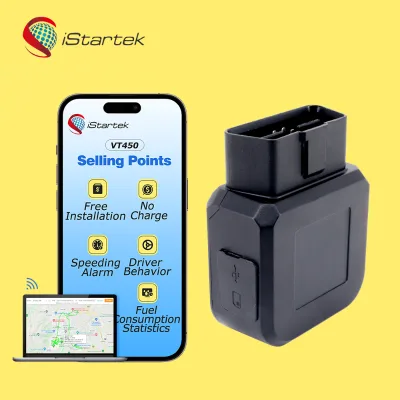
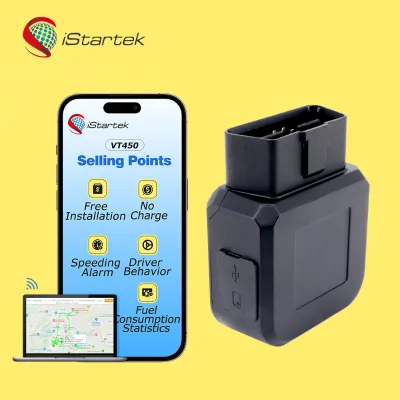
$12.3128 - $43.0933
MOQ: 1 pieces
Shenzhen Autopmall Trading Co., Ltd.
- Manufacturer, Trading Company, Distributor/Wholesaler
- Guangdong, China
- Lead time15 days
- Avg. response≤ 4h
Main productsPet GPS Tracker,Car DVR,GPS tracker,GPS Navigation,Car Dash Cam
Main marketsNorth America(32.00%), South America(14.00%), Oceania(12.00%), Western Europe(9.00%), Mid East(8.00%), Africa(7.00%), Eastern Europe(6.00%), Central America(5.00%), Northern Europe(4.00%), Southern Europe(3.00%)
Shenzhen Gogood Technology Co., Ltd.
- Manufacturer, Trading Company
- Guangdong, China
- Lead time5 days
- Avg. response≤ 3h
Main productsGPS tracker,pet gps tracker,GPS tracking,Locator,Camera
Main marketsCentral America(19.00%), North America(16.00%), Eastern Europe(15.50%), Southern Europe(10.00%), Northern Europe(10.00%), Western Europe(10.00%), Africa(5.00%), South America(5.00%), Southeast Asia(5.00%), South Asia(1.00%), Oceania(1.00%), Eastern Asia(1.00%), Mid East(1.00%), Domestic Market(0.50%)

Shenzhen Itrybrand Technology Co., Ltd.
- Trading Company
- Guangdong, China
- Lead time3 days
- Avg. response≤ 5h
Main productsGPS Tracker, GPS Tracking Device, GPS Tracking System, Fleet Management System
Main marketsSouth America(25.00%), Southern Europe(20.00%), Africa(15.00%), South Asia(10.00%), North America(10.00%), Oceania(5.00%), Eastern Europe(5.00%), Southeast Asia(5.00%), Western Europe(2.00%), Northern Europe(2.00%), Central America(1.00%)

Topten Electronics Technology Limited
- Verified by TUVRHEINLAND
- Trading Company
- China Guangdong
- Lead time0 days
- Avg. response≤ 6h
Main productsMini GPS Tracker, GPS Tracker, Magnetic Tracker, Car Alarm System, Personal Tracker, Motorcycle Tracker, Car Security, Vehicle Tracker, GPS GPRS Tracker, OBD Tracker


Mini Real Time GPS Vehicle Tracker/Tracking Device Vehicle/Vehicle GPS Tracker (EF)
$29.00 - $33.00
MOQ: 1 Pieces


4G LTE Obdii GPS Tracker Universal Use Real Time Tracking OBD with APP &Platform-Ef
$54.00 - $59.00
MOQ: 1 Pieces
SHENZHEN XUNTUO KESHENG ELECTRONICS TECHNOLOGY CO., LTD.
- Manufacturer, Trading Company
- Guangdong, China
- Lead time3 days
- Avg. response≤ 1h
Main productsGPS Speed Limiter, Car Speed Limiter, GPS Tracker, Satellite Positioning, Vehicle Video Surveillance
Main marketsDomestic Market(55.00%), Africa(19.50%), South America(7.00%), North America(5.00%), Central America(3.00%), Mid East(3.00%), Southeast Asia(2.00%), Southern Europe(1.00%), Northern Europe(1.00%), Oceania(1.00%), Eastern Europe(1.00%), Eastern Asia(1.00%), Western Europe(0.50%)
Shenzhen Feifan Brother Electronics Co., Ltd.
- Manufacturer, Distributor/Wholesaler
- Guangdong, China
- Lead time7 days
- Avg. response≤ 3h
Main productsGPS tracker,car GPS tracker,motorcycle GPS tracker,person GPS tracker,pet GPS tracker
Main marketsNorthern Europe(15.00%), Western Europe(15.00%), North America(15.00%), South America(10.00%), Mid East(10.00%), Africa(10.00%), Southeast Asia(10.00%), Southern Europe(5.00%), Eastern Europe(5.00%), Central America(5.00%)
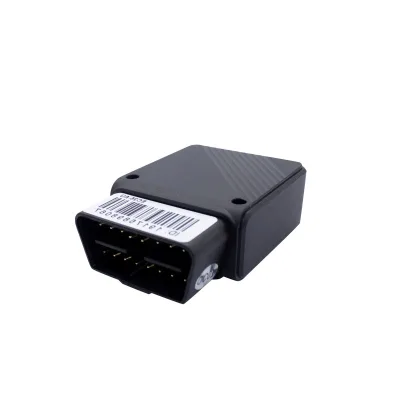
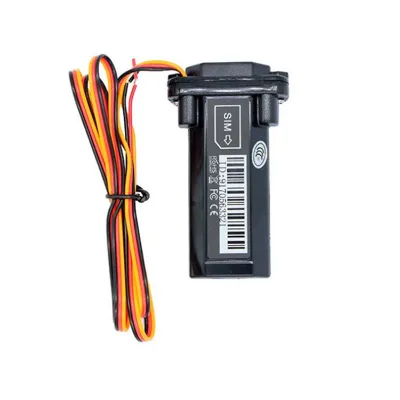
$18.90 - $22.50
MOQ: 2 pieces

Shenzhen Yituo Wulian System Co.,Ltd
- Verified by TUVRHEINLAND
- Trading Company
- China Guangdong
- Lead time15 days
- Avg. response≤ 4h
Main productsGPS Tracker, Vehicle GPS Tracker, Personal GPS Tracker, Truck GPS Tracker, Motorbike GPS Tracker, Car GPS Tracker, Car Tracking Device, Automobile GPS Tracker, Motorcycle GPS Tracker, GPS Tracking
Main marketsEurope

Ca02 Mini Vehicle GPS Tracker with IP67 Waterproof Design Real Time Tracking
$10.00 - $12.00
MOQ: 2 Sets


Shanghai Yongjia International Trading Co., Ltd.
- Trading Company
- China Shanghai
- Lead time30 days
- Avg. response≤ 12h
Main productsExhibition Booth, Light Box, Glasses, Trade Show Stands, Tent, Pop up Stands
Main marketsSouth America,Africa,Southeast Asia/ Mideast,East Asia(Japan/ South Korea),Domestic,Europe,Australia,North America

GPS Tracking Device Real Time Car Motorcycle Vehicle Remote Control GPS Tracker
$8.00 - $8.50
MOQ: 10 Pieces


Shenzhen ETSafe Technology Co., Limited
- Manufacturer, Trading Company, Buying Office
- Guangdong, China
- Lead time3 days
- Avg. response≤ 2h
Main productsGPS Tracker,Car battery Charger,GPS Tracking Chip,Mini GPS Tracker,GPS Tracker kid
Main marketsEastern Europe(19.86%), Western Europe(16.90%), North America(11.68%), Northern Europe(9.60%), Africa(8.64%), Southern Europe(7.90%), Oceania(6.14%), Eastern Asia(5.00%), Southeast Asia(3.32%), Central America(3.20%), South America(2.36%), South Asia(2.20%), Mid East(1.80%), Domestic Market(1.40%)
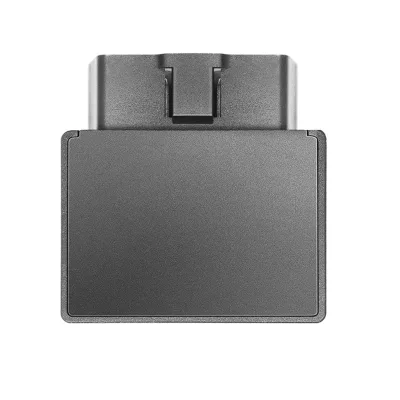
4G OBD GPS Tracker Vehicle Tracking Device Obd2 Car Tracker Engine Lock for Car Obd Port
$17.5998 - $23.293
MOQ: 5 units
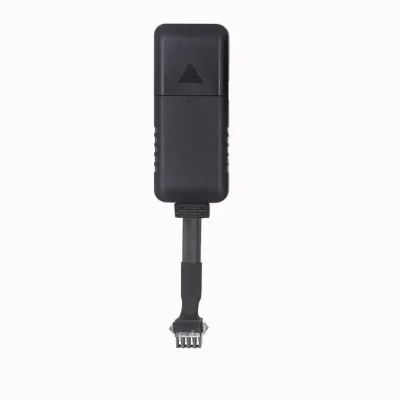
$5.6947 - $8.2715
MOQ: 20 units
Shenzhen Qunlang Electronic Limited
- Manufacturer, Trading Company, Distributor/Wholesaler
- Lead time旺季: "1 - 500":8,"> 500":"To be negotiated", 淡季: "1 - 500":8,"> 500":"To be negotiated"
- Avg. response≤ 7h
Main productsGPS tracker,Wifi camera,Key finder,RF detector

Shandong Kaer Electric Co., Ltd.
- Verified by SGS
- Combined
- China Shandong
- Lead time45 days
- Avg. response≤ 2h
Main productsFixed Wireless Phone, 5g CPE, Android Video Phone, 4G CPE, Payphone
Main marketsSouth America,Southeast Asia/ Mideast,Europe,North America
Shenzhen Yanyi Technology Co., Ltd.
- Manufacturer, Trading Company
- Guangdong, China
- Lead time0 days
- Avg. response≤ 2h
Main productsCar Electronics, GPS Tracker
Main marketsAfrica(45.00%), South America(15.00%), Oceania(10.00%), Mid East(10.00%), Southeast Asia(10.00%), South Asia(5.00%), Central America(5.00%)
Beijing Zhongshun Chexiao Technology Co., Ltd.
- Verified by Intertek
- Trading Company
- Lead time3 days
- Avg. response≤ 20h
Main productsVehicle Gps Tracker, Car Real Time Tracking Device, Car Gps Tracking, Gps Locator
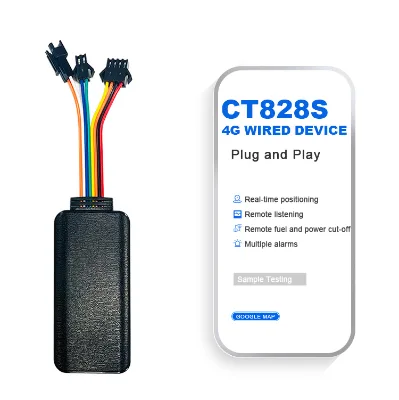
$18.88 - $37.62
MOQ: 2 pieces
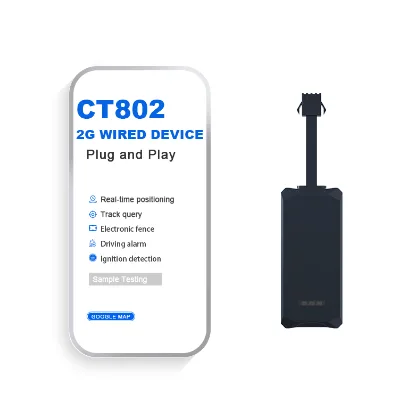
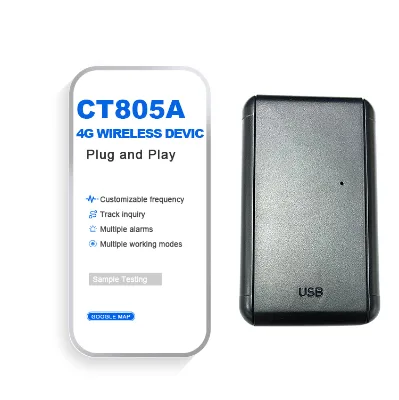
$10.1647 - $14.3754
MOQ: 2 pieces
Hunan Dongmeige Electronic Technology Co.,Ltd
- Trading Company
- hunan, China
- Lead time10 days
- Avg. response≤ 4h
Main productssmart car gps,smart tablet pc,smart watchs,car locator,smart phone
Main marketsSouth America(15.00%), North America(15.00%), Western Europe(10.00%), Northern Europe(10.00%), Mid East(10.00%), Africa(10.00%), Central America(10.00%), Eastern Europe(10.00%), Eastern Asia(5.00%), Southeast Asia(5.00%)
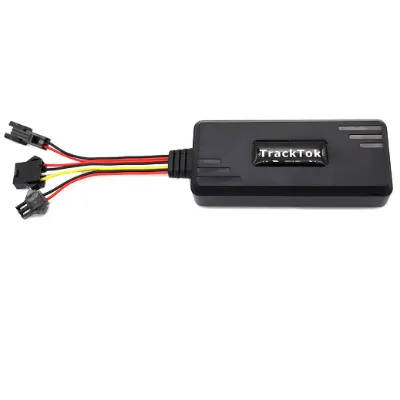
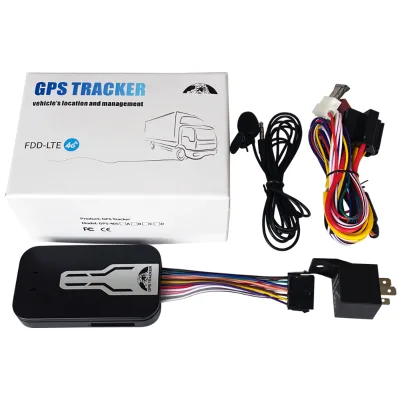
Global Gps tracker 2G Mini Gps tracker Track Vehicle in Real Time CY06
$10.1242 - $12.1914
MOQ: 10 pieces
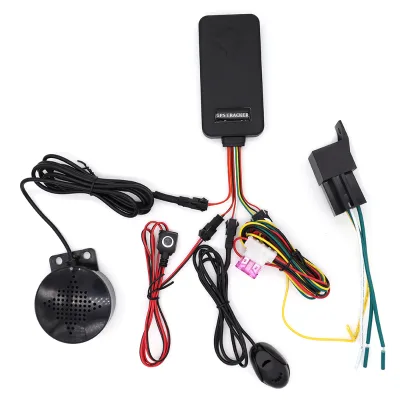
Shenzhen Xiongju Technology Co., Ltd.
- Manufacturer, Trading Company, Other
- Guangdong, China
- Lead time7 days
- Avg. response≤ 4h
Main products4G GPS tracker,2G GPS tracker,OBD tracker,high-precision positioning devices,monitoring cloud services
Main marketsDomestic Market(80.00%), South Asia(3.50%), Oceania(2.50%), Africa(2.50%), Southeast Asia(2.50%), Eastern Asia(2.50%), South America(1.50%), Mid East(1.50%), Eastern Europe(1.00%), North America(0.50%), Western Europe(0.50%), Southern Europe(0.50%), Northern Europe(0.50%), Central America(0.50%)
Shenzhen Bayao Technology Co., Ltd.
- Verified by TüVRheinland
- Manufacturer, Trading Company
- Lead time35 days
- Avg. response≤ 4h
Main productsGPS Trackers, Dashcam, MDVR, Tachograph
Main marketsSoutheast Asia(30%), Mid East(25%), Africa(10%)
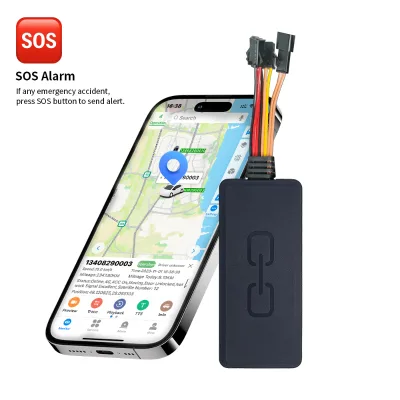
$15.00 - $17.00
MOQ: 1 pieces
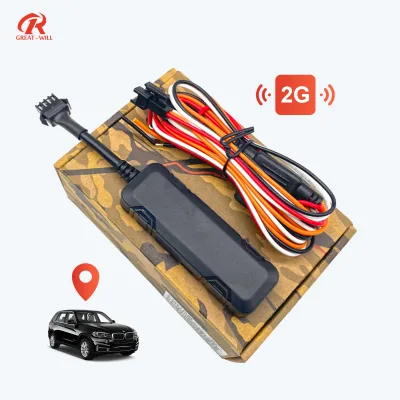
Huizhou Great-Will Industrial Co., Ltd.
- Trading Company
- Guangdong, China
- Lead time10 days
- Avg. response≤ 3h
Main productsCar GPS Tracker,Dash Cam,Pet GPS,Hard Wried GPS Device,Wireless GPS Tracker
Main marketsAfrica(45.00%), South Asia(12.00%), Southeast Asia(12.00%), Eastern Europe(5.00%), Southern Europe(5.00%), Eastern Asia(4.00%), Western Europe(3.00%), North America(3.00%), Central America(3.00%), Oceania(2.00%), South America(2.00%), Northern Europe(2.00%), Mid East(2.00%)

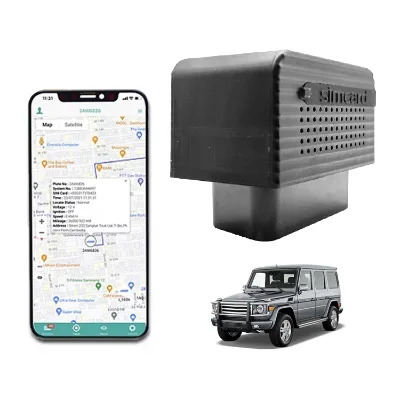
$21.4732 - $27.6086
MOQ: 1 pieces
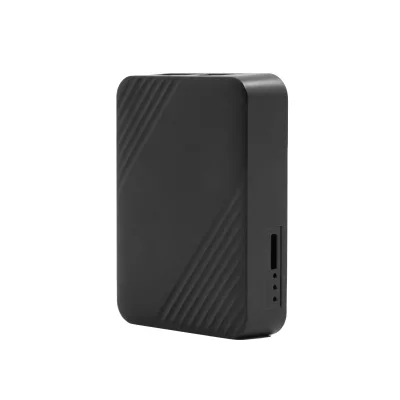
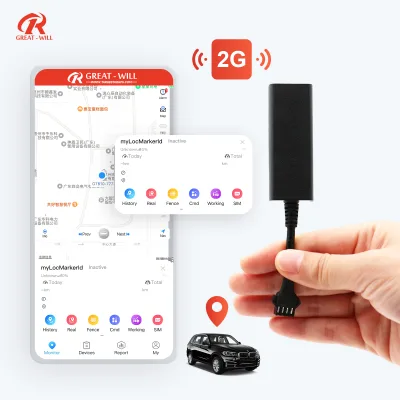
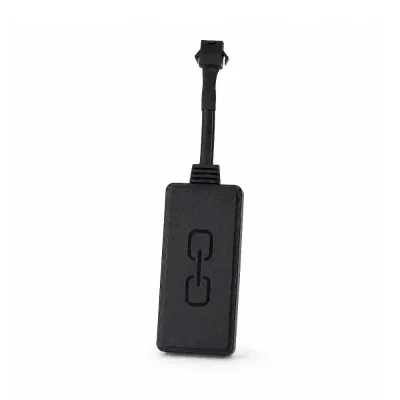
$11.4194 - $17.6477
MOQ: 1 pieces
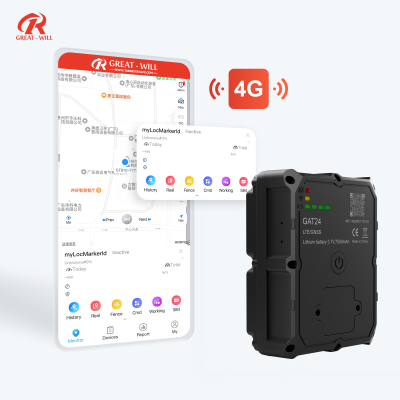
$30.7805 - $36.9369
MOQ: 1 pieces

Eston Information Technology Co., Ltd.
- Verified by SGS
- Trading Company
- China Fujian
- Lead time30 days
- Avg. response≤ 3h
Main productsBus Card Reader, Interlligent in Car Devics, Mobile DVR, Bus Validator, GPS Tracker, Gate, Turnstile, Car DVR, Bus DVR, Bus Electronic Display Screen
Main marketsAfrica

Xuzhou Dragon Guard Industrial Co., Ltd.
- Verified by SGS
- Combined
- China Jiangsu
- Lead time15 days
- Avg. response≤ 7h
Main productssecurity products and solutions
Main marketsAfrica,Southeast Asia/ Mideast,Domestic,Europe,North America

Guangzhou yunma pet-tech Co., Ltd
- Verified by BV
- Trading Company
- China Guangdong
- Lead time30 days
- Avg. response≤ 7h
Main productsGPS Tracker, Water Fountain, Smart Pet Feeder, Pet Toy
Main marketsDomestic

Ningbo Autocare Car Accessory Co., Ltd.
- Trading Company
- China Zhejiang
- Lead time30 days
- Avg. response≤ 19h
Main productsAuto Accessories, Car Accessories, Car Steering Wheel Cover, Steering Wheel Cover, Seat Cushion, Sun Shade
Main marketsSouth America,Africa,Southeast Asia/ Mideast,East Asia(Japan/ South Korea),Europe,Australia,North America

Shenzhen ANB Technology Co., Ltd.
- Manufacturer, Trading Company
- Guangdong, China
- Lead time0 days
- Avg. response≤ 2h
Main productsGPS Vehicle/Truck Tracker,GPS Container/Asset Tracker,GPS Motorcycle Tracker,GPS Boat Tracker,Tracking Software Platform Development
Main marketsNorth America(20.00%), South America(15.00%), South Asia(10.00%), Southeast Asia(10.00%), Domestic Market(10.00%), Western Europe(6.00%), Eastern Asia(6.00%), Africa(5.00%), Central America(5.00%), Northern Europe(4.00%), Southern Europe(4.00%), Mid East(2.00%), Eastern Europe(2.00%), Oceania(1.00%)
Shenzhen Le-Cj Technology Co., Limited
- Verified by SGS Group
- Trading Company
- Lead time3 days
- Avg. response≤ 2h
Main productsUniversal Key, Locksmith Tools, Key Cutting Machine, Transponder Chip, Diagnostic And Programmer






Comprehensive Sourcing Guide
Real Time OBD2 GPS Tracker Supplier Concentration and Factory Types
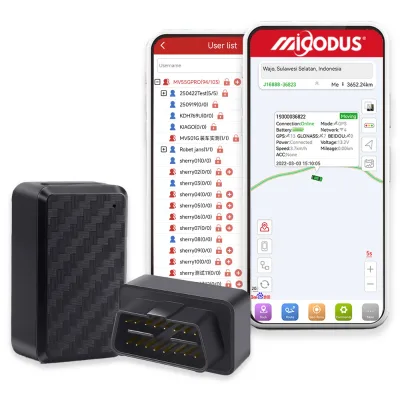
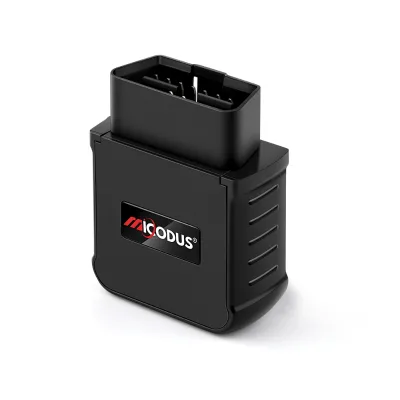
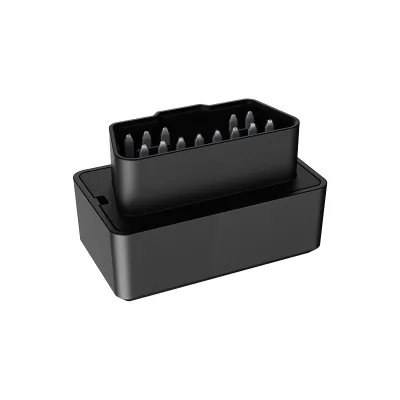
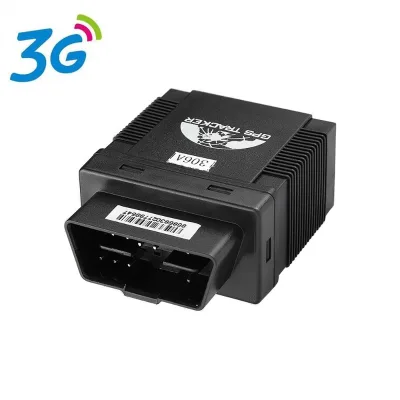
The current supplier landscape for Real Time OBD2 GPS Tracker products is heavily concentrated in China, with specific manufacturing hubs identified in Guangdong province. Data indicates that suppliers are located in key cities such as Guangzhou and Shenzhen, which are well-established centers for consumer electronics and automotive accessories. This geographic clustering suggests a mature supply chain ecosystem where components like GSM chips, GPS modules, and OBD connectors are readily available. Buyers should recognize that this concentration facilitates faster prototyping and lower logistics costs for finished goods, as raw materials and assembly services are often co-located within the same provincial region. The presence of these specific locations allows for more accurate estimation of shipping times and potential for factory audits, as the density of related industries reduces the logistical friction typically associated with sourcing from more remote industrial zones.
Regarding company structures, the market offers a mix of trading companies and manufacturers, with some entities operating as hybrid entities that combine both roles. Some suppliers are explicitly identified as trading companies, while others claim to be manufacturers or factories, and a few list themselves as both. This distinction is critical for buyers because it directly impacts pricing flexibility, communication efficiency, and control over production quality. Trading companies may offer a broader range of product variations and easier communication for small orders, whereas manufacturers might provide better customization capabilities and lower unit costs for larger volumes. The presence of both types in the same geographic cluster means buyers must carefully verify the actual operational nature of the supplier to ensure they are getting the intended value proposition, whether that is the breadth of a trader or the production control of a factory.
How to Verify Real Time OBD2 GPS Tracker Suppliers
Verification is a crucial step in mitigating risk when sourcing Real Time OBD2 GPS Tracker devices, as the market includes various levels of supplier credibility. Buyers should prioritize suppliers who have undergone third-party verification processes, such as BV (Bureau Veritas) or TüV Rheinland certifications. These verifications provide an external layer of assurance regarding the supplier’s business legitimacy and operational capabilities. For instance, some suppliers in the current results are verified by BV, while others hold TüV Rheinland credentials. These marks indicate that an independent agency has inspected the supplier’s facilities or business practices, offering a higher degree of confidence than self-declared claims. Buyers should look for these specific verification badges on supplier profiles and request copies of the verification reports to understand the scope of the audit, ensuring that the verification covers the specific product lines they intend to purchase.
Beyond third-party verification, buyers should assess the supplier’s responsiveness and technical support capabilities as indicators of reliability. Response time metrics provide insight into how quickly a supplier can address inquiries, which is vital for resolving technical questions about GPS tracking protocols, app compatibility, or network requirements. In the current data, response times vary, with some suppliers showing a response time of 2.68 hours and others around 6.19 hours, while one supplier indicates a response time of 2 hours. Faster response times often correlate with better customer service and more agile problem-solving during the sourcing process. Additionally, buyers should verify the supplier’s ability to provide technical documentation, such as user manuals, API documentation for fleet management platforms, and certification reports for CE, FCC, and RoHS compliance. These documents are essential for ensuring that the devices meet regulatory standards in the buyer’s target market and can be integrated seamlessly into existing tracking systems.
What to Compare Across Real Time OBD2 GPS Tracker Suppliers
When evaluating multiple suppliers for Real Time OBD2 GPS Tracker devices, buyers must compare key operational metrics such as lead times, minimum order quantities (MOQs), and pricing structures. Lead times indicate how quickly a supplier can fulfill an order, which is critical for inventory management and meeting customer demand. Current data shows lead times ranging from 0 days to 15 days, with some suppliers offering immediate availability while others require a two-week production window. Buyers should align these lead times with their sales forecasts to avoid stockouts or excess inventory. Similarly, MOQs vary significantly, with some suppliers requiring a minimum of 2 units, which is ideal for testing or small-scale deployments, while others may have higher thresholds. Understanding these MOQs helps buyers determine the feasibility of starting with a trial order versus committing to a larger bulk purchase.
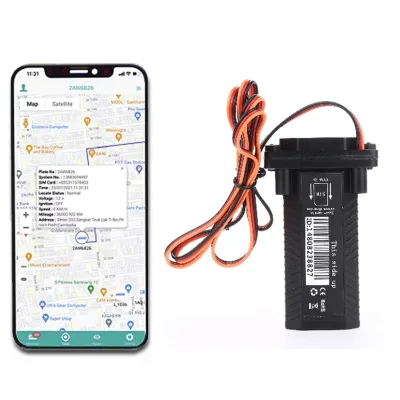
Pricing and product specifications are also essential comparison points. Prices for real time obd2 gps trackers in the current results range from approximately $9.50 to $25.00 per unit, depending on the model and features. For example, basic 2G models may be priced lower, while 4G models with advanced features like vehicle diagnosis or longer battery life command higher prices. Buyers should compare the price against the included features, such as network type (2G vs. 4G), GSM chipsets (e.g., Mt2503 vs. Simcom-A7670SA), and warranty terms. Additionally, customization options should be evaluated, as some suppliers offer available customization for branding or specific functional requirements. By systematically comparing these factors, buyers can identify the best value proposition that balances cost, quality, and service levels for their specific business needs.
Common Real Time OBD2 GPS Tracker Sourcing Risks
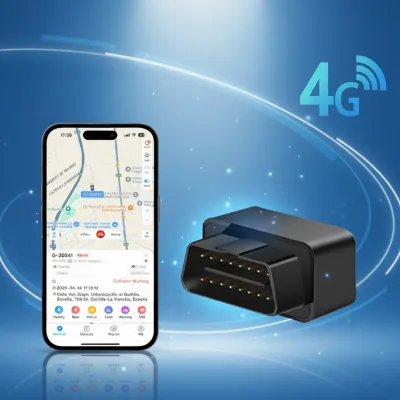
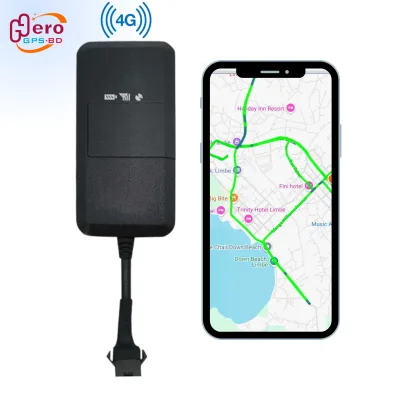
One significant risk in sourcing real time obd2 gps trackers is the variability in network compatibility and device functionality. Devices may support different network technologies, such as 2G, 4G, or a combination of both, which can impact reliability in regions with outdated or limited cellular infrastructure. For instance, some products are specified for 2G networks only, while others support 4G LTE, offering faster data transmission and better coverage. Buyers must ensure that the selected device is compatible with the cellular networks in their target market to avoid connectivity issues. Additionally, the GSM chipset used in the device can affect performance and stability. Variations in chipsets, such as Mt2503 or Simcom-A7670SA, may have different power consumption profiles and signal reception capabilities, which can influence the device’s battery life and tracking accuracy.
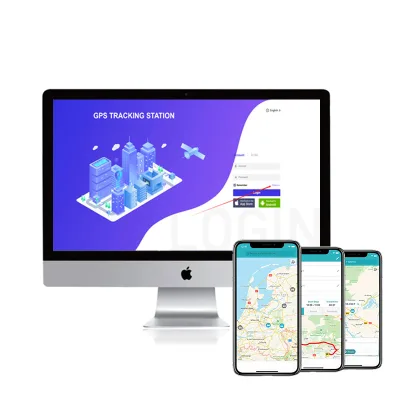
Another risk involves the quality of the tracking platform and app integration. Real time obd2 gps trackers rely on software platforms for data visualization and management, and the quality of these platforms can vary widely among suppliers. Some devices support iOS and Android apps, while others may require specific third-party platforms or PC-based software. Buyers should verify the stability, user interface, and feature set of the accompanying app or platform before committing to a supplier. Poorly designed platforms can lead to user dissatisfaction and increased support costs. Furthermore, data storage and security are critical concerns, as some devices offer cloud storage while others may have limited local storage. Buyers should ensure that the data handling practices of the supplier and their platform comply with relevant privacy regulations and protect sensitive vehicle location data from unauthorized access.
Real Time OBD2 GPS Tracker Regional Sourcing and Logistics
Sourcing real time obd2 gps trackers from China, particularly from Guangdong province, offers logistical advantages due to the region’s advanced manufacturing infrastructure and export capabilities. The concentration of suppliers in cities like Guangzhou and Shenzhen facilitates efficient production and shipping processes. Buyers should consider the proximity of the supplier to major ports, as this can reduce inland transportation costs and lead times. For example, suppliers in Shenzhen benefit from access to the Port of Shenzhen, while those in Guangzhou may utilize the Port of Guangzhou. Understanding the specific location of the supplier helps in estimating the total logistics cost and time from factory to destination. Additionally, the availability of local logistics partners and freight forwarders in these hubs can simplify the shipping process, offering buyers multiple options for air, sea, or express courier services.
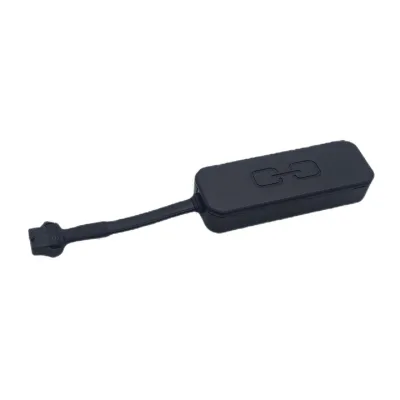
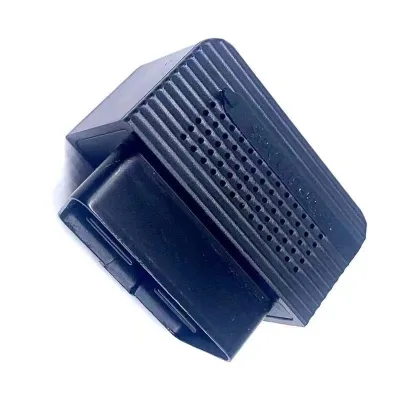
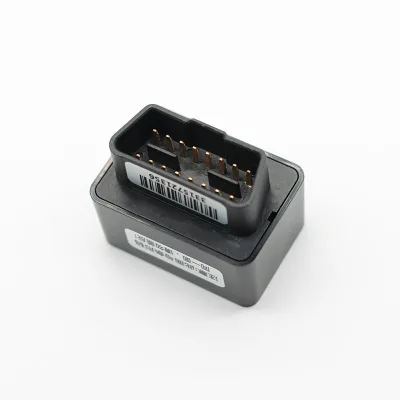
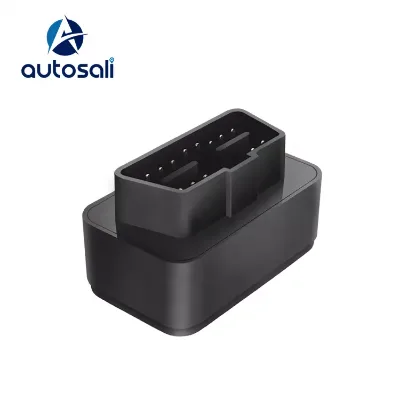
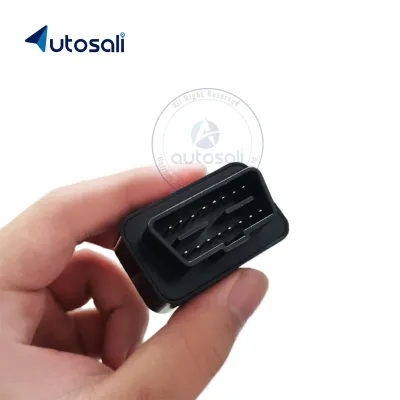
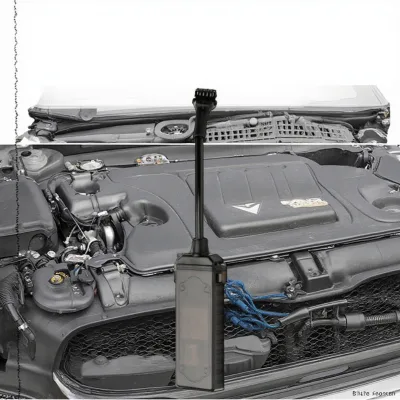
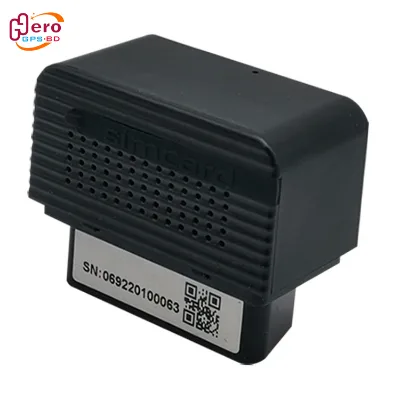
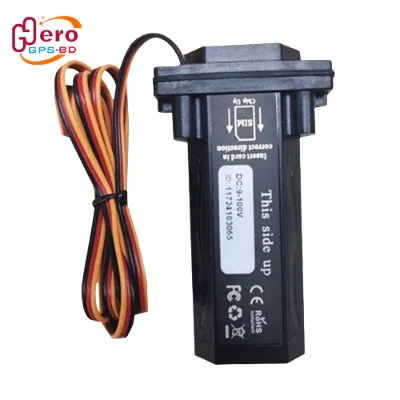
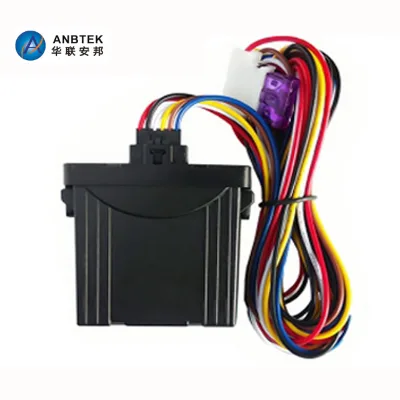
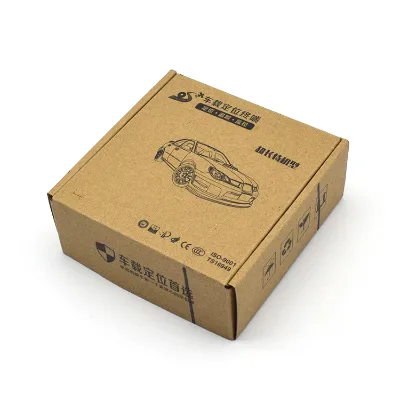
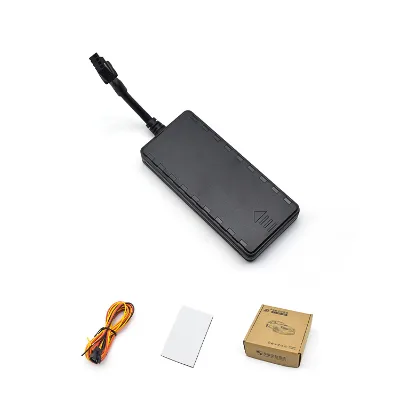
Logistics planning should also account for the packaging and dimensions of the Real Time OBD2 GPS Tracker devices. Product specifications indicate varying sizes, such as L46mmW25mmH32mm for some models and L49mmW38.6mmH33.4mm for others, which affects how many units can be packed per carton. Efficient packaging design can maximize container space and reduce shipping costs per unit. Buyers should request packaging details from suppliers to calculate the volume and weight of their orders accurately. Furthermore, the choice of packaging material can impact the protection of the devices during transit, especially for electronic components that are sensitive to shock and moisture. Ensuring that the supplier uses appropriate packaging standards, such as carton boxes with adequate cushioning, helps minimize the risk of damage during shipping and reduces the likelihood of returns or claims.
Real Time OBD2 GPS Tracker Commercial Terms and Order Planning
Commercial terms for Real Time OBD2 GPS Tracker orders often include specific warranty and after-sales support conditions that buyers must carefully review. Most suppliers in the current results offer a one-year warranty, which is a standard industry practice for electronic tracking devices. However, the scope of this warranty can vary, covering defects in materials and workmanship but potentially excluding damage due to misuse or unauthorized modifications. Buyers should clarify the warranty process, including how to initiate a claim, who bears the cost of return shipping, and whether replacement units are provided or repaired. Additionally, some suppliers offer customization services, which may involve additional costs and longer lead times. Understanding the commercial terms related to customization, such as minimum quantities for branded packaging or specific feature modifications, helps buyers plan their orders and budget accordingly.
Order planning should also consider the payment terms and financial security measures provided by the supplier. While specific payment terms are not detailed in the current data, buyers should negotiate terms that align with their cash flow needs, such as partial upfront payments and balance upon shipment. Utilizing secure payment methods, such as escrow services, can protect buyers from fraud and ensure that funds are released only upon satisfactory delivery of the goods. Furthermore, buyers should establish clear communication channels for order tracking and issue resolution. Given the varying response times among suppliers, setting expectations for regular updates on production status and shipping notifications is essential. By defining these commercial terms and planning for potential contingencies, buyers can mitigate financial risks and ensure a smooth procurement process for their Real Time OBD2 GPS Tracker orders.
FAQs
What is the price range for real time OBD2 GPS trackers?
Prices for real time OBD2 GPS trackers typically range from $9.50 to $25.00 per unit. The cost varies based on network capabilities, with 2G models starting around $9.50 and 4G options reaching up to $25.00. Buyers should check specific product listings for exact pricing tiers and bulk discounts.
What certifications do these GPS trackers usually have?
Most real time OBD2 GPS trackers carry CE, FCC, and RoHS certifications. These standards ensure compliance with international safety and environmental regulations for electronic devices. Buyers should verify specific certification documents for each model to confirm they meet local regulatory requirements before placing large orders.
What is the typical lead time for these orders?
Lead times for real time OBD2 GPS trackers generally range from 0 to 15 days. Some suppliers offer immediate availability, while others require up to two weeks for production and shipping preparation. Buyers should confirm the exact lead time with the supplier before finalizing payment terms.
What is the minimum order quantity for these devices?
The minimum order quantity for real time OBD2 GPS trackers is often as low as 2 units. This low MOQ allows buyers to test product quality and functionality before committing to larger volumes. Suppliers may offer better pricing for bulk purchases exceeding the initial minimum threshold.
Where are these GPS trackers typically manufactured?
These devices are primarily manufactured in China, specifically in Guangdong province cities like Guangzhou and Shenzhen. This region is a major hub for electronics manufacturing, offering efficient supply chains and competitive production costs. Buyers should verify the specific origin listed for each product to ensure quality standards.
What warranty is provided for these GPS trackers?
A standard 1-year warranty is typically provided for real time OBD2 GPS trackers. This coverage usually includes defects in materials and workmanship under normal use. Buyers should review the specific warranty terms offered by each supplier to understand the scope of support and return policies.