Quick Connect Car Tire Inflator Suppliers and Manufacturers
Explore 31 verified suppliers offering Quick Connect Car Tire Inflator units with varying lead times, certifications, and response speeds. Compare specifications like pressure ratings and customization options to source the right equipment for your needs today; review the available evidence before requesting comparable quotations from suitable candidates.
Updated
Suppliers List

Guangzhou Xiang Wei Automotive Equipment Co., Ltd.
- Verified by SGS
- Combined
- China Guangdong
- Lead time60 days
- Avg. response≤ 3h
Main productsTire Bead Seater, Tire Demounting Mounting Tool, Tire Inflator, Tire Service
Main marketsEast Asia(Japan/ South Korea),Europe
Dongguan SUNGPO Industry Co., Ltd.
- Manufacturer
- Guangdong, China
- Lead time5 days
- Avg. response≤ 5h
Main productsMotorcycle Tail Box,Air Pump,Motorcycle Helmet Earphones,Turbojet Fan,Air Backpack
Main marketsWestern Europe(40.00%), North America(30.00%), Southeast Asia(15.00%), South America(10.00%), Africa(5.00%)

Guangzhou Huawei Automobile Electronic Testing Equipment Co., Ltd.
- Verified by CTI
- Combined
- China Guangdong
- Lead time23 days
- Avg. response≤ 3h
Main productsRefrigerant Recovery, Tyre Nitrogen Machine, Ozone Disinfection
Main marketsSoutheast Asia/ Mideast,Europe,North America

Car Tyre Inflator Fully Automatic Operation Tyre Inflator for Car Tire Inflator
$150.00 - $169.00
MOQ: 1 Pieces


Tire Inflator Pump Air Compressor Inflator Fully Automatic Operation Tyre Inflator for Car
$150.00 - $169.00
MOQ: 1 Pieces

$150.00 - $169.00
MOQ: 1 Pieces

Best Tire Inflator Pump Air Compressor Inflator Fully Automatic Operation Tyre Inflator for Car
$150.00 - $169.00
MOQ: 1 Pieces


Ningbo XHnotion Pneumatic Technology Co., Ltd.
- Verified by BV
- Trading Company,Manufacturer/Factory
- China Zhejiang
- Lead time45 days
- Avg. response≤ 3h
Main productsPneumatic Fittings, Air Hoses, Pneumatic Quick Coupling, Solenoid Control Valve, Air Cylinder, Pneumatic Silencer, Pneumatic Directional Valve, Modular Hose, Air Tool Kits, Air Source Treatment Unit
Main marketsSouth America,Eastern Europe,Mid East,North America,Southeast Asia,Eastern Asia,Oceania,Western Europe,Africa

- Verified by SGS
- Trading Company,Manufacturer/Factory
- China Jiangsu
- Lead time45 days
- Avg. response≤ 8h
Main productsTrowel, Pliers, Tool Set, Socket Set, Adjustable Wrench, Knife, Hand Saw, Safety Googles, Hammer, Shear
Main marketsSouth America,Eastern Europe,North America,Western Europe,Africa
Hangzhou Dacheng Industrial Co., Ltd.
- Verified by TUVRHEINLAND
- Combined
- China Zhejiang
- Lead time15 days
- Avg. response≤ 7h
Main productsPVC Card
Main marketsDomestic

Qingdao Augu Automation Equipment Co., Ltd.
- Trading Company,Manufacturer/Factory
- China Shandong
- Lead time60 days
- Avg. response≤ 3h
Main productsRubber Tire Production Machinery, Rubber Cutting Machinery, Motorcycle Tire Production Machinery, Bias Tire Production Machinery, Inner Tube Accessories Packaging Equipment, Vulcanizing Press, Tire Inflator, Tire Shaping Machine, Tire Packaging Machine, Tire Building Machine
Main marketsSouth America,Eastern Europe,Mid East,North America,Southeast Asia,Eastern Asia,Oceania,Western Europe,Africa

Markevina Technology (Shenzhen) Co., Ltd.
- Verified by BV
- Trading Company,Manufacturer/Factory
- China Guangdong
- Lead time30 days
- Avg. response≤ 2h
Main productsSmall Home Appliances, Electricity and Power Equipment Manufacturing, Machinery and Production Line
Main marketsSouth America,Eastern Europe,Mid East,North America,Southeast Asia,Eastern Asia,Oceania,Western Europe,Africa


Car Air Compressor, Tire Inflator, Portable Air Pump, Car Pressure Pump
$10.00 - $100.00
MOQ: 100 Pieces


Anhui Huafeng Import & Export Co., Ltd.
- Verified by SGS
- Trading Company,Manufacturer/Factory
- China Anhui
- Lead time60 days
- Avg. response≤ 3h
Main productsHydraulic Jack, Floor Jack, Bottle Jack, Trolley Jack, Hydraulic Bottle Jack, Hydraulic Floor Jack, Scissor Jack, Hydraulic Trolley Jack, Screw Jack, Jack Stand
Main marketsSouth America,Eastern Europe,Mid East,North America,Southeast Asia,Eastern Asia,Oceania,Western Europe,Africa

- Verified by TUVRHEINLAND
- Trading Company,Manufacturer/Factory
- China Guangdong
- Lead time45 days
- Avg. response≤ 11h
Main productsElectric Wheelchair, Manual Wheelchair, Sports Wheelchair, Hospital Bed, Crtuches, Walking Aids, Shower Chair, Trailer Mobility Scooter, Commode Wheelchair, Stretcher
Main marketsSouth America,Eastern Europe,Mid East,North America,Oceania,Western Europe,Africa
Shaanxi Dat Industrial Products Co., Ltd.
- Trading Company
- Shaanxi, China
- Lead time15 days
- Avg. response≤ 3h
Main productsTire repair machine,Tire inflation tools,Car repair equipment,Heavy duty vihicle repair tools,Tire repair tools
Main marketsAfrica(10.00%), Southeast Asia(5.00%), North America(5.00%), South America(5.00%), Eastern Europe(3.00%), Mid East(2.00%)
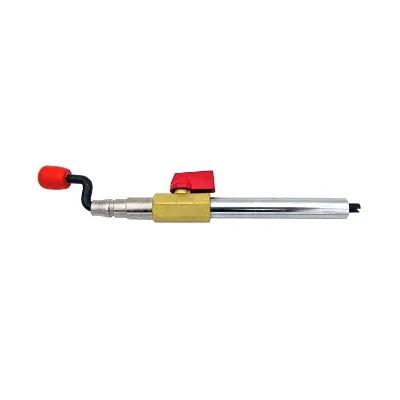
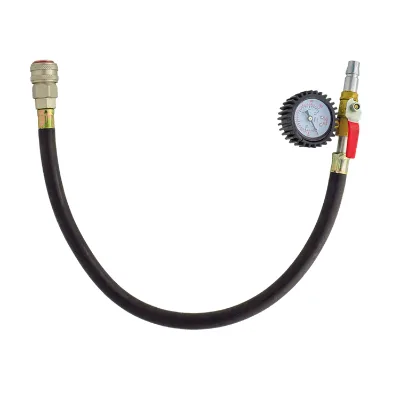
$6.1819 - $7.2132
MOQ: 10 sets
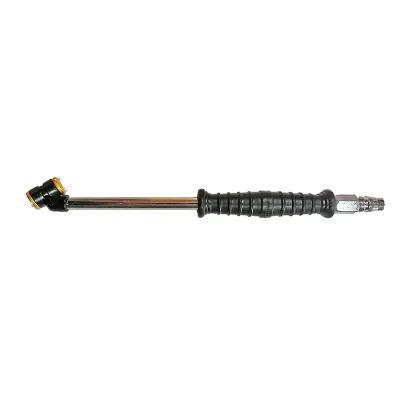
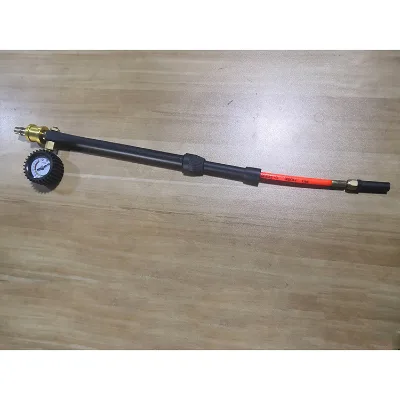
High Quality Portable Hand Tool Retractable Tire Inflator with Big Valve for Car
$3.50 - $4.50
MOQ: 10
Cangzhou Meeter Automobile Maintenance Equipment Co., Ltd.
- Verified by TüVRheinland
- Manufacturer, Trading Company
- Lead time3 days
- Avg. response≤ 7h
Main productsCar Ramp, Engine Stand, Motorcycle Lift, Spring Compressor, Transmission Jack
Main marketsDomestic Market(60%), North America(15%), Southeast Asia(10%)

XUZHOU DESHENG PETROL MACHINE CO., LTD.
- Verified by SGS
- Trading Company,Manufacturer/Factory
- China Jiangsu
- Lead time23 days
- Avg. response≤ 7h
Main productsFuel Nozzle, Fuel Dispenser, Fuel Station Parts, Fuel Tanker Parts, Fuel Tanker Manhole Cover, Fuel Tanker Bottom Valve, Mobile Fuel Station, Fuel Nozzle Parts, Fuel Dispenser Parts
Main marketsSouth America,Eastern Europe,Mid East,North America,Southeast Asia,Eastern Asia,Oceania,Western Europe,Africa
Foshan Lontum Trading Co., Ltd.
- Trading Company
- Guangdong, China
- Lead time30 days
- Avg. response≤ 2h
Main productsspray paint,dashboard wax,multi-purpose foam cleaner,anti-rust lubricant spray,brake cleaner
Main marketsSouth Asia(20.00%), Mid East(20.00%), South America(20.00%), Southeast Asia(10.00%), Eastern Asia(10.00%), Africa(10.00%), North America(10.00%)

- Verified by SGS
- Trading Company
- China Zhejiang
- Lead time15 days
- Avg. response≤ 11h
Main productsBike, Bicycle
Main marketsEurope,Australia

High Performance Bicycle Motorcycle Car Electric Mini Intelligent Tire Inflator
$18.29 - $27.43
MOQ: 40 Pieces

Best Seller New Car Pump Portable Handheld Lighting Manufacturer Tire Inflator
$3.66 - $5.49
MOQ: 180 Pieces

Innovative Electric Lighting Wireless Portable Vehicle Air Pump Tire Inflator
$2.86 - $4.29
MOQ: 230 Pieces
SHANGHAI MACWAY ELECTRICAL CO., LTD.
- Verified by TüVRheinland
- Trading Company
- Lead time30 days
- Avg. response≤ 4h
Main productsVacuum Cleaner, Inflation Pump, Car Wash Tool, Car Wash Machine, Car Charger
Main marketsNorth America(25%), Domestic Market(20%), Western Europe(11%)
Ningbo Leihuojian Machinery Co., Ltd.
- Trading Company
- Zhejiang, China
- Lead time30 days
- Avg. response≤ 8h
Main productspneumatic joint,air duct hose,an air gun,Hydraulic quick couplings,Pneumatic Tool Accessories
Main marketsEastern Europe(20.00%), South America(20.00%), Mid East(20.00%), Northern Europe(10.00%), Central America(10.00%), North America(10.00%), Southeast Asia(10.00%)

Qingdao Maxx Auto Parts Co., Ltd.
- Verified by SGS
- Manufacturer/Factory
- China Shandong
- Lead time23 days
- Avg. response≤ 6h
Main productsTire Valve, Wheel Weight, Bolts Nuts, Tire Repair Patch, Tire Repair Tool, Tire Equipment
Main marketsSouth America,Eastern Europe,Mid East,North America,Southeast Asia,Eastern Asia,Oceania,Western Europe,Africa

$11.00 - $19.00
MOQ: 500 Pieces


Yuyao Gongchuang Instrument Co., Ltd.
- Verified by BV
- Combined
- China Zhejiang
- Lead time23 days
- Avg. response≤ 8h
Main productsPressure Gauge, Thermometer, Tire Inflator Gauge, Tire Inflatore Gun, Pressure Meter
Main marketsSoutheast Asia/ Mideast,Europe,North America

NINGBO SHERS ELECTRON TECHNOLOGY CO., LTD.
- Trading Company,Manufacturer/Factory
- China Zhejiang
- Lead time30 days
- Avg. response≤ 3h
Main productsAir Compressor, Tire Inflator, Tyre Inflator, Vacuum Cleaner, Air Pump
Main marketsSouth America,Eastern Europe,Mid East,Southeast Asia,Eastern Asia,Oceania,Western Europe,Africa


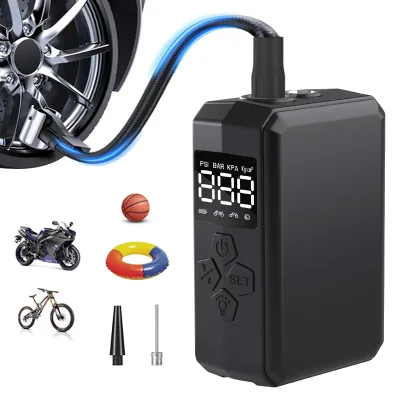
Emergency Tools Cordless Portable Digital Inflator Preset Tire Pressure Car Tire Pump
$12.99 - $14.99
MOQ: 500 Pieces

Automatic Portable Cordless Electric Tire Inflator Car Air Compressor Pump
$15.99 - $17.69
MOQ: 500 Pieces

Yiwu Jutien Commodity Co., Ltd.
- Verified by TüVRheinland
- Manufacturer, Trading Company
- Lead time30 days
- Avg. response≤ 2h
Main productsCar Vacuum Cleaner, Car Air Pump, Car Washer, License Plate Frame, Bags
Main marketsNorth America(30%), South America(15%), Eastern Europe(10%)
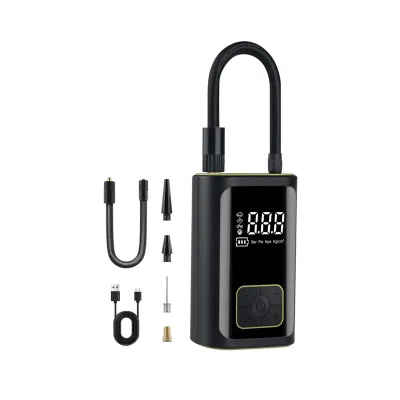
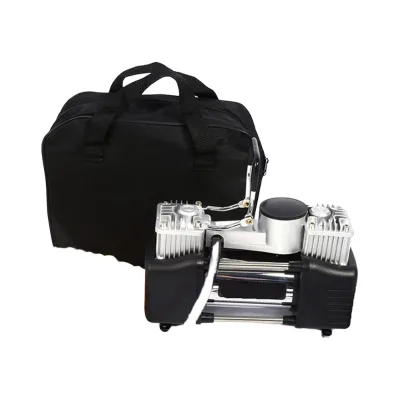
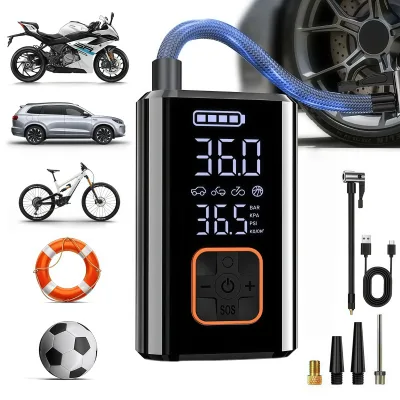
$11.70 - $12.00
MOQ: 100 pieces
- Verified by SGS Group
- Manufacturer, Trading Company
- Lead time45 days
- Avg. response≤ 6h
Main productsSandblaster, Air filter, Air regulator, Tire inflator, Air blow gun
Main marketsNorth America(65%), Oceania(5%), Mid East(5%)
Shenzhen Qianbao Technology Co., Ltd.
- Trading Company
- Guangzhou, China
- Lead time7 days
- Avg. response≤ 9h
Main productsGraphic card,CPU,Motherboard,Cooling plate,Fans
Main marketsNorth America(20.00%), Northern Europe(10.00%), Domestic Market(10.00%), Eastern Europe(10.00%), Mid East(10.00%), Western Europe(8.00%), Southern Europe(8.00%), Southeast Asia(5.00%), South America(5.00%), Eastern Asia(5.00%), Central America(3.00%), Africa(2.00%), South Asia(2.00%), Oceania(2.00%)

Zibo Baiwang Machinery Co., Ltd.
- Trading Company,Manufacturer/Factory
- China Shandong
- Lead time23 days
- Avg. response≤ 13h
Main productsBrake Discs Pad, Brake Drum S-Camshafts, Auto Brake Parts, Auto Parts for Byd Chery Jetour Tiggo, Milking Machine, Machining Parts, Auto Accessories, Secondhand Used Cars, Auto Parts of HOWO FAW Dongfeng Foton Haval, Accessories for Maxus Mg Baic Wuling
Main marketsSouth America,Eastern Europe,Mid East,North America,Southeast Asia,Eastern Asia,Oceania,Western Europe,Africa

Shenzhen Alisi Electronic Technology Co., Ltd.
- Trading Company, Distributor/Wholesaler
- Guangdong, China
- Lead time3 days
- Avg. response≤ 2h
Main productselectron component,temperature controller,Auto parts,sensor,Wireless Controller
Main marketsSouth America(20.00%), Eastern Europe(20.00%), North America(15.00%), Western Europe(5.00%), Domestic Market(5.00%), South Asia(5.00%), Southern Europe(5.00%), Northern Europe(5.00%), Central America(5.00%), Eastern Asia(3.00%), Mid East(3.00%), Oceania(3.00%), Africa(3.00%), Southeast Asia(3.00%)
Dongguan Hesheng Machinery & Electric Co., Ltd.
- Verified by TüVRheinland
- Manufacturer, Trading Company
- Lead time15 days
- Avg. response≤ 7h
Main productsTire Inflator, Air Compressor, Air Suspension, Tire Compressor, Vacuum Cleaner
Main marketsNorth America(38%), Mid East(15%), Domestic Market(12%)
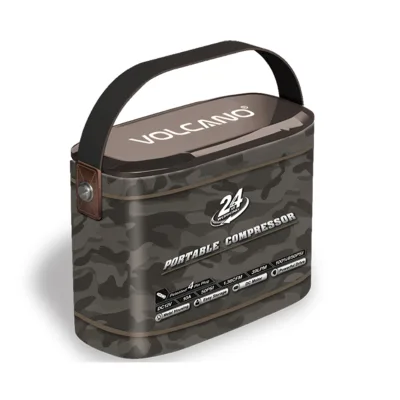
Universal Tire Inflator Tool Metal Appearance Portable Vehicle Tyre Inflators
$0.1042 - $1.0418
MOQ: 100 pieces
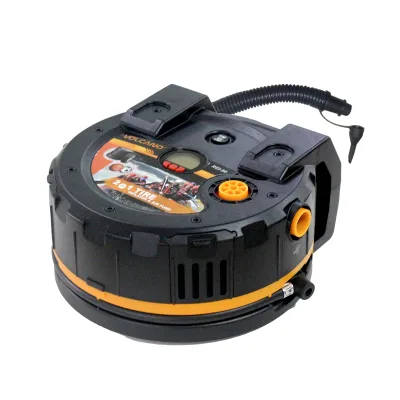
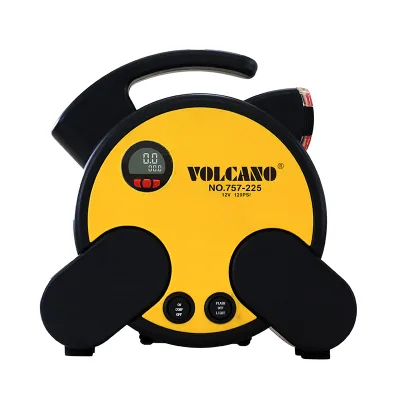
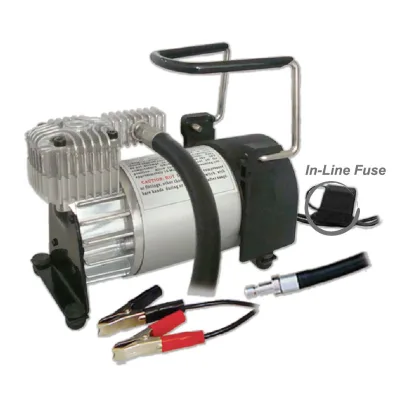
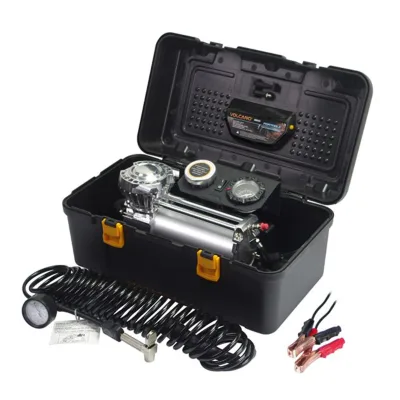
$0.103 - $1.0313
MOQ: 100 pieces
TAIZHOU CITY MEIHUA AUTO SUPPLIES CO., LTD
- Manufacturer, Trading Company
- Zhejiang, China
- Lead time15 days
- Avg. response≤ 4h
Main productsTire Valve
Main marketsDomestic Market(30.00%), Mid East(20.00%), South America(10.00%), North America(5.00%), Western Europe(5.00%), Southern Europe(5.00%), Eastern Asia(5.00%), Northern Europe(5.00%), Africa(5.00%), Eastern Europe(5.00%), Southeast Asia(5.00%)

Shanghai Huaqi Industrial Co., Ltd.
- Verified by TUVRHEINLAND
- Trading Company
- China Shanghai
- Lead time15 days
- Avg. response≤ 6h
Main productsCar Mats, Seat Cover, Car Cover, Wiper Blade, Air Compressor, Steering Wheel Cover, Car Lock, Baby Mirror, Car Jack, Racing Seat
Main marketsSouth America,Africa,Southeast Asia/ Mideast,Europe,Australia,North America


China Supplier Portable DC 12 Volts Car Tire Inflator Pump Air Compressor
$14.50 - $15.20
MOQ: 500 Pieces

Huizhou Best Festivel Articles Co., Ltd.
- Manufacturer
- China Guangdong
- Lead time30 days
- Avg. response≤ 14h
Main productsParty String, Snow Spray, Coloured Hair Spray, Air Horn, Deodorizing Body Spray, Areosol Insecticide, Paint Spray, Dashbroad Polish, Car Care Product
Main marketsSoutheast Asia/ Mideast,Europe,North America
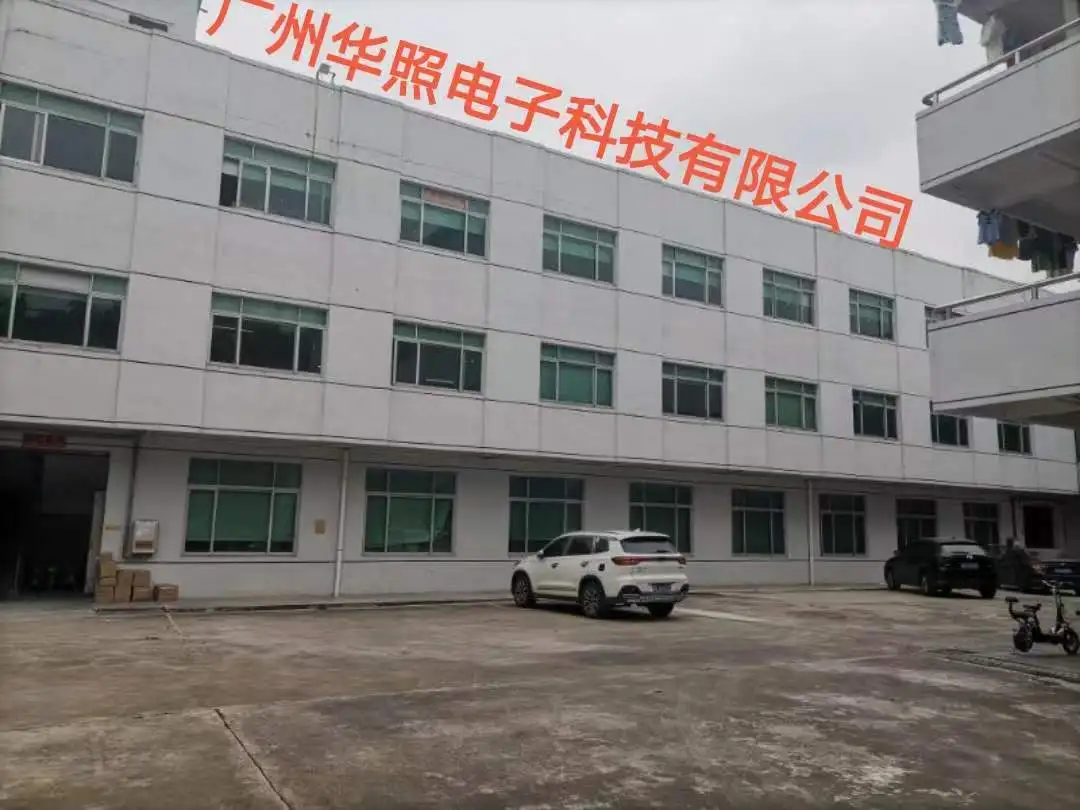
Guangzhou Huayi Electronic Technology Co., Ltd.
- Manufacturer
- Guangdong, China
- Lead time0 days
- Avg. response≤ 5h
Main productsMulti - function car emergency start power,Car power bank,Car emergency battery,Car LED,Tachograph
Main marketsSouth Asia(20.00%), Southeast Asia(20.00%), Eastern Europe(20.00%), South America(20.00%), North America(20.00%)

CANGZHOU FUTURE INDUSTRY CO., LTD
- Verified by SGS
- Manufacturer/Factory
- China Hebei
- Lead time23 days
- Avg. response≤ 4h
Main productsAerosol Valve, Aerosol Spray Valve, Bag on Valve, Aerosol Cap, One Inch Metered Valve, Butane Gas Stove Valve, Butane Gas Cartridge, PU Foam Valve, Trigger Spray Cap, Lighter Gas Refill Valve
Main marketsSouth America,Eastern Europe,Mid East,North America,Southeast Asia,Eastern Asia,Oceania,Western Europe,Africa

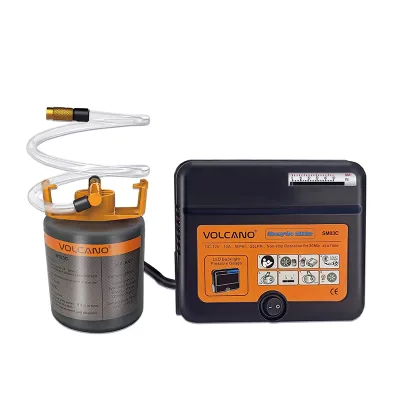
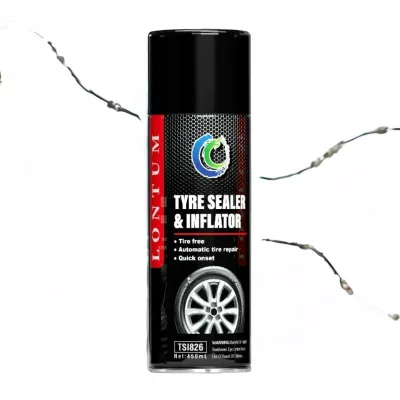
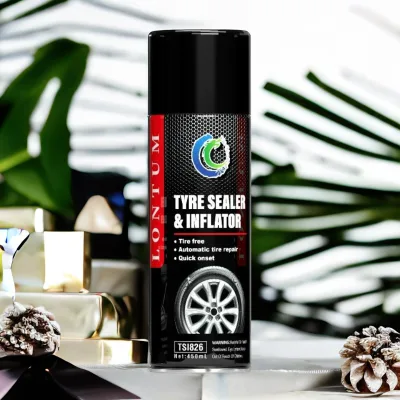
High-Performance Tyre Sealant Inflator for Convenient Tire Inflation and Repair
$0.18 - $0.22
MOQ: 50000 Pieces






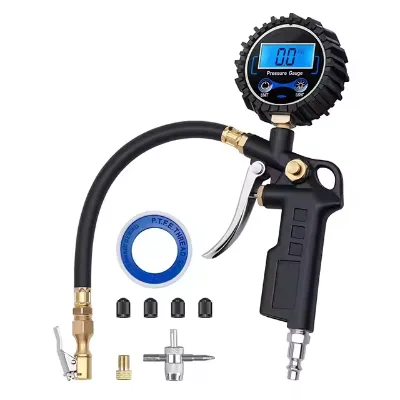
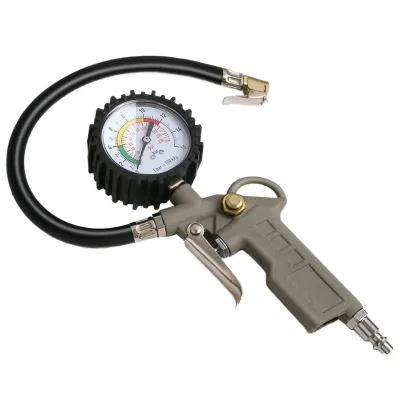


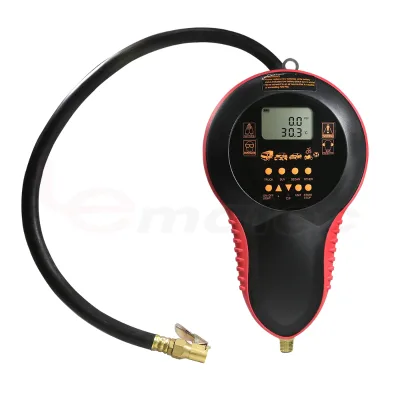
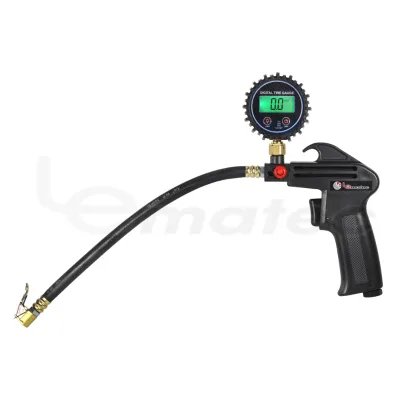




Comprehensive Sourcing Guide
Quick Connect Car Tire Inflator Supplier Concentration and Factory Types
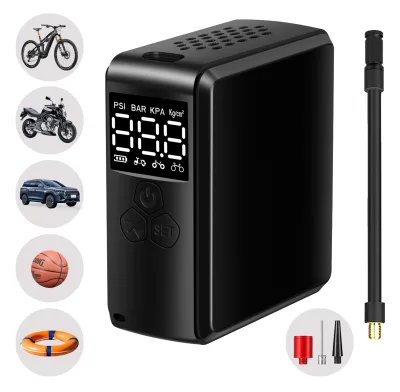
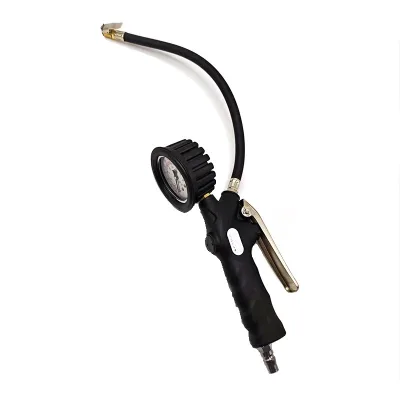
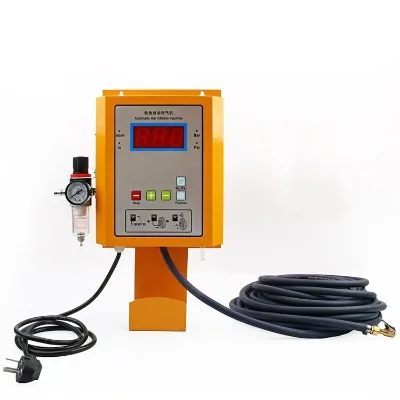
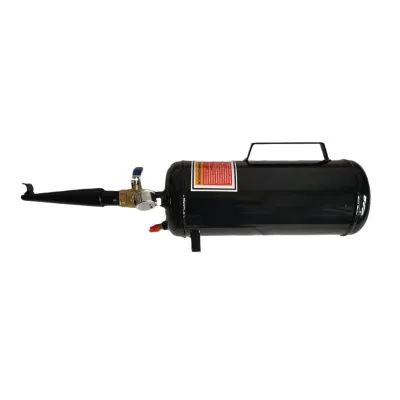
The current supplier landscape for quick connect car tire inflators reveals a distinct concentration of manufacturing and trading entities within China, specifically in the Guangdong region. This geographic clustering is significant because it indicates a mature industrial ecosystem where supply chains for pneumatic tools, electronic components, and plastic molding are highly integrated. Buyers evaluating potential partners should recognize that suppliers located in Guangdong often benefit from proximity to major ports and specialized component manufacturers, which can streamline production and reduce logistical friction. The data shows that both combined companies and pure manufacturers are present, offering different value propositions. Combined entities may provide broader product ranges, such as tire bead setters or nitrogen generators, allowing for consolidated sourcing if a buyer needs multiple vehicle service tools. In contrast, manufacturers focus on production capacity and customization, which is critical for buyers seeking specific technical modifications or private labeling. Understanding this distinction helps buyers align their procurement strategy with the supplier’s core competency, whether that is breadth of inventory or depth of manufacturing control.
Factory types also vary in their operational focus, which directly impacts the buyer’s experience. Some suppliers list main products that include motorcycle accessories or air pumps, suggesting a versatility in handling small electric motors and battery packs, which are essential components for portable tire inflators. Others specialize in heavier industrial equipment like refrigerant recovery machines, indicating a different scale of engineering capability. When assessing these factory types, buyers should look for evidence of OEM and ODM capabilities, as these services are crucial for brands looking to differentiate their products in a crowded market. The presence of own brand capabilities suggests that some suppliers are comfortable working with established brands, while others may prefer to sell under their own name. This flexibility can be a double-edged sword; buyers must ensure that intellectual property rights are clearly defined in contracts to prevent brand dilution or unauthorized sales. By carefully distinguishing between trading companies and manufacturers, buyers can negotiate more effectively, understanding whether they are paying for value-added services or raw production efficiency.
How to Verify Quick Connect Car Tire Inflator Suppliers
Verification is a critical step in mitigating risk when sourcing quick connect car tire inflators, as the market contains a mix of verified and unverified entities. Buyers should prioritize suppliers who have undergone third-party verification processes, such as those conducted by SGS or CTI, as these audits provide an independent assessment of the supplier’s business legitimacy and operational capabilities. The presence of a verification badge is not a guarantee of product quality, but it does confirm that the company exists and has passed a baseline check of its legal and physical premises. Additionally, system certifications like ISO9001:2015 are strong indicators of a supplier’s commitment to quality management systems. While not all suppliers display this certification, those who do typically have standardized processes for production control, which is vital for ensuring consistency in electronic and pneumatic devices. Buyers should request copies of these certificates and verify their validity through the issuing bodies, as certificates can be forged or expired. This due diligence helps separate serious manufacturers from transient trading entities that may lack the infrastructure to support long-term partnerships.
Beyond certifications, buyers should assess the supplier’s responsiveness and transparency as proxies for reliability. Response times, such as those recorded at 2.43 hours or 5 hours, can indicate the efficiency of the sales and support teams. A faster response time often correlates with better communication throughout the order lifecycle, reducing the risk of misunderstandings regarding specifications or shipping details. However, speed alone is not enough; buyers should evaluate the quality of the responses, looking for detailed answers that demonstrate technical knowledge of the product. For instance, a supplier who can immediately discuss pressure ratings, battery capacities, or certification requirements is likely more competent than one who provides generic replies. Furthermore, buyers should check for any discrepancies in the supplier’s claimed location versus their actual operational base. If a supplier claims to be in Guangdong but provides inconsistent address details, this should raise red flags. By combining verification badges, certification checks, and communication assessments, buyers can build a robust profile of each potential partner, ensuring they are working with entities that are both legitimate and capable of delivering high-quality products.
What to Compare Across Quick Connect Car Tire Inflator Suppliers
When comparing suppliers, buyers must evaluate a range of commercial and operational metrics to determine the best fit for their specific needs. One of the most critical factors is the minimum order quantity (MOQ), which can vary significantly across the market. Some suppliers offer low MOQs of just one or two units, which is ideal for sampling or small-scale testing, while others require higher volumes, such as ten units or more, to ensure production efficiency. Buyers should align their MOQ requirements with their inventory strategy, avoiding overstocking if they are testing a new product line. Additionally, price ranges are a key differentiator, with costs varying based on features, materials, and certification levels. For example, basic models may start at lower price points, while advanced units with digital displays, LED lights, and power bank functions command higher prices. Buyers should not simply choose the lowest price but should analyze the cost-to-feature ratio to ensure they are getting value for money. Comparing these financial terms helps buyers budget accurately and negotiate better deals based on volume commitments.
Lead times and response speeds are equally important when comparing suppliers, as they impact the buyer’s ability to meet market demand. Lead times can range from a few days to several weeks, depending on the supplier’s production capacity and current order backlog. Suppliers with shorter lead times, such as five days, may be better suited for urgent orders or just-in-time inventory strategies, while those with longer lead times might offer more competitive pricing due to bulk production scheduling. Response times also play a role in the overall supplier experience; faster responses can lead to quicker resolution of issues and smoother order processing. Buyers should also consider the supplier’s main products to assess their expertise. A supplier specializing in tire inflators and related tools may offer better technical support and product knowledge than a generalist trading company. By systematically comparing MOQs, prices, lead times, and product focus, buyers can create a weighted scoring matrix to objectively rank suppliers and select the one that best aligns with their strategic goals and operational constraints.
Common Quick Connect Car Tire Inflator Sourcing Risks
Sourcing quick connect car tire inflators comes with inherent risks that buyers must actively manage to avoid costly mistakes. One significant risk is the variability in product quality and safety standards, particularly regarding electrical components and pressure ratings. Since these devices involve high-pressure air and electrical batteries, failures can lead to safety hazards, including explosions or fires. Buyers must ensure that suppliers adhere to strict safety standards and provide relevant certifications, such as CE or other regional compliance marks. Without proper verification, buyers may receive products that do not meet regulatory requirements in their target markets, leading to customs seizures or legal liabilities. Additionally, the risk of intellectual property infringement is present, especially when working with suppliers who offer OEM services. Buyers must ensure that their designs and branding are protected through clear contractual agreements and that the supplier does not sell identical products to competitors. This is particularly important for unique features or proprietary designs that give a brand a competitive edge.
Another common risk is the discrepancy between sample quality and bulk production. Suppliers may provide high-quality samples to secure an order but then cut corners in mass production to increase margins. This risk is exacerbated when working with trading companies that do not have direct control over the manufacturing process. To mitigate this, buyers should conduct pre-shipment inspections or hire third-party inspection services to verify that the bulk order matches the approved sample in terms of materials, functionality, and packaging. Furthermore, logistical risks, such as delays or damage during shipping, can disrupt supply chains. Buyers should work with suppliers who have experience in exporting and understand the packaging requirements for fragile electronic devices. Using sea-worthy packaging or robust paper boxes can help protect the products during transit. By identifying these risks early and implementing mitigation strategies, such as strict quality control measures and clear contractual terms, buyers can protect their investments and ensure a smooth sourcing process.
Quick Connect Car Tire Inflator Regional Sourcing and Logistics
Regional sourcing plays a crucial role in determining the efficiency and cost-effectiveness of the supply chain for quick connect car tire inflators. The concentration of suppliers in Guangdong, China, offers significant logistical advantages due to the region’s advanced infrastructure and proximity to major international shipping hubs. Buyers sourcing from this region can benefit from faster transit times to global markets, particularly in Asia, Europe, and the Americas. However, buyers must also consider the environmental and regulatory differences between regions. For instance, products destined for the European market must comply with strict environmental regulations regarding battery disposal and electronic waste. Suppliers in Guangdong are often familiar with these requirements and can provide the necessary documentation, but buyers must verify this compliance themselves. Additionally, regional trade policies and tariffs can impact the final landed cost of the products. Buyers should stay informed about any changes in trade agreements or tariffs that may affect their sourcing strategy, as these factors can significantly influence profitability.
Logistics planning is another critical aspect of regional sourcing, as it affects inventory management and customer satisfaction. Buyers should work with suppliers who offer flexible shipping options, such as sea freight for bulk orders and air freight for urgent replenishments. The choice of shipping method depends on the order volume, lead time requirements, and budget constraints. For example, sea freight is more cost-effective for large orders but has longer transit times, while air freight is faster but more expensive. Buyers should also consider the packaging dimensions and weight, as these factors influence shipping costs. Products with compact packaging, such as those with standard dimensions of 40cm30cm110cm, may be easier and cheaper to ship than bulkier items. Furthermore, buyers should establish clear communication channels with their suppliers to track shipments and address any logistical issues promptly. By optimizing regional sourcing and logistics strategies, buyers can reduce costs, improve delivery times, and enhance overall supply chain resilience.
Quick Connect Car Tire Inflator Commercial Terms and Order Planning
Commercial terms and order planning are essential components of a successful sourcing strategy for quick connect car tire inflators. Buyers must negotiate clear payment terms, such as letters of credit or escrow services, to protect their financial interests. Escrow services provide a secure transaction mechanism where funds are held until the buyer confirms receipt and quality of the goods, reducing the risk of fraud or non-delivery. Additionally, buyers should define warranty terms and after-sales support policies to ensure that any defective products can be replaced or repaired efficiently. A standard warranty period, such as 12 months, is common in the industry, but buyers should verify that the supplier honors these warranties and provides accessible customer support. Furthermore, buyers should plan their orders based on market demand forecasts and seasonal trends to avoid stockouts or overstocking. By aligning order quantities with sales projections, buyers can optimize inventory levels and cash flow.
Order planning also involves coordinating with suppliers to manage production schedules and lead times effectively. Buyers should provide accurate forecasts and update them regularly to help suppliers plan their production runs. This collaboration ensures that orders are fulfilled on time and reduces the risk of delays. Additionally, buyers should consider the customization options available, such as logo printing or packaging design, and incorporate these into their order plans. Customization can add value to the product but may require longer lead times and higher MOQs. Buyers should balance these factors to achieve their branding goals without compromising delivery schedules. Finally, buyers should maintain open communication with their suppliers to address any issues that arise during the order process. By establishing strong commercial terms and robust order planning processes, buyers can build sustainable relationships with their suppliers and ensure a steady supply of high-quality quick connect car tire inflators.
FAQs
Where are the tire inflator suppliers located?
Most suppliers offering quick connect car tire inflators are located in Guangdong, China. Specific cities like Guangzhou are mentioned for product origins. Buyers should verify exact factory addresses during the inquiry process to ensure logistics compatibility.
What is the typical lead time for these products?
Lead times vary significantly among suppliers, ranging from 5 days to 60 days. Some manufacturers offer faster production cycles of 5 days, while others may require up to 60 days. Buyers must confirm the specific timeline with the supplier before placing an order.
What are the minimum order quantities for tire inflators?
Minimum order quantities differ by product model, starting as low as 2 units for some nitrogen inflators. Other models require 5 units or 10 units as the minimum threshold. Buyers should check the specific MOQ for the desired product variant to plan their inventory effectively.
Do these suppliers hold ISO9001 certification?
Some suppliers possess ISO9001:2015 system certification, while others may not list specific certifications. Verification status varies, with some suppliers verified by SGS or CTI. Buyers should request current certification documents to confirm compliance with quality standards before finalizing any purchase agreement.
What is the price range for digital tire inflators?
Prices for digital tire inflators range from approximately 20 to 650 units depending on features. Basic models start near 20, while high purity nitrogen generators can reach 650. The final cost depends on customization, capacity, and specific technical requirements requested by the buyer.
How quickly do suppliers typically respond to inquiries?
Response times vary, with some suppliers replying within 2.14 hours and others taking up to 5 hours. Faster response times indicate higher availability for immediate communication. Buyers should expect delays if contacting suppliers with longer average response times during peak periods.
Are customization options available for these inflators?
Customization is available for many tire inflator models, allowing for specific branding or feature adjustments. Suppliers offer OEM and ODM services to meet unique buyer requirements. Buyers should discuss specific customization needs directly with the supplier to ensure feasibility and cost implications.