Radial Roller Tire Patch Suppliers and Manufacturers
Compare 21 verified Radial Roller Tire Patch suppliers across China Zhejiang, Guangdong, and Shandong. Review certifications like ISO, CE, and RoHS, response times, and lead times before requesting quotes for your specific tire repair needs; review the available evidence before requesting comparable quotations from suitable candidates.
Updated
Suppliers List

Ningbo Everwinner Auto Parts Co., Ltd.
- Verified by CTI
- Trading Company
- China Zhejiang
- Lead time30 days
- Avg. response≤ 8h
Main productsTire Repair Tools and Kits, Tire Valve and Tire Valve Accessories, Wheel Weights, Wheel Nuts and Bolts, Wheel Spacers and Adapters, Tyre Changers and Wheel Balancers, Jacks and Stands, Tyre Pressure Gauges, Air Compressors, Air Tools
Main marketsSouth America,Southeast Asia/ Mideast,East Asia(Japan/ South Korea),Europe,Australia,North America

Zhongshan Michel Chemicel Co., Ltd.
- Verified by BV
- Combined
- China Guangdong
- Lead time23 days
- Avg. response≤ 9h
Main productsTire Sealant Aerosol Paint Industrial Glue and
Main marketsDomestic

Qingdao Maxx Auto Parts Co., Ltd.
- Verified by SGS
- Manufacturer/Factory
- China Shandong
- Lead time23 days
- Avg. response≤ 6h
Main productsTire Valve, Wheel Weight, Bolts Nuts, Tire Repair Patch, Tire Repair Tool, Tire Equipment
Main marketsSouth America,Eastern Europe,Mid East,North America,Southeast Asia,Eastern Asia,Oceania,Western Europe,Africa


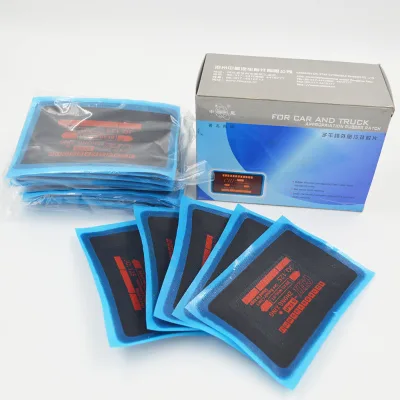
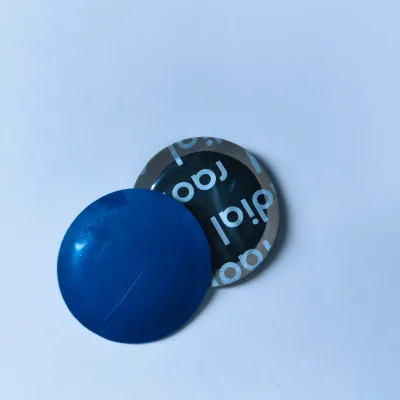
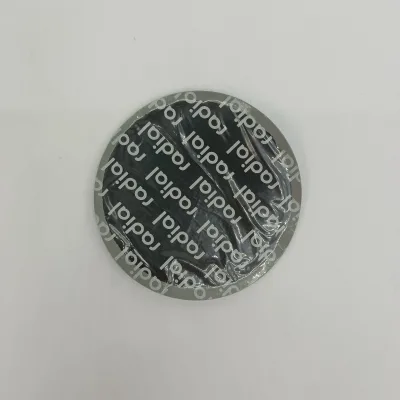
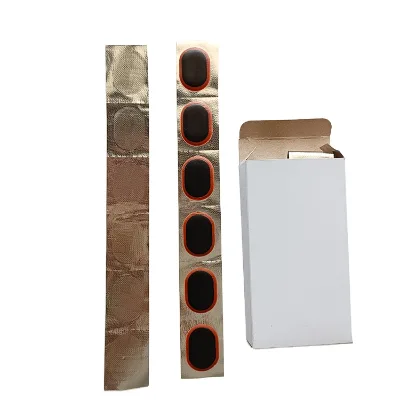
Auto Tire Repair Patch, Radial Tyre Patch with Fabric, Vulcanizing Cold Patch
$0.30 - $0.60
MOQ: 10000 Pieces

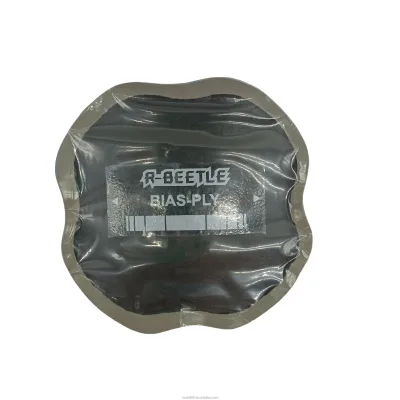
Multiple Sizes Rubber Cold Tire Repair Patches for Car Truck Bias & Radial Tire
$0.30 - $0.60
MOQ: 10000 Pieces

Car Truck Repair Patch Tubeless Rubber Tire Repair Patches for Radial Tyre
$1.00 - $1.80
MOQ: 1000 box

Anshan Guannai Rubber Products Co., Ltd.
- Verified by TUVRHEINLAND
- Trading Company
- China Liaoning
- Lead time0 days
- Avg. response≤ 4h
Main productsTire Strips, Tire Repair Seal, Tire Repair Patch, Tire Repair Tools Set, Tire Valves, Tire Pump, Tire Glue
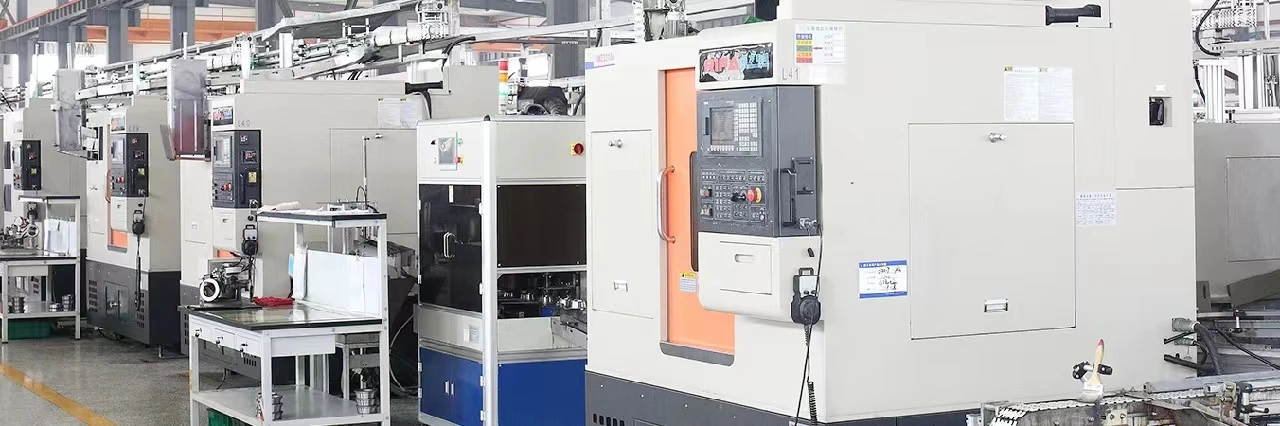
- Trading Company
- Liaoning, China
- Lead time0 days
- Avg. response≤ 2h
Main productswheel balance block
Main marketsDomestic Market(45.00%), Northern Europe(7.00%), Western Europe(5.00%), Eastern Asia(5.00%), Southern Europe(5.00%), Oceania(5.00%), North America(5.00%), Southeast Asia(5.00%), Eastern Europe(5.00%), Mid East(3.00%), South America(3.00%), South Asia(3.00%), Africa(2.00%), Central America(2.00%)
Guangzhou Aucare Automobile Technology Co., Ltd.
- Verified by TüVRheinland
- Trading Company
- Lead time15 days
- Avg. response≤ 1h
Main productsSpray Booths, Tire Repair Equiments And Tools, Automotive Repair Equipments, Powder Coating Equipments, Dust Collection Equipments
Main marketsNorth America(20%), Eastern Europe(20%), South America(10%)
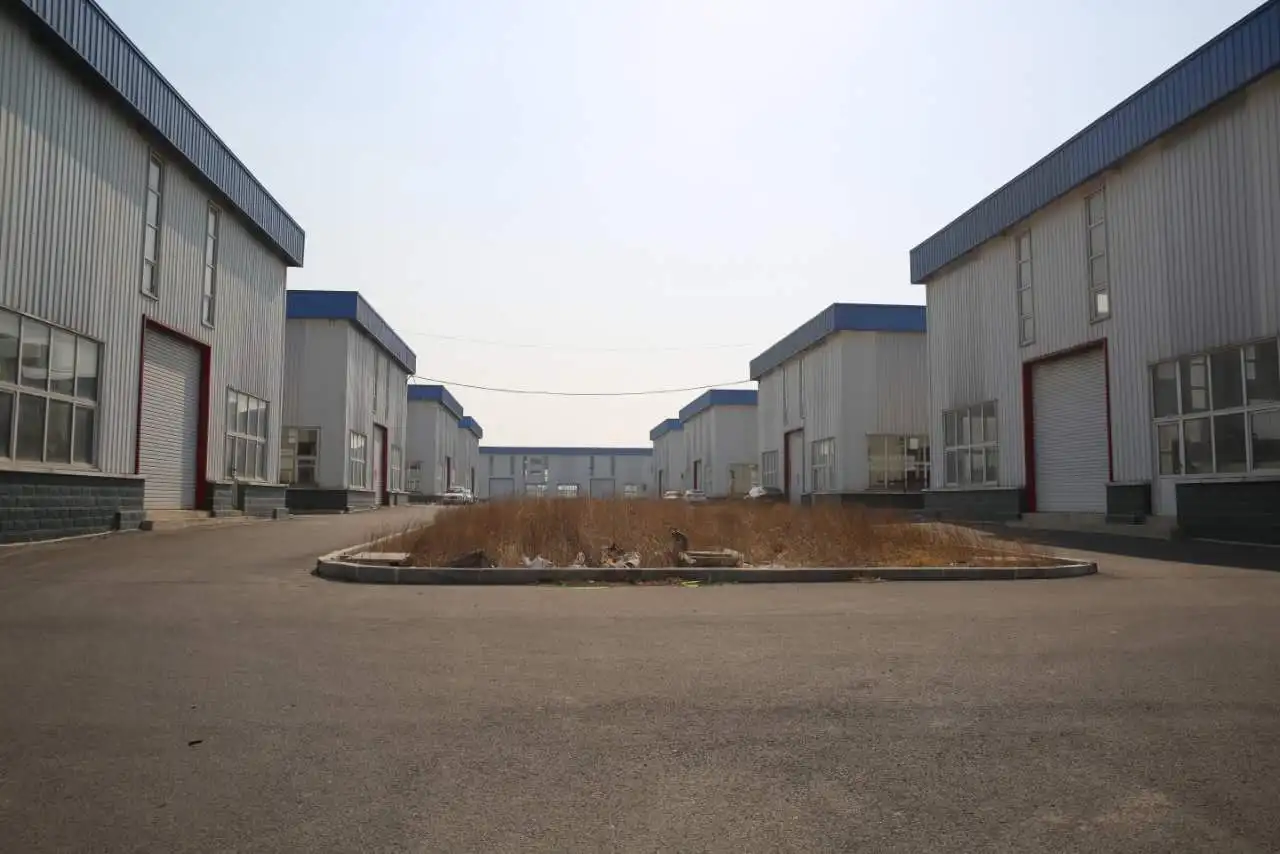
Hebei Cloud Import And Export Co., Ltd.
- Trading Company
- Hebei, China
- Lead time10 days
- Avg. response≤ 4h
Main productsAuto parts and maintenance equipment,construction machinery equipments,instrumetation,Ductile steel part,Manhole cover grating
Main marketsDomestic Market(30.00%), North America(15.00%), Northern Europe(10.00%), South America(10.00%), Southern Europe(5.00%), Western Europe(5.00%), Eastern Europe(5.00%), Mid East(5.00%), Africa(5.00%), South Asia(4.00%), Southeast Asia(3.00%), Central America(2.00%), Eastern Asia(1.00%)

Hunan Magpow Adhesive Group Co., Ltd.
- Verified by BV
- Manufacturer/Factory
- China Hunan
- Lead time23 days
- Avg. response≤ 17h
Main productsEpoxy Adhesive, 502 Super Glue, PVC Glue, Gasket Maker, Silicone Sealant, Neoprene Glue, Shoes Polyurethane Glue, Fixing Foam, Wood Glue, All Purpose Glue
Main marketsSouth America,Eastern Europe,Mid East,North America,Southeast Asia,Eastern Asia,Oceania,Western Europe,Africa


Wholesale Price Radial Tyre Cold Repair Rubber Patch Tire Repair Cold Patch
$0.89 - $0.98
MOQ: 100 Boxes

Wholesale Factory Price Radial Tyre Cold Repair Rubber Patch Tire Repair Cold Patch
$0.89 - $0.98
MOQ: 100 Boxes
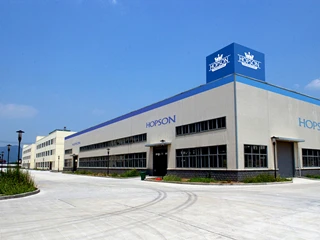
Ningbo Hopson Chemical Industry Co., Ltd.
- Trading Company
- Zhejiang, China
- Lead time30 days
- Avg. response≤ 6h
Main productsPlastic Bottle,Cyanoacrylate Adhesive,Tyre Repair,Medical Glue,Glue Trap
Main marketsNorth America(36.00%), Southeast Asia(27.00%), Africa(15.00%), South Asia(8.00%), Western Europe(4.00%), Eastern Asia(2.00%), Oceania(2.00%), Domestic Market(1.00%), South America(1.00%), Southern Europe(1.00%), Northern Europe(1.00%), Eastern Europe(1.00%), Mid East(1.00%)
TAIZHOU CITY MEIHUA AUTO SUPPLIES CO., LTD
- Manufacturer, Trading Company
- Zhejiang, China
- Lead time15 days
- Avg. response≤ 4h
Main productsTire Valve
Main marketsDomestic Market(30.00%), Mid East(20.00%), South America(10.00%), North America(5.00%), Western Europe(5.00%), Southern Europe(5.00%), Eastern Asia(5.00%), Northern Europe(5.00%), Africa(5.00%), Eastern Europe(5.00%), Southeast Asia(5.00%)
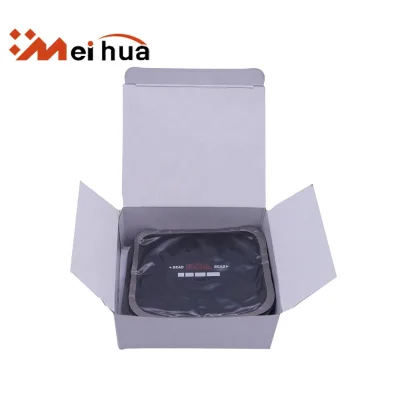
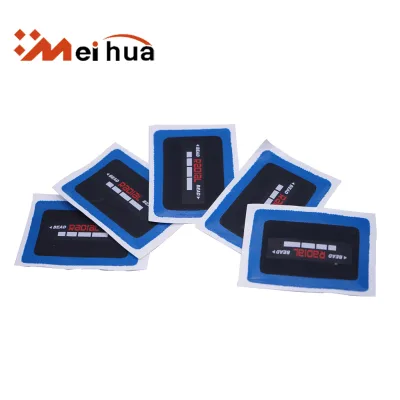
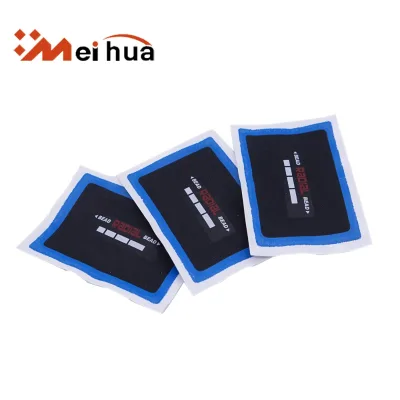
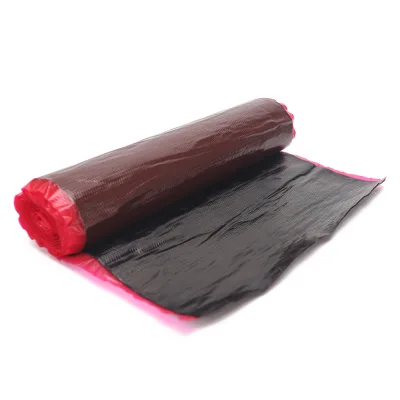
High Quality Tire Repair Strings Vulcanizing Rubber Repair Glueless Tire Hot Patch
$3.6066 - $4.6364
MOQ: 100 kilograms
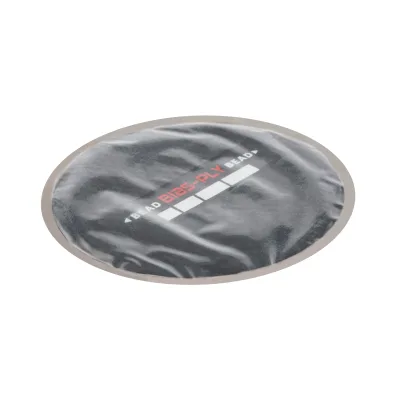
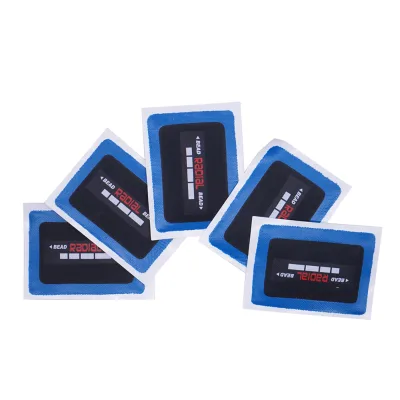
Beijing Chengchuang Lianzhong Network Technology Co., Ltd.
- Trading Company
- Beijing, China
- Lead time15 days
- Avg. response≤ 2h
Main productsCar seat cushion,Automobile tire patching film,Automotive tool,Car charging,Car pendant
Main marketsNorth America(30.00%), Northern Europe(20.00%), Southern Europe(10.00%), Mid East(10.00%), Africa(10.00%), Southeast Asia(10.00%), Central America(5.00%), Eastern Asia(3.00%), South America(2.00%)
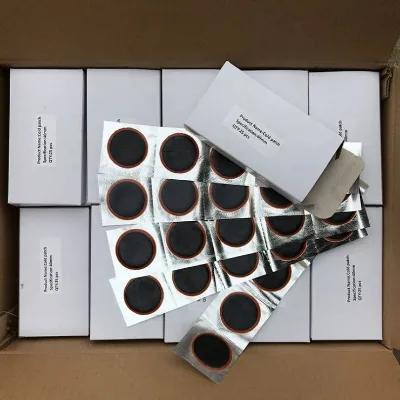
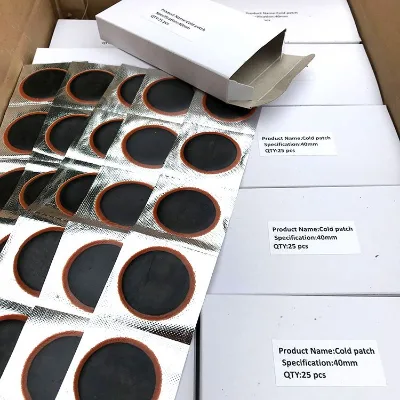

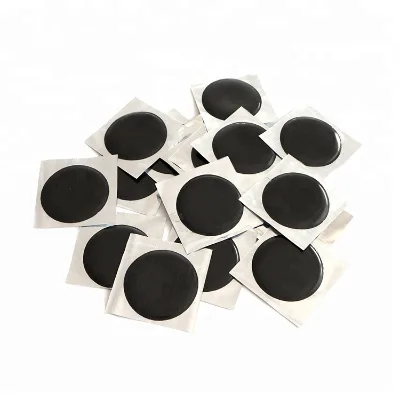
Durable Natural Rubber Cold Patch Hand Tool Tubeless Tire Repair Patch for Cars
$0.34 - $0.36
MOQ: 500 boxes

Ningbo Hopson Chemical Industry Co., Ltd.
- Verified by BV
- Trading Company,Manufacturer/Factory
- China Zhejiang
- Lead time45 days
- Avg. response≤ 8h
Main productsInstant Super Glue, Industrial Adhesive, Glue Traps, Pest Controls, Tire Repair Patch, Tire Repair Products, Vet Tissue Adhesive, Surgical Glue, Glue Bottle, Packing&Accessory
Main marketsSouth America,Mid East,North America,Southeast Asia,Eastern Asia,Oceania,Western Europe,Africa


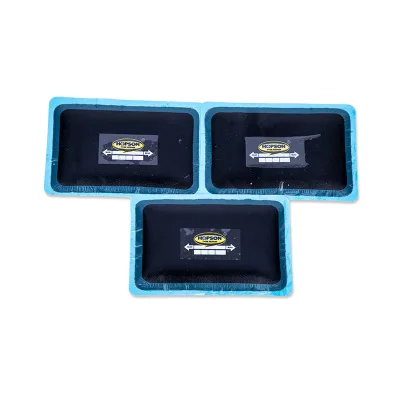
Auto Accessories Tubeless Oval Tire Fix Patch Puncture Repair Rubber Cold Patches
$0.02 - $0.08
MOQ: 10000 Pieces


Shenzhen I-Like Fine Chemical Co., Ltd.
- Verified by BV
- Trading Company,Manufacturer/Factory
- China Guangdong
- Lead time45 days
- Avg. response≤ 8h
Main productsSpray Paint, Car Cleaning Products, Car Care Products, Silicone Sealant, PU Foam Spray, Rubber Paint, Tire Sealer Inflator, Construction Foam, Tire Sealant, Expanding Foam Spray
Main marketsSouth America,Eastern Europe,Mid East,North America,Southeast Asia,Eastern Asia,Oceania,Western Europe,Africa
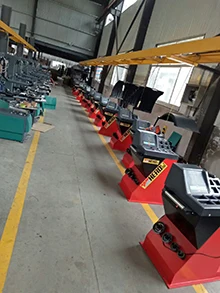
Hebei Zhonghaolian Import And Export Trade Co., Ltd.
- Trading Company
- Hebei, China
- Lead time20 days
- Avg. response≤ 6h
Main productstire repair material and tool,tire valve and valve caps,car jack,tire vulcanizer,wheel weight
Main marketsAfrica(30.00%), South America(20.00%), South Asia(10.00%), Northern Europe(10.00%), Mid East(10.00%), North America(10.00%), Eastern Europe(10.00%)

Xingtai Tianjiu Bicycle Parts Co., Ltd
- Verified by SGS
- Combined
- China Hebei
- Lead time30 days
- Avg. response≤ 4h
Main productsBicycle Parts, Bicycle, Bicycle Crank&Chainwheel, Bicycle Brake Sets, Saddle, Pedal, Bicycle Accessories, Bicycle Tire, Children Toy Vehicle, Bike Parts
Main marketsAfrica,Domestic,Europe
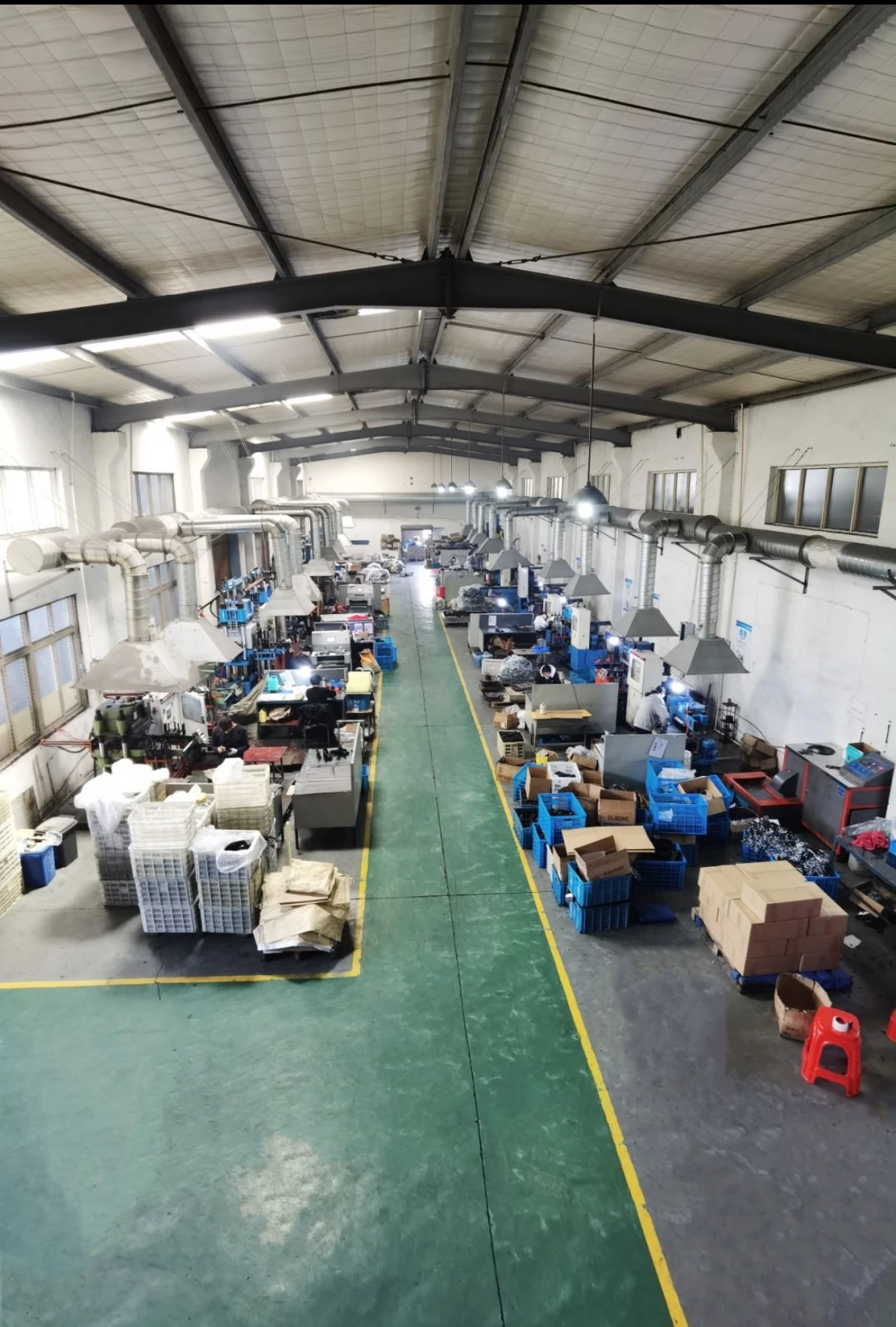
Hangzhou Dingcai Rubber And Plastic Products Co., Ltd.
- Manufacturer, Trading Company
- Zhejiang, China
- Lead time20 days
- Avg. response≤ 9h
Main productsElectronic Accessories,Hardware Accessories,Rubber Products,Silicone Products
Main marketsDomestic Market(100.00%), Central America(40.00%), Western Europe(20.00%), North America(20.00%), Africa(10.00%)
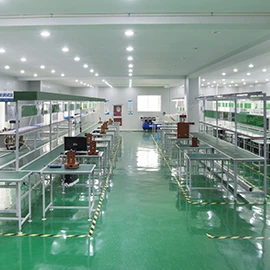
Ningbo Blueocean Auto Parts Co., Ltd.
- Manufacturer
- Zhejiang, China
- Lead time35 days
- Avg. response≤ 4h
Main productsTire valve,wheel weight,balance weight,tube patch,tire seal
Main marketsWestern Europe(11.11%), Eastern Asia(11.11%), Mid East(11.11%), Oceania(11.11%), Africa(11.11%), Southeast Asia(11.11%), Eastern Europe(11.11%), South America(11.11%), North America(11.11%)
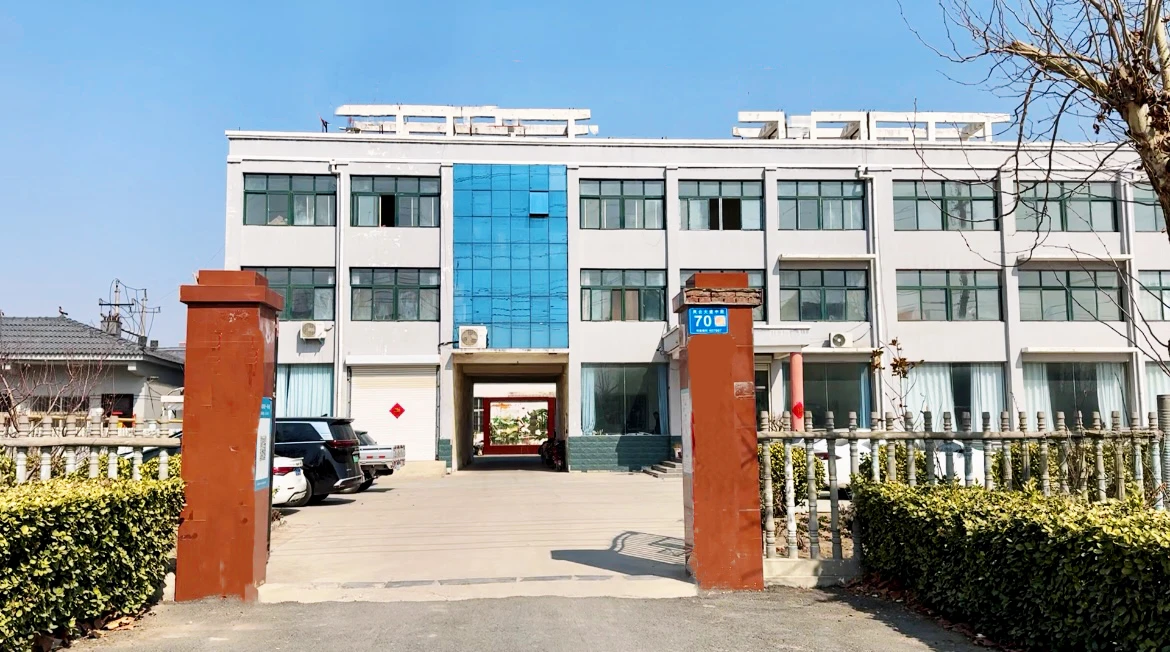
Henan Lece Auto Parts Co., Ltd.
- Trading Company
- Henan, China
- Lead time0 days
- Avg. response≤ 2h
Main productsTire valve,Tire valve core,Automotive tyre accessories
Main marketsDomestic Market(50.00%), Southeast Asia(4.00%), North America(4.00%), Mid East(4.00%), Eastern Europe(3.80%), South Asia(3.80%), Southern Europe(3.80%), Northern Europe(3.80%), Central America(3.80%), Western Europe(3.80%), South America(3.80%), Eastern Asia(3.80%), Oceania(3.80%), Africa(3.80%)
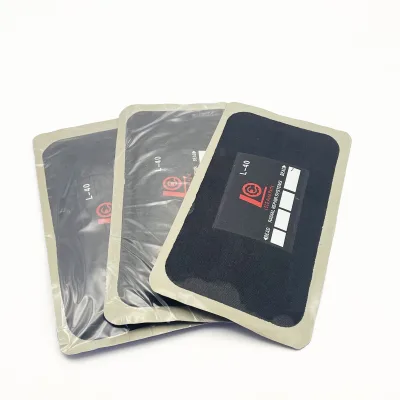
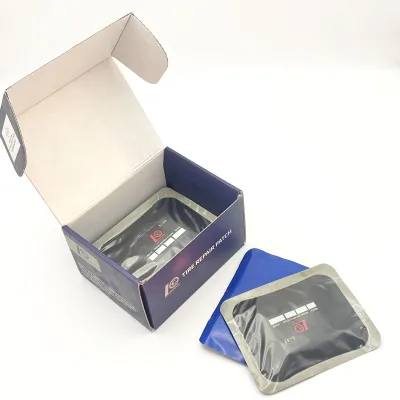
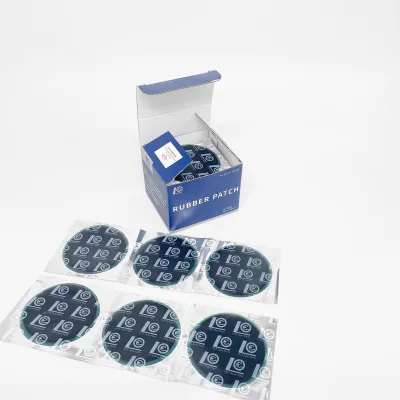
Hot Sale Gray Vulcanizing Gum Blue Poly Backing Universal Tire Patches Tire Patches
$11.80 - $12.00
MOQ: 10
CANGZHOU XINYA BALANCE BLOCK CO., LTD
- Verified by Intertek
- Manufacturer, Trading Company
- Hebei, China
- Lead time7 days
- Avg. response≤ 2h
Main productsWheel Balance Weights, Tire Repair Seals, Tire Repair Tools, Tire Valve, Tire Repair Patch
Main marketsSouthern Europe(29%), Eastern Asia(29%), North America(20%)
Hyaline International Trade (Liaoning) Co., Ltd.
- Trading Company
- liaoning, China
- Lead time0 days
- Avg. response≤ 1h
Main productstire changer,car lift,wheel balancer,4 Wheel Alignment Equipment
Main marketsNorth America(30.00%), Southeast Asia(20.00%), Northern Europe(20.00%), South America(10.00%)
Anhui Fumei International Trade Co., Ltd.
- Manufacturer, Trading Company
- Anhui, China
- Lead time15 days
- Avg. response≤ 2h
Main productsElectric Bicycle Accessories/Electric Motorcycle Accessories/Electric Tricycle Accessories,Electric Tricycles,Electric motorcycle
Main marketsSouth America(30.00%), Southeast Asia(25.00%), Mid East(20.00%), North America(10.00%), Africa(10.00%), Eastern Asia(5.00%)
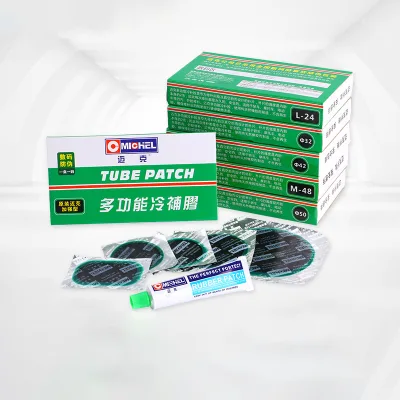
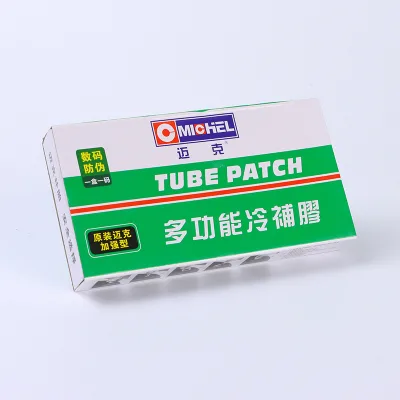
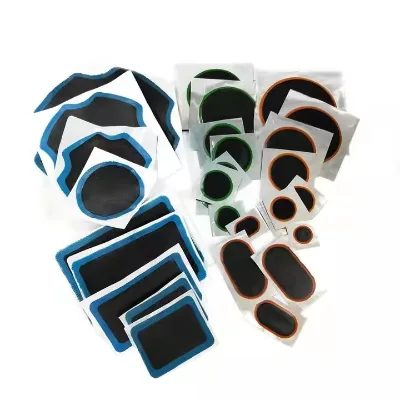
Wholesale Customized Tube Tire Repair Patch Tire Repair Bike Cold Patch Tire Patch Repair Kit
$0.90 - $1.14
MOQ: 1 sets
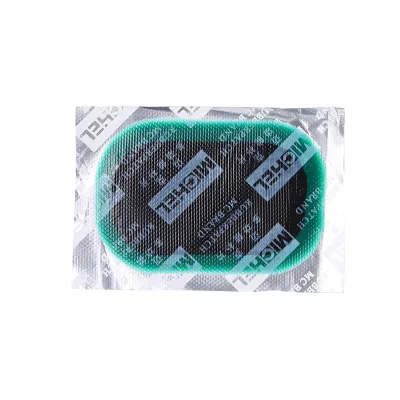
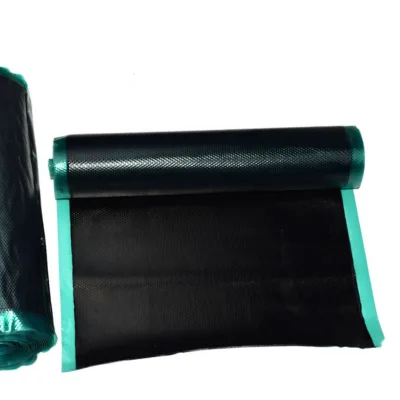
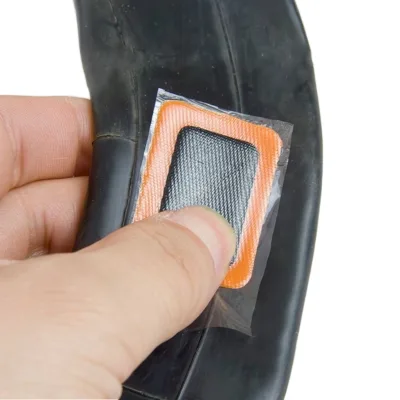
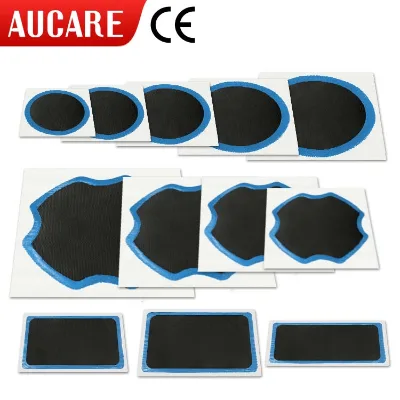
Wholesale Tubeless Cold Patch Tire Repair Universal Patch for Universal Tire Repair
$0.9264 - $1.1737
MOQ: 1 sets









Comprehensive Sourcing Guide
Radial Roller Tire Patch Supplier Concentration and Factory Types
The current supplier landscape for radial tire repair components reveals a distinct geographic and structural diversity that buyers must navigate carefully. Factories and trading companies are concentrated in specific manufacturing hubs, with Zhejiang and Guangdong provinces emerging as primary centers for production. In Zhejiang, suppliers often operate as trading companies, leveraging the industrial ecosystem of Ningbo to facilitate exports. These entities typically source from local manufacturers or maintain their own production lines, offering a broad range of vehicle accessories and tools. The presence of ISO and CE certifications in this region suggests a focus on meeting international quality standards, which is critical for buyers seeking reliable supply chains. Meanwhile, Guangdong-based suppliers present a different profile, often combining manufacturing capabilities with trading functions. These entities may hold ISO9001:2015 certificates and offer ODM and OEM services, indicating a flexibility in customizing products for specific market needs. The concentration in these regions allows for efficient logistics and access to raw materials, but it also requires buyers to distinguish between pure manufacturers and intermediaries. Understanding this distinction is vital because it impacts pricing structures, communication efficiency, and the ability to resolve technical issues. Buyers should verify the actual nature of the supplier’s operations, as the label "Trading Company" or "Combined" does not always reflect the depth of their manufacturing control.
In Shandong province, the supplier base appears more heavily oriented toward direct manufacturing, with entities identifying as Manufacturer/Factory holding significant certifications like TS 16949 and ISO 9001. This region’s suppliers often emphasize their own brands and extensive R&D capabilities, suggesting a higher level of technical expertise in tire repair solutions. The presence of such certifications indicates a commitment to automotive industry standards, which is particularly relevant for buyers sourcing parts for commercial or heavy-duty vehicles. The diversity in supplier types—from pure traders in Zhejiang to certified manufacturers in Shandong—means that buyers have access to a wide spectrum of options. However, this variety also introduces complexity in the evaluation process. Buyers must assess not just the product specifications but also the supplier’s operational model. For instance, a trading company might offer faster response times due to dedicated sales teams, while a manufacturer might provide better long-term pricing stability and quality control. The key is to align the supplier type with the buyer’s specific needs, whether that be rapid prototyping, large-scale production, or strict adherence to automotive standards. By recognizing these structural differences, buyers can make more informed decisions about which suppliers to engage with for their radial tire patch requirements.
How to Verify Radial Roller Tire Patch Suppliers
Verification is a critical step in ensuring that the suppliers you engage with meet your quality and reliability standards. The current data shows that suppliers utilize various third-party verification services, such as CTI, BV, and SGS, to validate their business operations and product quality. These verifications provide a layer of trust, but they are not exhaustive guarantees of performance. Buyers should actively review the verification reports to understand the scope of the audit. For example, a CTI verification might confirm the existence of the business and its basic capabilities, while an SGS verification could include more detailed assessments of production processes and quality management systems. It is essential to look beyond the mere presence of a verification badge and examine the specific findings. Some suppliers may have additional system certifications, such as ISO9001:2015 or TS 16949, which indicate a structured approach to quality control. These certifications are particularly important for tire repair products, where safety and durability are paramount. Buyers should request copies of these certificates and verify their validity through the issuing bodies. Additionally, the verification status should be cross-referenced with the supplier’s response time and lead time metrics. A supplier with a high verification score but slow response times may indicate a bottleneck in their operational efficiency. Conversely, a supplier with rapid response times but limited verification might be agile but less rigorously audited.
Beyond certifications, buyers should assess the supplier’s product evidence and attribute details to gauge their technical competence. The availability of detailed product specifications, such as material composition, size dimensions, and packaging standards, is a strong indicator of a supplier’s professionalism. For instance, suppliers listing specific certifications like RoHS or ISO for their tire patches demonstrate a commitment to regulatory compliance. Buyers should also look for evidence of customization capabilities, as this suggests flexibility in meeting unique order requirements. The presence of model numbers, such as CP-801 or DM-10, further indicates that the supplier has a structured product line rather than a generic inventory. However, buyers must be cautious not to rely solely on these details. It is advisable to request samples to physically inspect the quality of the tire patches. This hands-on verification can reveal issues that documentation might not, such as the actual texture of the rubber or the precision of the vulcanization process. Furthermore, buyers should inquire about the supplier’s testing procedures and quality assurance protocols. A supplier that can provide detailed information about their internal testing processes is likely to have a more robust quality control system. By combining third-party verification data with direct product assessment and technical inquiries, buyers can build a comprehensive profile of each supplier’s reliability and capability.
What to Compare Across Radial Roller Tire Patch Suppliers
When evaluating multiple suppliers, buyers must compare a range of operational and commercial metrics to identify the best fit for their needs. One of the most critical factors is the lead time, which varies significantly across the supplier base. Some suppliers offer lead times as short as 23 days, while others may require up to 30 days or more. This difference can impact inventory management and order fulfillment, especially for buyers with tight deadlines. Buyers should also compare the minimum order quantities (MOQs), which range from 100 units to 10,000 units depending on the supplier and product type. Lower MOQs are beneficial for testing new markets or small-scale orders, while higher MOQs may offer better unit pricing for large-volume purchases. Response time is another key metric, with some suppliers responding within hours and others taking longer. A faster response time can facilitate quicker negotiations and problem resolution, which is valuable in dynamic supply chains. Buyers should also consider the supplier’s main products and specialization. Suppliers focusing exclusively on tire repair tools and patches may offer deeper expertise and more consistent quality compared to those with a broader, less focused product range.
Price is, of course, a major factor, but it should be analyzed in conjunction with other metrics. The price range for tire repair patches can vary widely, from as low as $0.10 per unit to over $14.00 for specialized kits or larger patches. Buyers should not simply choose the lowest price but rather evaluate the value proposition. A higher price might be justified by superior certifications, better packaging, or more reliable lead times. Additionally, buyers should compare the customization options available. Some suppliers offer extensive customization, including private labeling and specific material compositions, while others may have limited flexibility. The availability of OEM and ODM services is another differentiator, particularly for buyers looking to develop their own brand. Buyers should also assess the supplier’s capacity for research and development. Suppliers with strong R&D capabilities, such as those with their own brands, may be better positioned to innovate and improve product quality over time. By systematically comparing these dimensions, buyers can create a weighted scoring model that aligns with their strategic priorities, whether that be cost efficiency, speed, quality, or customization. This structured approach ensures that the final supplier selection is based on comprehensive data rather than isolated factors.
Common Radial Roller Tire Patch Sourcing Risks
Sourcing radial tire patches from international suppliers introduces several risks that buyers must proactively manage. One significant risk is the variability in product quality, which can be influenced by differences in manufacturing processes and raw material sources. Even among suppliers with similar certifications, the actual performance of the tire patches may vary. For instance, the durability of the rubber compound or the adhesion strength of the patch can differ, potentially leading to premature failure in the field. Buyers must be vigilant in verifying the material specifications and testing results. Another risk is the potential for miscommunication regarding product specifications. Differences in terminology or standards between the buyer’s region and the supplier’s location can lead to orders being fulfilled with incorrect products. For example, a "radial patch" in one market might have different dimensions or material requirements than in another. This risk is exacerbated when dealing with trading companies that may not have direct control over the manufacturing details. Buyers should ensure that all specifications are clearly documented and confirmed in writing before placing orders.
Logistical risks are also prevalent, particularly concerning lead times and shipping delays. Suppliers may promise short lead times but fail to meet them due to production bottlenecks or supply chain disruptions. This can result in stockouts and lost sales for the buyer. Additionally, the packaging of tire patches must be robust enough to prevent damage during transit. Inadequate packaging can lead to product degradation, especially if the patches are exposed to moisture or extreme temperatures. Buyers should review the supplier’s packaging standards and request photos or samples to assess their adequacy. Another risk is the financial security of the transaction. Buyers should use secure payment methods and consider using escrow services to protect their funds until the goods are received and verified. Finally, there is the risk of intellectual property infringement, particularly when working with suppliers who offer OEM services. Buyers must ensure that their brand designs and specifications are protected and that the supplier does not share them with competitors. By identifying and mitigating these risks through thorough due diligence and clear contractual terms, buyers can safeguard their sourcing operations and maintain a reliable supply of high-quality tire patches.
Radial Roller Tire Patch Regional Sourcing and Logistics
The geographic location of suppliers plays a crucial role in determining logistics costs and delivery efficiency. Suppliers in Zhejiang, particularly those in Ningbo, benefit from proximity to major ports, which can facilitate faster and more cost-effective shipping to international destinations. This region’s established infrastructure for export-oriented manufacturing makes it a convenient choice for buyers seeking reliable logistics solutions. However, buyers should also consider the specific shipping routes and carrier options available. Suppliers in Guangdong, another major manufacturing hub, also have access to extensive port facilities, offering similar logistical advantages. The choice between these regions may depend on the buyer’s primary market and the specific shipping preferences of their logistics partners. In contrast, suppliers in Shandong, while also well-connected, may have different logistical profiles depending on their specific location within the province. Buyers should evaluate the total landed cost, which includes not only the product price but also shipping, insurance, and customs duties. Understanding the logistical landscape of each region allows buyers to optimize their supply chain and reduce overall costs.
Beyond shipping, buyers must consider the regulatory requirements of their destination markets. Different regions have varying standards for tire repair products, including certifications and labeling requirements. Suppliers in China must comply with local regulations, but buyers are responsible for ensuring that the products meet the standards of their own markets. This may involve additional testing or certification processes. Buyers should work closely with their suppliers to ensure that all necessary documentation is provided, including certificates of origin and material safety data sheets. Additionally, buyers should be aware of any trade restrictions or tariffs that may apply to tire repair products from China. These factors can significantly impact the final cost and feasibility of sourcing from specific regions. By carefully analyzing the logistical and regulatory aspects of each supplier’s location, buyers can make informed decisions that balance cost, speed, and compliance. This holistic approach to regional sourcing ensures that the supply chain is resilient and adaptable to changing market conditions.
Radial Roller Tire Patch Commercial Terms and Order Planning
Effective order planning requires a clear understanding of the commercial terms offered by suppliers. Payment terms are a critical component, with options ranging from advance payment to
FAQs
What certifications are available for radial tire repair patches?
Suppliers offer patches with ISO, CE, RoHS, and SGS certifications. Zhejiang-based trading companies provide ISO and CE options, while Guangdong manufacturers supply RoHS-certified items. Shandong factories list ISO and TS 16949 standards. Buyers should verify specific certificates for their target market requirements before placing orders.
What is the minimum order quantity for tire patches?
MOQs vary significantly by supplier and product type. Zhejiang traders require a minimum of 100 pieces for standard patches. Guangdong manufacturers set higher thresholds, such as 600 pieces for specific sizes. Shandong factories often demand 1,000 or 10,000 pieces. Buyers must check individual product listings for exact MOQs.
How long does production take for tire repair patches?
Lead times range from 23 to 30 days depending on the supplier location. Guangdong manufacturers typically require 23 days for production. Zhejiang trading companies generally need 30 days to fulfill orders. Buyers should confirm exact timelines with suppliers, as capacity and order volume can impact delivery schedules significantly.
What is the price range for radial tire repair patches?
Prices vary widely based on size, material, and certification. Basic patches from Zhejiang start around $0.10 per piece. Larger or specialized patches from Guangdong cost between $11.54 and $14.99. Shandong suppliers offer mid-range options from $0.30 to $1.80. Buyers should request quotes for specific quantities to get accurate pricing.
Where are radial tire repair patch suppliers located?
Major suppliers are located in China, specifically in Zhejiang, Guangdong, and Shandong provinces. Zhejiang hosts trading companies offering various tire tools. Guangdong features combined manufacturers specializing in sealants and patches. Shandong contains factories producing valves and repair kits. Buyers can filter results by these specific regions to find suitable partners.
What is the average response time for tire patch suppliers?
Response times differ among suppliers, ranging from 5.41 to 8.86 hours. Shandong manufacturers respond quickly, averaging 5.41 hours. Zhejiang traders take approximately 7.23 hours to reply. Guangdong suppliers have an average response time of 8.86 hours. Faster response times often indicate better customer service and operational efficiency.
Can suppliers customize radial tire repair patches?
Yes, many suppliers offer customization services for tire repair patches. Zhejiang traders and Guangdong manufacturers explicitly state that customization is available. Shandong factories also provide OEM and ODM options. Buyers can request specific sizes, packaging, or branding. Customization options should be confirmed directly with the supplier to ensure requirements are met.