MG HS Brake Pump Suppliers and Manufacturers in China
Compare 12 verified suppliers for MG HS Brake Pump based on location, lead time, and price. Review product specifications like OE numbers and warranty terms before contacting vendors for quotes; review the available evidence before requesting comparable quotations from suitable candidates.
Updated
Suppliers List

Chongqing Nio Auto Parts Co., Ltd.
- Trading Company
- Chongqing, China
- Lead time7 days
- Avg. response≤ 3h
Main productsHeadlight,Bumper,Shock absorption,Side view mirror,Brake pad
Main marketsMid East(40.00%), Africa(20.00%), Northern Europe(10.00%), Eastern Europe(10.00%), Eastern Asia(5.00%), Southeast Asia(5.00%), South America(5.00%), North America(5.00%)
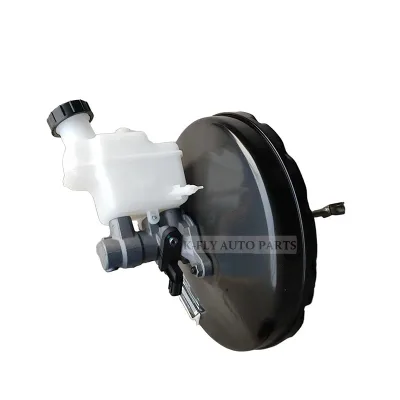
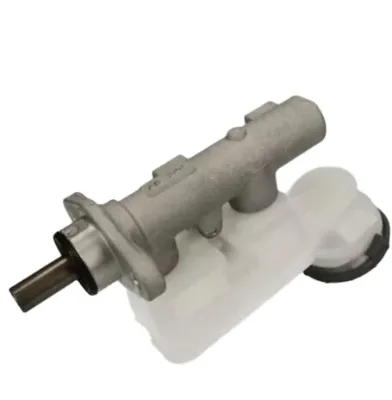
Original Replacement Mg Auto Spare Part 10967681 Brake Brake Pump for MG HS ZS EZS RX5
$87.9343 - $103.4505
MOQ: 2 units
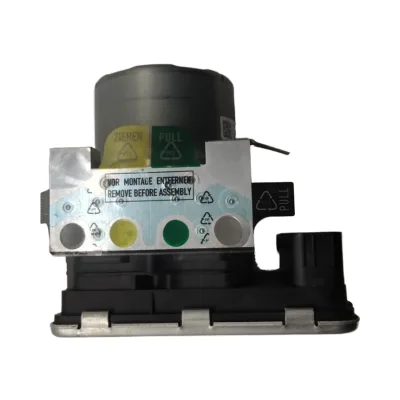
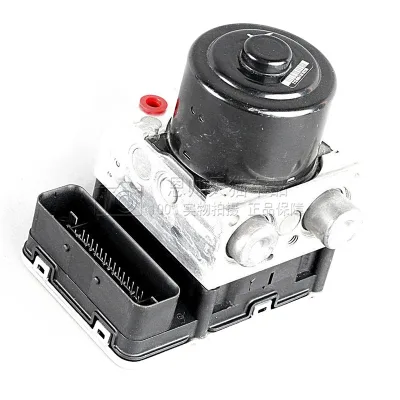
Nio Car Parts 544833429 Car Original ABS Brake Pump for MG HS 11091513 544833429
$237.7744 - $268.7887
MOQ: 2 units
Guangzhou Top Intelligent Equipment Technology Co., Ltd.
- Verified by SGS
- Combined
- China Guangdong
- Lead time15 days
- Avg. response≤ 9h
Main marketsDomestic
Surong Supply Chain Technology (hangzhou) Co., Ltd.
- Trading Company
- Zhejiang, China
- Lead time0 days
- Avg. response≤ 5h
Main productsAuto Parts,Automotive Grille,Auto Led Light,Auto Bumper,Grille
Main marketsDomestic Market(20.00%), South America(15.00%), Southern Europe(10.00%), South Asia(10.00%), Eastern Asia(10.00%), Mid East(10.00%), Southeast Asia(10.00%), Africa(5.00%), North America(5.00%), Eastern Europe(3.00%), Western Europe(2.00%)
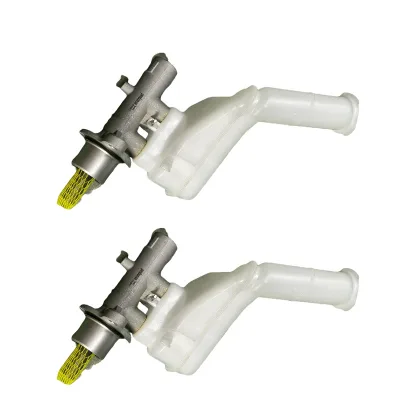
$12.44 - $13.80
MOQ: 4 pieces
Guangzhou Brace Auto Parts Co., Ltd.
- Verified by SGS Group
- Trading Company
- Lead time10 days
- Avg. response≤ 6h
Main productsExterior Parts, Engine Parts, Chassis Parts, Gearbox Parts, Cooling System
Main marketsMid East(20%), South America(15%), Africa(15%)
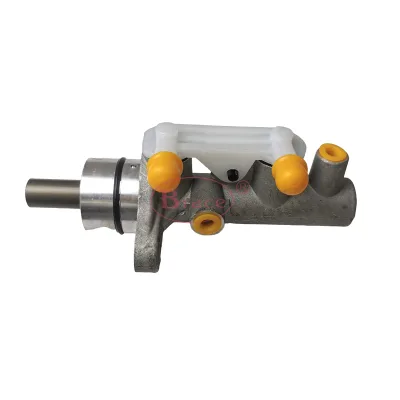
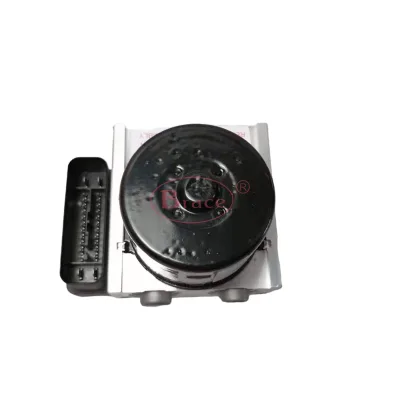
3550040-H01 Brake Pump ABS Pump Assembly for Changan Alsvin/Chana Alsvin 2010
$105.00 - $210.00
MOQ: 1 pieces

Wenzhou Espeed Industry & Trade Co., Ltd.
- Trading Company
- Zhejiang, China
- Lead time0 days
- Avg. response≤ 14h
Main productsAuto Sensor,Engine Parts,Electrical Parts,Cooling System,Auto Switch
Main marketsSouth America(40.00%), Eastern Europe(25.00%), North America(20.00%), Western Europe(5.00%), Southeast Asia(5.00%), Africa(2.00%), Southern Europe(1.00%), Mid East(1.00%), South Asia(1.00%)

Ruian Dongye Auto Parts Co., Ltd.
- Verified by TUVRHEINLAND
- Trading Company,Manufacturer/Factory,Group Corporation
- China Zhejiang
- Lead time45 days
- Avg. response≤ 11h
Main productsBrake Master Cylinder, Clutch Master Cylinder, Clutch Slave Cylinder, Brake Wheel Cylinder
Main marketsSouth America,Eastern Europe,Mid East,North America,Southeast Asia,Eastern Asia,Oceania,Western Europe,Africa

Shenzhen Chengjiaxin Technology Co., Ltd
- Verified by SGS
- Trading Company
- China Guangdong
- Lead time23 days
- Avg. response≤ 4h
Main productsYacht Steering System Kit, Including Hydraulic Steering Pump, Kit-Hydraulic Steering System, Outboard Hydraulic Steering Pump, Power Distribution Solutions, Including RV Power Socket Box, New Energy Socket Box, Automatic Transfer Switch Box, Manual Transfer Switch Box, Two Way Transformer
Main marketsDomestic

Guangzhou Hengxin Auto Parts Trading Co., Ltd.
- Verified by SGS
- Manufacturer/Factory
- China Guangdong
- Lead time23 days
- Avg. response≤ 14h
Main productsFilter, Ball Joint, Water Pump, Break Pads, Rubber Sleeve, Coil Ignition, Spark Plug, Gasket
Main marketsSouth America,Eastern Europe,Mid East,North America,Southeast Asia,Eastern Asia,Oceania,Western Europe,Africa
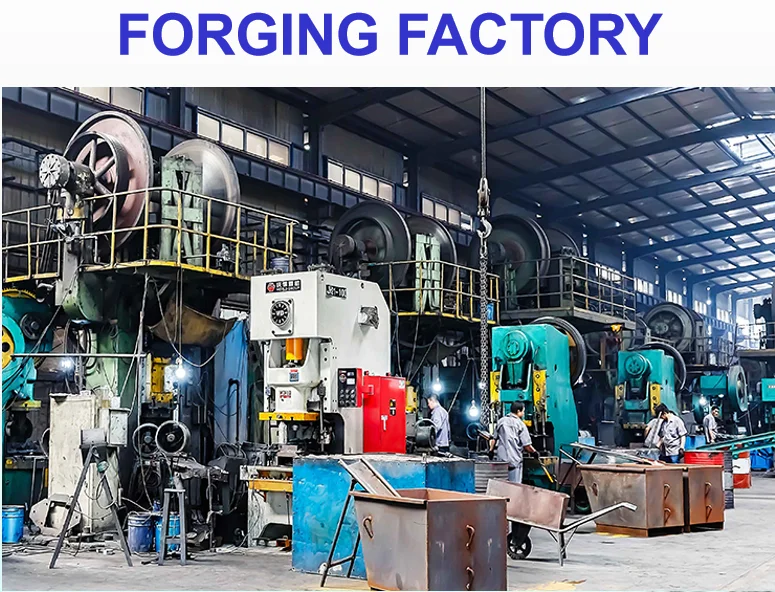
- Manufacturer, Trading Company
- Jiangxi, China
- Lead time25 days
- Avg. response≤ 9h
Main productsforging,machining,atv parts,engineer parts,machinery part
Main marketsNorth America(60.00%), Eastern Europe(20.00%)
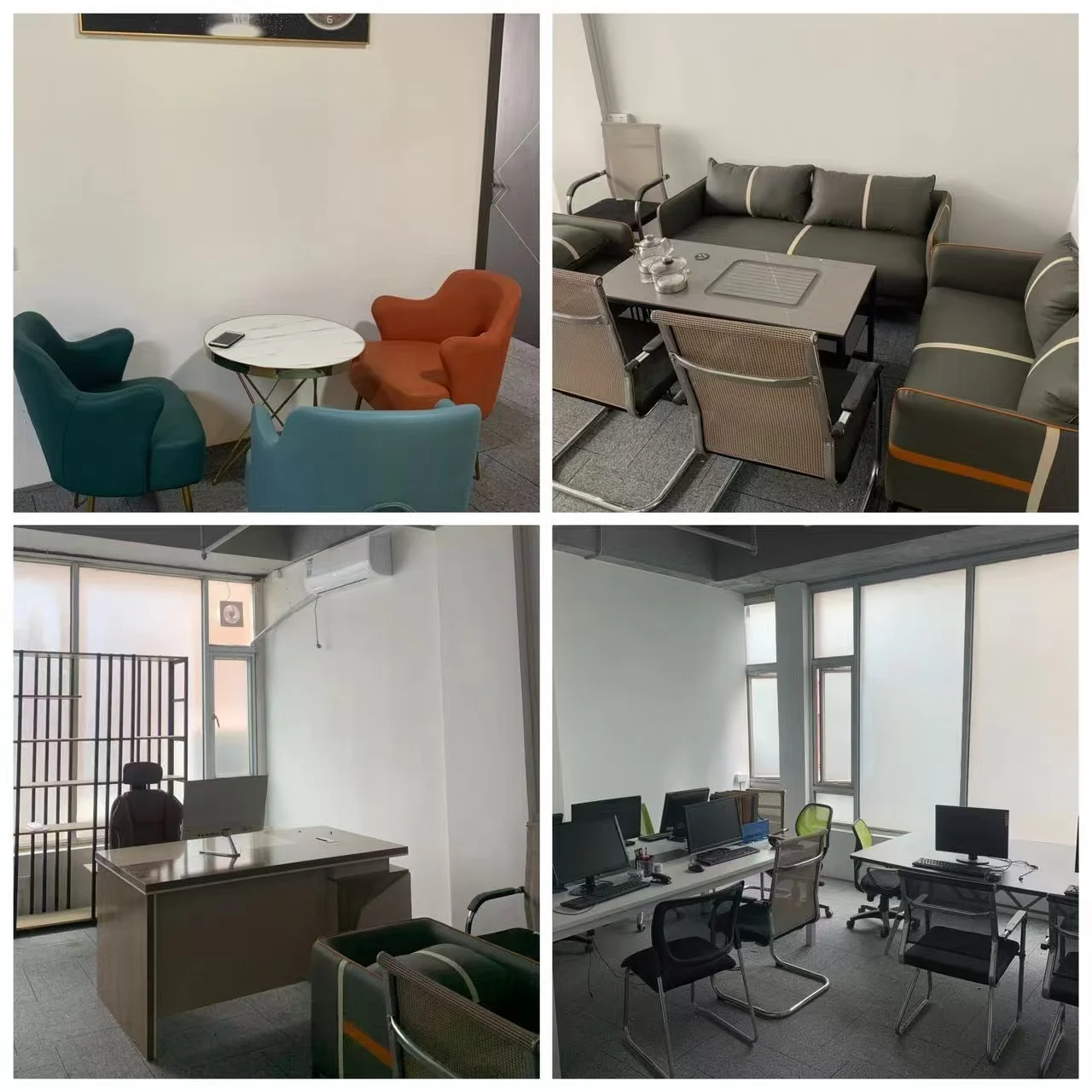
Guangzhou Shiheng Auto Parts Co., Ltd.
- Manufacturer, Trading Company, Other
- guangdong, China
- Lead time0 days
- Avg. response≤ 6h
Main productsMercedes-benz auto parts,BMW auto parts,All car parts,Porsche accessories,Auto parts
Main marketsNorth America(15.00%), South America(14.00%), Domestic Market(10.00%), Southeast Asia(10.00%), Eastern Asia(10.00%), South Asia(7.00%), Northern Europe(6.00%), Oceania(5.00%), Southern Europe(5.00%), Mid East(5.00%), Africa(5.00%), Eastern Europe(5.00%), Central America(3.00%)
Puyang Xinbosen Electronic Technology Co., Ltd.
- Manufacturer, Trading Company
- Henan, China
- Lead time0 days
- Avg. response≤ 2h
Main productsECU,TCU,BCM,ABS
Main marketsSouth America(15.00%), Central America(10.00%), Southeast Asia(10.00%), Mid East(10.00%), North America(10.00%), Domestic Market(5.00%), South Asia(5.00%), Southern Europe(5.00%), Northern Europe(5.00%), Africa(5.00%), Western Europe(5.00%), Eastern Asia(5.00%), Eastern Europe(5.00%), Oceania(5.00%)
Hangzhou Future Auto Parts Co., Ltd.
- Trading Company
- Zhejiang, China
- Lead time30 days
- Avg. response≤ 3h
Main productsEngine Valve Cover,Oil Filter Housing Assembly,Door Handle,Oil Cooler,Throttle Body
Main marketsSouth America(30.00%), North America(30.00%), Eastern Europe(20.00%), Domestic Market(10.00%), Northern Europe(10.00%)
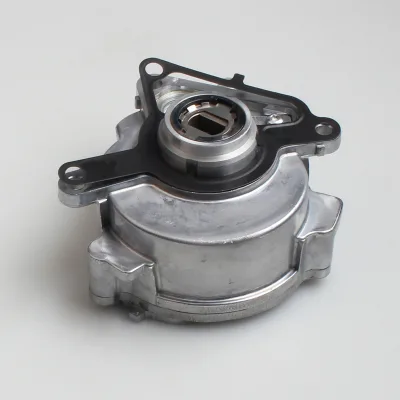
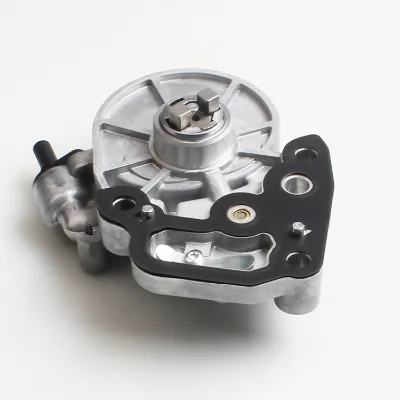
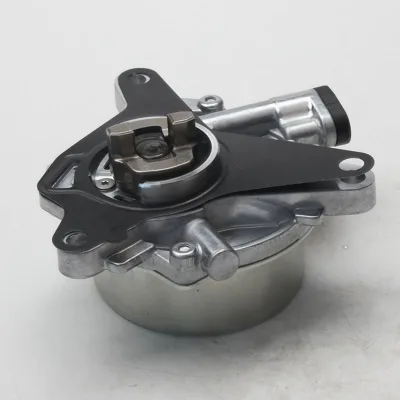
Brake Vacuum Pump 12662789 for 2016-2022 Chevrolet Malibu 1.5L 12673905 12678247
$28.96 - $33.68
MOQ: 10




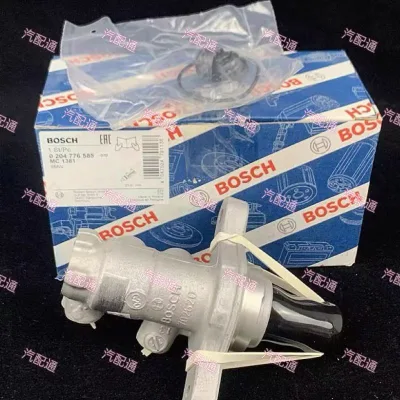
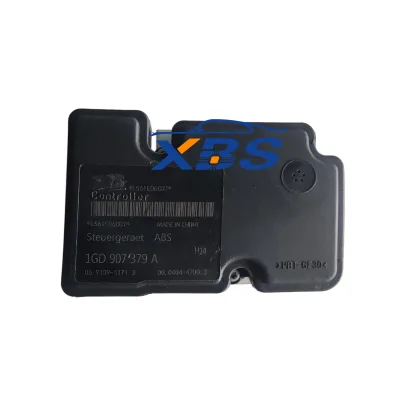
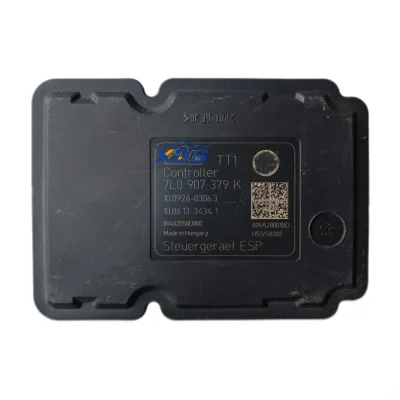
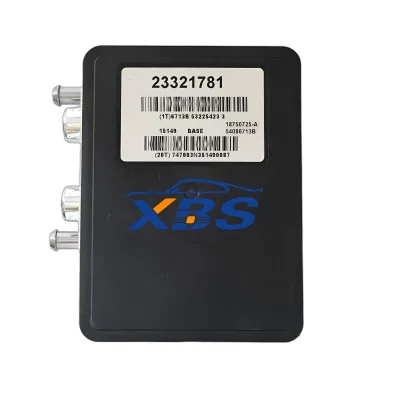
Comprehensive Sourcing Guide
MG HS Brake Pump Supplier Concentration and Factory Types
The current supplier landscape for MG HS Brake Pump components reveals a distinct geographic and structural concentration that buyers must navigate carefully. Evidence indicates that suppliers are located in Chongqing, China, as well as Guangdong and Zhejiang provinces. Chongqing is a significant automotive manufacturing hub in China, which suggests that some suppliers may have closer logistical ties to domestic vehicle production lines, potentially offering advantages in supply chain stability for specific models. However, the presence of suppliers in Guangdong and Zhejiang highlights a broader distribution of manufacturing capabilities across China’s industrial regions. Buyers should recognize that location alone does not guarantee proximity to the final assembly plant or reduced shipping costs, as international logistics depend on port access and carrier routes rather than just provincial boundaries. Understanding these geographic clusters helps in assessing the potential for local inspections or faster domestic shipping if the buyer has operations in China, but it does not automatically imply superior quality or pricing for international orders.
In terms of factory types, the results show a mix of Trading Companies and Combined entities, with some suppliers offering OEM and ODM capabilities. Trading companies often act as intermediaries, aggregating products from various factories to offer a wider catalog, which can simplify sourcing for buyers looking for multiple part types like bumpers, mirrors, and brake systems simultaneously. Combined suppliers may offer more direct manufacturing access or flexible production lines, indicated by capabilities such as light customization and sample processing. This distinction is critical because trading companies might have higher markups but lower minimum order quantities, whereas combined or manufacturing-focused suppliers might require larger commitments but offer better unit economics. Buyers should verify whether the supplier is a direct manufacturer or a trader, as this affects communication efficiency, quality control responsibility, and price negotiation leverage. The presence of specific product evidence, such as brake pumps for MG HS and other models, confirms that these entities are active in the auto parts sector, but the exact nature of their production facilities remains a key variable to investigate during due diligence.
How to Verify MG HS Brake Pump Suppliers
Verification is the most critical step in mitigating risk when sourcing MG HS Brake Pump components, as the automotive aftermarket is rife with counterfeit or substandard parts. Buyers should prioritize suppliers who display third-party verification badges, such as SGS or SGS Group, which indicate that an independent agency has audited the company’s business legitimacy and operational standards. In the current results, some suppliers are marked as verified by SGS, providing a baseline level of trust regarding their legal existence and basic operational capacity. However, verification badges alone do not guarantee product quality or compliance with international automotive standards. Buyers must go beyond these initial checks by requesting specific documentation, such as test reports for brake fluid compatibility, pressure resistance, and material durability. Since brake systems are safety-critical, verifying that the supplier can provide evidence of rigorous quality control processes is essential. This may involve asking for factory audit reports, ISO certification details, or specific test results for the brake master cylinder or vacuum pump components.
Additionally, buyers should assess the supplier’s responsiveness and transparency as indicators of reliability. The response time data shows variations, with some suppliers responding within 3 hours and others taking up to 8.18 hours. A faster response time often correlates with better customer service and more agile problem-solving, which is valuable when dealing with custom orders or urgent replacements. Buyers should also examine the supplier’s main products and catalog depth. Suppliers listing a wide range of auto parts, such as exterior parts, engine components, and chassis parts, may have broader supply chain networks, but this does not necessarily mean they specialize in brake systems. It is advisable to request samples of the MG HS Brake Pump to physically inspect the build quality, packaging, and labeling. Checking the OE numbers against official manufacturer databases is another crucial verification step to ensure compatibility and authenticity. By combining digital verification badges with physical sample testing and communication assessment, buyers can build a more robust profile of supplier reliability.
What to Compare Across MG HS Brake Pump Suppliers
When evaluating multiple suppliers for MG HS Brake Pump components, buyers must systematically compare key operational metrics to identify the best fit for their specific business needs. Lead time is a primary differentiator, with observed ranges varying significantly from 7 days to 15 days, and some suppliers listing zero lead time, which may indicate stock availability or require clarification. Shorter lead times are crucial for maintaining inventory levels and meeting customer demand, especially for replacement parts where downtime is costly. Buyers should also compare Minimum Order Quantities (MOQ), which range from as low as 2 units to as high as 100 units. Lower MOQs are beneficial for testing new markets or fulfilling small orders, while higher MOQs may offer better unit pricing for bulk purchases. Understanding these thresholds helps in aligning supplier capabilities with the buyer’s sales volume and cash flow constraints. Additionally, response speed should be weighed against lead time, as a supplier with a fast response but long lead time may not be suitable for urgent needs, whereas a slow responder with quick delivery might be better for planned restocking.
Price and warranty terms are equally important factors in the comparison process. The price data shows a wide range, with some brake pumps priced around $14 to $14, while others for specific models like the MG HS can range from $87.93 to $103.45 or even higher for ABS brake pumps. These price variations reflect differences in product complexity, material quality, and brand positioning. Buyers should not solely focus on the lowest price but should evaluate the value proposition, including warranty coverage. Most suppliers offer a 1-year or 12-month warranty, which is standard for auto parts, but the terms and conditions of this warranty can vary. Some suppliers may offer limited warranties that exclude certain types of damage, while others might provide more comprehensive coverage. Buyers should also compare the packaging and shipping details, as some suppliers provide detailed single package sizes and weights, which aids in calculating landed costs. By creating a comparison matrix that includes lead time, MOQ, price, warranty, and response time, buyers can make data-driven decisions that balance cost, speed, and risk.
Common MG HS Brake Pump Sourcing Risks
Sourcing MG HS Brake Pump components carries inherent risks that buyers must proactively manage to avoid financial loss and reputational damage. One significant risk is the potential for receiving counterfeit or non-OEM parts that do not meet the specified OE numbers, such as 10967681 or 11091513. The automotive parts market is susceptible to counterfeiting, where inferior materials or incorrect specifications are used to mimic genuine parts. This risk is heightened when dealing with suppliers who do not provide clear documentation or verification of their sourcing channels. Buyers must be vigilant in verifying the authenticity of the parts by cross-referencing OE numbers with official manufacturer databases and requesting proof of origin. Another risk is the variability in product quality, which can lead to premature failures in the field. Since brake systems are critical for vehicle safety, any defect can result in serious consequences, including accidents and liability claims. Buyers should mitigate this risk by conducting thorough quality inspections, either through third-party inspection services or by requesting detailed quality control reports from the supplier.
Logistical and communication risks are also prevalent in international sourcing. Miscommunication regarding specifications, packaging, or shipping instructions can lead to delays, incorrect deliveries, or additional costs. The variation in response times among suppliers highlights the importance of establishing clear communication protocols and expectations from the outset. Buyers should ensure that all technical specifications, such as car model compatibility and OE numbers, are explicitly confirmed in writing before placing an order. Additionally, there is a risk associated with payment terms and financial security. Buyers should use secure payment methods, such as Trade Assurance or escrow services, to protect their funds until the goods are received and verified. Some suppliers may request upfront payments or non-standard payment terms, which can increase financial risk. Buyers should also be aware of potential customs and regulatory hurdles in their destination country, which can cause delays or additional duties. By identifying and addressing these risks through due diligence, clear contracts, and secure payment practices, buyers can minimize the potential negative impacts of sourcing MG HS Brake Pump components.
MG HS Brake Pump Regional Sourcing and Logistics
Regional sourcing strategies for MG HS Brake Pump components are influenced by the geographic distribution of suppliers and the associated logistics networks. Suppliers are located in Chongqing, Guangdong, and Zhejiang, each offering different logistical advantages. Chongqing, being a major automotive hub, may provide better access to domestic supply chains and potentially faster shipping to other parts of China or nearby Asian markets. Guangdong and Zhejiang, on the other hand, are coastal provinces with well-developed port infrastructure, making them ideal for international shipping to North America, Europe, and other global markets. Buyers should consider the proximity of the supplier to major shipping ports when evaluating logistics costs and transit times. For instance, suppliers in Guangdong may have more direct shipping routes to the United States, while those in Zhejiang might have efficient connections to European destinations. Understanding these regional logistics dynamics can help buyers optimize their supply chain and reduce shipping costs.
Furthermore, buyers should assess the supplier’s experience with international shipping and their ability to handle export documentation. Some suppliers provide detailed packing information, such as single package sizes and weights, which is essential for calculating freight costs and planning warehouse storage. Buyers should also consider the supplier’s familiarity with international trade regulations and their ability to provide necessary export documents, such as commercial invoices, packing lists, and certificates of origin. Delays in documentation can lead to customs hold-ups and increased storage fees, so it is crucial to work with suppliers who have a proven track record in international trade. Additionally, buyers should evaluate the supplier’s packaging quality to ensure that the brake pumps are protected during transit. Proper packaging is vital to prevent damage, especially for delicate components like brake master cylinders and vacuum pumps. By carefully considering regional logistics and the supplier’s shipping capabilities, buyers can ensure that their MG HS Brake Pump orders are delivered efficiently and securely to their final destination.
MG HS Brake Pump Commercial Terms and Order Planning
Effective order planning for MG HS Brake Pump components requires a thorough understanding of commercial terms, including pricing structures, payment conditions, and warranty policies. The price range for these parts varies significantly, from approximately $14 for some brake master cylinders to over $100 for specialized MG HS brake pumps. Buyers should negotiate prices based on order volume, as higher quantities often qualify for discounts. It is also important to clarify whether the quoted prices include shipping, taxes, and duties, as these additional costs can significantly impact the total landed cost. Payment terms should be agreed upon in advance, with options such as TT, Trade Assurance, PayPal, or Western Union being common. Buyers should prefer secure payment methods that offer protection against fraud and non-delivery. Additionally, understanding the supplier’s production time and lead time is crucial for planning inventory levels and meeting customer demand. Some suppliers offer production times of 1-7 days, while others may have longer lead times, which should be factored into the order planning process.
Warranty and after-sales support are also key commercial terms that buyers must consider. Most suppliers offer a 1-year or 12-month warranty, but the specifics of this warranty, such as coverage for defects and return policies, should be clearly defined in the contract. Buyers should also inquire about the supplier’s return and exchange policies in case of damaged or incorrect parts. Clear communication regarding these terms can prevent disputes and ensure a smooth transaction process. Furthermore, buyers should consider the supplier’s capacity for customization and OEM services, as some suppliers offer light customization and sample processing. This can be beneficial for buyers looking to brand the products or
FAQs
What is the price range for MG HS brake pumps?
Prices for MG HS brake pumps vary by supplier and specifications. Some listings show ranges from 87.93 to 103.45 USD, while others start at 237.77 USD. Specific costs depend on the OE number and whether the part is an original replacement or a compatible alternative for the vehicle model.
What are the minimum order quantities for these parts?
Minimum order quantities differ significantly across available listings. Some suppliers require a minimum of two units, while others set the threshold at four or five items. Certain bulk options may demand orders of fifty or one hundred pieces, so buyers should check specific product details before purchasing.
How long does it take to receive these brake pumps?
Lead times for delivery vary by supplier location and capacity. Some vendors offer a seven-day turnaround, while others require up to fifteen days. Specific response times range from three to eight hours, and some listings indicate a delivery window of two to seven days depending on the shipping method selected.
Are these brake pumps certified for quality assurance?
Several suppliers provide products with IATF certification to ensure quality standards. Some vendors are verified by SGS Group, adding a layer of trust to their operations. Buyers should verify specific certification documents for each listing to confirm compliance with international automotive safety and manufacturing standards.
Where are these MG HS brake pumps manufactured?
Most listed brake pumps originate from China, with specific manufacturing hubs in Chongqing, Guangdong, and Zhejiang. The place of origin is consistently noted as China in product attributes. Buyers should confirm the exact city of origin to assess logistics costs and potential import regulations for their specific region.
What warranty is provided for these brake components?
Warranty periods typically range from one year to twelve months depending on the supplier. Some listings specify a one-year warranty, while others offer twelve months of coverage. Buyers must review the specific product terms to understand what defects are covered and the process for claiming warranty support.
Can these brake pumps be customized for specific needs?
Customization options are available from certain suppliers offering OEM and ODM services. Some vendors provide light customization, sample processing, and graphic processing capabilities. Buyers seeking specific modifications should contact suppliers directly to confirm if their requirements can be met within the production timeline.