Micro Machined Aluminum Part Suppliers and Manufacturers
Find 27 verified suppliers offering Micro Machined Aluminum Part services with ISO9001:2015 certification and BV verification. Compare lead times, response speeds, and MOQs to source precision CNC parts from Guangdong factories. Request quotes today; review the available evidence before requesting comparable quotations from suitable candidates.
Updated
Suppliers List

Zhongshan Holy Precision Manufacturing Co., Ltd
- Verified by BV
- Combined
- China Guangdong
- Lead time15 days
- Avg. response≤ 3h
Main productsCNC Machining, Turning, Stamping, Laser Cutting, Sheet Metal Fabrication, Casting and Mould Parts, Surface Treatment and Assembly, OEM/ODM Designing, Powder Metal, EDM Wire Cutting Part
Main marketsSoutheast Asia/ Mideast,East Asia(Japan/ South Korea),Europe,Australia,North America

Dongguan Qijia Precision Technology Co., LTD
- Verified by TUVRHEINLAND
- Combined
- China Guangdong
- Lead time15 days
- Avg. response≤ 1h
Main productsCNC Part, CNC Milling Part, Auto Part, Die Casting, CNC Machining, CNC Milling, CNC Turning
Main marketsDomestic

Jiangsu Moshang Precision Technology Co., Ltd.
- Trading Company,Manufacturer/Factory
- China Jiangsu
- Lead time23 days
- Avg. response≤ 14h
Main productsCNC Part, Hardware, Bicycle Parts, Auto Parts
Main marketsSouth America,Eastern Europe,Mid East,North America,Southeast Asia,Eastern Asia,Oceania,Western Europe,Africa

Ningbo Yinzhou Hisea Machinery Co., Ltd.
- Manufacturer/Factory
- China Zhejiang
- Lead time23 days
- Avg. response≤ 2h
Main productsCNC Machining Parts, Investment Casting Parts, Stamping, Forging, Welding Service, Metal Fabricating Service, Laser Cutting Service, Die Casting, Metal Deep Drawn, Stainless Steel Accessories
Main marketsSouth America,Eastern Europe,Mid East,North America,Southeast Asia,Eastern Asia,Oceania,Western Europe,Africa
Shenzhen Flourish Legend Limited
- Verified by Intertek
- Trading Company
- Lead time15 days
- Avg. response≤ 1h
Main productsCNC Machining, Injection Molding, Prototyping, Vacuum Forming, Sheet Metal Fabrication
Main marketsNorth America(25%), Western Europe(20%), Mid East(15%)
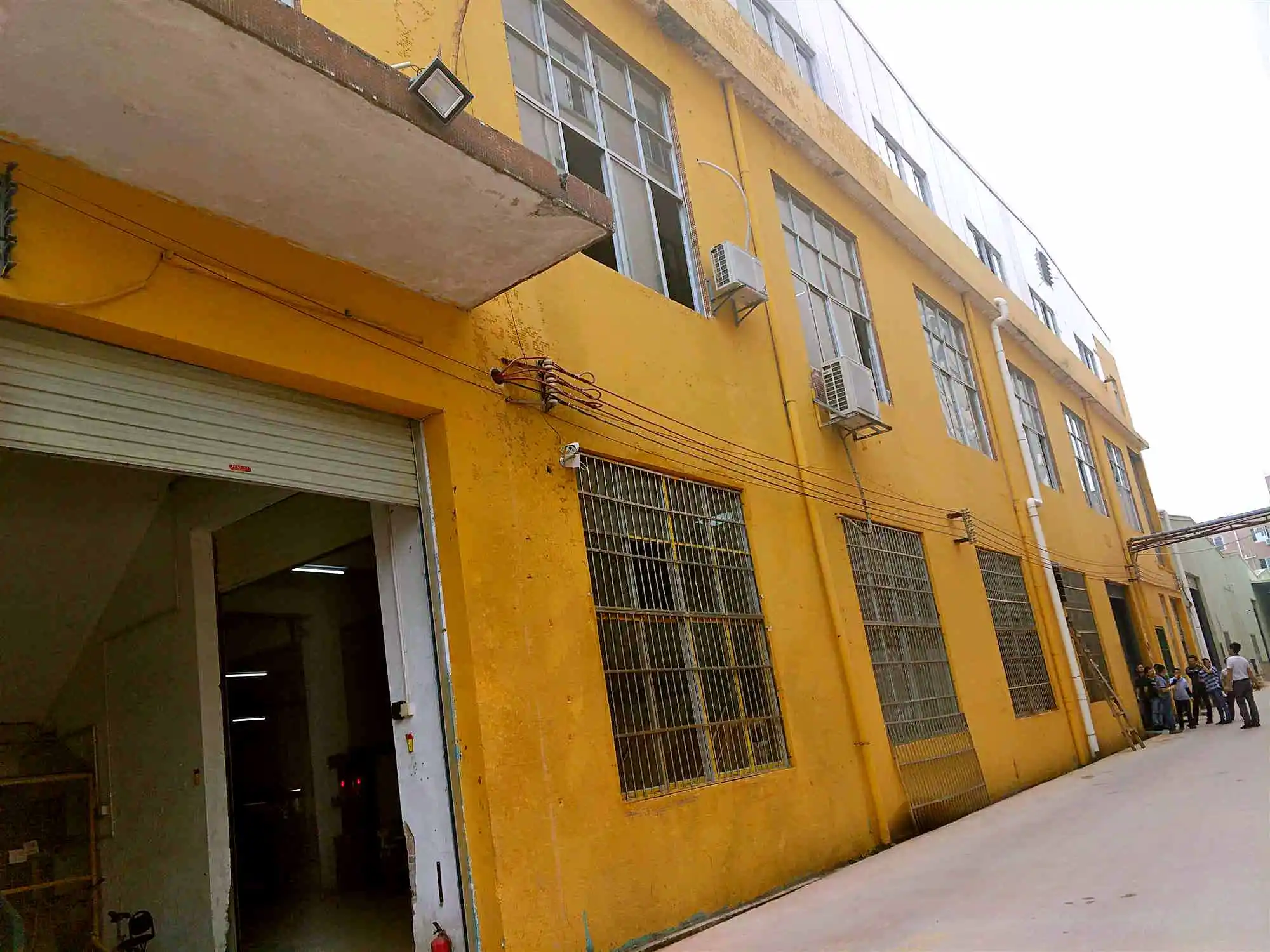
Dongguan Shengxiang Hardware Trading Co., Ltd.
- Manufacturer, Trading Company
- Guangdong, China
- Lead time15 days
- Avg. response≤ 3h
Main productsmetal products,stamping metal,auto parts,metal plastic accessories,hardware products
Main marketsDomestic Market(20.00%), Western Europe(16.50%), Central America(10.00%), North America(10.00%), Southern Europe(10.00%), Northern Europe(10.00%), Oceania(5.00%), South America(5.00%), Southeast Asia(5.00%), Eastern Europe(5.00%), South Asia(1.00%), Eastern Asia(1.00%), Mid East(1.00%), Africa(0.50%)

Suzhou Ecod Precision Manufacturing Co., Ltd.
- Verified by CTI
- Trading Company
- China Jiangsu
- Lead time15 days
- Avg. response≤ 4h
Main productsCNC Machining Part, Sheet Metal Part, Injection Moulding, Stamping Part, Surface Treatment, CNC Milling Part, CNC Turning Part, Die-Casting Part
Main marketsSoutheast Asia/ Mideast,Europe

Dongguan Xinqida Precision Hardware Accessories Co., Ltd.
- Verified by TUVRHEINLAND
- Combined
- China Guangdong
- Lead time15 days
- Avg. response≤ 5h
Main productsCNC Machined Part, CNC Machining, CNC Machining Part, Machining Part, Machining
Main marketsDomestic


Customized Precision Machined Parts Made of Aluminum Alloy and Stainless Steel
$2.00 - $3.00
MOQ: 10 Pieces

- Verified by CTI
- Combined
- China Guangdong
- Lead time23 days
- Avg. response≤ 1h
Main productsCNC Machining Part, CNC Machining, CNC Part, Machining Part, Die-Casting Part, Extrusion, Milling Part
Main marketsSouth America,Southeast Asia/ Mideast,Domestic,Europe,Australia,North America


High Precision CNC Machined Aluminum Parts with Color Anodizing and Stable Quality
$2.50 - $3.00
MOQ: 100 Pieces

Hebei Anma Mech&elec Technology Co., Ltd
- Trading Company
- Hebei, China
- Lead time15 days
- Avg. response≤ 7h
Main productsRock drill,Epiroc parts,Sandvik Part,Drifter Parts,Mining Parts
Main marketsMid East(60.00%), South Asia(20.00%), Eastern Europe(10.00%), Africa(5.00%), North America(5.00%)
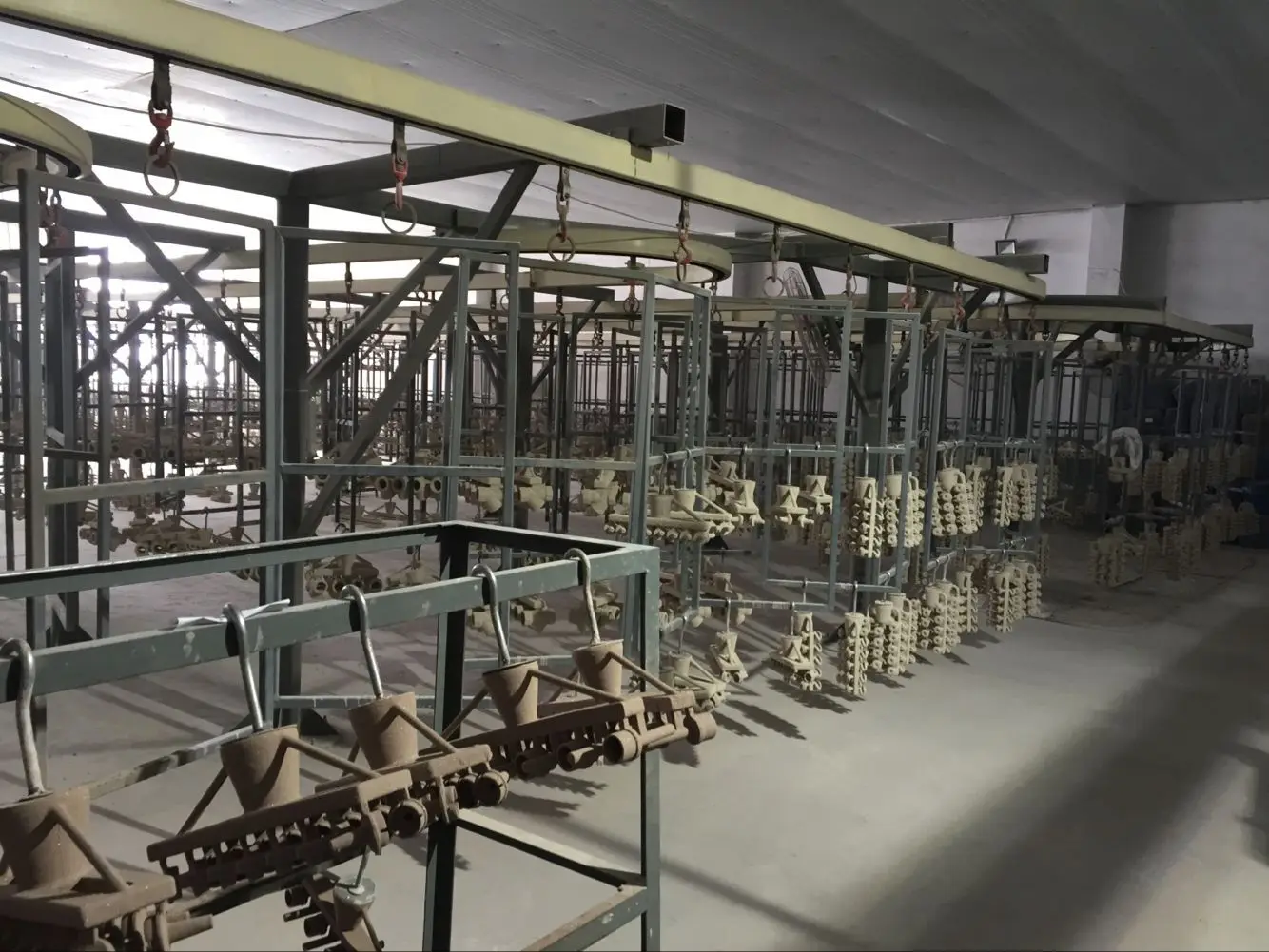
Gaomi Huading Precise Metals Co., Ltd.
- Manufacturer, Trading Company
- Shandong, China
- Lead time20 days
- Avg. response≤ 2h
Main productsHight precise casting parts,Low pressure aluminum casting,Stainless steel casting parts,machining,lost wax casting parts
Main marketsEastern Asia(20.00%), Western Europe(20.00%), South America(10.00%), Northern Europe(10.00%), Southern Europe(10.00%), Eastern Europe(10.00%), Mid East(2.00%), North America(2.00%), Southeast Asia(1.00%)
Shenzhen Castley Technology Co., Ltd.
- Verified by TüVRheinland
- Manufacturer, Trading Company
- Lead time10 days
- Avg. response≤ 3h
Main productsMachining Services, Custom CNC Machining, Aluminum CNC Machining, Sheet Metal Fabrication, CNC Parts
Main marketsNorth America(40%), Western Europe(20%), Oceania(10%)
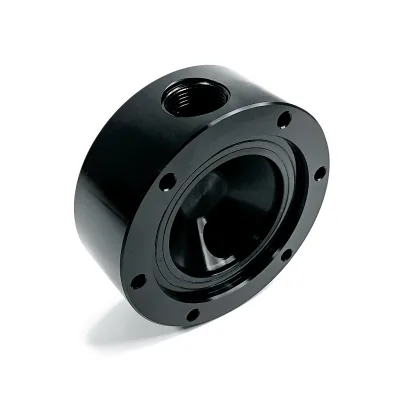
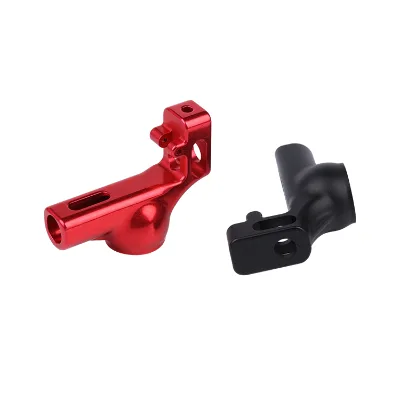
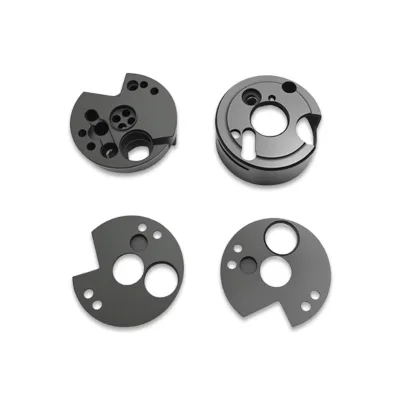
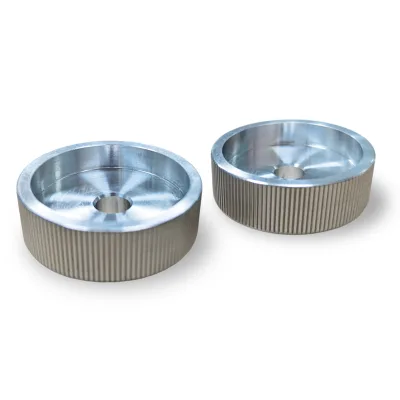
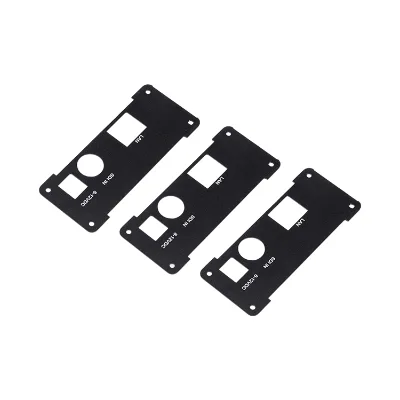
$1.5455 - $5.1521
MOQ: 10 pieces

Foshan Nanhai Sunleaf Metal Products Co., Ltd.
- Verified by SGS
- Combined
- China Guangdong
- Lead time30 days
- Avg. response≤ 2h
Main marketsEurope,North America

QINGDAO XINGHEXING PRECISION INDUSTRY CO., LTD
- Verified by SGS
- Combined
- China Shandong
- Lead time30 days
- Avg. response≤ 7h
Main productsCasting Parts, Machining Parts, Sheet Metal Parts, Aluminium Welding Parts, Mold &Tools, Machine Parts, Auto Parts, Truck Parts, Vehicle Parts, Valve & Pump Parts
Main marketsEurope,Australia,North America
Guangdong Lusheng Technology Co., Ltd.
- Manufacturer, Trading Company
- Guangdong, China
- Lead time0 days
- Avg. response≤ 1h
Main productsStamping Parts,Aluminum extrusion profle,CNC Machining Parts,precision gear,custom mold
Main marketsEastern Europe(40.00%), Western Europe(20.00%), South America(20.00%), Central America(10.00%), North America(10.00%)
Changsha Xiangtao Precision Technology Co., Ltd.
- Manufacturer
- Hunan, China
- Lead time0 days
- Avg. response≤ 20h
Main productsMetal Structural Parts Processing,Surface Finishing
Main marketsSouth Asia(50.00%), North America(30.00%), Eastern Europe(20.00%)
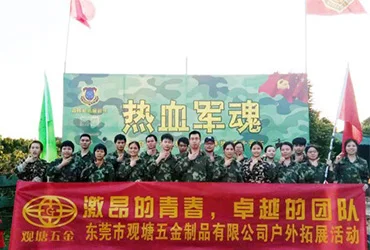
Dongguan Chengyang Hardware Co., Ltd.
- Manufacturer, Trading Company
- Guangdong, China
- Lead time30 days
- Avg. response≤ 6h
Main productsCNC turning parts,CNC milling parts,stamping parts,Custom machining services,Sheet metal
Main marketsNorthern Europe(26.00%), North America(25.00%), Southern Europe(5.00%), South America(5.00%), Central America(5.00%), Western Europe(5.00%), Eastern Asia(5.00%), Oceania(5.00%), Domestic Market(5.00%), South Asia(5.00%), Eastern Europe(5.00%), Africa(2.00%), Southeast Asia(2.00%)

Dongguan Hanztek Metal & Plastic Co., Ltd.
- Verified by SGS
- Manufacturer/Factory
- China Guangdong
- Lead time30 days
- Avg. response≤ 1h
Main productsCNC Machining Part, CNC Turned Part, CNC Milled Part, CNC Precision Part, Numerical Control Part, Machinery Part, Metal Part, CNC Machining Services
Main marketsSouth America,Eastern Europe,Mid East,North America,Southeast Asia,Eastern Asia,Oceania,Western Europe,Africa
Shandong Fangzhuo Fabrication Co., Ltd.
- Verified by TüVRheinland
- Trading Company
- Lead time0 days
- Avg. response≤ 1h
Main productsCNC Milling Turning Processed Parts, Laser Cutting Metal Parts, Sheet Metal Parts, Steel Welding Parts, Iron Aluminum Steel Casting Parts
Main marketsMid East(20%), North America(15%), Eastern Europe(15%)

Yicun Technology (Dongguan) Co., Ltd
- Verified by TUVRHEINLAND
- Combined
- China Guangdong
- Lead time15 days
- Avg. response≤ 4h
Main productsPrecision Hardware and Equipment Industry, Mold Component, CNC Machining Parts for Camera, OEM Aluminum Custom Milling Turning CNC Machinin, Aluminum Part, Acrylic Sheet Parts, CNC Machining of Metal Parts
Main marketsDomestic

Dezhou Epai Precision Machinery Co., Ltd
- Trading Company
- China Shandong
- Lead time0 days
- Avg. response≤ 5h
Main productsPrecision Parts Processing/Sheet Metal Parts, Mechanical Machining/CNC Precision Machining, Gallium Arsenide Semiconductor Device, Indium Phosphide Semiconductor Device, Aerospace Parts

Shenzhen Ebyton Technology Co., Ltd.
- Verified by TUVRHEINLAND
- Combined
- China Guangdong
- Lead time15 days
- Avg. response≤ 6h
Main productsCNC Machine Part, Sheet Metal Fabrication, Plastic Fabrication, CNC Machining, Acrylic Fabrication
Main marketsDomestic,Europe,North America
Shenzhen Jindee Technology Co., Ltd.
- Verified by SGS Group
- Manufacturer, Trading Company
- Lead time20 days
- Avg. response≤ 3h
Main productsCNC Parts, Stamping Parts, Plastic Parts, Die Casting Parts, CNC Turning Parts
Main marketsNorth America(30%), Western Europe(25%), Northern Europe(25%)
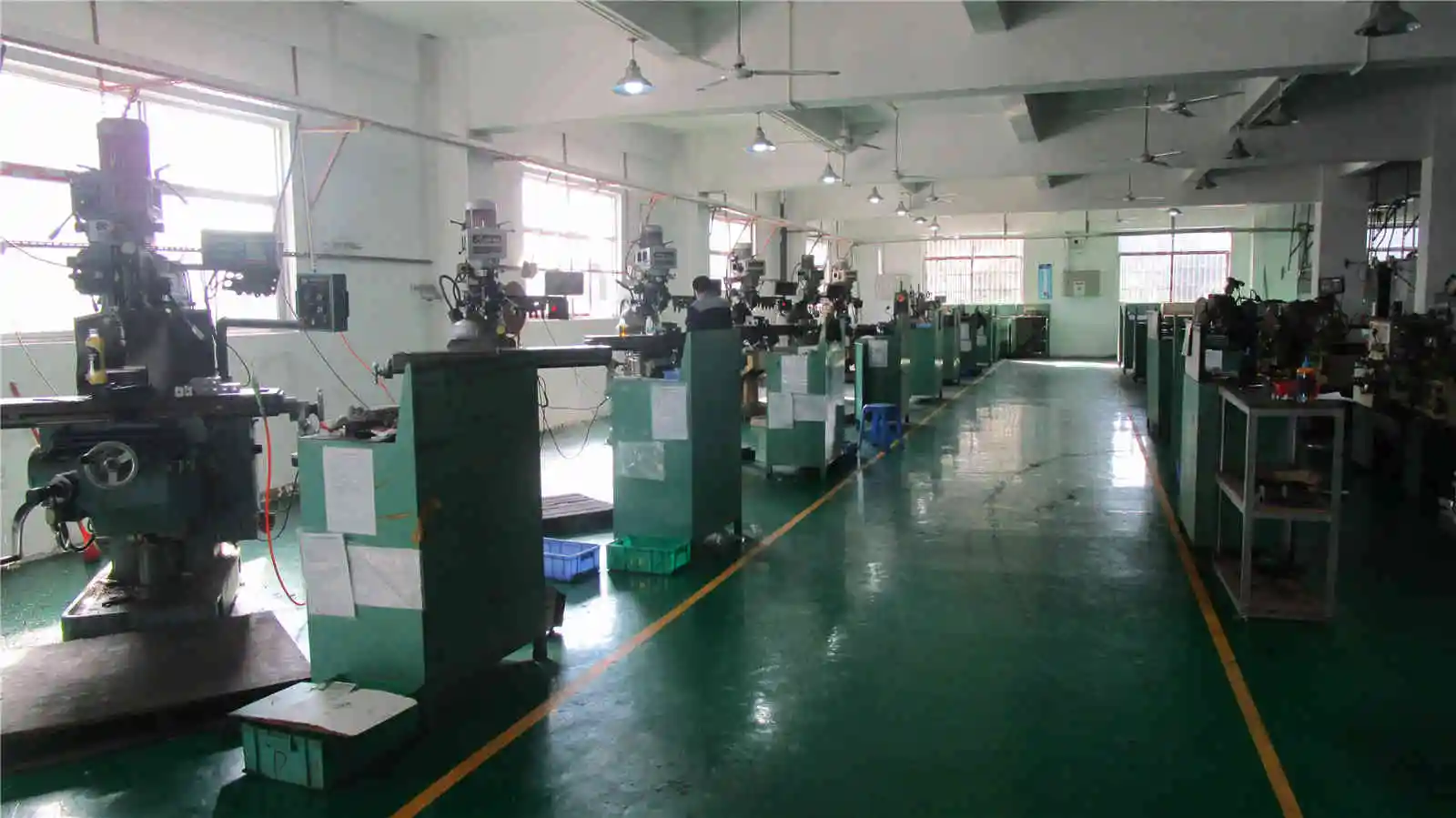
Shenzhen Da Tai Xin Intelligent Manufacturing Technology Co., Ltd.
- Manufacturer, Trading Company
- Guangdong, China
- Lead time10 days
- Avg. response≤ 2h
Main productsAluminum parts CNC machining,turning parts,cnc machining parts,cnc machining service,bicycle parts
Main marketsNorth America(60.00%), Northern Europe(10.00%), South America(10.00%), Domestic Market(5.00%), Southeast Asia(5.00%), Central America(5.00%), Mid East(5.00%)
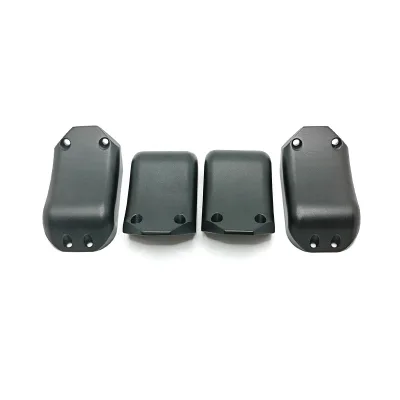
$1.0268 - $2.7222
MOQ: 1 pieces
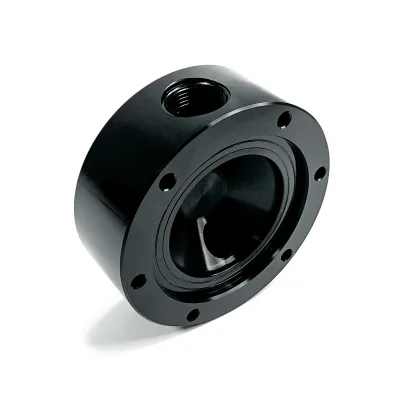
$0.6236 - $1.5575
MOQ: 10 pieces
Ningbo Juheng Machinery Technology Co., Ltd.
- Manufacturer
- Zhejiang, China
- Lead time30 days
- Avg. response≤ 3h
Main productsDie Casting,Gears,Shafts,CNC Machining,Worm
Main marketsSoutheast Asia(25.00%), North America(25.00%), South Asia(10.00%), South America(10.00%), Western Europe(9.00%), Southern Europe(8.00%), Africa(5.00%), Oceania(5.00%), Northern Europe(3.00%)

Delixi New Energy Technology (Hangzhou) Co., Ltd.
- Verified by SGS
- Trading Company
- China Zhejiang
- Lead time30 days
- Avg. response≤ 9h
Main productsprecision moulds and machine
Main marketsOthers(foreignTradeCapacity.exportBusinessCapacityMarketOther),North America
Shenzhen HengxingHan Technology Co., Ltd
- Trading Company
- Guangdong, China
- Lead time0 days
- Avg. response≤ 3h
Main productsCNC Machining, Casting Process, Sheet Metal Fabrication, 3D Printing (Including Metal), Forging
Main marketsEastern Europe(40.00%), Central America(20.00%), North America(15.00%), Northern Europe(10.00%), Southern Europe(5.00%), South America(5.00%), Western Europe(5.00%)






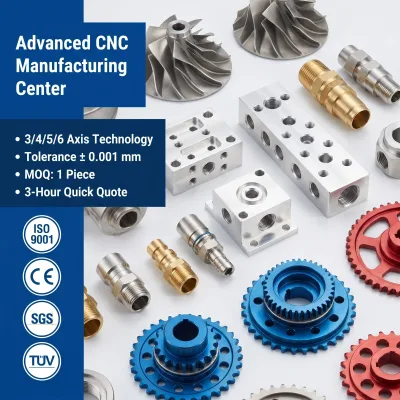
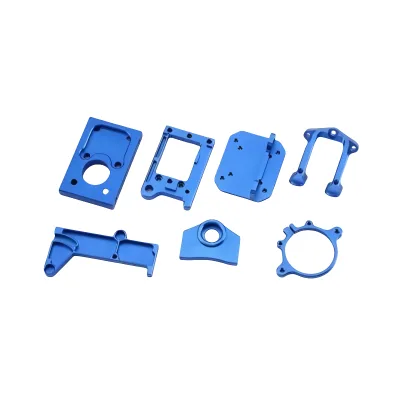
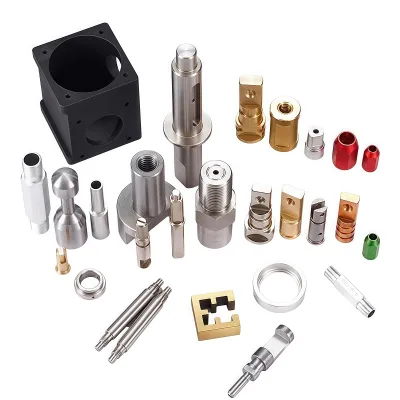






Comprehensive Sourcing Guide
Micro Machined Aluminum Part Supplier Concentration and Factory Types
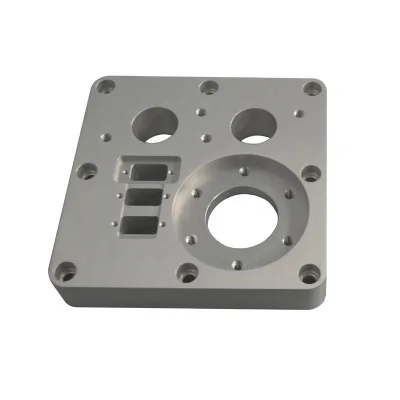
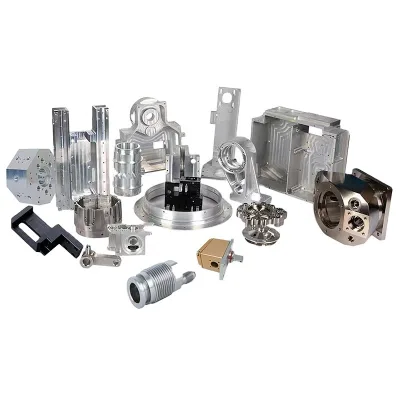
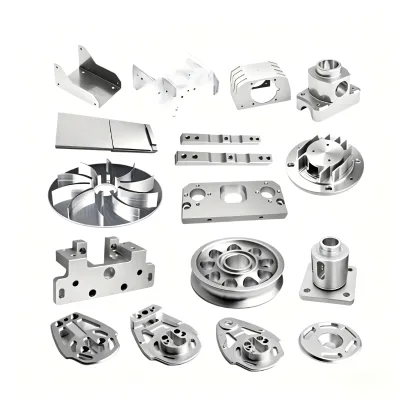
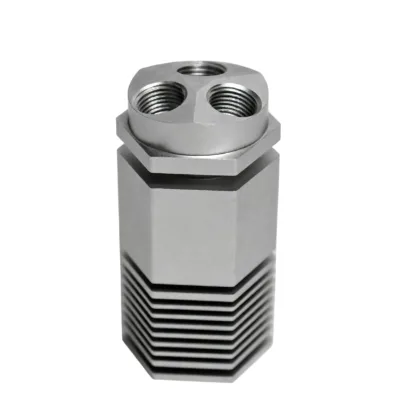
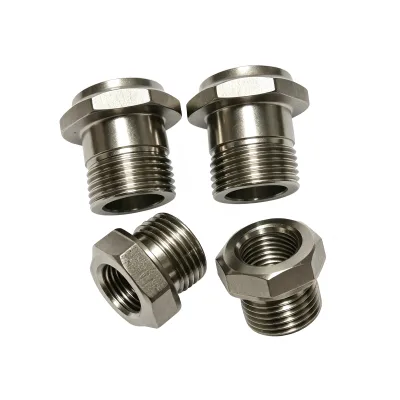
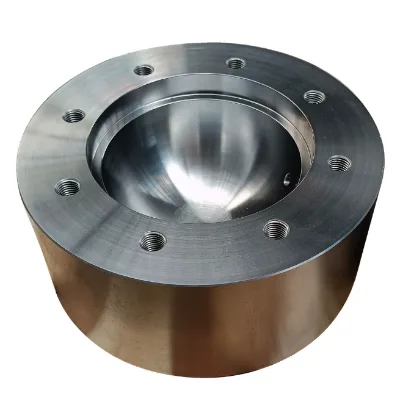
The current supplier landscape for micro machined aluminum parts reveals a distinct geographic concentration in China, specifically within the Guangdong province. This region serves as a critical hub for precision manufacturing, offering a dense ecosystem of factories capable of handling complex CNC machining, turning, and stamping operations. Buyers evaluating suppliers in this area should note that many entities operate as combined entities, functioning simultaneously as manufacturers and trading companies. This dual role can streamline communication for international buyers while ensuring direct access to production lines. The presence of specialized facilities in cities like Zhongshan further indicates a mature industrial cluster where expertise in aluminum processing, including anodizing and surface treatment, is readily available. Understanding this geographic distribution helps buyers target regions with established supply chains for metal parts, reducing logistical friction and potentially lowering shipping costs due to the density of export-oriented facilities.
Factory types in this sector vary significantly, ranging from pure OEM providers to those offering full ODM design services. Many suppliers list main products that include CNC machining, laser cutting, and sheet metal fabrication, suggesting a versatile capability to handle diverse project requirements. Some facilities specialize in specific materials, such as aluminum alloys 2017, 6065, 7075, and 2024, while others accommodate plastic and metal combinations. The business type classification often indicates whether a supplier is a manufacturer, a trading company, or a hybrid. For buyers seeking micro machined components, identifying whether the supplier has in-house CNC milling and turning capabilities is crucial. Suppliers that explicitly state they are manufacturers and trading companies may offer the benefit of direct factory pricing combined with the flexibility of a trading desk for logistics and customer service. This structural diversity allows buyers to select partners based on whether they prioritize direct manufacturing control or comprehensive service integration.
How to Verify Micro Machined Aluminum Part Suppliers
Verification is a critical step in ensuring the reliability of suppliers offering micro machined aluminum parts. Buyers should prioritize suppliers who have undergone third-party verification processes, such as BV or TÜV Rheinland certifications. These verifications provide an additional layer of confidence regarding the supplier’s business legitimacy and operational standards. Additionally, checking for system certifications like ISO9001:2015 is essential, as it indicates a structured quality management system. While some product listings may mention certifications like SGS, RoHS, or CE, buyers must distinguish between product-specific compliance and overarching company quality standards. It is important to verify that the certification is current and applicable to the specific manufacturing processes involved, such as CNC machining and surface treatment. Buyers should request copies of these certificates and cross-reference them with the issuing bodies to ensure authenticity. This due diligence helps mitigate the risk of engaging with unverified entities that may not meet international quality benchmarks.
Beyond certifications, buyers should assess the supplier’s response time and communication efficiency. A rapid response time, such as under two hours, often indicates a well-staffed and responsive sales team, which is crucial for handling custom orders and technical queries. Buyers should also examine the supplier’s verification status on the platform, looking for badges or indicators that confirm their identity and business scope. It is advisable to request detailed company profiles that outline their main products, production capacity, and quality control procedures. Suppliers that provide comprehensive information about their capabilities, such as available file formats like Auto CAD, IGS, and STP, demonstrate a higher level of professionalism and technical readiness. Buyers should also inquire about their quality control processes, such as whether they perform 100% inspection before shipment. This proactive verification approach ensures that the selected supplier has the necessary infrastructure and commitment to deliver high-quality micro machined aluminum parts consistently.
What to Compare Across Micro Machined Aluminum Part Suppliers
When evaluating multiple suppliers for micro machined aluminum parts, buyers should compare key operational metrics to identify the most suitable partner. Lead time is a significant factor, with some suppliers offering delivery times as short as three to seven days for certain components, while others may have standard lead times of fifteen days. Buyers should align these timelines with their project schedules to avoid delays. Minimum order quantity (MOQ) requirements also vary, with some suppliers accepting orders as low as one piece, which is ideal for prototyping, while others may require higher volumes, such as one hundred pieces. Comparing these MOQs helps buyers determine which suppliers can accommodate their specific order sizes, whether for small batches or large-scale production. Additionally, response speed should be considered, as faster responses can facilitate quicker negotiations and problem-solving. Buyers should also look at the range of main products offered, ensuring the supplier has expertise in CNC machining, turning, and other relevant processes.
Price and payment terms are another critical area for comparison. Some suppliers may offer competitive pricing structures, with prices starting at specific low thresholds, but buyers must consider the total cost of ownership, including shipping and tariffs. Payment methods such as L/C, T/T, and D/P should be evaluated based on the buyer’s financial preferences and risk tolerance. Trade terms like EXW, FOB, CIF, CFR, DDP, and DDU also impact the overall cost and logistics responsibility. Buyers should compare these terms to understand who bears the risk and cost at various stages of the supply chain. Furthermore, the availability of customization services and the range of materials offered, such as different aluminum alloys, should be assessed. Suppliers that provide flexible customization options and a wide material selection can better meet specific project requirements. By systematically comparing these operational and commercial factors, buyers can make informed decisions that balance cost, quality, and delivery efficiency.
Common Micro Machined Aluminum Part Sourcing Risks
Sourcing micro machined aluminum parts from international suppliers involves several potential risks that buyers must manage carefully. One significant risk is the variability in quality control standards. While some suppliers claim to perform 100% inspection before shipment, the actual consistency of this process can vary. Buyers should be cautious of suppliers that do not provide detailed quality reports or inspection records. Another risk is the accuracy of tolerances, with some suppliers claiming precision levels like +/-0.005mm. Buyers must verify that the supplier has the necessary equipment and expertise to maintain such tight tolerances consistently. Inconsistent quality can lead to part failures and production delays, increasing overall costs. Additionally, there is a risk of miscommunication regarding design specifications. Suppliers that accept various file formats like Auto CAD and STP are generally more adaptable, but buyers must ensure that their designs are clearly communicated and validated before production begins.
Logistical risks are also prevalent, particularly concerning shipping and delivery times. While some suppliers offer express shipping via DHL, TNT, UPS, or FedEx, delays can occur due to customs clearance or carrier issues. Buyers should be aware that trade terms like EXW or FOB shift different responsibilities to the buyer, potentially complicating logistics. Another risk is the reliability of the supplier’s production capacity. Suppliers that are both manufacturers and trading companies may face capacity constraints if they prioritize trading clients over manufacturing. Buyers should assess the supplier’s actual production capabilities and history to ensure they can meet demand. Furthermore, there is a risk of intellectual property leakage, especially when sharing detailed design files. Buyers should consider using non-disclosure agreements and working with suppliers who have robust data security practices. By identifying and mitigating these risks, buyers can protect their projects from potential disruptions and ensure a smoother sourcing experience.
Micro Machined Aluminum Part Regional Sourcing and Logistics
Regional sourcing plays a crucial role in the logistics of micro machined aluminum parts, with China, particularly Guangdong, emerging as a dominant hub. This region benefits from a mature industrial ecosystem, including specialized clusters in cities like Zhongshan, which enhances the availability of skilled labor and advanced machinery. Sourcing from this region can offer advantages in terms of cost efficiency and production speed, given the density of suppliers and supporting industries. Buyers should consider the proximity of suppliers to major shipping ports, such as Shenzhen Port, which can facilitate faster and more cost-effective export logistics. The concentration of suppliers in this area also allows for easier comparison and selection, as buyers can evaluate multiple options within a short geographic range. However, buyers must also consider the potential for regional disruptions, such as policy changes or infrastructure issues, and diversify their supplier base if necessary.
Logistics planning should account for the various shipping methods available, including express delivery, ocean shipping, and air freight. Suppliers often offer multiple shipping options, such as DHL, TNT, UPS, and FedEx, allowing buyers to choose based on urgency and cost. Ocean shipping is typically more economical for larger volumes, while express services are suitable for urgent or smaller orders. Buyers should also consider the packaging requirements, as suppliers may use foam-wrapped carton boxes, wooden boxes, or custom packaging to protect the parts during transit. Proper packaging is essential to prevent damage, especially for precision machined components. Additionally, buyers should be aware of the trade terms offered, such as EXW, FOB, CIF, and DDP, which determine the point at which risk and cost transfer from the supplier to the buyer. Understanding these logistics nuances helps buyers optimize their supply chain, reduce transit times, and manage costs effectively.
Micro Machined Aluminum Part Commercial Terms and Order Planning
Commercial terms and order planning are vital for successful procurement of micro machined aluminum parts. Buyers should carefully review the payment methods offered by suppliers, such as L/C, T/T, and D/P, to ensure they align with their financial policies and risk management strategies. Payment terms can significantly impact cash flow and project timelines, so buyers should negotiate favorable conditions where possible. Additionally, buyers should consider the supplier’s pricing structure, which may vary based on order volume, complexity, and material selection. Some suppliers offer competitive prices for standard parts, while custom orders may incur additional costs. Buyers should request detailed quotations that break down costs for materials, machining, surface treatment, and shipping to ensure transparency. Understanding the total cost of ownership, including any hidden fees, is essential for accurate budgeting and cost control.
Order planning should also account for the supplier’s lead times and production capacity. Buyers should align their order schedules with the supplier’s capabilities to avoid delays, especially for time-sensitive projects. Some suppliers offer rapid turnaround times of three to seven days, which can be beneficial for urgent orders, while others may have longer lead times. Buyers should communicate their requirements clearly, including design specifications, material preferences, and quality standards, to ensure the supplier can meet their expectations. It is also advisable to establish a clear communication channel for ongoing updates and issue resolution. Buyers should consider the supplier’s flexibility in handling changes or revisions, as this can impact the overall project timeline. By carefully planning orders and negotiating favorable commercial terms, buyers can build a reliable and efficient supply chain for micro machined aluminum parts, ensuring consistent quality and timely delivery.
FAQs
What is the minimum order quantity for micro machined aluminum parts?
The minimum order quantity is one unit, allowing buyers to test quality without large commitments. Some listings specify a minimum of 100 units for specific models. This flexibility supports both prototyping and small batch production needs effectively.
How long does production take for custom aluminum components?
Standard lead times are reported as 15 days for general orders. However, specific product listings indicate faster delivery windows of three to seven days. Buyers should confirm exact timelines with suppliers based on part complexity and quantity requirements.
Which certifications do these aluminum machining suppliers hold?
Suppliers hold ISO9001:2015 system certification for quality management. Product listings also reference ISO, SGS, RoHS, and CE certifications. Verification badges from BV and TÜV Rheinland are present. Buyers should request current certificates to ensure compliance with specific industry standards.
Where are these aluminum part manufacturers located?
Manufacturers are located in China, specifically in Guangdong province and Zhongshan. Shenzhen Port is listed as a shipping origin for exports. This regional concentration supports efficient logistics and established supply chains for international buyers seeking precision machining services.
What is the price range for CNC machined aluminum parts?
Prices range from 0.50 to 1.00 per unit for listed items. These figures represent baseline costs for standard aluminum components. Final pricing depends on material grade, tolerance requirements, and surface finish options. Buyers should request detailed quotes for accurate budgeting.
What materials are used for these machined components?
Primary materials include Aluminum 2017, 6065, 7075, and 2024 alloys. Some suppliers also offer plastic and other metal options. The parts are customized to specific design requirements. Buyers can select materials based on strength, weight, and corrosion resistance needs.