Modern Coffee Mug Suppliers and Manufacturers
Source Modern Coffee Mug options from 28 verified suppliers. Compare response times, lead times, MOQs, and certifications like ISO 9001. Filter by location and capacity to find the right partner; review the available evidence before requesting comparable quotations from suitable candidates.
Updated
Suppliers List

Longyan Zhanling Industry and Trade Co., Ltd.
- Manufacturer/Factory
- China Fujian
- Lead time150 days
- Avg. response≤ 2h
Main productsStainless Steel Cup, Customized Cup, Stainless Steel Cup & Mug, Double Wall Stainless Steel Cup, Customized Stainless Steel Cup, Water Bottle, Tumbler, Stainless Steel Water Bottle, Stainless Steel Bottle, Whiskey Glass
Main marketsSouth America,Eastern Europe,Mid East,North America,Southeast Asia,Eastern Asia,Oceania,Western Europe,Africa

Jinjiang Jiaxing Import and Export Co., Ltd.
- Verified by CTI
- Manufacturer/Factory
- China Fujian
- Lead time120 days
- Avg. response≤ 2h
Main productsShoes, Slipper, Clothes, Promotion Gifts, Silicone Products, Outdoor Sports Products, Bags, Fashion Accessories, Consumer Electronics
Main marketsSouth America,Eastern Europe,Mid East,North America,Southeast Asia,Eastern Asia,Oceania,Western Europe,Africa

Zibo Timestone International Co., Ltd.
- Manufacturer/Factory
- China Shandong
- Lead time45 days
- Avg. response≤ 11h
Main productsCeramic Dinnerware, Ceramic Mugs, Stainless Steel Bottles Mugs and Tumblers, Glass Bottles Mugs and Tumblers, Dinnerware, Tableware, Glassware, Kitchenware, Household Items, Ceramic Granding Balls and Filters
Main marketsSouth America,Eastern Europe,Mid East,North America,Southeast Asia,Eastern Asia,Oceania,Western Europe,Africa
- Verified by TüVRheinland
- Manufacturer, Trading Company
- Lead time25 days
- Avg. response≤ 3h
Main productsDrinkware, Ceramicware, Barware, Kitchenware, Glass Bottles
Main marketsNorth America(20%), South America(20%), Southeast Asia(20%)
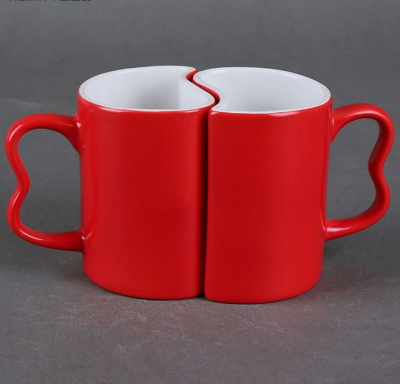
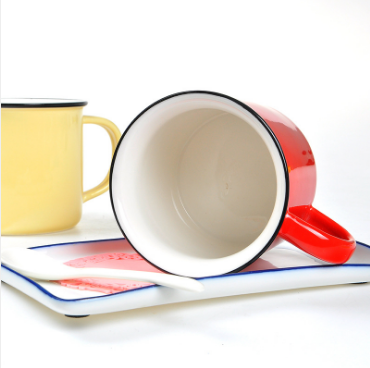
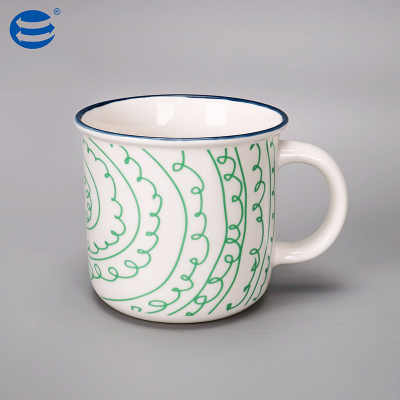
Imitation enamel mug ceramic tea coffee mug OEM color coffee mug for home use
$0.70 - $0.85
MOQ: 1000 pieces
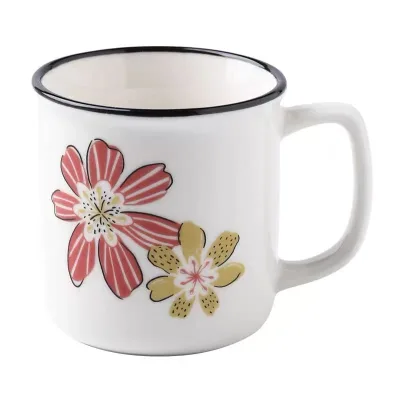
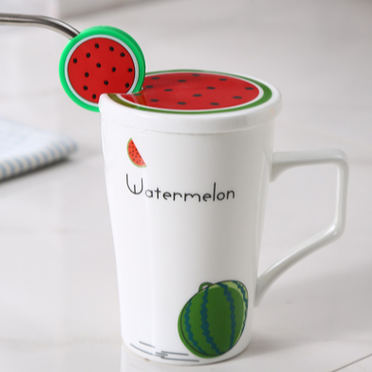
350ml Fruit pattern ceramic coffee mug with cover for coffee mug with straw
$0.90 - $1.20
MOQ: 5000 pieces
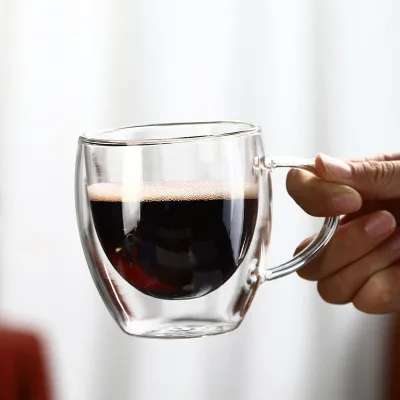
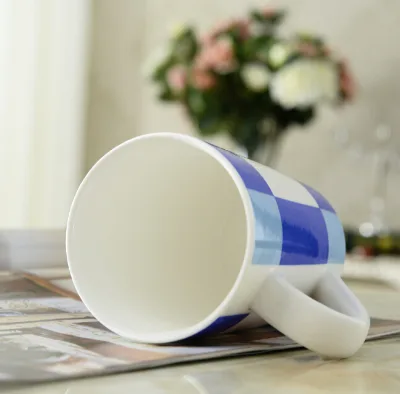
- Trading Company
- Lead time旺季: "1 - 50":30,"> 50":"To be negotiated", 淡季: "1 - 50":30,"> 50":"To be negotiated"
- Avg. response≤ 5h
Main productsKitchen Products
Guangzhou Lulu Tong Metal Co., Ltd.
- Manufacturer
- Guangdong, China
- Lead time25 days
- Avg. response≤ 4h
Main productsstainless steel vacuum flask,stainless steel sports bottle,travel mug thermos mug office mug tumbler,glass water bottle,plastic sports bottle
Main marketsNorth America(40.00%), Oceania(15.00%), Central America(5.00%), Western Europe(5.00%), Eastern Asia(5.00%), Mid East(5.00%), South America(5.00%), Africa(5.00%), Northern Europe(5.00%), Eastern Europe(5.00%), Southeast Asia(3.00%), Southern Europe(2.00%)
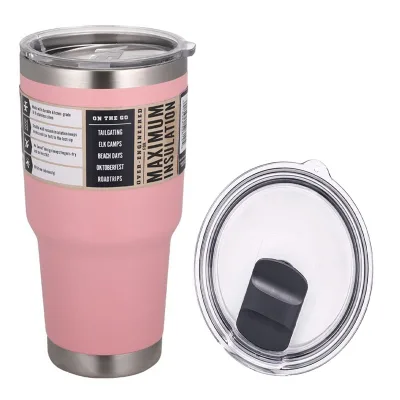
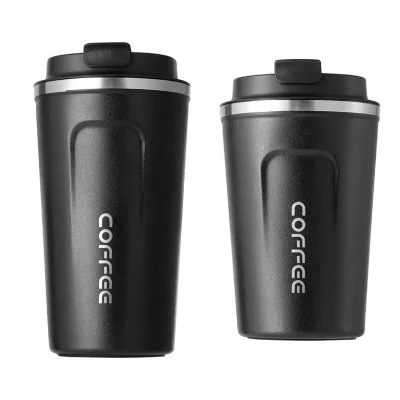
12oz 16oz Double Wall Coffee Cups with Spill Resistant Lid for Cold Drinks and Hot Beverages
$1.45 - $4.50
MOQ: 100 pieces
Shenzhen Bogart Kitchenware Co., Ltd.
- Verified by TüVRheinland
- Trading Company
- Lead time15 days
- Avg. response≤ 2h
Main productsCoffee & Tea Sets, Matcha Tools, Portable Coffee Maker, Coffee Tumbler & Mugs, Coffee Accessories
Main marketsMid East(30%), North America(20%), Western Europe(13%)

Jinjiang Jiaxing Supply Management Co., Ltd.
- Verified by TUVRHEINLAND
- Trading Company
- China Fujian
- Lead time30 days
- Avg. response≤ 2h
Main productsEVA Clogs, Flip Flop, Shoe Charms, Shopping Bags, Wristbands, Gifts, Promotional Gifts, Slipper, Sport Cap, Ball
Main marketsNorth America
Suzhou Boce Culture Promotion Gifts Co., Ltd.
- Verified by SGS Group
- Trading Company
- Lead time7 days
- Avg. response≤ 3h
Main productsPromotion Gifts, Sport Event Gifts, Election Gifts, Business Gifts, Holiday Gifts
Main marketsNorth America(60%), Eastern Europe(5%), Southeast Asia(5%)

Xiamen Yoyo Ceramic Trading Co., Ltd.
- Verified by BV
- Combined
- China Fujian
- Lead time23 days
- Avg. response≤ 10h
Main productsCeramic Mugs, Ceramic Plates, Teawares, Ceramic Canisters, Ceramic Vases, Ceramic Flower Planters, Ceramic Coin Bank, Flowerpot, Canisters, Resin Crafts
Main marketsSouth America,Africa,Southeast Asia/ Mideast,East Asia(Japan/ South Korea),Europe,Australia,North America

Chaozhou City Cha'an District Fengtang Town Sai Si Ceramics Factory
- Verified by CTI
- Combined
- China Guangdong
- Lead time30 days
- Avg. response≤ 6h
Main productsMugs, Ceramic Tissue Boxes, Ceramic Pet Bowls, Ceramic Vases
Main marketsDomestic


Ceramic White and Black Coffee Cup, Creative and Personalized Ceramic Mug
$4.00 - $8.00
MOQ: 1000 Pieces


Ceramic Coffee Cup Customized Ceramic Cup Cheap Bulk Ceramics Mug Coffee Cup
$4.00 - $8.00
MOQ: 1000 Pieces


Shanghai Touch Industrial Development Co., Ltd.
- Verified by TUVRHEINLAND
- Combined
- China Shanghai
- Lead time15 days
- Avg. response≤ 5h
Main productsInstant Hot Pack, Hot Cold Pack, Gel Eye Mask, Gel Ice Pack, Gel Bottle Cooler, Instant Ice Pack, Hand Warmer, Heat Pack, Cooling Scarf, Gel Beads
Main marketsSouth America,Others(foreignTradeCapacity.exportBusinessCapacityMarketOther),Southeast Asia/ Mideast,East Asia(Japan/ South Korea),Domestic,Europe,Australia,North America

Ningbo Yinzhou Wenhui Paper Co., Ltd.
- Verified by TUVRHEINLAND
- Manufacturer/Factory
- China Zhejiang
- Lead time45 days
- Avg. response≤ 8h
Main productsStationery Gifts Promotional Homeware, Pen, Pet Products, Board Game, Paper Tube, Notebook, Wooden Toys, DIY Toy, Puzzle, Gift Bag
Main marketsSouth America,Eastern Europe,Mid East,North America,Southeast Asia,Eastern Asia,Oceania,Western Europe,Africa
- Verified by TüVRheinland
- Manufacturer, Trading Company
- Lead time45 days
- Avg. response≤ 4h
Main productsDinner Set, Kids Set, Tea And Coffee Set, Gift Set, Mug
Main marketsSouthern Europe(20%), Eastern Europe(15%), Northern Europe(15%)
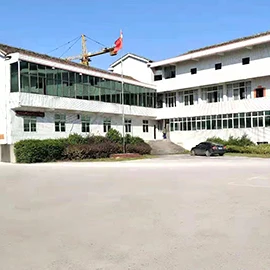
Liling Meidancheng Trading Co., Ltd.
- Trading Company
- Hunan, China
- Lead time0 days
- Avg. response≤ 2h
Main productsceramic mug,ceramic bowl,ceramic plate,ceramic dinner set,ceramic canister
Main marketsSouth America(20.00%), North America(20.00%), Western Europe(10.00%), Africa(10.00%), Southeast Asia(10.00%), Eastern Europe(10.00%)
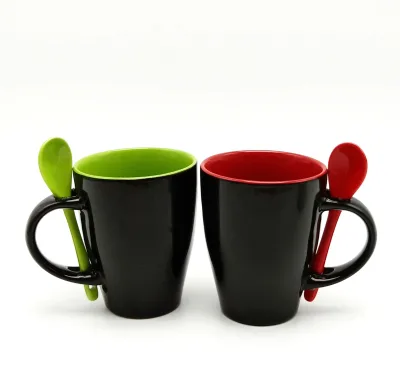
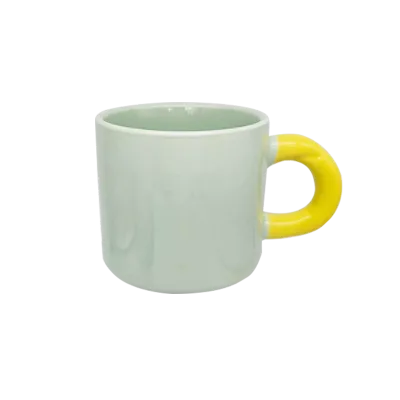
Custom Eco-friendly Stoneware Coffee Cups Designed Business Gifts for Holidays
$0.76 - $1.75
MOQ: 500 pieces

Yongkang Heecn Stainless Steel Co., Ltd.
- Manufacturer/Factory
- China Zhejiang
- Lead time45 days
- Avg. response≤ 10h
Main productsMug, Cup, Flask, Bottle, Coffee Mug, Drink Bottle, Camping Mug, Advsing Mug, Gift Mug, Shot Glass
Main marketsSouth America,Eastern Europe,North America,Western Europe

Rollin Porcelain Industrial Co., Ltd.
- Verified by BV
- Manufacturer/Factory
- China Guangdong
- Lead time45 days
- Avg. response≤ 5h
Main productsPorcelain Dinnerware, Tableware, Dinner Set, Dinner Plate, Hotel and Restaurant Tableware, Bone China, Cutlery, Glassware, Ceramic Plate, Porcelain
Main marketsEastern Europe,Mid East,North America,Southeast Asia,Eastern Asia,Oceania,Western Europe

Wenzhou Guanmin Import and Export Co., Ltd.
- Verified by BV
- Trading Company,Manufacturer/Factory
- China Zhejiang
- Lead time120 days
- Avg. response≤ 6h
Main productsShopping Bag, Cooler Bag, Notebook, Pen, Color Pencil, Lanyard, Beach Ball, Umbrella, Sunshade, Air Freshener
Main marketsSouth America,Eastern Europe,Mid East,North America,Southeast Asia,Eastern Asia,Western Europe

Fujian Dehua Enjoy Homegoods New Media Co., Ltd.
- Manufacturer, Trading Company
- Fujian, China
- Lead time35 days
- Avg. response≤ 7h
Main productsCandle & Home Fragrance,Candle Jar & Candle Holders,Drinkware,Dinnerware,Vase & Planter
Main marketsSouth America(44.00%), North America(44.00%), Eastern Europe(12.00%)
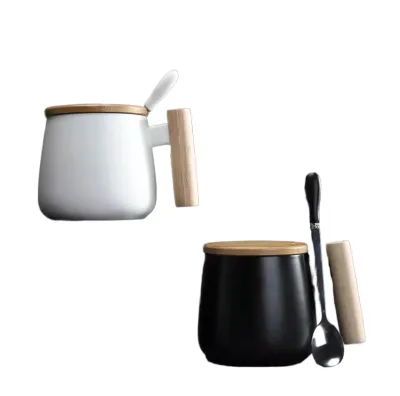
Ceramic Mug Home Office Tea Milk Coffee Cup with Lid and Spoon Ceramic Coffee Mug with Wooden Handle
$1.69 - $2.09
MOQ: 1000 pieces
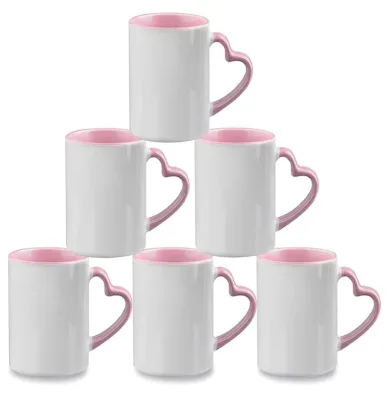
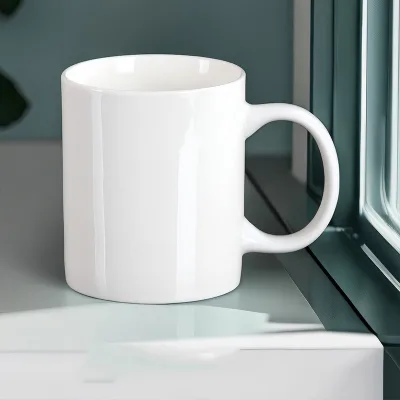
Sublimation Blank Coffee Ceramic Mugs Blank White Mug Cup with Pink Color Mug Inner and Heart Handle
$1.29 - $1.49
MOQ: 1000 pieces
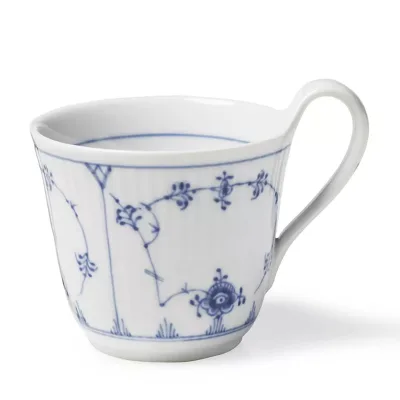
$1.81 - $1.86
MOQ: 1000 pieces

Linyi Feifan Imp. & Exp. Co., Ltd.
- Verified by TUVRHEINLAND
- Trading Company
- China Shandong
- Lead time30 days
- Avg. response≤ 12h
Main productsEnamel Mug/Cup, Enamel Bowl, Enamel Basin, Enamel Plate/Tray/Kettle, Enamel Casserole/Pot, Enamel Bucket, Safety Shoe/Boot, Safety Gloves
Main marketsSoutheast Asia/ Mideast,Domestic

ZHOUKOU BEST KITCHENWARE CO., LTD.
- Verified by TUVRHEINLAND
- Trading Company
- China Henan
- Lead time15 days
- Avg. response≤ 10h
Main productsEnamelware, Enamel Mug, Enamel Casserole, Enamel Storage Bowl, Enamel Kettle, Enamel Basin, Round Tray, Cup, Enamel Pot, Enamel Plate
Main marketsAfrica,Europe
Guangzhou Hongchuang Network Technology Co., Ltd.
- Manufacturer, Trading Company
- Guangdong, China
- Lead time15 days
- Avg. response≤ 6h
Main productsKitchenware,Barware,Glassware
Main marketsNorth America(40.00%), Eastern Europe(20.00%), South America(20.00%), Mid East(10.00%), Southern Europe(5.00%), Western Europe(5.00%)
Haosheng (zibo) International Trade Co., Ltd.
- Verified by Intertek
- Trading Company
- Lead time35 days
- Avg. response≤ 2h
Main productsCeramic Mug, Stainless Steel Tumblers
Main marketsNorth America(40%), Northern Europe(30%), Eastern Asia(10%)
Dehua Listing Trading Co., Ltd.
- Trading Company
- Fujian, China
- Lead time30 days
- Avg. response≤ 2h
Main productsCeramic Vase,Incense Burner,Oil Burner,Ceramic Cup,Tableware
Main marketsNorth America(50.00%), Southern Europe(10.00%), Northern Europe(10.00%), Western Europe(10.00%), Eastern Europe(10.00%), South America(10.00%)

Chinapack Ningbo Import & Export Co., Ltd.
- Verified by SGS
- Trading Company,Manufacturer/Factory
- China Zhejiang
- Lead time23 days
- Avg. response≤ 17h
Main productsSnowboard, Water Bottle, Promotional Hats, Glass Bottle, Ski Set, Snowboot, Snowboard Binding, Home Sock, Hood, Scarf
Main marketsSouth America,Eastern Europe,North America,Southeast Asia,Eastern Asia,Oceania,Western Europe
Guangzhou Chenxuan Technology Co., Ltd.
- Trading Company, Distributor/Wholesaler, Other
- Guangdong, China
- Lead time10 days
- Avg. response≤ 2h
Main productssteel kitchenware,round dinner plate,retro cutlery set,gold dinner plate,korean gold dinner plate
Main marketsWestern Europe(30.00%), North America(30.00%), Mid East(15.00%), Oceania(15.00%), South America(10.00%)
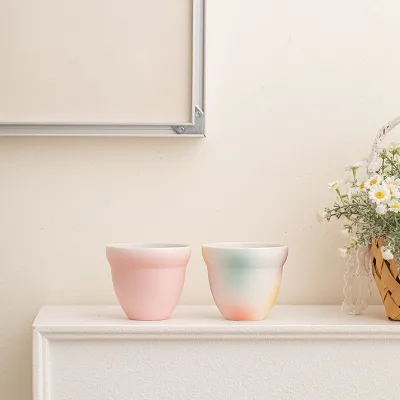
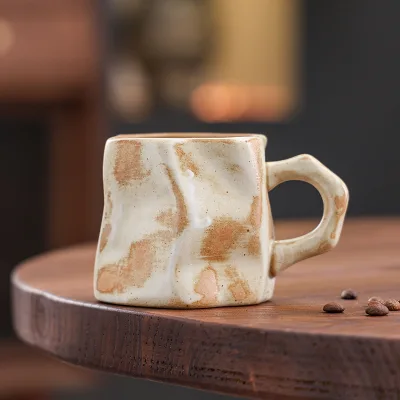
$6.8173 - $7.869
MOQ: 50 pieces
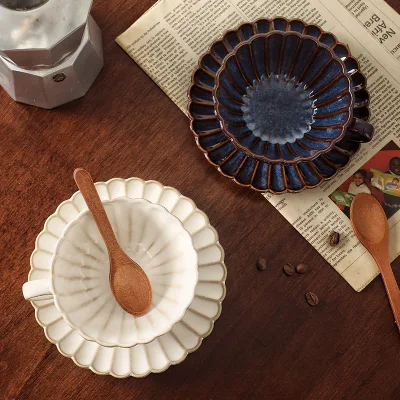
Nordic-style Coffee Cups, Latte Latte Afternoon Tea Ceramic Cups, Vintage Mugs and Water Cups
$4.40 - $4.72
MOQ: 20 pieces
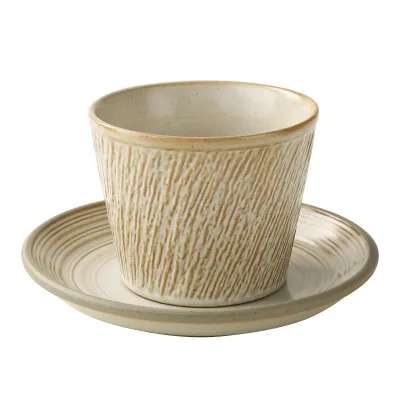
$2.6449 - $2.6868
MOQ: 50 pieces
Xiamen Dashing Jewelry Co., Ltd.
- Trading Company
- Lead time旺季: "1 - 2400":15,"> 2400":"To be negotiated", 淡季: "1 - 2400":15,"> 2400":"To be negotiated"
- Avg. response≤ 5h
Main productsDrinkware, Party Supplies, Home Decoration, Garden Supplies

Changsha Happy Go Products Developing Co., Ltd.
- Trading Company
- China Hunan
- Lead time45 days
- Avg. response≤ 6h
Main productsCoffee Mug, Dinner Set, Bowl, Mug, Dinnerware, Tableware, Plate, Porcelain, Crockery, Coffee Cup
Main marketsSouth America,Africa,Southeast Asia/ Mideast,East Asia(Japan/ South Korea),Europe,Australia,North America


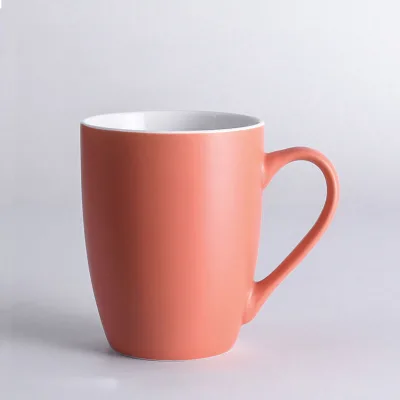






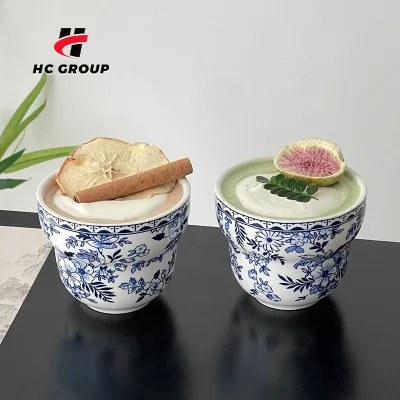
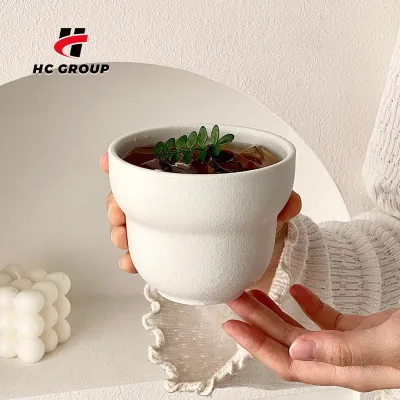
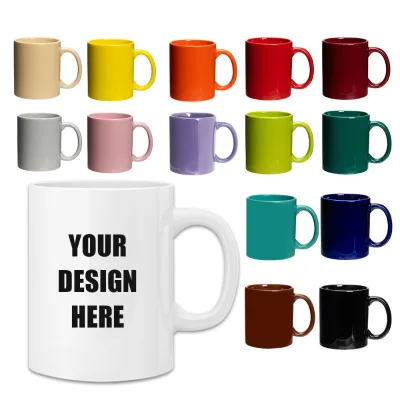
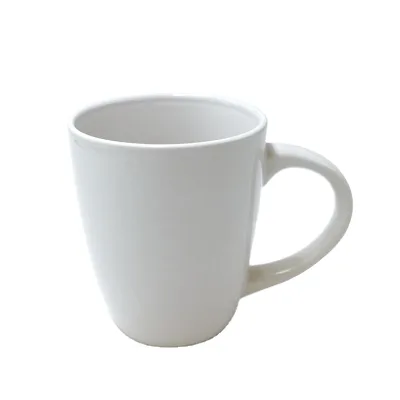




Comprehensive Sourcing Guide
Modern Coffee Mug Supplier Concentration and Factory Types
When evaluating the landscape for Modern Coffee Mug suppliers, it is essential to understand the structural composition of available manufacturers and trading entities. The current results indicate a concentration of suppliers located in China, specifically within the Fujian region, which is a known hub for ceramic and porcelain production. This geographic clustering suggests that buyers seeking ceramic-based modern mugs will likely encounter factories with established infrastructure for pottery and porcelain manufacturing. The supplier types observed include both Manufacturer/Factory entities and companies that may operate as trading organizations or diversified manufacturers. For instance, some suppliers list main products that extend beyond drinkware to include shoes, clothes, and consumer electronics, indicating a broader manufacturing capability or a trading company model that aggregates products from various sources. Understanding this distinction is critical because a pure manufacturer may offer more direct control over the production process and material sourcing, whereas a diversified supplier might provide greater variety but potentially less specialized expertise in ceramic engineering. Buyers should carefully review the company type designation to determine if the supplier is primarily focused on drinkware or if it is a generalist entity. This classification helps in assessing the depth of their technical knowledge regarding ceramic firing, glazing, and structural integrity, which are vital for producing high-quality modern coffee mugs that meet specific aesthetic and functional requirements.
Furthermore, the presence of ODM (Original Design Manufacturing) and OEM (Original Equipment Manufacturing) capabilities among these suppliers highlights the flexibility available for customization. Some suppliers explicitly list ODM capacity, suggesting they have in-house design teams that can create unique modern mug styles based on market trends or buyer specifications. Others offer both OEM and ODM services, allowing buyers to either provide their own designs for production or leverage the supplier’s existing portfolio. This distinction is particularly relevant for buyers looking for "modern" aesthetics, which often require specific design innovations in shape, handle ergonomics, and surface finish. The ability to customize designs is a key differentiator, as modern coffee mugs often feature minimalist lines, unique color palettes, or innovative functional elements like double-wall insulation or heat-resistant properties. Buyers should inquire about the extent of these customization services, including whether the supplier can modify existing molds or create new ones from scratch. Additionally, the variety of main products listed, such as stainless steel cups and water bottles, indicates that some suppliers have the versatility to produce mixed-material drinkware, which could be beneficial for buyers seeking a comprehensive product line. However, this versatility may also imply that their core competency in ceramic-specific modern mug production varies, necessitating a thorough evaluation of their relevant experience and past performance in this specific category.
How to Verify Modern Coffee Mug Suppliers
Verifying the credibility and operational capacity of Modern Coffee Mug suppliers requires a multi-layered approach that goes beyond surface-level profile reviews. One critical step is to check for third-party verification badges, such as CTI verification, which indicates that an independent inspection agency has validated certain aspects of the supplier’s business operations. This verification adds a layer of trust by confirming that the supplier’s legal status, factory location, and basic operational details have been authenticated by a reputable entity. Buyers should prioritize suppliers with such verifications, as they have undergone external scrutiny and are less likely to engage in fraudulent activities. Additionally, examining the supplier’s response time is a practical indicator of their operational efficiency and customer service quality. A response time of approximately 1.99 hours or 1.85 hours suggests a relatively prompt communication cycle, which is crucial for negotiating details, resolving issues, and maintaining project momentum. Slow response times can signal potential bottlenecks in communication or a lack of dedicated account management, which could lead to delays or misunderstandings during the production process. Buyers should consider this metric as a proxy for the supplier’s overall responsiveness and their ability to handle urgent inquiries or changes in order specifications.
Beyond verification badges and response times, buyers should scrutinize the supplier’s certification records and product-specific attributes to ensure compliance with quality and safety standards. For example, some suppliers hold ISO 9001 certification, which demonstrates a commitment to standardized quality management systems. This certification is particularly relevant for Modern Coffee Mug production, as it ensures that the manufacturing process is consistent, documented, and capable of producing uniform products. Buyers should request copies of these certificates and verify their validity through the issuing body. Furthermore, examining the product attributes listed, such as material composition (e.g., pottery, porcelain), function (e.g., withstand high temperatures), and customization options, provides insight into the supplier’s technical capabilities. Buyers should cross-reference these attributes with their own requirements to ensure compatibility. For instance, if a buyer requires mugs that are eco-friendly or have specific heat preservation properties, they should verify that the supplier’s products meet these criteria through detailed product descriptions or by requesting samples. Additionally, checking the supplier’s production origin, such as Fujian, can help buyers assess the regional expertise and supply chain advantages associated with that location. By combining these verification methods, buyers can build a comprehensive profile of each supplier’s reliability and suitability for their Modern Coffee Mug sourcing needs.
What to Compare Across Modern Coffee Mug Suppliers
When comparing multiple suppliers for modern coffee mugs, buyers must evaluate a range of operational and commercial metrics to identify the most suitable partner. One of the most critical factors is the lead time, which indicates how long it takes for the supplier to fulfill an order after confirmation. In the current results, lead times vary, with some suppliers indicating a lead time of 150 days and others suggesting 120 days. These differences can significantly impact inventory planning and time-to-market strategies, especially for buyers with tight deadlines or seasonal demand fluctuations. Buyers should assess whether these lead times are realistic and consistent with their production schedules, and whether they include time for sample approval, mold creation, and mass production. Additionally, the minimum order quantity (MOQ) is a crucial consideration, as it determines the financial commitment required to initiate an order. Some suppliers have an MOQ of 50 units, while others require 500 or even 1000 units. Buyers with smaller budgets or those testing new markets may prefer suppliers with lower MOQs, whereas those with established demand and larger budgets may benefit from the economies of scale offered by higher MOQs. Understanding these thresholds helps buyers align their sourcing strategy with their financial and logistical capabilities.
Another important dimension for comparison is the pricing structure and the range of products offered. Prices for modern coffee mugs can vary significantly based on material, customization level, and order volume. For instance, some ceramic mugs are priced around $1.00 to $2.50 per unit, while others may be lower or higher depending on the complexity of the design and the quality of the porcelain. Buyers should compare these prices not in isolation but in the context of the total cost of ownership, including shipping, tariffs, and potential rework costs. Additionally, the variety of main products listed by each supplier can indicate their specialization and versatility. Suppliers focusing primarily on drinkware may offer more specialized designs and higher quality control, while those with a broader product range might provide more flexibility in bundling orders. Buyers should also consider the supplier’s customization capabilities, such as the ability to provide custom logos, colors, and packaging. The availability of customization options can be a significant differentiator, allowing buyers to create unique products that stand out in the market. By systematically comparing these factors, buyers can make informed decisions that balance cost, quality, and operational efficiency, ensuring they select a supplier that best meets their specific requirements for Modern Coffee Mug production.
Common Modern Coffee Mug Sourcing Risks
Sourcing modern coffee mugs from international suppliers introduces several risks that buyers must proactively manage to ensure a smooth procurement process. One significant risk is the potential for quality inconsistencies, particularly when dealing with ceramic and porcelain products. Variations in glazing, firing temperature, and material purity can lead to defects such as cracks, chips, or uneven coloration, which can compromise the aesthetic appeal and functionality of the mugs. Buyers should mitigate this risk by requesting detailed product specifications and samples before committing to large orders. Additionally, verifying the supplier’s quality control processes, such as their adherence to ISO 9001 standards, can provide assurance that they have systematic measures in place to detect and rectify defects. Another risk is the discrepancy between the quoted lead time and the actual delivery date. Suppliers may underestimate production complexities or face unforeseen delays due to material shortages or labor issues. Buyers should maintain open communication with suppliers and request regular updates on production progress to identify potential delays early. Establishing clear contractual terms regarding lead times and penalties for delays can also help protect the buyer’s interests.
Furthermore, buyers face the risk of intellectual property infringement and unauthorized replication of their designs, especially when working with suppliers that offer OEM/ODM services. If a supplier lacks robust IP protection measures, there is a possibility that the buyer’s unique mug designs could be copied and sold to other clients. To mitigate this risk, buyers should sign non-disclosure agreements (NDAs) and clearly define IP ownership in their contracts. Additionally, buyers should be cautious of suppliers that list a wide range of unrelated main products, as this may indicate a lack of focus and potential quality control issues. For example, a supplier that also manufactures shoes and electronics may not have the specialized expertise required for high-quality ceramic mug production. Buyers should prioritize suppliers with a strong track record in drinkware and request references or case studies from previous clients. Finally, logistical risks, such as damage during shipping or customs delays, can impact the final delivery of the mugs. Buyers should ensure that the supplier uses appropriate packaging, such as boxs or polybags, to protect the fragile ceramic products during transit. By identifying and addressing these risks through careful supplier selection and contract management, buyers can minimize disruptions and ensure a successful sourcing outcome for their Modern Coffee Mug projects.
Modern Coffee Mug Regional Sourcing and Logistics
The geographic location of suppliers plays a pivotal role in determining the logistics and cost structure of sourcing modern coffee mugs. The current results highlight a concentration of suppliers in China, specifically in the Fujian region, which is a major hub for ceramic and porcelain manufacturing. This regional clustering offers several advantages, including access to a well-established supply chain for raw materials like clay and glazes, as well as a skilled workforce experienced in ceramic production. Buyers sourcing from this region can benefit from the economies of scale and competitive pricing that result from the dense network of manufacturers and suppliers. However, buyers must also consider the logistical implications of shipping from Fujian, including transit times, freight costs, and potential customs procedures. The distance to major ports and the availability of reliable shipping partners can impact the overall delivery timeline and cost efficiency. Buyers should work with suppliers who have experience in international shipping and can provide accurate estimates for freight and insurance costs. Additionally, understanding the regional infrastructure, such as the proximity to airports and seaports, can help buyers optimize their logistics strategy and reduce lead times.
Moreover, the regional sourcing strategy can influence the buyer’s ability to manage inventory and respond to market demands. Suppliers in Fujian may have the capacity to handle large volumes of orders, which is beneficial for buyers with high demand. However, buyers should also consider the potential risks associated with relying on a single geographic region, such as disruptions due to natural disasters, political instability, or changes in trade policies. Diversifying the supplier base across different regions can help mitigate these risks and ensure business continuity. Buyers should evaluate the supplier’s ability to handle export documentation, compliance with international standards, and coordination with freight forwarders. Additionally, buyers should consider the environmental impact of their sourcing decisions, as ceramic production can have a significant carbon footprint. Some suppliers may offer eco-friendly options, such as using sustainable materials or energy-efficient production processes, which
FAQs
What is the typical lead time for Modern Coffee Mug orders?
Manufacturers in China Fujian generally require 120 to 150 days to complete production runs. This timeframe accounts for material sourcing, manufacturing processes, and quality checks. Buyers should confirm specific schedules with suppliers early to align with their distribution plans and avoid delays.
What is the minimum order quantity for ceramic coffee mugs?
Minimum order quantities vary significantly by supplier and product type. Some factories require as few as 50 units for customized designs, while others set thresholds at 500 or 1000 pieces. Buyers must verify the specific MOQ for their chosen model before placing an order.
Are modern ceramic coffee mugs customizable for branding?
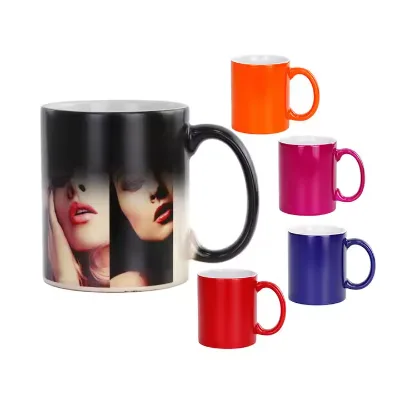
Yes, customization is widely available for ceramic and pottery mugs. Suppliers offer options for custom logos, designs, and packaging. Features like hand-painted details or color-changing effects can be tailored to specific requirements, allowing businesses to create unique branded merchandise for promotional or retail use.
What is the price range for wholesale ceramic coffee mugs?
Wholesale prices for ceramic coffee mugs typically range from $0.46 to $2.50 per unit. Costs depend on material quality, customization complexity, and order volume. Simple unicolor designs often cost less, while intricate hand-painted or specialized functional mugs may command higher prices within this range.
How quickly do suppliers respond to sourcing inquiries?
Suppliers on this platform demonstrate rapid response times, averaging between 1.85 and 1.99 hours. This quick turnaround helps buyers clarify specifications, negotiate terms, and resolve questions efficiently. Prompt communication is essential for maintaining project timelines and ensuring smooth procurement processes for bulk orders.
What certifications do Modern Coffee Mug manufacturers hold?
Manufacturers often hold ISO 9001 certification, indicating adherence to quality management standards. Additionally, products may undergo CTI verification to ensure compliance with safety and quality benchmarks. Buyers should request specific certification documents to verify that materials and production processes meet their regulatory and quality requirements.