Source Minimalist White Ceramic Coffee Mug for Daily Use, Gift, and Promotion
Find 30 options for a Minimalist White Ceramic Coffee Mug suitable for daily use, gifts, and promotions. Compare features like heat preservation, eco-friendly materials, and customization options from suppliers in China; compare the available evidence and request quotations based on your requirements.
Updated
Key considerations
Products List


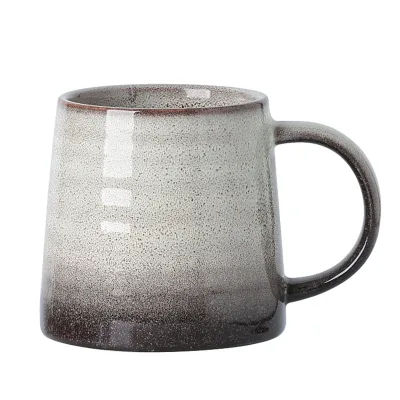
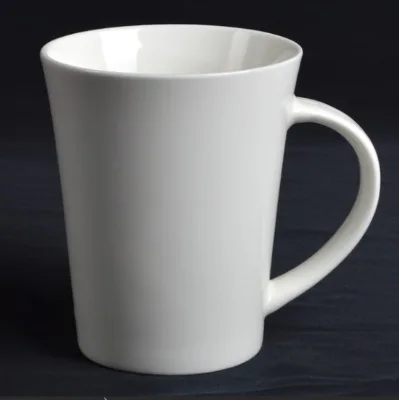
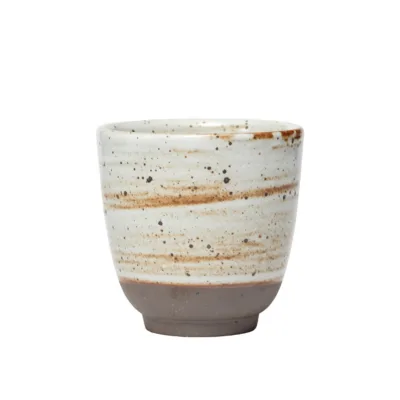
Solid-Color, Minimalist Ceramic Coffee Mug
$4.00 - $8.00
MOQ: 1000 Pieces
Chaozhou City Cha'an District Fengtang Town Sai Si Ceramics Factory


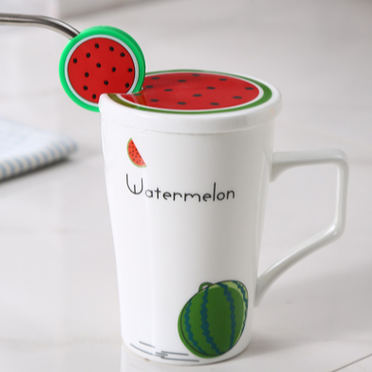
350ml Fruit pattern ceramic coffee mug with cover for coffee mug with straw
$0.90 - $1.20
MOQ: 5000 pieces
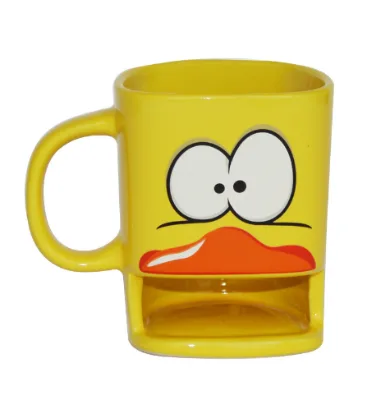
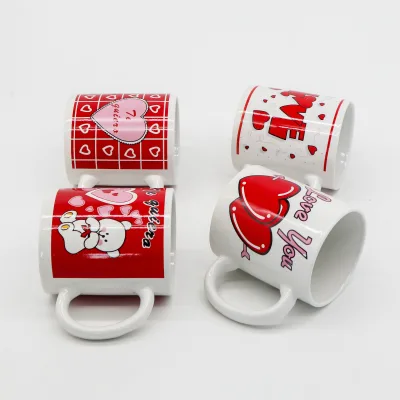
Ceramic cookies mug with biscuit holder cookie sublimation coffee mug
$0.7271 - $1.1414
MOQ: 3000 pieces
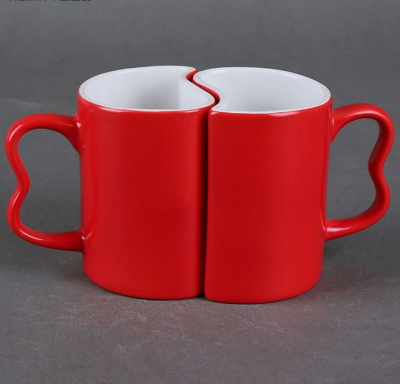
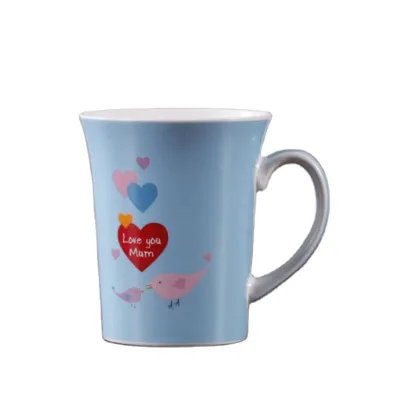
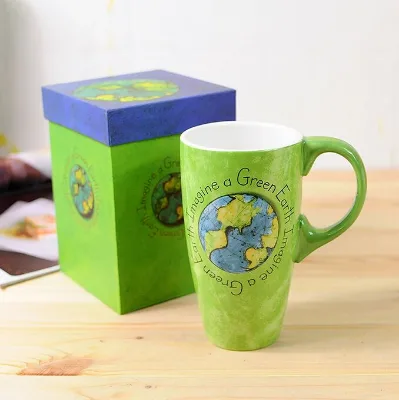

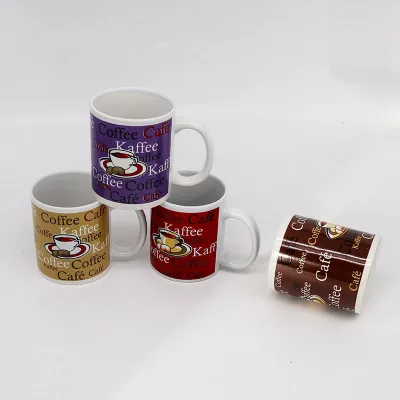
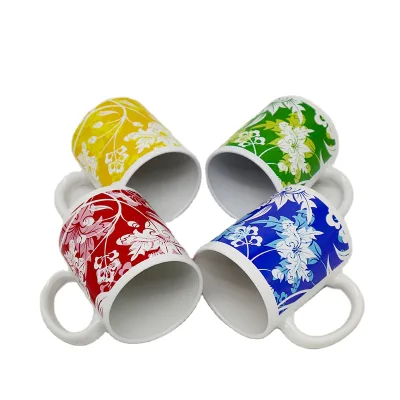
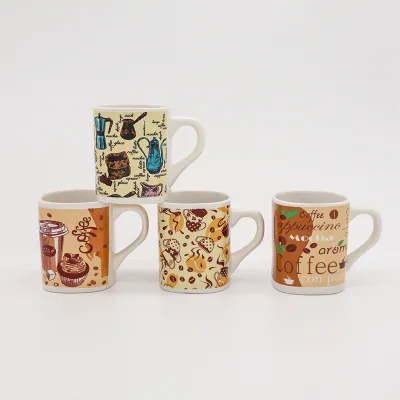
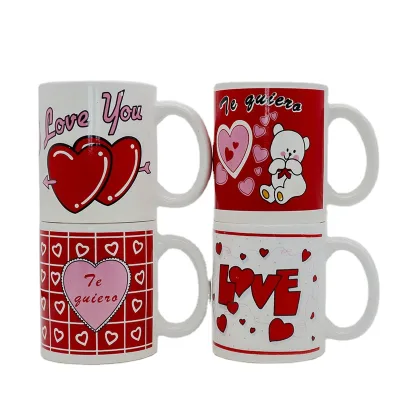
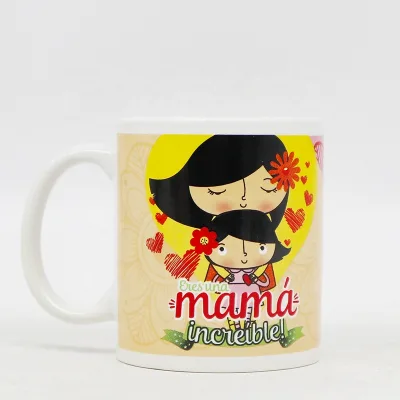




Comprehensive Sourcing Guide
Minimalist White Ceramic Coffee Mug Sourcing Guide
Sourcing minimalist white ceramic coffee mugs requires a careful balance between aesthetic purity and functional durability. Buyers must navigate a market where "minimalist" often overlaps with promotional customization, meaning the final product may deviate from a pure white finish. The observed product landscape includes items labeled as simple or creative, with some featuring hand-painted glazes or color-changing properties. This diversity suggests that while the core keyword implies uniformity, the actual supply base offers significant variation in design execution. Procurement teams should define "minimalist" strictly in their technical packs to avoid receiving overly decorated or multicolor variants that contradict the brand’s visual identity.
The supply chain for these items is heavily concentrated in China, with specific origins noted in Zhejiang. This geographic concentration offers logistical advantages but also requires rigorous quality control to ensure consistency across batches. The observed listings indicate a wide range of customization options, from customized logos to unique shapes, which can complicate the sourcing of a truly uniform minimalist product. Buyers must verify whether the supplier’s standard offerings align with their aesthetic requirements or if extensive custom tooling is necessary. Understanding the baseline capabilities of suppliers in this region is essential for setting realistic expectations regarding lead times and design fidelity.
Product Scope and Observed Listing Signals
The observed product scope reveals a complex mix of attributes that challenge the simple definition of a minimalist mug. Listings frequently cite features such as "eco-friendly," "heat preservation," and "withstand high temperatures," which are critical functional requirements for daily use and gift applications. However, the material composition varies, with some products specified as porcelain and others as semivitreous china. This distinction is vital for buyers, as semivitreous china may offer different durability and thermal shock resistance compared to pure porcelain. The presence of "color changing" features and "multicolor" options in the data suggests that many suppliers prioritize novelty over the stark simplicity implied by the core keyword.
Packing and model specifications further illustrate the variability in the market. Products are described with specific dimensions like 3.15"x3.75"x3.15" or as customizable to any size, indicating that standardization is not guaranteed. Some items are packed individually in polybags, while others use standard export cartons with higher unit counts per box. This variation impacts logistics and cost calculations significantly. Buyers must scrutinize the "prod_model" and "prod_packing" details to ensure they align with their distribution needs. The absence of stock for many customized items also implies a make-to-order model, which affects inventory planning and delivery schedules for large-scale procurement projects.
Technical Specifications to Verify
Verifying technical specifications is paramount when sourcing minimalist white ceramic mugs, particularly regarding material integrity and thermal performance. Buyers should confirm whether the ceramic body is porcelain or semivitreous china, as this affects both weight and durability. The "glaze" and "hand-painted" techniques observed in some listings require careful inspection to ensure the finish is smooth and uniform, avoiding the textured or artistic variations that contradict a minimalist aesthetic. Additionally, the "single-layer ceramic cup" structure noted in some products may impact heat retention compared to double-walled alternatives. Procurement teams must request physical samples to assess the thickness of the walls and the quality of the glaze application.
Capacity and dimensional accuracy are other critical technical parameters. While some listings specify a 10 oz capacity, others allow for full customization of size. Buyers must define exact volume tolerances to ensure consistency across the order, especially if the mugs are intended for branded merchandise where uniformity is key. The "with handle" feature is standard, but the handle’s attachment strength and ergonomic design should be evaluated. Furthermore, the "dishwasher safe" attribute must be verified through supplier documentation or testing, as not all glazed ceramics withstand repeated dishwasher cycles without fading or chipping. Clear technical specifications prevent misunderstandings and ensure the final product meets functional expectations.
Compliance and Safety Documentation
Compliance and safety documentation are non-negotiable for ceramic tableware entering international markets. Buyers must ensure that suppliers provide evidence that the glazes and materials used are free from harmful substances such as lead and cadmium, which can leach from ceramic coatings. The observed listings mention "without ethylene oxide sterilization," which is relevant for hygiene but does not replace the need for food-contact safety certifications. Procurement teams should request test reports from accredited laboratories to verify compliance with regional standards, such as FDA in the United States or LFGB in Europe. These documents are essential for mitigating liability and ensuring consumer safety.
Additionally, buyers should verify the supplier’s adherence to general product safety standards. While specific standards are not detailed in the observed data, the "eco-friendly" claim suggests an awareness of environmental regulations. However, this claim alone is insufficient; buyers must ask for specific environmental compliance certificates, such as REACH or RoHS, if applicable. The "customized logo" and "customized designs" options introduce additional compliance risks, as the inks or printing methods used for branding must also be food-safe. Ensuring that all components, including packaging materials, meet safety requirements is crucial for maintaining brand reputation and avoiding regulatory penalties.
Cost Drivers and Commercial Terms
Cost drivers for minimalist white ceramic mugs are influenced by material choice, customization level, and order volume. The observed MOQ range of 10 to 5000 units indicates flexibility, but lower MOQs often come with higher per-unit costs due to setup fees for custom designs or glazes. The "customized logo" and "customized shape" options add significant complexity and cost compared to standard off-the-shelf items. Buyers should anticipate higher prices for hand-painted finishes or unique structural designs. Understanding the cost breakdown helps in negotiating better terms and selecting the most cost-effective production method that still meets aesthetic requirements.
Commercial terms also play a crucial role in the total cost of ownership. The observed packing methods, ranging from individual polybags to bulk cartons, affect shipping efficiency and potential damage rates. Buyers should clarify who bears the cost of packaging upgrades or special labeling. Lead times are another critical factor, especially since many items are listed as "no stock," implying a production lead time. Negotiating clear delivery schedules and penalty clauses for delays is essential. Additionally, payment terms should be structured to protect the buyer’s interests, such as using escrow services or partial payments, to mitigate the risk of non-delivery or quality issues.
Supplier Qualification and Quality Control
Supplier qualification is the first line of defense against quality inconsistencies in ceramic mug procurement. Buyers should conduct thorough due diligence on potential suppliers, verifying their business licenses, production capacity, and past performance. The observed data indicates that many suppliers offer customization, which requires robust quality control processes. Procurement teams should assess the supplier’s ability to maintain consistency in color and shape, especially when dealing with "multicolor" or "customized shape" requests. Requesting references from previous clients and reviewing their quality management systems can provide valuable insights into their reliability.
Quality control measures must be implemented throughout the production process. Buyers should define clear acceptance criteria for visual defects, such as chips, cracks, or uneven glazing, which are common in ceramic manufacturing. Implementing pre-shipment inspections is crucial to catch issues before goods leave the factory. The "standard export carton" packing should be verified to ensure it provides adequate protection during transit. Additionally, buyers should consider third-party inspection services for large orders to provide an unbiased assessment of product quality. Establishing a strong relationship with the supplier and maintaining open communication channels can help resolve issues quickly and ensure continuous improvement in product quality.
Long-Term Procurement Checks
Long-term procurement checks are essential for maintaining supply chain stability and product quality over time. Buyers should regularly review supplier performance metrics, including on-time delivery rates, defect rates, and responsiveness to issues. The dynamic nature of the ceramic market, with frequent design and material updates, requires ongoing monitoring to ensure that suppliers remain competitive and compliant. Establishing a periodic review process helps identify potential risks early and allows for proactive adjustments to sourcing strategies. This continuous evaluation ensures that the supplier continues to meet the buyer’s evolving needs and standards.
Sustainability and ethical sourcing are increasingly important considerations for long-term procurement. Buyers should verify that suppliers adhere to ethical labor practices and environmental regulations. The "eco-friendly" claims observed in some listings should be substantiated with verifiable data. Engaging in regular dialogues with suppliers about sustainability goals can foster a partnership focused on responsible manufacturing. Additionally, buyers should stay informed about changes in international trade regulations and tariffs that may impact the cost and availability of ceramic products. By maintaining a strategic and informed approach, buyers can secure a reliable supply of high-quality minimalist white ceramic coffee mugs for the long term.
FAQs
Can I customize the logo and design on these ceramic mugs?
Yes, customized logos and designs are acceptable for these porcelain mugs. The supplier supports custom colors and shapes to meet specific branding needs. This customization service allows businesses to create unique promotional items or gifts. The product is designed to be eco-friendly and suitable for daily use or special occasions like weddings and birthdays.
What is the minimum order quantity for these ceramic mugs?
The minimum order quantity varies by product model. One model requires an MOQ of 100 pieces, while another requires 500 pieces. Buyers should check the specific product details for the exact MOQ. These quantities are suitable for both small promotional runs and larger bulk orders for daily use or gifting purposes.
Are these ceramic mugs safe for dishwasher use?
Yes, specific models of these ceramic mugs are dishwasher safe. The porcelain material is durable and designed for daily use. This feature ensures convenience for consumers and businesses using them for promotions or gifts. The mugs are also heat-resistant and can withstand high temperatures, making them practical for hot beverages.
What are the standard packaging options for these mugs?
Packaging options include 1 piece per box with 48 pieces per carton for some models. Other models use standard export cartons or individual polybags. These packaging methods protect the ceramic mugs during shipping. The packaging is designed to ensure the products arrive in good condition for daily use, gifts, or promotional events.
What is the capacity of the 10 oz ceramic mug?
The specific ceramic mug model has a capacity of 10 oz. This size is ideal for daily use or as a gift. The mug is made of porcelain and features a single-layer ceramic structure. It is designed to withstand high temperatures and is suitable for various occasions, including promotions and weddings.
Where are these ceramic mugs manufactured?
These ceramic mugs are manufactured in China, specifically in Zhejiang. The products are made from porcelain and feature glaze or hand-painted techniques. The origin is clearly stated for transparency. Buyers can rely on the consistent quality and customization options available from these Chinese manufacturers for their sourcing needs.