Modern Outdoor Hanging Pendant Light Suppliers and Manufacturers
Compare 28 verified suppliers of Modern Outdoor Hanging Pendant Light based on location, lead times, and certifications. Review product specs like CE and RoHS ratings, then request quotes directly from Guangdong factories; review the available evidence before requesting comparable quotations from suitable candidates.
Updated
Suppliers List

How Bright Electronics Limited
- Trading Company
- China Guangdong
- Lead time23 days
- Avg. response≤ 3h
Main productsWall Lamp, Ceiling Lamp, Pendant Lamp, Spot Light, Down Light, Track Light
Main marketsSouth America,Africa,Southeast Asia/ Mideast,East Asia(Japan/ South Korea),Europe,Australia,North America

Zhongshan Kamable Lighting Co., Ltd.
- Verified by SGS
- Trading Company
- China Guangdong
- Lead time30 days
- Avg. response≤ 6h
Main productsChandelier, Custom Made Lighting, LED Lighting Fixtures, Pendant Lamp, Table Lamp, Wall Lamp, Floor Lamp, Decorative Lighting, Light, Crystal Chandelier
Main marketsSoutheast Asia/ Mideast


Modern Decorative Pendant Light Colorful Hanging Pendant Lamp for Hotel Restaurant
$53.00 - $76.00
MOQ: 1 Pieces

Modern Living Room Decorative Home Office Hanging Suspended Silk Hanging Pendant Light
$128.00 - $184.00
MOQ: 1 Pieces

Modern Creative Leaf Design Hanging Lamp Indoor LED Hanging Pendant Light for Home Office
$300.00 - $870.00
MOQ: 1 Pieces


Fashion Restaurant Decorative Lamp Glass Chandelier Personalized Creative Hanging Pendant Light
$69.00 - $171.00
MOQ: 1 Pieces

Zhongshan Tpstarlite Lighting CO., LTD.
- Verified by TUVRHEINLAND
- Combined
- China Guangdong
- Lead time30 days
- Avg. response≤ 7h
Main productsChandelier Lamp, Modern Lamp, Crystal Lamp, Pendant Lamp, Wall Lamp, Ceiling Lamp, Mirror Lamp, Floor Lamp & Table Lamp, Crystal Chandelier Light, Lighting
Main marketsOthers(foreignTradeCapacity.exportBusinessCapacityMarketOther),Southeast Asia/ Mideast

Zhongshan Ocean Smart Lighting Co., Ltd
- Verified by BV
- Combined
- China Guangdong
- Lead time15 days
- Avg. response≤ 5h
Main productsChandelier, Crystal Chandelier, Pendant Light, Table Light, Floor Lamp, Ceiling Light, Wall Light, Lighting, Hotel Lighting, Energy-Saving Lamp
Main marketsSouth America,Africa,Others(foreignTradeCapacity.exportBusinessCapacityMarketOther),Southeast Asia/ Mideast,Europe,Australia,North America


Modern Crystal Hanging Chandelier Pendant Light for Project Decoration
$89.00 - $189.00
MOQ: 30 Pieces


Jiangmen Jianghai Kors Lighting Co., Ltd.
- Verified by TüVRheinland
- Manufacturer, Trading Company
- Lead time0 days
- Avg. response≤ 2h
Main productsOutdoor Wall Light, Bulkhead Light, Garden Light, Spike Light, Inground Light
Main marketsEastern Europe(30%), Mid East(12%), Western Europe(10%)

- Manufacturer
- China Guangdong
- Lead time15 days
- Avg. response≤ 7h
Main productsChandelier, Crystal Chandelier, Ceiling Light, Pendant Light, Wall Light, Table Light, Floor Light, Modern Chandelier, LED Chandelier, Pendant Lamp
Main marketsEurope,North America

ZHONGSHAN AOSIMAN LIGHTING CO., LIMITED
- Verified by TUVRHEINLAND
- Trading Company
- China Guangdong
- Lead time0 days
- Avg. response≤ 11h
Main productsPendant Light
Zhongshan Daner Lighting Company Limited
- Trading Company
- Lead time旺季: "1 - 200":15,"> 200":"To be negotiated", 淡季: "1 - 200":15,"> 200":"To be negotiated"
- Avg. response≤ 3h
Main productsDaner Chandeliers & Pendant Lights,floor lighting,table lamps,wall lighting,ceiling lamps
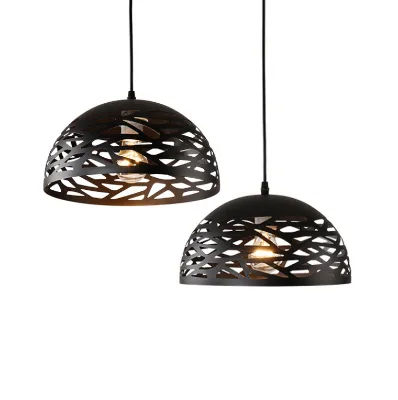
$13.1957 - $21.788
MOQ: 5 pieces
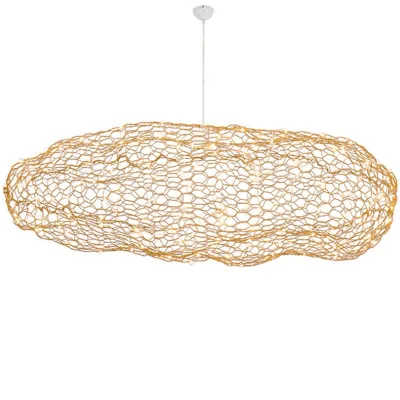
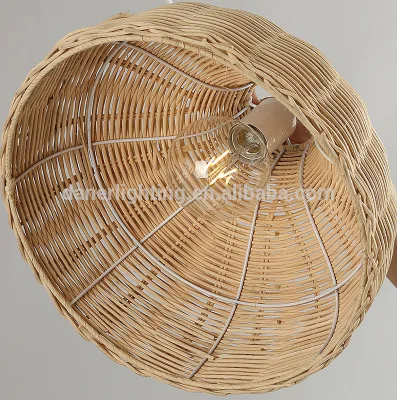
$10.2007 - $17.4424
MOQ: 5 pieces
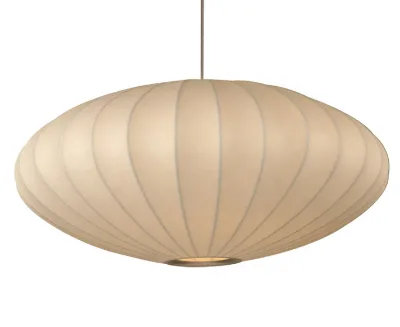
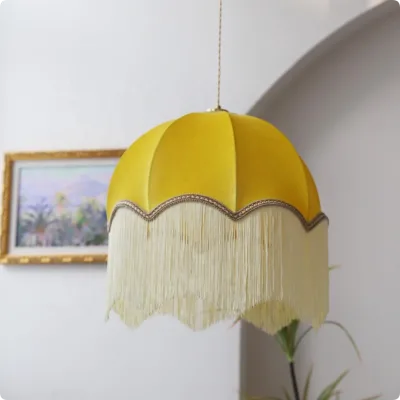
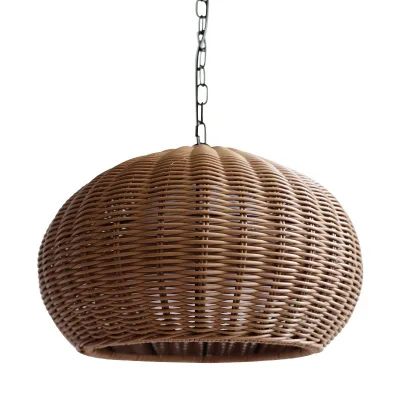
2020 Modern White Fabric Shade Chinese Lanternindoor Hanging Pendant Lamps for Outdoor
$20.4404 - $32.4489
MOQ: 5 pieces
Yuyao Fulidi Electric Co., Ltd.
- Verified by SGS Group
- Manufacturer, Trading Company
- Lead time40 days
- Avg. response≤ 8h
Main productsOutdoor Wall Light, Outdoor Ceiling Light, Outdoor Bulkhead Light, Outdoor Garden Light
Main marketsWestern Europe(15%), North America(10%), South America(10%)

Zhongshan Xinghong Lighting Co., Ltd.
- Verified by SGS
- Manufacturer/Factory
- China Guangdong
- Lead time23 days
- Avg. response≤ 2h
Main productsChandelier Light, Pendant Light, LED Lighting, Wall Light, Floor Light, Table Light, Modern Light, Crystal Light
Main marketsMid East,North America,Southeast Asia,Eastern Asia,Africa

Zhongshan Shangying Lighting Co., LTD
- Verified by TUVRHEINLAND
- Trading Company,Manufacturer/Factory,Group Corporation,Other
- China Guangdong
- Lead time0 days
- Avg. response≤ 5h
Main productsChandelier, Custom Lamp, Pendant Lamp, Wall Lamp, Table Lamp, Floor Lamp, Other Indoor Lighting Fixtures, LED Chandelier
Main marketsSouth America,Eastern Europe,Mid East,North America,Southeast Asia,Eastern Asia,Oceania,Western Europe,Africa
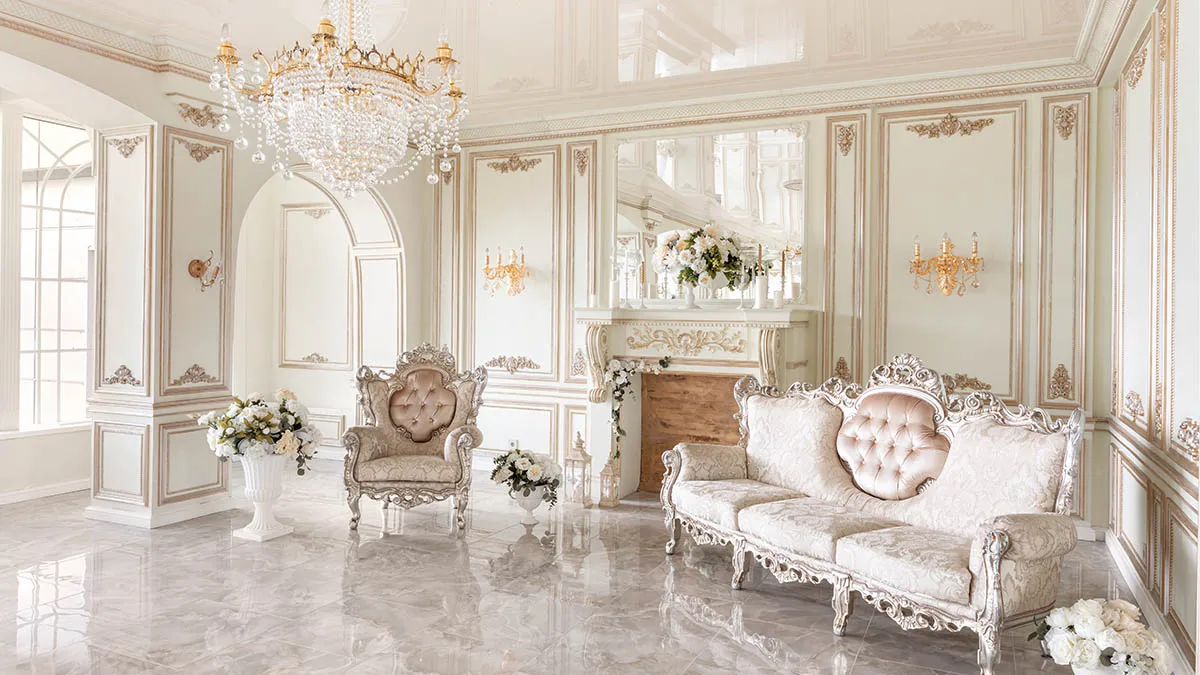
Zhongshan BeauLighting Technology Co.,Ltd
- Manufacturer, Trading Company
- Guangdong, China
- Lead time30 days
- Avg. response≤ 3h
Main productsCrystal Chandelier,Custom light,Outdoor lighting fixtures,wall lamp,ceiling light
Main marketsSoutheast Asia(25.00%), North America(20.00%), Africa(10.00%), Northern Europe(10.00%), Mid East(10.00%), Central America(5.00%), South Asia(5.00%), South America(5.00%), Southern Europe(5.00%), Eastern Asia(3.00%), Western Europe(1.00%), Eastern Europe(1.00%)
40cm 60cm 80cm 100cm Chandelier Modern Pendant Lamps,pendant Light Chandeliers,hanging Pendant Light
$15.00 - $50.00
MOQ: 2 Minimum
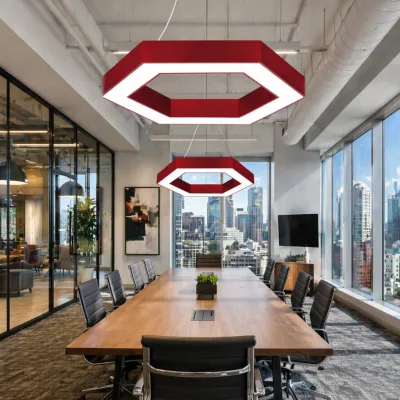
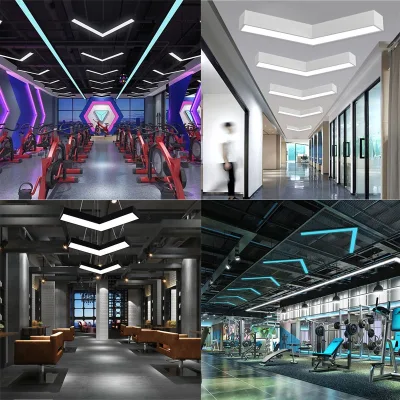
$17.00 - $65.00
MOQ: 2 Minimum
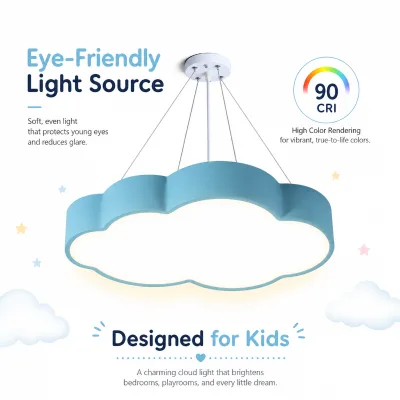
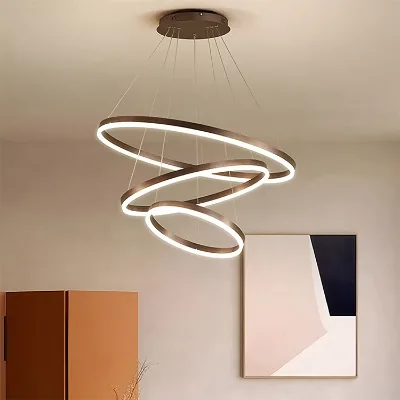
$6.60 - $430.00
MOQ: 2 Minimum
Guangzhou Borg Lighting Co., Ltd.
- Manufacturer, Trading Company
- Guangdong, China
- Lead time30 days
- Avg. response≤ 4h
Main productsCustomized galss chandelier,wholesale Interior decorative chandelier,Customized crystal chandelier,customized large/grand/big chandeliers,Customized hotel/banquet hall project chandelier
Main marketsNorth America(30.00%), Western Europe(20.00%), Eastern Europe(10.00%), Southeast Asia(9.00%), Mid East(8.00%), Northern Europe(7.00%), South America(4.00%), Eastern Asia(4.00%), Southern Europe(3.00%), Domestic Market(2.00%), Oceania(1.00%), South Asia(1.00%), Central America(1.00%)
Guangzhou Linhua Technology Co., Ltd.
- Manufacturer
- Guangdong, China
- Lead time10 days
- Avg. response≤ 3h
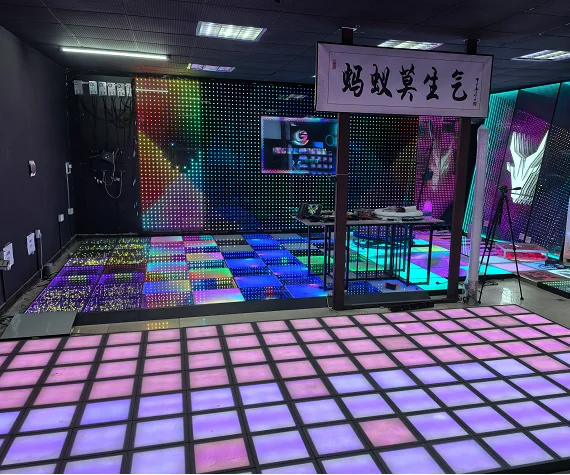
Main productsled abyss dance floor,led dance floor screen,glass and crystal chandelier,led screen,active game lights
Main marketsWestern Europe(30.00%), North America(25.00%), South America(20.00%), Southeast Asia(10.00%), South Asia(7.00%), Mid East(5.00%), Africa(3.00%)
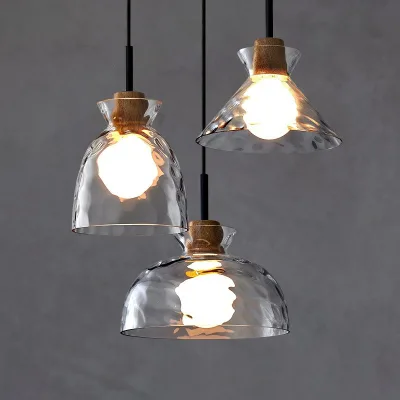
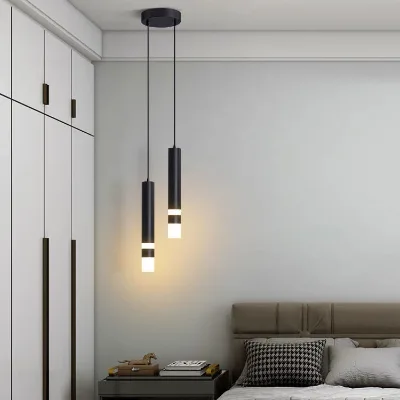
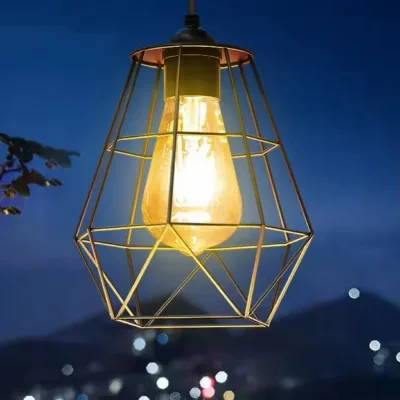
Hot Sale Home Hanging IP65 Waterproof Interior Outdoor Shed Light Solar Pendant Light
$25.56 - $35.43
MOQ: 12 pieces

SHANGLI LIGHTING CRAFTS CO.,LTD
- Verified by BV
- Manufacturer/Factory
- China Guangdong
- Lead time30 days
- Avg. response≤ 10h
Main productsPortable Table and Floor Lamp, LED Lamp, Hotel Lamp, Chandelier Lamp, Pendant Lamp, Ceiling Lamp, Wall Lamp, Lampshade, Accessory, Mirror
Main marketsSouth America,Eastern Europe,Mid East,North America,Southeast Asia,Eastern Asia,Oceania,Western Europe,Africa


Hanging Lamp Pendant Round Pendant Light for Living Room Pendant Lighting
$200.00 - $400.00
MOQ: 1 Pieces

Zhongshan Guzhen Quanshi Lighting Factory
- Manufacturer
- Guangdong, China
- Lead time30 days
- Avg. response≤ 2h
Main productschandelier,led pendant light,outdoor garden lights,LED chandelier,indoor wall lights
Main marketsSouth America(30.00%), Africa(30.00%), Southeast Asia(20.00%), South Asia(5.00%), Mid East(5.00%), Eastern Europe(5.00%), North America(5.00%)
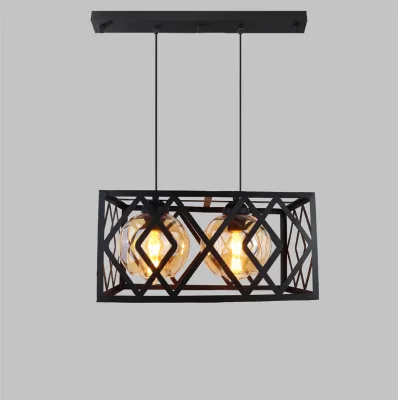
$10.2262 - $15.3378
MOQ: 50 Minimum
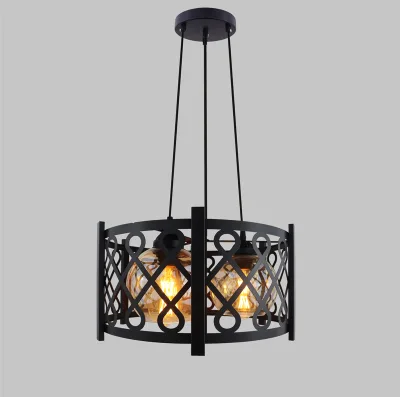
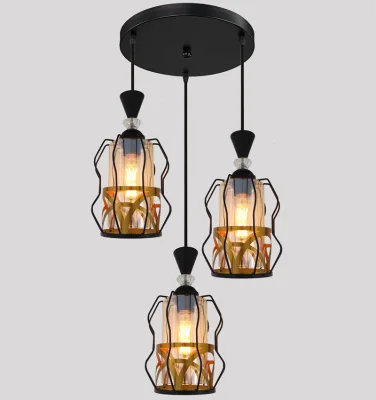
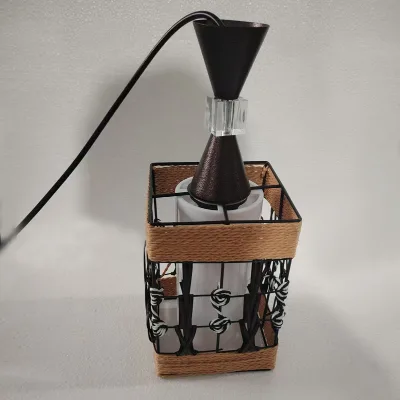
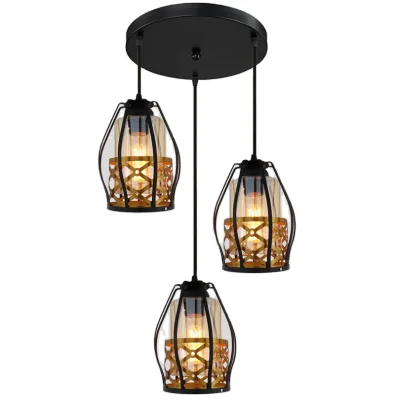
New Bronze Color Brass Pendant Light Glass and Metal Pendant Lamp Hanging Light (0228/3P)
$3.743 - $11.4359
MOQ: 50 Minimum

Zhongshan Chaolang Lighting Co., Ltd.
- Verified by SGS
- Combined
- China Guangdong
- Lead time30 days
- Avg. response≤ 1h
Main marketsEurope

Contemporary Decorative Hanging LED Lightng Pendant Lamp for Indoor Spaces
$20.00 - $30.00
MOQ: 100 Pieces


Zhongshan Aosilu Lighting Co., Ltd.
- Verified by TüVRheinland
- Manufacturer, Trading Company
- Lead time0 days
- Avg. response≤ 1h
Main productsChandelier, Wall Lamp, Floor Lamp, Table Lamp, Ceiling Light
Main marketsNorth America(35%), Mid East(20%), Eastern Europe(15%)
Jinsanye Imp. & Exp. (fuzhou) Co., Ltd.
- Trading Company
- Fujian, China
- Lead time15 days
- Avg. response≤ 4h
Main productsPendant light,Wall lamp,Lamp Kits,Plug Lamp Cord,Lamp Holder
Main marketsNorth America(40.00%), Western Europe(30.00%), South America(30.00%)
Zhongshan Archer Lighting Co., Ltd.
- Manufacturer
- Guangdong, China
- Lead time35 days
- Avg. response≤ 3h
Main productsPendant Light,Pendant Lamp,Chandelier,Hanging Light,Hanging Lamp
Main marketsMid East(20.00%), Africa(20.00%), Northern Europe(20.00%), North America(20.00%), Southern Europe(5.00%), South America(5.00%), Western Europe(5.00%), Eastern Asia(5.00%)

Jiangmen Hengzhi Lighting Co., Ltd.
- Verified by TUVRHEINLAND
- Trading Company
- China Guangdong
- Lead time30 days
- Avg. response≤ 4h
Main productsLighting, Chandelier, Crystal Chandelier, Modern Chandelier, Rh Light, Restoration Hardware Light, Modern Lamp, Indoor Lamp
Main marketsNorth America


Modern Acrylic Ceiling Lights Decorative Hanging Lamp Chandelier Cage Light
$29.00 - $139.00
MOQ: 1 Pieces
Zhongshan Jietu Lighting Co., Ltd.
- Verified by SGS Group
- Manufacturer, Trading Company
- Lead time15 days
- Avg. response≤ 2h
Main productsPendant Light, Crystal Lamp, Ceiling Lamp, Chandelier, Indoor Lamps
Main marketsNorth America(30%), Domestic Market(20%), South America(15%)

Zhong Shan Rima Lighting Co., Ltd.
- Verified by CTI
- Combined
- China Guangdong
- Lead time23 days
- Avg. response≤ 2h
Main marketsSoutheast Asia/ Mideast,Domestic,Europe,North America
Shenzhen Qianhai Baihuixin Invest Industry Company Limited
- Trading Company
- Guangdong, China
- Lead time15 days
- Avg. response≤ 2h
Main productsProjector Lamp,Flood Lights,Landscape Lamp,Motif Light,Chandelier Lights
Main marketsNorth America(25.00%), Southeast Asia(15.00%), Western Europe(15.00%), Eastern Europe(10.00%), Eastern Asia(8.00%), Africa(5.00%), Southern Europe(5.00%), Oceania(5.00%), Mid East(4.00%), Northern Europe(3.00%), South America(3.00%), South Asia(1.00%), Central America(1.00%)

Shenzhen Enrich Lighting Co., Ltd.
- Trading Company,Manufacturer/Factory,Group Corporation,Other
- China Guangdong
- Lead time23 days
- Avg. response≤ 9h
Main productsLED Linear Light, LED Ceiling Light, Modern LED Pendant Lamp, LED Circular Chandeliers Light, LED Curved Profile Lighting, LED Curved Profile Light, LED Ring Suspended Light, LED Circular Suspended Light, LED Aluminium Profile Light, LED Ring Chandeliers Light
Main marketsSouth America,Eastern Europe,Mid East,North America,Southeast Asia,Eastern Asia,Oceania,Western Europe,Africa


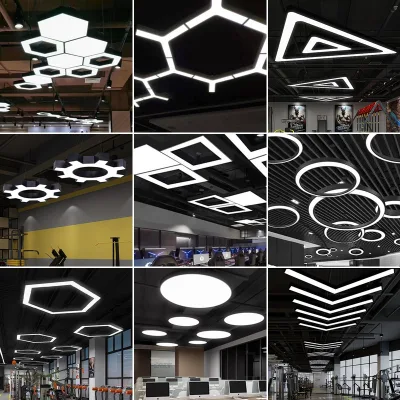
Circular Decorate Pendant Hanging Round Ring LED Pendant Light for Projects
$80.00 - $89.00
MOQ: 1 Pieces


Zhongshan Nuodayi Lighting Firm
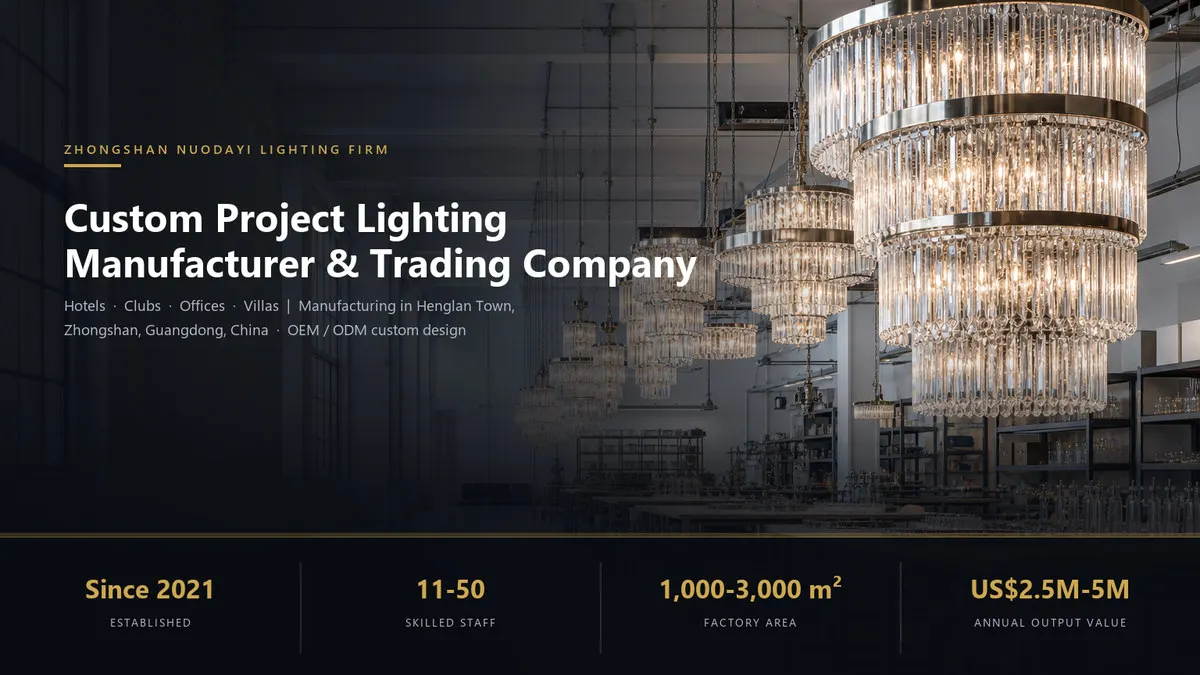
- Manufacturer, Trading Company
- Guangdong, China
- Lead time35 days
- Avg. response≤ 5h
Main productsChandelier,Table Lamp,Floor Lamp,Wall Sconce
Main marketsNorth America(55.00%), Western Europe(20.00%), Mid East(15.00%), Southeast Asia(10.00%)
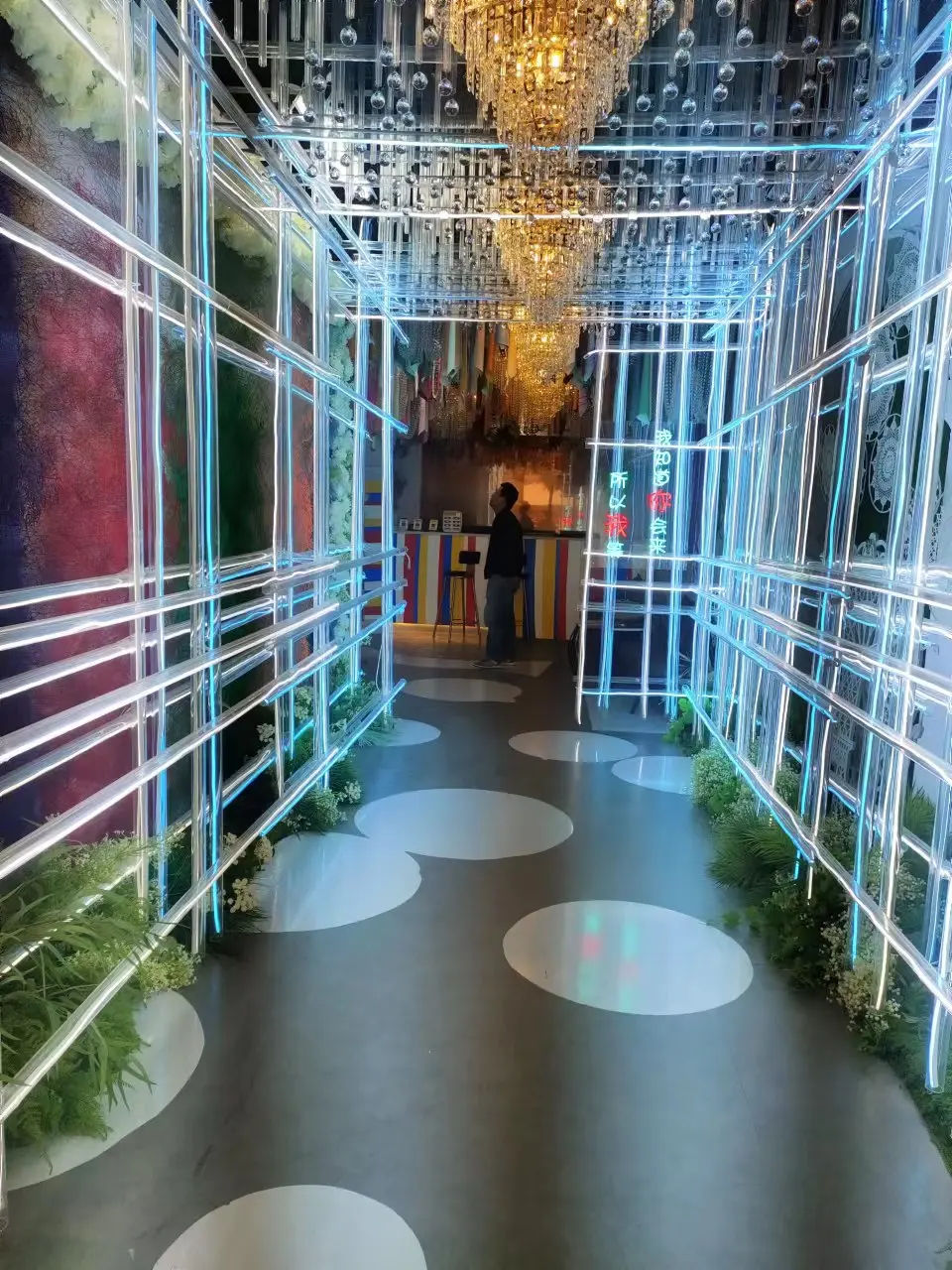
Anhui Wedding Arts & Crafts Co., Ltd.
- Manufacturer, Trading Company
- Anhui, China
- Lead time15 days
- Avg. response≤ 3h
Main productswedding supplies,wedding flowers,wedding chandelier,wedding background,wedding guide
Main marketsSoutheast Asia(37.00%), North America(10.00%), Eastern Europe(10.00%), South America(10.00%), Central America(8.00%), Western Europe(5.00%), Eastern Asia(4.00%), Southern Europe(4.00%), Mid East(3.00%), South Asia(2.00%), Northern Europe(2.00%), Oceania(2.00%), Domestic Market(2.00%), Africa(1.00%)

Zhongshan Fansen Lighting CO., LTD.
- Verified by CTI
- Combined
- China Guangdong
- Lead time30 days
- Avg. response≤ 3h
Main productsLED Light, LED Downlight, LED Tracklight, LED Spotlight, LED Linearlight
Main marketsSoutheast Asia/ Mideast,Domestic










Comprehensive Sourcing Guide
Modern Outdoor Hanging Pendant Light Supplier Concentration and Factory Types
The current supplier landscape for modern outdoor hanging pendant lights reveals a distinct concentration of manufacturing and trading entities within specific industrial regions. Evidence indicates that a significant portion of available suppliers are located in China, with Guangdong emerging as a primary hub for these lighting fixtures. This geographic clustering is not accidental; it reflects a mature supply chain ecosystem where raw materials, such as aluminum alloys and stainless steel, are readily accessible, and specialized labor for metal fabrication and LED assembly is abundant. Buyers evaluating potential partners should recognize that suppliers in this region often benefit from established logistics networks and proximity to major ports, which can streamline the export process for heavy or bulky lighting components. However, the presence of this concentration does not guarantee uniform quality or pricing across all vendors. The density of suppliers in Guangdong suggests a competitive market where differentiation is key, meaning buyers must look beyond location to assess the specific capabilities and operational maturity of each individual factory or trading company.
Within this concentrated region, the types of business entities vary significantly, influencing how buyers should approach their sourcing strategy. The observed data highlights a mix of trading companies and direct manufacturers, each offering distinct advantages and potential drawbacks. Trading companies often provide a broader catalog of products, including wall lamps, ceiling lights, and various pendant styles, allowing buyers to consolidate orders for mixed lighting needs. They may also offer more flexible minimum order quantities and handle complex logistics, acting as a single point of contact for international buyers. In contrast, direct manufacturers, particularly those with OEM and ODM capabilities, may offer deeper customization options and potentially lower unit costs for large volumes. Some suppliers explicitly list their main products as custom-made lighting or LED fixtures, indicating a focus on specialized production rather than general trading. Understanding this distinction is crucial for buyers, as it affects negotiation leverage, communication efficiency, and the ability to verify production capacity. Buyers should carefully review company profiles to determine whether they are dealing with a middleman or a factory, as this impacts the transparency of the supply chain and the potential for direct technical support during the manufacturing process.
How to Verify Modern Outdoor Hanging Pendant Light Suppliers
Verifying the legitimacy and capability of suppliers requires a multi-layered approach that goes beyond simple profile reviews. One critical step is to check for third-party verification badges, such as SGS, which can provide an additional layer of trust regarding the supplier’s business operations and product quality standards. While not all suppliers display such certifications, those that do often undergo more rigorous audits, which can reduce the risk of dealing with fraudulent entities. Buyers should also scrutinize the supplier’s response time, as a quick and professional reply can indicate a well-organized sales team that is attentive to client needs. In the current data, response times vary, with some suppliers showing an average response time of around 2.20 hours, while others may take longer. A faster response time is generally a positive indicator of operational efficiency, suggesting that the supplier has the resources to handle inquiries promptly and potentially manage order-related issues with greater agility. However, buyers should not rely solely on speed; the quality and detail of the response are equally important in assessing the supplier’s expertise.
Another essential verification step involves examining the supplier’s product certifications and compliance documentation. For lighting products, especially those intended for outdoor or indoor use, certifications such as CE and RoHS are critical indicators of adherence to safety and environmental standards. The observed product data shows that many modern pendant lights carry CE certification, and some also include RoHS compliance, which is vital for ensuring that the products do not contain hazardous substances. Buyers should request copies of these certificates and verify their validity with the issuing bodies. Additionally, checking the supplier’s establishment year and years in business can provide insights into their stability and experience in the market. Suppliers with a longer track record are often more reliable, as they have survived market fluctuations and built a reputation for quality. Buyers should also look for evidence of past performance, such as customer reviews or case studies, although these may not always be readily available. By combining these verification methods, buyers can build a more comprehensive picture of a supplier’s reliability and reduce the risks associated with international sourcing.
What to Compare Across Modern Outdoor Hanging Pendant Light Suppliers
When evaluating multiple suppliers, buyers should focus on comparing key operational metrics that directly impact their procurement strategy and bottom line. One of the most significant factors is the minimum order quantity (MOQ), which can vary widely depending on the supplier’s business model and production capacity. Some suppliers offer an MOQ of just one piece, which is ideal for buyers testing the market or ordering small batches for specific projects. Others may require a minimum of 100 pieces or more, which is more suitable for large-scale retail distribution. Buyers should align their order volume with the supplier’s MOQ to avoid unnecessary costs or inventory issues. Additionally, comparing the lead times is crucial for planning production schedules and ensuring timely delivery. The observed data indicates lead times ranging from 23 to 30 days, which can vary based on the complexity of the product and the current order backlog. Buyers should confirm these lead times with the supplier and factor them into their overall project timeline, allowing for potential delays due to shipping or customs clearance.
Price is another critical dimension for comparison, but it should be analyzed in conjunction with other factors such as quality and service. The price range for modern pendant lights can vary significantly, from as low as $10.36 to over $870, depending on the materials, design complexity, and included features. Buyers should not simply choose the lowest price, as this may compromise on quality or durability. Instead, they should evaluate the value proposition, considering factors such as the type of light source (LED vs. non-LED), the material of the frame (aluminum alloy, stainless steel, or metal), and the level of customization available. Some suppliers offer customization options, allowing buyers to tailor the product to their specific brand or design requirements. Buyers should also compare the packaging standards, as proper packaging is essential to prevent damage during transit. By systematically comparing these attributes across different suppliers, buyers can identify the best balance of cost, quality, and service for their specific needs, ensuring a more informed and strategic sourcing decision.
Common Modern Outdoor Hanging Pendant Light Sourcing Risks
Sourcing modern outdoor hanging pendant lights from international suppliers involves several inherent risks that buyers must proactively manage to ensure a successful procurement process. One significant risk is the potential for quality inconsistencies, especially when dealing with suppliers who offer a wide range of products or have limited quality control processes. The observed product data shows variations in materials, such as aluminum alloy, stainless steel, and metal, each with different durability and aesthetic qualities. Buyers must ensure that the materials specified in the product description match the actual goods received, as discrepancies can lead to customer dissatisfaction and returns. Additionally, the certification status of the products is a critical risk factor. While many products list CE or RoHS certifications, buyers must verify that these certifications are valid and applicable to the specific product model and destination market. Failure to do so can result in customs delays, fines, or even product recalls, highlighting the importance of thorough due diligence before placing orders.
Another common risk is the miscommunication regarding customization and technical specifications. The observed data indicates that many suppliers offer customization options, but the extent and feasibility of these options can vary. Buyers must clearly communicate their requirements, including dimensions, colors, light sources, and installation methods, to avoid misunderstandings. For instance, some products are listed as "without light source," while others include LED fixtures, which can significantly impact the final product’s functionality and cost. Buyers should request detailed product specifications and samples before committing to large orders to ensure that the supplier can meet their exact needs. Furthermore, the risk of logistical delays cannot be overlooked. Lead times may be affected by various factors, including raw material shortages, production bottlenecks, or shipping disruptions. Buyers should maintain open communication with their suppliers and have contingency plans in place to mitigate the impact of potential delays. By identifying and addressing these risks early in the sourcing process, buyers can protect their interests and ensure a smoother procurement experience.
Modern Outdoor Hanging Pendant Light Regional Sourcing and Logistics
The regional concentration of suppliers in China, particularly in Guangdong, offers both advantages and challenges for buyers navigating the logistics of sourcing modern outdoor hanging pendant lights. One of the primary benefits of sourcing from this region is the established infrastructure for international trade, including well-connected ports and a wide network of freight forwarders. This infrastructure can facilitate efficient shipping and reduce transit times, which is crucial for maintaining inventory levels and meeting customer demand. Buyers should leverage this advantage by working with suppliers who have experience in exporting to their target markets, as these suppliers are likely to have established relationships with reliable logistics partners. Additionally, the proximity of suppliers to raw material sources can lead to faster production cycles and potentially lower costs, as transportation expenses for materials are minimized. However, buyers must also consider the environmental and regulatory aspects of shipping from this region, ensuring that their suppliers comply with international shipping standards and environmental regulations.
Logistics planning is a critical component of successful sourcing, and buyers should develop a comprehensive strategy that accounts for various factors such as shipping methods, insurance, and customs clearance. The observed data indicates that suppliers offer various trade terms, including FOB, CIF, EXW, and door-to-door services, each with different implications for cost and responsibility. Buyers should choose the trade term that best aligns with their logistics capabilities and risk tolerance. For example, FOB terms require the buyer to arrange and pay for shipping from the port of origin, while CIF terms include the cost of insurance and freight to the destination port. Buyers should also consider the packaging standards of the suppliers, as proper packaging is essential to protect the products during transit. Some suppliers use plastic bags, inner boxes, and master boxes, while others may use cartons or other packaging materials. Buyers should ensure that the packaging is robust enough to withstand the rigors of international shipping and prevent damage to the lighting fixtures. By carefully planning their logistics and choosing the right trade terms, buyers can minimize risks and ensure the timely delivery of their orders.
Modern Outdoor Hanging Pendant Light Commercial Terms and Order Planning
Effective order planning and negotiation of commercial terms are essential for maximizing the value of sourcing modern outdoor hanging pendant lights. Buyers should start by clearly defining their order requirements, including the quantity, specifications, and delivery timeline, to facilitate accurate quoting and production planning. The observed data shows that some suppliers have an MOQ of just one piece, which offers flexibility for small orders, while others require higher minimums. Buyers should align their order volume with the supplier’s MOQ to avoid unnecessary costs or inventory issues. Additionally, buyers should negotiate payment terms that protect their interests, such as using escrow services or letter of credit, to ensure that payment is only released upon satisfactory delivery of the goods. The observed response times and lead times can also inform the negotiation process, as buyers can use this information to set realistic expectations and avoid penalties for late delivery. By establishing clear commercial terms upfront, buyers can build a strong foundation for a successful partnership with their suppliers.
Beyond the initial order, buyers should consider the long-term implications of their sourcing decisions, including the potential for repeat orders and relationship building. Suppliers with a track record of reliable performance and high-quality products are valuable partners for ongoing procurement needs. Buyers should maintain open communication with their suppliers, providing feedback on product quality and delivery performance to foster continuous improvement. Additionally, buyers should stay informed about market trends and technological advancements in the lighting industry, as this knowledge can inform future sourcing decisions and product development. The observed product data highlights a variety of styles, from modern and decorative to industrial and classical, indicating a diverse market with opportunities for innovation. By staying engaged with their suppliers and remaining adaptable to market changes, buyers
FAQs
What is the typical lead time for modern outdoor hanging pendant lights?
Lead times vary by supplier, with observed ranges from 23 to 30 days. Some manufacturers offer faster turnaround for standard models, while custom orders may require the full 30-day window. Buyers should confirm specific delivery schedules before placing orders to ensure timely project completion.
What certifications are available for these lighting fixtures?
Many products carry CE and RoHS certifications, ensuring compliance with safety and environmental standards. Some listings explicitly state these certifications, while others may not display them. Buyers should verify specific product documentation to confirm that the fixtures meet required regional safety regulations before purchase.
What is the minimum order quantity for these pendant lights?
Minimum order quantities differ significantly among suppliers, ranging from 1 piece to 100 pieces. Some vendors accept single-piece orders for testing, while others require bulk purchases. Buyers must check individual product listings to determine the specific MOQ applicable to their desired order volume.
Where are these modern pendant lights manufactured?
The majority of suppliers are located in Guangdong, China, a major hub for lighting manufacturing. This region offers access to extensive supply chains and competitive pricing. Buyers should verify the specific factory location for each supplier to assess shipping logistics and potential import duties.
What materials are commonly used for these fixtures?
Common materials include aluminum alloy, stainless steel, and metal frames. Some designs feature iron or copper components for durability and aesthetic appeal. Buyers should review product specifications to confirm material composition, especially if corrosion resistance or specific weight requirements are critical for the installation.
Do these lights come with LED sources included?
Availability varies, with some products sold without light sources and others including integrated LED modules. Buyers must check product attributes to see if the fixture is sold as a bare shell or with the bulb included. This distinction affects installation complexity and total project costs.
What is the typical response time for supplier inquiries?
Supplier response times observed range from 2.20 to 5.61 hours. Faster response times indicate more active sales teams ready to assist with urgent requests. Buyers should prioritize suppliers with quicker reply rates to ensure efficient communication throughout the sourcing and negotiation process.