Garden Decor Dancer Statue Suppliers and Manufacturers
Source 28 verified suppliers for Garden Decor Dancer Statue products. Compare key dimensions including lead times, MOQs, certifications, and response rates. Review product specifications and request quotes directly from manufacturers and trading companies; review the available evidence before requesting comparable quotations from suitable candidates.
Updated
Suppliers List
Shijiazhuang D&Z Sculpture Co., Ltd.
- Verified by SGS Group
- Manufacturer, Trading Company
- Lead time30 days
- Avg. response≤ 3h
Main productsStainless Steel Sculpture, Bronze Sculpture, Marble Sculpture
Main marketsNorth America(30%), South America(30%), Eastern Europe(20%)

Hebei Jingsu Import and Export Trade Co., Ltd.
- Verified by SGS
- Trading Company
- China Hebei
- Lead time30 days
- Avg. response≤ 2h
Main productsBronze Sculptures, Marble Sculptures, Resin Sculptures, Fountains, Religious Sculptures, Fireplace
Main marketsSouth America,Europe,North America

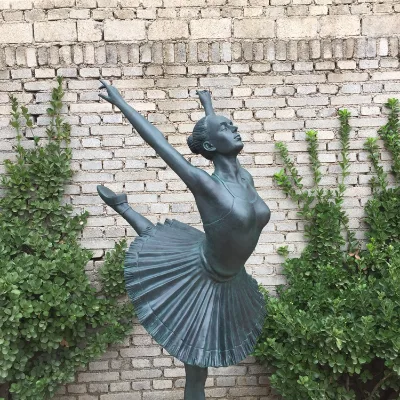
Home Garden Decoration Beautiful Customized Design Life Size Bronze Ballet Dancer Statue
$1500.00 - $3500.00
MOQ: 1 Pieces

Garden Outdoor Decoration Life Size Art Statue Ballet Bronze Dancing Girl Sculpture
$1500.00 - $3500.00
MOQ: 1 Pieces

Tianjin Esing Arts Gallery Co., Ltd.
- Verified by SGS
- Trading Company
- China Tianjin
- Lead time60 days
- Avg. response≤ 3h
Main productsMarble Statue, Stone Fountain, Marble Fireplace, Bronze Sculpture, Marble Flowerpot, Stainless Steel Sculpture, Cast Iron Bench, Cast Iron Flowerpot, Marble Sculpture, Stone Statue
Main marketsEurope,Australia,North America

Dancer Bronze Statue Garden Decoration Life Size Bronze Statue of Dancing Girl
$600.00 - $2500.00
MOQ: 1 Pieces


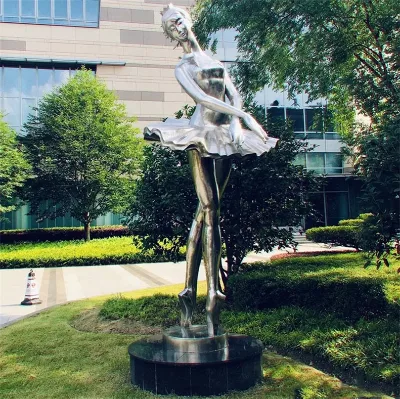
Beautiful Ballet Girl Sculpture Stainless Steel White Color Dancer Art Garden Ornaments
$1000.00 - $8000.00
MOQ: 1 Pieces


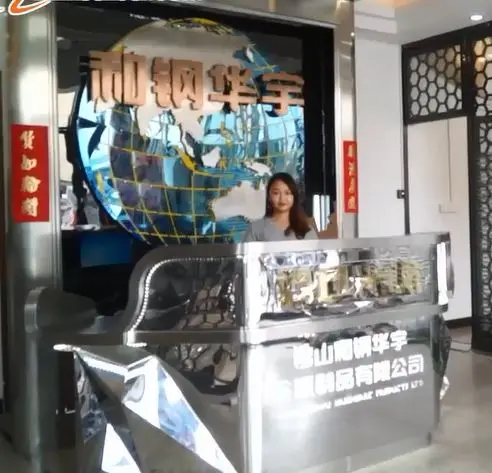
Foshan He Gang Hua Yu Metal Products Co., Ltd.
- Manufacturer
- Guangdong, China
- Lead time10 days
- Avg. response≤ 1h
Main productsMetal Ceiling,Metal Screen,Metal Wall,Metal Pillar,Metal Panel
Main marketsDomestic Market(35.00%), Mid East(30.00%), Southeast Asia(25.00%), Western Europe(5.00%), North America(3.00%), Africa(2.00%)
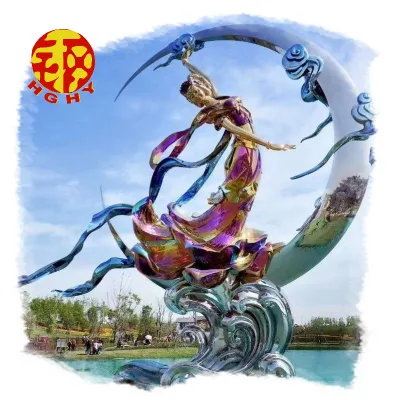
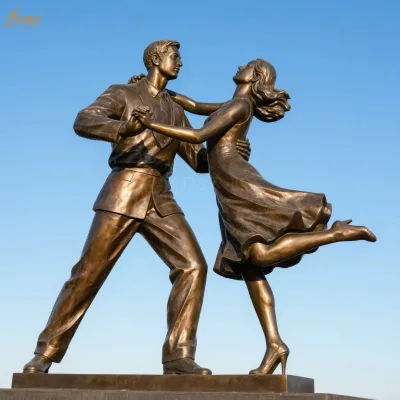
garden art dancing couple bronze sculpture garden stainless steel dancer sculpture
$4604.5075 - $5116.1194
MOQ: 1 sets
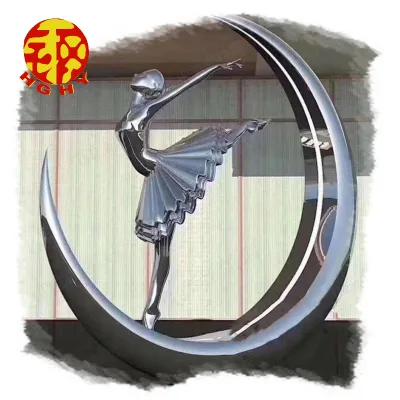
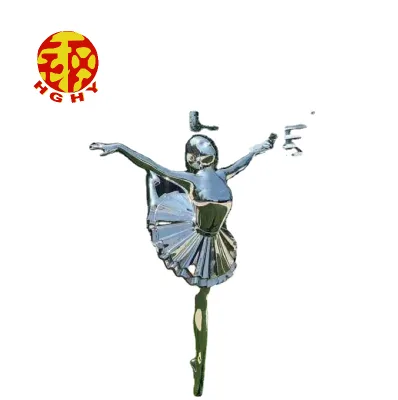

Zhengzhou Relong Arts & Crafts Co., Ltd.
- Trading Company
- China Henan
- Lead time60 days
- Avg. response≤ 1h
Main productsBronze Sculpture, Marble Sculpture, Stainless Steel Sculpture, Marble Fountain, Marble Gazebo, Iron Gazebo, Landmark Sculpture, Stone Sculpture, Bronze Animal Sculpture, Bronze Fountain
Main marketsEurope,Australia,North America

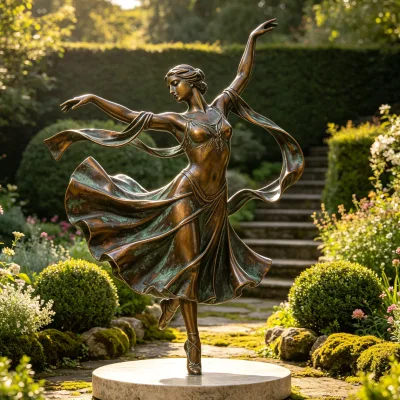
Elegant Garden Decorative Brass Woman Statue Bronze Ballet Dancer Sculpture
$1500.00 - $3800.00
MOQ: 1 Pieces

Modern Outdoor Garden Art Decor Bronze Dancer Life Size Statue Sculpture for Home Factory Supply
$1880.00 - $3380.00
MOQ: 1 Pieces

Outdoor Modern Bronze Garden Decor Casting Nude Dancing Female Statue
$1880.00 - $3380.00
MOQ: 1 Pieces

Fine Cast Life Size Elegant Bronze Dancer Girl Sculpture for Garden Decor
$780.00 - $3380.00
MOQ: 1 Pieces

Outdoor Square Street Ornament Life Size Bronze Dancing Girl Sculpture Brass Dancer Statue
$650.00 - $3880.00
MOQ: 1 Pieces


Aongking Technology Hebei Co., Ltd.
- Verified by SGS
- Combined
- China Hebei
- Lead time30 days
- Avg. response≤ 3h
Main productsSculpture, Bronze Sculpture, Stainless Steel Sculptures, Marble Sculptures, Fiberglass Sculptures, Art, Garden Sculpture, Urban Sculpture, Metal Sculptures, Portrait Sculpture
Main marketsSouth America,Europe,Australia,North America

Public Garden Decoration Stainless Steel Mirror Lady Dancing Ballerina Art Statue
$1500.00 - $9000.00
MOQ: 1 Pieces

Life Size Elegant Dancer Girl Bronze Statue for Outdoor Garden Decoration
$1500.00 - $7000.00
MOQ: 1 Pieces


Art Decoration Dancing Woman Stainless Steel Statue for Outdoor Ornament
$1500.00 - $3860.00
MOQ: 1 Pieces


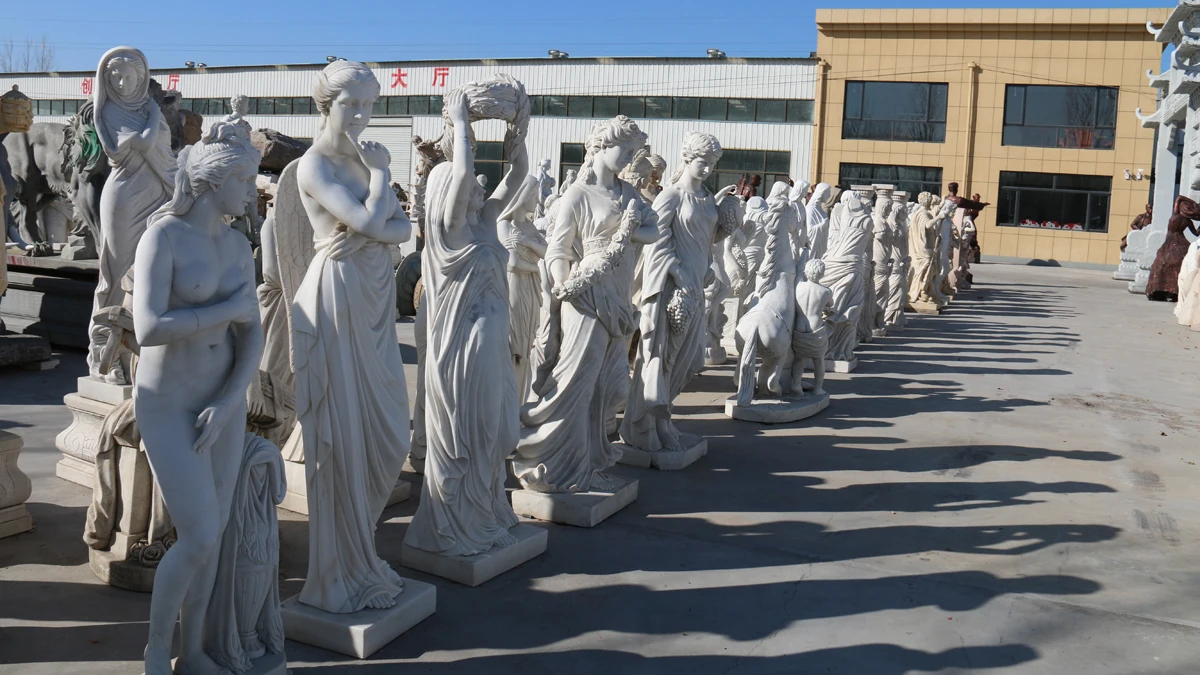
Hebei Jingsu Import And Export Trade Co., Ltd.
- Trading Company
- Hebei, China
- Lead time30 days
- Avg. response≤ 3h
Main productsMarble Sculpture. Bronze Sculpture,Stainless Steel Sculpture,Fiberglass Sculpture,Resin Sculpture,Bronze Statue
Main marketsNorth America(35.00%), Western Europe(15.00%), South America(10.00%), Northern Europe(10.00%), Southeast Asia(8.00%), Central America(5.00%), Africa(5.00%), Eastern Europe(5.00%), Mid East(5.00%), Eastern Asia(2.00%)

Hebei Flyer Import & Export Trading Co., Ltd.
- Manufacturer/Factory
- China Hebei
- Lead time23 days
- Avg. response≤ 10h
Main productsBronze Sculpture, Bronze Fountain, Stone Fountain, Stone Sculpture, Stainless Steel Sculpture, Religious Sculpture, Corten Steel Sculpture, Fiberglass Statue, Resin Sculpture, Church Statue
Main marketsSouth America,Eastern Europe,Mid East,North America,Southeast Asia,Eastern Asia,Oceania,Western Europe,Africa

$1500.00 - $2500.00
MOQ: 1 Pieces

$1200.00 - $2500.00
MOQ: 1 Pieces

Custom Outdoor Landscape Large Size Bronze Dance Ballet Lady Statue for Garden Decoration
$1500.00 - $2500.00
MOQ: 1 Pieces


Decorative Beatiful Shiny Stainless Steel Dancer Statue Life Size Ice Skating Girl Sculpture
$2999.00
MOQ: 1399 Pieces
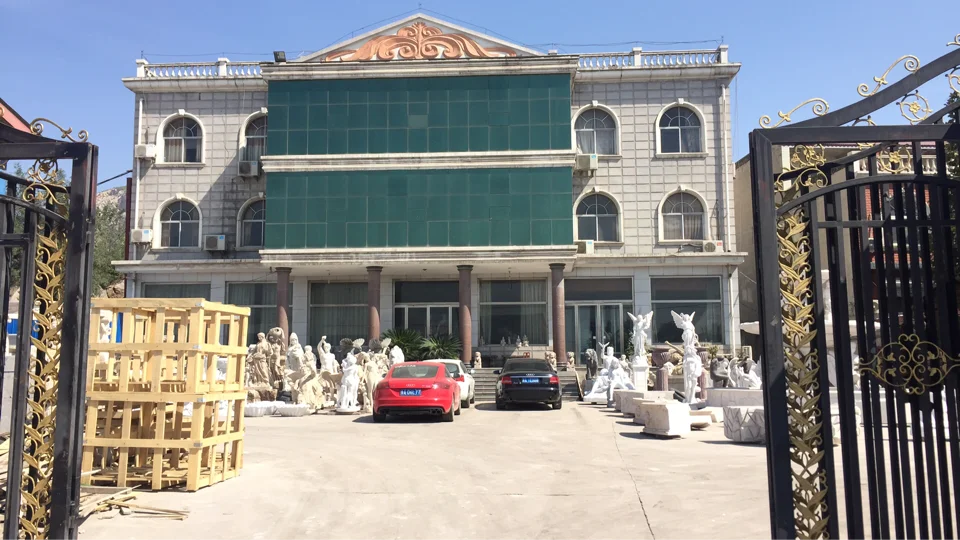
Hebei Ideal Arts Import And Export Corp., Ltd.
- Trading Company
- Hebei, China
- Lead time30 days
- Avg. response≤ 7h
Main productsStone products,west and east figure statue,animals,sculptures,flower pots
Main marketsNorth America(40.00%), Eastern Asia(10.00%), Southeast Asia(10.00%), Eastern Europe(10.00%), Mid East(10.00%), South America(8.50%), Oceania(6.50%), Western Europe(5.00%)
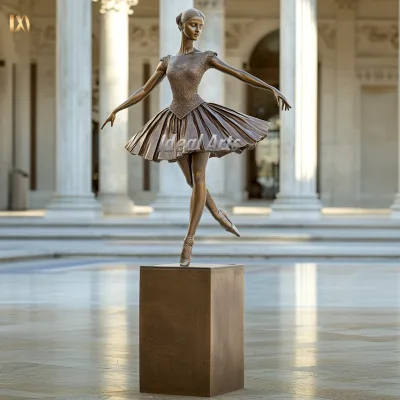
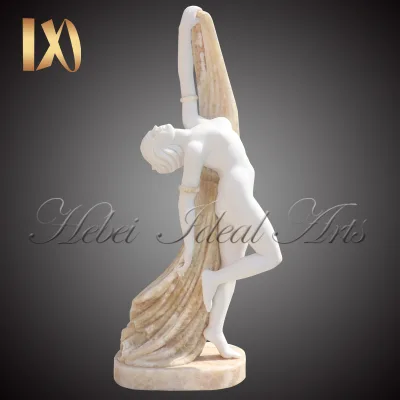
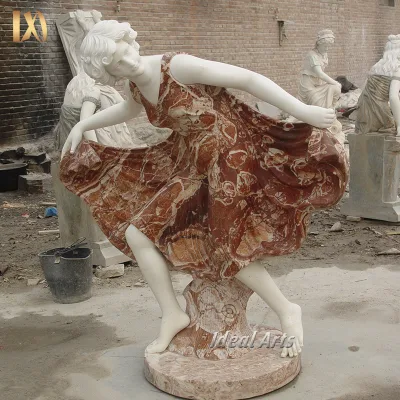
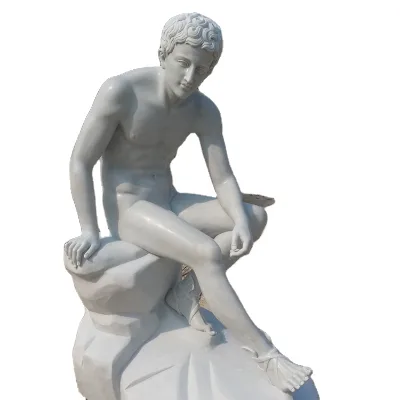
Factory Outlet Outdoor Garden Natural Stone Hand Carved Naked Dancing Greek Lady Statue Sculpture
$999.00 - $4999.00
MOQ: 2 Minimum
Yantai Megbond International Trade Co., Ltd.
- Manufacturer, Trading Company
- Shandong, China
- Lead time70 days
- Avg. response≤ 5h
Main productsHome decor,Garden Decor,Cast iron handicraft,Cast aluminum items,Resin crafts
Main marketsNorth America(40.00%), Western Europe(20.00%), Domestic Market(10.00%), Northern Europe(10.00%), South America(10.00%), Eastern Europe(10.00%)
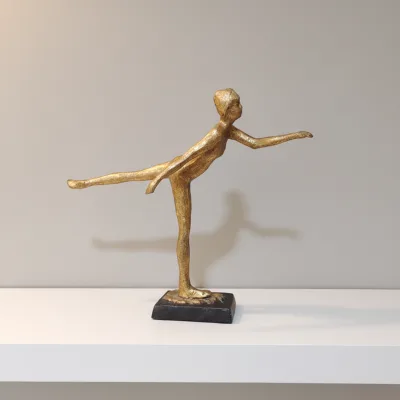
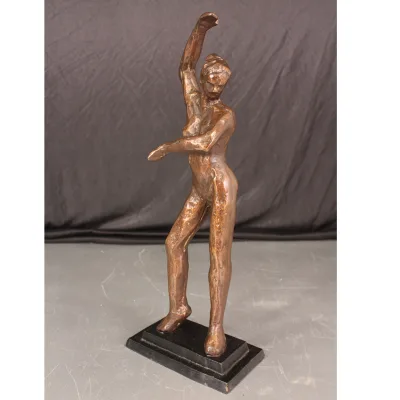
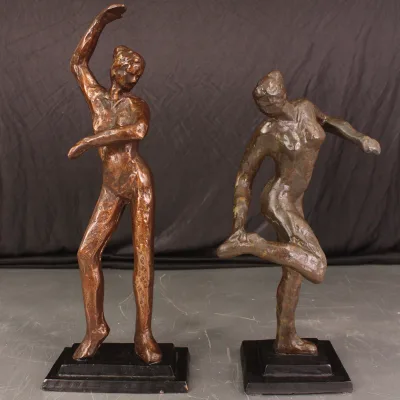
Metal Abstract Dancing Girl Statue, Heavy Metal Handicraft for Desktop Decor
$11.00 - $12.00
MOQ: 100 pieces

Zhengzhou Millie Arts & Crafts Co., Ltd.
- Verified by TUVRHEINLAND
- Trading Company
- China Henan
- Lead time45 days
- Avg. response≤ 2h
Main productsBronze Sculpture, Marble Sculpture, Stainless Steel Sculpture, Sculpture, Marble Fountain, Marble Gazebo, Bronze Fountain, Iron Gazebo, Landscape Sculpture, Bronze Animal Sculpture
Main marketsNorth America

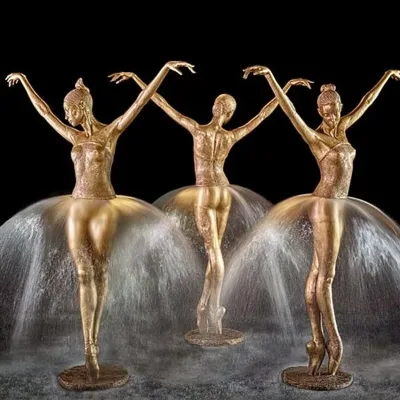
Modern Garden Decoration Metal Bronze Ballet Dancing Girl Fountain Statue
$2588.00 - $6800.00
MOQ: 1 Pieces

Custom Memorial Brass Dancing Figure Statue Life Size Bronze Dancer Sculpture
$2800.00 - $3599.00
MOQ: 1 Pieces

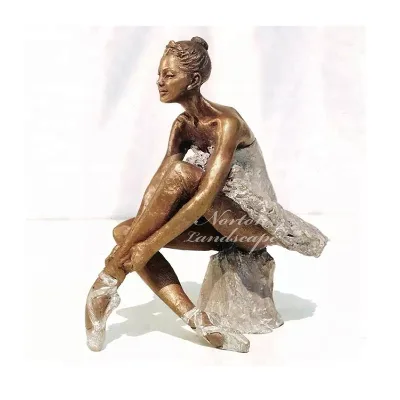
Beautiful Elegant Bronze Ballet Dancer Girl Figurine Sculpture Dancing Statue
$2588.00 - $6899.00
MOQ: 1 Pieces


Hebei Art Sculpture Import & Export Co., Ltd.
- Trading Company
- Hebei, China
- Lead time30 days
- Avg. response≤ 3h
Main productsMarble Statue,Fiberglass Statue,Resin Statue,Stainless Steel Statue,Bronze Statue
Main marketsNorth America(30.00%), Western Europe(20.00%), Oceania(15.00%), Eastern Asia(10.00%), Southern Europe(5.00%), Central America(5.00%), South America(5.00%), Southeast Asia(5.00%), Mid East(5.00%)
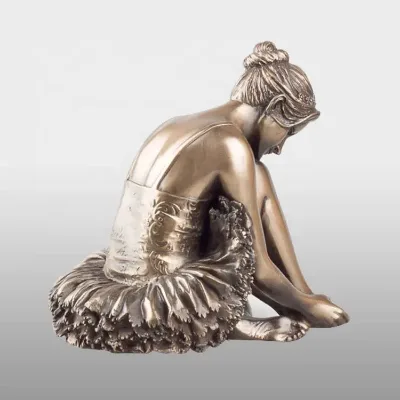
Factory Landscape Large Size Bronze Dance Ballet Lady Statue Sculpture for Garden Decoration
$514.4207 - $3086.5241
MOQ: 1 Minimum
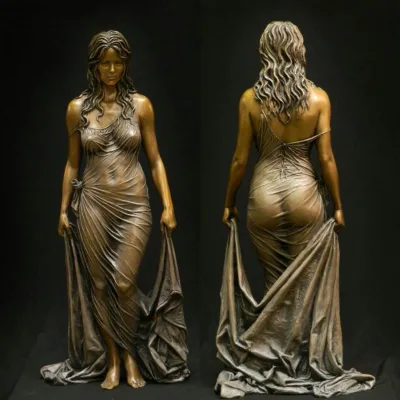
Garden Outdoor Decor Casting Bronze Dancing Girl Statue Metal Figure Sculpture
$514.4207 - $3086.5241
MOQ: 1 Minimum

Qu Yang Sheng Ya Sculpture Factory
- Combined
- China Hebei
- Lead time60 days
- Avg. response≤ 5h
Main productsStone Sculpture, Marble Fireplace, Marble Fountain, Statue, Planter and Pots, Tables and Benches, Animals, Marble Slabs, Column, Pillars
Main marketsSouth America,Africa,Southeast Asia/ Mideast,Domestic,Europe,Australia,North America

$1000.00 - $5000.00
MOQ: 1 Pieces

$1000.00 - $5000.00
MOQ: 1 Pieces

Life Size Garden Bronze Figure Sculpture Bronze Dancing Woman Statue (SYBS-2002)
$1900.00 - $2500.00
MOQ: 1 Pieces

$1000.00 - $5000.00
MOQ: 1 Pieces

Outdoor Garden Natural Stone Hand Carved Dancing Singing Lady Sculpture Marble Statue (SYMS-1140)
$500.00 - $1350.00
MOQ: 1 Pieces
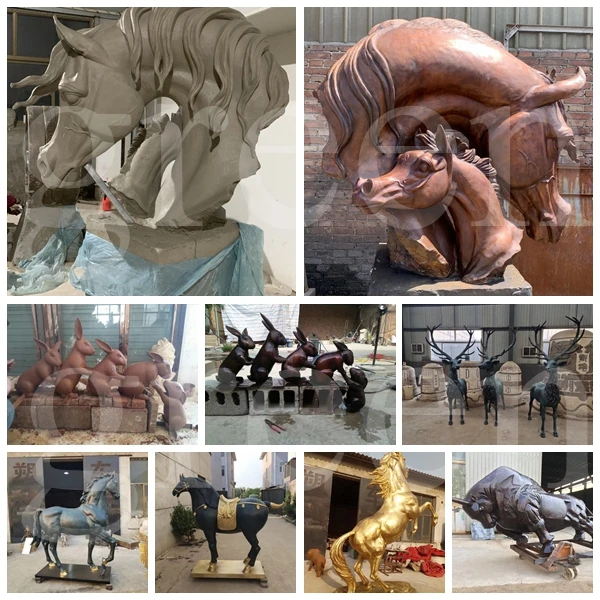
Hainan Yuanqi Trading Co., Ltd.
- Trading Company
- hainan, China
- Lead time30 days
- Avg. response≤ 2h
Main productsbronze sculpture,Animal sculpture,figure sculpture,marble sculpture,Stainless steel sculpture '
Main marketsNorth America(12.00%), Northern Europe(10.00%), Domestic Market(10.00%), Southeast Asia(10.00%), Eastern Europe(10.00%), Eastern Asia(10.00%), Southern Europe(9.00%), Western Europe(8.00%), Oceania(5.00%), South Asia(5.00%), Mid East(5.00%), Africa(2.00%), Central America(2.00%), South America(2.00%)
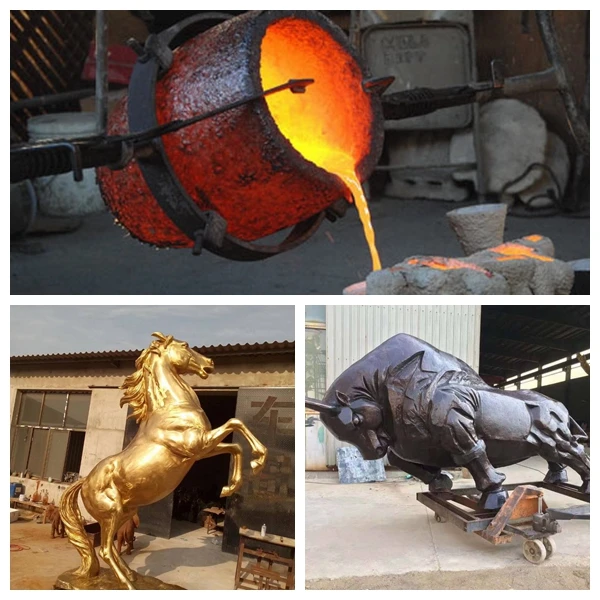
Haikou Piccadilly Sculpture Import And Export Trading Co., Ltd.
- Trading Company
- Hainan, China
- Lead time35 days
- Avg. response≤ 1h
Main productsFiberglass sculpture,stainless steel sculpture,bronze sculpture,cast aluminum sculpture,statue
Main marketsEastern Europe(30.00%), Domestic Market(10.00%), Northern Europe(10.00%), Southeast Asia(10.00%), North America(10.00%), Oceania(5.00%), Southern Europe(5.00%), Africa(5.00%), Western Europe(5.00%), Mid East(5.00%)
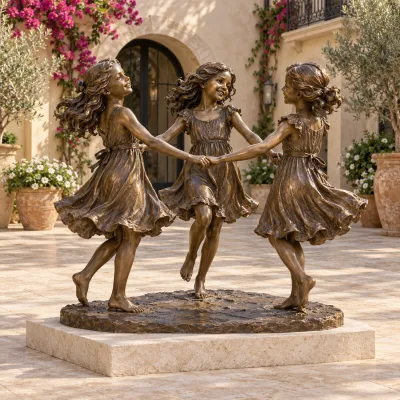
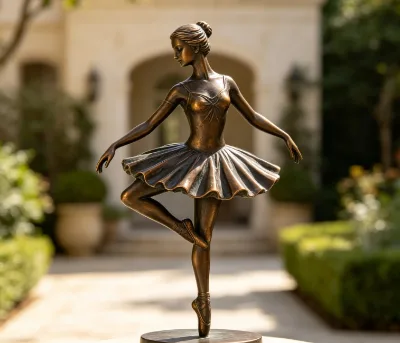
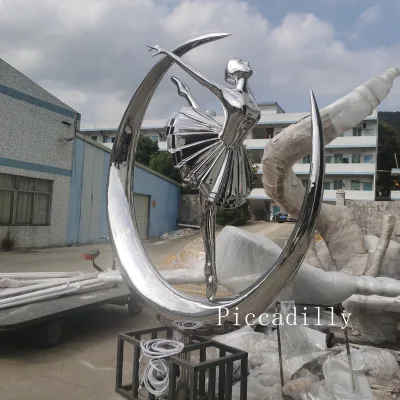
$800.00 - $3999.00
MOQ: 1 Minimum
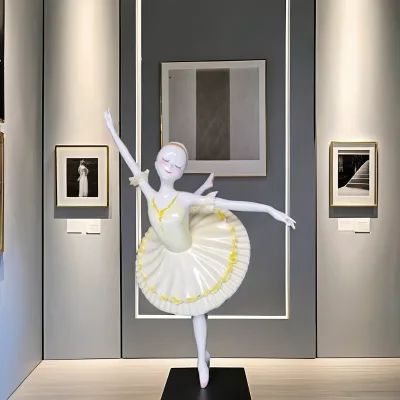
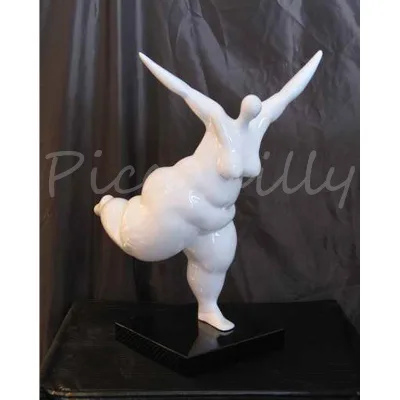
Zhengzhou You Fine Art Co., Ltd.
- Verified by SGS Group
- Manufacturer, Trading Company
- Lead time30 days
- Avg. response≤ 2h
Main productsBronze Sculpture, Stainless Steel Sculpture, Marble Sculpture, Iron Products
Main marketsNorth America(40%), Mid East(15%), Western Europe(15%)

- Trading Company
- Hebei, China
- Lead time20 days
- Avg. response≤ 2h
Main productssculpture,stone panel,pebble stone,Monument,iron product
Main marketsNorth America(30.00%), Western Europe(20.00%), Northern Europe(10.00%), Mid East(10.00%), South Asia(5.00%), Southern Europe(5.00%), Oceania(5.00%), Central America(5.00%), South America(5.00%), Eastern Asia(5.00%), Eastern Europe(5.00%)
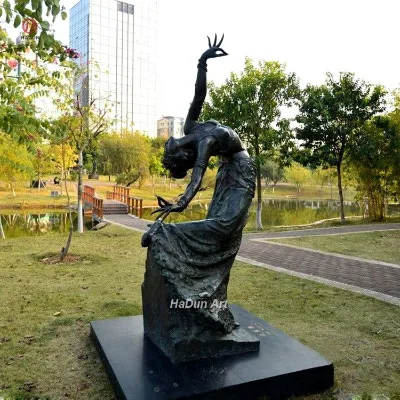
Life Size Colored Garden Sculpture Bronze Dancing Woman Statue for Sale
$1188.8877 - $2563.8615
MOQ: 1 pieces
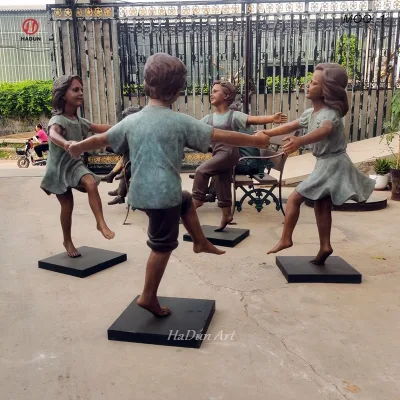
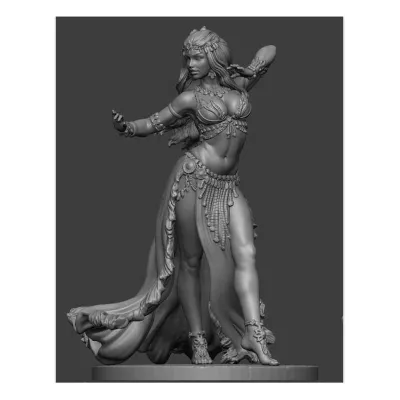
Carved White Marble Nude Dancing Girl Statue
$900.00 - $1000.00
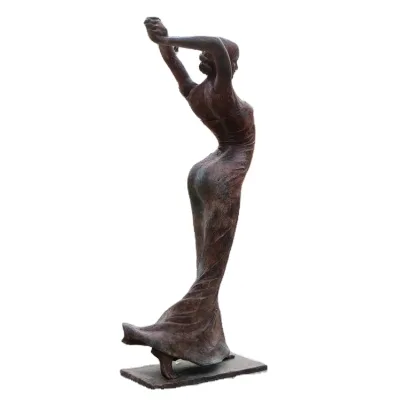
$500.00 - $2500.00
Quyang Best Sculpture Co., Ltd.
- Manufacturer, Trading Company
- Hebei, China
- Lead time30 days
- Avg. response≤ 1h
Main productsMarble Sculpture,Stainless Steel Sculpture,Fiberglass Sculpture,Bronze Sculpture,Stone Sculpture
Main marketsNorth America(40.00%), Western Europe(30.00%), South America(20.00%), Mid East(10.00%)
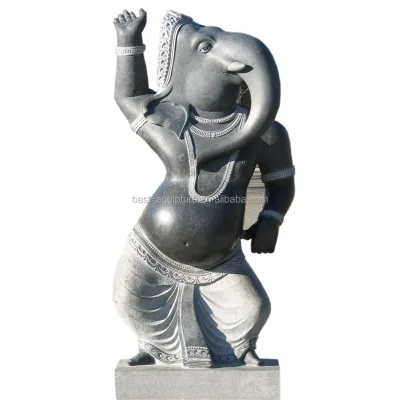
Large Granite Dancing Ganesha Sculpture Ancient Stone Ganesh Statue
$1542.206 - $2570.3433
MOQ: 1 Minimum
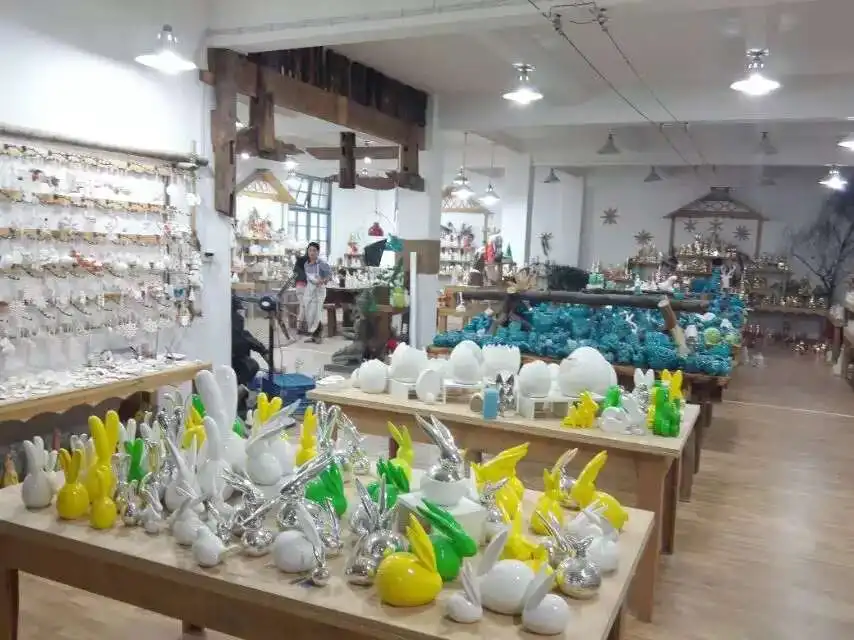
Dehua Beauty Rich Arts & Crafts Co., Ltd.
- Manufacturer, Trading Company
- Fujian, China
- Lead time30 days
- Avg. response≤ 7h
Main productsPolyresin crafts,Ceramic crafts,PVC crafts,Home decoration,Garden decoration
Main marketsEastern Europe(15.00%), North America(15.00%), South America(12.00%), Mid East(5.00%), Oceania(5.00%), South Asia(3.00%), Southern Europe(3.00%), Northern Europe(3.00%), Central America(3.00%), Western Europe(3.00%), Eastern Asia(3.00%), Domestic Market(3.00%), Southeast Asia(3.00%), Africa(2.00%)
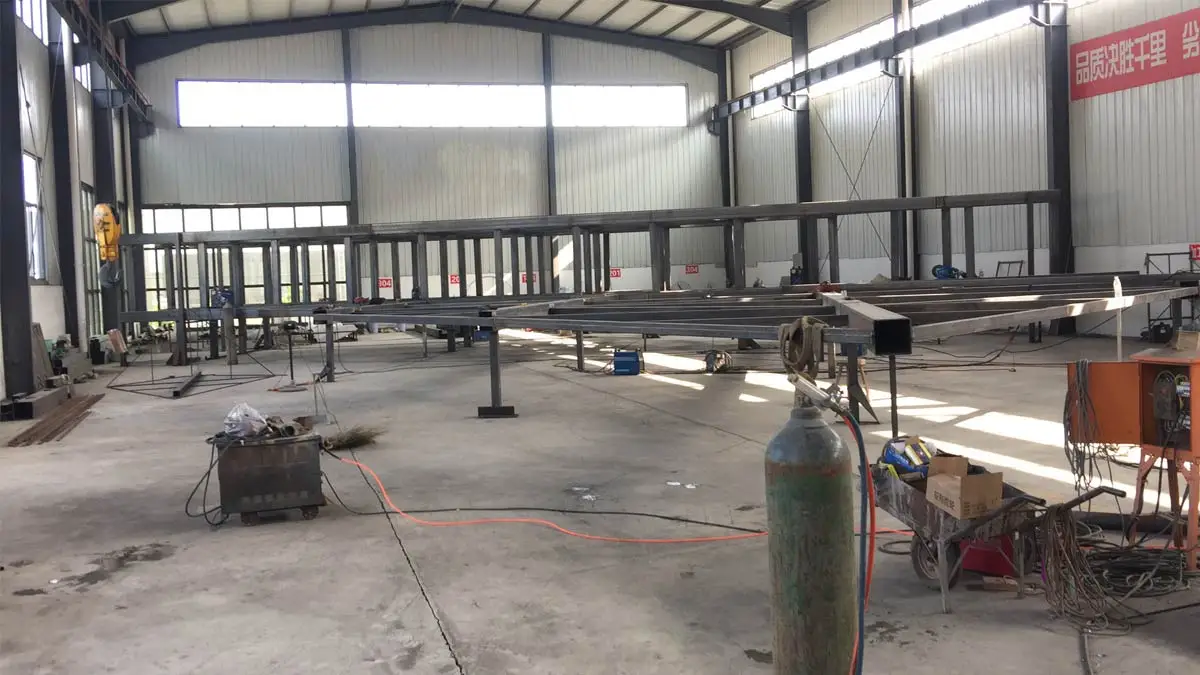
Hebei Lollipop Technology Co., Ltd.
- Trading Company
- Hebei, China
- Lead time0 days
- Avg. response≤ 6h
Main productsstainless steel sculpture,metal sculpture,bronze statue
Main marketsNorth America(30.00%), Mid East(20.00%), Western Europe(10.00%), Eastern Europe(10.00%), Northern Europe(5.00%), Central America(5.00%), Africa(5.00%), Eastern Asia(5.00%), South America(5.00%), Oceania(5.00%)
Shijiazhuang Norton Trade Co., Ltd.
- Verified by Intertek
- Manufacturer, Trading Company
- Lead time25 days
- Avg. response≤ 6h
Main productsMarble Sculpture, Bronze Sculpture, Aluminum Lamp, Stainless Steel Sculpture
Main marketsNorth America(50%), Southeast Asia(23%), Western Europe(10%)
Garden Sculpture(xiamen) Co., Ltd.
- Manufacturer, Trading Company, Business Service (Transportation, finance, travel, Ads, etc)
- Fujian, China
- Lead time0 days
Main productsHair Straightener,Hair Dryer,hair curler,Hot Air Brush,heater
Main marketsNorth America(80.00%), Northern Europe(6.00%), South America(5.00%), Eastern Europe(4.00%), Western Europe(2.00%), Central America(2.00%), Southern Europe(1.00%)
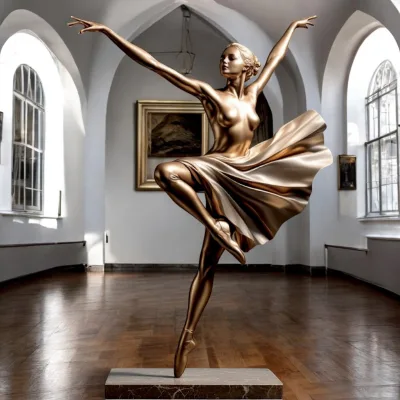
$1423.00 - $3159.00
MOQ: 1 Minimum
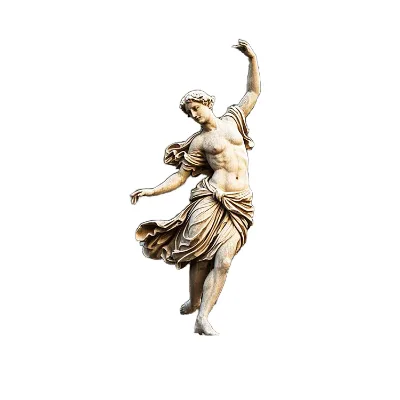
$1599.00 - $3255.00
MOQ: 1 Minimum
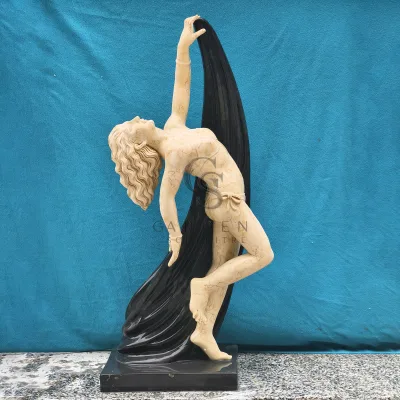
$2850.00 - $2920.00
MOQ: 1 Minimum
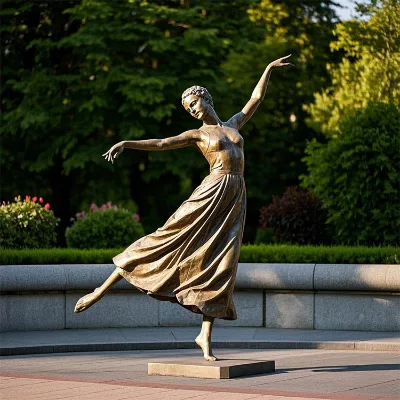
Dancing Girl Statue Metal Decorative Figurine Brass Antique Finishing High Quality Wholesale Pricing
$1155.00 - $2655.00
MOQ: 1 Minimum
Guangdong Jiangxin Art Development Co., Ltd.
- Verified by Intertek
- Manufacturer, Trading Company
- Lead time25 days
- Avg. response≤ 2h
Main productsCustom Art Sculptures, Urban Landscape Art, Commercial Art Installations, Non-Standard Amusement Installations, Light Art Themed Installations
Main marketsNorth America(50%), Mid East(30%), Western Europe(10%)
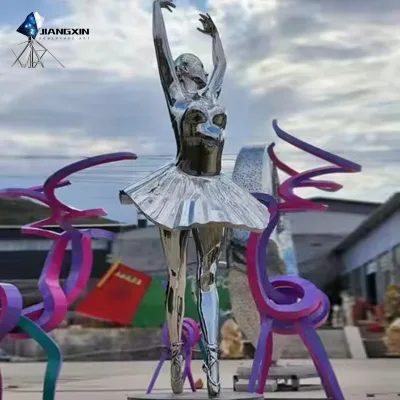
$2468.00 - $3699.00
MOQ: 2 pieces
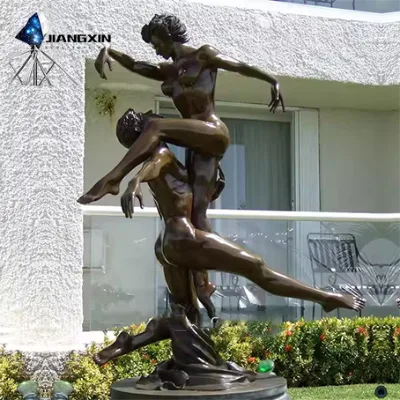
$2890.00 - $5100.00
MOQ: 2 pieces
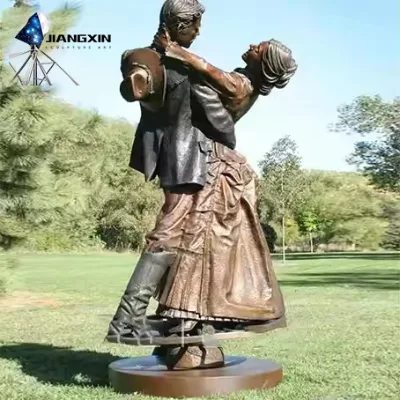
$2890.00 - $5100.00
MOQ: 2 pieces
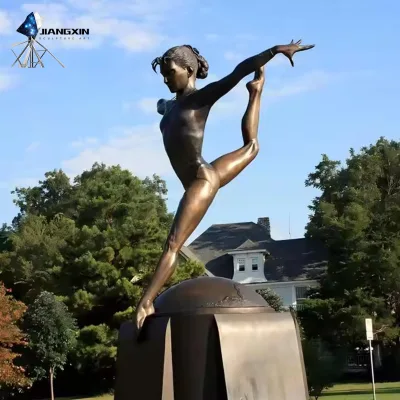
Outdoor Bronze Dancing Woman Sculpture Artistic Garden Decoration Customizable Figurine
$2890.00 - $5100.00
MOQ: 2 pieces
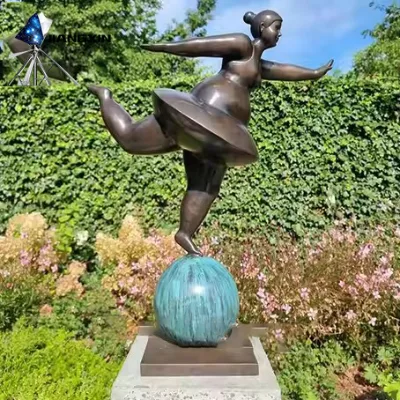
Bronze Garden Sculpture: Plus - Size Female Figure Dancing on Ball Balance, Outdoor Decor
$2890.00 - $5100.00
MOQ: 2 pieces
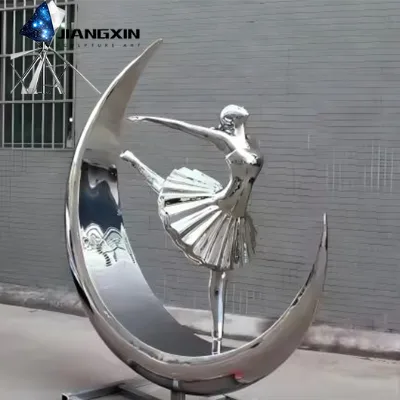

Quyang Zhihong Landscape Engineering Co., Ltd.
- Verified by CTI
- Combined
- China Hebei
- Lead time45 days
- Avg. response≤ 7h
Main productsStainless Steel Sculpture, Stainless Steel Statue, Bronze Sculpture, Stone Sculpture
Main marketsDomestic

Custom Stainless Steel Figure Sculptures, Handcrafted Female Dancing Statues for Garden Decoration.
$100.00 - $5000.00
MOQ: 1 Pieces

Bronze Abstract Figure Sculpture, Statue of a Dancing Woman for Garden Decoration.
$200.00 - $3999.00
MOQ: 1 Pieces

$300.00 - $5000.00
MOQ: 1 Pieces
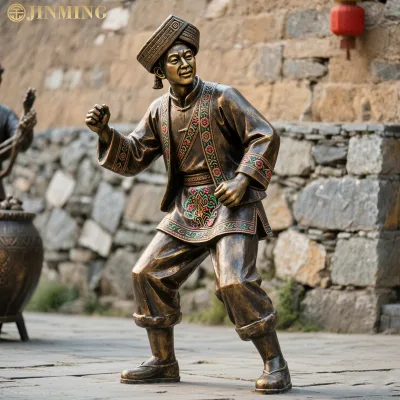
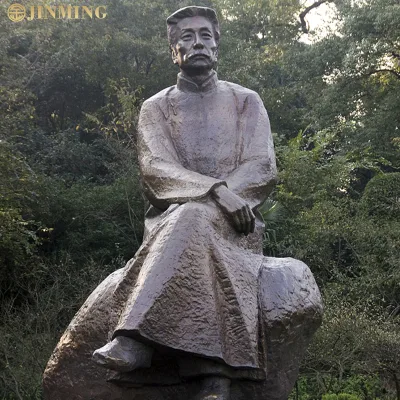
Quyang County Jinming Sculpture Co., Ltd.
- Verified by Intertek
- Manufacturer, Trading Company
- Hebei Province, China
- Lead time30 days
- Avg. response≤ 5h
Main productsStainless steel sculpture,Cast bronze sculpture,Fiberglass sculptures,Stone carvings,Forged bronze sculptures
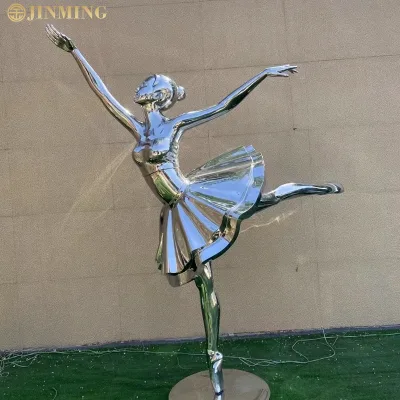
$2400.00 - $3000.00
MOQ: 1 pieces
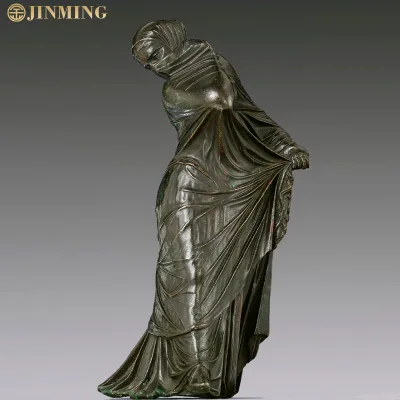
$3600.00 - $4500.00
MOQ: 1 pieces

Quyang Blue Ville Landscaping Sculpture Co., Ltd.
- Verified by SGS
- Trading Company,Manufacturer/Factory
- China Hebei
- Lead time45 days
- Avg. response≤ 6h
Main productsSculpture, Marble Sculpture, Brone Sculpture, Stainless Steel Sculpture, Marble Fountain, Marble Gazebo, Marble Column, Marble Railing, Marble Bathtub, Iron Products
Main marketsSouth America,Eastern Europe,Mid East,North America,Southeast Asia,Eastern Asia,Oceania,Western Europe,Africa

Outdoor Garden Decor Bronze Dancing Girl Statue Sculpture Sales Bsg-01
$700.00 - $3500.00
MOQ: 1 Pieces

Polished Stainless Steel Beauty Dancer Sculpture City Art Decoration Sssg-12
$795.00 - $3562.00
MOQ: 1 Pieces

Outdoor Park Life Size Dancing Woman Statue Bronze Lady Sculpture Bsg-150
$700.00 - $4999.00
MOQ: 1 Pieces
Jishui County Qingyufang Art And Culture Co., Ltd.
- Manufacturer, Trading Company
- Jiangxi, China
- Lead time7 days
- Avg. response≤ 3h
Main productsResin crafts,Home decoration,Garden decoration,Custom statues,Christmas ornaments
Main marketsNorth America(35.00%), Western Europe(20.00%), Northern Europe(20.00%), South America(15.00%), Eastern Asia(5.00%), Southeast Asia(3.00%), Domestic Market(1.00%), Africa(1.00%)

Shenzhen Xinfangzhen Technology Co., Ltd.
- Verified by SGS
- Combined
- China Guangdong
- Lead time15 days
- Avg. response≤ 1h
Main productsStainless Steel Sculpture, Fiberglass Sculpture, Metal Flower Pot, Outdoor Bench
Main marketsDomestic


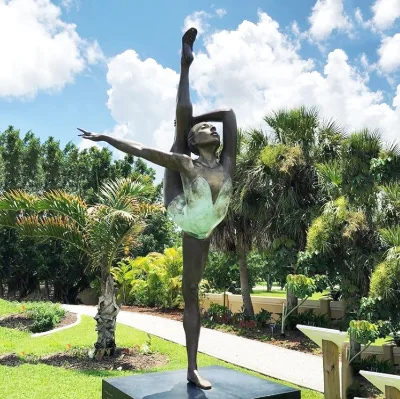
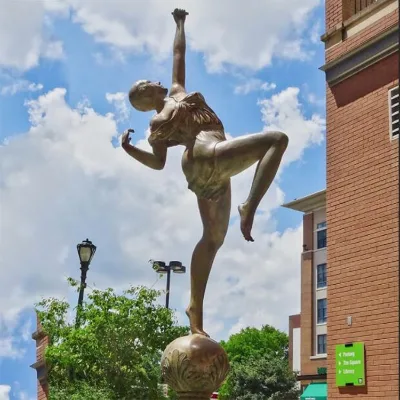
Customized Stainless Steel Dancing Figure Sculptures for Water Feature Decoration
$6500.00
MOQ: 10 Pieces
Comprehensive Sourcing Guide
Garden Decor Dancer Statue Supplier Concentration and Factory Types
The landscape for sourcing garden decor dancer statues is defined by a mix of manufacturing capabilities and trading structures, requiring buyers to distinguish between direct production sources and intermediary facilitators. Current market data indicates that suppliers offering these specific artistic pieces operate primarily as either manufacturers or trading companies, each presenting distinct advantages for different procurement strategies. Manufacturers typically possess the direct control over the casting, carving, and finishing processes necessary for complex metal and stone works, ensuring that technical specifications like material thickness and structural integrity are met during production. In contrast, trading companies often aggregate products from multiple workshops, providing a broader catalog that may include diverse styles such as bronze, marble, or stainless steel variations, which can simplify the sourcing process for buyers seeking variety rather than a single specialized output. Understanding this distinction is crucial for evaluating the supply chain's transparency and the potential for cost optimization, as direct factory relationships may offer better margins on custom orders, while trading entities might provide more flexible logistics and consolidated shipping options for smaller, mixed orders.
Geographic concentration plays a significant role in the availability and specialization of these artistic goods, with specific regions emerging as hubs for particular material types and craftsmanship styles. Evidence points to Hebei, China, as a notable location for suppliers producing bronze and metal sculptures, including life-size dancer figures, where local industrial ecosystems support the heavy casting and finishing techniques required for such durable outdoor installations. This regional clustering suggests that buyers focusing on metal-based garden decor may find a higher density of relevant suppliers in this area, potentially benefiting from established supply chains for raw materials like copper and bronze. However, it is important to note that not all suppliers are located in this specific region, as other areas may specialize in different materials such as marble or resin, or may operate as trading entities with no direct physical manufacturing presence in the primary production zones. Buyers should therefore verify the actual location of the production facility rather than relying solely on the registered address of the trading company, as this distinction impacts lead times, communication efficiency, and the ability to conduct on-site quality inspections during critical stages of the manufacturing process.
How to Verify Garden Decor Dancer Statue Suppliers
Verifying the legitimacy and capability of a supplier requires a multi-layered approach that goes beyond simple profile reviews, focusing on independent certifications and verified business attributes. One critical step is to check for third-party verification badges, such as those provided by SGS Group, which indicate that an independent agency has audited the supplier’s business license, factory conditions, and operational capacity. This verification serves as a foundational trust signal, confirming that the entity exists and operates within the declared parameters, although it does not guarantee the quality of every individual product. Additionally, buyers should look for specific system certifications like RoHS and CE, which are particularly relevant for metal sculptures that may involve chemical treatments, plating, or finishes that need to comply with international environmental and safety standards. These certifications are not merely decorative; they reflect a supplier’s adherence to regulated manufacturing practices, which is essential for ensuring that the statues are safe for public spaces and compliant with import regulations in destination markets. Buyers must actively request and review these certificates, as their absence may indicate a lack of formal quality management systems or potential non-compliance with strict regulatory environments.
Beyond certifications, assessing the supplier’s responsiveness and technical support capabilities provides insight into their operational maturity and customer service orientation. A key metric to evaluate is the response time, which indicates how quickly a supplier engages with inquiries and provides necessary documentation or quotations. In the current market, response times can vary, with some suppliers demonstrating rapid engagement within a few hours, while others may take longer, potentially impacting the speed of project initiation. Buyers should also examine the supplier’s declared capabilities for customization, such as OEM and ODM services, which are essential for garden decor items that often require specific dimensions, finishes, or design modifications to fit unique landscape requirements. The availability of services like graphic processing, sample processing, and customized on-demand production suggests a flexible manufacturing setup capable of handling bespoke orders. Furthermore, verifying the installation services offered, such as whether workers are available to assist with on-site installation in the buyer’s country, can significantly reduce logistical complexities and ensure that the heavy, life-size statues are assembled correctly and safely, minimizing the risk of damage or improper setup during the final deployment phase.
What to Compare Across Garden Decor Dancer Statue Suppliers
When evaluating multiple suppliers for garden decor dancer statues, buyers must systematically compare key operational metrics to identify the most suitable partner for their specific needs. One of the most critical factors is the lead time, which dictates the project schedule and inventory planning. Suppliers may offer varying production durations, with some indicating a standard lead time of around thirty days, while others may require up to sixty days or more, depending on the complexity of the design and the current order volume. Understanding these timelines is essential for aligning production with installation dates, especially for large-scale public art projects or seasonal garden displays. Additionally, the minimum order quantity (MOQ) is a significant differentiator, as some suppliers may accept single-unit orders for custom pieces, while others might have higher thresholds that are better suited for bulk procurement. Buyers should also compare the range of main products offered, as suppliers specializing in a narrow niche like bronze sculptures may offer deeper expertise and better pricing for those items, whereas those with a broader portfolio including marble, resin, and fountains might provide more comprehensive solutions for mixed-material garden designs.
Price and packaging standards are another vital area for comparison, as they directly impact the total landed cost and the condition of the goods upon arrival. Suppliers may quote prices within different ranges, such as starting from six hundred dollars up to three thousand five hundred dollars, depending on the material, size, and level of customization required. Buyers should not focus solely on the unit price but also consider the packaging specifications, which are crucial for protecting delicate or heavy sculptures during transit. Common packaging methods include soft waterproof plastic inside, wooden cases, and strong iron boxes, with some suppliers offering specific crate configurations with foam and plastic lining to prevent damage. The transportation options, such as door-to-door delivery services, can also vary, affecting the convenience and risk allocation between the buyer and the supplier. By comparing these commercial terms alongside the technical specifications like material thickness and surface treatment, buyers can make a more informed decision that balances cost, quality, and logistical efficiency, ensuring that the final product meets both aesthetic and functional requirements for the intended garden environment.
Common Garden Decor Dancer Statue Sourcing Risks
Sourcing large-scale artistic installations like garden decor dancer statues involves several inherent risks that buyers must proactively manage to avoid costly delays or quality issues. One significant risk is the discrepancy between the expected and actual product specifications, particularly regarding material composition and structural integrity. For instance, while suppliers may claim a minimum thickness for metal sculptures, the actual thickness can vary depending on the size and design, potentially affecting the statue’s durability and resistance to environmental factors. Buyers must ensure that detailed technical drawings and material certificates are provided and verified before production begins, as relying on generic descriptions can lead to receiving products that do not meet the required standards for outdoor exposure. Additionally, the risk of damage during transportation is high due to the weight and fragility of materials like bronze and marble, even with robust packaging. If the packaging is insufficient or if the logistics partner is not experienced in handling heavy art pieces, the statues may arrive with cracks, dents, or missing components, necessitating expensive repairs or replacements that disrupt the project timeline.
Another critical risk is the potential for miscommunication regarding customization and installation requirements, which can result in products that do not fit the intended space or aesthetic. Suppliers may offer custom-made services based on pictures, samples, or ideas, but the interpretation of these inputs can vary, leading to final products that differ significantly from the buyer’s vision. Without clear, mutually agreed-upon design approvals and detailed specifications, buyers may receive statues with incorrect proportions, finishes, or styles. Furthermore, the availability of installation services is not guaranteed by all suppliers, and assuming that on-site assistance is included can lead to logistical nightmares if the buyer is unprepared to handle the heavy lifting and assembly themselves. Buyers should also be cautious of suppliers who do not provide clear evidence of their manufacturing capabilities, as trading companies may not have direct control over the production quality, leading to inconsistencies between samples and bulk orders. To mitigate these risks, buyers should insist on comprehensive documentation, including production schedules, quality control checkpoints, and detailed installation manuals, while also considering third-party inspection services to verify the product’s condition before shipment.
Garden Decor Dancer Statue Regional Sourcing and Logistics
The geographic origin of garden decor dancer statues significantly influences logistics planning, cost structures, and regulatory compliance, making it essential for buyers to understand the regional dynamics of the supply chain. Suppliers located in specific manufacturing hubs, such as Hebei in China, often benefit from established infrastructure for heavy industry and metalworking, which can streamline the production of bronze and metal sculptures. However, this concentration also means that buyers must carefully coordinate shipping routes to ensure efficient transit from the factory to the port of export and subsequently to the final destination. The choice of logistics provider is critical, as statues are often oversized and heavy, requiring specialized freight services that can handle door-to-door delivery or complex customs clearance procedures. Buyers should verify whether the supplier offers comprehensive transportation services, including inland haulage and international shipping, to minimize the number of intermediaries and reduce the risk of damage or loss during transit. Additionally, understanding the local export regulations and documentation requirements in the supplier’s region is crucial for ensuring smooth customs clearance and avoiding delays at the destination port.
Logistics planning must also account for the specific packaging requirements of different materials, as bronze, marble, and resin sculptures have distinct handling needs. For example, bronze statues may require anti-corrosion treatments and sturdy wooden crates to protect the patina finish, while marble pieces need extra cushioning to prevent cracking during vibration. Buyers should work closely with suppliers to ensure that the packaging is tailored to the specific product and the chosen shipping method, whether it is sea freight, air freight, or land transport. The availability of door-to-door services can simplify this process by transferring the logistical burden to the supplier, but buyers must confirm that these services include insurance and tracking capabilities to provide visibility throughout the journey. Furthermore, buyers should consider the impact of seasonal weather conditions on shipping schedules, particularly for outdoor installations that may be time-sensitive. By integrating regional logistics insights into their sourcing strategy, buyers can optimize delivery times, reduce costs, and ensure that the garden decor dancer statues arrive in pristine condition, ready for immediate installation and display in their intended environments.
Garden Decor Dancer Statue Commercial Terms and Order Planning
Effective order planning for garden decor dancer statues requires a thorough understanding of commercial terms, payment structures, and after-sales support to ensure a smooth transaction from inquiry to installation. Buyers should prioritize suppliers who offer clear and transparent pricing models, including detailed breakdowns of costs for materials, labor, packaging, and shipping, to avoid hidden fees that can inflate the final price. It is also important to negotiate flexible payment terms that align with the production schedule, such as partial payments upfront and the balance upon completion or before shipment, to mitigate financial risk. Additionally, buyers should inquire about the supplier’s warranty and return policies, particularly for defects in material or workmanship, to ensure that they are protected in case of quality issues. The availability of customization services, such as OEM and ODM, should be clearly defined in the contract, including the process for design approvals, sample production, and any additional costs associated with modifications, to prevent misunderstandings during the manufacturing phase.
Beyond the initial purchase, buyers must plan for the long-term maintenance and installation of the statues, which can impact the overall project budget and timeline. Suppliers may offer
FAQs
What materials are used for garden dancer statues?
Suppliers offer bronze, stainless steel, marble, and resin options. Bronze is common for outdoor use due to durability. Stainless steel provides a modern look. Marble suits classical styles. Resin is a lighter alternative. Verify material specifications with the manufacturer before ordering to ensure suitability for your specific garden environment and climate conditions.
What is the typical lead time for these sculptures?
Lead times generally range from 30 to 60 days depending on the supplier. Some manufacturers list a standard 30-day production window. Others may require up to 60 days for complex custom orders. Delivery time estimates vary, with some citing about 40 days. Always confirm the exact production schedule with the supplier prior to payment.
Do suppliers offer customization for dancer statues?
Yes, many suppliers provide extensive customization services. Options include custom sizes, colors, and designs based on pictures or ideas. Some offer OEM and ODM services. You can request specific thicknesses, such as over 6mm. Custom-made options are available for both small samples and large-scale projects. Confirm details directly with the manufacturer.
What is the minimum order quantity for these items?
The minimum order quantity is typically one piece. Many suppliers list an MOQ of just one unit, allowing for single-item purchases. This flexibility supports both individual buyers and small projects. You can order a single life-size statue without needing to buy in bulk. Check the specific product listing to confirm the MOQ for your selected design.
How are the statues packaged for shipping?
Packaging usually involves soft waterproof plastic inside, with wooden cases or strong iron boxes outside. Some suppliers use wooden crates with plastic and foam for extra protection. This ensures safe transport for fragile materials like bronze or marble. Door-to-door shipping is often available. Verify the packing method with the supplier to prevent damage during transit.
Are installation services provided for large statues?
Installation services are available from some suppliers. Workers can travel to your country to handle the installation process. This is particularly useful for large, heavy statues that require professional handling. Confirm if installation is included in the price or available as an additional service. Ensure the supplier has experience with outdoor installation for safety and stability.
What certifications do these sculptures have?
Suppliers often hold RoHS and CE certifications. These indicate compliance with specific safety and environmental standards. Verification by SGS Group is also common for quality assurance. These certifications help ensure the materials and manufacturing processes meet international requirements. Always request valid certification documents from the supplier before finalizing your purchase.