Peacock Feather Hairband Suppliers and Manufacturers in China
Compare 18 verified suppliers offering Peacock Feather Hairband products with details on location, lead times, and pricing. Review response times and MOQs to select the right partner for your order; review the available evidence before requesting comparable quotations from suitable candidates.
Updated
Suppliers List
- Manufacturer, Trading Company
- Zhejiang, China
- Lead time5 days
- Avg. response≤ 8h
Main productsjewelry,necklace,earrings,bracelet,finger ring
Main marketsNorth America(30.00%), Western Europe(20.00%), Domestic Market(10.00%), Eastern Europe(10.00%), South America(8.00%), Eastern Asia(4.00%), South Asia(3.00%), Southeast Asia(3.00%), Mid East(3.00%), Africa(2.00%), Southern Europe(2.00%), Northern Europe(2.00%), Oceania(2.00%), Central America(1.00%)
Yiwu Huiyu Arts& Crafts Co., Ltd.
- Trading Company
- Zhejiang, China
- Lead time7 days
- Avg. response≤ 6h
Main productsOstrich feather,Feather trim,Feather boa,Chicken feather,Pheasant feather
Main marketsNorth America(50.00%), Mid East(30.00%), Western Europe(20.00%)

Jinjiang Jiaxing Supply Management Co., Ltd.
- Verified by TUVRHEINLAND
- Trading Company
- China Fujian
- Lead time30 days
- Avg. response≤ 2h
Main productsEVA Clogs, Flip Flop, Shoe Charms, Shopping Bags, Wristbands, Gifts, Promotional Gifts, Slipper, Sport Cap, Ball
Main marketsNorth America

Tianjin Smile Imp & Exp Co., Ltd.
- Verified by TUVRHEINLAND
- Trading Company
- China Tianjin
- Lead time30 days
- Avg. response≤ 2h
Main productsBalloon, Curtain, Tablecloth, Iron Arch, Bunting, Paper Garland, Tiara, Paper Tableware, Gift Bag, Confetti
Main marketsOthers(foreignTradeCapacity.exportBusinessCapacityMarketOther),Europe,North America


Crystal Beads Metal Leaves Fashion Bridal Headpiece Hair Band Hairband for Women
$0.70
MOQ: 300 Pieces

- Trading Company
- Zhejiang, China
- Lead time0 days
- Avg. response≤ 2h
Main productsjewelry,glasses,Department Store,shoes,Beauty Makeup
Main marketsAfrica(40.00%), North America(20.00%), South America(20.00%)

Yiwu Feiling Jewelry Co., Ltd.
- Trading Company
- Zhejiang, China
- Lead time15 days
- Avg. response≤ 3h
Main productsbracelet,necklace,earring,rings,sunglasses
Main marketsNorth America(30.00%), South America(15.00%), Central America(10.00%), Western Europe(8.00%), Eastern Europe(7.00%), Southern Europe(6.00%), Northern Europe(5.00%), Africa(5.00%), Southeast Asia(5.00%), Mid East(5.00%), South Asia(2.00%), Eastern Asia(2.00%)
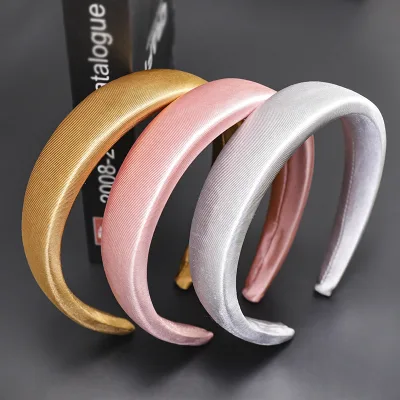
$0.95 - $1.15
MOQ: 12 pieces
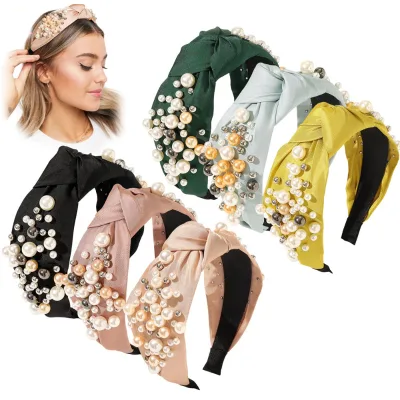
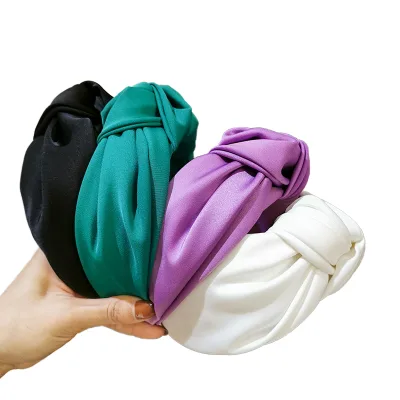
High Quality Pearl Headband Knot Hair Band Hair Accessories Hair Band for Woman Girls
$1.1272 - $1.2292
MOQ: 12 pieces
Shenzhen Kingyard Int'l Trading Co., Ltd.
- Verified by SGS Group
- Trading Company
- Lead time30 days
- Avg. response≤ 4h
Main productsHair Accessories, Sport Accessories, Fashion Jewellery, Beauty Tools, Cosmetic Bag
Main marketsNorth America(40%), Western Europe(30%), Oceania(10%)
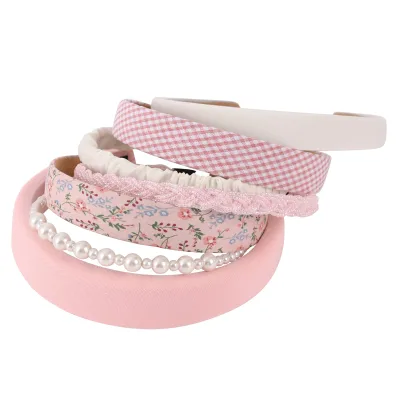
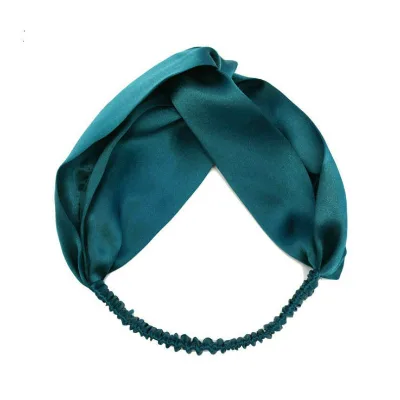
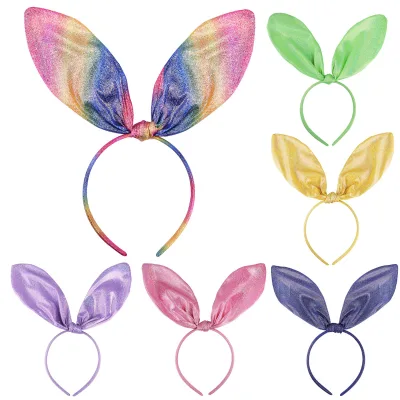
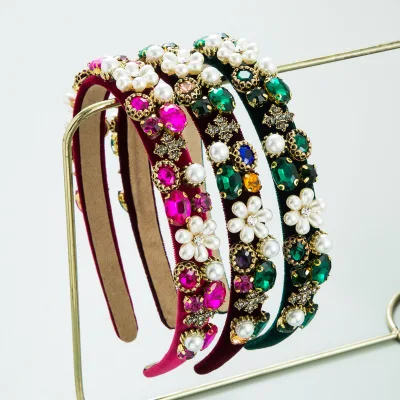
$0.45 - $0.49
MOQ: 100 pieces

Jinjiang Jiayi Supply Chain Management Co., Ltd.
- Verified by BV
- Trading Company
- China Fujian
- Lead time30 days
- Avg. response≤ 2h
Main productsGift, Shoe, Garment, Machine
Main marketsDomestic

Yiwu Chengrui Import And Export Co., Ltd.
- Trading Company
- Zhejiang, China
- Lead time15 days
- Avg. response≤ 4h
Main productsscarf,Hair Accessories,Towels,Hats,pantyhose
Main marketsCentral America(20.00%), North America(20.00%), South America(15.00%), Eastern Europe(15.00%), Western Europe(10.00%), Southeast Asia(10.00%), Southern Europe(5.00%), Africa(3.00%), South Asia(2.00%)

Jiashan Odbo Textile Co., Ltd.
- Trading Company
- Zhejiang, China
- Lead time40 days
- Avg. response≤ 2h
Main productshairband,dry hair cap,bathrobe,makeup bag,makeup remover fabric
Main marketsNorth America(60.00%), Northern Europe(10.00%), Western Europe(10.00%), Oceania(10.00%), Eastern Europe(10.00%)

Foshan Youyan Clothing Co., Ltd.
- Combined
- China Guangdong
- Lead time30 days
- Avg. response≤ 7h
Main productsHeadband, Scrunchies, Hair Tie, Hair Clip, Hairband
Main marketsSouth America,Africa,Southeast Asia/ Mideast,East Asia(Japan/ South Korea),Domestic,Europe,Australia,North America

Leather PU Big Knotted Knot Hairband Headband Hair Accessories Leather Headband
$1.11 - $1.59
MOQ: 10 Pieces


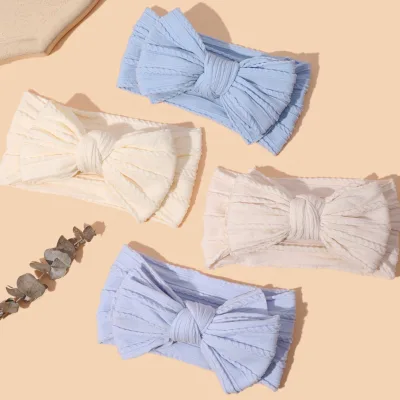
Princess Headwear Children Headband Elastic Bow Ribbon Baby Girls Hairbands
$0.71 - $1.02
MOQ: 50 Pieces
- Verified by SGS Group
- Manufacturer, Trading Company
- Lead time25 days
- Avg. response≤ 8h
Main productsHair Accessories, Earrings, Necklaces, Rings, Bracelets
Main marketsEastern Asia(50%), Western Europe(20%), North America(15%)

Yiwu Ba Yuan Jewelry Co., Ltd.
- Verified by TUVRHEINLAND
- Trading Company,Manufacturer/Factory,Other
- China Zhejiang
- Lead time45 days
- Avg. response≤ 21h
Main productsBridal Jewelry and Hair Accessories, Wedding Jewelry, Tiara and Headpieces, CZ Jewelry, Tiara Crown, Zirconia Jewelry, CZ Necklace, Stretch Bracelet, Hip Hop Jewelry, Fashion Pendant
Main marketsSouth America,Eastern Europe,Mid East,North America,Southeast Asia,Eastern Asia,Oceania,Western Europe,Africa

Wedding Crystal Pearl Hair Comb. Bridal Crystal Peal Hairband. Rose Gold Hair
$2.95 - $5.95
MOQ: 100 Pieces


YIWU JINYE IMPORT AND EXPORT CO., LTD
- Verified by SGS
- Trading Company
- China Zhejiang
- Lead time15 days
- Avg. response≤ 25h
Main productsBangle, Wrist Band, Bracelet, Fashion Jewelry
Main marketsNorth America


New Leather Hair Bands Made of Leather Braided Headband PU Hair Card Fashion Female Hair Accessories
$0.98 - $3.89
MOQ: 20 Pieces


Yiwu Saidong Jewelry Co., Ltd.
- Verified by SGS
- Trading Company
- China Zhejiang
- Lead time15 days
- Avg. response≤ 4h
Main productsAccessory, Hair Accessories, Plaything, Hair Band, Barrette, Bandeau, Pendant, Ring, Body Chain, Bag
Main marketsEurope


$1.85 - $1.99
MOQ: 10 pieces

Children's Flower Hair Bands with High Appearance Level Elastic Hair Bands for Girls
$0.99 - $1.15
MOQ: 20 Pieces
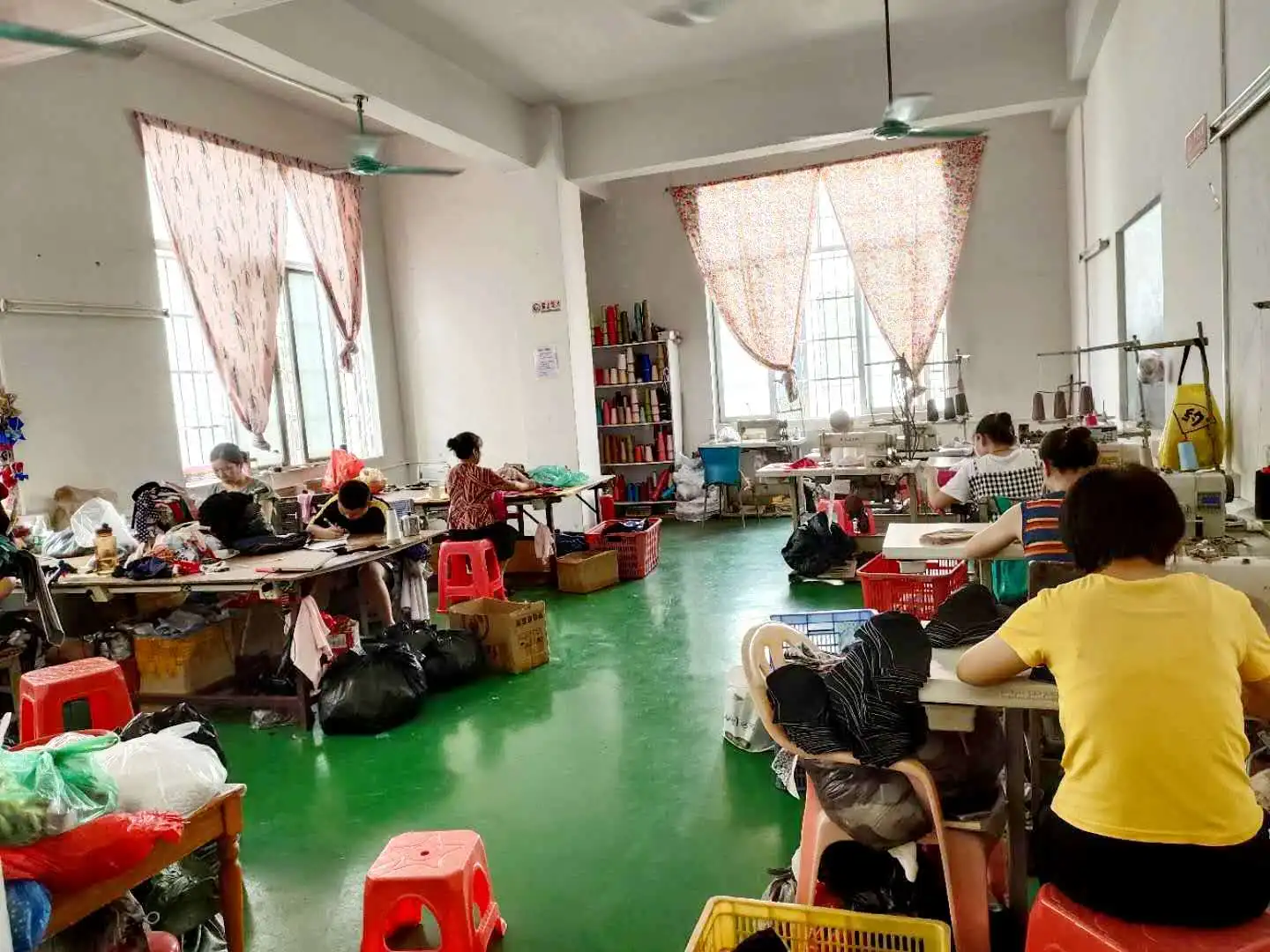
Guangzhou Haolilian Trading Co., Ltd.
- Trading Company, Distributor/Wholesaler
- Guangdong, China
- Lead time5 days
- Avg. response≤ 2h
Main productshair accessories,handmade flowers,clothing accessories,wedding accessories,rhinestone applique
Main marketsWestern Europe(30.00%), South America(30.00%), North America(30.00%), Mid East(3.00%), Eastern Europe(3.00%), Southeast Asia(3.00%), Africa(1.00%)
- Trading Company
- Zhejiang, China
- Lead time15 days
- Avg. response≤ 4h
Main productshair accessories,headbands,hair claws,hair clips,jewelries
Main marketsEastern Asia(10.00%), Mid East(10.00%), Southeast Asia(10.00%), Eastern Europe(10.00%), South America(10.00%), North America(10.00%), Domestic Market(5.00%), South Asia(5.00%), Southern Europe(5.00%), Northern Europe(5.00%), Central America(5.00%), Western Europe(5.00%), Oceania(5.00%), Africa(5.00%)

GOLDEN GIFTS & CRAFTS CO., LTD.
- Verified by TUVRHEINLAND
- Trading Company,Manufacturer/Factory
- China Fujian
- Lead time45 days
- Avg. response≤ 3h
Main productsRibbon, Packaging Ribbon, DIY Accessories, Party Decoration Items, Gifts Ribbon, Wrapping Ribbon, Polyrestin Crafts
Main marketsSouth America,Eastern Europe,Mid East,North America,Southeast Asia,Eastern Asia,Oceania,Western Europe,Africa
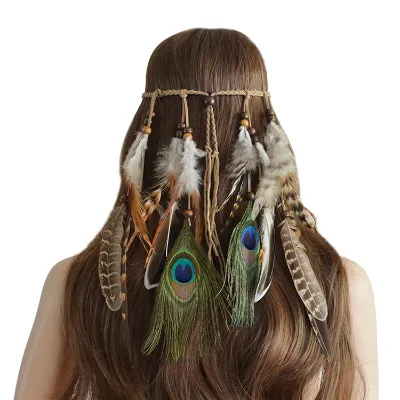
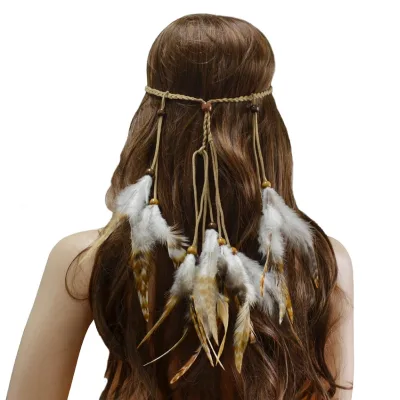
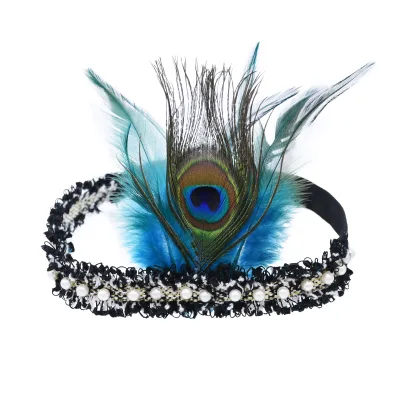

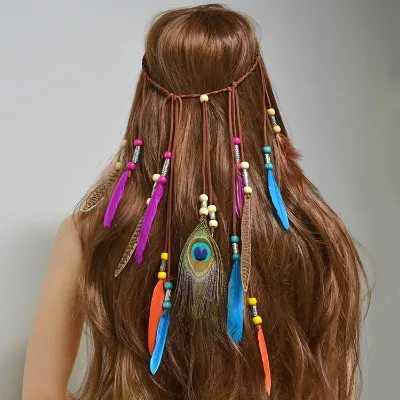








Comprehensive Sourcing Guide
Peacock Feather Hairband Supplier Concentration and Factory Types
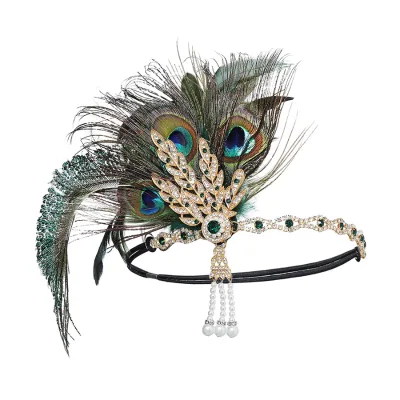
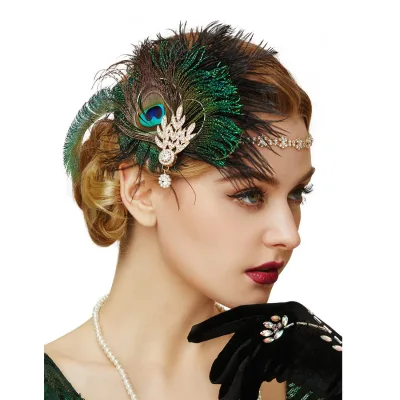
The sourcing landscape for peacock feather hairbands reveals a distinct concentration of manufacturing activity within Zhejiang, China, a region frequently cited in supplier origin data. This geographic clustering suggests a mature supply chain ecosystem where raw material processing, particularly involving feathers and wood beads, is integrated with assembly operations. Buyers evaluating potential partners should recognize that this concentration often correlates with specialized infrastructure for handling delicate natural materials, which is critical for maintaining the aesthetic integrity of bohemian and ethnic style accessories. The presence of both manufacturers and trading companies in this region offers varied engagement models, allowing buyers to choose between direct factory interaction for custom specifications or trading company facilitation for consolidated logistics and broader catalog access. Understanding this dynamic is essential for aligning procurement strategy with operational needs, as the type of entity directly influences communication channels, pricing structures, and flexibility in order customization.
Supplier types in this category range from pure manufacturers who control the entire production cycle from feather sourcing to final packaging, to trading companies that aggregate products from multiple workshops. Manufacturers typically offer greater transparency regarding material origins, such as the specific use of ostrich, peacock, or chicken feathers, and may provide more rigorous quality control protocols for hand-woven elements. Trading companies, on the other hand, often present a wider variety of designs, including intricate combinations of alloy rhinestones, elastic bands, and pearl chains, catering to diverse market trends like flapper retro or hip-hop styles. This diversity allows buyers to access niche products, such as adjustable headbands with specific circumferences or those featuring tassel elements, without needing to manage multiple factory relationships. However, the trade-off often involves less direct oversight of the manufacturing process, requiring buyers to implement stricter verification steps to ensure consistency and quality standards are met across different production batches.
How to Verify Peacock Feather Hairband Suppliers
Verifying the authenticity and capability of suppliers requires a multi-layered approach that goes beyond basic profile reviews. Buyers should prioritize suppliers who provide detailed product attributes, such as specific model numbers, material compositions, and precise dimensions like headband circumference or package weight. For instance, verifying that a supplier explicitly lists materials like wood, feather, and alloy, along with specific brand names or origin details, helps confirm their operational transparency. It is crucial to cross-reference the stated place of origin, such as Zhejiang or Yiwu, with the supplier’s registered business address to ensure consistency. Additionally, examining the quality control descriptions, such as claims that each feather is carefully selected by workers, provides insight into the supplier’s attention to detail, which is vital for products where natural variations in feather color and shape can impact final aesthetics.
Response time and communication efficiency are also key indicators of supplier reliability. Suppliers with faster response times, such as those indicating an eight-hour or six-hour response window, often demonstrate better organizational structures and customer service capabilities. Buyers should test these response times by sending specific inquiries about customization options, such as adjusting the size of elastic bands or changing the color palette from black and peacock blue to colorful variations. Furthermore, verifying the supplier’s ability to provide comprehensive product documentation, including single package sizes, gross weights, and packing methods like individual OPP bags, is essential for accurate logistics planning. Buyers should also look for evidence of established business practices, such as clear return policies or escrow protections, which indicate a commitment to secure transactions and dispute resolution. These verification steps help mitigate risks associated with unverified entities and ensure that the selected supplier can meet specific quality and service expectations.
What to Compare Across Peacock Feather Hairband Suppliers
When evaluating multiple suppliers, buyers must systematically compare key operational metrics to identify the most suitable partner for their specific needs. Lead time is a critical factor, with some suppliers offering five-day turnaround times while others may require seven days or more. This variation can significantly impact inventory management and ability to meet urgent market demands, especially for seasonal trends like wedding or festival accessories. Buyers should also compare minimum order quantities (MOQ), which can range from as low as six pieces for certain feather headbands to fifty pieces for more complex or premium items. Lower MOQs are advantageous for testing new designs or managing cash flow, while higher MOQs may offer better unit pricing for established product lines. Understanding these thresholds helps buyers align their order volumes with supplier capabilities and financial constraints.
Price structures and product specifications also require careful comparison. Unit prices for peacock feather hairbands can vary based on material complexity, with simple elastic band designs costing less than intricate hand-woven pieces featuring alloy rhinestones or multiple feather types. Buyers should compare not just the base price but also the total landed cost, considering factors like package weight and dimensions that affect shipping fees. Additionally, comparing the variety of main products offered, such as whether a supplier specializes in hair accessories or also provides related items like feather trims and boas, can indicate their breadth of expertise. Suppliers with diverse product portfolios may offer better cross-selling opportunities and consistency in quality across different accessory types. By meticulously comparing these dimensions, buyers can make informed decisions that balance cost, speed, and quality, ensuring optimal value for their procurement efforts.
Common Peacock Feather Hairband Sourcing Risks
One of the primary risks in sourcing peacock feather hairbands is the inconsistency in natural material quality. Since feathers are organic products, variations in color, size, and shape are inherent, which can lead to discrepancies between samples and bulk orders. Buyers must be vigilant about suppliers who do not provide clear quality control measures or fail to specify the exact type of feather used, such as distinguishing between peacock, ostrich, or dyed chicken feathers. This lack of specificity can result in products that do not match the desired aesthetic, particularly for high-end markets where uniformity is expected. Additionally, the use of dyed feathers may raise concerns about colorfastness and environmental compliance, requiring buyers to request additional documentation or testing results to ensure adherence to international standards.
Another significant risk is the potential for miscommunication regarding product specifications and customization requirements. Suppliers may use generic terms like "ethnic style" or "bohemian" without providing detailed technical drawings or precise measurements, leading to misunderstandings about the final product’s appearance and fit. For example, a headband described as having a 62cm circumference might actually vary in elasticity or adjustability, affecting customer satisfaction. Buyers should also be cautious of suppliers who do not clearly state their return policies or dispute resolution mechanisms, as this can complicate matters if quality issues arise. Furthermore, relying on suppliers with slow response times or unclear communication channels can delay problem resolution and impact overall project timelines. Mitigating these risks requires thorough due diligence, clear contractual agreements, and continuous monitoring of production processes to ensure alignment with buyer expectations.
Peacock Feather Hairband Regional Sourcing and Logistics
Sourcing peacock feather hairbands from regions like Zhejiang and Yiwu in China offers logistical advantages due to the established infrastructure for light industrial goods. These areas are known for their efficient export processes, which can streamline shipping and reduce transit times for small to medium-sized orders. Buyers should consider the proximity of suppliers to major ports and logistics hubs, as this can impact shipping costs and delivery speed. Additionally, the concentration of suppliers in these regions often leads to competitive freight rates, especially when consolidating orders from multiple vendors. However, buyers must also account for potential customs regulations and import duties in their destination markets, which can vary significantly depending on the material composition of the products, such as the use of natural feathers versus synthetic alternatives.
Logistics planning should also include considerations for packaging and handling, as feather-based accessories are delicate and require careful protection during transit. Suppliers who provide detailed single package sizes and gross weights, such as 5x6x5 cm packages weighing 20 grams per piece, enable buyers to calculate shipping volumes and costs accurately. Buyers should verify that suppliers use appropriate packing methods, such as individual OPP bags, to prevent damage and maintain product hygiene. Furthermore, understanding the supplier’s ability to handle different shipping modes, including air freight for urgent orders and sea freight for larger volumes, is essential for flexible supply chain management. By leveraging the logistical strengths of regional sourcing hubs and implementing robust packaging standards, buyers can optimize their supply chain efficiency and reduce the risk of transit-related damages or delays.
Peacock Feather Hairband Commercial Terms and Order Planning
Effective order planning for peacock feather hairbands requires a clear understanding of commercial terms, including payment structures, delivery schedules, and after-sales support. Buyers should negotiate terms that align with their cash flow needs, such as partial upfront payments with balance upon shipment, while ensuring that escrow services are available to protect transactions. It is also crucial to establish clear delivery timelines, considering the supplier’s stated lead times and any potential delays due to material sourcing or production complexities. For instance, suppliers with five-day lead times may be suitable for quick-turnaround orders, while those with seven-day lead times might be better for planned inventory builds. Buyers should also clarify the supplier’s policy on sample orders, including costs and refundability, to facilitate product evaluation before committing to larger volumes.
After-sales support and dispute resolution mechanisms are equally important components of commercial terms. Buyers should verify that suppliers offer clear return policies for defective products, such as claims for refunds if product issues arise, and understand the process for initiating such claims. Additionally, establishing a communication protocol for ongoing order updates and quality checks can help prevent misunderstandings and ensure timely resolution of any issues. Buyers should also consider the supplier’s ability to handle repeat orders and potential product variations, ensuring that they can maintain consistency across batches. By carefully structuring commercial terms and implementing robust order planning processes, buyers can minimize risks and maximize the value of their sourcing relationships, ensuring a smooth and efficient procurement experience for peacock feather hairbands.
FAQs
What is the price range for peacock feather hairbands?
Peacock feather hairbands typically range from $0.80 to $2.85 per unit. Prices vary based on material complexity, such as wood beads or alloy accents. Minimum order quantities usually start at six pieces, allowing buyers to test market demand with low initial investment and flexible sourcing options.
What are the common materials used in these hairbands?
Common materials include ostrich feathers, peacock feathers, wood beads, and elastic bands. Some designs incorporate alloy rhinestones or leather accents. These materials create durable, lightweight accessories suitable for weddings, festivals, and daily wear, ensuring comfort and aesthetic appeal for various customer demographics.
What is the typical lead time for orders?
Typical lead times range from five to seven days for production. This duration allows manufacturers to carefully select and assemble feathers and beads. Buyers should confirm specific timelines with suppliers, as complex custom designs or high-volume orders may require additional processing time for quality assurance.
Where are these suppliers primarily located?
Most suppliers are located in Zhejiang, China, particularly in Yiwu, a major hub for accessories. This region offers efficient supply chains for feathers and jewelry components. Buyers can expect competitive pricing and rapid shipping options due to the concentration of specialized manufacturers in this area.
What is the minimum order quantity for these items?
Minimum order quantities vary, often starting at six pieces for standard designs. Some suppliers require twelve pieces or fifty pieces for specific styles. Low MOQs facilitate small-batch testing, while higher thresholds may offer better unit pricing for established retailers seeking consistent inventory for seasonal collections.
How quickly do suppliers respond to inquiries?
Suppliers typically respond within six to eight hours. Fast response times indicate active customer service teams ready to assist with customization or bulk pricing. Buyers should expect prompt communication regarding product availability, sample requests, and shipping details to streamline the sourcing process effectively.