Peanut Sorting Machine Suppliers and Manufacturers
Source 21 Peanut Sorting Machine suppliers from China to compare lead times, response rates, and certifications like ISO9001 and CE. Review capacity and pricing details to identify suitable partners for your processing needs; review the available evidence before requesting comparable quotations from suitable candidates.
Updated
Suppliers List

HEBEI RUIXUE GRAIN SELECTING MACHINERY CO., LTD.
- Verified by SGS
- Combined
- China Hebei
- Lead time15 days
- Avg. response≤ 7h
Main productsSeed Cleaner & Grader, Seed Cleaning Machine, Gravity Separator, Destoner, Seed Treater, Seed Processing Line, Bagging Scale System, Bean Polishing Machine, Indented Cycliner, Elevators
Main marketsSouth America,Africa,Others(foreignTradeCapacity.exportBusinessCapacityMarketOther),East Asia(Japan/ South Korea),Domestic,Europe,Australia,North America
Zhengzhou Longer Machinery Co., Ltd.
- Verified by Intertek
- Manufacturer, Trading Company
- Lead time30 days
Main productsPeanut Butter Production Line, Fruit and Vegetable Processing Machines, Biscuit Production Line, French Fries Production Line, Cocoa Bean Processing Machines
Main marketsNorth America(25%), South America(20%), Africa(13%)
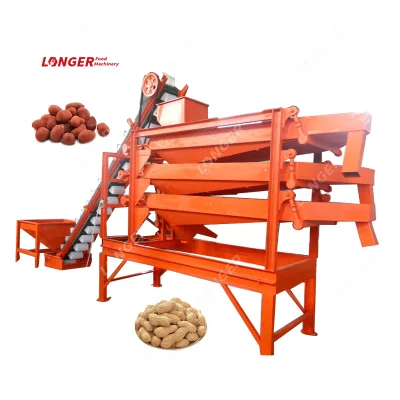
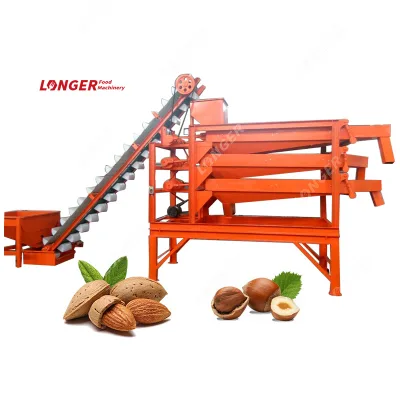
Peanut Sorting and Grading Machine/Peanut Grading Machine/Penaut Sorter Machine
$5643.1383 - $6207.4528
MOQ: 1 sets

Hefei Titan Machinery Co., Ltd.
- Verified by SGS
- Trading Company
- China Anhui
- Lead time15 days
- Avg. response≤ 17h
Main productsColor Sorter, Rice Mill Machine, Flour Mill Machine, Grain Dryer Machine, Packing Machine, Air Compressors, Pelleting Machine, Spare Parts
Main marketsSouth America,Southeast Asia/ Mideast

Peanut Color Sorter Peanut Color Sorting Machine Peanut Color Separation Machine
$6000.00 - $45000.00
MOQ: 1 Pieces

Peanut Color Sorter Peanut Color Sorting Machine Color Separation Machine
$6000.00 - $40000.00
MOQ: 1 Pieces

Hefei Branagh Photoelectric Technology Co., Ltd.
- Verified by TUVRHEINLAND
- Combined
- China Anhui
- Lead time15 days
- Avg. response≤ 4h
Main productsColor Sorter, Rice Color Sorter, Grain Color Sorter, Color Sorter Machaine, Mini Color Sorter, Color Sortering Machine, Beans Color Sorter, Nuts Color Sorter, Plastic Color Sorter, Corn Color Sorter
Main marketsSoutheast Asia/ Mideast,East Asia(Japan/ South Korea),Europe

Peanut Sorting Machine Cheaper Peanut Color Sorter Peanut Processing Machine
$4500.00 - $5500.00
MOQ: 1 Pieces

Peanut Kernel Sorting Machine Peanut Butter Processing Machine Peanut Color Sorter Machine
$13000.00 - $14000.00
MOQ: 1 Pieces


Peanut Color Sorter Machine Peanut Processing Machine Peanut Separator
$15000.00 - $16000.00
MOQ: 1 Pieces

Peanut Sorter Machine Peanut Processing Machine High Quality Peanut Color Sorter Machine
$16500.00 - $17500.00
MOQ: 1 Pieces

Anhui Vsee Optoelectronic Technology Co., Ltd.
- Manufacturer, Trading Company
- Anhui, China
- Lead time15 days
- Avg. response≤ 10h
Main productsGrain Dryer,Color Sorter,Fruit Grading and Packing System,Glass Color Sorter,Agriculture Machine
Main marketsSouth Asia(15.00%), North America(15.00%), South America(15.00%), Eastern Asia(10.00%), Africa(10.00%), Eastern Europe(10.00%), Southeast Asia(10.00%), Mid East(5.00%), Central America(4.00%), Western Europe(2.00%), Southern Europe(2.00%), Northern Europe(2.00%)
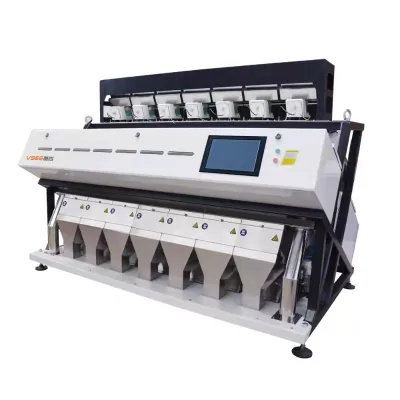
Automatic Peanut Color Sorter/peanut Color Separator/peanut Cleaning Machine
$26916.5733
MOQ: 1 Minimum
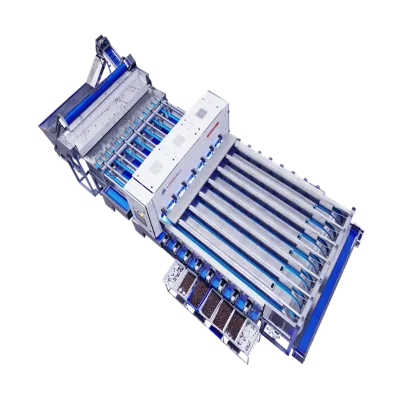
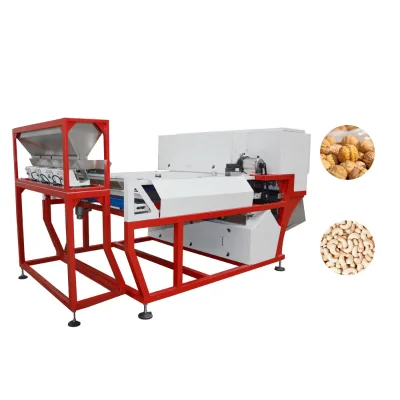
Nut Machine Cashew Sorter Macadamia Nut Sorter Pistachio Sorter
$26000.00 - $30000.00
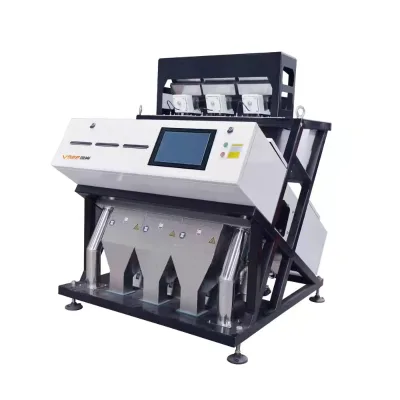
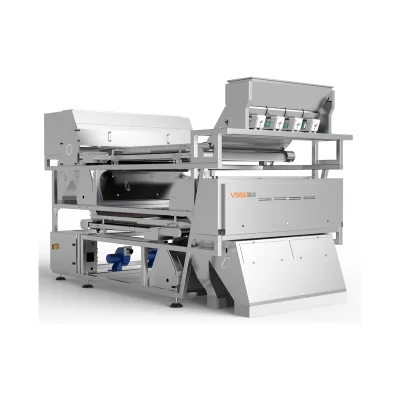
$42000.00 - $43000.00
MOQ: 1 sets
Gelgoog Intelligent Technology Co., Ltd.
- Manufacturer, Trading Company
- Lead time旺季: , 淡季:
- Avg. response≤ 1h
Main productsFrench Fries Production Line, Fruit Vegetable Washing Line, Nuts Roasting Line, Peanut Butter Production Line, Biscuit Production Line

- Verified by BV
- Trading Company,Manufacturer/Factory
- China Anhui
- Lead time15 days
- Avg. response≤ 2h
Main productsColor Sorter, Rice Milling Machine, Grain Dryer, Paddy Dryer, Grain Cleaning Plant, Spare Parts of Rice Milling Machine, Color Sorter Spare Sarts, Agriculture Lab Equipment, Air Compressor, Bead Mill
Main marketsSouth America,Eastern Europe,Mid East,Southeast Asia,Eastern Asia,Western Europe,Africa

Peanut Kernel Sorting Machine Peanut Butter Processing Machine High Quality Peanut Color Sorter
$4000.00 - $34999.00
MOQ: 1 PIECE

Peanut Color Sorting Machine Pine Nut Color Sorter Nuts Processing Equipment
$4500.00 - $50000.00
MOQ: 1 PIECE

Zhengzhou Lerford Machinery Equipment Co., Ltd.
- Verified by SGS
- Trading Company
- China Henan
- Lead time15 days
- Avg. response≤ 5h
Main productsPellet Machine, Packing Machine, Vegetable Processing Machine, Fruit Washing Machine, Dryer Machine, Briquette Machine, Toothpick Machine, Snack Machine, Oil Press, Potato Chips Machine
Main marketsSouth America,Africa,Others(foreignTradeCapacity.exportBusinessCapacityMarketOther),Europe,North America

Anhui Wenyao Intelligent Photoelectronic Technology Co., Ltd.
- Verified by BV
- Combined
- China Anhui
- Lead time30 days
- Avg. response≤ 7h
Main productsColor Sorter, Rice Color Sorter, Wheat Color Sorter, Beans Color Sorter, Grain Color Sorter, Nuts Color Sorter, Peanut Color Sorter, Ore Color Sorter, Plastic Color Sorter, Metal Color Sorter
Main marketsAfrica,Southeast Asia/ Mideast,North America
Guangdong Easyweigh Equipment Co., Ltd.
- Manufacturer, Trading Company
- Guangdong, China
- Lead time20 days
- Avg. response≤ 3h
Main productsFood Metal Detector,Checkweigher,Weight Sorting Machine,Food X-Ray Inspection Equipment,Packaging Machine
Main marketsDomestic Market(60.00%), Southeast Asia(18.00%), North America(8.00%), Western Europe(8.00%), Oceania(3.00%), South America(3.00%)
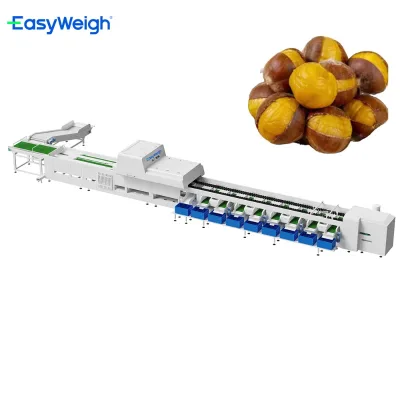
Chestnut Kernel Sorter Grading Weight Sorting Machine
$164600.00 - $165000.00
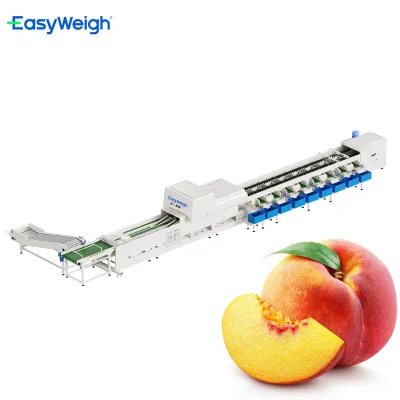
Peach Sorter Grader Machine Sorting Grading Machine
$209600.00 - $210000.00
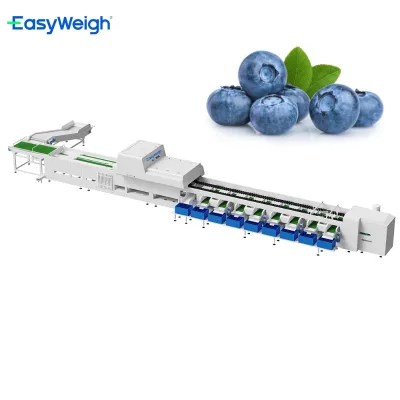
Fresh Blueberry Grader Color Sorter Sorting and Grading Machine
$164600.00 - $165000.00
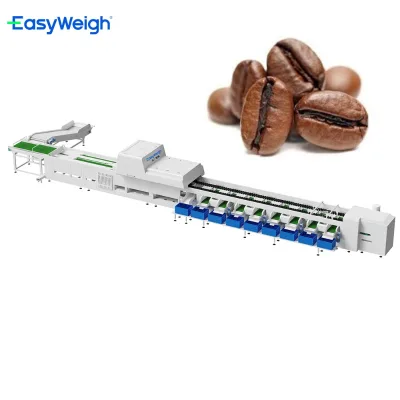
Coffee Beans Size Sorting Grader Grading Machine for Business
$164600.00 - $165000.00
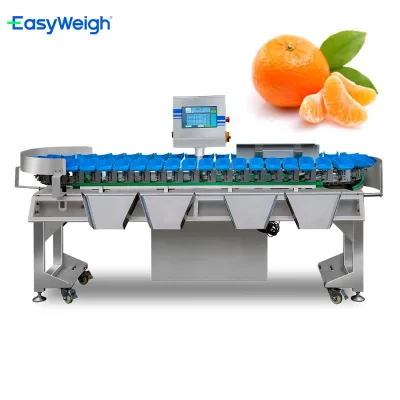
Mandarin Orange Grading and Sorting Machine for Citrus Processing
$9200.00 - $9500.00
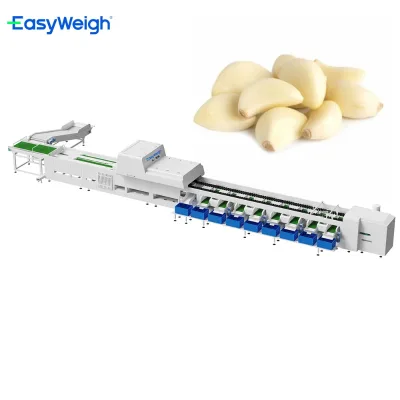
Weight Grader Damages Peel Garlic Color Sorter Sorting Machine
$164600.00 - $165000.00

Shenzhen Wesort Optoelectronic Co., Ltd.
- Manufacturer, Trading Company
- Guangdong, China
- Lead time15 days
- Avg. response≤ 3h
Main productsColor Sorter, AI visual Sorting Equipment, Intelligent Sorting Machine
Main marketsDomestic Market(30.00%), Southeast Asia(20.00%), Western Europe(17.00%), Africa(15.00%), North America(7.00%), South America(5.00%), Eastern Europe(2.00%), South Asia(1.00%), Southern Europe(1.00%), Oceania(1.00%), Mid East(1.00%)
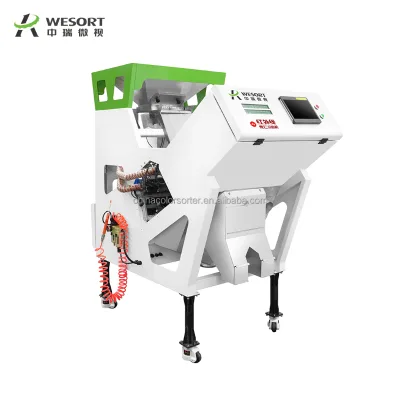
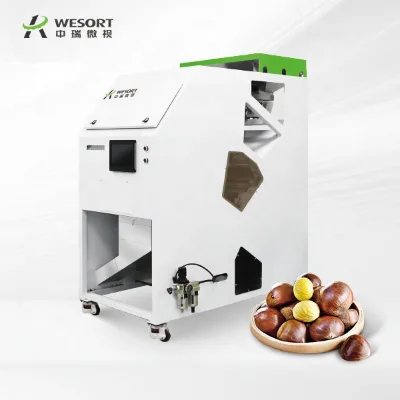
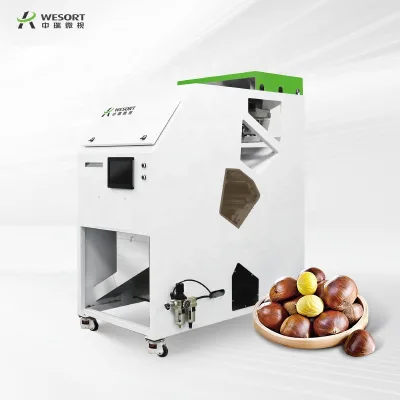
Color Sorter for Chestnuts and Pistachios Efficient Shape Sorter Machinery for Spain and Italy
$15800.00 - $18800.00
MOQ: 1 Minimum
Zhengzhou Taizy Trading Co., Ltd.
- Verified by TüVRheinland
- Trading Company
- Lead time7 days
- Avg. response≤ 3h
Main productsSnack Frying Machine, Fruit Vegetable Washing Line, Nuts Roasting Seasoning Line, Grain Product Making Machine, Multifunction Packing Machine
Main marketsSoutheast Asia(17%), Domestic Market(14%), North America(11%)
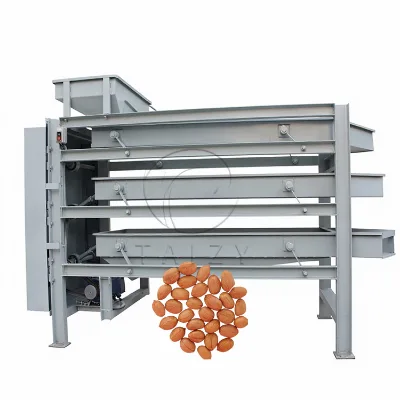
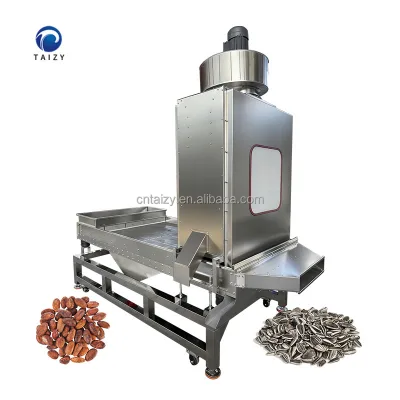
Automatic Macadamia Almond Peanut Nut Sorting Size Grading Machine for Sale
$2000.00 - $3500.00

HEBEI BEIBU MACHINERY TECHNOLOGY CO., LTD.
- Verified by SGS
- Trading Company
- China Hebei
- Lead time15 days
- Avg. response≤ 4h
Main productsGrain Cleaning Machine, Agro Cleaning Machine, Sesame Cleaning Machine, Soybean Cleaning Machine, Oil Making Machine, Soybean Oil Machine, Sesame Oil Machine, Peanut Shelling Machine, Peanut Butter Making Machine, Sesame Peeling Machine
Main marketsSouth America,Africa,Southeast Asia/ Mideast,Europe,North America

Hefei Angelon Electronics Co., Ltd.
- Manufacturer
- Anhui, China
- Lead time30 days
- Avg. response≤ 21h
Main productsplastic color sorting machine,waste glass color sorting machine,garlic color sorting machine,chili color sorting machine,nuts color sorting machine
Main marketsSouth Asia(7.69%), Southern Europe(7.69%), Northern Europe(7.69%), Central America(7.69%), Western Europe(7.69%), Eastern Asia(7.69%), Mid East(7.69%), Oceania(7.69%), Africa(7.69%), Southeast Asia(7.69%), Eastern Europe(7.69%), South America(7.69%), North America(7.69%)

Hebei Maoheng Machinery Co., Ltd.
- Verified by TUVRHEINLAND
- Combined
- China Hebei
- Lead time15 days
- Avg. response≤ 4h
Main productsSeed Cleaning Machine, Grain Cleaning Machine, Pulses Gravity Separator, Belt Cleaner Machine, Grain Magnetic Separator, Seed Film Coating Machine, Destoner Machine, Seed Packing Machine, Air Screen Seed Cleaner, Seed Cleaner Machine
Main marketsAfrica,Southeast Asia/ Mideast,Domestic
Zhengzhou Hongle Machinery Equipment Co., Ltd.
- Verified by SGS Group
- Manufacturer, Trading Company
- Lead time15 days
- Avg. response≤ 4h
Main productsFruit and Vegetables Production Line, Chicken Feet Production Line, Packing Machine Production Line, Nut Processing Line, Frying Production Line
Main marketsCentral America(20%), Africa(15%), Southern Europe(10%)
Zhengzhou Share Machinery Co., Ltd.
- Trading Company
- Lead time旺季: "1 - 1":7,"> 1":"To be negotiated", 淡季: "1 - 1":7,"> 1":"To be negotiated"
- Avg. response≤ 3h
Main productsConstruction Machinery/Industrial Machinery/Printing Machinery
Xiamen Litre Technology Co., Ltd.
- Trading Company, Distributor/Wholesaler
- Fujian, China
- Lead time5 days
- Avg. response≤ 1h
Main productsBaking Equipment,Food Machinery,Other snack food machines,Packaging Machine
Main marketsSouth America(20.00%), Domestic Market(10.00%), South Asia(10.00%), Northern Europe(10.00%), Eastern Asia(10.00%), Oceania(10.00%), Africa(10.00%), Eastern Europe(10.00%), North America(10.00%)
Henan Foodline Machinery Co., Ltd.
- Trading Company
- Lead time旺季: "1 - 1":7,"2 - 3":20,"4 - 5":35,"> 5":"To be negotiated", 淡季: "1 - 1":7,"2 - 3":20,"4 - 5":35,"> 5":"To be negotiated"
- Avg. response≤ 4h
Main productsFried production line,Fruit and vegetable processing machinery,Vending machine,Food trailer,Puffed snack food processing line
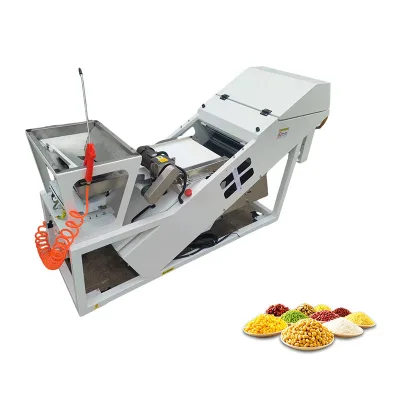
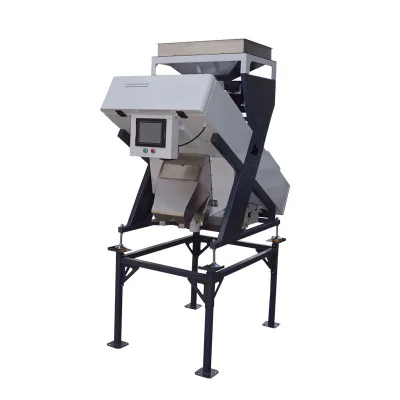
Cost-effective Nut Color Sorter, Multifunctional Automatic Grain Nutmeg Color Sorting Equipment
$6000.00 - $8900.00
MOQ: 1 units
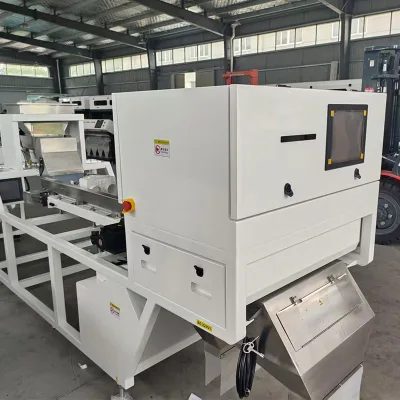
$6000.00 - $8900.00
MOQ: 1 units
$6000.00 - $8900.00
MOQ: 1 units

Dongguan RKE Intelligent Technology Co., Ltd.
- Verified by TUVRHEINLAND
- Manufacturer
- China Guangdong
- Lead time30 days
- Avg. response≤ 5h
Main productsOptical Sorting Machine, Fastener Optical Sorting Machine, Automatic Optical Inspection Machine, Images Screener Machine, Eddy Current Screen Machine, Aoi Inspection Equipment, Screw Optical Inspection and Sorting Machine, Nut Image Inspection Machine, Automotive Fastener Optical Sorting Machine, Dimensions and Appearance Defects Inspection

Qingdao Zhuolian Zhisen Intelligent Equipment Co., Ltd.
- Verified by SGS
- Trading Company,Manufacturer/Factory
- China Shandong
- Lead time60 days
- Avg. response≤ 11h
Main productsMeat Processing Machine, Weight Sorting Machine, Flake Ice Machine, Ice Tube Machine, Food Metal Detector, Poultry Slaughter Equipment, Chicken Slaughtering Machine, Packing Machine, Vacuum Packaging Machine, Packaging Machine
Main marketsEastern Europe,Mid East,North America,Southeast Asia,Eastern Asia








Comprehensive Sourcing Guide
Peanut Sorting Machine Supplier Concentration and Factory Types
Suppliers offering peanut sorting machines on current results are located in several Chinese provinces, and the listings show that Hebei, Henan and Anhui all appear as places of origin or company locations. Hebei results describe combined manufacturer-trader companies whose main products span seed cleaners and graders, gravity separators, destoners, seed treaters, bagging scale systems and complete seed processing lines, with one Peanut Sorting Machine listed at 7.5 tons per hour capacity and a 1250 by 800 mm sieve. This suggests that peanut sorting equipment in that cluster sits within a broader grain and seed cleaning machinery specialization rather than a nut-only niche.
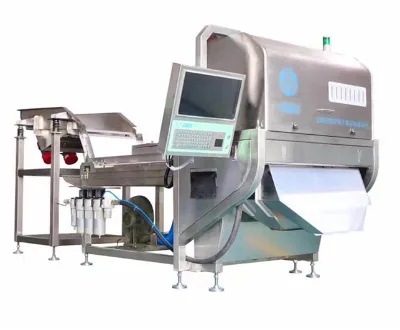
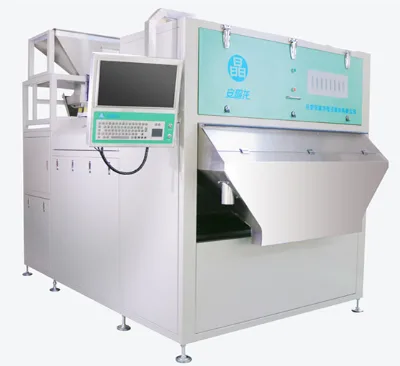
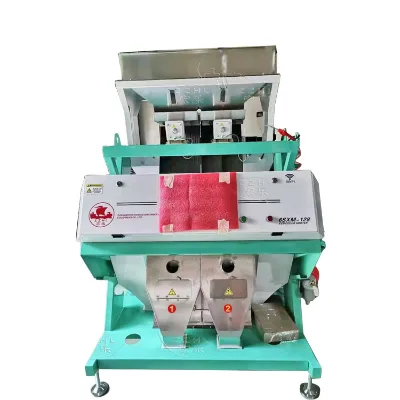
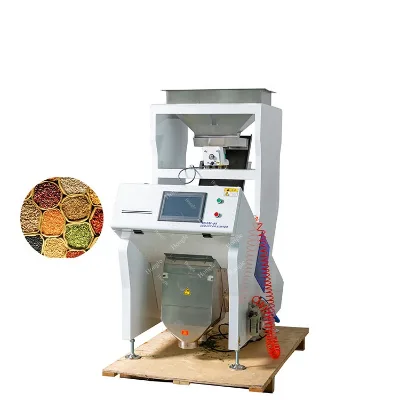
Henan results point to a different profile: companies combining manufacturing with trading whose catalogues include peanut butter production lines, fruit and vegetable processing machines and cocoa bean processing machines, alongside peanut grading and sorting machines rated at 600-800 kg/h or 1000-1500 kg/h. Anhui results list trading companies focused on color sorters, rice mill machines, flour mills, grain dryers and packing machines, indicating optical color sorting is a separate equipment family from mechanical sieve-based graders. When evaluating, note the company type label: combined, manufacturer plus trading company, or pure trading company. Each structure affects who engineers the machine, who assembles it and who handles after-sales. Buyers should also record whether the machine offered is a mechanical grader, an air-screen cleaner adapted for peanuts, or a CCD color sorter, because these are technically distinct products often marketed under similar sorting keywords.
How to Verify Peanut Sorting Machine Suppliers
Verification should start with the credentials displayed on the listing and end with documents you request directly. Current results show two useful anchors: one supplier is SGS-verified and holds an ISO9001:2015 system certification, while another is Intertek-verified and lists CE certification on a specific peanut sorting and grading machine. These third-party verification labels and product-level certifications are meaningful starting points, but they are not interchangeable. An ISO9001 certificate relates to the factory's quality management system; CE marking on a machine relates to that machine's conformity for certain markets. Ask which certificate covers the exact model quoted, request the certificate number, and confirm the scope and validity with the issuing body where possible.
Product-level evidence in the listings gives further verification material: one peanut grading machine listing states that a machinery test report and video outgoing-inspection are provided, engineers are available to service machinery overseas, and core components carry a one-year warranty. When contacting suppliers, ask for the same package on the model you intend to buy: a recent test report, an inspection video under load with your peanut size distribution, and written warranty terms for the motor and other core parts. Also confirm customization scope, since one listing states customization is available, and check whether the claimed capacity figure was measured with peanuts or a different grain. Finally, reconcile the factory role: if a supplier is labeled as a trading company, ask who performs the machining, assembly and testing, and whether you can audit or remotely inspect that production site before payment.
What to Compare Across Peanut Sorting Machine Suppliers
Build a comparison table from the attributes the listings actually display, and leave cells blank rather than assuming every supplier shows the same data. Useful dimensions from current results include lead time, which ranges from 15 days on one Hebei-linked result to 30 days on an Intertek-verified supplier; response time, where one supplier shows 6.38 hours and an Anhui trading company shows 16.13 hours; and MOQ, where one listing shows a minimum order of one unit, typical for capital machinery. Price ranges also differ sharply by machine type: a seed and grain cleaner model is listed between 5800 and 6500, while a Henan grading machine lists near 3591 and a larger sorting and grading model between roughly 5643 and 6207. Do not compare prices across different machine types without noting capacity.
Capacity is the decisive comparison axis. The displayed figures span roughly 600-800 kg/h, 1000-1500 kg/h and 7.5 tons per hour, so normalize quotes to output per hour at your kernel size and impurity level. Compare after-sales terms: one listing promises engineers available overseas service, online support and video technical support, plus a one-year warranty on core components. Compare R&D and customization capability, since displayed labels include ODM, OEM and own-brand capacity on one supplier, and sample processing, graphic processing, customized on demand and light customization on another. Also weigh location, verification type, establishment-year data where shown, main product breadth, and packaging details such as wooden export packing. Rank suppliers on documented evidence per attribute, not on overall profile polish.
Common Peanut Sorting Machine Sourcing Risks
The most frequent risk in this category is capacity misrepresentation between machine families. A mechanical grading machine that sorts peanuts by size, an air-screen cleaner that removes light impurities, and a CCD color sorter that rejects discolored kernels solve different problems, yet all appear under peanut sorting keywords. If you buy a size grader expecting defect removal, or a color sorter expecting size grading, the machine will perform exactly as designed and still fail your requirement. Mitigate this by specifying your input mix, target output quality and grading fractions in writing before ordering, and asking the supplier to confirm which function the quoted model performs.
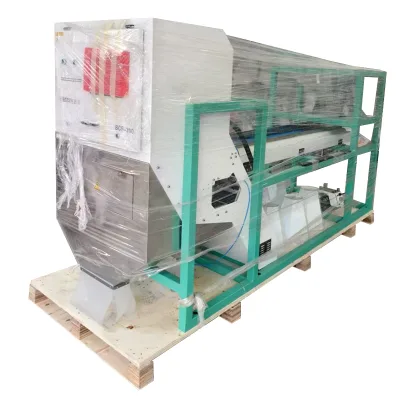
A second risk cluster involves scope drift between quotation and shipment. Listings show packing described as plywood case, mill's standard or wooden export packing; confirm which applies, since incomplete seaworthy packing damages precision sieves and optical cameras. Voltage is listed as 380v/50hz with customization available on one model; verify your local supply before production. Price ambiguity is another trap: displayed price ranges of 5800-6500 or 5643-6207 imply configuration options, so pin down what capacity, sieve dimensions, and accessories the quoted price includes. Warranty gaps matter too; where a listing offers a one-year warranty on core components, clarify in the contract whether shipping, parts and engineer travel are included. Finally, avoid fixed assumptions about supplier count or concentration, because search results change; re-verify each candidate's status, certificate and stock availability at quotation time rather than relying on cached listing data.
Peanut Sorting Machine Regional Sourcing and Logistics
The evidence in current results supports a two-region view for machinery sourcing. Hebei-origin listings belong to suppliers whose main products are seed cleaning lines, gravity separators and bagging systems, with origin stated as Hebei, China; these are logical candidates when your need leans toward cleaning and grading integrated into a seed or grain line. Henan-origin listings, with place of origin stated as Henan, China, come from suppliers of peanut-specific processing equipment including butter production lines and grading machines, which suits buyers whose core process is peanut handling. Anhui listings represent color sorter trading companies, relevant when optical sorting is the goal. Matching region to machine family shortens communication loops because the supplier already understands the raw material.
For logistics, use the details shown in listings as anchors. One Henan listing names Qingdao and Tianjin as ports of dispatch and specifies wooden export packing with single package dimensions of 250 by 90 by 180 cm and a gross weight around 350 kg for one grading machine. Another listing specifies plywood packaging suitable for sea shipping. These figures let you calculate container utilization and freight cost early, since a 2.5-meter-long machine plus crating affects whether it ships as loose cargo or within a full container. Confirm lead time separately from production readiness; displayed values of 15 and 30 days likely reflect different configurations and order positions. Ask each supplier to state dispatch port, crating specification, gross weight per crate, and whether inland trucking to port is included, then verify those figures against your freight forwarder's quotation.
Peanut Sorting Machine Commercial Terms and Order Planning
Structure the commercial package around the variables the listings expose: price band, MOQ, lead time, warranty and packing. With one machine listed at MOQ of one unit and price ranges such as 5800-6500 or 5643-6207, your negotiation should target what sits inside those bands: capacity rating, sieve or channel configuration, spare sieve sets, motor brand tier, and documentation such as the machinery test report and video outgoing-inspection noted in one listing. Ask for a proforma invoice that itemizes machine model number, claimed capacity, voltage, packing type, warranty duration for the machine and for core components, and the exact dispatch port, so that later disputes have a written baseline.
Plan the order timeline backward from your commissioning date. Add inspection time to the displayed lead times of 15 or 30 days, since you should schedule a pre-shipment test with your own peanut samples, recorded on video, before balance payment. Sequence payments so a meaningful balance remains until the machine passes that test and packing is confirmed as export-grade wooden or plywood crating. For first orders, keep the scope narrow: one machine, standard color where optional, documented accessories, and spares sized for one year. When scaling to a processing line, revisit whether the same supplier can supply elevators, treaters or bagging scales, as some main-product lists include these, and confirm compatibility across machines in one contract. Finally, record response-time behavior during negotiation; large gaps between displayed response speeds, such as roughly 6 hours versus 16 hours, often persist after the sale and affect spare-part support.
FAQs
What is the price range for a Peanut Sorting Machine?
Prices for peanut sorting machines typically range from 3591 to 6500 USD based on current listings. Specific costs depend on the model capacity and features like double air cleaning. Buyers should verify exact pricing for their required capacity before ordering.
What is the minimum order quantity for these machines?
The minimum order quantity for peanut sorting machines is one unit. This allows buyers to purchase a single machine for initial testing or small-scale operations. Suppliers generally accept orders starting from a single item without requiring bulk commitments.
How long does it take to receive the machine after ordering?
Lead times for peanut sorting machines vary between 15 and 30 days depending on the supplier. Some manufacturers offer faster delivery within two weeks, while others may require a month for production and preparation. Buyers should confirm specific timelines with their chosen vendor.
Are these machines certified with international standards?
Many peanut sorting machines come with ISO9001:2015 certification and other standards like CE or SGS. Some products also hold TUV and Soncap certifications to ensure quality and safety. Buyers should request specific certification documents to verify compliance with their local regulations.
What is the typical response time for supplier inquiries?
Supplier response times for Peanut Sorting Machine inquiries range from approximately 6 to 16 hours. Faster responses are common for verified suppliers, while others may take longer to reply. Buyers should expect a reply within a day for most inquiries regarding availability and specifications.
Where are these peanut sorting machines manufactured?
These machines are primarily manufactured in China, specifically in regions like Hebei and Henan. Some suppliers are located in Anhui, offering different logistical advantages. Buyers should check the specific origin to understand shipping times and potential import duties for their location.
What capacity options are available for peanut sorting machines?
Available capacities range from 600 to 1500 kilograms per hour depending on the specific model. Some high-capacity units can process up to 7.5 tons per hour for larger operations. Buyers should select a capacity that matches their daily production volume and processing needs.