Antistatic Flame Retardant Satin Suppliers and Manufacturers
Compare 17 verified suppliers offering Antistatic Flame Retardant Satin from China Hubei and Zhejiang. Review certifications like ISO 9001, En11611, and En11612, along with lead times and pricing. Contact suppliers directly to request samples and confirm MOQs; review the available evidence before requesting comparable quotations from suitable candidates.
Updated
Suppliers List

Chibi Xiangyuan Special Fabric Co., Ltd.
- Verified by BV
- Trading Company,Manufacturer/Factory
- China Hubei
- Lead time23 days
- Avg. response≤ 8h
Main productsFlame Retardant Fabric, Antistatic Fabric, Acid & Alkali Resistant Fabric, Workwear Fabric, 100% Cotton Fabric, Fr Fabric, Textile, Function Fabric
Main marketsSouth America,Eastern Europe,Mid East,North America,Southeast Asia,Eastern Asia,Oceania,Western Europe,Africa


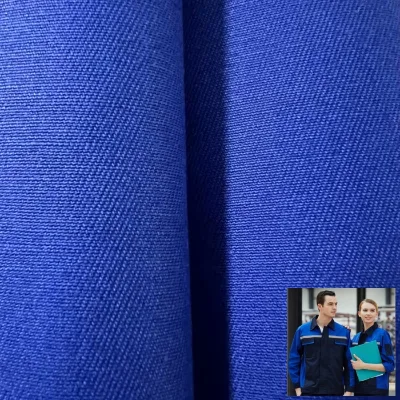
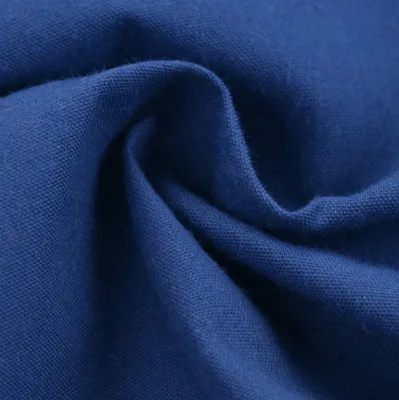
100% Cotton 16*10 Royal Blue Flame Retardant Anti Static Sateen with Vat Dyeing
$2.85 - $3.10
MOQ: 3000 Meters

Shaoxing Greaton Flame Retardant Technology Co., Ltd.
- Verified by SGS
- Trading Company
- China Zhejiang
- Lead time60 days
- Avg. response≤ 4h
Main productsModacrylic Fabric, Cotton Fabric, Flame Retardant Fabric
Main marketsSoutheast Asia/ Mideast

- Verified by CTI
- Trading Company,Manufacturer/Factory
- China Henan
- Lead time30 days
- Avg. response≤ 8h
Main productsFr Fabric, Flame Retardant Fabric, Fire Retardant Fabric, Anti-Static Fabric, Water and Oil Repellent Fabric, Functional Fabric, Safety Garment, CVC Fabric, Fr Workwear, Flame Retardant Workwear
Main marketsSouth America,Eastern Europe,Mid East,North America,Southeast Asia,Eastern Asia,Oceania,Western Europe,Africa


290GSM Cotton Flame Retardant Anti-Static Satin Fabric for Heavy Duty Jacket
$2.00 - $4.50
MOQ: 3000 Meters

250GSM Cotton Flame Retardant Anti-Static Satin Fabric for Heavy Duty Jacket
$2.70 - $3.40
MOQ: 3000 Meters

320GSM 88% Cotton 11% Nylon 1% Anti-Static Flame Retardant Satin Fabric
$3.00 - $3.40
MOQ: 3000 Meters

340GSM Cotton Water Repellent Flame Retardant Antistatic Satin Fabric for Safety Workwear
$3.00 - $3.10
MOQ: 3000 Meters

350GSM 99/1% Cotton Flame Retardant Anti-Static Satin Fabric for Workwear
$3.00 - $3.10
MOQ: 3000 Meters
Shaoxing Bigu Textiles Co., Ltd.
- Manufacturer, Trading Company
- Zhejiang, China
- Lead time45 days
- Avg. response≤ 7h
Main productsFlame Fire Retardant Blackout Curtain Fabric, Flame Fire Retardant Baby Pajamas Fabric, Flame Fire Retardant Spandex Stretch Shape Fabric, Flame Fire Retardant Banjo Fabric
Main marketsNorth America(80.00%), Western Europe(10.00%), Eastern Europe(10.00%)
Hebei Huijing Import And Export Trade Co., Ltd.
- Trading Company
- Hebei, China
- Lead time15 days
- Avg. response≤ 4h
Main productscotton polyester bedsheet fabric,uniform workwear twill fabric,denim jeans fabric,pocket lining fabric,printed fabric
Main marketsNorth America(30.00%), South America(20.00%), Central America(10.00%), Mid East(10.00%), Oceania(10.00%), Africa(10.00%), Eastern Europe(10.00%)
Changxing Hualong Silk Co., Ltd.
- Manufacturer, Trading Company
- Zhejiang, China
- Lead time10 days
- Avg. response≤ 5h
Main productsMini Matt,Gabardine,Printing Fabric
Main marketsSouth America(50.00%), Southeast Asia(15.00%), Mid East(10.00%), Eastern Europe(8.00%), Central America(5.00%), South Asia(5.00%), Africa(5.00%), Western Europe(2.00%)
Wujiang City Longda Textiles Co., Ltd.
- Trading Company
- Jiangsu, China
- Lead time0 days
- Avg. response≤ 9h
Main productsPermanent Yarn FR Fabric,Memory Fabric,Wicking Fabric,Imitation Silk Fabric,Antistatic Conductive Ribstop Fabric
Main marketsNorth America(30.00%), Eastern Europe(20.00%), South Asia(15.00%), Western Europe(10.00%), Mid East(10.00%), Africa(5.00%), Southeast Asia(5.00%), South America(5.00%)

Xinxiang Xinke Protective Technology Co.,Ltd.
- Verified by BV
- Combined
- China Henan
- Lead time45 days
- Avg. response≤ 5h
Main productsWorkwear, Work Uniform, Work Clothes, Cargo Pants, Work Pants, Work Wear, Flame Resistant Coverall, Flame Resistant Clothes, Fire Retardant Fabric, Fr Shirt
Main marketsSouth America,Europe,North America


Supplier 100% Cotton Flame Retardant Satin Fabric for Oil & Gas Workwear Fabric
$3.56 - $3.95
MOQ: 2000 meters
Baoding Sanyuan Textile Technology Co., Ltd.
- Verified by SGS Group
- Manufacturer, Trading Company
- Lead time20 days
- Avg. response≤ 3h
Main productsMetal Yarn/Fabric, Radiation Protective Fabric/Suit, Flame Retardant Fabric/Suit, Antistatic Fabric/Suit
Main marketsDomestic Market(78%), North America(4%), South Asia(4%)
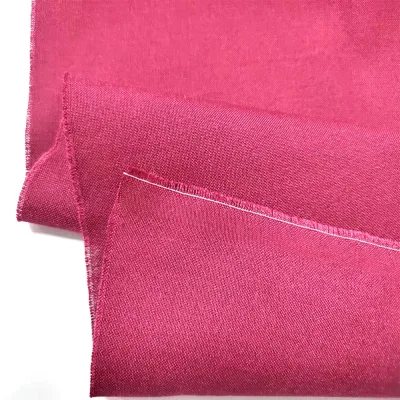
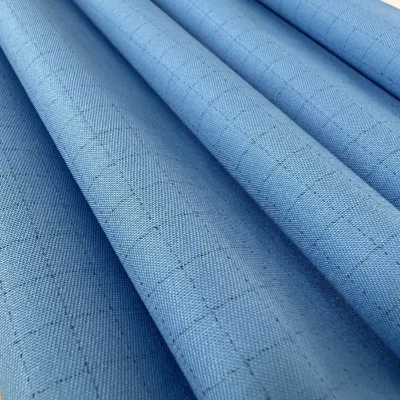
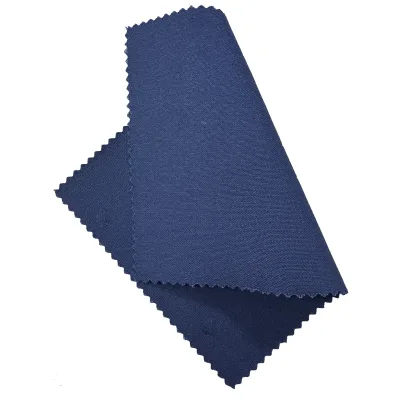
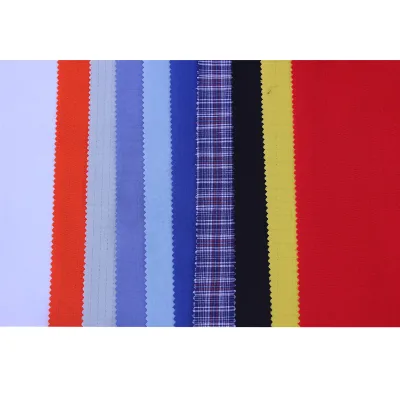
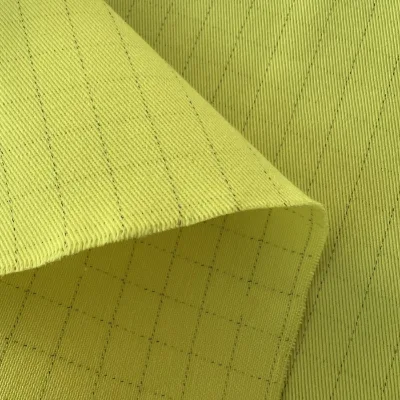
Flame Retardant Fabric 100%cotton Material 270g
$9.80 - $10.20
Hebei Ningxiang Trading Co., Ltd.
- Trading Company
- Hebei, China
- Lead time20 days
- Avg. response≤ 6h
Main productsClothing fabrics,Tooling fabrics,Medical fabrics,Special functional fabrics,Home textiles
Main marketsDomestic Market(25.00%), North America(15.00%), Southeast Asia(15.00%), Mid East(15.00%), Africa(10.00%), Northern Europe(10.00%), Eastern Europe(10.00%)
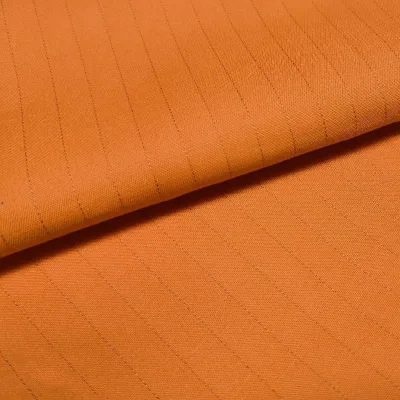
Cotton Fr Waterproof Fire Flame Resistant Fabric Cotton Twill Anti Static Fabric for Workwear
$4.0128 - $4.8358
MOQ: 10 meters
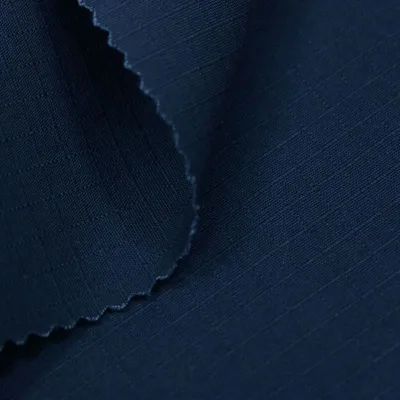
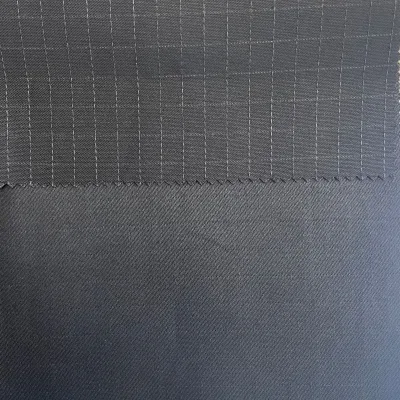
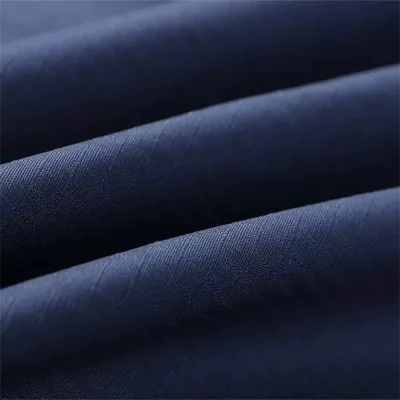
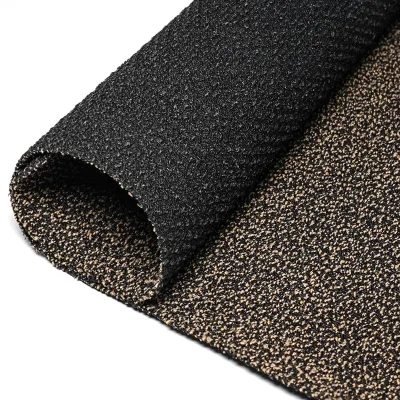
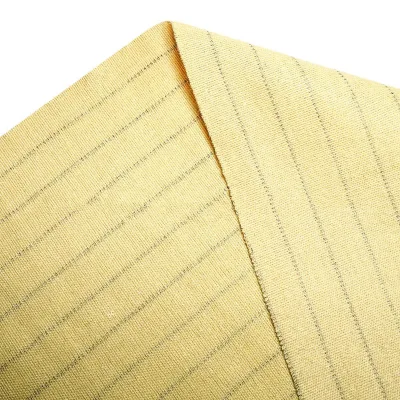
Flame Fire Resistant Anti Cut ESD Anti-static Stripe Fabric Knit Labour Protection Gloves Fabric
$69.00 - $73.00
MOQ: 300 kilograms

JINSOR-TECH INDUSTRIAL CORPORATION
- Trading Company
- Taiwan, China
- Lead time20 days
- Avg. response≤ 1h
Main productsCarbon fiber fabric,ballistic fiber fabric,kevlar fiber fabric,vectran fiber fabric,thermoplastic composite sheet
Main marketsSouth Asia(7.69%), Southern Europe(7.69%), Northern Europe(7.69%), Central America(7.69%), Western Europe(7.69%), Eastern Asia(7.69%), Mid East(7.69%), Oceania(7.69%), Africa(7.69%), Southeast Asia(7.69%), Eastern Europe(7.69%), South America(7.69%), North America(7.69%)
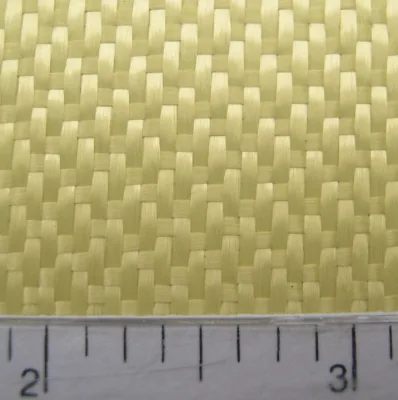
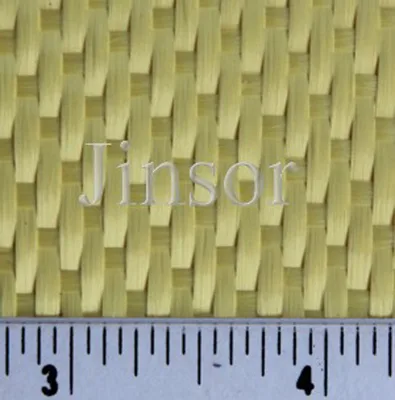
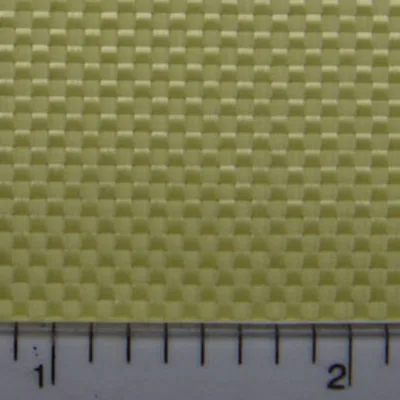
For Fiber Fabric 235gsm Flame Retardant Water Repellent Garment Use
$18.4557 - $30.7595
MOQ: 500 Minimum
Shanghai Modacrylic Flame Retardant Textiles Co., Ltd.
- Verified by SGS Group
- Trading Company
- Lead time0 days
- Avg. response≤ 4h
Main productsFlame Retardant Workwear, FR Fabric
Main marketsWestern Europe(60%), North America(20%), South Asia(10%)
IBENA Shanghai Technical Textile Co., Ltd.
- Verified by TüVRheinland
- Manufacturer, Trading Company
- Lead time60 days
Main productsFlame Retardant And Protective Fabrics, Arc Resistant Fabric, Aramid Fabric, Functional Fabric, Modacrylic Fabric
Main marketsDomestic Market(59%), Western Europe(11%), Southeast Asia(6%)
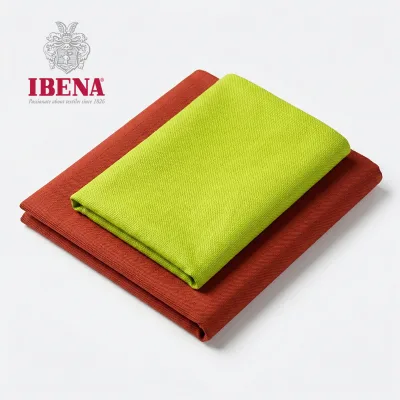
240gsm Aramid Viscose FR Fabric / Protex / Red Flame Retardant Antistatic Fabric
$10.2891 - $11.3175
MOQ: 1 Minimum
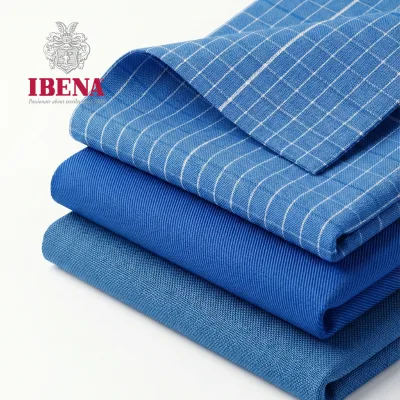
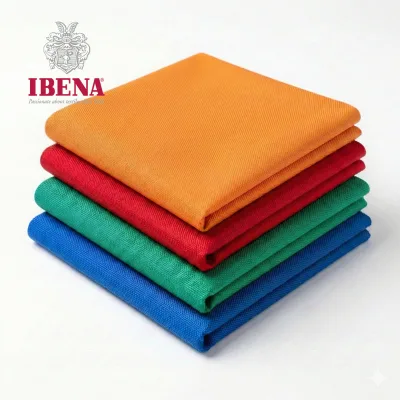
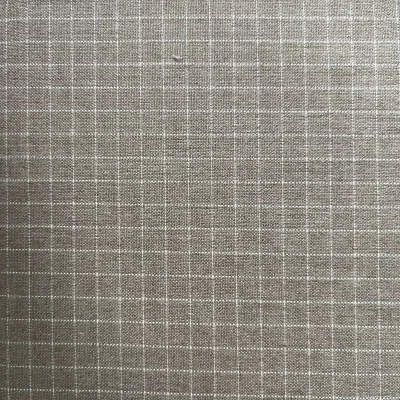
Kavlar Fabric / PBI / Flame Retardant Antistatic / 200gsm Aramid Fabric
$80.00 - $90.00
MOQ: 100 Minimum

Hubei Jiezhixin Textiles Import And Export Co., Ltd.
- Trading Company
- Hubei, China
- Lead time40 days
- Avg. response≤ 4h
Main productsworkwear,work pants,coverall,fabrics,uniform
Main marketsNorth America(20.00%), Central America(10.00%), Southeast Asia(10.00%), Eastern Europe(10.00%), Northern Europe(10.00%), Southern Europe(9.00%), South America(9.00%), South Asia(8.00%), Africa(5.00%), Western Europe(5.00%), Domestic Market(1.00%), Eastern Asia(1.00%), Mid East(1.00%), Oceania(1.00%)
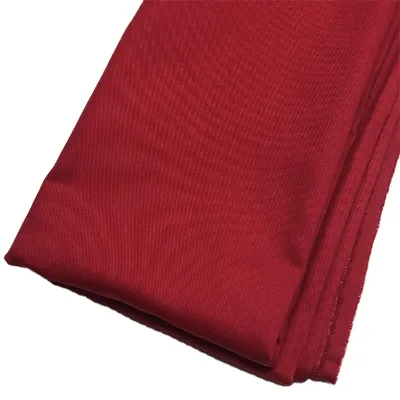
Red Welding Jacket Flame/Fire Retardant Cotton Fabric Textiles 220-230gsm
$1.80 - $2.80
MOQ: 3000 Minimum
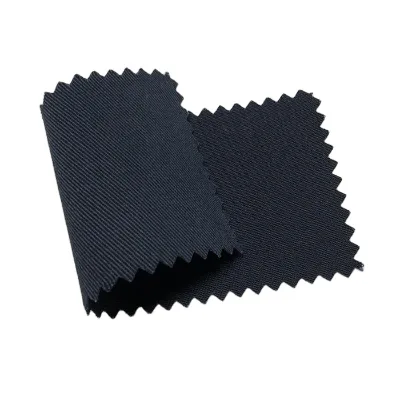
300GSM 9OZ Flame/Fire Retardant Cotton Twill Fabric for Safety and Protective Workwear
$1.20 - $1.80
MOQ: 3000 Minimum
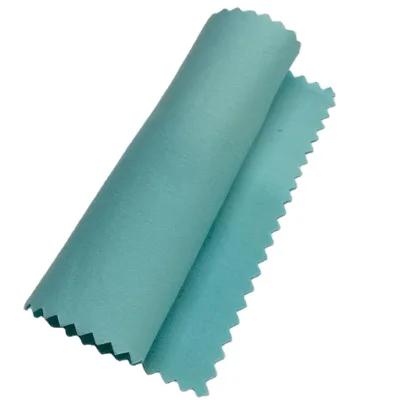
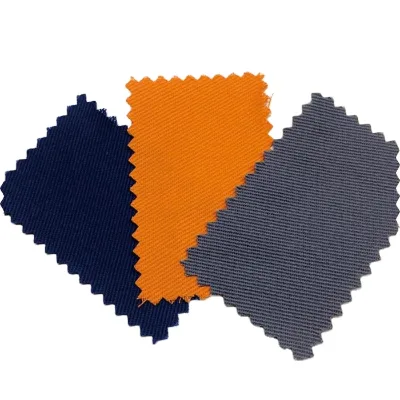
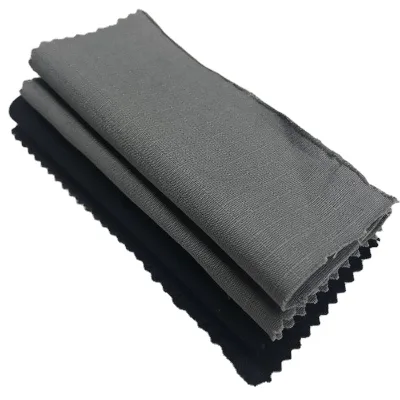
Solid Dyed 100% Cotton Flame-retardant Safetywear Fabrics 10*10/80*46 310gsm FR Material
$1.25 - $1.65
MOQ: 3000 Minimum
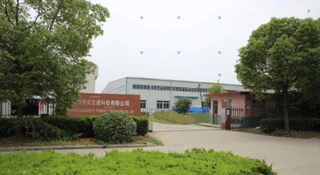
Anhui Alsafety Reflective Material Co., Ltd.
- Manufacturer
- Anhui, China
- Lead time10 days
- Avg. response≤ 2h
Main productsreflective tape,reflective sheeting,reflective film,conspicuity tape,reflective material
Main marketsDomestic Market(31.00%), North America(15.00%), South America(14.00%), Western Europe(6.00%), Northern Europe(5.00%), Mid East(5.00%), Central America(4.00%), Oceania(4.00%), Eastern Asia(4.00%), Africa(4.00%), Southern Europe(3.00%), Eastern Europe(2.00%), Southeast Asia(2.00%), South Asia(1.00%)
Ningbo Main Force International Trade Co., Ltd.
- Verified by TüVRheinland
- Trading Company
- Lead time30 days
- Avg. response≤ 2h
Main productsBlended Fabric, Polyester Fabric, Rayon Fabric, Underwears, Socks
Main marketsCentral America(48%), South America(23%), Western Europe(7%)

Suzhou Welljoy Textile Co., Ltd.
- Manufacturer/Factory
- China Jiangsu
- Lead time23 days
- Avg. response≤ 22h
Main productsHigh Visibility Fabric, Functional Fabric, Uniform Fabrics, Textile Fabric, Oxford Fabric, Conductive Fabric, Fluorescent Fabrics, Stripe Fabric, Coated Fabric, Woven Fabric
Main marketsSouth America,Eastern Europe,Mid East,North America,Southeast Asia,Eastern Asia,Oceania,Western Europe,Africa


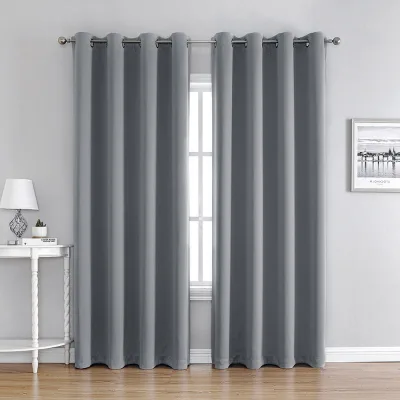
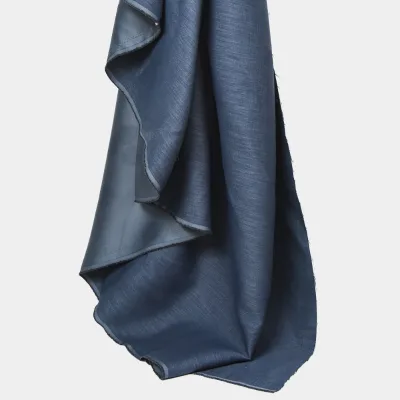
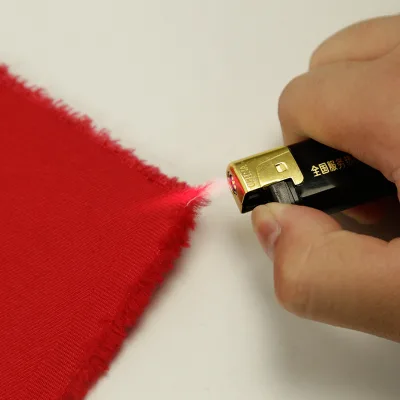


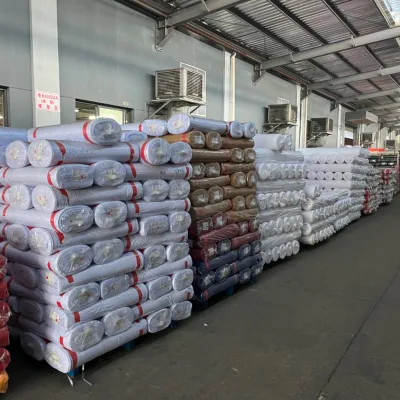





Comprehensive Sourcing Guide
Antistatic Flame Retardant Satin Supplier Concentration and Factory Types
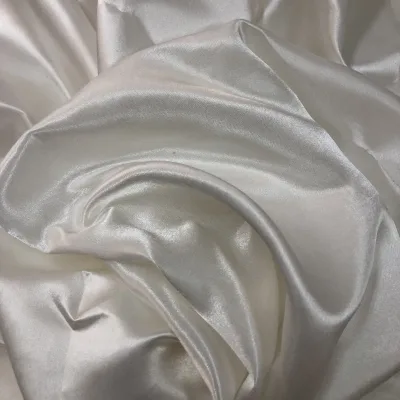
The current supplier landscape for Antistatic Flame Retardant Satin reveals a distinct geographic and operational structure that buyers must navigate carefully. Evidence indicates that suppliers are concentrated in specific industrial hubs within China, with Hubei and Zhejiang emerging as key locations for this specialized textile category. In Hubei, manufacturers and trading companies operate side by side, offering a mix of direct production capabilities and sourcing services. These entities often list main products that include flame retardant fabric, antistatic fabric, and acid and alkali resistant fabric, suggesting a broad capability in functional textiles rather than a narrow focus on satin alone. The presence of both trading companies and manufacturers in this region implies that buyers may encounter intermediaries who consolidate supply from multiple factories or direct producers who also handle export logistics. Understanding this mix is crucial because it affects pricing transparency, communication efficiency, and the ability to customize specific fabric properties like weight, width, and finish.
In contrast, suppliers located in Zhejiang appear to lean more heavily toward trading company models, focusing on modacrylic fabric, cotton fabric, and flame retardant fabric. This distinction in company type influences the sourcing strategy significantly. Trading companies often provide a wider variety of styles and faster response times due to their networked approach, whereas manufacturers may offer better control over production quality and lead times but might have higher minimum order quantities. The verification status of these suppliers, such as BV verification, provides a baseline level of trust regarding their business legitimacy. However, the type of entity—whether a factory or a trader—determines the depth of technical support available for complex requirements like specific flame retardant technologies or custom yarn counts. Buyers should assess whether their project requires the direct oversight of a manufacturing floor or the flexibility and breadth of a trading company’s portfolio. This structural understanding helps in filtering the supplier list to match the specific operational needs of the procurement team, ensuring that the chosen partner aligns with the desired balance of cost, control, and convenience.
How to Verify Antistatic Flame Retardant Satin Suppliers
Verifying suppliers for Antistatic Flame Retardant Satin requires a multi-layered approach that goes beyond basic company profiles. The first step is to confirm the supplier’s verification status, such as BV verification, which indicates that a third-party agency has inspected their business credentials. However, verification alone does not guarantee product quality or production capability. Buyers must delve deeper into the supplier’s certifications, specifically looking for standards relevant to flame retardant and antistatic performance. Evidence shows that products may carry certifications like EN11611, EN11612, Oeko-Tex Standard, and UL. These certifications are critical because they validate that the fabric meets specific safety and environmental standards. Buyers should request copies of these certificates and verify their validity with the issuing bodies. Additionally, the presence of ISO 9001 system certification indicates a standardized quality management process, which is a positive indicator of consistent production quality. It is essential to ensure that the certifications listed for the supplier match the specific product requirements, as not all flame retardant fabrics require the same level of certification.
Beyond documentation, buyers should assess the supplier’s response time and communication efficiency. A response time metric, such as 7.33 hours, can indicate the supplier’s operational readiness and willingness to engage with potential clients. Fast response times often correlate with better customer service and quicker problem resolution during the sourcing process. Buyers should also inquire about sample availability, as most suppliers offer samples for evaluation. Requesting samples allows buyers to physically test the fabric’s antistatic properties, flame retardancy, and overall feel. It is important to note that sample lead times may differ from production lead times, so buyers should clarify this distinction. Furthermore, buyers should verify the supplier’s ability to provide custom options, such as customized patterns, colors, and weights. Suppliers that offer these customizations demonstrate flexibility and technical capability. By combining verification checks, certification reviews, and direct communication assessments, buyers can build a comprehensive profile of each supplier’s reliability and suitability for their specific needs.
What to Compare Across Antistatic Flame Retardant Satin Suppliers
When evaluating multiple suppliers for Antistatic Flame Retardant Satin, buyers must compare several key dimensions to identify the best fit for their project. One critical factor is the minimum order quantity (MOQ), which can vary significantly between suppliers. For instance, some suppliers may require an MOQ of 2000 meters, while others might set the threshold at 3000 meters. This difference can impact the buyer’s inventory management and cash flow, especially for smaller orders or trial runs. Buyers should also compare the price ranges, which can span from approximately $2.55 to $3.95 per meter depending on the fabric specifications. It is important to understand what is included in these prices, such as whether they cover shipping, taxes, or additional services. Another key comparison point is the lead time, which can range from 15 to 30 days. Suppliers with shorter lead times may be preferable for urgent orders, but buyers should also consider the reliability of these timelines. Consistent on-time delivery is often more valuable than a theoretically short lead time that is frequently missed.
In addition to price and lead time, buyers should compare the technical specifications and features of the fabrics offered. Attributes such as weight (e.g., 200GSM to 380GSM), width (e.g., 57/58 inches), and material composition (e.g., 100% cotton or CVC blends) are crucial for determining suitability for specific applications. Buyers should also look at the flame retardant technology used, such as chemical treatment, and the durability of the antistatic properties, indicated by wash time (e.g., 50-100 times). Suppliers that offer detailed product attributes and clear specifications demonstrate a higher level of professionalism and transparency. Furthermore, buyers should compare the supplier’s main products and expertise. Suppliers who specialize in functional fabrics and safety textiles may offer better technical support and product knowledge than general traders. By systematically comparing these factors, buyers can make informed decisions that balance cost, quality, and service, ensuring that the selected supplier meets all project requirements.
Common Antistatic Flame Retardant Satin Sourcing Risks
Sourcing Antistatic Flame Retardant Satin involves several risks that buyers must proactively manage to avoid costly mistakes. One significant risk is the discrepancy between claimed certifications and actual product performance. Suppliers may list certifications like EN11611 or Oeko-Tex, but the specific batch of fabric may not meet these standards. This risk is heightened when dealing with trading companies that source from multiple factories, as quality control may vary across different production lines. Buyers should mitigate this risk by requesting batch-specific test reports and conducting independent laboratory testing upon receipt. Another risk is the inconsistency in lead times. While suppliers may advertise lead times of 15-20 days, production delays can occur due to raw material shortages, labor issues, or logistical bottlenecks. This is particularly relevant for suppliers with high order volumes or those located in regions with frequent industrial disruptions. Buyers should establish clear communication channels and request regular production updates to monitor progress and address potential delays early.
A third risk is the variability in product specifications. Suppliers may offer customized options for weight, width, and color, but there is a risk of deviation from the agreed-upon specifications. For example, the actual weight of the fabric may differ slightly from the quoted GSM, or the antistatic properties may degrade faster than expected after washing. This risk is exacerbated when buyers do not provide detailed technical requirements or fail to approve samples thoroughly. To mitigate this, buyers should provide comprehensive technical specifications and require pre-production samples for approval. Additionally, buyers should be aware of the risk associated with pricing fluctuations. Raw material costs, such as cotton or polyester, can vary, leading to price changes after the initial quote. Buyers should lock in prices through formal contracts and clarify whether the quoted prices are fixed or subject to adjustment based on market conditions. By identifying and addressing these risks, buyers can protect their interests and ensure a smoother sourcing process.
Antistatic Flame Retardant Satin Regional Sourcing and Logistics
The geographic location of suppliers plays a crucial role in the logistics and overall cost of sourcing Antistatic Flame Retardant Satin. Suppliers located in Hubei and Zhejiang, China, offer distinct logistical advantages and challenges. Hubei, being a central province, may provide easier access to domestic raw materials and a strategic location for inland transportation. However, for international shipments, buyers must consider the distance to major ports, which can impact transit times and shipping costs. Zhejiang, on the other hand, is a coastal province with well-developed port infrastructure, potentially offering faster and more cost-effective sea freight options for international buyers. Understanding these regional differences is essential for planning logistics and estimating total landed costs. Buyers should also consider the supplier’s experience with international shipping and their ability to handle export documentation. Suppliers with extensive export experience are likely to have established relationships with freight forwarders and customs brokers, which can streamline the shipping process and reduce the risk of delays or complications.
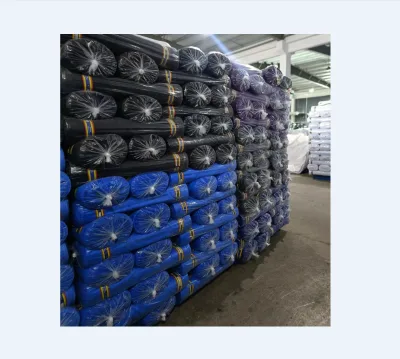
Logistics planning should also account for the packaging and handling requirements of the fabric. Antistatic Flame Retardant Satin is often packaged in rolls with polybags and non-woven bags to protect it from moisture and damage during transit. Buyers should verify that the packaging meets international standards and is suitable for the chosen mode of transport. For sea freight, additional protection against humidity and salt spray may be necessary. Buyers should also consider the impact of regional weather conditions on shipping schedules. For example, typhoon season in Zhejiang can disrupt port operations and delay shipments. By understanding these regional logistical factors, buyers can develop robust supply chain strategies that minimize risks and ensure timely delivery. It is also advisable to discuss logistics responsibilities with the supplier, clarifying who is responsible for freight, insurance, and customs clearance. Clear agreements on these matters can prevent misunderstandings and ensure a smooth transaction from order placement to final delivery.
Antistatic Flame Retardant Satin Commercial Terms and Order Planning
Effective order planning for Antistatic Flame Retardant Satin requires careful attention to commercial terms and payment structures. Buyers should negotiate clear payment terms that align with their cash flow and risk tolerance. Common terms include a deposit upon order placement and the balance against the bill of lading or before shipment. For new suppliers, buyers may consider using escrow services or letters of credit to secure their payments until the goods are received and verified. It is also important to clarify the Incoterms, such as FOB, CIF, or DDP, as these determine the point at which risk and cost transfer from the supplier to the buyer. Understanding these terms helps in calculating the total cost of ownership and avoiding unexpected expenses. Additionally, buyers should discuss warranty and return policies in case the delivered fabric does not meet the agreed-upon specifications. Suppliers should be willing to provide remedies for non-conforming goods, such as replacements or refunds.
Order planning should also include a detailed timeline that accounts for sample approval, production, quality inspection, and shipping. Buyers should build in buffer time for potential delays and communicate this timeline clearly with the supplier. Regular progress checks and milestone updates can help keep the project on track. Furthermore, buyers should plan for quality control measures, such as pre-shipment inspections, to ensure that the fabric meets all requirements before it leaves the factory. This step can prevent costly returns and disputes later on. Buyers should also consider the long-term relationship with the supplier, as consistent ordering can lead to better pricing and priority service. By establishing strong commercial terms and a structured order
FAQs
What is the price range for Antistatic Flame Retardant Satin fabric?
Prices typically range from $2.55 to $3.95 per unit depending on specifications. Buyers should verify exact costs based on order volume and customization needs. Some premium options may reach up to $3.50 per unit. Always confirm final pricing with the supplier before placing an order to ensure accuracy.
What is the minimum order quantity for these fabrics?
The minimum order quantity generally starts at 2000 meters for standard items. Some suppliers require a minimum of 3000 meters for specific custom orders. Buyers should check individual product listings for precise MOQ requirements. Meeting these thresholds is essential to secure the best available pricing and production slots.
How long does delivery take for these fabrics?
Delivery times typically range from 15 to 30 days after order confirmation. Some suppliers offer faster turnaround times of 15 to 20 days for standard items. Others may require 25 to 30 days for complex custom orders. Buyers should confirm specific lead times with the supplier before finalizing purchases.
What certifications are available for these flame retardant fabrics?
Common certifications include EN11611, EN11612, Oeko-Tex, and UL standards. Some products also meet GB12799 and EN13034 requirements. Buyers should verify specific certification documents with the supplier. These certifications ensure the fabric meets international safety and environmental standards for industrial and protective use.
What materials are used in these antistatic fabrics?
Materials primarily include 100% cotton and CVC blends. Some options feature modacrylic or polyester blends for enhanced durability. Buyers can choose from plain, twill, or sateen weaves. The material choice affects breathability, weight, and specific performance characteristics. Always confirm material composition with the supplier for your specific application.
Where are these suppliers located?
Suppliers are primarily located in China, specifically in Hubei and Zhejiang provinces. These regions are known for textile manufacturing and export capabilities. Buyers can source directly from these locations for competitive pricing. Verify specific supplier addresses and logistics options when arranging shipments to ensure timely delivery.