Chenille Fabric Suppliers and Manufacturers - 24 Verified Options
Compare 24 verified suppliers of Chenille Fabric based on certifications like BSCI and Oeko-Tex 100, response times, and lead times. Review product specs such as MOQ and material composition before contacting vendors for samples; review the available evidence before requesting comparable quotations from suitable candidates.
Updated
Suppliers List
Wujiang Chuanghui Textile Co., Ltd.
- Verified by TüVRheinland
- Manufacturer, Trading Company
- Lead time15 days
- Avg. response≤ 2h
Main productsPolyester Fabric, Blackout Fabric, Curtain Sheer, Flame Retardant Fabric, Sofa Fabric
Main marketsOceania(40%), Mid East(20%), Western Europe(20%)

Haining Xinyi Import&Export Co., Ltd.
- Verified by TUVRHEINLAND
- Trading Company
- China Zhejiang
- Lead time30 days
- Avg. response≤ 6h
Main productsPolyester Fabric, Warp Knitted Fabric, Textile, Velvet Fabric, Tricot Fabric, Woven Jacquard Textile, PVC Leather, Upholstery Fabric, Home Textile, PU Leather
Main marketsSouth America,Africa,Southeast Asia/ Mideast,Australia,North America


Plush Chenille Upholstery Fabric Printed Chenille Fade-Proof Home Decoration Fabric
$1.00
MOQ: 1000 Meters


Jiangyin Moonstar Clean Products Co., Ltd.
- Verified by SGS
- Trading Company,Manufacturer/Factory
- China Jiangsu
- Lead time15 days
- Avg. response≤ 11h
Main productsMicrofiber Cloth, Microfiber Fabric, Nonwoven Fabric
Main marketsSouth America,Eastern Europe,Mid East,North America,Southeast Asia,Eastern Asia,Oceania,Western Europe,Africa

Ningbo V.k. Industry And Trading Co., Ltd.
- Verified by SGS
- Combined
- China Zhejiang
- Lead time60 days
- Avg. response≤ 4h
Main productsFlannel Fleece Blanket, Sherpa Throw Blanket, Dog Waterproof Blanket, Fleece Bathrobe, PVC Leather, TV Blanket, Down Coat, PV Fleece Blanket, Bazin Riche, Ice Bath Tub
Main marketsSouth America,Africa,Southeast Asia/ Mideast,East Asia(Japan/ South Korea),Domestic,Europe,Australia,North America


Reliable Wholesale Supplier Direct Polyester Fabric Chenille Sofa Fabric
$3.50 - $5.00
MOQ: 100 Meters


Trusted Brand Wholesale Reliable Supplier Polyester Chenille Sofa Fabric
$3.50 - $5.00
MOQ: 100 Meters
Haining Weipai Textile Co., Ltd.
- Verified by Intertek
- Manufacturer, Trading Company
- Lead time0 days
- Avg. response≤ 4h
Main productsSofa Fabric
Main marketsMid East(50%), Domestic Market(20%), North America(10%)
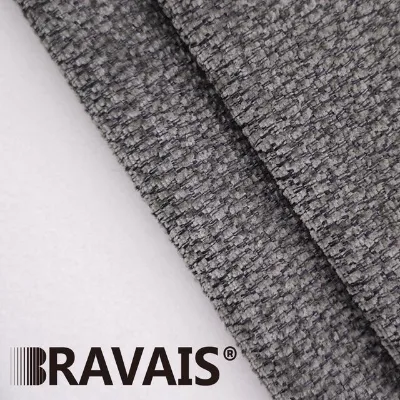
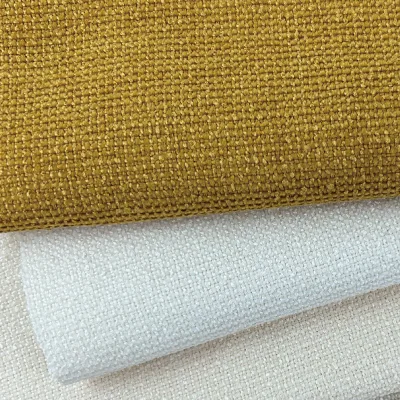
$2.33 - $2.64
MOQ: 100 meters
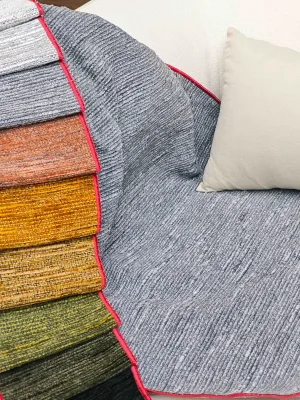
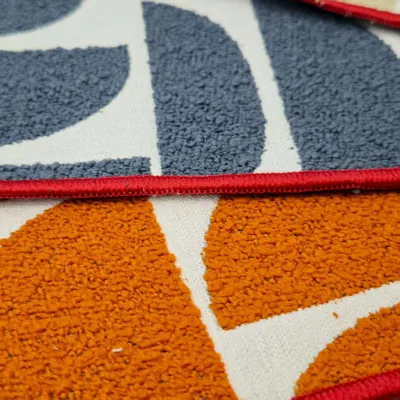
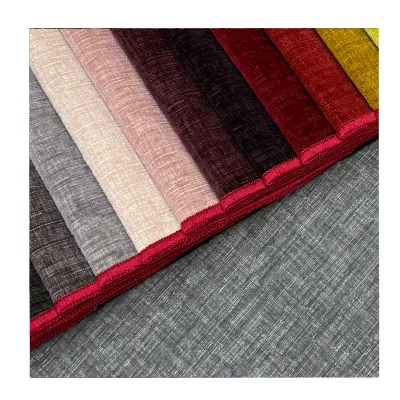
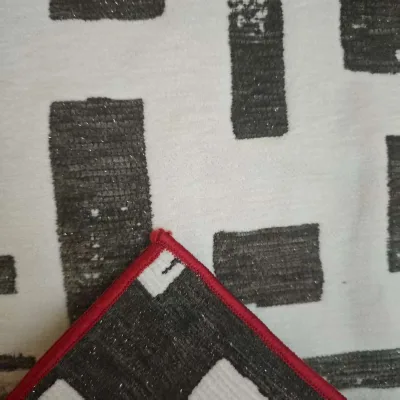
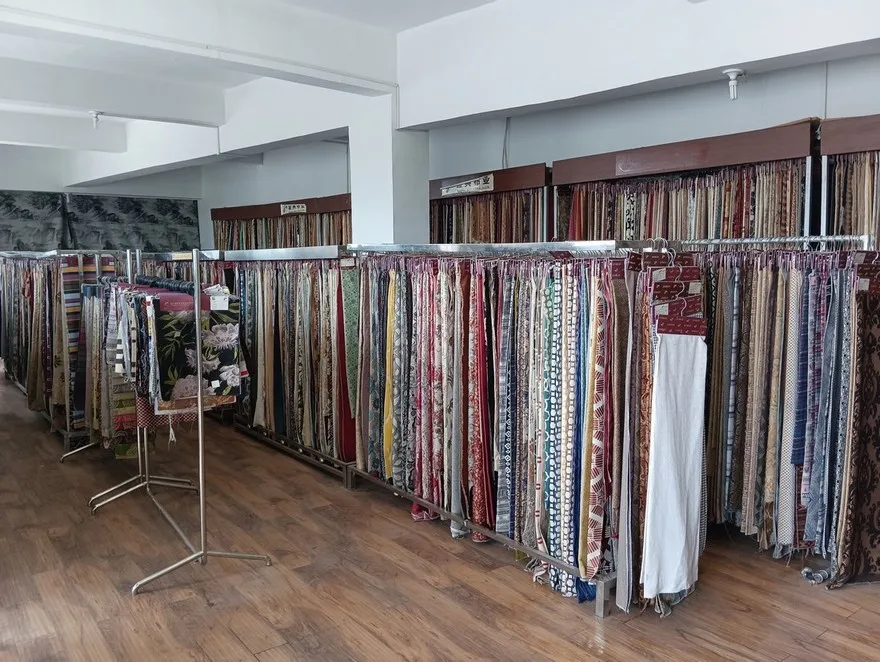
Hangzhou Jindian Fabric Co., Ltd.
- Manufacturer, Trading Company
- zhejiang, China
- Lead time30 days
- Avg. response≤ 9h
Main productsJacquard Fabric,Cushion/Pillows cover,Home textile fabrics
Main marketsWestern Europe(20.00%), Oceania(20.00%), North America(20.00%), Domestic Market(10.00%), Central America(10.00%), Southern Europe(10.00%), Northern Europe(5.00%), Mid East(5.00%)

Shaoxing Velena Textile Co., Ltd.
- Manufacturer/Factory
- China Zhejiang
- Lead time120 days
- Avg. response≤ 1h
Main productsUpholstery Fabric, Sofa Fabric, Curtain Fabric, Velvet Fabric, Linen Fabric, Furniture Fabric, Decoration Fabric, Furnishing Fabric, Technology Fabric, Home Textile
Main marketsEastern Europe,Mid East,North America
Haining Haoyang Textile Co., Ltd.
- Verified by Intertek
- Trading Company
- Lead time25 days
- Avg. response≤ 5h
Main productsFabric
Main marketsDomestic Market(40%), Africa(15%), Mid East(15%)
Hangzhou Deluxtex Fashions Company Limited
- Manufacturer, Trading Company
- Zhejiang, China
- Lead time30 days
- Avg. response≤ 13h
Main productsSofa fabrics,curtain fabrics,sofa silpcovers,readymade curtains,cushions
Main marketsNorth America(40.00%), Eastern Europe(15.00%), Western Europe(15.00%), South America(10.00%), Mid East(10.00%), Oceania(10.00%)
Zhejiang Jinyu Textile Science And Technology Co., Ltd.
- Verified by SGS Group
- Manufacturer, Trading Company
- Lead time0 days
- Avg. response≤ 7h
Main productsSofa Fabric
Main marketsMid East(35%), Domestic Market(30%), Eastern Europe(15%)
Zhejiang Linking Textile Co., Ltd.
- Verified by TüVRheinland
- Manufacturer, Trading Company
- Lead time25 days
- Avg. response≤ 6h
Main productsBlanket, Cushion, Pet Clothes, Pet Bed, Sofa Fabric
Main marketsWestern Europe(37%), Southeast Asia(20%), Domestic Market(20%)
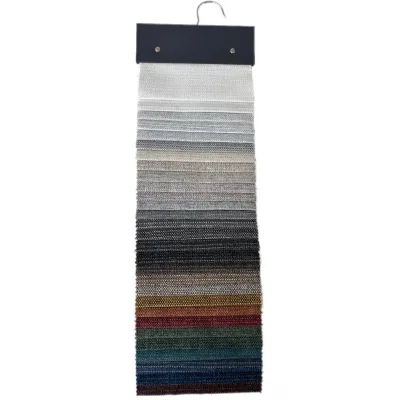
$1.4111 - $1.6178
MOQ: 1200 meters
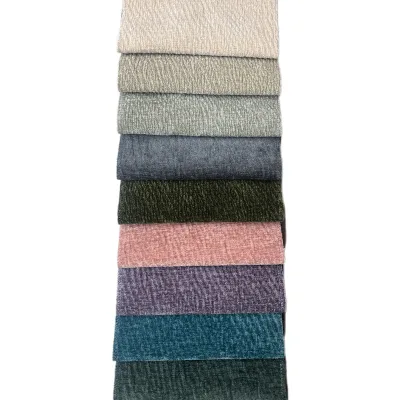
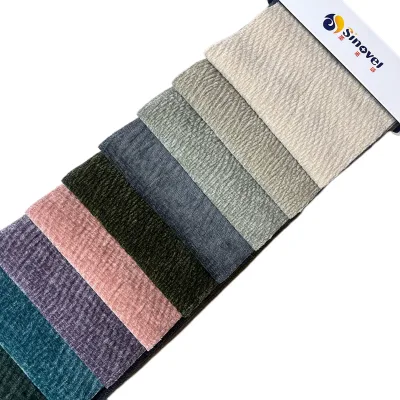
Linking Textile Wholesale Custom Upholster Chenille Fabric for Sofa Curtain Bedding
$3.61 - $4.39
MOQ: 1600 meters

Hangzhou Yuhang Mingjing Textile Co., Ltd
- Verified by SGS
- Combined
- China Zhejiang
- Lead time30 days
- Avg. response≤ 22h
Main productsoutdoor fabric
Main marketsDomestic
Haining Tianling Fabric Co., Ltd.
- Manufacturer, Trading Company
- Zhejiang, China
- Lead time40 days
- Avg. response≤ 7h
Main productssofa fabric,curtain fabric,jacquard fabric,Chenille fabric,upholstery fabric
Main marketsSouth America(25.00%), Mid East(15.00%), Northern Europe(10.00%), Western Europe(10.00%), North America(10.00%), Africa(10.00%), Domestic Market(10.00%), Eastern Europe(5.00%), Southern Europe(5.00%)

HANGZHOU AIFU HOUSEHOLD CO., LTD.
- Verified by SGS
- Trading Company
- China Zhejiang
- Lead time30 days
- Avg. response≤ 4h
Main productsPolyester Fabric, Upholstery Fabric, Textile Fabric, Artificial Leather, Play Mats, Baby Beanbag, Baby Accessories, Other Leather Product, Sofa Fabric, Outdoor Fabric
Main marketsSoutheast Asia/ Mideast,Europe,Australia,North America
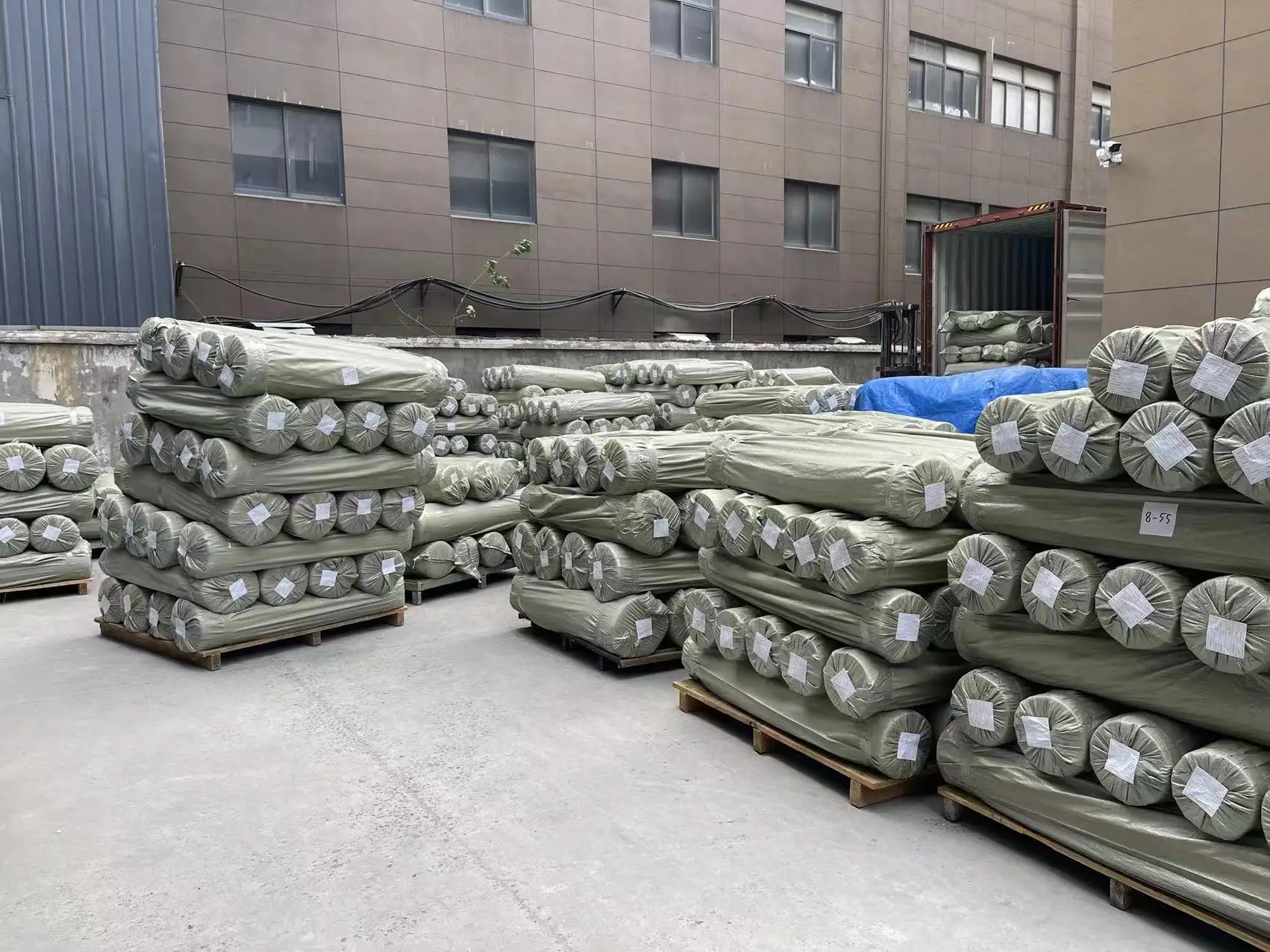
Foshan Meizhiyuan Textile Co., Ltd.
- Trading Company
- Guangdong, China
- Lead time25 days
- Avg. response≤ 4h
Main productsSofa Fabric
Main marketsDomestic Market(50.00%), South Asia(10.00%), North America(10.00%), Southeast Asia(10.00%), South America(5.00%), Africa(5.00%), Eastern Europe(5.00%), Mid East(5.00%)
Shaoxing Keqiao East Silk Import & Export Co., Ltd.
- Verified by SGS Group
- Manufacturer, Trading Company
- Lead time20 days
- Avg. response≤ 10h
Main productsCoat Fabric, Sweater Fabric, Pajamas Fabric, Suit & Hoodie & Pants Fabric, Shirt & Dresses Fabric
Main marketsWestern Europe(55%), South America(35%), Mid East(4%)
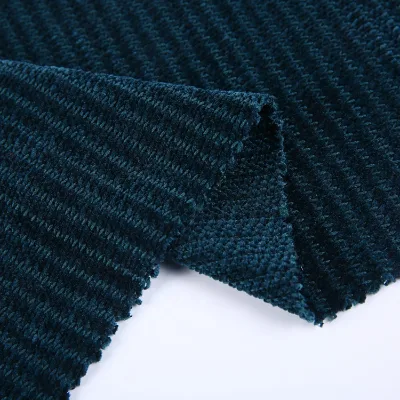
New Products Stripe Baby Clothing Organic Chenille Microfiber Fabric
$5.10 - $5.20
MOQ: 1000 kilograms
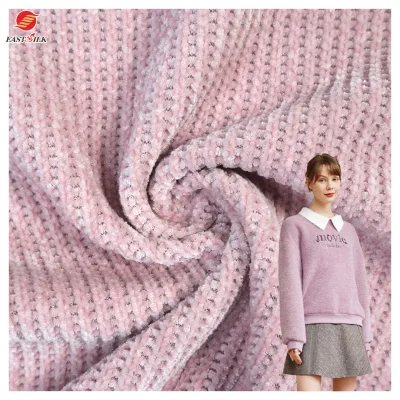
Colorful Cheap Textiles Polyester Stripe Dyed Chenille Knit Fabric Rolls Turkish
$2.20 - $2.25
MOQ: 1000
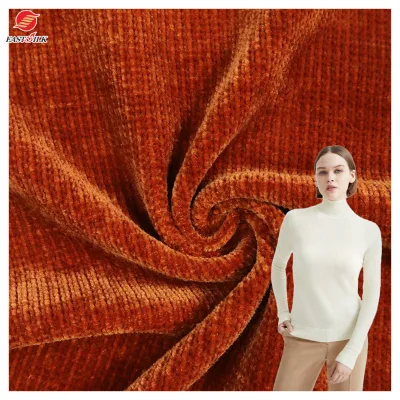

Jiaxing Warmheart Home Textile Co., Ltd.
- Verified by BV
- Trading Company,Manufacturer/Factory
- China Zhejiang
- Lead time75 days
- Avg. response≤ 5h
Main productsSofa Fabric, Upholstery Fabric, Woven Fabric, Flocked Fabric, Knitting Velvet, Blackout Curtain Fabric, Water Repellent Fabric, Collected Stock Fabric, Jacquard Fabric, Easy Clean Stainproof Fabric
Main marketsEastern Europe,Mid East,North America,Southeast Asia,Eastern Asia,Western Europe,Africa

Shaoxing yuxiu Textile Co., Ltd.
- Verified by CTI
- Trading Company
- China Zhejiang
- Lead time30 days
- Avg. response≤ 23h
Main productsJacquard Curtains Fabric, Blackout Curtain Fabric, Sheer Curtain Fabric, Sofacover Fabric, embroidery Curtain
Main marketsSouth America,Europe
Jiaxing Hongyi Textile Co., Ltd.
- Verified by TüVRheinland
- Trading Company
- Lead time0 days
- Avg. response≤ 8h
Main productsUpholstery Fabric, Flocking Fabric, Sofa Fabric, Oxford Fabric, Car Fabric
Main marketsSoutheast Asia(20%), South America(10%), Eastern Europe(10%)
Haining Haida Warp Knitting Co., Ltd
- Verified by TüVRheinland
- Manufacturer, Trading Company
- Lead time0 days
- Avg. response≤ 3h
Main productsSofa Fabric, Home Textile Fabric, Shoes Fabric, Chenille Fabric, Apparel Fabric
Main marketsDomestic Market(40%), Mid East(19%), South America(11%)
Shaoxing Jeerayfun Textile Co., Ltd.
- Verified by TüVRheinland
- Manufacturer, Trading Company
- Lead time20 days
- Avg. response≤ 12h
Main productsFabric
Main marketsNorth America(20%), Western Europe(20%), South America(10%)
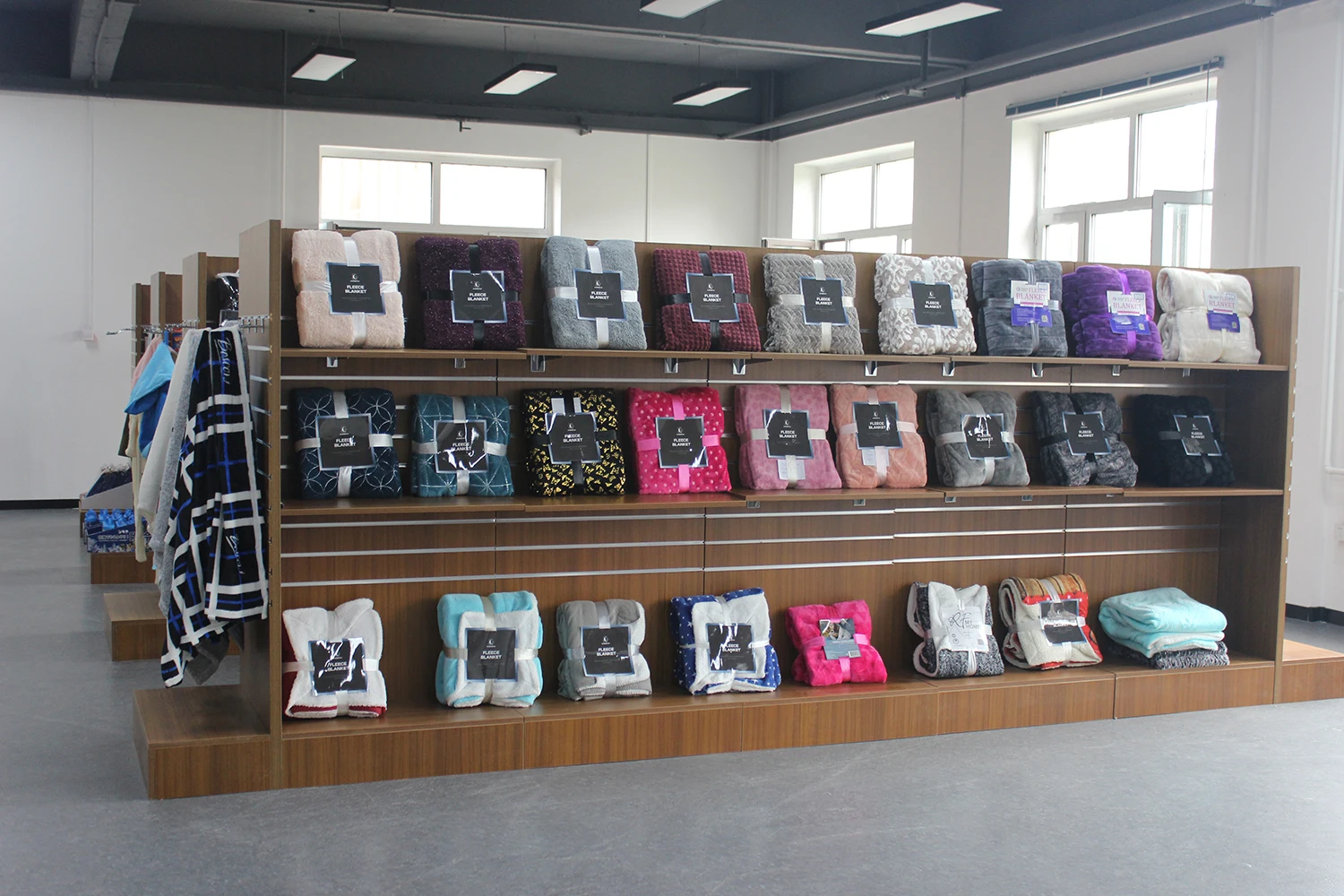
Dalian Phoebetai International Trade Co., Ltd.
- Trading Company
- Liaoning, China
- Lead time30 days
- Avg. response≤ 5h
Main productsMicrofiber Cleaning Cloth, Microfiber Towel, Microfiber Car Wash Towel, Microfiber Kitchen Cloth, Blanket
Main marketsWestern Europe(20.00%), Eastern Europe(20.00%), Eastern Asia(18.00%), North America(15.00%), South America(5.00%), Oceania(5.00%), Northern Europe(4.00%), South Asia(3.00%), Mid East(3.00%), Southern Europe(2.00%), Central America(2.00%), Southeast Asia(2.00%), Domestic Market(1.00%)
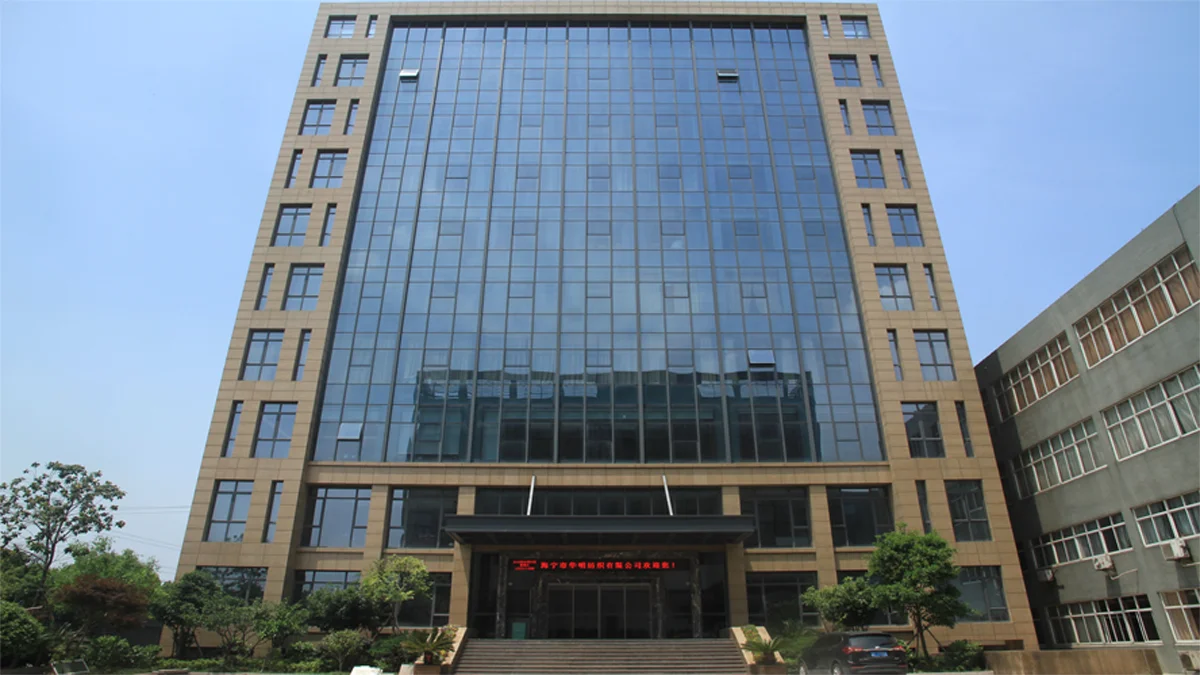
Haining Huaming Textile Co., Ltd.
- Manufacturer, Trading Company
- Zhejiang, China
- Lead time7 days
- Avg. response≤ 4h
Main productsCurtain Fabric/ Sofa Fabric/ Furniture Fabric/ Bedding Fabric;,Pillow
Main marketsDomestic Market(50.00%), Mid East(12.00%), Southeast Asia(10.00%), Eastern Europe(10.00%), South Asia(5.00%), North America(5.00%), Oceania(2.00%), Southern Europe(2.00%), Eastern Asia(2.00%), South America(2.00%)
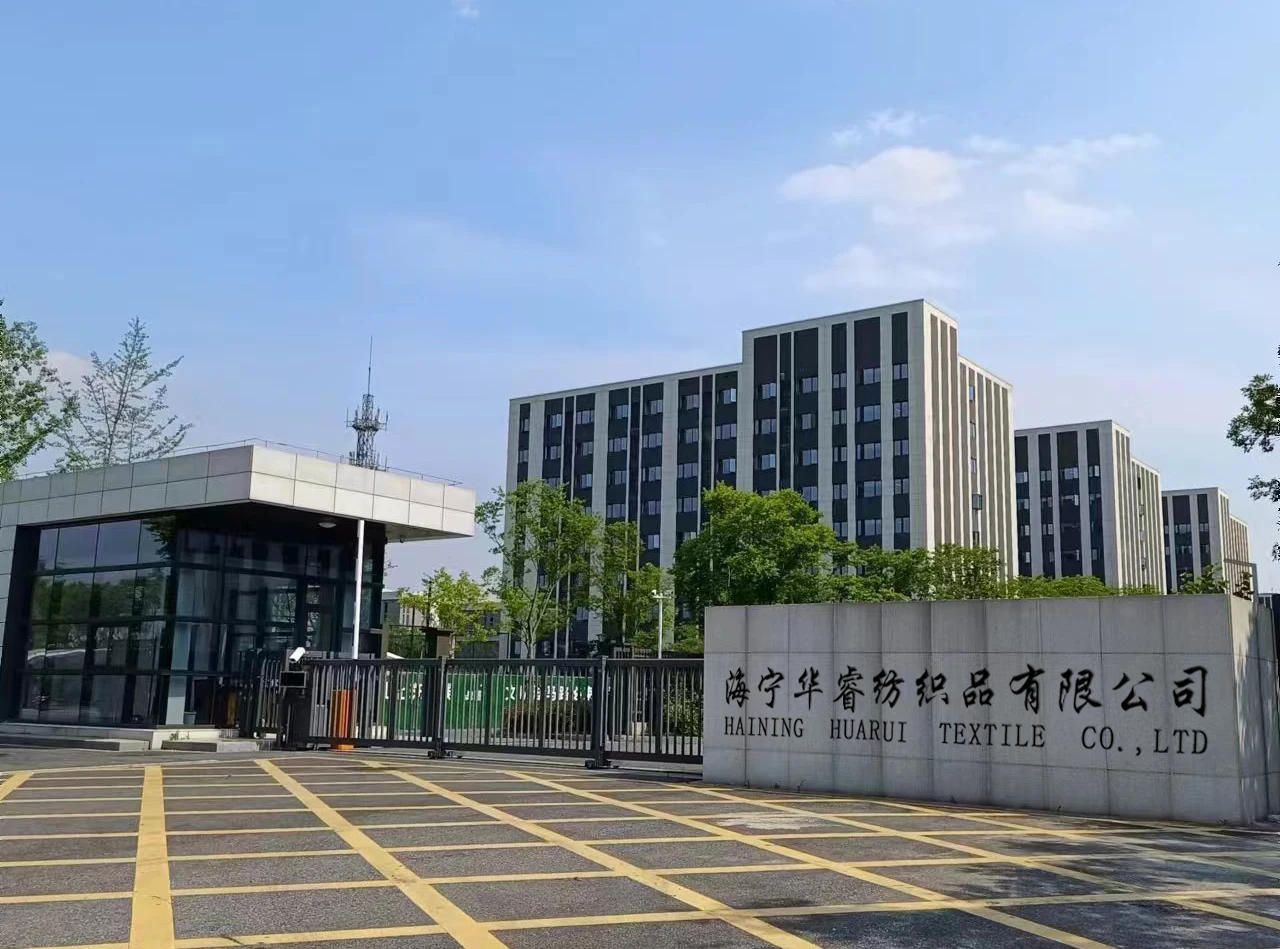
Haining Huarui Textile Co., Ltd.
- Manufacturer, Trading Company
- Zhejiang, China
- Lead time30 days
- Avg. response≤ 4h
Main productsSofa Fabric,Home Textile Fabric,Minky Velboa,Carpet Fabric,Holland Velvet Fabric
Main marketsNorth America(30.00%), Southern Europe(16.00%), Northern Europe(15.00%), South Asia(15.00%), Eastern Europe(13.00%), Western Europe(11.00%)
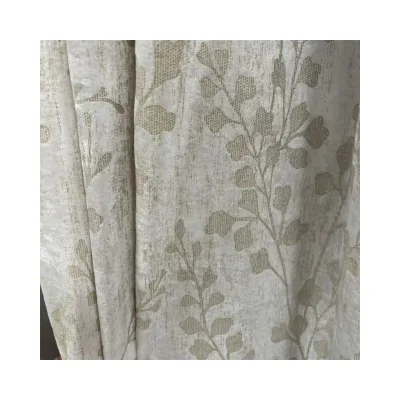


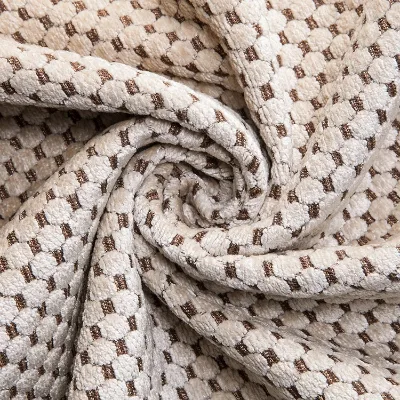
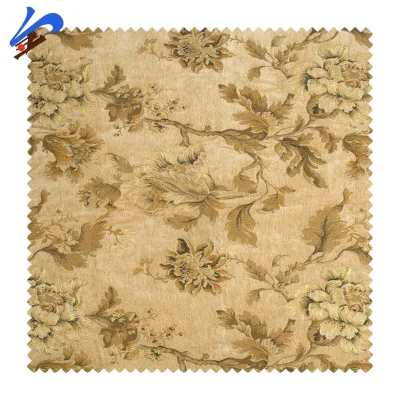


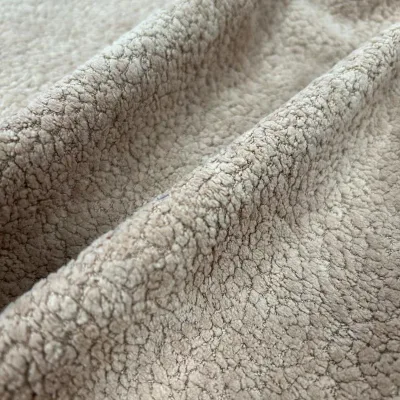
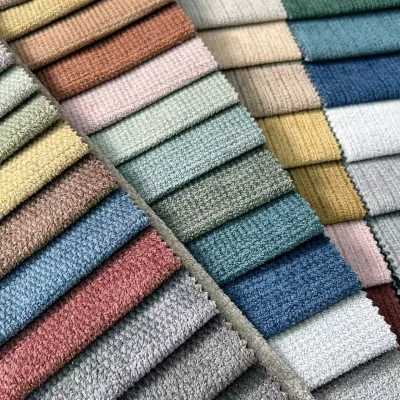



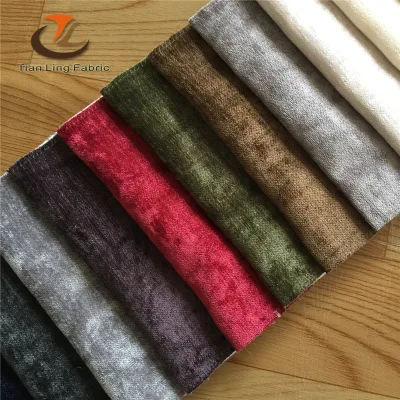
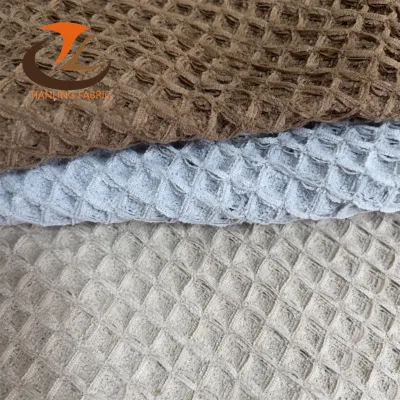
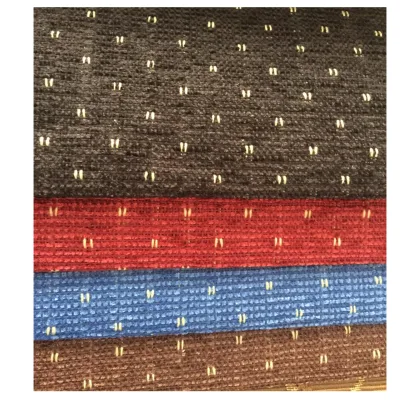


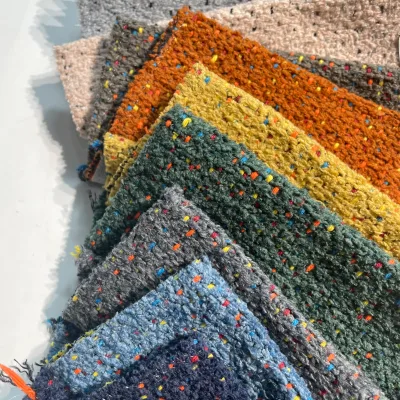


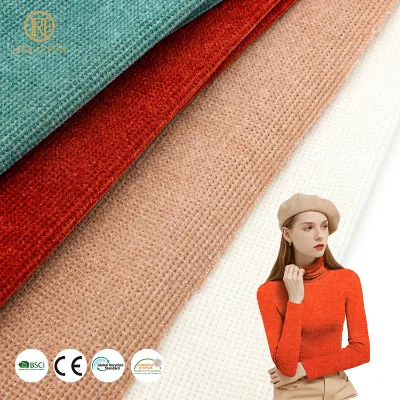
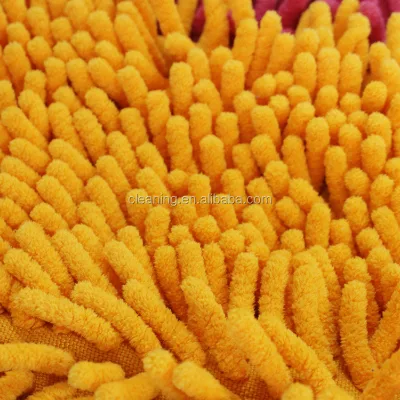
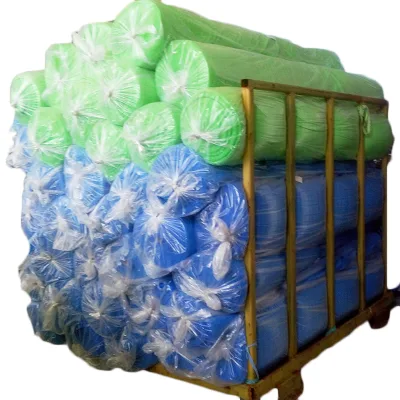
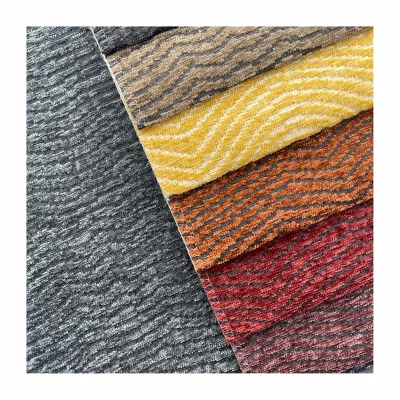
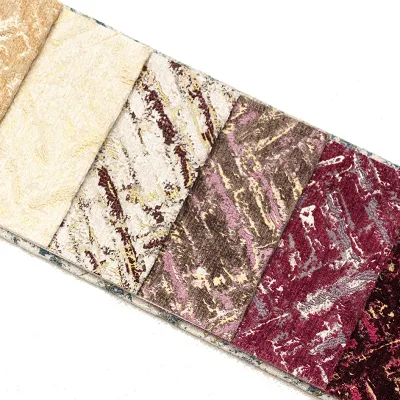
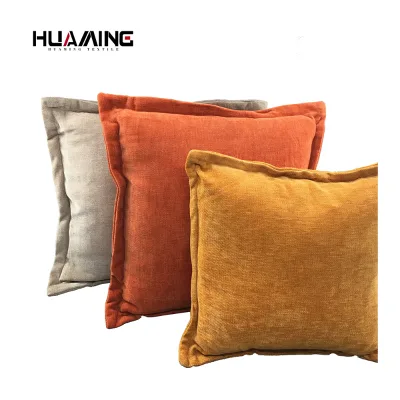
Comprehensive Sourcing Guide
Chenille Fabric Supplier Concentration and Factory Types
The current supplier landscape for Chenille Fabric reveals a mix of manufacturing and trading entities operating primarily within specific Chinese provinces. Available data indicates a concentration of activity in Zhejiang and Jiangsu, where facilities produce a wide array of textile goods including polyester, velvet, and home textile fabrics. Some suppliers list themselves as manufacturers with in-house capabilities for sample processing and graphic design, while others operate as trading companies that may source from various factories. This distinction is critical because manufacturers often control the production process directly, whereas trading companies focus on logistics and supplier aggregation. Buyers must examine the company type field to understand the operational model, as this influences quality control depth and communication channels.
When evaluating the factory types, it is essential to note that not all suppliers possess the same production capacity or specialization. The observed data shows that some entities offer customized on-demand services and own brands, suggesting a higher level of vertical integration. Others may focus on specific product lines like blackout fabrics or sofa upholstery materials. The presence of both manufacturer and trading company types means buyers will encounter different negotiation dynamics and service levels. It is important to verify the actual production capability rather than relying solely on the company classification. Buyers should look for evidence of in-house technical processes, such as weaving or knitting capabilities, to ensure the supplier can meet specific fabric requirements without relying on third-party intermediaries for core production steps.
How to Verify Chenille Fabric Suppliers
Verification of Chenille Fabric suppliers requires a rigorous check of third-party credentials and platform-issued status indicators. The available data highlights that certain suppliers hold TüVRheinland or SGS verification status, which serves as a baseline indicator of business legitimacy. Additionally, system certifications such as BSCI and Oeko-Tex 100 are present in some supplier profiles, signaling adherence to social compliance and safety standards for textile products. Buyers should prioritize suppliers displaying these specific verification marks, as they provide an external audit of the company's operational integrity. However, the absence of a certification like Oeko-Tex 100 does not automatically disqualify a supplier, but it does require the buyer to request alternative proof of compliance or conduct their own due diligence.
Beyond digital verification badges, buyers must assess the responsiveness and historical performance of the supplier. Response times vary significantly across the market, with some suppliers replying within two hours while others take over ten hours. A faster response time often correlates with a more active sales team and better communication channels, which is vital for resolving fabric specification issues quickly. Buyers should also look for evidence of established operational history, though specific establishment years are not always explicitly listed in the current data. Instead, look for indicators of long-term stability, such as a consistent product catalog or a history of fulfilling large orders. Always cross-reference the claimed verification status with the supplier's actual business license and physical address to ensure the entity is genuine and capable of delivering the promised Chenille Fabric quality.
What to Compare Across Chenille Fabric Suppliers
Comparing suppliers requires a systematic evaluation of key operational metrics including lead times, minimum order quantities, and pricing structures. The data shows lead times ranging from 15 days to 30 days, which directly impacts inventory planning and project timelines. Buyers must align their order schedules with these production windows, as a shorter lead time may come with higher costs or limited customization options. Minimum order quantities also vary, with some suppliers requiring 500 meters while others demand 1000 meters. This difference can significantly affect the total cost of ownership for smaller buyers or those testing new designs. It is crucial to calculate the cost per unit based on the specific MOQ to determine the most economical option for the intended order volume.
Pricing and product specifications are equally critical factors in the comparison process. Current market data indicates price ranges for Chenille Fabric between $1.00 and $3.50 per unit, depending on the material composition, width, and finish. Some suppliers offer fabrics with specific features like blackout properties or slub textures, which command different price points. Buyers should compare the technical attributes such as GSM weight, width, and weave type to ensure the product matches the application requirements. Additionally, the supply type, whether make-to-order or stock, influences availability and customization flexibility. A supplier offering stock items may provide faster delivery but less design freedom, whereas a make-to-order supplier offers customization at the cost of longer lead times. Evaluating these dimensions together ensures a balanced selection that meets both budget and quality constraints.
Common Chenille Fabric Sourcing Risks
One of the primary risks in sourcing Chenille Fabric involves discrepancies between the sample provided and the bulk production quality. While some suppliers offer free samples, the transition from a small sample to a large roll can introduce variations in color, texture, or weight. The data indicates that some products are lightweight with specific GSM ratings, but bulk production might deviate if the factory does not strictly adhere to the sample specifications. Buyers must insist on pre-shipment inspections or third-party quality control services to mitigate this risk. Relying solely on the supplier's word regarding quality consistency is insufficient, especially when dealing with complex weaves like jacquard or dobby that are prone to production inconsistencies.
Another significant risk is the reliability of the supply chain regarding delivery timelines and material availability. Lead times in the current dataset range from 15 to 30 days, but external factors such as raw material shortages or logistical delays can extend these periods. Suppliers located in different regions may face varying levels of infrastructure challenges that affect shipping. Furthermore, the distinction between trading companies and manufacturers can introduce communication gaps if the trading company does not have direct oversight of the production floor. Buyers should verify the supplier's capacity to handle rush orders and their contingency plans for delays. Ensuring that the supplier has a clear track record of meeting deadlines and maintaining consistent quality is essential to avoid project disruptions and financial losses associated with late or substandard deliveries.
Chenille Fabric Regional Sourcing and Logistics
Regional sourcing plays a pivotal role in determining the efficiency and cost-effectiveness of Chenille Fabric procurement. The available data points to specific manufacturing clusters in Zhejiang and Jiangsu provinces, which are known for their textile industry density. These regions host a concentration of suppliers offering a wide range of fabric types, from polyester to velvet and home textile materials. Buyers should prioritize suppliers located in these established hubs, as they benefit from mature supply chains and specialized labor pools. However, if a supplier is located outside these known clusters, buyers must verify their logistical capabilities and proximity to major ports to ensure timely shipping. The location of the factory can also influence the cost of freight and the complexity of customs clearance procedures.
Logistics planning must account for the specific packaging and shipping standards of the supplier. The data shows that products are often packed in poly bags with standard roll lengths of 40 to 50 meters, though some suppliers offer custom widths like 2.8 meters or 1.5 meters. These packaging details affect the number of containers required and the overall shipping volume. Buyers should confirm the packaging specifications to optimize container utilization and reduce freight costs. Additionally, the origin of the fabric, such as Haining Jiaxing in Zhejiang, can impact the transit time to international destinations. Understanding the regional logistics network helps buyers estimate delivery windows accurately and plan their inventory replenishment schedules accordingly. It is also important to consider the potential for regional disruptions, such as weather events or port congestion, which could delay shipments from these key manufacturing areas.
Chenille Fabric Commercial Terms and Order Planning
Commercial terms for Chenille Fabric orders are heavily influenced by the supplier's specific policies on payment, customization, and order volume. The data indicates that many suppliers operate on a make-to-order basis, which requires clear agreements on design specifications and production timelines. Buyers must negotiate terms that protect their interests, such as deposit structures and balance payment conditions upon shipment. Some suppliers may offer flexible terms for repeat customers, while new buyers might face stricter requirements. It is essential to clarify the payment currency and method to avoid exchange rate fluctuations or banking delays. Additionally, understanding the supplier's policy on sample charges and return shipping is crucial for managing initial costs before committing to a large order.
Order planning must be synchronized with the supplier's production capacity and lead time capabilities. With lead times ranging from 15 to 30 days, buyers need to factor in buffer time for quality checks and potential delays. The minimum order quantity, which can be as low as 500 meters or as high as 1000 meters, dictates the scale of the initial order. Buyers should plan their inventory levels to accommodate these MOQs, ensuring they have sufficient storage space and capital to handle the required volume. Furthermore, the availability of customization options, such as specific colors or patterns, should be confirmed early in the planning phase to avoid production bottlenecks. A well-structured order plan that aligns with the supplier's capabilities ensures a smooth transaction and minimizes the risk of delays or cost overruns.
FAQs
What is the typical lead time for Chenille Fabric orders?
Manufacturers generally require 15 days to process and ship standard Chenille Fabric orders. Some suppliers may extend this timeline to 30 days depending on production volume and customization needs. Buyers should confirm specific delivery schedules with their chosen vendor before finalizing purchase agreements to ensure timely project completion.
What is the minimum order quantity for polyester Chenille Fabric?
The minimum order quantity is typically set at 500 meters for many polyester Chenille Fabric listings. Some suppliers may require a higher minimum of 1000 meters for specific styles or bulk pricing tiers. Buyers should verify the exact MOQ requirements with the supplier to ensure their order volume meets the threshold.
What certifications are available for Chenille Fabric suppliers?
Many verified suppliers hold BSCI and Oeko-Tex 100 certifications for their textile products. Some manufacturers also possess ISO 9001 quality management system certifications. These credentials indicate adherence to social responsibility and safety standards. Buyers should request valid certification documents to verify compliance with international trade requirements.
What is the price range for chenille curtain fabric?
Prices for chenille curtain fabric typically range from $1.00 to $3.50 per meter. Specific styles like soft crushed velvet may cost between $2.20 and $3.10, while printed options can be found around $1.05 to $1.20. Final pricing depends on material weight, pattern complexity, and order volume negotiated with the supplier.
Where are Chenille Fabric manufacturers primarily located?
Major Chenille Fabric suppliers are located in China, specifically in Zhejiang and Jiangsu provinces. Cities like Haining and Jiaxing are known hubs for textile production. Buyers sourcing from these regions benefit from established supply chains and specialized manufacturing capabilities for polyester and velvet fabrics.
How quickly do suppliers respond to inquiries?
Response times vary among suppliers, with some responding within 2 hours and others taking up to 11 hours. Faster response rates often indicate higher operational efficiency. Buyers should prioritize suppliers with quick reply times to ensure smooth communication during the sourcing and negotiation process.