Personalized Jewelry Engraving CNC Engraver Suppliers and Manufacturers
Source 29 verified suppliers for Personalized Jewelry Engraving CNC Engraver equipment. Compare grounded dimensions including response times, lead times, MOQs, and certifications to identify suitable partners. Review product specifications and request quotes directly from the listed factories; review the available evidence before requesting comparable quotations from suitable candidates.
Updated
Suppliers List
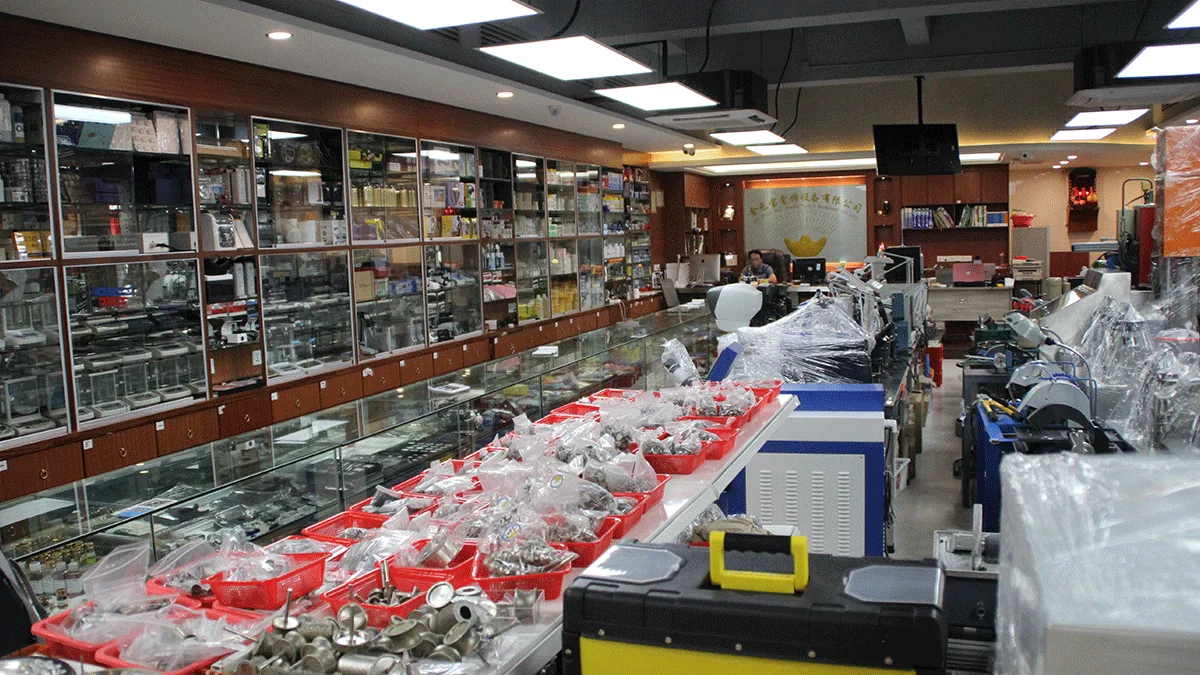
Mnf Goldsmith Jewelry Equipment Co., Ltd.
- Trading Company, Distributor/Wholesaler
- Guangdong, China
- Lead time7 days
- Avg. response≤ 9h
Main productsHandmade Jewelry tools,Casting Equipment,Polishing Machine,Jewelry Cleaners,Jewelry tester
Main marketsMid East(25.00%), South America(20.00%), Eastern Europe(20.00%), Western Europe(15.00%), South Asia(15.00%), Africa(5.00%)

- Verified by TUVRHEINLAND
- Trading Company,Manufacturer/Factory
- China Shandong
- Lead time15 days
- Avg. response≤ 7h
Main productsCNC Drilling Machine, CNC Punching Machine, Hydralic Shearing Machine, Press Brake, CNC Laser Cutting Machine, CNC Plasam Flame Cutting Machine, Angle Steel Line
Main marketsSouth America,Mid East,Southeast Asia,Africa
Foshan Shunde Maoduoyu Trading Co., Ltd.
- Manufacturer, Trading Company, Distributor/Wholesaler
- Guangdong, China
- Lead time0 days
- Avg. response≤ 1h
Main productsIndustrial machinery,Commercial machinery,Packaging machinery,Filling machinery,Food machinery
Main marketsNorth America(50.00%), Southeast Asia(10.00%), Mid East(10.00%), Central America(10.00%), Domestic Market(5.00%), Western Europe(5.00%), Northern Europe(3.00%), South Asia(2.00%), Oceania(1.00%), Eastern Asia(1.00%), Eastern Europe(1.00%), South America(1.00%), Africa(1.00%)

Dongguan Glorymaq Technology Co., Ltd
- Verified by BV
- Combined
- China Guangdong
- Lead time45 days
- Avg. response≤ 1h
Main productsCNC Vertical Machining Center, CNC Lathe, CNC Gantry Machining Center, CNC Drilling and Tapping Machine, CNC Engraving Machine, CNC Horizontal Machining Center, CNC Turning Machine, Milling Machine, 5 Axis CNC Machine, CNC Milling Machine
Main marketsSouth America,Europe,North America


Dual Function CNC Engraving Machine with Engraving and Cutting Ability
$35000.00 - $39800.00
MOQ: 1 unit

Smooth Cutting CNC Engraver for Acrylic Advertising Material Processing
$35000.00 - $39800.00
MOQ: 1 unit

Portable Mini CNC Engraving Machine for Home DIY Wood Jewelry Marking
$44800.00 - $51800.00
MOQ: 1 unit

Xiaohoo Intelligent Technology Co., Ltd.
- Verified by SGS
- Trading Company
- China Guangdong
- Lead time23 days
- Avg. response≤ 3h
Main products3D Printer, Material, Laser Engraving Machine
Main marketsDomestic
Shenzhen Hajet Jewelry Equipment Co., Ltd.
- Manufacturer, Distributor/Wholesaler
- Guangdong, China
- Lead time7 days
- Avg. response≤ 2h
Main productsWax Injector,Stone Setting Machine,Spot Welder,Stone Setting Microscope,Steam Cleaning Machine
Main marketsDomestic Market(30.00%), Western Europe(20.00%), Southern Europe(10.00%), Oceania(5.00%), North America(5.00%), Eastern Europe(5.00%), South America(4.00%), Africa(3.00%), South Asia(3.00%), Southeast Asia(3.00%), Northern Europe(3.00%), Central America(3.00%), Mid East(3.00%), Eastern Asia(3.00%)

Jinan Zhongke CNC Equipment Co., Ltd.
- Verified by BV
- Combined
- China Shandong
- Lead time30 days
- Avg. response≤ 12h
Main productsCNC Router, Wood Engraving Machine, Plasma Cutting Machine, Laser Engraving Machine, Metal Die Milling Machine, Laser Cutting Machine, Wood Carving Machine, Aluminum Board Cutting Machine, Laser Marking Machine, CNC Cutting Machine
Main marketsSouth America,Africa,Southeast Asia/ Mideast,East Asia(Japan/ South Korea),Domestic,Europe
Wuhan Optical Valley Laser Equipments Co., Ltd.
- Verified by SGS Group
- Manufacturer, Trading Company
- Lead time5 days
- Avg. response≤ 4h
Main productsLaser Marking Machine, Laser Cutting Machine, Laser Welding Machine, Laser Cleaning Machine, CNC Automation Equipment
Main marketsWestern Europe(30%), North America(20%), Northern Europe(10%)
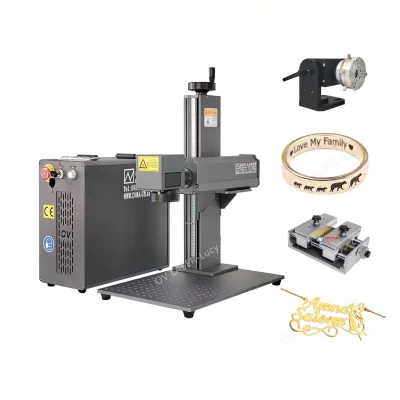
$808.0883 - $2796.1916
MOQ: 1 Minimum
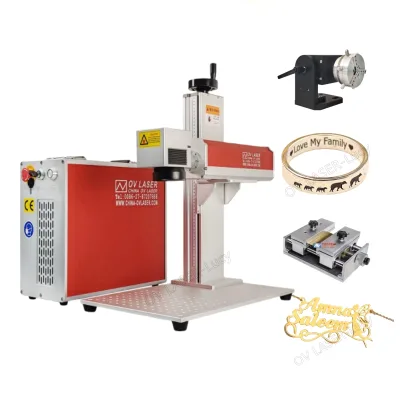
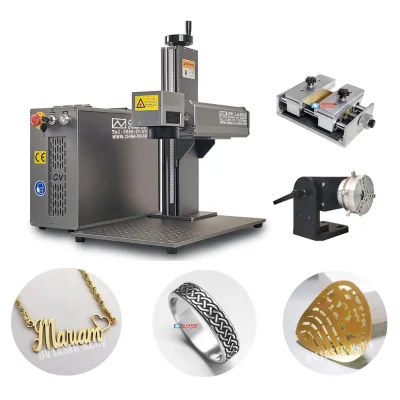
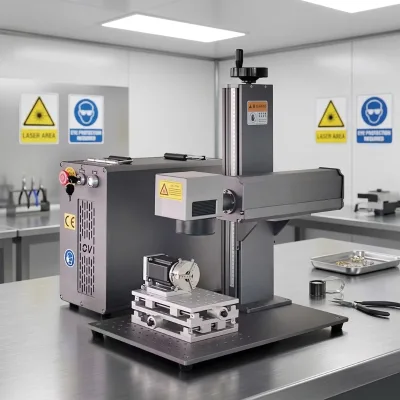

Jinan Sintech Cnc Equipment Co,Ltd
- Verified by SGS
- Combined
- China Shandong
- Lead time23 days
- Avg. response≤ 3h
Main productsCNC Router, CNC Laser Machine, CNC Glass Cutting Machine, Digital Cutting Machine
Main marketsEurope


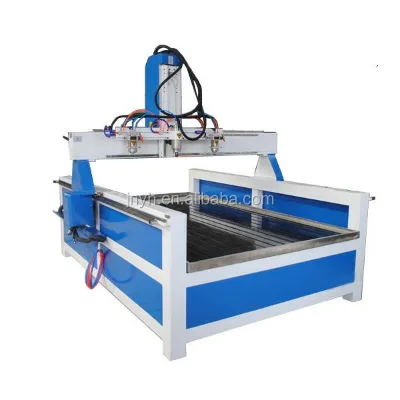
Cost Effective 3 Axis CNC Engraver Quality Assurance Fast Global Delivery
$3000.00 - $5000.00
MOQ: 1 Set

Wuhan Swanti Technology Co. Ltd.
- Verified by BV
- Manufacturer/Factory
- China Hubei
- Lead time15 days
- Avg. response≤ 5h
Main productsLaser Cleaning Machine, Laser Welding Machine, Laser Cutting Machine, Laser Marking Machine, UV Wall Printer, Other Laser Product, Laser System, Robot Welding Cutting
Main marketsSouth America,Eastern Europe,Mid East,North America,Southeast Asia,Eastern Asia,Oceania,Western Europe,Africa


3D Laser Engraver Crystal Craft Gift Custom Inside Laser Engraving Machine
$8500.00 - $15800.00
MOQ: 1 Sets


Perfect Laser (Wuhan) Co., Ltd.
- Verified by TUVRHEINLAND
- Combined
- China Hubei
- Lead time15 days
- Avg. response≤ 3h
Main productsLaser Engraving Machine, Laser Cutting Machine, Fiber Laser Marking Machine, Laser Welding Machine, DOT Peen Marking Machine, Channel Letter Bending Machine, Laser Cutter, Laser Engraver, Laser Cleaning Machine, CNC Router
Main marketsSoutheast Asia/ Mideast,East Asia(Japan/ South Korea),Europe,Australia,North America

Hot Sale Personalized Photo Inside Engraving 3D Crystal Laser Engraver Machine
$8000.00 - $13000.00
MOQ: 1 Pieces


Shandong Zhongguangdian Optoelectronic Technology Co., Ltd.
- Verified by SGS
- Manufacturer/Factory
- China Shandong
- Lead time0 days
- Avg. response≤ 6h
Main productsLaser Engraving Machine

Guangzhou Docod Precision Group Limited
- Verified by BV
- Combined
- China Guangdong
- Lead time15 days
- Avg. response≤ 4h
Main productsContinuous Inkjet Printer, Tlj Online Printer, Tlj Handheld Printer, Dod Large Character Inkjet Printer, Tto Thermal Transfer Overprinter, Laser Marking Machine, Piezo Inkjet Pritner (Pij), Application Equipment, Clj Spare Parts
Main marketsSouth America,Africa,Southeast Asia/ Mideast,East Asia(Japan/ South Korea),Europe
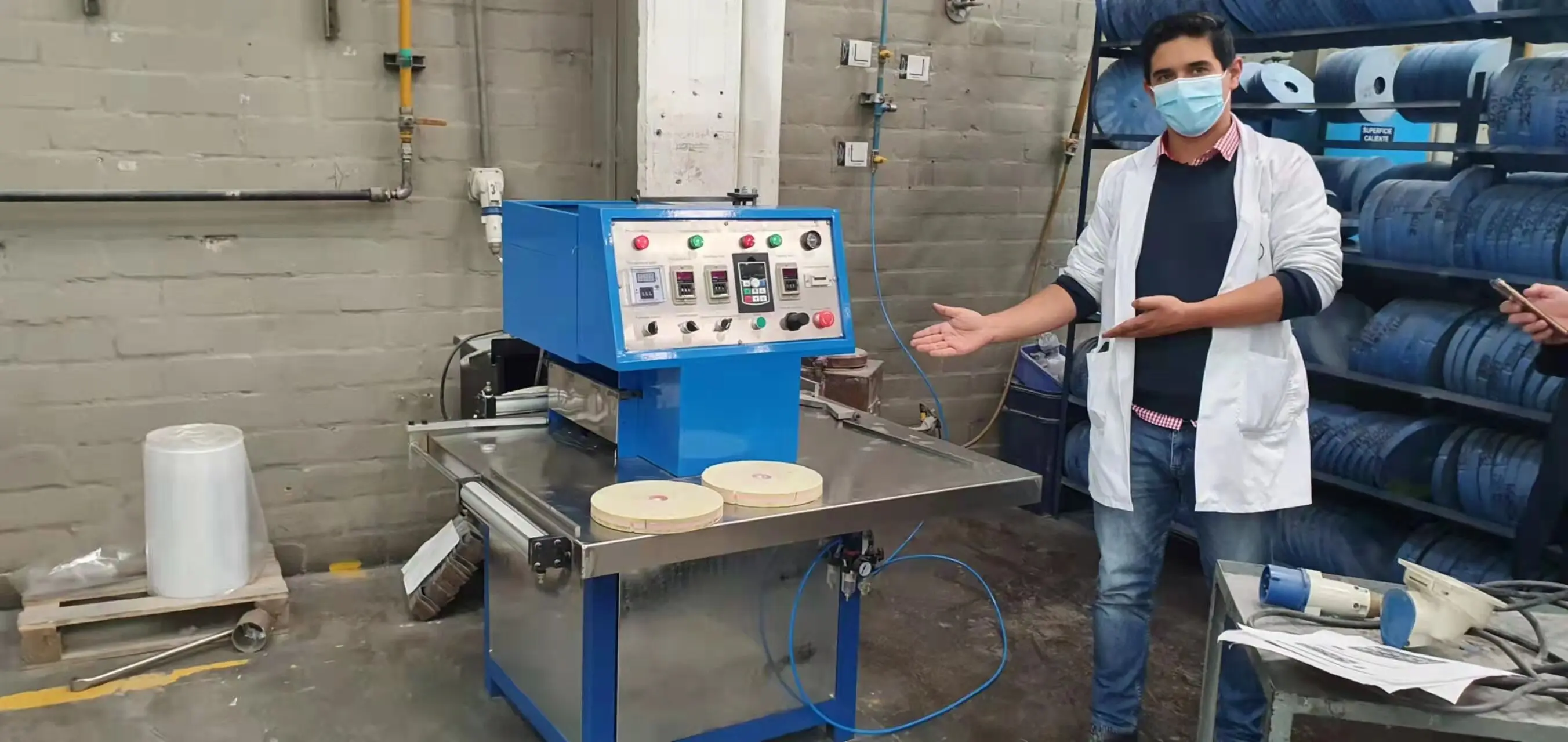
Yiwu Honghao Import And Export Co., Ltd.
- Trading Company
- Zhejiang, China
- Lead time25 days
- Avg. response≤ 6h
Main productsjewelry machines,Automatic centrifugal machine,Die Casting Machine,Centrifugal casting,Vibration polishing machine
Main marketsSouth America(40.00%), North America(20.00%), Southeast Asia(10.00%), Eastern Europe(10.00%), Mid East(8.00%), Africa(3.00%), South Asia(2.00%), Domestic Market(1.00%), Oceania(1.00%), Southern Europe(1.00%), Northern Europe(1.00%), Central America(1.00%), Western Europe(1.00%), Eastern Asia(1.00%)

Hebei Like Laser Equipment Co., Ltd.
- Combined
- China Hebei
- Lead time30 days
- Avg. response≤ 6h
Main productsGlass Laser Cutting Machine, Glass Laser Drilling Machine, Mirror Laser Engraving Machine, Mirror Laser Sandblasting Machine, Glass Laser Film Removal Machine, Glass Laser Internal Engraving Machine, CNC Glass Cutting Machine, Frame Bending Machine, Large Format Laser Etching Machine, Glass Laser Cutting Machine Production Line
Main marketsSoutheast Asia/ Mideast,East Asia(Japan/ South Korea),Domestic,Europe,Australia

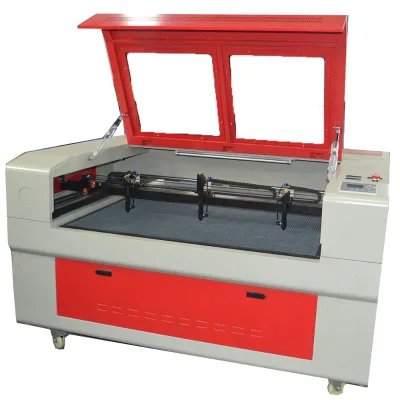
CNC Laser Engraving Cutting Machine/Iron Laser Cutting Machine/Machine Laser Cutting and Engraver
$15000.00 - $21100.00
MOQ: 1 Pieces

Laser Engraving and Cutting Machine/CNC Laser Cutting Machine/Laser Cutting Machinery
$15000.00 - $21100.00
MOQ: 1 Pieces

Laser Cutting Machinery/China Laser Cutting Machine/Laser Cutting Engraving Machine
$15000.00 - $21100.00
MOQ: 1 Pieces

- Verified by TUVRHEINLAND
- Manufacturer/Factory
- China Jiangsu
- Lead time15 days
- Avg. response≤ 1h
Main productsLaser Welding Machine, Laser Cutting Machine, Laser Cleaning Machine, Laser Marking Machine, CNC Machine, Laser Engraving Machine, CNC Cutting Machine, CNC Metal Cutting Machine, Tube Laser Cutting Machine, Laser Machine
Main marketsSouth America,Eastern Europe,Mid East,North America,Southeast Asia,Eastern Asia,Oceania,Western Europe,Africa

Low Price Pulse Metal CNC Jewelry Engraver Marking Fiber Laser Engraving Machine
$1500.00 - $8000.00
MOQ: 1 Pieces


Sichuan Magic Earth Technology Co., Ltd.
- Trading Company
- Sichuan, China
- Lead time15 days
- Avg. response≤ 1h
Main productsMicroscopes,Binoculars,monocular,Spotting scope,Jewelry tools
Main marketsNorth America(60.00%), Southeast Asia(12.00%), Domestic Market(8.00%), South America(5.00%), Western Europe(4.00%), Eastern Europe(4.00%), Southern Europe(3.00%), Mid East(1.00%), South Asia(1.00%), Central America(1.00%), Northern Europe(1.00%)
Jinan Frimcnc Equipment Co., Ltd.
- Trading Company
- Shandong, China
- Lead time15 days
- Avg. response≤ 1h
Main productsCNC Router,Laser Machine,CNC Wood Lathe,CNC Metal Mould Machine,Fiber Laser Cutting Machine
Main marketsAfrica(15.00%), North America(15.00%), Mid East(10.00%), South America(10.00%), Southeast Asia(10.00%), Domestic Market(10.00%), Eastern Europe(5.00%), South Asia(5.00%), Northern Europe(5.00%), Central America(5.00%), Western Europe(5.00%), Eastern Asia(5.00%)
Jinan Jindiao Technology Co., Ltd.
- Manufacturer, Trading Company
- Shandong, China
- Lead time7 days
- Avg. response≤ 4h
Main productsLaser Engraving Machine / Laser Cutting Machine / CNC Router / Plasma Cutting Machine / Fiber Laser Cutting Machine,laser cutting machine,laser cutter,cnc laser,fiber laser cutting machine
Main marketsSouth America(20.00%), North America(20.00%), Western Europe(10.00%), Eastern Europe(8.00%), Southern Europe(7.00%), Central America(5.00%), Africa(5.00%), Southeast Asia(5.00%), Northern Europe(5.00%), Oceania(5.00%), Mid East(3.00%), South Asia(3.00%), Domestic Market(2.00%), Eastern Asia(2.00%)
Fujian Aite Precision Machinery Co., Ltd.
- Verified by TüVRheinland
- Manufacturer, Trading Company
- Lead time15 days
- Avg. response≤ 1h
Main productsBrushless Nail Drills, Mechanic Grinders, Brushless Jewelry Grinders, Brushless Denture Grinders, Brushless Grinder
Main marketsNorth America(55%), Western Europe(35%), Mid East(10%)
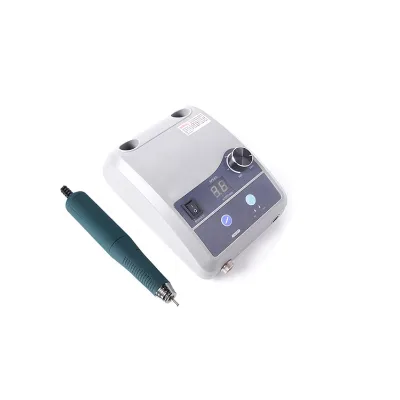
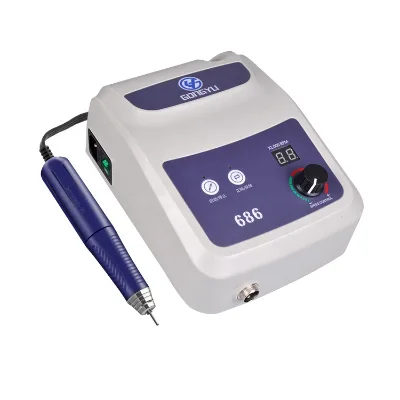
Engraver Engraving Desktop Carving Cutting Machine CNC DIY 3d Engraving Machines
$44.1664 - $81.4617
MOQ: 1 Minimum
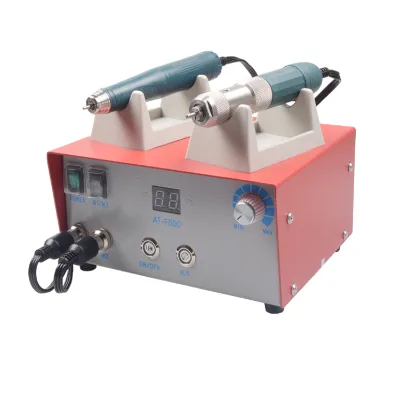
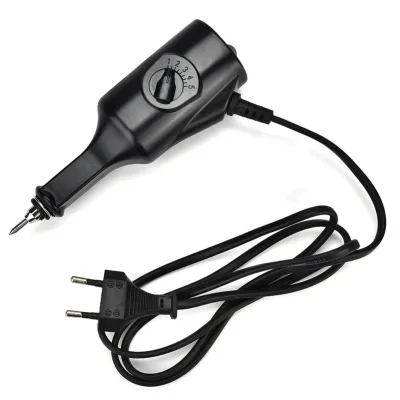
Rotary Polishing Machine DIY Engraving Pen Gold Jewelry Carving Machine
$67.8945 - $192.5756
MOQ: 1 Minimum
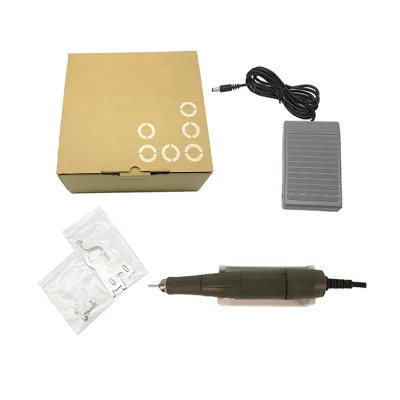
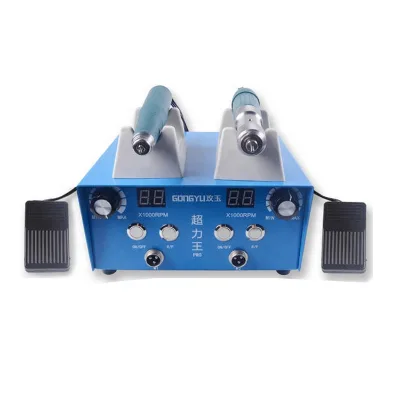
90000RPM Hot Sale Best Metal Engraving and Cutting Machine for Jewelry
$184.4104 - $216.8901
MOQ: 1 pieces
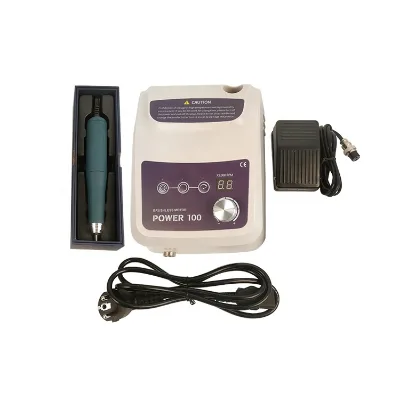
60000rpm 250W Hot Sale Jewel Stone Engraving Machine Tools Manufacturers
$111.8903 - $130.6621

Anhui Weilan Machine Tool Manufacturing Co., Ltd.
- Verified by CTI
- Combined
- China Anhui
- Lead time60 days
- Avg. response≤ 23h
Main productsCNC Machine, CNC Lathe, Vertical Machining Center, 5 Axis Machining Center, Milling Machine, Laser Cutting Machine, Horizontal Machining Center, Grinding Machine, Drilling Machine, Laser Welding
Main marketsDomestic


140W Diode Laser Engraver for Jewelry & Watches, Precision for Small Parts
$1500.00 - $1700.00
MOQ: 1 Pieces


Yangzhou Fengyue CNC Technology Co., Ltd.
- Verified by BV
- Combined
- China Jiangsu
- Lead time23 days
- Avg. response≤ 1h
Main productsStretch Wrapping Machine, Waste Shredder, Laser Marking Machine, Laser Cutting Machine
Main marketsSouth America,Southeast Asia/ Mideast,North America


Dual-Material Laser Engraver: Precision Engraving for Metal and Non-Metal
$983.68 - $1057.68
MOQ: 1 Pieces


Zhengzhou Honest Machinery Co., Ltd.
- Trading Company,Manufacturer/Factory
- China Henan
- Lead time15 days
- Avg. response≤ 5h
Main productsFood Machinery, Packing Machines, Microwave Equipment, Drying Machines, Grain Product Making Machines, Commodity Making Machines, Texitle Machines, Construction Machinery
Main marketsSouth America,Eastern Europe,Mid East,North America,Southeast Asia,Eastern Asia,Oceania,Western Europe,Africa

Wuhan HJZ Laser Technology Co., Ltd.
- Combined
- China Hubei
- Lead time15 days
- Avg. response≤ 7h
Main productsLaser Marking Machine, Laser Welding Machine, Laser Cutting Machine, Laser Cleaning Machine, Industrial Inkjet Printers, 3D Wall Inkjet Printer, CO2 Laser Engravers, UV Flat Printer, Dtf Flat Printer, Other Laser Equipment
Main marketsSouth America,Africa,Southeast Asia/ Mideast,East Asia(Japan/ South Korea),Domestic,Europe,Australia,North America
Jinan Yihai CNC Router Machinery Co., Ltd.
- Manufacturer, Trading Company
- Shandong, China
- Lead time10 days
- Avg. response≤ 4h
Main productsLaser cutting Machine,Laser welding machine,Laser cleaning machine,Laser marking machine,bending machine
Main marketsDomestic Market(70.00%), Mid East(9.27%), Southeast Asia(8.10%), North America(4.05%), South Asia(3.45%), South America(1.98%), Africa(1.83%), Northern Europe(0.99%), Oceania(0.33%)
Fuzhou Guanghui Metal Products Co., Ltd.
- Manufacturer, Trading Company
- Fujian, China
- Lead time20 days
- Avg. response≤ 2h
Main productsMachinery Equipment,Mould,Scales,Jewelry Packing,Balance
Main marketsDomestic Market(31.00%), Southeast Asia(15.00%), Mid East(10.00%), South America(8.00%), North America(6.00%), Western Europe(5.00%), Eastern Asia(5.00%), Eastern Europe(5.00%), Central America(5.00%), Oceania(3.00%), South Asia(2.00%), Southern Europe(2.00%), Africa(2.00%), Northern Europe(1.00%)
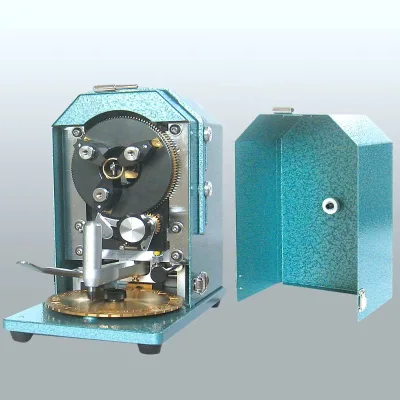
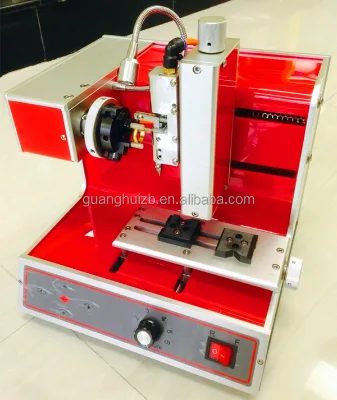
Power Driven Carving Machine for Jewelry Tools Gold Engraving Machine
$1000.00 - $2200.00
MOQ: 1 Minimum

Dongguan Glory Star Laser Technology Co., Ltd.
- Verified by TUVRHEINLAND
- Combined
- China Guangdong
- Lead time30 days
- Avg. response≤ 1h
Main productsFiber Laser Cutting  Machine, Metal Laser  Cutting  Machine, Tube Laser Cutting  Machine, Laser Welding Machine, Sheet Metal Fiber Laser Cutting Machine, Bending Machine
Main marketsDomestic
Guangzhou JYC Jewelry Technology Co., Ltd.
- Manufacturer, Trading Company, Distributor/Wholesaler
- Guangdong, China
- Lead time30 days
- Avg. response≤ 4h
Main productschain making machine,jewelry machine,jewelry tools,steel jewelry,brass jewelry
Main marketsWestern Europe(20.00%), South Asia(15.00%), Mid East(15.00%), Northern Europe(15.00%), Central America(10.00%), Eastern Asia(10.00%), South America(5.00%), Southern Europe(5.00%), Eastern Europe(5.00%)
Guangzhou Liwan Guanghui Tools And Equipment Firm
- Verified by TüVRheinland
- Trading Company
- Lead time3 days
- Avg. response≤ 2h
Main productsLaser Marking Machine, Laser Welding Machine, Gold And Silver Casting Machine, Jewelry Polishing Machine
Main marketsNorth America(50%), Mid East(30%), Southeast Asia(5%)


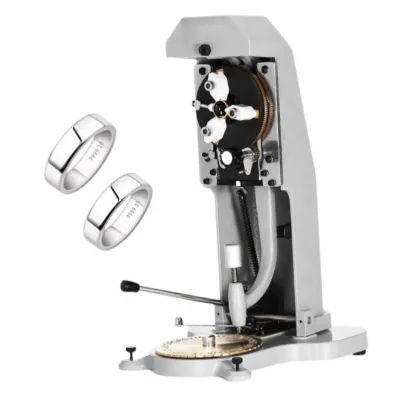
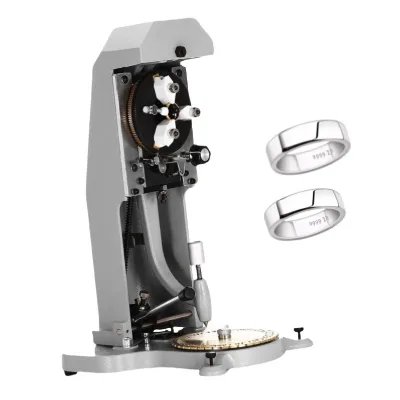


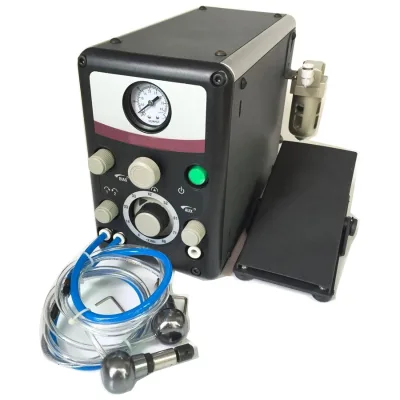
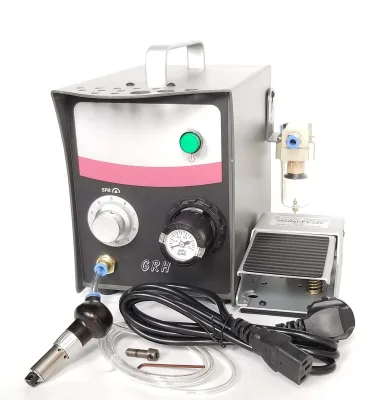






Comprehensive Sourcing Guide
Personalized Jewelry Engraving CNC Engraver Supplier Concentration and Factory Types
The current supplier landscape for Personalized Jewelry Engraving CNC Engraver equipment reveals a distinct concentration of manufacturing and trading entities within Guangdong, China. This region serves as a primary hub for the production of specialized jewelry tools, including casting equipment, polishing machines, and various testing instruments. The presence of these suppliers in Guangdong indicates a mature industrial ecosystem capable of supporting complex machinery production. Buyers evaluating this market should note that the majority of available options are categorized as trading companies or distributors rather than direct manufacturers. This structural distinction is critical for understanding the supply chain dynamics, as trading companies often aggregate products from multiple factories to offer a broader catalog. Consequently, the sourcing strategy must account for the intermediary nature of many suppliers, which can impact communication efficiency and direct factory access. The concentration in this specific geographic area suggests that logistics and component sourcing are optimized for this type of industrial equipment, potentially offering competitive advantages in terms of supply chain stability.
In addition to the trading companies, there are also manufacturer-factory hybrids present in the broader Chinese market, such as those located in Shandong. These entities often possess verified capabilities, such as TÜV Rheinland certification, which signals a higher level of operational compliance and quality control. The main products listed by these suppliers range from CNC drilling and punching machines to hydraulic shearing and laser cutting equipment, indicating a diverse industrial base. While the core keyword focuses on jewelry engraving, the underlying machinery often shares technological similarities with broader woodworking or metalworking CNC routers. For instance, some suppliers offer 3-axis wood engravers that can be adapted for jewelry applications, highlighting the versatility of the equipment available. Buyers must carefully distinguish between suppliers specializing exclusively in jewelry tools and those offering general-purpose CNC machinery. The latter may provide more robust mechanical structures but might lack the specific software or tooling optimized for delicate jewelry work. Understanding this spectrum of factory types allows buyers to align their procurement goals with the appropriate supplier profile, whether they prioritize specialized jewelry expertise or general industrial robustness.
How to Verify Personalized Jewelry Engraving CNC Engraver Suppliers
Verifying the legitimacy and capability of suppliers requires a multi-layered approach that goes beyond simple product listings. One of the most effective methods is to check for third-party verification badges, such as TÜV Rheinland, which indicates that the supplier has undergone rigorous audits of their manufacturing processes and business practices. This verification provides a layer of trust that is essential when dealing with high-value machinery like CNC engravers. Buyers should also scrutinize the company type declared by the supplier, distinguishing between pure trading companies and those that list themselves as manufacturer-factory hybrids. While trading companies can offer convenience and variety, manufacturer-factory entities may provide better technical support and customization options. It is crucial to confirm these details through the platform’s verification tools rather than relying solely on self-reported information. Additionally, examining the supplier’s response time can offer insights into their operational efficiency. A response time of under seven hours, for example, suggests a responsive customer service team that can address technical queries promptly, which is vital for resolving issues related to machine setup or software integration.
Another critical aspect of verification is assessing the supplier’s product portfolio and technical specifications. Buyers should look for detailed product attributes that align with their specific needs, such as the place of origin, material composition, and brand name. For instance, some CNC engravers are sourced from South Korea or Korea, featuring stainless steel construction and specific brand names like Redt. These details help in identifying the quality tier and technological origin of the equipment. Furthermore, checking for certifications like CE on products such as CNC routers ensures compliance with international safety and quality standards. Buyers should also verify the supplier’s ability to handle customization, as indicated by attributes like "Customization: Available." This is particularly important for personalized jewelry engraving, where specific design requirements may necessitate tailored solutions. By combining verification badges, company type analysis, response time metrics, and detailed product specifications, buyers can build a comprehensive profile of each supplier. This thorough due diligence minimizes the risk of partnering with unreliable vendors and ensures that the selected supplier can meet the technical and operational demands of the business.
What to Compare Across Personalized Jewelry Engraving CNC Engraver Suppliers
When evaluating multiple suppliers, it is essential to compare key operational metrics such as lead time, minimum order quantity (MOQ), and pricing structures. Lead times can vary significantly, with some suppliers offering a seven-day turnaround while others may require up to fifteen days. This difference can impact inventory management and order fulfillment strategies, making it crucial to align supplier capabilities with business timelines. Similarly, MOQs provide insight into the supplier’s flexibility and target market. Some suppliers have an MOQ of just one piece, which is ideal for small businesses or prototyping phases, while others may have higher thresholds. Comparing these metrics allows buyers to identify suppliers that match their volume requirements and cash flow constraints. Additionally, response times serve as a proxy for customer service quality. Suppliers with faster response times, such as those under seven hours, are likely more attentive to buyer inquiries and potential issues. This responsiveness can be a decisive factor in maintaining smooth communication throughout the procurement process, especially when dealing with complex machinery that may require technical support.
Pricing and product specifications are also critical comparison points. Prices for CNC engravers can range widely, from approximately $280 to over $6,400, depending on the machine’s complexity, features, and brand. Buyers should compare not just the base price but also the value proposition, including included accessories, warranty terms, and software support. Product attributes such as material, brand name, and application scope should be closely examined to ensure compatibility with the buyer’s specific jewelry engraving needs. For example, some machines are designed for flat engraving, while others support 2.5D carving or multi-functional tasks like ring and pendant engraving. Comparing these technical details helps in selecting the most suitable equipment for the intended application. Furthermore, buyers should consider the supplier’s main products to gauge their expertise. Suppliers specializing in jewelry tools may offer better support for jewelry-specific tasks compared to those offering general industrial machinery. By systematically comparing lead times, MOQs, response speeds, pricing, and technical specifications, buyers can make informed decisions that balance cost, quality, and operational efficiency.
Common Personalized Jewelry Engraving CNC Engraver Sourcing Risks
One of the primary risks in sourcing CNC engraving equipment is the potential mismatch between supplier claims and actual product capabilities. Buyers may encounter suppliers who list general-purpose CNC routers as suitable for jewelry engraving without disclosing necessary adaptations or limitations. This can lead to inefficiencies or poor quality output if the machine lacks the precision or software required for delicate jewelry work. Another significant risk is the variability in quality control, especially when dealing with trading companies that source from multiple factories. Without direct oversight, buyers may receive products that do not meet the specified standards or certifications. This risk is compounded by the lack of standardized testing procedures across different suppliers, making it difficult to assess the true durability and performance of the machinery. Additionally, the complexity of CNC software and integration can pose challenges if the supplier does not provide adequate technical support or training. Buyers must be vigilant in verifying that the supplier can offer comprehensive support, including software updates and troubleshooting assistance, to ensure smooth operation.
Logistical and compliance risks are also prevalent in international sourcing. Shipping heavy machinery like CNC engravers involves significant costs and potential damage risks if not packaged correctly. Buyers should verify that suppliers use appropriate packaging, such as wooden boxes or foam-lined cartons, to protect the equipment during transit. Furthermore, compliance with local regulations and safety standards is crucial. Suppliers must provide valid certifications, such as CE, to ensure the machinery meets international safety requirements. Failure to verify these certifications can result in customs delays or legal issues upon import. Another risk is the potential for hidden costs, such as import duties, taxes, or additional shipping fees, which can inflate the total cost of ownership. Buyers should also be cautious of suppliers with vague or inconsistent product descriptions, as this may indicate a lack of transparency or expertise. By identifying and mitigating these risks through thorough verification and clear communication, buyers can protect their investments and ensure a successful sourcing experience.
Personalized Jewelry Engraving CNC Engraver Regional Sourcing and Logistics
Sourcing from specific regions like Guangdong and Shandong offers distinct logistical advantages and challenges. Guangdong, as a major manufacturing hub, provides access to a dense network of suppliers and components, which can reduce lead times and shipping costs. The region’s infrastructure supports efficient export processes, making it easier to manage international shipments. However, buyers must also consider the competitive nature of this market, which can lead to price fluctuations and varying service levels. Shandong, on the other hand, is known for its heavy industrial machinery production, offering robust and durable equipment. Suppliers in this region may have different logistical capabilities, potentially affecting shipping times and costs. Buyers should evaluate the supplier’s location in the context of their own supply chain needs, considering factors such as proximity to ports and availability of reliable freight forwarders. Additionally, regional differences in labor costs and manufacturing practices can influence the overall price and quality of the equipment. Understanding these regional dynamics allows buyers to make strategic decisions that optimize their sourcing efficiency and cost-effectiveness.
Logistics planning also involves managing the complexities of international shipping for heavy and sensitive machinery. Buyers should work with suppliers who have experience in exporting similar equipment to ensure proper packaging and handling. This includes verifying that the supplier uses appropriate materials, such as bubble bags, foam, and sturdy cartons, to protect the machinery during transit. Buyers should also consider the shipping weight and dimensions, as these factors impact freight costs and handling requirements. For instance, some CNC engravers have a shipping weight of around 11kg, while others may be heavier, requiring special handling arrangements. Additionally, buyers should be aware of the power supply requirements, as different regions use different voltages and frequencies. Ensuring that the machinery is compatible with the local power grid is essential to avoid operational issues. By carefully planning the logistics and considering regional factors, buyers can minimize risks and ensure that the equipment arrives in optimal condition, ready for immediate use.
Personalized Jewelry Engraving CNC Engraver Commercial Terms and Order Planning
Commercial terms and order planning are critical components of a successful sourcing strategy. Buyers should negotiate clear terms regarding payment methods, warranty coverage, and after-sales support. It is advisable to use secure payment platforms that offer buyer protection, such as escrow services, to safeguard transactions. Additionally, buyers should clarify the warranty period and the process for claiming repairs or replacements, as this can significantly impact the long-term cost of ownership. Order planning involves determining the appropriate quantity and timing of purchases to align with business needs. Buyers should consider the supplier’s lead time and MOQ when planning orders, ensuring that inventory levels are optimized to meet demand without excessive holding costs. For suppliers with a seven-day lead time, buyers can maintain leaner inventory, while those with longer lead times may require more advanced planning. Furthermore, buyers should explore options for customization and OEM services, which can provide a competitive edge by offering unique products. By establishing clear commercial terms and effective order planning, buyers can streamline their procurement process and enhance operational efficiency.
Another important aspect of order planning is the evaluation of total cost of ownership, which includes not just the purchase price but also shipping, installation, and maintenance costs. Buyers should request detailed quotes that break down these costs to avoid unexpected expenses. Additionally, buyers should consider the supplier’s capacity for handling large orders, as this can impact delivery times and reliability. Suppliers with OEM and ODM capabilities may offer more flexibility in meeting specific requirements, but buyers should verify their production capacity to ensure timely delivery
FAQs
What is the price range for personalized jewelry CNC engravers?
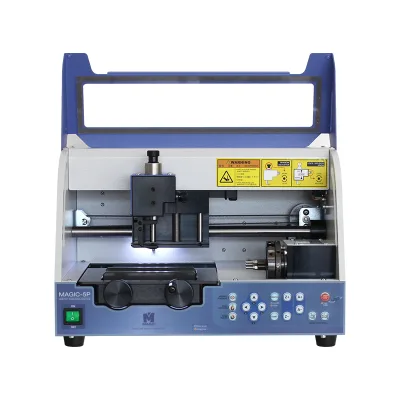
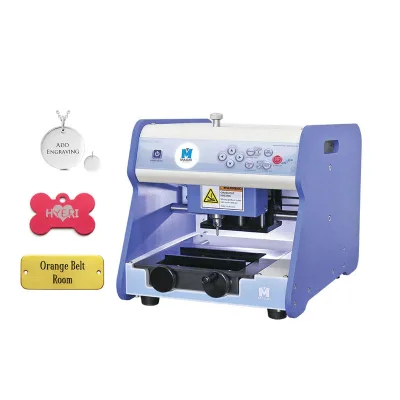
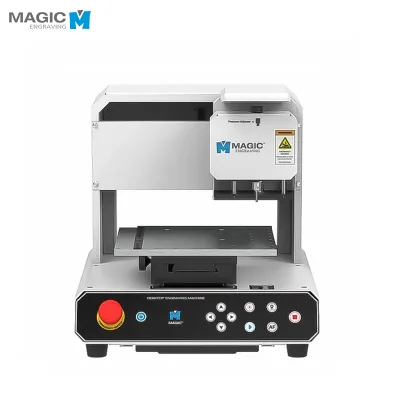
Prices for these machines vary significantly based on functionality and origin. For instance, a Korean-made Magic-5P unit is listed at 6440.00, while a Chinese pneumatic model starts around 575.76. Other options like the Magic-E3 range from 3366.36 to 4376.27. Buyers should check specific product listings for exact pricing tiers and currency details.
Where are these jewelry engraving machines manufactured?
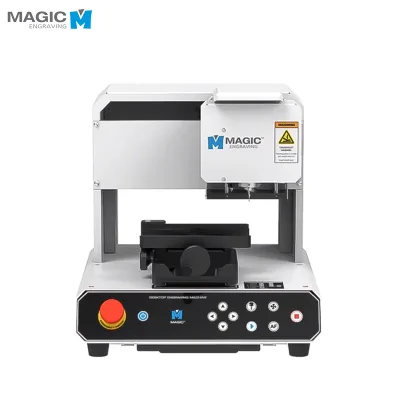
Manufacturing origins for these tools include both China and South Korea. Some suppliers are located in Guangdong, China, while specific products like the Magic-5P and Magic-S3 list their place of origin as Korean or South Korea. Buyers should verify the specific country of origin for each model to ensure compliance with import regulations and quality expectations.
What is the minimum order quantity for these engraving tools?
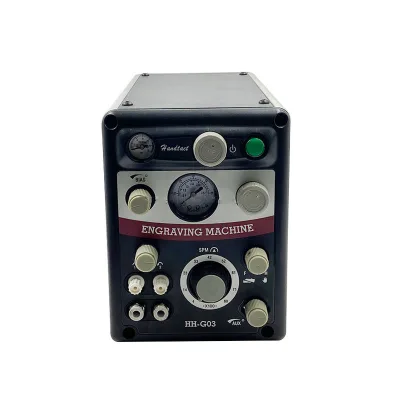
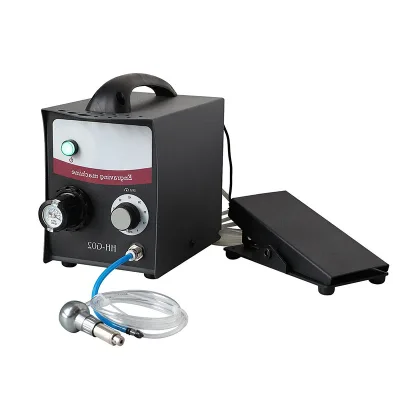
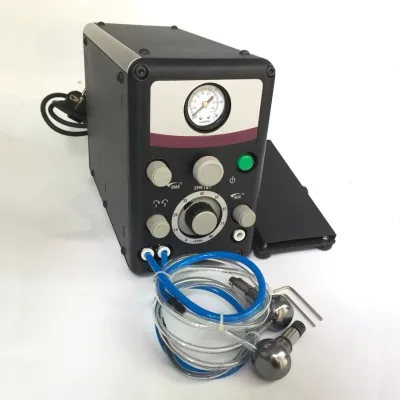
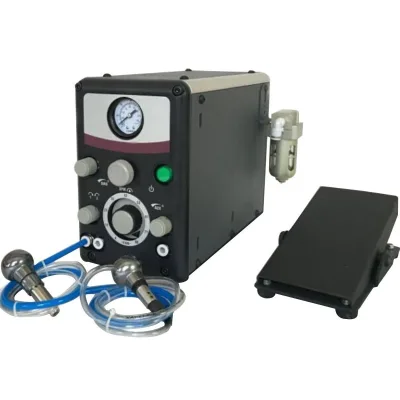
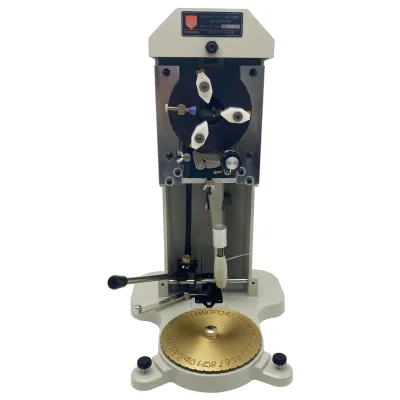
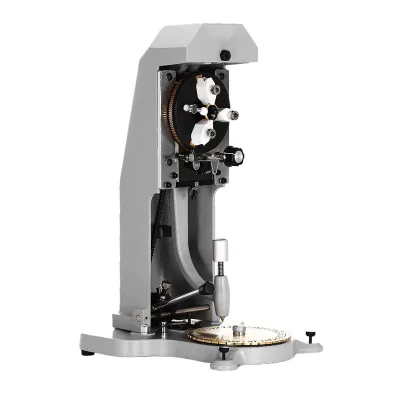
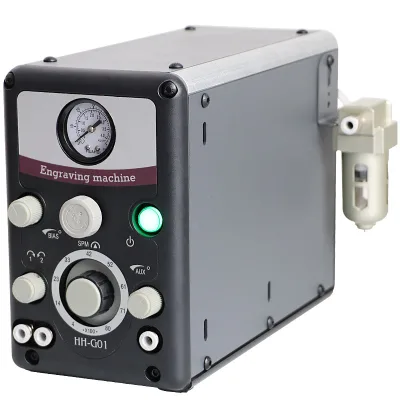
The minimum order quantity for many of these specialized engraving machines is just one piece. For example, the Double head Pneumatic Jewelry Engraver explicitly states an MOQ of 1pc. This low threshold allows buyers to purchase single units for testing or small-scale operations without committing to large bulk orders, facilitating easier entry into the market.
How quickly do suppliers typically respond to inquiries?
Response times for these suppliers vary, with some averaging around 9 hours and others responding in approximately 6.86 hours. Faster response times can indicate higher availability and better customer service readiness. Buyers should consider these metrics when selecting partners to ensure timely communication regarding technical specifications, pricing negotiations, and order processing requirements.
What certifications are available for CNC woodworking engravers?
CNC woodworking engravers, such as the 3-Axis Wood Engraver, often carry CE certification. This indicates compliance with European health, safety, and environmental protection standards. Buyers requiring specific regulatory compliance should verify the certification status directly with the supplier, as certifications may vary by model and manufacturer, ensuring the equipment meets local operational and legal requirements.
What is the typical lead time for these machines?
Lead times for these machines can range from 7 days to 15 days depending on the supplier and product complexity. Some suppliers offer a 7-day lead time, while others, particularly those handling larger industrial machinery like CNC routers, may require up to 15 days. Buyers should confirm specific delivery schedules with their chosen supplier to align with production timelines.