Source Personalized Jewelry Engraving CNC Engraver for Necklace, Bracelet, Earring
Compare 30 Personalized Jewelry Engraving CNC Engraver options from global suppliers. These machines support flat and ring engraving with automatic or manual modes, featuring stainless steel construction and varying power ratings for diverse jewelry making needs; compare the available evidence and request quotations based on your requirements.
Updated
Key considerations
Products List
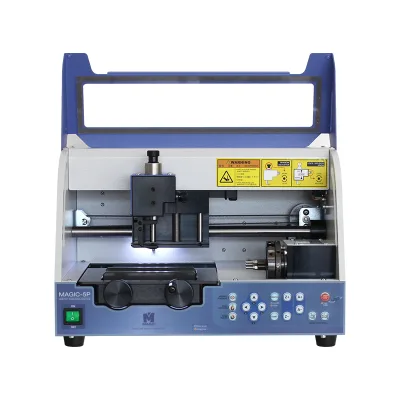
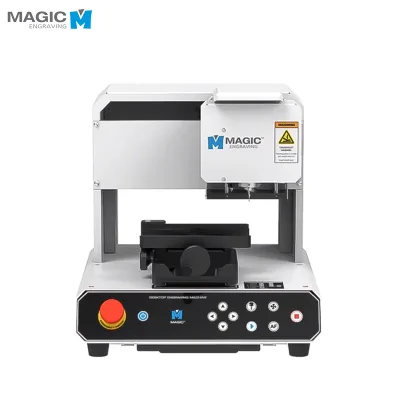
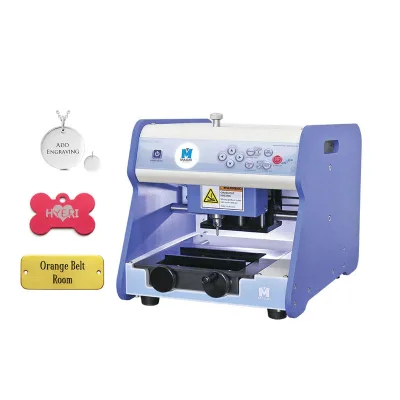
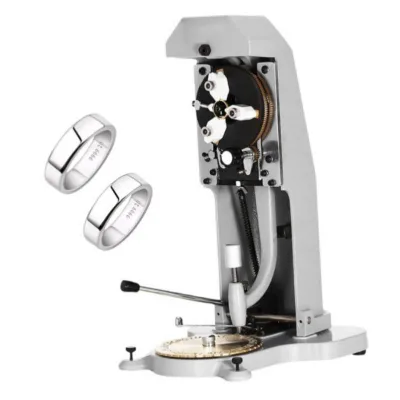
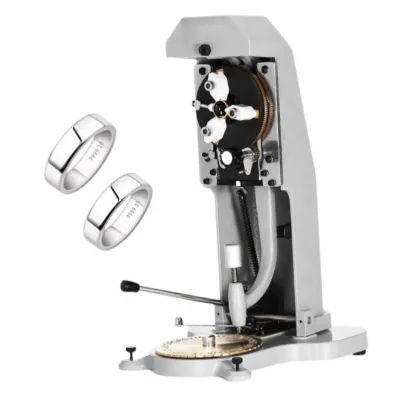


Smooth Cutting CNC Engraver for Acrylic Advertising Material Processing
$35000.00 - $39800.00
MOQ: 1 unit

Portable Mini CNC Engraving Machine for Home DIY Wood Jewelry Marking
$44800.00 - $51800.00
MOQ: 1 unit


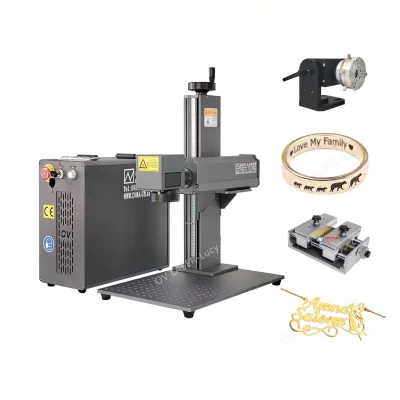
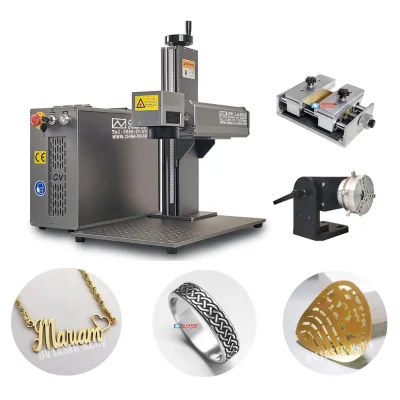


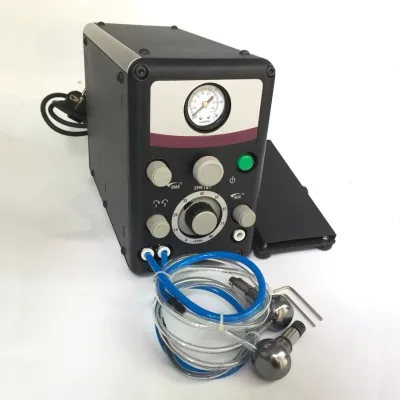

Comprehensive Sourcing Guide
Personalized Jewelry Engraving CNC Engraver Sourcing Guide
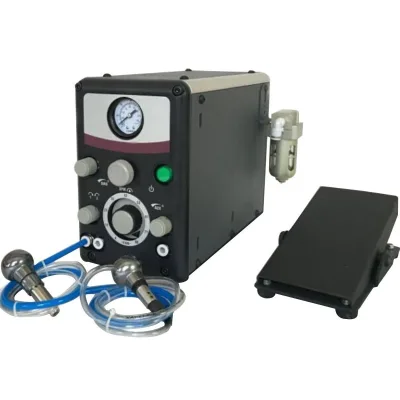
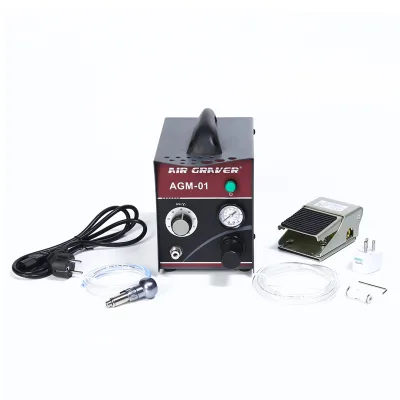
Sourcing the right equipment for custom jewelry production requires a clear understanding of the specific engraving technologies available in the current market. Buyers must distinguish between laser-based systems and mechanical dot peen machines, as each offers distinct advantages for different materials and design complexities. The observed product landscape includes specialized tools for flat and ring engraving, with origins ranging from South Korea to Guangdong, China. This geographic diversity often correlates with variations in build quality, software integration, and after-sales support structures.
Procurement decisions should be driven by the specific jewelry items being produced, such as necklaces, bracelets, earrings, or rings. The available listings indicate a strong focus on versatile tools capable of handling multiple jewelry types, with some units specifically designed for flat cutting and engraving tasks. Understanding the operational mode, whether automatic or manual, is critical for determining labor efficiency and throughput. Buyers must align their equipment choice with their production volume and the precision requirements of their final products to avoid over-investing in unnecessary capabilities or under-specifying for complex designs.
Product Scope and Observed Listing Signals
The current market for personalized jewelry engraving CNC engravers presents a wide spectrum of options, with observed prices ranging from approximately $149.20 to $51,800 USD. This vast disparity reflects differences in machine type, brand reputation, and technological sophistication. Listings include both compact, entry-level units and more robust industrial machines, with minimum order quantities typically ranging from one to ten units. This flexibility allows small workshops to start with single units while larger manufacturers can procure batches for scaling operations. The selling units are generally listed as single items, simplifying the initial procurement process for individual buyers.
Material compatibility is a key differentiator among the available options, with stainless steel and metal being the primary materials supported by the observed listings. Brands such as Redt are present in the market, offering specific models like Magic-5P and Magic-E3 tailored for different engraving needs. The color and size specifications vary, with some machines designed specifically for flat ring engraving and others for flat cutting and engraving tasks. Buyers should carefully review these physical attributes to ensure the machine fits their workspace and handles the specific jewelry materials they intend to process, avoiding mismatches between machine capability and material requirements.
Technical Specifications to Verify
When evaluating technical specifications, buyers must prioritize the engraving speed and processing precision to ensure production efficiency and quality. Observed data indicates engraving speeds ranging from 0 to 7200 mm/min for certain models, while others operate at 500 mm/s, highlighting the need to match speed with desired detail levels. Processing precision is a critical factor, with some machines offering a precision range of 0.03 to 0.04 mm, which is essential for intricate jewelry designs. The milling cutter diameter, observed between 1 and 5 mm, also plays a significant role in determining the fineness of the engraving details and the types of designs that can be executed effectively.
Power consumption and voltage requirements are vital for operational planning and facility preparation. Listings show rated powers of 300W or 300 W, with voltages specified as 220 V or 0, indicating potential variability in power standards across different regions or models. The main axle rotational speed, observed at 400/s, contributes to the overall performance and stability of the engraving process. Additionally, the feeding height, which ranges from 0-300mm for some units and 1.5-2mm for others, dictates the size and shape of the jewelry items that can be processed. Buyers must verify these specifications against their production needs to ensure compatibility and optimal performance.
Compliance and Safety Documentation
Compliance with international safety and quality standards is non-negotiable for industrial machinery, particularly in the jewelry engraving sector. Buyers should verify that the equipment carries relevant certifications, such as CE, which indicates conformity with health, safety, and environmental protection standards for products sold within the European Economic Area. The presence of a machinery test report is another critical document that provides evidence of the machine's performance and reliability under standard operating conditions. These documents serve as proof that the manufacturer has subjected the equipment to rigorous testing protocols, ensuring it meets established industry benchmarks for safety and functionality.
Warranty terms and core component reliability are essential aspects of the compliance and safety framework. Observed warranty periods vary, with some listings offering a 3-month warranty and others providing a 1-year warranty, reflecting differences in manufacturer confidence and support structures. The core components, such as PLCs, pumps, and pressure vessels, are critical to the machine's operation and longevity. Buyers must ensure that these components are sourced from reputable suppliers and are covered under the warranty agreement. Understanding the scope of the warranty and the availability of replacement parts is crucial for minimizing downtime and maintaining consistent production quality over the long term.
Cost Drivers and Commercial Terms
The total cost of ownership for a jewelry engraving CNC machine extends beyond the initial purchase price, encompassing energy consumption, maintenance, and operational efficiency. The observed rated power of 300W suggests moderate energy usage, but buyers should calculate long-term electricity costs based on their local rates and expected usage hours. The weight of the machines, ranging from 8 kg to 100 kg, impacts shipping costs and installation requirements, with heavier units potentially requiring specialized handling equipment or reinforced flooring. These logistical factors can significantly influence the overall budget, especially for international procurement where freight and insurance costs are substantial.
Commercial terms, including minimum order quantities and payment structures, play a pivotal role in the procurement strategy. With MOQs ranging from 1 to 10 units, buyers have flexibility to start small or invest in bulk, depending on their cash flow and production scale. The selling unit structure, typically as single items, simplifies pricing negotiations and inventory management. However, buyers should also consider the cost of additional accessories, software licenses, and training, which may not be included in the base price. Understanding the full commercial landscape, including potential discounts for larger orders and the terms of after-sales support, is essential for making informed financial decisions.
Supplier Qualification and Quality Control
Supplier qualification is a critical step in ensuring the reliability and performance of the purchased jewelry engraving equipment. Buyers should assess the supplier's manufacturing capabilities, quality control processes, and track record in the industry. The observed place of origin, including South Korea and Guangdong, China, can provide insights into the supplier's expertise and technological advancements. Suppliers from these regions may have established reputations for producing high-quality engraving machines, but buyers must verify this through independent research and customer references. Evaluating the supplier's ability to provide technical support and spare parts is equally important for long-term operational success.
Quality control measures should be rigorously applied during the procurement process, including pre-shipment inspections and performance testing. Buyers should request detailed specifications and performance data for the specific models they are considering, ensuring that the machines meet their required standards for precision and speed. The availability of machinery test reports and certification documents provides additional assurance of quality. Establishing clear communication channels with the supplier for addressing any issues or concerns is essential for maintaining a productive relationship. Implementing a robust quality control protocol helps mitigate risks and ensures that the purchased equipment performs as expected in the buyer's production environment.
Long-Term Procurement Checks
Long-term procurement success depends on the ability to adapt to changing market demands and technological advancements. Buyers should regularly review their equipment performance and maintenance records to identify potential issues before they impact production. The warranty period, whether 3 months or 1 year, should be utilized effectively to address any defects or malfunctions promptly. Establishing a preventive maintenance schedule, including regular cleaning and calibration, can extend the lifespan of the engraving machines and maintain their precision over time. Staying informed about new models and technologies in the jewelry engraving sector allows buyers to make informed decisions about upgrades or replacements.
Building a strong relationship with the supplier is crucial for accessing ongoing support, spare parts, and potential upgrades. Buyers should maintain open lines of communication with the supplier to discuss any operational challenges or future needs. Participating in industry forums and networking with other jewelry manufacturers can provide valuable insights into best practices and emerging trends. By proactively managing their procurement strategy and maintaining their equipment, buyers can ensure consistent production quality and operational efficiency, ultimately supporting the growth and success of their jewelry business in a competitive market.
FAQs
What materials can a Personalized Jewelry Engraving CNC Engraver process?
These machines primarily process stainless steel and other metals for jewelry applications. They are suitable for creating necklaces, bracelets, earrings, and rings. The equipment supports flat and ring engraving tasks with high precision. Users can achieve detailed designs on various metal surfaces effectively.
Which certifications are available for these engraving machines?
Many models come with CE certification to ensure safety and compliance. This standard is common for machinery used in jewelry production. Buyers should verify specific documentation provided by the supplier. CE marking indicates adherence to European health, safety, and environmental protection standards.
How fast is the engraving speed on these devices?
Engraving speeds typically range from 500mm/s to 7200mm/min depending on the model. Some machines operate at a main axle rotational speed of 400/s. Processing precision is often around 0.03 to 0.04mm. Faster speeds allow for efficient production of personalized jewelry items.
What is the warranty period for these engraving tools?
Warranty periods vary, with some machines offering one year of coverage. Others may provide a three-month warranty for core components. Buyers should check the specific terms for PLC and pump components. Extended support options might be available through direct supplier negotiation.
Can these machines handle both flat and ring engraving?
Yes, specific models are designed for both flat and ring engraving tasks. Other units may specialize in flat cutting and engraving only. The choice depends on the required application for necklaces or rings. Users should select the size specification that matches their production needs.
What is the typical voltage requirement for these machines?
Most units operate on a standard 220 V power supply. Some specialized models may have different voltage requirements, such as 0 V for specific configurations. Always verify the electrical specifications before installation. Proper voltage matching ensures safe and efficient operation of the engraving equipment.