Source Braided Link Stainless Steel Chain for Drag, Conveyor, and Transmission
Find 30 options for Braided Link Stainless Steel Chain suitable for drag, conveyor, and transmission applications. Compare specifications including ASTM80 and DIN5685 models, heat and oil-resistant features, and customization services from Jiangsu, China suppliers; compare the available evidence and request quotations based on your requirements.
Updated
Key considerations
Products List


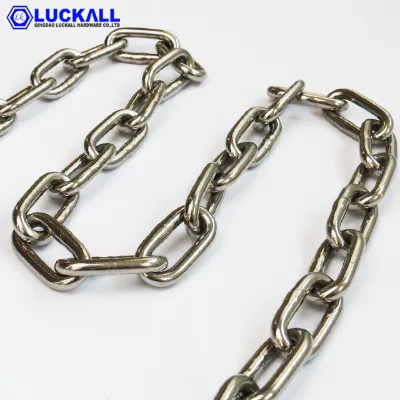
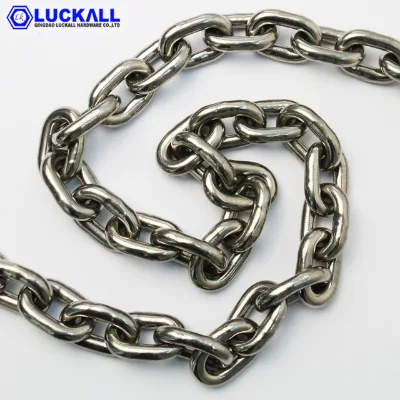
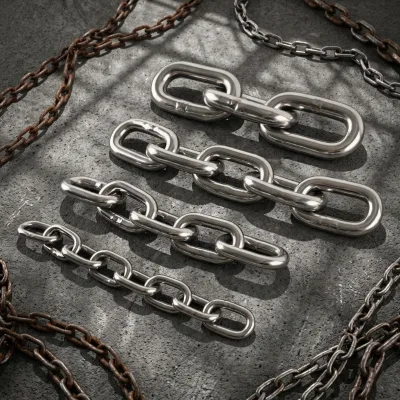


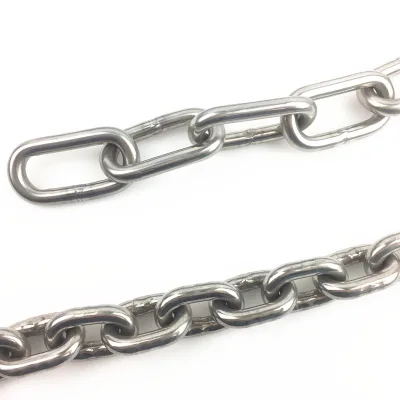
SS 304, SS 316 Stainless Steel Polished Link Chains, NACM Standard Burnished Stainless Chain
$1999.00 - $3500.00
MOQ: 1 tons
Comprehensive Sourcing Guide
Braided Link Stainless Steel Chain Sourcing Guide
Procuring braided link stainless steel chains requires a nuanced understanding of material grades and structural integrity, particularly when sourcing from major manufacturing hubs like Jiangsu, China. Buyers must distinguish between standard welded configurations and specialized combined or drag chain structures, as these variations directly impact load-bearing capacity and wear resistance. The observed market signals indicate a strong presence of stainless steel products, with specific mentions of 300 series grades including 316 A4 and 1.4401, which are critical for corrosive environments. Understanding these material distinctions is the first step in ensuring the selected chain meets the operational demands of your specific industry application.
Beyond material composition, the structural design of the chain plays a pivotal role in its performance. Listings frequently highlight features such as heat resistance and oil resistance, suggesting suitability for demanding industrial environments where standard carbon steel chains might fail. The observed product attributes range from simple round links to more complex combined chain structures, each offering different flexibility and strength profiles. Buyers should carefully evaluate whether a welded chain or a braided configuration better suits their transmission, drag, or conveyor needs, as the wrong choice can lead to premature failure and increased maintenance costs.
Product Scope and Observed Listing Signals
The current market landscape for stainless steel link chains reveals a diverse array of product models and specifications, ranging from ASTM80 and DIN5685 to custom sizes like 10mm and 1/2"*3/32". These variations indicate that suppliers cater to both standardized industrial requirements and bespoke project needs. The observed price range of 0-6000 USD suggests significant variability based on chain diameter, grade, and order volume, while minimum order quantities (MOQs) between 1 and 4000 units highlight the flexibility available to both small-scale testers and large-volume industrial buyers. This diversity allows procurement teams to find solutions that align precisely with their budgetary constraints and operational scale.
Packaging and shipping methods are also critical components of the product scope, with options including iron drums, steel pails, gunny bags, and wooden boxes. These packaging choices are not merely logistical details but reflect the need to protect the chain from damage during transit, especially for high-value stainless steel products. The observed shipment lead times of 15-20 days and up to 30 days provide a realistic timeline for planning inventory replenishment. Buyers should consider these logistical factors when evaluating suppliers, as delays in packaging or shipping can disrupt downstream production schedules and impact overall supply chain efficiency.
Technical Specifications to Verify
Verifying the technical specifications of stainless steel chains is essential to ensure compatibility with existing machinery and operational requirements. Buyers must confirm the exact chain size, such as 2mm-16mm or specific models like Nacm90, to ensure proper fitment with sprockets and other transmission components. The surface treatment, often described as polishing or polished, is a key indicator of quality and corrosion resistance, particularly for chains used in food processing or marine environments. Additionally, the technology used, such as normal welding or cold rolling, affects the chain's durability and should be verified against the intended application's stress levels.
Material grade verification is another critical technical check, with suppliers offering standards like SUS304, AISI, ASTM, DIN, EN, GB, and JIS. Buyers should request material test reports to confirm that the chain meets the specified grade, such as 300 series stainless steel, which offers superior corrosion resistance compared to lower grades. The shape of the chain, whether round link or other configurations, also impacts its performance in drag or conveyor applications. Ensuring that all technical specifications align with your engineering requirements prevents costly mismatches and ensures optimal performance in your specific industrial setting.
Compliance and Safety Documentation
Compliance with international standards is a non-negotiable aspect of sourcing industrial chains, particularly when operating in regulated industries. Buyers should verify that suppliers hold relevant certifications, such as ISO 9001, which indicates a commitment to quality management systems. The observed product standards, including GB/T 9944-2015 and EN 12385-4, provide a baseline for quality and safety, but buyers must ensure these standards are appropriate for their specific regional and industry requirements. Documentation such as material certificates and test reports should be readily available to confirm that the chain meets these compliance benchmarks.
Safety considerations extend beyond documentation to include the chain's performance under load and in harsh environments. Features like heat and oil resistance are not just marketing points but critical safety factors that prevent chain failure in high-temperature or lubricated settings. Buyers should inquire about any additional safety certifications or testing protocols that the supplier may offer, such as proof load testing or fatigue analysis. Ensuring that the chain meets all relevant safety standards protects your workforce and minimizes the risk of accidents or downtime due to chain failure.
Cost Drivers and Commercial Terms
Understanding the cost drivers behind stainless steel chain pricing is essential for effective budget management and supplier negotiation. The observed price range of 0-6000 USD is influenced by factors such as material grade, chain size, and surface treatment quality. Stainless steel grades like 316 A4 are more expensive than standard 304 due to their enhanced corrosion resistance, which can be a significant cost factor for buyers in corrosive environments. Additionally, customization options, such as OEM or ODM services, may incur additional costs but can provide tailored solutions that improve long-term value.
Commercial terms, including delivery terms like Ex-Warehouse, FOB, CFR, and CIF, play a crucial role in the total cost of ownership. Buyers should carefully evaluate these terms to understand who bears the risk and cost of shipping and insurance. The observed delivery times of 15-20 days and up to 30 days should be factored into your inventory planning to avoid stockouts. Negotiating favorable payment terms and volume discounts can also help mitigate costs, especially for large orders where MOQs are met. Understanding these commercial dynamics allows buyers to make informed decisions that balance cost and service quality.
Supplier Qualification and Quality Control
Supplier qualification is a critical step in ensuring the reliability and consistency of your stainless steel chain supply. Buyers should verify the supplier's manufacturing capabilities, including their ability to produce welded or combined chains with precise tolerances. The observed customization options, such as free samples and OEM/ODM services, indicate a level of flexibility that can be beneficial for testing and prototyping. However, buyers must also assess the supplier's quality control processes to ensure that every batch of chains meets the specified standards and performance criteria.
Quality control measures should include regular inspections of raw materials, production processes, and finished products. Buyers should request evidence of these controls, such as inspection reports or third-party audit results, to verify the supplier's commitment to quality. The observed product attributes, such as solid color or multi-colored options, may seem minor but can indicate attention to detail in the manufacturing process. Establishing a strong relationship with a qualified supplier ensures that you receive consistent, high-quality products that meet your operational needs and reduce the risk of supply chain disruptions.
Long-Term Procurement Checks
Long-term procurement success depends on establishing robust checks and balances to monitor supplier performance and product quality over time. Buyers should implement regular audits and performance reviews to ensure that the supplier continues to meet the agreed-upon standards and delivery timelines. The observed product models and standards, such as ASTM80 and DIN5685, should be periodically re-verified to ensure they remain relevant to your evolving operational needs. Continuous monitoring helps identify potential issues early, allowing for proactive corrective actions before they impact your production.
Additionally, buyers should maintain open communication with suppliers to stay informed about any changes in materials, processes, or standards. The observed lead times and delivery terms should be regularly reviewed to ensure they remain competitive and reliable. Building a long-term partnership with a supplier who demonstrates a commitment to quality and innovation can provide significant strategic advantages, including access to new technologies and improved pricing. By focusing on these long-term checks, buyers can secure a stable and efficient supply of stainless steel chains that support their business growth and operational excellence.
FAQs
What materials are used for braided link stainless steel chains?
These chains are manufactured from stainless steel, specifically utilizing 300 Series grades such as 316 A4 and 1.4401. The material selection ensures high durability and resistance to corrosion. This composition supports various industrial applications where strength and longevity are critical requirements for operational safety and efficiency.
Can I get a free sample of the stainless steel chain?
Yes, free samples are available for potential buyers to evaluate product quality before placing a bulk order. This allows you to verify the chain's specifications, such as the round link shape and polishing finish. It is a practical step to ensure the product meets your specific engineering and usage requirements.
What certifications do these stainless steel chains hold?
The products hold ISO 9001 certification, indicating adherence to international quality management standards. Additionally, they comply with various standards including ASTM, DIN, and GB/T 9944-2015. These certifications ensure that the manufacturing processes and final products meet rigorous industry benchmarks for safety and performance reliability.
What is the typical lead time for delivery?
The delivery time typically ranges from 15 to 30 days depending on order volume and specific requirements. Some listings indicate a standard shipment period of 30 days, while others offer faster turnaround times of 15 to 20 days. Buyers should confirm exact timelines with suppliers to align with their project schedules effectively.
What packaging options are available for stainless steel link chains?
Chains are packaged in various options including iron drums, steel drums, plastic reels, cartons, and gunny bags. The specific packaging depends on the chain size and model, such as 10mm or 3-12mm variants. These methods protect the product during transit and ensure it arrives in optimal condition for immediate industrial use.
What customization services are offered for these chains?
OEM and ODM services are available to meet specific client requirements. Customization options include adjusting chain sizes, such as 1/2 inch by 3/32 inch, and modifying surface treatments like polishing. This flexibility allows buyers to tailor the chains to unique application needs, ensuring perfect fit and performance in specialized drag or conveyor systems.