Source Star Shape Glass Beads for Jewelry, Art, and Garments
Find 30 listings for Star Shape Glass Beads sourced from China. Compare options in crystal, lampwork, and glass materials with diameters ranging from 2mm to 8mm. These beads are suitable for jewelry making, eyeglass decoration, and artistic gallery displays; compare the available evidence and request quotations based on your requirements.
Updated
Key considerations
Products List
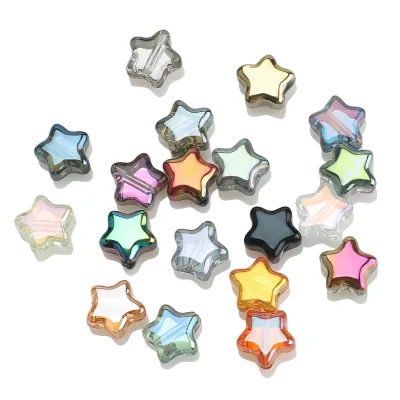
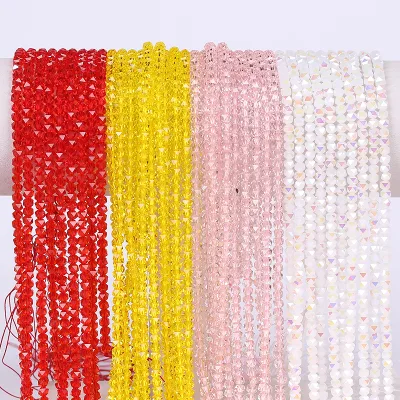
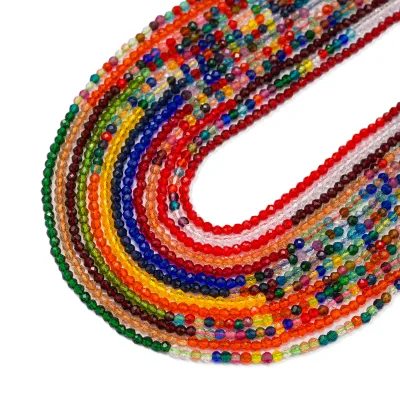


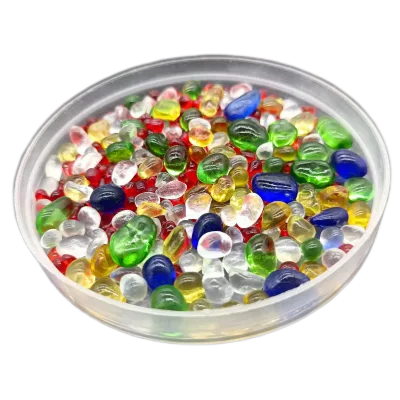
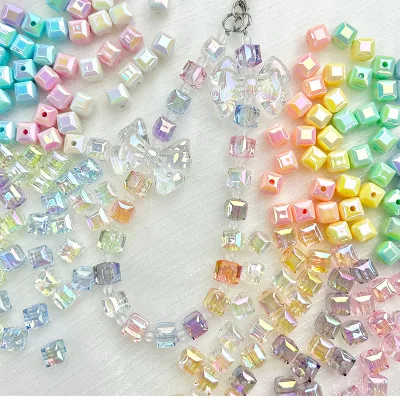

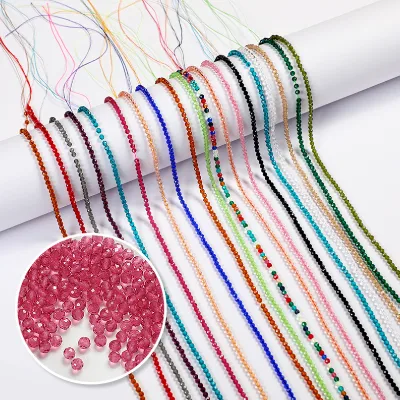
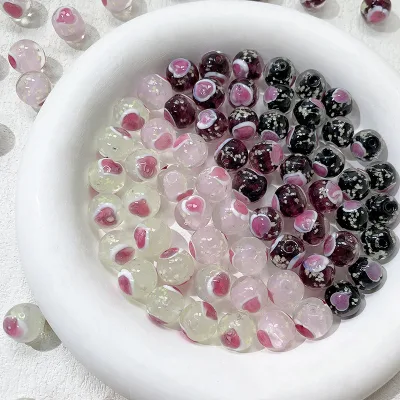
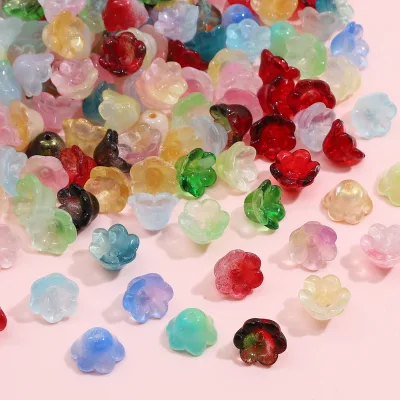
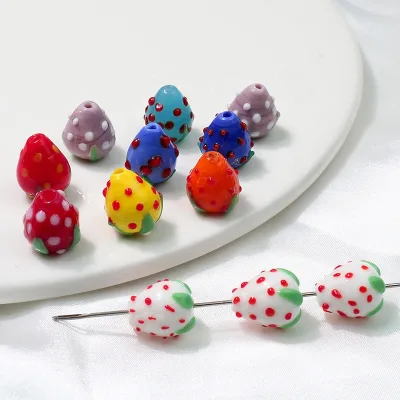
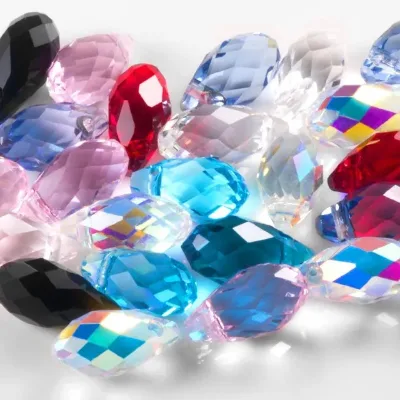
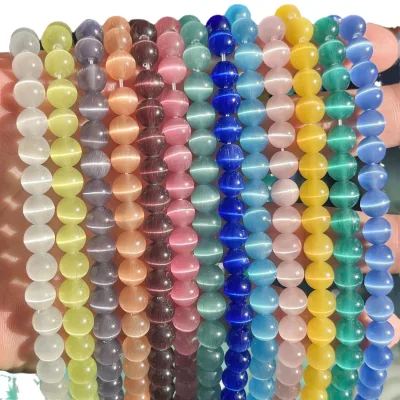
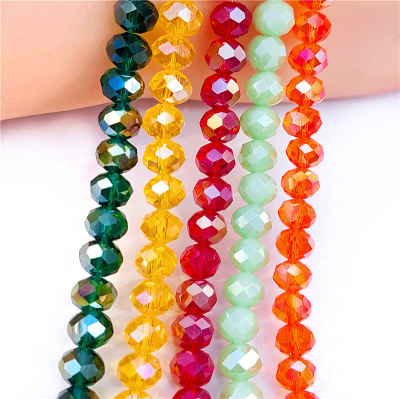


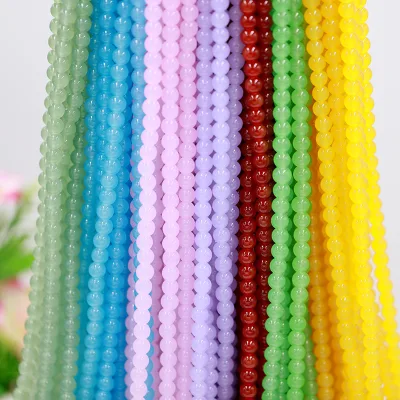


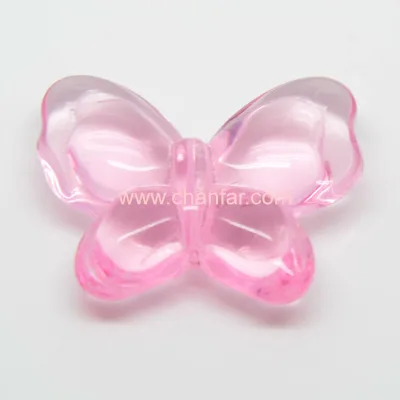
Pink Glass Crystal Beads!Wholesale Jewelry Butterfly Shape Crystal Beads! High Quality!
$0.1033 - $1.0337
MOQ: 100 Minimum


Comprehensive Sourcing Guide
Star Shape Glass Beads Sourcing Guide
Sourcing star-shaped glass beads requires a nuanced understanding of material properties, dimensional tolerances, and supplier capabilities. These decorative elements serve as critical accents in jewelry making, garment embellishment, and artistic craft projects. Buyers must distinguish between mass-produced crystal imitations and genuine lampwork glass to ensure product integrity. The visual appeal of star-cut facets depends heavily on the precision of the cutting process and the clarity of the base material. Procurement teams should prioritize suppliers who provide transparent material declarations and consistent color matching across batches.
The market offers a variety of star-shaped options, ranging from simple faceted cuts to complex lampwork designs. Observations indicate that products are often categorized by specific model numbers and brand names, which can complicate direct comparison. Buyers need to verify whether the "star" designation refers to the physical shape or a stylistic finish. Additionally, the origin of manufacture, particularly from regions like Zhejiang and Guangdong in China, influences lead times and shipping costs. Understanding these logistical variables is essential for accurate cost modeling and inventory planning.
Product Scope and Observed Listing Signals
Current market listings reveal a diverse range of star-shaped glass beads with varying attributes. Products are frequently described with specific model numbers, such as CJ653216798983, and brand identifiers like CJ Crystal. The material composition often includes crystal, lampwork, and glass, indicating a spectrum of quality and price points. Color options are extensive, with many suppliers offering multi-color assortments or numbered color codes to facilitate selection. These signals suggest a mature supply chain capable of supporting both small-scale crafters and large-scale manufacturing operations.
Packaging and weight data provide insight into the operational scale of suppliers. Observed package sizes vary, with some batches measuring 10x10x5 cm and others up to 20x10x15 cm. Gross weights per batch range from 0.1 kg to 0.050 kg, reflecting different packing densities and unit counts. Selling units are often structured as multiples of 10 or 100 items, which impacts minimum order quantities and inventory management. Buyers should analyze these logistical details to determine the most efficient procurement strategy for their specific volume requirements.
Technical Specifications to Verify
Dimensional accuracy is paramount when sourcing star-shaped glass beads. The item diameter is a critical specification, with observed sizes including 8 mm, 4 mm, and 2 mm variants. Buyers must confirm the exact diameter to ensure compatibility with existing jewelry designs or garment patterns. Additionally, the shape classification, whether round, faceted, or other, affects the visual impact and light reflection properties of the beads. Verifying these physical attributes through sample requests or detailed technical drawings is essential to avoid mismatches in final product aesthetics.
Length and strand specifications also play a significant role in procurement decisions. Some products are sold as 36 cm strands, which is a standard length for jewelry making. The presence of faceted cuts enhances the sparkle and brilliance of the glass, making it suitable for high-end applications. Buyers should verify the consistency of the cut and the smoothness of the edges to prevent damage to threads or fabrics. Understanding these technical nuances helps in selecting the right product for specific end-use cases, whether for eyeglasses decoration or general artistic use.
Compliance and Safety Documentation
Safety compliance is crucial for glass beads intended for consumer products, particularly jewelry and children's items. Buyers should request documentation confirming that the materials meet relevant safety standards for heavy metals and chemical composition. While specific standards like EN 1423 or EN 1424 are mentioned in broader contexts, their applicability to star-shaped glass beads must be verified with the supplier. Ensuring that the glass is free from harmful substances protects brand reputation and avoids regulatory penalties in target markets.
Customization capabilities may also involve compliance considerations. If buyers require specific colors or finishes, they must ensure that the customization process does not introduce hazardous materials. Suppliers should provide clear information on the customization process and any associated safety certifications. This diligence is particularly important for products used in close proximity to the skin or in applications where ingestion risks exist. Proactive verification of safety documentation mitigates legal and reputational risks associated with non-compliant products.
Cost Drivers and Commercial Terms
Several factors influence the cost of star-shaped glass beads, including material quality, size, and order volume. Larger diameters and more complex faceting processes typically command higher prices. The brand name and origin of manufacture also affect pricing, with established brands and specific manufacturing hubs often having distinct cost structures. Buyers should analyze the price range, which can vary significantly based on these variables, to identify the best value for their budget. Understanding these cost drivers enables more accurate financial planning and negotiation.
Minimum order quantities (MOQs) and payment terms are key commercial considerations. Observed MOQs range from 1 to 3000 units, offering flexibility for different business sizes. Suppliers may offer discounts for larger orders, which can be leveraged to reduce per-unit costs. Payment terms, such as deposits or letters of credit, should be negotiated to align with cash flow requirements. Buyers should also consider shipping costs and lead times, which can impact the total landed cost and inventory turnover rates.
Supplier Qualification and Quality Control
Evaluating supplier reliability is essential for consistent product quality. Buyers should assess the supplier's production capacity, quality control processes, and track record in the industry. Suppliers with specific brand names and model numbers often have established quality standards, but verification is still necessary. Requesting samples allows buyers to inspect the physical quality, including the precision of the star shape and the clarity of the glass. This due diligence helps identify potential issues before committing to large orders.
Quality control measures should include checks for defects such as chips, cracks, or inconsistent coloring. Suppliers should have clear procedures for inspecting and rejecting substandard products. Buyers should inquire about the supplier's return policy and warranty terms for defective goods. Establishing a strong relationship with a reliable supplier ensures a steady supply of high-quality star-shaped glass beads. Regular communication and feedback loops can further enhance product quality and supplier performance over time.
Long-Term Procurement Checks
Sustainable sourcing practices are increasingly important in the procurement of decorative materials. Buyers should consider the environmental impact of glass production and packaging materials. Suppliers who use recyclable packaging or sustainable manufacturing processes may offer long-term benefits in terms of brand image and regulatory compliance. Evaluating the supplier's commitment to sustainability can align procurement strategies with broader corporate social responsibility goals. This approach not only reduces environmental impact but also appeals to eco-conscious consumers.
Continuous monitoring of market trends and supplier performance is vital for long-term success. Buyers should stay informed about new product developments, such as innovative star shapes or color combinations. Regularly reviewing supplier performance metrics, such as on-time delivery and defect rates, helps maintain high standards. Building a diversified supplier base can mitigate risks associated with single-source dependencies. By proactively managing these aspects, buyers can ensure a resilient and efficient supply chain for star-shaped glass beads.
FAQs
What materials are used for Star Shape Glass Beads?
Star Shape Glass Beads are typically crafted from crystal, lampwork, and glass materials. These components provide durability and aesthetic appeal for jewelry making. The beads often feature a star shape and come in various colors to suit different design needs. They are suitable for decorative and artistic applications.
What sizes are available for Star Shape Glass Beads?
Available sizes include 2mm, 4mm, and 8mm diameters. Some options offer 2.5mm and 3.8mm round cuts. The 8mm star beads are sold in multiples of 100 items. Smaller 2mm and 4mm variants are also available for detailed jewelry projects. Sizes vary by specific product model and supplier.
Can Star Shape Glass Beads be customized?
Yes, customization is available for many star shape glass bead products. Buyers can often select specific colors from a wide range of options. Some suppliers offer tailored packaging or bulk quantities. Customization allows for unique jewelry designs. Check with individual suppliers for specific customization capabilities and minimum order requirements.
Where are Star Shape Glass Beads manufactured?
Star Shape Glass Beads are primarily manufactured in China. Key production locations include Zhejiang, Guangdong, and Jiangsu provinces. These regions are known for their glass and crystal bead industries. The origin ensures a steady supply of various styles and sizes for global buyers seeking quality components.
What is the typical packaging for Star Shape Glass Beads?
Packaging varies by product but often includes polybags and cartons. Some items are packed in batches with specific dimensions like 10x10x5 cm. Gross weights per batch can range from 0.050 kg to 0.1 kg. Bulk options may include 25kg loose packages. Packaging ensures safe transport and easy inventory management for buyers.
What are the common uses for Star Shape Glass Beads?
Star Shape Glass Beads are commonly used for jewelry making. They are also suitable for garment accessories, handbag decoration, and artistic projects. The versatile design allows for use in eyeglasses decoration and gallery displays. Their colorful and faceted options make them ideal for various creative and commercial applications.