Pitaya LED Grow Light Suppliers and Manufacturers
Source Pitaya LED Grow Light products from 22 suppliers on SourcingX. Compare company type, product specifications, certifications, response time, lead time, and pricing tiers in one place. Request quotes from verified manufacturers to confirm MOQ and customization options; review the available evidence before requesting comparable quotations from suitable candidates.
Suppliers List
Anhui Lanrui Electronics Technology Co., Ltd.
- Verified by Intertek
- Manufacturer, Trading Company
- Lead time10 days
- Avg. response≤ 4h
Main productsLED Indoor Lighting, LED Outdoor Lighting
Main marketsDomestic Market(60%), Western Europe(8%), Eastern Asia(6%)
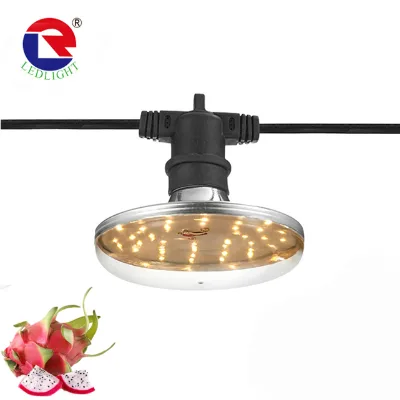
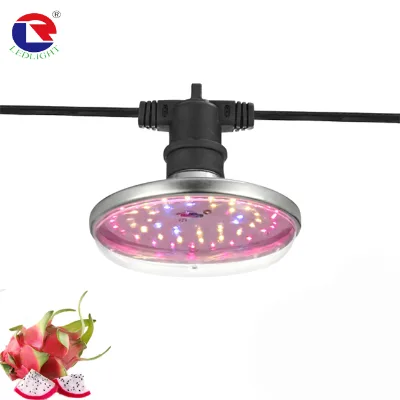
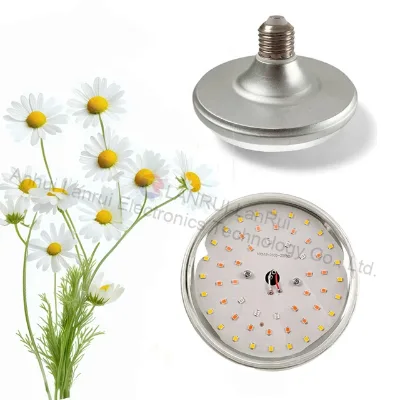
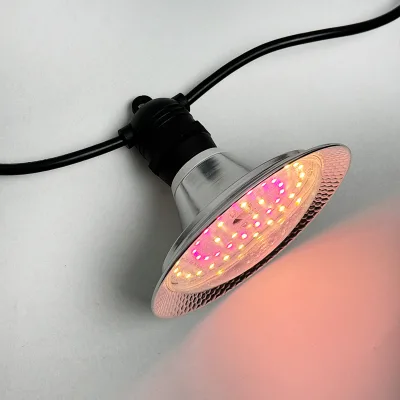
E27 15W Bulb Coral Aquatic Plants Grow Led Grow Light Led Plant Grow Bulb Light Grow Lights Plant
$1.59 - $2.62
MOQ: 500 Minimum
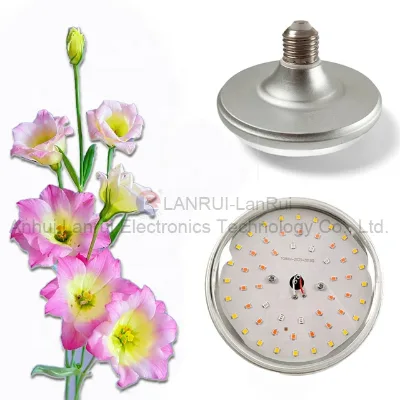
$1.29 - $2.23
MOQ: 500 Minimum
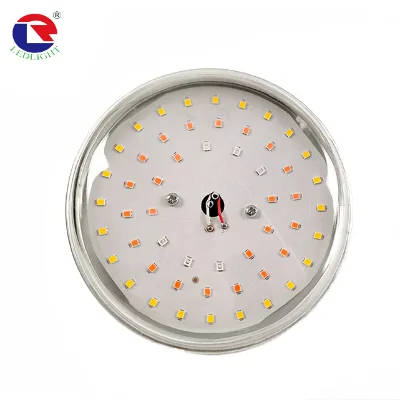
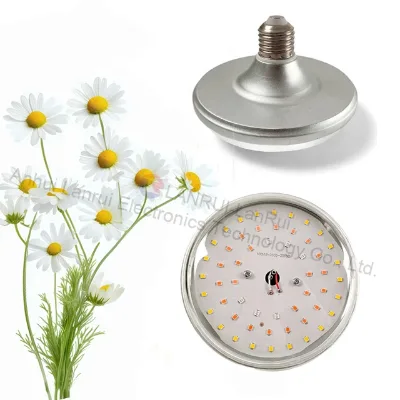
$1.45 - $2.55
MOQ: 500 Minimum

Zhongshan Night Watcher Lighting Co, Ltd
- Verified by SGS
- Combined
- China Guangdong
- Lead time30 days
- Avg. response≤ 2h
Main productsChristmas Light, Decoration Light, String Light, Garden Light, Motif Light, LED Bulb Light, LED Strip Light, Outdoor Lighting, Night Light, Curtain Light/Icicle Light/Fairy Light
Main marketsSoutheast Asia/ Mideast,Europe,Australia


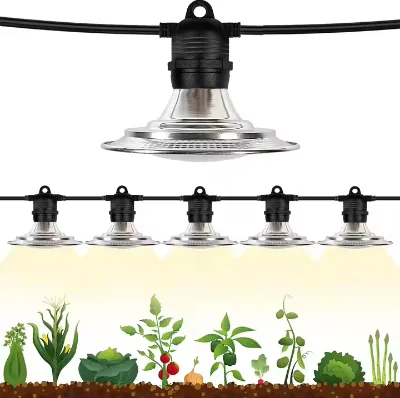
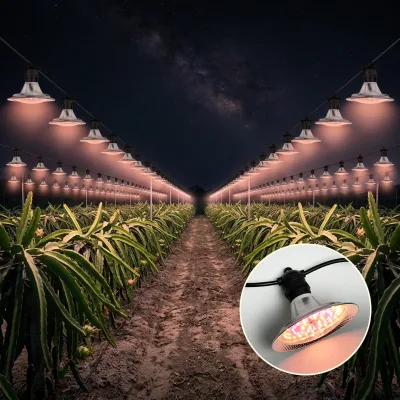
Pitaya Dragon Fruit Growth Lamp 15W E27 Waterproof Outdoor Use LED Grow Light
$15.90 - $19.90
MOQ: 30 Pieces


$15.90 - $19.90
MOQ: 30 Pieces


Anyang Bainer Agricultural Technology Co., Ltd.
- Verified by Intertek
- Trading Company
- Lead time7 days
- Avg. response≤ 2h
Main productsGreen House, Hydroponic Planting System, Seedbed, Irrigation system
Shenzhen Sankeshu Electronic Technology Co., Ltd.
- Manufacturer, Trading Company, Distributor/Wholesaler
- Guangdong, China
- Lead time15 days
- Avg. response≤ 6h
Main productsled grow lights,led aquarium lights,led underwater lights,led panel light,led flood light
Main marketsSouthern Europe(10.00%), Northern Europe(10.00%), Central America(10.00%), Western Europe(10.00%), Eastern Europe(10.00%), South America(10.00%), North America(10.00%), Domestic Market(5.00%), South Asia(5.00%), Eastern Asia(5.00%), Mid East(5.00%), Oceania(5.00%), Southeast Asia(5.00%)
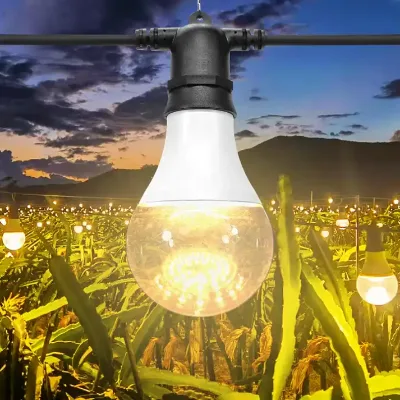
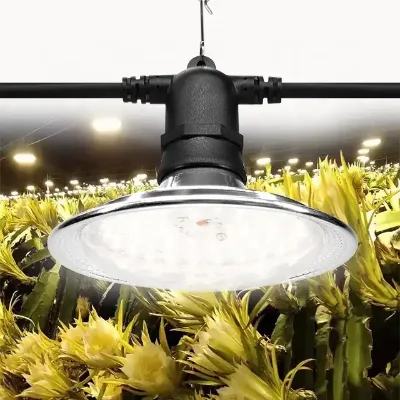
Morden Design Blue 450nm Red 660nm Spectrum Solar Powered Grow Lights 15w Led Plant Grow Bulb
$0.80 - $1.90
MOQ: 10 Minimum

- Verified by TUVRHEINLAND
- Trading Company
- China Zhejiang
- Lead time15 days
- Avg. response≤ 12h
Main productsLED Solar Light, Festival Lights, Table Lamp, LED Grow Lights, LED Light Strip, Smart Lights, LED Light String, Decorative Light, LED Head Light, LED Professional Lights
Main marketsSouth America,Europe,North America

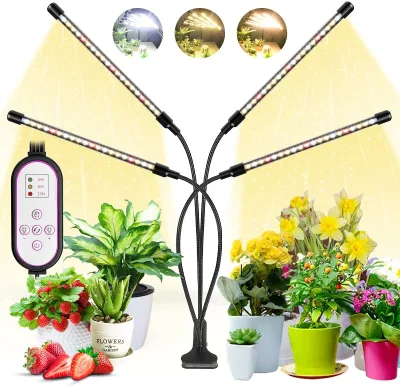
Tree Leaves Type Vegetables Flowers and Indoor Potted Plants LED Grow Light
$5.09 - $9.70
MOQ: 60 Pieces


50W Hydroponic Growth Lightning LED Indoor Fruits Vegetable Grow Light Lamp
$7.10 - $7.72
MOQ: 100 Pieces


Guangdong Huixin Metal Products Co., Ltd.
- Verified by BV
- Combined
- China Guangdong
- Lead time15 days
- Avg. response≤ 11h
Main productsGlass Greenhouse, Polycarbonate Greenhouse, Aluminum Carport, Pergola, Patio Cover, Swimming Pool Cover, Window Opener, Zip Blind, Cold Frame, Mini Greenhouse
Main marketsSouth America,East Asia(Japan/ South Korea),Domestic,Europe,Australia,North America
Zhongshan Huyingzhi Photoelectric Technology Co., Ltd.
- Manufacturer, Trading Company
- Guangdong, China
- Lead time15 days
- Avg. response≤ 2h
Main productsPlant Grow Light,Fan Light,Ceiling Light,Eye Protection Lamp
Main marketsNorth America(30.00%), South America(10.00%), Western Europe(10.00%), Eastern Europe(6.00%), Southern Europe(5.00%), Southeast Asia(5.00%), Northern Europe(5.00%), Central America(5.00%), Eastern Asia(5.00%), Mid East(5.00%), Oceania(5.00%), Africa(5.00%), South Asia(4.00%)

Anhui Tpack Import&Export Co., Ltd
- Verified by SGS
- Trading Company
- China Anhui
- Lead time30 days
- Avg. response≤ 3h
Main productsVertical Hydroponic, Greenhouse Glass, Dutch Bucket, Greenhouse PC-Board, Hydroponic Nft System, Greenhouse Film, Seedbed, Full Spectrum Grow Light, HVAC System, Grow Container
Main marketsNorth America

Hot Sale LED Grow Light Plant Dimmable Full Spectrum 720 Watt Grow Light
$119.00 - $149.00
MOQ: 1 Pieces

LED Grow Light Sale 120W Dimmable Lumiled Grow Light 500PCS Quantum LED Grow Light
$45.00 - $145.00
MOQ: 1 Pieces

LED Plant Light with Bottom Fill Feature for Growing Under Canopy or Tree Durable Grow Lights
$49.00 - $89.00
MOQ: 1 Pieces


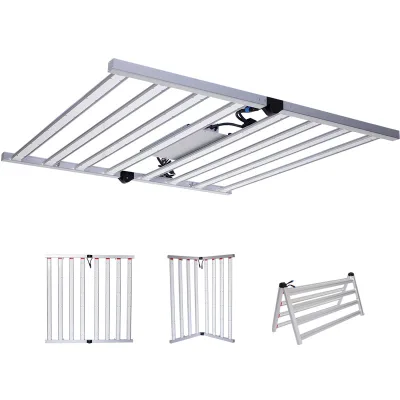
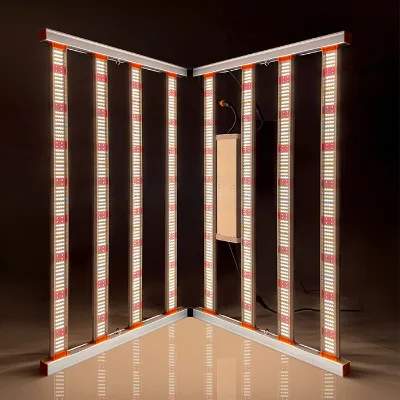
Foldable Waterproof Full Spectrum Hydroponic Lamp LED Grow Light Bar Controller for Seeds Growth
$119.00 - $149.00
MOQ: 1 Pieces

Hubei LiBaiChang Technology Co., Ltd.
- Verified by CTI
- Manufacturer/Factory
- China Hubei
- Lead time15 days
- Avg. response≤ 3h
Main productsSolar Home System, Outdoor Lighting, Emergency Products, Generators, Solar Panel, Commercial Lighting Light, Solar Inverter, Indoor Light, Solar Fan, Solar Insect Killer Light
Main marketsSouth America,Eastern Europe,Mid East,North America,Southeast Asia,Eastern Asia,Oceania,Western Europe,Africa


Grow Lights for Indoor Plants Red Blue White Full Spectrum Plant Light
$45.22 - $355.99
MOQ: 10 Pieces
- Verified by SGS Group
- Manufacturer, Trading Company
- Lead time7 days
- Avg. response≤ 2h
Main productsLED Motif Light, LED String Light, LED Christmas Light, LED Decoration Light, LED Garden Light
Main marketsWestern Europe(15%), Northern Europe(15%), Mid East(15%)

Ningbo Sunle Lighting Electric Co., Ltd.
- Verified by BV
- Trading Company,Manufacturer/Factory
- China Zhejiang
- Lead time45 days
- Avg. response≤ 4h
Main productsLED Outdoor Light, LED Flood Light, Street Light, High Bay Light, Flood Light, LED Panel Light, High Pressure Sodium Bulbs, High Pressure Metal Halide Lamp, Ignitor, Ballast
Main marketsSouth America,Eastern Europe,Mid East,North America,Southeast Asia,Eastern Asia,Oceania,Western Europe,Africa

LED Grow Light 600W Grow Lights Full Spectrum for Indoor Plants Seeding Veg Flower Growing Lamp
$135.90 - $145.50
MOQ: 2 Pieces

Hangzhou EDAR International Co., Ltd.
- Verified by TüVRheinland
- Manufacturer, Trading Company
- Lead time30 days
- Avg. response≤ 7h
Main productsGarden Products
Main marketsWestern Europe(60%), Northern Europe(20%), Oceania(10%)

Ningbo Haishu Forcar Imp. & Exp. Co., Ltd.
- Verified by BV
- Trading Company,Manufacturer/Factory
- China Zhejiang
- Lead time45 days
- Avg. response≤ 11h
Main productsCar Wheel Rims, Custom Forged Wheel, Alloy Wheel, Forged Wheel, Offroad Wheel, Beadlock Wheel
Main marketsSouth America,Eastern Europe,Mid East,North America,Southeast Asia,Eastern Asia,Oceania,Western Europe,Africa
Shenzhen Fredlighting Technology Limited
- Verified by TüVRheinland
- Manufacturer, Trading Company
- Lead time7 days
- Avg. response≤ 2h
Main productsLED Neon Sign, LED Strip Light, LED Down Light Panel Light, Outdoor Solar Lamp
Main marketsNorth America(26%), South America(16%), Northern Europe(16%)

Zhongshan Aomei Wire and Cable Co., Ltd.
- Verified by SGS
- Combined
- China Guangdong
- Lead time15 days
- Avg. response≤ 1h
Main marketsOthers(foreignTradeCapacity.exportBusinessCapacityMarketOther),Europe,North America

Shouguang Zenong Greenhouse Engineering Co., Ltd.
- Combined
- China Shandong
- Lead time30 days
- Avg. response≤ 2h
Main productsGreenhouse, Green House, Greenhouses, Agriculture/Commercial Greenhouse, Venlo Glass Greenhouse, Multispan Venlo Polycarbonate PC Greenhouse, Single Span Solar Greenhouse, Single Span Tunnel Greenhouse, Greenhouse Equipment, Hydroponics System
Main marketsSoutheast Asia/ Mideast,Europe,North America


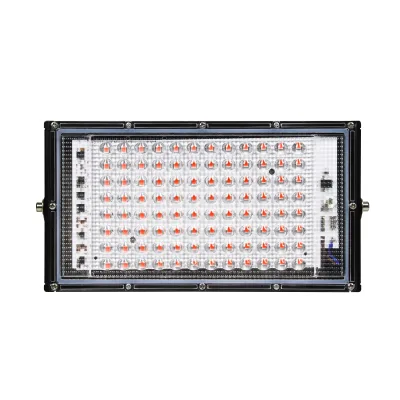
Plant Growing Light Supplementary Light LED Light 50W/100W for Better Vegetable Culture
$3.00 - $20.00
MOQ: 100 Sets


Full Spectrum Growing Lamp with Lamp Cover and LED Bulbs for Cloudy Day Vegetable Light Supplement
$3.00 - $20.00
MOQ: 100 Sets

- Verified by TUVRHEINLAND
- Trading Company,Manufacturer/Factory
- China Fujian
- Lead time23 days
- Avg. response≤ 4h
Main productsBonsai Kit, Herb Kit, Succulent Kit, Flower Kit, Microgreens Kit, Terrarium Kit, Chia Pet, Mushroom Kit, Seed Paper & Seed Bomb, Kids Garden Kit
Main marketsSouth America,Eastern Europe,Mid East,North America,Southeast Asia,Eastern Asia,Oceania,Western Europe,Africa


$24.60 - $37.50
MOQ: 1000 Pieces

Jiangsu Leader Greenhouse Equipment Co., Ltd.
- Trading Company
- China Jiangsu
- Lead time38 days
- Avg. response≤ 3h
Main productsGreenhouse, Wiggle Wire, Lock Profile, Zigzag Wire, Lock Channel, Shading Net, Insect Net, Roll up Motor, Greenhouse Film, Film Clip
Main marketsSouth America,Africa,Southeast Asia/ Mideast,East Asia(Japan/ South Korea),Europe,Australia,North America

Zhongshan Jingyi Trading Limited
- Trading Company,Manufacturer/Factory
- China Guangdong
- Lead time23 days
- Avg. response≤ 11h
Main productsAquarium Pump, Aquarium Heater, Aquarium Filter, Aquarium Lights, Aquarium Air Pump, Aquarium Fish Tank, Aquarium Accessories, AC/DC Pumps, Water Pump, Submersible Pump
Main marketsSouth America,Eastern Europe,Mid East,North America,Southeast Asia,Eastern Asia,Oceania,Western Europe,Africa

Shenzhen Aomei Lighting Technology Co., Ltd
- Verified by SGS
- Trading Company
- China Guangdong
- Lead time15 days
- Avg. response≤ 1h
Main productsLED Grow Light, LED Light, Plant Grow Light, Waterproof Connector, Light, LED Plant Grow Light, Grow Lamp, Strip Light
Main marketsDomestic

Shenzhen Qizhi Optoelectronic Technology Co., Ltd.
- Verified by SGS
- Combined
- China Guangdong
- Lead time23 days
- Avg. response≤ 1h
Main productsLED, LED Chip, LED Components, SMD LED, LED Lights
Main marketsSoutheast Asia/ Mideast,East Asia(Japan/ South Korea),Domestic,Europe
- Verified by SGS Group
- Trading Company
- Lead time7 days
- Avg. response≤ 2h
Main productsHerb Kit, Bonsai Kit, Microgreens Kit, Chia Pet, Hydroponic System
Main marketsNorth America(60%), South America(10%), Eastern Europe(10%)






Comprehensive Sourcing Guide
Pitaya LED Grow Light Supplier Concentration and Factory Types
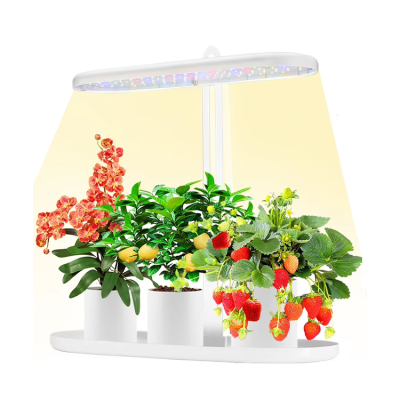
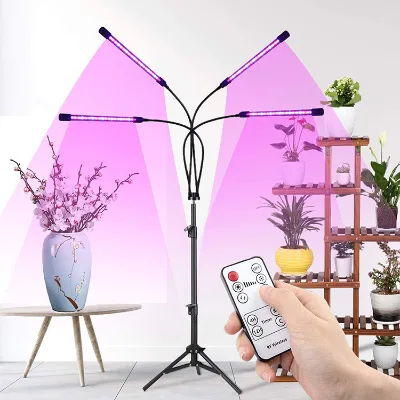
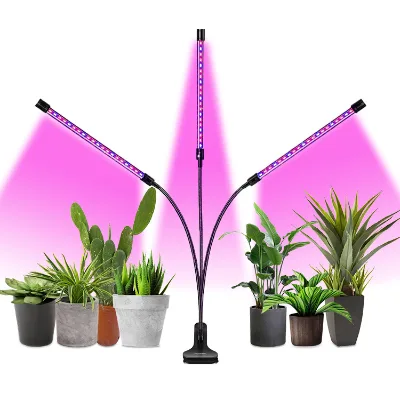
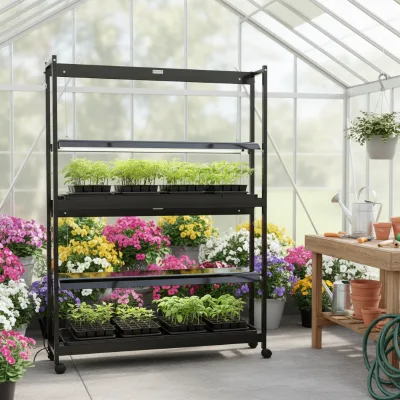
The current supplier landscape for Pitaya LED Grow Light products reveals a mix of manufacturing and trading company structures, with a total of twenty-two active entities identified in the search results. These suppliers primarily operate as manufacturers or trading companies, offering a range of LED indoor and outdoor lighting solutions tailored for agricultural applications. The main product focus includes specialized grow lights designed for various growth stages, from seed starting to fruiting, which is critical for pitaya cultivation. While the data confirms the presence of these company types, it does not provide specific geographic clusters for all entities, requiring buyers to verify the physical location of each factory individually.
When assessing the concentration of these suppliers, buyers should note that the primary origin points listed in product attributes include Guangdong and Shanghai, China. These regions are known for electronics manufacturing, but the specific factory density for pitaya-specific lighting varies by vendor. Some suppliers list their place of origin as Guangdong, while others indicate Shanghai, suggesting a distributed manufacturing base rather than a single concentrated hub. Buyers must confirm the exact factory location to understand the logistics and potential for factory audits. The diversity in company types means that some suppliers may own the production lines while others act as intermediaries, which impacts the ability to customize products like the E27 15W bulb or the waterproof UFoLED grow bulb.
How to Verify Pitaya LED Grow Light Suppliers
Verification of Pitaya LED Grow Light suppliers requires a rigorous check of their certification status and third-party validation records. The available data indicates that some suppliers hold CE certification and Declaration of Conformity, which are essential for market entry in many regions. Additionally, verification status from Intertek is noted for certain entities, providing a layer of trust regarding their business legitimacy and product quality. However, not every supplier in the search results displays these specific credentials, so buyers must explicitly request proof of these certifications before proceeding with any order. Relying solely on the presence of a product listing is insufficient; direct confirmation of the supplier's verified status is necessary to mitigate fraud risks.
Beyond certifications, buyers should scrutinize the response time and communication efficiency of potential partners. The observed response time for some suppliers is recorded as four hours, which suggests a level of operational readiness, but this metric is not universal across all twenty-two suppliers. A slow response time can indicate poor customer service or a lack of dedicated sales support, which is detrimental when sourcing specialized agricultural lighting. Buyers should test the responsiveness of each supplier by sending specific inquiries about pitaya cultivation needs and custom spectrum options. Furthermore, checking the establishment year and the scope of their main products ensures they have the experience to handle complex orders. Always demand a video call or a virtual factory tour to confirm that the claimed manufacturing capabilities match the actual production environment.
What to Compare Across Pitaya LED Grow Light Suppliers
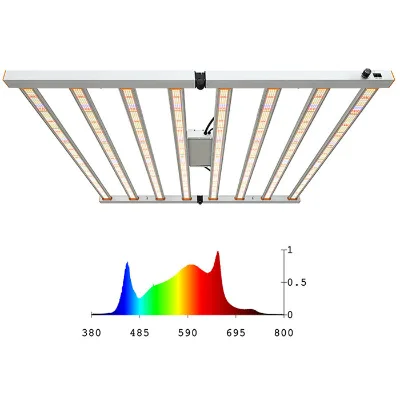
Comparing suppliers requires a detailed analysis of their technical specifications, particularly regarding luminous efficacy and spectrum customization. The product data shows significant variation in Luminous Efficacy, ranging from 2 μmol/J to 280 μmol/J across different listings. This wide disparity indicates that some products may be more energy-efficient than others, directly impacting operational costs for pitaya growers. Buyers must compare the specific model numbers, such as LR-BL-15W-GW, to understand the actual performance metrics. Additionally, the spectrum options vary from full spectrum to customizable solutions, which is crucial for optimizing the growth cycle of pitaya plants. A supplier offering a fixed spectrum may not meet the specific needs of a grower, whereas one with customizable options provides greater flexibility.
Logistical and commercial terms also differ significantly among the suppliers, necessitating a side-by-side comparison of lead times and minimum order quantities. The observed lead times are around ten days, but this can vary based on the supplier's current production load and location. Minimum Order Quantities (MOQ) range from 500 units to 1000 units, which affects the initial capital investment required. Buyers should also compare the warranty periods, which are listed as two years for some products, and the lifespan of the LEDs, which can be up to 50,000 hours. Pricing is another critical factor, with price ranges varying from approximately $1.29 to $2.62 per unit depending on the specifications. Evaluating these factors together helps identify the most cost-effective and reliable partner for large-scale pitaya cultivation projects.
Common Pitaya LED Grow Light Sourcing Risks
One of the primary risks in sourcing pitaya led grow lights is the inconsistency in product specifications and performance claims. The data reveals conflicting information regarding the IP rating, with some products listed as IP54, others as IP65, and some as IP44. This variation suggests that not all suppliers adhere to the same waterproofing standards, which is critical for outdoor or greenhouse applications where moisture is a constant factor. Buyers must verify the actual IP rating of the specific unit they intend to purchase, as a lower rating could lead to premature failure in humid environments. Additionally, the working temperature ranges vary, with some products rated for -20°C to 55°C and others for 1°C to 50°C, which could be a limiting factor in extreme climates.
Another significant risk involves the reliability of the supply chain and the potential for delayed shipments. While some suppliers report a lead time of ten days, this does not account for potential bottlenecks in raw material sourcing or production scheduling. The absence of a standardized response time across all twenty-two suppliers means that communication delays could occur, leading to misunderstandings about order status. Furthermore, the lack of a unified standard for product weight and packaging dimensions can complicate logistics planning. Buyers should be wary of suppliers who do not provide clear details on their single package size or gross weight, as this can lead to unexpected shipping costs. Always request a sample to verify the physical build quality and ensure it matches the advertised specifications before committing to a bulk order.
Pitaya LED Grow Light Regional Sourcing and Logistics
Regional sourcing for pitaya led grow lights is heavily influenced by the location of the manufacturing facilities, which are primarily concentrated in Guangdong and Shanghai, China. These regions offer established supply chains for LED components and aluminum lamp bodies, which are key materials in the construction of these grow lights. However, the specific location of each supplier must be confirmed, as the data does not guarantee that all twenty-two suppliers are located in these exact provinces. Buyers should verify the origin of the goods to estimate shipping times and costs accurately. The distance between the factory and the destination port will directly impact the overall lead time and the final landed cost of the product.
Logistics planning must also account for the varying package dimensions and weights listed in the product attributes. Some units have a single package size of 40x40x30 cm with a gross weight of 2.000 kg, while others are smaller at 25x25x25 cm. These differences affect how many units can be loaded into a container, influencing the efficiency of the shipping process. Buyers should calculate the total volume and weight of their order to optimize container utilization and reduce freight costs. Additionally, the plug type is listed as optional and customizable, which means that buyers must specify the correct plug configuration for their target market to avoid compatibility issues upon arrival. Proper logistics planning ensures that the pitaya led grow lights arrive on time and in the correct condition for installation.
Pitaya LED Grow Light Commercial Terms and Order Planning
Commercial terms for Pitaya LED Grow Light orders are defined by the minimum order quantities and pricing structures observed in the search results. The MOQs range from 500 to 1000 units, which sets a baseline for the initial investment required to secure a supply contract. Buyers should negotiate these terms based on their projected demand and storage capacity, as ordering below the MOQ may not be feasible. The price range of $1.29 to $2.62 per unit suggests that volume discounts may be available for larger orders, but this must be confirmed directly with the supplier. Understanding the pricing tiers and the conditions under which they apply is essential for accurate budgeting and financial planning.
Order planning should also consider the warranty and after-sales support provided by the supplier. The data indicates a two-year warranty for some products, which provides a safety net against manufacturing defects. However, the terms of this warranty, including what is covered and the process for claims, must be clearly defined in the purchase agreement. Buyers should also inquire about the availability of spare parts and the lead time for replacements. Additionally, the response time of four hours noted for some suppliers is a positive indicator for post-sales support, but this should be verified for the specific account manager assigned to the order. Clear communication regarding these commercial terms ensures a smooth transaction and minimizes the risk of disputes after the order is placed.
FAQs
What is the minimum order quantity for Pitaya LED Grow Light?
The minimum order quantity varies by supplier, with observed values of 500 or 1000 units. Buyers should verify the specific MOQ for their selected product model before placing an order to ensure it meets their procurement needs.
How long does it take to receive the Pitaya LED Grow Light?
Lead times for these products are typically around 10 days from order confirmation. Response times from suppliers are generally 4 hours, ensuring quick communication regarding production status and shipping schedules for your greenhouse or farm lighting needs.
Are the pitaya led grow lights suitable for pitaya cultivation?
Yes, these lights are explicitly designed for pitaya, along with other applications like seed starting and flowering. The full spectrum options support vegetative growth and fruiting stages, making them versatile for various plant growth cycles in greenhouses.
What certifications do the pitaya led grow lights hold?
Suppliers offer products with CE and Declaration of Conformity certifications. Some manufacturers are verified by Intertek, providing assurance of quality standards. Buyers should confirm specific certification documents for their chosen supplier to ensure compliance with local regulations.
What is the price range for a 15W Pitaya LED Grow Light?
Prices for 15W units range from approximately 1.29 to 2.62 USD per unit depending on specifications. The final cost depends on the order quantity, customization options, and the specific supplier selected for the transaction.
Where are the pitaya led grow lights manufactured?
Manufacturing locations include Guangdong and Shanghai in China. Buyers should check the product details for the specific place of origin to understand shipping logistics and potential tariffs associated with importing these agricultural lighting solutions.
What is the lifespan of the Pitaya LED Grow Light bulb?
Lifespan ratings vary, with some models offering 20,000 hours and others up to 50,000 hours. The actual duration depends on the specific model and operating conditions, so verify the working lifetime in the product attributes before purchasing.