Plus Size Lace Wedding Gown Suppliers and Manufacturers
Source 19 verified Plus Size Lace Wedding Gown suppliers from Guangdong, Jiangsu, and Zhejiang. Compare response times, lead times, certifications, and pricing to find the right partner. Request samples today; review the available evidence before requesting comparable quotations from suitable candidates.
Updated
Suppliers List
Shenzhen Innoview Technology Co., Ltd.
- Trading Company
- Guangdong, China
- Lead time20 days
- Avg. response≤ 2h
Main productsGame Controller,speakers,sound cards,bicycle accessories,igs sports
Main marketsDomestic Market(30.00%), North America(11.00%), Western Europe(8.00%), Southeast Asia(8.00%), Eastern Europe(8.00%), South America(5.00%), Southern Europe(5.00%), Eastern Asia(5.00%), Northern Europe(5.00%), Oceania(5.00%), Africa(4.00%), Mid East(4.00%), Central America(1.00%), South Asia(1.00%)
Quanzhou Hongqian Trading Co., Ltd.
- Trading Company
- Fujian, China
- Lead time30 days
- Avg. response≤ 2h
Main productsWedding Dresses,Bridal Gowns,Evening Gowns,Formal Dresses,Prom Dresses
Main marketsSouth America(20.00%), North America(20.00%), Southern Europe(10.00%), Northern Europe(10.00%), Western Europe(10.00%), Eastern Europe(10.00%), Domestic Market(5.00%), Oceania(3.00%), Mid East(2.00%), South Asia(2.00%), Eastern Asia(2.00%), Africa(2.00%), Central America(2.00%), Southeast Asia(2.00%)
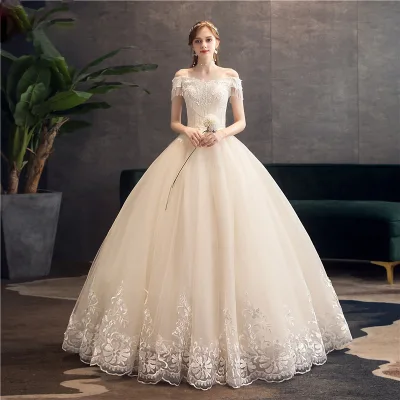
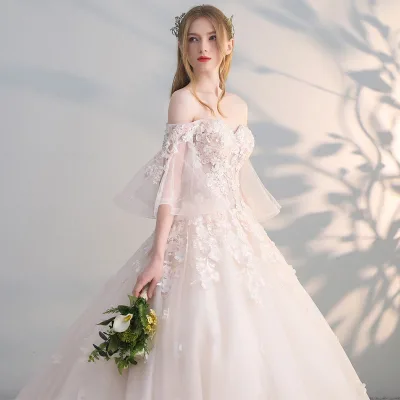
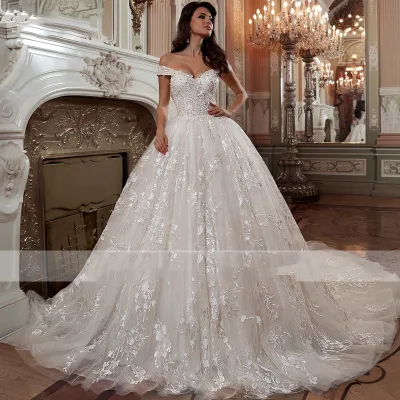
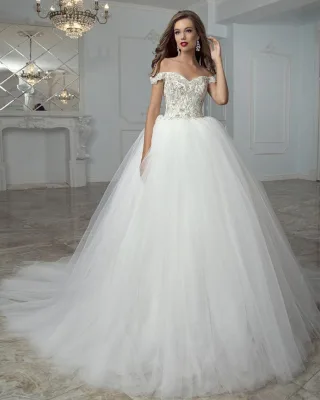
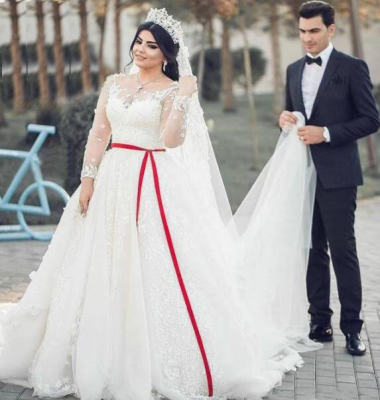
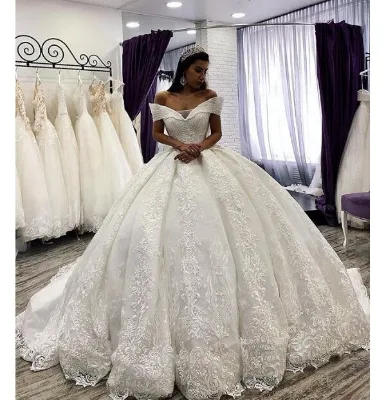
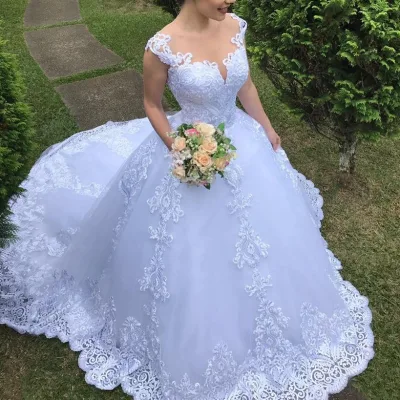
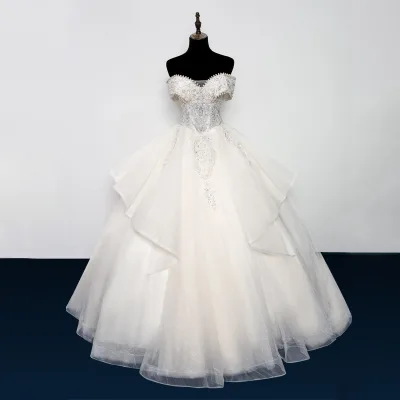
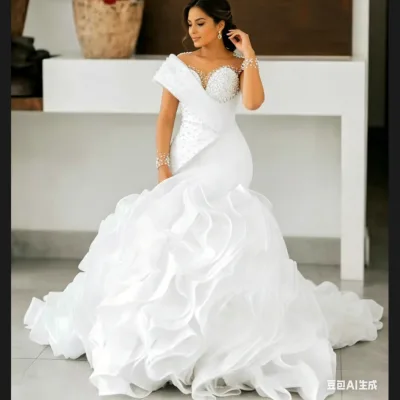
2022 New Luxury Embroidery Long Train Sweetheart Bride Gown Lace Applique Plus Size Wedding Dresses
$87.4203 - $155.4085
MOQ: 2 pieces
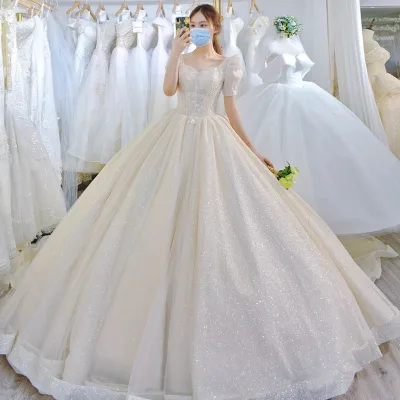
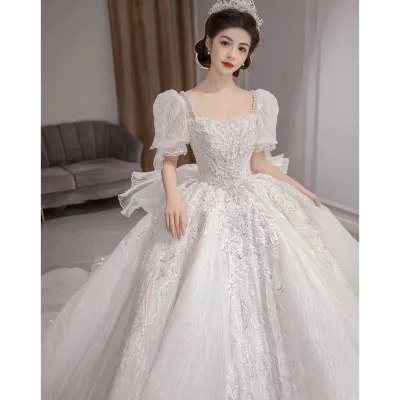
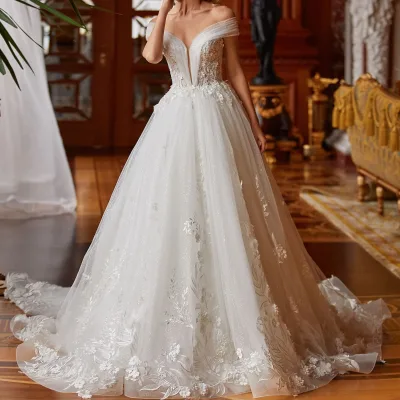
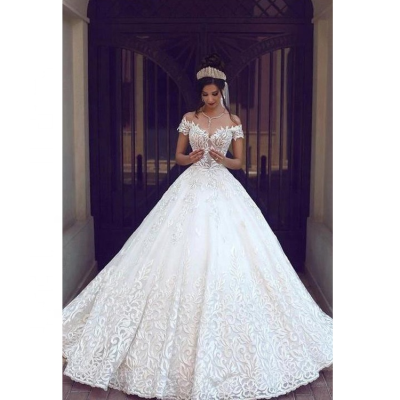
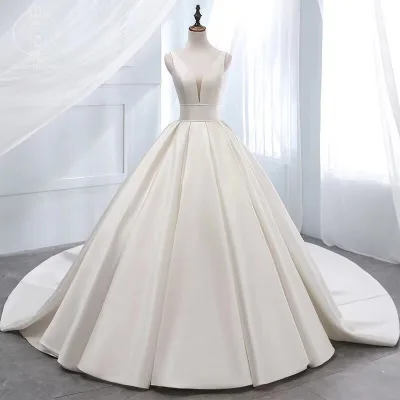
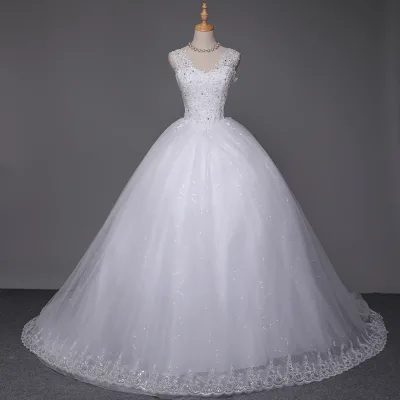
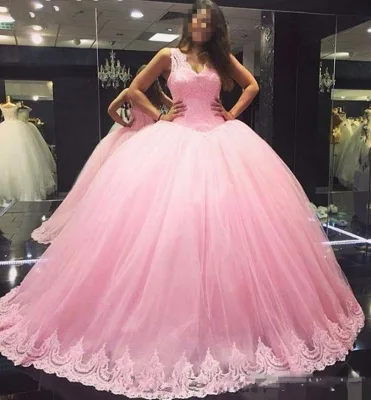
New Luxury V-Neck Bridal Ball Gown Plus Size Wedding Dresses for Bride
$64.3945 - $105.3783
MOQ: 2 pieces
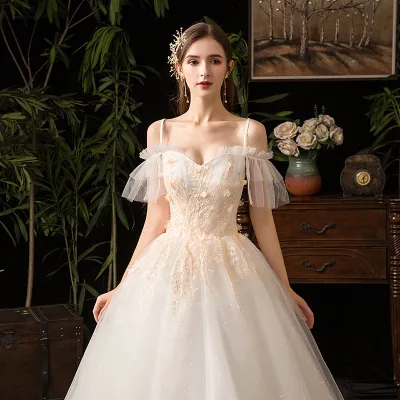

Suzhou Leader Apparel Co., Ltd.
- Combined
- China Jiangsu
- Lead time23 days
- Avg. response≤ 3h
Main productsWedding Dress Manufacturer, Custom Wedding Dresses, Evening Dress, Prom Dress, Ball Gown, Mother of The Bride Dress, Bridesmaid Dress, Stock Flower Girl Dress, Men Suits, Dresses
Main marketsSouth America,Domestic,Europe,Australia,North America


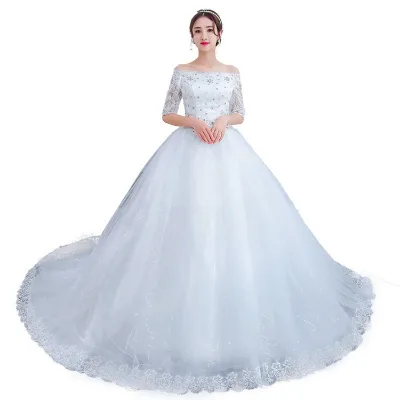
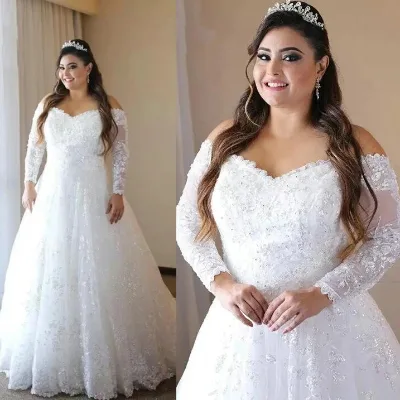
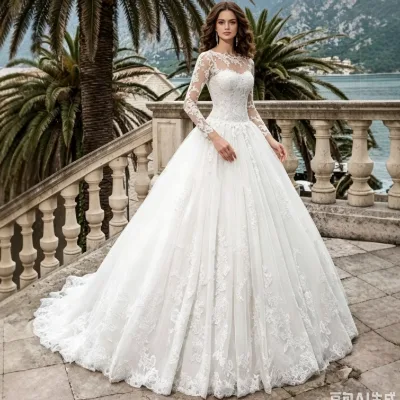
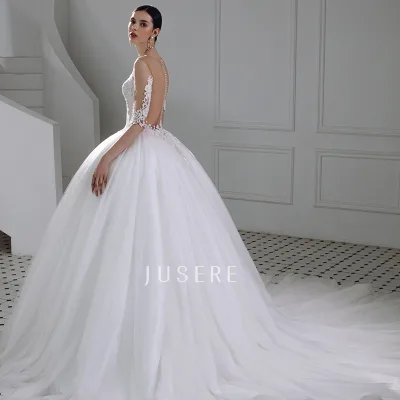
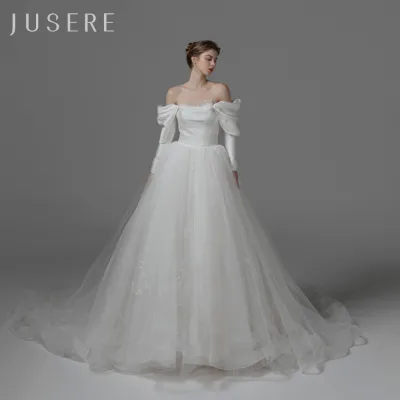
off Shoulder Bridal Gown Long Sleeves Plus Size Lace Wedding Dress M3243
$99.00 - $239.00
MOQ: 1 Pieces

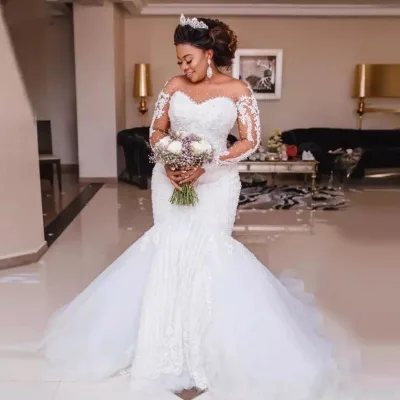
Plus Size Wedding Ball Gown Lace Sweetheart Mermaid Bridal Dress Ld11526
$99.00 - $199.00
MOQ: 1 Pieces

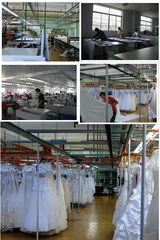
Suzhou Zhongsheng Dress Company Limited
- Trading Company
- Jiangsu, China
- Lead time30 days
- Avg. response≤ 17h
Main productsWedding Dress,girl dress,Bedding sets,evening dress,wedding gift
Main marketsDomestic Market(7.14%), South Asia(7.14%), Southern Europe(7.14%), Northern Europe(7.14%), Central America(7.14%), Western Europe(7.14%), Eastern Asia(7.14%), Mid East(7.14%), Oceania(7.14%), Africa(7.14%), Southeast Asia(7.14%), Eastern Europe(7.14%), South America(7.14%), North America(7.14%)
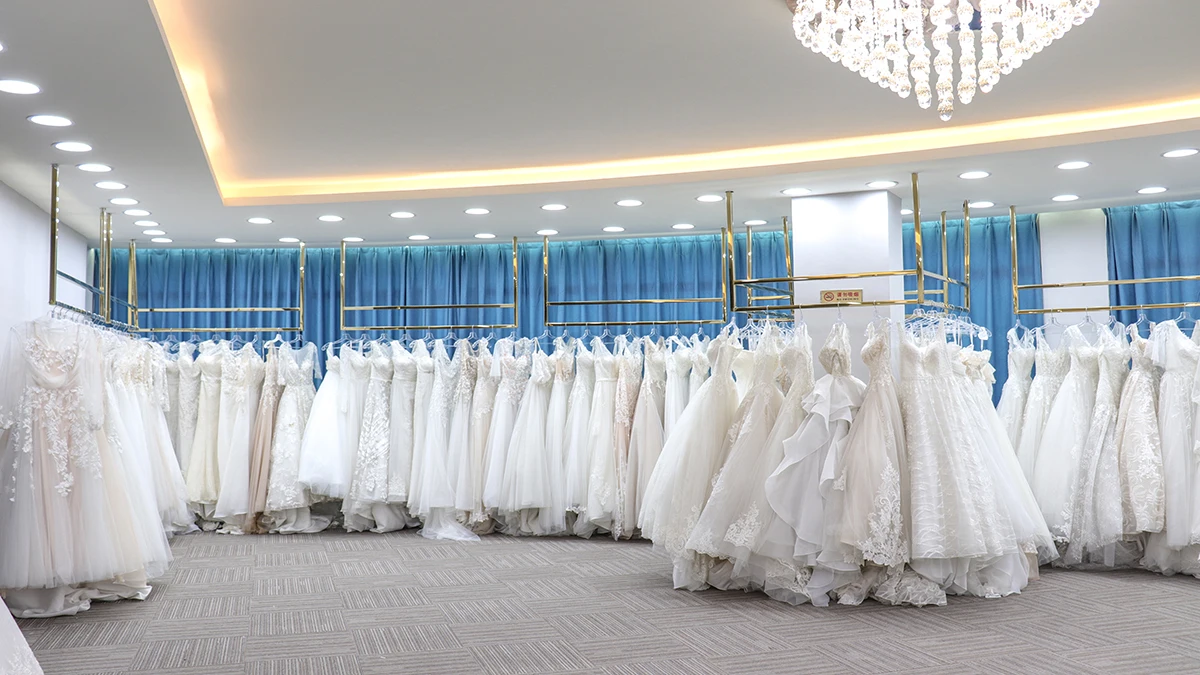
Guangzhou Angel Bridal Gown Factory
- Manufacturer, Trading Company
- Guangdong, China
- Lead time15 days
- Avg. response≤ 3h
Main productsWedding Dress,Bridesmaids Dress,Evening Dress,Mother Of Bridal Gown,Flower Girl Dress
Main marketsNorthern Europe(20.00%), Western Europe(20.00%), Southern Europe(10.00%), South America(10.00%), Africa(10.00%), Eastern Europe(10.00%), Mid East(5.00%), North America(5.00%), Southeast Asia(5.00%), Central America(5.00%)
Suzhou Chengjun Wedding Dress Co., Ltd.
- Manufacturer, Trading Company
- Jiangsu, China
- Lead time0 days
- Avg. response≤ 6h
Main productsWedding Dress,Prom Dress,Wvening Dress,Party Dress,Bridesmaid Dress
Main marketsWestern Europe(30.00%), North America(30.00%), South Asia(15.00%), Southeast Asia(15.00%), Northern Europe(10.00%), Southern Europe(10.00%)

Quanzhou Haosheng Garment Trade Co., Ltd.
- Trading Company
- Fujian, China
- Lead time7 days
- Avg. response≤ 15h
Main productsSexy Dress,Sexy Corset,Sexy Halloween Costumes,sexy babydoll,Leggings
Main marketsWestern Europe(75.00%), North America(9.00%), South America(5.00%), Domestic Market(1.00%), South Asia(1.00%), Southern Europe(1.00%), Northern Europe(1.00%), Central America(1.00%), Eastern Europe(1.00%), Eastern Asia(1.00%), Mid East(1.00%), Oceania(1.00%), Africa(1.00%), Southeast Asia(1.00%)
Changsha Ayhhed Biotechnology Co., Ltd.
- Trading Company
- Hunan, China
- Lead time10 days
- Avg. response≤ 8h
Main productsBicycle Accessories,Mom and baby goods,Fashion Clothes,Wedding and evening dress,Herbal & Flower Tea
Main marketsSouthern Europe(10.00%), Northern Europe(10.00%), Oceania(10.00%), Central America(10.00%), Western Europe(10.00%), Eastern Europe(10.00%), South America(10.00%), North America(10.00%), Mid East(5.00%), Africa(5.00%), Southeast Asia(5.00%), Eastern Asia(3.00%), South Asia(2.00%)
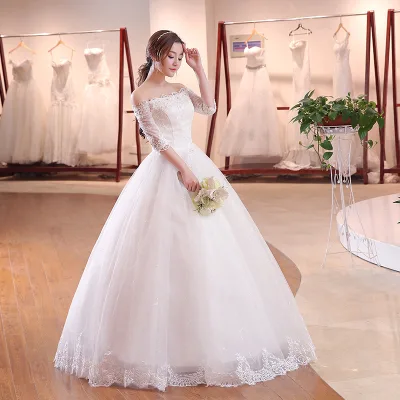
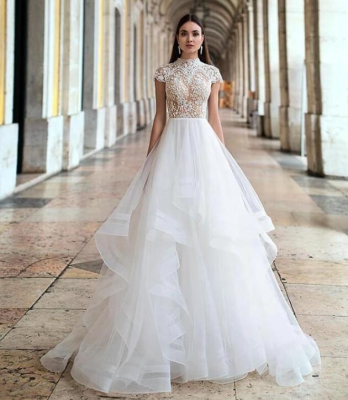
Customize Favorable New Bridal Wedding Dresses Ivory White Plus Size Elegant Lace Back Wedding Gown
$43.00 - $50.00
MOQ: 2 pieces

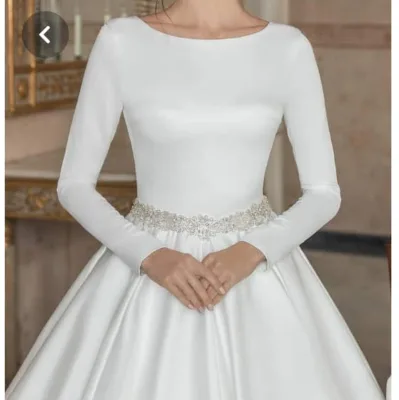
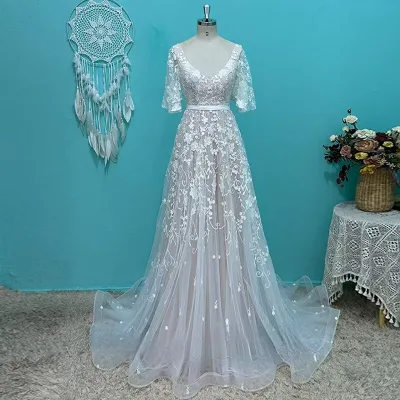
$100.00 - $108.00
MOQ: 2 pieces
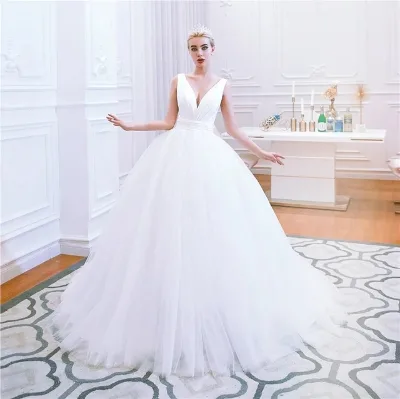
$80.00 - $88.00
MOQ: 2 pieces
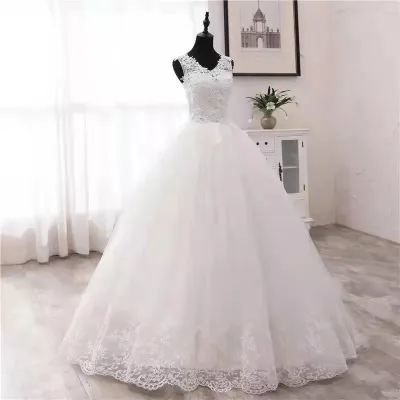
$40.00 - $48.00
MOQ: 2 pieces
Huzhou Jindou Network Technology Co., Ltd.
- Trading Company
- Zhejiang, China
- Lead time3 days
- Avg. response≤ 3h
Main productsPlus Size Women's Clothing, Women's Sets, Women's Coats, Women's Dress, Women's Underwear
Main marketsNorth America(33.00%), Northern Europe(15.00%), Western Europe(14.00%), Southern Europe(13.00%), Eastern Europe(11.00%), Southeast Asia(6.00%), Eastern Asia(2.00%), Africa(2.00%), South Asia(1.00%), South America(1.00%), Oceania(1.00%), Mid East(1.00%)
Shenyang Love Season Clothing Co., Ltd.
- Verified by SGS Group
- Trading Company
- Lead time20 days
- Avg. response≤ 2h
Main productsWedding Dress, Ceremonial Dress, Flower Girl Dress, Dress, Quinceanera Dress
Main marketsNorth America(26%), Western Europe(14%), Northern Europe(14%)
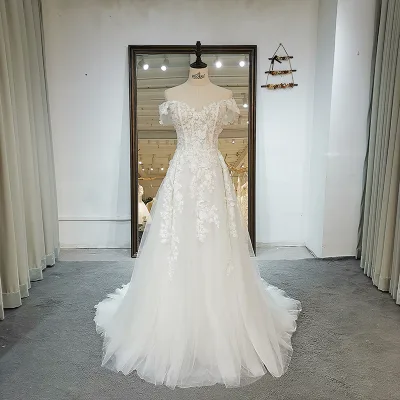
Plus Size Sweetheart Off-shoulder Lace Wedding Dresses Aline Ivory Bridal Gowns for Bride RL069
$252.86 - $295.74
MOQ: 1 pieces
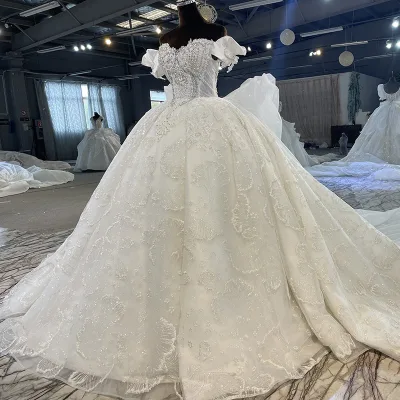
MN94 New Style Plus Size Bridal Gowns Waist Formal Bridal Modest Wedding Dress
$385.4684 - $514.0387
MOQ: 1 Minimum
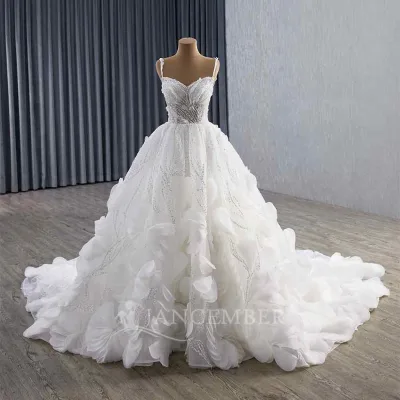
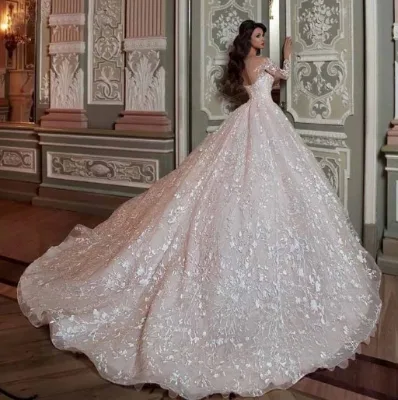
Wedding Dress Ball Gown Vintage Lace Ruffles Bridal Wedding Gowns Plus Size Rsm251081
$610.53 - $800.66
MOQ: 1 Minimum
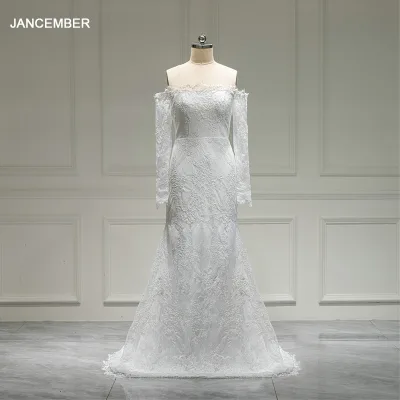
$276.00 - $323.00
MOQ: 1 pieces
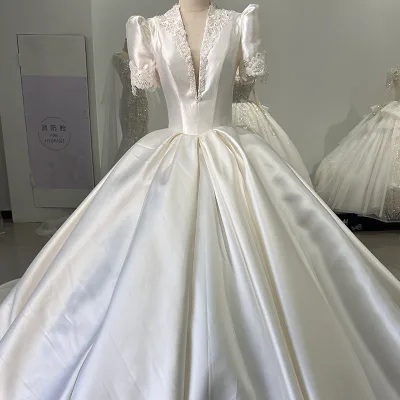
$256.67 - $275.69
MOQ: 1 pieces
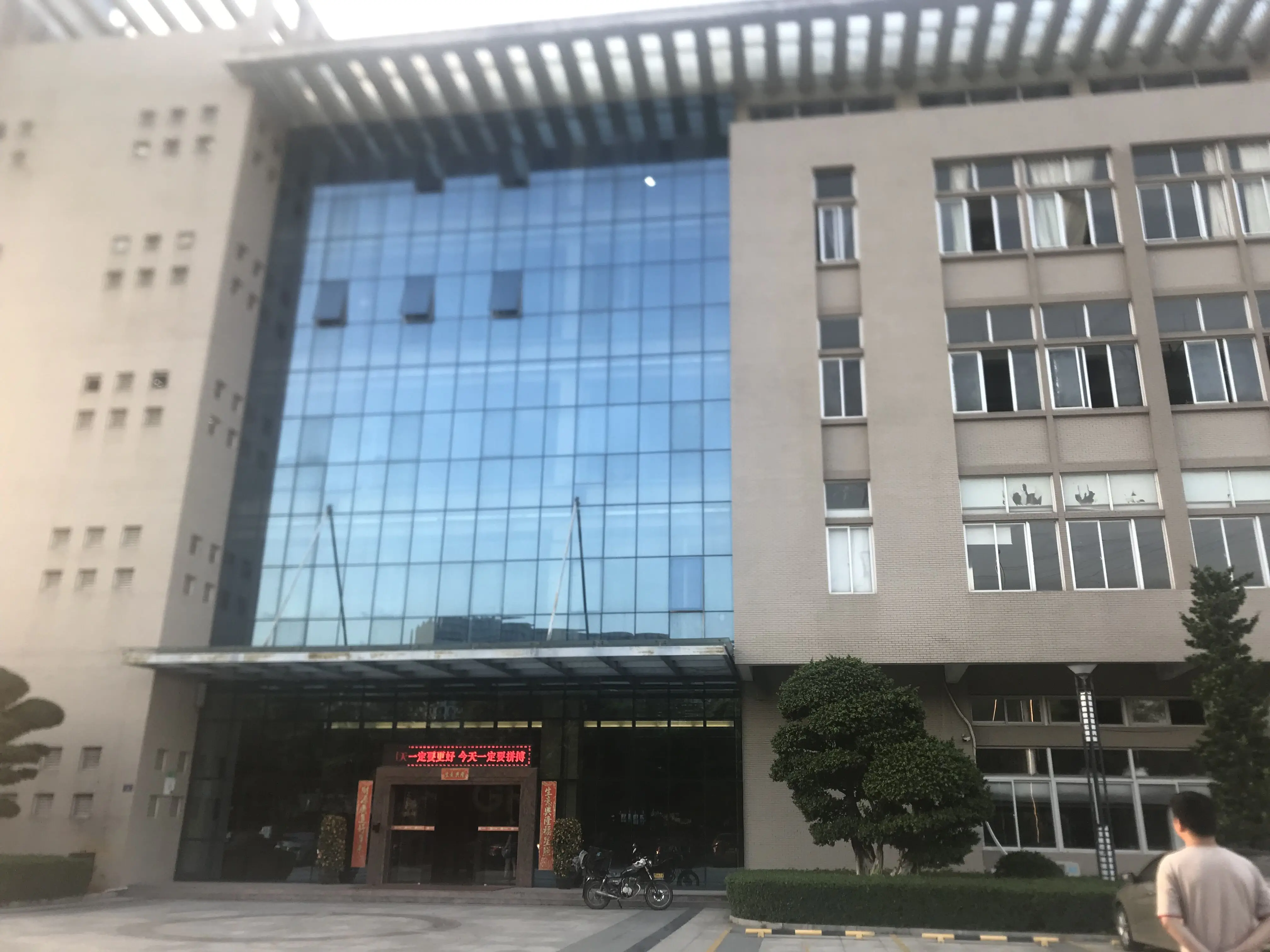
Quanzhou Huasheng Supply Chain Management Co., Ltd.
- Trading Company
- Fujian, China
- Lead time5 days
- Avg. response≤ 6h
Main products2 piece set women,casual dress,waist trainer,sexy lingerie,women clothes
Main marketsNorth America(35.00%), South America(20.00%), Western Europe(17.00%), Oceania(11.00%), Eastern Europe(3.00%), Southern Europe(3.00%), South Asia(2.00%), Africa(2.00%), Mid East(2.00%), Domestic Market(1.00%), Southeast Asia(1.00%), Eastern Asia(1.00%), Northern Europe(1.00%), Central America(1.00%)
Guangzhou Jindijia Garment Co., Ltd.
- Manufacturer, Trading Company
- Guangdong, China
- Lead time0 days
- Avg. response≤ 5h
Main productsWedding Dress, Evening Dress
Main marketsNorth America(60.00%), South America(10.00%), Mid East(10.00%), Western Europe(5.00%), Southern Europe(5.00%), Northern Europe(5.00%), Eastern Europe(5.00%)

Shanghai Hubei Apparel Co., Ltd
- Verified by BV
- Trading Company,Manufacturer/Factory
- China Shanghai
- Lead time45 days
- Avg. response≤ 22h
Main productsShirt, Dress, Skirt, Coat, Suit, Knitwear, Blazer, Shorts, Pants
Main marketsSouth America,Eastern Europe,Mid East,North America,Southeast Asia,Eastern Asia,Oceania,Western Europe,Africa

$13.50 - $15.50
MOQ: 100 Pieces

China Factory Plus Size Bridal Wedding Dress with Custom Lace Design for Bride Dress Retail Store
$13.50 - $15.50
MOQ: 100 Pieces

$13.50 - $15.50
MOQ: 100 Pieces
Suzhou Jusere Wedding & Evening Dress Co., Ltd.
- Manufacturer, Trading Company
- Jiangsu, China
- Lead time35 days
- Avg. response≤ 6h
Main productsWedding Dress,Evening Dress,Prom Dress,Mother of the bride dress,flower girl dress
Main marketsDomestic Market(30.00%), North America(20.00%), Western Europe(15.00%), Mid East(15.00%), Oceania(5.00%), South Asia(2.00%), Southern Europe(2.00%), Northern Europe(2.00%), Central America(2.00%), Africa(2.00%), Eastern Asia(2.00%), South America(2.00%), Eastern Europe(1.00%)
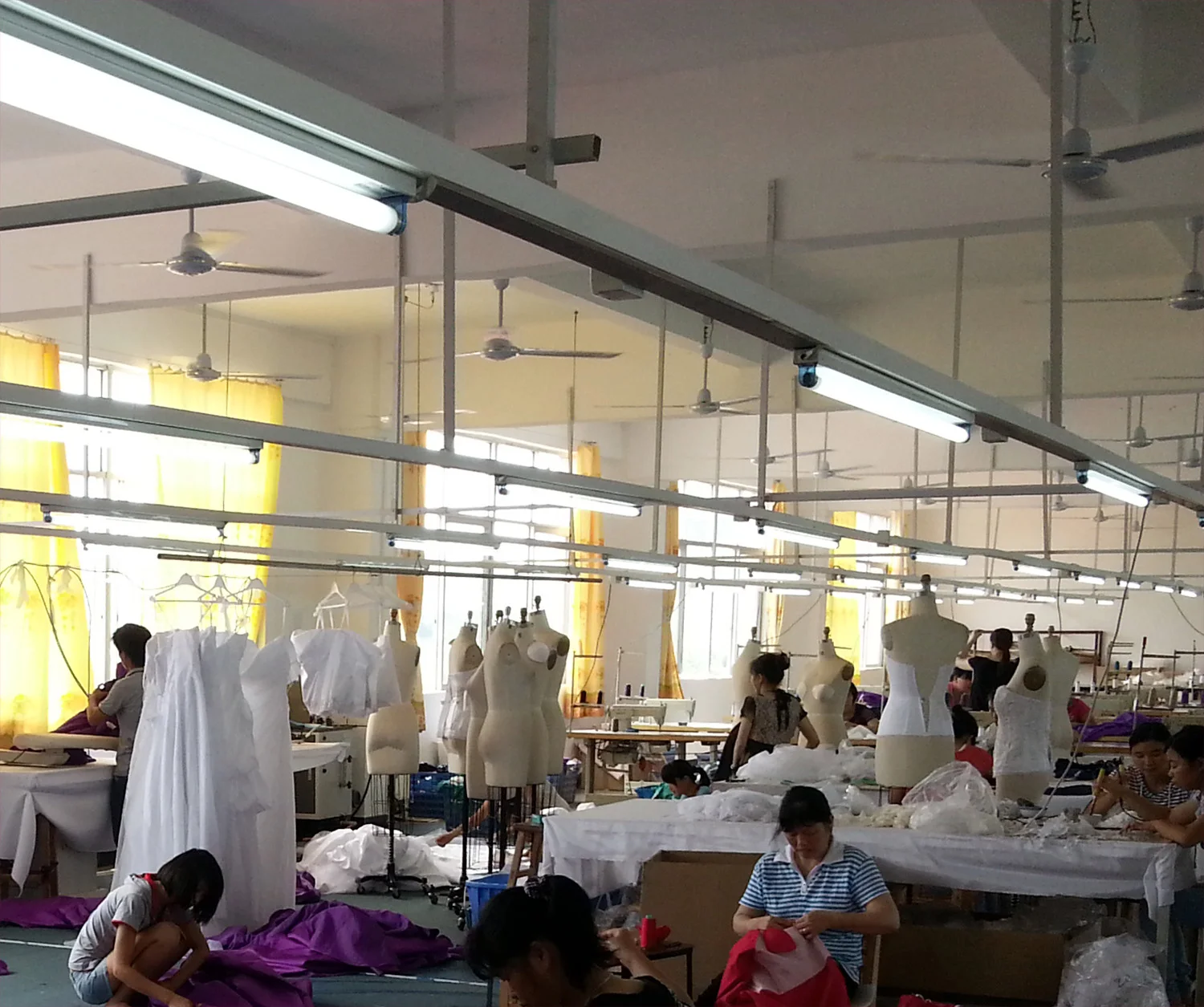
Suzhou Lily Wedding Dress Co., Ltd.
- Trading Company
- Jiangsu, China
- Lead time30 days
- Avg. response≤ 3h
Main productsWedding Dress,Evening Dress,Man Suit,Wedding Shoes,Party Shoes
Main marketsAfrica(25.00%), Northern Europe(12.00%), North America(10.00%), Eastern Europe(8.00%), South America(8.00%), Mid East(6.00%), Southeast Asia(5.00%), Central America(5.00%), Western Europe(5.00%), Southern Europe(5.00%), Oceania(5.00%), South Asia(3.00%), Eastern Asia(3.00%)
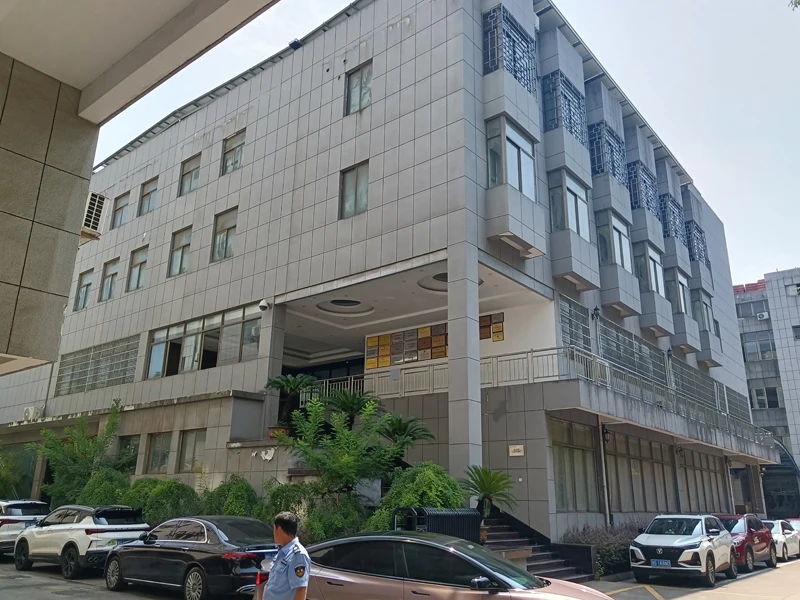
Jinhua Agata Trading Co., Ltd.
- Trading Company
- Zhejiang, China
- Lead time7 days
- Avg. response≤ 2h
Main productsWomen's Clothes,Kids Clothes,Shoes,Jewelry,Bags
Main marketsEastern Europe(20.00%), North America(20.00%), Central America(10.00%), Western Europe(10.00%), Southern Europe(10.00%), South America(10.00%), Southeast Asia(5.00%), Northern Europe(3.00%), Domestic Market(3.00%), South Asia(3.00%), Oceania(2.00%), Africa(2.00%), Eastern Asia(2.00%)

- Trading Company
- Hubei, China
- Lead time7 days
- Avg. response≤ 1h
Main productsWomens Clothes,Mens Clothes,Baby Kids Clothes,Maternity Clothes,American apparel african clothing
Main marketsNorth America(60.00%), Western Europe(30.00%), Southern Europe(5.00%), South America(5.00%)

- Verified by CTI
- Trading Company
- China Anhui
- Lead time23 days
- Avg. response≤ 2h
Main productsFurniture, Home Furniture
Main marketsSoutheast Asia/ Mideast
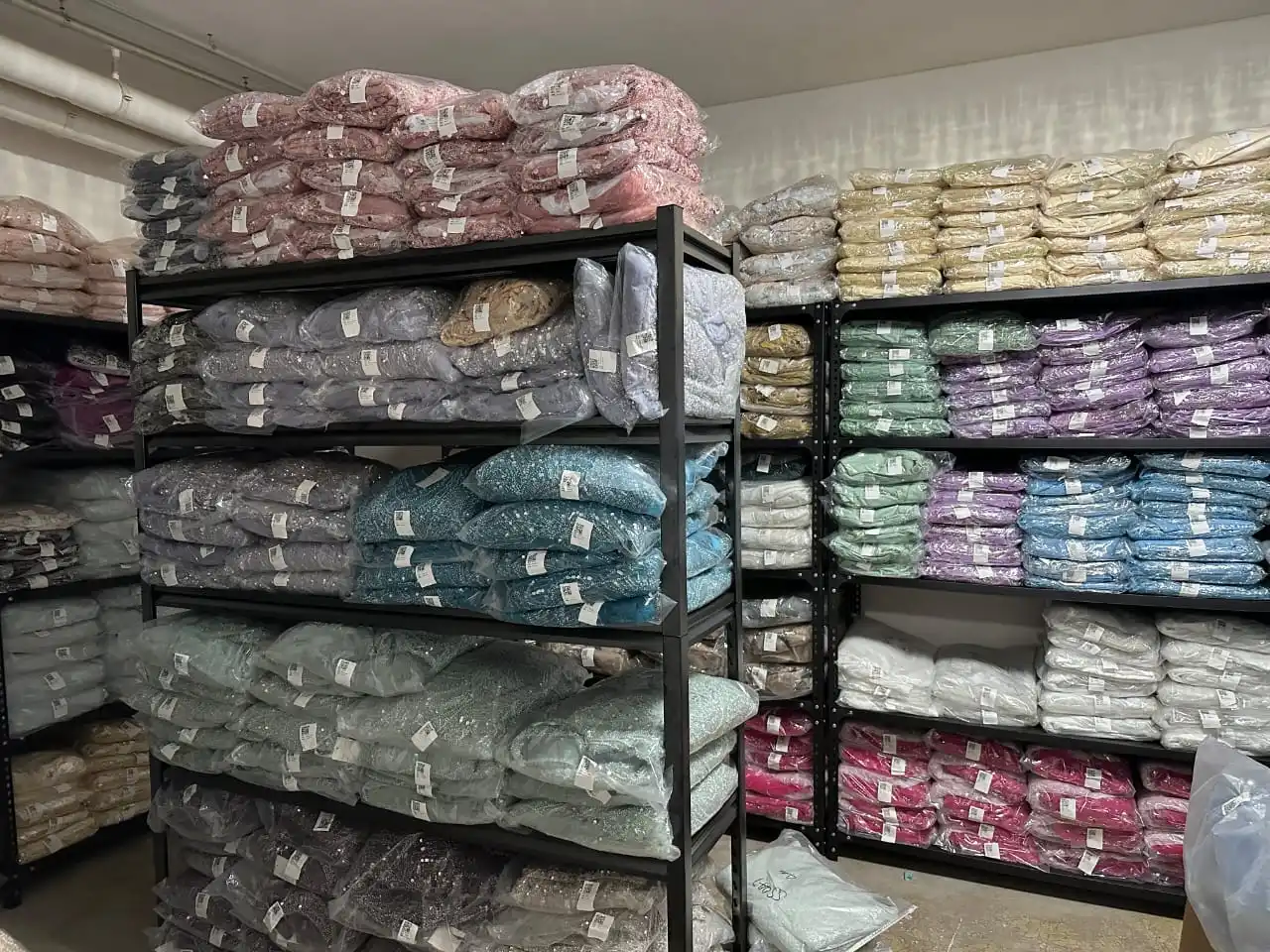
Shenyang Baisi Clothing Co., Ltd.
- Trading Company
- Liaoning, China
- Lead time0 days
- Avg. response≤ 2h
Main productsWedding Dress,Bridesmaid Dress,Mother of Bride Dresses,Plus Size Wedding dresses,Muslim Wedding Dresses
Main marketsNorth America(50.00%), Western Europe(30.00%), Africa(15.00%), Mid East(5.00%)
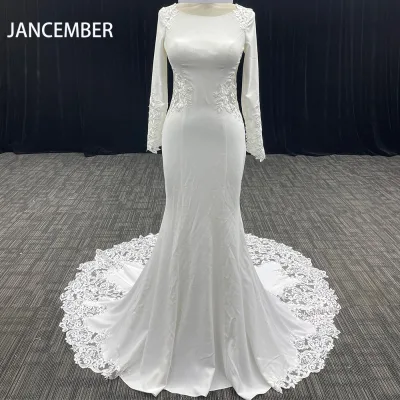
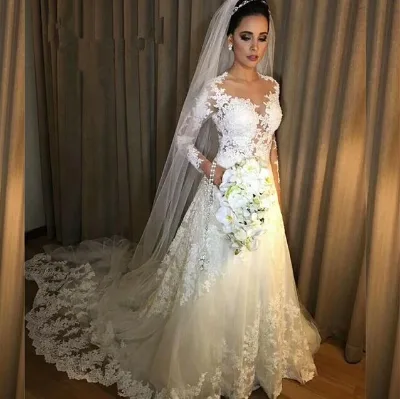
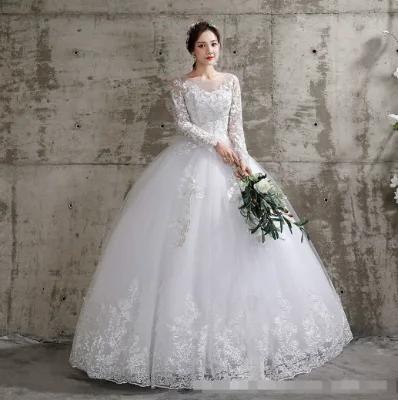
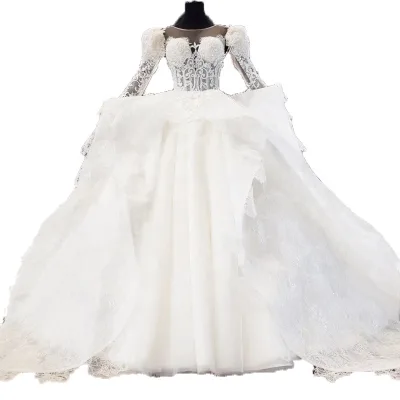
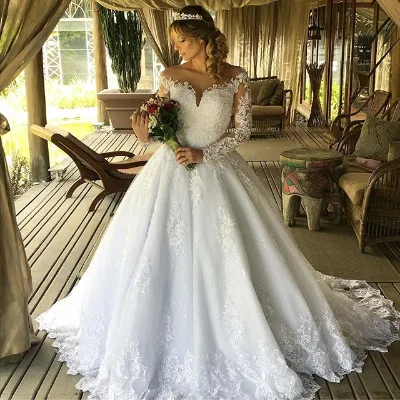
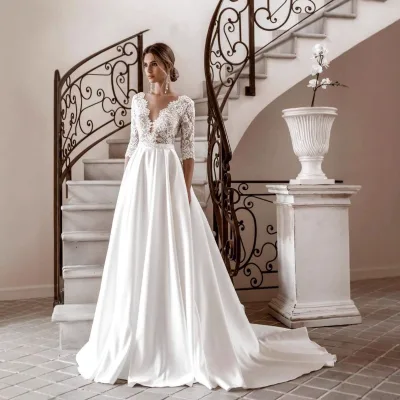
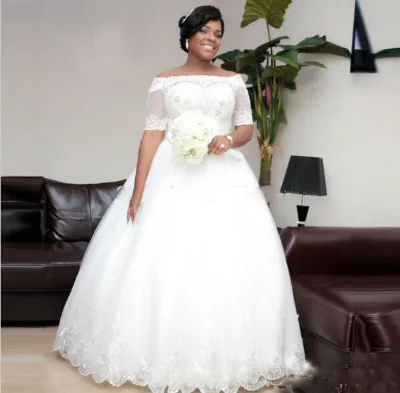
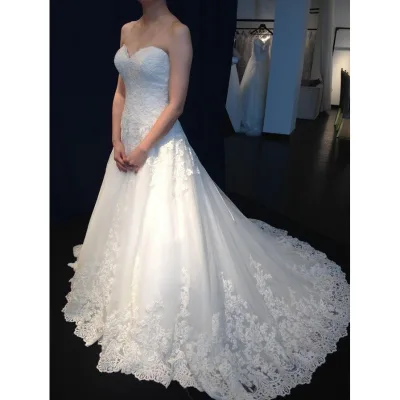
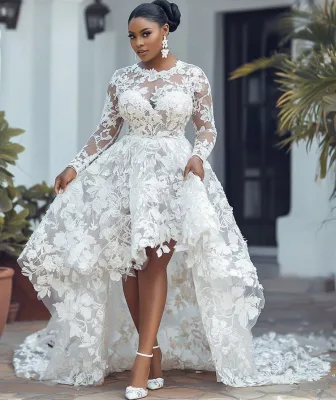
LSZT08 Full Sleeve Lace Illusal Plus Size Fashion Vintage Satin Wedding Dress for Bridal
$301.9069 - $331.2587
MOQ: 1 bags
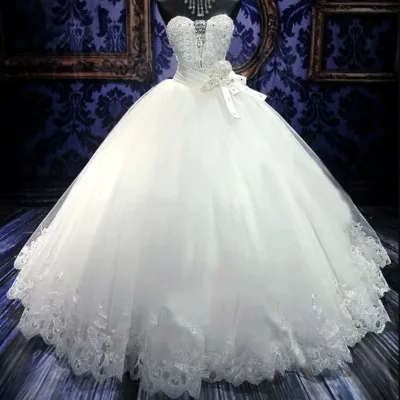
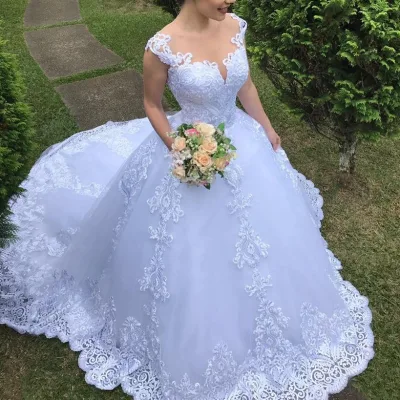
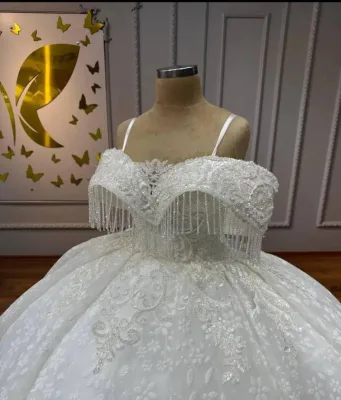
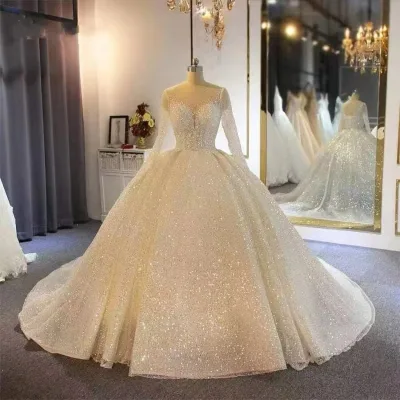



Comprehensive Sourcing Guide
Plus Size Lace Wedding Gown Supplier Concentration and Factory Types
The current supplier landscape for plus size lace wedding gowns reveals a distinct concentration of manufacturing activity within Guangdong, China, which serves as a primary hub for these specific apparel items. This geographic clustering suggests that buyers seeking efficient logistics and established supply chains should prioritize suppliers located in this region, as it likely offers the necessary infrastructure for textile processing and garment assembly. While Guangdong is a confirmed location for some suppliers, other product evidence indicates origins in Jiangsu and Zhejiang, China, highlighting that the industry is not monolithic but rather distributed across multiple provincial manufacturing centers. Buyers must recognize that a supplier’s listed location may not always align with the final production site, especially for trading companies that source from various factories. Therefore, verifying the actual place of origin for the specific lace fabric and the sewing facility is crucial to ensure quality control and consistency. The presence of suppliers in Jiangsu, known for its textile industry, and Zhejiang, a major hub for apparel export, provides additional options for buyers who may have specific regional preferences or logistical requirements. Understanding this geographic distribution helps in assessing the reliability of supply chains and the potential for faster turnaround times based on proximity to ports or raw material sources.
In terms of company structure, the available data indicates a mix of trading companies and direct manufacturers, with trading companies being a notable presence in the current results. Trading companies often act as intermediaries, offering a broader range of products such as game controllers, speakers, and bicycle accessories alongside wedding apparel, which may suggest a diversified business model rather than a specialized focus on bridal wear. This diversification can be advantageous for buyers looking for consolidated shipping from a single source, but it may also raise questions about the depth of expertise in niche bridal markets. Direct manufacturers, on the other hand, typically offer more specialized knowledge and potentially better pricing due to the elimination of middlemen. However, the evidence shows that many suppliers are classified as trading companies, which means they may not own the factories producing the lace gowns. Buyers should inquire about the supplier’s relationship with their manufacturing partners to understand who controls the quality assurance processes. The distinction between a trading company and a factory is critical because it affects communication efficiency, customization capabilities, and the ability to resolve production issues quickly. A trading company might offer more flexibility in order sizes but could have longer lead times due to additional coordination layers.
How to Verify Plus Size Lace Wedding Gown Suppliers
Verifying the legitimacy and capability of Plus Size Lace Wedding Gown suppliers requires a multi-layered approach that goes beyond surface-level profile reviews. One of the first steps is to check for system certifications, such as the Declaration of Conformity, which indicates that the supplier adheres to certain regulatory standards for their products. While this certification is a positive signal, it is not a comprehensive guarantee of quality or ethical manufacturing practices. Buyers should request additional documentation, such as factory audit reports or third-party inspection certificates, to gain a deeper understanding of the supplier’s operational standards. It is also important to verify the supplier’s response time, as a quick response can indicate a well-managed customer service team that is attentive to buyer needs. In the current results, a response time of two hours is noted, which is a strong indicator of responsiveness. However, buyers should test this responsiveness by sending detailed inquiries about specific product requirements, such as custom lace patterns or specific sizing adjustments for plus size garments. A supplier’s ability to provide detailed and accurate answers to technical questions is a better indicator of their expertise than a generic quick reply.
Another critical aspect of verification is assessing the supplier’s product portfolio and consistency. The evidence shows that some suppliers offer a wide range of products, including non-apparel items, which may suggest that their primary focus is not on bridal wear. Buyers should look for suppliers who specialize in wedding apparel or have a dedicated bridal division, as these suppliers are more likely to have the necessary expertise and resources to handle complex lace designs and plus size fittings. Additionally, buyers should verify the supplier’s ability to provide samples, as the evidence indicates that some suppliers support seven-day sample orders. This capability is essential for evaluating the quality of the lace, the fit of the gown, and the overall craftsmanship before committing to a large order. Buyers should also check for the availability of OEM/ODM services, which indicates that the supplier can customize products according to specific brand requirements. It is important to note that not all suppliers may have displayed attributes for every verification criterion, so buyers must actively seek out this information through direct communication. Relying solely on the information provided in the initial search results can lead to incomplete assessments, so proactive verification is key to mitigating risks.
What to Compare Across Plus Size Lace Wedding Gown Suppliers
When comparing suppliers for plus size lace wedding gowns, buyers should focus on key operational metrics such as lead time, minimum order quantity (MOQ), and pricing structures. The current data shows a lead time of twenty days for some suppliers, which is a critical factor for buyers who need to plan their inventory and delivery schedules carefully. However, other product evidence indicates a delivery time of within seven to ten working days for sample orders, suggesting that lead times may vary significantly between sample and bulk production. Buyers should clarify whether the quoted lead time applies to samples or bulk orders and whether it includes production, quality control, and shipping. Additionally, the MOQ is a crucial consideration, as some suppliers may have a low MOQ of one piece, which is ideal for testing the market or for small boutique orders. In contrast, other suppliers may have higher MOQs that are better suited for large-scale retail operations. Buyers should compare these MOQs against their own business needs to determine which suppliers are the most suitable for their order volume.
Pricing is another vital dimension for comparison, with the evidence showing price ranges from fifty-four to seventy-five dollars per unit for various styles of plus size lace wedding gowns. Buyers should analyze these prices in the context of the product’s features, such as the type of lace, the complexity of the design, and the inclusion of built-in bras or specific silhouettes. For instance, a gown with a ball gown silhouette and beaded lace may command a higher price than a simpler A-line design. Buyers should also consider the total cost of ownership, including shipping, taxes, and any potential customs duties, rather than just the unit price. Furthermore, buyers should compare the supplier’s response speed, as a faster response can indicate better customer service and a higher likelihood of resolving issues promptly. The evidence shows a response time of two hours for some suppliers, which is a competitive advantage. Buyers should also look for suppliers who offer flexible payment terms or escrow services to protect their financial interests. By systematically comparing these operational metrics, buyers can identify the suppliers that offer the best balance of cost, quality, and service for their specific requirements.
Common Plus Size Lace Wedding Gown Sourcing Risks
Sourcing plus size lace wedding gowns involves several inherent risks that buyers must proactively manage to ensure a successful procurement process. One significant risk is the variability in product quality, particularly regarding the lace material and the construction of the gown. The evidence shows that materials can range from polyester to nylon blends, and the fabric type may be listed as lace or satin, which can affect the final appearance and durability of the garment. Buyers must be cautious of suppliers who do not provide detailed material specifications or who use vague terms like "other country" for the place of origin, as this can make it difficult to trace the supply chain and ensure ethical sourcing practices. Additionally, the risk of sizing inconsistencies is high, especially for plus size garments, where fit is critical. Buyers should verify that the supplier offers a comprehensive size chart and is willing to provide custom sizing options if necessary. The evidence shows that some suppliers offer sizes up to 26W, which is a positive sign, but buyers should still request detailed measurements for each size to avoid fit issues.
Another common risk is the potential for delays in production and delivery, which can be exacerbated by poor communication or inadequate quality control processes. The evidence shows a lead time of twenty days, but this may not account for potential bottlenecks in production or shipping. Buyers should establish clear communication channels with their suppliers and request regular updates on the production status. It is also important to have a contingency plan in place, such as identifying alternative suppliers or negotiating penalty clauses for late deliveries. The risk of intellectual property infringement is also a concern, especially if the buyer is looking for unique or custom designs. Buyers should ensure that their designs are protected and that the supplier agrees to confidentiality agreements. Furthermore, the risk of financial loss is mitigated by using secure payment methods, such as escrow services, which hold the funds until the buyer confirms receipt of the goods. Buyers should also be aware of the potential for hidden costs, such as sample fees, mold fees, or shipping surcharges, and request a detailed breakdown of all costs upfront. By identifying and addressing these risks early in the sourcing process, buyers can minimize disruptions and ensure a smoother procurement experience.
Plus Size Lace Wedding Gown Regional Sourcing and Logistics
Regional sourcing plays a pivotal role in determining the efficiency and cost-effectiveness of procuring plus size lace wedding gowns. The evidence indicates that suppliers are located in Guangdong, Jiangsu, and Zhejiang, China, each of which offers distinct logistical advantages. Guangdong, being a major export hub, likely provides access to well-developed port infrastructure and a wide range of logistics providers, which can facilitate faster and more reliable shipping. Buyers sourcing from Guangdong-based suppliers may benefit from shorter transit times to international destinations, particularly for markets in North America and Europe. However, buyers should also consider the logistical implications of sourcing from Jiangsu and Zhejiang, which are known for their strong textile industries. These regions may offer better access to raw materials, such as lace and polyester, which can reduce production costs and lead times. Buyers should evaluate the proximity of the supplier’s factory to major ports and transportation networks to assess the potential for logistical bottlenecks.
Logistics planning should also account for the packaging and weight of the products, as these factors directly impact shipping costs. The evidence shows that the single package size for some wedding gowns is 45x45x14 cm, with a single gross weight of 2.0 kg, while other styles may have different dimensions and weights. For example, a ball gown with a long train and beaded lace may have a single gross weight of 8.0 kg, which can significantly increase shipping costs. Buyers should request detailed packaging information from their suppliers to calculate the total shipping volume and weight accurately. Additionally, buyers should consider the mode of transportation, such as air freight or sea freight, and how it aligns with their delivery timelines and budget. Air freight is faster but more expensive, while sea freight is cost-effective but has longer transit times. Buyers should also be aware of any customs regulations or import duties that may apply to their destination market, as these can affect the total landed cost of the products. By carefully planning the logistics and considering the regional advantages of different sourcing locations, buyers can optimize their supply chain and reduce overall procurement costs.
Plus Size Lace Wedding Gown Commercial Terms and Order Planning
Effective order planning for plus size lace wedding gowns requires a thorough understanding of the commercial terms offered by suppliers, including payment terms, return policies, and after-sales support. The evidence shows that some suppliers accept OEM/ODM services, which indicates a willingness to customize products according to the buyer’s specifications. Buyers should clarify the terms for customization, such as the availability of custom lace patterns, specific color options, and tailored sizing. It is also important to negotiate clear payment terms, such as a deposit followed by the balance upon shipment, to protect the buyer
FAQs
What is the price range for plus size lace wedding gowns?
Prices for these bridal gowns typically range from $54 to $75 per unit. The final cost depends on specific design elements such as sleeve length, train size, and fabric type. Buyers should confirm exact pricing with suppliers based on their chosen model number and quantity requirements.
What are the standard delivery times for these dresses?
Standard delivery times generally fall within 7 to 20 working days. Some suppliers offer in-stock items for faster shipping, while others may require up to 20 days for production. Buyers should verify the specific lead time for their selected style and size to ensure timely arrival for their event.
Do suppliers accept custom orders for these gowns?
Yes, many suppliers accept OEM and ODM services for custom plus size lace wedding gowns. Buyers can request specific modifications to fit, fabric, or design details. It is advisable to confirm customization options and any associated costs directly with the supplier before placing a bulk order.
What materials are commonly used for these wedding dresses?
Common materials include polyester, nylon, and lace. Some gowns feature satin fabric types with lace decorations. These materials are often chosen for their breathability, comfort, and eco-friendly properties. Buyers should check the specific material composition listed for each product to ensure it meets their quality standards.
Where are these wedding gowns typically manufactured?
These gowns are primarily manufactured in regions such as Jiangsu, Zhejiang, and Guangdong in China. The place of origin can vary by supplier and specific product line. Buyers should verify the exact manufacturing location to understand shipping logistics and potential tariffs associated with the imported bridal wear.
What certifications do these suppliers typically hold?
Suppliers often hold a Declaration of Conformity certification for their products. This indicates that the items meet certain safety and quality standards. Buyers should request copies of these certifications to ensure compliance with their local regulations and to verify the reliability of the manufacturing process.