Retro Copper Casting Octopus Statue Suppliers and Manufacturers
Explore 17 verified options for Retro Copper Casting Octopus Statue from Guangdong and Hainan factories. Compare lead times, MOQs, and material specs like brass or bronze to source the right fit. Contact suppliers directly to request quotes; review the available evidence before requesting comparable quotations from suitable candidates.
Updated
Suppliers List
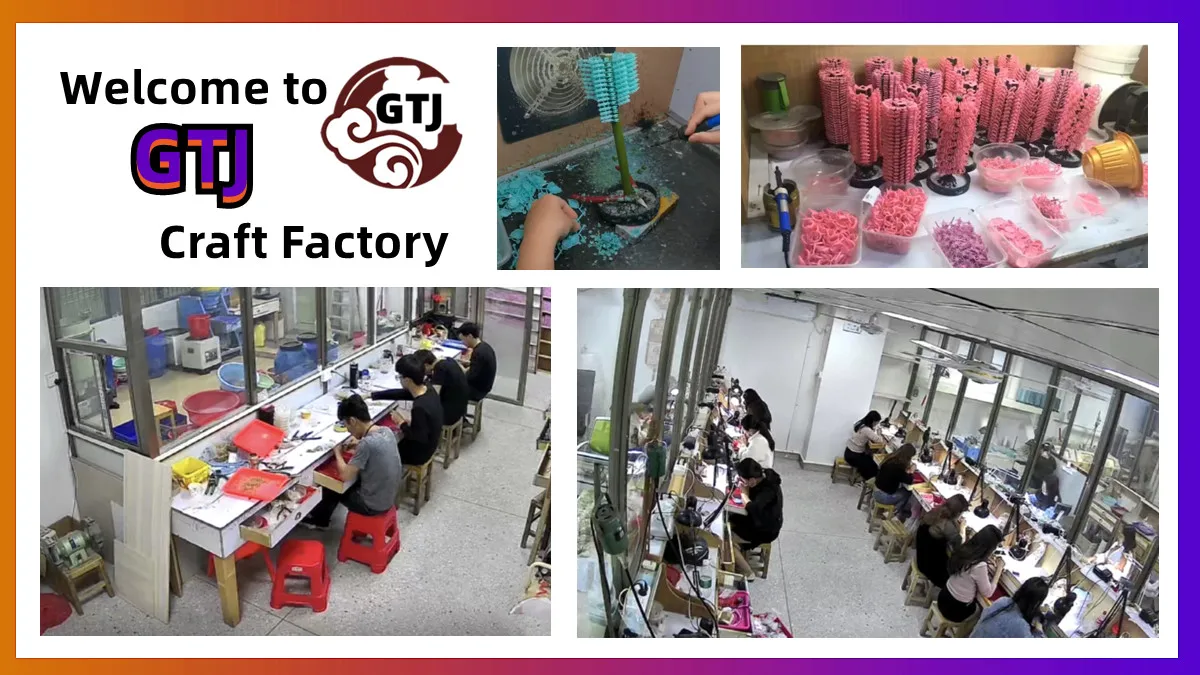
Haifeng Meilong Gutongji Craft Factory
- Manufacturer, Trading Company
- Guangdong, China
- Lead time7 days
- Avg. response≤ 2h
Main productsmetal craft,key rings/chains,home furnishing,Lighters and smoking utensils,Brass statue
Main marketsSoutheast Asia(30.00%), Domestic Market(30.00%), Eastern Asia(10.00%), South Asia(10.00%), North America(5.00%), Mid East(5.00%), South America(2.00%), Central America(2.00%), Oceania(1.00%), Eastern Europe(1.00%), Southern Europe(1.00%), Northern Europe(1.00%), Africa(1.00%), Western Europe(1.00%)
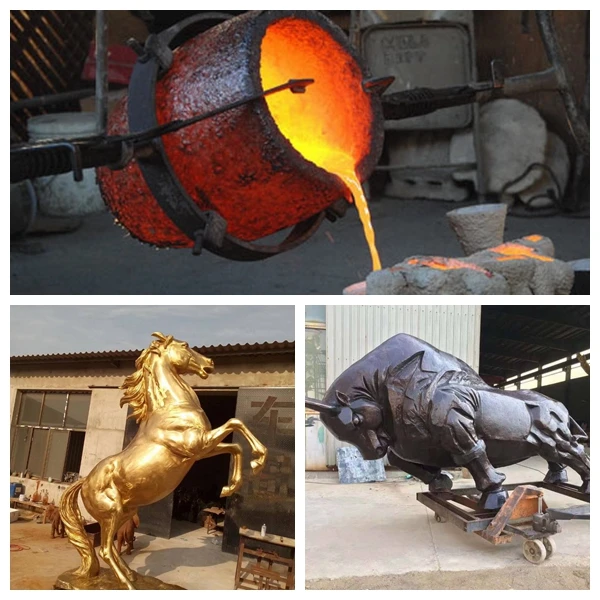
Haikou Piccadilly Sculpture Import And Export Trading Co., Ltd.
- Trading Company
- Hainan, China
- Lead time35 days
- Avg. response≤ 1h
Main productsFiberglass sculpture,stainless steel sculpture,bronze sculpture,cast aluminum sculpture,statue
Main marketsEastern Europe(30.00%), Domestic Market(10.00%), Northern Europe(10.00%), Southeast Asia(10.00%), North America(10.00%), Oceania(5.00%), Southern Europe(5.00%), Africa(5.00%), Western Europe(5.00%), Mid East(5.00%)
Zhengzhou You Fine Art Co., Ltd.
- Verified by SGS Group
- Manufacturer, Trading Company
- Lead time30 days
- Avg. response≤ 2h
Main productsBronze Sculpture, Stainless Steel Sculpture, Marble Sculpture, Iron Products
Main marketsNorth America(40%), Mid East(15%), Western Europe(15%)

Zhengzhou Millie Arts & Crafts Co., Ltd.
- Verified by TUVRHEINLAND
- Trading Company
- China Henan
- Lead time45 days
- Avg. response≤ 1h
Main productsBronze Sculpture, Marble Sculpture, Stainless Steel Sculpture, Sculpture, Marble Fountain, Marble Gazebo, Bronze Fountain, Iron Gazebo, Landscape Sculpture, Bronze Animal Sculpture
Main marketsNorth America

Modern Decorative Middle Finger Bronze Sculpture Octopus Decro Metal Statue
$800.00 - $3400.00
MOQ: 1 Pieces

Ocean Animal Decor Octopus Spirit Decorative Statue Antique Bronze Brass Octopus Sculpture
$800.00 - $3400.00
MOQ: 1 Pieces

Outdoor Seaside Metal Animal Statue Silver Stainless Steel Octopus Sculpture
$2588.00 - $3100.00
MOQ: 1 Pieces

Zhengzhou Relong Arts & Crafts Co., Ltd.
- Trading Company
- China Henan
- Lead time60 days
- Avg. response≤ 1h
Main productsBronze Sculpture, Marble Sculpture, Stainless Steel Sculpture, Marble Fountain, Marble Gazebo, Iron Gazebo, Landmark Sculpture, Stone Sculpture, Bronze Animal Sculpture, Bronze Fountain
Main marketsEurope,Australia,North America

Outdoor Seaside Metal Animal Stainless Steel Octopus Sculpture Statue
$1580.00 - $4580.00
MOQ: 1 Pieces

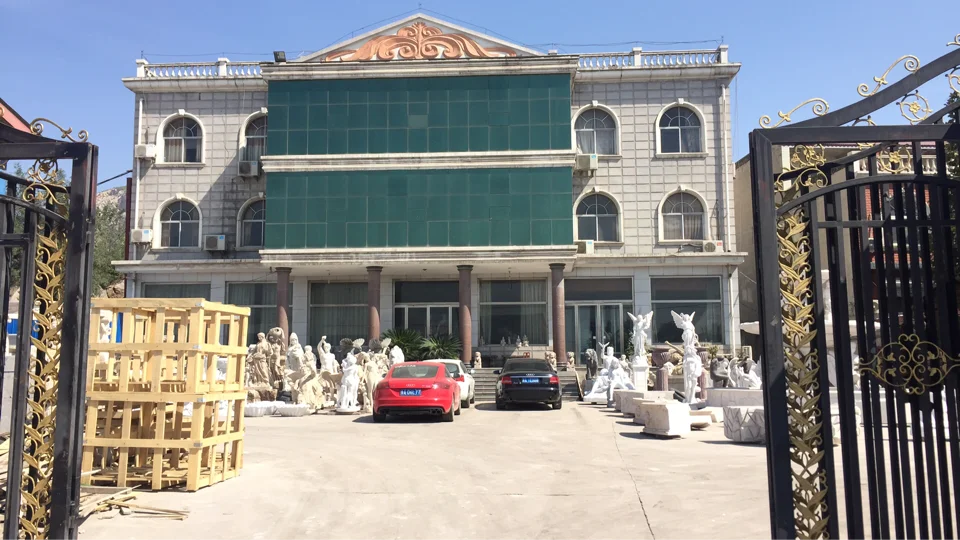
Hebei Ideal Arts Import And Export Corp., Ltd.
- Trading Company
- Hebei, China
- Lead time30 days
- Avg. response≤ 7h
Main productsStone products,west and east figure statue,animals,sculptures,flower pots
Main marketsNorth America(40.00%), Eastern Asia(10.00%), Southeast Asia(10.00%), Eastern Europe(10.00%), Mid East(10.00%), South America(8.50%), Oceania(6.50%), Western Europe(5.00%)
Aongking Technology Hebei Co., Ltd.
- Verified by SGS Group
- Manufacturer, Trading Company
- Lead time30 days
- Avg. response≤ 3h
Main productsStainless Steel Sculptures, Bronze Sculpture, Metal Sculptures, Fountain, Marble Statues
Main marketsNorth America(30%), Eastern Europe(10%), Southeast Asia(10%)

Quyang Zhihong Landscape Engineering Co., Ltd.
- Verified by CTI
- Combined
- China Hebei
- Lead time45 days
- Avg. response≤ 7h
Main productsStainless Steel Sculpture, Stainless Steel Statue, Bronze Sculpture, Stone Sculpture
Main marketsDomestic

European-Style Cast Copper Retro Goddess Sculpture, Custom Courtyard Landscape Figure Bronze Statue
$300.00 - $5000.00
MOQ: 1 Pieces

Finely Polished Cast Bronze Statues of Western Scientists, European Retro Figure Bronze Sculptures
$200.00 - $3000.00
MOQ: 1 Pieces

Hebei Jingsu Import and Export Trade Co., Ltd.
- Verified by SGS
- Trading Company
- China Hebei
- Lead time30 days
- Avg. response≤ 2h
Main productsBronze Sculptures, Marble Sculptures, Resin Sculptures, Fountains, Religious Sculptures, Fireplace
Main marketsSouth America,Europe,North America


Famous Design Casting Bronze Three Monkey Sculpture Statue for Decoration
$2000.00 - $4000.00
MOQ: 1 Pieces

Outdoor Garden Decoration Life Size Bronze Casting Animal Statue Antique Brass Panther Statue
$2000.00 - $5000.00
MOQ: 1 Pieces


Factory Supply Wild Animal Statues Casting Bronze Large Outdoor Eagle Statues
$2500.00 - $4000.00
MOQ: 1 Pieces

Tianjin Esing Arts Gallery Co., Ltd.
- Verified by SGS
- Trading Company
- China Tianjin
- Lead time60 days
- Avg. response≤ 3h
Main productsMarble Statue, Stone Fountain, Marble Fireplace, Bronze Sculpture, Marble Flowerpot, Stainless Steel Sculpture, Cast Iron Bench, Cast Iron Flowerpot, Marble Sculpture, Stone Statue
Main marketsEurope,Australia,North America
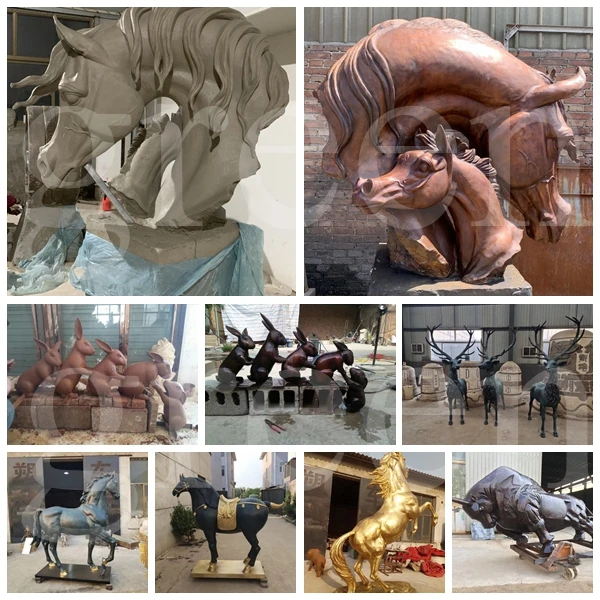
Hainan Yuanqi Trading Co., Ltd.
- Trading Company
- hainan, China
- Lead time30 days
- Avg. response≤ 2h
Main productsbronze sculpture,Animal sculpture,figure sculpture,marble sculpture,Stainless steel sculpture '
Main marketsNorth America(12.00%), Northern Europe(10.00%), Domestic Market(10.00%), Southeast Asia(10.00%), Eastern Europe(10.00%), Eastern Asia(10.00%), Southern Europe(9.00%), Western Europe(8.00%), Oceania(5.00%), South Asia(5.00%), Mid East(5.00%), Africa(2.00%), Central America(2.00%), South America(2.00%)
Guangdong Jiangxin Art Development Co., Ltd.
- Verified by Intertek
- Manufacturer, Trading Company
- Lead time25 days
- Avg. response≤ 2h
Main productsCustom Art Sculptures, Urban Landscape Art, Commercial Art Installations, Non-Standard Amusement Installations, Light Art Themed Installations
Main marketsNorth America(50%), Mid East(30%), Western Europe(10%)
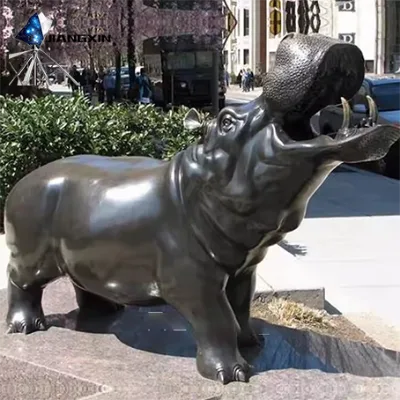
$1499.00 - $2999.00
MOQ: 1 pieces
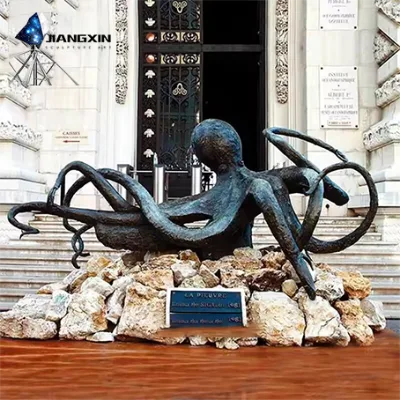


Aongking Technology Hebei Co., Ltd.
- Verified by SGS
- Combined
- China Hebei
- Lead time30 days
- Avg. response≤ 3h
Main productsSculpture, Bronze Sculpture, Stainless Steel Sculptures, Marble Sculptures, Fiberglass Sculptures, Art, Garden Sculpture, Urban Sculpture, Metal Sculptures, Portrait Sculpture
Main marketsSouth America,Europe,Australia,North America


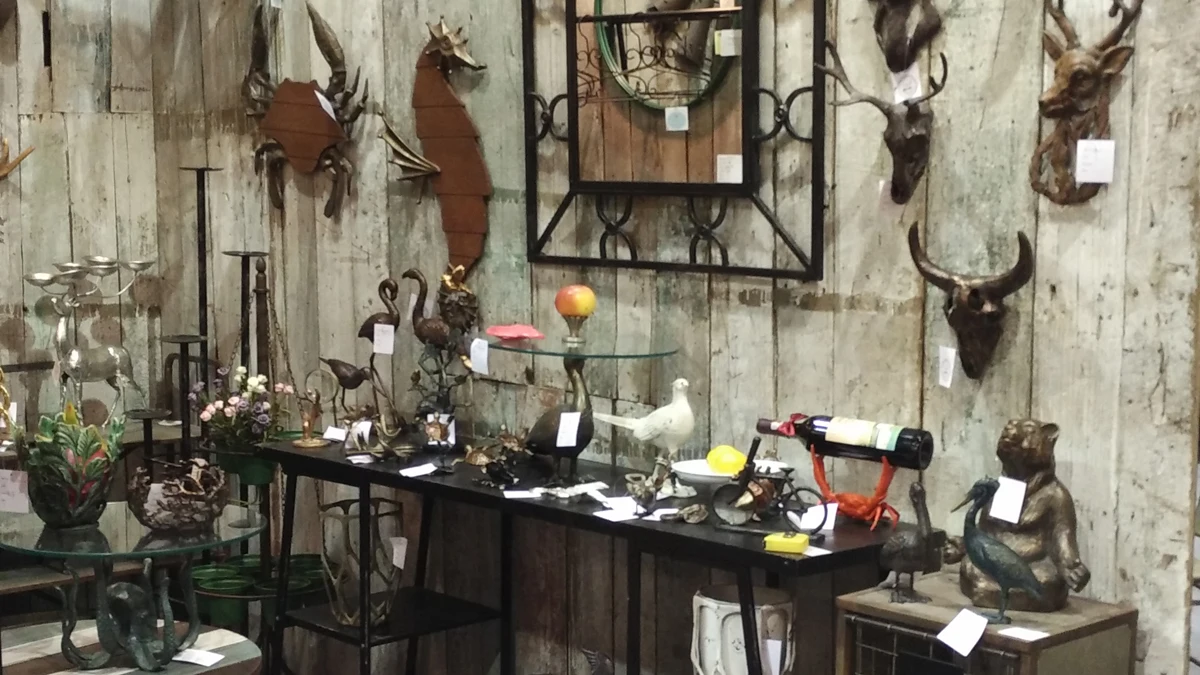
Custom Outdoor Public Landscape Modern Large Ocean Animal Giant Octopus Bronze Sculpture
$1290.00 - $3660.00
MOQ: 1 Pieces
Yantai Megbond International Trade Co., Ltd.
- Manufacturer, Trading Company
- Shandong, China
- Lead time70 days
- Avg. response≤ 3h
Main productsHome decor,Garden Decor,Cast iron handicraft,Cast aluminum items,Resin crafts
Main marketsNorth America(40.00%), Western Europe(20.00%), Domestic Market(10.00%), Northern Europe(10.00%), South America(10.00%), Eastern Europe(10.00%)

Qu Yang Sheng Ya Sculpture Factory
- Combined
- China Hebei
- Lead time60 days
- Avg. response≤ 5h
Main productsStone Sculpture, Marble Fireplace, Marble Fountain, Statue, Planter and Pots, Tables and Benches, Animals, Marble Slabs, Column, Pillars
Main marketsSouth America,Africa,Southeast Asia/ Mideast,Domestic,Europe,Australia,North America


Outdoor Decoration Metal Craft Statue Bronze Casting Figure Sculpture (SYBS-029)
$800.00
MOQ: 1 Pieces


Tianjin Charles International Trade Co., Ltd.
- China Tianjin
- Lead time0 days
- Avg. response≤ 7h
Main productsMarble Carving, Stone Carving, Iron Cast, Cast Iron, Casting, Sculpture, Marble, Stone, Wire Iron, Wrought Iron

- Manufacturer/Factory
- China Beijing
- Lead time60 days
- Avg. response≤ 1h
Main productsStainless Steel Sculpture, Bronze Sculpture, Metal Facade, Stainless Steel Statue, Stainless Steel Architectural Sculpture, Steel Artwork, Bronze Statue, Bronze Buddha, Metal Sculptures, Casting Metal Sculptures
Main marketsSouth America,Eastern Europe,Mid East,North America,Southeast Asia,Eastern Asia,Oceania,Western Europe,Africa
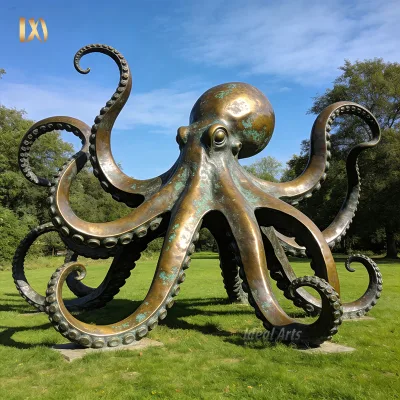
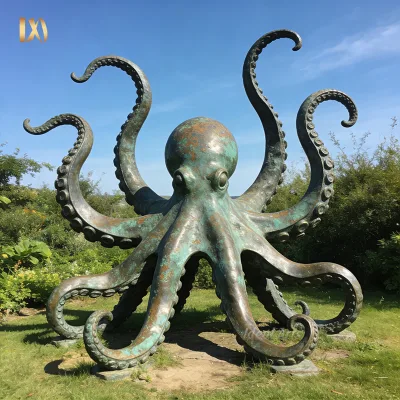
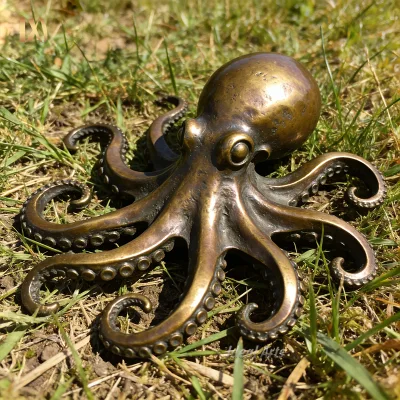
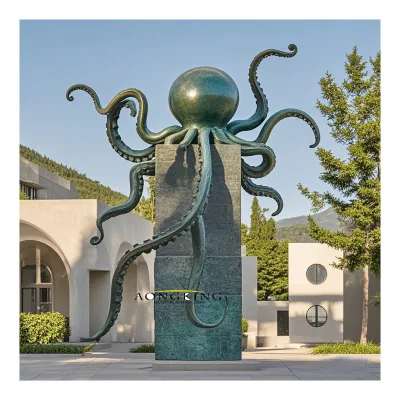
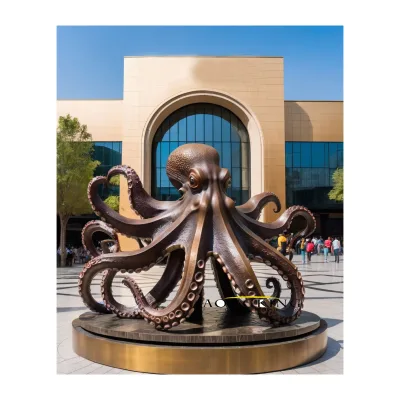


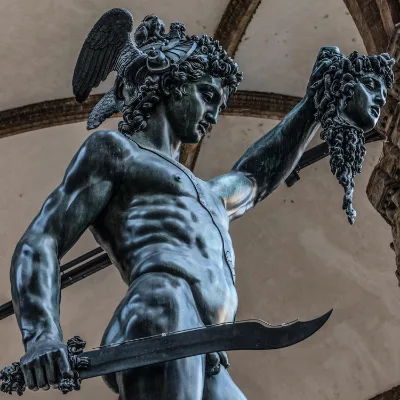
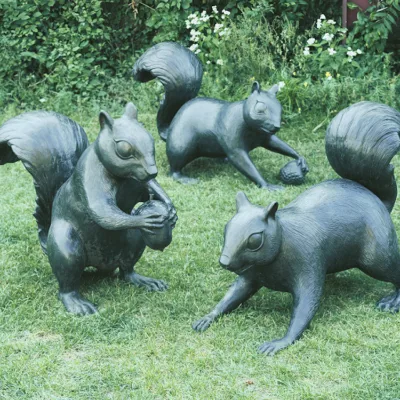
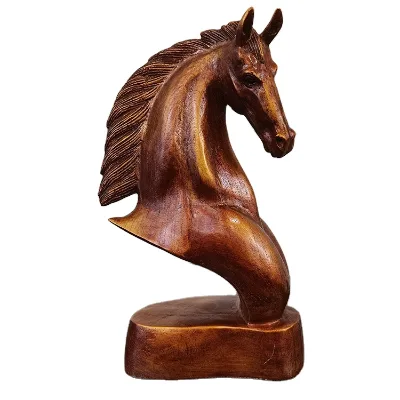


Comprehensive Sourcing Guide
Retro Copper Casting Octopus Statue Supplier Concentration and Factory Types
The sourcing landscape for retro copper casting octopus statues reveals a distinct concentration of manufacturing activity within specific Chinese provinces, with Guangdong emerging as a primary hub for these specialized metal crafts. Suppliers located in Guangdong, China, frequently list metal crafts, key rings, chains, and home furnishing items as their main products, indicating a robust ecosystem for small-scale decorative metalwork. These entities often operate as either manufacturers or trading companies, offering buyers a choice between direct factory engagement and intermediary services. The presence of manufacturers suggests that buyers can potentially access more customized production capabilities, including OEM and ODM services, which are explicitly marked as acceptable for certain product lines. This dual company type structure allows for flexibility in sourcing, where some suppliers may focus on high-volume standard items while others cater to bespoke design requests. The concentration in this region implies a mature supply chain for materials like brass and copper, facilitating efficient production cycles for intricate designs such as octopus statues. Buyers should recognize that while the geographic cluster is evident, the operational model varies significantly, requiring careful distinction between pure trading entities and those with actual casting facilities. Understanding this distinction is crucial for evaluating the authenticity of lead times and the feasibility of custom design modifications. The availability of both types in the same region creates a competitive environment that can drive down costs but may also complicate quality control if the buyer does not verify the actual production source.
In contrast to the established manufacturing clusters, other regions may host trading companies that specialize in larger or differently material-based sculptures, such as fiberglass or stainless steel, which might not align with the specific requirements for retro copper casting. For instance, suppliers in Hainan, China, are observed to focus on fiberglass sculptures, stainless steel sculptures, and bronze sculptures, with a company type listed strictly as a trading company. This indicates that while octopus statues are available from these sources, the material composition and manufacturing process may differ substantially from the traditional copper casting method implied by the core keyword. Buyers seeking authentic retro copper casting should be wary of suppliers whose primary product lines emphasize resin, fiberglass, or large-scale outdoor installations, as these may not possess the specialized tooling or expertise for small-scale metal casting. The distinction between a trading company that sources from various factories and a manufacturer with in-house casting capabilities is vital for ensuring product authenticity. Buyers must scrutinize the main products listed to confirm that metal crafts and brass statues are central to the supplier’s portfolio rather than peripheral items. This verification step helps avoid mismatches in material quality and finishing techniques, which are critical for achieving the desired antique or retro aesthetic. By focusing on suppliers whose core competencies align with metal casting, buyers can ensure they are engaging with entities that have the necessary technical proficiency to deliver high-quality retro copper octopus statues.
How to Verify Retro Copper Casting Octopus Statue Suppliers
Verifying the authenticity and capability of suppliers for retro copper casting octopus statues requires a meticulous examination of product attributes and supplier credentials, particularly focusing on material specifications and manufacturing techniques. Buyers should prioritize suppliers who explicitly list metal, brass, or copper as the primary material for their octopus statues, as seen in product attributes that specify "Material: Metal" or "Material: brass." It is essential to confirm that the production technique involves casting, as indicated by attributes such as "Technique: Casting" or "Process: casting," which are critical for achieving the intricate details characteristic of retro designs. Additionally, buyers should look for evidence of customization capabilities, such as "OEM.ODM: acceptable" or "logo: Accept customization," which suggests that the supplier has the flexibility to adapt designs to specific buyer requirements. The presence of detailed product attributes, including dimensions, weight, and plating options like "antique brass," provides further insight into the supplier’s attention to detail and quality control processes. Buyers should request samples or detailed product images to verify the finish and craftsmanship, ensuring that the "antique" or "retro" aesthetic is accurately represented. This visual verification is crucial because textual descriptions alone may not fully convey the texture and quality of the metalwork. By cross-referencing these product-specific details with the supplier’s overall profile, buyers can build a more accurate picture of their manufacturing capabilities.
Beyond product attributes, buyers should assess the supplier’s responsiveness and operational efficiency as indicators of their reliability and professionalism. Response time is a key metric, with some suppliers demonstrating a response time of 1 or 2 days, which suggests a high level of engagement and customer service readiness. A quick response time often correlates with a more organized internal process, which can be beneficial for managing complex orders or addressing last-minute changes. Additionally, buyers should inquire about the supplier’s establishment year and any relevant certifications, although specific data on these aspects may not always be readily available in initial search results. If such information is missing, buyers should proactively request it to gauge the supplier’s experience and adherence to industry standards. The availability of escrow services or other payment protection mechanisms can also provide an additional layer of security for transactions, although this should be verified directly with the supplier. Buyers should also consider the supplier’s main products to ensure that retro copper casting octopus statues are a core offering rather than a niche item. Suppliers with a broad range of metal crafts and home furnishing items are more likely to have the necessary expertise and equipment for consistent quality. By combining these verification steps, buyers can mitigate risks and select suppliers who are not only capable of producing the desired product but also reliable in their business practices.
What to Compare Across Retro Copper Casting Octopus Statue Suppliers
When evaluating multiple suppliers for retro copper casting octopus statues, buyers must systematically compare key operational metrics such as minimum order quantity (MOQ), lead times, and pricing structures to determine the most suitable partner for their specific needs. MOQs can vary significantly, with some suppliers requiring as few as 6 pieces, while others may set the threshold at 12 pieces or higher. This variation allows buyers with smaller budgets or testing requirements to engage with suppliers who have lower entry barriers, whereas larger buyers might benefit from economies of scale offered by suppliers with higher MOQs. Lead times are another critical factor, ranging from short periods of 3-7 days for some items to longer durations of up to 35 days for others, particularly those involving custom designs or larger scales. Buyers should align these lead times with their inventory planning and market demand forecasts to avoid stockouts or excess inventory. Pricing is also a decisive element, with price ranges varying based on material quality, complexity, and order volume. For instance, prices may range from approximately $1.29 to $2.39 per unit, depending on the specific product attributes and customization options. Buyers should request detailed quotes that break down costs for materials, labor, and shipping to ensure transparency and avoid hidden fees. Comparing these metrics across suppliers helps identify the best balance between cost, speed, and quality, enabling informed decision-making.
In addition to quantitative metrics, buyers should compare the qualitative aspects of supplier offerings, such as design flexibility, packaging standards, and after-sales support. Design flexibility is indicated by attributes like "Design: 100% Custom Made" or "Service: 3D design," which suggest that the supplier can accommodate unique buyer specifications. Buyers should assess whether the supplier offers 3D modeling services to visualize the final product before production, reducing the risk of errors. Packaging standards are equally important, especially for fragile metal items, with some suppliers using "Strong wooden case with foam" or "PP pack" to ensure safe transit. Buyers should verify that the packaging is robust enough to prevent damage during shipping, particularly for international orders. After-sales support, including warranty policies and return procedures, should also be compared to ensure that buyers have recourse in case of quality issues. Suppliers who provide clear and comprehensive support policies demonstrate a commitment to customer satisfaction and product quality. By systematically comparing these qualitative factors alongside quantitative metrics, buyers can select suppliers who not only meet their immediate needs but also offer long-term value and reliability. This holistic approach to comparison ensures that buyers make well-rounded decisions that consider all aspects of the sourcing process.
Common Retro Copper Casting Octopus Statue Sourcing Risks
Sourcing retro copper casting octopus statues involves several inherent risks that buyers must proactively manage to ensure a successful procurement outcome. One significant risk is the potential mismatch between the advertised material and the actual product received, particularly when suppliers list multiple material options or use vague terminology. Buyers may encounter products labeled as "brass" or "copper" that are actually made from lower-grade alloys or plated base metals, which can affect the durability and aesthetic appeal of the statue. This risk is exacerbated when suppliers do not provide detailed material specifications or allow for third-party testing. Another risk is the variability in craftsmanship quality, especially when dealing with suppliers who offer a wide range of products beyond metal crafts. Suppliers whose main products include fiberglass or resin items may lack the specialized expertise required for high-quality metal casting, leading to inconsistencies in detail and finish. Buyers should be cautious of suppliers who cannot provide clear evidence of their casting capabilities, such as factory photos or video demonstrations of the production process. Additionally, the risk of delayed shipments is prevalent, particularly for custom orders or those involving complex designs. Lead times can extend beyond initial estimates due to production bottlenecks or logistical issues, disrupting supply chains and impacting market availability. Buyers should establish clear communication channels and regular update schedules with suppliers to monitor progress and address potential delays promptly.
Furthermore, buyers face the risk of intellectual property infringement if they source designs that are not original or are protected by patents or copyrights. Suppliers who offer extensive customization options may inadvertently or intentionally use copyrighted designs, exposing buyers to legal liabilities. Buyers should ensure that all designs are original or properly licensed before placing orders. Another risk is the lack of transparency in pricing, where suppliers may quote low initial prices but add hidden costs for packaging, shipping, or customization later in the process. Buyers should request comprehensive quotes that include all potential charges to avoid budget overruns. The risk of poor after-sales support is also a concern, particularly for international buyers who may find it difficult to resolve quality issues or returns. Suppliers who do not have clear policies for handling defects or customer complaints can leave buyers with unsatisfactory outcomes. To mitigate these risks, buyers should conduct thorough due diligence, including verifying supplier credentials, requesting samples, and reviewing past customer feedback. Establishing clear contracts with specific quality standards and delivery terms can also provide legal protection and ensure accountability. By anticipating and addressing these common risks, buyers can enhance the reliability and success of their sourcing efforts for retro copper casting octopus statues.
Retro Copper Casting Octopus Statue Regional Sourcing and Logistics
The regional sourcing of retro copper casting octopus statues is heavily influenced by the geographic concentration of manufacturing hubs, with Guangdong, China, serving as a primary center for metal craft production. Suppliers in this region benefit from established supply chains for raw materials like brass and copper, as well as a skilled workforce experienced in metal casting techniques. This concentration facilitates efficient production and reduces lead times for standard items, making it an attractive option for buyers seeking quick turnaround times. However, buyers must also consider the logistical implications of sourcing from this region, including shipping costs and transit times. Guangdong’s proximity to major ports like Shenzhen and Shanghai simplifies export processes, potentially reducing shipping expenses and delays. In contrast, suppliers located in other regions, such as Hainan, China, may have different logistical advantages or challenges. Hainan-based suppliers often focus on larger sculptures and may use different packaging and shipping methods, such as strong wooden crates, to accommodate the size and fragility of their products. Buyers should evaluate the logistical requirements of each supplier based on the product dimensions and weight, as these factors significantly impact shipping costs and
FAQs
What is the typical lead time for casting orders?
Manufacturers in Guangdong typically require 7 days to complete casting orders. Suppliers in Hainan may need up to 35 days for larger or custom pieces. Buyers should confirm specific timelines with the supplier before placing an order to ensure production schedules align with delivery needs.
What is the minimum order quantity for metal statues?
Minimum order quantities vary by supplier and product type. Some manufacturers accept orders as low as 6 pieces for specific figurines. Others may require a minimum of 12 units for certain metal craft items. Buyers should check the specific product listing for the exact MOQ requirements.
Are custom logos and designs accepted for these statues?
Yes, many suppliers accept customization for logos and designs. OEM and ODM services are available for metal crafts and sculptures. Buyers can request custom sizes, colors, and branding. It is advisable to discuss design specifications and additional costs directly with the supplier to ensure the final product meets expectations.
What materials are used for octopus statues?
Octopus statues are commonly made from brass, copper, bronze, or resin. Metal versions often feature antique brass plating or casting techniques. Fiberglass and resin options are also available for larger sculptures. Buyers should verify the material composition to ensure it matches their durability and aesthetic requirements.
How quickly do suppliers respond to inquiries?
Response times vary, with some suppliers replying within 1 day. Others may take up to 2 days to respond to initial inquiries. Fast response times indicate active customer service teams. Buyers should expect prompt communication but allow for reasonable delays during peak seasons or weekends.
What is the price range for small metal statues?
Small metal statues typically range from $1.29 to $2.39 per unit. Prices depend on material, size, and customization options. Bulk orders may offer better pricing tiers. Buyers should request detailed quotes including shipping costs to understand the total investment required for their specific order volume.