Polished Fireplace Parts Suppliers and Manufacturers
Compare 25 verified suppliers offering Polished Fireplace Parts with response times, lead times, and certifications like BSCI and ISO 9001. Review product attributes such as material and customization options to source from factories in China Shandong and Hebei; review the available evidence before requesting comparable quotations from suitable candidates.
Updated
Suppliers List

Shandong Zhanhong Metal Products Co., Ltd
- Verified by BV
- Manufacturer/Factory
- China Shandong
- Lead time23 days
- Avg. response≤ 5h
Main productsFire Pit, Garden Planter, BBQ Fireplace, Screen
Main marketsEastern Europe,Mid East,North America,Eastern Asia,Oceania,Western Europe
Wenan Rongmao Hardware Product Co., Ltd.
- Manufacturer, Trading Company
- Hebei, China
- Lead time30 days
- Avg. response≤ 8h
Main productsstamping parts,sheet metal product,stamped part,metal sheet product,deep drawing parts
Main marketsWestern Europe(30.00%), Oceania(20.00%), Eastern Europe(20.00%), Northern Europe(15.00%), North America(15.00%)

Jinan Sinopts Energy Technology Inc.
- Verified by BV
- Trading Company
- China Shandong
- Lead time23 days
- Avg. response≤ 9h
Main productsThermostatic Gas Control Valve, Gas Burner Tray, Thermocouple, Spark Electrode, Pilot Burner, Gas Control Valve, Igniter, Magnet Valve, Gas Burner, Timer
Main marketsSouth America,Eastern Europe,Mid East,North America,Southeast Asia,Eastern Asia,Oceania,Western Europe,Africa
Haining Heying Heating Technology Co., Ltd.
- Manufacturer
- Zhejiang, China
- Lead time10 days
- Avg. response≤ 3h
Main productsFireplaces; Garden Supplies; Fireplace Parts; Heat Pump Water Heater Parts
Main marketsSouth America(20.00%), North America(18.00%), Western Europe(15.00%), Northern Europe(15.00%), Eastern Europe(10.00%), Southern Europe(8.00%), Oceania(5.00%), Central America(5.00%), Domestic Market(2.00%), Mid East(2.00%)
Xiamen Siming District Jiehui Changrong Building Materials Business Department
- Manufacturer, Trading Company, Business Service (Transportation, finance, travel, Ads, etc)
- Fujian, China
- Lead time7 days
- Avg. response≤ 9h
Main productsMarble carving,rtificial rose,Granite,Cultural stone,Real estate building materials and supplies
Main marketsNorth America(50.00%), South America(20.00%), Southern Europe(10.00%), Western Europe(10.00%), Eastern Europe(10.00%)
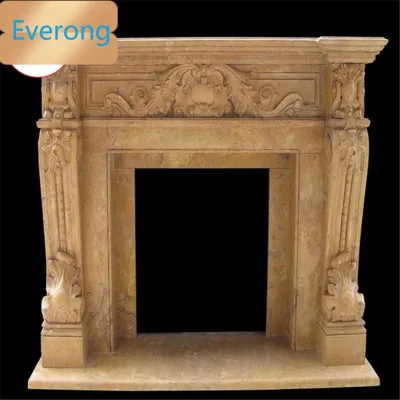
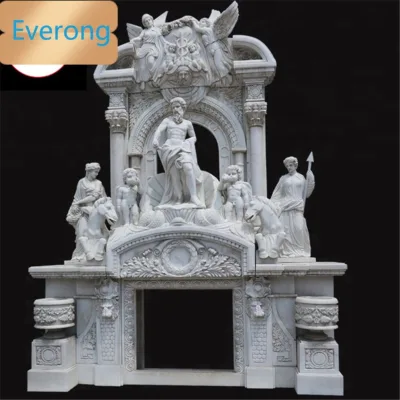
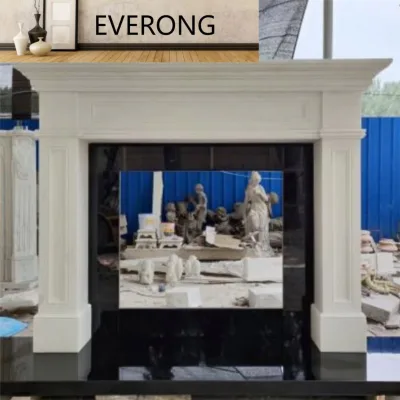
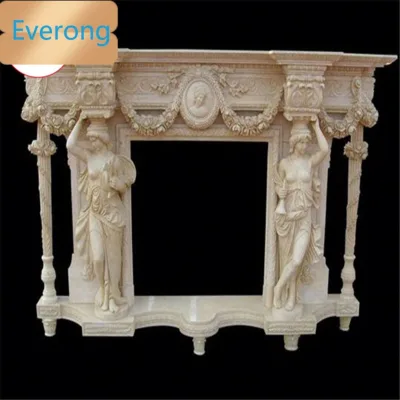
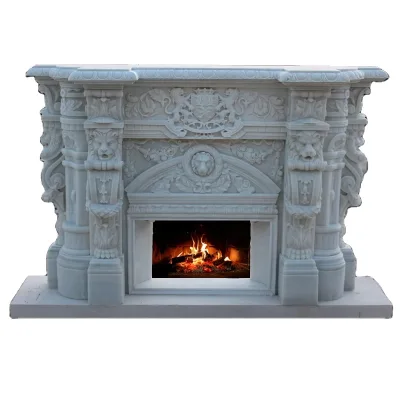
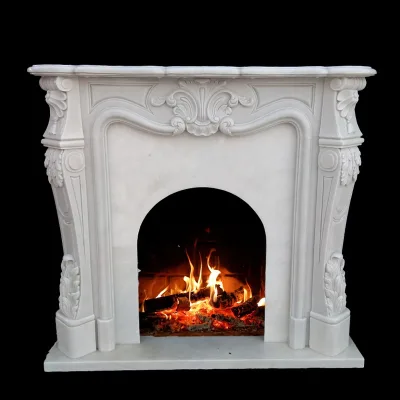
Cheap Antique Decorative Stone Statue White Marble Fireplace for Sale
$1849.3463 - $3904.1755
MOQ: 1 Minimum

- Trading Company
- Hebei, China
- Lead time20 days
- Avg. response≤ 2h
Main productssculpture,stone panel,pebble stone,Monument,iron product
Main marketsNorth America(30.00%), Western Europe(20.00%), Northern Europe(10.00%), Mid East(10.00%), South Asia(5.00%), Southern Europe(5.00%), Oceania(5.00%), Central America(5.00%), South America(5.00%), Eastern Asia(5.00%), Eastern Europe(5.00%)
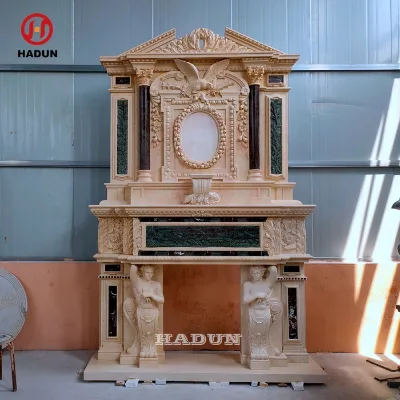
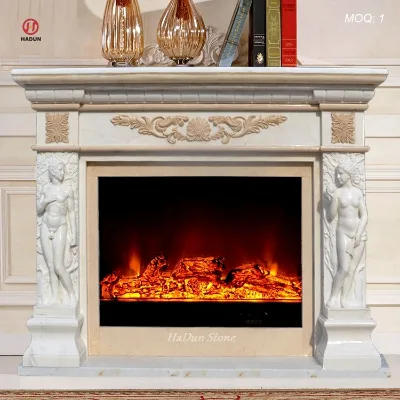
Cheap Modern Marble Fireplace Stove Frame with Remote Control Electric Fireplaces
$500.00 - $1300.00
MOQ: 1
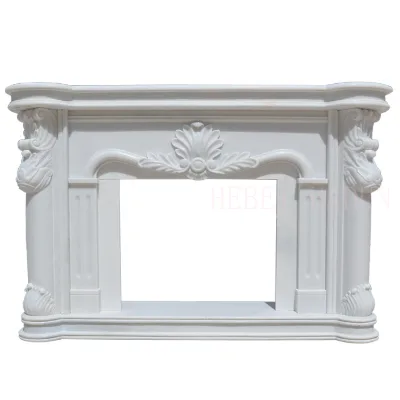
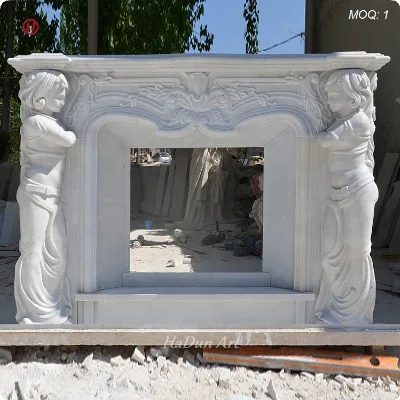
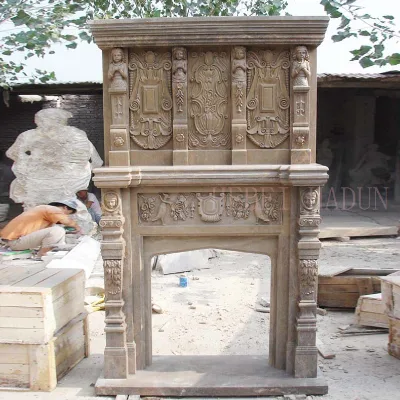
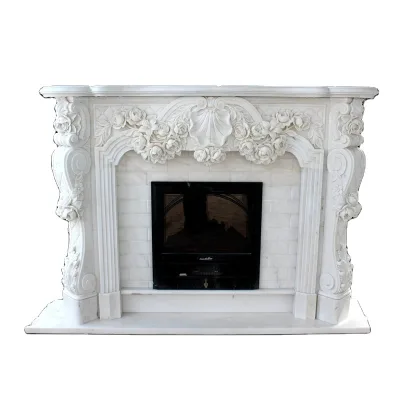
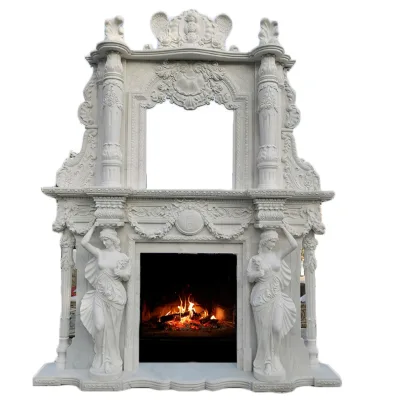
Freestanding Double Sided Carved White Marble Fireplace Surround for Decoration
$1500.00 - $3000.00
MOQ: 1
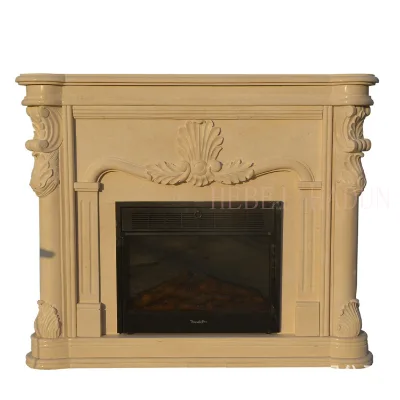
Contemporary Home Decoration Simple and Elegant Style Cultured Grey Marble Stone Fireplace
$500.00 - $800.00
MOQ: 1
Foshan Wanmei Decoration Products Co., Ltd.
- Manufacturer
- Guangdong, China
- Lead time0 days
- Avg. response≤ 3h
Main products3D Water Vapor Fireplace,Decorative Electronic Fireplace,Fireplace mantel,Electric fireplace,Fire charcoal fireplace
Main marketsDomestic Market(40.00%), Western Europe(18.00%), Southeast Asia(10.00%), South Asia(10.00%), Africa(10.00%), Mid East(10.00%)
- Verified by TüVRheinland
- Manufacturer, Trading Company
- Lead time7 days
- Avg. response≤ 2h
Main productsMarble, Stone Furniture, Stone Craft, Countertop, Vanity
Main marketsNorth America(15%), Eastern Europe(15%), Mid East(15%)
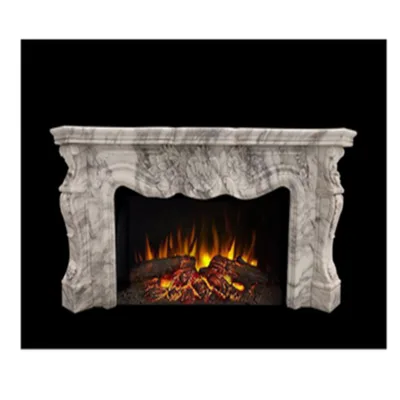
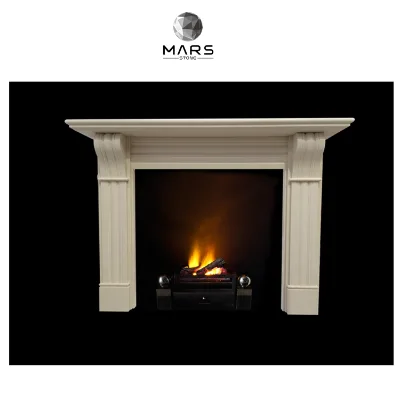
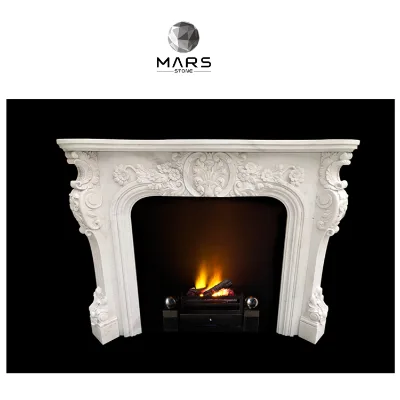
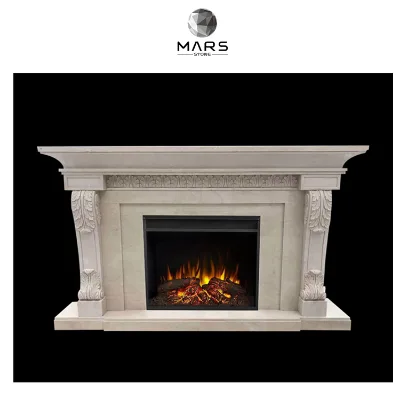
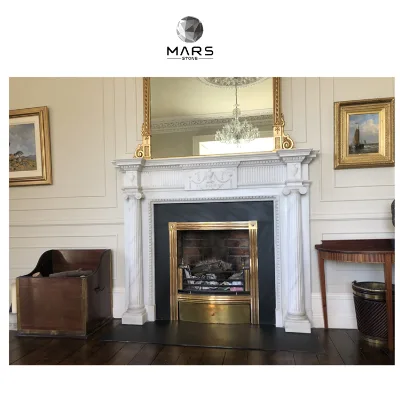
Factory Price Marble Fireplace Natural Stone Fireplace Surround for Fireplace for Hot Sale
$799.99 - $899.98
MOQ: 1
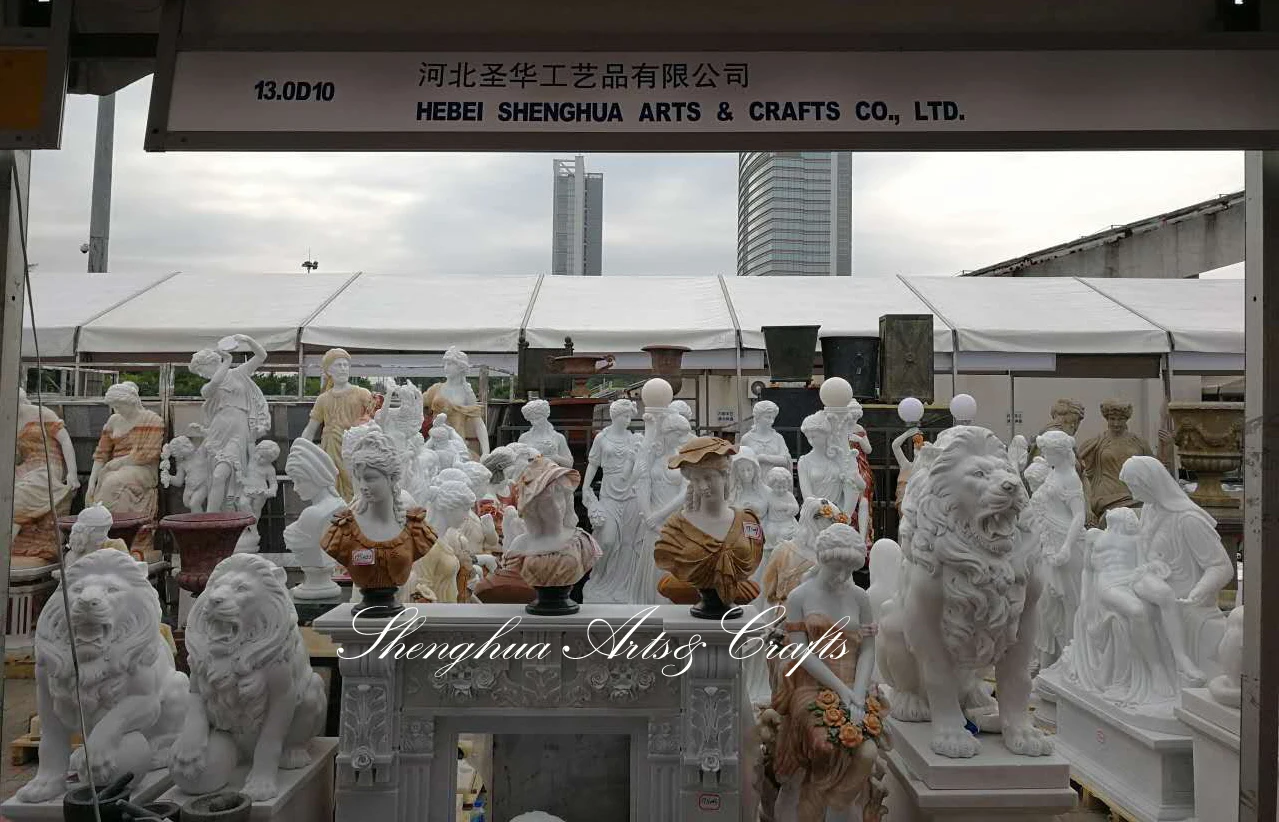
Hebei Shenghua Arts & Crafts Co., Ltd.
- Trading Company
- Hebei, China
- Lead time30 days
- Avg. response≤ 2h
Main productsMarble fountain,marble statue,marble gazebo,marble lights,marble fireplace
Main marketsNorth America(15.00%), Mid East(10.00%), Northern Europe(10.00%), South America(8.00%), Western Europe(8.00%), Eastern Europe(7.00%), Oceania(7.00%), Domestic Market(5.00%), South Asia(5.00%), Southern Europe(5.00%), Africa(5.00%), Central America(5.00%), Southeast Asia(5.00%), Eastern Asia(5.00%)
Henan Better Industrial Co., Ltd.
- Verified by SGS Group
- Manufacturer, Trading Company
- Lead time15 days
- Avg. response≤ 1h
Main productsBBQ, Gas Fire Pit, Flower Pot, Garden Edging, Water Feature
Main marketsSoutheast Asia(20%), Oceania(15%), Western Europe(15%)
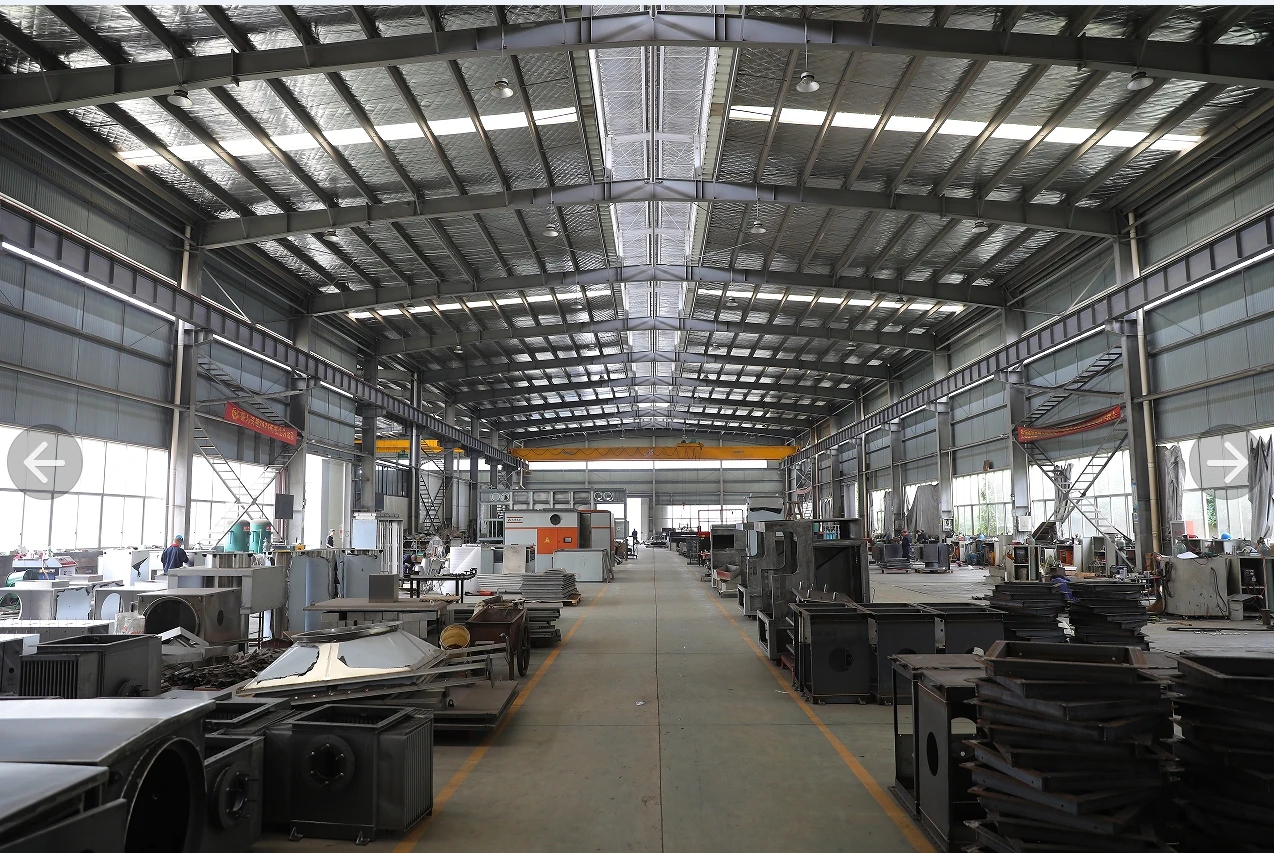
Boluo Taimei J&k Home Workshop
- Manufacturer, Trading Company
- Guangdong, China
- Lead time30 days
- Avg. response≤ 3h
Main productsFurniture,Fireplace,Home Decoration,Customized furniture,Chair& Sofa
Main marketsNorth America(30.00%), Northern Europe(10.00%), Western Europe(10.00%), Mid East(10.00%), Oceania(10.00%), Eastern Europe(10.00%), Southern Europe(10.00%), Domestic Market(5.00%), South America(5.00%)

Quyang Zhongou Yishu Marble Sculpture Manufactory
- Verified by TUVRHEINLAND
- Combined
- China Hebei
- Lead time30 days
- Avg. response≤ 4h
Main productsStatue, Fireplace, Sculpture, Fountain, Gazebo, Animal Statue, Column, Urn, Tombstone & Monument, Kitchen Hood
Main marketsDomestic

- Manufacturer, Trading Company
- Guangdong, China
- Lead time35 days
- Avg. response≤ 5h
Main productsFireplace
Main marketsNorth America(20.00%), South America(20.00%), Western Europe(20.00%), Eastern Europe(20.00%), Mid East(20.00%)
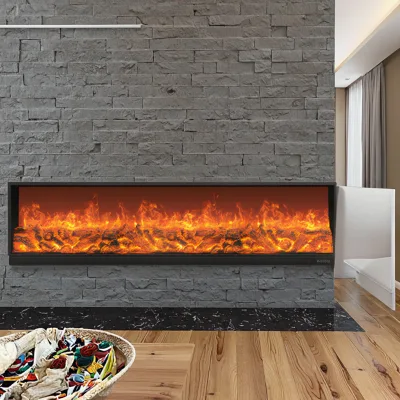
$165.9798 - $176.3529
MOQ: 1 acres
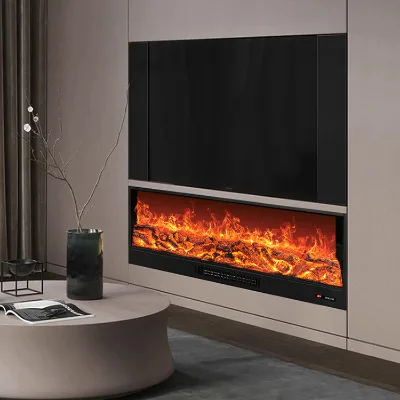

Modern Ethanol Fireplace 500/ 700/1000/1200 MM With Burning Real Flame Alcohol Fireplace
$180.00 - $260.00
MOQ: 1 acres
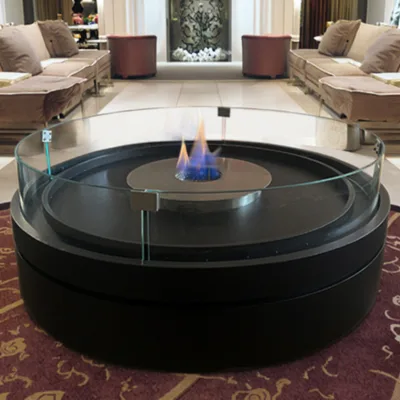
Wall-Mounted Bio Ethanol Fireplace - Contemporary Design with Clean Flame for Living Room
$180.00 - $205.00
MOQ: 1

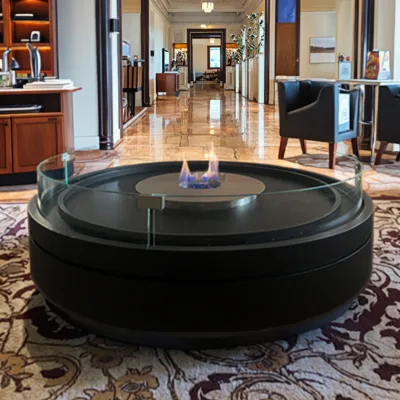
$160.2401 - $206.7601
MOQ: 1 acres
JINAN LODOR CNC EQUIPMENT CO., LTD.
- Verified by Intertek
- Manufacturer, Trading Company
- Shandong, China
- Lead time15 days
- Avg. response≤ 2h
Main productsElectric Fireplace, Ethanol Fireplace, Water Fireplace, Wood Fireplace, Gas Fireplace
Main marketsWestern Europe(40%), North America(20%), Mid East(15%)

Shanxi C-Trying Machinery Equipment Co., Ltd
- Verified by SGS
- Trading Company
- China Shanxi
- Lead time30 days
- Avg. response≤ 2h
Main productsGasoline Generator, Diesel Generator, DC Generator, Gas Generator, Permanent Magnet Generator, Submersible Mixer, Centrifugal Fan, Solar Generator, Solar Panel, Generator Parts
Main marketsAfrica


CE Certificate Black Steel Wood Burning Fireplace with Secondary Air Supply
$238.00 - $288.00
MOQ: 1 Pieces
Foshan Love Building Materials Co., Limited
- Verified by SGS Group
- Manufacturer, Trading Company
- Lead time10 days
- Avg. response≤ 6h
Main productsNatural Marble Slabs and Tiles, Onyx Slabs, Granite Tiles, Waterjet Medallion, Stone Column
Main marketsDomestic Market(30%), North America(20%), Mid East(20%)
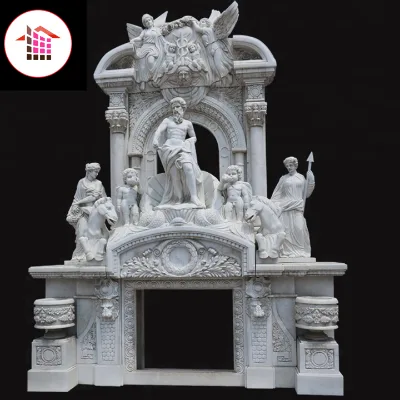
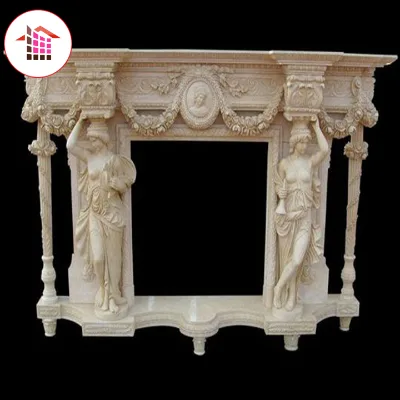
Antique Decorative Stone Statue White Marble Fireplace for Sale
$1851.8826 - $3909.5299
MOQ: 1 Minimum

Shenzhen XinYingxin Electronics Technology Co., Ltd.
- Trading Company,Manufacturer/Factory
- China Guangdong
- Lead time38 days
- Avg. response≤ 9h
Main productsElectric Fireplace APP Control Board, Fireplace&Appliance Customizing Control Board, Intelligent Home System Products, Modern Electric Fireplace, Fireplace Electronics Accessories, Wood Plastic Composite Flooring, Electric Fireplace
Main marketsSouth America,Eastern Europe,Mid East,North America,Southeast Asia,Eastern Asia,Oceania,Western Europe,Africa

HENAN JINBAILAI INDUSTRIAL CO., LTD.
- Verified by BV
- Trading Company
- China Henan
- Lead time23 days
- Avg. response≤ 3h
Main productsBBQ, Gas Fire Pit, Wood Fireplace, Stove, Steel Planter, Metal Decors, Garden Furniture, Garden Landscape
Main marketsEurope,North America

Zhengzhou Millie Arts & Crafts Co., Ltd.
- Verified by TUVRHEINLAND
- Trading Company
- China Henan
- Lead time45 days
- Avg. response≤ 2h
Main productsBronze Sculpture, Marble Sculpture, Stainless Steel Sculpture, Sculpture, Marble Fountain, Marble Gazebo, Bronze Fountain, Iron Gazebo, Landscape Sculpture, Bronze Animal Sculpture
Main marketsNorth America

Foshan Chengshuang Stainless Steel Co., Ltd.
- Verified by CTI
- Combined
- China Guangdong
- Lead time30 days
- Avg. response≤ 3h
Main marketsDomestic

China Arts Building Material Group Co.,Limited
- Trading Company,Manufacturer/Factory
- China Fujian
- Lead time23 days
- Avg. response≤ 6h
Main productsStone/ Granite/ Marble, Kitchen Countertop and Vanity Tops, Slab and Tiles, Quartz and Artificial Stone, Composite Products, Mosaic and Medallion, Sink Basin Sculpture and Tomb, Sand Stone, Crafts and Arts, Paving Stone
Main marketsEastern Europe,Mid East,North America,Southeast Asia,Western Europe

Jinan Chaowan Furnace Technology Co., Ltd.
- Verified by CTI
- Manufacturer/Factory
- China Shandong
- Lead time0 days
- Avg. response≤ 6h

HANGZHOU LIYING CRAFTS CO., LIMITED
- Verified by SGS
- Trading Company
- China Zhejiang
- Lead time30 days
- Avg. response≤ 1h
Main productsIntelligent Ethanol Fireplace, Suspend Fireplace, Fireplace Accessories, Table Top Fireplace, Firebox, Water Vapor Fireplace, Wall Mounted Fireplace, Wood Stove, Manual Ethanol Fireplace
Main marketsEurope,North America
Liaocheng Haman Metal Material Co., Ltd.
- Verified by SGS Group
- Trading Company
- Lead time15 days
- Avg. response≤ 2h
Main productsMetal Screen, Metal Planter, Garden Edge, Metal Fence, Metal Bins Cover
Main marketsNorth America(50%), Oceania(12%), Northern Europe(10%)
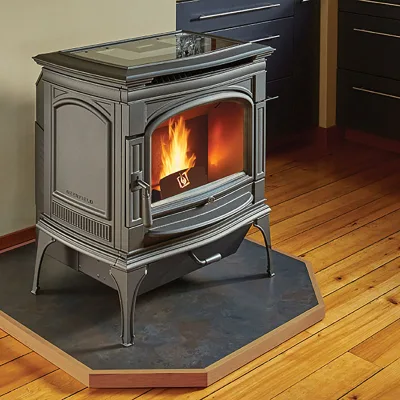
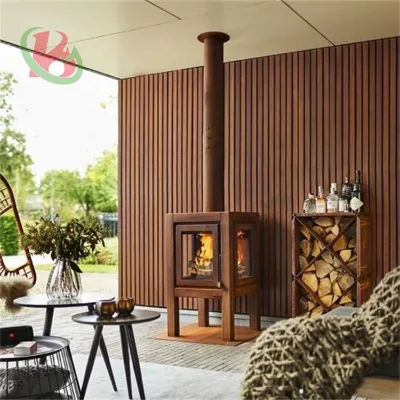
New Design Indoor Room Freestanding Wood Burning Stove Heaters Fireplace Use in Winter
$458.00 - $489.00
MOQ: 1 pieces
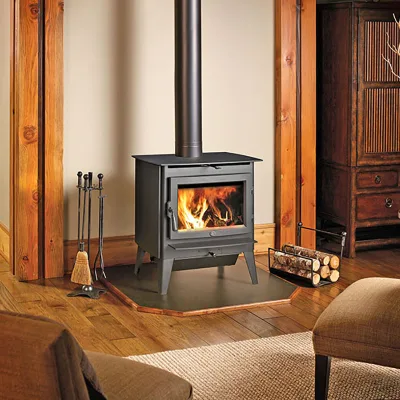
$458.00 - $489.00
MOQ: 1 pieces

- Trading Company,Manufacturer/Factory
- China Guangdong
- Lead time38 days
- Avg. response≤ 5h
Main productsDisplay Case Design, Clothes Recycling Bin, Sheet Metal Fabrication, Product Design and Manufacture, OEM & ODM Service
Main marketsMid East,North America,Oceania,Western Europe










Comprehensive Sourcing Guide
Polished Fireplace Parts Supplier Concentration and Factory Types
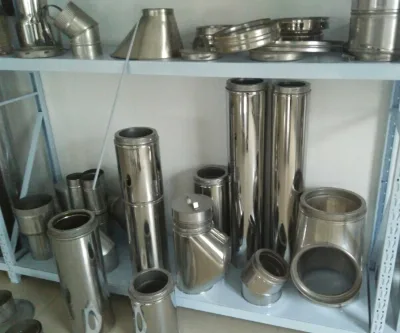
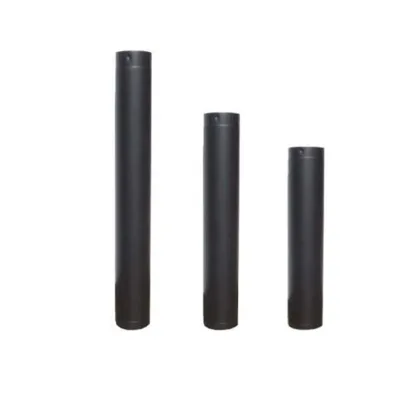
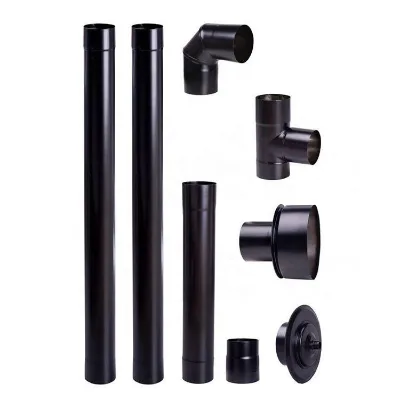
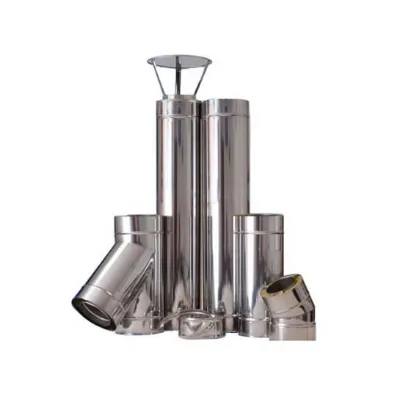
The current supplier landscape for Polished Fireplace Parts reveals a distinct geographic concentration in China, specifically within the Shandong and Hebei provinces. These regions serve as primary manufacturing hubs for metal fabrication and fireplace components, offering buyers access to established industrial clusters. Factories in Shandong often specialize in finished goods such as fire pits and stoves, while Hebei-based entities frequently focus on precision stamped parts and sheet metal products. This regional specialization allows buyers to identify suppliers based on their core competencies, whether they require complete assembly units or individual polished components. The presence of manufacturers in these areas suggests a mature supply chain for stainless steel and metal processing, which is critical for producing high-quality polished finishes. Buyers should leverage this geographic data to narrow their search, focusing on suppliers located in these known industrial zones to ensure access to reliable raw materials and skilled labor. Understanding the specific location of a factory helps in assessing logistical feasibility and potential shipping costs, as proximity to ports like Xingang can influence delivery timelines.
Supplier types in this category vary between pure manufacturers, trading companies, and hybrid entities that combine both roles. Many listed suppliers identify as manufacturers or factories, indicating they have direct control over the production process, including stamping, deep drawing, and surface polishing. Others operate as trading companies, which may offer a broader range of products but lack direct manufacturing oversight. Some suppliers function as both, providing the flexibility of a trading company’s inventory with the cost advantages of direct manufacturing. This distinction is crucial for buyers evaluating quality control and pricing structures. Direct manufacturers often provide better customization options for polished parts, such as specific stainless steel grades or surface finishes, while trading companies might offer faster access to standard items. Buyers must carefully review the company type to understand the supply chain dynamics. Verifying whether a supplier is a factory or a trader helps in determining the level of direct communication available for technical specifications and quality assurance protocols.
How to Verify Polished Fireplace Parts Suppliers
Verification is a critical step in ensuring the reliability of suppliers offering Polished Fireplace Parts. Buyers should prioritize suppliers who have undergone third-party verification processes, such as BV (Bureau Veritas) certification, which confirms the legitimacy of the business and its operational capabilities. This verification provides a baseline of trust, indicating that the supplier has met certain standards for business registration and physical existence. Additionally, looking for system certifications like ISO 9001 and BSCI is essential, as these indicate adherence to quality management and social compliance standards. ISO 9001 certification suggests that the supplier has a structured approach to quality control, which is vital for maintaining consistent polished finishes on metal parts. BSCI certification ensures that the supplier adheres to ethical labor practices, which is increasingly important for global buyers. These certifications serve as objective evidence of a supplier’s commitment to quality and compliance, reducing the risk of partnering with unreliable entities. Buyers should request copies of these certificates and verify their validity through the respective certification bodies.
Beyond certifications, buyers should assess the supplier’s response time and product evidence to gauge their operational efficiency and transparency. A quick response time, such as under five days, indicates a responsive and organized sales team, which is crucial for resolving technical queries and negotiating terms. Product evidence, including detailed specifications and images, helps buyers evaluate the quality of polished finishes and material grades. For instance, suppliers listing stainless steel SS304/2B with polished surfaces provide clear technical details that buyers can use to verify material quality. Buyers should also check for after-sales service offerings, such as online technical support and free spare parts, which indicate a supplier’s confidence in their products. These factors collectively provide a comprehensive view of a supplier’s reliability. By combining verification status, certifications, response metrics, and product details, buyers can make informed decisions and mitigate risks associated with sourcing Polished Fireplace Parts from international suppliers.
What to Compare Across Polished Fireplace Parts Suppliers
When evaluating suppliers, buyers must compare key operational metrics such as lead time, minimum order quantity (MOQ), and response speed to determine the best fit for their procurement needs. Lead times vary significantly, with some suppliers offering 23-day delivery windows while others may require up to 30 days. This difference can impact inventory planning and project timelines, making it essential to align supplier capabilities with production schedules. MOQs also differ, ranging from 15 pieces to 30 pieces or more, depending on the product type and customization requirements. Buyers with smaller volume needs should seek suppliers with lower MOQs to avoid excess inventory costs. Response speed is another critical factor, as quicker replies facilitate smoother communication and faster issue resolution. Comparing these metrics across multiple suppliers allows buyers to identify those that offer the best balance of speed, flexibility, and cost. It is important to note that not all suppliers display every attribute, so buyers should actively seek this information during initial inquiries.
Price and customization options are also vital comparison points for Polished Fireplace Parts. Prices can vary based on material quality, surface finish, and order volume, with some parts starting at low unit costs while others command higher prices due to specialized polishing or complex designs. Buyers should compare price ranges to ensure they are getting competitive rates without compromising on quality. Customization availability is another key differentiator, as some suppliers offer OEM and ODM services, allowing for tailored solutions that meet specific design requirements. This is particularly important for buyers seeking unique polished finishes or specific stainless steel grades. Additionally, comparing product attributes such as material thickness, surface treatment, and warranty terms provides a deeper understanding of value proposition. Suppliers offering extended warranties or comprehensive after-sales support may justify higher prices through reduced long-term risks. By systematically comparing these factors, buyers can select suppliers that offer the optimal combination of cost, quality, and service for their Polished Fireplace Parts procurement.
Common Polished Fireplace Parts Sourcing Risks
One significant risk in sourcing Polished Fireplace Parts is the potential inconsistency in surface finish quality, which can affect both aesthetics and durability. Polished stainless steel surfaces are prone to scratches, fingerprints, and uneven reflections if not handled and packaged correctly. Buyers must ensure that suppliers use appropriate packaging methods, such as carton boxes or wooden pallets, to protect the polished surfaces during transit. Without proper protection, parts may arrive with visible defects, leading to customer dissatisfaction and returns. Another risk is the variability in material composition, particularly when suppliers claim to use stainless steel grades like SS304. Inconsistent material quality can result in corrosion or reduced lifespan of the parts, especially in outdoor applications. Buyers should request material test reports or certificates to verify the grade and composition of the stainless steel used. This verification step is crucial to ensure that the parts meet the required performance standards and withstand environmental conditions.
Another common risk is the lack of clear communication regarding customization and technical specifications. Suppliers may provide generic product descriptions that do not fully capture the nuances of polished finishes or specific design requirements. This can lead to misunderstandings and mismatched expectations, resulting in products that do not meet the buyer’s needs. Additionally, some suppliers may not offer adequate after-sales support, leaving buyers without recourse in case of defects or performance issues. Buyers should prioritize suppliers who provide detailed technical documentation and responsive customer service. It is also important to be cautious of suppliers who do not offer samples or have limited product evidence, as this makes it difficult to assess quality before committing to a large order. By identifying and mitigating these risks through thorough due diligence and clear communication, buyers can ensure a smoother sourcing process and receive high-quality Polished Fireplace Parts that meet their specifications.
Polished Fireplace Parts Regional Sourcing and Logistics
Sourcing Polished Fireplace Parts from China, particularly from Shandong and Hebei provinces, offers logistical advantages due to proximity to major ports like Xingang. This geographic positioning can reduce shipping times and costs, making it an attractive option for international buyers. However, buyers must consider the specific logistics requirements for polished metal parts, which are sensitive to damage and corrosion during transit. Proper packaging is essential to protect the polished surfaces, and buyers should verify that suppliers use robust packaging methods such as carton boxes or wooden pallets. Additionally, buyers should be aware of potential customs regulations and import duties in their home countries, which can impact the total cost of ownership. Understanding these logistical factors helps in planning the supply chain effectively and avoiding unexpected delays or expenses. Buyers should also consider the supplier’s experience with international shipping, as this can influence the reliability and efficiency of the delivery process.
The choice of supplier location also impacts the ability to conduct factory audits and quality inspections. Suppliers in established industrial clusters like Shandong and Hebei may have more resources and infrastructure to support such activities. Buyers can leverage this by arranging on-site inspections to verify production capabilities and quality control processes. This is particularly important for custom orders where specific polished finishes or material grades are required. Furthermore, buyers should consider the supplier’s ability to handle cross-category consolidation if they are sourcing multiple products from the same region. This can streamline logistics and reduce overall shipping costs. By carefully evaluating the logistical implications of sourcing from these regions, buyers can optimize their supply chain and ensure timely delivery of high-quality Polished Fireplace Parts. It is also advisable to work with suppliers who have experience in exporting to the buyer’s region, as they will be more familiar with the relevant regulations and documentation requirements.
Polished Fireplace Parts Commercial Terms and Order Planning
Commercial terms such as payment methods, warranty policies, and after-sales service agreements are critical components of order planning for Polished Fireplace Parts. Buyers should negotiate clear terms that protect their interests, including secure payment options like escrow services, which provide financial security until the goods are received and verified. Warranty terms, such as a one-year warranty on parts, offer additional protection against defects and ensure that suppliers stand behind their products. After-sales service, including online technical support and free spare parts, is also important for maintaining the longevity of the parts and addressing any issues that may arise post-purchase. Buyers should review these terms carefully and ensure they align with their risk tolerance and operational needs. Clear commercial terms help in establishing a transparent and trustworthy business relationship, reducing the potential for disputes and ensuring a smooth transaction process.
Order planning should also consider the supplier’s production capacity and lead times to ensure timely delivery. Suppliers with higher production capacities, such as those capable of producing 2000 pieces per day, can handle larger orders more efficiently. Buyers should align their order volumes with the supplier’s capabilities to avoid delays and ensure consistent supply. Additionally, buyers should plan for potential variations in lead times due to factors like material availability or production scheduling. By maintaining open communication with suppliers and monitoring order progress, buyers can mitigate the risk of delays and ensure that their projects stay on track. It is also advisable to establish a long-term partnership with reliable suppliers, as this can lead to better pricing, priority production, and improved service quality. Effective order planning and commercial term negotiation are essential for successful sourcing of Polished Fireplace Parts, ensuring that buyers receive high-quality products on time and within budget.
FAQs
What is the price range for polished stainless steel fireplace parts?
Polished stainless steel fireplace parts typically range from $1.01 to $109.99 per unit depending on the specific component. Basic chimney cowls start at the lower end, while replacement burners and stove parts cost more. Prices vary based on material thickness and customization requirements.
What certifications are available for metal fireplace stove parts?
Metal fireplace stove parts often carry ETL, RoHS, GS, and CE certifications. These ensure compliance with international safety and environmental standards. Buyers should verify specific product listings for these marks, as not all components like basic chimney caps may require the same rigorous testing protocols.
What is the minimum order quantity for custom fireplace parts?
The minimum order quantity for custom fireplace parts is generally 30 pieces for standard metal units. Some specialized replacement components may have a lower MOQ of 15 pieces. Buyers seeking bulk orders should confirm specific thresholds with suppliers to ensure pricing tiers are met.
How long does production take for stamped metal fireplace parts?
Production lead times for stamped metal fireplace parts typically range from 23 to 30 days. This duration accounts for manufacturing, quality control, and packaging. Expedited options may be available for smaller orders, but buyers should confirm exact timelines with the supplier before finalizing purchase agreements.
Where are Polished Fireplace Parts manufactured in China?
Polished Fireplace Parts are primarily manufactured in Shandong and Hebei provinces in China. Shandong suppliers often focus on fire pits and stoves, while Hebei factories specialize in stainless steel chimney components and stamped metal parts. Both regions offer robust supply chains for industrial and residential heating accessories.
What materials are used for superior quality fireplace parts?
Superior quality fireplace parts are commonly made from stainless steel, specifically SS304/2B grades. These materials offer durability and resistance to high temperatures. Some components also use metal alloys for fire pits. Buyers should verify material thickness, typically ranging from 0.5mm to 1.0mm, for longevity.