Portable 650nm Diode Lipolaser Machine Suppliers and Manufacturers
Explore 21 verified options for the Portable 650nm Diode Lipolaser Machine with details on location, lead times, and certifications. Compare response times and prices to select a suitable factory for your needs; review the available evidence before requesting comparable quotations from suitable candidates.
Updated
Suppliers List

Beijing Sunrise Science&Technology Co., Ltd.
- Verified by SGS
- Trading Company
- China Beijing
- Lead time15 days
- Avg. response≤ 5h
Main productsIPL Laser, Hair Removal Laser, 808nm Diode Laser, CO2 Fractional Laser, Cavitation, Hifu, ND YAG Laser, Tattoo Removal Laser, E-Light Beauty Machine
Main marketsSouth America,East Asia(Japan/ South Korea),Europe

Portable Lipolysis 1470nm Diode Laser Surgery Lipolysis Laser Machine
$3799.00 - $3999.00
MOQ: 1 Pieces

Portable Endolaser Machine Cooling High Power 980nm 1470nm Diode Laser Liposuction
$1899.00 - $1999.00
MOQ: 1 Pieces

Portable Diode Laser Lipolysis 980 1470nm Microfiber Liposuction Slimming Endolift Laser Machine
$1900.00 - $2100.00
MOQ: 1 Pieces


$1900.00 - $2100.00
MOQ: 1 Pieces

980nm 1470nm Endolaser Machine Weight Loss Diode Laser 980 1470 Liposuction Lipolysis
$1799.00 - $1999.00
MOQ: 1 Pieces

Baoding Triangel Rsd Electronics Technology Limited
- Verified by SGS
- Trading Company
- China Hebei
- Lead time15 days
- Avg. response≤ 7h
Main productsClass IV Therapy Laser 980nm Machine, Laser Hair Removal Machine 808nm, Cryolipolysis Fat Freezen, Diode Laser 980nm 1470nm Machine, Shockwave Machine, Q-Switched ND: YAG Tattoo Removal Laser, Picosecond Laser, Vascular Removal Laser 980nm Machine, Fiber-Coupled Diode Laser Euiqpment, Endolaser and Lipolysis Laser
Main marketsSouth America,Southeast Asia/ Mideast


Portable 980nm Diode Laser/ 30W 980nm Diode Laser/ 980nm Laser Liposuction Slimming Machine
$1999.00 - $4200.00
MOQ: 1 Sets

$500.00 - $3999.00
MOQ: 1 Sets

Diode Laser 980nm 1470nm Liposuction Endolaser Face Lifting Skin Tightening Laser Machine
$1999.00 - $4200.00
MOQ: 1 Sets


Changsha GOMECY Electronics Limited
- Verified by SGS
- Manufacturer/Factory,Group Corporation
- China Beijing
- Lead time15 days
- Avg. response≤ 8h
Main productsPhysiotherapy & Rehabilitation, Diode Laser Hair Removal, Laser & Light-Based Treatments, 980nm &1470nm Diode Laser, Body Sculpting & Slimming, Pmst & Tecar & Shockwave Physical Therapy, CO2 Fractional Laser Beauty Machine, Salon & SPA Essentials, Facial & Body Treatment, Multi-Functional Salon Systems
Main marketsSouth America,Mid East,North America,Southeast Asia,Eastern Asia,Oceania,Western Europe,Africa

$2899.00 - $3499.00
MOQ: 1 Pieces

New 650nm Lipo Laser Portable Diode Fat Removal Lipolaser Beauty Equipment
$1388.00 - $1899.00
MOQ: 1 set

Endolifting and Lipolysis Liposuction 635nm 980nm 1470nm Diode Laser Endolaser Machine
$1580.00 - $2580.00
MOQ: 1 Pieces

$1555.00 - $2288.00
MOQ: 1 Pieces

Diode Laser Machine Endolaser 980 1470nm for Face Lift Laser Liposuction Weight Loss Laser
$1580.00 - $2580.00
MOQ: 1 Pieces

Medical Endolift 1470nm Diode Laser Machine for Laser Lipolysis and Skin Rejuvenation
$2499.00 - $3166.00
MOQ: 1 Pieces

Shandong Moonlight Electronics Tech Co., Ltd.
- Verified by SGS
- Combined
- China Shandong
- Lead time15 days
- Avg. response≤ 3h
Main productsDiode Laser Hair Removal Hifu Endosphere, Hifu Machine, Laser Hair Rewoval, Beauty Equipment, Hair Removal, IPL Machine, Skin Machine
Main marketsEurope,North America

Reducing Fat 980nm 1470nm Diode Laser Liposuction Lipolysis Equipment Endolaser Machine
$600.00 - $1800.00
MOQ: 1 Sets

Diode Laser Equipment Machine Fat Removal Lipolysis Liposuction 980nm 1470nm Laser Endolaser
$799.00 - $2500.00
MOQ: 1 Sets

Guangzhou Joyful Electronic Technology Limited
- Manufacturer, Trading Company
- Guangdong, China
- Lead time5 days
- Avg. response≤ 3h
Main productsHIFU skin lifting machine,lipo laser slimming machine,808nm diode laser hair removal machine,shockwave machine,PDT LED skin rejuvenation machine
Main marketsWestern Europe(15.00%), Southern Europe(15.00%), Oceania(10.00%), North America(10.00%), Southeast Asia(10.00%), Eastern Europe(10.00%), Domestic Market(5.00%), South America(5.00%), Africa(5.00%), Northern Europe(5.00%), Central America(3.00%), Eastern Asia(3.00%), Mid East(3.00%), South Asia(1.00%)
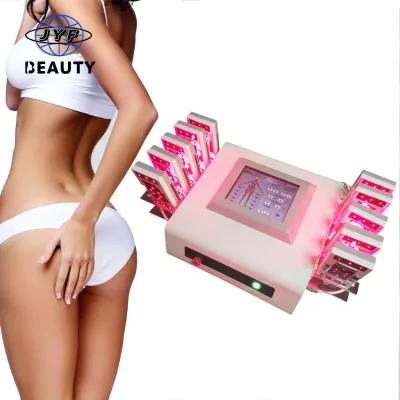
Powered Diode Laser Therapy 650nm Lipolaser Contouring Body Laser Machine
$823.0589 - $1851.8826
MOQ: 1 sets
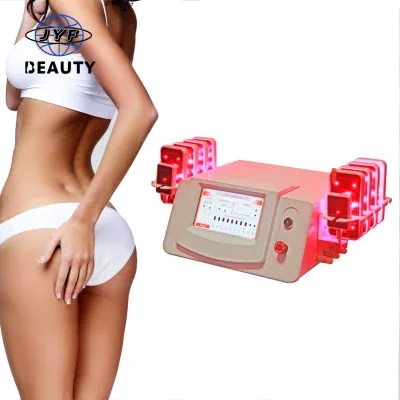
Dia Portable 650nm Liposuction 9 Use Lipolaser Lipo Laser Body Contouring Machine
$400.00 - $900.00
MOQ: 1 sets
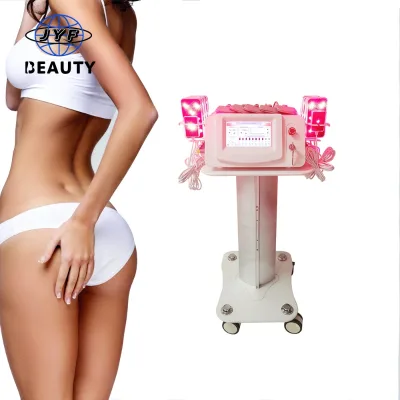
$400.00 - $1100.00
MOQ: 1 sets
Liposuction Diodo Laser Lipolaser 4 d Plazer Liposlimming Lipolysis Medika Machine
$400.00 - $900.00
MOQ: 1 sets
650 nm 980nm Portable Lipolaser Diodo 808nm Lipo Laser Slim Machine Gimnasia Pasiva Au-66
$411.5295 - $925.9413
MOQ: 1 sets
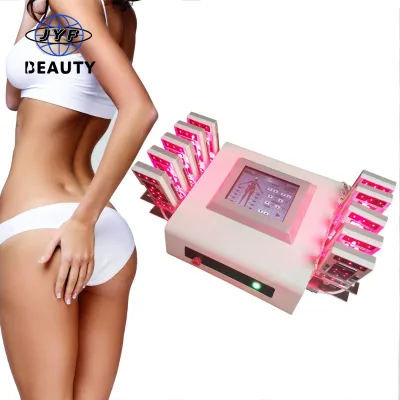
Lipolysis Laser Lipo Diode 635nm Rf Lipolise Celulitis Aesthetic Medicine Machine
$800.00 - $1900.00
MOQ: 1 sets
Haidari Beauty Technology (beijing) Co., Ltd.
- Verified by SGS Group
- Manufacturer, Trading Company
- Lead time5 days
- Avg. response≤ 1h
Main productsBeauty Machine
Main marketsMid East(40%), North America(20%), South America(20%)
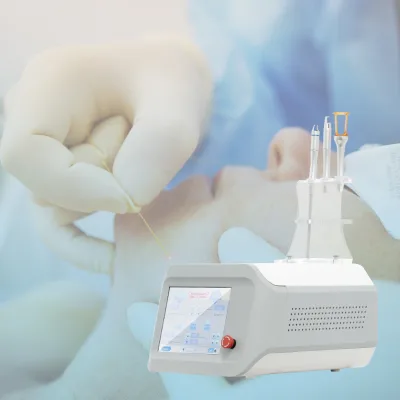
$3923.6415 - $4646.7981
MOQ: 1 sets
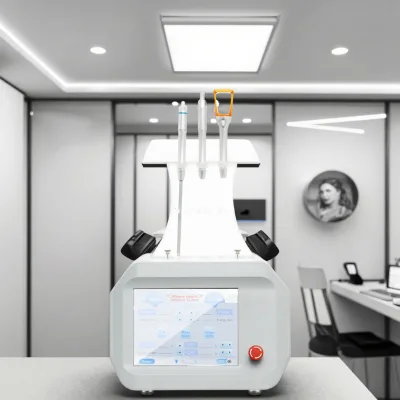
$3963.9286 - $4694.126
MOQ: 1 sets
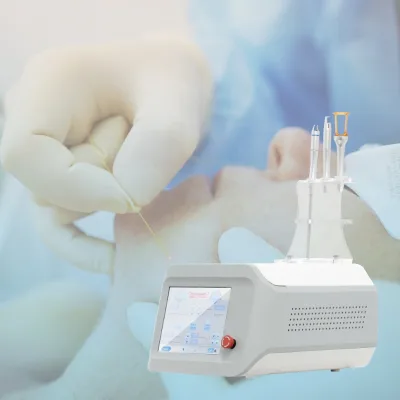
$1800.00 - $4500.00
MOQ: 1 sets
Guangzhou Maglev Plasma Beauty Co., Ltd.
- Manufacturer, Trading Company
- Lead time旺季: "1 - 1":15,"> 1":"To be negotiated", 淡季: "1 - 1":15,"> 1":"To be negotiated"
- Avg. response≤ 3h
Main productsWeight Loss And Beauty Equipment
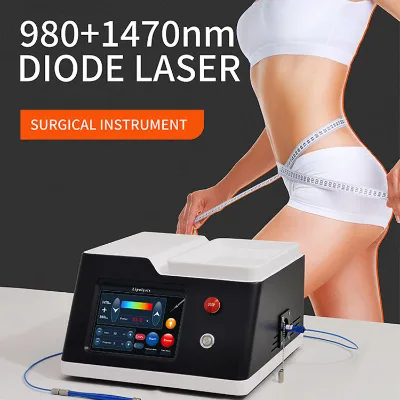
$1957.4706 - $2121.2814
MOQ: 1 pieces
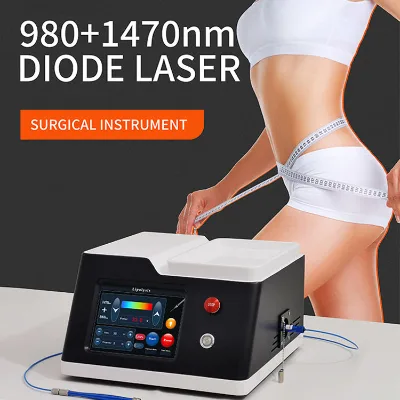
$1957.4706 - $2121.2814
MOQ: 1 pieces

Beijing DALI Beauty Technology CO., Ltd.
- Manufacturer/Factory
- China Beijing
- Lead time15 days
- Avg. response≤ 4h
Main productsLaser Beauty Machine, Cosmetic Equipment, Skin Management Machine, Body Fitness Equipment
Main marketsSouth America,Eastern Europe,Mid East,North America,Southeast Asia,Eastern Asia,Oceania,Western Europe,Africa


980nm+1470nm Diode Laserfiber Surgical Fat Liposuction Diode Laser Lipolysis Machine
$2500.00 - $4000.00
MOQ: 1 Pieces

Newest 980nm &1470nm Endolaser Lipolysis Machine Diode Laser Fat Removal Laser
$4000.00 - $4800.00
MOQ: 1 Pieces


New Sale Endolaser 980 &1470nm Diode Laser for Face Lifting Surgery Liposuction Lipolysis Machine
$4000.00 - $4800.00
MOQ: 1 Pieces

Guangzhou Beir Electronic Technology Co., Ltd.
- Verified by BV
- Trading Company
- China Guangdong
- Lead time15 days
- Avg. response≤ 10h
Main productsLipolaser, Coolsculpting, Diode Lipolaser, Cryo Lipolaser System, Lipo Laser, Cryolipolysis, E-Light and IPL Beauty Equipment, RF Fractional Skin Tighten, Pressotherapy Lymphatic Drainage, Dermaroller and Micro Needles
Main marketsSoutheast Asia/ Mideast,East Asia(Japan/ South Korea),Europe,Australia,North America

New Portable 4D Four Wavelength 980nm Laser Diode Lipolaser Slimming Machine
$3000.00 - $5500.00
MOQ: 1 Pieces


Portable 12 Pads 528 Diodes 635 660 810 980nm 4D Lipolaser for Weight Loss
$3500.00 - $4200.00
MOQ: 1 Pieces


Beijing Yuwei Laser Technology Co., Ltd.
- Verified by SGS
- Combined
- China Beijing
- Lead time15 days
- Avg. response≤ 3h
Main marketsSouth America,Southeast Asia/ Mideast,Europe

$1980.00 - $4980.00
MOQ: 1 Pieces

Surgical Liposuction Diodo Laser Lipolaser Machine Lipolysis 1470nm 980nm 1320nm Equipment
$1980.00 - $4980.00
MOQ: 1 Pieces

$2250.00 - $4550.00
MOQ: 1 Pieces
Handan Congtai Hanina E-Commerce Co., Ltd.
- Trading Company
- Hebei, China
- Lead time3 days
- Avg. response≤ 2h
Main productsBeauty Equipment,Anti-wrinkle Machine,Facial Tanner,IPL Machine,Oxygen Jet
Main marketsNorth America(32.00%), Eastern Asia(15.00%), Western Europe(12.00%), Domestic Market(8.00%), South America(6.00%), Northern Europe(6.00%), Mid East(5.00%), Southern Europe(4.00%), Central America(3.00%), Southeast Asia(3.00%), South Asia(2.00%), Eastern Europe(2.00%), Oceania(1.00%), Africa(1.00%)
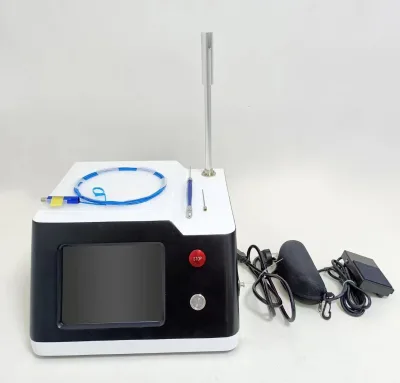
$2100.00 - $2500.00
MOQ: 1 Minimum
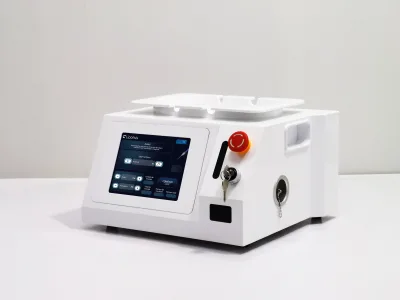
$1529.7985 - $2207.4274
MOQ: 1 Minimum

Shaanxi Jixiya Technology Co., Ltd.
- Manufacturer, Trading Company
- Shannxi, China
- Lead time15 days
- Avg. response≤ 1h
Main productsoffice chair,Dining chair,bar chair,Rocking chair,living room chair
Main marketsOceania(9.00%), Central America(9.00%), Southeast Asia(9.00%), Western Europe(9.00%), South America(9.00%), Southern Europe(9.00%), North America(8.00%), South Asia(6.00%), Africa(6.00%), Eastern Europe(6.00%), Mid East(6.00%), Domestic Market(5.00%), Eastern Asia(5.00%), Northern Europe(4.00%)
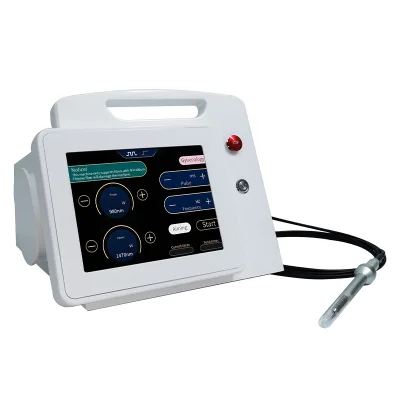
$1014.4842 - $1352.834
MOQ: 1 pieces
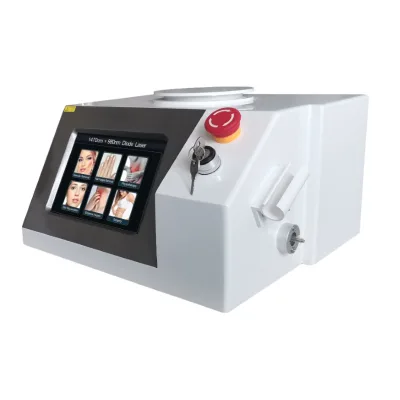
980 1470 Diode Laser Liposuction Slimming Machine
$1136.9255 - $1359.9333
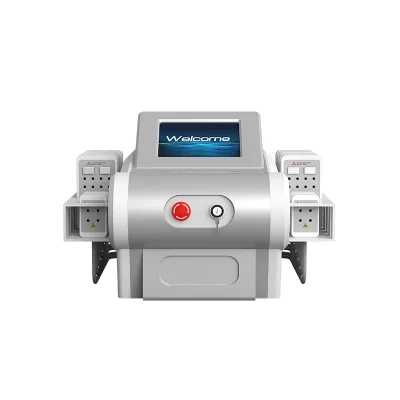
Guangzhou Linuo Beauty Electronic Technology Co., Ltd.
- Manufacturer, Trading Company
- Lead time旺季: "1 - 1":16,"> 1":"To be negotiated", 淡季: "1 - 1":16,"> 1":"To be negotiated"
- Avg. response≤ 2h
Main productsProfessional Laser Systems, Slimming & Body Shaping , Face Lifting & Anti-Aging, Accessories & Consumables, Skin Rejuvenation
Sanhe Laserconn Tech Co., Ltd.
- Manufacturer, Trading Company
- Hebei, China
- Lead time5 days
- Avg. response≤ 9h
Main productsDiode Laser Hair Removal Machine, Alexandrite Laser Hair Removal Machine, Picosecond Laser, Fractional Thulium Laser, Laser Lipolysis Machine
Main marketsNorth America(15.00%), Eastern Europe(15.00%), Domestic Market(10.00%), Mid East(10.00%), Eastern Asia(7.00%), Central America(7.00%), South America(6.00%), Northern Europe(6.00%), Oceania(5.00%), Western Europe(5.00%), Southeast Asia(5.00%), Southern Europe(4.00%), Africa(3.00%), South Asia(2.00%)
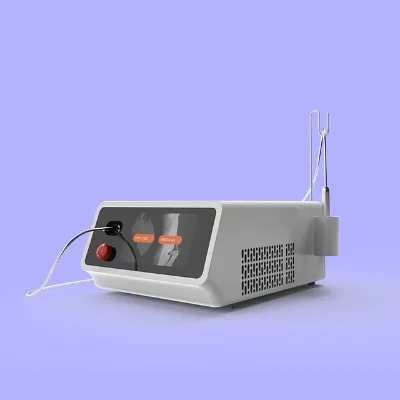
$1022.5129 - $4090.0515
MOQ: 1 Minimum
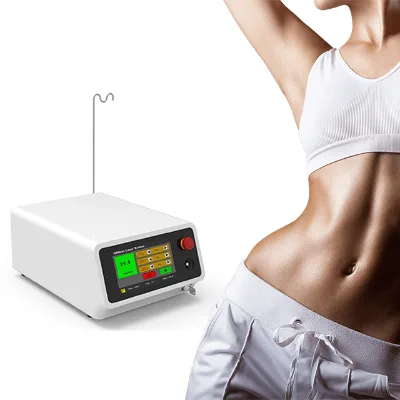
Latest Medical Grade Laser Lipolysis Slim Liposuction 980nm Lipo Diode Laserslimming Machine
$1026.0055 - $5130.0277
MOQ: 5 Minimum
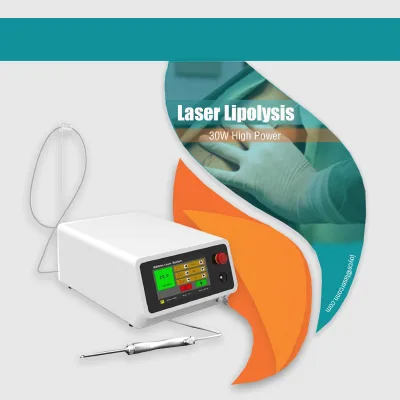
Lipo Laser 980nm Vaser 980nm 1470nm Diode Laser Body Contouring Equipment
$1026.7101 - $5133.5504
MOQ: 5 Minimum
Beijing Tiansi Yimei Technology Co., Ltd.
- Trading Company
- Beijing, China
- Lead time15 days
- Avg. response≤ 2h
Main productsWeight loss equipment,Medical equipment,Laser,electronic product,Beauty equipment
Main marketsWestern Europe(20.00%), Mid East(13.00%), Northern Europe(12.00%), Southeast Asia(12.00%), Eastern Europe(12.00%), South America(11.00%), Africa(8.00%), North America(7.00%), Central America(5.00%)
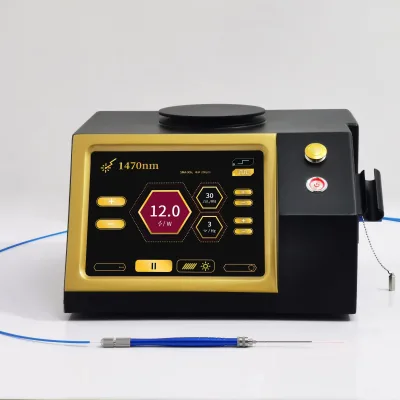
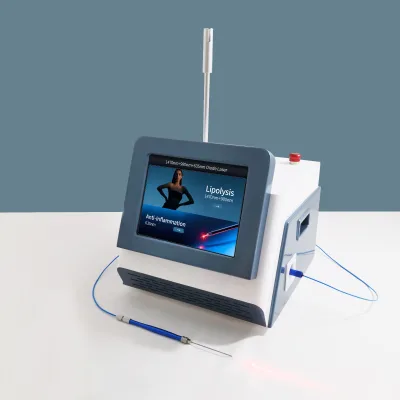
$3220.9163 - $3578.795
MOQ: 1 Minimum
$1451.2778 - $4148.4345
MOQ: 1 Minimum
$3260.9576 - $3623.2854
MOQ: 1 Minimum
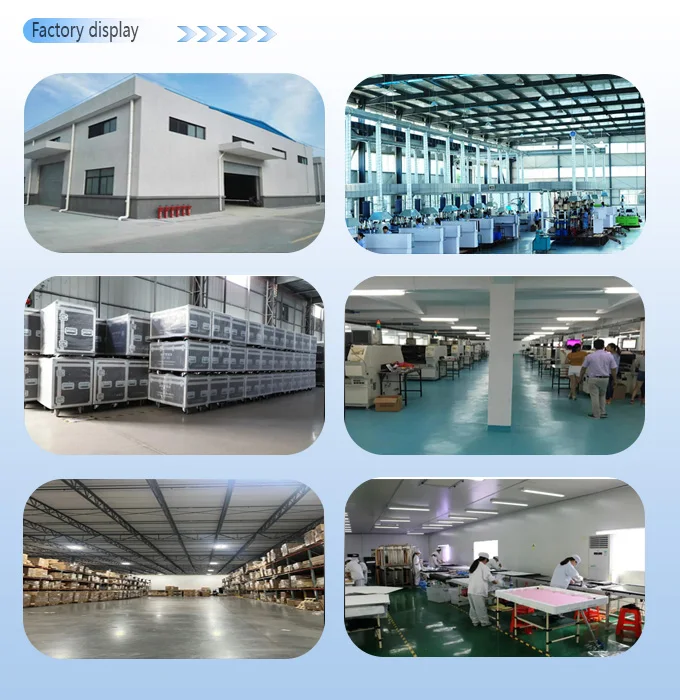
Shaanxi Dtain Technology Co., Ltd.
- Trading Company
- Shaanxi, China
- Lead time7 days
- Avg. response≤ 1h
Main productsHair Removal Machine,Skin Analysis,LED/PDT,Co2 Fractional Laser,Cryolipolysis
Main marketsNorth America(25.00%), Eastern Europe(20.00%), South America(15.00%)
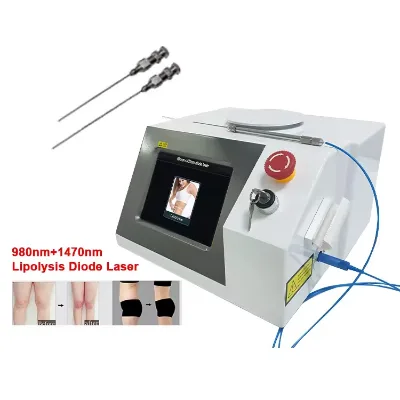
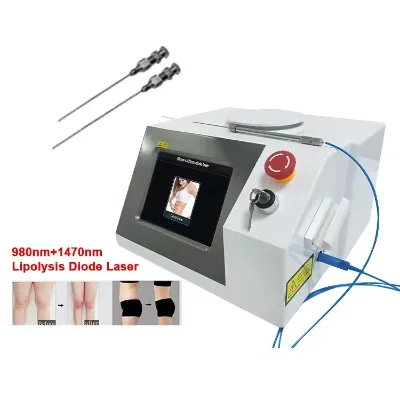
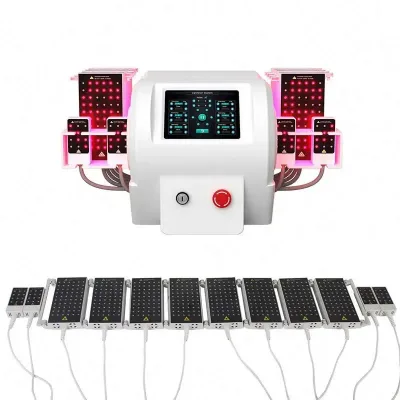
$3900.00 - $4199.00
MOQ: 1 sets
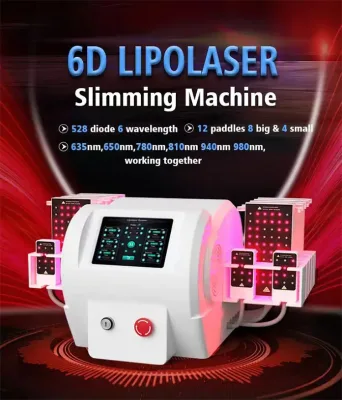
Hangzhou Arfurla Science & Technology Co., Ltd.
- Trading Company
- Lead time旺季: "1 - 10":15,"> 10":"To be negotiated", 淡季: "1 - 10":15,"> 10":"To be negotiated"
- Avg. response≤ 1h
Main productsLipolysis laser,Varicose Veins removal laser,Endolift laser,Liposuction laser,Physical therapy
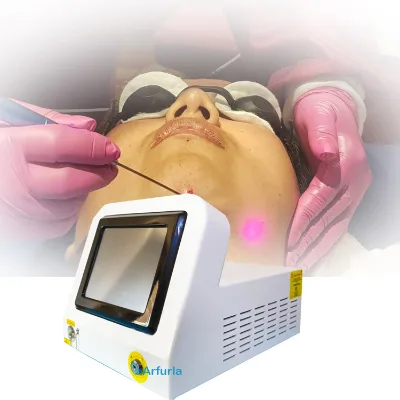
$2463.0789 - $2565.7499
MOQ: 1 sets
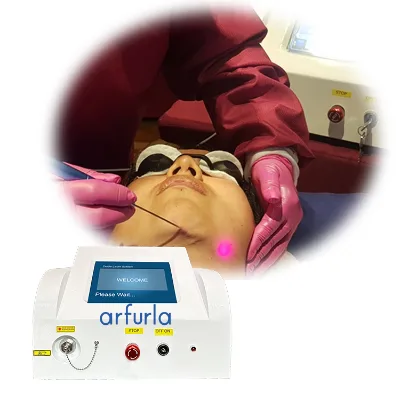
980nm+1470nm Fiber Diode Laser Machine for Liposuction Abdominoplasty Facelift Equipment
$2516.5167 - $2726.3137
MOQ: 1 sets

Guangzhou T&B Beauty Equipment Co., Ltd.
- Verified by BV
- Trading Company
- China Guangdong
- Lead time15 days
- Avg. response≤ 4h
Main productsTecar RF Physio Machine, Magneto Emtt Physio Machine, Shockwave Pain Relief Machine, Pressotherapy Slim Massage Machine, Hifu Face Lifting Machine, Fat Remove Machine, Endospheres Slim Machine, Trusculpt Flex ID Machine, RF Slim Machine
Main marketsSouth America,Southeast Asia/ Mideast,East Asia(Japan/ South Korea),Europe,Australia,North America

Lipo Laser Weight Loss Cellulite Reduction Diode Laser Lipolaser Laser Liposuction 635nm
$2999.00 - $3200.00
MOQ: 1 Pieces

Non Invasive 5D Lipo Laser Lipolysis Slimming Machine Lipolaser 980 Lipolysis 650 780 808 640nm
$2999.00 - $3200.00
MOQ: 1 Pieces
Guangzhou Beir Electronic Technology Co., Ltd.
- Manufacturer
- Lead time旺季: "1 - 1":5,"> 1":"To be negotiated", 淡季: "1 - 1":5,"> 1":"To be negotiated"
- Avg. response≤ 4h
Main productsCriolipolisis,Lipolaser,Pressotherapy lymph drainage,Shockwave,co2 laser
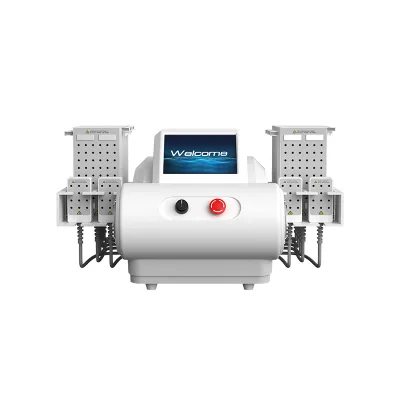
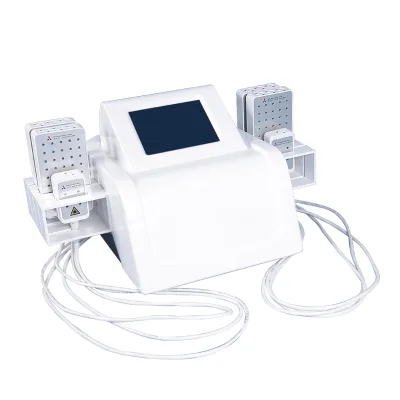
Beir Good Quality Dual Lengthwave 660nm 980nm Lipolysis Lipo Fat Lipolaser Laser Therapy Machine
$1694.0724 - $2412.7694
MOQ: 1 Minimum
- Trading Company
- Shaanxi, China
- Lead time0 days
- Avg. response≤ 2h
Main productsskin care machine,diode laser machine,cavitation machine,physiotherapy equipment,PDT machine
Main marketsSouth America(30.00%), Eastern Europe(30.00%), North America(20.00%), Western Europe(10.00%), Southeast Asia(5.00%), Africa(5.00%)

Solana Beauty Technology Co., Limited
- Trading Company,Manufacturer/Factory
- China Guangdong
- Lead time15 days
- Avg. response≤ 3h
Main productsBeauty Equipment, Hifu Anti-Aging Machine, Radio Frequency Lipocavitation Machine, Cryolipolysis Fat Freezing Machine, 808nm Diode Laser Hair Removal Machine, Elight Opt IPL Hair Removal Machine, Pressotherapy Machine, Hydro Facial Skincare Machine, Mesotherapy Machine, G5 Massager Machine
Main marketsSouth America,Eastern Europe,Mid East,North America,Southeast Asia,Eastern Asia,Oceania,Africa

Portable Hot Lipolaser Slimming Weight Loss Beauty Machine Non-Invasive Cellulite Treatment
$400.00 - $500.00
MOQ: 1 Pieces


Comprehensive Sourcing Guide
Portable 650nm Diode Lipolaser Machine Supplier Concentration and Factory Types
The current supplier landscape for portable 650nm diode lipolaser machines shows a distinct concentration of manufacturers and trading companies located in Beijing, China. This specific geographic cluster suggests a regional hub for aesthetic medical equipment, where supply chains for optical components and laser diodes are likely established. Buyers observing this data should recognize that a significant portion of available inventory originates from this single city, which can streamline logistics but also concentrate supply chain risks. When evaluating potential partners, it is essential to distinguish between direct factories and trading companies, as the latter may aggregate products from various sources rather than manufacturing the core laser technology in-house.
Factory types in this sector vary significantly, with many entities operating as trading companies that source from multiple manufacturers to offer a broader catalog of beauty equipment. These trading firms often list diverse main products such as IPL lasers, HIFU devices, and various diode laser systems alongside the specific 650nm lipolaser units. In contrast, specialized factories might focus exclusively on laser generation and fiber optics, offering deeper customization capabilities for wavelength and power output. Buyers must verify the actual company type to understand the depth of technical support available, as trading companies may have limited ability to modify internal laser configurations compared to dedicated manufacturing facilities.
How to Verify Portable 650nm Diode Lipolaser Machine Suppliers
Verification of supplier credibility relies heavily on third-party audit results and specific certification data provided in the product listings. In the current dataset, some suppliers display an SGS verification status, which serves as a tangible indicator of operational legitimacy and quality control adherence. However, other entries show a system certification status of NIL, indicating a lack of documented ISO or similar management system certifications. Buyers should prioritize suppliers with verified audit reports and explicitly check for CE certification on the specific machine models, as this is a common attribute listed for portable diode laser units intended for medical or aesthetic use.
Beyond external audits, buyers must scrutinize the response time metrics provided by the platform to gauge supplier engagement levels. A response time of approximately 4.74 hours suggests a moderate level of availability, but this figure can vary widely across different vendors. It is critical to initiate direct communication to confirm the supplier's ability to answer technical questions regarding the 650nm wavelength and diode power specifications. Additionally, buyers should request proof of the specific product attributes, such as the dual wavelength capabilities or fiber types, to ensure the supplier can substantiate their claims with actual product documentation rather than generic marketing materials.
What to Compare Across Portable 650nm Diode Lipolaser Machine Suppliers
When comparing suppliers, the primary differentiators include lead times, minimum order quantities, and price ranges for the portable units. Current data indicates a lead time of 15 days for some suppliers, while minimum order quantities can be as low as one unit, allowing for small-scale testing or immediate deployment. Price points for similar portable diode laser machines vary significantly, with listings showing ranges from approximately $1,599 to $3,999 depending on the specific configuration, such as the number of diodes or the inclusion of advanced cooling systems. Buyers should create a comparison matrix that weighs these cost factors against the promised delivery speed and the specific technical features like power output and fiber types.
Another critical comparison dimension is the customization availability and the specific application scope of the machines. Many suppliers list customization as available, which is vital for buyers needing specific wavelengths or power settings tailored to their clinic's needs. The product attributes reveal diverse applications ranging from lipolysis and skin tightening to gynecology and dental procedures, meaning the same machine model might be marketed for different uses by different vendors. Buyers must verify if the customization options extend to the laser diode arrangement, such as the number of diodes per pad or the specific fiber types like SMA905, to ensure the equipment meets their precise clinical requirements.
Common Portable 650nm Diode Lipolaser Machine Sourcing Risks
One significant risk in sourcing these machines is the potential discrepancy between advertised certifications and actual compliance status. While some product listings explicitly state CE certification, others show a system certification of NIL, creating uncertainty about the regulatory compliance of the entire batch. Buyers must be cautious of suppliers who claim broad medical applications without providing verifiable documentation for each specific function, such as vascular removal or nail fungus treatment. The absence of a clear certification record for the specific model can lead to customs delays or legal issues in the destination market, making it imperative to request valid certificates before finalizing any purchase agreement.
Another risk involves the reliability of the supply chain and the consistency of the laser diode components. Some listings mention imported diodes from Japan, while others do not specify the origin of the core laser components, which can affect the longevity and performance of the device. Variations in cooling systems, such as air cooling versus wind cooling, and differences in power output stability can also impact the safety and efficacy of the treatment. Buyers should verify the warranty terms, as some suppliers offer two-year warranties while others may provide limited coverage, and ensure that the supplier has a clear protocol for handling defective units or component failures during the operational lifespan of the machine.
Portable 650nm Diode Lipolaser Machine Regional Sourcing and Logistics
The regional sourcing strategy is heavily influenced by the concentration of suppliers in Beijing, China, which dictates the primary logistics routes for international buyers. Since the majority of the observed inventory originates from this specific location, shipping times and freight costs will be standardized around this hub, though transit times can vary based on the destination country and current global shipping conditions. Buyers should anticipate a lead time of around 15 days for production, followed by additional time for international freight, and should plan their inventory accordingly to avoid stockouts. Understanding the specific packing standards, such as aluminum alloy boxes, is also crucial for ensuring the machines arrive without damage during transit.
Logistics planning must also account for the specific dimensions and weight of the portable units, which can impact shipping costs and handling requirements. Product attributes indicate weights around 24kg and standard packing dimensions that vary slightly between models, requiring precise calculation of freight charges. Buyers should verify if the supplier offers door-to-door delivery services or if they only provide shipping to the port of destination, as this distinction affects the total landed cost. Additionally, the origin of the product, confirmed as China in the listings, means that buyers must be aware of any import duties or tariffs specific to medical aesthetic equipment in their region, which can significantly alter the final price of the portable diode laser machine.
Portable 650nm Diode Lipolaser Machine Commercial Terms and Order Planning
Commercial terms for these machines often include flexible minimum order quantities, with some suppliers accepting orders as low as a single unit, which facilitates initial market testing. However, buyers must carefully review the pricing tiers, as costs can range from $1,599 to $3,999 depending on the specific features and customization options selected. It is essential to confirm whether the quoted price includes all necessary accessories, such as the specific fiber types and cooling systems, or if these are sold separately. Buyers should also clarify the payment terms and whether escrow services are available to protect the transaction, ensuring that funds are only released once the product meets the agreed-upon specifications and quality standards.
Order planning should also consider the warranty and after-sales support provided by the supplier, as these factors are critical for long-term operational success. Some listings indicate a two-year warranty, which provides a safety net for potential hardware failures, but buyers must verify the scope of this coverage and the process for claiming repairs or replacements. Additionally, the response time of the supplier, currently observed at around 4.74 hours, should be factored into the support plan to ensure timely assistance in case of technical issues. Buyers should establish a clear communication channel for post-sale support and confirm the availability of spare parts, such as replacement diodes or fibers, to minimize downtime in their clinical or salon operations.
FAQs
What is the price range for portable diode lipolysis machines?
Portable diode lipolysis machines are priced between $1,599 and $3,999. The cost varies based on specific features, wavelength configurations, and included accessories. Buyers should review detailed product specifications to determine the exact price for their required model and customization needs.
What wavelengths are available for portable lipolysis lasers?
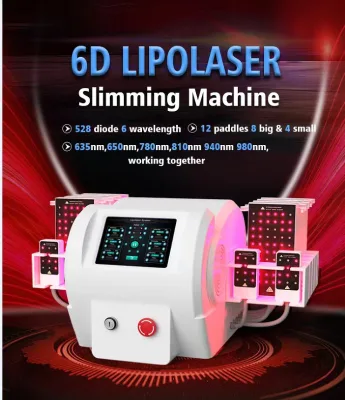
Available wavelengths include 980nm, 1470nm, and 635nm, 650nm, 780nm, 808nm, 940nm, and 980nm for multi-diode systems. Dual wavelength options like 980nm and 1470nm are common for endolifting and lipolysis. Single wavelength devices typically focus on specific tissue interactions for targeted fat reduction.
What certifications do these machines have?
Many portable lipolysis machines carry CE certification, ensuring compliance with European safety standards. Some suppliers also hold SGS verification for quality assurance. Buyers should verify specific certification documents for each product listing to confirm regulatory compliance for their target market before placing orders.
What is the typical lead time for these machines?
The typical lead time for these machines is 15 days. This timeframe allows for manufacturing, quality control, and packaging preparation. Buyers should confirm exact delivery schedules with suppliers, as lead times may vary based on order volume, customization requirements, and current production capacity.
What is the minimum order quantity for these machines?
The minimum order quantity is typically one unit, allowing buyers to purchase single machines for testing or small-scale operations. This low MOQ facilitates easier entry for clinics and beauty salons. Buyers should confirm MOQ policies with specific suppliers, as terms may vary by product model.
Where are these machines manufactured?
These machines are manufactured in China, with specific production locations including Beijing. The origin ensures access to established manufacturing hubs for laser and beauty equipment. Buyers should verify the exact manufacturing location and origin details on product listings to ensure alignment with sourcing preferences.
What functions do portable diode lipolysis machines perform?
These machines perform lipolysis, endolifting, skin tightening, and facial lifting. They are also used for vascular removal, cellulite reduction, and body slimming. Some models support additional applications like dental procedures and hemorrhoid treatment. Buyers should select machines based on their specific clinical or aesthetic requirements.