Portable 6000K Ceiling Led Lights Suppliers and Manufacturers
Compare 31 verified suppliers offering Portable 6000K Ceiling Led Lights with ODM, OEM, and customization options. Review response times, lead times, and certifications like RoHS and CE before requesting quotes; review the available evidence before requesting comparable quotations from suitable candidates.
Updated
Suppliers List

Zhongshan Ocean Smart Lighting Co., Ltd
- Verified by BV
- Combined
- China Guangdong
- Lead time15 days
- Avg. response≤ 5h
Main productsChandelier, Crystal Chandelier, Pendant Light, Table Light, Floor Lamp, Ceiling Light, Wall Light, Lighting, Hotel Lighting, Energy-Saving Lamp
Main marketsSouth America,Africa,Others(foreignTradeCapacity.exportBusinessCapacityMarketOther),Southeast Asia/ Mideast,Europe,Australia,North America

Zhongshan Fansen Lighting CO., LTD.
- Verified by CTI
- Combined
- China Guangdong
- Lead time30 days
- Avg. response≤ 3h
Main productsLED Light, LED Downlight, LED Tracklight, LED Spotlight, LED Linearlight
Main marketsSoutheast Asia/ Mideast,Domestic

Zhongshan Jurong Lighting company limited
- Manufacturer/Factory
- China Guangdong
- Lead time23 days
- Avg. response≤ 5h
Main productsLED Tri-Proof Batten Lights, LED Ceiling Lights, Vapor Tight Lights, T12 Tube Lights, T8 Tube Lights, T6 Tube Lights, T5 Tube Lights, Emergency Lights
Main marketsSouth America,Eastern Europe,North America,Southeast Asia,Eastern Asia,Oceania,Western Europe,Africa
Dongguan Qixin Lighting Co., Ltd.
- Verified by Intertek
- Manufacturer, Trading Company
- Lead time10 days
- Avg. response≤ 5h
Main productsLED Tube, LED Bulb
Main marketsNorth America(30%), Domestic Market(23%), Western Europe(15%)
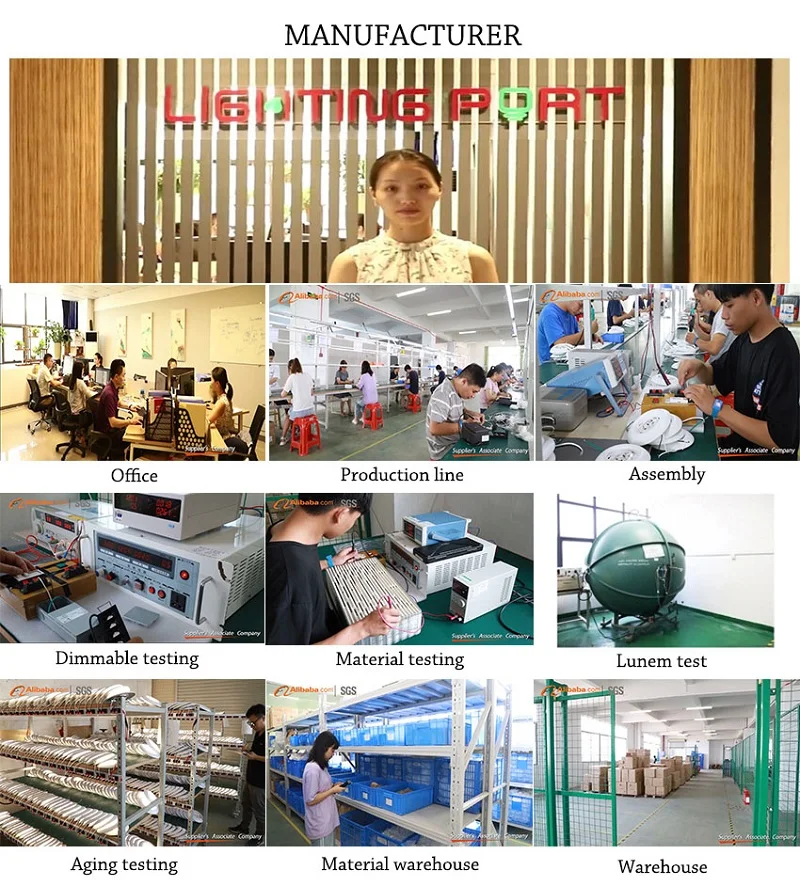
Shenzhen Blossom Lighting Co., Limited
- Manufacturer, Trading Company
- Guangdong, China
- Lead time30 days
- Avg. response≤ 2h
Main productsCeiling Light, Wall Mount Light, Recessed Down Light, Ceiling Fan, Bath Fan
Main marketsNorth America(84.00%), South America(2.00%), Oceania(2.00%), Western Europe(2.00%), Southern Europe(2.00%), Eastern Asia(2.00%), Northern Europe(2.00%), Eastern Europe(2.00%), Southeast Asia(2.00%)

Zhongshan Artilighting Lamp Co., Ltd.
- Verified by BV
- Trading Company,Manufacturer/Factory
- China Guangdong
- Lead time15 days
- Avg. response≤ 2h
Main productsCommercial Lighting, Outdoor Lighting, Solar Products, LED Downlights, LED Linear Lights, LED Strips, LED Street Lights, LED Flood Lights, Fixture Lights
Main marketsSouth America,Eastern Europe,Mid East,North America,Southeast Asia,Eastern Asia,Oceania,Western Europe,Africa

3000K/4000K/6000K Adjustable LED Lamp Spots Ceiling Down Light LED Spotlight
$1.70 - $3.00
MOQ: 1 Pieces


Huzhou Lindal Lighting & Electrical Co., Ltd.
- Verified by CTI
- Trading Company,Manufacturer/Factory
- China Zhejiang
- Lead time45 days
- Avg. response≤ 4h
Main productsLED Tri-Proof Light, LED Waterproof Lighting Fixture, LED Panel Light, LED Ceiling Light, LED Bulkhead, LED Emergency Light, LED Tube, LED Bulb, LED Highbay Light
Main marketsSouth America,Eastern Europe,Mid East,North America,Southeast Asia,Eastern Asia,Oceania,Western Europe,Africa
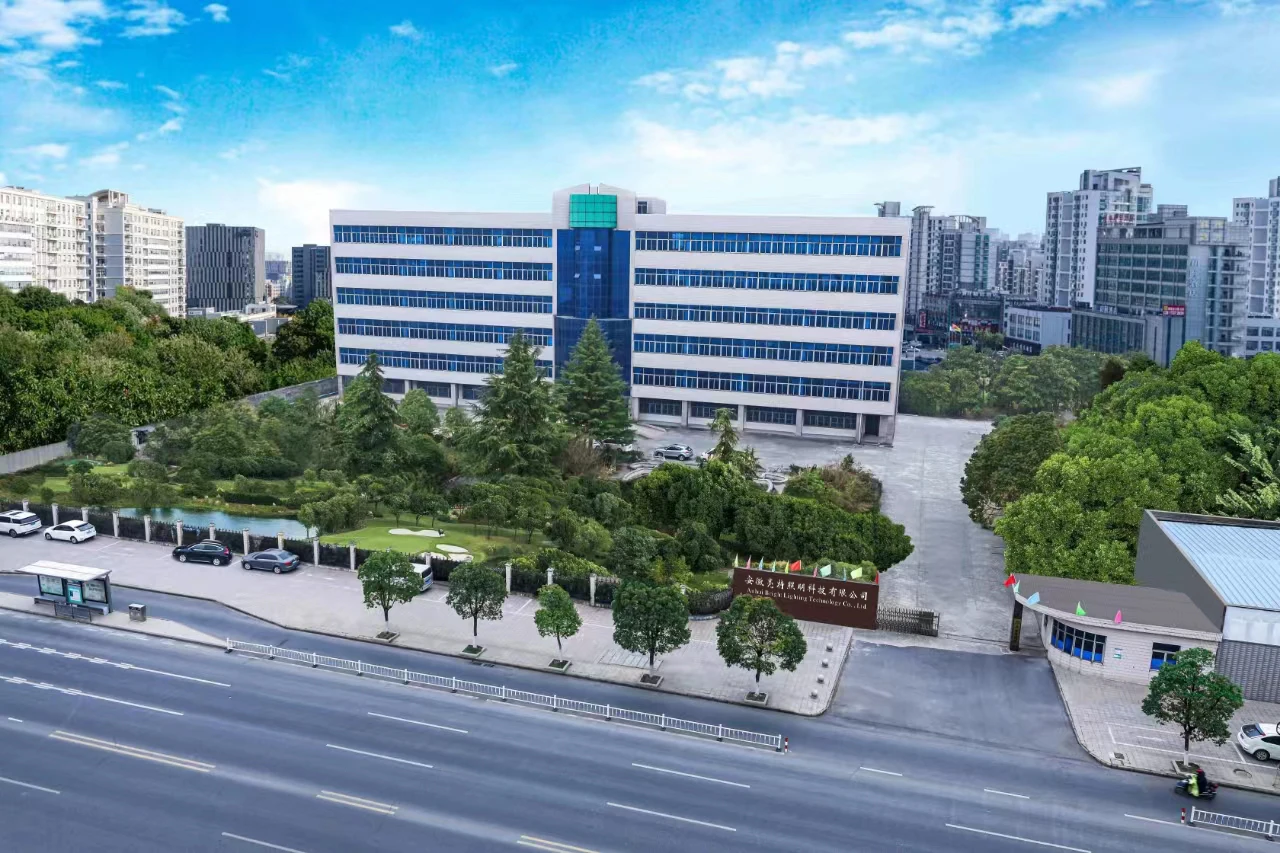
Anhui Lights Lighting Technology Ltd.
- Manufacturer
- Anhui, China
- Lead time7 days
- Avg. response≤ 2h
Main productsIndoor Lighting,Outdoor Lighting,Smart Lighting,Decorative & Home Lights,Commercial & Project Lighting
Main marketsNorth America(30.00%), Northern Europe(15.00%), Western Europe(10.00%), Eastern Asia(8.00%), Southeast Asia(7.00%), Central America(5.00%), South Asia(5.00%), Africa(5.00%), Mid East(5.00%), Southern Europe(4.00%), Eastern Europe(4.00%), South America(2.00%)

Changzhou Forever Lighting Co., Ltd.
- Manufacturer/Factory
- China Jiangsu
- Lead time30 days
- Avg. response≤ 15h
Main productsLED Downlight, LED Track Light, LED Floodlight, LED Panel Light, LED Bulkhead Light, LED Tri-Proof Light, LED Street Lamp, LED Ceiling Light, LED Down Light, LED Linear Light
Main marketsEastern Europe,North America,Western Europe

Spot Light Adjustable Angle 3000K/4000K/6000K Ceiling Recessed 7W LED Downlight
$7.00 - $8.00
MOQ: 10 Pieces

Lamp Light Ceiling Recessed 3000K/4000K/6500K 15W LED Downlight Spotlight
$3.00 - $6.50
MOQ: 1000 Pieces

High Brightness Ceiling Recessed Round 3000K/4000K/6500K 5-15W Light Lamp LED Downlight Spotlight
$3.00 - $6.50
MOQ: 1000 Pieces
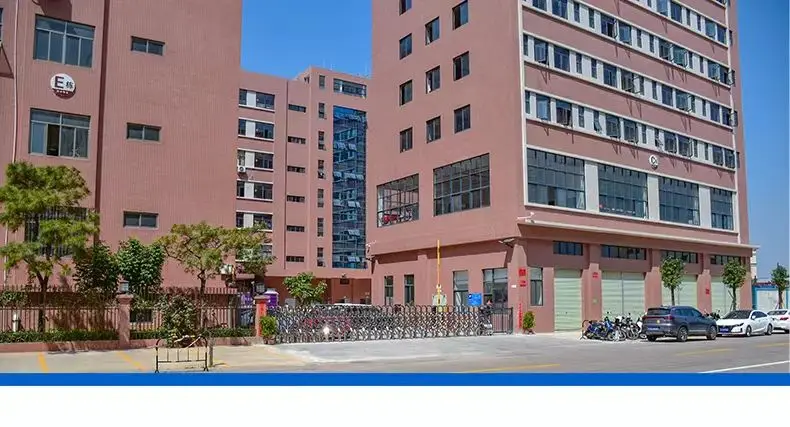
Shenzhen Landu International Technology Co., Ltd.
- Manufacturer, Trading Company
- Guangdong, China
- Lead time3 days
- Avg. response≤ 3h
Main productsModern chandeliers,Customize chandeliers,Hotel Project Lighting,Ceiling Lamps,Wall Lamps
Main marketsNorth America(30.00%), Mid East(10.00%), Northern Europe(10.00%), Eastern Europe(10.00%), South America(10.00%), Western Europe(5.00%), South Asia(5.00%), Central America(5.00%), Southeast Asia(5.00%), Southern Europe(3.00%), Eastern Asia(2.00%), Africa(2.00%), Domestic Market(2.00%), Oceania(1.00%)
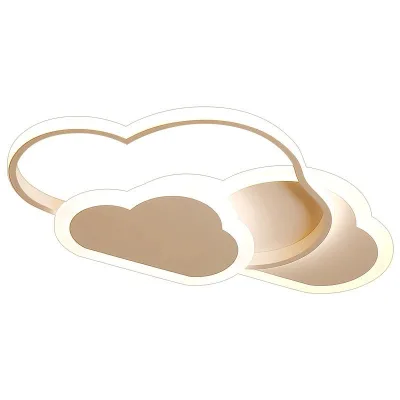
Indoor Lighting Children's Led Ceiling Lights Bedroom Modern Hotel 96W Ceiling Lamp
$40.00 - $80.00
MOQ: 2 Minimum
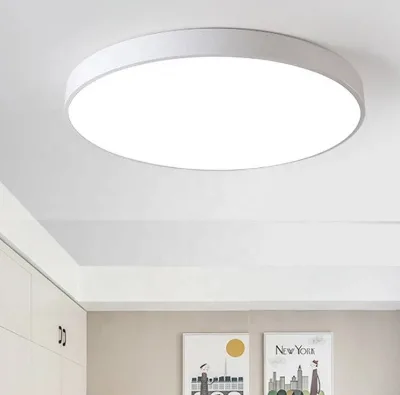
Tri-Proof Waterproof Surface Mounted Round Ceiling Lamps Led Ceiling Light for Living Room Bedroom
$10.2682 - $35.9355
MOQ: 2 Minimum
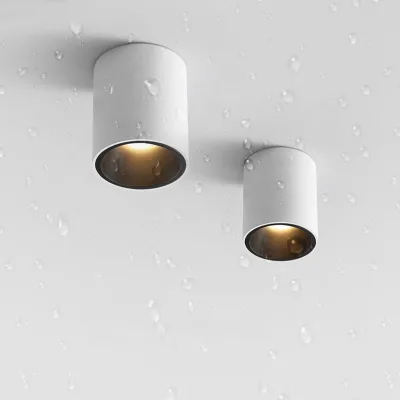
$8.2145 - $92.4044
MOQ: 2 Minimum

World-Dawn Lighting Co., Limited
- Manufacturer/Factory
- China Guangdong
- Lead time23 days
- Avg. response≤ 3h
Main productsLED Neon Flex, LED Strip Light, LED Panel Light, LED Tube, LED Floodlight, LED Rope Light, SMD Rope Light, LED Lighting, LED Downlight, LED
Main marketsSouth America,Eastern Europe,Mid East,North America,Southeast Asia,Eastern Asia,Oceania,Western Europe,Africa

- Manufacturer
- China Guangdong
- Lead time15 days
- Avg. response≤ 7h
Main productsChandelier, Crystal Chandelier, Ceiling Light, Pendant Light, Wall Light, Table Light, Floor Light, Modern Chandelier, LED Chandelier, Pendant Lamp
Main marketsEurope,North America
Guangzhou Jiguang Lighting Co., Ltd.
- Verified by SGS Group
- Manufacturer, Trading Company
- Lead time15 days
- Avg. response≤ 5h
Main productsLED Light
Main marketsNorth America(80%), Eastern Asia(10%), Southeast Asia(5%)
Zhongshan Innovtech Lighting Co., Ltd.
- Manufacturer
- Guangdong, China
- Lead time30 days
- Avg. response≤ 5h
Main productsIndoor Lighting,Chandeliers & Pendant Lights,Ceiling Lights,Table Lamps,Floor Lamps
Main marketsNorth America(60.00%), Southern Europe(10.00%), Western Europe(10.00%), Eastern Europe(5.00%), Northern Europe(5.00%), South America(5.00%), Mid East(5.00%)

Hubei LiBaiChang Technology Co., Ltd.
- Verified by CTI
- Manufacturer/Factory
- China Hubei
- Lead time15 days
- Avg. response≤ 2h
Main productsSolar Home System, Outdoor Lighting, Emergency Products, Solar Aerator Pump, Solar Panel, Commercial Lighting Light, Solar Inverter, Indoor Light, Solar Fan, Solar Insect Killer Light
Main marketsSouth America,Eastern Europe,Mid East,North America,Southeast Asia,Eastern Asia,Oceania,Western Europe,Africa


Flush Mount LED Ceiling Light 3CCT 3000K/4000K/5000K Dimmable LED Ceiling Light
$2.98 - $9.85
MOQ: 20 Pieces

High Brightness 3000K 4000K 6500K Ultra-Thin LED Ceiling 12W 24W 36W Recessed Light Fixtures
$0.199 - $6.543
MOQ: 60 Pieces
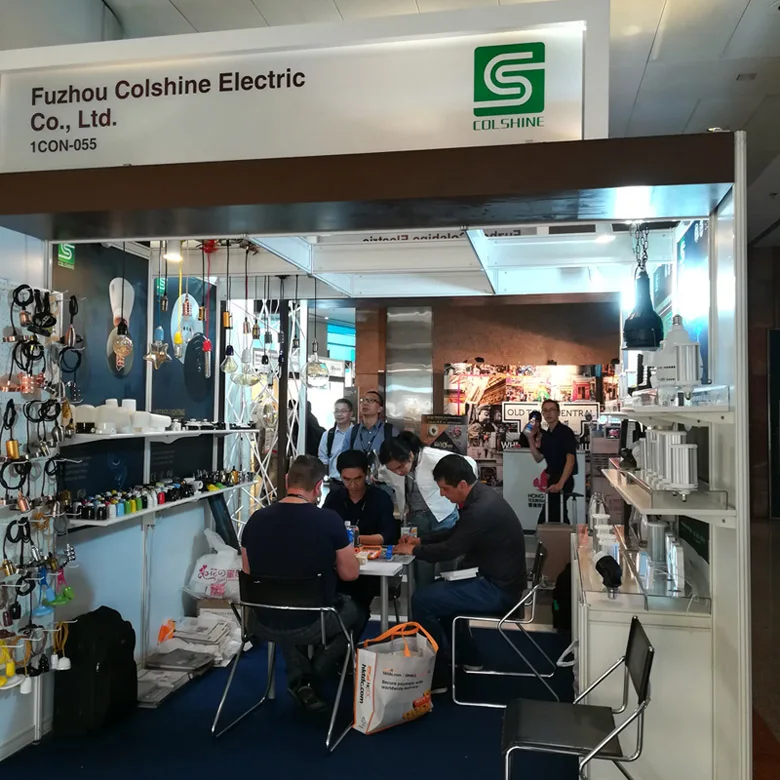
Fuzhou Colshine Electric Co., Ltd.
- Manufacturer, Trading Company
- Fujian, China
- Lead time30 days
- Avg. response≤ 6h
Main productsLed Corn Bulbs,Led High Bays,Sauna Lamp,Retro Switch and Socket,Pendant Light
Main marketsEastern Europe(20.00%), Western Europe(20.00%), Southern Europe(20.00%), Northern Europe(15.00%), South America(10.00%), North America(10.00%), Central America(5.00%)

Jiangmen Gepsen Lighting Electric Co., Ltd.
- Combined
- China Guangdong
- Lead time30 days
- Avg. response≤ 2h
Main productsLED Bulb, LED Panel Lamp, LED Strip Light, LED Tube, LED Flood Lamp, LED Ceiling Light, LED Filament /Candle Light, LED Down Light, Energy Saving Light
Main marketsSouth America,Africa,Southeast Asia/ Mideast

Shenzhen BBier Lighting Co., Ltd.
- Verified by BV
- Combined
- China Guangdong
- Lead time15 days
- Avg. response≤ 4h
Main productsE40/E27 LED Corn Lights, E40/E27 LED Garden Lights, E40/E27 LED High Bay Lights, Parking Lot LED Retrofit Kits, LED Wall Pack Lights, LED Canopy Lights, LED Gas Station Lights, LED Shoebox Street Lights, 360deg LED Tube Lights, 210deg LED Tube Lights
Main marketsSouth America,Africa,Southeast Asia/ Mideast,East Asia(Japan/ South Korea),Europe,Australia,North America

Artificial Skylight Blue Sky Ceiling Lamp LED Skylight Ceiling Panel Light
$109.00 - $129.00
MOQ: 1 Pieces

High-Efficiency LED Skylight Ceiling Panel Light with 150lm/W and IP65 Rating
$49.30 - $66.90
MOQ: 1 Pieces


Zhongshan Aier Lighting Technology Co., Ltd
- Verified by CTI
- Combined
- China Guangdong
- Lead time15 days
- Avg. response≤ 5h
Main productsLED Tube Light, LED Ceiling Light, LED Panel Light, Magnetic Track Light, High Bay Light, Street Light, Flood Light, Solar Light, Ceiling Fan
Main marketsSoutheast Asia/ Mideast,Domestic,North America
Zhongshan Haofeng Lighting Decoration Factory
- Manufacturer, Trading Company
- Guangdong, China
- Lead time15 days
- Avg. response≤ 5h
Main productsLinear Light,surface downlights,spotlights,Track spotlights,Office panel lights
Main marketsDomestic Market(50.00%), Southeast Asia(10.00%), North America(10.00%), Western Europe(8.00%), Southern Europe(3.00%), Africa(3.00%), Eastern Asia(3.00%), South Asia(2.00%), Mid East(2.00%), Eastern Europe(2.00%), Northern Europe(2.00%), Central America(2.00%), South America(2.00%), Oceania(1.00%)

Guangzhou Guanhailou Building Materials Co., Ltd.
- Verified by TUVRHEINLAND
- Manufacturer/Factory
- China Guangdong
- Lead time15 days
- Avg. response≤ 24h
Main productsGypsum Boards, Galvanized Metal Profiles, Gypsum(Grg) Lighting Fixtures, Gypsum Grid Ceiling Tiles, Gfrp Moulds, Tee Grids, Gypsum Cornice Moulding, Gypsum 3D Wall Panels, Gfrg, MDF Boards
Main marketsSouth America,Eastern Europe,Mid East,North America,Southeast Asia,Eastern Asia,Oceania,Western Europe,Africa

How Bright Electronics Limited
- Trading Company
- China Guangdong
- Lead time23 days
- Avg. response≤ 3h
Main productsWall Lamp, Ceiling Lamp, Pendant Lamp, Spot Light, Down Light, Track Light
Main marketsSouth America,Africa,Southeast Asia/ Mideast,East Asia(Japan/ South Korea),Europe,Australia,North America
Zhongshan Hayvis Lighting Co., Ltd.
- Verified by Intertek
- Manufacturer, Trading Company
- Lead time30 days
- Avg. response≤ 6h
Main productsCeiling Light, Ceiling Fan Light, Chandelier, Floor Lamp, Table Lamp
Main marketsEastern Europe(36%), Western Europe(34%), North America(12%)
$24.4367 - $26.285
MOQ: 2 pieces
Shenzhen Chengguang Lighting Technology Co., Ltd.
- Verified by TüVRheinland
- Trading Company
- Lead time10 days
- Avg. response≤ 2h
Main productsHexagonal Hexagonal Lights, Track Lights, Working Lights, Chandeliers & Pendant Lights, Downlights
Main marketsNorth America(35%), South America(15%), Eastern Europe(8%)
Guangdong Nice Lighting Technology Co., Ltd.
- Manufacturer, Trading Company
- Guangdong, China
- Lead time7 days
- Avg. response≤ 1h
Main productsLED Downlights, LED Spot Lights, LED Track Lights
Main marketsNorth America(30.00%), Mid East(20.00%), Eastern Europe(15.00%), Southern Europe(10.00%), Northern Europe(10.00%), South America(5.00%), Western Europe(5.00%), Southeast Asia(5.00%)
Changsha Dengdu E-commerce Co., Ltd.
- Trading Company
- Hunan, China
- Lead time0 days
- Avg. response≤ 2h
Main productslighting
Main marketsNorth America(51.00%), Northern Europe(49.00%)

Anboo (Shenzhen) Technology Co., Ltd
- Verified by TUVRHEINLAND
- Manufacturer/Factory
- China Guangdong
- Lead time23 days
- Avg. response≤ 1h
Main productsLED Linear Light, LED Downlight, LED Tri-Proof Light, LED Tubular Light, LED Spot Light, LED Track Light, LED Solar Light
Main marketsSouth America,Eastern Europe,North America,Southeast Asia,Eastern Asia,Western Europe
Henan Hanyin Industrial Co., Ltd.
- Verified by Intertek
- Manufacturer, Trading Company
- Lead time5 days
- Avg. response≤ 2h
Main productsLED Light, Plastic Floor, Car Wash Supplies
Main marketsNorth America(60%), Western Europe(20%), Oceania(20%)
Linyi Zhaohong Photoelectric Technology Co.. Ltd.
- Verified by SGS Group
- Trading Company
- Shandong, China
- Lead time30 days
- Avg. response≤ 3h
Main productsLED Lighting Products, Home Folding Desk Study Desk, Flower Mud, Outdoor Artificial Lawn, Home Decoration Crafts Artificial Plants
Main marketsEastern Asia(50%), Southeast Asia(20%), North America(8%)

Zhongshan Chaolang Lighting Co., Ltd.
- Verified by SGS
- Combined
- China Guangdong
- Lead time30 days
- Avg. response≤ 1h
Main marketsEurope


Durable Round LED Ceiling Light for Living Room and Restaurant with CE
$10.00 - $15.00
MOQ: 100 Pieces

Modern Dual Color LED Ceiling Light with Multi-Head Design for Living Rooms
$20.00 - $25.00
MOQ: 100 Pieces
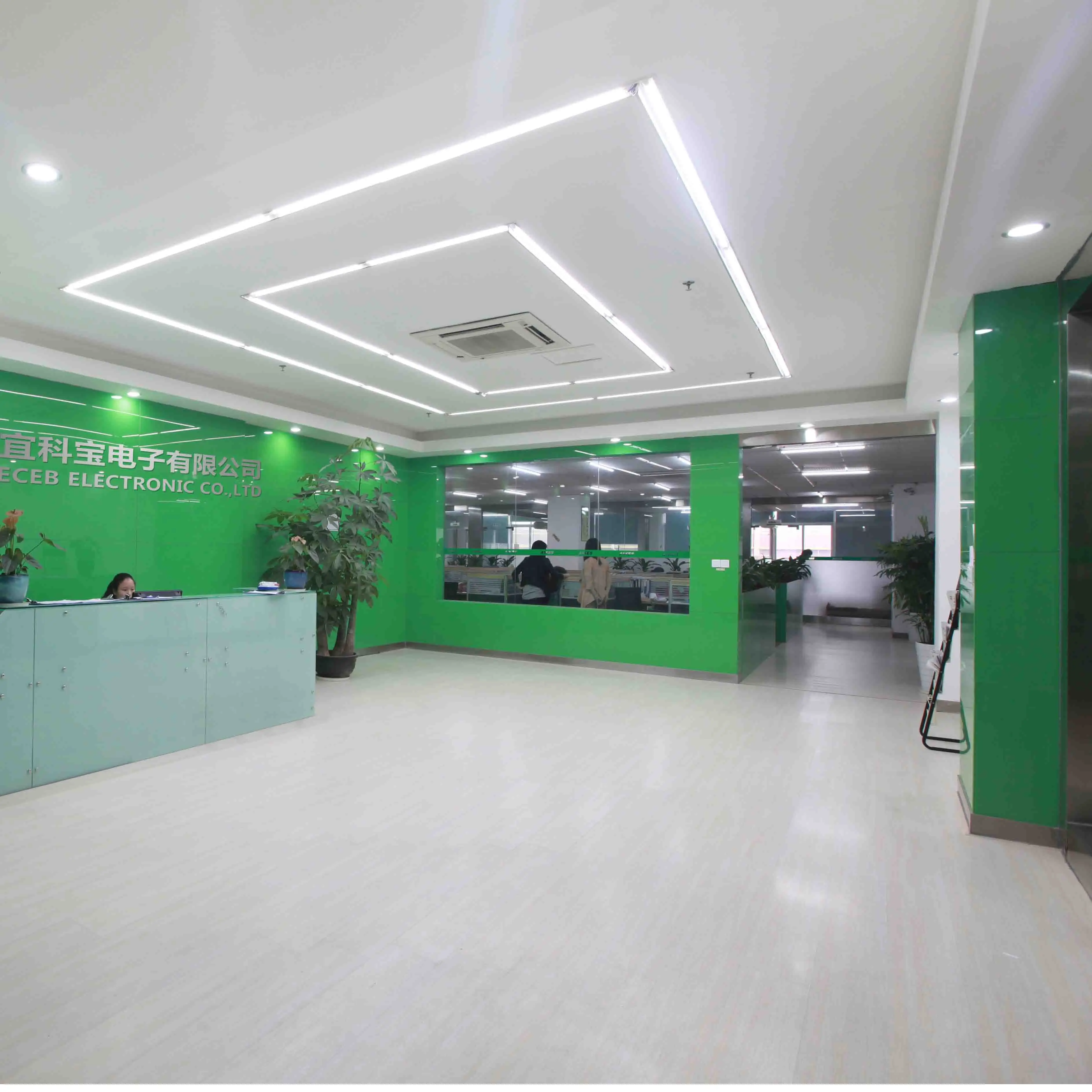
Zhuhai Yikebao Electronic Co., Ltd.
- Manufacturer, Trading Company
- Guangdong, China
- Lead time7 days
- Avg. response≤ 3h
Main productsled bulb,led spot light,led strip light,commercial light,g4 led lamp
Main marketsSouth America(25.00%), North America(25.00%), Eastern Europe(20.00%), Southern Europe(10.00%), Northern Europe(10.00%), Western Europe(10.00%)




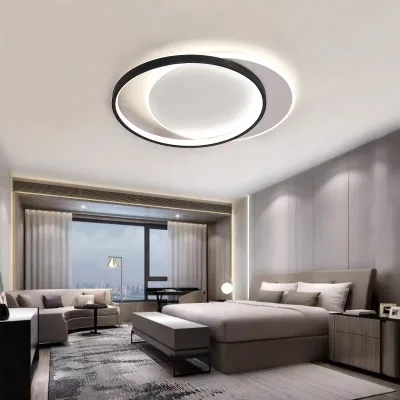
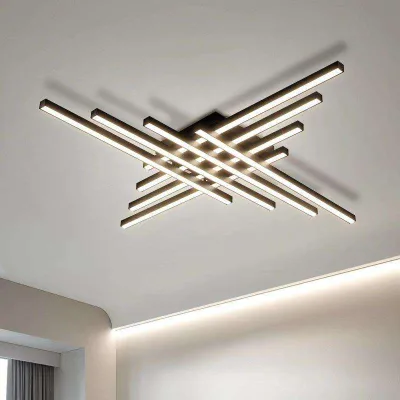
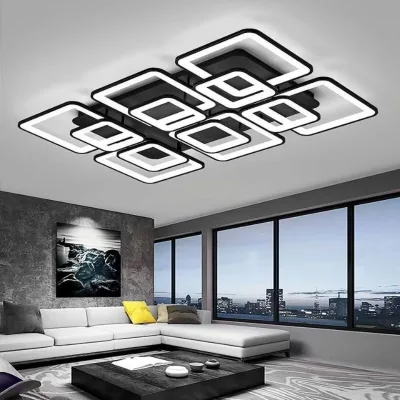


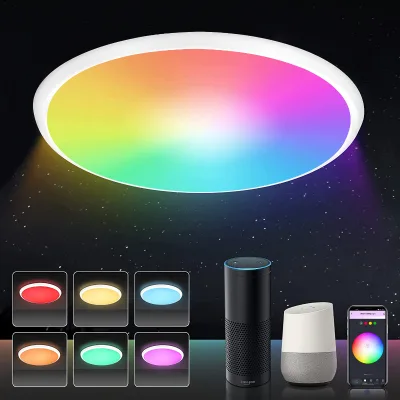
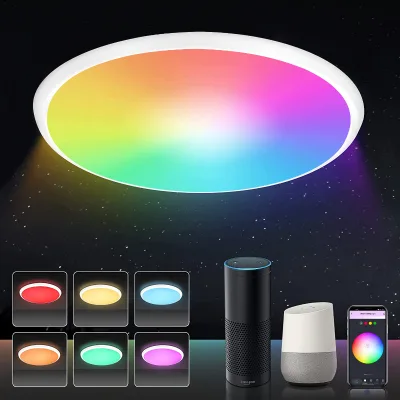
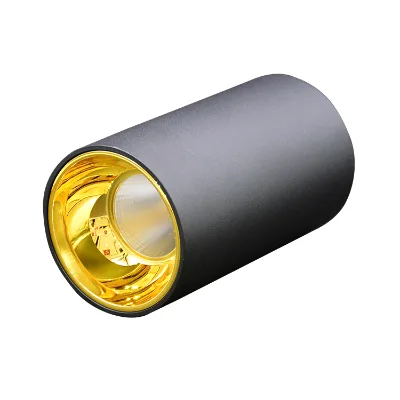
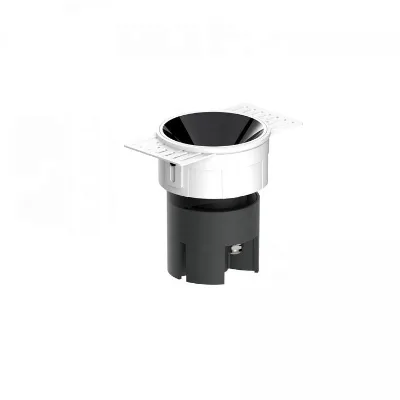
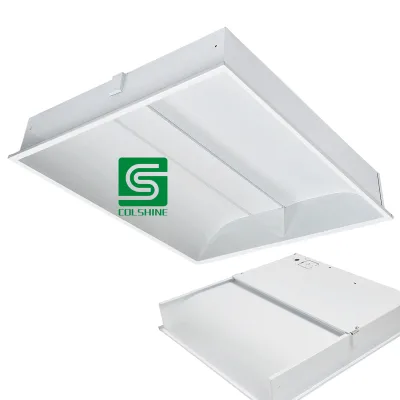




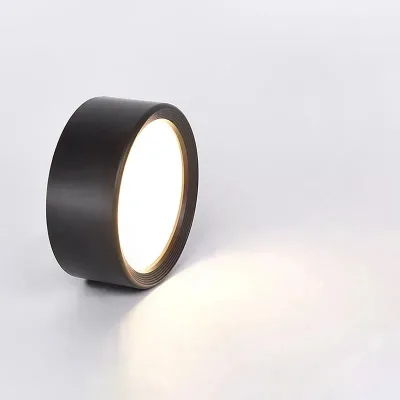
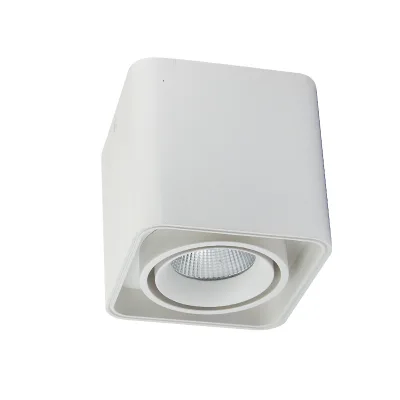
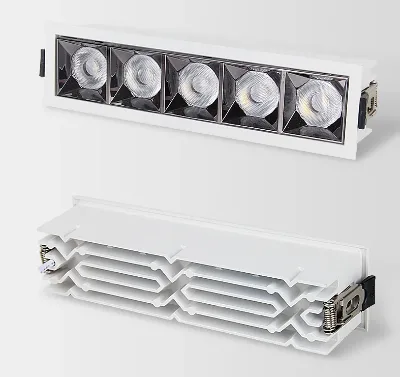


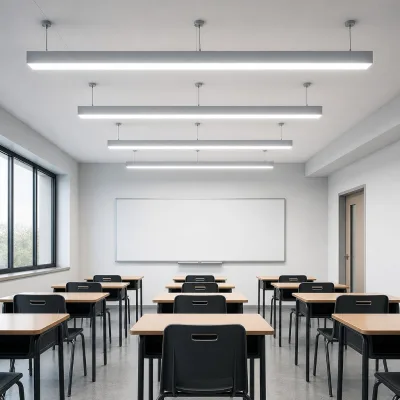
Comprehensive Sourcing Guide
Portable 6000K Ceiling Led Lights Supplier Concentration and Factory Types
The current supplier landscape for Portable 6000K Ceiling Led Lights reveals a distinct concentration of manufacturing capabilities within China, specifically in the Guangdong region. This geographic clustering is significant because it indicates a mature industrial ecosystem where specialized lighting components, such as LED chips and drivers, are readily available. Buyers evaluating these suppliers should note that the primary production hubs are often located in towns like Guzhen in Zhongshan City, which is a globally recognized center for lighting manufacturing. This concentration allows for efficient supply chain logistics and rapid prototyping, which are critical for buyers seeking customized or OEM solutions. The presence of combined company types suggests that many entities operate as both manufacturers and trading companies, offering a hybrid service model that can simplify communication for international buyers while maintaining direct access to production lines.
Factory types in this sector vary significantly, ranging from pure OEM/ODM facilities to those with their own established brands. Evidence shows that many suppliers possess the capacity for both Original Design Manufacturing and Original Equipment Manufacturing, allowing buyers to either source existing designs or commission unique specifications. Some factories also emphasize their own brand presence, which may indicate a higher level of quality control and market experience, though it could also imply less flexibility for private labeling. The main products listed by these suppliers often include a broad spectrum of lighting solutions, such as chandeliers, pendant lights, and various ceiling lights, suggesting that many facilities are versatile rather than niche. This versatility can be advantageous for buyers looking to consolidate orders across different lighting categories, but it requires careful vetting to ensure that the specific expertise for 6000K portable ceiling units is not diluted by a broader product portfolio.
How to Verify Portable 6000K Ceiling Led Lights Suppliers
Verification is a critical step in ensuring that the suppliers you engage with are legitimate and capable of delivering high-quality products. The current data indicates that suppliers undergo various verification processes, with some holding BV (Bureau Veritas) certifications and others possessing CTI (Centre Test International) credentials. These third-party verifications provide a layer of assurance regarding the supplier’s business legitimacy and operational standards. Buyers should prioritize suppliers who display these verification badges, as they indicate that an independent agency has audited the company’s facilities and business practices. Additionally, the presence of system certifications such as ISO9001:2015 is a strong indicator of a supplier’s commitment to quality management systems. This certification suggests that the factory has established standardized processes for production, quality control, and continuous improvement, which is essential for maintaining consistency in large orders.
Beyond third-party verifications, buyers should also look for product-specific certifications that are relevant to the 6000K ceiling LED lights they intend to purchase. The evidence shows that many products carry CE, RoHS, EMC, LVD, and CCC certifications, which are crucial for market access in various regions, particularly Europe and China. These certifications confirm that the products meet specific safety, electromagnetic compatibility, and environmental standards. Buyers should request copies of these certificates and verify their validity with the issuing bodies. Furthermore, the response time of suppliers can serve as an indirect indicator of their operational efficiency and customer service quality. Suppliers with faster response times, such as those averaging around 2.32 hours, may be more responsive to inquiries and issues, which is vital for smooth project management. However, buyers should not rely solely on these metrics and should conduct additional due diligence, such as requesting samples and conducting factory audits, to fully assess supplier reliability.
What to Compare Across Portable 6000K Ceiling Led Lights Suppliers
When comparing suppliers, buyers should focus on key operational metrics that directly impact cost, timeline, and product quality. Lead time is a critical factor, with current data showing variations such as 15 days and 30 days. A shorter lead time may be advantageous for urgent orders, but it is essential to ensure that this speed does not compromise quality control processes. Buyers should also compare the Minimum Order Quantity (MOQ) requirements, which can range significantly, such as 30 pieces for some decorative items versus 200 pieces for more standardized LED components. Understanding these MOQs helps buyers determine the feasibility of their order size and whether they can achieve economies of scale. Additionally, the response time of suppliers, which can vary from approximately 2.32 to 4.12 hours, should be considered as it reflects the supplier’s ability to communicate effectively and resolve issues promptly.
Another important aspect to compare is the customization capabilities and product specifications. Many suppliers offer OEM and ODM services, allowing for tailored designs and branding. Buyers should evaluate the extent of customization available, such as options for frame color, crystal customization, and voltage adjustments. The evidence shows that some suppliers provide detailed product attributes, including LED chip brands like CREE or Bridgelux, which can influence the quality and longevity of the lights. Comparing these technical specifications is crucial for ensuring that the products meet the buyer’s performance requirements. Furthermore, buyers should assess the warranty terms, with some suppliers offering a 2-year guarantee, which provides additional protection against defects. By systematically comparing these factors, buyers can identify suppliers that best align with their specific needs for quality, cost, and service.
Common Portable 6000K Ceiling Led Lights Sourcing Risks
Sourcing Portable 6000K Ceiling Led Lights from international suppliers involves several risks that buyers must proactively manage. One significant risk is the potential discrepancy between the advertised product specifications and the actual delivered goods. While suppliers may claim certifications such as CE and RoHS, there is a risk that the products may not consistently meet these standards in every batch. Buyers should mitigate this risk by requesting detailed product data sheets and conducting independent testing upon receipt. Another risk is related to the quality of materials used, such as the base material or LED chips. For instance, some products use aluminum bases and CREE chips, while others may use different materials. Variations in material quality can affect the durability and performance of the lights, so buyers should verify the specific components used in their orders.
Logistical risks are also prevalent, particularly concerning shipping and packaging. The evidence indicates that products are shipped via express courier, air, or sea, and packed in standard export packaging. However, damage during transit can occur, especially for fragile components like crystals or glass. Buyers should ensure that the supplier uses robust packaging methods and consider purchasing shipping insurance. Additionally, there is a risk of communication breakdowns, especially if the supplier’s response time is slow or if there are language barriers. Misunderstandings regarding customization requirements or delivery schedules can lead to delays and additional costs. To minimize these risks, buyers should establish clear communication channels, provide detailed specifications in writing, and maintain regular contact with the supplier throughout the production process. Regular quality checks and clear contractual terms can also help protect the buyer’s interests.
Portable 6000K Ceiling Led Lights Regional Sourcing and Logistics
The regional concentration of suppliers in China, particularly in Guangdong, offers both advantages and challenges for logistics and sourcing. The proximity of factories to major ports and logistics hubs in this region facilitates efficient export operations. Buyers should leverage this geographic advantage by selecting suppliers who have experience with international shipping and can provide reliable logistics solutions. The evidence shows that suppliers offer various shipping methods, including express courier, air freight, and sea freight. Each method has its own implications for cost and delivery time. Express courier is suitable for small, urgent orders, while sea freight is more cost-effective for larger shipments. Buyers should evaluate their order volume and urgency to determine the most appropriate shipping method.
Furthermore, buyers should consider the impact of regional trade policies and tariffs on their sourcing strategy. Shipping from China to different regions may involve varying customs procedures and duties. Understanding these regulations is essential for accurate cost calculation and compliance. The evidence indicates that trade terms such as EXW, FOB, CIF, and CFR are commonly used. Each term defines the responsibilities of the buyer and seller regarding shipping and insurance. Buyers should choose the term that best aligns with their logistics capabilities and risk tolerance. For example, FOB terms require the buyer to arrange for main carriage and insurance, while CIF terms include these costs in the price. By carefully planning the logistics and understanding the trade terms, buyers can optimize their supply chain and reduce overall sourcing costs.
Portable 6000K Ceiling Led Lights Commercial Terms and Order Planning
Effective order planning requires a thorough understanding of the commercial terms and pricing structures offered by suppliers. The evidence shows that prices for ceiling LED lights can vary significantly, with some products ranging from $6.50 to $13.00, while others may cost between $76.00 and $260.00. These price differences reflect variations in product complexity, materials, and customization options. Buyers should request detailed quotations that break down the costs, including unit price, tooling fees, and shipping costs. Understanding the pricing structure helps buyers make informed decisions and negotiate better terms. Additionally, buyers should be aware of the payment terms, which can vary among suppliers. Common terms include T/T, L/C, and Western Union, and buyers should choose the method that offers the best security and convenience.
Order planning also involves managing the production timeline and inventory levels. The lead times observed, such as 15 and 30 days, should be factored into the buyer’s production schedule. Buyers should allow for buffer time to account for potential delays in production or shipping. Furthermore, buyers should consider the MOQ requirements when planning their orders. Ordering in larger quantities may reduce the unit cost but increases inventory holding costs. Buyers should strike a balance between cost efficiency and inventory management. Additionally, buyers should establish a clear communication plan with the supplier to monitor production progress and address any issues promptly. By carefully planning the commercial terms and order logistics, buyers can ensure a smooth and efficient sourcing process for Portable 6000K Ceiling Led Lights.
FAQs
What certifications do the ceiling lights have?
The ceiling lights carry RoHS and CE certifications for safety and environmental compliance. Some models also include EMC, LVD, and CCC marks. These standards ensure the products meet international requirements for electrical safety and electromagnetic compatibility in various markets.
What is the minimum order quantity for these lights?
The minimum order quantity varies by product type. Some ceiling lights require a minimum of 30 pieces, while others like downlights may need 200 pieces. Buyers should check specific product listings to confirm the exact MOQ before placing an order.
How long does it take to receive the goods?
Lead times for these lighting products range from 15 to 30 days depending on the specific item and order volume. Suppliers in China Guangdong typically handle production within this window. Buyers should confirm the exact delivery schedule with the seller before finalizing the purchase.
Can I customize the color temperature of the lights?
Yes, customization is available for color temperature on many models. Options typically include 3000K, 4000K, and 5000K to suit different interior needs. Buyers can request specific voltage and color settings as per their requirements during the ordering process.
What materials are used for the light frames?
Frames are commonly made from iron or aluminum depending on the specific model. Some fixtures feature bronze finishes while others use standard metallic colors. The base material is selected to ensure durability and compatibility with the LED light source inside the fixture.
Do these lights come with a warranty?
Many of the ceiling lights include a two-year guarantee for customer protection. This warranty covers potential defects in materials or workmanship. Buyers should verify the specific warranty terms with the supplier to ensure coverage matches their expectations for the purchased items.
Where are these lighting products manufactured?
These products are manufactured in China, specifically in Guzhen Town, Zhongshan City. This region is known for its lighting industry. All listed items originate from this location, ensuring consistent production standards and supply chain efficiency for international buyers.