Portable Camping Headlight Suppliers and Manufacturers
Source 29 verified suppliers for Portable Camping Headlight products. Compare key dimensions including ISO certifications, lead times, and MOQs to identify suitable partners. Review detailed specifications and request quotes directly from the platform; review the available evidence before requesting comparable quotations from suitable candidates.
Updated
Suppliers List

Ningbo Haishu Forcar Imp. & Exp. Co., Ltd.
- Verified by BV
- Trading Company,Manufacturer/Factory
- China Zhejiang
- Lead time45 days
- Avg. response≤ 8h
Main productsCar Wheel Rims, Custom Forged Wheel, Alloy Wheel, Forged Wheel, Offroad Wheel, Beadlock Wheel
Main marketsSouth America,Eastern Europe,Mid East,North America,Southeast Asia,Eastern Asia,Oceania,Western Europe,Africa

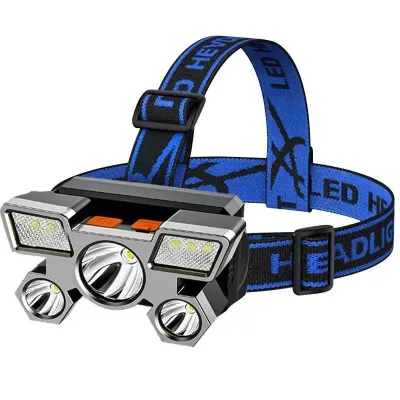
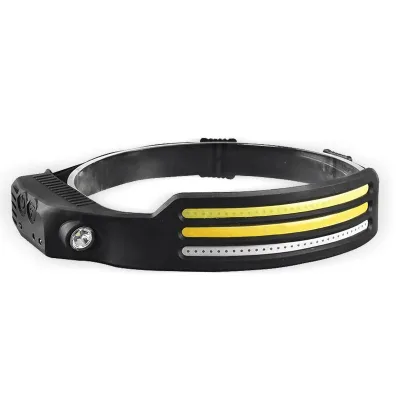
Portable Induction LED Headlamp USB Charging Fishing Lantern Camping Headlight
$4.25 - $4.89
MOQ: 500 Pieces


Xiamen Seatyle Import & Export Co., Ltd.
- Verified by TUVRHEINLAND
- Trading Company,Manufacturer/Factory
- China Fujian
- Lead time23 days
- Avg. response≤ 3h
Main productsHeadlamp, Flashlight, Camping Light, Solar Light, Outdoor Light, Bike Light, Water Shoes, Chef Shoes, Medical Shoes, Slippers
Main marketsSouth America,Eastern Europe,Mid East,North America,Southeast Asia,Eastern Asia,Oceania,Western Europe,Africa


Outdoor Camping 7modes Headlamps with Adjustable Headband Lightweight Headlight
$1.75 - $2.35
MOQ: 100 Pieces

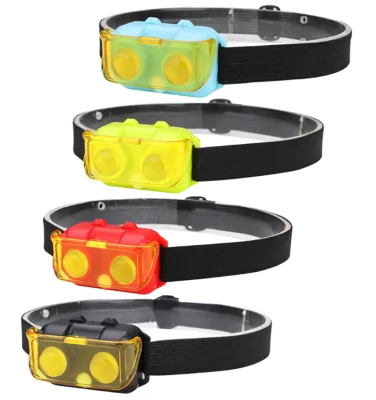
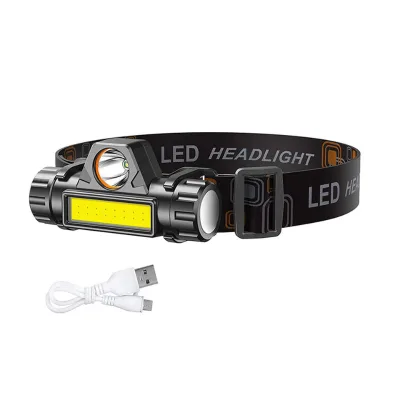
Mini Head Flashlight Waterproof Headlamp with Red Safety Light for Camping Outdoor
$1.85 - $2.85
MOQ: 100 Pieces

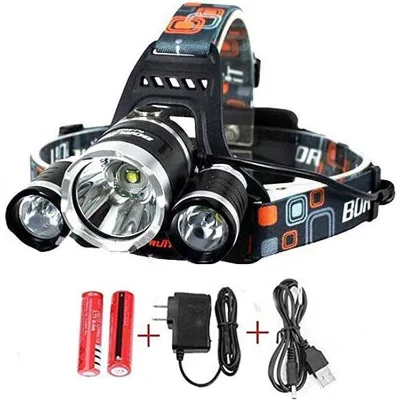
High Power Rechargeable Headlamps Moving LED Light Torch Headlight Mining Head Lamp
$3.45 - $4.65
MOQ: 100 Pieces

Outdoor Flashlight Headlamps Adjustable LED Headband Lamp for Hiking & Camping Gear
$1.99 - $2.19
MOQ: 100 Pieces


Ningbo Brilliant Dragon Electronic Technology Co., Ltd.
- Verified by TUVRHEINLAND
- Manufacturer/Factory
- China Zhejiang
- Lead time105 days
- Avg. response≤ 14h
Main productsLED Light for Indoor, LED Light for Ourside, Auto / Bicycle Accessories, Security Items, Work Light, Electric Appliance, Personal Items
Main marketsSouth America,Eastern Europe,Mid East,North America,Southeast Asia,Eastern Asia,Oceania,Western Europe,Africa

Shanghai Lanyou Lighting Co., Ltd.
- Verified by CTI
- Trading Company
- China Anhui
- Lead time15 days
- Avg. response≤ 6h
Main productsLED Channel Letters, Acrylic Signs, Metal Sign Letters, Wayfinding Signs, Outdoor Signage
Main marketsSouth America,Africa,Southeast Asia/ Mideast,East Asia(Japan/ South Korea),Europe,Australia,North America

$3.48 - $4.54
MOQ: 500 Pieces

Flashlight Adjustable Camp Zoom 18650 Rechargeable Headlight LED Headlamp
$0.95 - $1.80
MOQ: 500 Pieces

Ningbo Qingyang Import and Export Co., Ltd.
- Verified by SGS
- Trading Company
- China Zhejiang
- Lead time45 days
- Avg. response≤ 2h
Main productsLED Lights, Table Lamp, Night Light, Solar Garden Light, LED Sensor Light, LED String Light, Decorative Light, LED Work Light, Camping Lantern, LED Candle
Main marketsEast Asia(Japan/ South Korea),Europe,North America

New Portable Headlight Bright LED Rechargeable Headlamp for Camping and Hiking
$1.86 - $1.99
MOQ: 3000 Pieces


Ultra Bright Battery Powered LED Camping Headlamp for Outdoor Adventures
$3.50 - $3.68
MOQ: 5000 Pieces

Xiamen Dlight Star Technology Co., Ltd.
- Verified by SGS Group
- Manufacturer, Trading Company
- Lead time25 days
- Avg. response≤ 2h
Main productsLED Work Light, LED Flashlight, LED Headlamp, LED Floodlight
Main marketsNorth America(80%), Western Europe(15%), Oceania(5%)
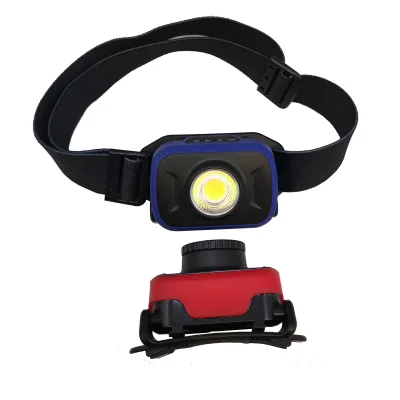
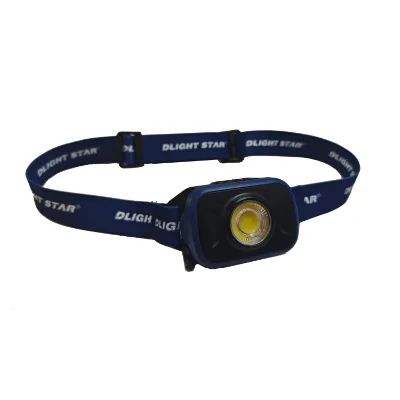
Outdoor Headlight 1000 Lumens Led Headlight Variable Focus Headlight Battery IP65 Waterproof Camping
$8.4315 - $9.7689
MOQ: 500 Minimum
Guangzhou Xiongxing Trading Co.,Ltd
- Manufacturer, Trading Company, Buying Office
- Guangdong, China
- Lead time35 days
- Avg. response≤ 3h
Main productsCompressor,Storage Bag,Automotive Parts,bike acceaaories,Auto Parts
Main marketsNorth America(35.00%), Western Europe(15.00%), Northern Europe(15.00%), Central America(10.00%), Southern Europe(10.00%), Eastern Europe(8.00%), Africa(5.00%), South Asia(2.00%)
Ningbo Brilliant Dragon Electronic Technology Co., Ltd.
- Verified by SGS Group
- Trading Company
- Lead time25 days
- Avg. response≤ 2h
Main productsWork Light , Warning Light, Camping Light, Bicycle Light, Electric Appliance
Main marketsWestern Europe(19%), North America(15%), Northern Europe(12%)

Ninghai Sohot Electrical Appliances Co., Ltd.
- Verified by TUVRHEINLAND
- Combined
- China Zhejiang
- Lead time30 days
- Avg. response≤ 6h
Main productsFlashlight, Headlamp
Main marketsEast Asia(Japan/ South Korea),Europe


Ultra Portable 80 Gram Lightweight LED Headlamp for Camping and Running Activities
$4.50 - $4.65
MOQ: 1000 Pieces

Ningbo Brightenlux Electric Appliance Co., Ltd
- Combined
- China Zhejiang
- Lead time30 days
- Avg. response≤ 4h
Main productsLED Flashlight, LED Headlamp, Work Light, Camping Light, Solar Light, Bike Light, Ring Light, Night Light
Main marketsSouth America,Africa,Southeast Asia/ Mideast,East Asia(Japan/ South Korea),Domestic,Europe,Australia,North America

Brightenlux 4 Lighting Modes Zoomable Rechargeable Camping Mini Headlamp
$6.40 - $6.80
MOQ: 100 Pieces

$4.69 - $4.99
MOQ: 500 Pieces

Brightlux New Style High Power Waterproof Portable USB Rechargeable Camping COB LED Headlamp
$2.80 - $3.00
MOQ: 100 Pieces


Brightenlux Waterproof Multifunctional Red Light Warning Outdoor Camping LED Light Headlamp
$5.40 - $5.54
MOQ: 500 Pieces

Headlamp USB Rechargeable Red Warning Light Ultra Bright Headlamp with Camping
$3.50 - $4.50
MOQ: 100 Pieces
Dongguan Zhongpu Lighting Industrial Co., Ltd.
- Manufacturer, Trading Company
- Guangdong Province, China
- Lead time3 days
- Avg. response≤ 2h
Main productsled flashlight,led headlamp,explosion proof flashlight,explosion proof headlamp,tactical flashlight
Main marketsEastern Europe(30.00%), North America(20.00%), Southern Europe(10.00%), Northern Europe(10.00%), Western Europe(10.00%), Mid East(5.00%), Africa(5.00%), South America(5.00%), Eastern Asia(5.00%)
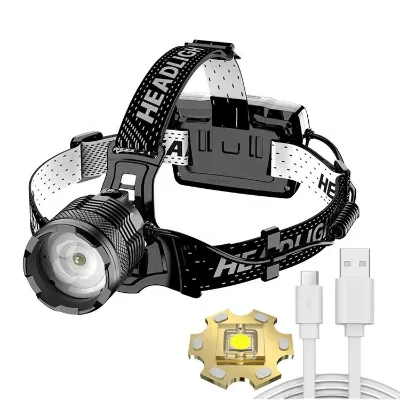
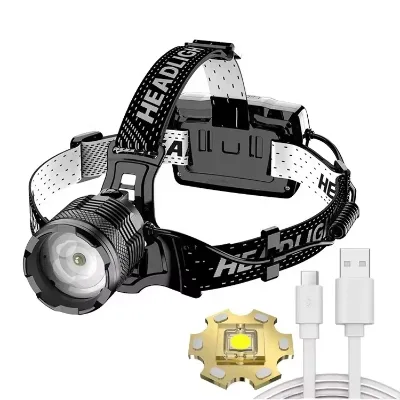
$15.527 - $20.0509
MOQ: 1 sets
Linyi Razer Lighting Co., Ltd.
- Trading Company
- shandong, China
- Lead time20 days
- Avg. response≤ 3h
Main productsHeadlamp,Floodlamp,Flashlight,Searchlight
Main marketsSoutheast Asia(50.00%), South Asia(10.00%), Central America(1.00%)
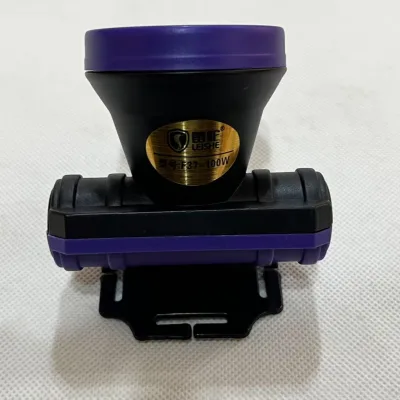
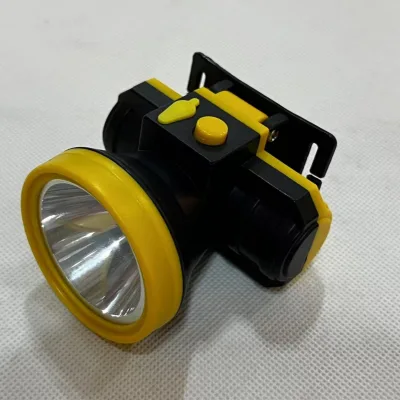
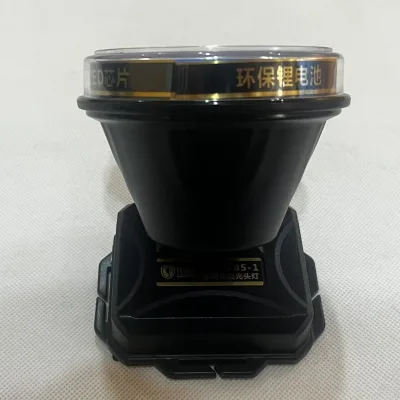
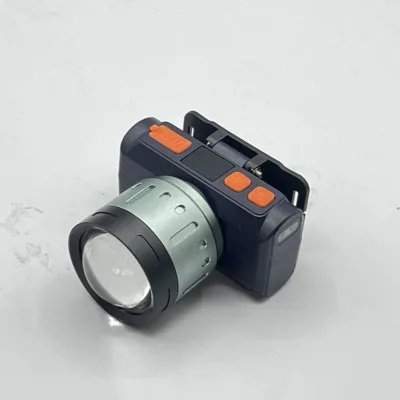
$3.47 - $5.00
MOQ: 100 Minimum
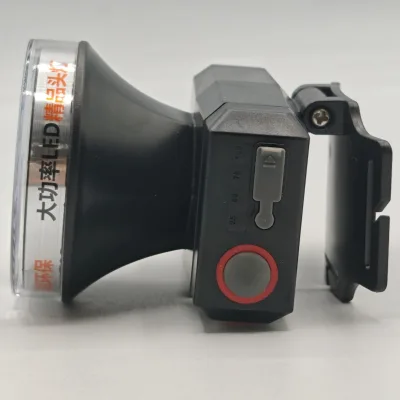
Hangzhou Youfound Trade Co., Ltd.
- Manufacturer, Trading Company
- Zhejiang, China
- Lead time0 days
- Avg. response≤ 5h
Main productsHair Trimmer,LED Torch,Camping Lantern,Solar System,Mask
Main marketsMid East(20.00%), Southeast Asia(20.00%), Eastern Europe(20.00%), South America(20.00%), North America(20.00%)
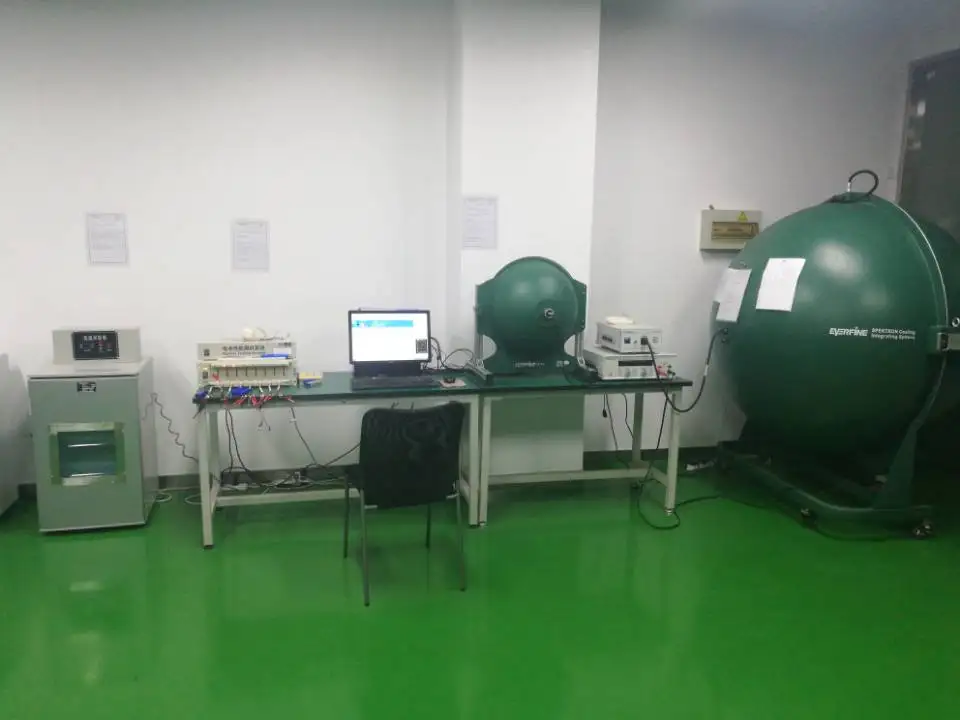
(Hangzhou) Tiger Auto Accessories Co., Ltd.
- Trading Company
- Zhejiang, China
- Lead time45 days
- Avg. response≤ 5h
Main productsWork Light
Main marketsWestern Europe(50.00%), North America(30.00%), Eastern Europe(10.00%), Southeast Asia(5.00%), Oceania(5.00%)
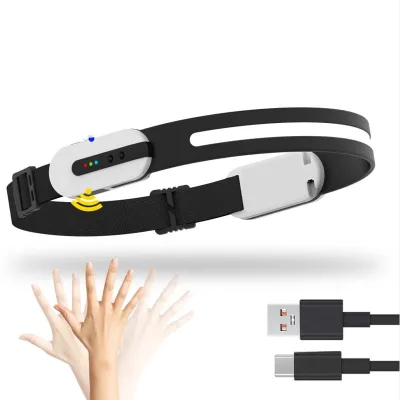
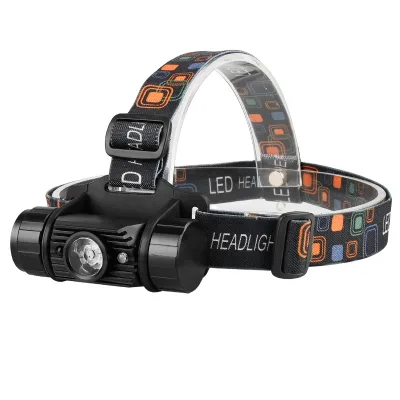
Comfortable Silicone Ultra Light Camping Headlight With Bluetooth Function
$6.50 - $7.50
MOQ: 500 pieces
Ningbo Jelo Outdoor Goods Co., Ltd.
- Verified by TüVRheinland
- Trading Company
- Lead time30 days
- Avg. response≤ 4h
Main productsCamping Light, Knives & Tools, Head Torch, Flash Light, Survival Gear
Main marketsNorth America(21%), Western Europe(21%), South America(8%)
Yiwu Runson Outdoor Products Co., Ltd.
- Trading Company
- Zhejiang, China
- Lead time15 days
- Avg. response≤ 10h
Main productsOutdoor survival kit,Outdoor whistle,Outdoor compass,Outdoor poncho,Outdoor sleeping bag
Main marketsNorth America(50.00%), Western Europe(10.00%), Eastern Europe(10.00%), South America(10.00%), Central America(5.00%), Southern Europe(5.00%), South Asia(2.00%), Africa(2.00%), Eastern Asia(2.00%), Mid East(2.00%), Oceania(1.00%), Southeast Asia(1.00%)
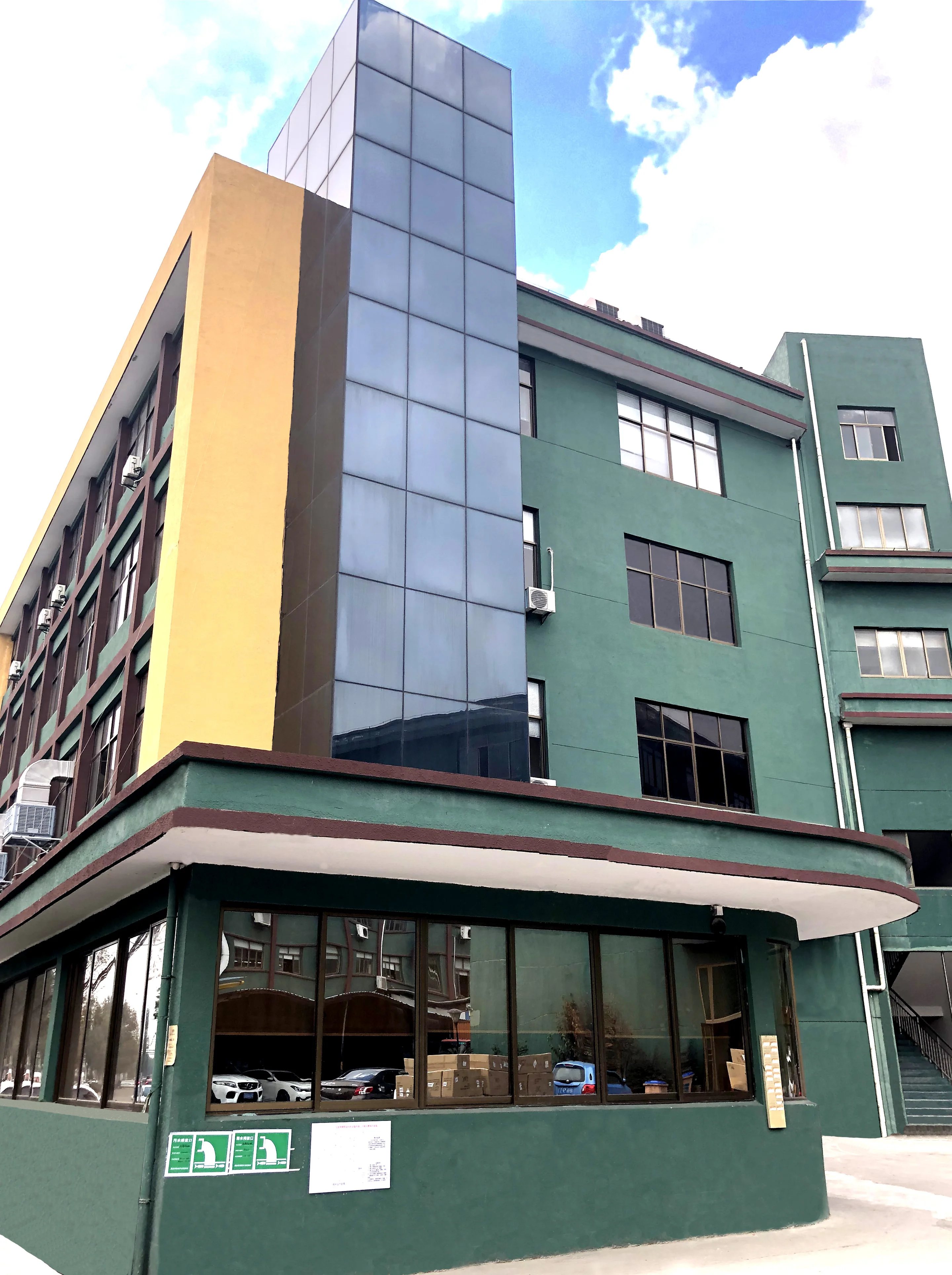
Ningbo Mengting Outdoor Implement Co., LTD.
- Manufacturer, Trading Company
- Zhejiang, China
- Lead time25 days
- Avg. response≤ 3h
Main productsFlashlight, Headlamp, Camping Lamp, Bike Light, Other Lighting Tools
Main marketsNorth America(30.00%), Western Europe(30.00%), Eastern Europe(10.00%), Mid East(10.00%), Southeast Asia(10.00%), South America(5.00%), Oceania(5.00%)

Anhui Jize Technology Co., Ltd.
- Verified by SGS
- Trading Company
- China Anhui
- Lead time15 days
- Avg. response≤ 3h
Main productsCup, Fan, Car Phone Holder
Main marketsEast Asia(Japan/ South Korea),Europe


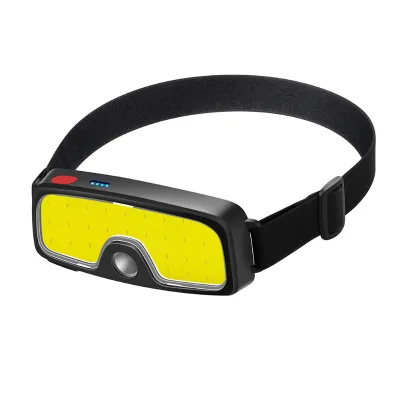
Outdoor USB Charging COB Light Waterproof LED Headlight Suitable for Camping and Fishing Use
$0.89 - $2.25
MOQ: 100 Pieces
Hefei Yuexianglai Commodity Co., Ltd.
- Trading Company
- Anhui, China
- Lead time15 days
- Avg. response≤ 2h
Main productsraincoats,comfortable insoles,small appliances,roller skate shoes and accessories,PU wheels
Main marketsSouth Asia(10.00%), Central America(10.00%), Southeast Asia(10.00%), Mid East(10.00%), South America(10.00%), North America(10.00%), Domestic Market(5.00%), Oceania(5.00%), Southern Europe(5.00%), Northern Europe(5.00%), Africa(5.00%), Western Europe(5.00%), Eastern Asia(5.00%), Eastern Europe(5.00%)

Seabang (Xiamen) Outdoor Products Co., Ltd.
- Verified by SGS
- Trading Company
- China Fujian
- Lead time15 days
- Avg. response≤ 1h
Main productsCooler Box, Plastic Drinking Water Bottle, Cooler Bag Insulated Bag, Sport Water Bottle, Outdoor Waterproof Bag, Waterproof Storage Bag, Folding Bucket, Headlamp
Main marketsDomestic,Europe,North America


LED Super Bright Portable Camping Rechargeable Waterproof USB Headlamp with Adjustable Beam
$0.70 - $10.00
MOQ: 50 Pieces


Ningbo Unique Parts Import & Export Co., Ltd.
- Trading Company
- Zhejiang, China
- Lead time45 days
- Avg. response≤ 4h
Main productsLED vehicle Light,LED motorcycle Light,LED bike light,outdoor lighting,portable lighting
Main marketsNorth America(25.00%), Western Europe(19.00%), Southeast Asia(12.00%), Domestic Market(10.00%), South Asia(10.00%), Oceania(8.00%), Africa(2.00%), Eastern Europe(2.00%), Southern Europe(2.00%), Northern Europe(2.00%), Central America(2.00%), South America(2.00%), Eastern Asia(2.00%), Mid East(2.00%)

Ningbo Mecoo Trading Co., Ltd.
- Verified by TUVRHEINLAND
- Manufacturer
- China Zhejiang
- Lead time23 days
- Avg. response≤ 9h

Guangdong New Electronics Information Import & Export Ltd
- Verified by SGS
- Combined
- China Guangdong
- Lead time15 days
- Avg. response≤ 7h
Main productsPowerful LED Flashlight, Laser Flashlight, Torch, Auto LED Headlight, Hologram, Desk Lamp, Portable Rechargeable Power Station, LED Display, LED Chip, LED Ceiling Light
Main marketsEurope


Rechargeable LED Light Headlamp for Camping Gear and Tools with 4000mAh RoHS
$7.68 - $9.30
MOQ: 10 Pieces
Ningbo Magic Cube Optoelectronics Co., Limited
- Verified by Intertek
- Trading Company
- Lead time25 days
- Avg. response≤ 11h
Main productsWork Light, Headlamp, Warning Light, Camping Light, Portable Light
Main marketsNorth America(32%), Eastern Europe(29%), Western Europe(19%)

- Verified by SGS
- Trading Company,Manufacturer/Factory
- China Jiangsu
- Lead time45 days
- Avg. response≤ 7h
Main productsTrowel, Pliers, Tool Set, Socket Set, Adjustable Wrench, Knife, Hand Saw, Safety Googles, Hammer, Shear
Main marketsSouth America,Eastern Europe,North America,Western Europe,Africa

Taizhou Minero Lighting Co., Ltd
- Verified by SGS
- Combined
- China Zhejiang
- Lead time30 days
- Avg. response≤ 1h
Main productsMiner Lamp, Cap Lamp, Lampara Minera, Mine LED, Miner's Lamp, Head Lamp
Main marketsSouth America,Africa
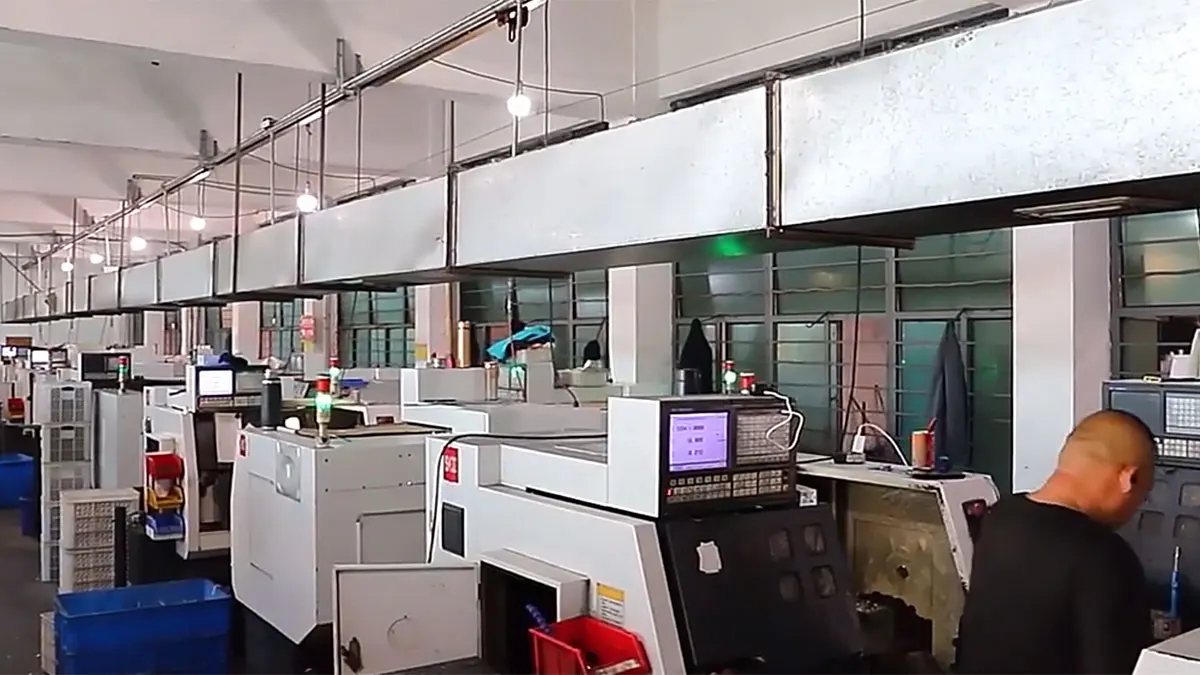
Shenzhen Baoxi Technology Co., Ltd.
- Trading Company
- Guangdong, China
- Lead time0 days
- Avg. response≤ 7h
Main productsFlashlight,Searchlight,Headlamps,Working Light
Main marketsNorth America(30.00%), Western Europe(20.00%), Mid East(15.00%), South America(5.00%), Eastern Europe(5.00%), Eastern Asia(5.00%), Domestic Market(3.00%), Oceania(3.00%), Africa(3.00%), Southern Europe(3.00%), Central America(2.00%), South Asia(2.00%), Southeast Asia(2.00%), Northern Europe(2.00%)
Shanghai Macway Electrical Co., Ltd
- Verified by TüVRheinland
- Trading Company
- Lead time30 days
- Avg. response≤ 4h
Main productsHeadlights, Sensor Light, Desk Lamps, Solar Lamps, Bicycle Lights
Main marketsNorth America(25%), Domestic Market(20%), Western Europe(11%)
Ningbo E Best Leisure Product Co., Ltd.
- Verified by Intertek
- Trading Company
- Zhejiang, China
- Lead time30 days
- Avg. response≤ 6h
Main productsPet Training Supplies, Pilates Reformer , Gymnastic Bar
Main marketsNorth America(50%), South America(17%), Eastern Europe(15%)


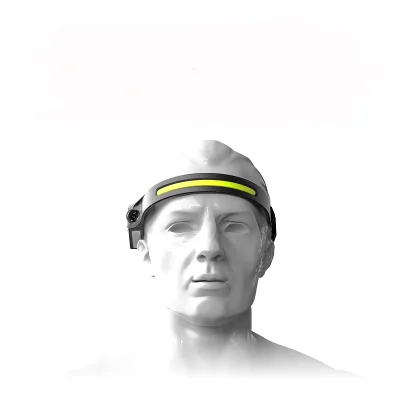
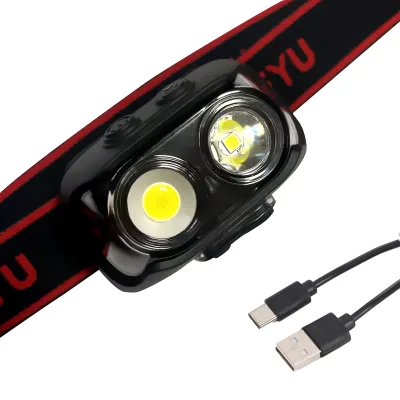


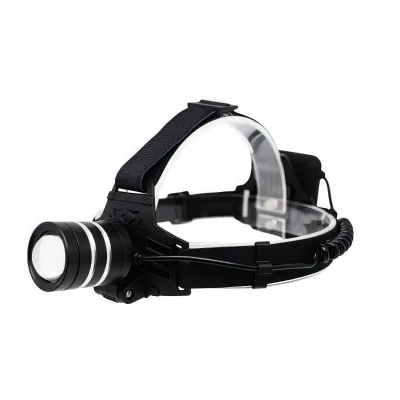
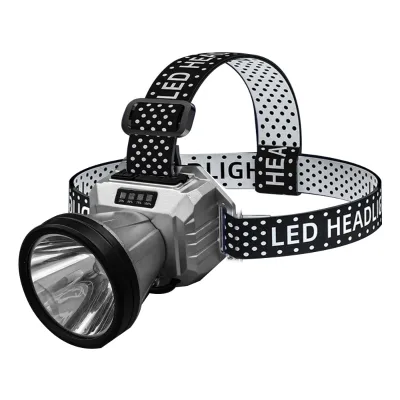


Comprehensive Sourcing Guide
Portable Camping Headlight Supplier Concentration and Factory Types
The current supplier landscape for portable camping headlights reveals a distinct concentration of manufacturing and trading entities located in China, specifically within the Zhejiang province. This regional clustering is significant for buyers because it indicates a mature supply chain ecosystem where specialized components, such as LED chips and lithium-ion batteries, are readily accessible. The presence of both Trading Companies and Manufacturer/Factory types in the results suggests that buyers can choose between direct factory engagement for better margin control or trading companies for consolidated logistics and broader product assortments. Understanding this geographic and structural distribution helps in assessing the reliability of the supply base, as Zhejiang is known for its robust electronics manufacturing infrastructure. Buyers should recognize that while the location is confirmed, the specific factory capabilities may vary between pure manufacturers and those that also act as intermediaries. This distinction is crucial for determining who holds the actual production control and quality assurance responsibilities.
Within this concentrated region, the types of companies offering these lights often align with specific business models. Some entities operate primarily as trading companies, leveraging their location to source from multiple smaller workshops, while others are established factories with their own production lines. The verification status of some suppliers, such as those holding BV (Bureau Veritas) verification, provides an additional layer of confidence regarding their operational legitimacy. However, the presence of a trading company does not inherently mean lower quality, as many successful traders maintain strict quality control protocols and close relationships with certified factories. Buyers must evaluate whether they prefer the direct communication and potential cost savings of a factory or the flexibility and service-oriented approach of a trading company. The mix of these company types in Zhejiang offers a diverse range of partnership opportunities, allowing buyers to select a supplier that best fits their volume requirements and service expectations.
How to Verify Portable Camping Headlight Suppliers
Verifying the legitimacy and capability of Portable Camping Headlight suppliers requires a multi-faceted approach that goes beyond simple profile reviews. One critical step is to check for third-party verification badges, such as BV verification, which indicates that an independent agency has inspected the supplier’s business operations. This verification helps confirm that the company exists and operates as stated, reducing the risk of dealing with fraudulent entities. Additionally, buyers should scrutinize the system certifications listed, such as ISO 9000, TS 16949, ISO 14001, and ISO 9001. These certifications demonstrate that the supplier has implemented standardized quality management and environmental management systems, which are essential for maintaining consistent product quality in electronics manufacturing. While these certifications are strong indicators of professional operations, buyers should also request recent audit reports to ensure the certifications are current and actively maintained.
Beyond certifications, buyers must verify the specific product attributes and claims made by the supplier. For instance, the LED chips brand, such as Epistar or CREE, should be confirmed through technical datasheets or direct inquiry, as the quality of the LED significantly impacts the headlight’s performance and longevity. Buyers should also verify the battery type and capacity, ensuring that lithium-ion batteries or AAA battery configurations meet safety standards and match the advertised specifications. It is advisable to request samples to test features like waterproofing, irradiation distance, and battery life under real-world conditions. Furthermore, checking the supplier’s response time, which can be an indicator of their operational efficiency and customer service quality, is useful. A supplier with a rapid response time is more likely to be responsive to issues during production and shipping. Combining these verification steps helps build a comprehensive picture of the supplier’s reliability and capability.
What to Compare Across Portable Camping Headlight Suppliers
When evaluating multiple suppliers for portable camping headlights, buyers should compare key operational metrics to identify the best fit for their needs. One important factor is the lead time, which indicates how long it takes from order placement to shipment. A lead time of around 45 days is common, but buyers should confirm if this duration is consistent across different order sizes and product variations. Another critical metric is the Minimum Order Quantity (MOQ), which can vary significantly, ranging from 100 units for some models to 500 units for others. Buyers with smaller initial orders may need to prioritize suppliers with lower MOQs, while those planning large-scale purchases might negotiate better terms with suppliers offering higher volume discounts. Comparing these operational constraints helps in aligning supplier capabilities with the buyer’s inventory and cash flow requirements.
Price and customization options are also vital comparison points. The price range for these headlights can vary, with some models starting as low as $1.28 and others reaching up to $4.89, depending on features and materials. Buyers should compare the price per unit against the specified MOQ to understand the true cost structure. Additionally, the availability of customization services, such as OEM and ODM options, is crucial for brands looking to differentiate their products. Suppliers that offer customization should be evaluated on their ability to handle specific design requirements, such as custom packaging, logo printing, or unique feature combinations. The response time of the supplier is another comparative factor, as a quicker response can facilitate faster decision-making and problem resolution. By systematically comparing these dimensions, buyers can make informed decisions that balance cost, quality, and service.
Common Portable Camping Headlight Sourcing Risks
Sourcing portable camping headlights involves several potential risks that buyers must proactively manage to ensure a smooth procurement process. One significant risk is the variability in product quality, particularly regarding the LED chips and battery performance. While suppliers may claim to use high-quality brands like Epistar or CREE, there is a risk of receiving substandard components that do not meet the advertised specifications. This can lead to product failures in the field, damaging the buyer’s brand reputation. Another risk is the discrepancy between the certified certifications and the actual production practices. Even if a supplier holds ISO or CE certifications, there is no guarantee that every batch of products will adhere to these standards without rigorous quality control checks. Buyers should mitigate this risk by implementing strict incoming quality control procedures and conducting regular factory audits.
Logistical and communication risks are also prevalent in international sourcing. Delays in production or shipping can disrupt supply chains, especially if the supplier has a high lead time or poor communication practices. The response time of the supplier is a key indicator of their reliability; a slow response may signal underlying operational issues. Additionally, there is a risk of miscommunication regarding product specifications, such as battery type, waterproof rating, or packaging requirements. To mitigate these risks, buyers should establish clear and detailed communication channels, confirm all specifications in writing, and use escrow services or secure payment terms to protect their financial interests. Regular follow-ups and milestone checks during production can also help identify and address potential issues early. By anticipating and addressing these risks, buyers can enhance the stability and reliability of their sourcing operations.
Portable Camping Headlight Regional Sourcing and Logistics
The geographic concentration of Portable Camping Headlight suppliers in China, particularly in Zhejiang, offers both advantages and challenges for international buyers. Sourcing from this region provides access to a well-developed manufacturing ecosystem with efficient supply chains for electronic components. However, buyers must consider the logistical implications of shipping from China, including transit times, customs clearance, and potential tariffs. The lead time of approximately 45 days includes production and initial logistics, but buyers should factor in additional time for ocean or air freight to their destination. Understanding the specific port of loading and the buyer’s preferred shipping method is essential for accurate delivery planning. Buyers should also be aware of any regional trade agreements or regulations that may affect the import of electronic goods into their country.
Logistics planning should also account for the packaging and handling of the headlights, which are sensitive electronic devices. Proper packaging, such as color boxes or blister cards, is crucial to prevent damage during transit. Buyers should verify that the supplier uses robust packaging materials and follows international shipping standards. Additionally, buyers should consider the environmental impact of their sourcing decisions, especially if they prioritize sustainability. Some suppliers may offer eco-friendly packaging options or adhere to environmental management standards like ISO 14001. By carefully planning the logistics and considering the regional context, buyers can optimize their supply chain efficiency and reduce the risk of delays or damage. Collaborating with experienced freight forwarders can also help navigate the complexities of international shipping and ensure timely delivery.
Portable Camping Headlight Commercial Terms and Order Planning
Effective order planning for portable camping headlights requires careful attention to commercial terms and financial arrangements. Buyers should negotiate clear payment terms, such as a deposit followed by balance payment upon shipment, to balance risk and cash flow. The use of escrow services can provide an additional layer of security, ensuring that funds are only released when the goods are received and verified. It is also important to clarify the Incoterms, such as FOB or CIF, to determine who is responsible for shipping costs and insurance. Understanding these terms helps in calculating the total landed cost and avoiding unexpected expenses. Buyers should also discuss warranty terms, as most suppliers offer a one-year warranty, and clarify the process for handling defective products or returns.
Order planning should also consider the scalability of the supplier’s production capacity. Buyers should assess whether the supplier can handle increased order volumes without compromising quality or lead times. This is particularly important for buyers who anticipate growth in their market. Additionally, buyers should plan for inventory management, considering the lead time and MOQ to avoid stockouts or excess inventory. Regular communication with the supplier about demand forecasts can help in aligning production schedules with market needs. Buyers should also stay informed about market trends and consumer preferences to adjust their product offerings accordingly. By integrating commercial terms and order planning into a cohesive strategy, buyers can enhance their operational efficiency and competitiveness in the Portable Camping Headlight market.
FAQs
What is the price range for portable camping headlamps?
Portable camping headlamps typically range from $1.28 to $4.89 per unit. Prices vary based on features like LED brand, battery type, and certification levels. Buyers should check specific product listings for exact pricing tiers and volume discounts available from suppliers.
What certifications are available for these headlamps?
Common certifications include CE, RoHS, ISO, CCC, and FCC. Some models also hold ISO 9000, TS 16949, or ISO 14001 system certifications. Buyers should verify specific product documentation to ensure compliance with their target market regulations before placing orders.
What is the typical lead time for orders?
The typical lead time for these products is 45 days. This duration applies to standard manufacturing and shipping processes. Buyers should confirm exact delivery schedules with suppliers, as lead times may vary based on order volume and customization requirements.
What is the minimum order quantity (MOQ)?
Minimum order quantities vary, with some products requiring as few as 100 units, while others require 200 or 500 units. Buyers should review individual product specifications to determine the exact MOQ applicable to their desired model and customization needs.
Where are these suppliers located?
Suppliers for these headlamps are primarily located in China, specifically in the Zhejiang province. This region is known for manufacturing lighting products. Buyers can filter search results by this location to find suppliers with established production capabilities and logistics networks.
What battery types are used in these headlamps?
Headlamps use various battery types, including Lithium Ion, 3xAAA, and 2PCS 18650 cells. Some models feature rechargeable batteries with specific capacities like 1200mAh or 1500mAh. Buyers should check product attributes to ensure the battery type meets their usage and safety requirements.
What is the average response time of suppliers?
The average response time for suppliers is approximately 7.41 hours. This metric indicates how quickly suppliers typically reply to inquiries. Buyers can use this data to prioritize suppliers with faster response times for more efficient communication and order processing.