Portable Folding Electric Winch Suppliers and Manufacturers
Source from 26 verified suppliers offering Portable Folding Electric Winch options with ISO and CE certifications. Compare lead times, MOQs, and response rates to identify suitable partners. Request quotes directly to evaluate pricing and customization capabilities for your specific lifting needs.
Updated
Suppliers List

Shaoxing Leitai Machinery Co., Ltd.
- Verified by CTI
- Trading Company
- China Zhejiang
- Lead time30 days
- Avg. response≤ 5h
Main productsOverhead Crane, Gantry Crane, Electric Wire Rope Hoist, Chain Hoist, End Carriage, Conductor Rail, Cable Trolley, Electrical Components, Lifting Sling, Fastener & Fitting
Main marketsSouth America,Eastern Europe,Mid East,North America,Southeast Asia,Eastern Asia,Oceania,Western Europe,Africa

Zhejiang Hongbin Industry and Trade Co., Ltd.
- Combined
- China Zhejiang
- Lead time45 days
- Avg. response≤ 9h
Main productsMotors, Winches, Winch Accessories
Main marketsEurope,North America
Jiangxi Mide Industrial Co., Ltd.
- Verified by TüVRheinland
- Trading Company
- Lead time40 days
- Avg. response≤ 4h
Main productsElectric Scaffolding, Electric Hoist, Cranes, Electric Forkift, Lift Platform
Main marketsEastern Asia(30%), South America(20%), North America(10%)

Hebei Jingong Machinery Co., Ltd.
- Verified by TUVRHEINLAND
- Combined
- China Hebei
- Lead time15 days
- Avg. response≤ 5h
Main productsMagnetic Lifter, Chain Block, Lever Block, Electric Hoist, Permanent Magnet Lifter, Load Chain, Aluminum Alloy Lever Block, Plain Trolley, Webbling Sling, Jack
Main marketsSoutheast Asia/ Mideast,Domestic,Europe,North America
Nantong Allman Industry Co., Ltd.
- Verified by TüVRheinland
- Manufacturer, Trading Company
- Lead time15 days
- Avg. response≤ 1h
Main productsElectric Winch, Electric Chain Hoist, Electric Wire Rope Hoist, Manual Hoist, Pallet Truck
Main marketsSouth America(50%), Africa(15%), North America(10%)
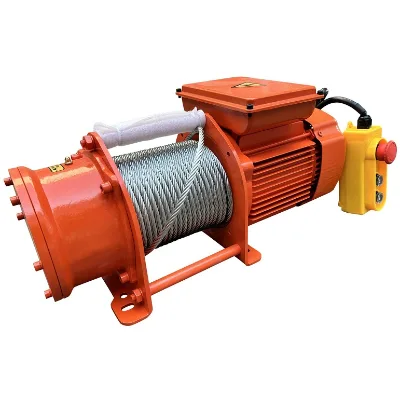
Portable Type 220V Single Phase Electric Winch
$250.00 - $300.00
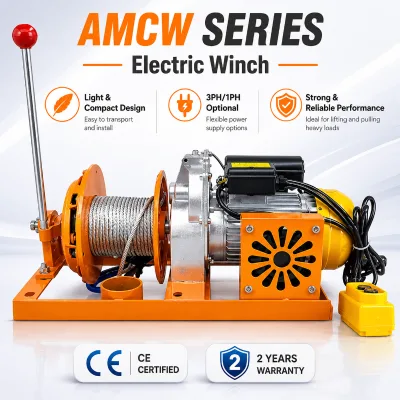
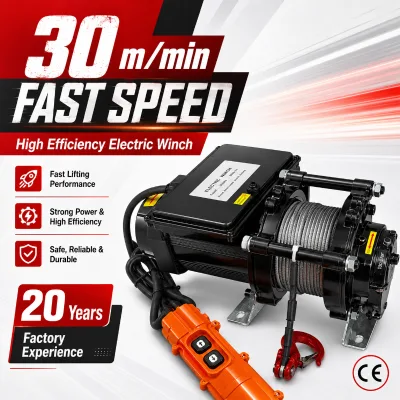
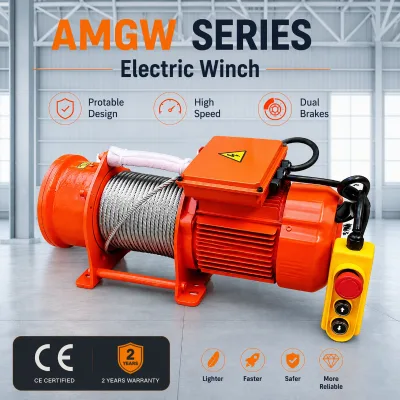

HENAN NYBON MACHINERY CO., LTD.
- Verified by TUVRHEINLAND
- Trading Company
- China Henan
- Lead time15 days
- Avg. response≤ 4h
Main productsGantry Crane, Overhead Crane, Electric Winches, Hydraulic Winches, Electric Hoist, Winch Accessories, Crane Accessories, Windlass, Pile Drivers, Bridge Building Luncher
Main marketsSouth America,Africa,Southeast Asia/ Mideast,East Asia(Japan/ South Korea),Europe,Australia,North America

Longshida Industrial Intelligent Equipment (wuhan) Co., Ltd.
- Trading Company
- Hubei, China
- Lead time0 days
- Avg. response≤ 2h
Main productsElectric chain hoist,Manual chain hoist,Explosion-proof electric chain hoist,Geared motor,Cantilever hoist crane
Main marketsSoutheast Asia(25.00%), Africa(15.00%), South America(10.00%), Mid East(10.00%), Oceania(10.00%), South Asia(5.00%), Eastern Asia(5.00%), Northern Europe(4.00%), Western Europe(4.00%), Eastern Europe(4.00%), Domestic Market(3.00%), Southern Europe(3.00%), North America(2.00%)
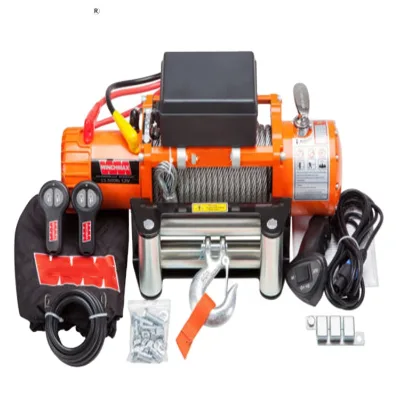
2 Ton Portable Electric Winch | Mini Electric Lifting Winch
$169.00 - $175.00
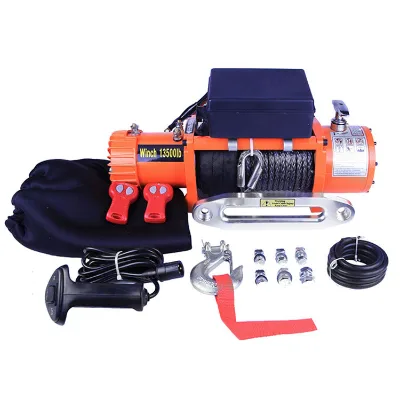
Factory Supply 3t Mini Electric Winch Safe Portable Electric Winch
$174.5503 - $184.8188
MOQ: 2 pieces
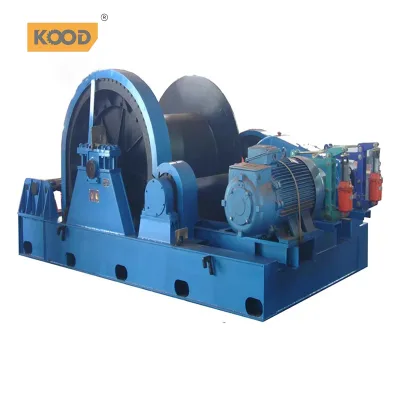
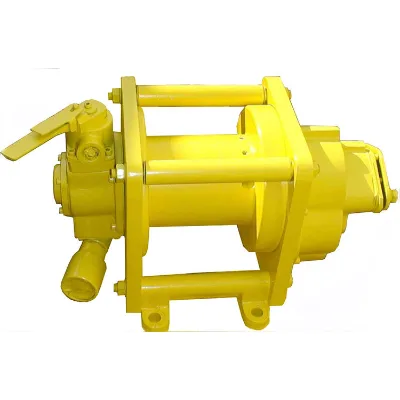
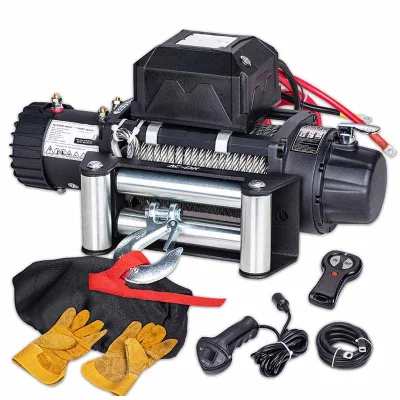
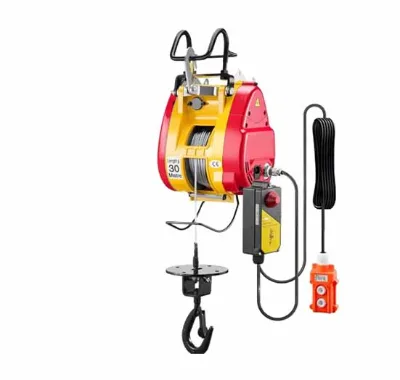
Factory Direct 24V Portable Electric Winch Multifunctional 400-800kg Steel Winc for Auto Application
$122.00 - $125.00
MOQ: 2 pieces
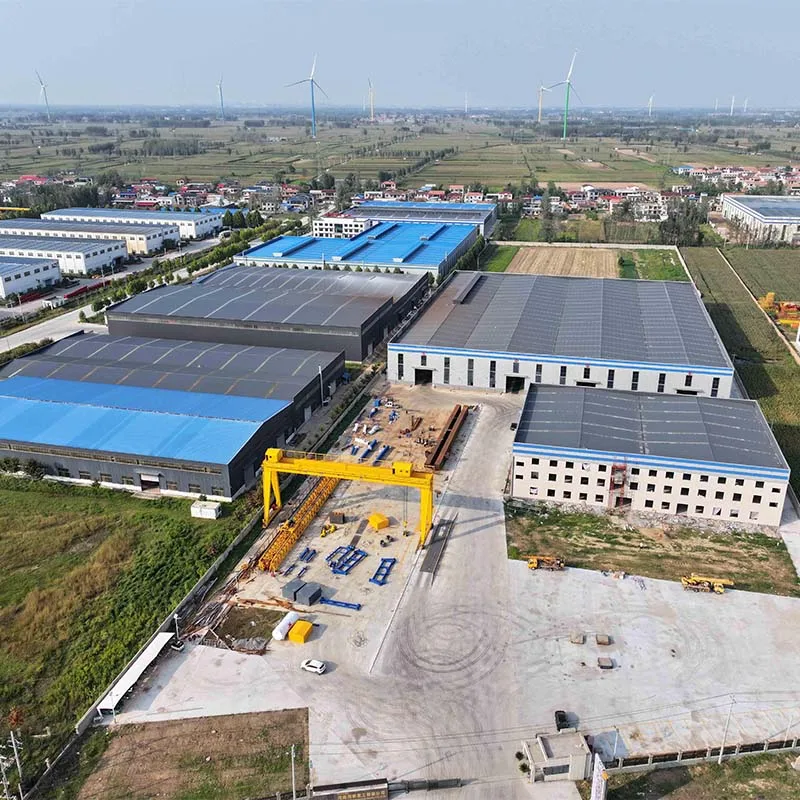
Henan Huada Heavy Industry Technology Co., Ltd.
- Manufacturer, Trading Company
- Henan, China
- Lead time30 days
- Avg. response≤ 2h
Main productsrubber tyred gantry crane,straddle carrier,gantry crane,travel lift,portal crane
Main marketsDomestic Market(40.00%), Mid East(20.00%), South Asia(10.00%), Africa(10.00%), Southeast Asia(10.00%), South America(5.00%), Eastern Europe(5.00%)
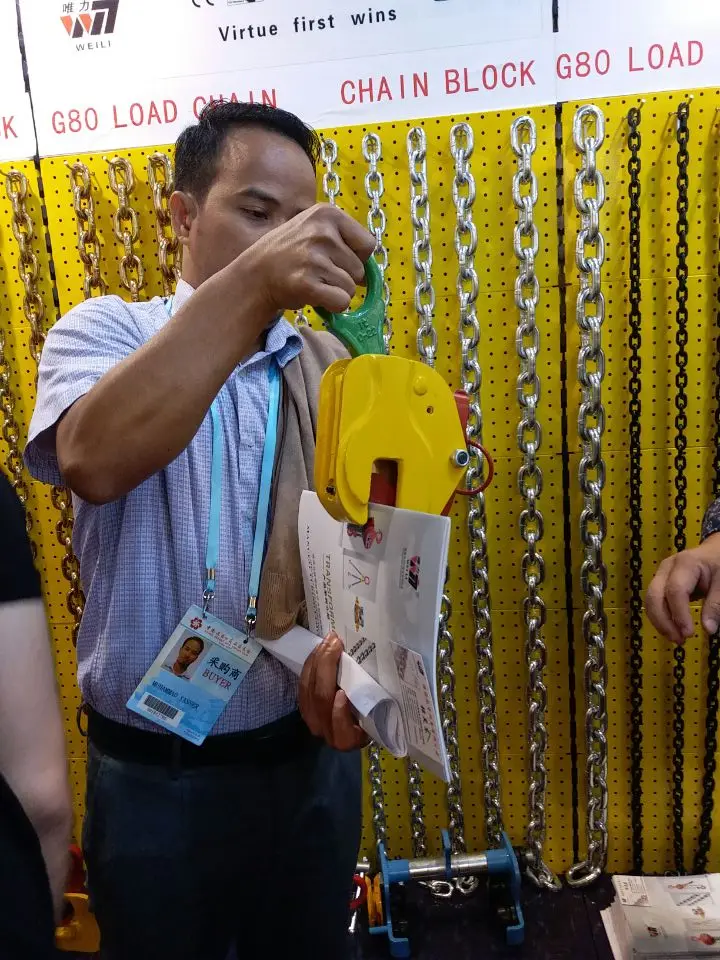
Qingyuan County Lude Hoisting Machinery Manufacturing Co., Ltd.
- Manufacturer, Trading Company
- Hebei, China
- Lead time30 days
- Avg. response≤ 15h
Main productsLink Chain, Hand Chain Hoist, Hand Pallet Truck, Electric Hoist, Electric Winch
Main marketsEastern Asia(60.00%), Eastern Europe(30.00%), Domestic Market(5.00%), South America(3.00%), Southeast Asia(2.00%)
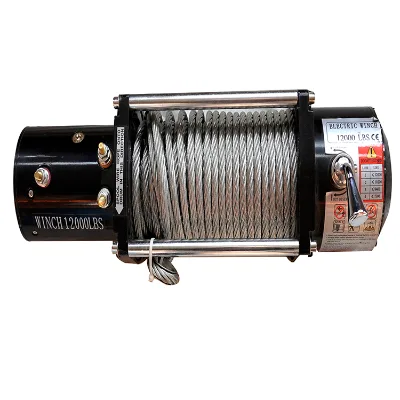
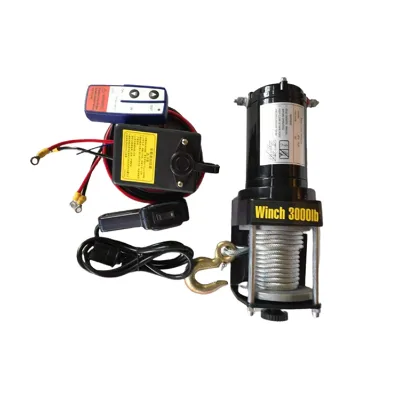
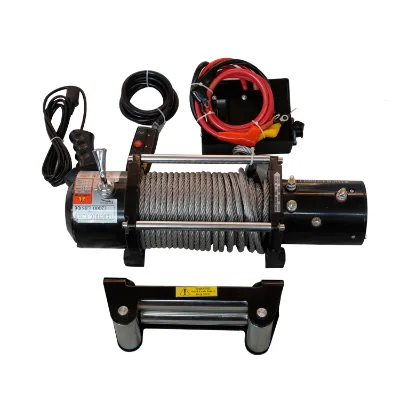
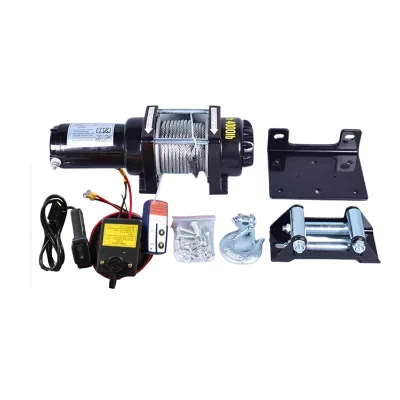
12v Dc Electrical Pulling Cable Winch 12000lb 20000lbs Synthetic Rope Winch
$46.5884 - $231.9054
MOQ: 1 Minimum
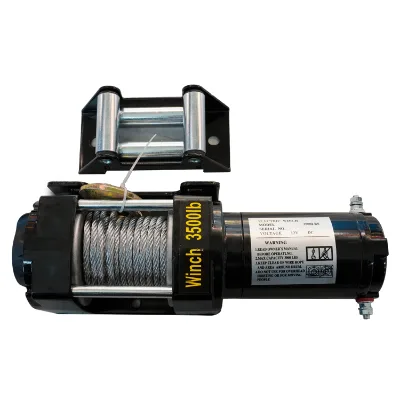
Professional Factory Made New Design High Speed Electric Winch 12v 2000lbs Electric Winch Suppliers
$62.3712 - $66.6034
MOQ: 1 pieces

Hebei Yuying Hoisting Machinery Manufacturing Co., Ltd
- Verified by TUVRHEINLAND
- Combined
- China Hebei
- Lead time30 days
- Avg. response≤ 6h
Main productsChain Block, Lever Hoist, Electric Hoist, Chain, Manual Hydraulic Truck, Beam Clamp, Permanent Magnetic Lifter, Screw Jack
Main marketsEurope,North America
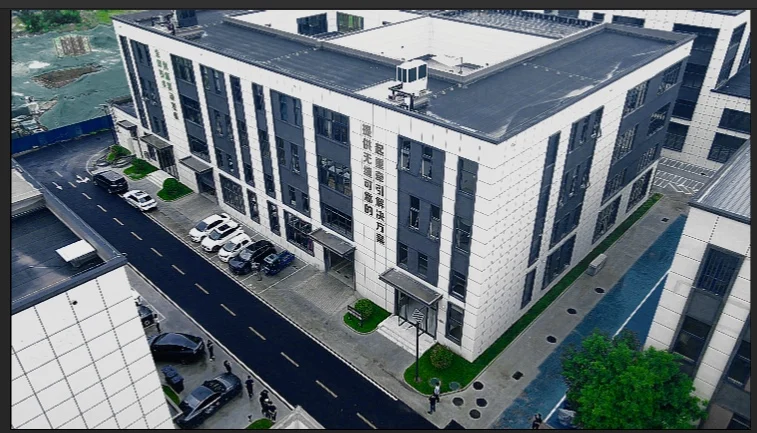
Beijing Tianheng Kairui Hoisting Machinery Co., Ltd.
- Manufacturer, Trading Company
- Beijing, China
- Lead time7 days
- Avg. response≤ 3h
Main productswinch,custom industrial winch,marine winch,automatic spooling winch,special application winch
Main marketsDomestic Market(30.00%), North America(10.00%), Mid East(8.00%), Oceania(7.00%), Southern Europe(5.00%), Northern Europe(5.00%), Central America(5.00%), Western Europe(5.00%), South America(5.00%), Eastern Europe(5.00%), South Asia(5.00%), Africa(5.00%), Southeast Asia(3.00%), Eastern Asia(2.00%)

Hebei Juying Hoisting Machinery Co., Ltd.
- Verified by TUVRHEINLAND
- Combined
- China Hebei
- Lead time30 days
- Avg. response≤ 2h
Main productsChain Block, Lever Hoist, Multifunctional Electric Hoist, Electric Hoist, Round Sling, G80 Load Chain, Pallet Trcuk, Webbing Sing, Pallet Jack, Permanent Magnet Lifter
Main marketsSouth America


$100.00 - $130.00
MOQ: 1 pieces

Ningbo Zhonghuang Machine & Electrics Co., Ltd.
- Verified by CTI
- Trading Company,Manufacturer/Factory
- China Zhejiang
- Lead time45 days
- Avg. response≤ 7h
Main productsWinch, Electric Winch, ATV Winch, Auto Winch, Power Winch, Truck Winch, UTV Winch, Hydraulic Winch, Hand Winch, Recovery Winch
Main marketsSouth America,Eastern Europe,Mid East,North America,Southeast Asia,Eastern Asia,Oceania,Western Europe,Africa

Ningbo Conqueror Industry Co., Ltd.
- Trading Company
- China Zhejiang
- Lead time23 days
- Avg. response≤ 8h
Main productsWinches and Accessories, Shock Absorbers, Air Lockers
Main marketsSouth America,Southeast Asia/ Mideast,Europe

Jinan Rising International Trading Co., Ltd.
- Trading Company
- Shandong, China
- Lead time20 days
- Avg. response≤ 3h
Main productsRubber bushings,Ball Joint,Torque rod,Oil seal,Belt
Main marketsNorth America(20.00%), Domestic Market(10.00%), Northern Europe(10.00%), Eastern Asia(10.00%), Southeast Asia(10.00%), Eastern Europe(10.00%), South America(10.00%), Central America(5.00%), South Asia(5.00%), Southern Europe(5.00%), Western Europe(5.00%)
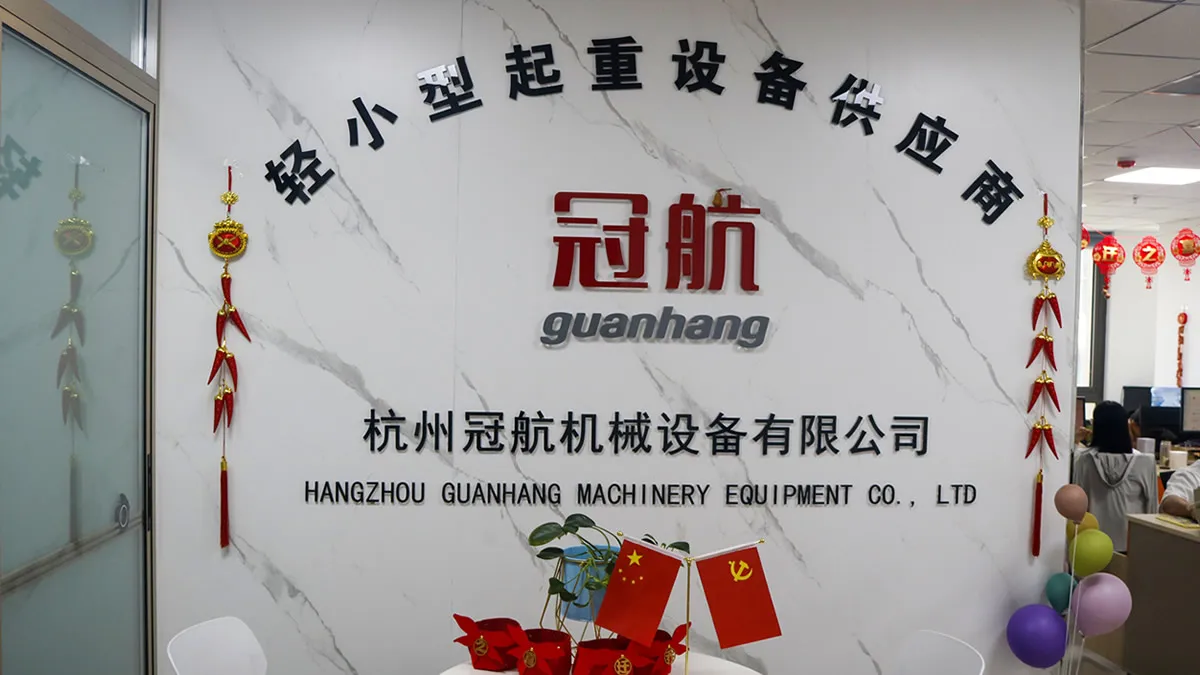
Hangzhou Guanhang Machinery Equipment Co., Ltd.
- Trading Company
- Zhejiang, China
- Lead time25 days
- Avg. response≤ 2h
Main productscargo trolley,webbing sling,ratchet strap,round sling,shackle
Main marketsEastern Europe(50.00%), South Asia(48.00%), South America(2.00%)
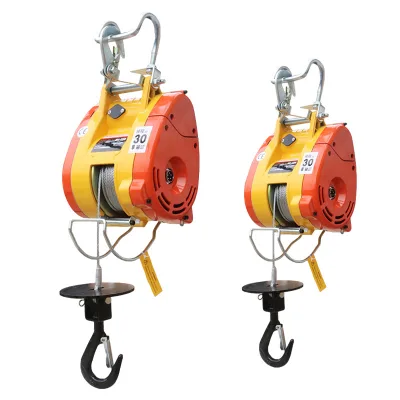
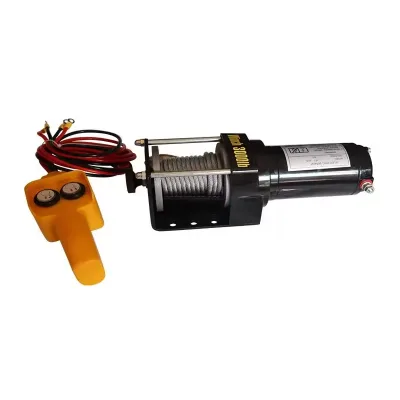
Portable 4500lbs Electric Mini Winch 12v 24v Steel Off-Road Winch with Wireless Remote
$55.33 - $65.05
MOQ: 100
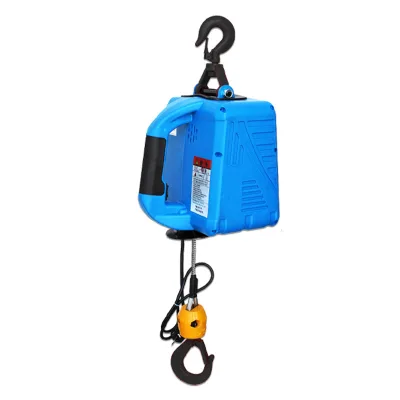
300kg Portable Mini Steel Wire Rope Electric Hoist Winch Lifter
$123.50 - $144.08
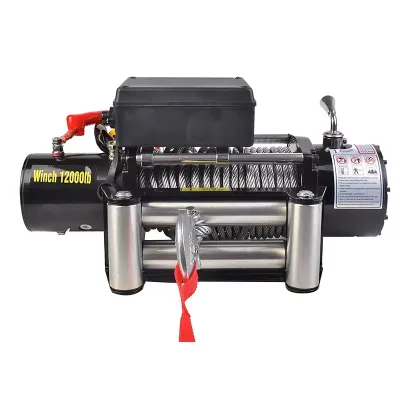
High Quality 12V Mini Car Outdoor Electric Winch 9500lbs Offroad Electric Winches
$157.5423 - $183.7941
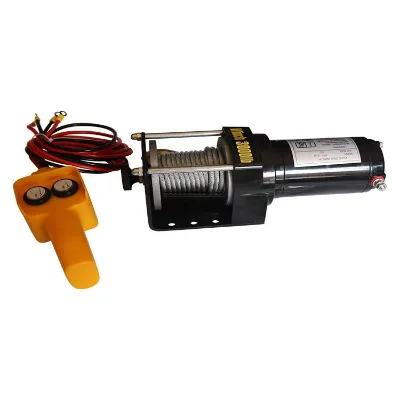

Zhejiang Jndo Hoisting Equipment Co., Ltd.
- Manufacturer, Trading Company
- Zhejiang, China
- Lead time0 days
- Avg. response≤ 2h
Main productselectric hoist,pickup truck crane,permanent lifting magnet,manual chain block,pallet truck
Main marketsEastern Europe(30.00%), Northern Europe(28.00%), North America(18.00%), Western Europe(13.00%), South America(10.00%)
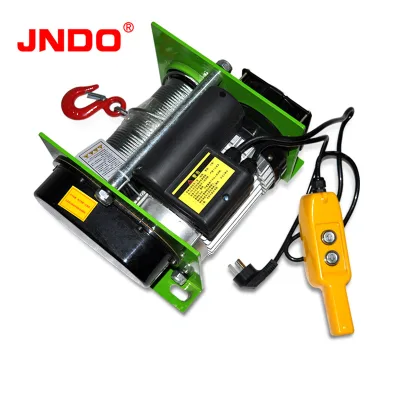
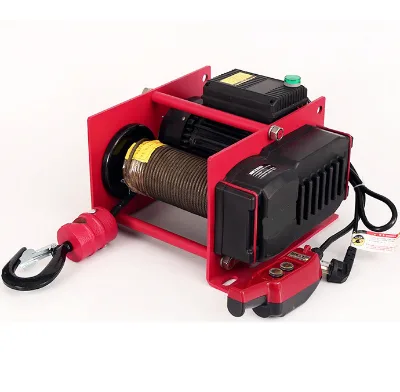
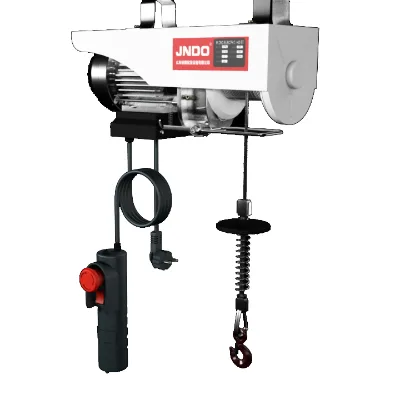
Mini Electric Hoist 100kg Mini Hoist Roof Winch Rope Hoist
$43.00 - $52.00
Hebei Ju'an Machinery Technology Co., Ltd
- Verified by TüVRheinland
- Manufacturer, Trading Company
- Lead time7 days
- Avg. response≤ 3h
Main productsHoist, Pallet Truck, Stacker, Chain, Winch
Main marketsNorth America(10%), South America(10%), Eastern Europe(10%)
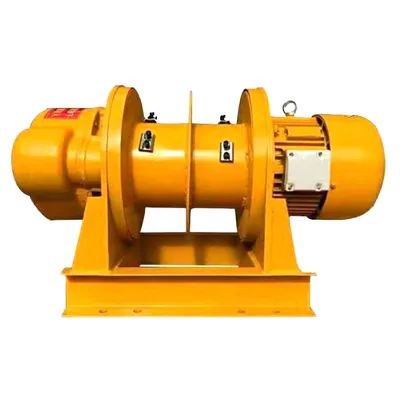
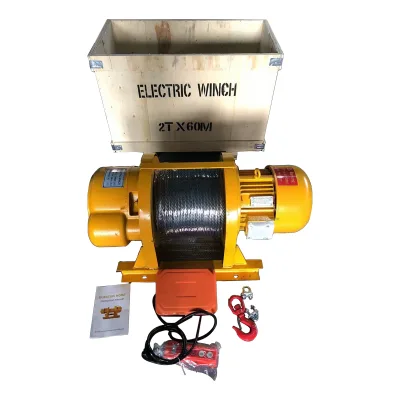
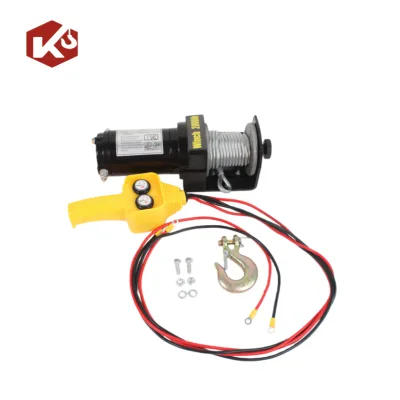
Manufacturer 1ton 2ton 3ton 5ton Electric Wire Rope Winch/Mini Portable Lifting Winch
$184.8188 - $369.6362
MOQ: 1 pieces
Baoding Lihui Lifting Machinery Manufacturing Co., Ltd.
- Manufacturer, Trading Company
- Hebei, China
- Lead time0 days
- Avg. response≤ 3h
Main productsStacking machine,Lifting platform,Forklift truck,Carrying truck,Hardware tools
Main marketsAfrica(30.00%), Eastern Asia(20.00%), Southeast Asia(20.00%), Southern Europe(10.00%), North America(10.00%), Oceania(10.00%)
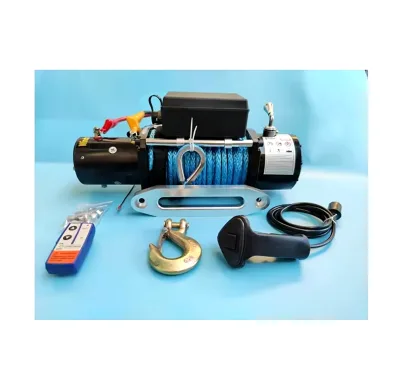
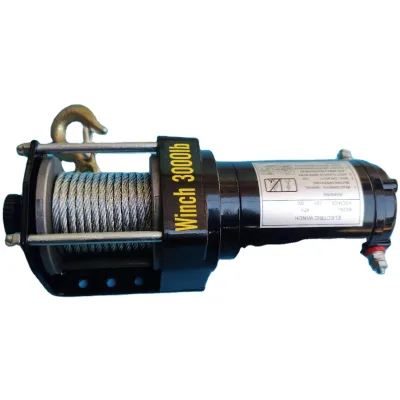
Wholesale Support 12000 Pound Efficient High Quality High Performance Electric Atv Winch
$40.00 - $300.00
MOQ: 5

Huzhou Jibao Mechanical Equipment Co., Ltd
- Verified by SGS
- Trading Company
- China Zhejiang
- Lead time60 days
- Avg. response≤ 1h
Main productsMarine Crane, Marine Winch, Hydraulic Crane, Hydraulic Winch, Cable Laying Equipment, Mooring Winch, Marine Equipment, Hydraulic Power Pack
Main marketsSoutheast Asia/ Mideast


Versatile Electric Winch Manriding Winch for Secure Lifting and Manriding Operations
$5000.00 - $100000.00
MOQ: 1 Sets

Versatile Electric Lifting Winch Manriding Winch Featuring High-Strength Wire Rope
$5000.00 - $100000.00
MOQ: 1 Sets

Multi-Functional Electric Lifting Winch Manriding Winch with High-Strength Wire Rope
$5000.00 - $100000.00
MOQ: 1 Sets

Reliable Electric Lifting Winch Manriding Winch with High-Strength Wire Rope
$5000.00 - $100000.00
MOQ: 1 Sets
Taiyuan Jinchangsheng Hoisting Machinery Co., Ltd.
- Verified by SGS Group
- Manufacturer, Trading Company
- Lead time15 days
- Avg. response≤ 1h
Main productsElectric Tank Transporter, Crane Hoist, Hydraulic Lift Cargo Elevator, Electric Forklift, Crane Gantry
Main marketsDomestic Market(80%), Southeast Asia(10%), Western Europe(5%)
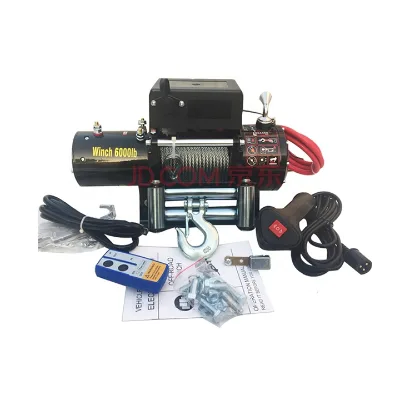
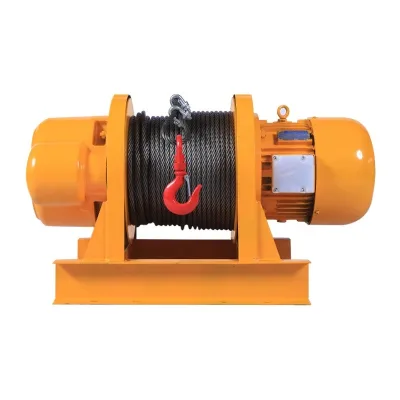
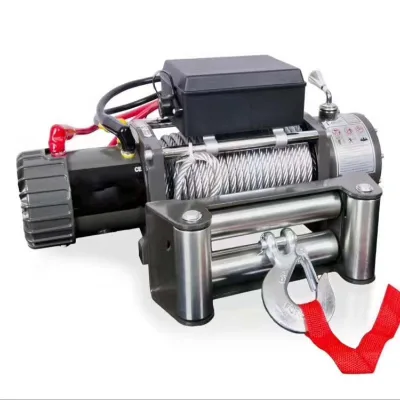
Good Price 12000 13500lbs Portable Electric Mini Winch 12V 24v with Remote Control for Suv Truck
$202.883 - $467.2442
MOQ: 5 Minimum
Ningbo Aibolift Machinery Co., Ltd.
- Manufacturer, Trading Company
- Zhejiang, China
- Lead time30 days
- Avg. response≤ 3h
Main productsTransfer Pump,Water Pump,Pressure Washer,Oil Pump
Main marketsNorthern Europe(30.00%), North America(30.00%), South America(10.00%), Western Europe(10.00%), Mid East(10.00%), Eastern Europe(10.00%)

Beijing Liediao Weiye Lifting Equipment Co., Ltd.
- Trading Company
- Beijing, China
- Lead time3 days
- Avg. response≤ 9h
Main productschain block,electric hoist,wire rope electric hoist,lever block,webbing sling
Main marketsDomestic Market(40.00%), Mid East(20.00%), North America(10.00%), South America(10.00%), Africa(6.00%), Central America(5.00%), Northern Europe(2.00%), Southeast Asia(1.00%), South Asia(1.00%), Southern Europe(1.00%), Eastern Europe(1.00%), Oceania(1.00%), Western Europe(1.00%), Eastern Asia(1.00%)
Hebei Pillar Lifting Machinery Manufacturing Co., Ltd.
- Manufacturer, Trading Company
- Hebei, China
- Lead time15 days
- Avg. response≤ 11h
Main productsPA Mini Electric Hoist,Pallet Truck,Electric Winch,Manual Stacker,Chain Blocks
Main marketsDomestic Market(30.00%), South America(20.00%), Western Europe(15.00%), Southern Europe(15.00%), Eastern Europe(10.00%), Northern Europe(10.00%)
Henan Yixing Lifting Machinery Co., Ltd.
- Verified by Intertek
- Trading Company
- Lead time0 days
- Avg. response≤ 2h
Main productsDouble Girder Overhead Crane , Double Girder Gantry Crane, Single Girder Gantry Crane, Electric Hoist, Scissor and Fork Electric Lift
Hebei Fanggong Machinery Manufacturing Co., Ltd.
- Manufacturer, Trading Company
- Hebei, China
- Lead time10 days
- Avg. response≤ 2h
Main productsElectric winch,Hand winch,wire rope electric hoist,Car Folding Hoist Hydraulic Crane,Spring balancer
Main marketsSouth Asia(20.00%), North America(10.00%), South America(8.00%), Northern Europe(8.00%), Southern Europe(5.00%)




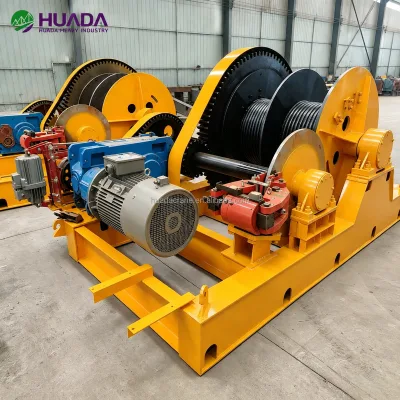


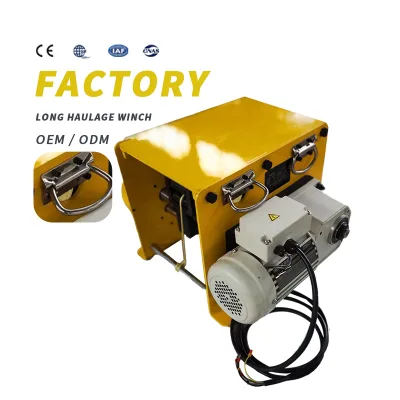
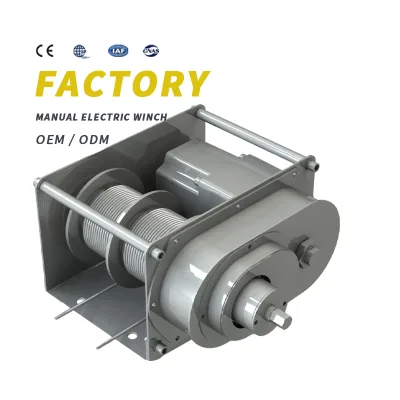
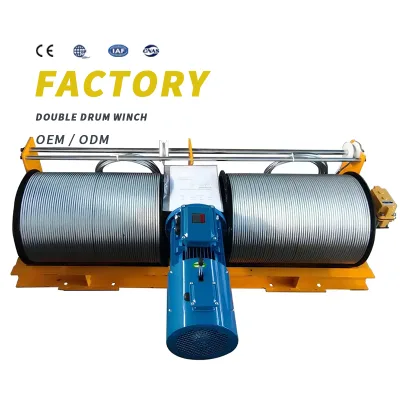


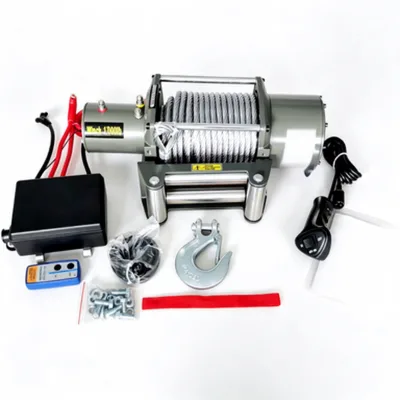
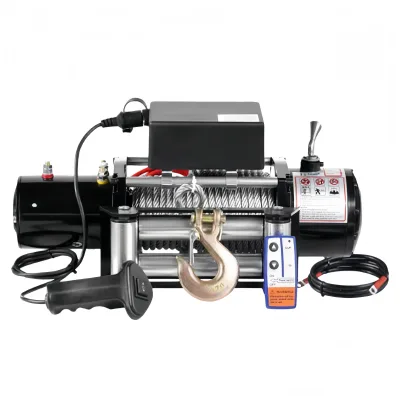
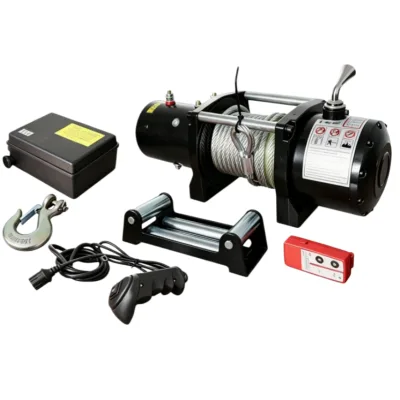
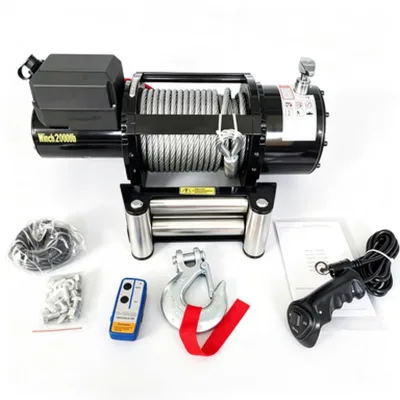
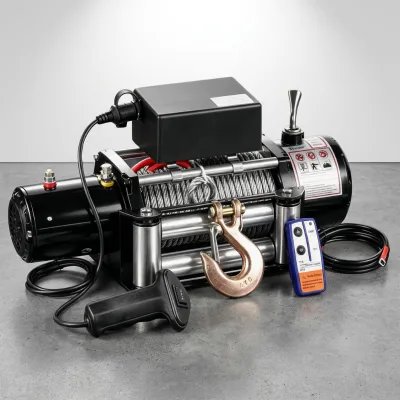
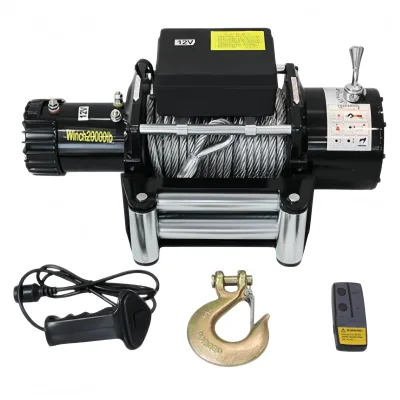
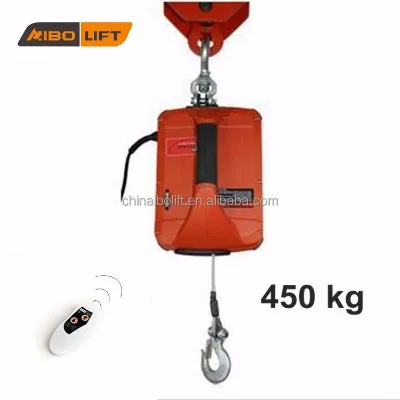
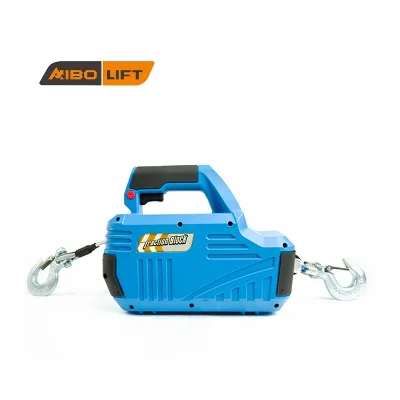
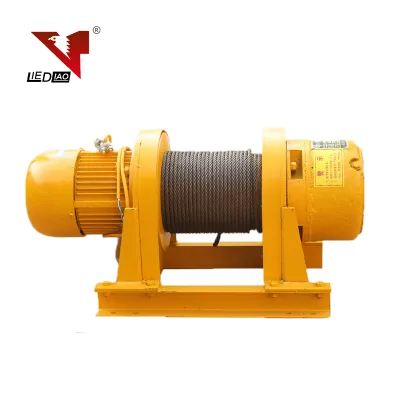
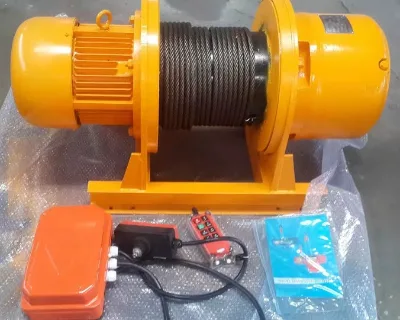
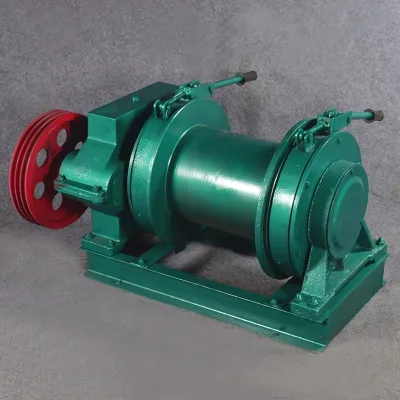
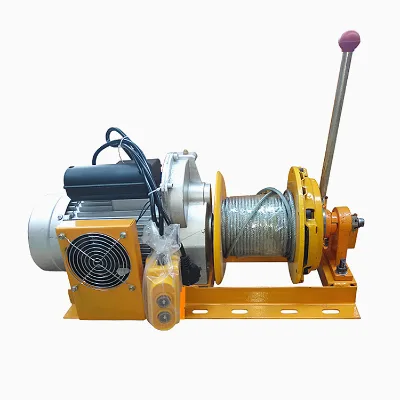
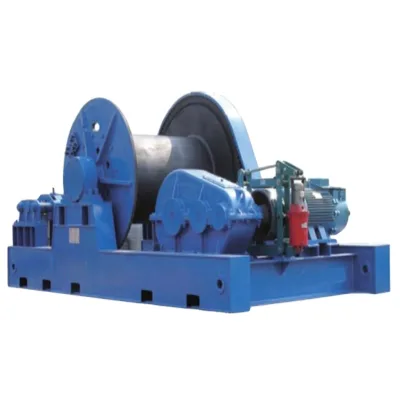
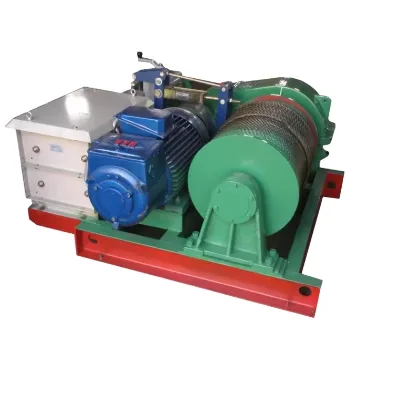
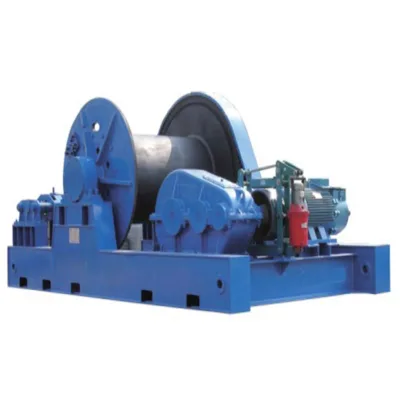
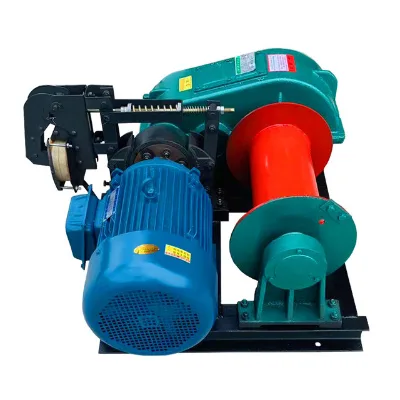
Comprehensive Sourcing Guide
Portable Folding Electric Winch Supplier Concentration and Factory Types
The current supplier landscape for portable folding electric winches reveals a diverse mix of manufacturing capabilities, primarily anchored in China. Specific results indicate a concentration in Zhejiang, where suppliers operate as trading companies with ISO 9001 system certifications. These entities often bridge the gap between factory production and international procurement, offering verified status through third-party inspection bodies like CTI. This verification process adds a layer of trust for buyers seeking reliable partners in this region. The presence of such certifications suggests that these suppliers adhere to standardized quality management systems, which is crucial for maintaining consistency in portable lifting equipment. Buyers should recognize that trading companies may offer broader product ranges but might have less direct control over the manufacturing floor compared to pure factories.
In contrast, other segments of the market feature combined suppliers and specialized manufacturers with different operational profiles. Some suppliers hold ISO9001:2015 certificates and offer both OEM and ODM capabilities, indicating a flexibility to customize designs or produce under private labels. These entities often focus on specific niches, such as motors, winches, and accessories, providing a more integrated solution for buyers needing compatible components. The variation in company types, from pure trading firms to combined manufacturing and trading entities, means that buyers must carefully assess the supplier's actual role in the supply chain. Understanding whether a supplier is a manufacturer or a trader helps in negotiating better prices and ensuring direct communication regarding technical specifications and production timelines.
How to Verify Portable Folding Electric Winch Suppliers
Verification is a critical step in mitigating risk when sourcing portable folding electric winches, as the market includes various types of entities with differing levels of transparency. Buyers should prioritize suppliers who display third-party verification badges, such as CTI or TÜV Rheinland, as these indicate that an independent body has audited the supplier's business legitimacy and operational capabilities. For instance, some suppliers in the current results are verified by CTI, while others hold TÜV Rheinland verification, signaling different levels of scrutiny and compliance. These verifications provide a baseline of trust, confirming that the supplier exists and operates within the claimed parameters. However, verification alone is not a guarantee of product quality, so it should be combined with other due diligence measures.
Beyond basic verification, buyers should examine the specific certifications attached to the products themselves, such as CE or ISO standards, which are often listed in product attributes. Some suppliers offer products with CE certification, which is essential for compliance in many international markets, particularly Europe. Additionally, checking for ISO Driven Type certifications or specific model numbers like LW, JK, or TD4500 can help in identifying standardized and potentially safer products. Buyers should also look for evidence of customization capabilities, such as OEM or ODM support, which indicates a supplier's ability to adapt to specific requirements. It is advisable to request copies of these certificates and verify their validity with the issuing bodies to ensure they are current and applicable to the specific products being ordered.
What to Compare Across Portable Folding Electric Winch Suppliers
When evaluating multiple suppliers, buyers should compare key operational metrics such as lead times, minimum order quantities (MOQs), and response times to assess efficiency and reliability. Current data shows significant variation in these areas, with lead times ranging from 30 to 45 days, depending on the supplier and product complexity. Some suppliers offer a lead time of 30 days, while others require up to 45 days, which can impact project schedules and inventory planning. Similarly, MOQs vary, with some suppliers accepting orders as low as one unit, while others require a minimum of four units. These differences can influence the total cost of ownership, especially for smaller orders or trial purchases. Buyers should align these metrics with their specific procurement needs to avoid delays or excessive inventory costs.
Response times and product specifications are also critical comparison points. Suppliers with faster response times, such as those averaging 4 to 4.54 hours, may offer better communication and support during the ordering process. In contrast, suppliers with longer response times, such as 8.84 hours, might indicate a less agile operation. Product specifications, including power types, voltage requirements, and lifting capacities, should be compared to ensure compatibility with the intended application. For example, some winches are designed for low voltage and permanent-magnet DC power, suitable for specific environments, while others may have different motor powers and wire rope diameters. Buyers should create a comparison matrix to evaluate these factors side-by-side, ensuring that the selected supplier meets both technical and logistical requirements.
Common Portable Folding Electric Winch Sourcing Risks
One of the primary risks in sourcing portable folding electric winches is the potential mismatch between advertised specifications and actual product performance. Suppliers may list generic attributes such as "Explosion-Proof" or "Insulating" features, but these claims require rigorous verification to ensure they meet relevant safety standards. Without proper testing and certification, these features may not provide the expected protection, leading to safety hazards in industrial or hazardous environments. Buyers should be cautious of suppliers who do not provide detailed test reports or third-party validation for these critical safety features. Additionally, the variability in product models, such as LW, JK, or TD4500, means that specifications can differ significantly even within the same supplier's catalog, necessitating careful review of each product's technical data sheet.
Another significant risk is the inconsistency in quality control and after-sales support, particularly when dealing with trading companies or suppliers with limited manufacturing oversight. While some suppliers offer OEM services, the quality of the final product may depend on the underlying factory's capabilities, which may not be fully transparent. Buyers should be aware that trading companies might not have direct control over the production process, potentially leading to inconsistencies in build quality or material standards. Furthermore, the lack of standardized packaging or labeling, as seen in variations like "Wooden Carton" or "Export Carton Box," can lead to damage during transit if not properly specified. Buyers should include clear packaging and quality assurance requirements in their contracts to mitigate these risks and ensure that the received products meet their expectations.
Portable Folding Electric Winch Regional Sourcing and Logistics
Sourcing from specific regions, such as Zhejiang in China, offers logistical advantages due to established manufacturing clusters and export infrastructure. Suppliers in this region often benefit from proximity to major ports and logistics hubs, which can facilitate faster shipping and lower freight costs. The concentration of suppliers in Zhejiang also means that buyers can potentially visit multiple factories or trading offices in a single trip, streamlining the supplier selection process. However, buyers should also consider the implications of regional sourcing, such as potential language barriers or cultural differences in business practices. Understanding the local business environment can help in building stronger relationships with suppliers and negotiating more favorable terms.
Logistics planning should also account for the specific packaging requirements of portable electric winches, which can vary by supplier. Some suppliers use wooden cartons, while others opt for export carton boxes, each with different implications for shipping volume and protection. Buyers should work with their freight forwarders to determine the most cost-effective shipping method based on the supplier's packaging and the destination port. Additionally, considering the lead times and response speeds of suppliers can help in planning the logistics timeline more accurately. Suppliers with shorter lead times and faster response times may offer more flexibility in adjusting shipping schedules, which can be crucial for managing inventory levels and meeting project deadlines.
Portable Folding Electric Winch Commercial Terms and Order Planning
Commercial terms, including pricing and payment conditions, play a vital role in the overall cost and risk management of sourcing portable folding electric winches. Prices for these products can vary widely, with some models ranging from $80 to $99, while others may cost between $2,888 and $6,888, depending on specifications and customization options. Buyers should request detailed quotations that break down costs for the product, packaging, and shipping to avoid hidden fees. Additionally, understanding the payment terms, such as the use of escrow services or letters of credit, can help in securing transactions and protecting against fraud. Suppliers who offer escrow services provide an added layer of security, ensuring that payment is released only upon satisfactory delivery of the goods.
Order planning should also consider the customization options available, such as OEM or ODM support, which can add value but may also increase lead times and costs. Buyers should clearly define their customization requirements early in the negotiation process to ensure that the supplier can meet their needs within the desired timeframe. Furthermore, considering the scalability of the supplier's production capacity is important for larger orders. Suppliers with OEM capabilities may have the flexibility to handle larger volumes, but buyers should verify their production capacity and quality control processes to ensure consistency. By carefully planning the order details and commercial terms, buyers can optimize their sourcing strategy and achieve better value for their investment in portable folding electric winches.
FAQs
What is the price range for portable electric winches?
Portable electric winches typically range from $50 to $8,888 depending on specifications. Basic ATV models start around $50, while heavy-duty industrial units can exceed $6,000. Prices vary based on tonnage capacity, motor power, and certification requirements. Buyers should verify exact costs based on order quantity and customization needs.
What certifications are available for electric winches?
Manufacturers offer ISO 9001 and CE certifications for electric winches. ISO certification ensures quality management systems are in place, while CE marking indicates compliance with European safety standards. Some products also feature explosion-proof or insulating features. Buyers should confirm specific certification requirements with suppliers before placing orders.
What is the typical lead time for orders?
Lead times generally range from 30 to 45 days for electric winch orders. Trading companies may offer faster turnaround times around 30 days, while combined suppliers might require up to 45 days. Production schedules depend on order quantity and customization requirements. Buyers should confirm specific delivery timelines with suppliers.
What is the minimum order quantity for winches?
Minimum order quantities vary from 1 to 4 units for electric winches. Some suppliers accept single-unit orders for standard models, while others require a minimum of 4 units for specific product lines. MOQs depend on the supplier type and product category. Buyers should verify minimum requirements for their specific product needs.
Where are electric winch manufacturers located?
Electric winch manufacturers are primarily located in China, including Zhejiang and Henan provinces. These regions host both trading companies and combined suppliers offering various lifting equipment. Buyers can source products from verified suppliers with ISO or CE certifications. Location affects shipping costs and delivery times.
What response times can buyers expect from suppliers?
Supplier response times typically range from 4 to 8.84 hours. Verified suppliers with CTI or TÜV Rheinland certifications often provide faster responses. Trading companies may respond within 4.54 hours, while combined suppliers might take up to 8.84 hours. Quick responses indicate active customer service teams.