Portable Mini Auto OBD2 Scanner Suppliers and Manufacturers
Explore 30 verified options for Portable Mini Auto OBD2 Scanner with details on response times, lead times, and certifications like RoHS and CE. Compare specifications such as voltage and model numbers to select the right supplier for your needs; review the available evidence before requesting comparable quotations from suitable candidates.
Updated
Suppliers List
Ningbo Godeson Instrument Technology Co., Ltd.
- Verified by TüVRheinland
- Manufacturer, Trading Company
- Lead time30 days
- Avg. response≤ 5h
Main productsTire Pressure Gauge, Tire Repair Kit, Air Pump, Hybrid Air Hose, Torque Wrench
Main marketsNorth America(48%), Western Europe(20%), Eastern Europe(6%)
Guangzhou Xinyue Electronic Technology Co., Ltd.
- Trading Company
- Lead time旺季: "1 - 1000":7,"> 1000":"To be negotiated", 淡季: "1 - 1000":7,"> 1000":"To be negotiated"
- Avg. response≤ 3h
Main productsCar Diagnostic Tool,Vehicle Keys,heavy duty truck diagnostic scanner,car key shell replacement,can-bus obd2 scanner
- Trading Company
- Hong Kong S.A.R.
- Lead time5 days
- Avg. response≤ 5h
Main productsAir Quality Monitor,Thermometer,Water Quality Meter,Gem Tester,Measuring Instruments
Main marketsSouth Asia(10.00%), Northern Europe(10.00%), Central America(10.00%), Western Europe(10.00%), Eastern Asia(10.00%), Mid East(10.00%), Southeast Asia(10.00%), Eastern Europe(10.00%), South America(10.00%), North America(10.00%)
Shenzhen iSmart Electronic Co., Ltd.
- Verified by Intertek
- Trading Company
- Lead time0 days
- Avg. response≤ 2h
Main productsSensor Module, Power supply converter, Hardware Tools, Educational equipment, Temperature controller
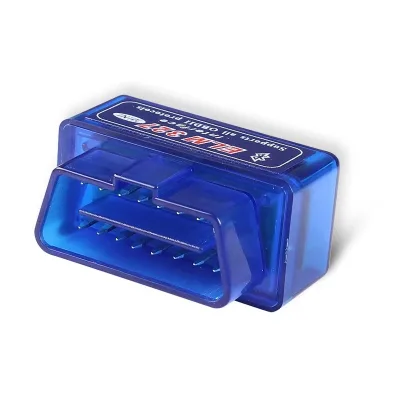
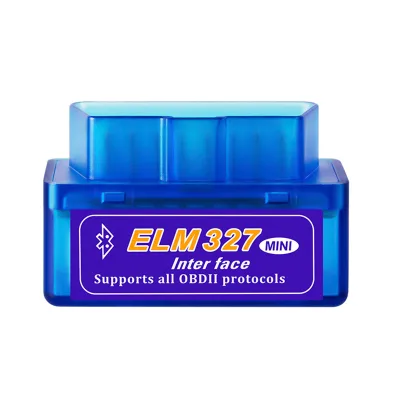
Bluetooth 5.1 ELM327 V2.1 Auto OBD2 Scanner Car Diagnostic Tool Code Reader Tool Super MINI ELM 327
$1.1602 - $1.1692
MOQ: 10 pieces
Shenzhen Xinsicheng Technology Co., Ltd.
- Manufacturer
- Guangdong, China
- Lead time0 days
- Avg. response≤ 11h
Main productsmotorcycles scanner MST-100P,Automobile scanner,injecotr cleaner MST-30,voltage regulator,car ECU sensor signal simulator
Main marketsSouth Asia(20.00%), Eastern Asia(20.00%), Southeast Asia(12.00%), South America(10.00%), North America(10.00%), Eastern Europe(5.00%), Southern Europe(5.00%), Northern Europe(5.00%), Central America(5.00%), Western Europe(5.00%), Africa(3.00%)
- Trading Company
- Jiangsu, China
- Lead time30 days
- Avg. response≤ 4h
Main productsVernier Calipers,Height Gauge,Micrometer,Bore Gauge,Magnetic Base
Main marketsSouth Asia(35.00%), Eastern Europe(16.00%), North America(10.00%), Domestic Market(5.00%), South America(5.00%), Mid East(5.00%), Oceania(5.00%), Africa(5.00%), Southeast Asia(5.00%), Central America(3.00%), Western Europe(2.00%), Eastern Asia(2.00%), Northern Europe(2.00%)
Shenzhen Auto Creacle Technology Co., Ltd.
- Manufacturer, Trading Company, Distributor/Wholesaler
- Guangdong, China
- Lead time7 days
- Avg. response≤ 3h
Main productsWheel aligner,Vehicle repair tool,Automotive electronics,Car Key programmer,Car code reader
Main marketsCentral America(10.00%), Africa(10.00%), Southeast Asia(10.00%), Eastern Asia(10.00%), Mid East(10.00%), North America(10.00%), Domestic Market(5.00%), South Asia(5.00%), Southern Europe(5.00%), Northern Europe(5.00%), Oceania(5.00%), Western Europe(5.00%), Eastern Europe(5.00%), South America(5.00%)
Guangzhou Dongsen Electronic Technology Co., Ltd.
- Manufacturer, Trading Company, Distributor/Wholesaler
- Guangdong, China
- Lead time15 days
- Avg. response≤ 2h
Main productsVehicles & Accessories,Car accessories and parts,Auto Parts,Automotive supplies,Automotive Electronics
Main marketsNorthern Europe(50.00%), Western Europe(50.00%), Central America(40.00%), Eastern Europe(40.00%), South Asia(30.00%), North America(30.00%), Eastern Asia(30.00%), Mid East(20.00%), Southern Europe(20.00%), South America(20.00%), Southeast Asia(20.00%), Oceania(20.00%), Africa(20.00%), Domestic Market(10.00%)
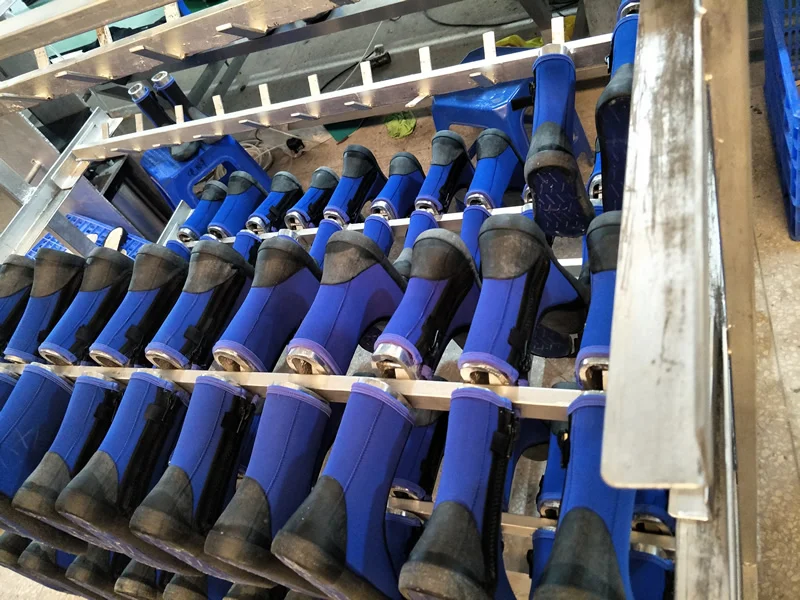
Shenzhen Yarui Technology Co., Ltd.
- Trading Company
- Guangdong, China
- Lead time15 days
- Avg. response≤ 3h
Main productsDiving Hard Boot,Diving Boots,Diving Upstream Boots,Neoprene Wader,Fishing Wader
Main marketsMid East(20.00%), North America(20.00%), Northern Europe(10.00%), Western Europe(10.00%), South America(10.00%), Southeast Asia(10.00%)
Shenzhen Xing Chen Technology Trading Company Ltd.
- Verified by Intertek
- Trading Company
- Lead time3 days
- Avg. response≤ 3h
Main productsCar Key Programmer, Automotive Car Parts, Key Cutting Machine, Car Key, Diagnostic Tool
Main marketsNorth America(40%), Eastern Europe(10%), Western Europe(10%)

Beijing Vacuum Electronic Technology Co., Ltd.
- Verified by BV
- Combined
- China Beijing
- Lead time30 days
- Avg. response≤ 8h
Main productsX-ray Baggage Scanner, Vehicle Inspection System, Container Scanner System, Walk-Through Metal Detector
Main marketsSoutheast Asia/ Mideast,East Asia(Japan/ South Korea),Domestic,North America

Shenzhen Yilida Technology Co., Ltd.
- Verified by CTI
- Manufacturer/Factory
- China Shandong
- Lead time0 days
- Avg. response≤ 23h
Main productsAutomotive Maitenance Equipment, Car Repair Tool, Automobile Collision Repair Equipment, Car Workshop Equipment, Chassis Straigntener
Yiwu Changyuan Supply Chain Management Co., Ltd.
- Trading Company
- Zhejiang, China
- Lead time15 days
- Avg. response≤ 7h
Main productsTire inflator,Wireless charging stand,Jumper Starter
Main marketsOceania(10.00%), Africa(10.00%), Mid East(10.00%), Eastern Europe(10.00%), South America(10.00%), North America(10.00%), Domestic Market(5.00%), South Asia(5.00%), Southern Europe(5.00%), Northern Europe(5.00%), Central America(5.00%), Western Europe(5.00%), Eastern Asia(5.00%), Southeast Asia(5.00%)

Shenzhen ETSafe Technology Co., Limited
- Manufacturer, Trading Company, Buying Office
- Guangdong, China
- Lead time3 days
- Avg. response≤ 2h
Main productsGPS Tracker,Car battery Charger,GPS Tracking Chip,Mini GPS Tracker,GPS Tracker kid
Main marketsEastern Europe(19.86%), Western Europe(16.90%), North America(11.68%), Northern Europe(9.60%), Africa(8.64%), Southern Europe(7.90%), Oceania(6.14%), Eastern Asia(5.00%), Southeast Asia(3.32%), Central America(3.20%), South America(2.36%), South Asia(2.20%), Mid East(1.80%), Domestic Market(1.40%)
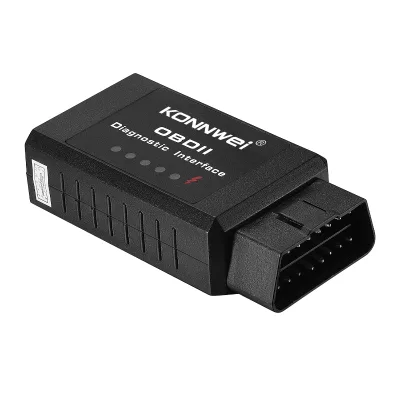
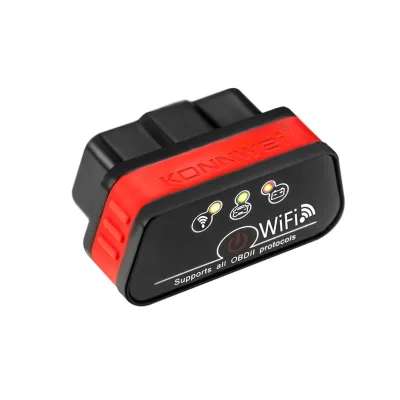
$4.8084 - $6.1826
MOQ: 10 Minimum
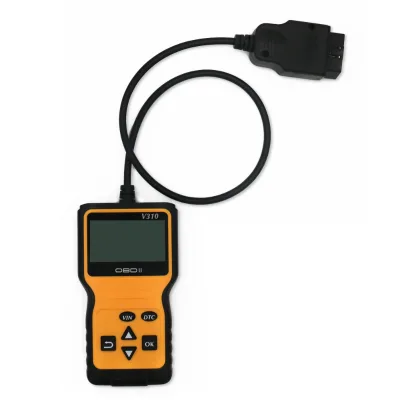
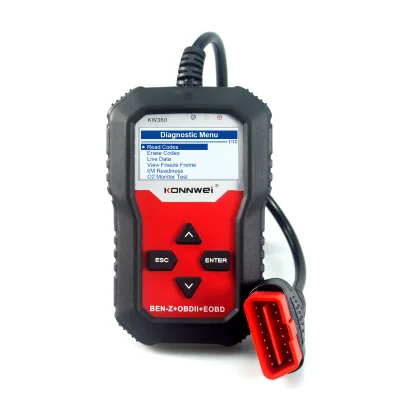
$9.3054 - $12.9236
MOQ: 2 Minimum

Yantai Lift Equipment Co., Ltd.
- Trading Company,Manufacturer/Factory
- China Shandong
- Lead time23 days
- Avg. response≤ 4h
Main productsCar Lift, Wheel Alignment, Tire Changer, Wheel Balancer, Auto Diagnostic Scanner, Auto Scanner, Car Jack, Garage Equipment, Auto Diagnostic Tool, Spray Booth
Main marketsSouth America,Eastern Europe,Mid East,North America,Southeast Asia,Eastern Asia,Oceania,Western Europe,Africa

New Design Auto Scanner/Auto Diagnostic Tool/Diagnostic Tool/Code Reader for Auto Workshop
$1380.00 - $1656.00
MOQ: 1 Pieces

Hot Sale Auto Diagnostic Tool/Key Programmer/Auto Scanner for Garage Equipment
$1340.00 - $1656.00
MOQ: 1 Pieces

High Quality Auto Diagnostic Tools/Auto Scanner for Car Repair with 10.1 Screen
$1380.00 - $1656.00
MOQ: 1 Pieces

Hot Selling Supply Super Adapter Auto Scanner/Diagnostic Tool for Car Repair
$1380.00 - $1656.00
MOQ: 1 Pieces

High Quality Auto Car Diagnostic Tool Programming Device Auto Diagnostic for Car
$1380.00 - $1656.00
MOQ: 1 Pieces

High Stand Advanced Car Scanner/Auto Diagnostic Scanner Tools for Vehicle Repair
$1380.00 - $1656.00
MOQ: 1 Pieces

- Verified by SGS
- Trading Company
- China Zhejiang
- Lead time15 days
- Avg. response≤ 18h
Main productsCar Mat, Car Air Freshener, Car Seat Cover, Steering Wheel Cover, Car Phone Holder, Car Roof Tent, Car Sunshade, Jerry Can
Main marketsEurope,Australia


2024 High Quality Popular Code Reader Diagnostic Instrument Engine Scanner
$40.26 - $45.32
MOQ: 25 Pieces


Shenzhen Gerawell New Technology Co., Ltd.
- Verified by TüVRheinland
- Manufacturer, Trading Company
- Lead time14 days
- Avg. response≤ 4h
Main productsFlexible Flat Cable, Flex Jumper Cable, Wire Harness, On-board Diagnostics Cable, Power Adaptors
Main marketsDomestic Market(35%), North America(20%), Western Europe(20%)

- Trading Company
- China Shandong
- Lead time23 days
- Avg. response≤ 25h
Main productsCar Lift Factory, Car Parking System, Tire Changer Manufacture, Wheel Balancer Factory, Wheel Alignment Machine, Frame Machine, Spray Booth, Air Compressor, Car Jack, Car Wash Machine
Main marketsSouth America,Africa,Southeast Asia/ Mideast,Domestic,Europe,Australia,North America


$179.00 - $229.00
MOQ: 1 Pieces

Professional Launch Crp123X OBD2 Scanner Automotive Diagnostics Tools Code Reader
$179.00 - $229.00
MOQ: 1 Pieces

Launch X431 Crp129E Four System OBD 2 Car Diagnostic Scanner Tool Crp129 New Upgrade
$279.00 - $289.00
MOQ: 1 Pieces

Launch Crp909e Full System Diagnostic Tool OBD 2 Scanner with 1 Year Free Update
$390.00 - $435.00
MOQ: 1 Pieces
Shenzhen Cardiag Technology Co., Ltd.
- Verified by Intertek
- Trading Company
- Lead time3 days
- Avg. response≤ 2h
Main productsCar Diagnostic Tool, Car Code Reader, Auto Key Programmer, TPMS Tool, Car Battery Tester
Main marketsNorth America(37%), Eastern Europe(14%), Western Europe(14%)
Shenzhen Acartool Auto Electronics Co., Ltd.
- Verified by SGS Group
- Trading Company
- Lead time3 days
- Avg. response≤ 3h
Main productsCar Diagnostic Tool, Truck Diagnostic Tool, Car Key Programmer, Code Scanner, OBD2 Scanner
Main marketsNorth America(30%), South America(13%), Eastern Europe(12%)
- Verified by TüVRheinland
- Manufacturer, Trading Company
- Lead time15 days
- Avg. response≤ 2h
Main productsPCBA, Cable, Connector
Main marketsNorth America(25%), Domestic Market(23%), South America(15%)
Shenzhen Autool Technology Co., Ltd.
- Verified by Intertek
- Manufacturer, Trading Company
- Lead time15 days
- Avg. response≤ 6h
Main productsAuto Injector Cleaner And Tester, Car Smoke Leak Detector, Auto Carbon Cleaner, Auto Battery Tester, Auto Brake Fluid Bleeder
Main marketsNorth America(16%), South America(10%), Mid East(10%)

Huipu Opto-Electronic Instrument (Zhenjiang) Co., Ltd.
- Manufacturer, Trading Company
- Jiangsu, China
- Lead time0 days
- Avg. response≤ 8h
Main productsLaser Levels/Laser Distance Meters/Rotary Lasers/Total Station/Laser Rangefinder/Theodolite/Auto Level/Analyzers/Test Instrument,Total Station,Rotary laser level,Analyzers/Metal Detectors,Physical Measuring Instruments
Main marketsEastern Europe(30.00%), Western Europe(20.00%), Eastern Asia(14.00%), South America(10.00%), Southern Europe(5.00%), Southeast Asia(5.00%), North America(5.00%), Africa(3.00%), South Asia(2.00%), Mid East(2.00%), Northern Europe(2.00%), Oceania(2.00%)
Shenzhen HYX Electronic Co., Ltd.
- Verified by SGS Group
- Trading Company
- Lead time10 days
- Avg. response≤ 4h
Main productsGame Console, Smart Projector, Smart Watch, Wireless Earphone, Wireless Speaker
Main marketsNorth America(30%), South America(15%), Central America(10%)
Shenzhen Jiawei Hengxin Technology Co., Ltd.
- Manufacturer, Trading Company
- Guangdong, China
- Lead time3 days
- Avg. response≤ 2h
Main productsKW870 Car Diagnostic Scanner, KW720 Car Battery Tester, KDIAG Car Full System Diagnostic Tool, KW520 Smart Battery Charger, KW450 Car OBD2 Full System Diagnostic Scanner
Main marketsNorth America(15.00%), Western Europe(15.00%), South America(10.00%), Southern Europe(10.00%), Africa(10.00%), Eastern Europe(10.00%), Oceania(5.00%), Central America(5.00%), Mid East(5.00%), Southeast Asia(5.00%), Northern Europe(4.00%), South Asia(2.00%), Eastern Asia(2.00%), Domestic Market(2.00%)
Shenzhen Kingbolen Electrics Technology Co., Ltd.
- Trading Company, Distributor/Wholesaler, Business Service (Transportation, finance, travel, Ads, etc)
- Guangdong, China
- Lead time5 days
- Avg. response≤ 1h
Main productsdiagnostic tool,ECU Programming Tool,Car Key Programmer,Battery Teaster,Code Reader
Main marketsAfrica(30.00%), Western Europe(30.00%), North America(15.00%), South Asia(15.00%), Oceania(10.00%)
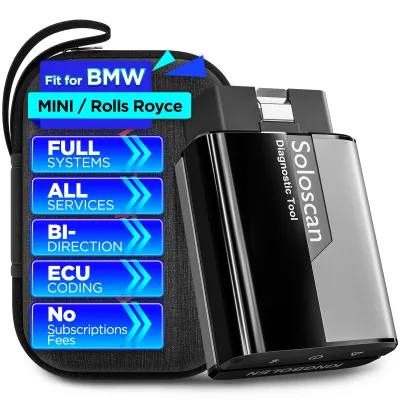
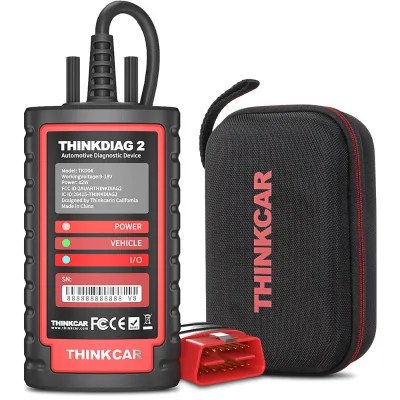
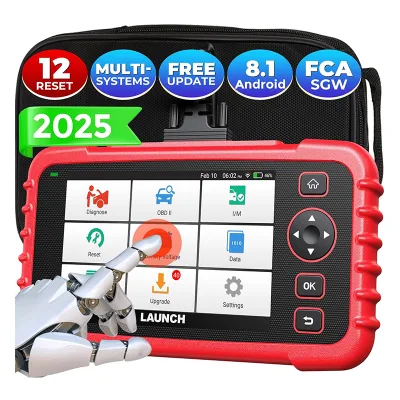
Launch CRP129I V2.0 CRP129X 2.0 Professional OBD2 Auto Code Reader with 12 Resets for All Cars
$180.4259 - $190.7358
MOQ: 1 pieces
Shenzhen Zhitong Automotive Technology Co., Ltd.
- Verified by SGS Group
- Trading Company
- Lead time7 days
- Avg. response≤ 2h
Main productsCar Diagnostic Tools, ECU Programming Tool, OBD2 Scanner, Auto Key Programmer, Auto Injector Cleaner And Auto Battery Tester
Shenzhen Talentcar Electronic Co., Ltd.
- Manufacturer, Trading Company, Buying Office
- Lead time旺季: "1 - 10":11,"> 10":"To be negotiated", 淡季: "1 - 10":11,"> 10":"To be negotiated"
- Avg. response≤ 2h
Main productsCar Diagnostic Tool,Car Key Programmer,Chip Tuning Tools,Code Scanner
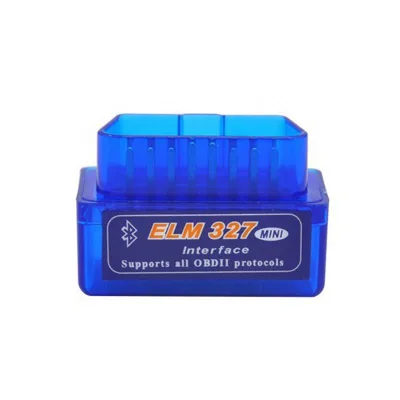
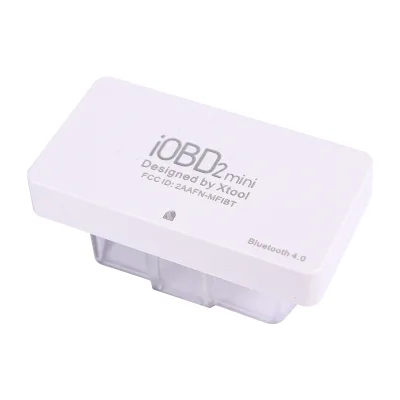
$2.8593 - $3.8817
MOQ: 1 pieces
Guangzhou Shinely Import And Export Trade Co., Ltd.
- Verified by TüVRheinland
- Trading Company
- Lead time15 days
- Avg. response≤ 3h
Main productsVehicle Lift, Vehicle Testing Line, Spray Booth, Tire Changer, Auto Repair System
Main marketsMid East(30%), South Asia(20%), South America(10%)
Shenzhen Kingbolen Electrics Technology Co., Ltd.
- Manufacturer, Trading Company
- Lead time旺季: "1 - 100":5,"> 100":"To be negotiated", 淡季: "1 - 100":5,"> 100":"To be negotiated"
- Avg. response≤ 2h
Main productsCar Diagnostic Tools,Code Reader,TPMS,Auto Key Programmer,Battery Tester.
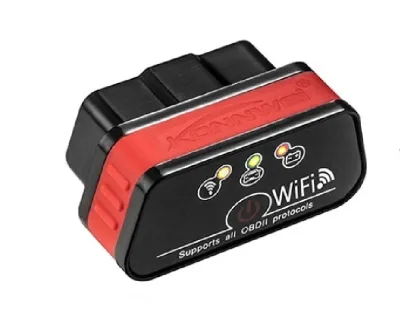
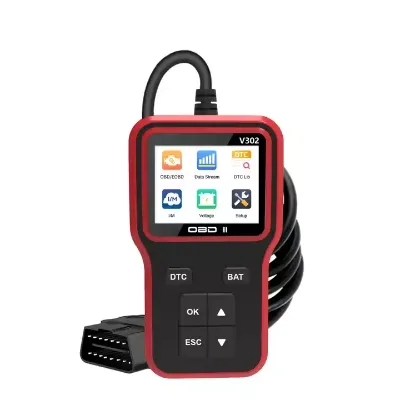
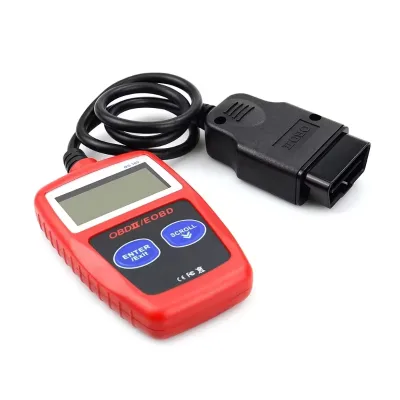
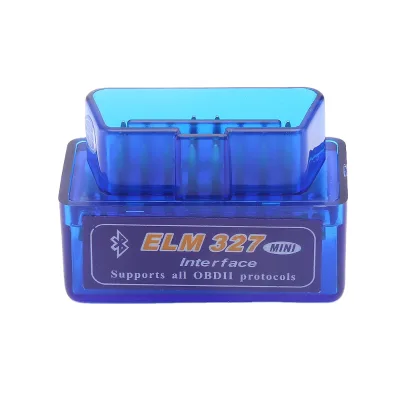
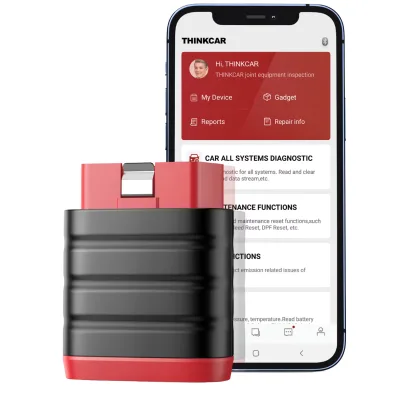
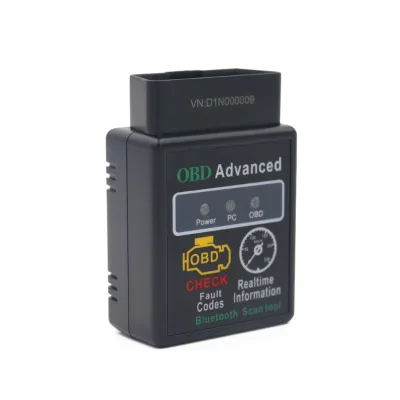
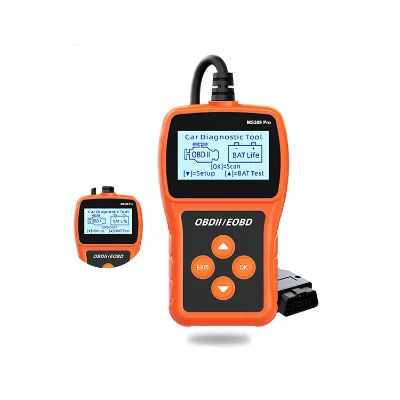
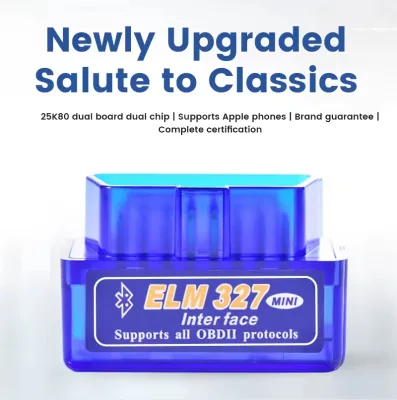
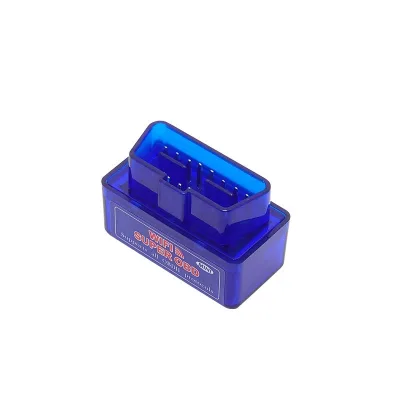
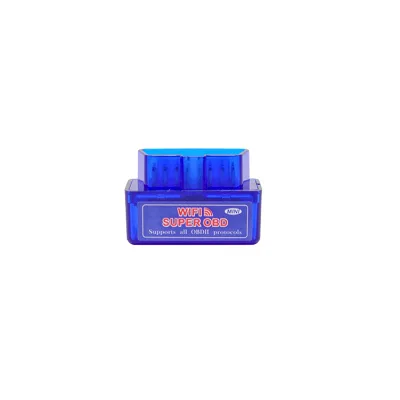
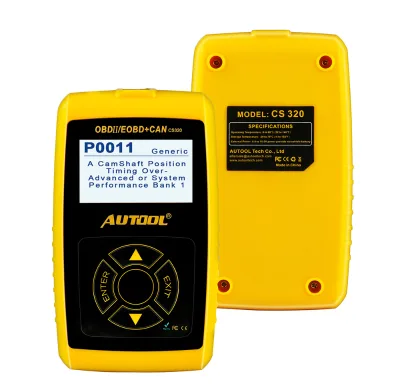
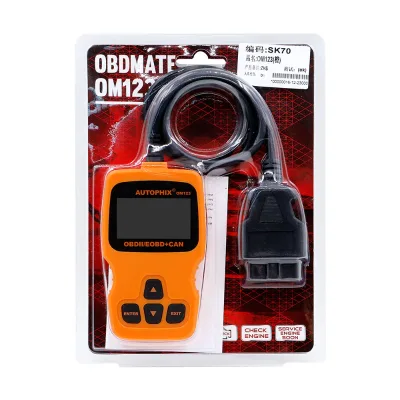
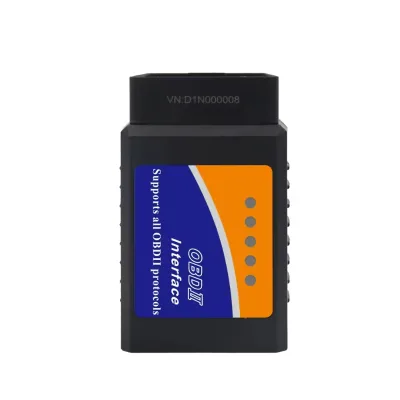
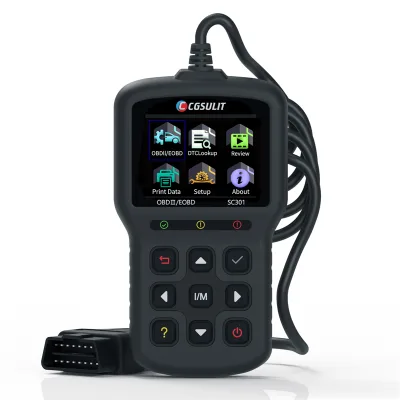
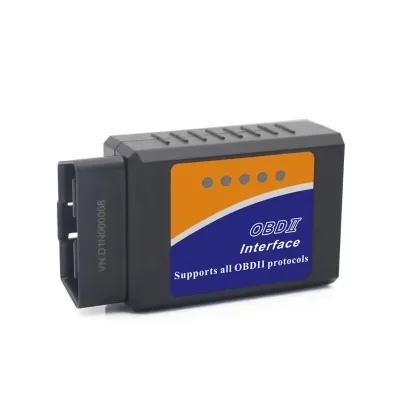


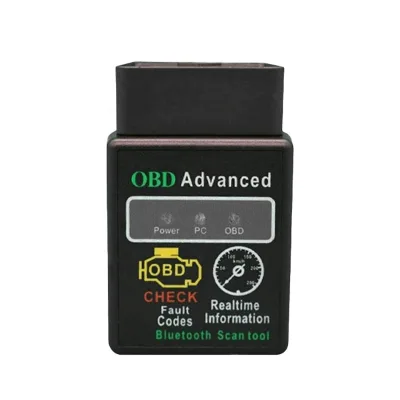
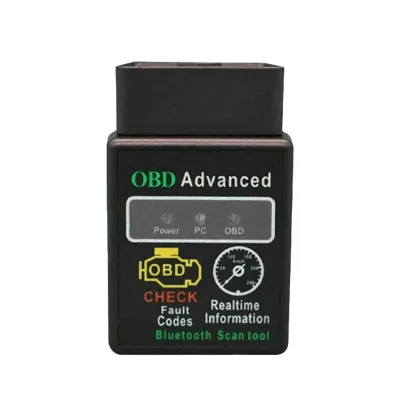
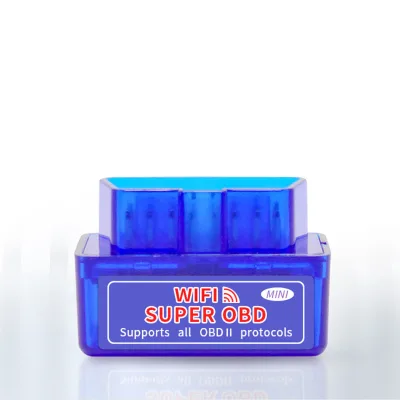
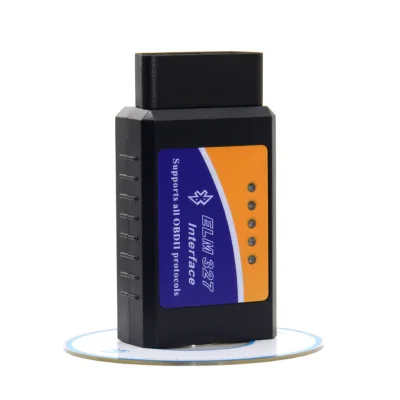
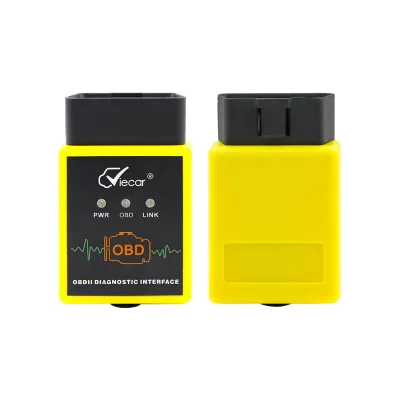

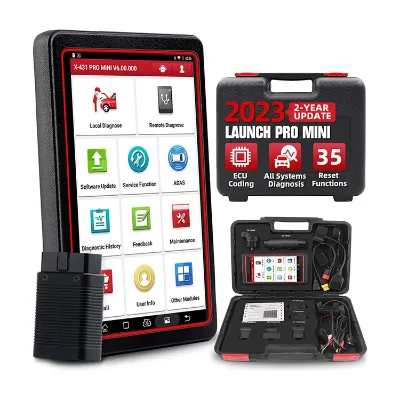
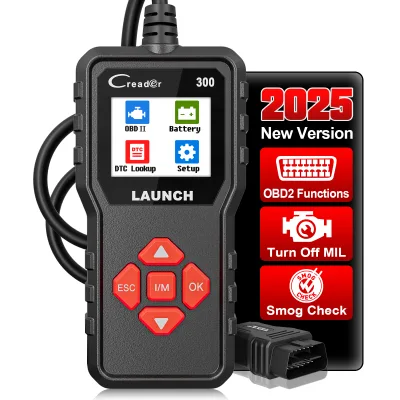
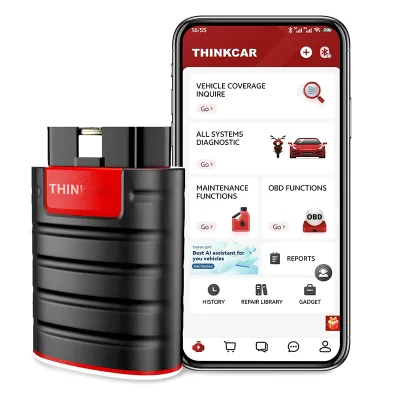
Comprehensive Sourcing Guide
Portable Mini Auto OBD2 Scanner Supplier Concentration and Factory Types
The landscape for sourcing portable mini auto obd2 scanners is defined by a mix of manufacturing capabilities and trading structures, requiring buyers to distinguish between originators and intermediaries. Current data indicates that suppliers operating in this niche are categorized as either Manufacturers or Trading Companies, a distinction that directly impacts pricing flexibility, communication channels, and supply chain transparency. Manufacturers typically possess the internal engineering resources to handle customized requests, such as graphic processing or specific sample processing requirements, which are listed as available capabilities in the current results. This suggests that for buyers seeking unique branding or specialized hardware configurations, identifying a true factory is critical to ensuring that design changes can be implemented without excessive delays or third-party markup. Conversely, Trading Companies often aggregate products from multiple sources, offering a broader catalog of main products that may include related items like vehicle keys, heavy-duty truck diagnostic scanners, or car key shell replacements. This diversification can be advantageous for buyers looking to consolidate orders across different automotive tool categories, but it necessitates careful verification to ensure that the trading company has direct oversight of the quality control processes for the specific obd2 scanners being purchased. Understanding this structural dynamic allows buyers to align their sourcing strategy with their operational needs, whether that involves deep customization through a factory or streamlined procurement through a trading entity with established logistics networks.
Location data provides a specific geographic anchor for understanding the concentration of these suppliers, with evidence pointing to Zhejiang, China, as a key origin point for certain product models. For instance, specific diagnostic tools like the KW902 and KW903 models are explicitly listed with a Place of Origin of Zhejiang, China, indicating a regional cluster where these electronic components are assembled and distributed. This concentration suggests that buyers focusing on these specific model numbers may benefit from sourcing directly from this region to leverage local supply chain efficiencies and reduced shipping times for components. However, it is important to note that not all suppliers in this category are located in Zhejiang; other data points indicate origins in Guangdong, China, for different models such as the MS309. This geographic dispersion means that buyers cannot assume a single manufacturing hub for all portable mini auto obd2 scanners. Instead, they must verify the specific origin for each product variant they intend to purchase, as regional differences can affect material sourcing, labor costs, and regulatory compliance standards. By mapping the supplier types against their respective locations, buyers can create a more nuanced sourcing map that accounts for both the structural nature of the supplier and the geographic realities of production, ensuring that their procurement decisions are grounded in accurate, location-specific data rather than generalized assumptions about the industry.
How to Verify Portable Mini Auto OBD2 Scanner Suppliers
Verification is the cornerstone of mitigating risk when engaging with suppliers for portable mini auto obd2 scanners, particularly given the technical nature of diagnostic equipment that interfaces directly with vehicle systems. Buyers should prioritize suppliers who have undergone third-party verification processes, as this provides an independent assessment of their business legitimacy and operational capabilities. In the current results, TüVRheinland is listed as a verification entity, indicating that at least some suppliers have been audited by this recognized international testing and certification body. This verification status serves as a strong signal of reliability, suggesting that the supplier has met specific standards for business operations and product quality. However, buyers must not rely solely on the presence of a verification badge; they should actively seek out the details of what was verified, whether it pertains to the company’s legal standing, production facilities, or quality management systems. Additionally, buyers should cross-reference the supplier’s claimed certifications with official databases, as the current data lists system certifications such as RoHS, UKCA, EMC, and CE. These certifications are crucial for ensuring that the electronic components within the obd2 scanners comply with environmental and electromagnetic compatibility standards, particularly if the products are intended for sale in regulated markets like Europe or the UK. Verifying these certifications ensures that the scanners will not cause interference with other vehicle electronics and meet safety requirements for materials used in their construction.
Beyond certifications and verification badges, buyers should assess the supplier’s responsiveness and transparency as indicators of their operational maturity. The current data shows response times of 3 and 5, which, while not explicitly defined in hours or days, suggest varying levels of customer service efficiency. Buyers should test these response times by sending detailed inquiries about technical specifications, customization options, and shipping terms to gauge the quality and speed of the communication. A supplier that responds promptly and with comprehensive information is more likely to be reliable throughout the order fulfillment process. Furthermore, buyers should request detailed product evidence, including specifications for voltage, communication interfaces, and compatibility with specific vehicle brands. For example, some scanners are specified for 12V gasoline and diesel vehicles, while others support 24V systems, and some are compatible with a wide range of car brands including BMW. Verifying these technical details ensures that the supplier’s products match the buyer’s specific requirements. Buyers should also ask for sample units to test the functionality of the obd2 scanners in real-world conditions, checking for accuracy in code reading, ease of use, and durability. This hands-on verification process is essential for ensuring that the supplier’s claims about product performance are accurate and that the final products will meet the expectations of end-users. By combining third-party verification, certification checks, responsiveness testing, and physical sample evaluation, buyers can build a robust verification framework that minimizes the risk of engaging with unreliable suppliers.
What to Compare Across Portable Mini Auto OBD2 Scanner Suppliers
When evaluating multiple suppliers for portable mini auto obd2 scanners, buyers must systematically compare key operational and commercial dimensions to identify the most suitable partner for their specific needs. One of the most critical factors is the Minimum Order Quantity (MOQ), which varies significantly across different suppliers and product models. For instance, some listings indicate an MOQ of just 1 piece, which is ideal for buyers testing the market or requiring small batches for specific projects. In contrast, other suppliers may require an MOQ of 100 pieces, which is more suitable for larger volume orders or established distribution channels. Understanding these MOQ differences allows buyers to align their procurement strategy with their inventory management capabilities and market demand forecasts. Additionally, buyers should compare the lead times offered by different suppliers, as this directly impacts their ability to fulfill customer orders and manage stock levels. The current data shows a lead time of 30 days for some suppliers, while others provide more granular lead time information based on order volume, such as 7 days for orders between 1 and 1000 units during peak and off-peak seasons, with larger orders requiring negotiation. This variability highlights the importance of discussing lead times explicitly with suppliers to ensure that production schedules align with the buyer’s delivery commitments.
Price is another essential dimension for comparison, but it must be analyzed in conjunction with other factors such as quality, certifications, and service levels. The current data indicates price ranges for different obd2 scanner models, with some products priced between $9.20 and $9.50, while others are priced between $12.00 and $12.38. These price differences may reflect variations in features, such as communication interfaces (e.g., WiFi vs. OBD), screen sizes, or compatibility with a wider range of vehicle brands. Buyers should not simply choose the lowest-priced option but should evaluate the total value proposition, including the warranty period, which ranges from 6 months to 1 year in the current results. A longer warranty period may indicate higher confidence in product durability and better after-sales support. Furthermore, buyers should compare the main products offered by each supplier to determine if they can serve as a one-stop shop for related automotive tools. Some suppliers offer a diverse range of main products, including tire pressure gauges, air pumps, and torque wrenches, which could simplify procurement for buyers looking to source multiple items from a single source. By systematically comparing MOQs, lead times, prices, warranties, and product portfolios, buyers can make informed decisions that balance cost efficiency with operational reliability and product quality.
Common Portable Mini Auto OBD2 Scanner Sourcing Risks
Sourcing portable mini auto obd2 scanners involves several inherent risks that buyers must proactively manage to ensure a successful procurement outcome. One significant risk is the potential for product incompatibility or performance issues, given the diverse range of vehicle makes, models, and years on the road. While many scanners are marketed as universal, their actual compatibility can vary, and some may only support specific protocols or vehicle brands. For example, some products are specified for 12V gasoline and diesel vehicles, while others support 24V systems, and some are compatible with up to 86 car brands. Buyers must verify these compatibility claims thoroughly, as selling incompatible scanners can lead to customer dissatisfaction, returns, and damage to the buyer’s reputation. Additionally, the technical specifications of the scanners, such as voltage requirements and communication interfaces, must match the buyer’s target market. For instance, a scanner designed for 12V systems may not function correctly in regions where 24V vehicles are more common. Buyers should request detailed compatibility lists and test samples in various vehicle types to ensure that the products meet their customers’ needs.
Another critical risk is the variability in product quality and durability, which can be influenced by the manufacturing processes and quality control measures employed by the supplier. While some suppliers have third-party verification and certifications, the actual quality of the final product may still vary between batches. Buyers should be cautious of suppliers who offer significantly lower prices than the market average, as this may indicate the use of inferior materials or compromised manufacturing standards. The current data shows that some scanners are made of plastic, while others may have different material compositions, and the weight and package size can also vary. These physical attributes can impact the durability and user experience of the scanner. Buyers should also be aware of the risk of intellectual property infringement, particularly if they are sourcing unbranded or generic products. Some listings indicate a brand name of "no brand," which may suggest that the product is a generic copy of a branded item. Buyers must ensure that they are not inadvertently sourcing counterfeit products, which can lead to legal issues and supply chain disruptions. By identifying and mitigating these risks through thorough verification, sample testing, and legal due diligence, buyers can protect their business interests and ensure a stable supply of high-quality portable mini auto obd2 scanners.
Portable Mini Auto OBD2 Scanner Regional Sourcing and Logistics
Regional sourcing and logistics play a pivotal role in determining the overall cost and efficiency of procuring portable mini auto obd2 scanners. The current data indicates that suppliers are located in specific regions of China, such as Zhejiang and Guangdong, which are known for their robust manufacturing ecosystems and efficient logistics networks. Sourcing from these regions can offer advantages in terms of production capacity, supply chain integration, and shipping options. However, buyers must also consider the logistical implications of sourcing from these locations, including shipping times, customs clearance procedures, and potential tariffs. The current data shows that some products have specific package sizes and weights, such as a single package size of 10X5X15 cm and a weight of 48g for one model, and 20X20X5 cm with a weight of 0.5kg for another. These dimensions and weights are crucial for calculating shipping costs and determining the most efficient packaging and transportation methods. Buyers should work with suppliers to optimize packaging to reduce volumetric weight and shipping costs, particularly for large orders.
Furthermore, buyers should evaluate the supplier’s logistics capabilities, including their experience with international shipping and their ability to handle customs documentation. Some suppliers may offer FOB (Free on Board) or CIF (
FAQs
What is the minimum order quantity for portable mini OBD2 scanners?
The minimum order quantity varies by supplier and product model. Some listings allow a single unit purchase, while others require a batch of 100 pieces. Buyers should check the specific MOQ listed for each item to determine the best fit for their procurement needs.
How long does it take to receive an OBD2 scanner order?
Standard lead times are typically around 30 days for general orders. However, for smaller quantities during peak seasons, production may be completed in just 7 days. Larger bulk orders exceeding 1000 units often require negotiation to finalize the delivery schedule with the supplier.
What certifications do these diagnostic tools usually hold?
Manufacturers often provide products certified with RoHS, UKCA, EMC, and CE standards. These certifications ensure compliance with international safety and environmental regulations. Buyers should verify specific documentation with the supplier to confirm that the units meet the regulatory requirements of their target market.
What is the typical response time for supplier inquiries?
Suppliers generally respond to inquiries within 3 to 5 days. Faster response times indicate active engagement and better customer service readiness. Prompt communication helps clarify technical specifications and pricing details quickly, ensuring a smoother sourcing process for international buyers looking for reliable diagnostic equipment.
Are these scanners compatible with both gasoline and diesel vehicles?
Yes, many portable OBD2 scanners are designed to support both 12V gasoline and diesel vehicles. Some models also handle 24V systems for heavy-duty applications. Buyers should verify the voltage specifications and applicable vehicle brands to ensure the tool matches their specific fleet requirements.
What is the price range for basic OBD2 code readers?
Basic OBD2 code readers typically range from approximately $9.20 to $12.38 per unit. Prices may vary based on features like Wi-Fi connectivity or multi-language support. Buyers should compare unit costs against minimum order quantities to determine the most cost-effective option for their volume needs.