Portable Mini Spherical Compass Suppliers and Manufacturers
Find 24 verified suppliers offering Portable Mini Spherical Compass units with varying response times, lead times, and customization options. Compare dimensions, accuracy, and interface types to select the right partner for your project; review the available evidence before requesting comparable quotations from suitable candidates.
Updated
Suppliers List

Nanjing Sky Mems Technology Co., Ltd.
- Verified by BV
- Combined
- China Jiangsu
- Lead time15 days
- Avg. response≤ 2h
Main productsInertial Measurement Unit, Mems Accelerometer, Electronic Compass, Inclinometer, Fiber Optic Gyro, Gnss Ins Integrated Navigation System, Tilt Sensor, Imu
Main marketsSoutheast Asia/ Mideast,Europe
Yiwu Runson Outdoor Products Co., Ltd.
- Trading Company
- Zhejiang, China
- Lead time15 days
- Avg. response≤ 11h
Main productsOutdoor survival kit,Outdoor whistle,Outdoor compass,Outdoor poncho,Outdoor sleeping bag
Main marketsNorth America(50.00%), Western Europe(10.00%), Eastern Europe(10.00%), South America(10.00%), Central America(5.00%), Southern Europe(5.00%), South Asia(2.00%), Africa(2.00%), Eastern Asia(2.00%), Mid East(2.00%), Oceania(1.00%), Southeast Asia(1.00%)
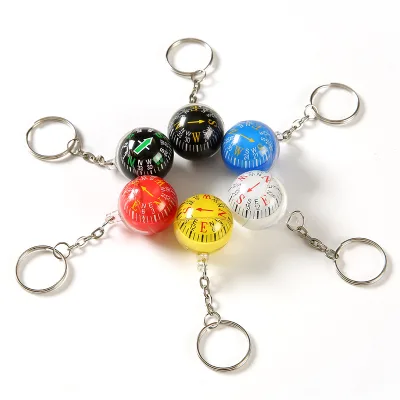
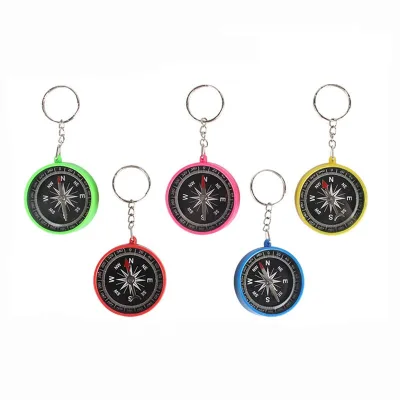
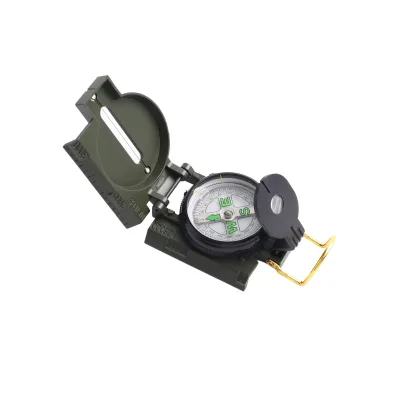
Camping Navigation Compass with Red LED Light Dual Map Scales Compass Mini Compass
$1.30 - $1.52
MOQ: 100
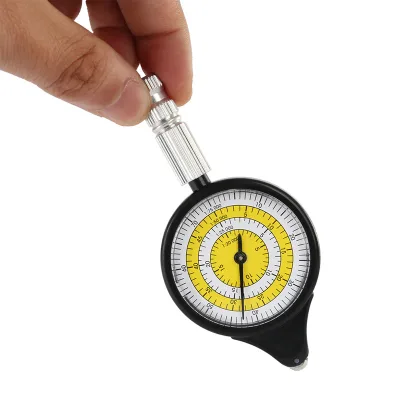
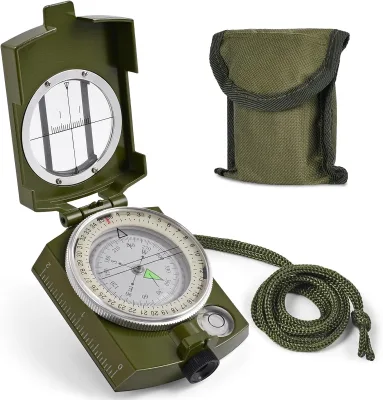
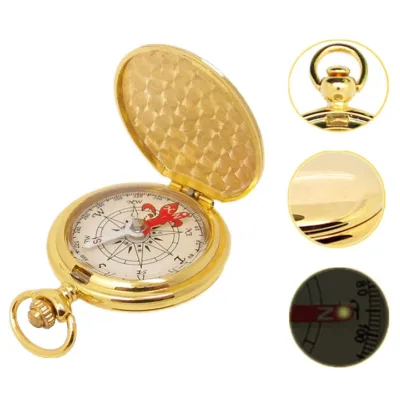
$1.6108 - $2.1542
MOQ: 50 pieces

Ningbo Hongbo Optical Instrument Co., Ltd.
- Trading Company,Manufacturer/Factory
- China Zhejiang
- Lead time30 days
- Avg. response≤ 14h
Main productsMagnifier, Microscope, Magnifier Lamps, Binoculars, Reading Glass, Compass, Head Magnifier, Pocket Microscope, Jewellers Magnifier, Folding Magnifier
Main marketsSouth America,Eastern Europe,Mid East,North America,Southeast Asia,Eastern Asia,Oceania,Western Europe,Africa
Jaxy Optical Instrument Co., Ltd.
- Verified by SGS Group
- Manufacturer, Trading Company
- Lead time20 days
- Avg. response≤ 3h
Main productsBinoculars and Telescope, Magnifier, Whistle, Compass, 3D glasses
Main marketsWestern Europe(35%), North America(25%), Domestic Market(15%)
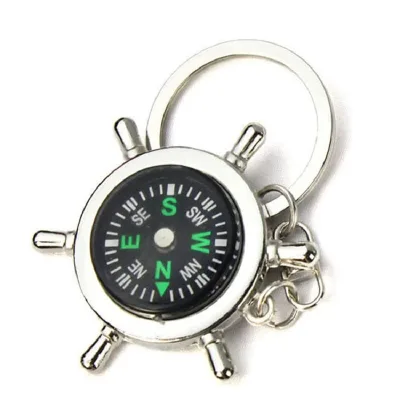
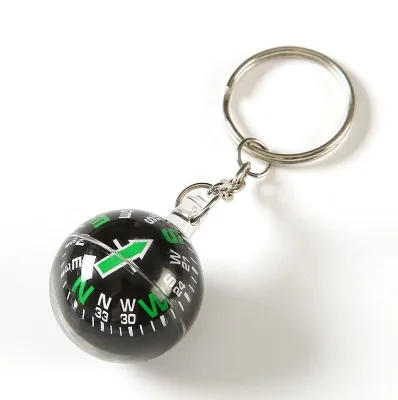
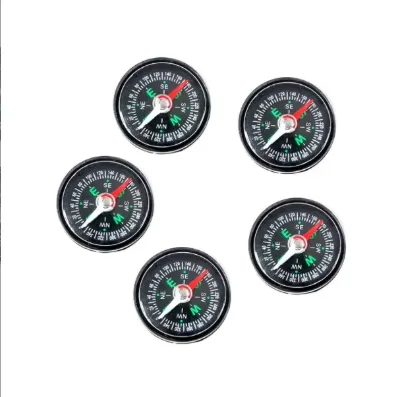
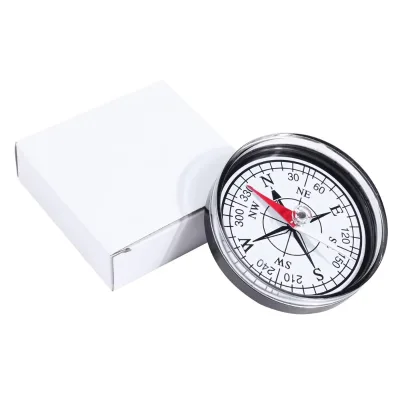
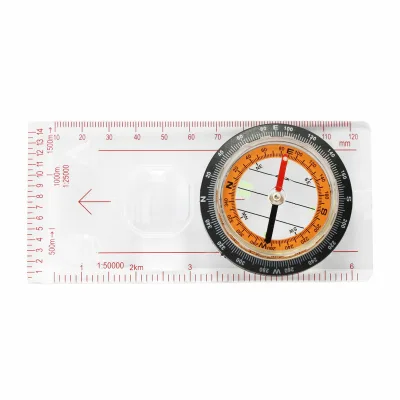
$0.87 - $1.72
MOQ: 144 pieces
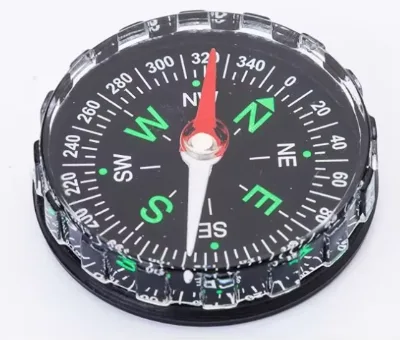
Ningbo Jukaiwtec Outdoor Equipments Co., Ltd.
- Verified by Intertek
- Trading Company
- Lead time30 days
- Avg. response≤ 2h
Main productsTent, Camping Cookware, Folding Chair, Foldable Table, Camping Light
Main marketsNorth America(30%), Western Europe(10%), Northern Europe(10%)

- Verified by SGS
- Trading Company
- China Zhejiang
- Lead time15 days
- Avg. response≤ 18h
Main productsBike, Bicycle
Main marketsEurope,Australia

Hot Sale Car High Precision Outdoor Emergency Survival Portable Mini Compass Compass
$1.00 - $1.09
MOQ: 900 Boxes

$0.12 - $0.14
MOQ: 7300 Boxes

- Verified by SGS
- Trading Company
- China Zhejiang
- Lead time15 days
- Avg. response≤ 16h
Main productsTents, BBQ Grill, Folding Table and Chair, Cooler Bag, Outdoor Lamp, Beach Mat, Picnic Blanket, Sleeping Bag, Water Bottle, Hammock
Main marketsEurope,Australia


Compact Accurate Simple Sighting Mirror Plastic Portable Exploration Compass
$0.80 - $1.00
MOQ: 1000 Pieces

Surface Mount Fishing Accurate Mounting Electronics Plastic Portable Compass
$1.80 - $2.00
MOQ: 500 Pieces


Stainless Steel Outdoor Activities Survival Hiking Portable Pocket Compass
$0.30 - $0.50
MOQ: 2000 Pieces

Strap Sleeve Map Edge No Batteries Required Clipper Portable Micro Compass
$0.19 - $0.21
MOQ: 5000 Pieces
Jinhua Kaiyue Photoelectric Technology Co., Ltd.
- Verified by SGS Group
- Manufacturer, Trading Company
- Lead time20 days
- Avg. response≤ 4h
Main productsInsect View Toys/Magnifier/Telescope And Binoculars/VR Box, Optical PMMA Lenses
Main marketsNorth America(45%), Eastern Europe(20%), Southeast Asia(10%)
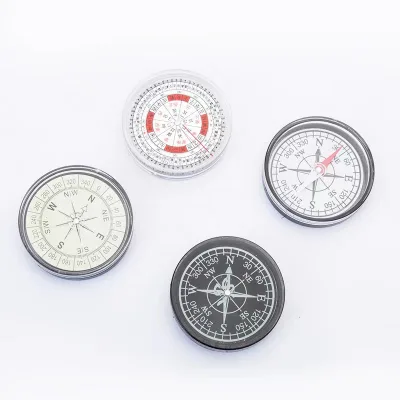
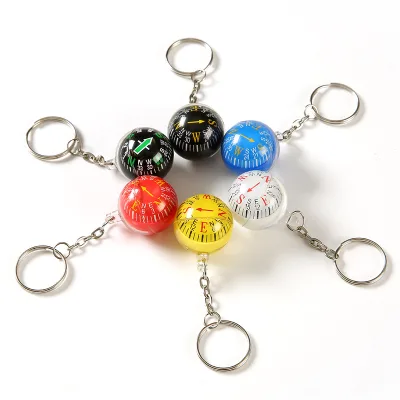
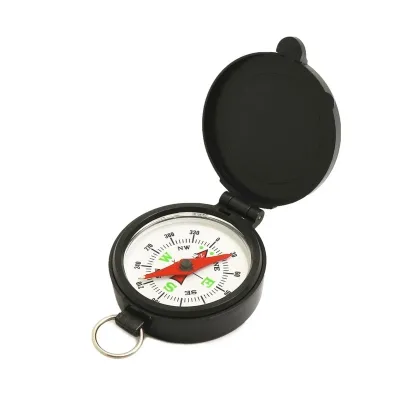
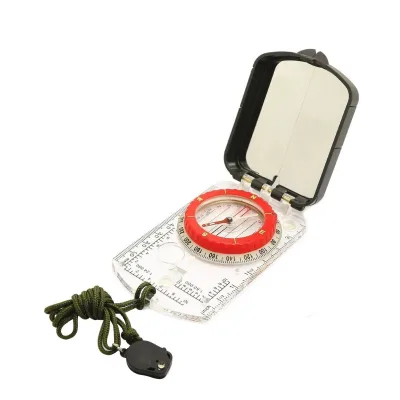
Multi-function Outdoor Camping Compass Geologic Fluorescent Portable Digital Compass
$3.55 - $3.90
MOQ: 144
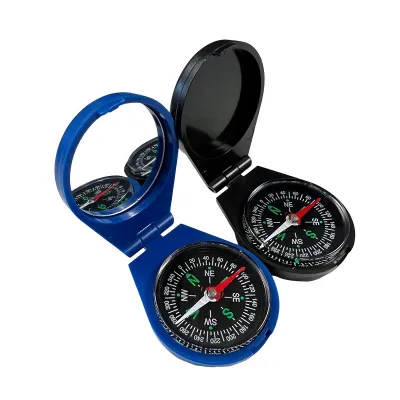
Wholesale Portable Mini Compass Flip Cover Plastic Compass with Mirror for Outdoor Hiking
$0.50 - $0.70
MOQ: 500 pieces
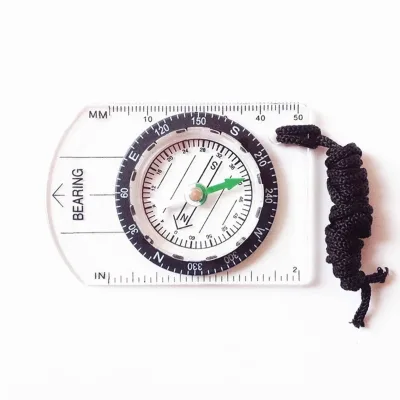
Outdoor Equipment Professional Multifunctional Compass Pointing Needle Mini Map Scale Compass
$0.35 - $0.50
MOQ: 5 pieces
Jaxy Optical Instrument Co., Ltd.
- Manufacturer, Trading Company
- Lead time旺季: "1 - 500":31,"> 500":"To be negotiated", 淡季: "1 - 500":31,"> 500":"To be negotiated"
- Avg. response≤ 3h
Main productsbinoculars,telescope,magnifier,campig survival tool,3d glasses
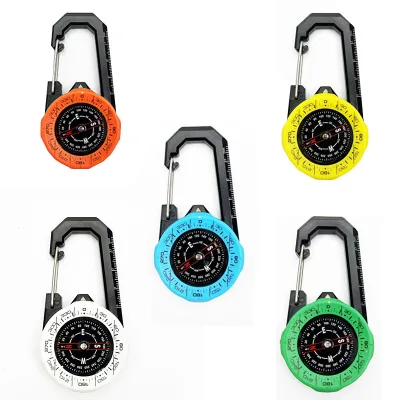
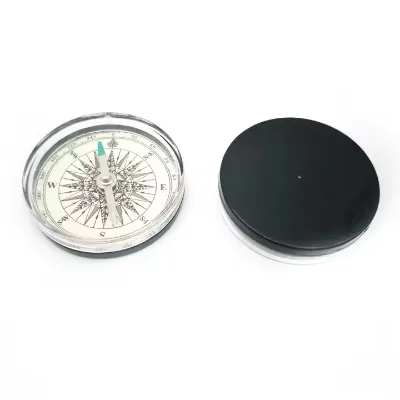
Wholesale 45mm High Precision Outdoor Compass Mini Plastic Pocket Compass
$0.1976 - $0.3623
MOQ: 500 pieces
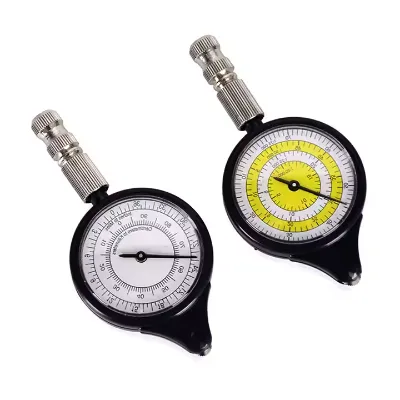
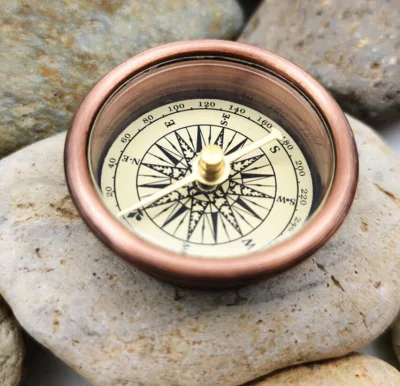
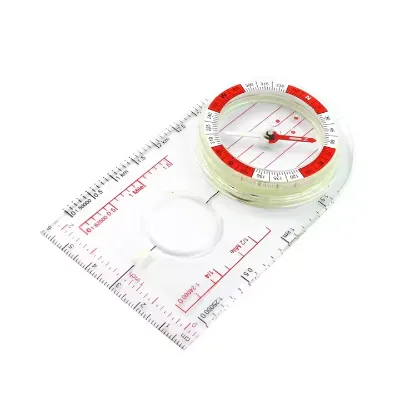
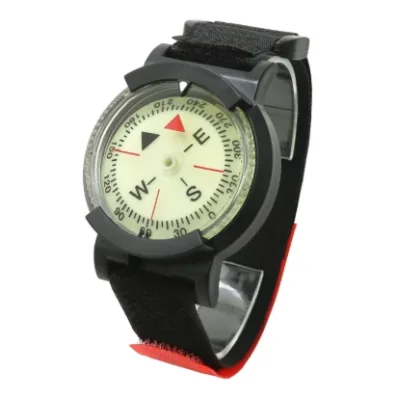
Outdoor Professional Luminous Diving Compass
$3.53 - $3.80

Chongqing Jinfa Industrial Equipment Sales Co., Ltd.
- Verified by TUVRHEINLAND
- Trading Company
- China Chongqing
- Lead time30 days
- Avg. response≤ 6h
Main productsIndustrial Valves, Hydraulic Fluid Coupling, Heat Exchanger, Marine Propeller, Marine Pump, Water Sport Recreation Equipment
Main marketsSouth America,Africa,Southeast Asia/ Mideast,Europe,Australia,North America

YINGTAN CITY AOXIANG OPTICS CO., LTD.
- Verified by SGS
- Combined
- China Jiangxi
- Lead time15 days
- Avg. response≤ 4h
Main productsRiflescope, Binoculars, Astronomical Telescope, Range Finder, Magnifier, Compass, Night Vision, Gun Brush, DOT Sight, Spotting Scope
Main marketsSouth America,East Asia(Japan/ South Korea),Domestic,Europe,Australia,North America

Map Outdoor Adventure Functional Compass Foldable Portable Compass for Travel
$0.70 - $1.30
MOQ: 100 Pieces

Outdoor Adventure Functional Map Compass Portable Ruler Compass for Adults and Kids
$0.90 - $1.50
MOQ: 100 Pieces

Portable Outdoor Adventure Compass Functional Clip Carabiner Compass for Travel
$1.00 - $1.60
MOQ: 100 Pieces

Multifunctional Outdoor Adventure Zinc Alloy Body Compass Waterproof Metal Compass
$1.50 - $2.50
MOQ: 100 Pieces

Outdoor Adventure Functional Compass Portable Foldable Ruler Comapss for Travel
$1.00 - $1.60
MOQ: 100 Pieces

Hot Sale Compass Outdoor Adventure DC30-1 Compass for Adults and Children
$0.70 - $1.00
MOQ: 100 Pieces
Shaoxing Beant Import & Export Co., Ltd.
- Trading Company
- Zhejiang, China
- Lead time0 days
- Avg. response≤ 2h
Main productsLab equipments,Lab plastic ware,Lab glassware,Teaching aids,Medical consumables
Main marketsNorth America(13.00%), Eastern Asia(12.00%), Southeast Asia(11.00%), Western Europe(9.00%), Central America(9.00%), South Asia(9.00%), South America(8.00%), Eastern Europe(7.00%), Africa(6.00%), Domestic Market(5.00%), Southern Europe(3.00%), Northern Europe(3.00%), Mid East(3.00%), Oceania(2.00%)
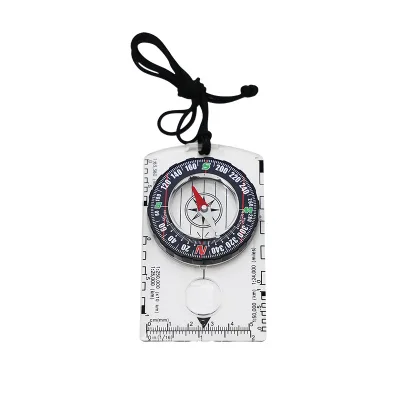
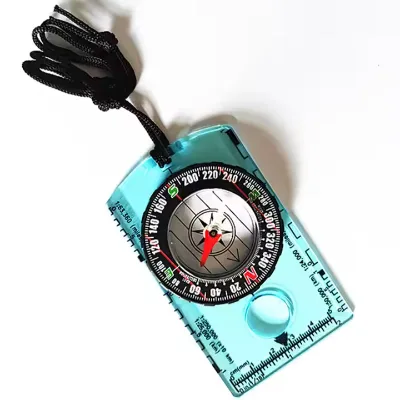
Compass Camping Navigation - Professional Field Compass for Map Reading
$0.9266 - $1.018
MOQ: 1 pieces

- Verified by TUVRHEINLAND
- Trading Company
- China Fujian
- Lead time23 days
- Avg. response≤ 5h
Main productsYoga Set, Pet Supplies, Sneakers, Sportswear, Underwear, Swimsuit, Sports Equipment, Packaging, Outdoor Product, Solar Energy
Main marketsSoutheast Asia/ Mideast

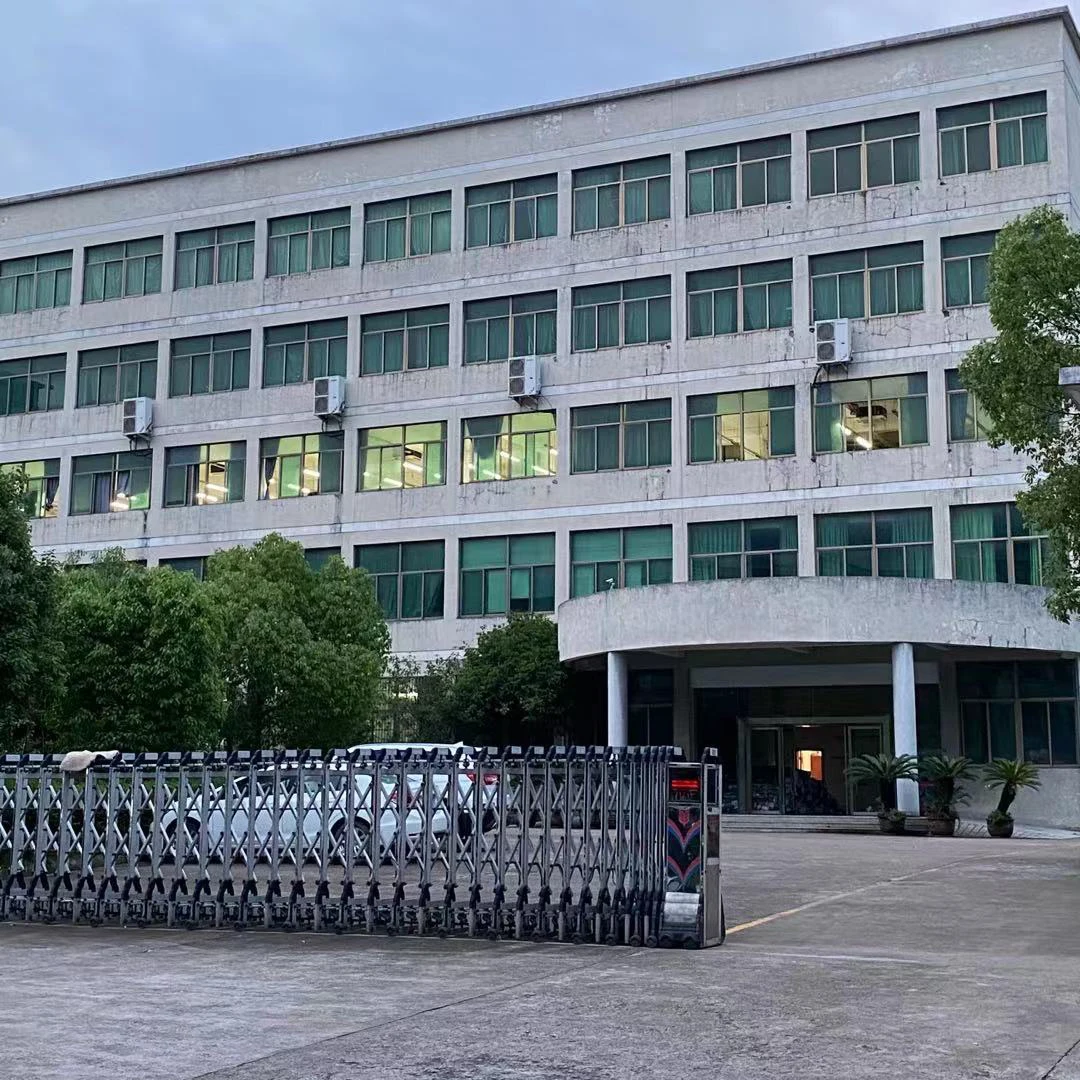
Chongqing Minghao Optical Equipment Co., Ltd.
- Manufacturer, Trading Company
- Chongqing, China
- Lead time30 days
- Avg. response≤ 3h
Main productsMonocular,Binocular,Magnifier,Spotting Scope,Compass
Main marketsDomestic Market(60.00%), North America(30.00%), Northern Europe(10.00%)
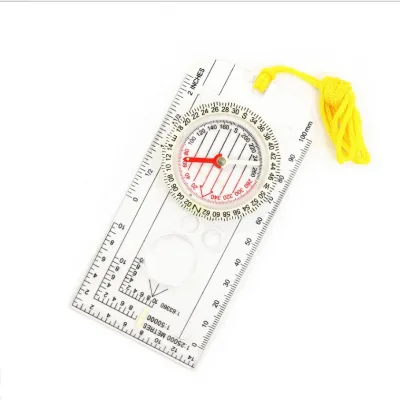
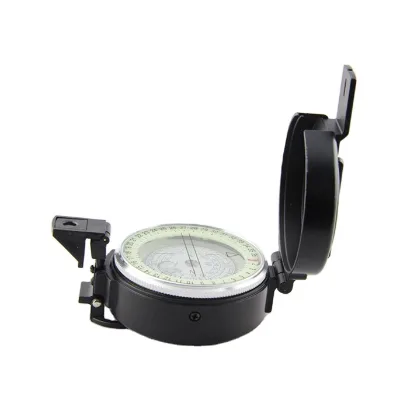

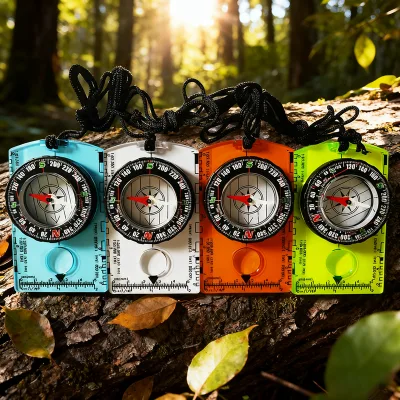
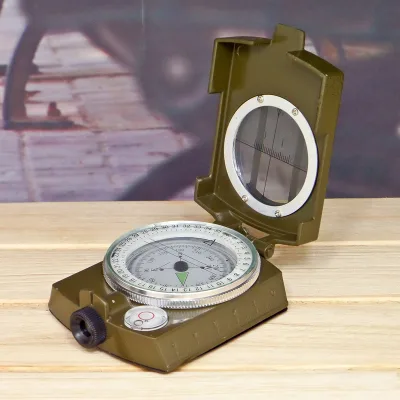
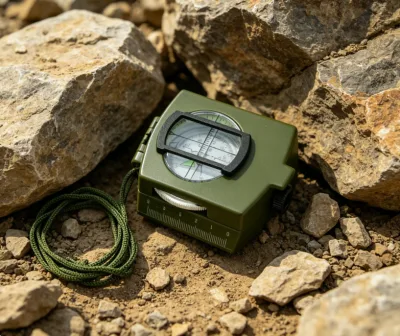
Durable Field Navigation Compass with Acrylic Cover Acrylic Magnetic Compass
$1.8413 - $3.0689
MOQ: 5 pieces
Betoyy (yiwu) Outdoor Supplies Co., Ltd.
- Trading Company
- Zhejiang, China
- Lead time20 days
- Avg. response≤ 2h
Main productsCamping accessories,survival kit,whistle,compass,travel bag
Main marketsNorth America(25.00%), Northern Europe(15.00%), South Asia(8.00%), Southeast Asia(8.00%), Oceania(8.00%), Eastern Europe(6.00%), Domestic Market(5.00%), Eastern Asia(5.00%), Mid East(5.00%), Southern Europe(4.00%), Central America(4.00%), South America(3.00%), Western Europe(2.00%), Africa(2.00%)

Jingjiang Trust Trading Co., Ltd.
- Trading Company
- China Jiangsu
- Lead time30 days
- Avg. response≤ 8h
Main productsWinch, Ancor Chain, Life Boat, Ship Models, Ladder, Window, Heating Treatment Fixtures, Bathroom Cabin Unit, Propeller & Shaft, Galvanized Steel Plank
Main marketsSouth America,Africa,Others(foreignTradeCapacity.exportBusinessCapacityMarketOther),Southeast Asia/ Mideast,East Asia(Japan/ South Korea),Domestic,Europe,Australia,North America
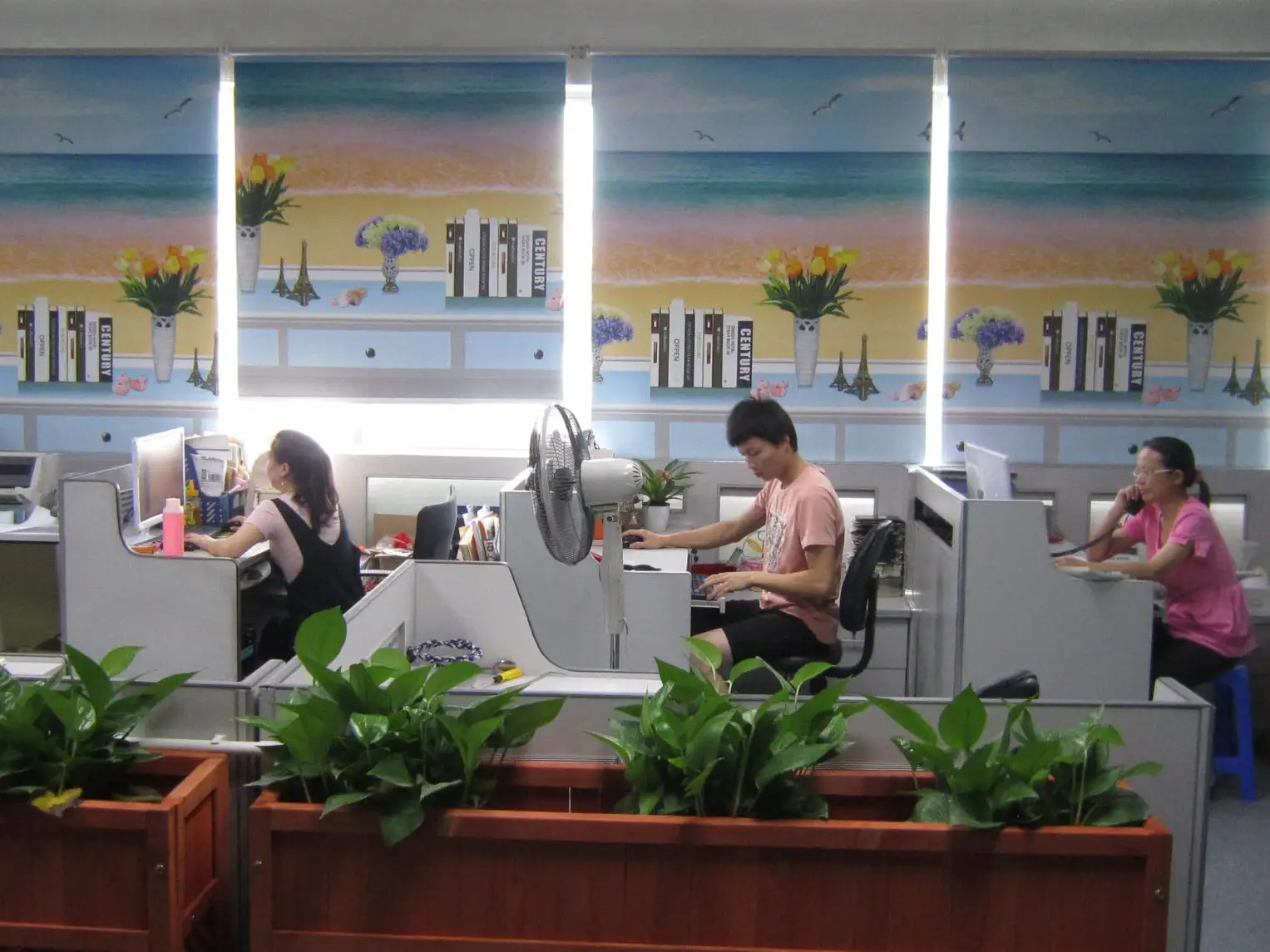
Dongguan Emak Craft Gift Co., Ltd.
- Manufacturer, Trading Company
- Guangdong, China
- Lead time15 days
- Avg. response≤ 5h
Main productsSurvival Kit,Paracord Bracelet,Paracord Watch,Camping Stove,First Aid Kit
Main marketsNorth America(40.00%), Domestic Market(35.00%), Southeast Asia(15.00%)
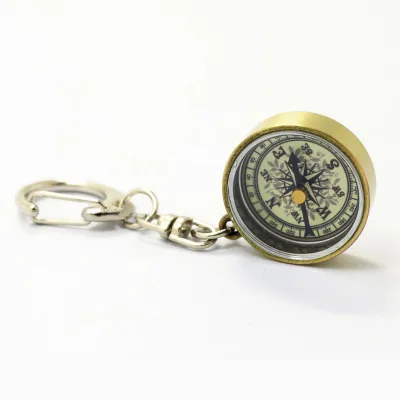
$0.6153 - $0.9012
MOQ: 50 pieces
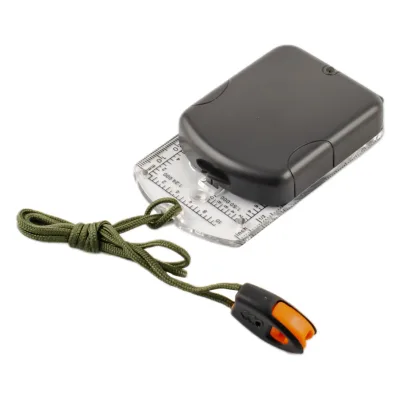
$2.7545 - $2.8473
MOQ: 10 pieces

Changzhou KB Instruments & Meter Co., Ltd.
- Trading Company
- China Jiangsu
- Lead time30 days
- Avg. response≤ 4h
Main productsPressure Gauge, Manometer, V Line Thermometer, Industrial Thermometer, Bimetal Thermometer, Exhaust Gas Thermometer, Digital Pressure Gauge, Digital Thermometer, Nautical Barometer, Nautical Quartz Clock
Main marketsAfrica,Southeast Asia/ Mideast,East Asia(Japan/ South Korea),Domestic,Europe,Australia

Shaanxi Deruite Industry and Trade Co., Ltd.
- Verified by BV
- Trading Company
- China Shaanxi
- Lead time23 days
- Avg. response≤ 6h
Main productsSurveying Instrument, Accessories, Tripod, Staff, Prism, Prism Poles
Main marketsSouth America,Africa,Southeast Asia/ Mideast,East Asia(Japan/ South Korea),Europe,Australia,North America

- Trading Company,Manufacturer/Factory
- China Guangdong
- Lead time23 days
- Avg. response≤ 3h
Main productsBow Thrusters, Windlasses, Winches, Capstan, Lifeboat, Mooring Bollards, Centrifugal Pumps, Gangway Ladder, Accommodation Ladder, Panama Chocks
Main marketsSouth America,Eastern Europe,Mid East,North America,Southeast Asia,Eastern Asia,Oceania,Western Europe,Africa
Nanyang Imaisen Technology Co., Ltd.
- Manufacturer, Trading Company
- Henan, China
- Lead time30 days
- Avg. response≤ 5h
Main productsBinoculars Telescope,Monocular Telescope,Magnifier,Optical Glass Lens,Astronomical Telescope
Main marketsSouth Asia(10.00%), Southern Europe(10.00%), Africa(10.00%), Southeast Asia(10.00%), Western Europe(10.00%), Domestic Market(10.00%), North America(10.00%), Northern Europe(9.00%), Eastern Asia(5.00%), Eastern Europe(5.00%), Central America(5.00%), South America(5.00%), Mid East(1.00%)
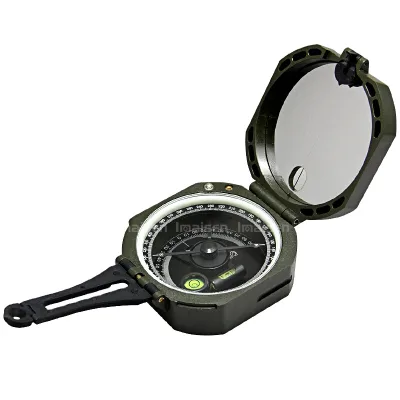
$12.99 - $13.34
MOQ: 50 pieces
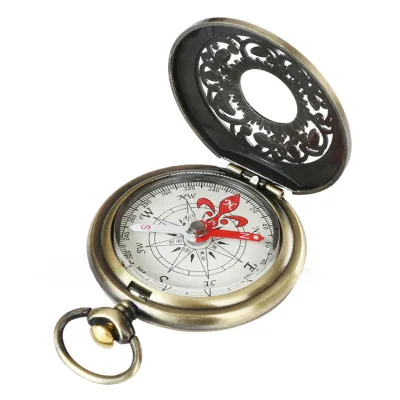
Vintage Bronze Pocket Compass Outdoor Hiking Navigation Compass Kid Gift Outdoor Tool
$1.7126 - $1.9281
MOQ: 5 pieces
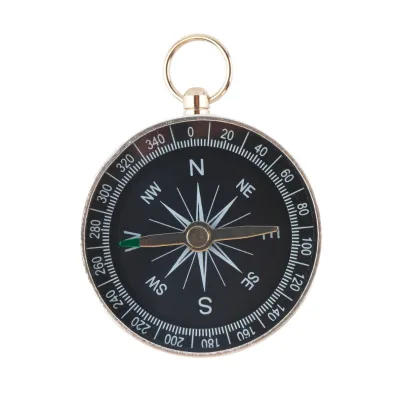
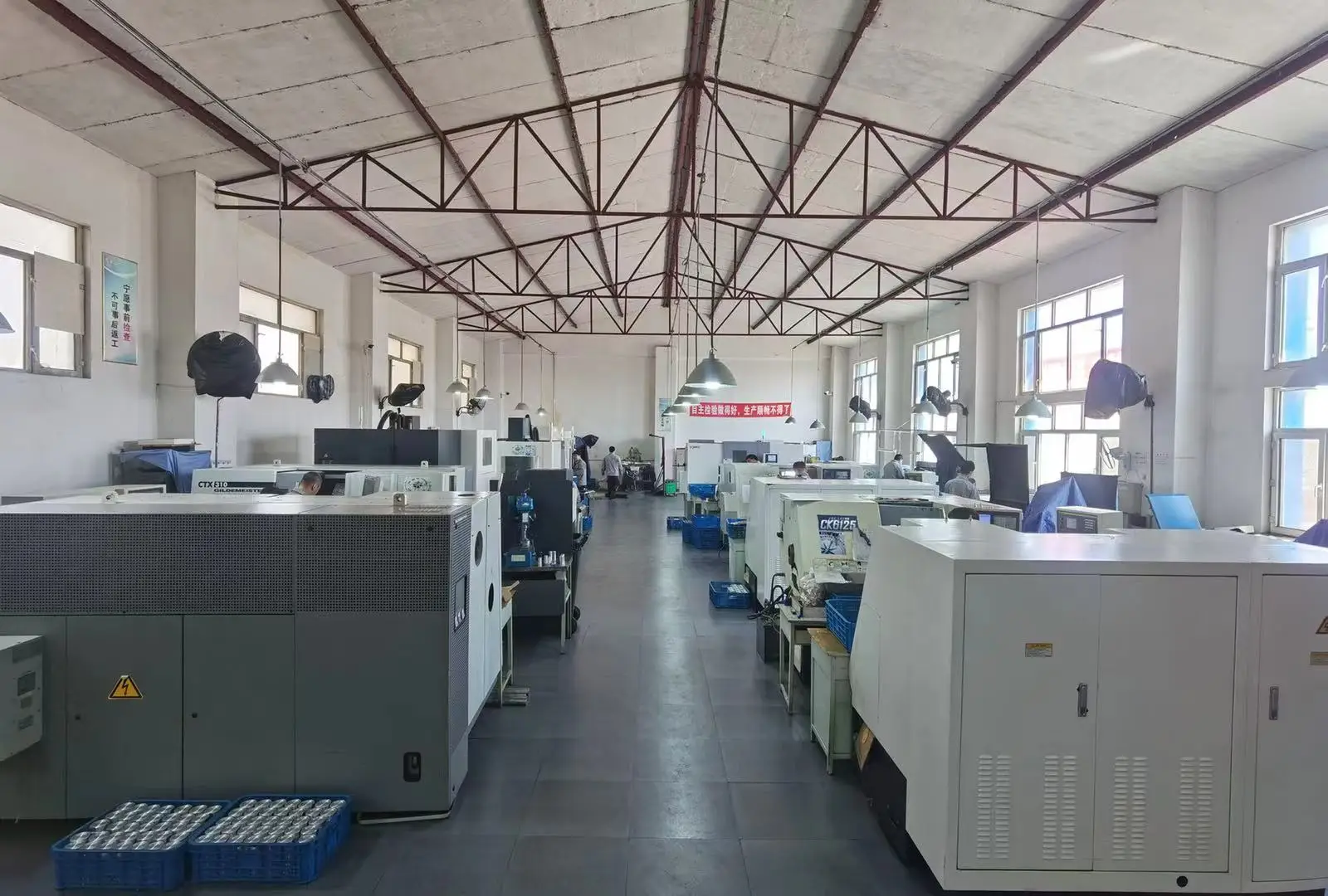
Harbin Optical Instrument Factory Ltd.
- Manufacturer
- Heilongjiang, China
- Lead time15 days
- Avg. response≤ 6h
Main productsCompass,clinometer,planimeter,laser orientation instrument,surveying instrument
Main marketsDomestic Market(60.00%), North America(6.00%), Southeast Asia(6.00%), Western Europe(5.00%), South America(4.00%), Southern Europe(3.00%), Africa(3.00%), Mid East(3.00%), South Asia(2.00%), Eastern Asia(2.00%), Oceania(2.00%), Central America(2.00%), Eastern Europe(2.00%)

Tianjin Geochoix Equip Sales Ltd
- Verified by SGS
- Trading Company,Manufacturer/Factory,Group Corporation
- China Tianjin
- Lead time23 days
- Avg. response≤ 12h
Main productsSurveying Instrument Surveying Equipment, Laser Scanners Laser Trackers Lidar Slam, Total Stations Reflectorless Total Stations, Automatic Level Digital Level Transit Level, Electronic Theodolite Laser Theodolite, Surveying Tripods Laser Tripod Prism Tripod, GPS Pole Prism Pole Laser Pole GPS Tripod, Leveling Staffs Laser Level Grade Laser Level, Monitoring Prism Mini Prism Prism Tribrach, Laser Measure Traverse Prism Kit
Main marketsSouth America,Eastern Europe,Mid East,North America,Southeast Asia,Eastern Asia,Oceania,Western Europe,Africa

Worldwide Pocket Compass for Measuring Azimuth, Height, Distance, Slope
$25.75 - $26.95
MOQ: 200 Pieces


Ningbo Barride Optics Co., Ltd.
- Trading Company,Manufacturer/Factory
- China Zhejiang
- Lead time75 days
- Avg. response≤ 4h
Main productsMicroscope, Telescope, Binoculars, Riflescope, Magnifier, Spotting Scope, Range Finer, Astronomical Telescope, Night Vision, Biological Microscope
Main marketsSouth America,Eastern Europe,Mid East,North America,Southeast Asia,Eastern Asia,Oceania,Western Europe,Africa


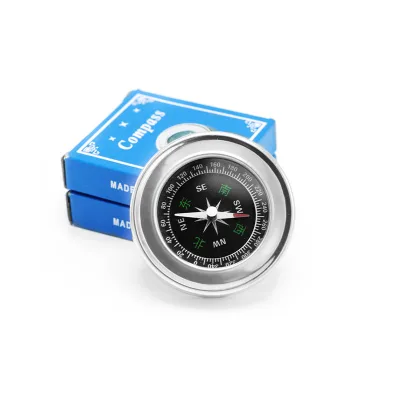
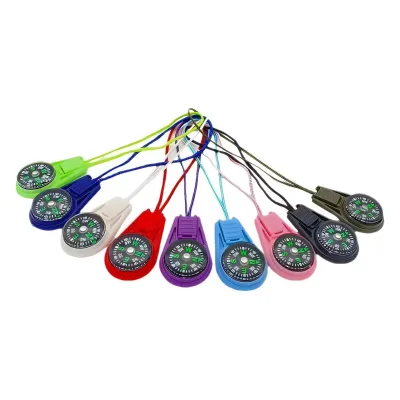


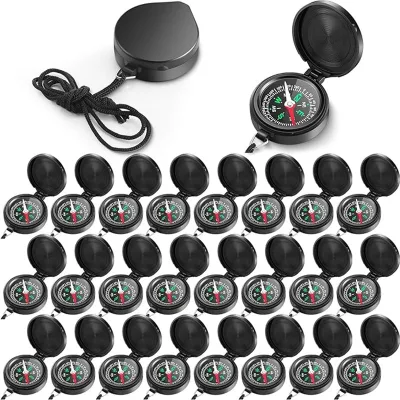
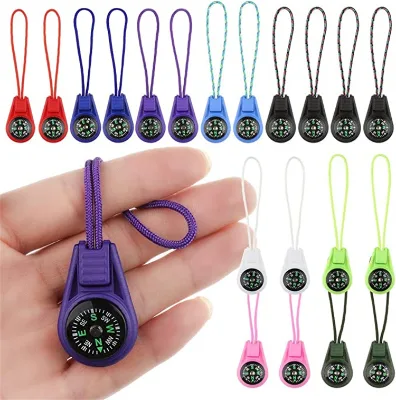
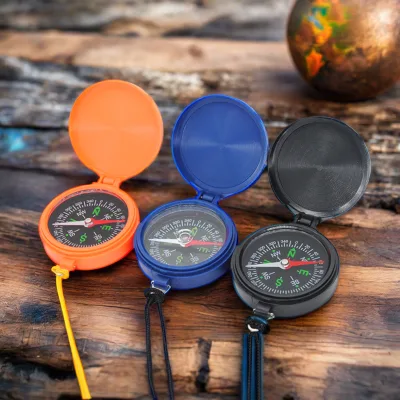
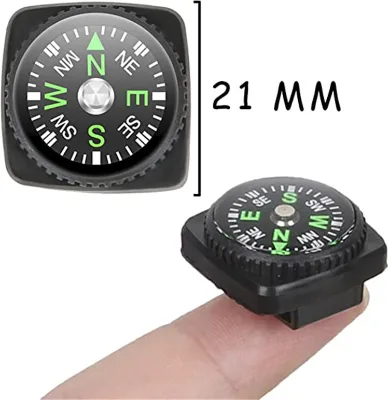
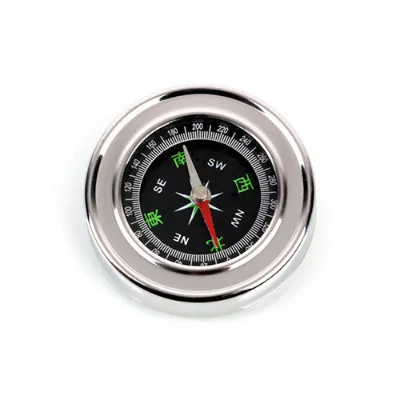




Comprehensive Sourcing Guide
Portable Mini Spherical Compass Supplier Concentration and Factory Types
The current supplier landscape for portable mini spherical compasses reveals a distinct split between specialized electronics manufacturers and general outdoor gear traders. Suppliers located in China Jiangsu often operate as combined entities, offering both Original Design Manufacturing (ODM) and Original Equipment Manufacturing (OEM) services alongside their own brands. These facilities typically focus on high-precision components such as inertial measurement units, MEMS accelerometers, and electronic compasses, which may be integrated into more complex navigation systems. In contrast, suppliers based in Zhejiang, China, frequently identify as trading companies. These entities often source from various factories to provide a broader range of outdoor survival kits, including outdoor whistles, ponchos, and sleeping bags, alongside basic navigation tools. This structural difference is critical for buyers, as combined factories may offer deeper technical customization for digital or sensor-based compasses, while trading companies provide greater variety in low-cost, mechanical, or promotional spherical compasses. Understanding whether a supplier is a manufacturer or a trader helps determine the level of technical support and product customization available for specific project requirements.
Buyers must carefully assess the company type to align with their sourcing goals, as the operational model directly impacts product capabilities and service levels. For those seeking high-accuracy digital compasses with specific interfaces like TTL or RS485, suppliers in Jiangsu that list main products such as fiber optic gyros or GNSS integrated navigation systems are likely better suited for technical integration. These suppliers often provide detailed product attributes, including power supply specifications and accuracy ratings, which are essential for engineering applications. Conversely, buyers looking for simple, low-cost spherical compasses for promotional use, camping, or general outdoor activities may find more value in Zhejiang-based trading companies. These suppliers often stock items like plastic or aluminum handheld compasses with basic features such as pointer displays or waterproof standards. The distinction between these supplier types is not merely semantic; it dictates the complexity of the product, the availability of customization, and the nature of the business relationship. Buyers should verify the company type through supplier profiles to ensure they are engaging with the appropriate partner for their specific product needs, whether that involves complex electronic integration or simple bulk procurement of basic navigation aids.
How to Verify Portable Mini Spherical Compass Suppliers
Verification is a critical step in mitigating risk when sourcing portable mini spherical compasses, particularly given the variance in supplier types and product complexities. Buyers should prioritize suppliers that have undergone third-party verification processes, such as Bureau Veritas (BV) certification, which provides an additional layer of confidence regarding the supplier’s legitimacy and operational capacity. While system certifications like ISO may be listed for specific products, such as ISO certification for certain electronic compass models, the absence of a displayed system certification does not necessarily indicate a lack of quality, but it does require further due diligence. Buyers should examine the verification status closely, as verified suppliers often have more transparent operational histories and adhere to stricter quality control measures. Additionally, checking the supplier’s response time can serve as an indirect indicator of their operational efficiency and customer service commitment. A faster response time, such as 1.31 hours compared to 11 hours, may suggest a more agile and responsive supply chain, which is crucial for resolving technical queries or addressing order issues promptly.
Beyond verification badges and response metrics, buyers should scrutinize the detailed product attributes and specifications provided by the supplier to assess their technical competence. For electronic or digital compasses, verifying details such as interface types (TTL, RS485, RS232), power supply requirements (3.3VDC vs. 5-24VDC), and accuracy ratings (e.g., 0.8-degree heading accuracy or 0.1-degree pitch and roll accuracy) is essential. Suppliers that provide comprehensive and precise product data are often more reliable, as they demonstrate a clear understanding of their products’ technical specifications. Buyers should also look for evidence of after-sales service and warranty provisions, such as a one-year warranty, which indicates the supplier’s confidence in their product’s durability. For mechanical or promotional compasses, verifying material compositions (PC, ABS, aluminum), dimensions, and weight can help ensure the product meets specific design or packaging requirements. By combining verification status, response speed, and detailed product evidence, buyers can build a robust profile of each supplier’s reliability and capability, reducing the risk of engaging with unverified or incompetent partners.
What to Compare Across Portable Mini Spherical Compass Suppliers
When evaluating multiple suppliers for portable mini spherical compasses, buyers must compare a range of commercial and operational metrics to identify the most suitable partner. Key dimensions for comparison include lead time, minimum order quantity (MOQ), pricing, and customization capabilities. Lead times can vary significantly, with some suppliers offering a standard 15-day lead time, which is crucial for inventory planning and meeting delivery deadlines. Buyers should also compare MOQs, as some suppliers may accept orders as low as one unit, facilitating sampling and small-batch testing, while others may require higher volumes, such as 100 pieces, which impacts initial investment and risk. Pricing is another critical factor, with costs ranging from very low for basic promotional items to higher levels for high-accuracy electronic components. For instance, prices for certain electronic compass models may range from $210 to $235, while basic spherical compasses can be sourced for as little as $0.15 to $0.35. Understanding these price variations helps buyers align their budget with their product requirements and volume expectations.
Customization options and main product focus are also vital comparison points that influence the final product quality and suitability. Suppliers that offer customization, whether for branding, packaging, or technical specifications, provide greater flexibility for buyers with specific brand or functional needs. Buyers should compare the extent of customization available, such as the ability to accept customized logos or specific interface configurations. Additionally, examining the supplier’s main products can reveal their area of expertise. Suppliers focusing on inertial measurement units and electronic compasses may offer superior technical support for complex navigation solutions, while those specializing in outdoor survival kits may provide better variety for general outdoor gear. By systematically comparing lead times, MOQs, prices, customization options, and product focus, buyers can make informed decisions that balance cost, quality, and operational efficiency. This structured comparison ensures that the selected supplier aligns with the buyer’s specific project requirements, whether they involve high-tech electronic integration or simple bulk procurement of basic navigation tools.
Common Portable Mini Spherical Compass Sourcing Risks
Sourcing portable mini spherical compasses involves several potential risks that buyers must actively manage to ensure a successful procurement process. One significant risk is the mismatch between product specifications and actual performance, particularly for electronic compasses where accuracy and interface compatibility are critical. Buyers may encounter discrepancies in reported accuracy ratings, such as heading accuracy or pitch and roll precision, if they do not thoroughly verify product evidence and request detailed technical documentation. Another risk is the variability in build quality and materials, especially for mechanical or promotional compasses. Suppliers may use different materials, such as PC, ABS, or aluminum, which can affect durability and weight. Buyers must ensure that the specified material and dimensions match their requirements, as variations can impact the product’s suitability for specific applications, such as camping or marine use. Additionally, the lack of standardized certifications for some products can make it difficult to assess quality assurance, requiring buyers to rely on third-party verification and detailed product attributes.
Logistical and communication risks are also prevalent, particularly when dealing with suppliers in different regions or with varying response times. Slow response times, such as 11 hours, can delay critical communications and issue resolution, impacting project timelines. Buyers should be cautious of suppliers who do not provide clear information about after-sales service or warranty provisions, as this can lead to unresolved issues post-delivery. Furthermore, the risk of receiving non-compliant products is heightened if buyers do not verify customization options and packaging requirements. For example, suppliers may offer different packing methods, such as carton packaging, which must align with the buyer’s logistics and storage needs. Buyers must also be aware of the potential for hidden costs, such as shipping fees or customs duties, which can affect the total landed cost. By identifying and mitigating these risks through thorough verification, clear communication, and detailed specification checks, buyers can protect their interests and ensure a smoother sourcing experience.
Portable Mini Spherical Compass Regional Sourcing and Logistics
Regional sourcing strategies play a crucial role in optimizing logistics and cost efficiency for portable mini spherical compasses. Suppliers located in China Jiangsu and Zhejiang, China, represent two distinct sourcing hubs with different operational characteristics. Jiangsu-based suppliers, often combined factories, may offer more advanced manufacturing capabilities for electronic and sensor-based compasses, potentially benefiting from established industrial clusters and supply chains for electronic components. This concentration can lead to more efficient production processes and potentially faster lead times for complex products. On the other hand, Zhejiang-based trading companies may leverage their proximity to general manufacturing hubs to source a wide variety of outdoor gear, including basic spherical compasses, offering greater product diversity and flexibility for buyers seeking mixed orders. Buyers should consider the regional strengths of each hub when planning their sourcing strategy, as the location can influence product availability, customization options, and logistical efficiency.
Logistics planning must account for the specific requirements of the products being sourced, including size, weight, and packaging. For example, mini spherical compasses are often compact and lightweight, with dimensions such as 28mm or 5x5x1cm, which can facilitate efficient shipping and lower freight costs. However, buyers must also consider the packaging requirements, such as carton packaging, which can impact the volume and weight of the shipment. Additionally, the origin of the products, typically China, must be factored into customs and import regulations, which can vary by destination country. Buyers should work closely with their suppliers to ensure that all necessary documentation, such as certificates of origin and product specifications, is provided to facilitate smooth customs clearance. By understanding the regional sourcing landscape and planning logistics carefully, buyers can optimize their supply chain, reduce costs, and ensure timely delivery of portable mini spherical compasses to their target markets.
Portable Mini Spherical Compass Commercial Terms and Order Planning
Effective order planning and negotiation of commercial terms are essential for successful procurement of portable mini spherical compasses. Buyers must carefully review and agree upon key terms such as payment methods, delivery schedules, and warranty provisions. Suppliers may offer different warranty periods, such as a one-year warranty, which provides protection against defects and ensures product reliability. Buyers should also clarify the after-sales service options, including support for technical issues or product replacements, to mitigate post-purchase risks. Additionally, understanding the lead time, such as 15 days, is crucial for aligning production schedules with delivery deadlines. Buyers should negotiate clear delivery terms, including Incoterms, to define responsibilities for shipping and insurance. By establishing clear commercial terms upfront, buyers can avoid misunderstandings and ensure a smooth transaction process.
Order planning should also consider the minimum order quantity (MOQ) and pricing structures to optimize inventory management and cash flow. Suppliers may offer tiered pricing based on order volume, allowing buyers to negotiate better rates for larger orders. Buyers should also evaluate the customization options, such as logo printing or specific packaging, which may incur additional costs. By planning orders strategically, considering MOQs, pricing, and customization needs, buyers can balance cost efficiency with product requirements. Furthermore, buyers should maintain open communication with suppliers to monitor production progress and address any issues promptly. This proactive approach ensures that orders are completed on time and meet quality standards. By focusing on commercial terms and order planning, buyers can build a reliable and efficient sourcing process for portable mini spherical compasses, supporting their business objectives and customer satisfaction.
FAQs
What is the price range for mini spherical compasses?
Mini spherical compasses typically range from $0.19 to $0.35 per unit for basic models. Higher accuracy electronic compasses cost between $210 and $450. Prices vary based on interface type, material, and customization options available from suppliers.
What is the minimum order quantity for these compasses?
Minimum order quantities vary significantly by product type. Basic plastic compasses often have an MOQ of 100 pieces, while electronic sensors may allow orders as low as one unit. Buyers should verify specific MOQs with suppliers before placing orders.
Where are portable mini compasses manufactured?
Manufacturers are primarily located in China, specifically in Jiangsu and Zhejiang provinces. These regions host both trading companies and combined suppliers offering various compass types, from simple outdoor tools to high-precision electronic navigation sensors for marine and industrial use.
How quickly do suppliers respond to inquiries?
Response times vary by supplier type. Some combined manufacturers respond within approximately 1.31 hours, while trading companies may take around 11 hours. Faster response times are often associated with suppliers offering OEM and ODM services for customized products.
What certifications are available for electronic compasses?
Electronic compass models like the ECB100 often carry ISO certifications. However, system certifications may be listed as nil for some suppliers. Buyers should request specific certification documents to verify compliance with international standards for accuracy and safety before purchasing.
What lead times apply to mini compass orders?
Standard lead times for manufacturing and shipping are approximately 15 days. This duration applies to both simple outdoor compasses and more complex electronic navigation units. Buyers should confirm exact delivery schedules with suppliers, as rush orders may incur additional fees.