Portable Mini Projector for Business and Education Suppliers and Manufacturers
Find 15 verified suppliers offering Portable Mini Projector for Business and Education with options for OEM, ODM, and custom development. Compare locations in China, response times, lead times, certifications, and pricing to select the right partner for your needs; review the available evidence before requesting comparable quotations from suitable candidates.
Suppliers List

Shenzhen Lanke Technology Co., Ltd.
- Manufacturer/Factory
- China Guangdong
- Lead time30 days
- Avg. response≤ 9h
Main productsSmart Ring, Smart Wearable Devic, Wireless Bluetooth Earphones, Ireless Ar Smart Glasses, GPS Devices, Electronics Mobile Accessories, Smart Watch, Wearable Smart Devices., Support Custom Development
Main marketsSouth America,Eastern Europe,Mid East,North America,Southeast Asia,Eastern Asia,Oceania,Western Europe,Africa

Outdoor Engineering Projectorportable Mini Projectoreducation & Meeting Projector
$218.95 - $300.00
Moq: 1


Hangzhou Lulai Technology Co., Ltd.
- Verified by SGS
- Trading Company
- China Zhejiang
- Lead time15 days
- Avg. response≤ 2h
Main productsNotebook Computer, Home Theater Projector, Drone, Keyboard
Main marketsAfrica,Southeast Asia/ Mideast,East Asia(Japan/ South Korea),Europe,Australia,North America

Hefei Gonidea International Trade Co., Ltd.
- Trading Company
- China Anhui
- Lead time30 days
- Avg. response≤ 10h
Main productsShowcase, Chest Freezer, Upright Freezer, Refrigerator, Frost Free Refrigerator, Ultra Low Temperature Freezer, Commercial Refrigeration, Island Freezer, Ice Cream Freezer, Washing Machine
Main marketsAfrica,Southeast Asia/ Mideast,Europe


Compact Lightweight Projector, Custom for Hotel & Homestay Business Hy300mini
$40.00 - $300.00
Moq: 500

Shenzhen Fuliyu Technology Co., Ltd.
- Verified by SGS
- Trading Company
- China Guangdong
- Lead time23 days
- Avg. response≤ 5h
Main productsFashion Accessories, Mobile Accessories, Mobile Charger Cable Holder, Smart Glasses Smart Watch, Projectors, Fashion Jewelry, Jewelry Box, Earring Necklace Bracelet Ring, Fashion Shoes Clothes, Fashion Handbag
Main marketsSoutheast Asia/ Mideast,Europe
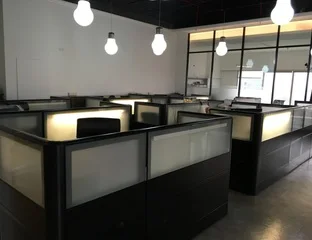
- Trading Company
- Taiwan, China
- Lead time25 days
- Avg. response≤ 1h
Main productsLCD/LED Monitor,LED/LCD TV,Touch Screen,Tablet PC,Smart/Sport Watch
Main marketsEastern Europe(15.0%), Mid East(10.0%), North America(10.0%), Southeast Asia(10.0%), Central America(10.0%), Western Europe(10.0%), South Asia(10.0%), Eastern Asia(5.0%), Northern Europe(5.0%), Africa(5.0%), Southern Europe(5.0%), Oceania(3.0%), South America(2.0%)

Quanzhou E-Best International Trade Co., Ltd.
- Verified by BV
- Trading Company
- China Fujian
- Lead time30 days
- Avg. response≤ 7h
Main productsBluetooth Speaker, Phone Case, Power Bank, Beauty Device, Portable Projector, IP Poe Camera, Mouse, Air Fryer, Razors, Wireless Headphones
Main marketsNorth America


Portable Projector Versatile Mini Projector for Home Cinema with Bluetooth Integration
$51.70 - $58.15
Moq: 20

Versatile Mini Projector for Home Cinema with Bluetooth Integration 4K Video Projector
$162.46 - $182.77
Moq: 20

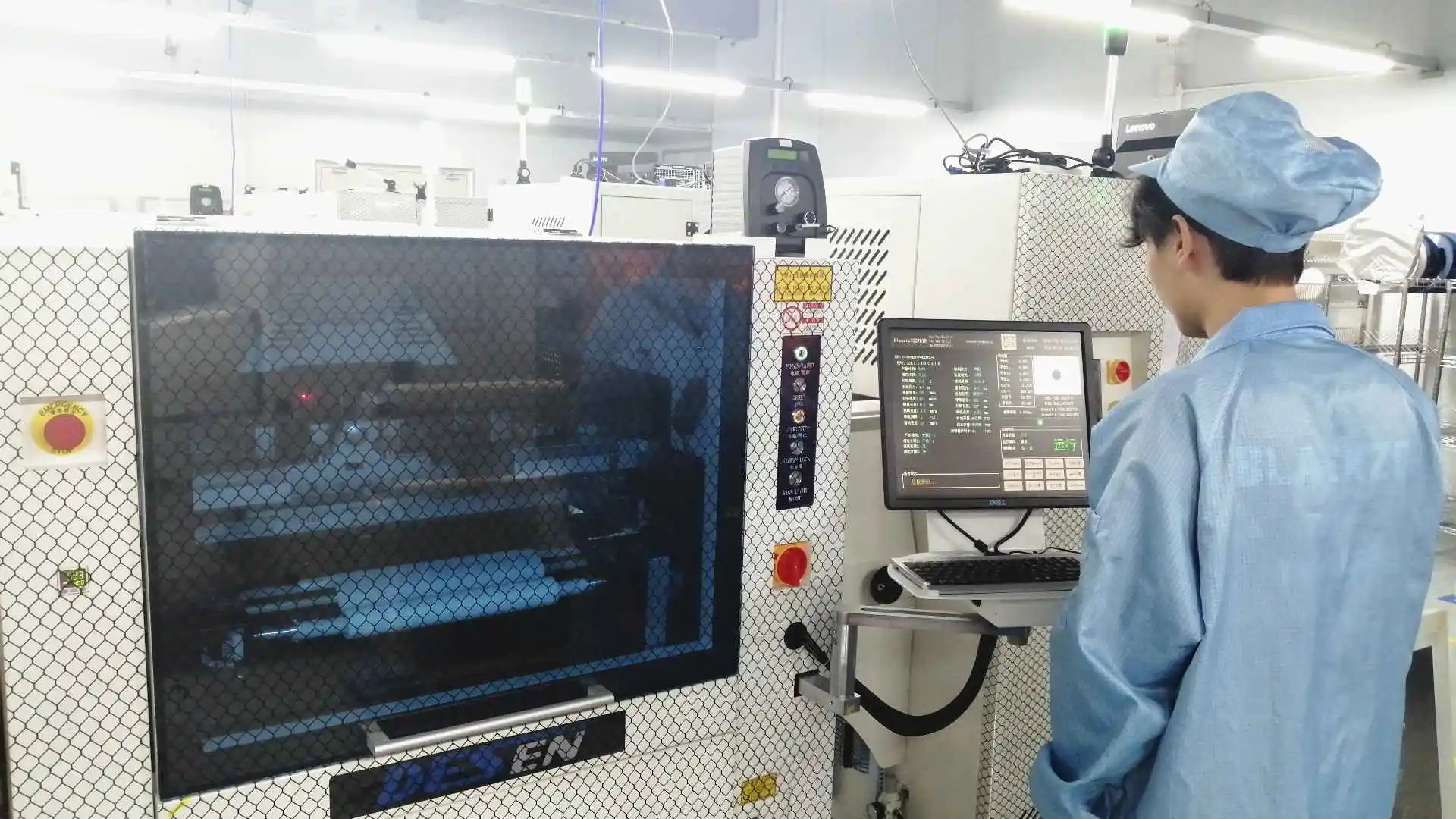
- Manufacturer, Trading Company
- Guangdong, China
- Lead time30 days
- Avg. response≤ 3h
Main productsProjectors, Connectors , Brackets, Screens, Optical Products
Main marketsNorth America(65.0%), Eastern Asia(15.0%), Western Europe(5.0%), Domestic Market(5.0%), Mid East(5.0%), Southeast Asia(5.0%)

CRE Electronic Technology Co., Limited
- Verified by CTI
- Combined
- China Hunan
- Lead time23 days
- Avg. response≤ 13h
Main productsLCD Projector, LED Projector, Projector, Portable Projector, Home Theater Projector, Mini Projector, HD Projector, Digital Projector, Multimedia Projector, Video Projector
Main marketsSouth America,East Asia(Japan/ South Korea),Europe,Australia,North America

Nanjing Windon Projection Screen Co., Ltd.
- Verified by TUVRHEINLAND
- Manufacturer/Factory
- China Guangdong
- Lead time23 days
- Avg. response≤ 2h
Main productsProjector, 4K Laser Projector, 3D Mapping, Immersive Projection, Projection Screen, Curved Frame Projection Screen, Fast Fold Projection Screen, 3D Hologram Projector, Rear Projection Film, 3D Holographic Displays
Main marketsSouth America,Eastern Europe,Mid East,North America,Southeast Asia,Eastern Asia,Oceania,Western Europe,Africa


Versatile Business Projector with High Brightness for Effective Presentations
$881.00 - $911.00
Moq: 5


Shenzhen Esaker Technology Co., Ltd.
- Verified by SGS
- Manufacturer/Factory
- China Guangdong
- Lead time15 days
- Avg. response≤ 7h
Main productsGame Console, Gaming Accessories, Phone Case, Charger, Entertainment Electronics, Game Controller, Game Box, Earphone
Main marketsSouth America,Eastern Europe,Mid East,North America,Southeast Asia,Eastern Asia,Oceania,Western Europe,Africa

Changzhou Sitan Imp. and Exp. Co., Ltd.
- Verified by BV
- Trading Company,Manufacturer/Factory
- China Jiangsu
- Lead time45 days
- Avg. response≤ 10h
Main productsFitness Equipment, Barbell Series, Resistance Bands, Agility & Speed, Yoga Ball, Massage Series, Power Rack, Weight Ball, Charging Notebook, Custom Logo Goods
Main marketsSouth America,Eastern Europe,Mid East,North America,Southeast Asia,Eastern Asia,Oceania,Western Europe,Africa

New Portable Mini Projector for Daylight Projection, Android OS 1080P Support
$278.00 - $300.00
Moq: 10

Portable Android Projector with WiFi Bluetooth, Outdoor Office Home Cinema Support 1080P
$278.00 - $300.00
Moq: 10
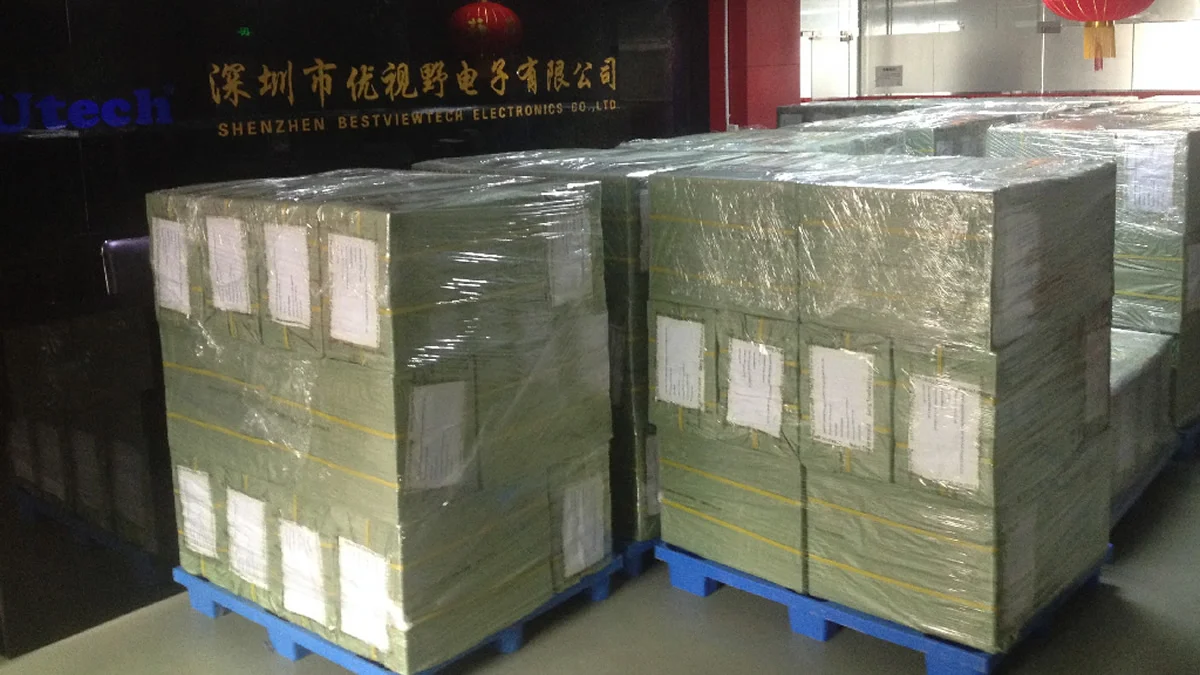
Shenzhen Bestviewtech Electronics Co., Ltd.
- Manufacturer, Trading Company, Distributor/Wholesaler
- Guangdong, China
- Lead time7 days
- Avg. response≤ 2h
Main productslaptops,windows tablet pc,Android tablet pc,advisement player,3D holographic advertising machine
Main marketsNorth America(20.0%), Western Europe(17.0%), Eastern Europe(12.0%), Mid East(8.0%), Eastern Asia(8.0%), Africa(6.0%), Domestic Market(6.0%), South America(5.0%), Oceania(4.0%), South Asia(4.0%), Southern Europe(3.0%), Northern Europe(3.0%), Central America(2.0%), Southeast Asia(2.0%)

Shenzhen Ouxiang Electronics Co., Ltd.
- Verified by TUVRHEINLAND
- Manufacturer/Factory
- China Guangdong
- Lead time23 days
- Avg. response≤ 6h
Main productsG Smart Helmet Camera, 4G Dash Camera, DC Charge Controller, Tactical Helmet Camera, Ar Smart Helmet Camera, 4G Mobile DVR, Law Enforcement Bodycam
Main marketsSouth America,Eastern Europe,Mid East,North America,Southeast Asia,Eastern Asia,Western Europe,Africa
Shenzhen Qianbao Technology Co., Ltd.
- Trading Company
- Guangzhou, China
- Lead time7 days
- Avg. response≤ 12h
Main productsGraphic card,CPU,Motherboard,Cooling plate,Fans
Main marketsNorth America(20.0%), Northern Europe(10.0%), Domestic Market(10.0%), Eastern Europe(10.0%), Mid East(10.0%), Western Europe(8.0%), Southern Europe(8.0%), Southeast Asia(5.0%), South America(5.0%), Eastern Asia(5.0%), Central America(3.0%), Africa(2.0%), South Asia(2.0%), Oceania(2.0%)
Shenzhen Hisone Technology Co., Ltd.
- Manufacturer
- Guangdong, China
- Lead time15 days
- Avg. response≤ 2h
Main productsMagnetic Power Bank,Power Bank,Wireless Charger,USB Cable,Phone Case
Main marketsSoutheast Asia(80.0%), Mid East(3.0%), South America(3.0%), South Asia(2.0%), Central America(2.0%), North America(2.0%), Domestic Market(1.0%), Oceania(1.0%), Southern Europe(1.0%), Northern Europe(1.0%), Africa(1.0%), Western Europe(1.0%), Eastern Asia(1.0%), Eastern Europe(1.0%)




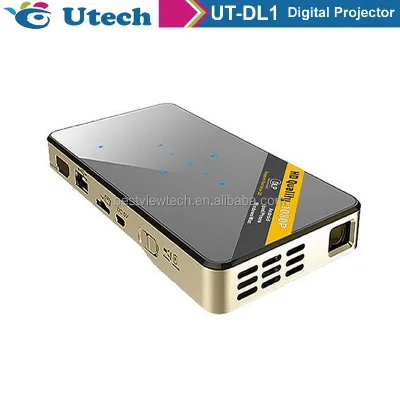
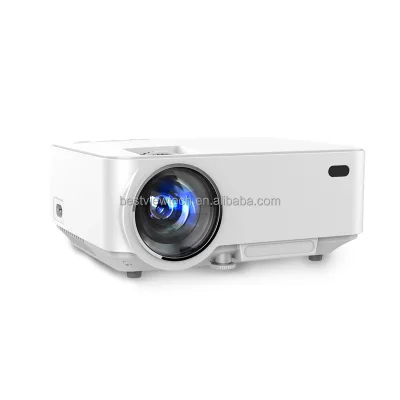
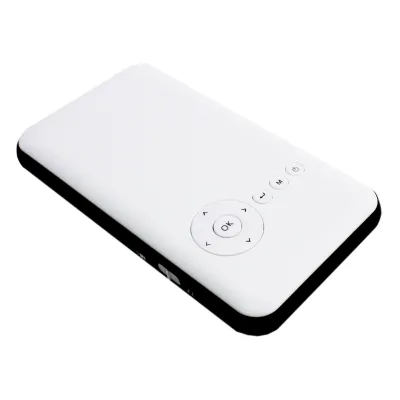




Comprehensive Sourcing Guide
Portable Mini Projector for Business and Education Supplier Concentration and Factory Types
Current data indicates a concentration of manufacturers and factories located in China Guangdong, specializing in smart wearable devices and electronics mobile accessories alongside portable projector solutions. These entities often hold ISO 9000, ISO 9001, ISO 14001, ISO 14000, and ISO 50001 certifications, suggesting a structured approach to quality management and environmental standards within their production lines. Buyers seeking custom development services will find suppliers in this region offering OEM, ODM, and own-brand capabilities, with specific mentions of providing customized development for new product services. This cluster appears to support a wide range of product types, including overhead projectors and portable mini projectors designed for business, teaching, theater, and home usage.
In contrast, other sourcing options include trading companies based in China Zhejiang and China Anhui, which may offer different product mixes such as notebook computers, drones, or commercial refrigeration units alongside projector inventory. These trading entities often display verification badges like SGS and may provide faster response times compared to some manufacturing counterparts, though their primary focus might not be deep manufacturing expertise. When evaluating supplier types, buyers should distinguish between direct factories that control the production process and trading companies that aggregate products from various sources. The presence of specific product attributes, such as LCD working principles or specific resolution capabilities like 1080P, helps identify whether a supplier is a specialized manufacturer or a generalist trader.
How to Verify Portable Mini Projector for Business and Education Suppliers
Verification processes should begin by examining the specific system certifications listed in supplier profiles, such as ISO 9001 or ISO 14001, which indicate adherence to international quality and environmental standards. For suppliers in China Guangdong, the presence of these certifications alongside a manufacturer factory type suggests a higher likelihood of consistent production quality. Buyers must also check for third-party verification badges like SGS, which are explicitly noted for certain trading companies in China Zhejiang. It is critical to confirm that the listed certifications match the specific product category, as a supplier might hold general ISO standards but lack specific testing for optical devices or electronic safety.
Response time metrics provide another layer of verification regarding supplier reliability and operational efficiency. Data shows response times varying significantly, with some suppliers averaging around 1.41 hours while others may take over 8 hours. A faster response time often correlates with a more active sales team and better communication channels, which is vital for resolving technical queries about projector specifications like brightness or resolution. Buyers should also scrutinize the product evidence provided, ensuring that details such as working principles, customization availability, and specific model numbers like GX or T500 are clearly documented. This evidence serves as a proxy for the supplier's ability to provide accurate technical data and support future inquiries.
What to Compare Across Portable Mini Projector for Business and Education Suppliers
When comparing suppliers, lead time is a critical dimension that directly impacts project scheduling and inventory planning. Available data reveals lead times ranging from 15 days to 30 days, with some suppliers offering expedited options while others adhere to standard production cycles. Buyers must align these timelines with their specific business needs, especially for education projects requiring deployment before the academic term begins. Additionally, the Minimum Order Quantity (MOQ) varies significantly, with some suppliers accepting orders as low as one unit, while others require bulk purchases of 500 units. This disparity allows buyers to choose between flexible trial orders and cost-effective bulk sourcing strategies depending on their budget and volume requirements.
Price and product specifications form another essential comparison point, with unit costs ranging from approximately $23 to $300 depending on features and resolution. Suppliers offering high-brightness projectors with native 1080P resolution and auto-focus capabilities command higher price points compared to basic models with lower resolutions like 240p. Buyers should evaluate the trade-off between cost and functionality, ensuring that the selected projector meets the specific lighting conditions of the intended venue, whether it is a classroom, conference room, or outdoor event. Furthermore, the availability of customization services, such as logo printing or specific packing requirements, should be compared across suppliers to determine which partner offers the best value for branded or tailored solutions.
Common Portable Mini Projector for Business and Education Sourcing Risks
One significant risk involves the discrepancy between advertised specifications and actual product performance, particularly regarding brightness and resolution. Some product listings indicate brightness levels below 1500 lumens or resolutions as low as 240p, which may be insufficient for professional business presentations or well-lit educational environments. Buyers must verify these claims against independent test results or request sample units before committing to large orders. The presence of generic terms like "High Brightness" without specific lumen counts can lead to misunderstandings about the projector's suitability for specific use cases, potentially resulting in poor visibility and customer dissatisfaction.
Another risk relates to the consistency of supply and the ability to scale production without compromising quality. Suppliers with high response times or those located in regions with less established manufacturing clusters may face delays or quality control issues. The variation in lead times, from 15 to 30 days, suggests that production capacity is not uniform across all suppliers. Buyers should assess the supplier's capacity for OEM and ODM services to ensure they can handle volume increases if the initial order is successful. Additionally, the lack of specific certifications for certain suppliers, indicated by "NIL" in some profiles, raises concerns about compliance with international safety and quality standards, which could lead to regulatory hurdles or product recalls.
Portable Mini Projector for Business and Education Regional Sourcing and Logistics
Sourcing from China Guangdong offers access to a robust manufacturing ecosystem with established supply chains for electronics and smart devices. Suppliers in this region often provide detailed product attributes, including specific packing dimensions and weights, which facilitate accurate logistics planning. The presence of manufacturers with ISO certifications suggests a mature infrastructure capable of handling complex export requirements. Buyers should consider the proximity of these factories to major ports, which can reduce shipping costs and transit times for bulk orders. The ability to customize products locally also allows for quicker adjustments to packaging or labeling requirements based on destination market regulations.
In contrast, sourcing from China Zhejiang or China Anhui may involve different logistical considerations, particularly for trading companies that aggregate products from multiple sources. These regions might offer faster response times but could have longer lead times for custom manufacturing due to reliance on external factories. Buyers need to verify the origin of products, as some listings indicate origins like "Shengzheng" or "China" without specific city details, which can complicate customs clearance and shipping documentation. Understanding the regional strengths and weaknesses helps buyers optimize their supply chain strategy, balancing the benefits of direct factory access against the flexibility of trading company networks.
Portable Mini Projector for Business and Education Commercial Terms and Order Planning
Commercial terms regarding payment and order planning must be carefully negotiated to mitigate financial risks and ensure smooth transaction execution. Buyers should clarify the payment structure, including any requirements for escrow services or deposit percentages, to protect against non-delivery or quality disputes. The variation in MOQs, from single units to 500-unit batches, allows for flexible order planning, but buyers must calculate the total cost of ownership, including shipping and potential tariffs, to determine the most economical approach. Understanding the lead time variations is crucial for aligning order placement with project deadlines, ensuring that products arrive in time for business or educational events.
Order planning should also account for the specific product attributes and customization options available from each supplier. For instance, suppliers offering auto-focus and keystone correction features may require different production timelines compared to manual models. Buyers should confirm the availability of spare parts and after-sales support, especially for high-volume orders where maintenance is critical. The ability to customize packing and branding is another factor that influences order planning, as it may require additional time for design approval and production setup. By thoroughly reviewing these commercial terms and planning for potential delays, buyers can establish a reliable supply chain that meets their operational needs.
FAQs
What is the typical lead time for portable mini projectors?
The typical lead time for portable mini projectors is 30 days based on current supplier data. Some suppliers offer faster delivery with a 15-day lead time. Buyers should verify specific timelines with manufacturers before placing orders to ensure timely project completion.
Are these projectors available for custom development and branding?
Yes, many suppliers support custom development and offer OEM or ODM services. Some manufacturers provide customized development of new product services and allow branding under your own name. Buyers should confirm specific customization options and minimum order quantities directly with the factory.
What certifications do the projector manufacturers hold?
Several manufacturers hold ISO 9000, ISO 9001, ISO 14001, ISO 14000, and ISO 50001 certifications. These standards indicate quality management and environmental compliance. Buyers should request valid certificates from suppliers to ensure the products meet international safety and quality requirements for business use.
What is the minimum order quantity for these projectors?
Minimum order quantities vary significantly among suppliers. Some accept orders as low as one unit, while others require a minimum of 500 units. Buyers must check the specific MOQ for each product model to align with their procurement volume and budget constraints effectively.
Where are the portable projector manufacturers located?
Manufacturers are primarily located in China, specifically in Guangdong, Zhejiang, and Anhui provinces. Shenzhen is a common origin for many projector models. Buyers should verify the exact location to assess shipping costs and logistics capabilities for their specific business needs.
How quickly do suppliers typically respond to inquiries?
Response times vary, with some suppliers responding within 1.41 hours and others taking up to 9.12 hours. Faster response times often indicate higher availability and better customer service. Buyers should prioritize suppliers with quicker response rates for urgent project requirements.
What is the price range for portable mini projectors?
Prices range from approximately 23 dollars to 300 dollars depending on specifications and features. Basic models for kids start lower, while high-lumen business projectors cost more. Buyers should compare specific product attributes to find the best value within their budget.