Reusable Silicone Food Covers Suppliers and Manufacturers
Source Reusable Silicone Food Covers from 30 verified suppliers in Guangdong and Fujian, China. Compare key dimensions including FDA and LFGB certifications, lead times, and MOQs. Contact suppliers directly to request samples and confirm pricing; review the available evidence before requesting comparable quotations from suitable candidates.
Updated
Suppliers List
Shenzhen Miaomiao Household Products Co., Ltd.
- Manufacturer, Trading Company
- Guangdong, China
- Lead time15 days
- Avg. response≤ 3h
Main productsFood Spoon,Food Pick For Kids,Lunch Box,Food Picks,Water Bottles
Main marketsNorth America(20.00%), Eastern Europe(15.00%), South America(15.00%), South Asia(5.00%), Southern Europe(5.00%), Northern Europe(5.00%), Central America(5.00%), Western Europe(5.00%), Eastern Asia(5.00%), Mid East(5.00%), Oceania(5.00%), Africa(5.00%), Southeast Asia(5.00%)
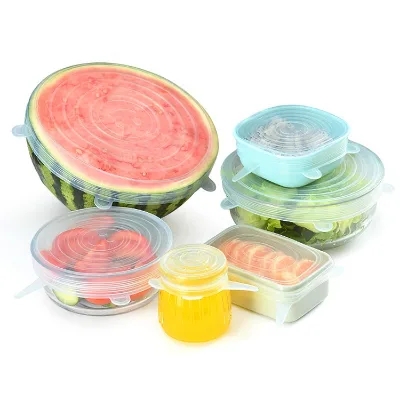
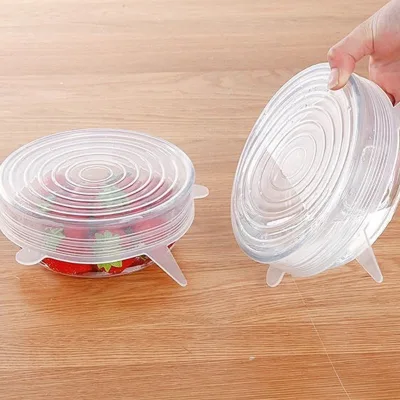
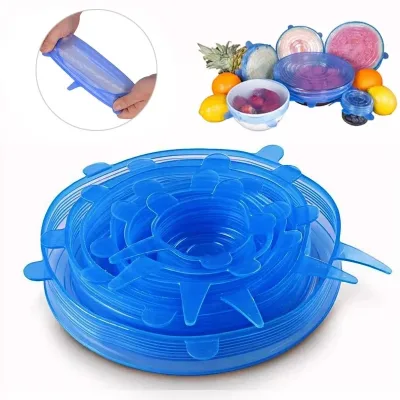
Food Grade Silicone Lid Cover Stretch Durable Reusable Food Storage Covers
$1.99 - $2.99
MOQ: 500 sets
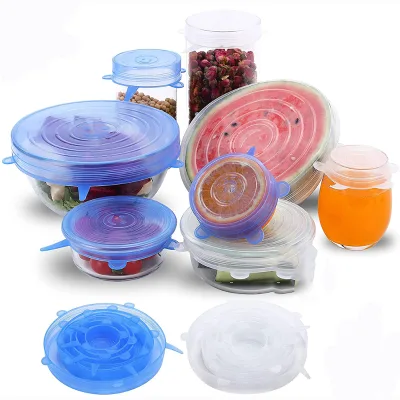
$1.1788 - $1.3329
MOQ: 300 sets

- Verified by SGS
- Combined
- China Fujian
- Lead time15 days
- Avg. response≤ 1h
Main productsSilicone Keypad, Silicone Toy, Silicone Band, Silicone Pipe, Silicone Mouthguard, Silicone Handle
Main marketsAfrica

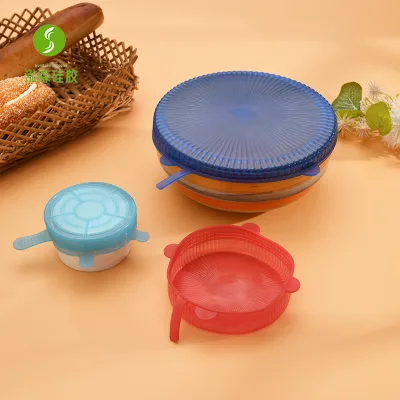
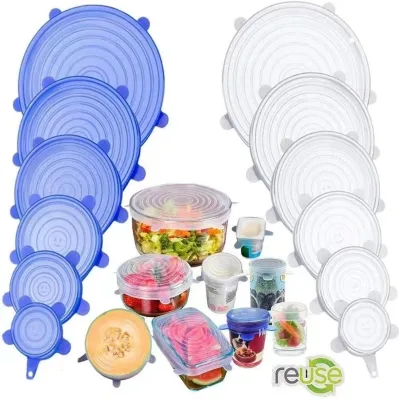
Reusable Silicone Food Covers for Eco-Friendly Kitchen Storage Solutions
$0.50 - $1.50
MOQ: 1000 Pieces


Xiamen Flying Silicone Rubber Co., Ltd.
- Verified by TUVRHEINLAND
- Trading Company,Manufacturer/Factory
- China Fujian
- Lead time23 days
- Avg. response≤ 12h
Main productsSilicone Rubber Auto Parts, Silicone Rubber Keypad, Silicone Rubber Gasket, Silicone Rubber O-Ring, Silicone Rubber Valve, Silicone Rubber Kitchenware, Plastic Injection Parts, Silicone Rubber Gifts, Silicone Medical Accessories, LSR Baby Care
Main marketsSouth America,Eastern Europe,North America,Southeast Asia,Western Europe


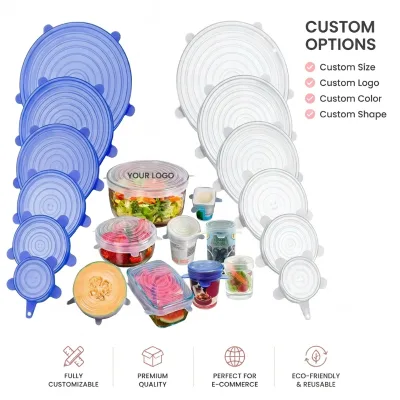
Universal Keeping Food Fresh Heat Resistant Expandable Reusable Silicone Covers
$0.25 - $1.466
MOQ: 500 Sets

Shenzhen Ai Industry Co., Limited
- Manufacturer
- Guangdong, China
- Lead time7 days
- Avg. response≤ 5h
Main productssilicone valve,3m adhesive silicone bumper,medical silicone products,silicone rubber keypad,LSR silicone injection parts
Main marketsSouth America(30.00%), North America(20.00%), Eastern Europe(15.00%), Northern Europe(10.00%)

Zhongshan Mingxin Silicone Manufactory
- Verified by SGS
- Combined
- China Guangdong
- Lead time15 days
- Avg. response≤ 5h
Main productsSilicone Kitchenware, Silicone Keypaid, Silicone Bracelet, Silicone Wristband, Silicone Ashtray, Silicone Tube, Silicone Watch, Silicone Rubber, Silicone Sex Doll, Silicone Mold
Main marketsEurope,North America

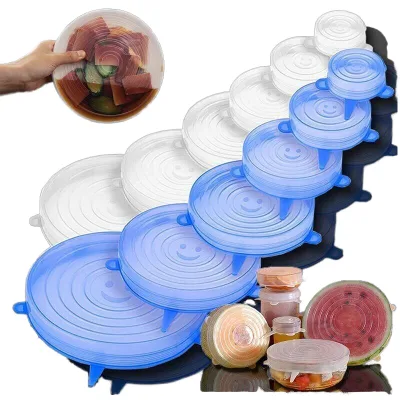
Kitchenware Reusable Silicone Food Covers Lids Silicone Stretch Lids Cover
$0.90 - $1.21
MOQ: 500 Pieces

Reusable Food Grade Silicone Suction Seal Lid Covers for Pots, Pans, Bowls, Cups
$5.70 - $6.10
MOQ: 50 Sets
Xiamen Hands Chain Silicone Co., Ltd.
- Verified by TüVRheinland
- Manufacturer, Trading Company
- Lead time20 days
- Avg. response≤ 2h
Main productsSilicone Products
Main marketsNorth America(25%), Eastern Europe(25%), South America(15%)

Ningbo Two Birds Industry Co., Ltd.
- Verified by BV
- Trading Company,Manufacturer/Factory
- China Zhejiang
- Lead time45 days
- Avg. response≤ 6h
Main productsCosmetic & Makeup Items, Cleaning Tool, Pet Supplies, Bathroom Products, Bags, Kitchen Accessories, Hair Accessories, Home Textile, Consumable Items, Home Storage
Main marketsSouth America,Eastern Europe,Mid East,North America,Southeast Asia,Eastern Asia,Oceania,Western Europe,Africa

Reusable Universal Durable Flexible Silicone Stretch Lids Silicone Suction Lid Food Covers
$1.10 - $1.35
MOQ: 6000 Sets

BPA Free Silicone Food and Fruit Hugger Silicone Stretch Lids Reusable Food Sealed Covers Lid
$1.03 - $1.25
MOQ: 6000 Sets

- Trading Company
- China Zhejiang
- Lead time0 days
- Avg. response≤ 9h
Main productsHousehold, Personal Care, Kitchenware, Fitness, Car Items, Tools, Health Care, Paint Brush, Magic Mesh, Beauty


Fresh Keeping Lid Food Grade Silicone Fresh Cover Transparent Reusable Sealed Lids
$1.57 - $1.59
MOQ: 200 Sets
Linhai Lvyin Silicone Technology Co., Ltd.
- Verified by Intertek
- Manufacturer, Trading Company
- Lead time0 days
- Avg. response≤ 2h
Main productsSilicone Insulation Pad, Silicone Drain Mat, Silicone Ice Mold, Silicone Dishwashing Brush, Silicone Countertop
Main marketsDomestic Market(65%), Western Europe(15%), Eastern Asia(5%)
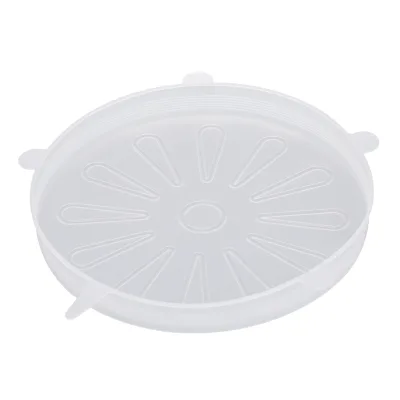
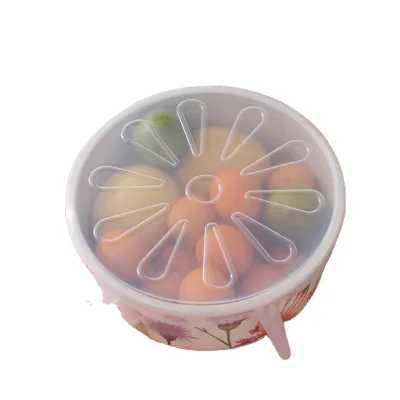
$0.0931 - $0.4563
MOQ: 100 Minimum
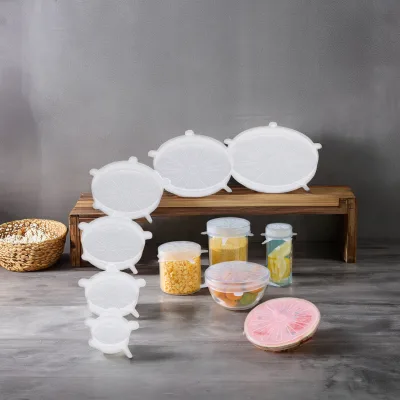
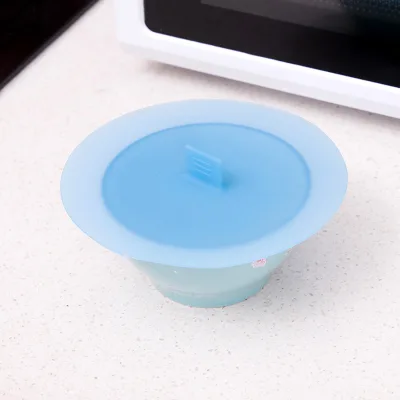
Dongguan Jinbaolai Rubber And Plastic Hardware Products Co., Ltd.
- Manufacturer, Trading Company
- Guangdong, China
- Lead time15 days
- Avg. response≤ 7h
Main productsSilicone and Rubber Product,Sports Training Sticker,Emotion Relief Product,OEM/ODM Card
Main marketsCentral America(30.00%), North America(30.00%), Northern Europe(10.00%), Domestic Market(5.00%), South Asia(5.00%), Western Europe(5.00%), Africa(5.00%), Eastern Europe(2.00%), South America(2.00%)

Shanghai Runzi Rubber And Plastic Co., Ltd.
- Verified by SGS
- Trading Company
- China Shanghai
- Lead time23 days
- Avg. response≤ 5h
Main productsSilicone Rubber Sheets, Silicone Foam Tubes, Rubber Sheets, Cow Mat/Horse Mat/Pig Mat, EPDM Rubber Sheets, Viton Rubber Sheets, Silicone Rubber Profiles, PVC Sheet Curtain
Main marketsSoutheast Asia/ Mideast,Europe,North America

NanChang Sunflower Silicone Rubber Co. Ltd
- Verified by TUVRHEINLAND
- Trading Company
- China Jiangxi
- Lead time15 days
- Avg. response≤ 5h
Main productsSex Toy, Watch, Phone Case, Kitchenware, Gift
Main marketsOthers(foreignTradeCapacity.exportBusinessCapacityMarketOther)

Quanzhou Shengda Rubber Products Co., Ltd.
- Verified by TUVRHEINLAND
- Combined
- China Fujian
- Lead time15 days
- Avg. response≤ 3h
Main productsO Ring, Toilet Seat Hinge Top Fix Rubber Well Nut, Rubber Seal, Silicone Gasket, Silicone Washer
Main marketsEurope
Shenzhen Hafly Technology Co., Ltd.
- Verified by SGS Group
- Manufacturer, Trading Company
- Lead time15 days
- Avg. response≤ 2h
Main productsKitchen Ware, Baby Products, Table Ware, Travel Silicone Products, Personal Care
Main marketsNorth America(26%), Western Europe(24%), Northern Europe(12%)
- Verified by TüVRheinland
- Trading Company
- Lead time15 days
- Avg. response≤ 4h
Main productsHouseware, Pet Products, Toys
Main marketsNorth America(30%), Eastern Europe(13%), Mid East(12%)
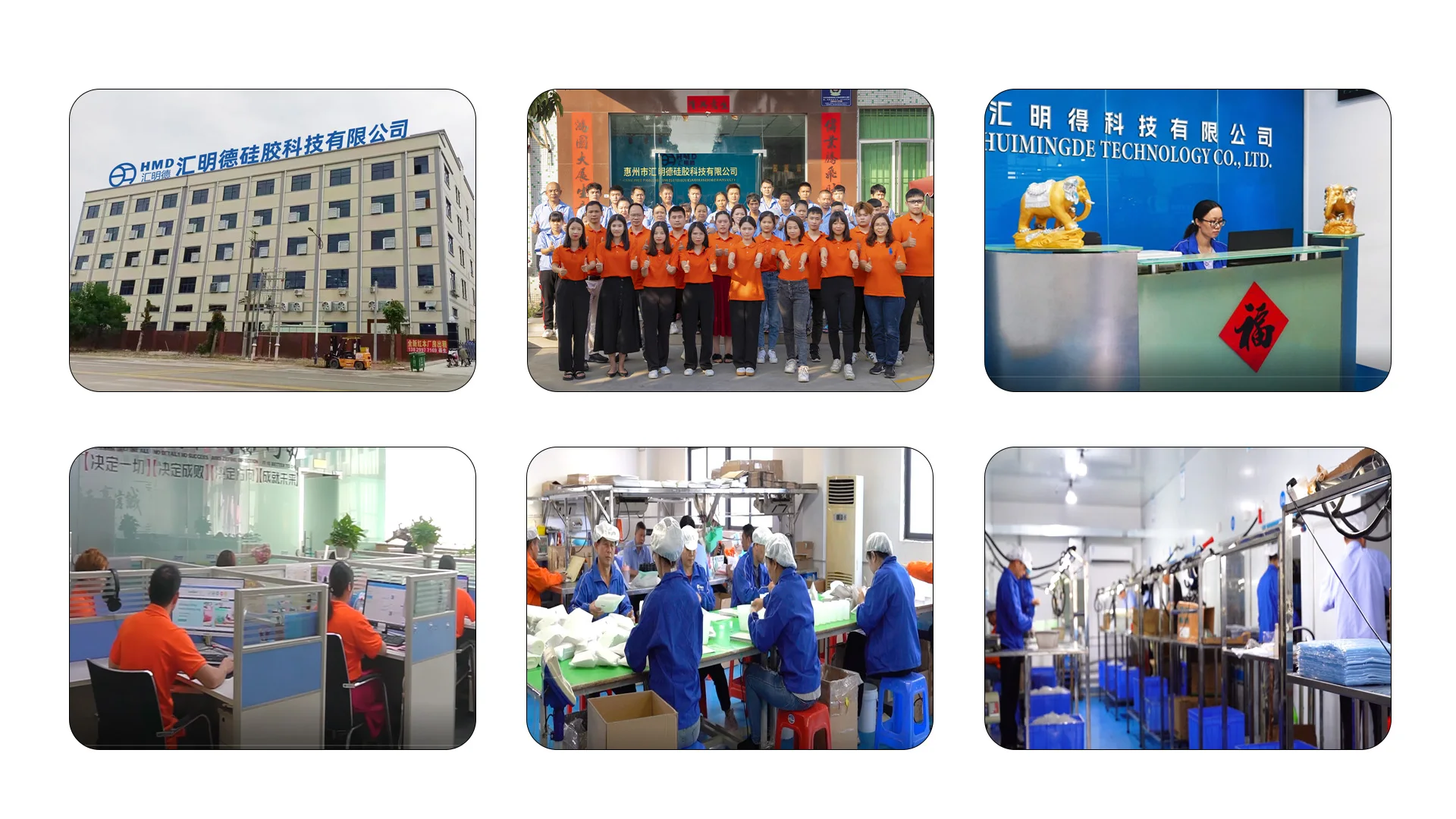
Huizhou Huimingde Silicone Technology Co., Ltd.
- Manufacturer, Trading Company
- Guangdong, China
- Lead time15 days
- Avg. response≤ 4h
Main productsSilicone Straw Brush,Silicone Bag,Silicone bottle brush,Silicone milk bags,Silicone Straws
Main marketsNorth America(40.00%), Eastern Europe(30.00%), South America(15.00%), South Asia(10.00%), Eastern Asia(5.00%)
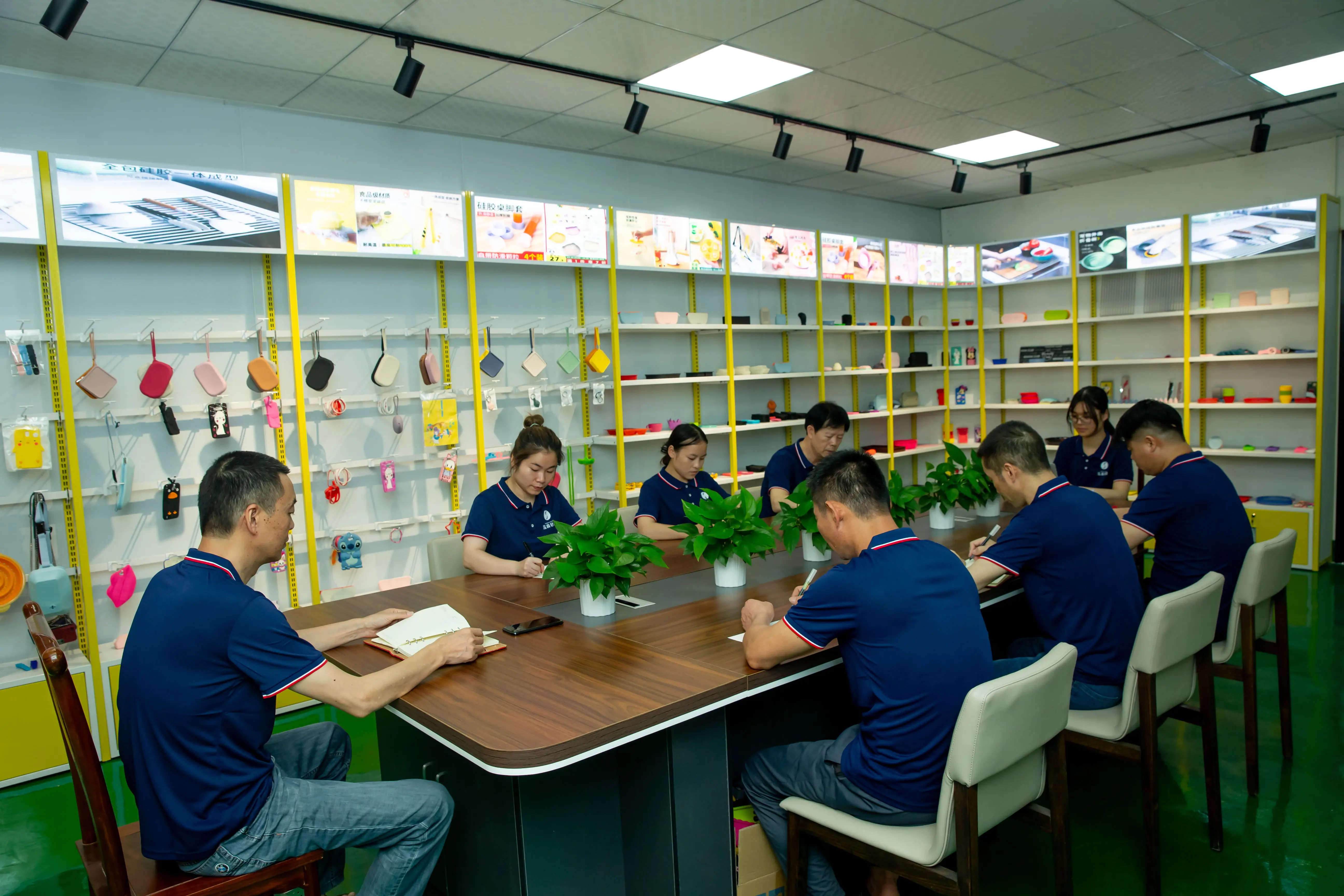
Dongguan Hongsen Silicone Products Co., Ltd.
- Manufacturer
- Guangdong, China
- Lead time15 days
- Avg. response≤ 5h
Main productsSilicone Cosmetic Bag, Silicone Utensil, Silicone Box, Silicone Ice Mold, Silicone Baking Molds
Main marketsDomestic Market(40.00%), North America(30.00%), Eastern Asia(10.00%), Western Europe(7.00%), Oceania(5.00%), Southeast Asia(4.00%), Southern Europe(2.00%), Northern Europe(2.00%)

Dongguan Chengda Rubber and Plastic Co., Ltd
- Verified by SGS
- Trading Company,Manufacturer/Factory
- China Guangdong
- Lead time23 days
- Avg. response≤ 4h
Main productsSilicone Products, Machnie Part, Silicone Gifts, Silicone Bag, Medicial Products, Silicone Bra, Custom Silicone Product, Silicone Toy
Main marketsEastern Europe

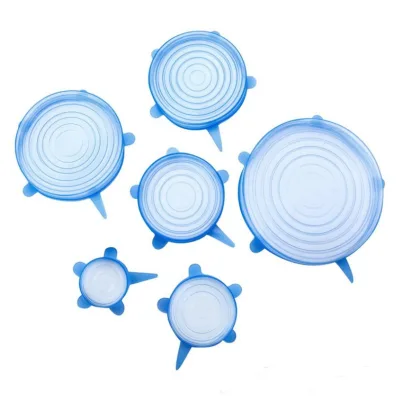
4 Sizes Food Grade Microwave Safe Silicon Food Cover Silicone Stretch Lids
$1.35 - $1.60
MOQ: 10 Pieces

Hot Sale Reusable Elastic Silicon Stretch Lid, Silicone Food Cover Stretchable Food Wrap
$1.35 - $1.60
MOQ: 10 Pieces

4 Set Different Sizes Silicone Lid Covers - Microwave Silicone Pot Cover, Bowl Cover, Cup Cover
$4.50 - $4.90
MOQ: 10 Sets

Various Silicone Stretch Bowl Cover Elastic Silicone Cup Lid High Stretch Silicone Wrap Seal Cover
$1.35 - $1.60
MOQ: 10 Pieces
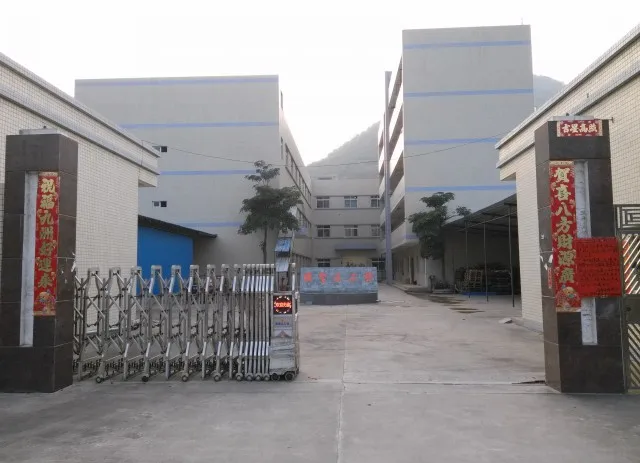
Guangzhou Maiduo Gifts Co., Ltd.
- Manufacturer, Trading Company
- Guangdong, China
- Lead time10 days
- Avg. response≤ 2h
Main productsFashion jewelry,Identification bracelet,pet items,other gifts,custom service
Main marketsSouth America(30.00%), Eastern Europe(25.00%), Western Europe(25.00%), Southern Europe(10.00%), North America(10.00%)
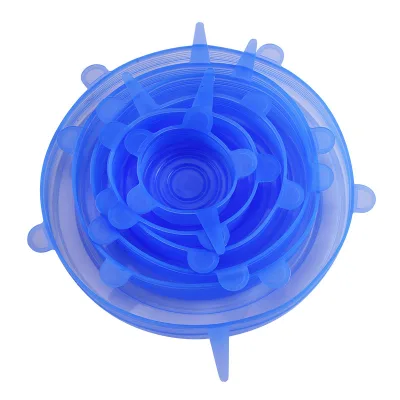
$0.66 - $0.90
MOQ: 50 Minimum

Zhongshan Xinyuan Silicone Rubber Co. Ltd
- Verified by TUVRHEINLAND
- Combined
- China Guangdong
- Lead time15 days
- Avg. response≤ 2h
Main productsSilicone Mold, Silicone Ice Cube Tray, Silicone Wristband, Silicone Tea Infuser, Silicone Bakeware, Silicone Keychain, Silicone Cup Coaster, Silicone Bag
Main marketsSouth America,Southeast Asia/ Mideast,Domestic,Europe,North America


BPA Free Food Grade Silicone Lids Reusable Suction Seal Covers for Bowls
$0.10 - $0.50
MOQ: 100 Pieces


Xinxiang Hongqi District Huafeiwu Import And Export Trade Co., Ltd.
- Trading Company
- Henan, China
- Lead time0 days
- Avg. response≤ 4h
Main productsHome decor,Kitchenware,Garden Supplies
Main marketsSoutheast Asia(20.00%), Mid East(20.00%), South Asia(20.00%), Africa(10.00%), Eastern Asia(10.00%), Northern Europe(10.00%), Domestic Market(10.00%)
$0.2304 - $0.3142
MOQ: 100 sets

- Verified by BV
- Trading Company,Manufacturer/Factory,Group Corporation
- China Shandong
- Lead time0 days
- Avg. response≤ 3h
Main productsAwning, Pergola, Sunshade, Outdoor Product, Mop, Gazebos, Canopy, Fences, Retractable Awning
Main marketsSouth America,Eastern Europe,Mid East,North America,Southeast Asia,Eastern Asia,Oceania,Western Europe,Africa


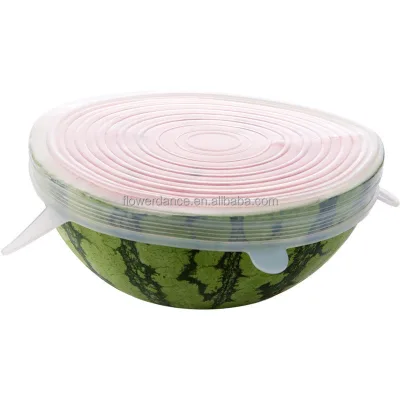
Food Keep Fresh Disposable PE Elastic Food Storage Covers Reusable Stretch Plastic Wrap Bowl Covers
$0.30 - $0.40
MOQ: 100 Bags
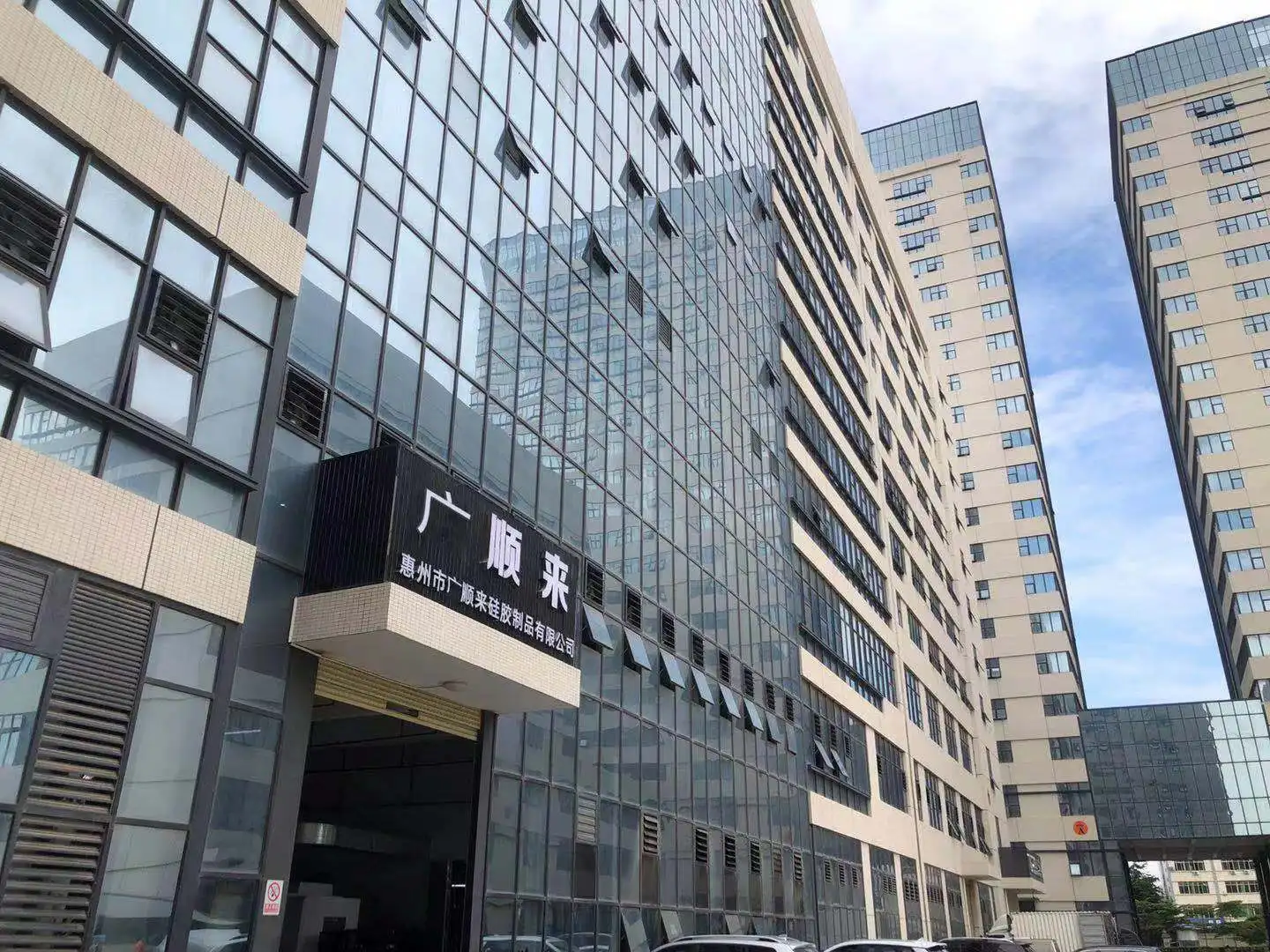
Huizhou Guangshunlai Industrial Co., Ltd.
- Trading Company
- Guangdong, China
- Lead time0 days
- Avg. response≤ 2h
Main productssilicone washing gloves,silicone cake mold,silicone ice cube tray,silicone bakeware,silicone kitchen accessories
Main marketsNorthern Europe(30.00%), North America(30.00%), Western Europe(10.00%), South America(5.00%), Eastern Europe(5.00%)
E-Great (Nanjing) Import & Export Co., Ltd.
- Trading Company
- Jiangsu, China
- Lead time5 days
- Avg. response≤ 11h
Main productsSilicone baking mats,BBQ grill mats,Silicone Products,Silicone pastry mat,Oven liner
Main marketsEastern Europe(20.00%), Western Europe(20.00%), North America(20.00%), Northern Europe(10.00%), South America(10.00%), Mid East(10.00%), Africa(10.00%)
Guangdong Bao Hua Xin Technology Co., Ltd.
- Manufacturer, Trading Company
- Guangdong, China
- Lead time15 days
- Avg. response≤ 1h
Main productsSilicone Kitchenware, Silicone Home Goods, Silicone Bathroom Accessories, Silicone Tablet Cases, Custom Silicone Products
Main marketsSouth America(10.00%), Mid East(5.00%), Western Europe(5.00%), Central America(5.00%), Southern Europe(5.00%)

Hangzhou Bright Rubber Plastic Product Co., Ltd.
- Verified by TUVRHEINLAND
- Manufacturer/Factory
- China Zhejiang
- Lead time15 days
- Avg. response≤ 3h
Main productsCustom EPDM/NBR/Silicone Rubber Molding Parts, Custom Nylon/ABS Plastic Injection Molding Parts, Silicone Extrusion Profiles/Tube/Strip, Spong Silicone Extrusion Profiles/Tube/Strip, Rubber Extrusion Profiles/Sealing/Tube/Strip, Rubber Bumper/Shock Absorber/Buffer/Damper, Rubber Seal/Gasket/Ring/O-Ring/Base, Rubber Cushion/Grommet/Bushing/Spacer/Hose/Grip, Plastic Extrusion Profiles/Sealing/Tube/Strip, Metal Parts
Main marketsSouth America,Eastern Europe,Mid East,North America,Southeast Asia,Eastern Asia,Oceania,Western Europe,Africa
Jiangmen Jialilong Silicone And Rubber Product Factory
- Verified by Intertek
- Manufacturer, Trading Company
- Lead time10 days
- Avg. response≤ 3h
Main productsSilicone Box, Silicone Kitchenware, Silicone Baby Product, Silicone Outdoor Collapsible Cups, Silicone Bakeware & Ice Moulds
Main marketsDomestic Market(21%), North America(15%), Southeast Asia(12%)
Dongguan Hugebirds Electronic Co., Ltd.
- Verified by Intertek
- Manufacturer, Trading Company
- Lead time15 days
- Avg. response≤ 4h
Main productsSilicone Kitchenware Products, Silicone Ice Cube Trays, Silicone Bakeware Products, Silicone Pet Products, Silicone Baby Products
Main marketsNorth America(75%), Eastern Europe(5%), South America(5%)

Yancheng JY Industrial Technology Co., Ltd.
- Verified by SGS
- Manufacturer/Factory
- China Jiangsu
- Lead time0 days
- Avg. response≤ 3h
Main productsSafety Shoes, Food Grade Silicone Kitchenware, Steel Toe Caps, Protective Vest Protective Helmet, High-Temperature Steam Cleaner Shoe Washer

Jy02various Kinds Cute Silicone Dustproof Cup Covers Reusable Water Cup Lid
$0.75 - $0.90
MOQ: 100 Pieces

Jy02 Food Grade Silicone Cup Lid Customized Silicone Cup Covers Dustproof Cup Lid
$0.75 - $0.90
MOQ: 100 Pieces
Wuyi Jucheng Industry And Trade Co., Ltd.
- Verified by TüVRheinland
- Manufacturer, Trading Company
- Lead time30 days
- Avg. response≤ 4h
Main productsSilicone Lunch Box, Silicone Mold, Silicone Tool, Baby Product, Pet Product
Main marketsWestern Europe(25%), Domestic Market(20%), North America(15%)




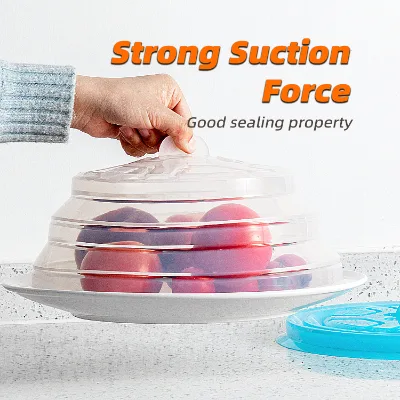
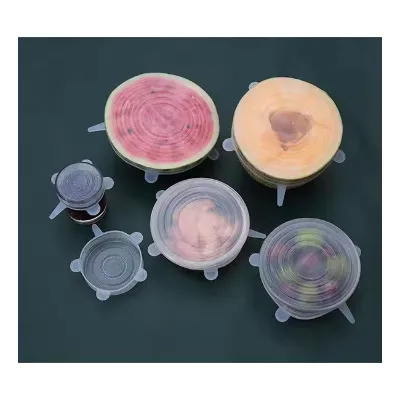
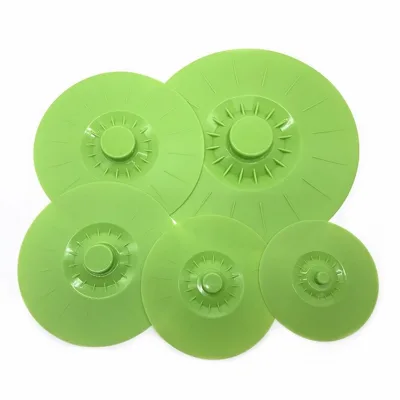
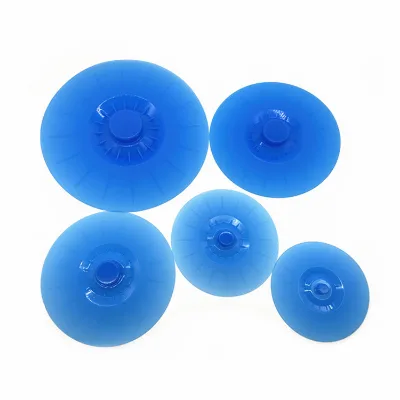
Comprehensive Sourcing Guide
Reusable Silicone Food Covers Supplier Concentration and Factory Types
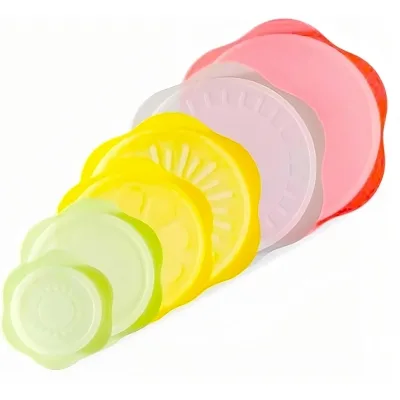
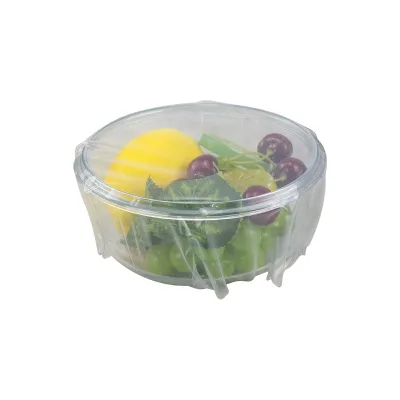
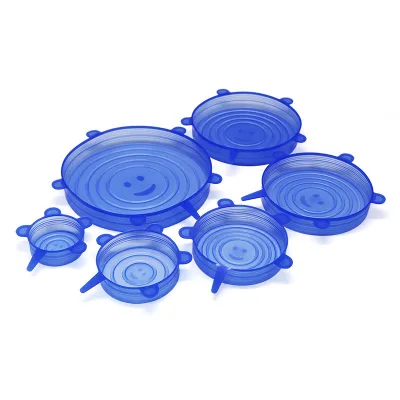
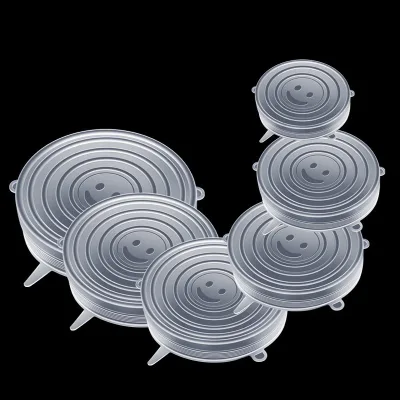
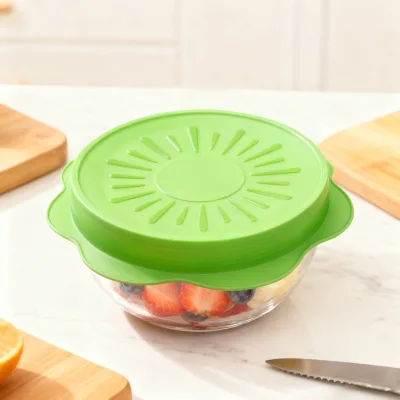
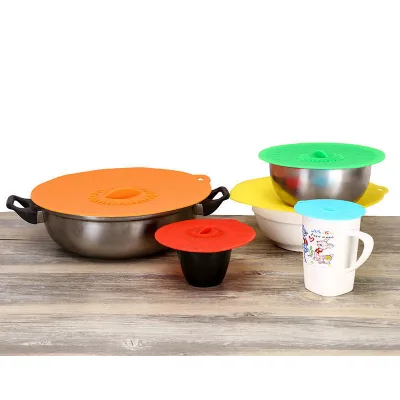
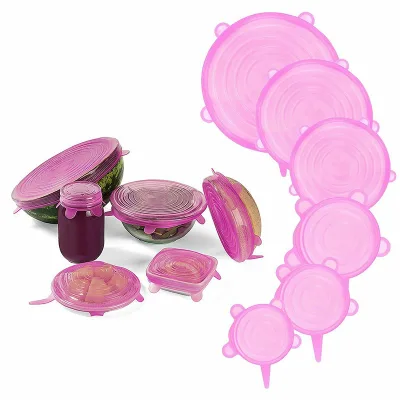
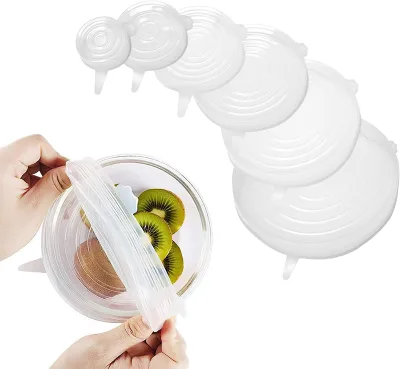
The current supplier landscape for Reusable Silicone Food Covers reveals a distinct geographic concentration in Guangdong, China, which serves as a primary manufacturing hub for these specific kitchenware items. This region is well-established for producing food-grade silicone products, leveraging its robust supply chain infrastructure to support both large-scale production and rapid prototyping. Buyers evaluating suppliers in this area will often encounter manufacturers who specialize in high-volume output, ensuring consistent quality control for items like stretchable bowl covers and reusable food wraps. The presence of established factories in Guangdong suggests a mature ecosystem where raw material sourcing, particularly for food-safe silicone, is streamlined and cost-effective. This concentration allows for efficient logistics and reduced shipping times for international buyers, making it a critical region to monitor when sourcing bulk orders of silicone lids.
In addition to pure manufacturing entities, the market includes trading companies and combined operation models that offer diverse product portfolios. Some suppliers list main products that extend beyond silicone covers to include food spoons, lunch boxes, and water bottles, indicating a broader capability in kitchenware and food storage solutions. This diversity can be advantageous for buyers seeking a single source for multiple kitchen accessories, potentially simplifying procurement processes. However, it also requires careful vetting to ensure that the supplier’s primary expertise lies in silicone production rather than general trading. Buyers should distinguish between pure manufacturers who control the production line and trading companies that may act as intermediaries, as this distinction impacts pricing structures, communication efficiency, and the ability to customize product specifications according to specific brand requirements.
How to Verify Reusable Silicone Food Covers Suppliers
Verification of suppliers requires a multi-layered approach that prioritizes certification authenticity and operational transparency. Buyers must confirm that the silicone materials used meet international food safety standards, such as FDA or LFGB certifications, which are critical for products intended for direct food contact. Some suppliers provide specific documentation, such as silicone raw material reports, which serve as tangible proof of compliance. It is essential to request these certificates directly and verify their validity through the issuing bodies, rather than relying solely on supplier claims. Additionally, third-party verification badges, such as SGS, offer an additional layer of trust by confirming that the supplier has undergone independent audits. These verifications help mitigate the risk of receiving products that may contain harmful additives or fail to meet safety regulations in the buyer’s target market.
Beyond certifications, assessing the supplier’s responsiveness and production capabilities is crucial for ensuring a smooth partnership. Response time metrics provide insight into the supplier’s operational efficiency and customer service quality. A rapid response time, such as under one hour, often indicates a well-staffed and organized team capable of handling inquiries and order modifications promptly. Buyers should also evaluate the supplier’s ability to handle OEM and ODM requests, which demonstrates flexibility and technical competence. For suppliers claiming combined capabilities, verifying their actual manufacturing capacity versus trading operations is vital. This can be done by requesting detailed production timelines, facility images, or video calls to observe the manufacturing process firsthand. Ensuring that the supplier can meet specific customization needs, such as logo printing or unique sizing, further validates their reliability as a long-term partner.
What to Compare Across Reusable Silicone Food Covers Suppliers
When comparing suppliers, buyers should focus on key operational metrics such as minimum order quantities, lead times, and pricing structures to determine the best fit for their business model. Minimum order quantities vary significantly, with some suppliers requiring as few as 300 pieces while others mandate orders of 500 or even 1000 pieces. This variation allows buyers to align their procurement strategy with their inventory capacity and sales velocity. For instance, smaller MOQs are ideal for testing new markets or launching limited edition products, whereas larger MOQs may offer better unit economics for established brands. Lead times also differ, with some suppliers offering production cycles of around 15 days, which is crucial for planning inventory replenishment and meeting seasonal demand spikes. Understanding these constraints helps buyers avoid stockouts or excess inventory.
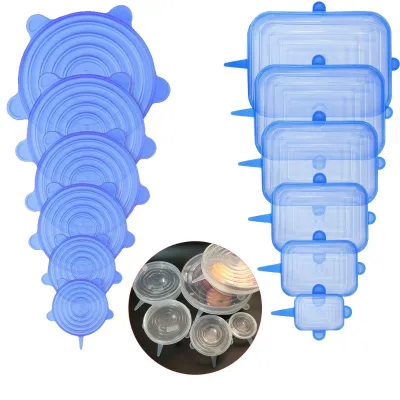
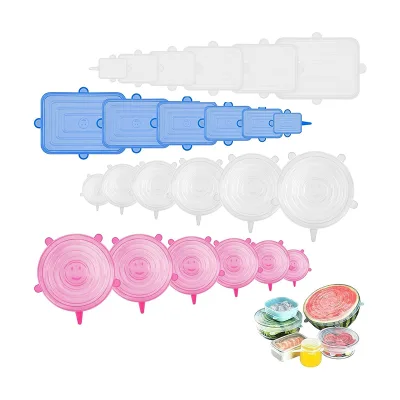
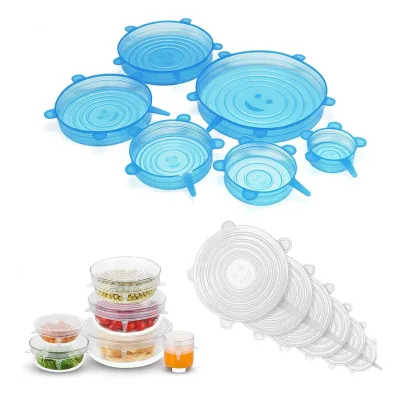
Pricing and customization options are equally important factors in the comparison process. Unit prices can range from approximately $0.31 to $2.99, depending on the product complexity, material quality, and order volume. Buyers should analyze the price-to-MOQ ratio to understand the cost benefits of scaling up orders. Additionally, the availability of customization services, such as logo printing and color selection, adds value for brands looking to differentiate their products. Some suppliers offer flexible sizing options, including multiple diameters to fit various container types, which enhances the product’s utility. Buyers should also consider the packaging details, such as OPP bags or PE bags, as these impact shipping costs and product presentation. By systematically comparing these attributes, buyers can identify suppliers that offer the best balance of cost, quality, and service for their specific needs.
Common Reusable Silicone Food Covers Sourcing Risks
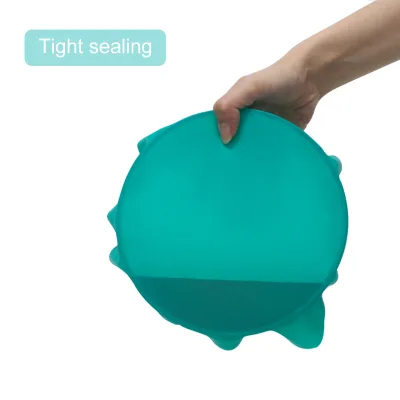
One of the primary risks in sourcing Reusable Silicone Food Covers is the potential discrepancy between claimed material quality and actual product performance. While suppliers may advertise their products as BPA-free and food-grade, variations in silicone quality can affect durability, elasticity, and heat resistance. Buyers must be vigilant about verifying the specific grade of silicone used, as lower-quality materials may degrade faster or fail to maintain a tight seal, leading to food spoilage and customer dissatisfaction. Additionally, the risk of non-compliance with international safety standards is significant if suppliers do not provide valid certification documents. Products that do not meet FDA or LFGB standards can face regulatory hurdles in key markets, resulting in product recalls or legal penalties. Therefore, rigorous quality assurance protocols are essential to mitigate these risks.
Another common risk involves supply chain disruptions and communication barriers, particularly when dealing with suppliers in different time zones or with varying levels of English proficiency. Miscommunication regarding product specifications, such as size, color, or packaging requirements, can lead to costly errors and delays. Furthermore, reliance on a single supplier without backup options can expose buyers to risks associated with production bottlenecks or raw material shortages. Buyers should also be cautious of suppliers who offer unusually low prices, as this may indicate compromised quality or hidden costs. Establishing clear communication channels and setting realistic expectations for lead times and order modifications can help manage these risks. Regular quality inspections and maintaining a diversified supplier base are effective strategies to ensure supply chain resilience and product consistency.
Reusable Silicone Food Covers Regional Sourcing and Logistics
Sourcing from Guangdong, China, offers logistical advantages due to its proximity to major shipping ports and established export infrastructure. This region’s concentration of silicone manufacturers facilitates efficient consolidation of goods, reducing transit times and shipping costs for international buyers. The availability of comprehensive logistics services in Guangdong allows for seamless handling of both small sample shipments and large container loads. Buyers should consider the impact of regional logistics on their overall supply chain strategy, as faster transit times can improve inventory turnover and reduce holding costs. Additionally, the mature manufacturing ecosystem in Guangdong supports rapid prototyping and quick turnaround times for custom orders, enabling buyers to respond swiftly to market trends and consumer demands.
However, buyers must also account for potential logistical challenges, such as customs clearance procedures and import regulations in their home countries. Different regions have varying requirements for food-contact materials, and non-compliance can lead to delays or seizures at the border. Buyers should ensure that their suppliers are familiar with export documentation requirements and can provide necessary certificates and invoices promptly. Furthermore, considering the environmental impact of shipping is increasingly important, with many buyers seeking suppliers who offer eco-friendly packaging and sustainable logistics options. By understanding the logistical landscape of Guangdong and other manufacturing hubs, buyers can optimize their supply chain for efficiency, cost-effectiveness, and compliance, ensuring a smooth flow of goods from factory to consumer.
Reusable Silicone Food Covers Commercial Terms and Order Planning
Effective order planning requires a clear understanding of commercial terms, including payment methods, warranty policies, and after-sales support. Buyers should negotiate favorable payment terms, such as partial upfront payments and balance upon shipment, to mitigate financial risk. It is also important to clarify the supplier’s policy on defective products and returns, ensuring that there is a mechanism for addressing quality issues. Some suppliers offer flexible customization options, including logo printing and color matching, which can enhance brand identity but may require additional lead time and cost. Buyers should factor these variables into their order planning to avoid delays and budget overruns. Establishing a long-term partnership with a reliable supplier can lead to better pricing and priority service, benefiting both parties in the long run.
Additionally, buyers should consider the scalability of their orders and the supplier’s capacity to handle volume increases. Suppliers with established production lines and experienced workforces are better equipped to manage large orders without compromising quality or lead times. Buyers should communicate their growth projections to their suppliers to ensure that capacity planning aligns with business objectives. Furthermore, staying informed about market trends and consumer preferences can help buyers adjust their product offerings and order quantities accordingly. By maintaining open communication and fostering a collaborative relationship with suppliers, buyers can navigate commercial challenges effectively and ensure a steady supply of high-quality Reusable Silicone Food Covers. This strategic approach to order planning and commercial terms is essential for building a resilient and profitable sourcing operation.
FAQs
What is the typical lead time for silicone food covers?
Manufacturers in Guangdong China generally require 15 days to produce and ship orders. This timeframe applies to standard production runs for reusable silicone lids. Buyers should confirm exact dates with the supplier before placing the order to ensure timely delivery.
What is the minimum order quantity for these products?
Minimum order quantities vary by supplier and product model. Some suppliers require 300 pieces, while others set the threshold at 500 or 1000 pieces. Buyers must check the specific product page to verify the exact MOQ applicable to their chosen item.
Are these silicone covers safe for food contact?
Yes, the products are made from food grade silicone and are explicitly labeled as BPA free. Many items also carry FDA or LFGB certifications. These standards ensure the material is safe for direct contact with various types of food and beverages.
What is the price range for reusable silicone lids?
Prices typically range from $0.31 to $2.99 per unit depending on size and customization. Specific models are listed between $1.17 and $1.33, while others range from $1.99 to $2.99. The final cost depends on the quantity ordered and any custom features.
Do suppliers offer customization for these silicone covers?
Yes, most suppliers welcome OEM and ODM customization requests. Buyers can often choose custom colors, logos, and specific sizes. The suppliers are equipped to handle tailored orders to meet specific branding or functional requirements for the Reusable Silicone Food Covers.
How quickly do suppliers respond to inquiries?
Response times vary significantly among the available suppliers. Some manufacturers respond within 0.62 hours, while others take up to 3 hours. Fast response times help buyers clarify details about pricing, materials, and shipping logistics more efficiently during the sourcing process.
Where are these silicone food covers manufactured?
The products are primarily manufactured in Guangdong and Fujian regions of China. These locations are known for their strong manufacturing capabilities in silicone kitchenware. Buyers can verify the specific place of origin listed on each product page for accurate sourcing details.