Ice Cream Fruit Ball Scoop Suppliers and Manufacturers
Compare 25 verified Ice Cream Fruit Ball Scoop suppliers in Guangdong and Henan, China. Evaluate response times, lead times, and product specifications like material and MOQ before contacting factories for samples; review the available evidence before requesting comparable quotations from suitable candidates.
Updated
Suppliers List
Shenzhen Mantimelong Electronic Co., Ltd.
- Manufacturer, Trading Company
- Guangdong, China
- Lead time3 days
- Avg. response≤ 10h
Main productsBALL PEN,STATIONERY,HOUSEHOLD SUNDRIES,PEN
Main marketsNorthern Europe(25.00%), South America(20.00%), Mid East(13.00%), Western Europe(10.00%), North America(10.00%), Eastern Europe(8.00%), Oceania(5.00%), Eastern Asia(5.00%), Southeast Asia(4.00%)

Yangjiang C&B Consumer Product Limited
- Verified by CTI
- Trading Company
- China Guangdong
- Lead time15 days
- Avg. response≤ 7h
Main productsBarbecue Tongs, Grilling Brushes, Outdoor Shovel, Grilling Tools, Kitchen Ware, Outdoor Products, Pizza Tools, Knife Set
Main marketsSouth America,Africa,Southeast Asia/ Mideast,Europe,Australia,North America


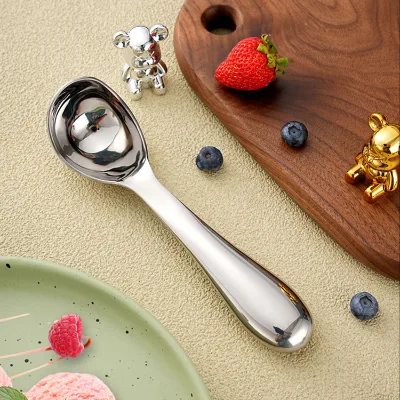
Multipurpose Stainless Steel Ball Spoon - Ice Cream/Fruit Scoop for Kitchen
$2.75 - $3.16
MOQ: 1000 Pieces

7.5 Inch Stainless Steel Multifunctional Ball Spoon - Ice Cream & Fruit Scoop
$2.75 - $3.16
MOQ: 1000 Pieces

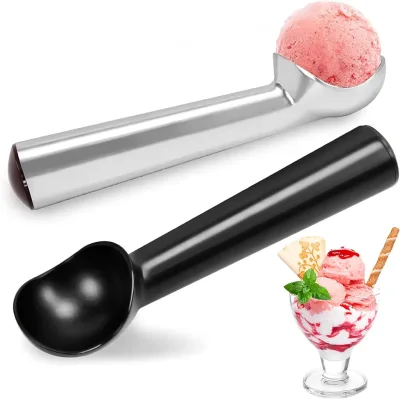
Anti-Freeze Aluminum Ball Spoon Ice Cream Scoop Fruit Spoons Kitchenware Kitchen Tools
$0.796 - $1.285
MOQ: 1000 Pieces

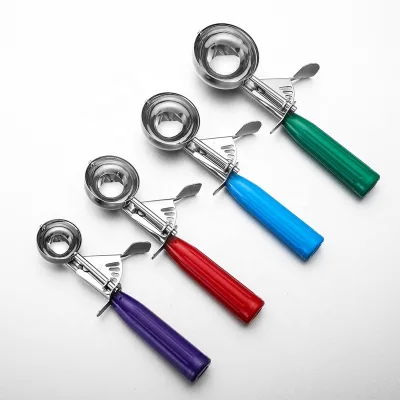
Kitchenware Ball Scoop with Easy Trigger - Ice Cream & Fruit (Watermelon, Melon)
$1.04 - $1.228
MOQ: 1000 Pieces

Kitchenware Ball Scoop with Easy Trigger Release - Ice Cream & Fruit (Watermelon, Melon)
$0.658 - $0.693
MOQ: 1000 Pieces

Henan Zlovy Enterprise Co., Ltd.
- Trading Company
- Henan, China
- Lead time1 days
- Avg. response≤ 8h
Main productsCoffee Pot,Coffee Tools,Water Bottle,Home Appliances,Baking Tools
Main marketsNorth America(35.00%), Western Europe(20.00%), Mid East(20.00%), Southeast Asia(15.00%), South America(10.00%)

Jinhua Hengyang Cross-Border Trade Limited Liability Company
- Verified by SGS
- Trading Company
- China Zhejiang
- Lead time15 days
- Avg. response≤ 9h
Main productsCoffee Maker Air Fryer Storage Box Knife Set, Silicone Baking Mold Robot Vacuum Cleaning Table, Shower Head Non-Slip Shower Curtain Vacuum Stora, Collapsible Laundry Basket Bohemian Wall Tapestr, Fringe Pillow Cover Bedding Set Memory Foam Pill, Bamboo Tissue Biodegradable Trash Bags LED Fair, Smart Plug Fairy Lights Pet Food Bowl, Household Daily Necessities Kitchen Cleaning, Bathroom Storage and Care Fabric Home Decor, Bedding Daily Chemical Paper Products
Main marketsEurope

Shenzhen Baibanfengxing Technology Co., Ltd.
- Manufacturer, Trading Company
- Guangdong Province, China
- Lead time5 days
- Avg. response≤ 3h
Main productshousehold products,Kitchen supplies
Main marketsDomestic Market(20.00%), Eastern Europe(15.00%), North America(15.00%), Western Europe(10.00%), Southern Europe(10.00%), Northern Europe(10.00%), South America(5.00%), Mid East(5.00%), Southeast Asia(5.00%), Central America(5.00%)
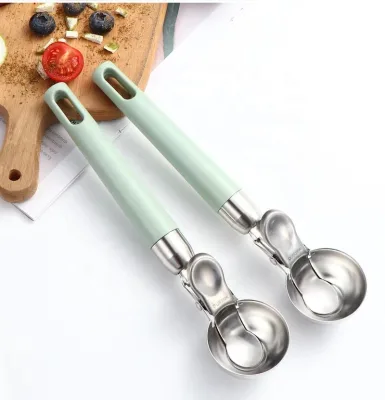
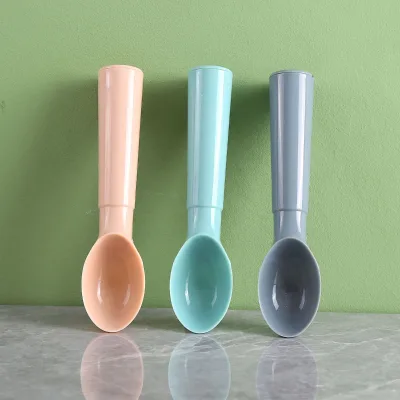
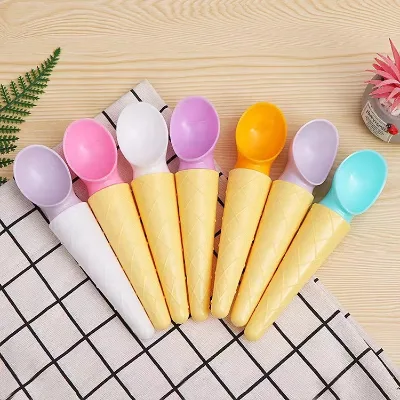
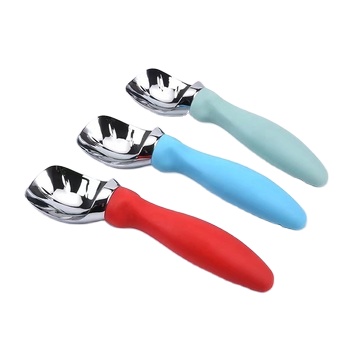
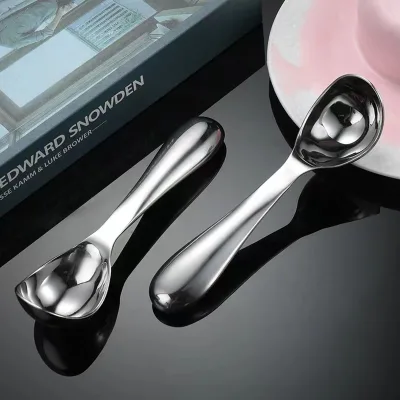
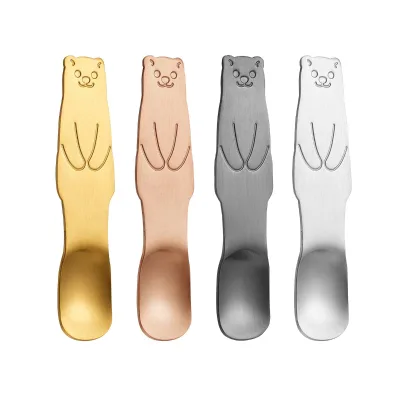
$0.49 - $0.65
MOQ: 30 Minimum

Hangzhou Happyway Imp and Exp Co., Ltd.
- Verified by CTI
- Trading Company
- China Zhejiang
- Lead time30 days
- Avg. response≤ 5h
Main productsWine Tool, Wine Opener, Wine Stopper, Champagne Stopper, Ice Bucket, Dropstop Disc, Wine Aerator, Wine Box/Wine Tote
Main marketsSouth America,Europe,North America


304 Cookies Ball Ice Cream Scoop Stainless Steel Ice Scoop Spoon with Trigger
$0.68 - $0.80
MOQ: 100 sets

Stainless Steel Cookie Dough Scoop Ice Cream Scoop with Trigger Release Cookie Scooper
$1.99 - $2.20
MOQ: 100 sets

Changsha Chengtong Technology Co., Ltd.
- Verified by SGS
- Trading Company
- China Hunan
- Lead time15 days
- Avg. response≤ 6h
Main productsCutting Board, Vegetable Chopper, Measuring Cup, Milk Frother, Measuring Spoon, Vegetable Peeler, Kitchen Scissors, Knife Sharpener
Main marketsSoutheast Asia/ Mideast


Nonstick Anti-Freeze Aluminum Scooper Spoon Heavy Duty Durable Sorbet Ice Cream Scoop
$1.00 - $1.42
MOQ: 500 Pieces

Hot Sell Ice Cream Scoop with Trigger Ice Cream Scooper Stainless Steel Heavy Duty Metal
$1.18 - $1.68
MOQ: 500 Pieces

Best Selling Zinc Alloy Ice Cream Spoon Comfortable Sustainable Metal Ice Cream Scoop
$1.18 - $1.68
MOQ: 500 Pieces

Eagle Catering Equipment Co., Ltd.
- Manufacturer/Factory
- China Guangdong
- Lead time30 days
- Avg. response≤ 11h
Main productsTrolleys, Gastronorm Containers, Table, Shelves, Sink, Barrier Post, Cookware, Buffetware, Barware, Kitchen Utensils
Main marketsSouth America,Eastern Europe,Mid East,North America,Southeast Asia,Eastern Asia,Oceania,Western Europe,Africa

Wenzhou Cathylin International Trade Co., Ltd.
- Verified by TUVRHEINLAND
- Trading Company
- China Zhejiang
- Lead time15 days
- Avg. response≤ 5h
Main productsFlatware, Cutlery, Kitchen Tools, Tableware, Cookware, Bakeware, Drinkware
Main marketsNorth America


$2.20 - $2.54
MOQ: 500 Pieces

Jiangmen Liyuan Household Goods Co., Ltd.
- Verified by SGS
- Combined
- China Guangdong
- Lead time30 days
- Avg. response≤ 5h
Main productsIce Scoop, Lemon Squeezer, Ice Shovel, Garlic Press, Walnut Clip, Meat Hammer, Egg Slicer, Rolling Pin
Main marketsDomestic,Europe


Ice Cream Spoon Nonstick Anti-Freeze One Piece Aluminum Icecream Scoop Spoon
$1.24 - $1.62
MOQ: 500 Pieces


Jieyang Rongcheng Lotus Stainless Steel Products Factory
- Verified by TüVRheinland
- Manufacturer, Trading Company
- Lead time7 days
- Avg. response≤ 6h
Main productsStainless Steel Flatware
Main marketsNorth America(40%), Southeast Asia(10%), Oceania(10%)
Guangxi Miracle Houseware Co.,Ltd
- Trading Company
- Guangxi, China
- Lead time15 days
- Avg. response≤ 3h
Main productsVegetable and Fruit Tools,Baking & Pastry Tools,Spice jars & Racks,Milk & Coffee Tools,Kitchen Accessories
Main marketsSouth America(30.00%), North America(25.00%), Eastern Europe(20.00%), Mid East(10.00%), Southeast Asia(10.00%), Western Europe(5.00%)
Xiamen Boming Industrial & Trading Co.,ltd.
- Verified by SGS Group
- Manufacturer, Trading Company
- Lead time25 days
- Avg. response≤ 3h
Main productsPlastic Injection Parts, Metal Stamping Parts, Folding Mop, Disposable Plastic Flatware, Plastic Food Colander
Main marketsSouthern Europe(56%), North America(13%), Mid East(10%)
Ningbo Dazen Technology Co., Ltd.
- Trading Company
- Zhejiang, China
- Lead time45 days
- Avg. response≤ 7h
Main productsKitchen Supplies, Household Supplies, Children's Supplies, Cleaning Supplies, Bar Supplies
Main marketsWestern Europe(23.00%), North America(19.00%), South America(16.00%), Southern Europe(12.00%), Northern Europe(11.00%), Eastern Europe(11.00%), Eastern Asia(5.00%), Southeast Asia(3.00%)
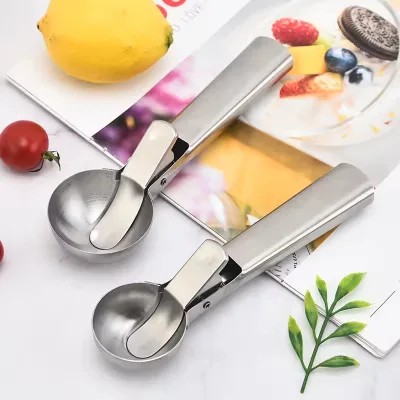
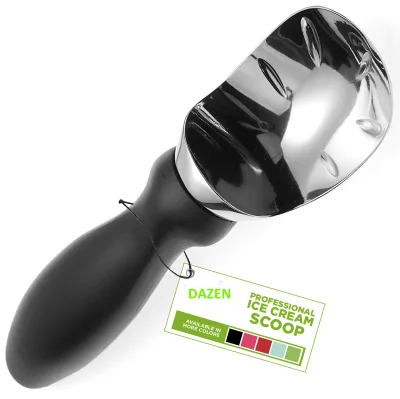
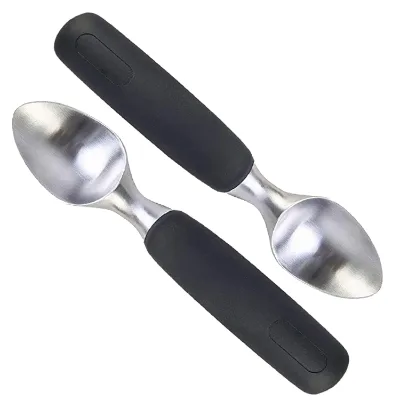
Good Grips Classic Black Ice Cream Scoop With Comfortable Metal Handle Spring Action for Home Use
$2.1572 - $2.5881
MOQ: 100 pieces

Jiangmen Goodman Cleaning Supplies Co., Ltd.
- Verified by TUVRHEINLAND
- Combined
- China Guangdong
- Lead time15 days
- Avg. response≤ 9h
Main productsFood Pan, Food Basket Tray, Storage Box, Cleaning Bucket, Trash Can
Main marketsEurope,North America


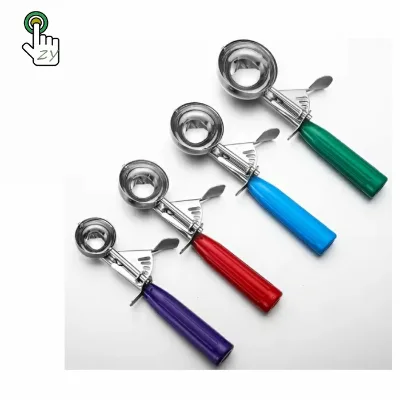
Foodservice Thumb Press Ice Cream Scooper Stainless Steel Ice Cream Scoop
$2.25 - $2.60
MOQ: 360 pieces

$2.10 - $4.50
MOQ: 1000 pieces

Eagle Catering Equipment Co., Ltd.
- Verified by SGS Group
- Trading Company
- Lead time45 days
- Avg. response≤ 2h
Main productsTrolley, GN Pan, Stock Pot, Utensils, Kitchen Tools
Main marketsWestern Europe(35%), Eastern Europe(20%), North America(10%)

Guangdong Tangshihoa Industry and Trade Co., Ltd.
- Verified by TUVRHEINLAND
- Combined
- China Guangdong
- Lead time23 days
- Avg. response≤ 9h
Main productsCake Decoration
Main marketsSoutheast Asia/ Mideast


Aluminum Alloy Ice Cream Scoop, Comfortable and Durable Handle, Biscuit Spoon, Fruit Spoon
$0.68 - $0.85
MOQ: 50 Pieces
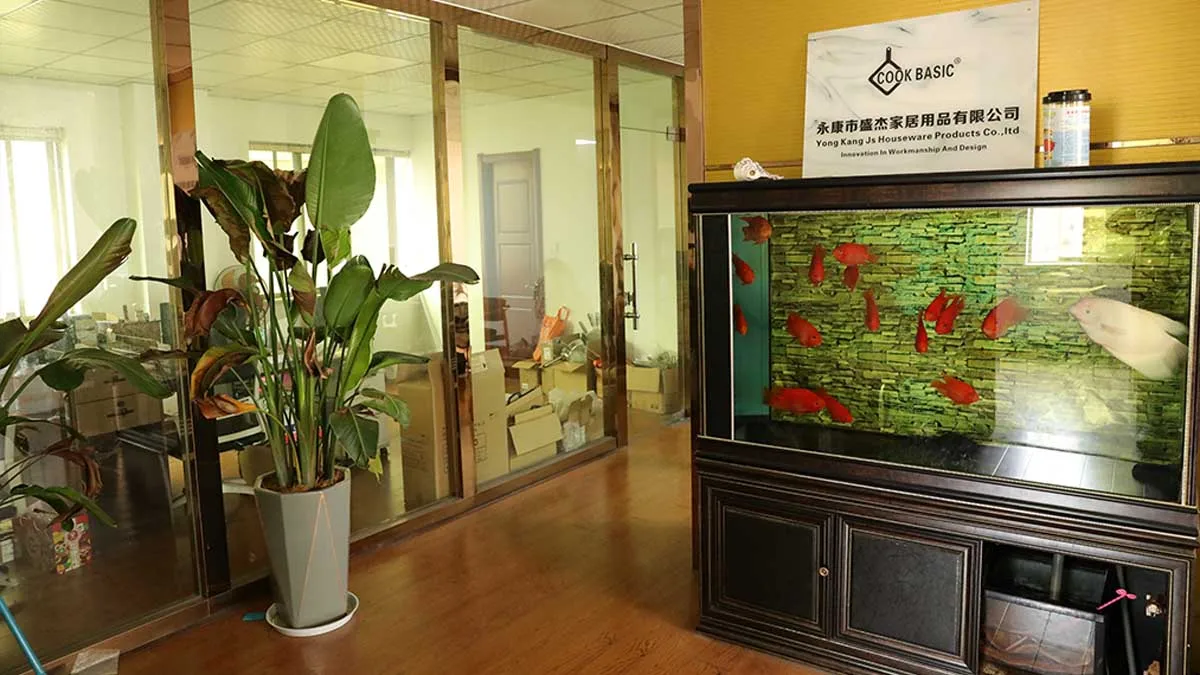
Yongkang Js Houseware Products Co., Ltd.
- Trading Company
- Zhejiang, China
- Lead time35 days
- Avg. response≤ 5h
Main productsStainless steel mesh strainer,stainless steel mesh basket,stainless steel baking tools,stainless steel cream whipper,stainless steel kitchen tools
Main marketsWestern Europe(30.00%), North America(20.00%), Domestic Market(20.00%), Southern Europe(15.00%), Northern Europe(7.00%), Eastern Europe(6.00%), South Asia(2.00%)
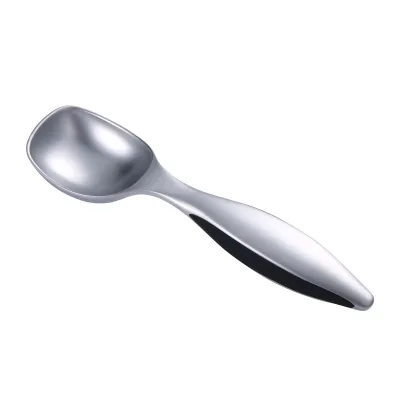
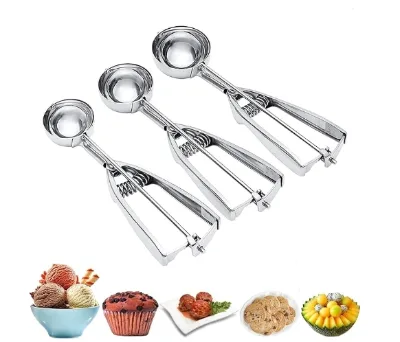
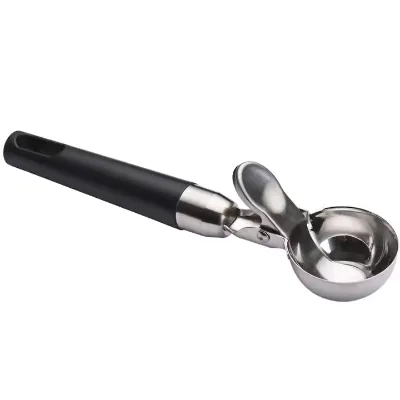
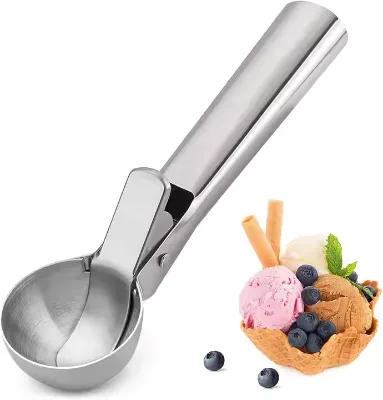
Hot Sales Ball Metal Stainless Steel Ice Cream Scoop Ice Cream Scoops with Trigge
$1.07 - $1.90
MOQ: 100
$0.59 - $0.78
MOQ: 500 units
Huangshi Fusun Trade Co., Ltd.
- Verified by SGS Group
- Trading Company
- Lead time40 days
- Avg. response≤ 6h
Main productsGraters, Kitchen Tools, Fruit & Vegetable Tools, Kitchen Utensils, Kitchen Gadgets
Main marketsWestern Europe(70%), North America(20%), Eastern Asia(10%)
Kunming Leying Flower Co., Ltd.
- Manufacturer, Trading Company
- Yunnan, China
- Lead time30 days
- Avg. response≤ 3h
Main productsdried flowers,preserved flowers,Aquarium accessories,Aquarium Decoration,Home Decoration
Main marketsEastern Europe(30.00%), Northern Europe(20.00%), Western Europe(20.00%), Southern Europe(10.00%), Mid East(10.00%), North America(10.00%)
$0.6687 - $0.7001
MOQ: 60 Minimum
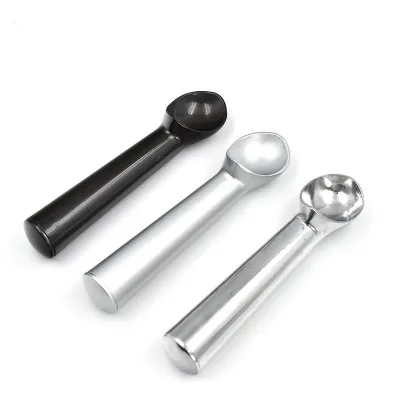
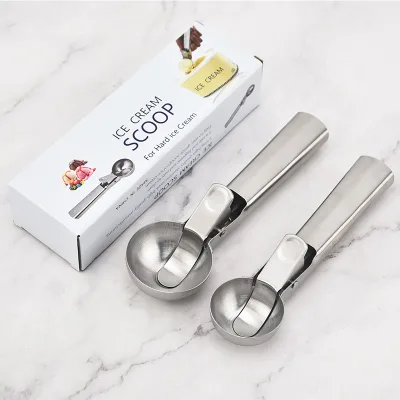
Hot Stocked Sustainable Ice Cream Making Dig Ball Scoop Gold Supplier's Choice
$0.80 - $0.90
MOQ: 50 pieces

Guangzhou Chenquan Technology Co., Ltd.
- Verified by SGS
- Trading Company
- China Guangdong
- Lead time15 days
- Avg. response≤ 5h
Main productsDailynecessities
Main marketsDomestic
Jinhua Hengyang Cross Border Trade Co., Ltd.
- Trading Company
- Lead time旺季: "1 - 1000":15,"> 1000":"To be negotiated", 淡季: "1 - 1000":15,"> 1000":"To be negotiated"
- Avg. response≤ 5h
Main productsKitchen,Housekeeping,Household Sundries,Home Decor,Hotel Supplies

- Verified by BV
- Trading Company,Manufacturer/Factory
- China Zhejiang
- Lead time23 days
- Avg. response≤ 4h
Main productsYoga Wear, Sports, Outdoor, Travel Gear, Kitchenwares, Homewares
Main marketsSouth America,Eastern Europe,Mid East,North America,Southeast Asia,Eastern Asia,Oceania,Western Europe,Africa

Professional Non-Stick Aluminum, Anti-Freeze Ice Cream Scooper Melon Baller and Fruit Scoop Bl12127
$2.70 - $3.24
MOQ: 100 Pieces


$1.44 - $1.72
MOQ: 100 Pieces

Quanzhou E-Best International Trade Co., Ltd.
- Verified by BV
- Trading Company
- China Fujian
- Lead time30 days
- Avg. response≤ 4h
Main productsBluetooth Speaker, Phone Case, Power Bank, Beauty Device, Portable Projector, IP Poe Camera, Mouse, Air Fryer, Razors, Wireless Headphones
Main marketsNorth America


Heated Ice Cream Scoop Heated Electric Heating Scoops Household Stainless Steel
$10.30 - $12.90
MOQ: 200 Pieces

Foshan Kylin Industry Company Limited
- Verified by TUVRHEINLAND
- Trading Company,Manufacturer/Factory
- China Guangdong
- Lead time90 days
- Avg. response≤ 6h
Main productsNapkin Dispenser, Bottle Opener, Ice Bucket, Blackboard, Menu Holder, Tray, Straw Dispenser, Toothpick Dispenser, Bottle&Can Carrier, Clock&Timer
Main marketsSouth America,Eastern Europe,Mid East,North America,Southeast Asia,Eastern Asia,Oceania,Western Europe,Africa

Chinese Good Quality Practical Metal Ice Cream Scoop with Wooden Handle
$2.50 - $2.65
MOQ: 3000 pieces





Comprehensive Sourcing Guide
Ice Cream Fruit Ball Scoop Supplier Concentration and Factory Types
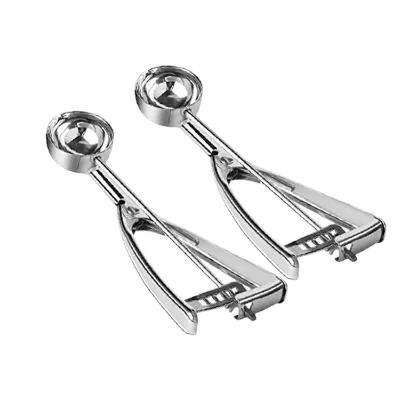
The sourcing landscape for ice cream fruit ball scoops reveals a distinct concentration of manufacturing and trading entities within specific industrial regions of China. Current data indicates that a significant portion of suppliers are located in Guangdong, a province renowned for its robust manufacturing infrastructure and export-oriented supply chains. This geographic clustering is not accidental; it reflects decades of development in plastic injection molding and metal fabrication industries. Buyers evaluating potential partners will often find that suppliers in this region possess mature capabilities for producing both plastic and stainless steel variants of the product. The presence of these suppliers in Guangdong suggests a high level of logistical efficiency, as the region benefits from proximity to major ports and a dense network of component suppliers. This concentration allows for faster prototyping and reduced shipping costs for finished goods, making it a critical area for initial supplier discovery.
Beyond geographic location, the types of companies operating in this space vary significantly, influencing the buyer’s approach to engagement. The available results show a mix of manufacturers and trading companies, each offering distinct advantages. Manufacturers typically provide greater control over production processes, material sourcing, and customization options, which is crucial for buyers seeking specific features like eco-friendly plastics or specialized stainless steel grades. Trading companies, on the other hand, often aggregate products from multiple factories, offering a broader catalog that may include barbecue tongs, grilling brushes, and other kitchenware alongside ice cream scoops. This diversification can be beneficial for buyers looking to consolidate orders, but it requires careful verification to ensure that the trading company has direct oversight of the manufacturing quality. Understanding this distinction helps buyers align their sourcing strategy with their specific needs for customization, volume, and product variety.
How to Verify Ice Cream Fruit Ball Scoop Suppliers
Verifying the legitimacy and capability of suppliers is a critical step in mitigating sourcing risks, especially when dealing with food-contact kitchenware. One of the primary methods for establishing trust is to check for third-party verification badges, such as CTI certification. This type of verification provides an independent assessment of the supplier’s business legitimacy and operational capabilities, offering a layer of security that self-reported information cannot match. Buyers should prioritize suppliers who display such credentials, as it indicates a commitment to transparency and adherence to certain business standards. Additionally, examining the supplier’s response time can serve as an indirect indicator of their operational efficiency and customer service quality. A rapid response time, such as six to ten hours, suggests that the supplier has dedicated staff and streamlined processes for handling inquiries, which is essential for maintaining smooth communication throughout the sourcing process.
Material composition and product specifications are another vital area for verification, as they directly impact product safety and performance. Suppliers should clearly state the material of their ice cream scoops, whether it is plastic, stainless steel, or aluminum, and provide specific details about features like eco-friendliness or stackability. For instance, some products are labeled as eco-friendly and stocked, while others emphasize reusable properties or custom logo availability. Buyers must ensure that the materials claimed by the supplier match their quality requirements and regulatory standards for food contact. It is also important to verify the origin of the products, with many suppliers indicating China as the place of origin. By cross-referencing these product attributes with the supplier’s verification status and response metrics, buyers can build a more comprehensive profile of each potential partner, ensuring that they are engaging with reliable and capable entities.
What to Compare Across Ice Cream Fruit Ball Scoop Suppliers
When evaluating multiple suppliers, buyers must systematically compare key operational metrics to identify the best fit for their business needs. One of the most significant differentiators is the minimum order quantity (MOQ), which can vary widely depending on the product type and supplier capacity. For example, plastic ice cream scoops may have an MOQ of 100 pieces, making them accessible for small businesses or trial orders, while stainless steel sets might require a higher MOQ, such as 96 sets or even 1000 units for certain models. This variation allows buyers to align their order sizes with their inventory management strategies and cash flow constraints. Additionally, comparing lead times is essential for planning production schedules and ensuring timely delivery. Some suppliers offer a lead time of just three days, which is ideal for urgent orders, while others may require up to fifteen days, necessitating earlier planning and commitment.
Price and customization options are also critical factors in the comparison process. The unit price for ice cream scoops can range significantly, from as low as $0.32 for basic plastic models to over $7.00 for premium stainless steel sets with multiple sizes. Buyers should analyze these price points in the context of the product’s features, such as material quality, packaging, and included accessories. Furthermore, the availability of customization services, such as logo printing or color selection, can add value for brands looking to differentiate their products. Some suppliers offer customized logos and handle colors, while others provide standard options. By comparing these variables across suppliers, buyers can create a weighted scoring matrix that balances cost, speed, and customization potential, leading to a more informed decision-making process that aligns with their strategic goals.
Common Ice Cream Fruit Ball Scoop Sourcing Risks
One of the primary risks in sourcing ice cream fruit ball scoops is the potential mismatch between product specifications and actual delivery. Suppliers may list products with specific features, such as eco-friendly materials or stackable designs, but the final goods might not meet these expectations if quality control is lax. This risk is particularly acute when dealing with trading companies that may not have direct oversight of the manufacturing process. Buyers must be vigilant in verifying that the materials, such as stainless steel or aluminum, are of the grade claimed, as substandard materials can lead to product failure or safety issues. Additionally, the packaging quality, whether it is an opp bag or a color box, can affect the product’s presentation and protection during transit. Ensuring that the packaging meets the buyer’s standards is crucial for maintaining brand reputation and reducing damage rates.
Another significant risk is the variability in supplier reliability and communication. While some suppliers demonstrate quick response times and clear lead times, others may be less responsive or provide ambiguous information. This inconsistency can lead to delays in order processing and fulfillment, disrupting the buyer’s supply chain. Furthermore, the lack of standardized certifications or quality standards across suppliers can make it difficult to assess product safety and compliance. Buyers must proactively request documentation and test results to verify that the products meet relevant food safety regulations. By identifying these risks early in the sourcing process, buyers can implement mitigation strategies, such as requesting samples, conducting factory audits, or using escrow services, to protect their interests and ensure a successful sourcing outcome.
Ice Cream Fruit Ball Scoop Regional Sourcing and Logistics
The geographic location of suppliers plays a pivotal role in determining logistics costs and delivery efficiency. With a significant concentration of suppliers in Guangdong, China, buyers can benefit from established logistics networks that facilitate efficient export operations. This region’s proximity to major ports reduces transit times and shipping costs, making it an attractive hub for sourcing kitchenware products. Buyers should consider the logistical advantages of sourcing from this region, particularly when dealing with high-volume orders or time-sensitive deliveries. The dense cluster of manufacturers and trading companies in Guangdong also fosters competition, which can lead to better pricing and service levels. However, buyers must also be aware of potential logistical challenges, such as customs clearance delays or port congestion, which can impact delivery schedules.
In addition to regional advantages, buyers should evaluate the supplier’s packaging and handling practices to ensure product integrity during transit. The choice of packaging, whether it is a simple opp bag or a more protective color box, can influence the product’s durability and presentation upon arrival. Suppliers in Guangdong often have experience in exporting to various markets, which means they are likely familiar with international shipping requirements and packaging standards. Buyers should communicate their specific packaging needs clearly to avoid misunderstandings and ensure that the products arrive in optimal condition. By leveraging the logistical strengths of the Guangdong region and working with suppliers who prioritize proper packaging, buyers can minimize transit risks and enhance the overall efficiency of their supply chain.
Ice Cream Fruit Ball Scoop Commercial Terms and Order Planning
Effective order planning requires a thorough understanding of the commercial terms offered by suppliers, including payment conditions, sample policies, and production timelines. Many suppliers offer sample times of around seven days, allowing buyers to evaluate product quality before committing to large orders. This sample process is crucial for verifying features such as material durability, ease of use, and aesthetic appeal. Buyers should budget for sample costs and factor in the time required for evaluation and feedback. Additionally, understanding the lead times for bulk production is essential for aligning order placement with sales forecasts. Suppliers with shorter lead times, such as three days, offer greater flexibility for reactive ordering, while those with longer lead times require more advanced planning.
Customization and branding options are also key commercial considerations that impact order planning. Suppliers that offer customized logos and handle colors enable buyers to create unique products that stand out in the market. However, customization often involves additional costs and longer production times, which must be accounted for in the overall budget and schedule. Buyers should negotiate clear terms regarding customization fees, minimum order quantities for custom orders, and approval processes for design proofs. By carefully managing these commercial terms and aligning them with their business objectives, buyers can optimize their sourcing strategy, reduce costs, and enhance their competitive position in the market. Clear communication and detailed planning are essential to navigating these complexities successfully.
FAQs
What is the price range for plastic ice cream scoops?
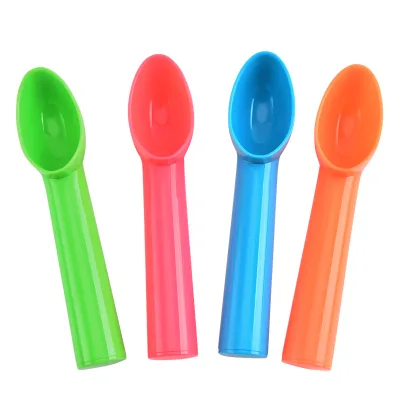
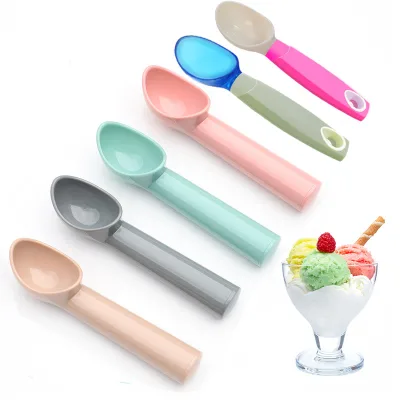
Plastic ice cream scoops are priced between $0.32 and $0.48 per unit. These items typically have a minimum order quantity of 100 pieces. They are available in various colors including green, orange, blue, and pink. The material is specified as plastic with eco-friendly features.
How much do stainless steel ice cream scoops cost?
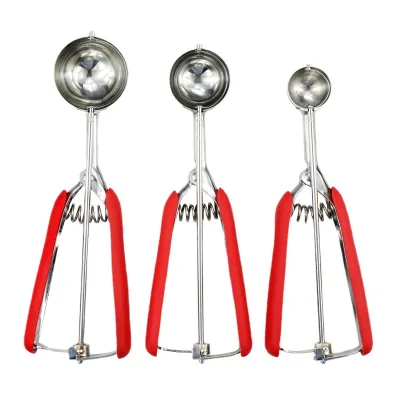
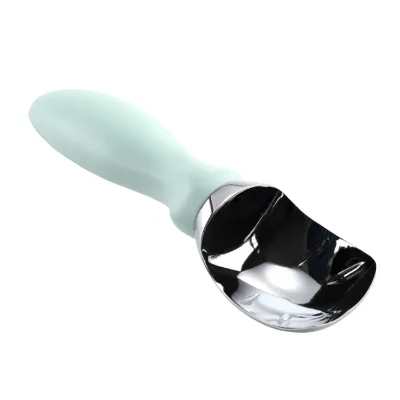
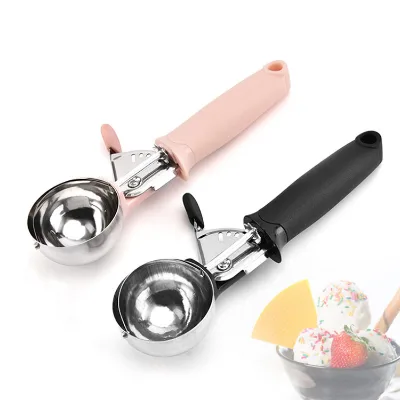
Stainless steel ice cream scoops range from $0.71 to $3.16 per unit. Prices vary based on the specific model and material thickness. Some sets include multiple sizes for different serving needs. Buyers should check the minimum order quantity, which can be as high as 1000 pieces for certain models.
What is the minimum order quantity for these scoops?
The minimum order quantity varies by product type. Plastic scoops generally require a minimum of 100 pieces. Metal sets may have a minimum of 96 pieces. Stainless steel models often require a minimum order of 1000 pieces. Buyers should verify the specific MOQ for their chosen item before placing an order.
Where are these ice cream scoops manufactured?
These ice cream scoops are manufactured in China. Specific production locations include Guangdong and Henan provinces. The origin is consistently listed as China for all product types. Buyers can expect standard Chinese manufacturing practices for these kitchen tools and gadgets.
What is the typical lead time for orders?
Lead times vary significantly among suppliers. Some manufacturers offer a lead time of just 3 days. Others may require up to 15 days for production and shipping. Buyers should confirm the exact lead time with the supplier before finalizing their purchase to ensure timely delivery.
Are custom logos available for these scoops?
Custom logos are available for many stainless steel and aluminum models. Suppliers offer customization options for branding purposes. Buyers should contact the supplier directly to discuss logo placement and design requirements. This service is typically available for larger order quantities.
What materials are used for ice cream scoops?
Ice cream scoops are made from plastic, stainless steel, and aluminum. Plastic options are often eco-friendly and stocked. Stainless steel models are durable and reusable. Aluminum scoops are designed to stay cold. Buyers can choose the material that best fits their kitchen needs and budget.