Sustainable Vegetable Cutter Suppliers and Manufacturers
Source 31 verified suppliers for Sustainable Vegetable Cutter solutions. Compare key dimensions including location, lead time, MOQ, response time, and certifications like FDA and LFGB. Review product specifications and pricing to identify the right partner for your procurement needs; review the available evidence before requesting comparable quotations from suitable candidates.
Updated
Suppliers List

Taizhou Shangyi Plastic Co., Ltd.
- Verified by TUVRHEINLAND
- Trading Company
- China Zhejiang
- Lead time23 days
- Avg. response≤ 19h
Main productsFood Container, Storage Container, Lunch Box, Bento Box, Plastic Laundry Basket, Plastic Storage Container, Plastic Cutting Board
Main marketsSouth America,Southeast Asia/ Mideast

Zhengzhou Lerford Machinery Equipment Co., Ltd.
- Verified by SGS
- Trading Company
- China Henan
- Lead time15 days
- Avg. response≤ 5h
Main productsPellet Machine, Packing Machine, Vegetable Processing Machine, Fruit Washing Machine, Dryer Machine, Briquette Machine, Toothpick Machine, Snack Machine, Oil Press, Potato Chips Machine
Main marketsSouth America,Africa,Others(foreignTradeCapacity.exportBusinessCapacityMarketOther),Europe,North America

Zhengzhou Junlan Machinery Equipment Co., Ltd.
- Trading Company
- Henan, China
- Lead time7 days
- Avg. response≤ 2h
Main productsfood machine,vegetable machine,farm machine,industrial machinery,Corona silicone tube
Main marketsSouth Asia(30.00%), Africa(30.00%), Eastern Asia(10.00%), Mid East(10.00%), South America(5.00%), Southeast Asia(5.00%), Eastern Europe(5.00%), North America(5.00%)
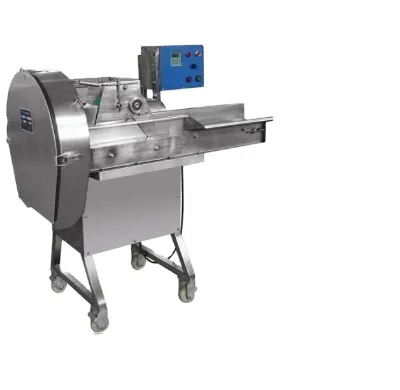
stainless steel vegetable cutter
$1100.00 - $1300.00
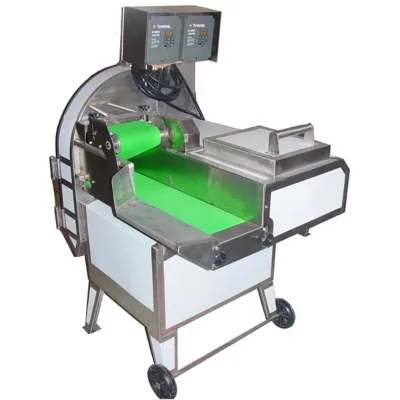
Yiwu Modern Jincheng Commodity Co., Ltd.
- Trading Company
- Zhejiang, China
- Lead time35 days
- Avg. response≤ 6h
Main productsKitchenware,Storage products,Daily necessities,Kitchen utensils,Tools
Main marketsSouth America(50.00%), North America(30.00%), Eastern Europe(20.00%)

Guangzhou Xinjiate Machinery Equipment Co., Ltd.
- Verified by BV
- Trading Company,Manufacturer/Factory
- China Guangdong
- Lead time15 days
- Avg. response≤ 7h
Main productsMeat Cutter, Meat Grinder, Sausage Machine, Bone Sawing Machine, Vegetable Dehydrator, Vegetable-Cutter, Shredder, Flour-Mixing Machine, Juicer, Meatball Machine
Main marketsSouth America,Eastern Europe,Mid East,North America,Southeast Asia,Eastern Asia,Oceania,Western Europe,Africa
Jiaozuo Zhoufeng Machinery Co., Ltd.
- Trading Company
- Henan, China
- Lead time5 days
- Avg. response≤ 9h
Main productsFood machine,Farm machine,environmental protection machine,Home use machine,Biomass briquette production line
Main marketsMid East(10.00%), South Asia(10.00%), Africa(10.00%), Southeast Asia(10.00%), Domestic Market(10.00%), Central America(10.00%), North America(10.00%), South America(8.00%), Eastern Asia(7.00%), Northern Europe(5.00%), Western Europe(5.00%), Oceania(2.00%), Eastern Europe(2.00%), Southern Europe(1.00%)
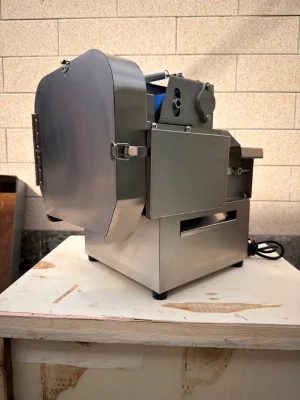
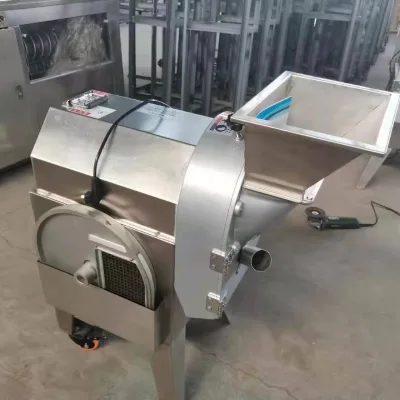
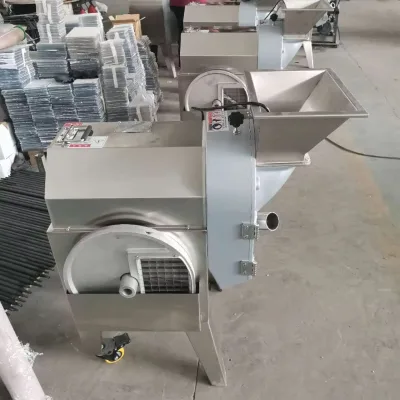
Vegetable Shredder Cutter Chopper Vegetable Slicer Vegetable Shredder Cutter Slicer
$701.5776
MOQ: 1 Minimum
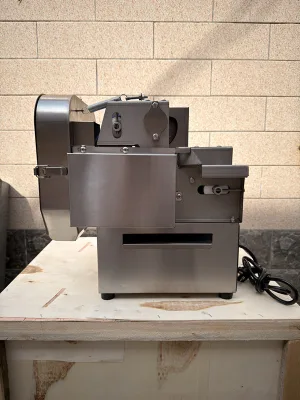
China Wholesale Chopper Kitchen Vegetable Cutter China Wholesale Vegetable Cutter Automatic
$695.8105
MOQ: 1 Minimum
Luohe Bard Machinery Equipment Co., Ltd.
- Manufacturer, Trading Company
- Henan, China
- Lead time7 days
- Avg. response≤ 2h
Main productsGeneral Machinery,Fruit Vegetables Processing Machines,Meat Processing Machines,Snack food machinery,Packaging Machinery
Main marketsNorth America(30.00%), Mid East(15.00%), Western Europe(13.00%)

Zhengzhou Bogen Machinery Equipment Co., Ltd.
- Verified by CTI
- Trading Company
- China Henan
- Lead time30 days
- Avg. response≤ 2h
Main productsPeanut Butter Machine, Spice Grinder, Meat Grinder, Meat Slicer, Meat Chopper, Potato Washing and Peeling Machine, Vegetables and Fruits Cutting Machine, Sausage Stuffer, Sausage Filler, Sausage Making Machine
Main marketsAfrica,Europe,North America

Luohe Quality Mechanical Equipment Co., Ltd.
- Verified by SGS
- Manufacturer/Factory
- China Henan
- Lead time23 days
- Avg. response≤ 5h
Main productsJuice Extractor, Sausage Making Machine, Pita Bread Machine, Biscuit Making Machine
Main marketsSouth America,Eastern Europe,North America,Eastern Asia,Western Europe


Slicer Fruit Potato Onion Cutter Vegetable Cutter Chopper Vegetable Cutter
$1700.00 - $2000.00
MOQ: 1 Pieces

Hangzhou Jinghong Chuangda Machinery Co., Ltd.
- Manufacturer, Trading Company
- Zhejiang, China
- Lead time3 days
- Avg. response≤ 1h
Main productsDumpling Machine,Steamed Stuffed Bun Machine,Vegetable Cutter
Main marketsSoutheast Asia(22.00%), North America(22.00%), Western Europe(15.00%), Southern Europe(10.00%), Eastern Asia(8.00%), South Asia(4.00%), Eastern Europe(4.00%), Mid East(3.00%), Africa(3.00%), Oceania(3.00%), South America(2.00%), Central America(2.00%), Northern Europe(2.00%)
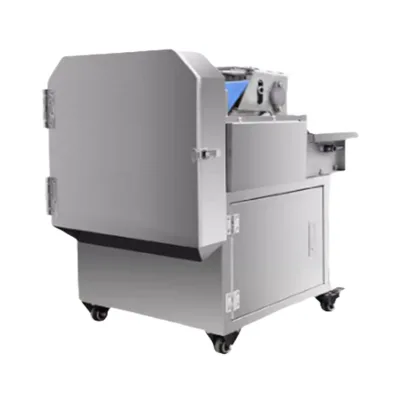
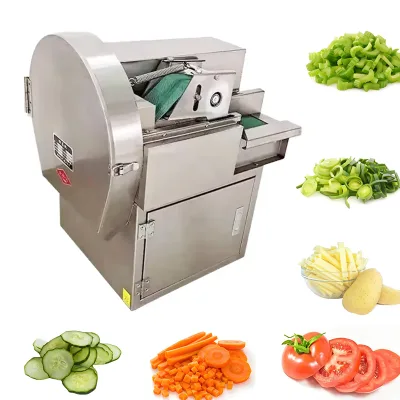
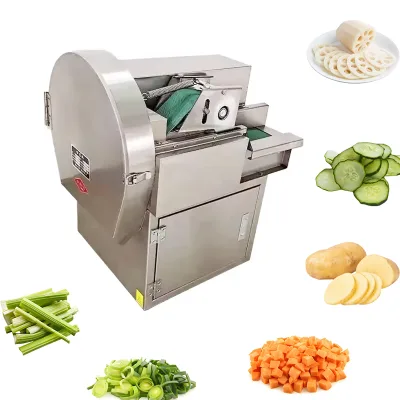
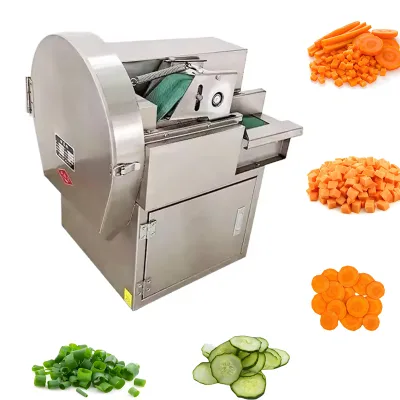
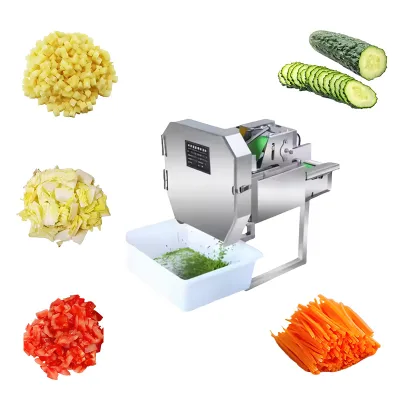
Multifunctional Green Onion Vegetable Cutting Machine Potato Fruit Vegetable Cutter
$270.00 - $371.00
MOQ: 1
Dongguan Strong Machinery Equipment Co., Ltd.
- Trading Company
- Lead time旺季: "1 - 1":31,"> 1":"To be negotiated", 淡季: "1 - 1":31,"> 1":"To be negotiated"
- Avg. response≤ 8h
Main productsElectrical equipment

- Verified by BV
- Trading Company,Manufacturer/Factory
- China Henan
- Lead time15 days
- Avg. response≤ 5h
Main productsOil Expeller, Oil Press Machine, Oil Refinery, Pellet Machine, Food Processing Machine, Animal Feed Machine, Packing Machine, Filling Machine, Briquette Machine, Brick Machine
Main marketsSouth America,Eastern Europe,Mid East,North America,Southeast Asia,Eastern Asia,Oceania,Western Europe,Africa

Ningbo Happy Valley Household Co., Ltd.
- Verified by SGS
- Trading Company
- China Zhejiang
- Lead time30 days
- Avg. response≤ 18h
Main productsPot Lid, Glass Pot Lid, Kitchen Utensil Set, Kitchen Tool, Bento Box, Lunch Box, Plastic Lunch Box, Silicone Lunch Box, Collapsible Bucket, Plastic Bucket
Main marketsEurope

Durable Multifunctional Vegetable Cutter Kitchen Tool for Long-Lasting Use
$6.80 - $7.10
MOQ: 10 Pieces


Henan Baixin Machinery Equipment Co., Ltd.
- Verified by SGS
- Combined
- China Henan
- Lead time15 days
- Avg. response≤ 2h
Main productsMesh Belt Continuous Dryer, Heat Pump Dryer, Microwave Dryer, French Fries Production Line
Main marketsSouth America,Africa,Southeast Asia/ Mideast,Europe

Johtank (Shandong) Food Machinery Co., Ltd.
- Verified by SGS
- Combined
- China Shandong
- Lead time30 days
- Avg. response≤ 3h
Main productsPotato Chips Production Line, Frozen French Production Line, Banana Chips Making Machines, Sausage Production Line, Hamburger Patty Processing Line, Chicken Processing Assembly Line, Retort Machine, Pasteurization Machine, Fruit Processing Series Products, Vegetable Processing Series Products
Main marketsSouth America,Australia,North America

Vegetable Cutter-Potato Chips Slicing and Cutting Machine Vegetable Cutter Machine
$1300.00
MOQ: 1 Pieces


Changzhou Jinkun Food Machinery Co., Ltd.
- Verified by SGS
- Combined
- China Jiangsu
- Lead time15 days
- Avg. response≤ 3h
Main productsMeat Slicer, Bone Saw, Hamburger Press, Meat Mincer, Vegetable Cutter, Juicer Series, Meat Grinder, Sausage Machine, Machine Accessories
Main marketsSouth America,Europe


Robust Vegetable Cutter with 24kg Weight and Included Machinery Test Report
$290.00 - $310.00
MOQ: 1 Pieces

Versatile Vegetable Cutter with Motor and Machinery Test Report Provided
$290.00 - $310.00
MOQ: 1 Pieces


High-Performance Vegetable Cutter with Motor 24kg Weight and Certification
$290.00 - $310.00
MOQ: 1 Pieces


Henan Yearmega Industry Co., Ltd.
- Trading Company,Manufacturer/Factory
- China Henan
- Lead time23 days
- Avg. response≤ 3h
Main productsAnimal Feed Processing Machine, Fish Feed and Pet Food Processing Machine, Wood Processing Machine, Oil Processing Machine, Food Processing Machine, Vegetable and Fruit Processing Machine, Nuts Processing Machine
Main marketsSouth America,Eastern Europe,Mid East,North America,Southeast Asia,Eastern Asia,Oceania,Western Europe,Africa

Gelgoog Intelligent Technology Co., Ltd.
- Verified by TUVRHEINLAND
- Manufacturer/Factory
- China Henan
- Lead time23 days
- Avg. response≤ 5h
Main productsBiscuit Making Machine, Ice Cream Cone Machine, French Fries Machine, Snack Frying Machine, Vegetable Washing Machine, Cellophane Wrapping Machine, Peanut Butter Machine, Garlic Processing Machine, Cocoa Procssting Machine, Nut Roasting Machine
Main marketsSouth America,Eastern Europe,Mid East,North America,Southeast Asia,Eastern Asia,Oceania,Western Europe,Africa
Zhengzhou Katto Machinery Equipment Co., Ltd.
- Trading Company
- Henan, China
- Lead time5 days
- Avg. response≤ 2h
Main productsfruit &vegetables process machinery,meat process machinery,food process machine,Agricultural machinery
Main marketsSouth America(23.00%), Southeast Asia(23.00%), Mid East(12.00%), Africa(12.00%), North America(12.00%), Southern Europe(10.00%), Central America(3.00%), Domestic Market(1.00%), South Asia(1.00%), Eastern Asia(1.00%), Northern Europe(1.00%)
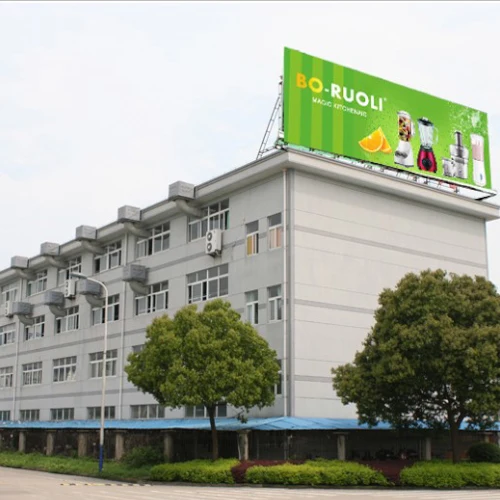
Ningbo Boruoli Electric Appliance Co., Ltd.
- Trading Company
- Zhejiang, China
- Lead time25 days
- Avg. response≤ 6h
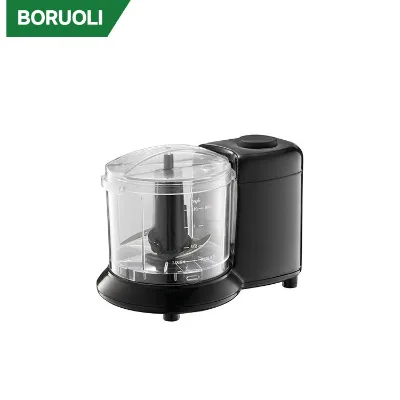
Main productsCoffee Grinder,Mini Chopper,Personal Blender
Main marketsNorth America(60.00%), Western Europe(10.00%), Southeast Asia(10.00%), Northern Europe(10.00%), Southern Europe(5.00%), Eastern Europe(5.00%)

Zhucheng Lijie Food Machinery Co.,Ltd.
- Verified by BV
- Combined
- China Shandong
- Lead time30 days
- Avg. response≤ 2h
Main productsPotato Chips Frying Machine, Hot Air Drying Machine, Bubble Washing Machine, Fruit&Vegetable Cutting Machine, Frying Machine, Air Drying Machine, Washing and Hot Air Drying Line, Frozen French Fries Production Line, Turnover Basket Washing Machine, Auxiliary Machine
Main marketsAfrica,Southeast Asia/ Mideast,East Asia(Japan/ South Korea)
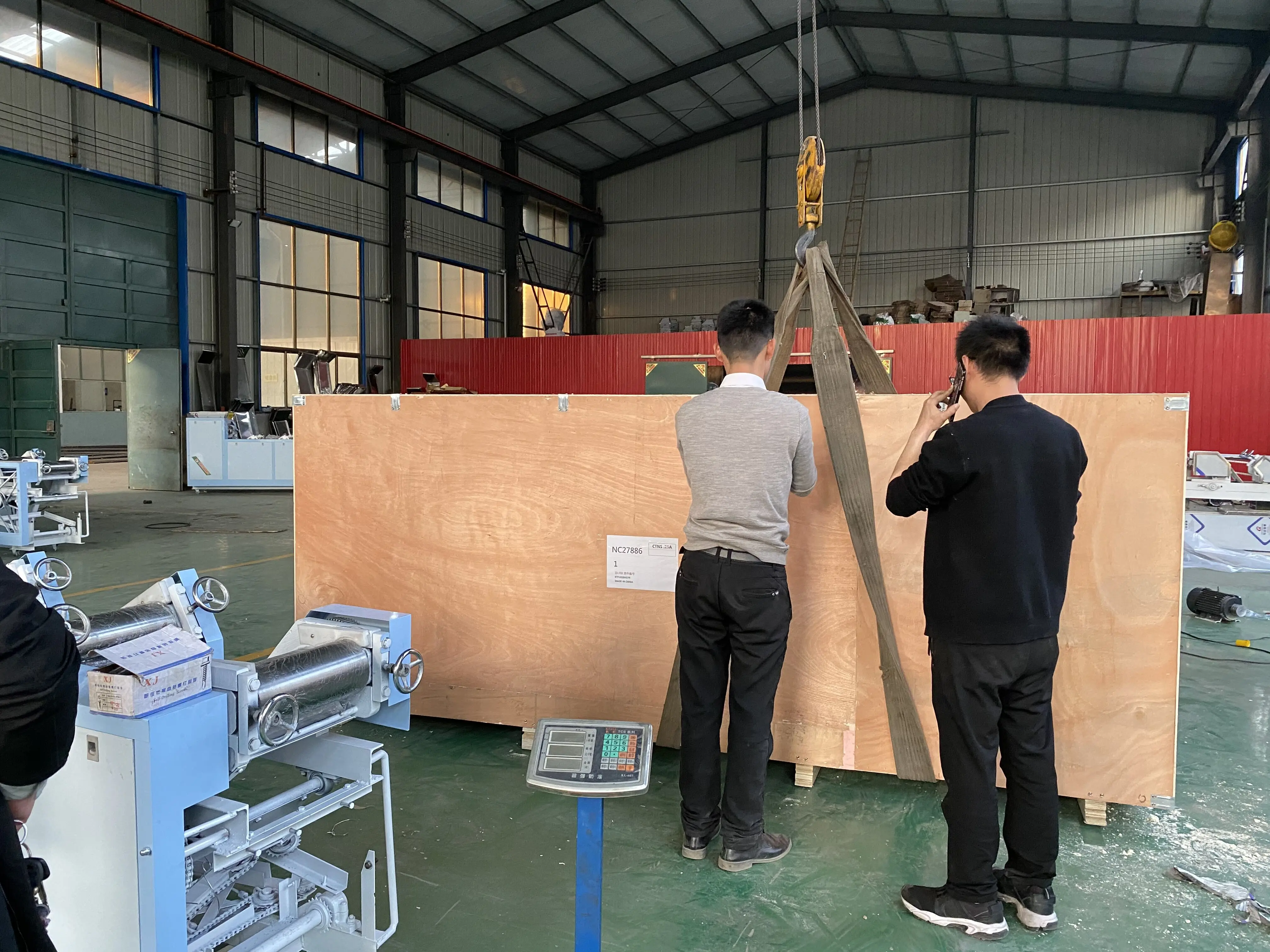
Xingtai Xiangwei Commercial Co., Ltd.
- Trading Company
- Hebei, China
- Lead time7 days
- Avg. response≤ 2h
Main productsDumpling Making Machine,Vegetable Cutting Machine,Meat Cutting Machine,Baozi Making machine,Vegetable Washing Machine
Main marketsNorthern Europe(12.00%), Oceania(11.00%), Eastern Asia(10.00%), North America(10.00%), South Asia(8.00%), Southern Europe(8.00%), Central America(8.00%), Western Europe(8.00%), Mid East(5.00%), Eastern Europe(5.00%), South America(5.00%), Domestic Market(5.00%), Southeast Asia(4.00%), Africa(1.00%)

Hunan Dongfanghong Electromechanical Manufacturing Co., Ltd.
- Combined
- China Hunan
- Lead time30 days
- Avg. response≤ 12h
Main productsChaff Cutter, AC Motor, Corn Sheller, Feed Pellet Machine, Rice Milling Machine, Potato Grater, Feed Granulator, Fodder Chopper, Grinder Machine
Main marketsSoutheast Asia/ Mideast,Domestic,North America

Foshan Nanhai Sunleaf Metal Products Co., Ltd.
- Verified by SGS
- Combined
- China Guangdong
- Lead time30 days
- Avg. response≤ 2h
Main marketsEurope,North America
Innawei Technology (wuhan) Co., Ltd.
- Manufacturer, Trading Company
- Hubei, China
- Lead time0 days
- Avg. response≤ 3h
Main productsFood Machinery,Baking Equipment/Bakery Project,Packaging equipment solutions,Kitchen equipment,Snack Equipment
Main marketsAfrica(25.00%), Mid East(15.00%), Eastern Asia(10.00%), Domestic Market(10.00%), Southeast Asia(6.00%), Southern Europe(5.00%), Western Europe(5.00%), North America(5.00%), Eastern Europe(5.00%), Oceania(5.00%), Central America(3.00%), South America(3.00%), Northern Europe(2.00%), South Asia(2.00%)

Yichu (Qingdao) Kitchen Equipment Co., Ltd
- Verified by SGS
- Trading Company
- China Shandong
- Lead time45 days
- Avg. response≤ 4h
Main productsShowcase, Commercial Refrigerator, Neutral Stainless Steel, Gn Pan, Gas Range, Ice Maker, Meat Ager, Working Table, Wine Cooler, Bottle Cooler
Main marketsSoutheast Asia/ Mideast,Europe,North America

- Verified by SGS
- Combined
- China Jiangxi
- Lead time30 days
- Avg. response≤ 3h
Main productsMeat Cutting Machine, Meat Grinder Machine, Precision Sausage Filling Equipment, Meatball Emulsifier Machinery, Meatball Forming Machine, Multi-Purpose Vegetable Cutter, Pre-Cut Vegetable Processing Equipment, Slicing Dicing & Julienning Equipment, Fish Processing Equipment, Food Packaging Equipment
Main marketsSoutheast Asia/ Mideast


Professional Dual-Head Vegetable Cutter for Efficient Bulk Processing
$4900.00 - $6700.00
MOQ: 1 Pieces

Variable Frequency Electric Vegetable Cutter with Precision Control Features
$4900.00 - $6700.00
MOQ: 1 Pieces

Automatic Dual-Head Vegetable Cutter with Adjustable Speed Control for Efficient Processing
$4900.00 - $6700.00
MOQ: 1 Pieces

- Verified by BV
- Combined
- China Guangdong
- Lead time15 days
- Avg. response≤ 4h
Main productsHood Type Dishwasher, Conveyor Type Dishwasher, Ultrasonic Dishwasher, Undercounter Dishwasher, Bakery Equipment, Food Processor
Main marketsSouth America,Africa,Others(foreignTradeCapacity.exportBusinessCapacityMarketOther),North America
Foshan Shunde Maoduoyu Trading Co., Ltd.
- Manufacturer, Trading Company, Distributor/Wholesaler
- Guangdong, China
- Lead time0 days
- Avg. response≤ 1h
Main productsIndustrial machinery,Commercial machinery,Packaging machinery,Filling machinery,Food machinery
Main marketsNorth America(50.00%), Southeast Asia(10.00%), Mid East(10.00%), Central America(10.00%), Domestic Market(5.00%), Western Europe(5.00%), Northern Europe(3.00%), South Asia(2.00%), Oceania(1.00%), Eastern Asia(1.00%), Eastern Europe(1.00%), South America(1.00%), Africa(1.00%)

ZHUCHENG MBC INDUSTRIAL & TRADING CO., LTD.
- Verified by TUVRHEINLAND
- Combined
- China Shandong
- Lead time15 days
- Avg. response≤ 5h
Main productsFruit & Vegetable Processing Lines, Industrial Jacketed Kettles with Mixer, Retort Sterilizers & Pasteurizers, Frying & Cooking Systems, Tunnel Pasteurization Machine, Food Fryer, Vegetable Cutting Machine, Vacuum Cooking & Concentrating Equipment, Food Sterilizer, Potato Processing French Fries Production Line
Main marketsSouth America,Africa,Southeast Asia/ Mideast,Europe,North America

Modernization Self Research And Development vegetable cutters for Eggplant
$2600.00 - $5800.00
MOQ: 1 Sets

New Arrivals Hot Sale Stainless Steel Customized vegetable slicer/lettuce cutter
$2600.00 - $5800.00
MOQ: 1 Sets


Factory Direct Sales OEM/ODM Customized Automatic Industrial multipurpose Vegetable Cutter
$2600.00 - $5800.00
MOQ: 1 Sets

Guangzhou Nantian Sources Co., Ltd.
- Manufacturer/Factory
- China Guangdong
- Lead time15 days
- Avg. response≤ 6h
Main productsKitchen Equipment, Kitchenware, Food Machine, Kitchen Appliance, Glassware, Food Machinery, Bakery Equipment, Dinnerware, Kitchen Utensils, Food Processor
Main marketsSouth America,Mid East,Southeast Asia,Eastern Asia,Oceania,Africa




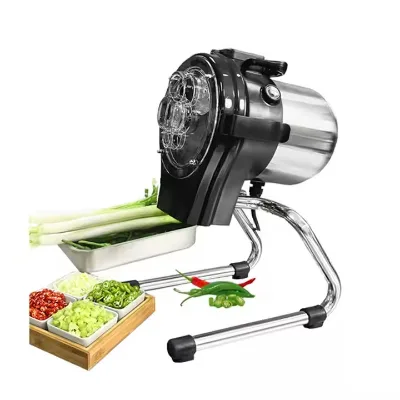
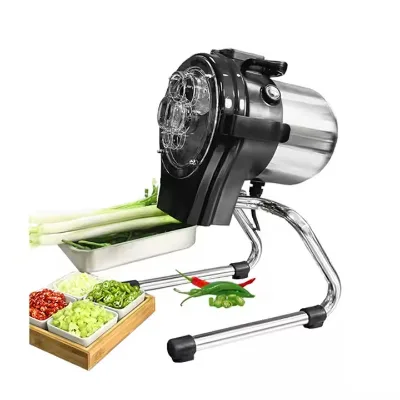
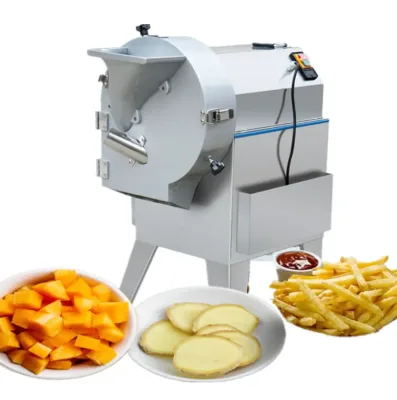


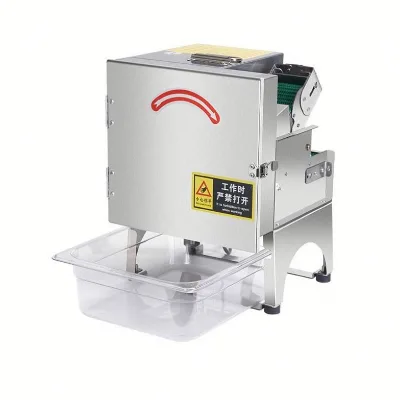










Comprehensive Sourcing Guide
Sustainable Vegetable Cutter Supplier Concentration and Factory Types
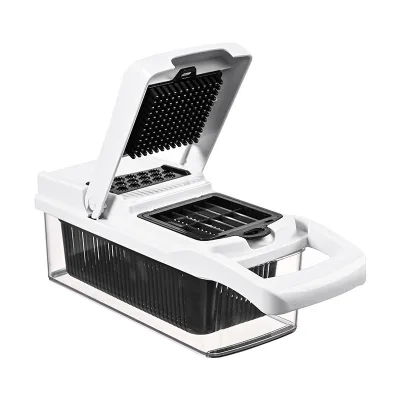
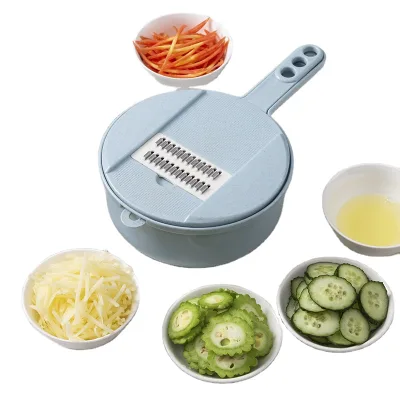
The current supplier pool for sustainable vegetable cutters skews heavily toward China, with Henan and Zhejiang provinces represented among listed companies. Henan appears twice in the results and is associated with industrial food machinery, vegetable processing machines, fruit washing machines and farm equipment, which signals a machinery-making cluster rather than a consumer-housewares cluster. Zhejiang listings, by contrast, are tied to food containers, lunch boxes, bento boxes and plastic kitchenware, and the relevant cutter there is a manual food chopper, slicer and grater-style tool. This tells buyers that "vegetable cutter" spans two distinct factory types: light household kitchenware makers and industrial food processing machine builders. Knowing which half of the category you are sourcing from is the first concentration decision.
Beyond location, the results expose a supplier-type split that matters for cluster identification. One Zhejiang company is labeled a trading company rather than a manufacturer, which is common in kitchenware hubs where traders aggregate small factory output. One Henan supplier advertises ODM and OEM capability, a marker of a manufacturer with engineering depth. When the page you browse does not state a location, infer clusters indirectly: check whether a company's main-product list is dominated by machines or by household kitchen items, and read product origins such as "Zhengzhou" in product attributes. Treat province-level signals as starting points and confirm actual factory addresses through business-license checks before assuming a cluster position.
How to Verify Sustainable Vegetable Cutter Suppliers
Verification on this category starts with the credentials that are actually displayed. In the current results, one supplier carries a TÜV Rheinland verification badge and another carries SGS verification, while other listed companies show no third-party verification at all. Do not assume every supplier has been audited; treat an unbadged listing as unverified until proven otherwise. Because the manual cutter products in these results carry FDA and LFGB certification claims, ask for the underlying certificates with scope, issue date and testing laboratory, and check that the certificate covers food-contact plastic and metal parts, not just the finished assembly. For machinery-side listings, warranty and after-sales terms, such as the video technical support and one-year warranty stated in one result, deserve documentary confirmation.
Verification should also probe what a badge does not cover. A third-party platform verification typically confirms company existence and some transaction history, not factory size, sustainability practices or quality systems. For eco-friendly claims such as the "Eco-Friendly" feature attribute shown on manual cutter listings, request material declarations, including the plastic type, which the results specify as PP for those products. If sustainability is central to your brief, ask for recyclable-material documentation, food-contact compliance for the specific resin grade, and photos or video of the production floor. Cross-check the stated origin, such as Zhengzhou shown on one machine, against the company's registered address. A short audit or third-party inspection visit resolves most remaining doubt about whether a trading company front is standing in for an unidentified factory.
What to Compare Across Sustainable Vegetable Cutter Suppliers
Build a comparison grid from the attributes suppliers actually display, and leave cells blank rather than guessing. Useful dimensions visible in these results include lead time, which ranges from 7 days at one Henan machinery supplier to 15 and 23 days at others; response time, which runs from 2 hours to over 18 hours; verification status, such as SGS or TÜV Rheinland badges; company type, manufacturer versus trading company; ODM/OEM capability; and main-product breadth, where food-machinery specialists list pellet machines, oil presses and vegetable processing lines alongside cutters, while kitchenware traders list containers and lunch boxes. Response speed and lead time together indicate how a supplier will behave once your order is live, not just at quote stage.
Product-level attributes form the second layer of comparison. For manual cutters, compare MOQ, which the results show at 3,000 and 5,000 units; unit price ranges, shown at roughly 2.00–2.10 and 3.10–3.30; weight, certifications, package type and carton quantities. For machines, compare capacity, such as the 300 and 500 kg/h models and the 800–1,000 kg/h capacity cited in one stainless-steel cutter listing, plus power, voltage, weight and price points. Not every supplier publishes every field; when a value is missing, request it in writing rather than inferring it from a neighboring listing. Weight the grid by what changes your risk most: for machines, capacity and after-sales support; for household tools, certification, customization and packing.
Common Sustainable Vegetable Cutter Sourcing Risks
The most frequent risk in this category is category confusion: buying from a household-kitchenware trader when you need an industrial machine, or the reverse. A trading company in Zhejiang listing lunch boxes and bento boxes alongside a manual vegetable chopper is unlikely to support machinery-level spare parts or engineering changes, while a Henan machine builder quoting minimum orders of one unit is structurally different from a kitchenware supplier requiring thousands of units per order. Ordering the wrong supplier type surfaces late, usually at the customization or after-sales stage, so confirm the supplier's core business from its main-product list before requesting quotes.
Second-tier risks cluster around claims and logistics. Eco-friendly and food-contact claims such as FDA and LFGB on manual cutters should be validated against certificates naming the tested materials, because "Eco-Friendly" is an attribute anyone can type into a listing. Machine-side risks include mismatched voltage and capacity expectations, where results show 220V models with stated capacities that must match your production plan, and warranty scope, since one listing promises only video technical support for one year. Packing and shipping weight also carry risk: a 200 kg machine shipped in wooden cases versus a 400 g hand tool in a color box with 36 pieces per carton implies completely different freight calculations and damage exposure. Finally, do not assume displayed lead times of 7, 15 or 23 days apply to customized orders; product attributes elsewhere state 30 days for delivery, so reconcile these figures before committing to a launch date.
Sustainable Vegetable Cutter Regional Sourcing and Logistics
Region shapes both product type and logistics profile. Henan suppliers in these results ship industrial vegetable cutting machines that are packed in wooden cases or wood, weigh from roughly 95 kg to 200 kg, and occupy over a cubic meter of freight volume, so sea freight with lift-gate or forklift delivery at destination is the practical mode, and inland origin adds trucking time to a Chinese port. Zhejiang suppliers ship manual cutters of around 400–420 grams in color boxes, 24 or 36 pieces per carton with gross weights around 14.5–20.5 kg per carton, making them easy to consolidate with other kitchenware or ship as parcelized LCL freight. Your sourcing region should follow your product segment.
Logistics planning should also reflect lead-time differences. The results show lead times of 7, 15 and 23 days for the listed suppliers, and one product attribute states 30 days for delivery, so build your calendar around the longest credible figure for your specific order, especially if customization of logo or packaging is involved, which the manual cutter listings say is available. When a location is not displayed on a supplier page, identify the logistics-relevant region indirectly: ask for the factory's city, check product origin fields, and confirm whether wooden-case packing meets your destination country's ISPM-style heat-treatment expectations before booking freight. For machine orders, clarify whether the quoted price includes export packing and who arranges inland trucking, because these items materially change landed cost in this category.
Sustainable Vegetable Cutter Commercial Terms and Order Planning
Commercial terms in this category vary more between segments than between suppliers. Manual cutter results show minimum orders of 3,000 and 5,000 pieces at unit prices of roughly 2.00–2.10 and 3.10–3.30, which supports classic volume-based negotiation on tooling amortization and logo printing, and customization is explicitly available with logo customization noted in product attributes. Machinery results show a 2,990 price point with an MOQ of one for a QCJ-660A model, and fixed prices of 499 and 529 for RX-300 and RX-500 capacity variants, so negotiation shifts toward warranty terms, spare parts, voltage variants and installation support rather than unit-price discounts. Never extend a kitchenware price structure to a machine quote or vice versa.
Order planning should sequence commitments against verification steps. Place a pre-shipment inspection and a signed specification sheet, covering material, certifications, dimensions such as the 2610.57.1 cm product standard shown on one cutter, carton configuration and marking, ahead of deposit payment. For machines, confirm acceptance testing at capacity, spare-part lists and the after-sales channel, since one listing promises only video technical support. Use lead times of 7 to 23 days displayed in results as starting references, then add buffer for customization, which one product attribute puts at 30 days delivery. Reconcile MOQ against your sell-through before committing, particularly where 5,000-piece minimums apply, and phase first orders so that certification and quality findings from the initial shipment can be corrected before repeat volume is placed.
FAQs
Are vegetable cutters available with eco-friendly certifications?
Yes, manual vegetable cutters are available with LFGB and FDA certifications. These products are made from eco-friendly PP plastic and metal materials. They are designed for household use and feature non-automatic operation. Buyers can verify these certifications directly on the product specifications to ensure compliance with safety standards.
What is the typical lead time for vegetable cutter orders?
Lead times vary by supplier type and product category. Manual kitchen tools typically have a lead time of 23 days. Industrial vegetable processing machines often require 15 days. Some suppliers offer faster turnaround times of just 7 days for specific stainless steel models. Buyers should confirm exact delivery schedules with the supplier.
Do suppliers offer customization for vegetable cutter designs?
Customization is widely available for both manual and industrial vegetable cutters. Suppliers offer OEM and ODM services for industrial machinery. Manual cutters allow for logo customization and specific packaging options. Buyers can request tailored solutions for material, function type, and branding to meet specific market requirements or brand identity needs.
What are the minimum order quantities for vegetable cutters?
MOQs depend on the product type and supplier. Manual plastic vegetable cutters usually require a minimum order of 3000 to 5000 pieces. Industrial vegetable cutting machines have a much lower MOQ of just one unit. Buyers seeking bulk quantities of manual tools should plan for higher volume commitments compared to single machine purchases.
Where are vegetable cutter manufacturers primarily located?
Manufacturers are primarily located in China, specifically in Zhejiang and Henan provinces. Zhejiang suppliers often focus on manual kitchenware and plastic containers. Henan suppliers specialize in industrial food processing machinery and vegetable cutting equipment. Buyers can filter results by these locations to find suppliers with specific manufacturing capabilities and logistical advantages.
What is the price range for manual vegetable cutters?
Manual vegetable cutters generally range from $2.00 to $3.30 per unit. Prices vary based on material, weight, and packaging specifications. Higher-priced models may offer additional features or larger quantities per carton. Buyers should compare unit prices against MOQs to determine the most cost-effective option for their specific sourcing needs and budget constraints.
How quickly do suppliers respond to inquiries?
Response times vary significantly among suppliers. Some suppliers respond within 2 hours, while others take up to 18.61 hours. Faster response times are often associated with industrial machinery suppliers. Buyers should prioritize suppliers with quicker response times to ensure efficient communication and timely resolution of sourcing questions or order details.