Reusable Heart Shaped Cookie Molds Suppliers and Manufacturers
Source Reusable Heart Shaped Cookie Molds from 28 verified suppliers in Zhejiang, China. Compare key dimensions including lead times of 15-45 days, MOQs, and response speeds to identify the right partner. Review product specifications and request quotes to streamline your procurement process.
Updated
Suppliers List

Yongkang M&U Industry And Trade Co., Ltd.
- Manufacturer, Trading Company
- Zhejiang, China
- Lead time45 days
- Avg. response≤ 2h
Main productsSilicone Kitchenware, Silicone Bakeware, Silicone Ice Mold, Silicone Pet Supplies, Stanless Steel Kitchen Utensils
Main marketsEastern Asia(80.00%), North America(10.00%), Western Europe(5.00%), Eastern Europe(2.00%), Domestic Market(2.00%), Northern Europe(1.00%)
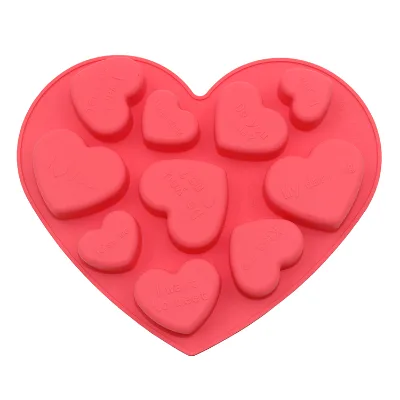
Heart-Shaped Chocolate Baking Molds Cupcake Baking Tools Silicone Reusable Cake Tools
$0.52 - $0.72
MOQ: 1000 pieces
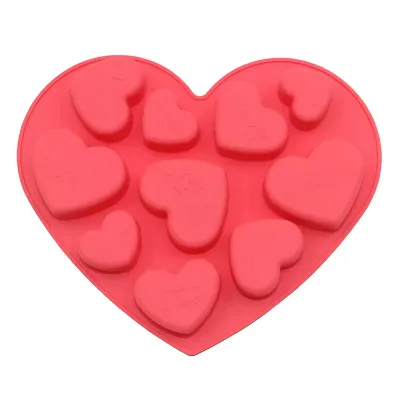
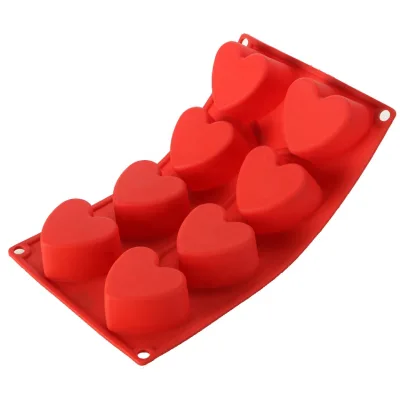
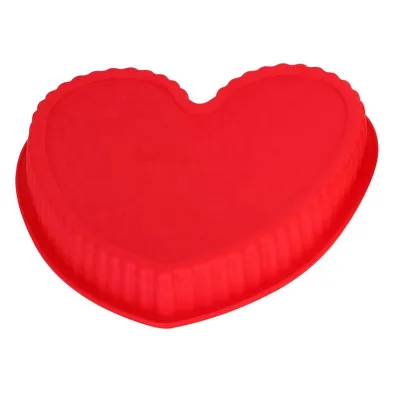
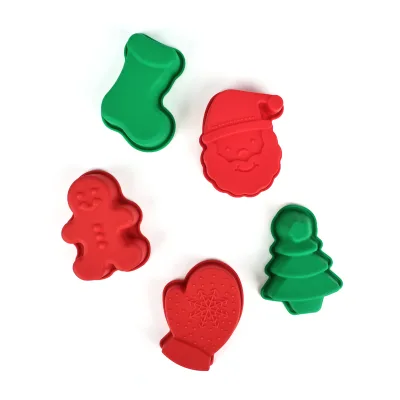
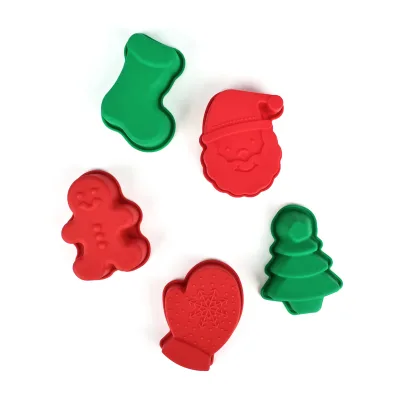
Custom Christmas Cookie Silicone Molds Resin Bakeware Tree Shape Chocolate Cake Tools
$0.30 - $0.85
MOQ: 2 pieces

Yiwu Feisi Xiudun Import and Export Co., Ltd
- Trading Company
- Zhejiang, China
- Lead time15 days
- Avg. response≤ 5h
Main productsSilastic Mould, Jewelry Mould, Webbing, Christmas Headband
Main marketsNorth America(50.00%), Western Europe(9.00%), Southern Europe(9.00%), Northern Europe(9.00%), Eastern Europe(9.00%), Eastern Asia(7.00%), Mid East(5.00%), Oceania(2.00%)

Yangjiang C&B Consumer Product Limited
- Verified by CTI
- Trading Company
- China Guangdong
- Lead time15 days
- Avg. response≤ 7h
Main productsBarbecue Tongs, Grilling Brushes, Outdoor Shovel, Grilling Tools, Kitchen Ware, Outdoor Products, Pizza Tools, Knife Set
Main marketsSouth America,Africa,Southeast Asia/ Mideast,Europe,Australia,North America


Disposable Heart Shaped Aluminum Foil Molds, Hot Sell Dessert Baking Trays
$0.022 - $0.036
MOQ: 20000 Pieces

Hot Sale Disposable Heart-Shaped Aluminum Foil Baking Cakes, Cookies, Cupcakes, Tarts Mold
$0.022 - $0.036
MOQ: 20000 Pieces

Food-Grade Heart-Shaped Silicone Baking Mold DIY Chocolate & Cookie Tool
$0.32 - $0.36
MOQ: 1000 Pieces

Heart-Shaped Silicone Baking Mold DIY Chocolate Cake Tool for Valentine's Day & Wedding
$0.32 - $0.36
MOQ: 1000 Pieces

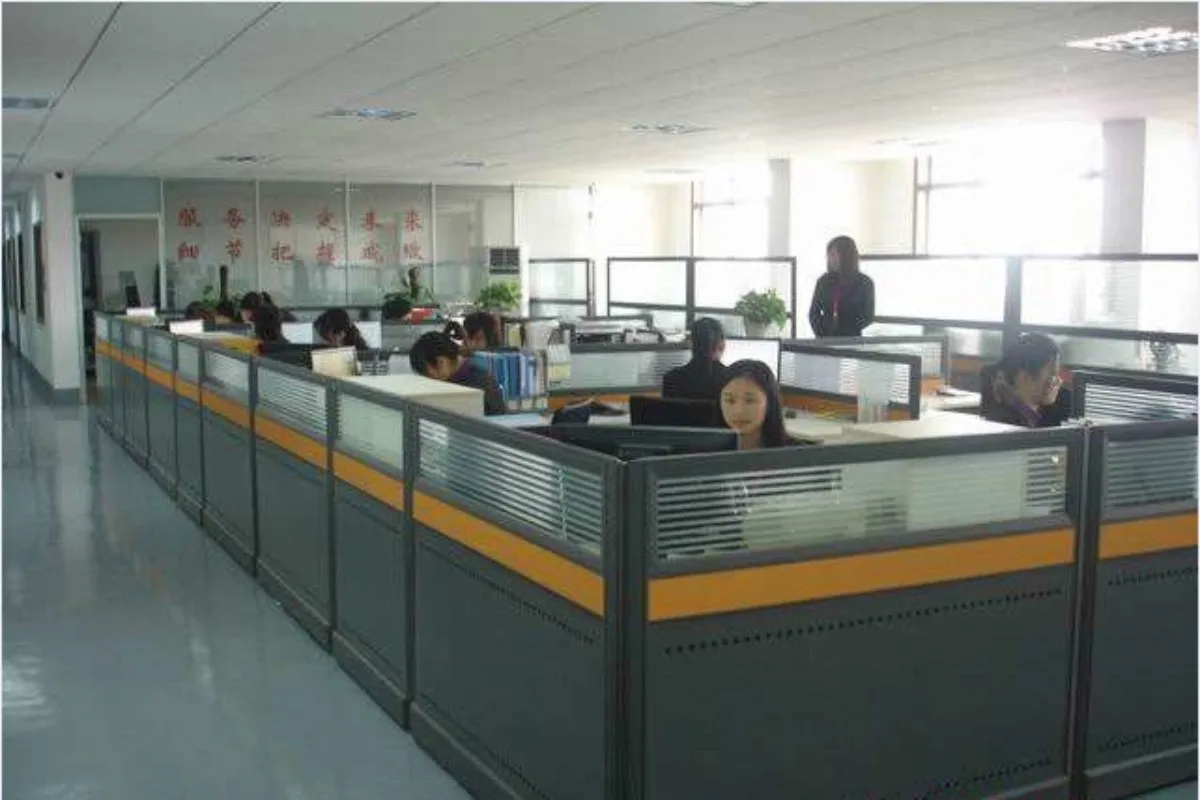
Guangzhou Chenghi Technology Co., Ltd.
- Manufacturer, Trading Company
- Guangdong, China
- Lead time7 days
- Avg. response≤ 3h
Main productsCake decorating tools,baking tools,Kitchen supplies,cake tools
Main marketsDomestic Market(26.00%), North America(15.00%), Western Europe(8.00%), Africa(8.00%), Mid East(8.00%), Eastern Europe(8.00%), Southern Europe(6.00%), Northern Europe(5.00%), South America(5.00%), Southeast Asia(5.00%), South Asia(4.00%), Oceania(1.00%), Eastern Asia(1.00%)
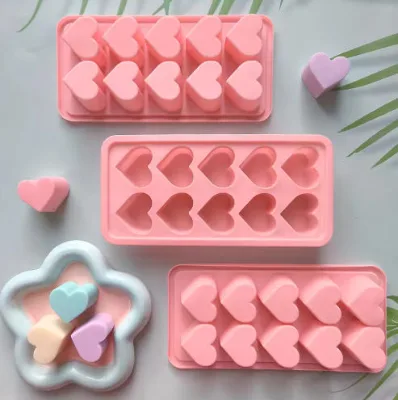
$0.4623 - $0.6672
MOQ: 20 pieces
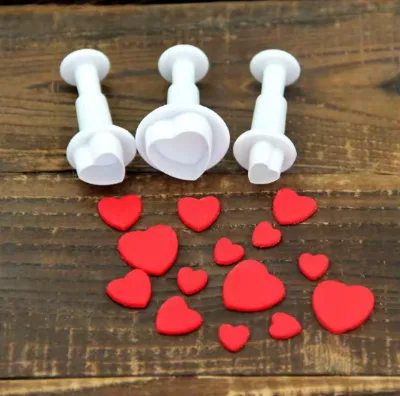
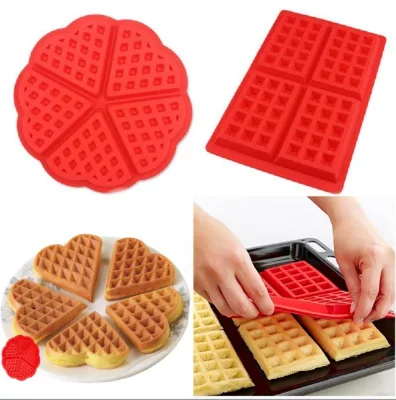
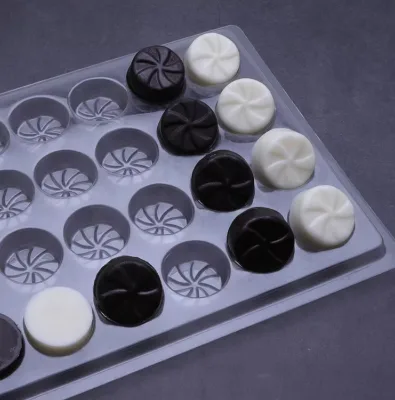
$0.205 - $0.2768
MOQ: 500 pieces
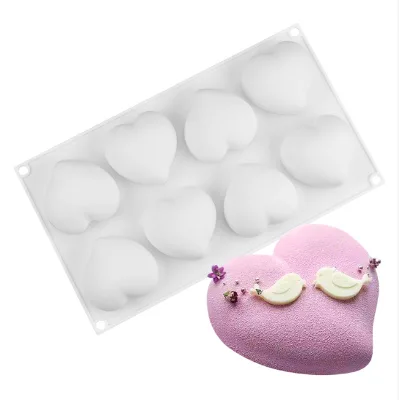
$0.9185 - $1.0218
MOQ: 2 tons
Wuyi Jucheng Industry And Trade Co., Ltd.
- Verified by TüVRheinland
- Manufacturer, Trading Company
- Lead time30 days
- Avg. response≤ 4h
Main productsSilicone Lunch Box, Silicone Mold, Silicone Tool, Baby Product, Pet Product
Main marketsWestern Europe(25%), Domestic Market(20%), North America(15%)
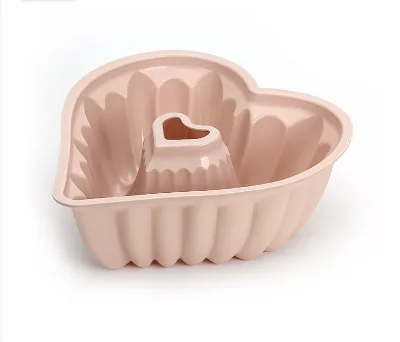
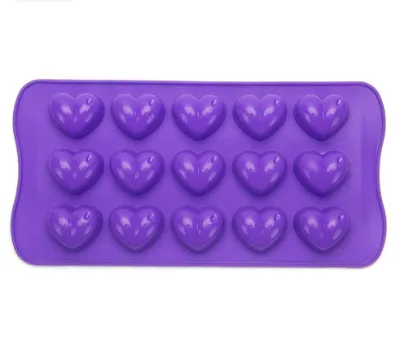
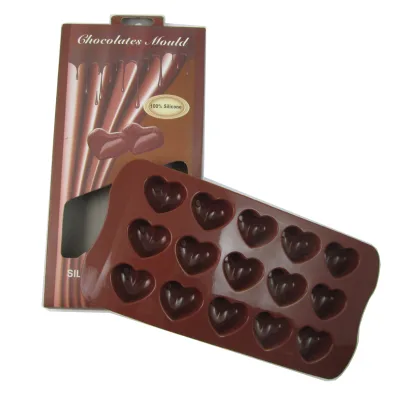
Chocolate Mould Silicone Mold Cake Candy Cookie Love Heart 15 Hole Heart Shape Chocolate Mold
$0.25 - $0.30
MOQ: 3 pieces

Shenzhen Guangyufeng Rubber Co., Ltd.
- Verified by SGS
- Trading Company,Manufacturer/Factory
- China Guangdong
- Lead time23 days
- Avg. response≤ 2h
Main productsSilicone Product, Silicone Rubber Product, Baby Product, Silicone Tube, Silicone Rubber Roller, Silicone Sex Toy, Silicone Mold, Silicone Kitchenware, Silicone Case, Silicone Strap
Main marketsSouth America,Eastern Europe,Mid East,North America,Southeast Asia,Eastern Asia,Oceania,Western Europe,Africa

15 Cavity Heart Shaped Silicone Chocolate Mold Reusable Fondant Mold Silicone Baking Mold Cake Mold
$0.30 - $2.00
MOQ: 50 Pieces

$0.30 - $2.00
MOQ: 50 Pieces


Xiamen Newtop Material Company
- Verified by TUVRHEINLAND
- Combined
- China Fujian
- Lead time15 days
- Avg. response≤ 3h
Main productsSilicone Pet Prodcuts, Silicone Housewares Product, Silicone Baby Product, Silicone Parts, Silicone Cap, Silicone Breast Pump, Slow Feeder, Silicone Pet Mat, Silicone Gasket, Silicone Hose
Main marketsEurope,North America

YONGKANG HOMESHINE SILICONE PRODUCTS CO., LTD.
- Combined
- China Zhejiang
- Lead time23 days
- Avg. response≤ 25h
Main productsGlass Lid
Main marketsSouth America,East Asia(Japan/ South Korea),Domestic,Europe,North America

6 Cavity Food Grade Silicone Heart Shaped Cake Mould Bread Baking Trays
$0.80 - $0.85
MOQ: 1500 Pieces


$0.75 - $0.85
MOQ: 1500 Pieces
Yuyao Createklat Plastic Products Co., Ltd.
- Verified by Intertek
- Manufacturer
- Zhejiang, China
- Lead time30 days
- Avg. response≤ 3h
Main productsCookie Cutter, Chocolate Mold, Cake Tool, Silicone Chocolate Mold, Cookie Tool
Main marketsDomestic Market(35%), North America(30%), South America(15%)
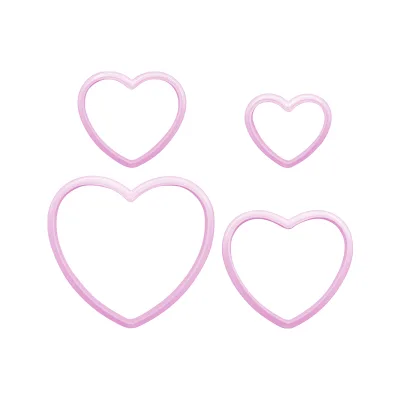
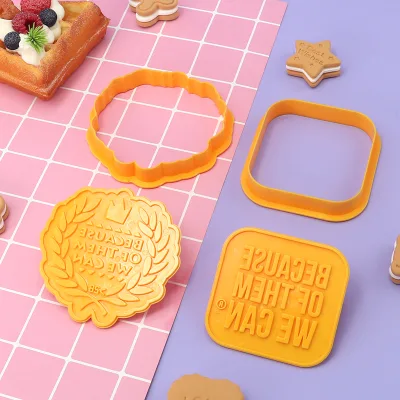
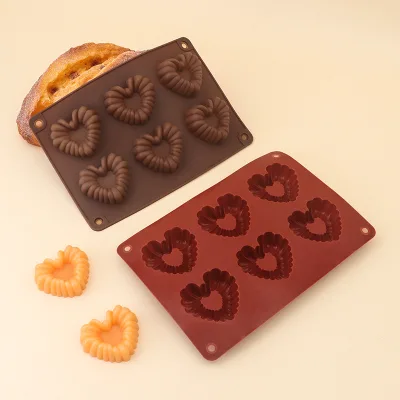
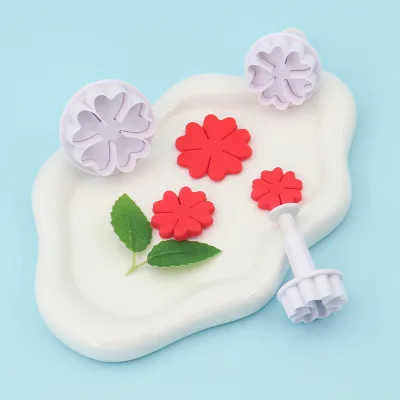
3 pcs Five heart flower baking cookie mold , plastic baking kitchen pastry and toy tools
$0.2693 - $0.4144
MOQ: 50 sets

Guangdong Tangshihoa Industry and Trade Co., Ltd.
- Verified by TUVRHEINLAND
- Combined
- China Guangdong
- Lead time23 days
- Avg. response≤ 9h
Main productsCake Decoration
Main marketsSoutheast Asia/ Mideast
Ningbo Lixsun Imp. & Exp .co., Ltd.
- Trading Company
- Zhejiang, China
- Lead time10 days
- Avg. response≤ 4h
Main productsKitchenware,Houseware,Bakeware,Cleaning products,Promotional gifts
Main marketsWestern Europe(32.00%), North America(25.00%), South America(10.00%), Mid East(5.00%), Eastern Europe(4.00%), Domestic Market(3.00%), Northern Europe(3.00%), Central America(3.00%), South Asia(3.00%), Southern Europe(3.00%), Oceania(3.00%), Africa(2.00%), Eastern Asia(2.00%), Southeast Asia(2.00%)

Ningbo Pack Imp. & Exp. Co., Ltd.
- Verified by SGS
- Trading Company,Manufacturer/Factory
- China Zhejiang
- Lead time30 days
- Avg. response≤ 9h
Main productsAluminum Jar, Aluminum Bottle, Tin Box, Glass Dropper Bottle, Glass Tube, Paper Box, Paper Tube, Plastic Pop Top Tube, Plastic Bottle, Silicone Gummy Mold
Main marketsSouth America,Eastern Europe,Mid East,North America,Southeast Asia,Eastern Asia,Oceania,Western Europe,Africa
Dongguan Hongsen Silicone Products Co., Ltd.
- Manufacturer
- Guangdong, China
- Lead time15 days
- Avg. response≤ 5h
Main productsSilicone Cosmetic Bag, Silicone Utensil, Silicone Box, Silicone Ice Mold, Silicone Baking Molds
Main marketsDomestic Market(40.00%), North America(30.00%), Eastern Asia(10.00%), Western Europe(7.00%), Oceania(5.00%), Southeast Asia(4.00%), Southern Europe(2.00%), Northern Europe(2.00%)
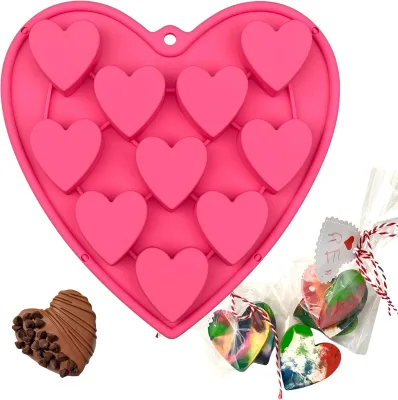
$1.7279 - $1.9568
MOQ: 300 pieces
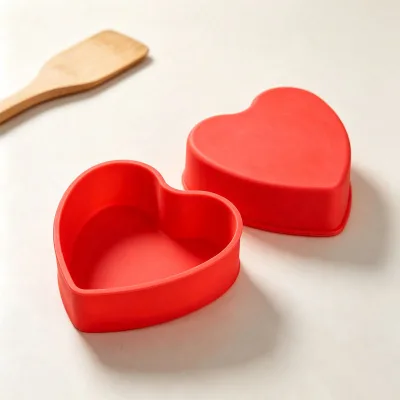
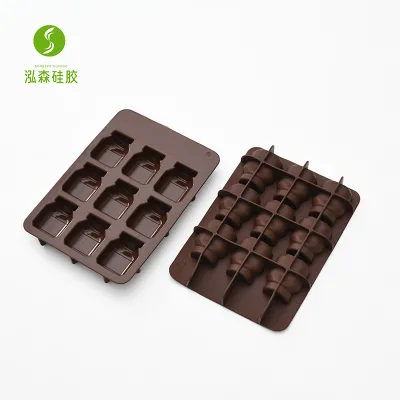
$1.35 - $1.50
MOQ: 300 pieces
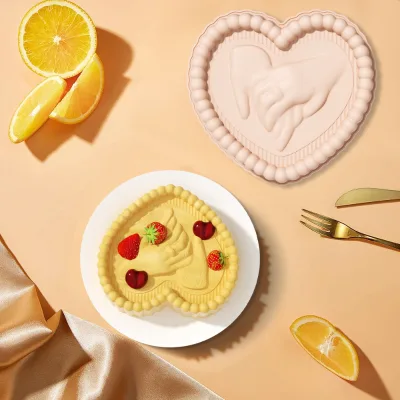
$1.3045 - $1.3554
MOQ: 500 pieces

Wenzhou Cathylin International Trade Co., Ltd.
- Verified by TUVRHEINLAND
- Trading Company
- China Zhejiang
- Lead time15 days
- Avg. response≤ 5h
Main productsFlatware, Cutlery, Kitchen Tools, Tableware, Cookware, Bakeware, Drinkware
Main marketsNorth America

Guangzhou HY Plastic Co., Ltd.
- Manufacturer, Trading Company, Distributor/Wholesaler
- Guangdong, China
- Lead time5 days
- Avg. response≤ 3h
Main productschocolate mold,cake mold,soap mold,candle mold,cake tools
Main marketsNorth America(30.00%), Eastern Europe(25.00%), Oceania(10.00%), Africa(5.00%), Southeast Asia(5.00%), Northern Europe(5.00%), South America(5.00%), Western Europe(4.00%), South Asia(3.00%), Southern Europe(3.00%), Mid East(3.00%), Domestic Market(1.00%), Eastern Asia(1.00%)
Wenzhou Cathylin International Trade Co., Ltd.
- Manufacturer, Trading Company
- Zhejiang, China
- Lead time60 days
- Avg. response≤ 7h
Main productsFlatware,Kitchen Tools And Gadgets,Kitchen Appliances,Kitchen Knives,Tableware
Main marketsNorth America(35.00%), Western Europe(10.00%), Mid East(10.00%), Eastern Europe(10.00%), Southern Europe(10.00%), Northern Europe(10.00%), Oceania(5.00%), Central America(5.00%), South America(5.00%)
Xiamen Cuten Nicety Accessories Industry Co., Ltd.
- Verified by SGS Group
- Manufacturer, Trading Company
- Lead time15 days
- Avg. response≤ 2h
Main productsSilicone Products, Injection Molded Plastics, Home Goods, Pet Supplies, Maternity & Baby Products

Guangdong Heilan New Material Technology Co., Ltd.
- Manufacturer
- China Guangdong
- Lead time15 days
- Avg. response≤ 8h
Main productsGeneral Purpose Silicone Rubber, Silicone Rubber for Sex Dolls, Silicone Rubber Insulator, Food Grade Silicone Rubber, Htv/Hcr Silicone Rubber, High Tear Strength Silicone Rubber, Molding Silicone Rubber, High Transparent Silicone Rubber, Flame Retardant Silicone, High Transaparent Excusion Silicone Rubber
Main marketsSoutheast Asia/ Mideast,Europe,North America

Reusable Customized Heart Shaped Candy Candle Mold DIY Silicone Baking Cake Mold
$3.70 - $4.80
MOQ: 1 kg

Versatile Customized Heart Shaped Candy Candle Mold DIY Silicone Baking Cake Mold
$3.70 - $4.80
MOQ: 1 kg


Flexible Customized Heart Shaped Candy Candle Mold DIY Silicone Baking Cake Mold
$3.70 - $4.80
MOQ: 1 kg

Durable Customized Heart Shaped Candy Candle Mold DIY Silicone Baking Cake Mold
$3.70 - $4.80
MOQ: 1 kg

Premium Customized Heart Shaped Candy Candle Mold DIY Silicone Baking Cake Mold
$3.70 - $4.80
MOQ: 1 kg

- Manufacturer
- Ningbo, China
- Lead time15 days
- Avg. response≤ 8h
Main productsSilicone Rubber Materials,Silicone Cake Mold,Silicone Mat,Baking Tools,Silicone Toy
Main marketsNorth America(32.00%), Western Europe(18.00%), Southern Europe(12.00%), Domestic Market(10.00%), Northern Europe(9.00%), Eastern Asia(8.00%), Eastern Europe(5.00%), South America(2.00%), Southeast Asia(1.00%), South Asia(1.00%), Mid East(1.00%), Oceania(1.00%)

Dongguan Kerun Rubber Products Co., Ltd.
- Verified by TUVRHEINLAND
- Combined
- China Guangdong
- Lead time15 days
- Avg. response≤ 3h
Main productsSilicone Baby Products, Silicone Kitchenware, Silicone Watch Band, Silicone Mold, Silicone Baking Supplies, Silicone Pet Supplies, Silicone Promotion Gifts, Rubber Product, Silicone Teether, Silicone Feeding Set
Main marketsDomestic

$0.32 - $0.66
MOQ: 100 Pieces

Chocolate Mold, Silicone Mold, Thickened Popular Mold, Cake Mold, Silicone Baking Mold
$0.83 - $0.90
MOQ: 100 Pieces


12 Hole Fruit Heart-Shaped Lollipop Mold, Hard Candy Lollipop Mold, Silicone Resin Silicone Biscuit
$0.61 - $0.77
MOQ: 20 Pieces

$0.42 - $0.58
MOQ: 20 Pieces


Zhongshan Xinyuan Silicone Rubber Co. Ltd
- Verified by TUVRHEINLAND
- Combined
- China Guangdong
- Lead time15 days
- Avg. response≤ 2h
Main productsSilicone Mold, Silicone Ice Cube Tray, Silicone Wristband, Silicone Tea Infuser, Silicone Bakeware, Silicone Keychain, Silicone Cup Coaster, Silicone Bag
Main marketsSouth America,Southeast Asia/ Mideast,Domestic,Europe,North America


Custom Heart Cake Chocolate Moulds Shapes for Baking Silicone Mold 6 Inch
$1.00 - $1.80
MOQ: 50 Pieces


Customized Non-Stick Chocolate Candy Silicone Molds for DIY Crafts Fondant
$0.25 - $0.65
MOQ: 100 Pieces


Shenzhen Baibanfengxing Technology Co., Ltd.
- Manufacturer, Trading Company
- Guangdong Province, China
- Lead time5 days
- Avg. response≤ 3h
Main productshousehold products,Kitchen supplies
Main marketsDomestic Market(20.00%), Eastern Europe(15.00%), North America(15.00%), Western Europe(10.00%), Southern Europe(10.00%), Northern Europe(10.00%), South America(5.00%), Mid East(5.00%), Southeast Asia(5.00%), Central America(5.00%)
Hangzhou Aike Baking Euipment Co., Ltd.
- Verified by TüVRheinland
- Manufacturer, Trading Company
- Lead time0 days
- Avg. response≤ 2h
Main productsFood Spray Gun
Main marketsDomestic Market(60%), North America(20%), Southeast Asia(15%)

NanChang Sunflower Silicone Rubber Co. Ltd
- Verified by TUVRHEINLAND
- Trading Company
- China Jiangxi
- Lead time15 days
- Avg. response≤ 5h
Main productsSex Toy, Watch, Phone Case, Kitchenware, Gift
Main marketsOthers(foreignTradeCapacity.exportBusinessCapacityMarketOther)
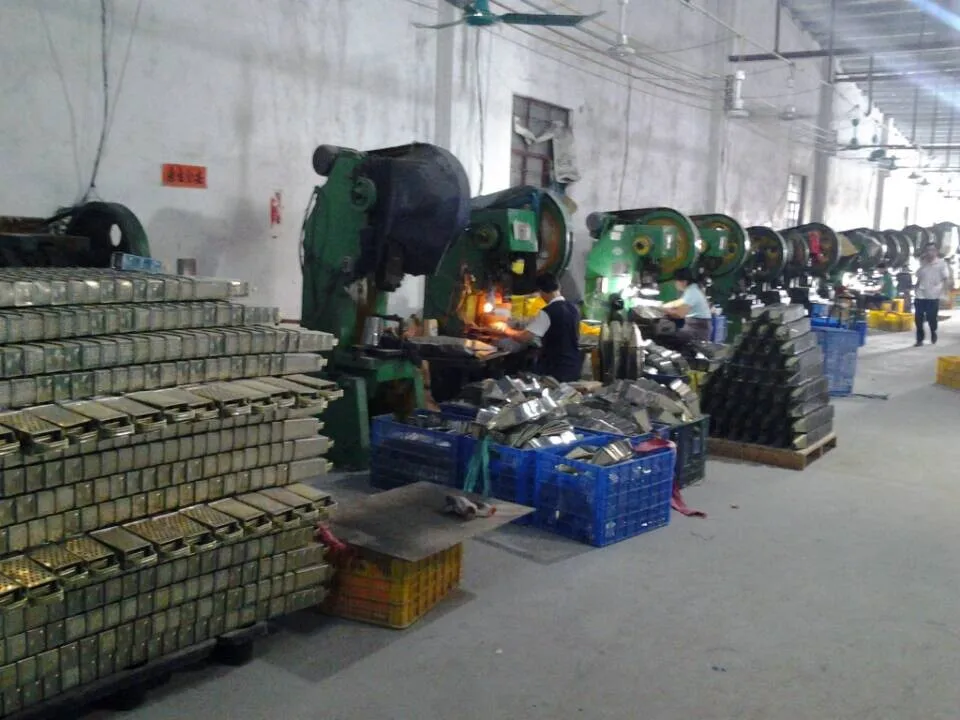
Huorun Import & Export Co., Ltd. (ASIA BEST BRANCH)
- Trading Company
- Guangdong, China
- Lead time30 days
- Avg. response≤ 10h
Main productsKitchen Knife & Scissor,Kitchen Tools,BBQ Tools,Wooden Cutting Boards,Manicure & Beauty Tools
Main marketsWestern Europe(45.00%), South America(20.00%), Eastern Asia(10.00%), Northern Europe(10.00%), Eastern Europe(5.00%), Central America(5.00%), North America(5.00%)

Xiamen Zhongying Electronic Technology Co., Ltd.
- Verified by SGS
- Combined
- China Fujian
- Lead time15 days
- Avg. response≤ 7h
Main productsPlastic Products, Rubber Ring, Sealing Ring, Gasket
Main marketsSoutheast Asia/ Mideast,Australia,North America


Love Heart Shape Silicone Cake Chocolate Mold Non-Stick Fondant Candy Mold
$0.70 - $0.88
MOQ: 200 Pieces
Yangzhou Actcat International Trading Co., Ltd.
- Manufacturer, Trading Company
- Jiangsu, China
- Lead time30 days
- Avg. response≤ 4h
Main productsHot Water Bottle/ Hot Water Bottle Cover,Microwave Heating Pad/ Ice Bag,Plush Toys
Main marketsWestern Europe(40.00%), Eastern Asia(20.00%), Mid East(10.00%), South Asia(5.00%), Southern Europe(5.00%), Africa(5.00%), Domestic Market(4.00%), North America(3.00%), Eastern Europe(2.00%), Southeast Asia(2.00%), Oceania(2.00%), Central America(2.00%)

Ningbo Qize Industry and Trade Co., Ltd
- Verified by BV
- Trading Company
- China Zhejiang
- Lead time30 days
- Avg. response≤ 4h
Main productsPdlc Smart Film, Filter Materials, Silicone Molds, Pet Products, Medical Supplies
Main marketsEurope
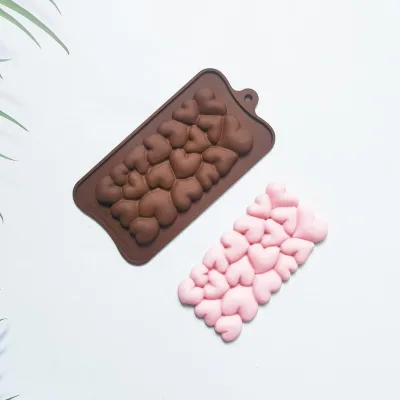
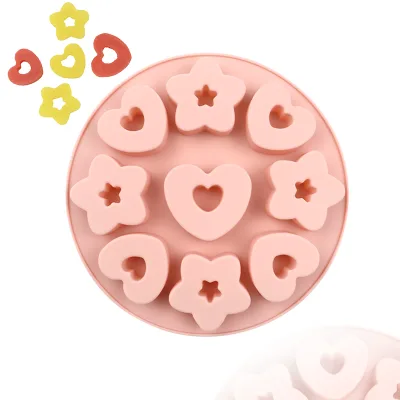


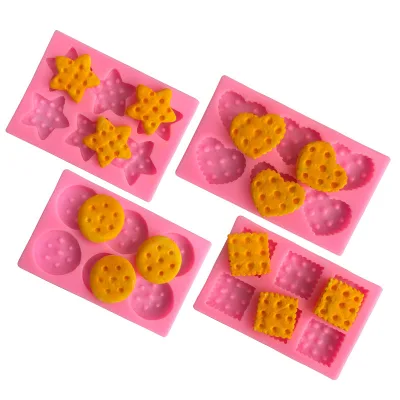
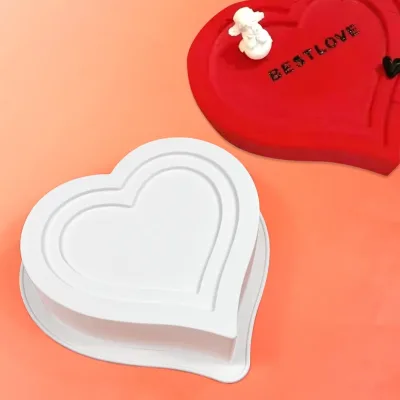


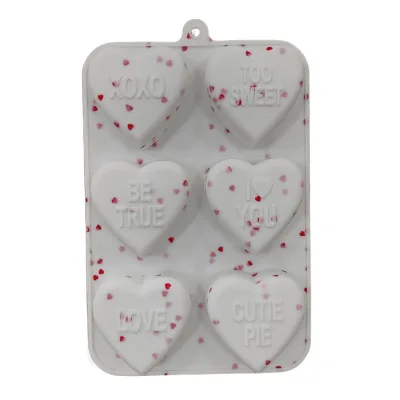

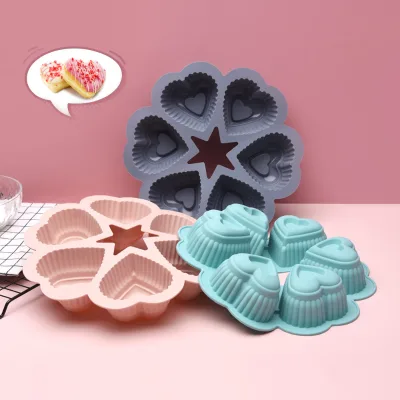
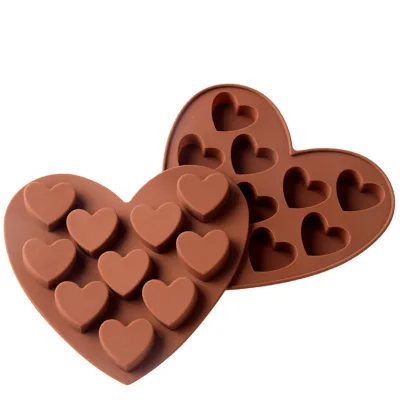
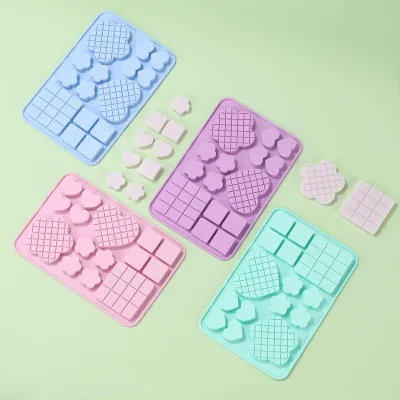
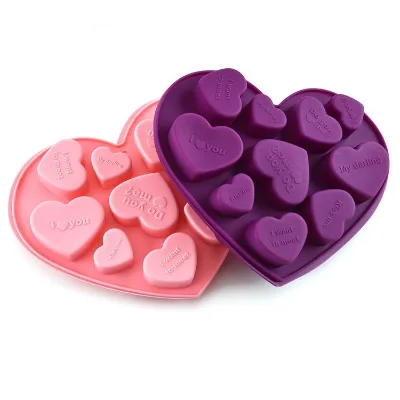
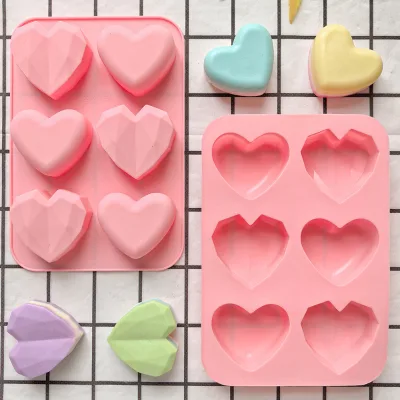
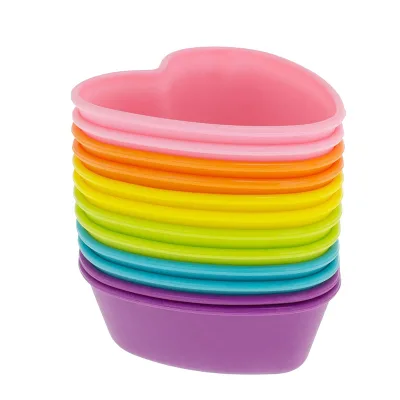
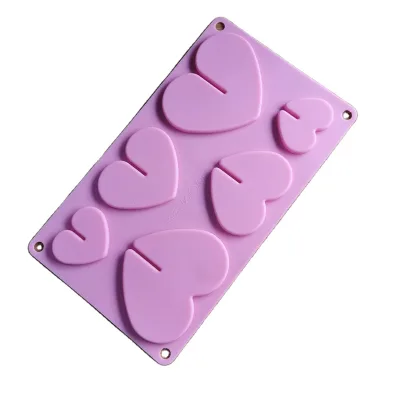
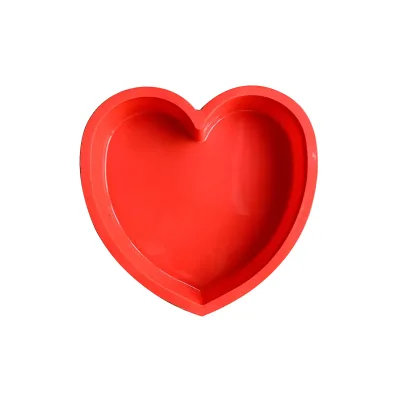
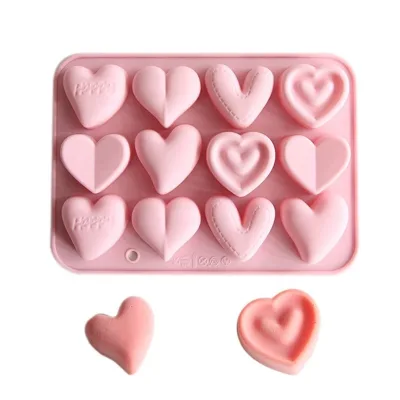
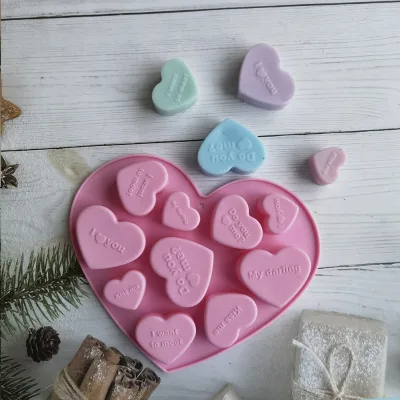


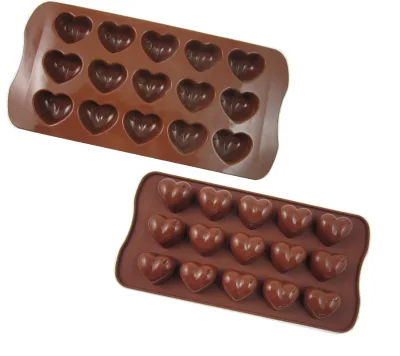
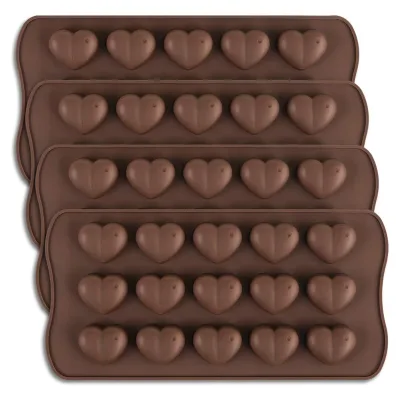
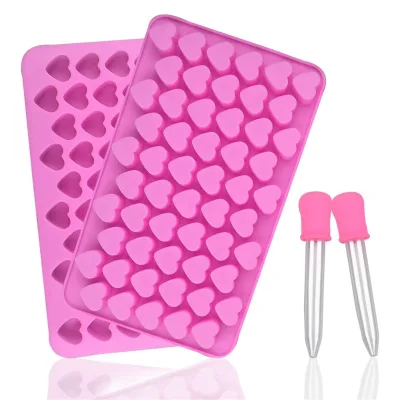


Comprehensive Sourcing Guide
Reusable Heart Shaped Cookie Molds Supplier Concentration and Factory Types
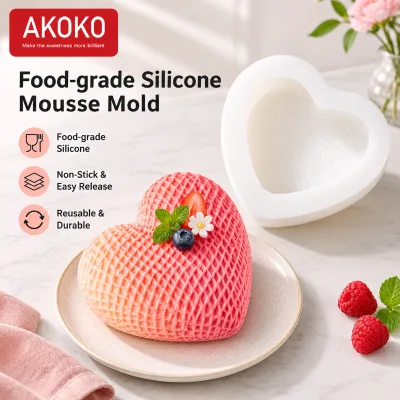
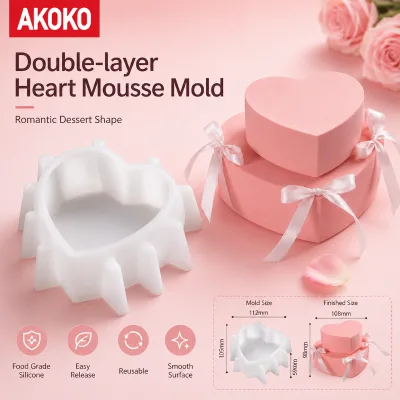
The current supplier landscape for Reusable Heart Shaped Cookie Molds reveals a distinct concentration of manufacturing activity within Zhejiang, China. This regional clustering is significant for buyers because it indicates a mature supply chain ecosystem specialized in silicone and kitchenware production. When evaluating potential partners, it is crucial to distinguish between the two primary company types present in these results: Manufacturers and Trading Companies. Manufacturers typically offer direct control over production processes, which can be advantageous for customizing mold dimensions, such as the specific 1815.52cm or 29.5173.7cm sizes observed in product listings. They are often better positioned to handle complex OEM or ODM requests, as evidenced by the availability of customization options for colors and shapes like hearts or squares. On the other hand, Trading Companies may provide a broader portfolio of related items, such as webbing, jewelry molds, or Christmas headbands, alongside silicone bakeware. This diversification can be beneficial for buyers seeking to consolidate orders across multiple product categories, although it may introduce an additional layer between the buyer and the actual production facility. Understanding this distinction helps in assessing who holds the technical expertise for silicone curing and who manages the logistical aggregation of goods.
Identifying the correct factory type requires careful scrutiny of the supplier’s main product declarations and operational history. Suppliers listing Silicone Kitchenware, Silicone Bakeware, and Silicone Ice Mold as their primary offerings are likely focused on the technical aspects of silicone molding, ensuring consistent quality for food-grade applications. In contrast, those listing diverse items like Stanless Steel Kitchen Utensils or non-silicone accessories might be aggregating products from various sources. Buyers should verify if the supplier claims to be a Manufacturer or a Trading Company, as this impacts communication efficiency and problem-solving capabilities during production. For instance, a manufacturer can directly address issues related to the temperature range of -40°C to 230°C or the specific material composition, such as food-grade silicone. Meanwhile, a trading company might offer more flexible order structures or faster response times, such as the 5-hour response window observed in some results, compared to the 2-hour window seen in others. This operational difference can influence the overall sourcing experience, particularly when negotiating custom specifications or resolving quality discrepancies. Therefore, aligning the supplier type with your specific needs for customization versus variety is a critical first step in the selection process.
How to Verify Reusable Heart Shaped Cookie Molds Suppliers
Verifying the legitimacy and capability of suppliers requires a multi-layered approach that goes beyond surface-level product descriptions. One of the most critical aspects is confirming the material safety and functional specifications of the molds. Buyers should request detailed product attributes that explicitly state the material composition, ensuring it is food-grade silicone capable of withstanding the specified temperature range of -40°C to 230°C. This range is essential for both freezing and baking applications, indicating the mold's versatility for making chocolate, jelly, pudding, or cake. Additionally, verifying the presence of key features such as being eco-friendly, non-toxic, and reusable is paramount for meeting consumer expectations and regulatory standards in various markets. Buyers should ask for test reports or certifications that validate these claims, although specific certification names are not provided in the current data. It is also important to check the origin of the product, with Zhejiang, China, being a common source, and to ensure that the supplier can provide accurate details on the single package size and weight, such as 20X18X10 cm and 58g, which affect shipping costs and inventory planning.
Another vital verification step involves assessing the supplier’s responsiveness and operational reliability. The response time is a key indicator of how quickly a supplier can address inquiries, with some results showing a 2-hour response time and others a 5-hour window. Faster response times often correlate with better customer service and more agile problem-solving, which is crucial when dealing with custom orders or urgent shipments. Buyers should also examine the lead time, which varies significantly between suppliers, ranging from 15 days to 45 days. A shorter lead time, such as 15 days, might be preferable for time-sensitive projects, while a longer lead time of 45 days could allow for more thorough quality control or accommodate larger production runs. It is also advisable to verify the supplier’s establishment year and business history, although this specific data is not currently available in the results. Buyers should inquire about the supplier’s track record, including their experience with similar products like heart-shaped chocolate baking molds or cupcake baking tools. By combining material verification with operational assessment, buyers can build a more comprehensive profile of each potential supplier, reducing the risk of partnering with unreliable entities.
What to Compare Across Reusable Heart Shaped Cookie Molds Suppliers
When comparing suppliers, price and minimum order quantity (MOQ) are often the first metrics buyers evaluate, but they should be considered in conjunction with other factors. The price range for Reusable Heart Shaped Cookie Molds varies, with some products listed between $0.52 and $0.72 per unit, while others range from $0.79 to $1.00, and even up to $0.82 to $1.03. These variations may reflect differences in material quality, mold complexity, or order volume. The MOQ also differs, with some suppliers requiring a minimum of 1000 units, while others accept orders as low as 2 units. This flexibility can be crucial for small businesses or those testing the market, as it reduces initial investment risk. However, a lower MOQ might come with a higher unit price, so buyers should calculate the total cost of ownership, including shipping and handling, to determine the most cost-effective option. It is also important to note that prices are subject to change based on raw material costs and order specifications, so buyers should request up-to-date quotes for their specific requirements.
Beyond price and MOQ, buyers should compare the product features and customization options offered by each supplier. Some molds are designed for specific applications, such as pastry, baking, or toaster use, and may have unique shapes like hearts, squares, or trees. The availability of OEM and ODM services is another key differentiator, allowing buyers to create branded products with custom colors and designs. For example, some suppliers offer customized colors and shapes, while others provide standard options. Buyers should also compare the physical dimensions and weight of the molds, as these factors impact storage and shipping efficiency. Products with a single gross weight of 0.200 kg or 0.350 kg will have different shipping costs compared to heavier items. Additionally, the number of pieces per mold, such as 1 piece or 8 holes, affects the utility and value proposition. By systematically comparing these attributes, buyers can identify suppliers that best align with their product strategy and operational needs, ensuring they select partners that offer the right balance of cost, quality, and flexibility.
Common Reusable Heart Shaped Cookie Molds Sourcing Risks
One of the primary risks in sourcing Reusable Heart Shaped Cookie Molds is the potential discrepancy between the claimed material quality and the actual product received. Buyers must be vigilant about ensuring that the silicone used is truly food-grade and meets all safety standards, as substandard materials can pose health risks and lead to product recalls. The claim of being non-toxic and eco-friendly should be backed by verifiable evidence, such as third-party test results, which are not always provided in initial supplier listings. Another risk is the inconsistency in product dimensions and specifications. For instance, a mold advertised with a size of 1815.52cm might vary slightly in actual production, affecting the final product's appearance and fit. Buyers should request samples to verify these dimensions and ensure they meet their exact requirements before placing large orders. Additionally, the durability of the molds under repeated use and temperature changes is a critical concern. While the specified temperature range of -40°C to 230°C suggests versatility, real-world performance may vary, and buyers should assess the mold's resistance to tearing, staining, and deformation over time.
Logistical and communication risks also pose significant challenges in the sourcing process. Delays in production or shipping can disrupt supply chains, especially if the supplier has a long lead time of 45 days or faces unexpected bottlenecks. Buyers should establish clear communication channels and regular update protocols to monitor production progress and address any issues promptly. The response time of suppliers, whether 2 hours or 5 hours, can indicate their ability to handle urgent requests or resolve problems quickly. Furthermore, there is a risk of miscommunication regarding customization details, such as color, shape, or packaging. Suppliers offering OEM and ODM services must have a robust process for managing these customizations to avoid errors. Buyers should provide detailed specifications and confirm all details in writing before production begins. Additionally, the risk of intellectual property infringement exists if buyers share proprietary designs with unverified suppliers. It is essential to work with reputable partners who respect confidentiality agreements and have a track record of ethical business practices. By anticipating and mitigating these risks, buyers can ensure a smoother and more secure sourcing experience.
Reusable Heart Shaped Cookie Molds Regional Sourcing and Logistics
Sourcing from Zhejiang, China, offers several logistical advantages due to the region's well-developed infrastructure and concentration of manufacturing capabilities. The proximity of suppliers to major ports and transportation networks can facilitate efficient shipping and reduce transit times. Buyers should consider the impact of regional logistics on their overall supply chain, including the availability of freight forwarders and the ease of customs clearance. The single package size and weight of the products, such as 20X18X10 cm and 58g, are important factors in determining shipping costs and container utilization. Efficient packaging can help minimize volumetric weight charges, leading to cost savings. Additionally, the regional concentration of suppliers allows for easier consolidation of orders from multiple vendors, reducing the complexity of managing shipments from different locations. Buyers can leverage this clustering to negotiate better shipping rates and streamline logistics operations. However, it is also important to consider the potential for regional disruptions, such as weather events or policy changes, that could impact production and shipping schedules.
Logistics planning should also account for the lead times associated with production and shipping. Suppliers with a lead time of 15 days may offer faster turnaround for urgent orders, while those with a 45-day lead time might be better suited for planned, large-volume purchases. Buyers should align their inventory management strategies with these lead times to avoid stockouts or excess inventory. The response time of suppliers, whether 2 hours or 5 hours, can also influence logistics coordination, as quicker communication can help resolve shipping issues or adjust delivery schedules. Additionally, buyers should consider the environmental impact of their sourcing decisions, opting for suppliers who emphasize eco-friendly practices and sustainable materials. The use of reusable silicone molds aligns with growing consumer demand for sustainable products, and highlighting this aspect in marketing can enhance brand value. By carefully planning logistics and considering regional factors, buyers can optimize their supply chain for efficiency, cost-effectiveness, and sustainability, ensuring a competitive advantage in the market.
Reusable Heart Shaped Cookie Molds Commercial Terms and Order Planning
Effective order planning requires a thorough understanding of the commercial terms offered by suppliers, including payment methods, warranty policies, and after-sales support. Buyers should negotiate clear terms that protect their interests, such as secure payment options like escrow services, which provide an additional layer of security for transactions. The MOQ of 1000 units for some suppliers may require significant upfront investment, so buyers should assess their cash flow and storage capacity before committing.
FAQs
What is the price range for Reusable Heart Shaped Cookie Molds?
Prices for these silicone molds typically range from $0.30 to $1.03 per unit. The final cost depends on the specific design, size, and quantity ordered. Buyers should check the minimum order quantity to determine the exact per-unit price for their specific production needs.
What is the minimum order quantity for these silicone molds?
Minimum order quantities vary by supplier and product type. Some listings require a minimum of 1000 pieces, while others may accept orders as low as 2 units. Buyers must verify the specific MOQ for each product listing to ensure it aligns with their procurement volume.
How long does production take for these molds?
Lead times for manufacturing these silicone molds generally range from 15 to 45 days. The exact duration depends on the supplier's current workload and the complexity of the custom design. Buyers should confirm the specific lead time with the supplier before placing an order.
Where are these silicone molds manufactured?
These silicone molds are primarily manufactured in Zhejiang, China. This region is known for its strong manufacturing capabilities in kitchenware and silicone products. Buyers sourcing from this location should consider shipping logistics and potential tariffs when calculating the total landed cost of their orders.
What temperature range can these silicone molds withstand?
These silicone molds are designed to withstand temperatures ranging from -40°C to 230°C. This wide range makes them suitable for freezing, baking, and oven use. Buyers should ensure their specific application falls within these limits to prevent damage to the molds or safety issues.
Are these molds eco-friendly and non-toxic?
Many of these silicone molds are marketed as eco-friendly, non-toxic, and sustainable. They are often made from food-grade silicone suitable for kitchen baking. Buyers should request material certifications or test reports to verify the safety standards and ensure compliance with their local regulations.