Taiwan Precision Casting Parts Suppliers and Manufacturers
Source Taiwan Precision Casting Parts from 31 verified suppliers. Compare response times, lead times, certifications, and pricing to find the right partner. Contact suppliers directly to request quotes and verify capabilities; review the available evidence before requesting comparable quotations from suitable candidates.
Updated
Suppliers List

Qingdao Root Industrial and Trading Co., Ltd.
- Combined
- China Shandong
- Lead time30 days
- Avg. response≤ 3h
Main productsPlastic Mould, Plastic Injection Moulding, Casting Die, Stamping Die
Main marketsSouth America,Southeast Asia/ Mideast,East Asia(Japan/ South Korea),Domestic,Europe,Australia,North America

Ningbo Hengsheng Machinery Co., Ltd.
- Trading Company,Manufacturer/Factory,Group Corporation
- China Zhejiang
- Lead time60 days
- Avg. response≤ 19h
Main productsCasting Part, Lost Wax Casting, Investment Casting Parts, Drop Forging Parts, Machining Parts, Open Die Forging Parts, Die Casting Parts, Bucket Tooth-Tooth Points, Metal Work Parts, Steel Casted-Forged Parts
Main marketsEastern Europe,North America,Western Europe

Jiangsu Shengrong High End Equipment Manufacturing Industry Co., Ltd
- Verified by SGS
- Combined
- China Jiangsu
- Lead time30 days
- Avg. response≤ 6h
Main productsIron Casting, Steel Casting, Investment Cast Product, Steel Products, Lost Wax Casting, Lost Foam Casting, Metal Part Hardware, Spare Part, Sand Casting, Auto Parts
Main marketsDomestic,Europe

Ningbo Longxing Casting & Machinery Manufactory
- Trading Company,Manufacturer/Factory
- China Zhejiang
- Lead time30 days
- Avg. response≤ 3h
Main productsCasting, Investment Casting, Precision Casting, Steel Casting, Lost Wax Casting, Cast Steel, Metal Casting, Casting Parts, Investment Casting Parts, Steel Casting Parts
Main marketsSouth America,Eastern Europe,Mid East,North America,Southeast Asia,Eastern Asia,Oceania,Western Europe,Africa
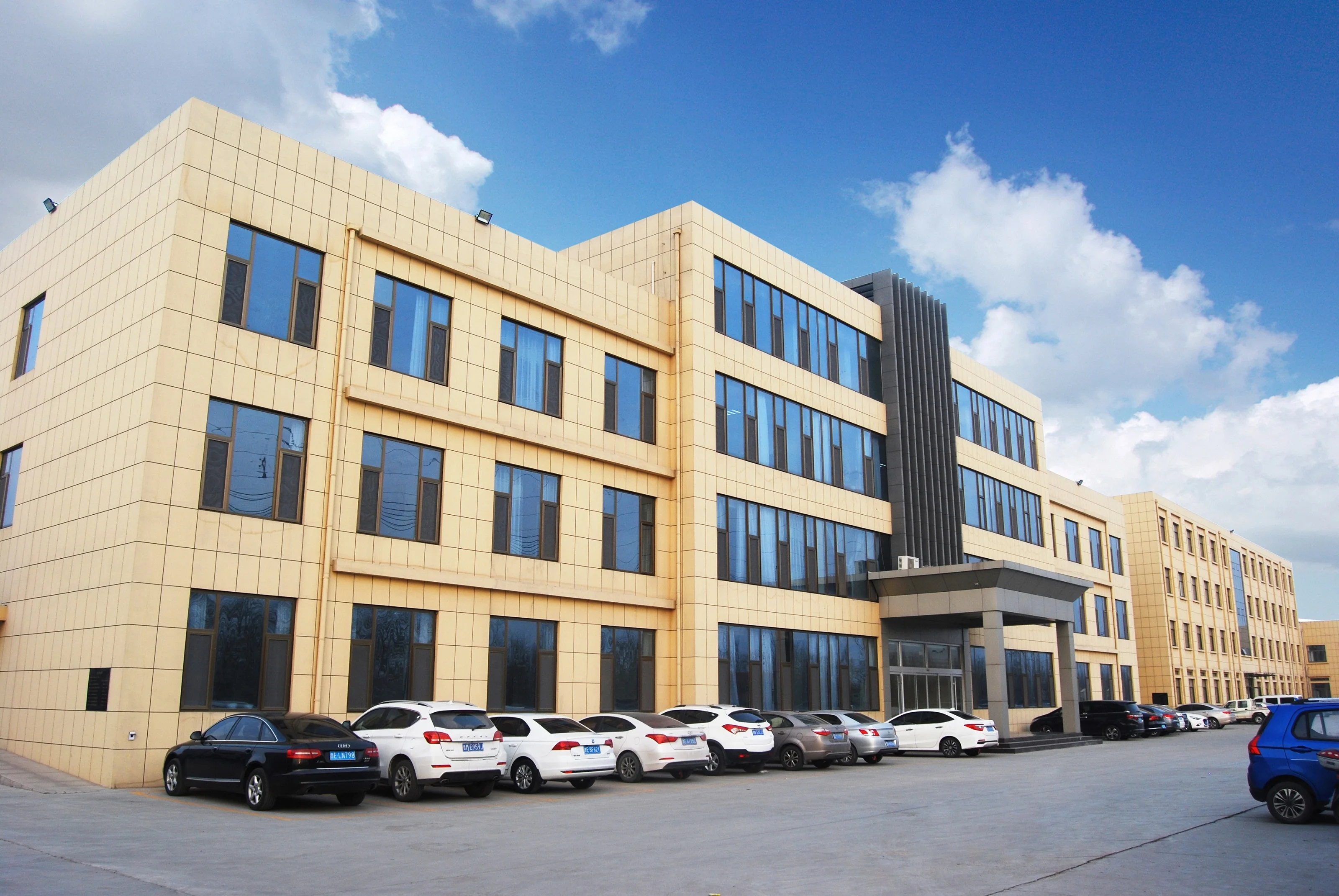
Dongying Shengyu Metal Product Co., Ltd.
- Manufacturer, Trading Company
- Shandong, China
- Lead time30 days
- Avg. response≤ 4h
Main productsInvestment casting,Marine hardware,Building hardware,Silica Sol,Custom products
Main marketsDomestic Market(35.50%), North America(18.00%), Mid East(10.00%), South America(9.00%), Eastern Asia(9.00%), Africa(6.00%), Northern Europe(5.00%), Eastern Europe(5.00%), Oceania(1.00%), Western Europe(1.00%), South Asia(0.50%)

Dongguan Jinhongcheng Automation Machinery Technology Co., Ltd.
- Manufacturer, Trading Company
- Guangdong, China
- Lead time15 days
- Avg. response≤ 3h
Main productsCustomization Of Hardware Accessories Processing/ Customization Of Mechanical Parts Processing/ Auto Parts Processing And Customization/ Outdoor Product Accessories,Standard hardware components,Transportation accessories
Main marketsDomestic Market(59.00%), North America(12.00%), Eastern Europe(10.00%), South Asia(5.00%), Southeast Asia(5.00%), Africa(3.00%), South America(1.00%), Oceania(1.00%), Western Europe(1.00%), Southern Europe(1.00%), Eastern Asia(1.00%), Mid East(1.00%)

NINGBO ZEYANG IMPORT&EXPORT CO,.LTD
- Verified by BV
- Trading Company
- China Zhejiang
- Lead time30 days
Main productsTrain Fitting Parts, Motor Parts, Automobile Parts, Lamp Fittings, Mining Machinery Parts, Solar Energy Fittings, Medical Appliance Fittings, etc
Main marketsSouth America,Africa,Southeast Asia/ Mideast,East Asia(Japan/ South Korea),Europe,Australia,North America

Xuzhou Sheng Ming Casting Co., Ltd
- Verified by SGS
- Combined
- China Jiangsu
- Lead time30 days
- Avg. response≤ 4h
Main productsManhole Cover, Ductile Iron Pipes, Valves, Water Meter Tank Cover, Iron Castings(Support Customization), Hardware Tools, Cast Iron Fireplace, Air Fryer, Kettle, coffee Machine
Main marketsDomestic

Ningbo Suijin Machinery Technology Co., Ltd.
- Verified by CTI
- Combined
- China Zhejiang
- Lead time30 days
- Avg. response≤ 8h
Main productsInvestment Casting Parts, Precision Casting Parts, Machining Parts, Auto Parts, Industry Parts, Building Parts, Marine Hardware, Valve/Pump Parts
Main marketsSoutheast Asia/ Mideast,Europe

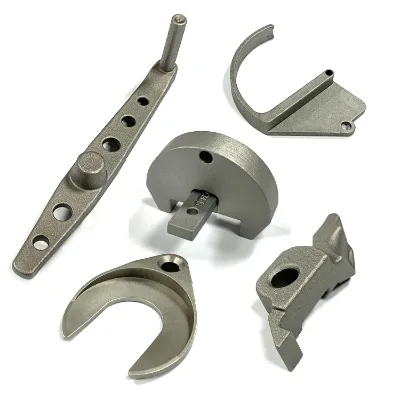
Precision Casting Supplier Customized Special Casting Processing Services Precision Cast Parts
$0.25 - $0.95
MOQ: 1000 Pieces


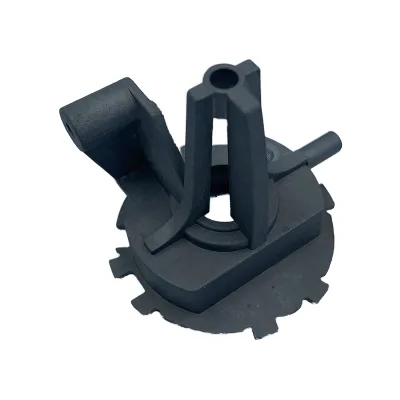
Precision Casting Precisecast Manufacturing Custom Casting Precision Iron Service Iron Parts
$0.25 - $0.95
MOQ: 1000 Pieces


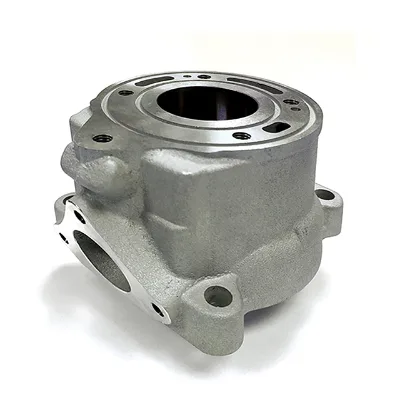
Investment Casting Precision Casting Company OEM Precision Services Precision Casting Iron Part
$0.25 - $0.95
MOQ: 1000 Pieces

Qingdao Jiaen Machinery Technology Co., Ltd
- Verified by SGS
- Combined
- China Shandong
- Lead time15 days
- Avg. response≤ 4h
Main productsCasting Parts, Sheet Metal Fabrication Parts, CNC Machining Parts, Injection Molding Parts, Mould, Stamping Parts, Aluminum Die Casting Parts, Powder Coating, Painting, Electroplating
Main marketsDomestic


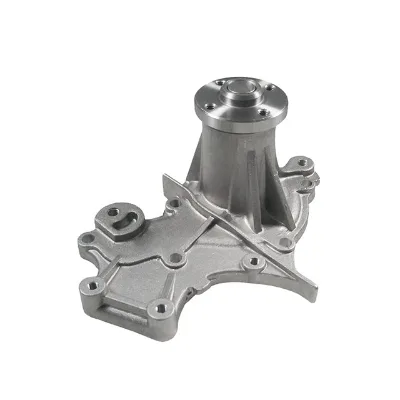
High-Precision Casting Parts for Industrial Applications and Manufacturing
$2.00 - $30.00
MOQ: 10 Pieces

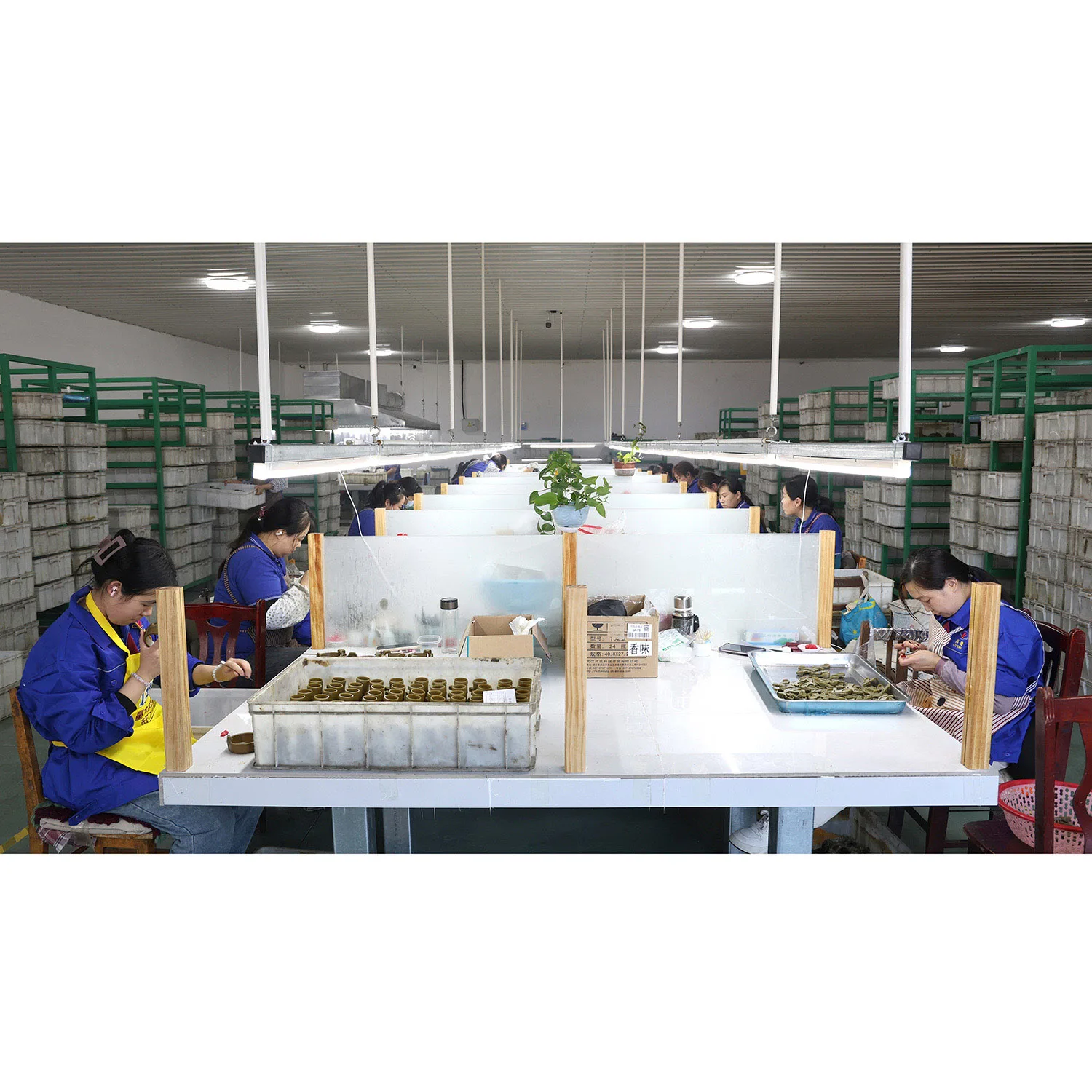
Wudi Kefeng Stainless Steel Products Co., Ltd.
- Manufacturer, Trading Company
- Shandong, China
- Lead time30 days
- Avg. response≤ 5h
Main productsCamlock Coupling,Stainless Steel Camlock Coupling,pipe fittings,SS casting products,Auto part
Main marketsWestern Europe(11.11%), Eastern Asia(11.11%), Mid East(11.11%), Oceania(11.11%), Southeast Asia(11.11%), Eastern Europe(11.11%), South America(11.11%), North America(11.11%)

Qingdao Eathu Import and Export Co., Ltd.
- Verified by CTI
- Trading Company
- China Shandong
- Lead time23 days
- Avg. response≤ 6h
Main productsForging Parts, Casting Parts, Lifting Anchor System, Metal OEM Parts, Agricultural Machinery Parts, Precast Concrete Hardware, Grouted Sleeve, Pipe Fittings, Butterfly Valve, Forged Flange
Main marketsSouth America,Europe,North America

Ningbo Mingwan Metal Products Co., Ltd.
- Manufacturer/Factory
- China Zhejiang
- Lead time0 days
- Avg. response≤ 3h
Main productsForging, Metal Forging, Casting, Auto Parts, Agricultural Machinery Part, Forging Parts, Precision Forging, Custom Forging, Die Forging, Forging and Machining
Shandong Fangzhuo Fabrication Co., Ltd.
- Verified by TüVRheinland
- Trading Company
- Lead time0 days
- Avg. response≤ 1h
Main productsCNC Milling Turning Processed Parts, Laser Cutting Metal Parts, Sheet Metal Parts, Steel Welding Parts, Iron Aluminum Steel Casting Parts
Main marketsMid East(20%), North America(15%), Eastern Europe(15%)
Linyi Hongsheng Foundry Co., Ltd.
- Verified by SGS Group
- Manufacturer, Trading Company
- Lead time30 days
- Avg. response≤ 2h
Main productsInvestment Castings (Machinery Auto Parts, Building Hardware, Pump & Valve Parts, Tactile Indicators, Pipe Fittings); Sand Castings (Malleable Iron, Casted by Disa Matic & Sinto Lines), CNC Machining in House
Main marketsWestern Europe(21%), North America(14%), Eastern Asia(12%)

QINGDAO XINGHEXING PRECISION INDUSTRY CO., LTD
- Verified by SGS
- Combined
- China Shandong
- Lead time30 days
- Avg. response≤ 7h
Main productsCasting Parts, Machining Parts, Sheet Metal Parts, Aluminium Welding Parts, Mold &Tools, Machine Parts, Auto Parts, Truck Parts, Vehicle Parts, Valve & Pump Parts
Main marketsEurope,Australia,North America


High - Tolerance CNC Casting Service Parts: Ensuring Precise Fit and Function
$0.80 - $1.00
MOQ: 1 Pieces
Boluo Furun Precision Metal Parts Factory
- Verified by Intertek
- Manufacturer, Trading Company
- Lead time10 days
- Avg. response≤ 2h
Main productsNon-Standard Metal Parts, Photography Accessories, Metal Shaft, Non-Standard Gear, Screw Nut
Main marketsNorth America(30%), Western Europe(30%), Mid East(15%)
Shenzhen HengxingHan Technology Co., Ltd
- Verified by TüVRheinland
- Trading Company
- Lead time0 days
- Avg. response≤ 2h
Main productsCNC Machining, Casting Process, Sheet Metal Fabrication, 3D Printing (Including Metal), Forging
Main marketsNorth America(20%), Mid East(20%), Eastern Europe(15%)

Xiamen Meixinda Trade Co., Ltd.
- Verified by BV
- Trading Company
- China Fujian
- Lead time23 days
- Avg. response≤ 1h
Main products3D Printing, Valve, Hardware, Metal Gasket, Laser Cutting, Mounting Bracket, Springs, Casting Parts, CNC Machining
Main marketsEurope,Australia,North America

Foshan Nanhai Sunleaf Metal Products Co., Ltd.
- Verified by SGS
- Combined
- China Guangdong
- Lead time30 days
- Avg. response≤ 2h
Main marketsEurope,North America

Ningbo Yinzhou Hisea Machinery Co., Ltd.
- Manufacturer/Factory
- China Zhejiang
- Lead time23 days
- Avg. response≤ 1h
Main productsCNC Machining Parts, Investment Casting Parts, Stamping, Forging, Welding Service, Metal Fabricating Service, Laser Cutting Service, Die Casting, Metal Deep Drawn, Stainless Steel Accessories
Main marketsSouth America,Eastern Europe,Mid East,North America,Southeast Asia,Eastern Asia,Oceania,Western Europe,Africa
Dongguan Jianqiao Hardware Products Co., Ltd.
- Verified by SGS Group
- Manufacturer, Trading Company
- Lead time15 days
- Avg. response≤ 4h
Main productsPrecision Machining Parts, Sheet Metal Parts , Casting Parts
Main marketsMid East(25%), North America(20%), Domestic Market(15%)
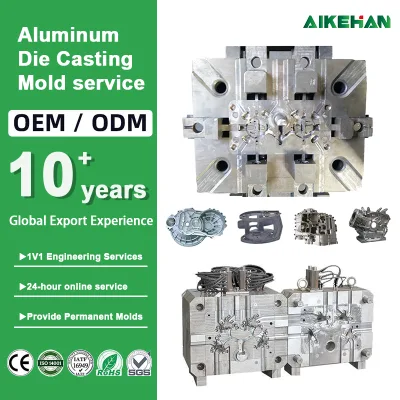
Ningbo Aikehan Metal Product Co., Ltd.
- Verified by SGS Group
- Manufacturer, Trading Company
- Lead time30 days
- Avg. response≤ 3h
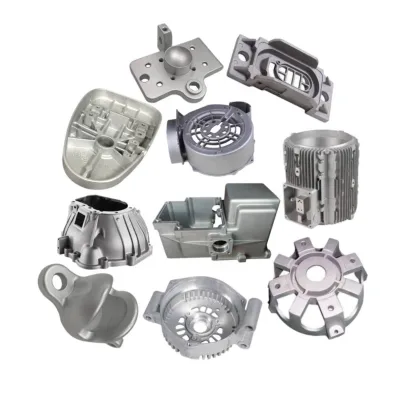
Main productsAluminum die casting part, Zinc die casting part
Main marketsNorth America(55%), Eastern Europe(25%), Domestic Market(10%)
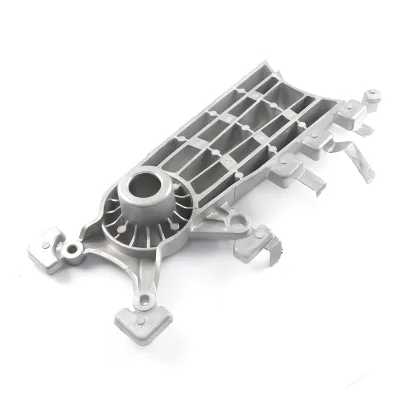
$1.3329 - $1.8221
MOQ: 1000 pieces

Ningbo Custom Hardware Technology Co., Ltd.
- Trading Company
- Zhejiang, China
- Lead time5 days
- Avg. response≤ 3h
Main productsCNC Machining Service,CNC Machining Parts,CNC Milling Parts,CNC Turning Parts,Powder Metallurgy Services
Main marketsSouth Asia(10.00%), Northern Europe(10.00%), Central America(10.00%), Eastern Asia(10.00%), Mid East(10.00%), Africa(10.00%), Southeast Asia(10.00%), Eastern Europe(10.00%), South America(10.00%), North America(10.00%)
Dalian Zhongsheng Metal Product Co., Ltd.
- Verified by TüVRheinland
- Manufacturer, Trading Company
- Lead time25 days
- Avg. response≤ 5h
Main productsCasting Parts, Machining Parts, Forging Parts, Sheet Metal Parts
Main marketsNorth America(60%), Eastern Europe(10%), Western Europe(10%)
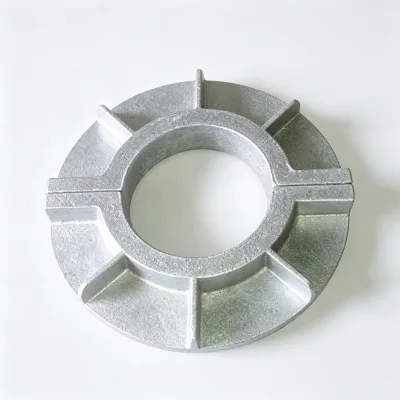
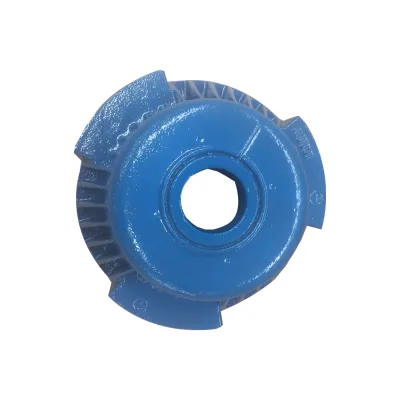
Hot Selling Precision Cast Iron Parts With Liquid Coating for Industrial Applications
$57.59 - $59.57
MOQ: 100
- Verified by SGS Group
- Manufacturer, Trading Company
- Lead time7 days
- Avg. response≤ 2h
Main productsPrototype, CNC Machining Parts, 3D Printing, Sheet Metal Parts, Aluminum Mold
Main marketsNorth America(40%), South America(20%), Western Europe(20%)

Wuxi Gelanten Technology Co., Ltd.
- Verified by TUVRHEINLAND
- Manufacturer/Factory
- China Jiangsu
- Lead time23 days
- Avg. response≤ 2h
Main productsCNC Machining Parts, Custom Machining Part, OEM Parts, CNC Machining Service, Custom Machinery Part, Technology Solution Service, High Precision Customized Fixture, High Precision Shaft, Metal Injection Molding Part, Aluminum Casting Mold
Main marketsSouth America,Eastern Europe,Mid East,North America,Southeast Asia,Eastern Asia,Oceania,Western Europe,Africa

Zhongshan Meichen Hardware Products Factory (sole Proprietorship)
- Manufacturer
- Guangdong, China
- Lead time0 days
- Avg. response≤ 2h
Main productsForging Process,CNC Machining,Precision Automatic Lathe Processing,Micro-hole Processing,Casting process
Main marketsNorth America(15.00%), Southeast Asia(10.00%), Northern Europe(5.00%), Eastern Europe(5.00%)
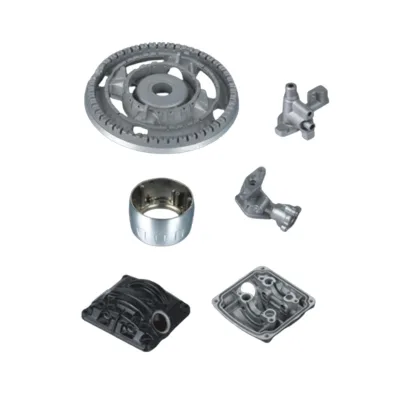
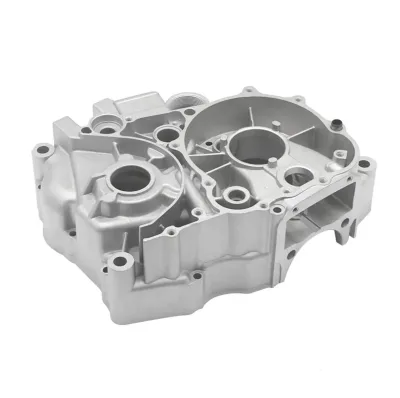
Oem Aluminum Die Casting Electric Power Tools Spare Parts Electric Tools Parts
$1.0322 - $10.3104
MOQ: 1 Minimum
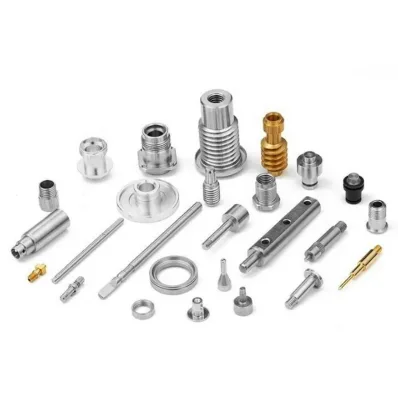
$1.0263 - $10.2536
MOQ: 1 Minimum
Qingdao Fluido Industrial Co., Ltd.
- Trading Company
- Shandong, China
- Lead time30 days
- Avg. response≤ 2h
Main productsValves,Pipe Fittings,OEM Metal part,Kee Clamp,Manhole Step
Main marketsSouth America(20.00%), Western Europe(10.00%), Eastern Europe(10.00%), North America(10.00%), Domestic Market(5.00%), South Asia(5.00%), Southern Europe(5.00%), Northern Europe(5.00%), Central America(5.00%), Southeast Asia(5.00%), Eastern Asia(5.00%), Mid East(5.00%), Oceania(5.00%), Africa(5.00%)
Zhongshan Hemei Technology Co., Ltd.
- Verified by SGS Group
- Manufacturer, Trading Company
- Lead time0 days
- Avg. response≤ 2h
Main productsMetal Custom Machining, Humidifier, Aroma Diffuser
Main marketsNorth America(40%), Eastern Europe(20%), South America(10%)

Shanghai Bixuan Electrical Machinery Equipment Co., Ltd.
- Trading Company
- China Shanghai
- Lead time30 days
- Avg. response≤ 20h
Main productsCNC Machining Parts, Die Casting Part, Spring, Spring Clip, Metal Stamping, Universal Joint, Plastic Injection Product
Main marketsOthers(foreignTradeCapacity.exportBusinessCapacityMarketOther),Southeast Asia/ Mideast,Europe,North America






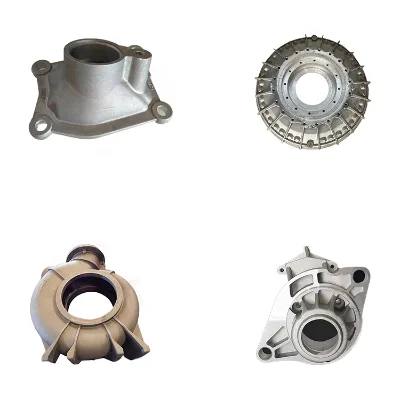
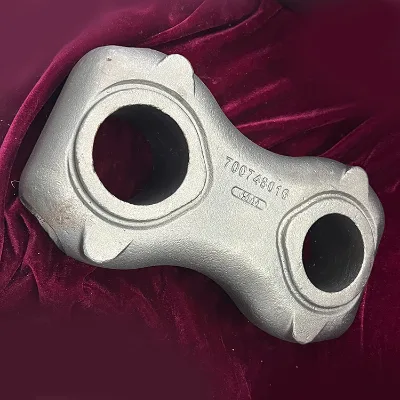
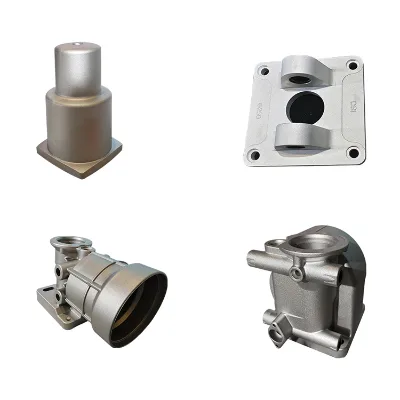
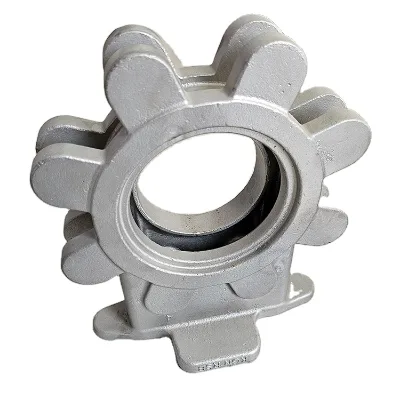






Comprehensive Sourcing Guide
Taiwan Precision Casting Parts Supplier Concentration and Factory Types
The current search results indicate that active suppliers for precision casting components are primarily concentrated in mainland China, specifically within the provinces of Shandong, Zhejiang, and Jiangsu. These regions host a diverse mix of manufacturing entities, including combined companies, trading companies, and group corporations that operate as both manufacturers and factories. For buyers seeking Taiwan Precision Casting Parts, it is crucial to recognize that the available supply base is geographically distinct from the keyword’s regional implication. The observed supplier types suggest a robust industrial ecosystem capable of handling complex orders, with many entities offering both Original Design Manufacturing (ODM) and Original Equipment Manufacturing (OEM) services. This dual capability allows for greater flexibility in product development, enabling buyers to source customized solutions rather than relying solely on off-the-shelf inventory. The presence of combined company types indicates that some suppliers may manage the entire value chain, from raw material procurement to final assembly, which can streamline communication and reduce the risk of miscommunication between separate trading and manufacturing arms.
Understanding the factory type is essential for evaluating production capacity and quality control capabilities. Suppliers identified as manufacturers or factories typically possess direct control over their production lines, which can lead to more consistent quality and potentially faster lead times for standard items. In contrast, trading companies may offer a broader range of products from multiple factories but might introduce additional layers of communication. The observed data shows that many suppliers specialize in specific casting methods, such as die casting, investment casting, and sand casting, each requiring different technical expertise and equipment. Buyers should verify whether the supplier’s primary business model aligns with their specific needs, whether they require high-volume production with strict tolerances or smaller batches with frequent design changes. The concentration of suppliers in these Chinese provinces suggests a mature supply chain with established logistics networks, which can be advantageous for international buyers looking to consolidate shipments or access specialized industrial clusters.
How to Verify Taiwan Precision Casting Parts Suppliers
Verification of suppliers requires a multi-layered approach that goes beyond basic company profiles. Buyers should prioritize suppliers who hold recognized international certifications, as these serve as objective indicators of quality management systems and production standards. For instance, some observed suppliers display certifications such as ISO 9001, TS 16949, and ISO 14000, which are critical for industries with stringent regulatory requirements, such as automotive and aerospace. Additionally, third-party verification badges, such as SGS, provide an extra layer of confidence regarding the supplier’s operational legitimacy and compliance with international trade standards. Buyers are advised to request copies of these certificates and verify their validity through the issuing bodies, ensuring that the certifications are current and cover the specific products being ordered. This step is particularly important when sourcing Taiwan Precision Casting Parts, as it helps mitigate the risk of engaging with entities that may not meet the required quality benchmarks.
Beyond certifications, buyers should assess the supplier’s response time and communication efficiency, as these factors significantly impact the sourcing process. The observed data indicates varying response times among suppliers, with some responding within a few hours while others may take significantly longer. A rapid response time often correlates with a more organized and customer-centric operation, suggesting that the supplier has dedicated resources to handle inquiries and resolve issues promptly. Buyers should also examine the supplier’s product attributes and specifications, looking for detailed information on materials, tolerances, and surface treatments. For example, some suppliers provide specific details on mold life, average wall thickness, and hardness requirements, which demonstrates a high level of technical proficiency. By comparing these detailed product attributes across different suppliers, buyers can gauge the depth of technical knowledge and the reliability of the information provided, ensuring that they select a partner capable of meeting their precise engineering requirements.
What to Compare Across Taiwan Precision Casting Parts Suppliers
When evaluating potential partners, buyers must compare key operational metrics such as lead time, minimum order quantity (MOQ), and pricing structures. The observed data reveals a range of lead times, with some suppliers offering delivery within 20-30 days, while others may require up to 60 days. This variation can significantly impact production planning and inventory management, making it essential for buyers to align their order timelines with the supplier’s capabilities. Similarly, MOQs vary, with some suppliers requiring no minimum order, which is beneficial for prototyping or small-batch production, while others may have higher thresholds. Buyers should also compare pricing, noting that some suppliers list fixed prices for specific models, while others may offer variable pricing based on volume or customization. Understanding these differences allows buyers to negotiate better terms and select suppliers that offer the best value for their specific order size and urgency.
In addition to operational metrics, buyers should compare the range of main products and technical specifications offered by each supplier. Some suppliers specialize in die casting parts, while others focus on investment casting or sand casting, each with distinct advantages in terms of precision, surface finish, and material properties. Buyers should examine the specific applications supported by each supplier, such as automotive, household appliances, or machinery parts, to ensure alignment with their end-use requirements. Technical attributes such as certification standards, material types, and surface treatments should also be compared to ensure compatibility with the buyer’s quality standards. For example, some suppliers offer CE certification and RoHS compliance, which may be required for certain markets. By systematically comparing these factors, buyers can create a shortlist of suppliers that best meet their technical, operational, and commercial needs, ensuring a more informed and strategic sourcing decision.
Common Taiwan Precision Casting Parts Sourcing Risks
One of the primary risks in sourcing precision casting parts is the potential discrepancy between quoted specifications and actual product quality. Buyers must be vigilant about verifying material compositions, tolerances, and surface treatments, as these attributes directly impact the performance and durability of the final components. Some suppliers may list generic specifications that do not fully capture the nuances of their production capabilities, leading to misunderstandings and potential quality issues. To mitigate this risk, buyers should request detailed technical drawings and material test reports before placing orders, ensuring that all specifications are clearly defined and mutually agreed upon. Additionally, buyers should be cautious of suppliers who offer unusually low prices, as this may indicate the use of substandard materials or compromised manufacturing processes. Conducting sample orders and rigorous quality inspections can help identify these issues early in the sourcing process, preventing costly recalls or production delays.
Another significant risk is the variability in lead times and delivery reliability. While some suppliers may quote short lead times, external factors such as raw material shortages, production bottlenecks, or logistical challenges can cause delays. Buyers should assess the supplier’s historical performance and capacity to handle peak demand, as well as their contingency plans for unexpected disruptions. Communication gaps can also exacerbate these risks, particularly when dealing with suppliers in different time zones or with limited English proficiency. Buyers should establish clear communication protocols and regular check-ins to monitor production progress and address any issues promptly. Furthermore, buyers should be aware of the potential for intellectual property infringement, especially when working with suppliers who offer extensive customization services. Implementing robust non-disclosure agreements and securing patents for proprietary designs can help protect the buyer’s intellectual property and ensure that their innovations are not replicated or shared with competitors.
Taiwan Precision Casting Parts Regional Sourcing and Logistics
The geographical location of suppliers plays a crucial role in determining logistics costs and delivery efficiency. The observed suppliers are primarily located in China, with key manufacturing hubs in Shandong, Zhejiang, and Jiangsu provinces. These regions benefit from well-developed infrastructure and proximity to major ports, facilitating efficient export operations. Buyers should consider the logistical advantages of sourcing from these areas, as they often offer streamlined shipping routes and competitive freight rates. However, buyers must also account for the distance between the supplier’s location and their own distribution centers, as this can impact transit times and overall supply chain resilience. For buyers seeking Taiwan Precision Casting Parts, it is important to note that the actual supply base is mainland-based, which may influence shipping strategies and customs procedures. Understanding the specific port of origin and the associated logistics networks can help buyers optimize their supply chain and reduce lead times.
Logistics planning should also include considerations for packaging and handling, as precision casting parts are often delicate and require careful protection during transit. Some suppliers provide specialized packaging solutions, such as wooden cases or export-grade packing, to ensure that products arrive in pristine condition. Buyers should verify the packaging standards and request photos or videos of the packing process to ensure that adequate protection is in place. Additionally, buyers should be aware of the regulatory requirements for importing casting parts into their target markets, including any specific labeling, documentation, or safety standards that must be met. Coordinating with freight forwarders and customs brokers early in the process can help ensure smooth clearance and prevent delays at the destination. By carefully planning the logistics and understanding the regional advantages of the supplier’s location, buyers can enhance the efficiency and reliability of their supply chain, ensuring timely delivery of high-quality precision casting parts.
Taiwan Precision Casting Parts Commercial Terms and Order Planning
Commercial terms and payment methods are critical components of any sourcing agreement, influencing cash flow and risk allocation. The observed data indicates that suppliers commonly accept payment methods such as L/C (Letter of Credit) and T/T (Telegraphic Transfer), with some also offering FOB (Free on Board) trade terms. Buyers should evaluate these terms in the context of their financial capabilities and risk tolerance, selecting the option that best balances security and cost. For instance, L/C provides a higher level of security for both parties, while T/T offers greater flexibility and lower transaction costs. Buyers should also negotiate clear terms regarding price adjustments, currency fluctuations, and force majeure clauses to protect against unforeseen market changes. Understanding the commercial terms upfront helps establish a transparent and fair trading relationship, reducing the potential for disputes and ensuring that both parties are aligned on expectations.
Order planning should also encompass the management of samples, tooling, and production schedules. Some suppliers require samples to be produced before mass production, with lead times for samples varying based on complexity and customization. Buyers should factor these sample lead times into their overall project timeline and ensure that sufficient time is allocated for testing and approval. Additionally, buyers should clarify the ownership and cost of tooling, as this can significantly impact the total cost of ownership. Some suppliers may include tooling costs in the unit price, while others may charge separately. By carefully planning the order process and establishing clear milestones for sampling, tooling, and production, buyers can minimize delays and ensure that their projects stay on track. Effective order planning also involves maintaining open communication with the supplier, providing regular updates and feedback to facilitate a smooth and efficient production process.
FAQs
What is the typical lead time for precision casting parts?
Lead times generally range from 20 to 60 days depending on the supplier and order complexity. Some manufacturers offer a 30-day delivery window for standard orders, while others may require up to 45 days for custom specifications. Buyers should confirm specific timelines during the inquiry phase to ensure production schedules align with project deadlines.
Do suppliers offer customization for die casting parts?
Yes, customization is widely available for die casting and precision casting components. Suppliers provide OEM and ODM services, allowing for tailored dimensions, materials, and surface treatments. Buyers can request specific wall thicknesses, hardness levels, and application-specific designs to meet unique engineering requirements for automotive or industrial applications.
What certifications are common for casting suppliers?
Common certifications include ISO 9001, TS 16949, ISO 14000, CE, and SGS. These standards ensure quality management, environmental compliance, and product safety. Buyers should verify that suppliers hold relevant certifications for their specific industry, such as automotive or electronics, to guarantee consistent quality and regulatory compliance throughout the manufacturing process.
What is the minimum order quantity for casting parts?
Minimum order quantities vary, with some suppliers requiring as few as one unit for prototypes or small batches. Others may have higher thresholds depending on the complexity of the mold and material. Buyers should check specific MOQ requirements during the inquiry process to determine feasibility for their production volume and budget constraints.
Where are precision casting suppliers located?
Precision casting suppliers are primarily located in China, including regions like Shandong, Zhejiang, and Jiangsu. Key manufacturing hubs include Qingdao and Ningbo. These areas offer established supply chains for die casting, investment casting, and machining services, providing buyers with access to a wide range of capabilities and competitive pricing structures.
What materials are used for precision casting parts?
Common materials include steel, iron, aluminum, and brass. Suppliers offer options for different hardness levels, such as steel with hardness greater than HRC45. Material selection depends on the application, with options for cast iron, stainless steel, or aluminum alloys to meet specific strength, weight, and corrosion resistance requirements.