Anti Drop Pacifier Clips Suppliers and Manufacturers
Source Anti Drop Pacifier Clips from 25 verified suppliers in China. Compare key dimensions including lead times, MOQs, response speeds, and material certifications to identify the right partner for your procurement needs; review the available evidence before requesting comparable quotations from suitable candidates.
Updated
Suppliers List
Shenzhen Mantimelong Electronic Co., Ltd.
- Manufacturer, Trading Company
- Guangdong, China
- Lead time3 days
- Avg. response≤ 10h
Main productsBALL PEN,STATIONERY,HOUSEHOLD SUNDRIES,PEN
Main marketsNorthern Europe(25.00%), South America(20.00%), Mid East(13.00%), Western Europe(10.00%), North America(10.00%), Eastern Europe(8.00%), Oceania(5.00%), Eastern Asia(5.00%), Southeast Asia(4.00%)
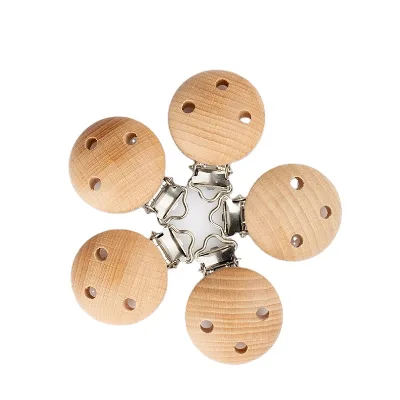
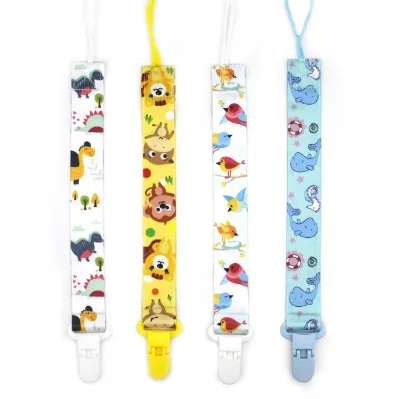
Baby Pacifier Clip Chain Boys Girls Pacifier Clips Newborn Pacifier Chain Clip Holder
$0.2996 - $0.4524
MOQ: 100 pieces
Quanzhou Lanjin Chuangze Trading Co., Ltd.
- Trading Company
- Fujian, China
- Lead time7 days
- Avg. response≤ 5h
Main productsSales of maternal and infant products,Hardware fittings,Toys,Clothing customization,Shoes and hats
Main marketsDomestic Market(1.00%), South Asia(1.00%), Southern Europe(1.00%), Northern Europe(1.00%), Central America(1.00%), Western Europe(1.00%), Eastern Asia(1.00%), Mid East(1.00%), Oceania(1.00%), Africa(1.00%), Southeast Asia(1.00%), Eastern Europe(1.00%), South America(1.00%), North America(1.00%)
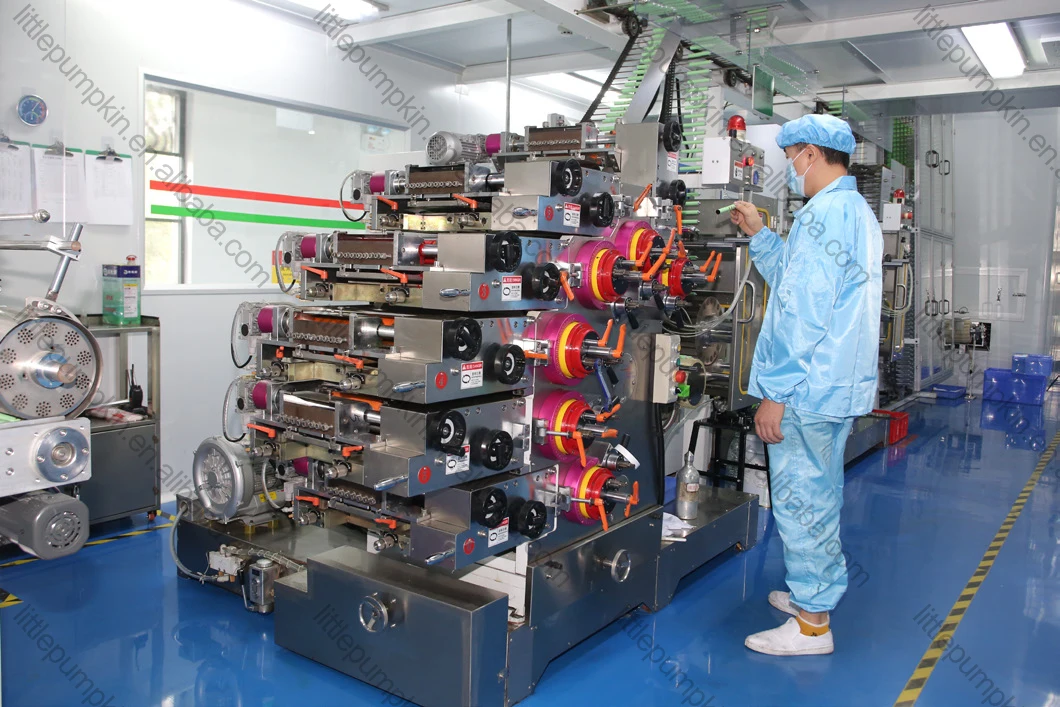
Shenzhen Little Pumpkin Industrial Co., Ltd.
- Manufacturer, Trading Company
- Guangdong, China
- Lead time0 days
- Avg. response≤ 5h
Main productsAluminum Collapsible Tubes,Pure Aluminum Tube,Cosmetic Aluminum Tube
Main marketsNorth America(45.00%), Eastern Asia(30.00%), Western Europe(15.00%), Southeast Asia(10.00%)
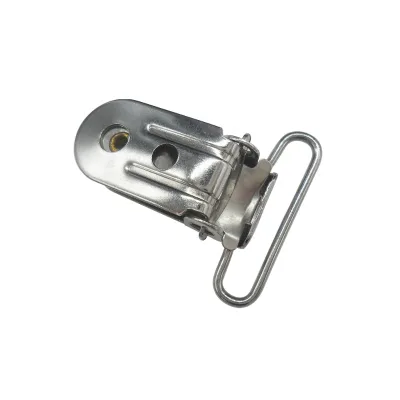
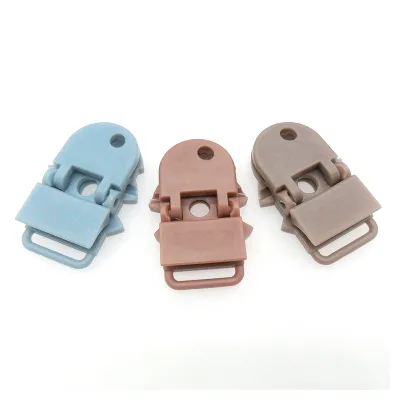
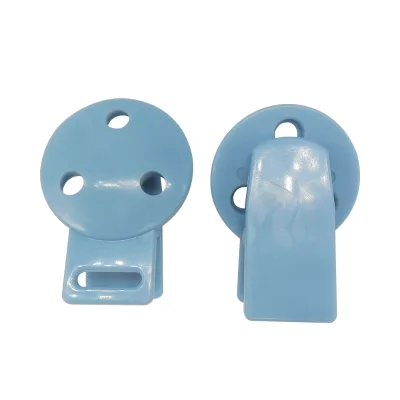
LP Blank No Design Baby Pacifiers Clips Accessories Steel Pacifier Clip
$0.10 - $0.19
MOQ: 1000 pieces
Ningbo E-Shine Daily Product Co., Ltd.
- Trading Company
- Zhejiang, China
- Lead time15 days
- Avg. response≤ 17h
Main productsBaby Product,toys,plastic product,rubber product,gift
Main marketsWestern Europe(11.11%), Eastern Asia(11.11%), Mid East(11.11%), Oceania(11.11%), Africa(11.11%), Southeast Asia(11.11%), Eastern Europe(11.11%), South America(11.11%), North America(11.11%)
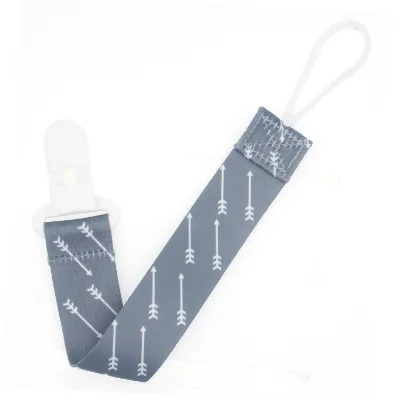
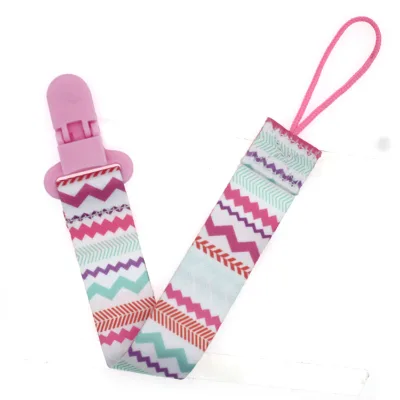
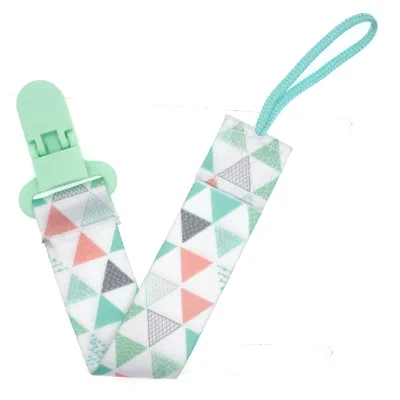
Bulk Packing Pacifier Clips Pearl Pacifier Clip logo Customized Adjustable Pacifier Clips
$0.2592 - $0.3625
MOQ: 100 pieces
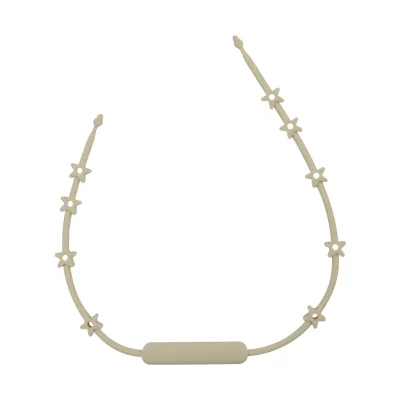
Star Design Pacifier Clip for Baby Holder Silicone Teething Nipples Pacifier Chain Clips
$0.77 - $0.80
MOQ: 50 pieces
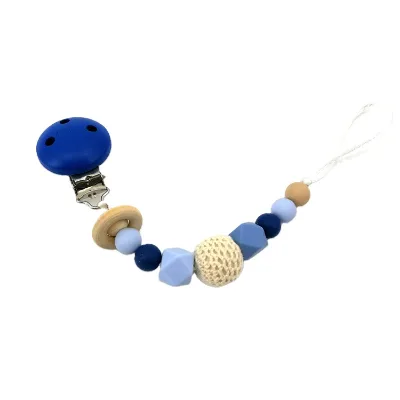
Stock Clearance DIY Customize Size logo and Design Silicone Beads Plastic Pacifier Clip Cloud
$0.49 - $0.50
MOQ: 50 pieces
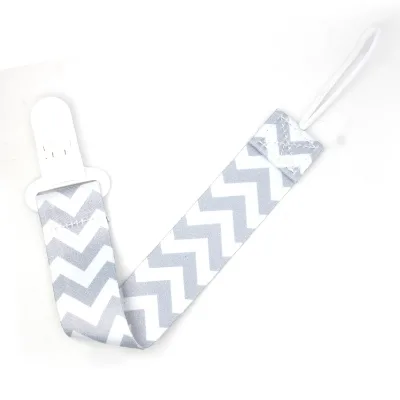

Guangdong RoRo Baby Products Co., Ltd.
- Verified by TUVRHEINLAND
- Manufacturer/Factory
- China Guangdong
- Lead time23 days
- Avg. response≤ 4h
Main productsBaby Bottle Baby Feeding Bottle Baby Feeder, Nipple Teat Baby Bottle Nipple, Pacifier Soother Baby Pacifier, Teether Baby Teether Baby Soother, Water Cup Baby Drink Cup Baby Training Cup, Food Container Milk Powder Box Milk Powder Case, Baby Water Bottle, Breast Pump Breast Shield Silicone Breast Pump, Manual Breast Pump Baby Bowl Baby Spoon, Fruit Feeder Glass Bottle Food Feeder Baby Care
Main marketsSouth America,Eastern Europe,Mid East,North America,Southeast Asia,Eastern Asia,Oceania,Western Europe,Africa

$0.18 - $0.22
MOQ: 500 Pieces

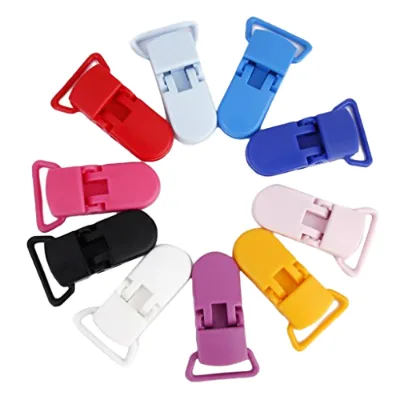
BPA-Free Colorful Pacifier Chains Lock Teething Straps Food Grade Anti-Drop Plastic Clips
$0.18 - $0.22
MOQ: 500 Pieces

Pacifier Baby Daisy Clip Personalized Pacifier Clip for Baby Dummy Clips Baby Pacifier
$0.20 - $0.26
MOQ: 1000 Pieces

Hot Selling Cartoon Pacifier Holder Nipple Soother Chain Cute Polyester Pacifier Clips Chain Clip
$0.18 - $0.22
MOQ: 500 Pieces


Pacifier Clip for Baby Holder Silicone Teething Baby Pacifier Holder Clip
$0.20 - $0.26
MOQ: 1000 Pieces

Shenzhen Color Life Lighting Co., Ltd
- Trading Company
- China Guangdong
- Lead time15 days
- Avg. response≤ 4h
Main productsLED Beauty Mask, LED Silicone Facial Mask, Slow Feeder Silicone Bowl, Silicone Bath Toys, Silicone Pet Use Accessories, Silicone Stacking Toy, Silicone Baby Plate, Silicone Pet Bowl, LED Silicone Face Mask, Red Light Therapy Mask
Main marketsSoutheast Asia/ Mideast,East Asia(Japan/ South Korea),Europe,Australia,North America
Shenzhen Jiawo Industrial Co., Ltd.
- Manufacturer, Trading Company
- Guagndong, China
- Lead time0 days
- Avg. response≤ 6h
Main productsBag Part,Garment Accessories
Main marketsWestern Europe(40.00%), North America(40.00%)

Pengze Kangdi Baby Products Sales Department
- Trading Company
- Jiangxi, China
- Lead time25 days
- Avg. response≤ 4h
Main productsGlass feeding bottle,water cup,bottle accessories,baby products,baby teether
Main marketsDomestic Market(30.00%), Southeast Asia(10.00%), North America(10.00%), South America(10.00%), Central America(6.00%), Eastern Europe(5.00%), Northern Europe(5.00%), Africa(5.00%), Western Europe(5.00%), Eastern Asia(5.00%), South Asia(5.00%), Mid East(3.00%), Southern Europe(1.00%)
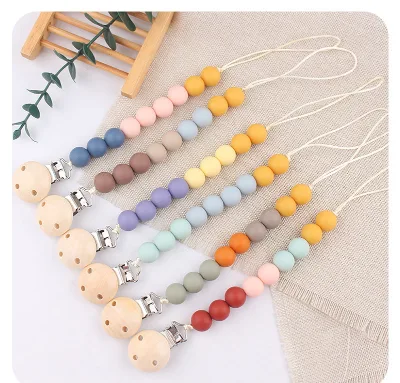
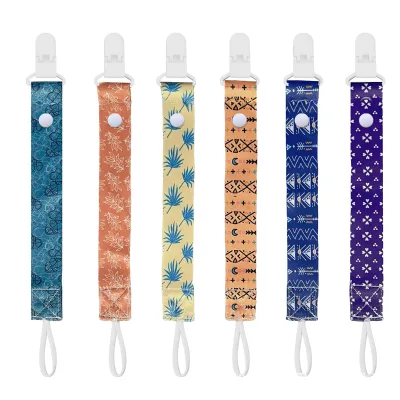
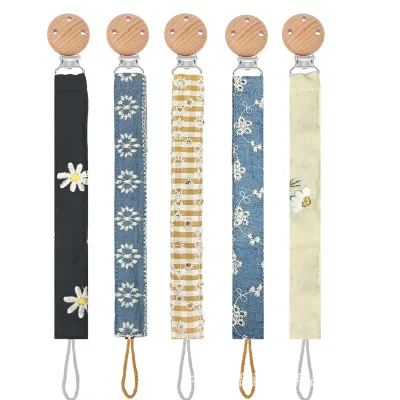
6 Pack of Pacifier ClipsTeething Ring Pacifier Holder Clip for Baby Boys and Girls Baby Pacifier
$1.69 - $1.99
MOQ: 10 sets
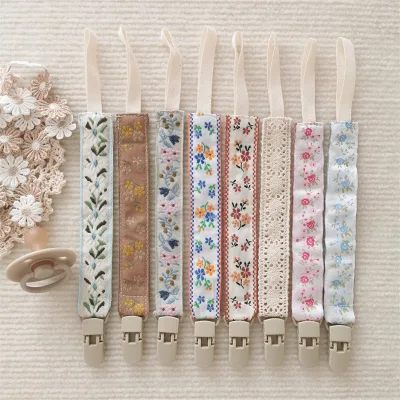
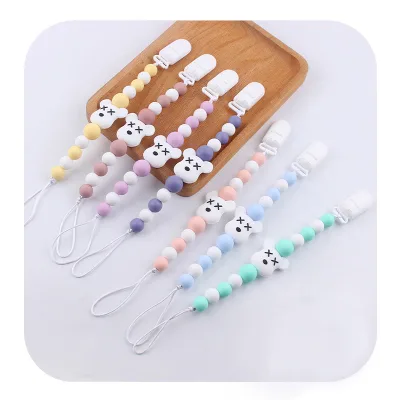
Food Grade Silicone Pacifier Strap with Clip Cartoon Pattern for 0-12 Months Age Range
$0.69 - $0.89
MOQ: 50 pieces

Kingsun Baby Products Co., Ltd.
- Verified by TUVRHEINLAND
- Trading Company,Manufacturer/Factory
- China Guangdong
- Lead time23 days
- Avg. response≤ 5h
Main productsBaby Bottle, Nipple, Pacifier, Breast Pump, Teethers, Baby Water Bottle, Nasal Aspirator, Baby Dinner Set, Baby Products, Feeding Accessories
Main marketsSouth America,Eastern Europe,Mid East,North America,Southeast Asia,Oceania,Western Europe,Africa
Huizhou Xinying Hardware Products Co., Ltd.
- Manufacturer
- Guangdong, China
- Lead time12 days
- Avg. response≤ 5h
Main productsbag accessories,Jewelry accessories,key chains,garment accessories,Pet accessories
Main marketsDomestic Market(10.00%), South Asia(10.00%), Southern Europe(10.00%), Northern Europe(10.00%), Central America(10.00%), Western Europe(10.00%), Mid East(10.00%), Eastern Europe(10.00%), South America(10.00%), North America(10.00%)
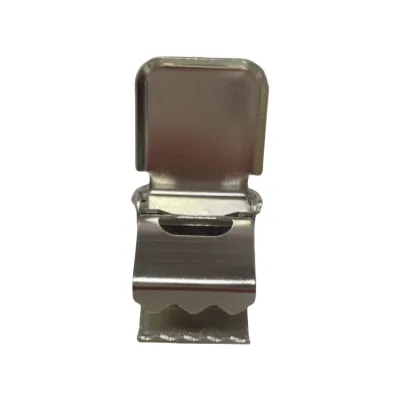
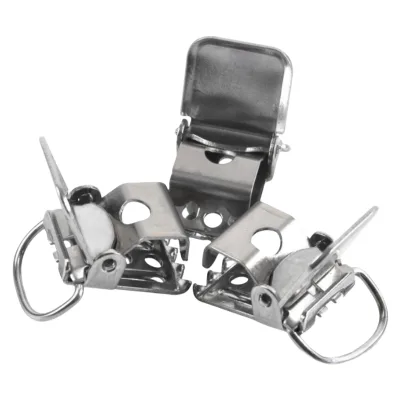
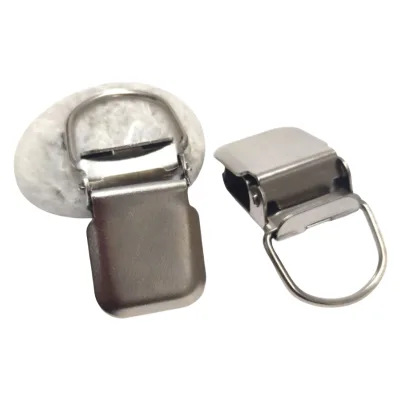
$0.3625 - $0.4045
MOQ: 1000 pieces
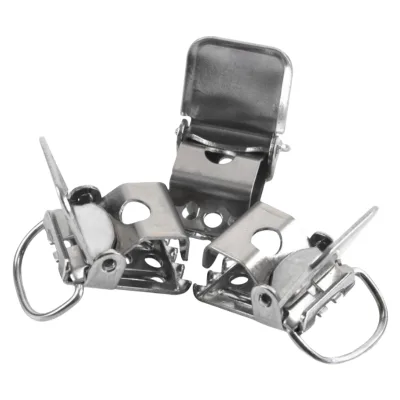
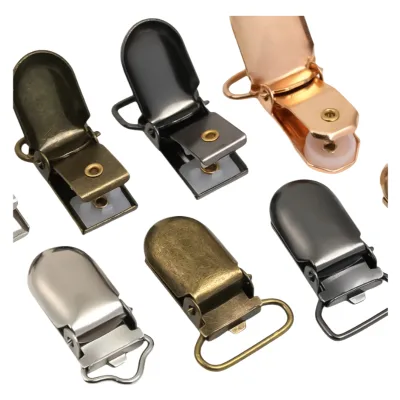
Factory Supply Durable Silver Zinc Alloy Custom Logo Pacifier Clip Adjustable Suspender Clip
$0.0409 - $0.0614
MOQ: 1000 pieces
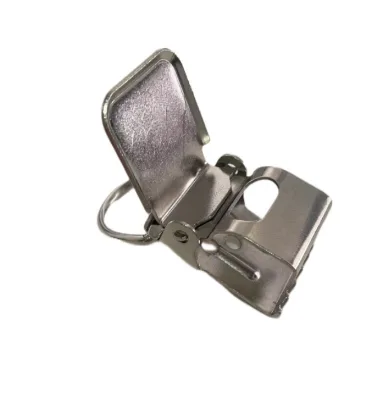
- Manufacturer, Trading Company
- Guangdong, China
- Lead time0 days
- Avg. response≤ 4h
Main productsHeart Shaped Lock,Key Fob Hardware,Suspender Clip,Badge Clip,Wire Buckle
Main marketsNorth America(17.00%), Western Europe(12.00%), Southeast Asia(12.00%), South America(12.00%), Eastern Europe(11.00%), Africa(11.00%), Northern Europe(8.00%), South Asia(5.00%), Southern Europe(4.00%), Mid East(2.00%), Eastern Asia(2.00%), Central America(2.00%), Domestic Market(1.00%), Oceania(1.00%)
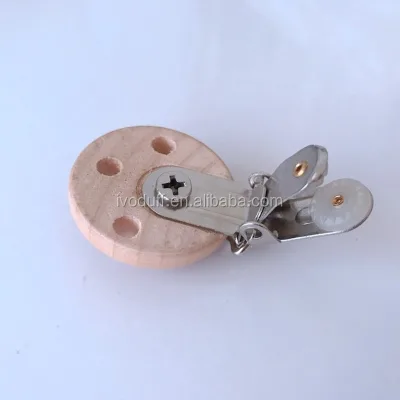
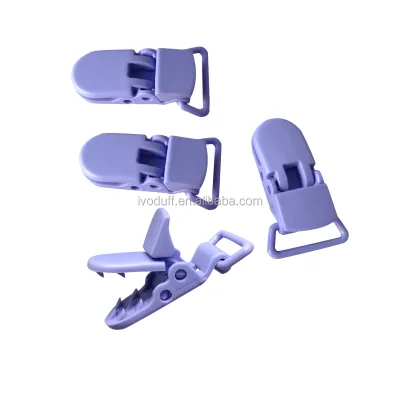
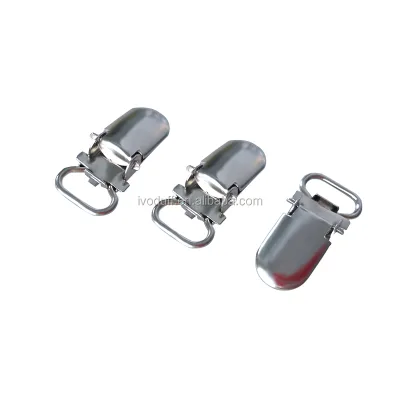
Plastic Pacifier Clip Factory Supply Baby Feeding Plastic Pacifier Holder Clip
$0.07 - $0.09
MOQ: 1000
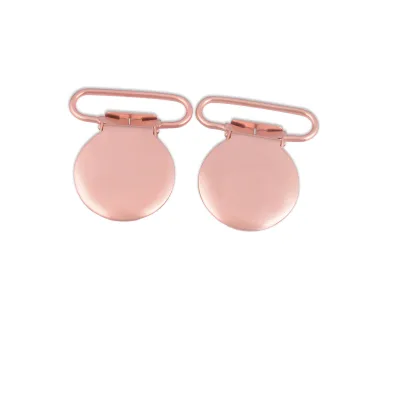
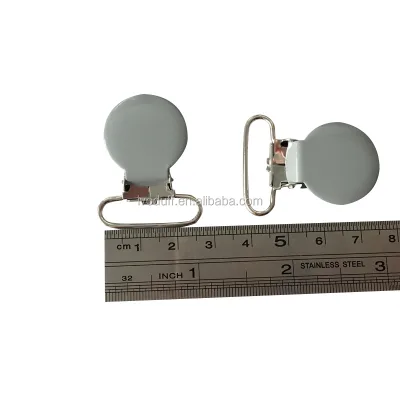
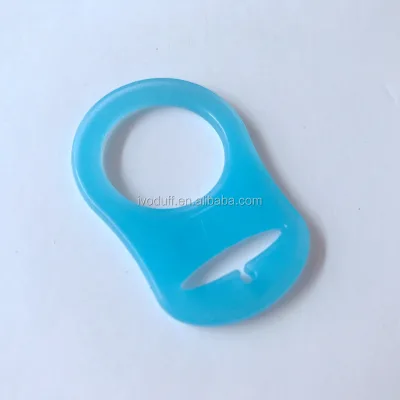

Quanzhou Hongkuo Luggage Co., Ltd.
- Verified by SGS
- Trading Company
- China Fujian
- Lead time15 days
- Avg. response≤ 1h
Main productsPlastic Buckles, Zipper Slider, Webbing Straps, Zipper Puller, Bag Accessories
Main marketsDomestic


$0.05 - $0.10
MOQ: 100 pieces

$0.06 - $0.15
MOQ: 100 pieces

Shenzhen Kean Silicone Product Co., Ltd.
- Manufacturer, Trading Company
- Lead time旺季: "1 - 3000":20,"> 3000":"To be negotiated", 淡季: "1 - 3000":20,"> 3000":"To be negotiated"
- Avg. response≤ 2h
Main productsSilicone Baby Feeding Products, Silicone Baby Toys, Silicone Water Bottle, Food Storage Bags, Silicone Outdoor And Travel Series
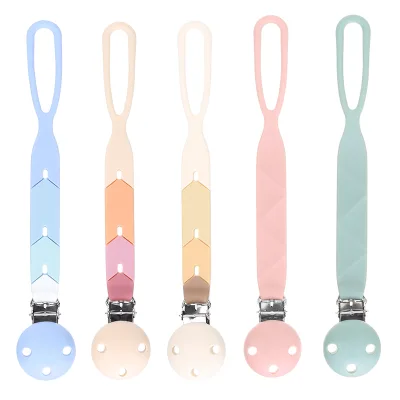
$0.5273 - $0.6936
MOQ: 20 pieces
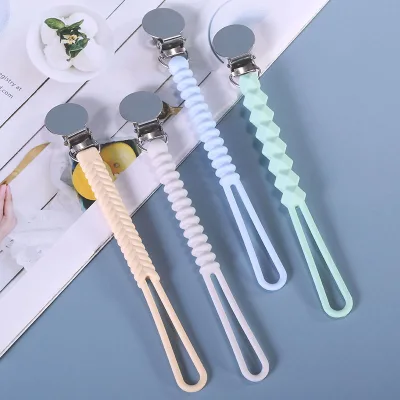
Luxury Morden Customised Pacifier Clip Set Woven Pacifier Clip Round Pacifier Clip Silicone
$0.5647 - $0.6157
MOQ: 1 pieces
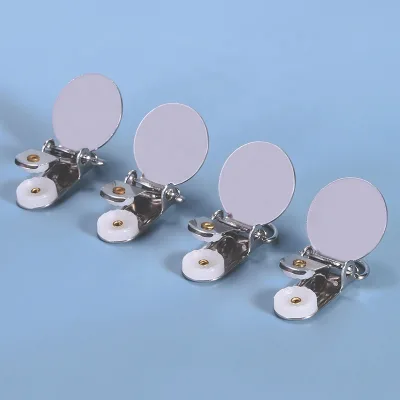
Good Quality New Design Funny Diy Metal Baby Pacifier Wholesale Silicone Clips
$0.2277 - $0.3625
MOQ: 20 pieces

Zhongshan Mingxin Silicone Manufactory
- Verified by SGS
- Combined
- China Guangdong
- Lead time15 days
- Avg. response≤ 5h
Main productsSilicone Kitchenware, Silicone Keypaid, Silicone Bracelet, Silicone Wristband, Silicone Ashtray, Silicone Tube, Silicone Watch, Silicone Rubber, Silicone Sex Doll, Silicone Mold
Main marketsEurope,North America


Custom Food Grade Silicone Beads Dummy Clip Silicone Baby Nipples Pacifier Chain Clips Holder
$1.60 - $2.60
MOQ: 20 Pieces


New Silicone Baby Ring Teether Personalized Pacifier Chain Hold Nipple Clips
$1.60 - $2.60
MOQ: 20 Pieces

New Arrive Safety Silicone Pacifier Clips Chain Teething Toys Baby Pacifier Holder
$2.40 - $2.48
MOQ: 100 Pieces
Zhongshan Juezhier Mother & Baby Product Co., Ltd.
- Trading Company
- Guangdong, China
- Lead time0 days
- Avg. response≤ 5h
Main productspacifier clip,silicone teething,educational toy,felt book,crochet toy
Main marketsSouth America(30.00%), North America(30.00%), Southern Europe(10.00%), Western Europe(10.00%), Eastern Europe(10.00%)
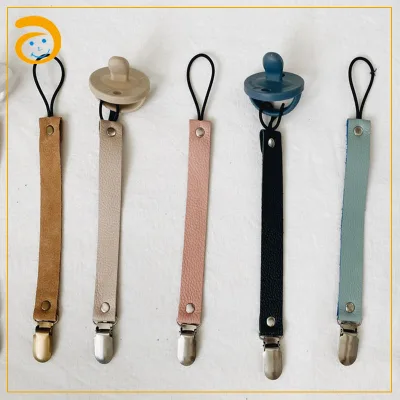
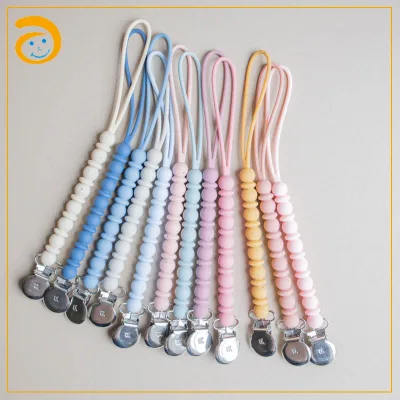
$0.78 - $1.68
MOQ: 500 pieces
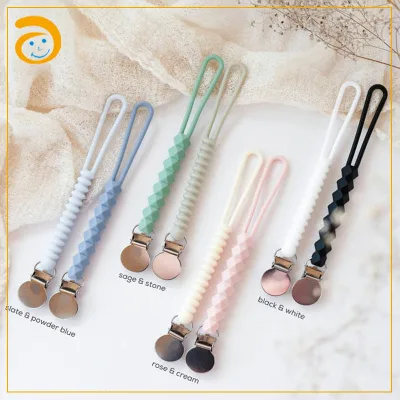
$1.29 - $1.79
MOQ: 500 pieces
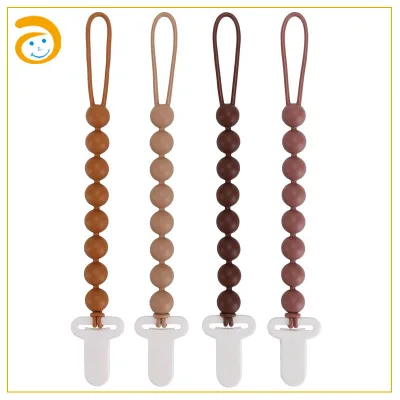
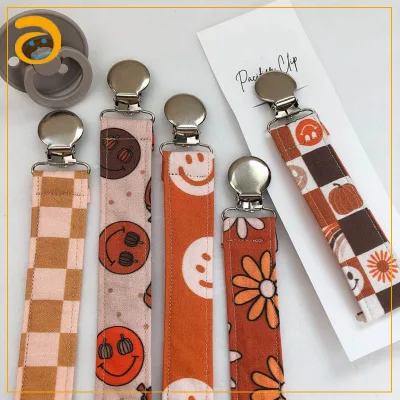
Baby Products Hot Selling 2024 Teething Toys Baby Pacifier Clip for New Born
$0.69 - $0.98
MOQ: 50 pieces
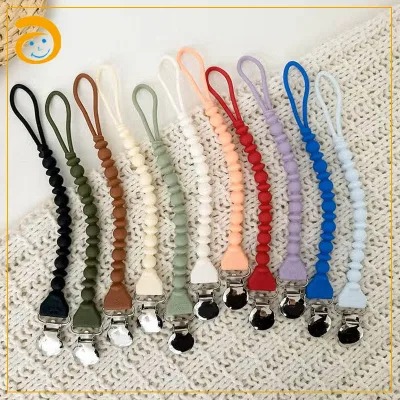

Hai Yang International Limited
- Verified by SGS
- Trading Company,Manufacturer/Factory
- China Zhejiang
- Lead time60 days
- Avg. response≤ 4h
Main productsWooden Toy, Montessori Material, Wooden Educational Toys, Wooden Puzzle, Wooden Blocks, Wooden Train Set, Wooden Nutcrackers, Wooden Crafts, Wooden Dolls, Wooden Chess
Main marketsEastern Europe,Mid East,North America,Southeast Asia,Eastern Asia,Oceania


Baby Pacifier Metal Clips Nursing Teether Silicone Soother Holder Nipple Dummy Chain Clip
$0.48 - $0.58
MOQ: 1000 Pieces
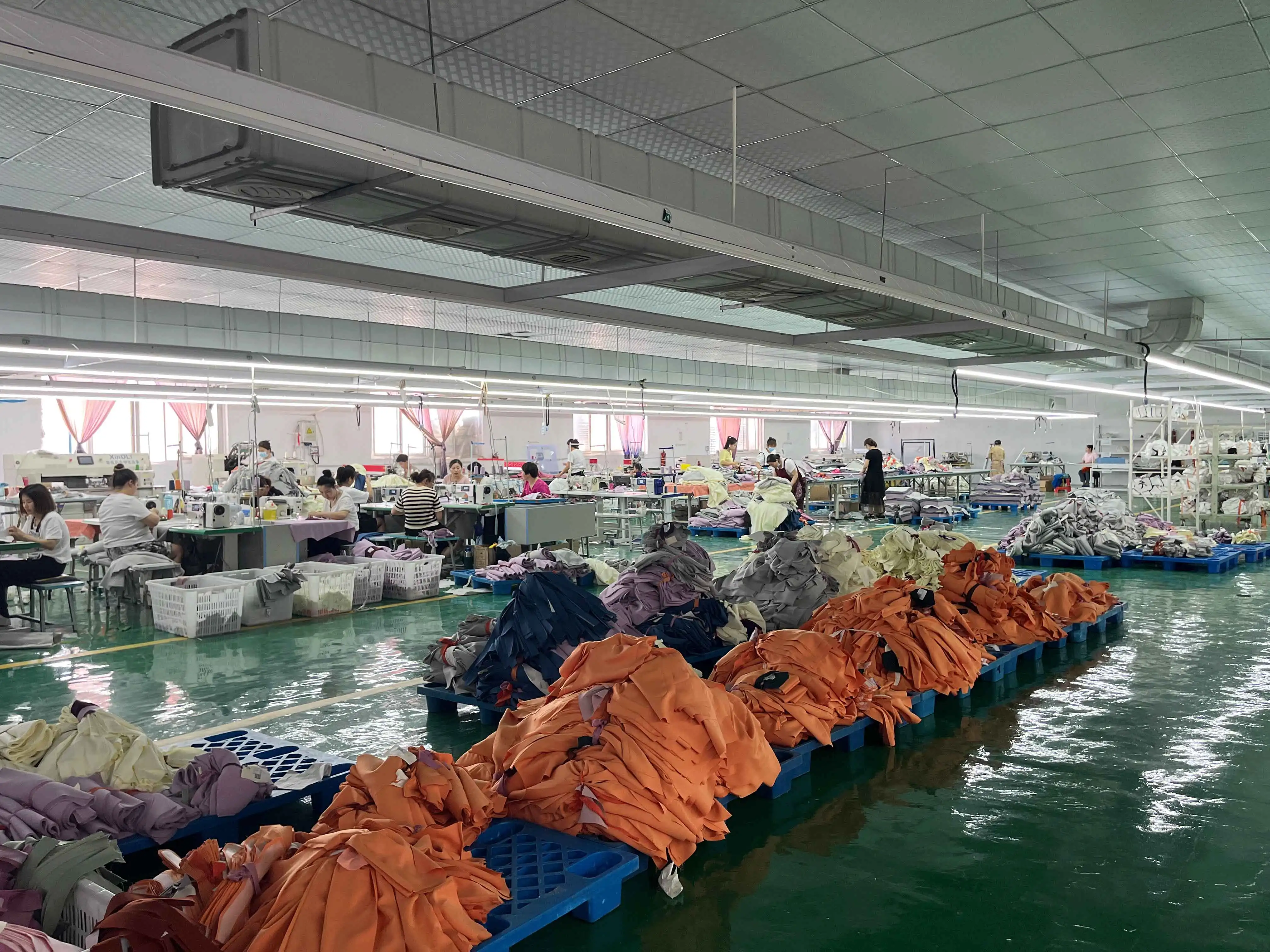
Yiwu Keqin Baby Products Factory
- Manufacturer, Trading Company
- Zhejiang, China
- Lead time0 days
- Avg. response≤ 2h
Main productsbaby carrier,baby walking assistant,Mommy bag,Children's anti-lost rope,Baby sleeping bag
Main marketsSoutheast Asia(10.00%), Domestic Market(5.00%), South Asia(5.00%), Southern Europe(5.00%), Northern Europe(5.00%), Central America(5.00%), Western Europe(5.00%), Eastern Asia(5.00%), Mid East(5.00%), Oceania(5.00%), Africa(5.00%), North America(5.00%), Eastern Europe(5.00%), South America(5.00%)

Hangzhou Yuming Garment Accessories Co., Ltd.
- Verified by BV
- Trading Company
- China Zhejiang
- Lead time30 days
- Avg. response≤ 3h
Main productsButton, Patch, Rivet, Eyelet, Zipper, Zipper Puller, Resin Buckle, Underwear Accessories, Snap Hook, Garment Hook
Main marketsSouth America,Southeast Asia/ Mideast,Europe,North America


Factory Wholesale Durable Metal Teeth Pacifier Suspender Strap Buckle Clip for Clothes Garment
$0.05 - $0.08
MOQ: 1000 Pieces
Xiamen Cuten Nicety Accessories Industry Co., Ltd.
- Verified by SGS Group
- Manufacturer, Trading Company
- Lead time15 days
- Avg. response≤ 2h
Main productsSilicone Products, Injection Molded Plastics, Home Goods, Pet Supplies, Maternity & Baby Products

HANGZHOU AIFU HOUSEHOLD CO., LTD.
- Verified by SGS
- Trading Company
- China Zhejiang
- Lead time30 days
- Avg. response≤ 4h
Main productsPolyester Fabric, Upholstery Fabric, Textile Fabric, Artificial Leather, Play Mats, Baby Beanbag, Baby Accessories, Other Leather Product, Sofa Fabric, Outdoor Fabric
Main marketsSoutheast Asia/ Mideast,Europe,Australia,North America

Amazon Hot Sale Baby Soother Clip Silicone Pacifier Chain Baby Dummy Clips Chain Pacifier Clip
$2.75 - $3.78
MOQ: 200 Pieces

Hot Sale Portable Soother Holder Nipple Pacifier Cover Dummy Clip Pacifier Box Baby Pacifier Clip
$2.75 - $3.78
MOQ: 200 Pieces

Teething Beads Baby Leather Chain Dummy Clip Holder Case Silicon Pacifier Holder Clip
$2.75 - $3.78
MOQ: 200 Pieces
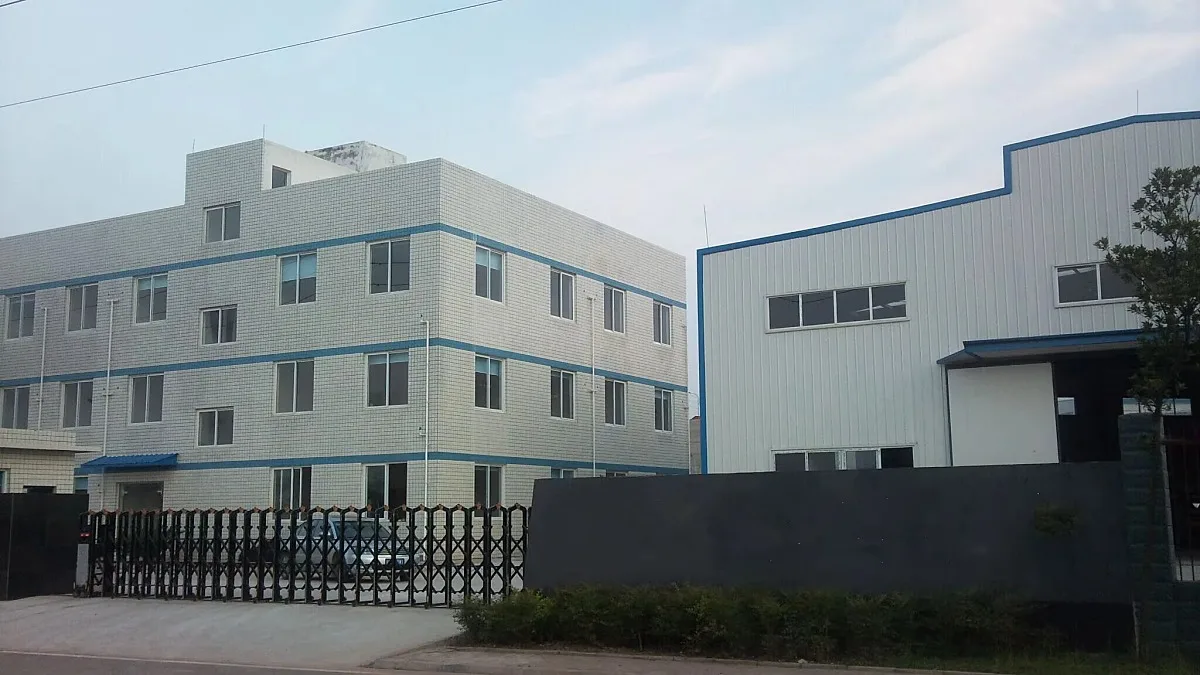
Dongguan Shengbin Technology Co., Ltd.
- Manufacturer, Trading Company
- Guangdong, China
- Lead time15 days
- Avg. response≤ 3h
Main productsSilicone Baby plate,Silicone Baby fork spoon,Silicone Baby Bib,Silicone Baby molar toy,Silicone baby toothbrush
Main marketsOceania(20.00%), North America(15.00%), Southeast Asia(15.00%), Domestic Market(10.00%), Southern Europe(10.00%), Northern Europe(10.00%), Western Europe(10.00%), Eastern Europe(10.00%)

- Verified by BV
- Trading Company,Manufacturer/Factory
- China Zhejiang
- Lead time15 days
- Avg. response≤ 8h
Main productsCeramic Mug, Kitchen Storage, Water Bottle, Cookware Set, Charger Plates, Shaker Set, Storage Rack, Food Container, Kitchen Accessories, Yiwu Agent
Main marketsSouth America,Eastern Europe,Mid East,North America,Southeast Asia,Eastern Asia,Oceania,Western Europe,Africa
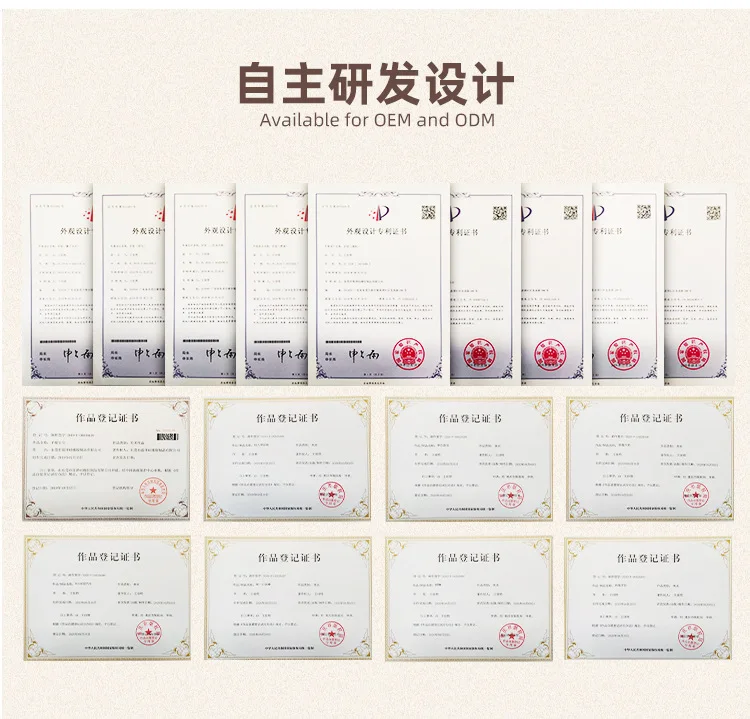
Xiamen Xingzezhi Digital Technology Co., Ltd.
- Distributor/Wholesaler
- Fujian, China
- Lead time7 days
- Avg. response≤ 3h
Main productssilicone focal beads,Straw Cover,baby teether,acrylic beads,Shake Notebook
Main marketsNorth America(77.00%), Northern Europe(4.00%), Southern Europe(3.00%), Western Europe(3.00%), Africa(3.00%), South America(3.00%), Eastern Europe(3.00%), Central America(2.00%), Southeast Asia(2.00%)

- Manufacturer/Factory
- China Henan
- Lead time15 days
- Avg. response≤ 10h
Main productsRibbons and Printed Ribbons, Sticker Label, Hang String Seal /Seal Tags/ Hang Tags String, Cotton Tape, Silicone Products, Nail Files, Lanyard
Main marketsSouth America,Eastern Europe,Mid East,North America,Southeast Asia,Eastern Asia,Oceania,Western Europe,Africa
Shenzhen Hafly Technology Co., Ltd.
- Verified by SGS Group
- Manufacturer, Trading Company
- Lead time15 days
- Avg. response≤ 2h
Main productsKitchen Ware, Baby Products, Table Ware, Travel Silicone Products, Personal Care
Main marketsNorth America(26%), Western Europe(24%), Northern Europe(12%)
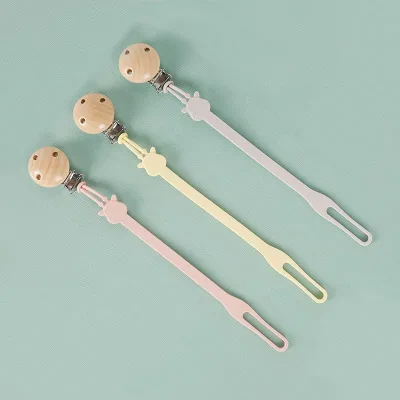
$0.2966 - $0.3266
MOQ: 100 pieces
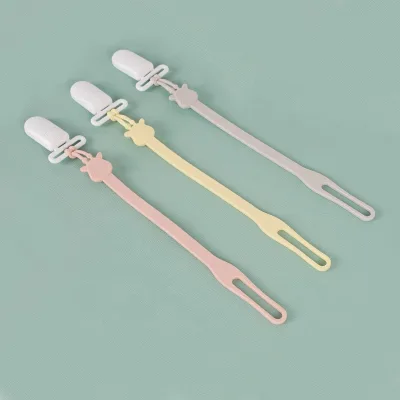
Food Grade Bpa Free Cute Animal Baby Teething Strap Holder Chain 100% Silicone Pacifier Clip
$0.2981 - $0.3296
MOQ: 100 pieces
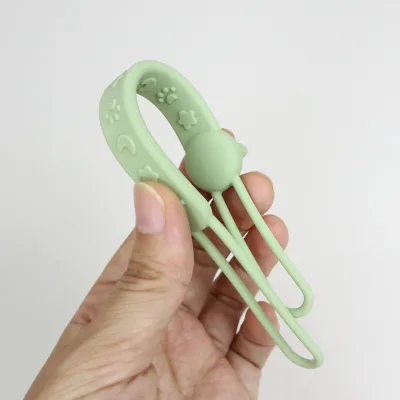


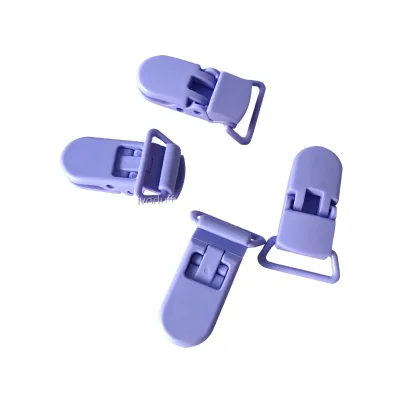
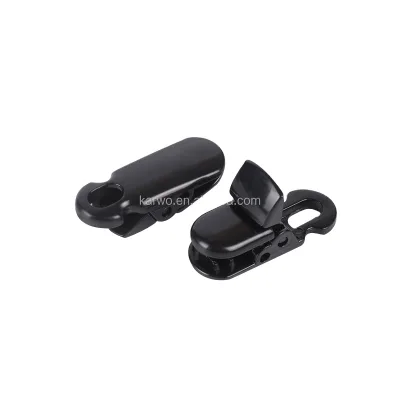


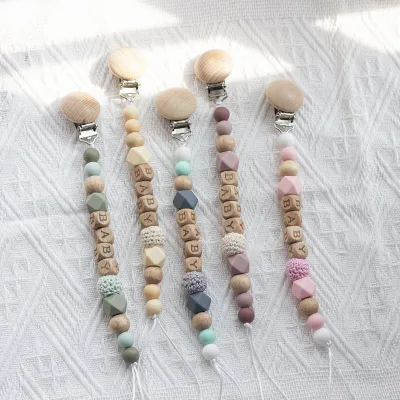
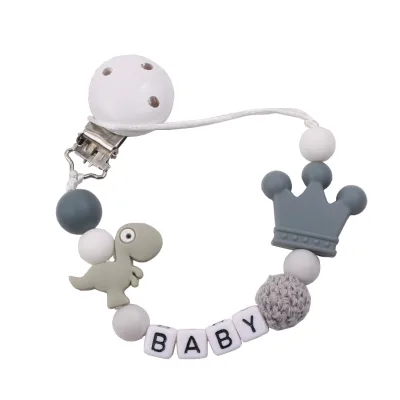
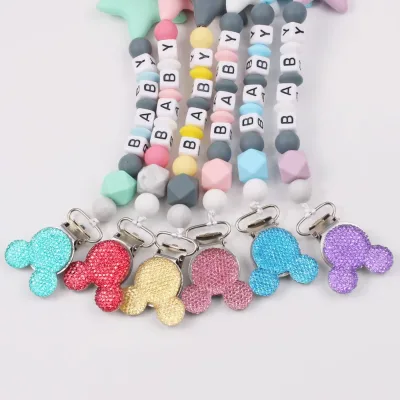
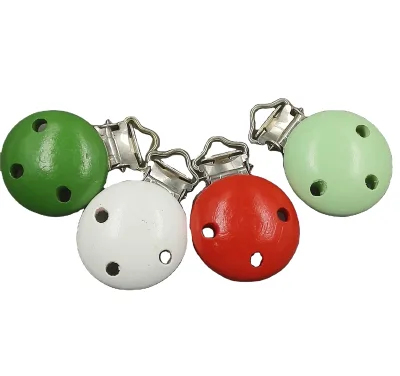
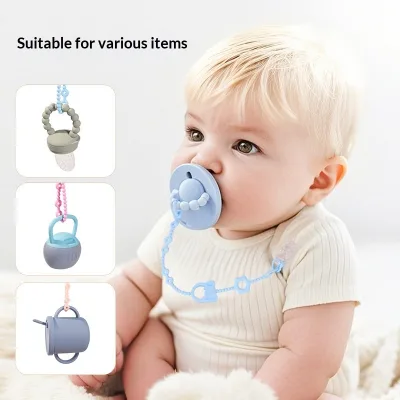


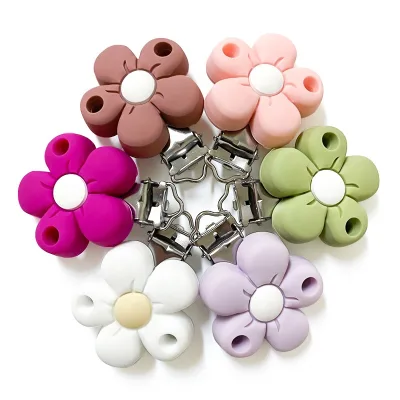
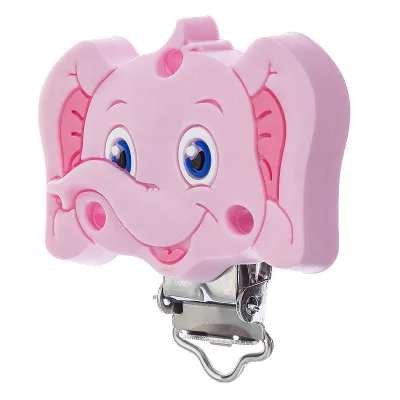


Comprehensive Sourcing Guide
Anti Drop Pacifier Clips Supplier Concentration and Factory Types
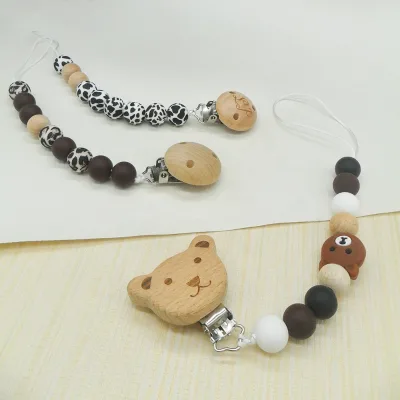
Anti Drop Pacifier Clips are produced by a mix of manufacturers and trading companies, and the listings in this category reflect that split clearly. Some suppliers self-identify as both Manufacturer and Trading Company, which usually signals an in-house production line for basic clips plus outsourced capacity for complementary items such as stationery or household sundries. Others are pure trading companies whose main products span maternal and infant products, toys, hardware fittings, clothing customization, and shoes and hats. A trading company with a broad infant catalogue can still be a strong partner for anti drop clips, especially if it consolidates silicone teething accessories, straps, and holders from several workshops into one shipment. A third type is specialist accessory makers whose core output is metal or aluminum components; these often list blank, no-design steel clips intended for brands that add their own decoration or pair the clip with a separate holder.
Location data in the results points to active supply in southern and eastern China, with Guangdong and Fujian both represented. Guangdong suppliers in this category tend to list wooden and silicone clip chains with detailed material breakdowns, while a Fujian-based trading company lists silicone anti-drop chains and teething toy clips. Treat these observations as a starting snapshot rather than a fixed map: cluster strength shifts, so confirm where your shortlisted suppliers actually produce before assuming a province guarantees a factory.
How to Verify Anti Drop Pacifier Clips Suppliers
Verification starts with separating manufacturers from traders, because both are legitimate but they fail differently. A supplier listing both Manufacturer and Trading Company should be asked which processes happen in-house and which are subcontracted. For anti drop clips, the critical processes are clip mechanism assembly, cord or chain joining, and any wood or silicone bead finishing. Ask for photos or video of each step, and check whether the model numbers shown on listings, such as specific MT or WPC prefixes, correspond to a consistent catalogue rather than resold goods. A trading company that discloses its role openly and offers consolidation across baby accessories can be verified through its responsiveness and documentation quality instead of factory ownership.
Second, verify product-level claims rather than company slogans. One Guangdong listing declares FSC, EN71, and BPA-free compliance alongside BPA-free, phthalate-free, and PVC-free material features; ask for the actual certificates and check the certificate holder's name matches the business name on the invoice. Another listing states place of origin China, silicone material, and an age range of 0 to 24 months, which should be backed by material test reports for the specific batch. Confirm the response time shown on the profile, for example ten hours versus five hours, by sending a technical question and timing the reply. Never accept escrow status, establishment year, or certification badges at face value; each is checkable and each is sometimes stale.
What to Compare Across Anti Drop Pacifier Clips Suppliers
Build a comparison sheet using the dimensions suppliers actually display. Lead time is a strong first filter: one supplier here shows three days while another shows seven, a gap that matters if you are replenishing stock against a launch date. Another listing shows zero lead time, which usually means no published figure rather than instant shipping, so ask directly. MOQ varies even more dramatically, from 50 pieces on a wooden and silicone crochet clip chain to 100 pieces on wood pacifier clips to 1,000 pieces on blank steel clips, so your order size may determine which supplier tier is even available. Response time, where shown as five or ten hours, indicates how quickly design questions and defect disputes will move.
Compare the product substance too. Material construction ranges from wood-only clips at roughly 30 mm and 35 mm sizes to wooden-plus-silicone-plus-crochet-bead chains at 18.5 cm to 31 cm lengths, and silicone anti-drop chains at a fixed price point versus tiered pricing on wood clips. Weights from 0.015 kg to 0.5 kg gross affect freight math. Note main-product fit: a stationery and household sundries producer may treat clips as a sideline, while a maternal-and-infant trading company treats them as core. Do not assume every supplier displays every attribute; blank fields should become questions in your RFQ, not assumptions.
Common Anti Drop Pacifier Clips Sourcing Risks
The largest risk in this category is safety compliance drift. Clips attach to infants, so small parts, cord length, and bead security carry real hazards. Listings advertise BPA-free, phthalate-free, PVC-free, and food-grade features, but advertised features are marketing until a test report covers your exact model and production batch. Wooden clips add another layer: surface coating and splinter control are rarely covered by a generic certificate. Request batch-level documentation and consider independent testing before the first shipment, because a recall in this category damages a baby brand disproportionately.
The second cluster of risks is commercial. Bulk packaging stated as "in bulk" at a single-item selling unit means retail-ready packaging is likely an extra cost and step; confirm before assuming shelf-ready goods. MOQ Floors differ across listings, and a 50-piece minimum on a premium crochet clip invites small trial orders that may not reflect unit economics at scale. Blank steel clips with no design transfer decoration risk to your side, including plating quality and nickel release. Pricing spreads, such as one listing ranging from about 0.28 to 0.43 and another from about 1.19 to 2.19, usually encode quantity breaks and material choices; clarify which configuration maps to which price. Finally, traders relisting factory goods can create accountability gaps when defects appear mid-production.
Anti Drop Pacifier Clips Regional Sourcing and Logistics
The supplied results place this category's visible supply in Guangdong and Fujian, China, and both provinces have established export infrastructure. Guangdong's advantage for anti drop clips is component depth: silicone, wood beads, metal hardware, and packaging suppliers sit within the same region, which shortens the chain for mixed-material clip chains of the wooden-plus-silicone-plus-crochet type. A Guangdong listing also declares the place of origin explicitly, which helps when you later need origin documentation for customs. Fujian-based supply in these results comes through a trading company whose main products include maternal and infant goods and toys, suggesting a consolidation model rather than single-factory production.
For logistics planning, weight and packing data in the listings are directly usable. Individual wood clips weigh roughly 0.015 kg gross with a 3 by 4 by 2 cm package, so thousands of units fit compactly, while a crochet clip chain listing shows a 0.5 kg gross weight and a 15 by 15 by 10 cm package, which changes volumetric freight substantially. Confirm incoterms and whether quoted lead times of three or seven days cover production only or include inspection and handover. When suppliers will not state lead time, as with the zero shown in one listing, treat freight booking as provisional until a written production schedule exists.
Anti Drop Pacifier Clips Commercial Terms and Order Planning
Order planning in this category should begin with a paid sample round matched to your target construction. If your product is a wood clip at roughly 30 or 35 mm, sample the supplier whose model numbers and attribute sheets show that exact format; if you need a longer chain near 18.5 to 31 cm with mixed materials, sample those instead. Quoted ranges, such as approximately 0.28 to 0.43 per wood clip or around 0.30 to 0.45 for a chain clip, should be mapped to explicit quantity breaks in your RFQ. Blank steel clips quoted near 0.10 to 0.19 at a 1,000-piece MOQ serve a different model entirely, where you add branding afterward.
Structure terms to match the risk profile. Use secure payment arrangements and avoid full prepayment on a first order, particularly with trading companies consolidating from third-party workshops. Agree in writing on packaging, since bulk packing is the default in several listings and retail packaging changes cost and lead time. Set inspection criteria for cord pull strength, bead security, and clip spring function, and hold a retention sample from the shipped batch. Plan reorders around the shorter published lead times of three days only after a supplier has demonstrated consistency; a fast first delivery proves little about the third batch. Finally, record response-time behavior during negotiation, because it reliably predicts post-sale communication speed.
FAQs
What is the typical price range for pacifier clips?
Prices for pacifier clips generally range from $0.10 to $2.19 per unit. Basic plastic or steel options often cost under $0.50, while wooden or silicone designs with certifications like EN71 may reach higher price points. Buyers should check specific product listings for exact pricing based on material and order volume.
What is the minimum order quantity for these clips?
Minimum order quantities vary significantly by supplier and product type. Some manufacturers require as few as 50 pieces, while others set the threshold at 100 or even 1000 units. Buyers should verify the specific MOQ for their chosen material and design, as bulk packaging options often influence these requirements.
How long does production take for pacifier clips?
Lead times for pacifier clips typically range from 3 to 7 days depending on the supplier. Some manufacturers in Guangdong report faster turnaround times, while those in Fujian may require up to a week. Buyers should confirm exact production schedules with suppliers before placing orders to ensure timely delivery.
What materials are commonly used for pacifier clips?
Common materials include wood, silicone, plastic, and stainless steel. Wooden clips often feature natural finishes, while silicone options provide durability and safety. Some products combine materials like wooden beads with silicone straps. Buyers should check product specifications for details on material composition and safety certifications like BPA-free status.
Are pacifier clips available with custom branding?
Many suppliers offer customized logo options for pacifier clips. Buyers can often request specific designs, colors, or branding on wooden or silicone products. Customization may affect minimum order quantities and lead times. It is advisable to discuss branding requirements directly with manufacturers to ensure feasibility and pricing alignment.
What certifications are available for pacifier clips?
Some pacifier clips come with certifications such as EN71, FSC, and BPA-free status. These certifications ensure safety and quality for baby products. Buyers should verify specific certifications for each product, as not all suppliers provide documented testing results. Requesting certification copies is recommended for compliance and safety assurance.