Classical Wooden Board Game Suppliers and Manufacturers
Source Classical Wooden Board Game products from 29 verified suppliers in China Zhejiang. Compare key dimensions including lead times, MOQs, certifications, and response rates to identify suitable partners. Review detailed product specifications and pricing to streamline your procurement process; review the available evidence before requesting comparable quotations from suitable candidates.
Updated
Suppliers List

Hai Yang International Limited
- Verified by SGS
- Trading Company,Manufacturer/Factory
- China Zhejiang
- Lead time60 days
- Avg. response≤ 4h
Main productsWooden Toy, Montessori Material, Wooden Educational Toys, Wooden Puzzle, Wooden Blocks, Wooden Train Set, Wooden Nutcrackers, Wooden Crafts, Wooden Dolls, Wooden Chess
Main marketsEastern Europe,Mid East,North America,Southeast Asia,Eastern Asia,Oceania


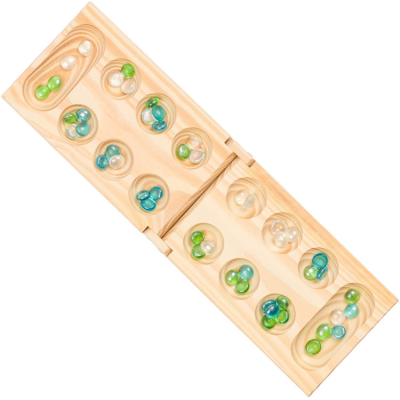
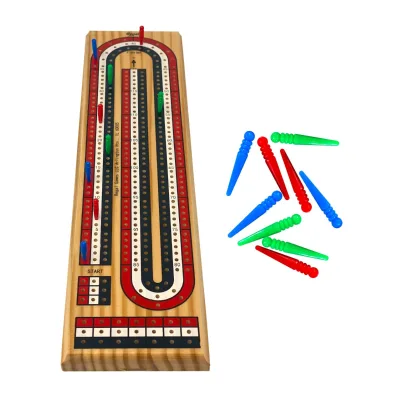
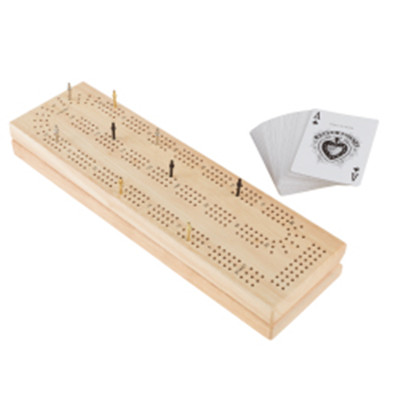
Cribbage Card Game Wooden Scoring Game Solid Wood Party Cribbage Board Game
$3.48 - $4.48
MOQ: 100 Pieces


Ningbo Shone Med-Tech Co., Ltd.
- Verified by SGS
- Trading Company,Manufacturer/Factory,Group Corporation
- China Zhejiang
- Lead time23 days
- Avg. response≤ 3h
Main productsWooden Games, Wooden Toys, Bingo Games, Wooden Sport Items, Wooden Box
Main marketsSouth America,Eastern Europe,Mid East,North America,Southeast Asia,Eastern Asia,Oceania,Western Europe,Africa

- Trading Company
- Zhejiang, China
- Lead time35 days
- Avg. response≤ 3h
Main productssports,wooden games,rackets,balls,toys
Main marketsSouthern Europe(10.00%), Northern Europe(10.00%), Central America(10.00%), Western Europe(10.00%), Eastern Europe(10.00%), South America(10.00%), North America(10.00%), Domestic Market(5.00%), South Asia(5.00%), Eastern Asia(5.00%), Mid East(5.00%), Oceania(5.00%), Southeast Asia(5.00%)
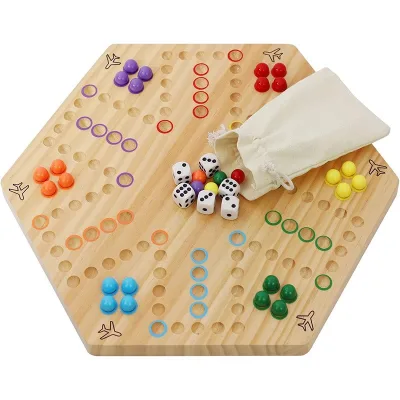
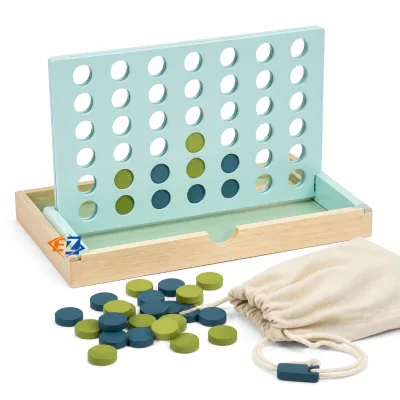
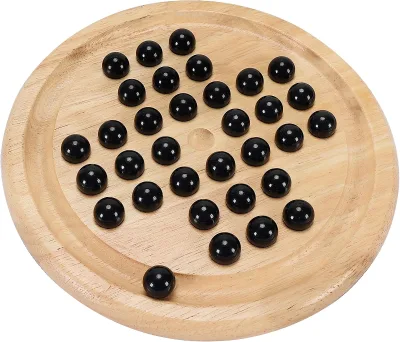
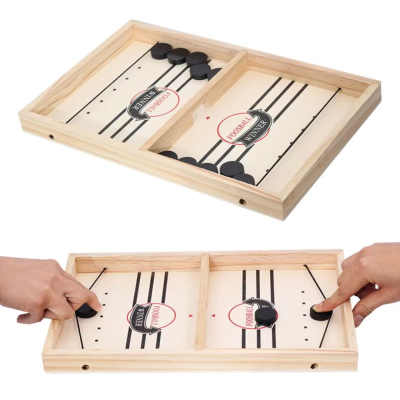
Original Marble Board Game 16-Inch Wooden Fast Track Board Game for Family Party
$4.133 - $5.1666
MOQ: 1000 pieces

Linhai Muxin Crafts Manufactory
- Manufacturer
- Zhejiang, China
- Lead time30 days
- Avg. response≤ 7h
Main productsWooden bits,board game,metal bits,plastic bits,dice
Main marketsNorthern Europe(60.00%), North America(40.00%)
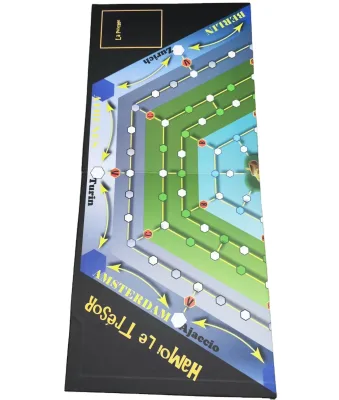
Intelligent Logic Game Funny Block Board Game Wooden Memory Chess Game
$1.5519 - $3.4124
MOQ: 500 sets
Linhai Xinxing Sporting Goods Factory
- Manufacturer
- Lead time旺季: "1 - 1000":45,"1001 - 3000":60,"> 3000":"To be negotiated", 淡季: "1 - 1000":45,"1001 - 3000":60,"> 3000":"To be negotiated"
- Avg. response≤ 7h
Main productsPickleball, Chess Sets, Board Game, Garden Game, Indoor Game
Caoxian Smart And Thrive Woodwork Co., Ltd.
- Verified by SGS Group
- Manufacturer, Trading Company
- Lead time40 days
- Avg. response≤ 4h
Main productsWooden Crafts, Wooden Homeware and Garden Product, Wooden Office Culture Product
Main marketsNorth America(50%), Eastern Asia(15%), Domestic Market(13%)

Jinjiang Naike Eco Technology Co., Ltd.
- Verified by SGS
- Trading Company
- China Fujian
- Lead time30 days
- Avg. response≤ 2h
Main productsKeychain, Promotional Gifts, Shoes Charm, Straw Toppers, Pencil Toppers, Christmas Decoration, Party Decoration, Toy, Metal Craft, Silicone Products
Main marketsEurope,North America
Shenzhen Lucy Creation Toys Co., Ltd.
- Verified by TüVRheinland
- Trading Company
- Lead time45 days
- Avg. response≤ 8h
Main productsWooden Toys, Wooden Games, Wooden Pets Toys, Wooden Arts & Crafts, Wooden Children Furnitures
Main marketsNorth America(60%), Western Europe(10%), Eastern Europe(5%)

Ningbo Hardwork Art & Craft Co., Ltd.
- Verified by BV
- Combined
- China Zhejiang
- Lead time15 days
- Avg. response≤ 14h
Main productsDIY Kit, Stamp, Wooden Craft, Book
Main marketsEurope


Board Game Children Color Sorting Logical Thinking Training Wooden Memory Chess Game
$1.42 - $2.51
MOQ: 500 pieces
Ningbo Cbl Imp & Exp Co., Ltd.
- Trading Company
- Zhejiang, China
- Lead time45 days
- Avg. response≤ 6h
Main productsWooden game,Intelligence toys,pet products,paper bags,other games
Main marketsNorth America(50.00%), Western Europe(36.00%), Eastern Asia(6.00%), Eastern Europe(5.00%), South America(2.00%), Mid East(1.00%)
Caoxian Shunhe Wood Industry Co., Ltd.
- Manufacturer, Trading Company
- Shandong, China
- Lead time20 days
- Avg. response≤ 4h
Main productsWooden box,Wooden chalkboard,Wooden game board,Wooden wall shelf,Bamboo box
Main marketsNorth America(68.00%), Western Europe(20.00%), Eastern Asia(10.00%), Mid East(2.00%)

Ningbo Yinzhou Wenhui Paper Co., Ltd.
- Verified by TUVRHEINLAND
- Manufacturer/Factory
- China Zhejiang
- Lead time45 days
- Avg. response≤ 8h
Main productsStationery Gifts Promotional Homeware, Pen, Pet Products, Board Game, Paper Tube, Notebook, Wooden Toys, DIY Toy, Puzzle, Gift Bag
Main marketsSouth America,Eastern Europe,Mid East,North America,Southeast Asia,Eastern Asia,Oceania,Western Europe,Africa


Pretty and Colourful Board Game Custom Manufacturer Board Game Design Your Own Board Game
$0.90 - $2.80
MOQ: 500 Pieces
Ningbo Bokesi Culture Technology Co., Ltd.
- Manufacturer, Trading Company
- Zhejiang, China
- Lead time10 days
- Avg. response≤ 3h
Main productsPacking Box, Developmental toys, Board Game , Card Game
Main marketsNorth America(40.00%), Western Europe(40.00%), Southeast Asia(10.00%), Southern Europe(5.00%), Mid East(5.00%)
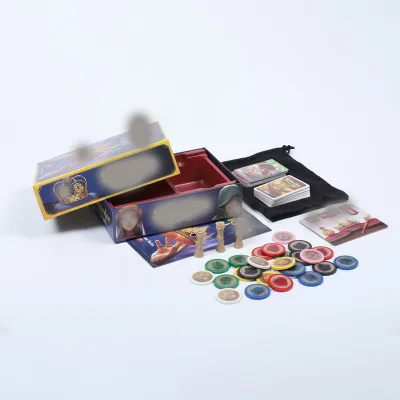
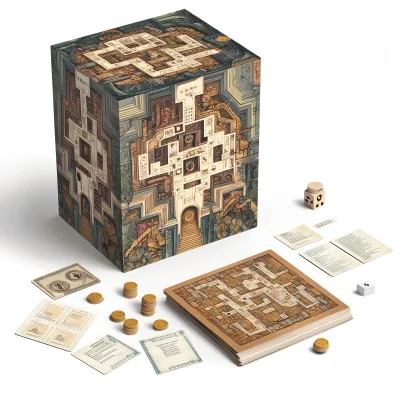

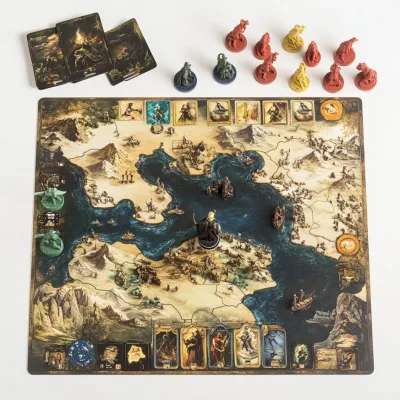
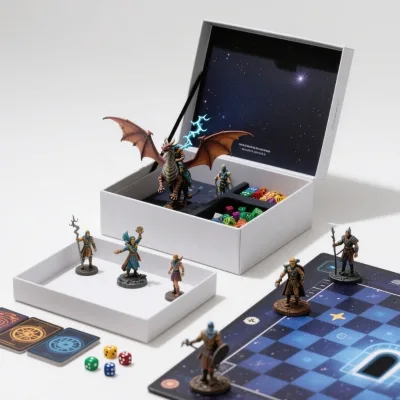
$10.4755 - $31.4265
MOQ: 1000 sets
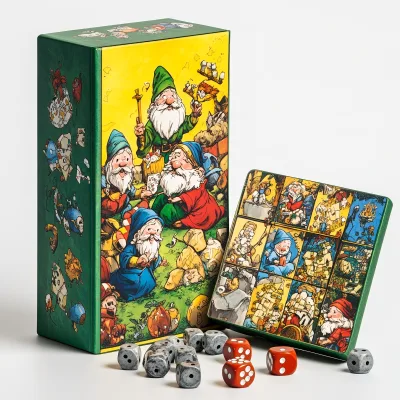

- Verified by TUVRHEINLAND
- Trading Company
- China Zhejiang
- Lead time15 days
- Avg. response≤ 13h
Main productsWooden Toy, Outdoor Product, Kitchen Item, Personal Care Tool, Painting Set, Disk Rack, Yoga, Garden
Main marketsSouth America,Europe,North America

Shenzhen Lionstar Technology Co., Ltd.
- Verified by SGS
- Combined
- China Guangdong
- Lead time15 days
- Avg. response≤ 4h
Main productsFace Mask, KN95, 3ply Disposable Face Mask, Protective Face Cover, FFP2 KN95 CE FDA Face Mask, Protective Goggle, Face Shield, Gloves, Gowns, Thermometer
Main marketsAfrica,Europe,North America


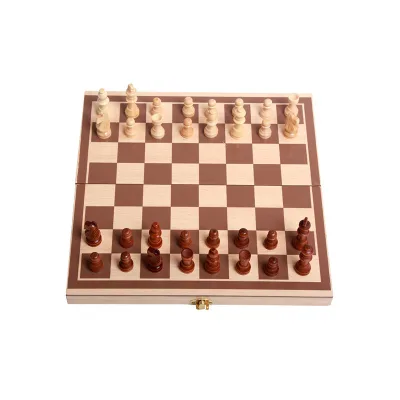
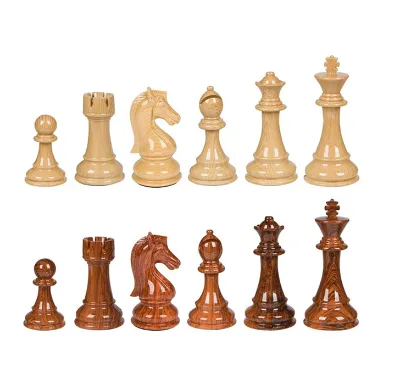
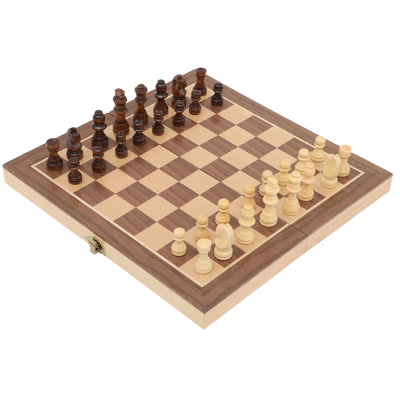
Professional Tournament Leather Backgammon Board Set and Chess Board Game
$10.90 - $13.60
MOQ: 300 Pieces


- Verified by BV
- Trading Company,Manufacturer/Factory
- China Zhejiang
- Lead time0 days
- Avg. response≤ 6h
Main productsWooden Game, Toy, Outdoor Game, Gareden Game, Racket, Tent, Soccer Ball, Sports

Real Love Industrial Factory Groups
- Manufacturer, Trading Company
- Zhejiang, China
- Lead time0 days
- Avg. response≤ 1h
Main productsHardware,Fabrics,Bags,Toys,Materials
Main marketsSouth America(20.00%), North America(20.00%), Eastern Europe(10.00%), Northern Europe(8.00%), Central America(5.00%), Domestic Market(5.00%), Eastern Asia(5.00%), Mid East(5.00%), Oceania(5.00%), Southeast Asia(5.00%), Southern Europe(4.00%), Western Europe(3.00%), Africa(3.00%), South Asia(2.00%)

Eastony Industries (Ningbo) Co., Ltd.
- Manufacturer, Trading Company
- Zhejiang, China
- Lead time35 days
- Avg. response≤ 11h
Main productsSports,Fitness,Games,Garden & Pets Supply,Gifts
Main marketsWestern Europe(11.11%), Eastern Asia(11.11%), Mid East(11.11%), Oceania(11.11%), Africa(11.11%), Southeast Asia(11.11%), Eastern Europe(11.11%), South America(11.11%), North America(11.11%)
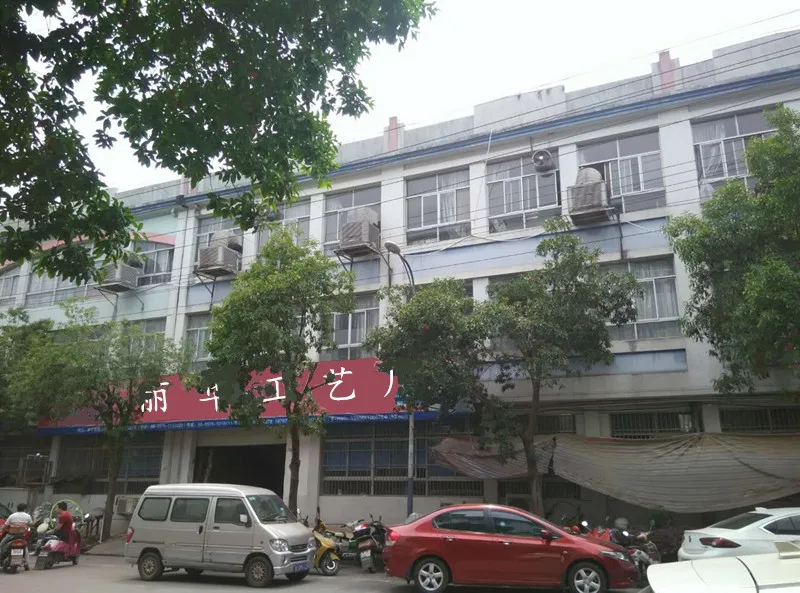
Yunhe County Lihua Craft Factory
- Manufacturer
- Zhejiang, China
- Lead time5 days
- Avg. response≤ 2h
Main productsMontessori toys,wooden ball,wooden chess,wooden toys,wooden dice
Main marketsSouth Asia(10.00%), Southern Europe(10.00%), Northern Europe(10.00%), Central America(10.00%), Western Europe(10.00%), Africa(10.00%), Southeast Asia(10.00%), Eastern Europe(10.00%), South America(10.00%), North America(10.00%)
- Manufacturer, Trading Company
- Zhejiang, China
- Lead time0 days
- Avg. response≤ 8h
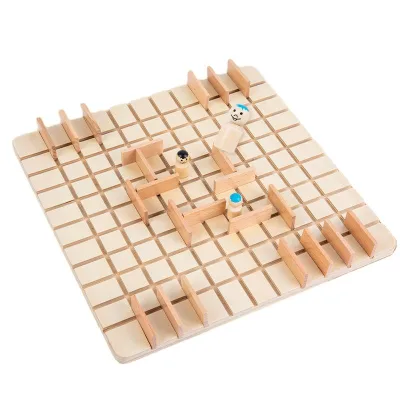
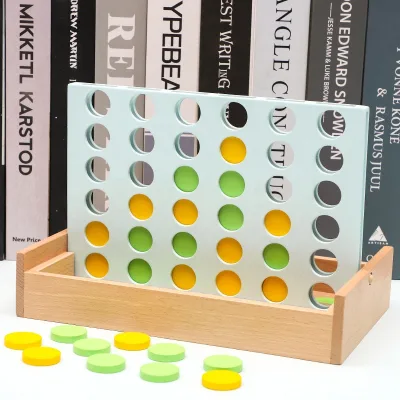
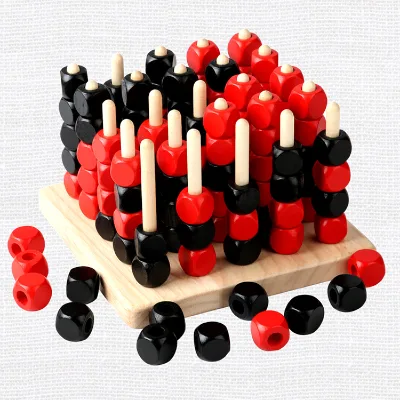
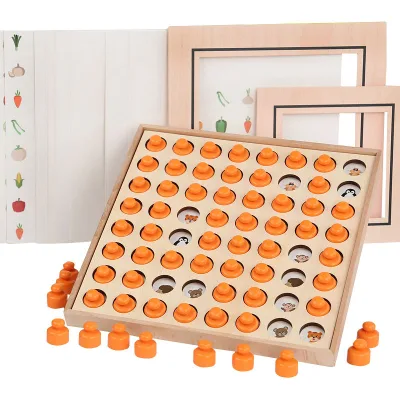
$5.5801 - $6.0954
MOQ: 2 sets
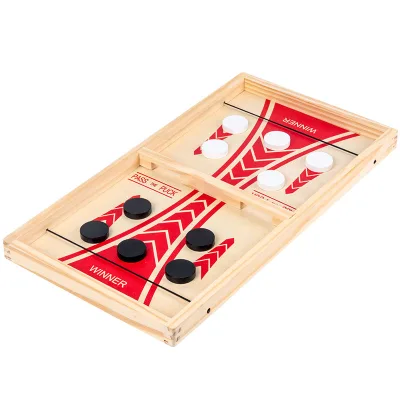

PIN INTERNATIONAL (NINGBO) LTD.
- Verified by TUVRHEINLAND
- Manufacturer/Factory
- China Zhejiang
- Lead time90 days
- Avg. response≤ 2h
Main productsWooden Toys Kids Toys Educational Toys, Arts and Crafts, Stem Toys, DIY Products, Subscription Box for Kids
Main marketsSouth America,Eastern Europe,North America,Eastern Asia,Western Europe

GUANGZHOU MIYI PRINTING CO., LTD
- Verified by BV
- Trading Company,Manufacturer/Factory
- China Guangdong
- Lead time0 days
- Avg. response≤ 8h
Main productsBook Printing, Custom Magazine, Catalog, Paper Bag, Paper Box, Packageing Box, Toy Box, Sticker, Label, School Supplies
Main marketsSouth America,Eastern Europe,Mid East,North America,Southeast Asia,Eastern Asia,Oceania,Western Europe,Africa


Custom Printing Indoor Game Family Board Game Custom Printing Children Board Game Playing Cards
$1.02 - $1.15
MOQ: 500 Pieces


Hangzhou Wonder Tree Technology Co., Ltd.
- Verified by TüVRheinland
- Manufacturer, Trading Company
- Lead time30 days
- Avg. response≤ 4h
Main productsPaper Puzzle, Board Game, Cards Game, Poker Chip, Flashcards
Main marketsNorth America(50%), Western Europe(20%), Eastern Europe(10%)
Cao County Huiyifeng Crafts Co., Ltd.
- Manufacturer, Trading Company
- Shandong, China
- Lead time25 days
- Avg. response≤ 6h
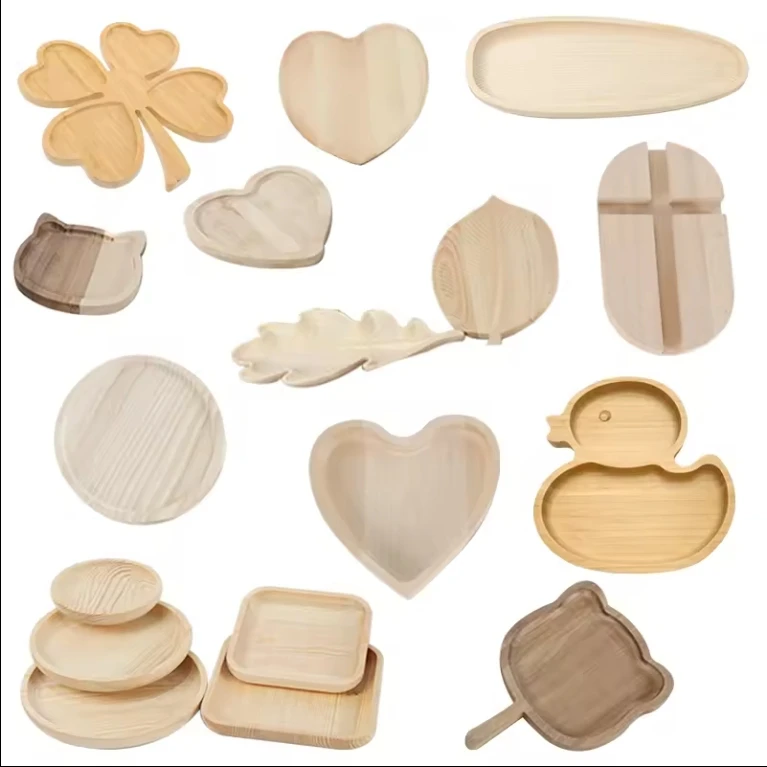
Main productswood decor,wood box,wood coaster,wood craft,wood shelf
Main marketsNorth America(35.00%), Eastern Europe(20.00%), Western Europe(10.00%), Eastern Asia(10.00%), Central America(5.00%), Southeast Asia(5.00%), Northern Europe(4.00%), Mid East(3.00%), Africa(3.00%), South America(3.00%), Oceania(2.00%)
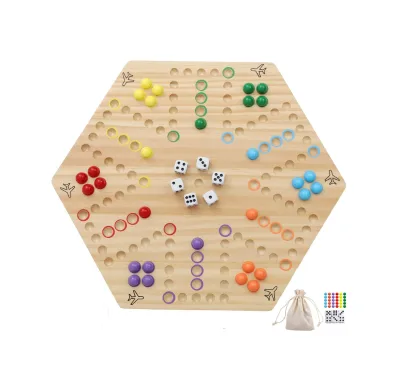
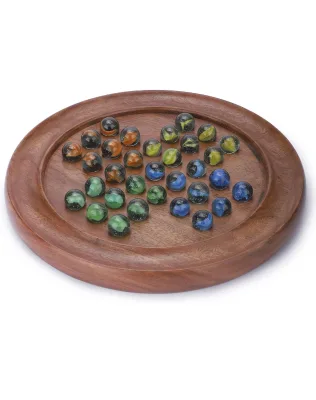
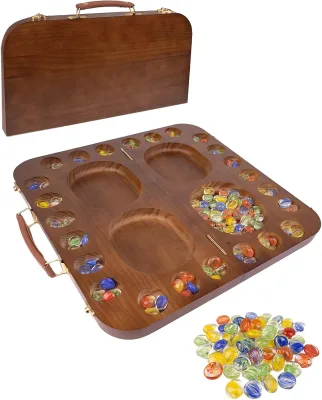
High Quality Classic Vintage Indian Design Handcrafted Wooden Board Game with 4-Color Marbles
$3.6431 - $4.6798
MOQ: 300 pieces
Ningbo Hooleesh International Trading Co., Ltd.
- Trading Company
- Zhejiang, China
- Lead time25 days
- Avg. response≤ 4h
Main productsOutdoor Toss Game, Desktop Game, Wooden Handicraft, Party Supplies
Main marketsNorth America(60.00%), Western Europe(20.00%), Eastern Europe(10.00%), Southern Europe(5.00%), Northern Europe(5.00%)

WENZHOU TIMES ARTS&CRAFTS CO., LTD.
- Verified by SGS
- Manufacturer/Factory
- China Zhejiang
- Lead time23 days
- Avg. response≤ 5h
Main productsToys, Montessori Toys, Wooden Toy, Educational Toy, Role Play Toys, Children Furniture, Puzzle, Kid Bike, Musical Toy, Wooden Blocks
Main marketsSouth America,Eastern Europe,Mid East,North America,Southeast Asia,Eastern Asia,Oceania,Western Europe,Africa

- Trading Company,Manufacturer/Factory
- Hongkong_China Hongkong
- Lead time23 days
- Avg. response≤ 8h
Main productsCustom Paper Puzzle, Packaging Box, Books/Magazine, PU Album, Plastic Ziplock Bag, Paper Bag, Photo Frame, Board Game
Main marketsSouth America,Eastern Europe,North America,Southeast Asia,Eastern Asia,Oceania,Western Europe,Africa


Customized Board Game Educational Custom Game Board From China Manufacturer Board Game
$2.19 - $5.19
MOQ: 500 set


Ningbo General Union Co., Ltd.
- Verified by BV
- Trading Company
- China Zhejiang
- Lead time30 days
- Avg. response≤ 10h
Main productsChristmas Tree, Party Supply, Christmas Ball, LED Light Strip, Halloween Product, Holiday Decoration, Santa Claus, Valentine's Day Product, Balloon Decoration, Birthday Decoration
Main marketsSouth America,Southeast Asia/ Mideast,Europe,North America


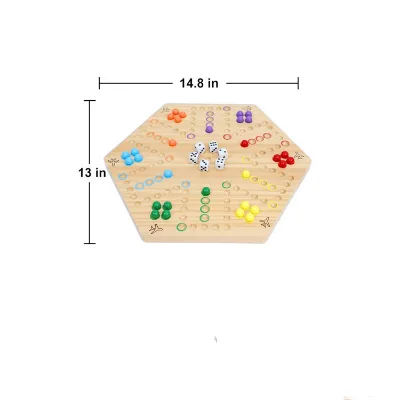
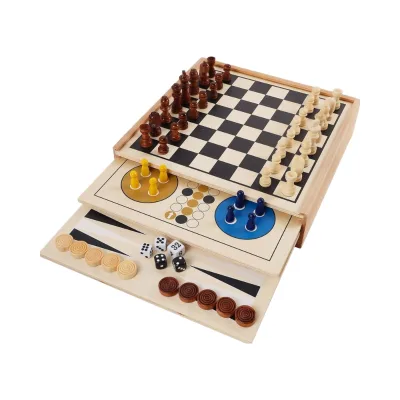
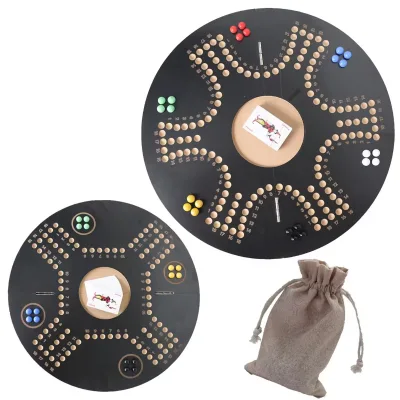
Double Sided Painted Wooden Tabletop Games for 2 to 6 Players (for Parties) Collapsible Game Set
$4.90 - $5.90
MOQ: 100 Pieces


- Verified by CTI
- Trading Company
- China Zhejiang
- Lead time30 days
- Avg. response≤ 15h
Main productsCard Game, Board Game, Educational Games, Puzzles, Board Book, Family Game, Children Toys, Paper Crafts
Main marketsEurope


Board Game with Spinner Playing Cards Table Board Game Professional Game
$0.90 - $1.30
MOQ: 1000 Pieces


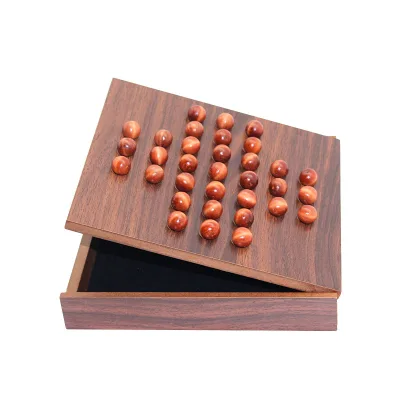
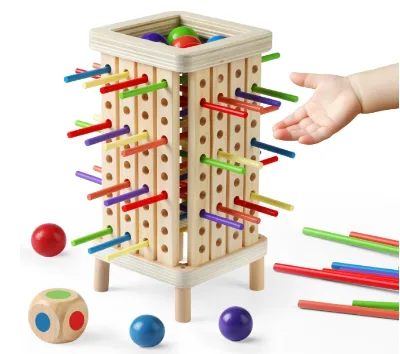








Comprehensive Sourcing Guide
Classical Wooden Board Game Supplier Concentration and Factory Types
Sourcing a Classical Wooden Board Game starts with understanding where the suppliers on your results page actually sit and what kind of company you are dealing with. Location data in supplier profiles is one of the most reliable signals available before you ever send an inquiry. When a listed location such as Zhejiang, China appears across results, that tells you the supplier operates in a province widely associated with wooden toy and wooden craft manufacturing, and that logistics infrastructure for this category is likely mature there. Where no location is displayed, treat cluster identification as a verification task: ask each candidate directly for its registered address, factory address, and whether production is in-house or subcontracted, then map the answers to see where the real concentration lies.
Company type is the second structural signal. The results include hybrid profiles listed as both Trading Company and Manufacturer/Factory, and at least one profile described as Trading Company, Manufacturer/Factory, and Group Corporation simultaneously. A hybrid listing means the entity may operate a factory while also trading in complementary items, which affects who controls quality, tooling, and schedule. Main product lines also reveal specialization depth: suppliers listing wooden toys, Montessori materials, puzzles, blocks, train sets, chess, and wooden crafts are embedded in the category, whereas a board game appearing under display racks or advertising equipment may be a side offering. Prioritize suppliers whose core catalogs match classical wooden game production rather than incidental listings.
How to Verify Classical Wooden Board Game Suppliers
Verification begins with the credentials actually displayed in the results, and two dimensions stand out. First, some profiles carry third-party verification, for example an SGS verification label, which indicates an independent body has reviewed the company's existence or documentation; confirm what scope that verification covered, because verification of a business license is not an audit of the factory floor. Second, system certifications appear in profile data, and the observed set includes BSCI, ISO 9000, ISO 9001, ISO 14000, ISO 14001, OHSAS/OHSMS 18001, and SEDEX. These are management-system certificates, not product-safety certificates, so ask which certificate numbers apply, request copies, and check expiry dates directly with the issuing scheme where possible.
Product-level claims require separate checking. Some board game listings in the results state FSC status and eco claims, and one wooden learning toy listing cites a CE certification. Treat each as a claim to validate: ask for the FSC chain-of-custody number, the CE declaration of conformity and the applicable standard, and test reports covering the destination market's toy safety rules. Response time gives a behavioral signal as well; observed response times in the results range from roughly two to three hours, and you can test this yourself by timing replies to a technical question rather than a price question. Finally, ask whether the supplier is verified for OEM and ODM work — some profiles list Own Brand, OEM, and ODM capacity — and request evidence such as past custom projects, because customization labels in listings are marketing statements until proven.
What to Compare Across Classical Wooden Board Game Suppliers
Build a comparison matrix using only attributes the supplier actually displays, and record "not shown" honestly rather than assuming a value. The most actionable dimensions in the current results are lead time, MOQ, response time, location, main products, company type, and certifications. Lead times vary sharply: one profile shows 60 days while another shows 23 days, a difference large enough to determine whether a supplier fits a Q4 retail calendar. Response times of roughly two versus three hours are close, but repeated timing across several inquiries will separate genuinely responsive teams from fast auto-replies.
MOQ and price data appear at the product level, not the supplier level, and they vary by item: observed product MOQs include 100, 500, and 1000 pieces, and price bands range from under one dollar for small wooden pawns to the mid-forties for a larger chess set. Compare like with like — a scoring board game and an acrylic chess set are different products with different economics. Also compare product breadth: some suppliers list wooden games, bingo, wooden sports items, and wooden boxes, suggesting broader in-house capability, while others focus tightly on educational wooden toys. Check which suppliers state customization availability, which list Own Brand plus OEM and ODM capacity, and which hold the certification mix relevant to your market. Weight these dimensions by what constrains your launch — if timing dominates, lead time and response speed outrank a slightly wider catalog.
Common Classical Wooden Board Game Sourcing Risks
The most common risk in this category is confusing a trading profile with a manufacturing one. Because several results list hybrid company types, the entity that quotes you may not be the entity that cuts and finishes the wood. Subcontracting can introduce inconsistencies in wood moisture content, finishing, and paint safety between orders. Mitigate by asking for the production facility address, requesting a live or on-site audit, and confirming who owns the tooling for any custom board or piece design you commission.
A second risk cluster involves certification and compliance drift. System certificates such as ISO 9001 or BSCI describe process discipline, not whether the specific paint on your pawns passes your market's heavy-metal limits; product listings citing FSC, CE, or eco labels must be backed by item-specific documentation, batch-referenced test reports, and valid chain-of-custody records. A third risk is specification ambiguity in listings themselves: observed product data include board dimensions, stick lengths, packing formats, and model numbers, but a listing does not guarantee that the shipped article matches, so insist on golden samples and pre-shipment inspection against an agreed specification sheet. Finally, beware of over-reliance on a single displayed lead time — the 23-day and 60-day figures in the results describe normal conditions, and peak-season congestion, custom tooling, or finishing steps can extend them. Build buffer into your plan and contract delay remedies rather than trusting a profile number.
Classical Wooden Board Game Regional Sourcing and Logistics
The one high-confidence geographic fact in the current results is that at least one supplier is located in Zhejiang, China. Zhejiang is a meaningful data point for this category because wooden toys, wooden crafts, and board game components are products the province's supplier base commonly handles, and its port and freight infrastructure supports export shipping of bulky wooden goods. When a supplier profile lists Zhejiang, use it to plan freight conversations: sea freight is the default for heavy wooden sets, and indeed at least one product listing in the results specifies packing by sea, while another lists DHL as the delivery method for smaller parcels. Match the mode to the product's weight, volume, and urgency.
For suppliers without a displayed location, make geography a first-round question, because regional logistics costs, port proximity, and cluster maturity all affect landed cost for wooden goods, which are dense and moisture-sensitive. Ask how finished games are protected in transit — observed packing details include carton dimensions and wooden-box specifications — and whether wood is kiln-dried and sealed to survive humidity changes on a long ocean route. Confirm Incoterms and who arranges export documentation early, since wooden packaging and wooden products can attract treatment or declaration requirements in destination markets that vary by region. Where a supplier is a group corporation or hybrid trader, ask which production site will actually ship your order, as intra-group routing changes transit planning significantly.
Classical Wooden Board Game Commercial Terms and Order Planning
Commercial planning should be anchored to the numbers suppliers actually publish, then stress-tested in negotiation. Use the observed product MOQs as calibration: where a listing shows an MOQ of 100 pieces, a supplier may accept pilot orders; where it shows 1000, you are committing to volume before you have retail signal. Sequence orders accordingly — a small first batch from a low-MOQ listing to validate quality, then scale with the supplier whose price band, such as the sub-one-dollar pawn components or the mid-range scoring game sets, fits your margin model. Confirm whether quoted prices apply at your volume, since a displayed price band is tied to the listing's stated quantity, not necessarily yours.
Order planning must respect displayed lead times as starting points, not guarantees: with observed lead times of 23 and 60 days, a launch twelve months out gives room for sampling, tooling, certification, and freight, while a six-month runway already compresses the 60-day profile. Align payment terms, tooling ownership, and re-order pricing in the contract before deposit, and confirm whether customization flagged as available in listings carries setup costs. Finally, verify who holds escrow or platform protection — the results here do not display escrow terms, so do not assume any; ask directly what payment protection exists, and where none is offered, use a payment structure with milestone releases tied to inspection results so that your exposure is capped until goods are verified against the agreed specification.
FAQs
What is the typical lead time for wooden board games?
Manufacturers in Zhejiang, China, generally require 60 days for standard production runs. Some suppliers offer faster turnaround times of 23 days for specific items. Buyers should confirm exact schedules with the factory before placing orders to ensure timely delivery.
What certifications do wooden toy suppliers hold?
Suppliers often hold ISO 9001, ISO 14001, and BSCI certifications. Some products carry CE marks for safety compliance. FSC certification is also available for eco-friendly wooden materials. Buyers should verify specific certificates for their target markets.
What is the minimum order quantity for custom games?
MOQs vary by product, typically ranging from 50 to 1000 units. Some items like acrylic chess sets require 1000 pieces, while others start at 50. Customization availability often influences these thresholds, so buyers must check specific product details.
How fast do suppliers respond to inquiries?
Response times average between 2.06 and 3.04 hours. This indicates a high level of engagement from trading companies and factories. Quick responses help streamline the sourcing process and allow for faster negotiation of terms and samples.
What materials are used for wooden board games?
Common materials include solid wood, rubber wood, and acrylic components. Products are often described as eco-friendly and suitable for various age groups. Buyers can find options ranging from simple puzzles to complex strategy games made from these durable materials.
Can suppliers provide OEM and ODM services?
Yes, many manufacturers offer both OEM and ODM capabilities. Some also support own brand development for private labeling. This allows buyers to create unique products tailored to their market needs while leveraging the supplier's manufacturing expertise and design resources.