Light and Music Electric Guitar Toy Suppliers and Manufacturers
Explore 30 verified options for Light and Music Electric Guitar Toy products with varying lead times, certifications, and MOQs. Compare response times, sample processing capabilities, and origin locations to select the right partner for your needs; review the available evidence before requesting comparable quotations from suitable candidates.
Updated
Suppliers List
Shantou Cypress Toys Co., Ltd.
- Verified by TüVRheinland
- Trading Company
- Lead time25 days
- Avg. response≤ 3h
Main productsRole Play Toys, Educational Toys, Dinosaur Toys
Main marketsWestern Europe(35%), North America(20%), Southeast Asia(20%)
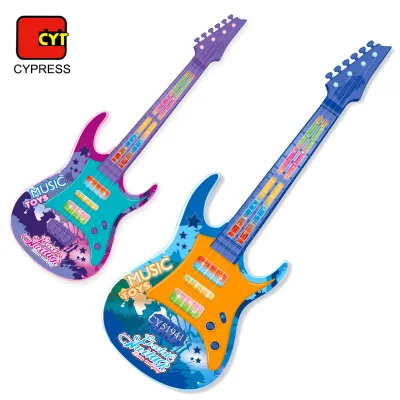
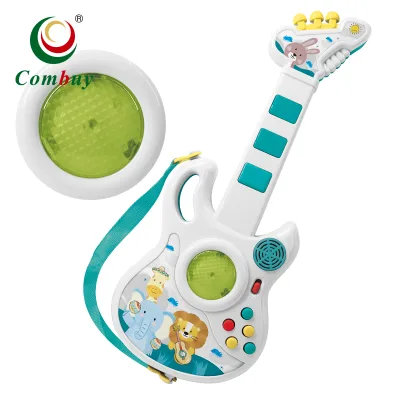
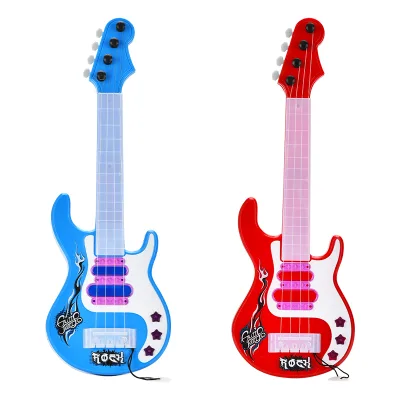
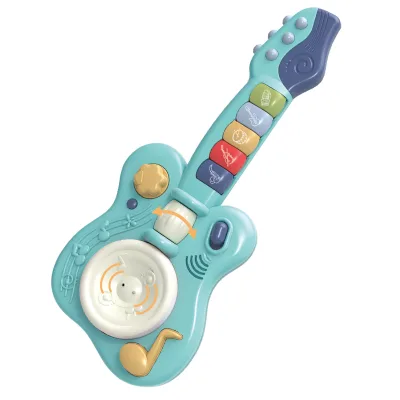
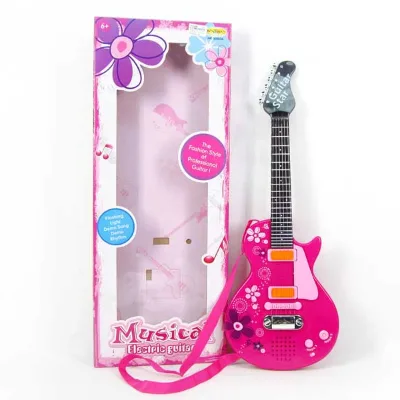
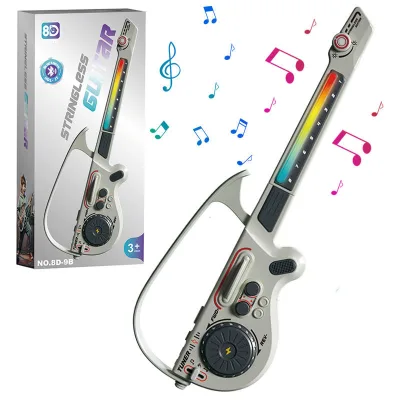
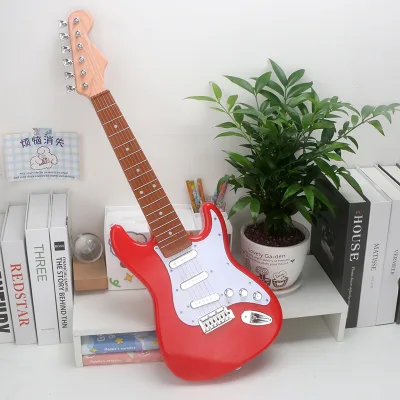
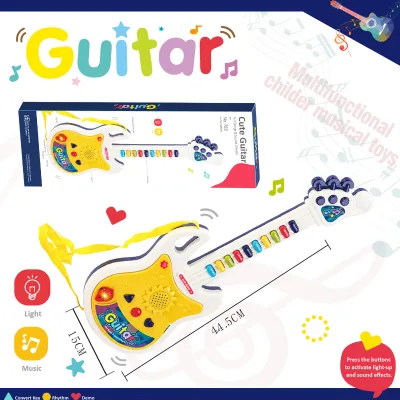
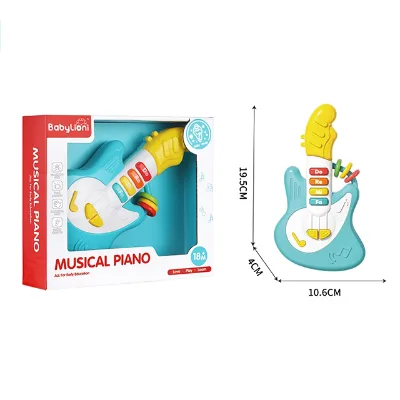
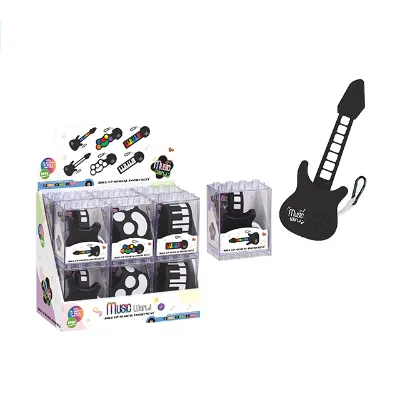
High Quality 4 Strings Electric Guitar Toys Light up Musical Instrument Toys With Light and Music
$5.05 - $5.19
MOQ: 120 pieces
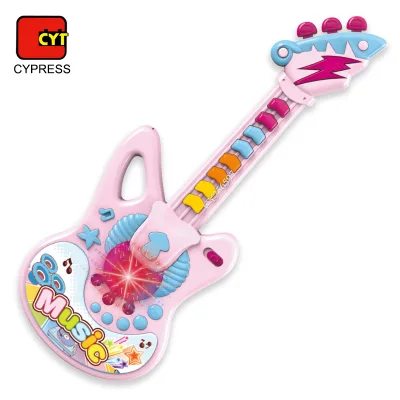
Hot Sale Musical Electronic Toy Guitar Kids Musical Instruments With Light Children Music Toys
$1.78 - $1.89
MOQ: 480 pieces
Shantou Ever Prosperous Trading Co., Ltd.
- Verified by SGS Group
- Trading Company
- Lead time20 days
- Avg. response≤ 4h
Main productsRadio Control Toys/Baby Toys/Pretend Play Toys/DIY Toys/Educational Toys
Main marketsWestern Europe(25%), North America(20%), Mid East(20%)
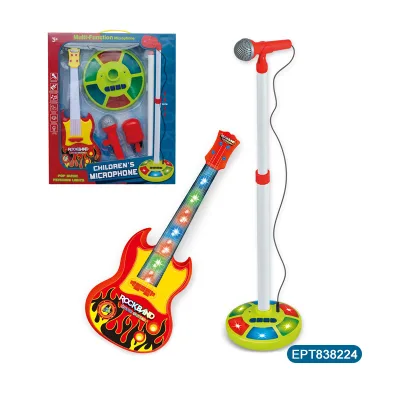
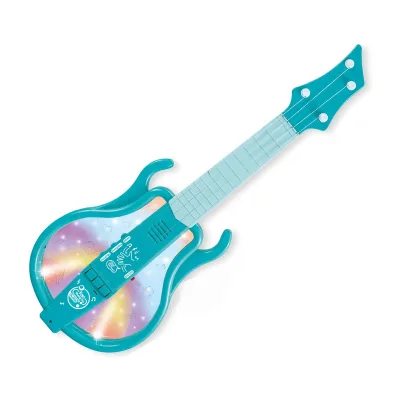
New Arrival Kids Electric Musical Instrument Plastic Toy Guitar With Light and Music
$4.01 - $4.19
MOQ: 120
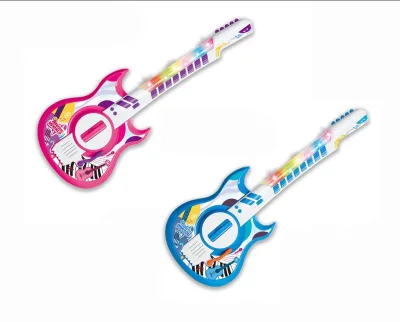
Shantou Capable Toys Co., Ltd.
- Manufacturer, Trading Company
- Lead time旺季: "24 - 240":10,"> 240":"To be negotiated", 淡季: "24 - 240":10,"> 240":"To be negotiated"
- Avg. response≤ 9h
Main productseducational toys,RC drone,RC Toy,Wooden toy,Plastic toy

Shantou Combuy Toys&gifts Co., Ltd.
- Trading Company
- Guangdong, China
- Lead time30 days
- Avg. response≤ 4h
Main productsBaby Toys,Summer Toys,Pretend play toys,Educational Toys,RC TOYS
Main marketsNorth America(30.00%), Eastern Europe(20.00%), South America(20.00%), Western Europe(10.00%), Eastern Asia(10.00%), Mid East(10.00%)

Shantou Chenghai Pengcheng Toy Ind. Co., Ltd.
- Verified by BV
- Combined
- China Guangdong
- Lead time23 days
- Avg. response≤ 5h
Main productsToys, Plastic Toy, Baby Toy, RC Toy, Educational Toys, Toy Car, Doll, RC Toys, Ride on Car, RC Helicopter
Main marketsSouth America,Africa,Southeast Asia/ Mideast,East Asia(Japan/ South Korea),Europe,Australia,North America

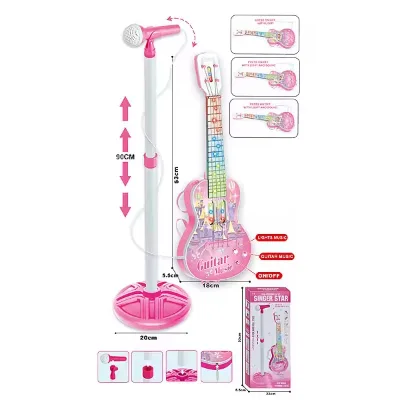
Musical Guitar Toy with Microphone, Kids Electric Guitar Children Instrument Toy for Boys and Girls
$3.00 - $3.30
MOQ: 360 Pieces

$7.20 - $7.90
MOQ: 120 Pieces

Kids Electric Toy Guitar with Microphone, Musical Instrument Toy with Flashing Light Music Sound
$3.00 - $3.30
MOQ: 360 Sets


Jinjiang Zhengzheng Technology Co., Ltd.
- Trading Company
- China Fujian
- Lead time0 days
- Avg. response≤ 2h

Guangzhou Combuy Toys Co., Ltd.
- Trading Company
- Guangdong, China
- Lead time30 days
- Avg. response≤ 3h
Main productsEducational Toy,Building blocks,Baby Toy,Summer Toy,RC Toys
Main marketsMid East(20.00%), Eastern Europe(20.00%), South America(20.00%), North America(20.00%), Western Europe(10.00%), Eastern Asia(10.00%)
Shantou Baoliurun Toys Co., Ltd.
- Trading Company
- Guangdong, China
- Lead time0 days
- Avg. response≤ 3h
Main productsEducational toys,Baby toys,Summer toys,Electric toys,R/C toy
Main marketsNorthern Europe(10.00%), Southern Europe(10.00%), Western Europe(10.00%), Southeast Asia(10.00%), Eastern Europe(10.00%), South America(10.00%), North America(10.00%), Eastern Asia(8.00%), Oceania(8.00%), Mid East(2.00%)

Shan Tou City Xinzhigu Toys Co., Ltd.
- Verified by CTI
- Trading Company
- China Guangdong
- Lead time15 days
- Avg. response≤ 3h
Main productsToys
Main marketsEurope

Shantou Chenghai Xaqi Toys Industrial Co., Limited
- Verified by BV
- Combined
- China Guangdong
- Lead time23 days
- Avg. response≤ 5h
Main productsRemote Control Car, Educational Toy, Sport Toy, Pretend Play Toys, Remote Contro Toy, Baby Toy, Summer Toy, B/O Toy
Main marketsSoutheast Asia/ Mideast,Domestic,Europe

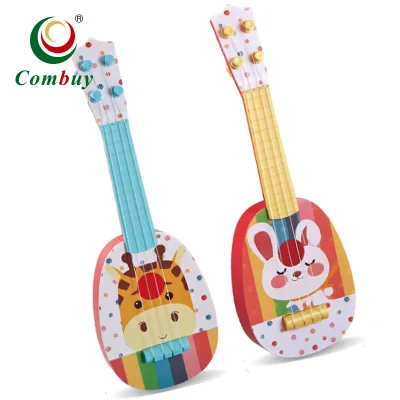
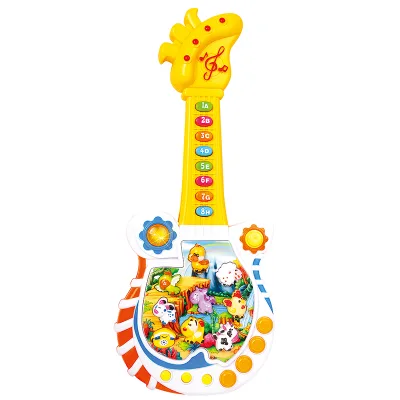
Cartoon Animal Musical Electric Instrument Baby Toy with Light and Music
$1.93 - $2.88
MOQ: 1200 Pieces


- Verified by SGS
- Trading Company
- China Guangdong
- Lead time15 days
- Avg. response≤ 3h
Main productsPlastic Toys, Educational Toys, Baby Toys, RC Toys, Pretend Play Toys, Doll Toys, Robot Toys, Summer Toys, Sport Toys
Main marketsSoutheast Asia/ Mideast,Europe
Jinming Toys & Crafts Imp. & Exp. Co., Ltd.
- Trading Company
- Guangdong, China
- Lead time15 days
- Avg. response≤ 13h
Main productsEducational Toys,Learning Machine,Musical Instrument,Pretend Play & Preschool,R/C Toy
Main marketsSoutheast Asia(25.00%), North America(22.00%), South America(18.00%), Mid East(8.00%), Western Europe(8.00%), Eastern Asia(8.00%), Eastern Europe(6.00%), Africa(5.00%)
Shantou City Chenghai District Begling Toy Firm
- Trading Company
- Guangdong, China
- Lead time30 days
- Avg. response≤ 3h
Main productsMaternal and baby toys,DIY toys,Remote Controlled Toys,Pretend Play Toy,Outdoor Toy
Main marketsSouth America(15.00%), North America(15.00%), Southeast Asia(10.00%), Eastern Europe(10.00%), Domestic Market(5.00%), South Asia(5.00%), Southern Europe(5.00%), Northern Europe(5.00%), Central America(5.00%), Western Europe(5.00%), Eastern Asia(5.00%), Mid East(5.00%), Oceania(5.00%), Africa(5.00%)

- Verified by TUVRHEINLAND
- Combined
- China Guangdong
- Lead time23 days
- Avg. response≤ 5h
Main marketsSouth America

Wholesale Electric Sensory Children Guitar Interactive Musical Instruments Toys
$5.51 - $5.67
MOQ: 180 Pieces

Wholesale Plastic Musical Instruments Electric Kids Music Toy Guitar for Children
$6.88 - $7.21
MOQ: 54 Pieces

Wholesale Children Music Sensory Musical Instruments Electric Guitar for Kids with Lights Music
$2.77 - $2.84
MOQ: 240 Pieces
Nanchang Chuao Technology Co., Ltd.
- Trading Company
- Jiangxi, China
- Lead time7 days
- Avg. response≤ 1h
Main productsguitar,guitar accessories,drum,drumsticks,ukulele
Main marketsMid East(10.00%), Eastern Asia(10.00%), Africa(10.00%), Southeast Asia(10.00%), South Asia(10.00%), South America(10.00%), North America(10.00%), Central America(8.00%), Domestic Market(5.00%), Northern Europe(5.00%), Oceania(3.00%), Eastern Europe(3.00%), Southern Europe(3.00%), Western Europe(3.00%)
Shenzhen Dimenqi Toys Co., Ltd.
- Manufacturer, Trading Company, Agent, Distributor/Wholesaler
- Guangdong, China
- Lead time7 days
- Avg. response≤ 2h
Main productsRC toy,Home Cooking Tools,gun,Kitchen toys,Kids EDUCATIONAL TOYS
Main marketsNorthern Europe(25.00%), Western Europe(20.00%), North America(20.00%), South America(10.00%), Southern Europe(10.00%), Africa(10.00%), Southeast Asia(5.00%), South Asia(5.00%), Mid East(5.00%), Central America(5.00%)

Shantou Kaixin Trading Co., Ltd
- Verified by BV
- Manufacturer
- China Guangdong
- Lead time23 days
- Avg. response≤ 6h
Main productsToy, Educational Toy, Remote Control Toy, Pretend Play Toy Set, Summer Toy, Vehicle Toy, Doll, Promotion Toy, Baby Toy, Game Toy

Electronic Baby Guitar with Light and Music Battery Operated Children's Musical Instrument Toy
$3.90 - $15.13
MOQ: 72 Pieces

Electric Musical Instruments Juguetes Set Toy Guitar with Music (10447399)
$0.68 - $1.20
MOQ: 840 Pieces


Shenzhen Merrycoo Industrial Co., Ltd.
- Manufacturer, Trading Company, Distributor/Wholesaler
- Guangdong, China
- Lead time25 days
- Avg. response≤ 6h
Main productsNovelty & Gag Toys,Fidget Sensory Toy,Educational Toys,Festive & Party Supplies,Baby toys
Main marketsNorth America(30.00%), Eastern Asia(15.00%), Northern Europe(15.00%), Mid East(10.00%), South Asia(10.00%), Eastern Europe(8.00%), South America(5.00%), Southeast Asia(3.00%), Western Europe(2.00%), Southern Europe(2.00%)
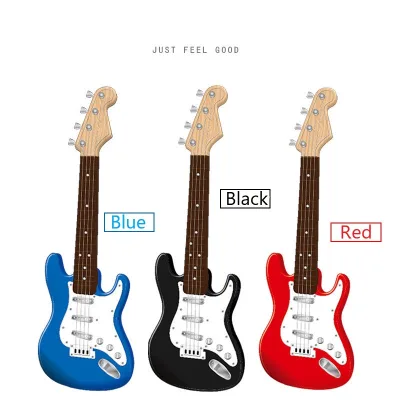
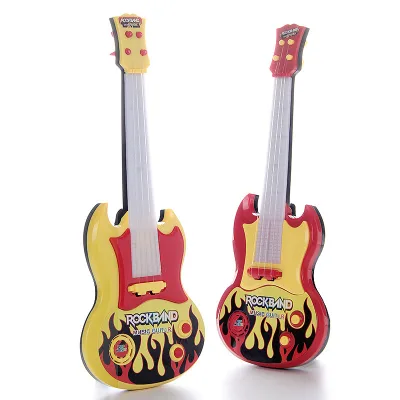
$1.7452 - $1.9504
MOQ: 20 pieces
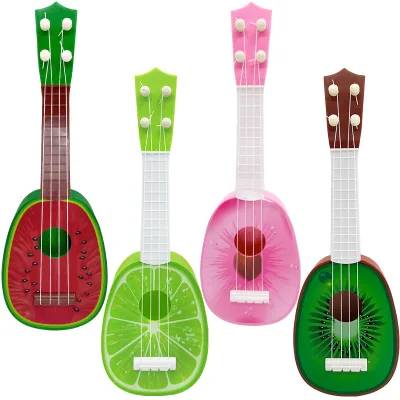
$0.6486 - $0.8434
MOQ: 50 pieces

Shantou Qunsheng Toys Co., Ltd
- Verified by BV
- Trading Company
- China Guangdong
- Lead time23 days
- Avg. response≤ 6h
Main productsToys, Doll Toys, Metal Toys, Educational Toys
Main marketsSouth America,Africa,Southeast Asia/ Mideast,East Asia(Japan/ South Korea),Europe,Australia,North America
- Manufacturer, Trading Company
- Guangdong, China
- Lead time0 days
- Avg. response≤ 6h
Main productsFestival Gifts; Diecast Toys; Educational Toys; Baby Toys,christmas toy,christmas top
Main marketsWestern Europe(15.00%), Mid East(10.00%), Eastern Asia(10.00%), North America(10.00%), Southeast Asia(10.00%), Eastern Europe(10.00%), South America(10.00%), Oceania(7.00%), Central America(5.00%), Africa(5.00%), South Asia(3.00%), Northern Europe(3.00%), Southern Europe(2.00%)
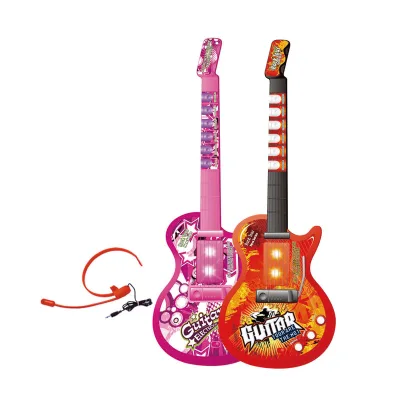
Children Musical Instrument Rocker Guitar High Quality Electric Guitar Toy with Microphone HN644926
$6.2721 - $6.365
MOQ: 60 pieces
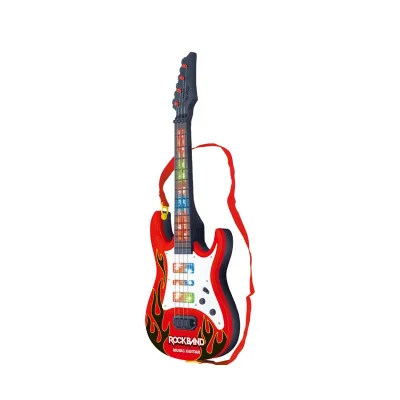
- Trading Company
- Taiwan, China
- Lead time60 days
- Avg. response≤ 3h
Main productsElectronic Toys,Musical Toys,Infant Toys,Pre-School Toys,Board Games
Main marketsWestern Europe(25.00%), North America(18.00%), Southern Europe(12.00%), South America(9.00%), Eastern Europe(9.00%), Mid East(8.00%), South Asia(5.00%), Northern Europe(3.00%), Eastern Asia(3.00%), Southeast Asia(3.00%), Central America(2.00%), Domestic Market(1.00%), Africa(1.00%), Oceania(1.00%)
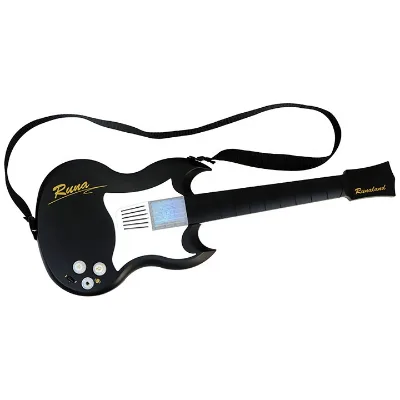
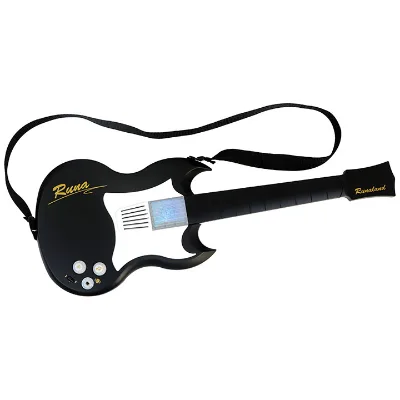
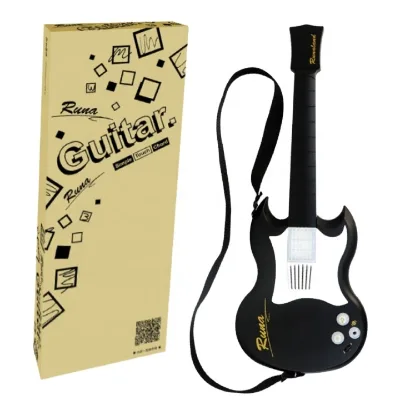
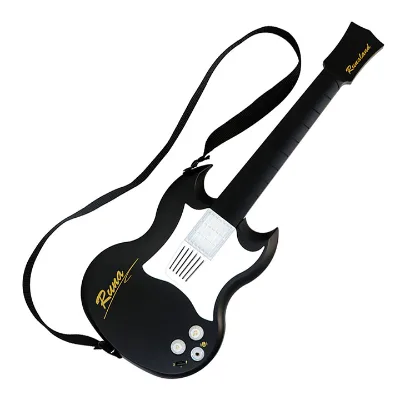
10-Minute Battery Operated Plastic Cartoon Guitar for Kids-Play & Sing by Yourself Educational Toy
$7.6473 - $7.857
MOQ: 1200 pieces
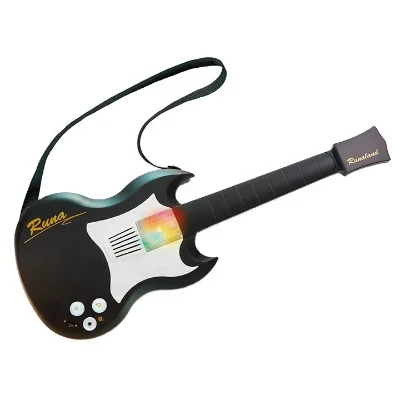
$16.4945 - $20.3968
MOQ: 6 pieces
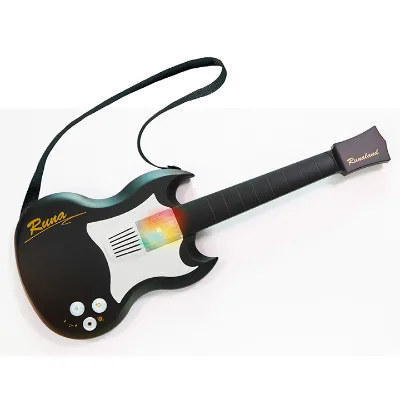

Shantou Denko Toys Co., Limited
- Manufacturer, Trading Company
- Guangdong, China
- Lead time30 days
- Avg. response≤ 11h
Main productsEducational Toys,Baby Toys,R/C Toys,Sport Toys,Plastic Toys
Main marketsWestern Europe(18.00%), Mid East(15.00%), South America(14.00%), Southeast Asia(13.00%), South Asia(11.00%), Domestic Market(8.00%), Oceania(8.00%), Eastern Asia(5.00%), North America(5.00%), Africa(3.00%)
Quanzhou Lanjin Chuangze Trading Co., Ltd.
- Trading Company
- Fujian, China
- Lead time7 days
- Avg. response≤ 5h
Main productsSales of maternal and infant products,Hardware fittings,Toys,Clothing customization,Shoes and hats
Main marketsDomestic Market(1.00%), South Asia(1.00%), Southern Europe(1.00%), Northern Europe(1.00%), Central America(1.00%), Western Europe(1.00%), Eastern Asia(1.00%), Mid East(1.00%), Oceania(1.00%), Africa(1.00%), Southeast Asia(1.00%), Eastern Europe(1.00%), South America(1.00%), North America(1.00%)

Shantou Xinxin Technology Co., Ltd
- Verified by CTI
- Trading Company
- China Guangdong
- Lead time15 days
- Avg. response≤ 4h
Main productsToys, RC Toys, Children's Cosmetics, Drone, Remote Control Toy, Plasticene, Superlight Clay, Electrical Toys, Remote-Control-Toys, Toy
Main marketsSouth America,Southeast Asia/ Mideast,Europe,North America

$0.37 - $0.45
MOQ: 1440 Pieces

$2.25 - $2.74
MOQ: 240 Pieces

Ruijin Baibaole E-Commerce Co., Ltd.
- Verified by BV
- Trading Company
- China Jiangxi
- Lead time15 days
- Avg. response≤ 8h
Main productsToy, Educational Toy, Bubble Toy, Radio Control Toy, Building Block Toy, Children Toy, Plastic Toy, Outdoor Toy, Drawing Toy, DIY Toys
Main marketsNorth America
- Manufacturer, Trading Company
- Guangdong, China
- Lead time15 days
- Avg. response≤ 3h
Main productsMagnetic Block, Slot Toys, Baby & Toddler Toys, Educational Toys, Toys
Main marketsDomestic Market(55.00%), North America(14.00%), Western Europe(7.00%), Eastern Europe(7.00%), South America(5.00%), Oceania(4.00%), South Asia(1.00%), Eastern Asia(1.00%), Southern Europe(1.00%), Central America(1.00%), Northern Europe(1.00%), Africa(1.00%), Mid East(1.00%), Southeast Asia(1.00%)

WENZHOU TIMES ARTS&CRAFTS CO., LTD.
- Verified by SGS
- Manufacturer/Factory
- China Zhejiang
- Lead time23 days
- Avg. response≤ 5h
Main productsToys, Montessori Toys, Wooden Toy, Educational Toy, Role Play Toys, Children Furniture, Puzzle, Kid Bike, Musical Toy, Wooden Blocks
Main marketsSouth America,Eastern Europe,Mid East,North America,Southeast Asia,Eastern Asia,Oceania,Western Europe,Africa

$1.00 - $10.00
MOQ: 1000 Pieces


Jiangsu Beeto Crafts Co., Ltd.
- Verified by TUVRHEINLAND
- Combined
- China Jiangsu
- Lead time30 days
- Avg. response≤ 19h
Main marketsDomestic

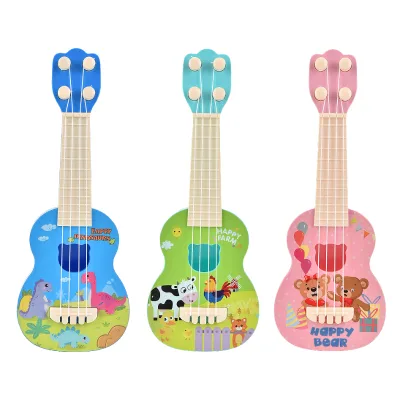
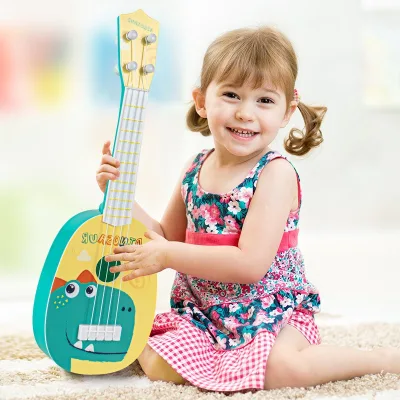
Small Size Instruments Learning Early Education Colorful Ukulele Educational Guitar Toy
$7.41 - $8.33
MOQ: 14 Sets

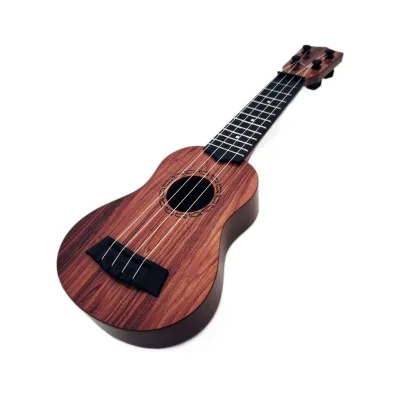
Children's Musical Enlightenment Instruments Wooden Full Body Ukulele Guitar Toy
$7.41 - $8.33
MOQ: 14 Sets

Instrument Music Kids Educational Enlightenment Simulation Solid Ukulele Instrument Musical Toy
$7.41 - $8.33
MOQ: 14 Sets

Children's Musical Toy Musical Instruments Children Travel Ukulele Toy Guitar Children Play Gift
$7.41 - $8.33
MOQ: 14 Sets
Shantou Chenghai Hua Nuo Intelligent Technology Co., Ltd.
- Verified by SGS Group
- Manufacturer, Trading Company
- Lead time20 days
- Avg. response≤ 4h
Main productsKid Makeup Toy, Educational Toy, Water Gun, RC Toy-RC Car, Bubble Toys
Main marketsNorth America(40%), Eastern Europe(20%), South America(10%)

Lishui Zhangzhongbao Toys Co., Ltd.
- Trading Company,Manufacturer/Factory
- China Zhejiang
- Lead time30 days
- Avg. response≤ 3h
Main productsWooden Toys, Educational Toys, Doll House, Kitchen Toy, Wooden Bike
Main marketsSouth America,Eastern Europe,Mid East,North America,Southeast Asia,Eastern Asia,Oceania,Western Europe,Africa

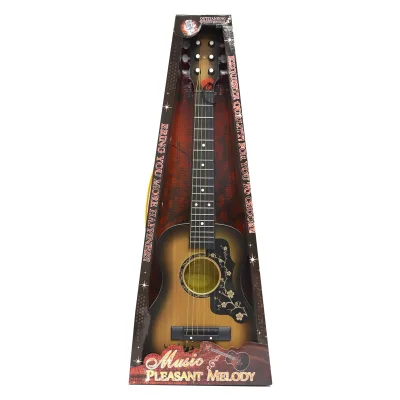
Hot Selling Kids Early Musical Educational Toys Small Acoustic Guitar Toy for Kids Z07059h
$4.00 - $7.00
MOQ: 1000 Pieces

Wholesale Kids Play Educational Musical Instrument Wooden Guitar Toy for Boys Z07054h
$4.00 - $7.00
MOQ: 1000 Pieces

Popular Baby Rock Toy Musical Instrument Wooden Mini Toy Guitar for Children Z07053h
$4.00 - $7.00
MOQ: 1000 Pieces
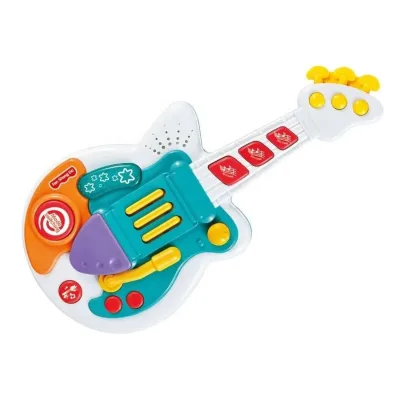
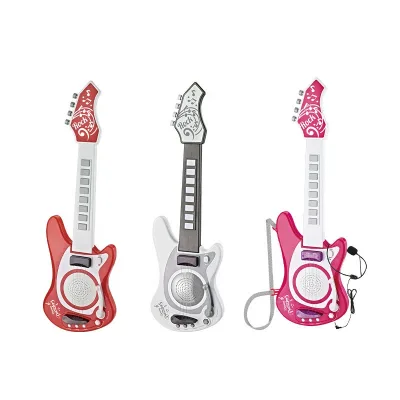
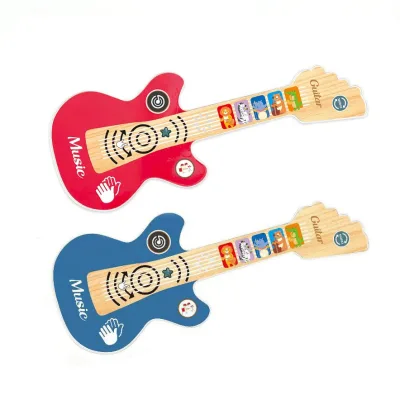
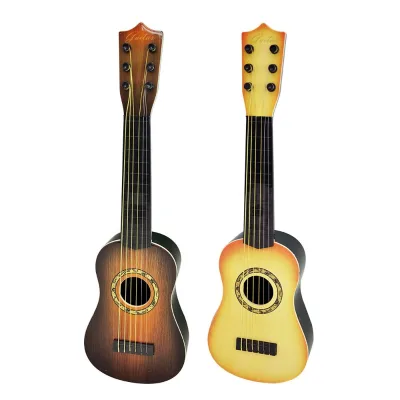








Comprehensive Sourcing Guide
Light and Music Electric Guitar Toy Supplier Concentration and Factory Types
The current landscape for sourcing light and music electric guitar toys reveals a distinct concentration of trading companies rather than direct manufacturing entities. Analysis of the available supplier results indicates that the primary company type identified is a Trading Company, which suggests that buyers are interacting with intermediaries who aggregate products from various factories. This structural reality is crucial for procurement strategies, as trading companies often provide broader product assortments and streamlined communication but may introduce additional layers in the supply chain. The main products listed for these entities include Role Play Toys, Educational Toys, and Dinosaur Toys, indicating that specialized guitar toy manufacturers might be part of a larger, diversified toy portfolio rather than operating as niche specialists. This diversification can be advantageous for buyers seeking to consolidate orders across multiple toy categories, as it allows for combined shipping and simplified logistics management. However, it also necessitates careful verification of the supplier’s direct access to production lines, as trading companies may not have the same level of control over manufacturing quality or customization capabilities as direct factories.
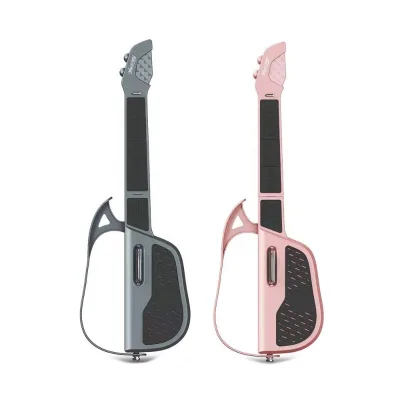
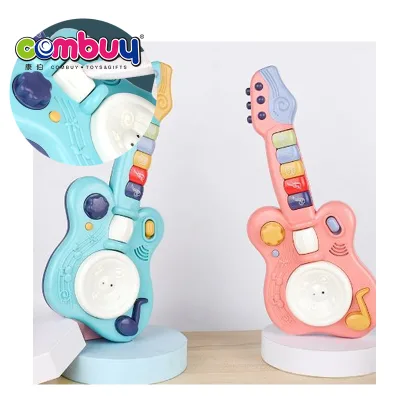
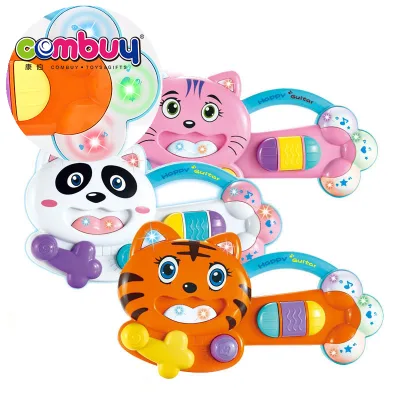
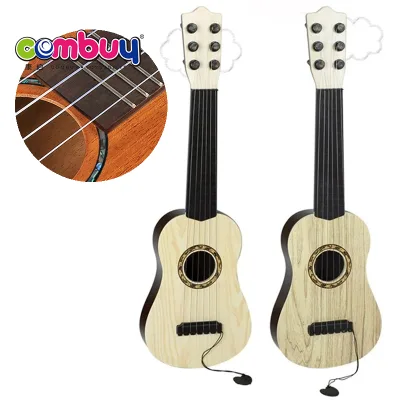
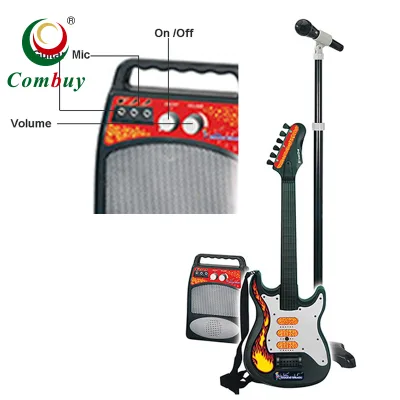
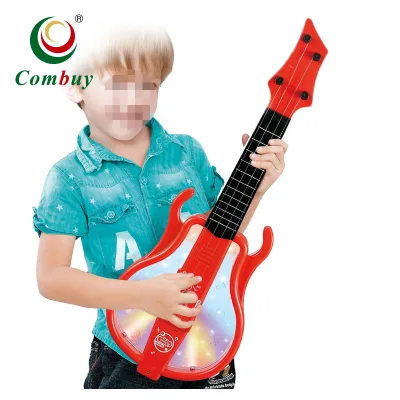
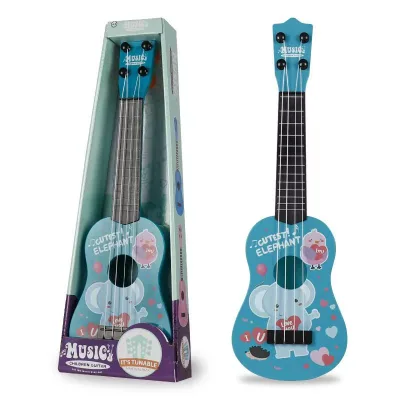
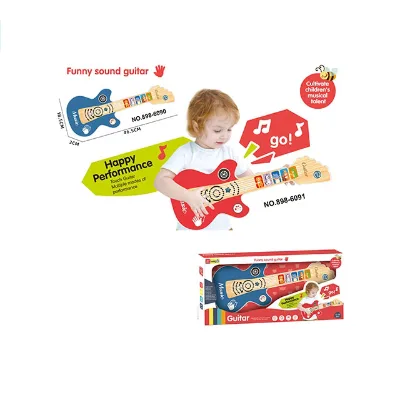
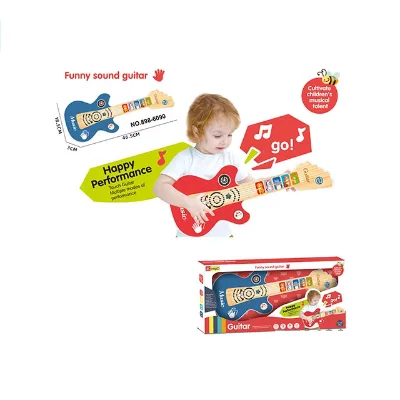
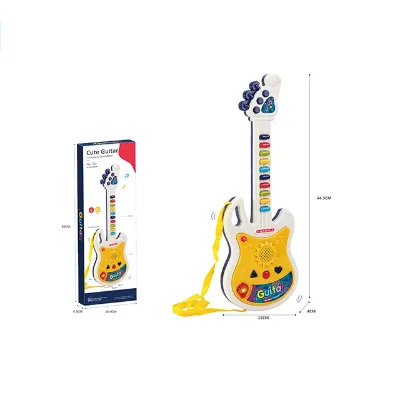
Furthermore, the specific product evidence highlights a strong focus on educational and musical instrument toys, with items like the High Quality 4 Strings Electric Guitar Toys and Hot Sale Musical Electronic Toy Guitars dominating the listings. These products are categorized under Mother, Kids & Toys>Educational Toys>Toy Musical Instruments, reinforcing the market’s emphasis on developmental play. The presence of features such as light and music functions, along with battery-operated mechanisms, suggests a technical complexity that requires robust quality control. Buyers should note that while the suppliers are identified as trading companies, their main products often include specialized items like DIY Toys and Pretend Play Toys, which may imply a network of partnered factories. Understanding this factory type dynamic is essential for negotiating terms, as trading companies may have different lead times and minimum order quantities compared to direct manufacturers. The concentration of these entities in the search results provides a clear picture of the market structure, allowing buyers to tailor their sourcing approach to leverage the benefits of trading companies while mitigating potential risks associated with indirect manufacturing relationships.
How to Verify Light and Music Electric Guitar Toy Suppliers
Verification is a critical step in ensuring the reliability and compliance of suppliers offering light and music electric guitar toys. The current supplier results show that verification is conducted by recognized third-party organizations, with TüVRheinland and SGS Group appearing as the verifying entities for different suppliers. This external validation provides a baseline of trust, indicating that the suppliers have undergone rigorous assessments of their business operations and product quality. Buyers should prioritize suppliers with these verifications, as they demonstrate a commitment to meeting international standards and maintaining transparent business practices. Additionally, the system certifications listed for these suppliers include a comprehensive range of safety and compliance standards such as EN 71, ASTM F963, CPSIA, FCC, GCC, EMC, CPC, UKCA, and CE. These certifications are particularly important for toys intended for children, as they ensure that the products meet strict safety requirements regarding chemical composition, mechanical hazards, and electrical safety. The presence of these certifications on the supplier profiles serves as a strong indicator of their ability to produce compliant goods for global markets.
Beyond certifications, buyers should also examine the specific product evidence to verify the accuracy of the supplier’s claims. For instance, the product attributes for the 4 Strings Electric Guitar Toys include detailed specifications such as the model number CY519411, material composition of plastic, and age ranges suitable for children from 2 to 13 years. These details allow buyers to cross-reference the supplier’s offerings with their specific requirements, ensuring that the products match the desired features and safety standards. The inclusion of certifications like EN71 and ASTM in the product attributes further reinforces the supplier’s adherence to quality control measures. Buyers should also look for evidence of sample processing and customized on-demand capabilities, as indicated in the rd_capacity field. This suggests that the suppliers are equipped to handle custom orders and provide samples for quality assessment, which is essential for verifying product quality before committing to large-scale purchases. By combining third-party verification status with detailed product evidence and certification checks, buyers can effectively assess the credibility and reliability of potential suppliers.
What to Compare Across Light and Music Electric Guitar Toy Suppliers
When evaluating multiple suppliers for light and music electric guitar toys, buyers should compare key operational metrics to identify the most suitable partner for their needs. One critical dimension is the response time, which varies among suppliers, with some showing a response time of 3 days and others at 4 days. A faster response time can be indicative of a more agile and responsive supplier, which is beneficial for addressing urgent inquiries or resolving issues quickly. Another important factor is the lead time, which ranges from 20 to 25 days in the current results. This variation can significantly impact inventory planning and delivery schedules, so buyers should align their order timelines with the supplier’s stated lead times to avoid delays. Additionally, the minimum order quantity (MOQ) is a crucial consideration, with some suppliers requiring as low as 90 pieces while others demand 480 pieces. This difference allows buyers with smaller budgets or testing needs to choose suppliers with lower MOQs, while those seeking bulk discounts can opt for suppliers with higher volume requirements.
Price is another vital aspect of comparison, with the current results showing a price range from $1.78 to $6.09 per unit. This wide range reflects differences in product features, quality, and supplier positioning. Buyers should analyze the price in conjunction with the product specifications, such as the inclusion of light and music functions, battery operation, and material quality, to determine the value proposition of each supplier. The main products offered by each supplier also provide insight into their specialization and capacity. For example, some suppliers focus on Radio Control Toys and Baby Toys, while others emphasize Educational Toys and Pretend Play Toys. This diversity allows buyers to assess whether the supplier’s product portfolio aligns with their broader sourcing strategy. Furthermore, the rd_capacity, which includes sample processing and graphic processing, indicates the supplier’s ability to support customization and branding efforts. By systematically comparing response times, lead times, MOQs, prices, main products, and customization capabilities, buyers can make informed decisions that balance cost, quality, and operational efficiency.
Common Light and Music Electric Guitar Toy Sourcing Risks
Sourcing light and music electric guitar toys involves several inherent risks that buyers must proactively manage to ensure a successful procurement process. One significant risk is the potential for non-compliance with international safety standards, despite the presence of certifications. While suppliers may list certifications such as EN 71, ASTM F963, and CPSIA, there is a risk that these certifications may not cover all aspects of the product or may be outdated. Buyers should verify the validity and scope of these certifications by requesting recent test reports from accredited laboratories. Another risk is the variability in product quality, particularly for electronic components like lights and music modules. The product evidence shows features such as battery operation and light-up functions, which are prone to failure if not manufactured to high standards. Buyers should request samples to test the durability and functionality of these electronic features before placing large orders. Additionally, the reliance on trading companies introduces the risk of communication gaps and reduced control over the manufacturing process. Buyers should establish clear communication channels and regular check-ins to monitor production progress and address any issues promptly.
Furthermore, there is a risk associated with lead time variability, which can disrupt supply chain planning. The current results show lead times ranging from 20 to 25 days, but actual production times may vary due to factors such as raw material shortages or production bottlenecks. Buyers should include buffer time in their planning to account for potential delays. Another risk is the mismatch between the supplier’s stated MOQ and the buyer’s actual needs. Some suppliers require high MOQs, which can lead to excess inventory and increased holding costs if demand is lower than expected. Buyers should negotiate flexible MOQ terms or consider suppliers with lower minimums to mitigate this risk. Additionally, the risk of intellectual property infringement is present, especially for customized products. Buyers should ensure that their designs and branding are protected through appropriate legal agreements and that the supplier has a track record of respecting intellectual property rights. By identifying and addressing these risks through thorough due diligence and proactive management, buyers can minimize potential disruptions and ensure a smooth sourcing experience.
Light and Music Electric Guitar Toy Regional Sourcing and Logistics
The regional sourcing of light and music electric guitar toys is heavily influenced by the geographic location of the suppliers, which impacts logistics costs and delivery times. The current supplier results indicate that the place of origin for many products is Guangdong, China, a major hub for toy manufacturing. This concentration in Guangdong offers buyers access to a well-established supply chain ecosystem, including raw material suppliers, component manufacturers, and logistics providers. However, buyers should also consider the logistical implications of sourcing from this region, such as port congestion and shipping availability. The product evidence shows carton sizes and weights that vary significantly, with some items having a single gross weight of 0.700 kg and others reaching 20 KG. These dimensions affect shipping costs and container utilization, so buyers should calculate the total landed cost, including freight, insurance, and customs duties, to determine the true cost of sourcing. Additionally, the packing methods, such as color boxes and window boxes, can impact the efficiency of loading and unloading, so buyers should consider the practical aspects of handling these products upon arrival.
Logistics planning should also account for the specific requirements of electronic toys, which may need special handling to prevent damage during transit. The product attributes indicate that some toys are battery-operated, which may subject them to additional shipping regulations regarding hazardous materials. Buyers should ensure that their logistics partners are experienced in handling such items and can comply with relevant regulations. Furthermore, the regional concentration of suppliers in Guangdong allows for easier coordination of factory audits and quality inspections, as buyers can visit multiple suppliers in a single trip. This proximity can facilitate better relationship building and more effective oversight of the production process. However, buyers should also be aware of the potential for regional disruptions, such as weather events or policy changes, that could affect production and shipping. By understanding the logistical landscape of the sourcing region and planning accordingly, buyers can optimize their supply chain and ensure timely delivery of light and music electric guitar toys.
Light and Music Electric Guitar Toy Commercial Terms and Order Planning
Effective order planning for light and music electric guitar toys requires a thorough understanding of the commercial terms offered by suppliers. The current results show a range of minimum order quantities, from 90 pieces to 480 pieces, which directly influences the buyer’s order strategy. Buyers with limited capital or those testing the market may prefer suppliers with lower MOQs, while those with established demand can leverage higher volumes for better pricing. The price range of $1.78 to $6.09 per unit reflects the diversity in product features and quality levels, so buyers should align their budget with the desired product specifications. Additionally, the lead times of 20 to 25 days should be factored into the order planning to ensure that inventory levels are maintained without excessive stockpiling. Buyers should also consider the supplier’s response time, which can affect the speed of order processing and issue resolution. A faster response time can lead to more efficient communication and quicker problem-solving, which is beneficial for maintaining smooth operations.
Payment terms and escrow services are also critical components of commercial terms that buyers should evaluate. While the current results do not specify payment terms, buyers should negotiate favorable conditions, such as partial payments or escrow services, to mitigate financial risk. Escrow services provide a secure transaction mechanism, ensuring that funds are only released upon satisfactory delivery of the goods. Furthermore, buyers should clarify the
FAQs
What certifications do these electric guitar toys have?
Manufacturers typically provide EN 71, ASTM F963, CPSIA, FCC, GCC, EMC, CPC, UKCA, and CE certifications. Some suppliers also list REACH, EN 62115, and RoHS compliance. These standards ensure the toys meet international safety requirements for children, covering electrical safety, material toxicity, and mechanical hazards during play.
What is the typical minimum order quantity for these toys?
Minimum order quantities vary significantly by supplier and product model. Common MOQs include 90 pieces, 120 pieces, and 480 pieces. Buyers should verify the specific MOQ for their chosen model, as bulk orders often yield better pricing. Always confirm the exact unit count required before placing an order.
How long does production take for these items?
Production lead times generally range from 20 to 25 days. This timeframe allows for sample processing, graphic processing, and customized manufacturing on demand. Buyers should account for this duration when planning inventory, as it ensures quality control and timely delivery for bulk orders of educational musical instruments.
What is the price range for these electric guitar toys?
Unit prices typically range from $1.78 to $6.10 depending on features and order volume. Basic models may start around $1.78, while more complex sets with lights and music can cost up to $6.10. Prices are influenced by material quality, packaging, and the specific certification requirements met by the manufacturer.
What features do these musical toy guitars offer?
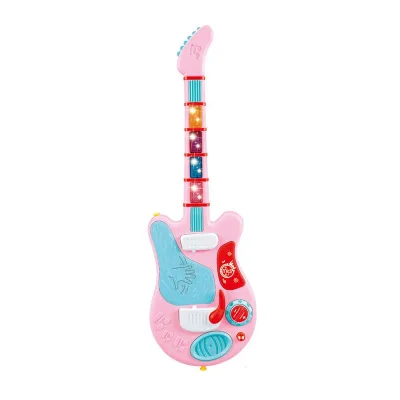
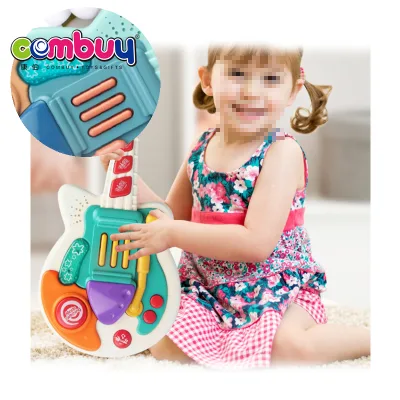
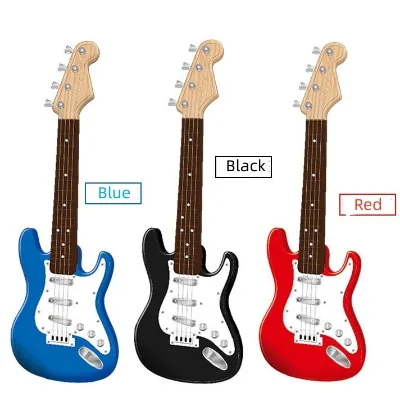
These toys often feature battery operation, lights, and music functions for preschool learning. They are designed for ages 2 to 13 years and come in various colors like purple, blue, white, and pink. Many models include educational functions, early music education capabilities, and durable plastic construction for safe play.
How quickly do suppliers respond to inquiries?
Suppliers typically respond within 3 to 4 hours. This rapid response time helps buyers clarify specifications, request samples, and negotiate terms efficiently. Quick communication ensures that sourcing decisions are made promptly, reducing delays in the procurement process for educational toys and musical instruments.