PVC Industrial Pendant Cable Suppliers and Manufacturers
Compare 22 verified suppliers of PVC Industrial Pendant Cable based on location, lead time, and certifications. Review product specs like conductor material and insulation before contacting factories in Jiangsu or Henan for quotes; review the available evidence before requesting comparable quotations from suitable candidates.
Updated
Suppliers List

Nantong Hwatek Wires and Cable Co., Ltd.
- Verified by TUVRHEINLAND
- Combined
- China Jiangsu
- Lead time30 days
- Avg. response≤ 5h
Main productsElectric Wire, Electrical Wire, Electric Cable, Multi-Core Cable, Flexible Cable, Flexible Wire
Main marketsSoutheast Asia/ Mideast,Domestic,Europe,North America

Zhengzhou Jinshui Industry and Commerce Co., Ltd.
- Verified by CTI
- Trading Company
- China Henan
- Lead time30 days
- Avg. response≤ 2h
Main productsElectric Wire, Power Cable, AAC Conductor, XLPE Insulated Cable, Low/Medium/High Voltage Cable, Control Cables, Aerial Bundled Cable, PVC Insulated Wire, Rubber&Welding Cable, Building Wire
Main marketsSouth America,Africa,Southeast Asia/ Mideast
Liaoning Huayuan Wire& Cable Manufacture Co., Ltd.
- Manufacturer
- Liaoning, China
- Lead time0 days
- Avg. response≤ 6h
Main productsWire,Cable,Insulation Material,Electronics Production Machinery
Main marketsDomestic Market(100.00%)

- Trading Company,Manufacturer/Factory
- China Henan
- Lead time23 days
- Avg. response≤ 10h
Main productsControl Cable, XLPE Cable, Flexible Cable, PVC Cable, Siliicone Cable, Rubber Cable, Building Wire, Thhn, Teflon Wire, ACSR AAAC
Main marketsSouth America,Eastern Europe,Mid East,North America,Southeast Asia,Eastern Asia,Oceania,Western Europe,Africa

Huadong Cable Jiaozuo Co., Ltd
- Verified by TUVRHEINLAND
- Combined
- China Henan
- Lead time15 days
- Avg. response≤ 5h
Main productsPower Cable, Armoured Cable, Bare Conductors, ABC Cable, Control Cable, Rubber Cable, Welding Cable, Mining Cable, Crane Cable, Instrument Cable
Main marketsSouth America,Africa,Southeast Asia/ Mideast,Europe
Zhengzhou Aobest Electronic Technology Co., Ltd.
- Verified by Intertek
- Trading Company
- Lead time10 days
- Avg. response≤ 3h
Main productsABC Cable, Power Cable, AAAC, Glass Insulators, ACSR
Main marketsAfrica(25%), South America(18%), Southeast Asia(10%)
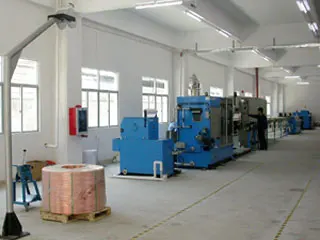
Shenzhen AMPXL Technology Co.,Ltd
- Manufacturer, Trading Company
- Guangdong, China
- Lead time15 days
- Avg. response≤ 8h
Main productsWire and Cable (LAN Cable,Coaxial Cable,Speaker Cable,Alarm Cable,Flexible Installation Cable)
Main marketsDomestic Market(50.00%), Southeast Asia(20.00%), Eastern Europe(15.00%), South America(5.00%), Africa(5.00%), Mid East(4.00%), Oceania(1.00%)
Jiangxi Southeast Cross Linked Power Cable Co., Ltd.
- Manufacturer, Trading Company
- Jiangxi, China
- Lead time15 days
- Avg. response≤ 24h
Main productsPower Cable
Main marketsDomestic Market(95.00%), Oceania(1.00%), Eastern Asia(1.00%), Africa(1.00%), Mid East(1.00%), Southeast Asia(1.00%)
Dongguan City Antmade Technology Co., Ltd.
- Manufacturer, Trading Company
- Guandong, China
- Lead time0 days
- Avg. response≤ 1h
Main productsautomobile wire harness,Machine harness,Flat Wire,New energy harness,photovoltaic connector
Main marketsDomestic Market(33.00%), North America(25.00%), South America(12.00%), Oceania(6.00%), Northern Europe(5.00%), Southern Europe(5.00%), Central America(3.00%), Eastern Europe(3.00%), Eastern Asia(3.00%), Western Europe(2.00%), Southeast Asia(1.00%), South Asia(1.00%), Africa(1.00%)

Shanghai Shenghua Cable Co., Ltd.
- Verified by BV
- Manufacturer/Factory
- China Shanghai
- Lead time15 days
- Avg. response≤ 5h
Main productsXLPE Insulation Power Cable, Electrical Cable, PVC Insulation Cable, Armored Power Cable, Rubber Sheath Cable, Mineral Insulation Cable, Solar Cable, Sepecial Cables, Silicon Rubber Sheath Cable, Medium Voltage Power Cable

- Verified by SGS
- Combined
- China Shandong
- Lead time15 days
- Avg. response≤ 4h
Main productsXLPE Cable, PVC Cable, Power Cable, Electric Cable, Wire, Electric Wire, Medium Voltage Cable, Flexible Wire, Rubber Cable, Overhead Conductor
Main marketsEurope

- Verified by BV
- Trading Company
- China Henan
- Lead time15 days
- Avg. response≤ 8h
Main productsBare Conductors - AAC AAAC ACSR Acar. ., ABC Cables / Overhead Aerial Bundle Cable, PVC/XLPE Insulated Power Cables, Electrical Wire, Concentric Cable, Control Cable, Galvanized Steel Wire/Strand, Aluminum Clad Steel Wire/Strand, Copper Clad Steel Wire/Strand, Welding Cable
Main marketsSouth America,Africa,Southeast Asia/ Mideast,East Asia(Japan/ South Korea),Europe,North America
Hangzhou Aston Cable Co., Ltd.
- Manufacturer, Trading Company
- Zhejiang, China
- Lead time20 days
- Avg. response≤ 2h
Main productsCoaxial cables, Lan cable
Main marketsAfrica(30.00%), Mid East(30.00%), North America(20.00%), Southeast Asia(20.00%)
- Verified by SGS Group
- Manufacturer, Trading Company
- Lead time25 days
Main productsPower Cable, ABC Cable, Bare Conductor, Rubber Cable, Welding Cable
Main marketsDomestic Market(50%), Southeast Asia(10%), Africa(10%)
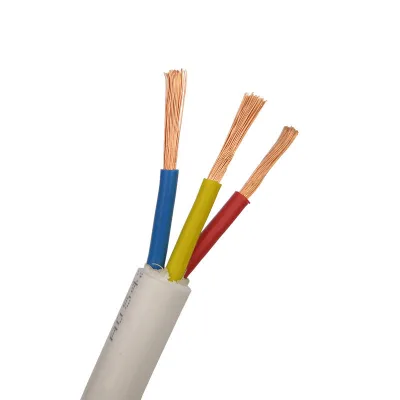
1.5mm 2.5mm 4mm Copper Wire PVC Flexible Cable 3 Core Royal Cord Cable
$0.2079 - $6.1949
MOQ: 500 Minimum
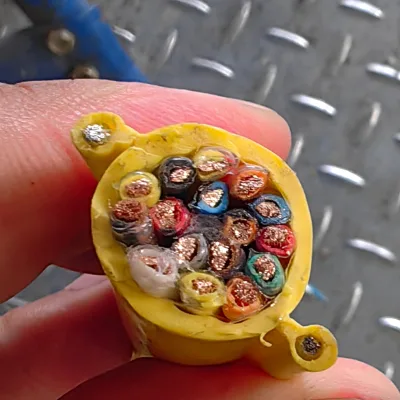
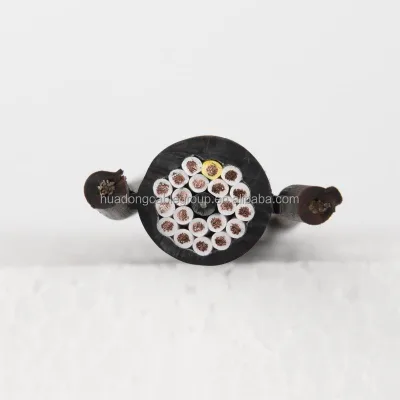
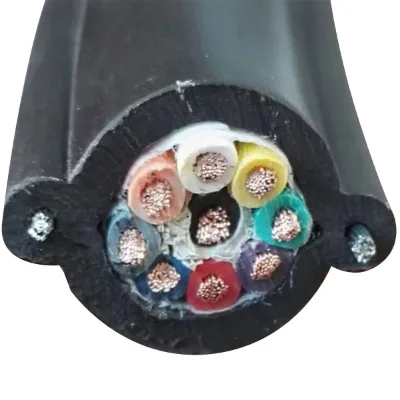
600V Pendant CableType External Strain Relief 16x16awg 8x16awg Pendantflex Multi-Norm Pendant Cable
$0.50 - $8.00
MOQ: 100 Minimum

Wuxi Reps Power Technology Co., Ltd.
- Verified by BV
- Combined
- China Jiangsu
- Lead time15 days
- Avg. response≤ 4h
Main productsElectrical Cables, Flexible Cable, PVC Cable, Rubber Cable, Drag Chain Cable
Main marketsDomestic

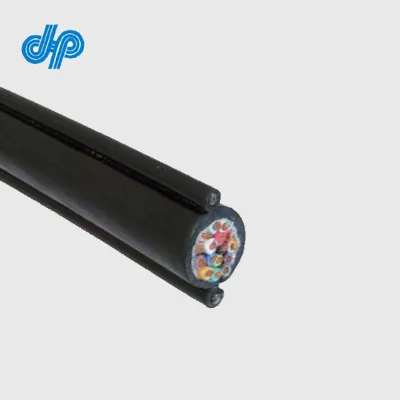
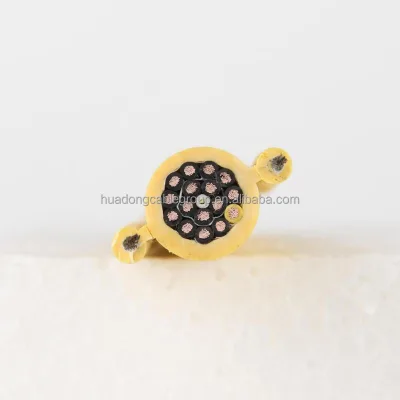
Pendant 2s Yellow UL/CSA PVC Round Pendant Cable with Two Steel Messengers.
$2.30 - $10.68
MOQ: 100 Meters


Zhengzhou Hesheng Cable Co., Ltd.
- Manufacturer, Trading Company
- Henan, China
- Lead time15 days
- Avg. response≤ 2h
Main productsPower Cable,Control Cable,Instrumentation Cable,Concentric Cable,Rubber Cable
Main marketsDomestic Market(30.00%), Africa(15.00%), North America(15.00%), South America(15.00%), Southeast Asia(5.00%), Northern Europe(5.00%), Western Europe(5.00%), Mid East(5.00%), Oceania(5.00%)
Shanghai Lansheng Special Cable Limited Company
- Manufacturer, Trading Company
- Shanghai, China
- Lead time15 days
- Avg. response≤ 5h
Main productsFestoon Cable, Drag Chain Cable, Robot Cable, Reeling Cable, Control Cable
Main marketsDomestic Market(30.00%), North America(10.00%), South America(10.00%), Western Europe(10.00%), Southeast Asia(10.00%), South Asia(5.00%), Eastern Asia(5.00%), Northern Europe(5.00%), Eastern Europe(5.00%), Oceania(2.00%), Southern Europe(2.00%), Central America(2.00%), Africa(2.00%), Mid East(2.00%)
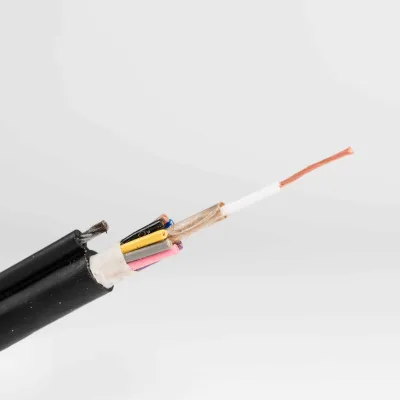
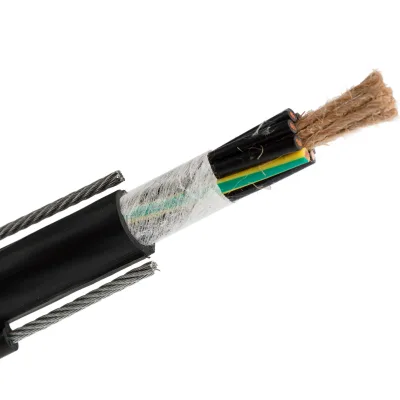
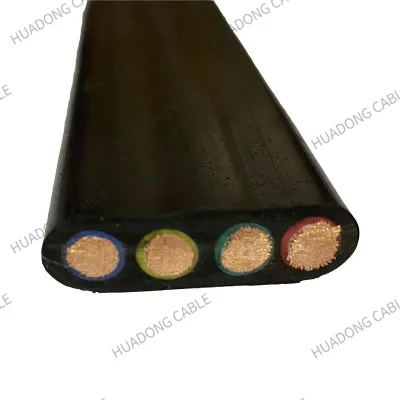
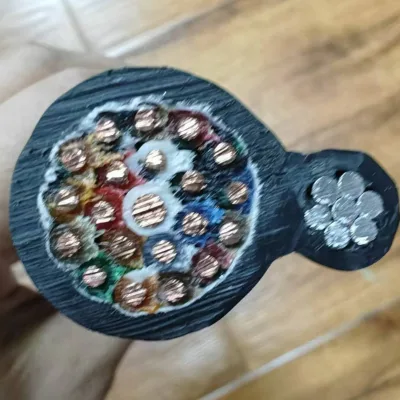
Lskabel Flexible Flat Control Pendant Crane Cable for Crane Conveyor Application
$1.0173 - $27.7134
MOQ: 200 Minimum

Shaoxing Leitai Machinery Co., Ltd.
- Verified by CTI
- Trading Company
- China Zhejiang
- Lead time30 days
- Avg. response≤ 5h
Main productsOverhead Crane, Gantry Crane, Electric Wire Rope Hoist, Chain Hoist, End Carriage, Conductor Rail, Cable Trolley, Electrical Components, Lifting Sling, Fastener & Fitting
Main marketsSouth America,Eastern Europe,Mid East,North America,Southeast Asia,Eastern Asia,Oceania,Western Europe,Africa
Zhengzhou Huadong Cable Co., Ltd.
- Verified by TüVRheinland
- Manufacturer, Trading Company
- Lead time15 days
- Avg. response≤ 3h
Main productsPower Cable, Bare Conductor, Special Cable, Rubber Cable, Control Cable
Main marketsSoutheast Asia(22%), Africa(15%), Eastern Europe(12%)
Hebei Guangtong Telecom Electric Power Equipment Co., Ltd.
- Manufacturer, Trading Company
- Hebei, China
- Lead time0 days
- Avg. response≤ 1h
Main productsAcsr Conductor,stay wire,ABC Cable,Electrical Accessories,preform grip
Main marketsSouth Asia(25.00%), North America(15.00%), South America(5.00%), Central America(5.00%), Western Europe(5.00%), Eastern Asia(5.00%), Mid East(5.00%), Oceania(5.00%), Africa(5.00%), Southeast Asia(5.00%), Eastern Europe(5.00%)
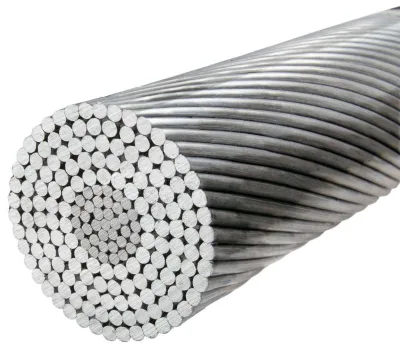
$1.01
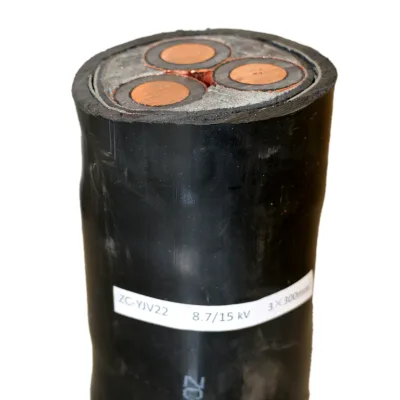
$1.00

Zhejiang Yuantong Wire & Cable Manufacturing Co., Ltd.
- Verified by SGS
- Combined
- China Zhejiang
- Lead time23 days
- Avg. response≤ 8h
Main productsWire & Cable
Main marketsSoutheast Asia/ Mideast,Domestic
Shaanxi Jinshenghong Trading Co., Ltd.
- Trading Company
- Shaanxi, China
- Lead time45 days
- Avg. response≤ 3h
Main productsPower Electric Cable,Specialty Cables,Rubber Cables,New Energy Cables,House Wiring Electrical Cable
Main marketsSoutheast Asia(40.00%), Mid East(10.00%), Oceania(10.00%), Africa(10.00%), Domestic Market(5.00%), Southern Europe(5.00%), Northern Europe(5.00%), North America(5.00%), Eastern Europe(5.00%), South America(5.00%)
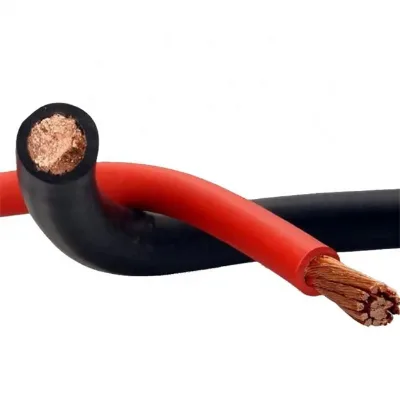
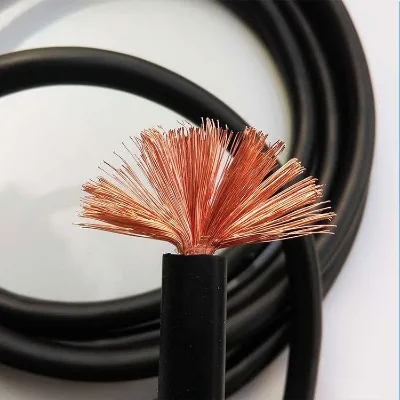
High-Quality Rubber Welding Cables: Customizable Solutions for Various Needs
$1.00 - $1.21
MOQ: 500 meters


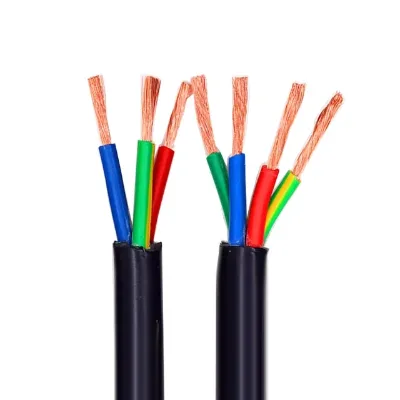
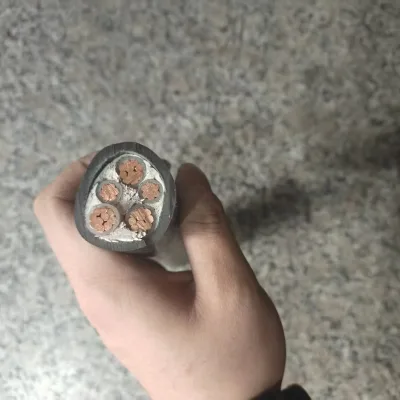
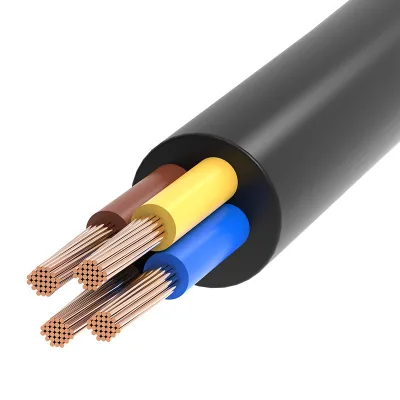


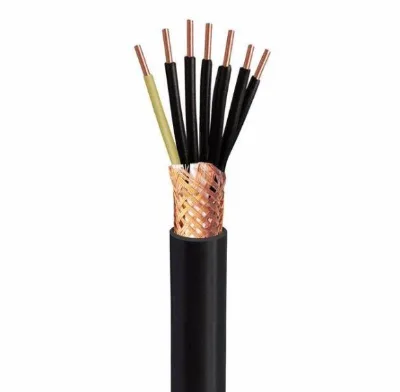


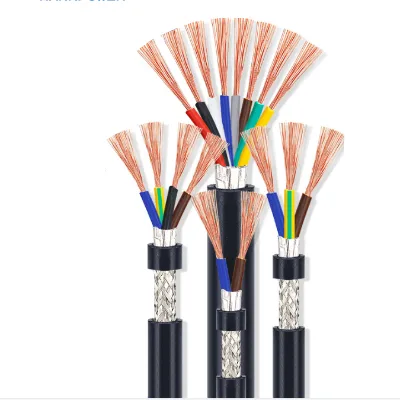
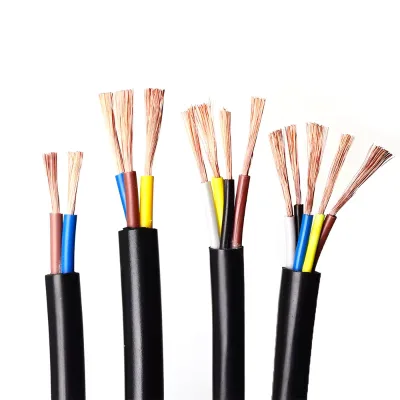




Comprehensive Sourcing Guide
PVC Industrial Pendant Cable Supplier Concentration and Factory Types
Current data indicates a concentration of manufacturers and trading entities within China, specifically noting Jiangsu and Henan provinces as active sourcing regions for electrical wire and cable products. These locations host suppliers offering diverse product lines including electric wires, flexible cables, and industrial control cables, which often encompass the technical specifications required for pendant cable applications. The supplier base includes combined entities and trading companies, suggesting a mix of direct manufacturing capabilities and distribution networks that can source specific industrial cable types. Buyers should recognize that while some facilities may list ODM and OEM capacities, the primary focus in these regions often spans general electrical equipment rather than specialized pendant cable manufacturing alone.
When evaluating the factory types in these clusters, it is essential to distinguish between combined companies that may handle both production and trading and pure trading companies that aggregate products from various factories. The presence of ISO9001:2015 and ISO14001:2015 certifications among these entities suggests a baseline of quality management systems, though specific factory audits are necessary to confirm production capabilities for pendant cables. Buyers must verify if the listed main products, such as multi-core cables or flexible wires, align with the specific construction needs of industrial pendant systems. Without explicit confirmation of a dedicated pendant cable production line, the buyer should treat these suppliers as potential sources for the cable components rather than guaranteed specialists in the final assembly of pendant units.
How to Verify PVC Industrial Pendant Cable Suppliers
Verification of supplier credibility relies heavily on third-party audit reports and specific platform verification badges rather than self-declared claims. In the current dataset, suppliers display verification statuses such as TUVRHEINLAND and CTI, which serve as critical indicators of external validation regarding their business operations and product quality. These verification marks should be the primary filter for buyers, as they confirm that an independent agency has reviewed the supplier's existence and operational capacity. Buyers must ensure that the verification badge corresponds to the specific entity being engaged and not a generic platform trust mark, as this distinction impacts the reliability of the supplier's claims regarding their manufacturing facilities.
Beyond verification badges, buyers should scrutinize the specific certifications listed for the products, such as RoHS, CCC, CE, and ISO standards, to ensure compliance with international safety and environmental regulations. The presence of these certifications on product attributes like conductor material and insulation type indicates that the supplier has undergone testing for specific electrical properties. However, buyers must confirm that these certifications apply to the exact pendant cable configuration required, as a supplier may hold general wire certifications without specific approval for industrial pendant applications. It is also prudent to check the response time metrics, such as the observed 4.40 or 1.55 values, to gauge the supplier's operational responsiveness and ability to address technical queries regarding cable specifications and compliance documentation.
What to Compare Across PVC Industrial Pendant Cable Suppliers
Comparative analysis should prioritize lead times, minimum order quantities, and response speeds to determine which supplier can meet specific project timelines and volume requirements. The available data shows lead times of 30 days and response times varying significantly between suppliers, which directly impacts project scheduling and inventory planning. Buyers must weigh these operational metrics against their own production schedules, noting that a lower response time does not necessarily correlate with a faster delivery schedule. Additionally, the minimum order quantities, ranging from 1 unit to 3000 units or higher, require careful evaluation to ensure alignment with the buyer's procurement strategy and budget constraints for industrial cable projects.
Product specifications and pricing structures form another critical dimension for comparison, particularly regarding conductor materials, insulation types, and voltage ratings. The observed product attributes include copper and aluminum conductors with PVC insulation, alongside specific models like UL 2517 or VV(VLV), which dictate the electrical performance and durability of the cable. Buyers should compare price ranges, which can vary from 0.10 to 20.26 per unit depending on the product type and order volume, to assess cost efficiency. It is vital to verify if the listed prices include packaging details like reels or drums and if customization options are available for specific industrial requirements. This detailed comparison ensures that the selected supplier offers the precise technical and commercial terms necessary for a successful procurement of industrial pendant cables.
Common PVC Industrial Pendant Cable Sourcing Risks
One significant risk involves the potential mismatch between general wire manufacturing capabilities and the specialized requirements of industrial pendant cables. Many suppliers in the current dataset list broad product categories such as electric wires, power cables, and control cables, which may not inherently include the specific strain relief, flexibility, or mounting features required for pendant applications. Buyers face the risk of receiving standard cables that lack the necessary durability or safety ratings for heavy industrial environments if they do not explicitly confirm the pendant cable specifications. This gap between general product listings and specialized application needs can lead to performance failures or safety hazards if the cable is not designed to withstand the specific mechanical stresses of a pendant setup.
Another risk pertains to the variability in certification validity and the scope of compliance claims across different suppliers. While some suppliers display certifications like CCC, CE, and ISO, the specific standards applied to the cable construction may differ, and not all certifications cover the unique requirements of industrial pendant systems. There is also the risk of inconsistent lead times and response speeds, which can disrupt supply chains if a supplier fails to meet the agreed delivery schedule. Buyers must be cautious of suppliers who claim extensive experience or specific business types without providing verifiable evidence of their capacity to produce the exact cable configuration needed. Ensuring that the supplier's stated capabilities align with the specific technical demands of the pendant cable is essential to mitigate these sourcing risks effectively.
PVC Industrial Pendant Cable Regional Sourcing and Logistics
Sourcing from regions like Jiangsu and Henan in China offers access to a dense network of electrical equipment manufacturers, but logistics planning must account for the specific shipping requirements of heavy cable products. The concentration of suppliers in these provinces suggests that freight costs and transit times may vary based on the origin city, such as Zhengzhou in Henan, and the final destination of the buyer. Buyers should consider that products are often packed in rolls, drums, or pallets, which affects the volumetric weight and shipping method selection. Understanding the regional logistics infrastructure is crucial for estimating the total landed cost, as the distance from the manufacturing hub to the port of export can influence the overall delivery timeline and freight expenses.
Logistical coordination also involves verifying the packaging standards and handling instructions provided by the supplier to prevent damage during transit. The observed packing methods, including rolled reels and palletized drums, indicate that the supplier has established protocols for protecting the cable during shipping. However, buyers must confirm that these packaging methods are suitable for the specific route and handling conditions of their destination. Additionally, the origin location, such as China (Mainland) or specific provinces, should be clearly documented to ensure compliance with import regulations and to facilitate accurate customs clearance. Proper logistics planning ensures that the industrial pendant cables arrive in optimal condition and within the expected timeframe, minimizing the risk of delays or damage during the supply chain.
PVC Industrial Pendant Cable Commercial Terms and Order Planning
Commercial terms and order planning require a detailed review of payment conditions, minimum order quantities, and customization availability to ensure financial and operational feasibility. The data indicates varying MOQs, from single units to thousands of meters, which dictates the initial investment required and the scalability of the order. Buyers must negotiate payment terms, such as T/T or L/C, which are mentioned in supplier attributes, to align with their cash flow and risk management strategies. Understanding the flexibility of these terms is essential, as some suppliers may offer customization options while others require strict adherence to standard product configurations, impacting the overall cost and lead time of the order.
Order planning must also account for the specific product models and standards, such as UL 2517 or VV(VLV), to ensure that the ordered cables meet the necessary technical specifications. Buyers should verify the availability of specific models and the lead times associated with them, as production schedules can vary based on the complexity of the cable design. Additionally, the pricing structure, which may range from 0.26 to 20.26 per unit, should be analyzed in the context of the total order volume to optimize cost efficiency. By carefully planning the order based on these commercial terms and product details, buyers can secure a reliable supply of industrial pendant cables that meet their quality standards and project requirements without unexpected financial or logistical burdens.
FAQs
What certifications are available for PVC industrial cables?
Suppliers offer RoHS, CCC, CE, and ISO certifications for their PVC insulated wires and cables. These standards ensure compliance with international safety and environmental regulations. Buyers should verify specific certificates like ISO9001:2015 or ISO14001:2015 directly with the manufacturer to confirm quality management systems are in place for their specific order requirements.
What is the typical lead time for orders?
The standard lead time for manufacturing PVC industrial cables is approximately 30 days. This duration allows for production scheduling and quality control processes. Buyers should confirm exact delivery dates with the supplier, as lead times may vary based on order volume, customization needs, and current production capacity constraints at the facility.
What is the minimum order quantity for these cables?
Minimum order quantities vary significantly, ranging from 1 unit for sample orders to 3000 units for standard bulk purchases. Some suppliers require a minimum of 20000 units for specific building wire products. Buyers must check the specific MOQ for their desired cable type and specifications to ensure their order meets the supplier's production thresholds.
Where are these PVC cables manufactured?
Manufacturing facilities for these cables are located in China, specifically in Jiangsu and Henan provinces. Jiangsu suppliers often focus on flexible and multi-core cables, while Henan suppliers produce power and control cables. Buyers can verify the exact origin of the product to ensure it meets their regional sourcing preferences and logistics requirements.
What is the price range for PVC cables?
Prices for PVC industrial cables typically range from $0.10 to $11.00 per unit, depending on the cable type and specifications. Basic wires may start at $0.50, while specialized control cables can cost more. Buyers should request detailed quotes based on their specific conductor material, insulation thickness, and quantity to get accurate pricing for their project.
What conductor materials are used in these cables?
Most PVC industrial cables use copper conductors, with options for stranded or solid types. Some power cables also offer aluminum conductors for cost-effective applications. The choice between copper and aluminum affects conductivity, flexibility, and price. Buyers should specify their preferred conductor material to ensure the cable meets their electrical performance and budget requirements.