Racing Orange Motorcycle Sprocket and Chain Suppliers and Manufacturers
Compare 25 verified suppliers offering Racing Orange Motorcycle Sprocket and Chain with varying lead times, certifications, and response speeds. Review product specifications like ISO/TS16949:2009 and material types to select the right partner for your order; review the available evidence before requesting comparable quotations from suitable candidates.
Suppliers List

Langfang Jiefeng Vehicle Parts Co., Ltd.
- Manufacturer
- Hebei, China
- Lead time30 days
- Avg. response≤ 6h
Main productsAuto parts,making mould,casting parts,motorcycle parts
Main marketsDomestic Market(26.00%), Southeast Asia(24.00%), Mid East(22.00%), South America(8.00%), North America(6.00%), Africa(5.00%), Southern Europe(3.00%), Eastern Europe(3.00%), Western Europe(2.00%), Northern Europe(1.00%)

Hangzhou Xingfeng Industrial Co., Ltd.
- Combined
- China Zhejiang
- Lead time30 days
- Avg. response≤ 23h
Main productsChain, Sprocket, Motorcycle Parts, Auto Parts, Roller Chain, Motorcycle Accessory
Main marketsSouth America,Others(foreignTradeCapacity.exportBusinessCapacityMarketOther)

Motorcycle Transmission Sprocket and Chain
MOQ: 500 Pieces

Hot-Sell Motorcycle Chain and Sprocket
MOQ: 1000 Pieces

Motorcycle Chain and Sprocket with High Quality
MOQ: 1000 Pieces

420 Motorcycle Drive Chain Kit, Sprocket Chain
MOQ: 1000 Pieces

MOQ: 500 Pieces

Motorcycle Chain and Sprocket Cg125, Cg150
MOQ: 1000 Pieces

Hangzhou Ocean Industry Co., Ltd.
- Verified by BV
- Combined
- China Zhejiang
- Lead time15 days
- Avg. response≤ 6h
Main productsGear, Gear Rack, Pulley, Chain, Sprocket, Coupling, Gearbox, Pinion, Speed Reducer, Speed Reducer Gear Box
Main marketsSouth America,Southeast Asia/ Mideast,Europe,Australia

Ningbo Jalyn International Trading Co., Ltd.
- Trading Company,Manufacturer/Factory
- China Zhejiang
- Lead time30 days
- Avg. response≤ 21h
Main productsMotorcycle Parts, Motorcycle Accessories, Aftermarket Motorcycle Parts, ATV Parts, Bicycle Parts, Motorcycle Plastic Parts, Motorcycle Mirror, Motorcycle Handle Grips, Motorcycle Engine, Bicycle Accessories
Main marketsSouth America,Eastern Europe,North America,Eastern Asia,Oceania,Western Europe,Africa

- Manufacturer/Factory
- China Jiangsu
- Lead time23 days
- Avg. response≤ 2h
Main productsRoller Chain, Conveyor Chain, Welded Link Chain, Forged Parts, Sprocket /Gear/ Bushing, Scraper Chain, Chain Conveyor, Transmission Spare Parts, Overhead Conveyor, Conveyor System
Main marketsSouth America,Eastern Europe,Mid East,North America,Southeast Asia,Eastern Asia,Oceania,Western Europe,Africa

Changzhou Luckyway Metal Technology Co., Ltd.
- Combined
- China Jiangsu
- Lead time23 days
- Avg. response≤ 7h
Main productsMotorcycle Parts, Auto Parts, Aluminum Welding Processing, CNC Machining, Bicycle Parts, Go Kart Parts, Forging Parts Processing, Die Casting Processing, Sheet Metal Fabricatiom, Lathe Processing
Main marketsEurope,Australia,North America

Zhejiang Hengjiu Machinery Group Co., Ltd.
- Verified by TUVRHEINLAND
- Group Corporation
- China Zhejiang
- Lead time60 days
- Avg. response≤ 1h
Main productsRoller Chain, Conveyor Chain, Sprocket, Silent Chain, Saw Chain, Motorcycle Chain, Agricultural Chain, Timing Chain, Stainless Steel Chain, Leaf Chain
Main marketsDomestic

Automobile Engine Agricultural Industrial Motorcycle Sprocket Roller Chain
$1.80 - $999.00
MOQ: 300 Feet

O-Ring Agricultural Automobile Engine Motorcycle Sprocket Timing Roller Motorcycle Chain
$1.80 - $999.00
MOQ: 300 Meters

Engine Motorcycle Sprocket Conveyor Driving Transmission Motorcycle Roller Chain
$1.80 - $999.00
MOQ: 300 Meters

Durable Roller Chain Sprocket for Enhanced Motorcycle Agricultural Chain
$1.80 - $999.00
MOQ: 300 Feet

Hengjiu Industrial Motorbike Parts Automobile Engine Motorcycle Sprocket Roller Chain
$1.80 - $999.00
MOQ: 300 Meters

Guangzhou Xinlin International Trade Co., Ltd.
- Verified by Intertek
- Trading Company
- Lead time10 days
- Avg. response≤ 3h
Main productsMotorcycle Radiator, Chain And Sprocket, Cylinder, Fuel Injector, Transmission Gear Set
Main marketsSoutheast Asia(40%), South America(10%), Africa(10%)
Snor (chongqing) Import And Export Trading Co., Ltd.
- Trading Company
- Chongqing, China
- Lead time7 days
- Avg. response≤ 2h
Main productsMotorcycle accessories,Car modification parts,engine,engine parts,Motorcycle
Main marketsSouth America(20.00%), Northern Europe(15.00%), North America(15.00%), Southern Europe(10.00%), Eastern Europe(10.00%), Western Europe(10.00%)
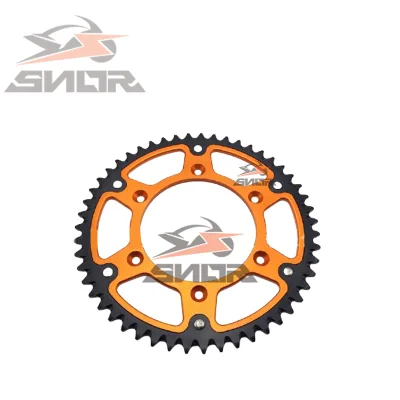
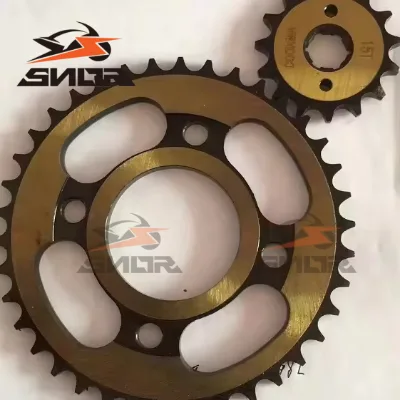
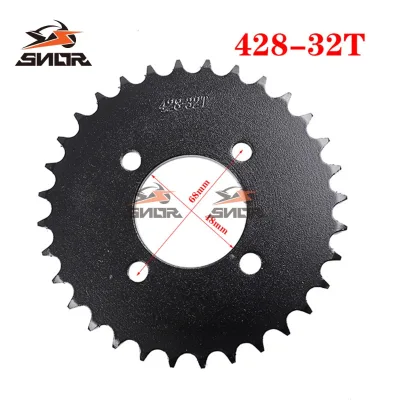
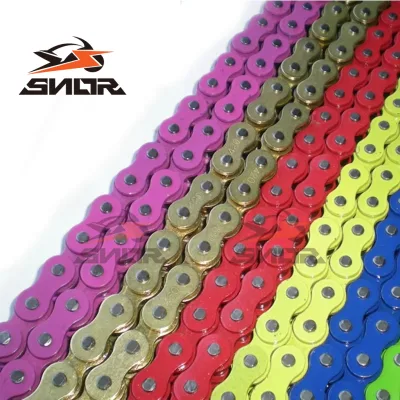
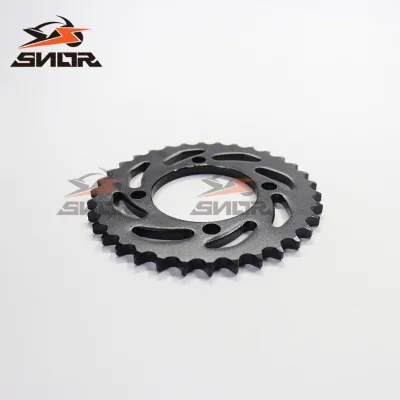
CNSNR Wholesale Factory High Quality Motorcycle Chain and Sprocket Golden Chain
$3.55 - $4.72
MOQ: 100 pieces
Ningbo Tofull Motorcycle Parts Co., Ltd.
- Verified by TUVRHEINLAND
- Trading Company
- China Zhejiang
- Lead time30 days
- Avg. response≤ 1h
Main productsMotorcycle Parts, UTV/ATV Parts, Motorcycle Cylinder, Motorcycle Clutch System, Motorcycle Helmet, Motorcycle Carburetor, Motorcycle Shock Absorber, Motorcycle Sprocket & Chain, Motorcycle Speedometer, Motorcycle Electronic Systems
Main marketsDomestic

Motorcycle Accessories Chain & Sprocket Motorcycle Chain Sprocket for Rocketman250
$5.58 - $5.78
MOQ: 300 Sets


Yog Auto Mobile Parts Co., Ltd.
- Verified by BV
- Trading Company,Manufacturer/Factory
- China Guangdong
- Lead time30 days
- Avg. response≤ 21h
Main productsMotorcycle Accessory, Motorcycle Chain, Motorcycle Engine Parts, Motorcycle Camshaft, Motorcycle Sprocket, Motorcycle Brake, Motorcycle Horn, Motorcycle Piston and Ring, Motorcycle C. D. I
Main marketsSouth America,Eastern Europe,Mid East,Southeast Asia,Eastern Asia,Oceania,Africa
Hangzhou Handun Machinery Co., Ltd.
- Manufacturer, Trading Company
- Zhejiang, China
- Lead time45 days
- Avg. response≤ 12h
Main productsConveyor Chain,Engineer Class Chain,Rubber Glove Dipping Machine,Glove Former Holder,Glove production line parts
Main marketsSoutheast Asia(30.00%), Eastern Europe(15.00%), South America(15.00%), Western Europe(10.00%), Mid East(8.00%), North America(6.00%), Northern Europe(3.00%), Oceania(3.00%), Eastern Asia(3.00%), Africa(3.00%), South Asia(2.00%), Central America(2.00%)

Sichuan Mighty Machinery Co. Ltd.
- Verified by BV
- Trading Company,Manufacturer/Factory,Group Corporation
- China Sichuan
- Lead time23 days
- Avg. response≤ 5h
Main productsTiming Belt Pulley, V Belt Pulley, Locking Device, Gear Racks, Couplings, Sprocket, Bearing, Auto Bearing, Bearing Housing
Main marketsSouth America,Eastern Europe,Mid East,Southeast Asia,Eastern Asia,Oceania,Western Europe,Africa


Chain Sprocket Custom Sizes Steel Material Bicycle Sprockets and Sprocket Wheel
$1.73 - $25.93
MOQ: 30 Pieces


HangZhou Ever-Power Transmission Co., Ltd.
- Verified by SGS
- Combined
- China Zhejiang
- Lead time45 days
- Avg. response≤ 6h
Main productsGearbox, Reducer, Sprocket, Gear, Chain, Pulley, Motor, Cylinder, Shaft, Coupling
Main marketsSouth America,Southeast Asia/ Mideast,East Asia(Japan/ South Korea),Europe,Australia,North America

$1.00 - $999.00
MOQ: 100 Pieces

- Manufacturer, Trading Company
- Zhejiang, China
- Lead time20 days
- Avg. response≤ 4h
Main productsCHAIN,MOTORCYCLE CHAIN,MOTORCYCLE PARTS,SPROCKET,INDUSTRY CHAIN
Main marketsSouth America(35.00%), Mid East(30.00%), Southeast Asia(20.00%), Africa(10.00%), North America(5.00%)

Hangzhou Donghua Chain Group Co., Ltd.
- Verified by SGS
- Combined
- China Zhejiang
- Lead time45 days
- Avg. response≤ 2h
Main productsChain, Roller Chain, Motorcycle Chain, Conveyor Chain, Industrial Chain, Leaf Chain, Stainless Steel Chain, Agricultural Chain, Sprocket, Silent Chain
Main marketsSoutheast Asia/ Mideast,Europe,North America


Motorcycle Chain Motorcycle Roller Chain
MOQ: 100 Meters


Chongqing Huanta Technology Co., Ltd.
- Trading Company
- Chongqing, China
- Lead time15 days
- Avg. response≤ 3h
Main productsCylinder Head assy,cylinder block,Crankshaft,Clutch,Motorcycle engine
Main marketsSouth America(35.00%), Southeast Asia(25.00%), Mid East(10.00%), Africa(7.00%)

TTP Power Development Co., Ltd.
- Verified by SGS
- Trading Company
- China Guangdong
- Lead time30 days
- Avg. response≤ 9h
Main productsMotorcycle Parts, Motorcycle Accessory, Motorcycle Engine Parts, Motorcycle Body Parts, Motorcycle Electrical Parts, Pockit Bike, ATV, Scooter, Motorcycle Cylinder, Crankshaft
Main marketsEurope,North America


High Quality Motorcycle Sprocket Durable Chain Sprocket for Various Models OEM Available
$2.50 - $3.00
MOQ: 300 Sets

530hv O-Ring Heat Resistant Motorcycle Parts Multi-Colored Driving Chain
$1.50 - $2.00
MOQ: 500 Pieces


Hangzhou Sfr Technology Co., Ltd.
- Verified by SGS Group
- Manufacturer, Trading Company
- Lead time30 days
- Avg. response≤ 6h
Main productsMotorcycle Chain, Industrial Chain
Main marketsDomestic Market(40%), South America(24%), Southeast Asia(21%)
Huangshan Benma Group Co., Ltd.
- Verified by TüVRheinland
- Manufacturer, Trading Company
- Lead time15 days
- Avg. response≤ 7h
Main productsMotorcycle Brake Pad, Motorcycle Clutch Shoes, Motorcycle Clutch Assembly, Motorcycle Clutch Disc
Main marketsDomestic Market(68%), South America(12%), Africa(5%)
Guangzhou Baiyun District Songzhou Jinshuanglong Motorcycle Parts Store
- Manufacturer, Trading Company, Distributor/Wholesaler
- Guangdong, China
- Lead time29 days
- Avg. response≤ 3h
Main productsmotorcycle engine,Complete motorcycle,Lamps,carburetor,other motorcycle spare parts
Main marketsMid East(35.00%), Africa(33.00%), Domestic Market(10.00%), Southeast Asia(4.00%), South America(3.00%), South Asia(2.00%), Western Europe(2.00%), North America(2.00%), Eastern Europe(2.00%), Eastern Asia(2.00%), Oceania(2.00%), Northern Europe(1.00%), Central America(1.00%), Southern Europe(1.00%)

AMTRAC(china) Equipment & Parts Co., Ltd.
- Verified by BV
- Trading Company,Manufacturer/Factory
- China Zhejiang
- Lead time45 days
- Avg. response≤ 2h
Main productsAsphalt Paver Parts, Milling Machine Parts, Road Milling Bit&Holder, Sweeper Machine Parts, Road Roller Accessories
Main marketsSouth America,Eastern Europe,Mid East,North America,Southeast Asia,Eastern Asia,Oceania,Western Europe,Africa

Taizhou Spare Parts Expert Import & Export Co., Ltd.
- Trading Company
- China Zhejiang
- Lead time30 days
- Avg. response≤ 6h
Main productsMotorcycle Parts, Scooters Accessories, Motorcycle Accessories, Gy6 Engine Accessories, Italika Spare Parts, Bike Accessories, Cg125 Jog 50, Bajaj, Helmet, Remote Controller
Main marketsSouth America,Southeast Asia/ Mideast,Europe

Hangzhou Lectstyle Trade Co., Ltd.
- Verified by CTI
- Trading Company,Manufacturer/Factory
- China Zhejiang
- Lead time45 days
- Avg. response≤ 2h
Main productsDC Motor, Wheelchair Motor, Electric Transaxle, Wind Turbine, Windshield Wiper Motor, Agricultural Roller Chain, Conveyor Chain, Planetary Gearbox, Commutator, Seal Component
Main marketsSouth America,Eastern Europe,North America,Southeast Asia,Eastern Asia,Western Europe

Hangzhou Speed Control Transmission Import & Export Co., Ltd.
- Verified by SGS
- Trading Company
- China Zhejiang
- Lead time15 days
- Avg. response≤ 16h
Main productsCyclo Gearbox, Taper Bush, Tyre Coupling, Worm Reducer, Helical Geabrox, AC Gear Motor, Hydraulic System, Center Pivot Irrigation, Hb Standard Gearbox, Motor
Main marketsSoutheast Asia/ Mideast,Europe






Comprehensive Sourcing Guide
Racing Orange Motorcycle Sprocket and Chain Supplier Concentration and Factory Types
The current search results indicate a concentration of manufacturers located in Hebei, China, alongside other facilities in Zhejiang. These regions host a mix of company types, including dedicated manufacturers and combined entities that may offer broader product ranges. The Hebei-based suppliers explicitly list auto parts, making moulds, casting parts, and motorcycle components as their primary output. This geographic clustering suggests a specialized industrial ecosystem where raw material access and established supply chains for metalworking are readily available. Buyers should prioritize verifying the specific factory address against the provided location data to confirm the physical presence of the production facility.
Factory classifications in the results vary between pure manufacturers and combined entities offering both OEM and ODM services. Some suppliers demonstrate capabilities in producing specific racing components like the 428H and 520 models, while others focus on general transmission parts. The presence of "Combined" company types implies a potential for trading services alongside direct manufacturing, which can affect lead times and communication flows. When evaluating these entities, buyers must distinguish between a factory that owns the production line and a trading company that aggregates goods. This distinction is critical for understanding who controls the quality assurance process and the final delivery schedule for specialized racing orange sprockets and chains.
How to Verify Racing Orange Motorcycle Sprocket and Chain Suppliers
Verification begins with checking for specific certifications listed in the product attributes, such as ISO/TS16949:2009 or ISO9001:2015. Several observed product entries explicitly mention these standards, which serve as a baseline for quality management systems in the automotive and motorcycle sectors. Buyers should request current certification documents to ensure the listed standards are active and valid for the specific production line. Additionally, the presence of BV verification status on some supplier profiles offers an external layer of trust regarding business legitimacy. It is essential to confirm that the certification covers the specific manufacturing processes for alloy steel and aluminum-steel components used in these racing parts.
Response time and lead time data provide further evidence of operational reliability. The observed response times range from approximately 5.42 hours to 22.19 hours, indicating varying levels of customer service efficiency. A supplier with a response time under six hours may offer more immediate support for urgent racing part orders. Lead times also vary, with some suppliers citing 15 days and others 30 days for production. Buyers should verify these timelines against their own project schedules and confirm if the quoted lead time includes packaging and dispatch preparation. Cross-referencing these metrics with the supplier's stated main products ensures the factory has the capacity to handle the specific volume and complexity of racing orange sprocket orders.
What to Compare Across Racing Orange Motorcycle Sprocket and Chain Suppliers
Comparing suppliers requires a detailed analysis of minimum order quantities (MOQ) and supply ability. The data shows significant variation, with some listings offering an MOQ of just one unit, while others require 200, 500, or even 1000 units. This disparity allows buyers to select partners based on their inventory strategy, whether they need small batches for testing or large volumes for mass distribution. Supply ability figures, such as 50,000 sets per month or 5,000 sets per month, indicate the maximum production capacity. Buyers must ensure the supplier's stated capacity aligns with their projected demand to avoid potential shortages during peak racing seasons.
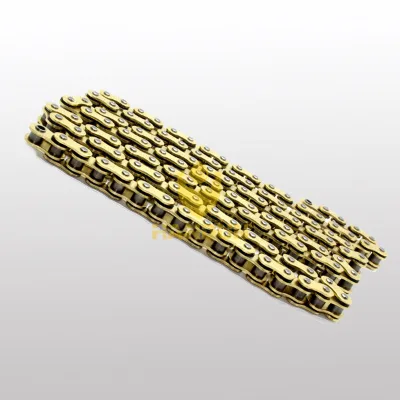
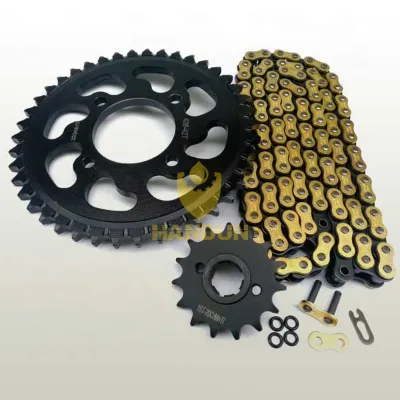
Price ranges and material specifications are another critical comparison point. Product listings show price variations from approximately $1.02 to $40.80, reflecting differences in model numbers, material grades, and surface treatments. Materials observed include alloy steel, 40Mn, and aluminum-steel, each offering distinct performance characteristics for racing applications. Surface treatments like zinc plating, sand blasting, and gold coating also influence the final cost and durability. Buyers should compare the specific attributes of the racing orange finish against the standard color options like black, blue, or natural to ensure the aesthetic and protective requirements are met. Evaluating these factors side-by-side helps identify the most cost-effective supplier without compromising on the technical specifications required for high-performance motorcycles.
Common Racing Orange Motorcycle Sprocket and Chain Sourcing Risks
One significant risk involves the discrepancy between claimed certifications and actual production capabilities. While some product attributes list ISO/TS16949:2009, buyers must verify if this certification applies to the specific racing sprocket line or if it is a general company credential. Inconsistent application of quality standards can lead to defects in critical transmission components. Furthermore, the variation in response times suggests that communication bottlenecks may occur, potentially delaying order confirmations or issue resolution. A supplier with a slower response time might struggle to address urgent quality concerns or customization requests for racing orange finishes.
Another risk lies in the ambiguity of packaging and shipping details. Some listings specify inner bubble bags and outer cartons, while others mention custom packaging requests. Inconsistent packaging standards can lead to damage during transit, especially for precision-machined sprockets. The port of dispatch varies across suppliers, including Tianjin, Shanghai, Ningbo, and Guangzhou, which affects shipping costs and transit times. Buyers must confirm the exact port of origin to calculate accurate logistics costs. Additionally, the availability of samples is noted in some records, but not all. Relying on a supplier without sample availability increases the risk of receiving non-conforming products, particularly when specific color requirements like racing orange are involved.
Racing Orange Motorcycle Sprocket and Chain Regional Sourcing and Logistics
The primary sourcing hubs identified in the results are Hebei and Zhejiang in China. These regions are known for their robust manufacturing infrastructure for auto parts and motorcycle components. Hebei suppliers specifically highlight their location and production of casting parts and motorcycle chains, suggesting a strong local supply chain for raw materials. Buyers sourcing from these regions should consider the proximity to major ports like Tianjin and Shanghai, which are listed as dispatch points. This proximity can streamline the logistics process, reducing the time required to move goods from the factory floor to the shipping container.
Logistics planning must account for the specific port of dispatch associated with each supplier. The observed ports include Tianjin, Shanghai, Ningbo, and Guangzhou, each serving different shipping lanes and offering varying transit times to global destinations. Buyers should verify which port the supplier uses for their specific order to optimize freight costs. Additionally, the packaging details, such as bubble bags and carton boxes, must be compatible with the chosen shipping method to prevent damage. For international buyers, understanding the lead time from the specific Chinese region is crucial. A supplier in Hebei might have different logistical advantages compared to one in Zhejiang, depending on the final destination of the racing orange sprockets and chains.
Racing Orange Motorcycle Sprocket and Chain Commercial Terms and Order Planning
Commercial terms vary significantly based on the supplier's capacity and product type. Some listings indicate a supply ability of 50,000 sets per month, while others are limited to 5,000 sets. This difference dictates the order planning strategy, as high-volume buyers need to secure slots with high-capacity manufacturers. The MOQ ranges from single units to 1,000 units, allowing flexibility for different business models. Buyers should align their order quantities with the supplier's stated supply ability to ensure timely delivery. Customization availability is also a key commercial term, with many suppliers offering OEM and ODM services for specific racing orange finishes and model numbers.
Lead times and response times are critical components of order planning. With lead times ranging from 15 to 30 days, buyers must factor in production duration when scheduling their inventory replenishment. A supplier with a 15-day lead time offers a faster turnaround than one requiring 30 days, which can be vital for meeting racing season deadlines. Response times, observed between 5 and 22 hours, influence how quickly orders can be confirmed and issues resolved. Buyers should prioritize suppliers with faster response times to maintain a responsive supply chain. Additionally, the availability of samples allows for quality verification before placing large orders, reducing the risk of commercial disputes over product specifications.
FAQs
What is the price range for motorcycle chain and sprocket sets?
Prices for motorcycle chain and sprocket sets typically range from $1.02 to $40.80 per unit. The cost varies based on the specific model number, material composition, and surface treatment applied. Buyers should check the minimum order quantity to determine the final per-unit cost for their specific order volume.
What certifications do these motorcycle parts suppliers hold?
Suppliers offering motorcycle chain and sprocket sets commonly hold ISO/TS16949:2009 and ISO9001 certifications. These standards ensure quality management systems are in place for manufacturing. Buyers should verify the specific certificate details for each product listing to confirm compliance with international automotive and motorcycle industry requirements.
What is the typical lead time for manufacturing these parts?
The typical lead time for manufacturing motorcycle chain and sprocket sets is between 15 and 30 days. This duration depends on the supplier's current production capacity and the specific order size. Buyers should confirm the exact lead time with the supplier before placing an order to ensure timely delivery.
What is the minimum order quantity for these products?
The minimum order quantity for motorcycle chain and sprocket sets varies, with some suppliers requiring as few as one unit and others requiring up to 1000 units. Common MOQs include 200, 500, or 1000 sets. Buyers should select a supplier whose MOQ aligns with their purchasing volume.
Where are these motorcycle parts manufactured?
These motorcycle parts are primarily manufactured in Hebei, China, and Zhejiang, China. Suppliers in these regions specialize in auto parts, casting parts, and motorcycle accessories. Buyers can filter search results by these specific locations to find suppliers with established manufacturing capabilities in these key industrial hubs.
What materials are used for motorcycle sprockets and chains?
Motorcycle sprockets and chains are commonly made from alloy steel, 40Mn, and aluminum-steel combinations. Some products feature specific tensile strengths, such as 23.4kn, to ensure durability. Surface treatments like zinc plating, sand blasting, or gold coating are applied to enhance corrosion resistance and aesthetic appeal.
How quickly do suppliers respond to inquiries?
Supplier response times vary, with some responding within 5.42 hours and others taking up to 22.19 hours. Faster response times indicate active customer service teams. Buyers should prioritize suppliers with quicker response times to ensure efficient communication regarding product specifications, pricing, and order status.