Reflective Heavy Duty Dog Harness Suppliers and Manufacturers
Source Reflective Heavy Duty Dog Harness from 27 verified suppliers in China. Compare OEM capabilities, BSCI and ISO certifications, lead times, and MOQs. Contact manufacturers directly to request quotes and samples; review the available evidence before requesting comparable quotations from suitable candidates.
Updated
Suppliers List

Dongguan Huchong Pet Products Co., Ltd
- Verified by SGS
- Manufacturer/Factory
- China Guangdong
- Lead time45 days
- Avg. response≤ 4h
Main productsDog Collar, Dog Harness, Dog Leash, Poo Bag Holder
Main marketsSouth America,Eastern Europe,Mid East,North America,Southeast Asia,Eastern Asia,Oceania,Western Europe,Africa


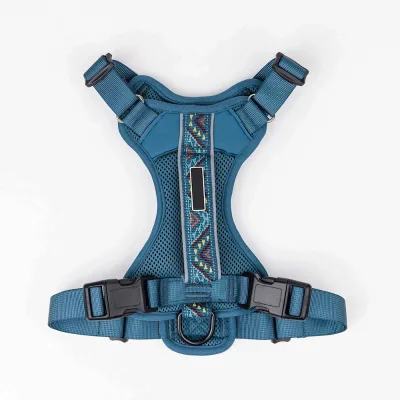
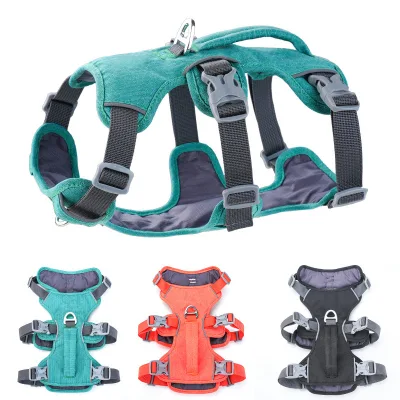
Adjustable Reflective Mesh Dog Harness with Soft Breathable Design and Control Handle
$3.00 - $5.00
MOQ: 200 pieces


WOR-BIZ INDUSTRAL PRODUCT CO., LIMITED (ANHUI)
- Verified by TUVRHEINLAND
- Trading Company
- China Anhui
- Lead time45 days
- Avg. response≤ 8h
Main productsPet Products, Pet Harness, Pet Collar, Pet Leash, Pet Carrier, Pet Toy, Pet Bed, Pet Clothes, Pet Accessory, Pet Feeder
Main marketsSouth America

Waterproof Pet Dog Harness, Adjustable Heavy Duty Reflective Luminous Pet Harness
$7.38 - $8.95
MOQ: 1000 Pieces


Guangzhou Elegant Pet Products Co., Ltd.
- Manufacturer, Distributor/Wholesaler
- Guangdong, China
- Lead time30 days
- Avg. response≤ 14h
Main productsmanufacture,Distributor,Wholesaler
Main marketsNorth America(40.00%), Northern Europe(10.00%), Western Europe(10.00%), Domestic Market(5.00%), South America(5.00%), Southern Europe(5.00%), Africa(5.00%), Southeast Asia(5.00%), South Asia(3.00%), Central America(3.00%), Mid East(3.00%), Eastern Asia(2.00%), Eastern Europe(2.00%), Oceania(2.00%)

Shenzhen Sweetpet Pet Product Co., Ltd.
- Trading Company,Manufacturer/Factory
- China Guangdong
- Lead time23 days
- Avg. response≤ 5h
Main productsDog Collar, Dog Leash, Dog Harness, Dog Clothes, Dog Bed, Pet Supply, Pet Accessory, Pet Toys, Pet Bowl, Cat Toys
Main marketsSouth America,Eastern Europe,North America,Oceania,Western Europe


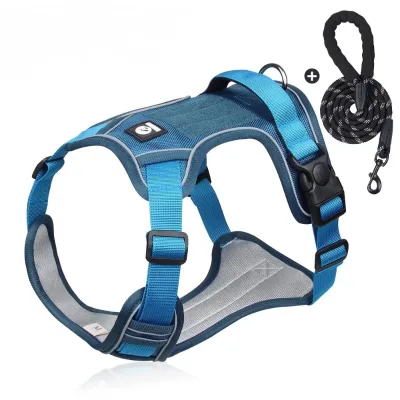
Dog Leash Harness Set Durable Adjustable Heavy Duty Reflective Dog Harness
$3.38 - $4.28
MOQ: 200 Pieces


Dongguan Lanchuang Technology Co., Ltd.
- Trading Company
- Guangdong, China
- Lead time7 days
- Avg. response≤ 2h
Main productspet leash,pet harness,pet leash&collar,pet toys,pet clothes
Main marketsNorth America(30.00%), Western Europe(15.00%), Southern Europe(15.00%), Northern Europe(15.00%), South America(15.00%), Southeast Asia(5.00%), Eastern Europe(5.00%)

Dongguan Bestone Pet Products Co., Ltd.
- Manufacturer, Trading Company
- Guangdong, China
- Lead time15 days
- Avg. response≤ 11h
Main productsDog Collar,Dog Leash,Dog Harness,Pet Apparel,Dog Suppliers
Main marketsNorth America(33.26%), Western Europe(12.20%), Southeast Asia(10.20%), South America(7.80%), Oceania(7.40%), Southern Europe(5.16%), South Asia(4.64%), Northern Europe(4.50%), Eastern Asia(4.00%), Domestic Market(3.80%), Eastern Europe(2.70%), Mid East(2.64%), Africa(1.50%), Central America(0.20%)
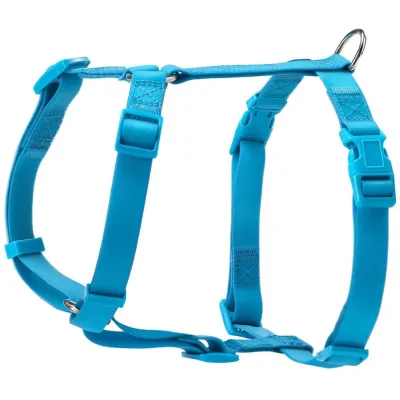
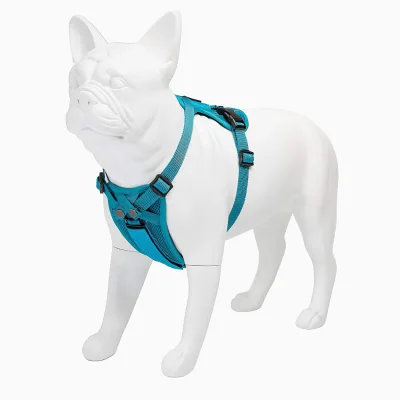
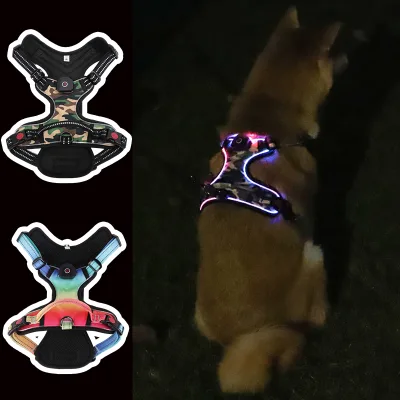
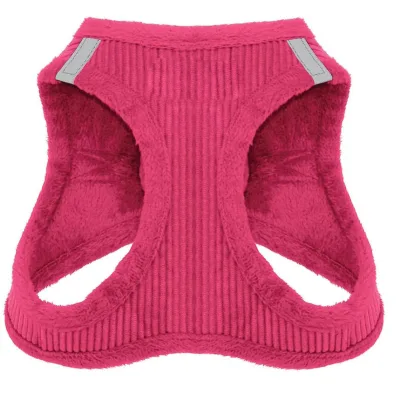
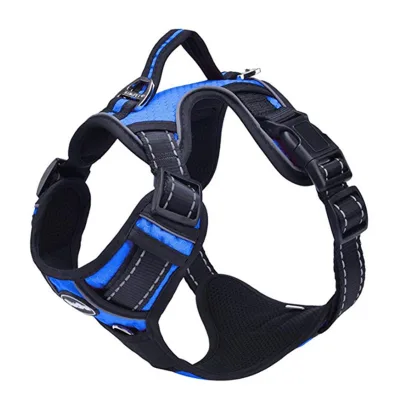
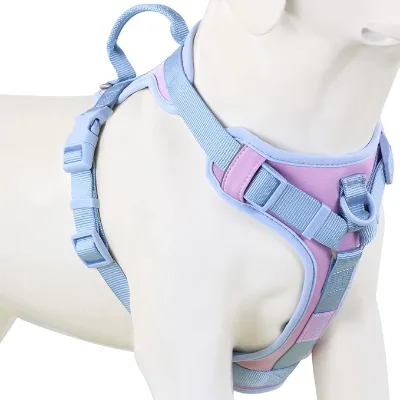
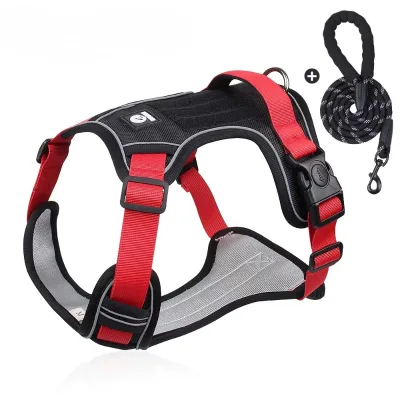
Popular High Quality Durable Safe Breathable Reflective Dog Leash Harness with Adjustable Strap
$3.0829 - $7.1934
MOQ: 100 Minimum
Henan Kangdar Pet Products Co.ltd
- Verified by Intertek
- Manufacturer, Trading Company
- Lead time5 days
- Avg. response≤ 4h
Main productsPet hoodie, Dog treadmill, Dog bite tug toy, Dog trainer bite-proof suit, Birdcage
Main marketsNorth America(52%), Eastern Europe(15%), Domestic Market(13%)
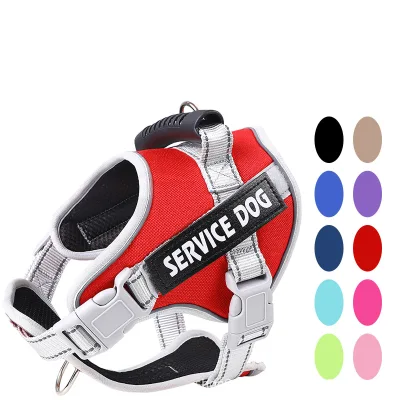
$4.16 - $5.96
MOQ: 1 Minimum
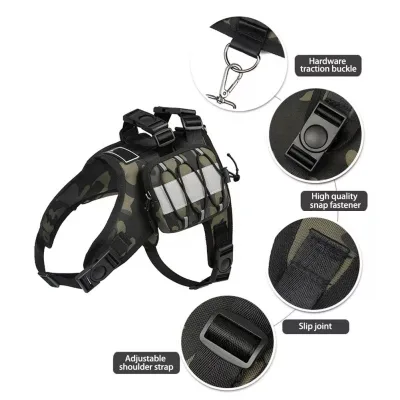
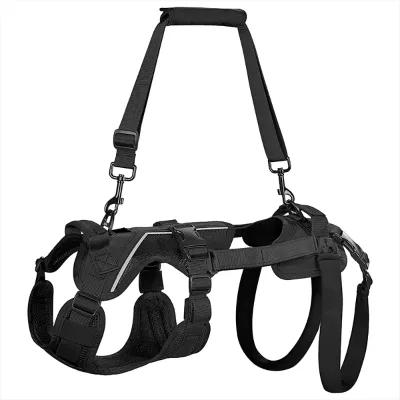
Nylon Dog Harness Backpack Pet Training Vest with Self Carry Backpack Dog Harness
$7.80 - $8.50
MOQ: 3 pieces

Monica Technology (Shenzhen) Co., Ltd.
- Verified by SGS
- Trading Company
- China Guangdong
- Lead time30 days
- Avg. response≤ 22h
Main productsPet Product, Pet Water Dispenser, Sports Repair Products, Beauty Equipment, Pet Daily Necessities, Tens Products, Outdoor Sports Products, Phototherapy Beauty Products, Work out Repair Products, Phototherapy Sports Rehabilitation Products
Main marketsEast Asia(Japan/ South Korea)
Dongguan Henshine Sport Products Co., Ltd.
- Manufacturer, Trading Company
- Lead time旺季: "1 - 50":30,"> 50":"To be negotiated", 淡季: "1 - 50":30,"> 50":"To be negotiated"
- Avg. response≤ 5h
Main productsPet Products, Webbing

Shenzhen Me Young Products Co., Ltd.
- Manufacturer, Trading Company
- Guangdong, China
- Lead time0 days
- Avg. response≤ 3h
Main productsCard Holder,Wallets,Handbag,backpack,shopping bag
Main marketsNorth America(60.00%), Western Europe(15.00%), South America(10.00%), Africa(3.00%), Mid East(2.00%)
Hangzhou Queenhe Import & Export Co., Ltd.
- Verified by SGS Group
- Manufacturer, Trading Company
- Lead time30 days
- Avg. response≤ 2h
Main productsPet Pee Pad, Dog Snuffle Mat, Pet Bed, Dog Car Seat Cover, Dog Diaper
Main marketsNorth America(80%), Western Europe(10%), Oceania(3%)
Beijing Yanzichu Technology Co., Ltd.
- Trading Company
- Beijing, China
- Lead time7 days
- Avg. response≤ 3h
Main productsPet Toys, Pet Beds, Pet Harnesses, Pet Bowls & Feeders, Pet Food
Main marketsDomestic Market(100.00%)
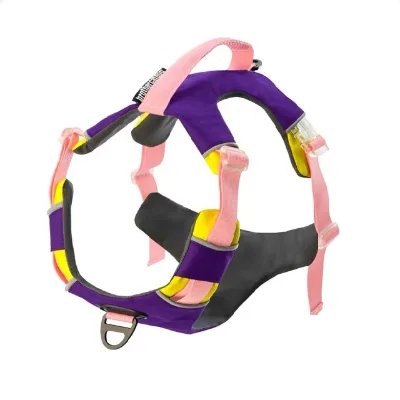
Dog Harness No Pull Reflective Pet Dog Harnesses Harness for Large Dogs Product
$7.99 - $9.99
MOQ: 50 Minimum
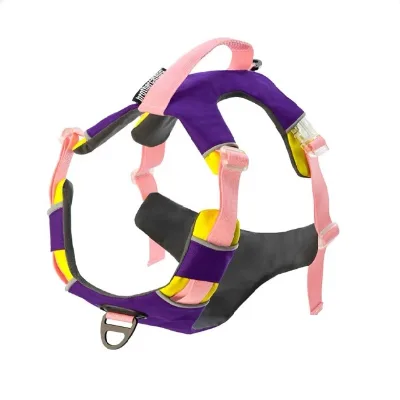
$7.99 - $9.99
MOQ: 50 Minimum
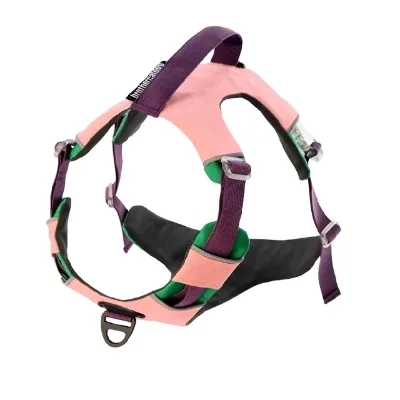
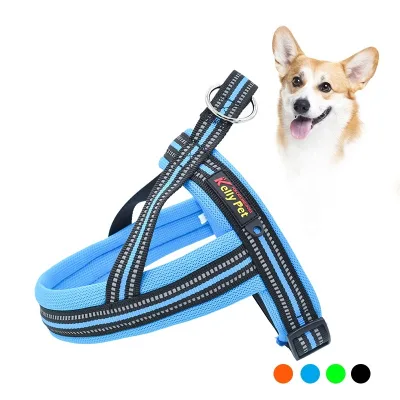
Cheap and High Quality Reflective at Night Dog Harness Step in Dog Harness Pet Dog Harness Fashion
$7.99 - $9.99
MOQ: 50 Minimum

Dongguan Nibao Outdoor Products Co., Ltd.
- Manufacturer, Trading Company
- Guangdong, China
- Lead time25 days
- Avg. response≤ 7h
Main productspet collar,pet leash,pet harness,pet car seat cover,outdool products
Main marketsSouth America(25.00%), North America(20.00%), Northern Europe(15.00%), Southern Europe(15.00%), Eastern Europe(15.00%), Western Europe(10.00%)
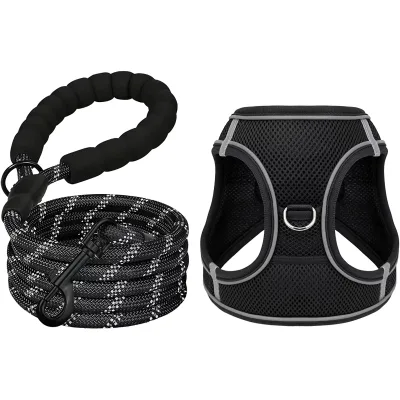
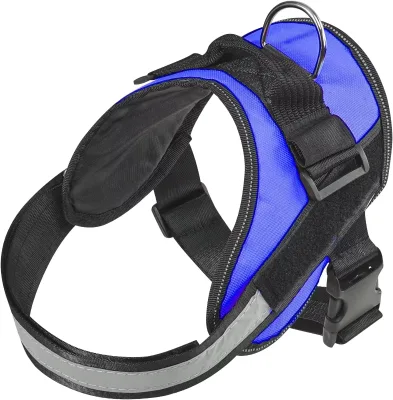
Dog Harness and Leash Set, Reflective Dog Vest Harness and Leash, Heavy Duty Matching Dog Leash
$2.972 - $7.7881
MOQ: 100 Minimum
$3.6042 - $7.8256
MOQ: 100 Minimum

- Verified by CTI
- Trading Company
- China Zhejiang
- Lead time15 days
- Avg. response≤ 6h
Main productsJewelry, Brooch, Belt, Necklace, Agent, Bracelet, China Trim, China Ring, China Hair Accessory, China Earring
Main marketsSouth America

Dongguan Hanyang Pet Products Co., Ltd.
- Verified by BV
- Trading Company,Manufacturer/Factory
- China Guangdong
- Lead time0 days
- Avg. response≤ 12h
Main productsPet Collar, Pet Harness, Pet Leash, Dog Poop Bag Holder, Dog Accessory, Dog Bandanas

Upgraded No Pull Dog Harness, Reflective Adjustable Pet Harness, Strong Breathable Dog Harness
$4.50 - $7.99
MOQ: 100 Pieces


Jiangmen Muyjis Pet Products Co., Ltd.
- Verified by SGS
- Combined
- China Guangdong
- Lead time15 days
- Avg. response≤ 8h
Main productsPet, Pet Travel Carrier, Pet Harness, Pet Supplies, Pet Accessories, Pet Clothes, Pet Shoes
Main marketsEast Asia(Japan/ South Korea),Europe,North America
Dongguan Lucky Mfg Co., Limited
- Manufacturer, Trading Company
- Lead time旺季: "1 - 1000":25,"> 1000":"To be negotiated", 淡季: "1 - 1000":25,"> 1000":"To be negotiated"
- Avg. response≤ 2h
Main productsPet Collar, Pet Leash, Pet Harness, Dog Bag

- Verified by CTI
- Combined
- China Zhejiang
- Lead time30 days
- Avg. response≤ 10h
Main productsDog Leash, Retractable Dog Leash, Dog Toys, Pet Collars, Dog Mat, Cloth Dog House
Main marketsEurope,North America
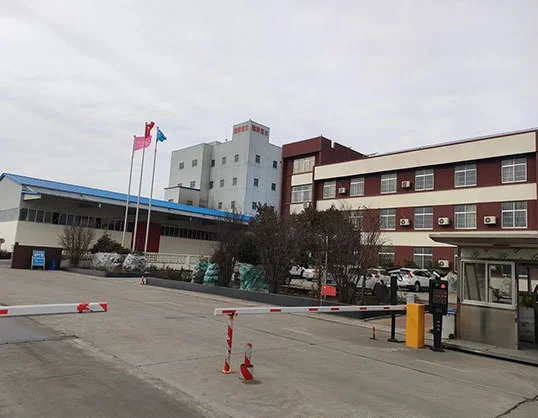
Shijiazhuang Bocen Trade Co., Ltd.
- Trading Company
- Hebei, China
- Lead time15 days
- Avg. response≤ 4h
Main productspet food,cat litter,pet cage,pet snack,pet products
Main marketsSoutheast Asia(20.00%), South America(15.00%), North America(10.00%), Eastern Europe(10.00%), Africa(10.00%), South Asia(10.00%), Mid East(5.00%), Eastern Asia(5.00%), Western Europe(5.00%), Northern Europe(5.00%), Domestic Market(5.00%)
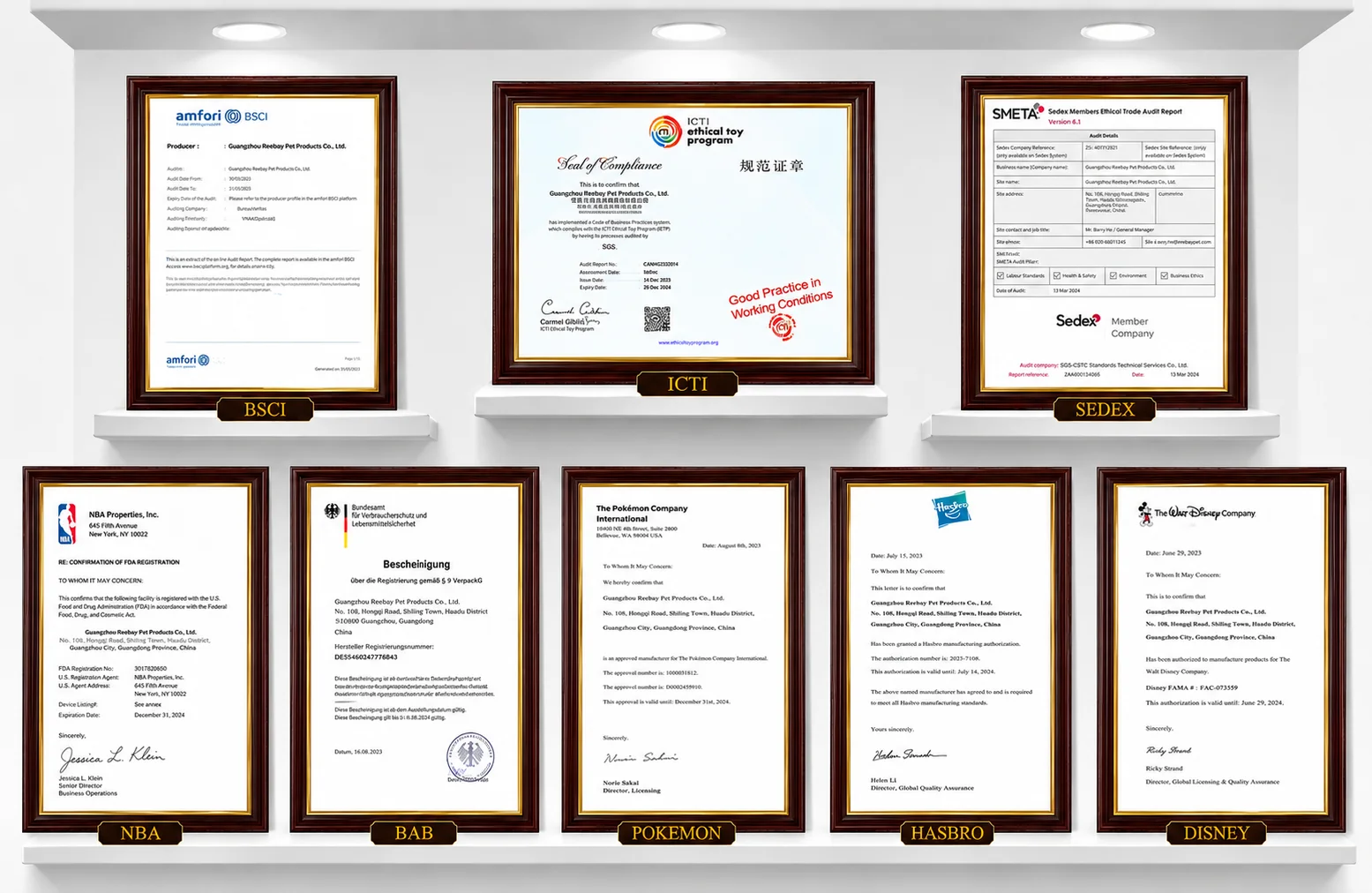
Guangzhou Reebay Pet Products Co., Ltd.
- Manufacturer, Trading Company
- Guangdong, China
- Lead time30 days
- Avg. response≤ 2h
Main productsPet Collar & Leash,Pet Clothes and Accessories,Pet Bed,Pet Harness,Pet Carrier
Main marketsNorth America(25.00%), Western Europe(20.00%), Southern Europe(10.00%), Northern Europe(10.00%), Oceania(10.00%), Africa(5.00%), Southeast Asia(5.00%), South America(5.00%), Eastern Asia(5.00%), Eastern Europe(5.00%)

PUYANG SELFAIDING INDUSTRIAL CO., LTD.
- Verified by SGS
- Manufacturer
- China Henan
- Lead time15 days
- Avg. response≤ 3h
Main productsAdult Bib, Pet Pad, Underpad, Baby Bib, Protective Panties, Washable Sanitary Pad, Compression Stockings, Patient Care Clothing, Pet Nest, Pet Toy
Guangzhou Daimengmao Technology Co., Ltd.
- Verified by TüVRheinland
- Manufacturer, Trading Company
- Lead time5 days
- Avg. response≤ 2h
Main productsPet Collar, Pet Leash, Pet Harness, Pet Cleaning & Grooming Product, Pet Apparel
Main marketsNorth America(47%), Western Europe(15%), South America(10%)

Xiamen Furvorite Pet Supplies Co., Ltd.
- Verified by SGS
- Trading Company,Manufacturer/Factory
- China Fujian
- Lead time45 days
- Avg. response≤ 3h
Main productsDog Harness, Pet Clothes, Dog Leash, Dog Collar, Pet Bed, Pet Accessories, Pet Grooming Tool, Pet Gates & Furniture, Pet Bowls & Feeding, Dog Brace
Main marketsSouth America,Eastern Europe,Mid East,North America,Southeast Asia,Eastern Asia,Oceania,Western Europe,Africa

Pet Supplies Large and Medium-Sized Dog Traction Rope Reflective Dog Harness
$3.59 - $5.39
MOQ: 10 Pieces

Chengdu Tops Technology Co., Ltd.
- Verified by TüVRheinland
- Trading Company
- Lead time15 days
- Avg. response≤ 3h
Main productsAutomatic Cat Litter Box, Automatic Pet Feeder, Dog Poop Bag, Pet Wipes, Pet Grooming Brush
Dongguan Lusen Innovation Technology Co., Ltd.
- Trading Company
- Guangdong, China
- Lead time7 days
- Avg. response≤ 3h
Main productsOutdoor goods,Pet outdoors,Recreational goods,kitchenware,Fishing tool
Main marketsNorth America(42.00%), Eastern Europe(27.00%), South America(21.00%), Western Europe(10.00%)
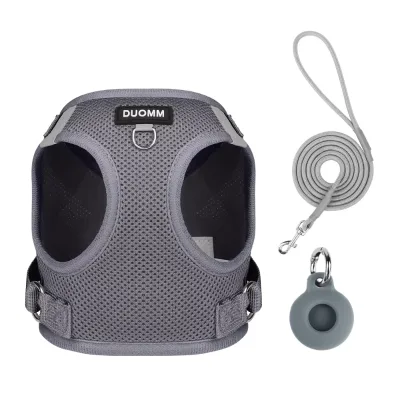
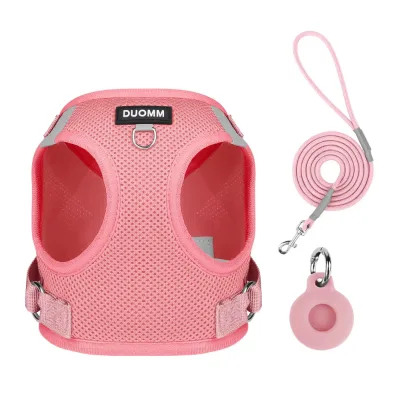
Anti-Loss Dog Harness with Comfort Straps - Ideal for Outdoor Adventures
$1.5924 - $3.1098
MOQ: 10 Minimum
Yiwu Comeon Household Goods Co., Ltd.
- Verified by SGS Group
- Trading Company
- Lead time0 days
- Avg. response≤ 6h
Main productsDiaper Bag Backpack/ Pet Backpack/ Pet Bed
Main marketsNorth America(50%), Western Europe(30%), Eastern Asia(20%)
Dongguan Deep Power Technology Company Limited
- Trading Company
- Guangdong, China
- Lead time15 days
- Avg. response≤ 5h
Main productsSports Supplies,Entertainment Products,Sports Device,Pet products,Pet Supplies
Main marketsNorth America(45.00%), Western Europe(15.00%), Mid East(15.00%), Oceania(10.00%), Eastern Europe(5.00%), South America(5.00%), Southeast Asia(5.00%), Africa(5.00%)



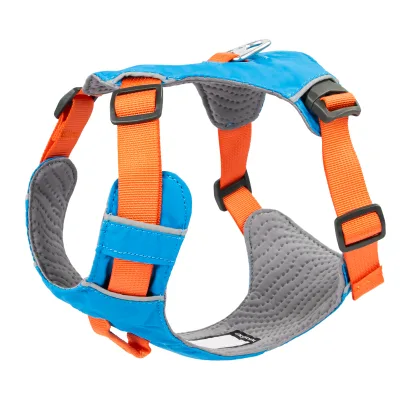
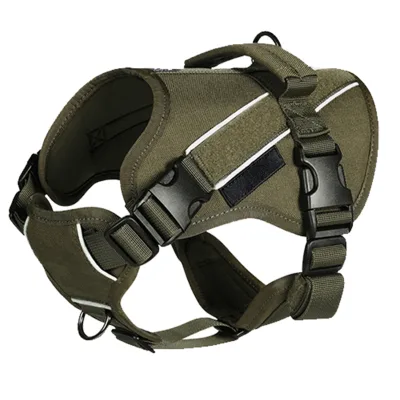
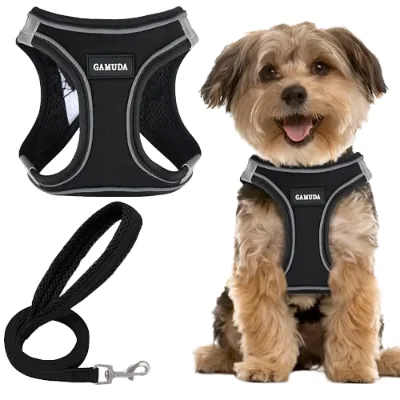
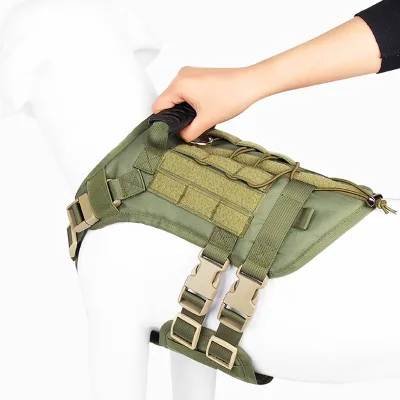






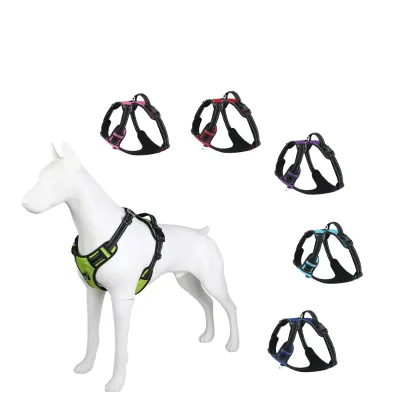
Comprehensive Sourcing Guide
Reflective Heavy Duty Dog Harness Supplier Concentration and Factory Types
The current supplier landscape for reflective heavy duty dog harnesses reveals a distinct concentration of manufacturing capabilities within specific Chinese industrial hubs. Data indicates that a significant portion of verified manufacturers are located in Guangdong, China, a region renowned for its robust textile and pet accessory supply chains. These entities are primarily classified as Manufacturer/Factory types, suggesting they possess direct control over the production process, from material sourcing to final assembly. This structural advantage often translates to greater flexibility in handling complex customization requests, such as integrating specific reflective materials or adjusting harness geometries for heavy-duty applications. The presence of these factories in Guangdong highlights the region's maturity in producing high-volume pet products, including collars, leashes, and specialized harnesses. Buyers evaluating this cluster should recognize that these suppliers are equipped to handle Original Equipment Manufacturer (OEM) and Original Design Manufacturer (ODM) projects, allowing for tailored solutions that meet specific brand requirements. The concentration of such facilities in this area provides a dense network of potential partners who understand the nuances of pet product safety and durability.
In contrast to the manufacturing-heavy profile of Guangdong, other suppliers in the dataset operate as Trading Companies, such as those based in Anhui, China. These entities typically aggregate products from various factories, offering a broader catalog that may include pet carriers, beds, and toys alongside harnesses. While they may not own the production lines, trading companies often provide streamlined communication and consolidated shipping options for buyers who prefer a single point of contact. The verification status of these suppliers varies, with some holding credentials from recognized bodies like TÜV Rheinland, which adds a layer of trust regarding their operational standards. However, the distinction between a factory and a trading company is crucial for buyers seeking direct control over production timelines and quality assurance protocols. Understanding this dichotomy helps buyers decide whether they prioritize direct factory engagement for cost and customization control or the convenience and variety offered by trading entities. Both types play vital roles in the supply chain, catering to different procurement strategies and order scales.
How to Verify Reflective Heavy Duty Dog Harness Suppliers
Verifying the legitimacy and capability of a Reflective Heavy Duty Dog Harness supplier requires a multi-layered approach that goes beyond basic company profiles. One critical step is to examine the supplier's verification status, which serves as an external validation of their business operations. For instance, some manufacturers in the current results are verified by SGS, a globally recognized inspection and certification company. This verification indicates that the supplier has undergone rigorous audits regarding their business license, factory conditions, and management systems. Buyers should prioritize suppliers with such third-party verifications, as they provide an objective measure of reliability. Additionally, checking for specific system certifications is essential for ensuring product safety and ethical manufacturing practices. The dataset shows that many Guangdong-based manufacturers hold certifications such as ISO 9001, ISO 14001, and BSCI. These standards cover quality management, environmental management, and social compliance, respectively. Ensuring that a supplier maintains these certifications is vital for brands that need to demonstrate compliance with international regulations and corporate social responsibility goals.
Beyond certifications, buyers must assess the supplier's responsiveness and technical capabilities to ensure they can meet project demands. The response time is a key indicator of a supplier's operational efficiency and customer service quality. In the current results, some suppliers demonstrate a response time of approximately 3.69 hours, which suggests a high level of engagement and readiness to address inquiries promptly. This metric is particularly important for complex orders involving custom designs or urgent production schedules. Furthermore, evaluating the supplier's research and development capacity is crucial for innovative product development. Many manufacturers in the dataset offer both OEM and ODM services, indicating they have the technical expertise to adapt existing designs or create new ones based on buyer specifications. Buyers should request detailed information about their R&D process, including how they handle prototyping and material testing. By combining verification checks, certification reviews, and assessments of responsiveness and technical capacity, buyers can build a comprehensive profile of a supplier's reliability and suitability for their specific sourcing needs.
What to Compare Across Reflective Heavy Duty Dog Harness Suppliers
When evaluating multiple suppliers for reflective heavy duty dog harnesses, buyers must systematically compare key operational and commercial metrics to identify the most suitable partner. One of the most significant differentiators is the Minimum Order Quantity (MOQ), which directly impacts inventory management and cash flow. The data reveals a wide range in MOQs, with some suppliers requiring as few as 100 units, while others mandate orders of 1,000 units or more. This variance allows buyers to select suppliers that align with their sales volume and market entry strategies. For instance, a buyer testing a new market might prefer a supplier with a lower MOQ to minimize risk, whereas an established brand might leverage higher volume commitments to negotiate better pricing. Additionally, comparing the price ranges across different product models is essential for budget planning. Prices for heavy duty harnesses in the current results vary from approximately $3.00 to $13.00 per unit, depending on materials, features, and customization levels. Buyers should analyze these price points in conjunction with the MOQ to determine the total cost of acquisition and potential profit margins.
Another critical dimension for comparison is the lead time and product specifications, which affect supply chain reliability and product quality. The lead time for production can vary significantly, with some suppliers indicating a standard lead time of 45 days. Buyers must ensure that this timeline aligns with their sales cycles and promotional calendars. Furthermore, examining the specific product attributes, such as material composition and waterproofing capabilities, is vital for meeting customer expectations. For example, some harnesses are made from Oxford fabric, while others use Nylon or Polyester, each offering different durability and comfort profiles. The dataset also highlights variations in standard sizes, ranging from XS to XXL, which impacts the target demographic and sizing accuracy. Buyers should also consider the packaging standards, such as OPP bags or cartons, as these affect shipping efficiency and retail presentation. By meticulously comparing MOQs, prices, lead times, and product specifications, buyers can make informed decisions that balance cost, quality, and operational efficiency. This comparative analysis ensures that the selected supplier can deliver products that meet both commercial and technical requirements.
Common Reflective Heavy Duty Dog Harness Sourcing Risks
Sourcing reflective heavy duty dog harnesses involves several inherent risks that buyers must proactively manage to ensure a successful procurement process. One significant risk is the discrepancy between product samples and mass production quality. While suppliers may provide high-quality samples that meet all specifications, there is no guarantee that the bulk order will maintain the same standards. This risk is particularly relevant for products involving complex features like reflective materials and heavy-duty stitching. Buyers should implement strict quality control measures, including third-party inspections during production and before shipment, to mitigate this issue. Additionally, the variability in material specifications poses a risk to product consistency. The dataset shows that materials can range from Oxford to Nylon and Polyester, and some products are labeled as waterproof while others are not. Miscommunication regarding these specifications can lead to products that do not meet customer expectations or regulatory requirements. Buyers must ensure that all material and performance specifications are clearly documented in the purchase contract and verified through testing.
Another common risk is the potential for delays in production and delivery, which can disrupt supply chains and miss critical sales windows. The lead time of 45 days, as observed in some suppliers, is a baseline that can be extended due to material shortages, labor issues, or logistical bottlenecks. Buyers should establish clear communication channels and regular progress updates with their suppliers to monitor production status. Furthermore, the reliance on OEM services introduces risks related to intellectual property and design confidentiality. When working with manufacturers who offer ODM capabilities, buyers must ensure that their proprietary designs are protected through non-disclosure agreements and clear contractual terms. The verification status of the supplier, such as SGS or TÜV Rheinland, can provide some assurance of operational stability, but it does not eliminate the risk of production failures. Buyers should also be cautious of suppliers with high MOQs if their sales forecasts are uncertain, as this can lead to excess inventory and financial strain. By identifying and addressing these risks through rigorous due diligence and contractual safeguards, buyers can enhance the reliability and success of their sourcing initiatives.
Reflective Heavy Duty Dog Harness Regional Sourcing and Logistics
The geographic location of suppliers plays a pivotal role in determining logistics costs, lead times, and overall supply chain efficiency. The current data indicates a strong concentration of manufacturers in Guangdong, China, a region that benefits from well-developed infrastructure and proximity to major ports. This location advantage facilitates faster shipping times and lower freight costs for international buyers, particularly those in North America and Europe. Buyers sourcing from Guangdong-based suppliers can leverage the region's mature logistics network to ensure timely delivery of their orders. Additionally, the presence of multiple manufacturers in this cluster fosters competition, which can lead to better pricing and service levels. However, buyers should also consider the logistical implications of sourcing from other regions, such as Anhui, China, where trading companies are located. While these suppliers may offer a broader range of products, their location might result in longer transit times or higher shipping costs depending on the final destination.
Logistics planning must also account for packaging standards and product dimensions, which affect container utilization and shipping expenses. The dataset shows that products are typically packed in OPP bags or cartons, with standard sizes ranging from XS to XXL. Buyers should work with their suppliers to optimize packaging designs to maximize container space and reduce per-unit shipping costs. Furthermore, the weight of the products, which can range from 0.129 to 0.30 kg per unit, is a critical factor in calculating freight charges. Buyers should request detailed packing lists and dimensions from their suppliers to accurately estimate shipping costs and plan inventory levels. Additionally, considering the seasonal demand for pet products is essential for aligning production schedules with logistics capabilities. For instance, peak seasons may strain supplier capacity and logistics networks, leading to delays. By understanding the regional advantages and logistical constraints associated with different supplier locations, buyers can develop a robust sourcing strategy that minimizes costs and ensures reliable delivery. This regional awareness is crucial for maintaining a competitive edge in the global pet product market.
Reflective Heavy Duty Dog Harness Commercial Terms and Order Planning
Effective commercial terms and strategic order planning are essential for managing the financial and operational aspects of sourcing reflective heavy duty dog harnesses. Buyers must carefully negotiate payment terms, delivery schedules, and quality assurance clauses to protect their interests. The lead time of 45 days, as noted in some supplier profiles, should be factored into the order planning process to ensure that products arrive in time for market launch. Buyers should also consider the impact of customization on production timelines, as OEM and ODM projects often require additional time for design approval and prototyping. Clear communication regarding these timelines is crucial to avoid delays and ensure that both parties are aligned on delivery expectations. Furthermore, buyers should establish clear quality standards and inspection protocols in their contracts to mitigate the risk of receiving substandard products. This includes specifying acceptable defect rates and outlining the procedures for handling non-conforming goods.
Order planning should also take into account the Minimum Order Quantity (MOQ) and price tiers offered by suppliers. The data shows that MOQs can range from 100 to 1,000 units, with corresponding price variations. Buyers should analyze their sales forecasts and inventory requirements to determine the optimal order size that balances cost efficiency with stock availability. For new product launches, starting with a smaller order may be prudent to test market response before committing to larger volumes. Additionally, buyers should consider the total cost of ownership, including shipping, duties, and potential returns, when evaluating supplier quotes. Establishing a long-term partnership with a
FAQs
What is the price range for reflective heavy duty dog harnesses?
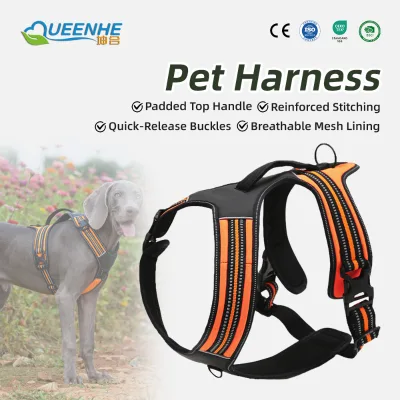
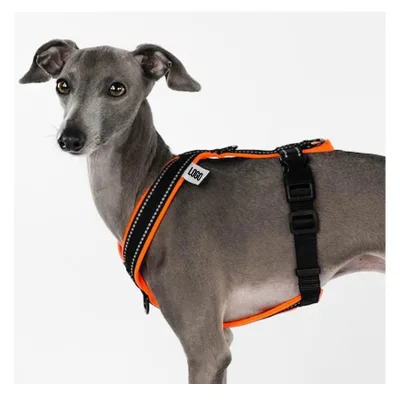
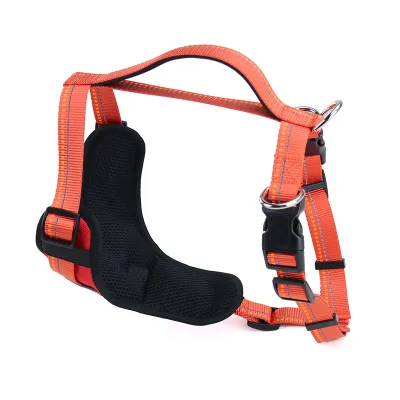
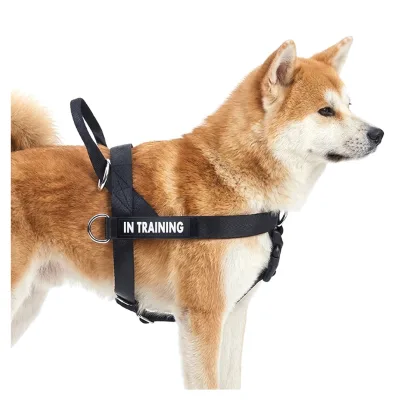
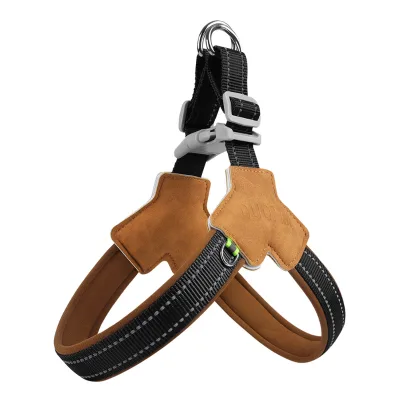
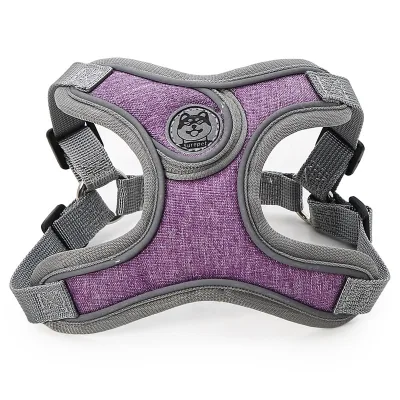
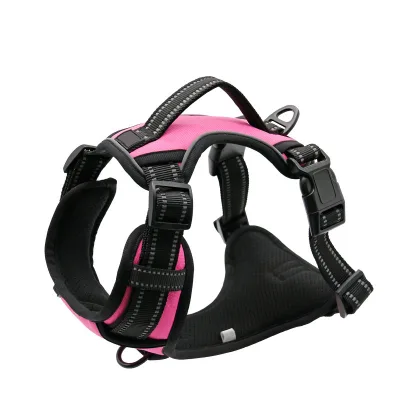
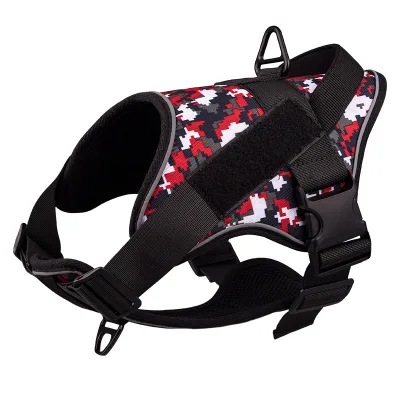
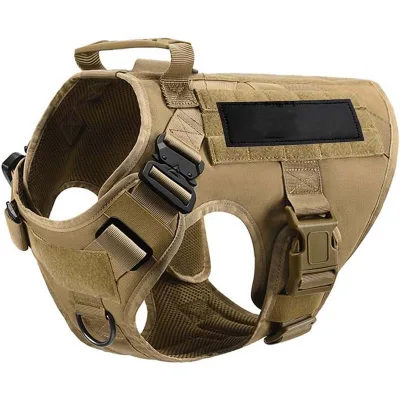
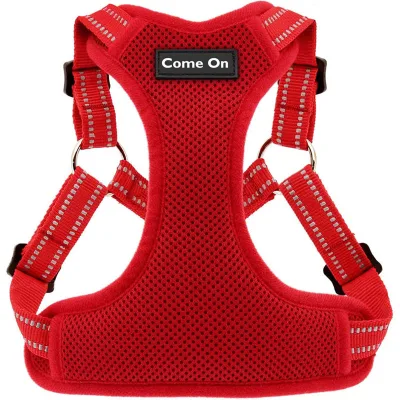
Reflective heavy duty dog harnesses typically range from $3.00 to $13.00 per unit. Prices vary based on material, such as Oxford or Nylon, and specific features like neoprene padding or waterproofing. Buyers should expect higher costs for heavy-duty models with reflective tactical designs compared to standard mesh options.
What is the minimum order quantity for these harnesses?
Minimum order quantities generally range from 100 to 1000 pieces depending on the supplier and product type. Some manufacturers accept orders as low as 100 units for specific heavy duty models, while trading companies may require larger volumes like 1000 pieces. Buyers should verify the exact MOQ with their chosen supplier.
How long does production take for custom orders?
Production lead times are typically around 45 days for manufacturing orders. This duration allows for material sourcing, cutting, sewing, and quality control processes. Buyers requiring faster turnaround should confirm specific timelines with suppliers, as lead times can vary based on order volume and customization complexity.
Are these harnesses waterproof and customizable?
Many reflective heavy duty dog harnesses are waterproof and available for customization. Materials like Oxford and Nylon are commonly used, with options for custom logos and patches. Buyers can request specific sizes ranging from XS to XXL and choose between different padding styles for enhanced comfort and durability.
What certifications do these suppliers hold?
Suppliers often hold certifications such as ISO 9001, ISO 14001, BSCI, and SGS verification. These credentials indicate adherence to quality management, environmental standards, and social responsibility practices. Buyers should verify specific certifications relevant to their market requirements before placing large orders.
Where are these manufacturers located?
Manufacturers are primarily located in Guangdong and Anhui, China. Guangdong suppliers often specialize in OEM and ODM services with faster response times. Buyers should consider location when evaluating shipping costs and lead times for international orders.