anti-choking dog slow feeder bowl Suppliers and Manufacturers
Compare 33 verified suppliers offering anti-choking dog slow feeder bowls with details on location, lead times, and MOQ. Review product attributes like material and customization options to select the right factory for your needs; review the available evidence before requesting comparable quotations from suitable candidates.
Updated
Suppliers List

- Verified by BV
- Trading Company
- China Zhejiang
- Lead time30 days
- Avg. response≤ 15h
Main marketsSouth America,Africa,Southeast Asia/ Mideast,East Asia(Japan/ South Korea),Europe,Australia,North America

Xiamen Neway Rubber & Plastic Products Co., Ltd.
- Verified by BV
- Combined
- China Fujian
- Lead time15 days
- Avg. response≤ 3h
Main productsPlastic Injection Molding, Plastic Parts, Silicone Rubber Parts, Gasket Seals, Rubber Grommet, Mould, O Ring, Extrusion Strip, Metal Parts, Suction Cup
Main marketsSouth America,Africa,Southeast Asia/ Mideast,East Asia(Japan/ South Korea),Europe,Australia,North America

Anti Choking Slow Feed Dog Bowl Pet Feeding Bowl Slow Feeder Bowl for Dog
$0.20 - $1.00
MOQ: 500 Pieces

Pet Feeder Nonslip Slow Eating Feeder Bowl Pet Dog Feeder Food Bowl Pet Supplies
$0.20 - $1.00
MOQ: 500 Pieces


Rizhao Spring Trading Co., Ltd.
- Verified by CTI
- Manufacturer/Factory
- China Shandong
- Lead time15 days
- Avg. response≤ 4h
Main productsWalnut, Pet House, Peanut, Cat Litter, Pet Products, Pet Food, Cat Food, Pet Treats, Dog Food, Pet Toys
Main marketsMid East,North America,Western Europe

- Manufacturer/Factory
- China Henan
- Lead time15 days
- Avg. response≤ 10h
Main productsRibbons and Printed Ribbons, Sticker Label, Hang String Seal /Seal Tags/ Hang Tags String, Cotton Tape, Silicone Products, Nail Files, Lanyard
Main marketsSouth America,Eastern Europe,Mid East,North America,Southeast Asia,Eastern Asia,Oceania,Western Europe,Africa

Silicone Dog Slow Feeder Bowl, Anti-Choking Interactive Puzzle Feeder, Pet Food Bowl
$2.15 - $3.59
MOQ: 500 Pieces


$2.69 - $3.59
MOQ: 300 Pieces

Qingdao Yuanche International Trade Co., Ltd.
- Verified by SGS
- Trading Company,Manufacturer/Factory
- China Shandong
- Lead time15 days
- Avg. response≤ 4h
Main productsPet Supply, Dog Harness, Pet Bed, Pet Toys, Pet Bowl, Pet Grooming Tools, Pet Clothes, Pet Carrier, Pet Cage, Aquarium Supplies
Main marketsSouth America,Eastern Europe,Mid East,North America,Southeast Asia,Eastern Asia,Oceania,Western Europe,Africa

Shenzhen Color Life Lighting Co., Ltd
- Trading Company
- China Guangdong
- Lead time15 days
- Avg. response≤ 4h
Main productsLED Beauty Mask, LED Silicone Facial Mask, Slow Feeder Silicone Bowl, Silicone Bath Toys, Silicone Pet Use Accessories, Silicone Stacking Toy, Silicone Baby Plate, Silicone Pet Bowl, LED Silicone Face Mask, Red Light Therapy Mask
Main marketsSoutheast Asia/ Mideast,East Asia(Japan/ South Korea),Europe,Australia,North America

Shenzhen Kingod Silicone Products Co., Ltd
- Verified by TUVRHEINLAND
- Combined
- China Guangdong
- Lead time15 days
- Avg. response≤ 1h
Main productsBaby Set, Baby Products, Baby Goods, Breast Pump, Face Mask, Baby Bottle, Medical Components, Phone Case, Silicone Kitchen Products, Toys
Main marketsNorth America


Food Grade Silicone Slow Feeder Dog Bowl Anti-Choking Pet Feeding Bowl Non-Slip Lick Mat
$2.20 - $2.90
MOQ: 100 Pieces

Food Grade Silicone Slow Feeder Dog Bowl Anti-Choking Pet Feeding Bowl Non-Slip Lick Mat OEM
$2.20 - $2.90
MOQ: 100 Pieces
Shanghai Grand Pet Products Co., Ltd.
- Verified by SGS Group
- Trading Company
- Lead time35 days
- Avg. response≤ 4h
Main productsPet Products
Main marketsNorthern Europe(35%), Southern Europe(35%), Oceania(20%)
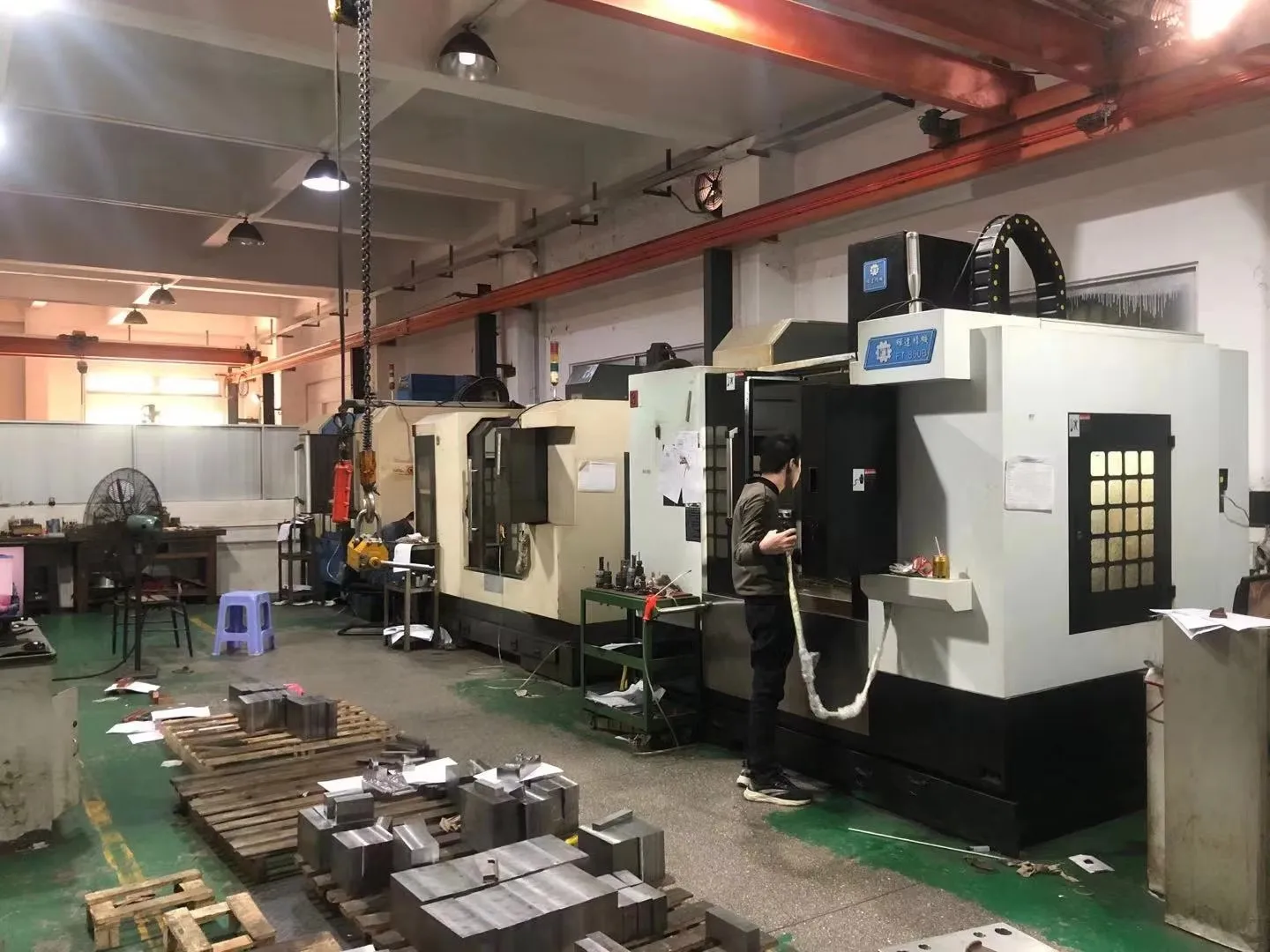
Dongguan Cool Qi Plastic Mold Products Co., Ltd.
- Manufacturer
- Guangdong, China
- Lead time0 days
- Avg. response≤ 4h
Main productsPlastic Mould,Plastic Toy,pet toys,Pet Supplies
Main marketsNorth America(50.00%), Domestic Market(40.00%), South America(3.00%), Mid East(3.00%), Eastern Europe(3.00%), Eastern Asia(1.00%)

Shengzhou Tuoke Industry and Trade Co., Ltd.
- Verified by SGS
- Trading Company
- China Zhejiang
- Lead time30 days
- Avg. response≤ 3h
Main productsDog Crate, Pet Cages, Pet Playpens, Pet Beds, Pet House, Cat Trees, Cat Scratchers, Dog Collar, Dog Leash, Dog Harness
Main marketsSouth America,Southeast Asia/ Mideast,Europe,Australia
Guangzhou Daimengmao Technology Co., Ltd.
- Verified by TüVRheinland
- Manufacturer, Trading Company
- Lead time5 days
- Avg. response≤ 2h
Main productsPet Collar, Pet Leash, Pet Harness, Pet Cleaning & Grooming Product, Pet Apparel
Main marketsNorth America(47%), Western Europe(15%), South America(10%)
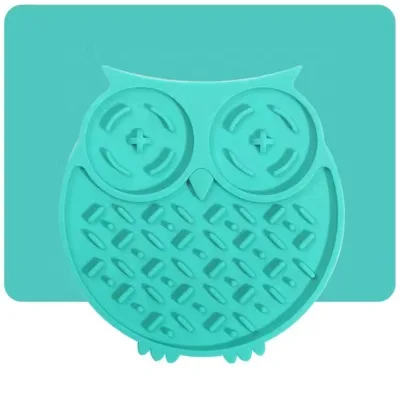
Pet Silicone Slow Mat Food Easy Clean Dog Slow Bowl Anti Gulp Choke Feeder Pet Bowl
$1.7512 - $2.0193
MOQ: 20 pieces
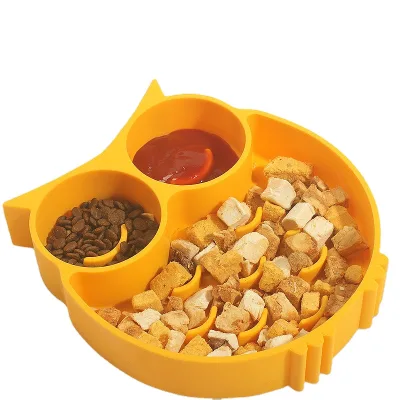

- Verified by SGS
- Trading Company
- China Jiangsu
- Lead time30 days
- Avg. response≤ 4h
Main productsPet Supply, Pet Feeder, Pet Cleaning Products, Pet Grooming Products, Pet Toys, Pet Cages, Pet Gift Sets, Pet Funeral Products, Pet Accessory, Dog Leash
Main marketsEurope


Pet Dog Food Bowl Feeder Choking Slow Food Bowl Non-Slip Plastic Dog Bowl Pet Supplies
$1.13 - $1.56
MOQ: 50 Pieces

Xiamen Yiyuan Hong Industrial & Trade Co., Ltd
- Manufacturer
- Fujian, China
- Lead time7 days
- Avg. response≤ 2h
Main productsGolf grip,Club grip,Dog Lick Mat,Silicone Products,Sports Entertainment Products
Main marketsNorth America(30.00%), South America(20.00%), Domestic Market(10.00%), Eastern Europe(5.00%), Southern Europe(5.00%), Northern Europe(5.00%), Western Europe(5.00%), Eastern Asia(5.00%), Mid East(5.00%), Oceania(5.00%), Southeast Asia(5.00%)

Chaozhou Nicety Technology Co., Ltd
- Verified by CTI
- Trading Company
- China Guangdong
- Lead time30 days
- Avg. response≤ 7h
Main productsLunch Box, Stainless Steel Lunch Box, Pet Product, Pet Bowl, Car Accessory, Bathroom Fitting
Main marketsSouth America,Southeast Asia/ Mideast,East Asia(Japan/ South Korea),Domestic,Europe,Australia,North America


Eco-Friendly Modern Double-Sided Usable Stainless Steel Slow Feeder Dog Bowls
$2.69 - $3.18
MOQ: 480 Pieces

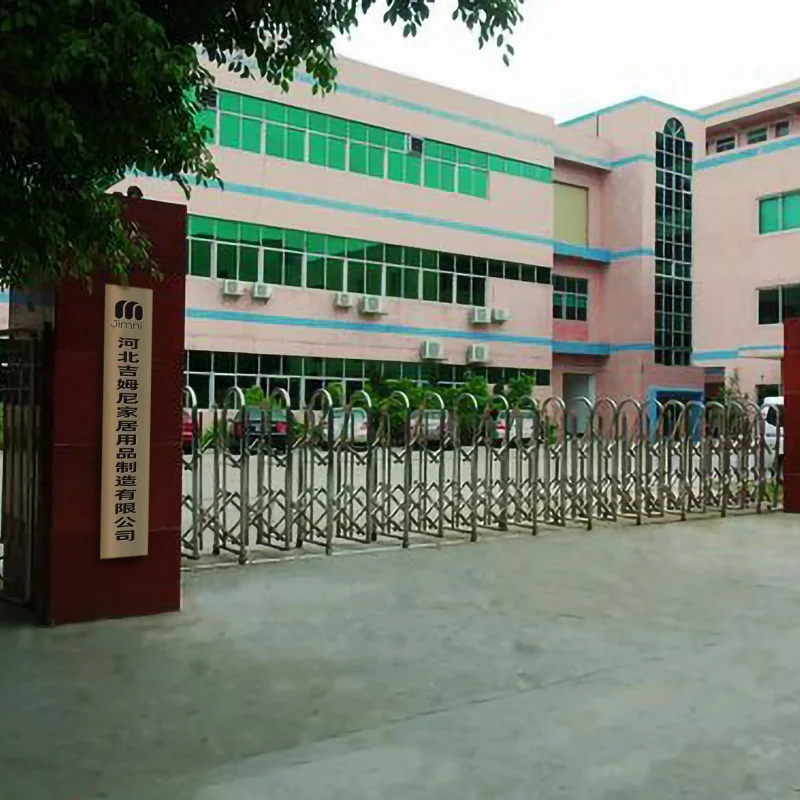
Hebei Jimni Household Products Co., Ltd.
- Trading Company
- Hebei, China
- Lead time50 days
- Avg. response≤ 3h
Main productsPet Products,Pet Cleaning & Grooming Products,Pet Collars & Leashes,Pet Toys,Pet Cages & Houses
Main marketsEastern Asia(100.00%)

- Verified by TUVRHEINLAND
- Trading Company
- China Zhejiang
- Lead time0 days
- Avg. response≤ 13h
Main productsCat Litter Box, Pet Feeder, Pet Toy, Pet Cloth, Pet Bed, Pet Carrier, Storage Bucket, Plastic Storage, Storage Rack, Lunch Box

- Verified by SGS
- Trading Company
- China Hunan
- Lead time15 days
- Avg. response≤ 3h
Main productsPet Supplies, Automatic Pet Feeder, Pet Water Dispenser, Pet Toy, Puppy Training Pad, Pet Collar, Pet Carrier, Auto-Clean Cat Litter Box, Pet Trainer, Pet Air Purifier
Main marketsSouth America,Southeast Asia/ Mideast,Europe,Australia,North America
Shenzhen Jiaxingrong Technology Co., Ltd.
- Manufacturer
- Guangdong, China
- Lead time10 days
- Avg. response≤ 3h
Main productsPet Products,Pet collars Harnesses & Leashes,Pets accessories,Pet bowls,Pet Cleaning
Main marketsNorth America(40.00%), Eastern Europe(10.00%), Central America(5.00%), Western Europe(5.00%), South Asia(5.00%), Mid East(5.00%), Domestic Market(5.00%), Africa(5.00%), Southern Europe(5.00%), South America(5.00%), Southeast Asia(4.00%), Northern Europe(3.00%), Eastern Asia(2.00%), Oceania(1.00%)
- Trading Company
- Zhejiang, China
- Lead time15 days
- Avg. response≤ 10h
Main productsPet toy,Pet clothes,Pet harness,Dog leashes,Dog collar
Main marketsEastern Europe(20.00%), South America(20.00%), North America(20.00%), Southeast Asia(10.00%), Western Europe(10.00%), Northern Europe(10.00%), Southern Europe(10.00%)

Nexus International Trading(Shanghai)Co., Ltd
- Trading Company
- China Shanghai
- Lead time0 days
- Avg. response≤ 1h
Main productsPet Toy, Pet Cleaning&Grooming Products, Pet Clothes, Pet Feeder, Pet Leash & Harness, Pet Collar, Pet Bed

- Verified by SGS
- Trading Company
- China Zhejiang
- Lead time15 days
- Avg. response≤ 12h
Main productsPet Harness, Pet Collar, Pet Leash, Pet Feeder, Pet Carries, Pet Toy, Pet Bed, Pet Grooming, Pet Accessories
Main marketsEurope,Australia

$0.70 - $0.88
MOQ: 500 Pieces

Pet Slow Food Bowl Dog Cat Bowl Pet Slow Food Bowl Plastic Anti-Choking Bowl
$0.81 - $0.87
MOQ: 500 Pieces

$1.47 - $1.57
MOQ: 500 Pieces

Dog Choking Slow Food Bowl Thickened Plastic Eco Friendly Pet Slow Feeder
$0.50 - $0.54
MOQ: 600 Pieces
Chengdu Double Cute Technology Co.,Ltd.
- Verified by Intertek
- Trading Company
- Lead time0 days
- Avg. response≤ 1h
Main productsPet Toys, Pet Carrier Bag, Pet Cleaning Products, Pet Feeder, Pet Cage
Main marketsNorth America(30%), Western Europe(30%), South America(10%)
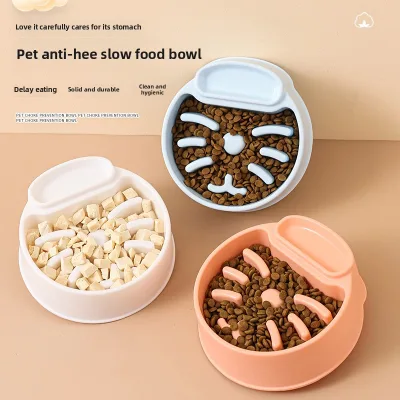
$0.6142 - $0.8179
MOQ: 10 pieces
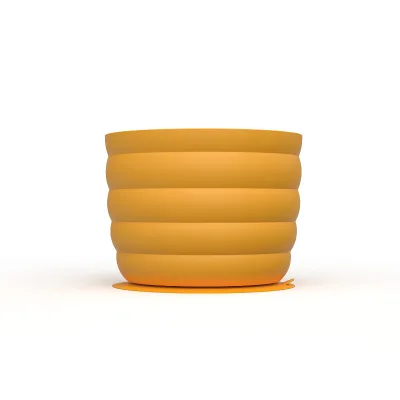
$2.271 - $3.3705
MOQ: 20 Minimum
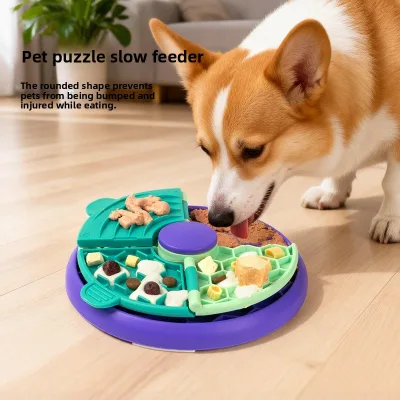
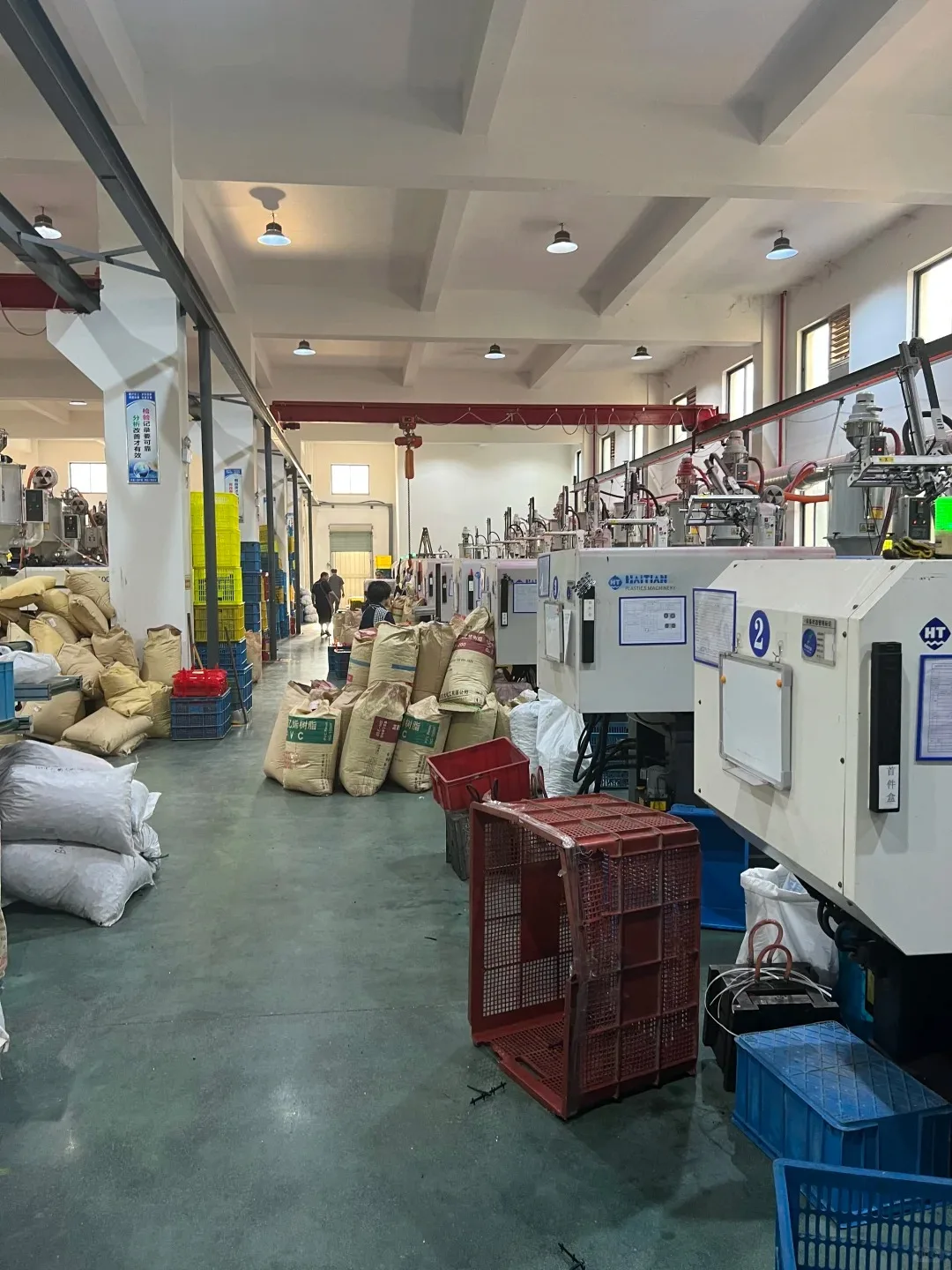
Ningbo Fun Maker Health Technology Co., Ltd.
- Trading Company
- Zhejing, China
- Lead time0 days
- Avg. response≤ 3h
Main productsPet Interactive & Movement Toys,Pet Bowls & Feeders,Pet Cleaning & Bathing,Pet Tracker,Pet Grooming Products
Main marketsNorth America(50.00%), Southeast Asia(5.00%), Eastern Europe(5.00%)
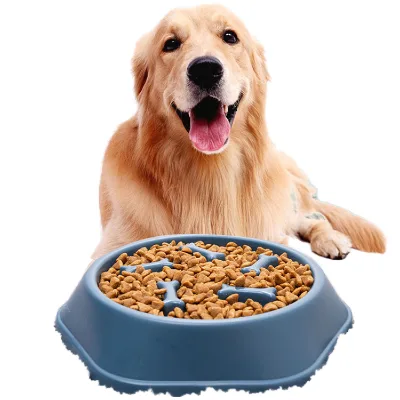
$0.6142 - $0.7984
MOQ: 30 pieces
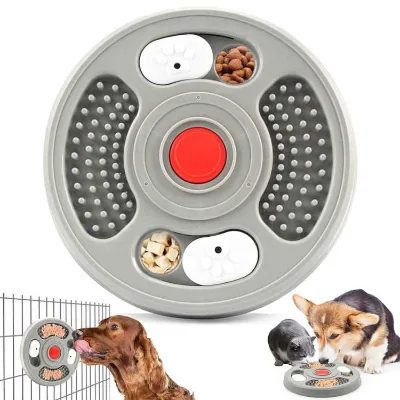
$1.4306 - $1.8395
MOQ: 50 pieces
Dalian Usmile Pet Technology Co., Ltd.
- Verified by Intertek
- Trading Company
- Liaoning, China
- Lead time7 days
- Avg. response≤ 2h
Main productsPet Cleaning and Grooming Equipment, Veterinary and Rehabilitation Equipment , Pet Smart Products , Pet Health Care And Supplements, Basic Pet Supplies
Dongguan Deep Power Technology Company Limited
- Trading Company
- Guangdong, China
- Lead time15 days
- Avg. response≤ 5h
Main productsSports Supplies,Entertainment Products,Sports Device,Pet products,Pet Supplies
Main marketsNorth America(45.00%), Western Europe(15.00%), Mid East(15.00%), Oceania(10.00%), Eastern Europe(5.00%), South America(5.00%), Southeast Asia(5.00%), Africa(5.00%)

Xiamen Newtop Material Company
- Verified by TUVRHEINLAND
- Combined
- China Fujian
- Lead time15 days
- Avg. response≤ 3h
Main productsSilicone Pet Prodcuts, Silicone Housewares Product, Silicone Baby Product, Silicone Parts, Silicone Cap, Silicone Breast Pump, Slow Feeder, Silicone Pet Mat, Silicone Gasket, Silicone Hose
Main marketsEurope,North America

Silicone Dog Bowl Slow Feeder Combo Set-Slow Feeder Anti-Slip Pet Feeding Bowl with Lick Mat Lid
$3.90 - $4.30
MOQ: 100 Pieces


Wenzhou Evernew Trading Co., Ltd.
- Verified by SGS Group
- Trading Company
- Lead time20 days
- Avg. response≤ 5h
Main productsPet Toys, Pet collar & leash, Pet Feeder, Dog Treats & chews
Main marketsNorth America(20%), Western Europe(20%), South America(10%)
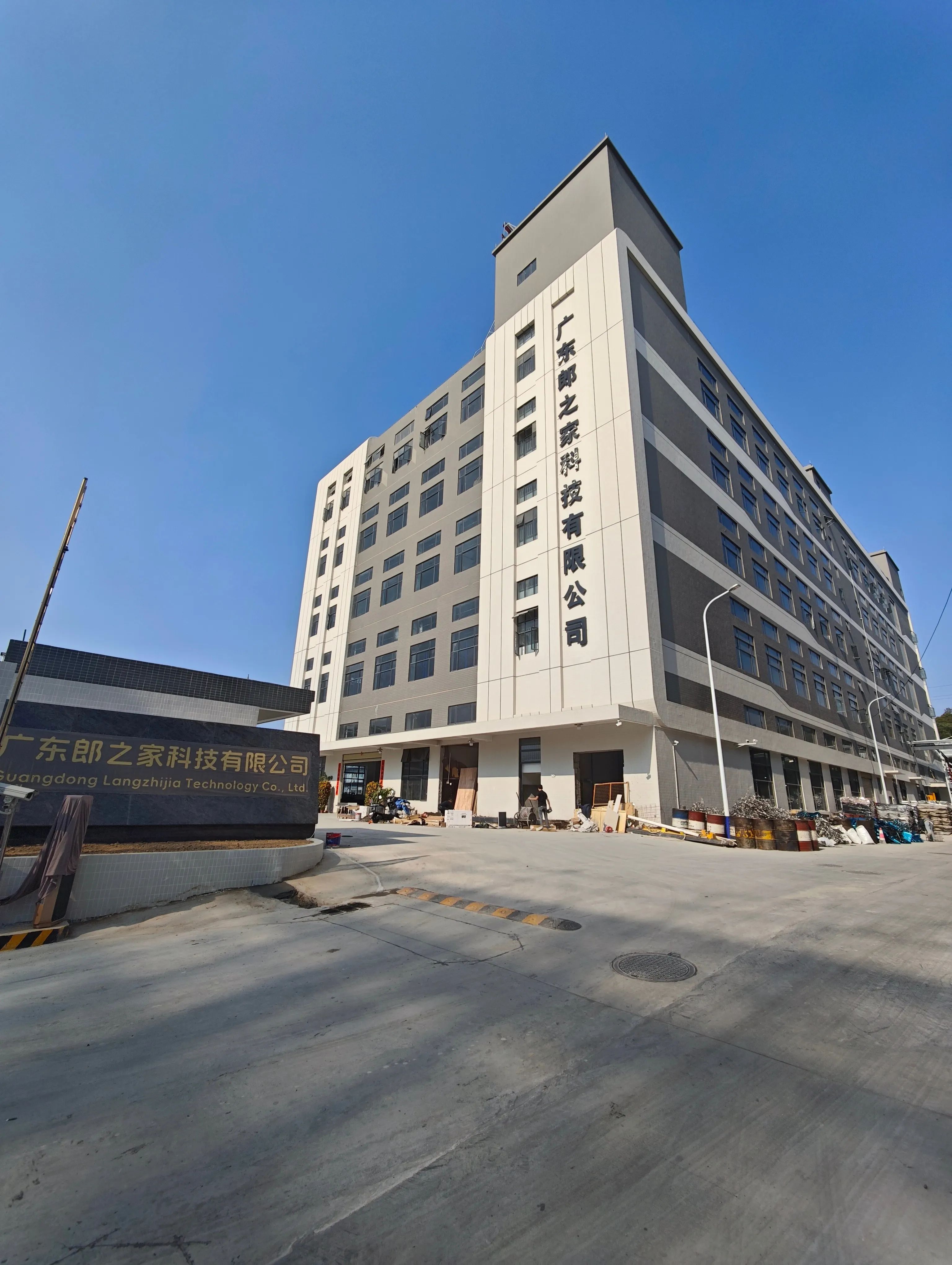
Guangdong Langzhijia Technology Co., Ltd.
- Manufacturer, Trading Company
- Guangdong, China
- Lead time15 days
- Avg. response≤ 5h
Main productsStainless Steel Pet Bowl, Stainless Steel Cat Litter Box, Stainless Steel Pet Water Fountain
Main marketsNorth America(40.00%), Oceania(40.00%), Mid East(20.00%)
Xiamen Designcrafts4u Industrial Co., Ltd
- Verified by Intertek
- Manufacturer, Trading Company
- Lead time45 days
- Avg. response≤ 2h
Main productsPet Bowl, Pet Fountain, Pet Supplies, Garden Decoration, Garden Tools
Main marketsNorth America(30%), Western Europe(20%), Eastern Europe(10%)

Shenzhen Guangyufeng Rubber Co., Ltd.
- Verified by SGS
- Trading Company,Manufacturer/Factory
- China Guangdong
- Lead time23 days
- Avg. response≤ 2h
Main productsSilicone Product, Silicone Rubber Product, Baby Product, Silicone Tube, Silicone Rubber Roller, Silicone Sex Toy, Silicone Mold, Silicone Kitchenware, Silicone Case, Silicone Strap
Main marketsSouth America,Eastern Europe,Mid East,North America,Southeast Asia,Eastern Asia,Oceania,Western Europe,Africa

$0.50 - $5.00
MOQ: 50 Pieces

2024 New Arrival Pet Dog Bowl Slow Feeder 2 in 1 Pet Licking Bowl Slow Feeding Dog Lick Bowl
$0.80 - $4.00
MOQ: 50 Pieces

Zhengzhou Chuangduo Machinery Manufacturing Co., Ltd.
- Manufacturer, Trading Company
- Henan, China
- Lead time0 days
- Avg. response≤ 1h
Main productsFarming machinery for breeding,Livestock breeding machinery,Feed processing machinery,Poultry Farming Equipment,Pet Supplies
Main marketsSoutheast Asia(20.00%), South America(20.00%), North America(20.00%), Africa(10.00%), Eastern Europe(10.00%)
Foshan Junhe Pet's Products Co., Ltd.
- Manufacturer, Distributor/Wholesaler
- Guangdong, China
- Lead time7 days
- Avg. response≤ 1h
Main productsPet Bed,pet toy,pet fedder,pet house,pet gift box
Main marketsNorth America(80.00%), South America(20.00%), Domestic Market(10.00%), South Asia(10.00%), Southern Europe(10.00%), Northern Europe(10.00%), Central America(10.00%), Western Europe(10.00%), Eastern Asia(10.00%), Mid East(10.00%), Oceania(10.00%), Africa(10.00%), Southeast Asia(10.00%), Eastern Europe(10.00%)

Suzhou Becpet E-commerce Co.,Ltd.
- Verified by BV
- Trading Company
- China Jiangsu
- Lead time15 days
- Avg. response≤ 3h
Main productsPet Food Container, Storage Container, Pet Bowls, Pet Toys, Pet Feed Bins, Pet Feeder, Dog Leash, Pet Bed
Main marketsSouth America,Europe,North America


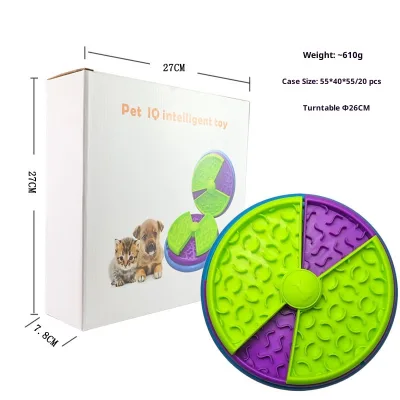
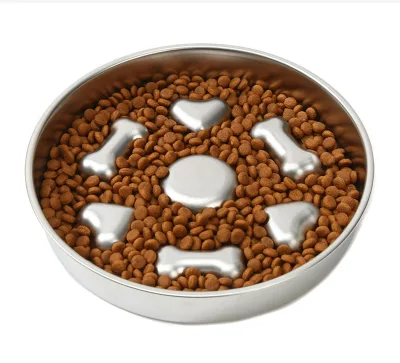
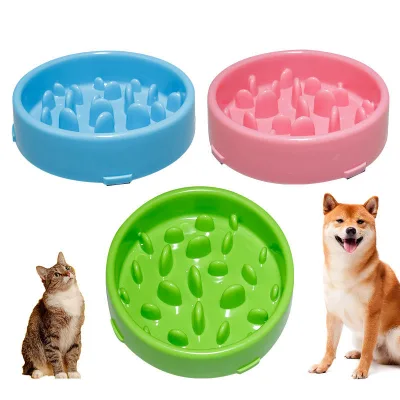
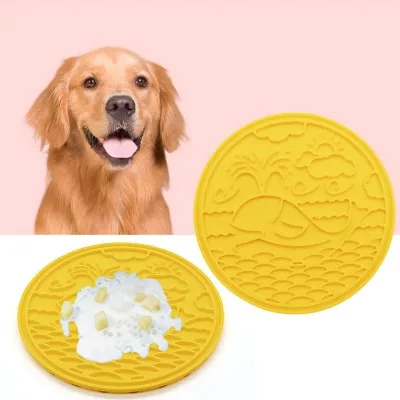


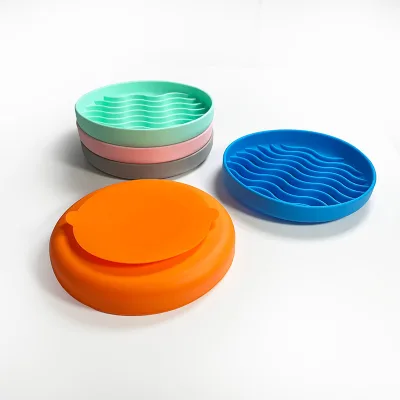
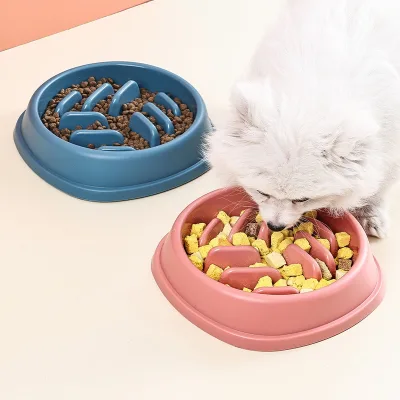




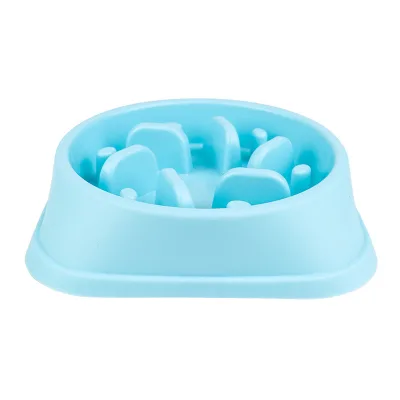
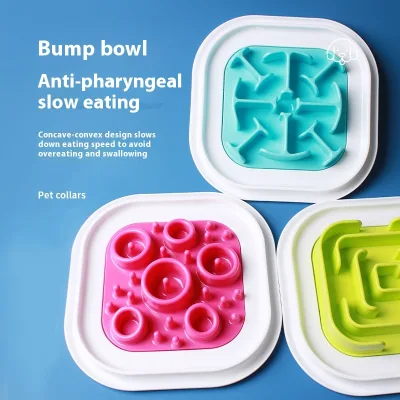
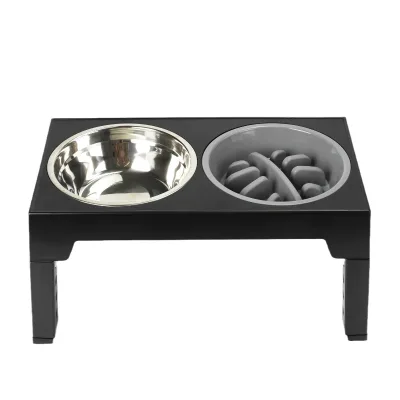
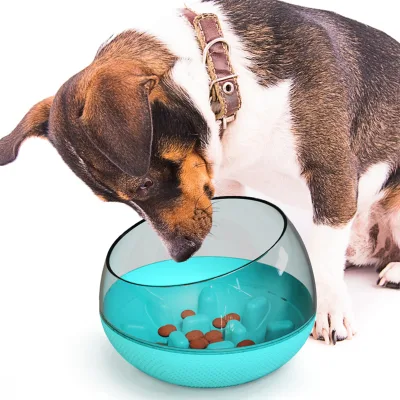
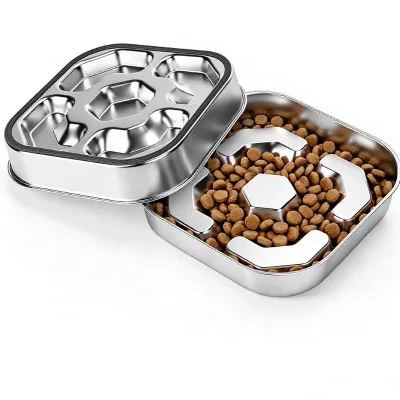
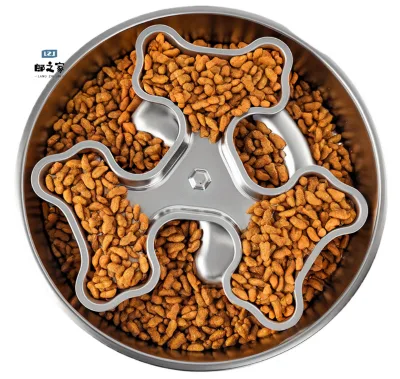
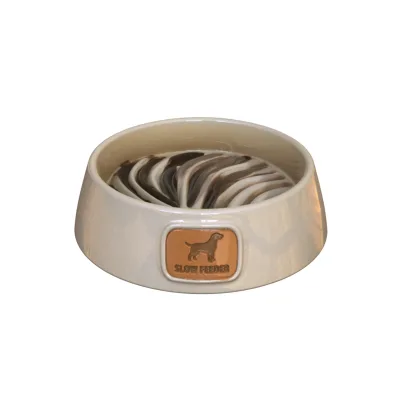
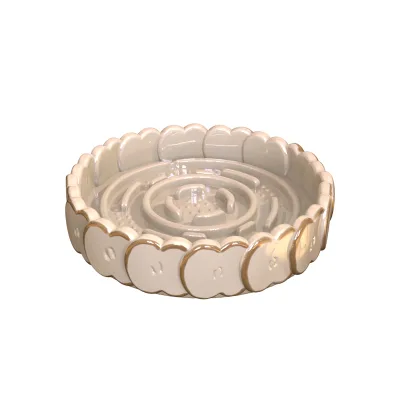


Comprehensive Sourcing Guide
Anti-Choking Dog Slow Feeder Bowl Supplier Concentration and Factory Types
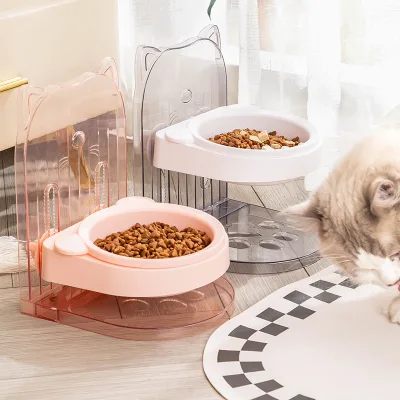
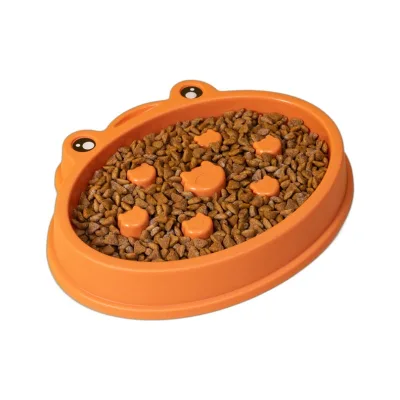
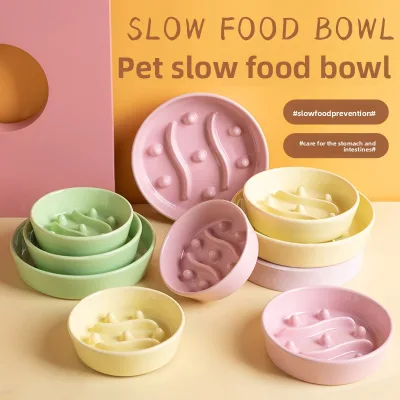
The current supplier landscape for anti-choking dog slow feeder bowls reveals a distinct concentration of manufacturing and trading entities within specific Chinese provinces, primarily Zhejiang and Fujian. In Zhejiang, the available results indicate a prevalence of trading companies that facilitate access to a wide variety of plastic injection-molded products. These entities often serve as intermediaries, aggregating inventory from various factories to offer diverse SKUs such as polypropylene bowls with anti-slip bases and slow-feeding ridges. The presence of these trading companies suggests a mature supply chain ecosystem where buyers can access multiple product designs, including bone-shaped or standard circular bowls, without needing to engage directly with individual production lines. This structure allows for greater flexibility in order sizes and customization options, particularly for packaging and logo placement, which are frequently highlighted as available customization services in the product attributes.
Conversely, suppliers located in Fujian represent a different factory type, often described as combined entities with capabilities in plastic injection molding and silicone rubber parts. These manufacturers demonstrate a broader technical scope, producing items ranging from gasket seals to pet feeding bowls, which indicates a versatile production environment. The ability to handle both rigid plastics and flexible silicone materials allows these factories to offer a wider range of material options for slow feeder bowls, catering to different market preferences for durability and safety. This diversification in factory types means that buyers must carefully distinguish between trading companies that offer breadth of selection and combined manufacturers that offer depth in material processing. Understanding this distinction is crucial for sourcing, as it impacts the level of direct control over production quality and the potential for custom engineering solutions.
How to Verify Anti-Choking Dog Slow Feeder Bowl Suppliers
Verification of suppliers requires a multi-layered approach that goes beyond basic company profiles to ensure reliability and product safety. One critical step is to check for third-party verification badges, such as BV (Bureau Veritas), which provide an additional layer of confidence regarding the supplier’s business legitimacy and operational standards. Buyers should prioritize suppliers who display such verification marks, as they indicate that an independent agency has reviewed the company’s documentation and physical premises. Additionally, examining the supplier’s response time is a practical indicator of their operational efficiency and customer service commitment. A faster response time, such as those observed in the current results, often correlates with a more organized sales team that can address technical queries and order specifics promptly, reducing the risk of miscommunication during the sourcing process.
Beyond verification badges and response metrics, buyers must scrutinize the specific product attributes and certifications listed for the anti-choking dog slow feeder bowls. It is essential to confirm that the materials used, such as polypropylene or silicone, are food-grade and safe for pets, as indicated by features like "Eco-Friendly" or "Safe" in the product descriptions. For manufacturers in Fujian, checking for system certifications like ISO9001:2015 is vital, as it demonstrates a commitment to quality management systems that can ensure consistent product quality across batches. Buyers should also verify the origin of the products, ensuring they are manufactured in China as stated, and inquire about specific testing standards for pet products. This due diligence helps mitigate risks associated with substandard materials or unsafe designs that could harm pets, ensuring that the sourced bowls meet both regulatory and ethical standards.
What to Compare Across Anti-Choking Dog Slow Feeder Bowl Suppliers
When evaluating potential suppliers, buyers should compare key operational metrics such as lead times, minimum order quantities (MOQs), and pricing structures to determine the best fit for their business needs. Lead times vary significantly among suppliers, with some offering a 15-day turnaround while others require up to 30 days. This difference can impact inventory planning and market responsiveness, making it crucial to align supplier capabilities with sales forecasts. Similarly, MOQs range from as low as 2 pieces for certain bone-design bowls to 50 pieces for standard plastic models, and up to 500 pieces for custom silicone options. Understanding these thresholds helps buyers assess whether a supplier can accommodate their initial order size or if they need to consolidate orders to meet minimum requirements, thereby optimizing cash flow and storage costs.
Pricing and customization options are another critical area for comparison, as they directly affect profit margins and brand differentiation. Prices for anti-choking dog slow feeder bowls can vary widely, from under $1.00 for basic models to over $3.00 for more complex designs with specific features like anti-slip bases or multi-color options. Buyers should analyze the price range in the context of the product’s material, size, and feature set to ensure they are getting fair value. Additionally, the availability of customization services, such as logo printing or custom packaging, should be evaluated based on the associated costs and MOQs. Suppliers that offer flexible customization at reasonable price points can provide a competitive advantage in the market, allowing buyers to create unique products that stand out. By systematically comparing these factors, buyers can make informed decisions that balance cost, quality, and operational efficiency.
Common Anti-Choking Dog Slow Feeder Bowl Sourcing Risks
One significant risk in sourcing anti-choking dog slow feeder bowls is the potential for material quality inconsistencies, particularly when dealing with multiple suppliers or trading companies. Since many products are made from polypropylene or silicone, variations in material grade can affect the bowl’s durability, safety, and overall performance. Buyers must be vigilant in verifying that the materials used are indeed food-grade and free from harmful chemicals, as this is a critical safety concern for pet products. Additionally, the risk of receiving products that do not match the specified design or features, such as the anti-choking ridges or anti-slip bases, is heightened when working with intermediaries who may not have direct control over the manufacturing process. This discrepancy can lead to customer dissatisfaction and potential returns, impacting the buyer’s reputation and profitability.
Another common risk is the misalignment between expected and actual lead times, which can disrupt supply chain operations and market availability. Suppliers may quote attractive lead times but fail to meet them due to production bottlenecks or capacity constraints, especially during peak seasons. This delay can result in stockouts and missed sales opportunities, particularly for time-sensitive marketing campaigns or seasonal demand. Furthermore, the lack of standardized testing or certification for pet products in some regions can expose buyers to regulatory risks if the products do not meet local safety standards. Buyers must proactively address these risks by establishing clear communication channels, setting realistic expectations, and conducting regular quality checks to ensure that the sourced bowls meet all necessary specifications and safety requirements.
Anti-Choking Dog Slow Feeder Bowl Regional Sourcing and Logistics
Sourcing anti-choking dog slow feeder bowls from China offers logistical advantages due to the country’s well-established manufacturing infrastructure and export capabilities. Suppliers in Zhejiang and Fujian benefit from proximity to major ports and efficient logistics networks, which facilitate the timely shipment of goods to international markets. This regional concentration allows for streamlined transportation and reduced shipping costs, making it an attractive option for buyers looking to source large volumes of pet products. Additionally, the presence of specialized trading companies in these regions can simplify the procurement process by handling export documentation and coordinating with freight forwarders, reducing the administrative burden on buyers. This logistical efficiency is a key factor in maintaining a competitive edge in the global pet supplies market.
However, buyers must also consider the potential challenges associated with international shipping, such as customs clearance delays and fluctuating freight rates. While the regional infrastructure is robust, external factors like global supply chain disruptions or changes in trade policies can impact delivery times and costs. To mitigate these risks, buyers should work with suppliers who have experience in international logistics and can provide accurate shipping estimates. Additionally, understanding the specific packaging requirements for anti-choking dog slow feeder bowls, such as polybag or bulk packing, is essential for optimizing container space and protecting the products during transit. By leveraging the logistical strengths of the sourcing regions while remaining aware of potential challenges, buyers can ensure a smooth and cost-effective supply chain for their pet product offerings.
Anti-Choking Dog Slow Feeder Bowl Commercial Terms and Order Planning
Effective order planning for anti-choking dog slow feeder bowls requires a strategic approach to commercial terms, including payment methods, warranty policies, and after-sales support. Buyers should negotiate clear terms that protect their interests, such as using secure payment platforms like Escrow to ensure funds are only released upon satisfactory delivery of the goods. This approach minimizes financial risk and provides a layer of security in case of disputes or quality issues. Additionally, understanding the supplier’s return and refund policies is crucial, as it provides a safety net for handling defective products or order discrepancies. By establishing robust commercial terms, buyers can build a more resilient and trustworthy relationship with their suppliers, fostering long-term collaboration and mutual benefit.
Furthermore, buyers should plan their orders based on a thorough analysis of market demand and supplier capacity. This involves forecasting sales volumes, aligning with supplier lead times, and managing inventory levels to avoid overstocking or stockouts. It is also important to consider the customization options available, such as logo printing or custom packaging, and factor these into the order planning process to ensure brand consistency and market appeal. By integrating these commercial and logistical considerations into their sourcing strategy, buyers can optimize their operations, reduce costs, and enhance their competitiveness in the pet supplies market. This comprehensive approach ensures that every aspect of the sourcing process, from supplier selection to order fulfillment, is aligned with the buyer’s business goals and customer expectations.
FAQs
What materials are anti-choking dog slow feeder bowls typically made from?
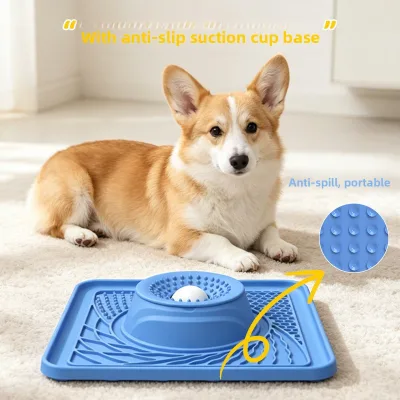
Most anti-choking dog slow feeder bowls listed here are made from PP plastic, with silicone options also available from molding-focused suppliers. PP bowls are lightweight, easy to clean, and described as safe and eco-friendly in product specifications. Silicone versions offer flexibility and portability. Always request material certificates and food-contact compliance documents before ordering in bulk.
What is the typical MOQ for slow feeder dog bowls?
MOQs vary widely by supplier and model on this page. Some PP slow feeder bowls list a minimum order of 50 pieces, while one multi-color bone design bowl allows orders as low as 2 pieces for sampling. Rubber or silicone molded feeders may require 500 pieces. Confirm MOQ per model directly with each supplier before quoting.
How much do anti-choking slow feeder bowls cost?
Prices on this page range from roughly $0.60 to $3.70 per piece depending on design, material, and order quantity. Simple single-color PP bowls sit at the lower end, while larger or more complex anti-choking designs cost more. Silicone and custom-molded feeders are quoted separately. Request tiered pricing based on your actual order volume.
Can slow feeder bowls be customized with my logo and packaging?
Yes, customization is available on the listed slow feeder bowls. Common custom options include packaging and logo printing, so you can build a private-label product line. One supplier also offers ODM and OEM services for fully custom designs. Confirm artwork requirements, setup fees, and sample approval steps before committing to a production order.
How long is the lead time for slow feeder bowl orders?
Lead times on this page range from about 15 to 30 days depending on the supplier. A Zhejiang-based trading company lists 30 days, while a Fujian combined manufacturer and trader lists 15 days. Custom molds, logo printing, or large volumes can extend production time. Ask each supplier to confirm lead time for your specific quantity and customization level.
Which suppliers respond quickly to sourcing inquiries?
Response times differ significantly among listed suppliers. A Fujian supplier with ISO9001:2015 certification responds in roughly 2.5 hours on average, while a Zhejiang trading company averages about 14 hours. Faster response generally helps when iterating on samples or resolving production issues. Factor response speed into your shortlist, especially for time-sensitive seasonal orders.
Are there options besides plastic slow feeder bowls?
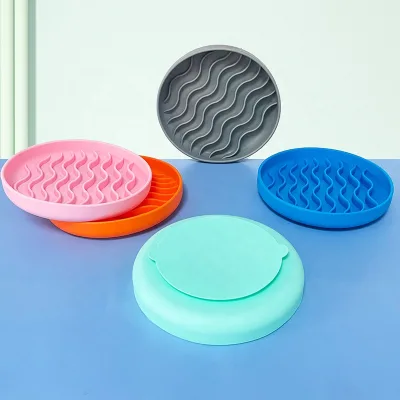
Yes, besides PP plastic bowls, this page includes silicone slow feeder options from a molding supplier in Fujian that also produces rubber and silicone parts. Silicone feeders can be compression molded with customized shore hardness and specifications, suiting buyers who want durable, foldable, or premium feeders. Minimum orders for these molded products tend to be higher, around 500 pieces.
How do I verify slow feeder bowl quality before mass production?
Start by ordering samples, which is easy since some bowls have MOQs as low as 2 pieces. Check anti-slip performance, bowl depth, and whether the maze design genuinely slows eating. Ask for material safety documentation and eco-friendly claims in writing. For molded or custom items, request a pre-production sample and inspect it against your agreed specification sheet.