Rechargeable Telescopic LED Flashlight Suppliers and Manufacturers
Source 28 verified suppliers for Rechargeable Telescopic LED Flashlight products. Compare key dimensions including Zhejiang location, 10-day response time, 15-day lead time, and MOQs starting from 1 piece. Review specifications and request quotes directly; review the available evidence before requesting comparable quotations from suitable candidates.
Updated
Suppliers List
Yiwu Runson Outdoor Products Co., Ltd.
- Trading Company
- Zhejiang, China
- Lead time15 days
- Avg. response≤ 10h
Main productsOutdoor survival kit,Outdoor whistle,Outdoor compass,Outdoor poncho,Outdoor sleeping bag
Main marketsNorth America(50.00%), Western Europe(10.00%), Eastern Europe(10.00%), South America(10.00%), Central America(5.00%), Southern Europe(5.00%), South Asia(2.00%), Africa(2.00%), Eastern Asia(2.00%), Mid East(2.00%), Oceania(1.00%), Southeast Asia(1.00%)
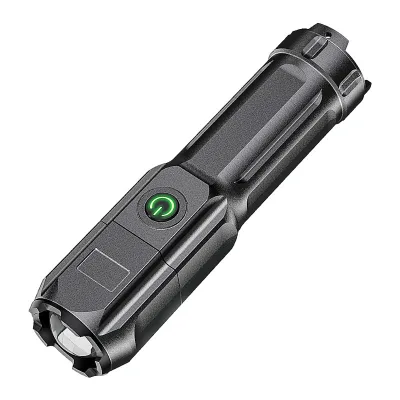
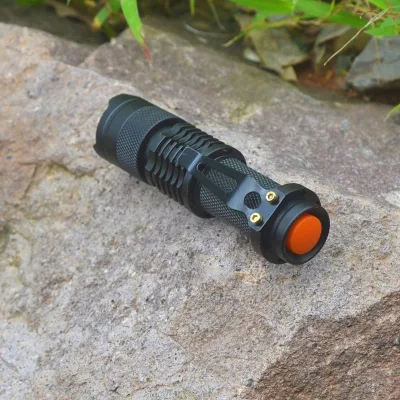
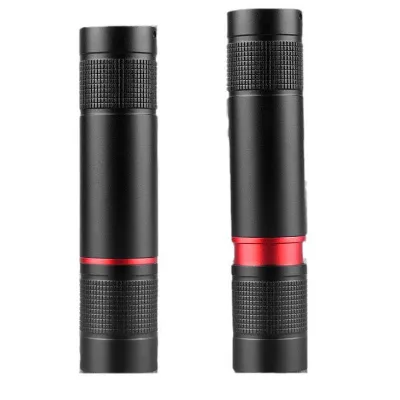
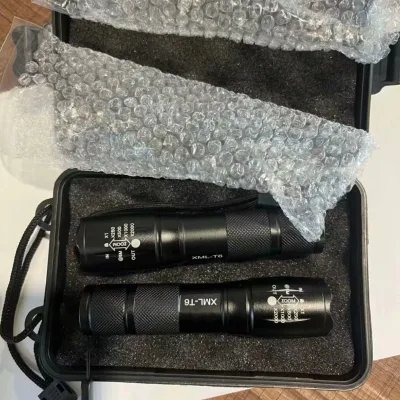
High Quality Rechargeable Tactical Flashlight Linterna Led Torch Light Long Range for Outdoor Hiking
$2.2904 - $3.3316
MOQ: 50 pieces
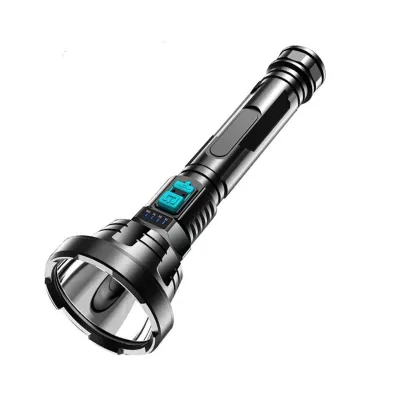

Ningbo Lu Wei Electronic Technology Co., Ltd.
- Trading Company
- Zhengjiang, China
- Lead time30 days
- Avg. response≤ 3h
Main productsFlashlight,Camping Lantern,Headlamp,Work Light,mirror light
Main marketsEastern Europe(40.00%), Southeast Asia(15.00%), North America(10.00%), Mid East(5.00%), Eastern Asia(5.00%), South America(3.00%)

Ningbo Brightenlux Electric Appliance Co., Ltd
- Combined
- China Zhejiang
- Lead time30 days
- Avg. response≤ 4h
Main productsLED Flashlight, LED Headlamp, Work Light, Camping Light, Solar Light, Bike Light, Ring Light, Night Light
Main marketsSouth America,Africa,Southeast Asia/ Mideast,East Asia(Japan/ South Korea),Domestic,Europe,Australia,North America

Brightenlux Tactical Flashlight Torch Light Rechargeable LED Powerful Flashlight
$2.85 - $3.10
MOQ: 1000 Pieces


Brightenlux Telescopic Zoomable Adjustable LED Torch Flashlight with Strong Magnet
$2.00 - $2.50
MOQ: 500 Pieces

Shenzhen Tuliang Technology Co., Ltd.
- Verified by BV
- Manufacturer/Factory
- China Guangdong
- Lead time23 days
- Avg. response≤ 3h
Main productsLED Flashlight, LED Headlamp, LED Bicycle Light, LED Search Light, LED Camping Light, LED Work Light
Main marketsSouth America,Eastern Europe,Mid East,North America,Southeast Asia,Eastern Asia,Oceania,Western Europe,Africa

Helius 35W White Laser Telescopic Type-C Rechargeable LED Torch Light Flashlight
$7.20 - $9.00
MOQ: 100 Pieces


$9.90 - $11.00
MOQ: 100 Pieces

Helius Long Range Telescopic Type-C Rechargeable 35W White Laser LED Torch Flashlight
$7.20 - $9.00
MOQ: 100 Pieces

Helius High Quality Strong Light LED Torches Rechargeable Tactical Flashlight
$2.00 - $2.50
MOQ: 500 Pieces

Helius High Quality Strong Light LED Torches Rechargeable High Power Tactical Flashlight
$2.00 - $2.50
MOQ: 500 Pieces
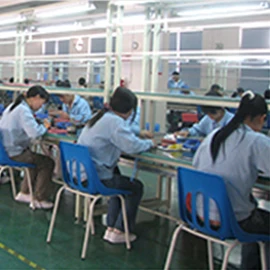
Tianjin Honest Tech. Co., Ltd.
- Manufacturer, Trading Company
- Tianjin, China
- Lead time2 days
- Avg. response≤ 2h
Main productsCar wash towel,Bath towel,flashlight,Garden light,Car Towels
Main marketsWestern Europe(40.00%), North America(40.00%), Eastern Europe(10.00%), South America(5.00%), Southeast Asia(5.00%)

China Xinxing Shanghai Import and Export Co., Ltd.
- Verified by TUVRHEINLAND
- Trading Company
- China Shanghai
- Lead time15 days
- Avg. response≤ 7h
Main productsAnti-Riot Suit
Main marketsSouth America,Africa,Southeast Asia/ Mideast,Europe


High Quality Light Emergency Flashlight Four Color LED Rechargeable Torch
$3.50 - $3.80
MOQ: 1000 Pieces


Ningbo Haishu Forcar Imp. & Exp. Co., Ltd.
- Verified by BV
- Trading Company,Manufacturer/Factory
- China Zhejiang
- Lead time45 days
- Avg. response≤ 9h
Main productsCar Wheel Rims, Custom Forged Wheel, Alloy Wheel, Forged Wheel, Offroad Wheel, Beadlock Wheel
Main marketsSouth America,Eastern Europe,Mid East,North America,Southeast Asia,Eastern Asia,Oceania,Western Europe,Africa


$3.49 - $3.79
MOQ: 500 Pieces


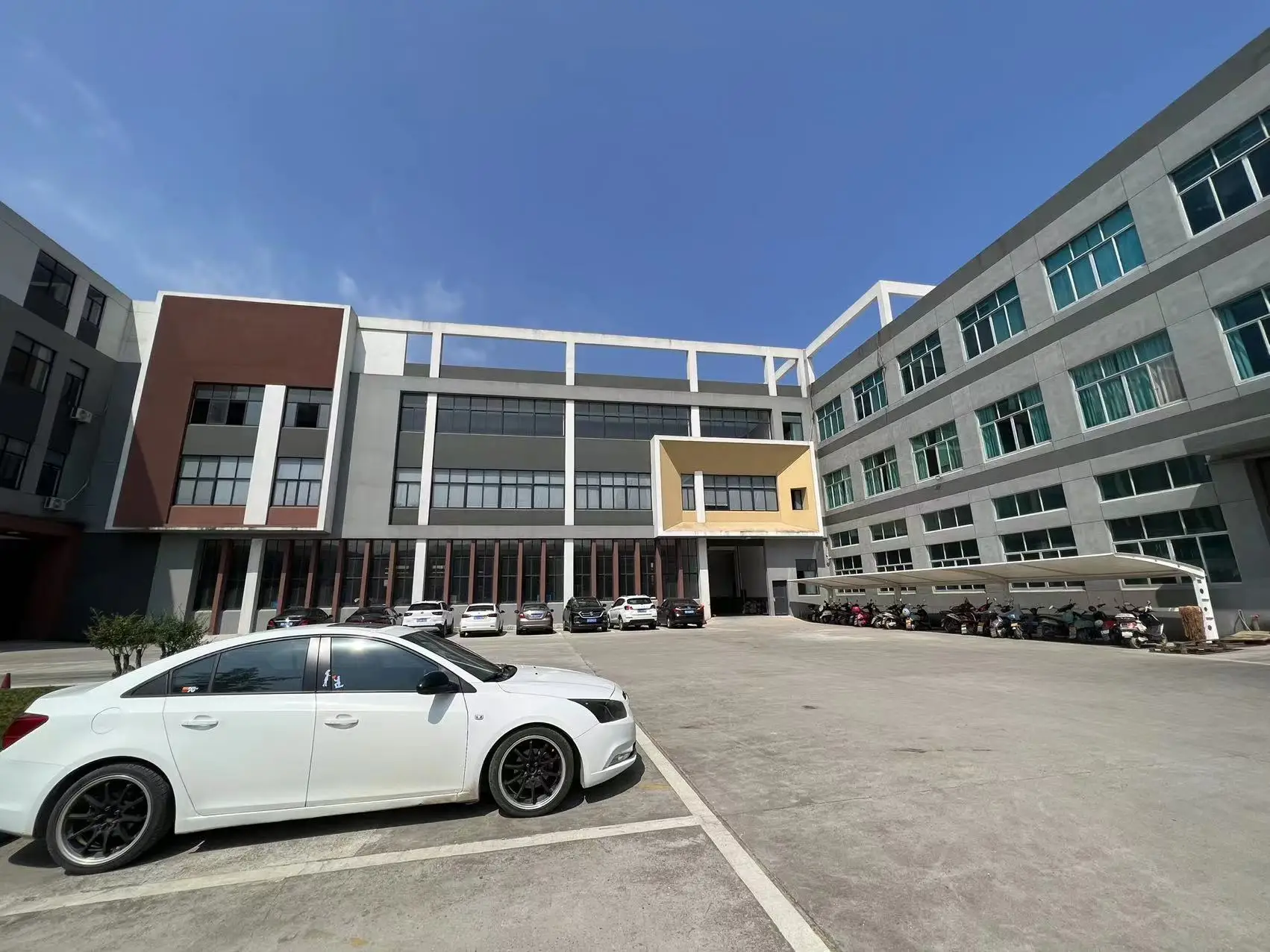
Ninghai Hengqing Electric Appliance Co., Ltd.
- Manufacturer, Trading Company
- Zhengjian, China
- Lead time25 days
- Avg. response≤ 7h
Main productsFlashlights,Headlamps,Camping Lanterns,Solar Lights,Bicycle Lights
Main marketsWestern Europe(40.00%), North America(20.00%), South America(20.00%), Southern Europe(10.00%), South Asia(5.00%), Northern Europe(5.00%)

- Verified by TUVRHEINLAND
- Trading Company
- China Zhejiang
- Lead time15 days
- Avg. response≤ 14h
Main productsLED Solar Light, Festival Lights, Table Lamp, LED Grow Lights, LED Light Strip, Smart Lights, LED Light String, Decorative Light, LED Head Light, LED Professional Lights
Main marketsSouth America,Europe,North America

LED USB Rechargeable Torch Light Searchlight LED Tactical Flashlight Ultra Bright Flashlight
$3.50 - $5.00
MOQ: 100 Pieces


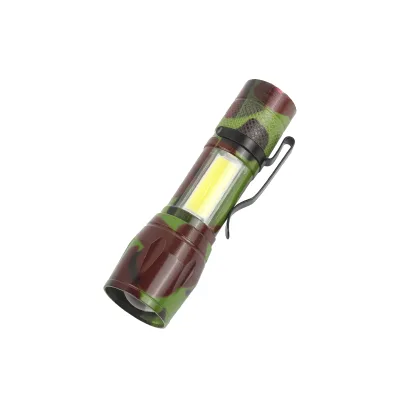
Mini Camouflage Telescopic Torch USB Rechargeable High Light Torch Zoomable Flashlight
$0.90 - $1.50
MOQ: 350 Pieces

Magnetic Work Light High Rechargeable Tactical Flashlights Powerful Outdoor LED Flashlight
$3.90 - $4.70
MOQ: 150 Pieces


Yiwu Bolotop Electronic Technology Co., Ltd.
- Verified by SGS Group
- Trading Company
- Lead time0 days
- Avg. response≤ 5h
Main productsFlashlights, Camping Lamps, HeadLamps, Indoorlights, Working Light
Main marketsSouth America(25%), Mid East(25%), Eastern Asia(15%)
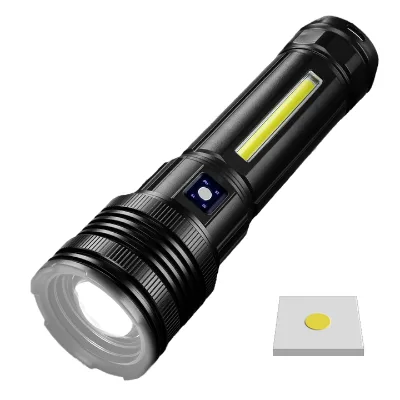
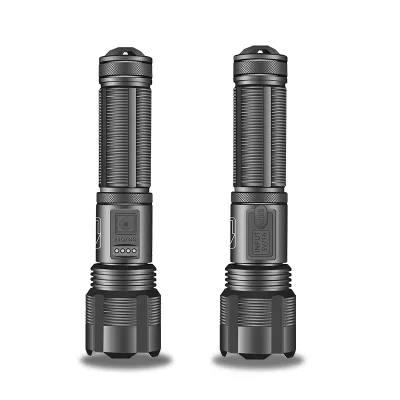
$1.3377 - $1.4321
MOQ: 240 pieces
Shenzhen Flexgreen Electronics Co., Ltd.
- Verified by Intertek
- Manufacturer, Trading Company
- Lead time7 days
- Avg. response≤ 1h
Main productsBicycle Accessories, Bicycle Light, Led Headlamp
Main marketsWestern Europe(50%), North America(30%), Southeast Asia(10%)

Hangzhou Galileo Technology Co., Ltd.
- Verified by SGS
- Trading Company
- China Zhejiang
- Lead time15 days
- Avg. response≤ 1h
Main marketsOthers(foreignTradeCapacity.exportBusinessCapacityMarketOther)

Shanghai Lanyou Lighting Co., Ltd.
- Verified by CTI
- Trading Company
- China Anhui
- Lead time15 days
- Avg. response≤ 6h
Main productsLED Channel Letters, Acrylic Signs, Metal Sign Letters, Wayfinding Signs, Outdoor Signage
Main marketsSouth America,Africa,Southeast Asia/ Mideast,East Asia(Japan/ South Korea),Europe,Australia,North America


Powerful LED Flashlight USB Rechargeable Handheld Light Camping Portable Light
$2.57 - $4.62
MOQ: 500 Pieces

1200lumen USB LED Tactical Flashlight for Rechargeable Zoomable LED Flashlight
$7.888 - $8.888
MOQ: 210 Pieces


Ultra Bright Rechargeable Flashlight with Long-Lasting Battery USB Charging Flashlight
$0.58 - $1.70
MOQ: 500 Pieces

Ningbo Anklun Imp. & Exp. Co., Ltd.
- Verified by SGS
- Trading Company
- China Zhejiang
- Lead time30 days
- Avg. response≤ 3h
Main productsBags and Suitcase, LED Lights and LED Torches, Umbrellas, Toys and Inflatable Items, Stationeries and Gifts, Keychains and Bottle Openers, Kitchenwares&Dishwares, Tools, Daily Necessities General Merchandises, Promotional Items Gifts and Goods
Main marketsEurope

Shenzhen HXY Industrial Co., Ltd.
- Verified by TUVRHEINLAND
- Trading Company
- China Guangdong
- Lead time30 days
- Avg. response≤ 6h
Main productsSolar Power Systems, Solar Home Systems, Solar Lanterns, Solar Fans, Pay as You Go Solar Home Systems, Solar Home Lighting Systems, Solar Freezer, Solar Refrigerator, Solar Flashlight, Solar System
Main marketsDomestic

Ningbo Bone International Trading Co., Ltd.
- Trading Company,Manufacturer/Factory
- China Zhejiang
- Lead time30 days
- Avg. response≤ 4h
Main productsOutdoor Camping Light, Outdoor Flashlight, Outdoor Headlamp, Solar Garden Light Lamp, Solar Festival Christmas Light Lamp, Decoration Light Lamp String, Outdoor Trekking Pole, Warning Light Lamp, Outdoor Running Pole, Outdoor Walking Pole
Main marketsSouth America,Eastern Europe,Mid East,North America,Southeast Asia,Eastern Asia,Oceania

Power Bank Waterproof Rechargeable USB LED Tactical Torch Light Outdoor Flashlight
$7.18 - $7.78
MOQ: 10 Pieces

Rechargeable Waterproof with Magnet Hiking Camping Battery LED Torch Light Flashlights
$3.59 - $4.19
MOQ: 10 Pieces
- Manufacturer, Trading Company
- Guangdong, China
- Lead time15 days
- Avg. response≤ 3h
Main productsPickleball Paddle,Yoga and Pilates equipment,Golf clubs and bags,Bicycle,Outdoor camping products
Main marketsNorth America(50.00%), Eastern Europe(20.00%), Southern Europe(5.00%), Central America(5.00%), Western Europe(5.00%), South America(5.00%), Northern Europe(4.00%), South Asia(1.00%), Oceania(1.00%), Mid East(1.00%), Africa(1.00%), Southeast Asia(1.00%), Eastern Asia(1.00%)
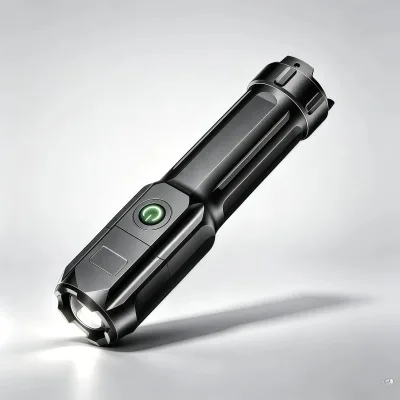
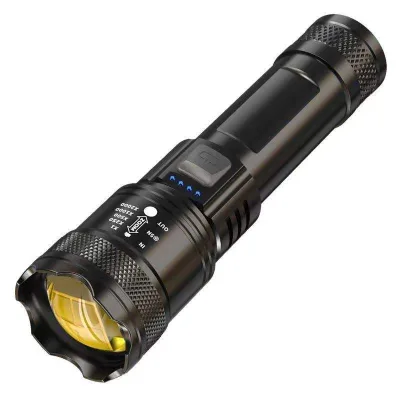
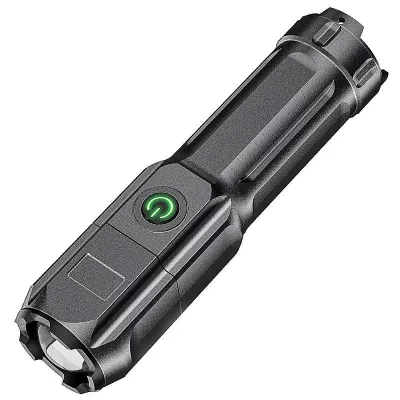
$0.81 - $1.23
MOQ: 20 Minimum
Guangzhou Xiongxing Trading Co.,Ltd
- Manufacturer, Trading Company, Buying Office
- Guangdong, China
- Lead time35 days
- Avg. response≤ 3h
Main productsCompressor,Storage Bag,Automotive Parts,bike acceaaories,Auto Parts
Main marketsNorth America(35.00%), Western Europe(15.00%), Northern Europe(15.00%), Central America(10.00%), Southern Europe(10.00%), Eastern Europe(8.00%), Africa(5.00%), South Asia(2.00%)
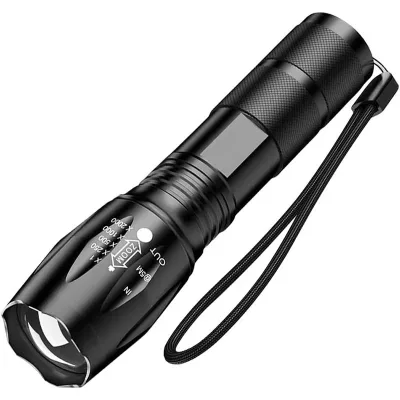
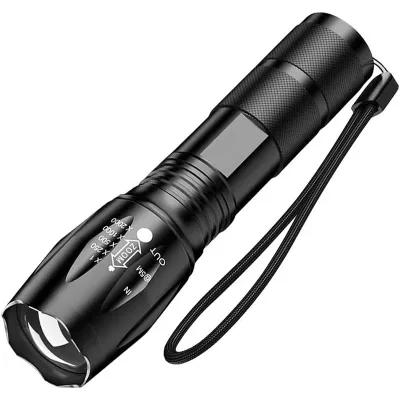
High Brightness Led Flashlight Rechargeable Small Torch Light Portable Tactical Magnetic Flashlight
$1.20 - $1.30
MOQ: 200 pieces
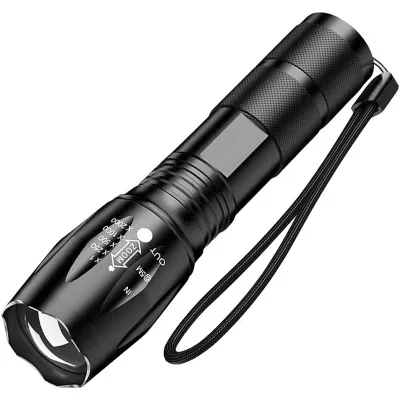
$1.2344 - $1.3362
MOQ: 200 pieces
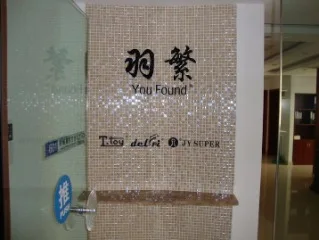
Hangzhou Youfound Trade Co., Ltd.
- Manufacturer, Trading Company
- Zhejiang, China
- Lead time0 days
- Avg. response≤ 5h
Main productsHair Trimmer,LED Torch,Camping Lantern,Solar System,Mask
Main marketsMid East(20.00%), Southeast Asia(20.00%), Eastern Europe(20.00%), South America(20.00%), North America(20.00%)

Xiamen Seatyle Import & Export Co., Ltd.
- Verified by TUVRHEINLAND
- Trading Company,Manufacturer/Factory
- China Fujian
- Lead time23 days
- Avg. response≤ 3h
Main productsHeadlamp, Flashlight, Camping Light, Solar Light, Outdoor Light, Bike Light, Water Shoes, Chef Shoes, Medical Shoes, Slippers
Main marketsSouth America,Eastern Europe,Mid East,North America,Southeast Asia,Eastern Asia,Oceania,Western Europe,Africa

LED Torch Tactical Telescoping Rechargeable Super Bright Linterna Taschenlampe Flashlight Waterproof
$3.80 - $4.40
MOQ: 100 Pieces

Rechargeable High Power LED Flashlights Searchlight Powerful Lantern Torches
$7.30 - $8.80
MOQ: 50 Pieces


Shijiazhuang Huachong Biotech Co., Ltd.
- Verified by SGS
- Manufacturer/Factory
- China Hebei
- Lead time15 days
- Avg. response≤ 1h
Main productsFirst Aid Kit, Bandage, Wound Dressing, Medical Consumables, Safety Protection, First Aid Product, First Aid Supplies
Main marketsSouth America,Eastern Europe,Mid East,North America,Southeast Asia,Eastern Asia,Oceania,Western Europe,Africa


Hand Crank Solar Powered Flashlight Emergency Rechargeable LED Flashlights
$1.80 - $2.85
MOQ: 100 Pieces
Ningbo Hongliang Lighting Technology Co., Ltd.
- Manufacturer, Trading Company
- Zhejiang, China
- Lead time0 days
- Avg. response≤ 24h

Jinhua Hengyang Cross-Border Trade Limited Liability Company
- Verified by SGS
- Trading Company
- China Zhejiang
- Lead time15 days
- Avg. response≤ 9h
Main productsCoffee Maker Air Fryer Storage Box Knife Set, Silicone Baking Mold Robot Vacuum Cleaning Table, Shower Head Non-Slip Shower Curtain Vacuum Stora, Collapsible Laundry Basket Bohemian Wall Tapestr, Fringe Pillow Cover Bedding Set Memory Foam Pill, Bamboo Tissue Biodegradable Trash Bags LED Fair, Smart Plug Fairy Lights Pet Food Bowl, Household Daily Necessities Kitchen Cleaning, Bathroom Storage and Care Fabric Home Decor, Bedding Daily Chemical Paper Products
Main marketsEurope

Ningbo Zhixin Metal Product Co., Ltd
- Verified by TUVRHEINLAND
- Trading Company,Manufacturer/Factory
- China Zhejiang
- Lead time0 days
- Avg. response≤ 7h
Main productsFastener, Tool Set, Sheet Metal Fabrication, Metal Stamping Part, CNC Machining Parts

Ningbo Qingyang Import and Export Co., Ltd.
- Verified by SGS
- Trading Company
- China Zhejiang
- Lead time45 days
- Avg. response≤ 2h
Main productsLED Lights, Table Lamp, Night Light, Solar Garden Light, LED Sensor Light, LED String Light, Decorative Light, LED Work Light, Camping Lantern, LED Candle
Main marketsEast Asia(Japan/ South Korea),Europe,North America


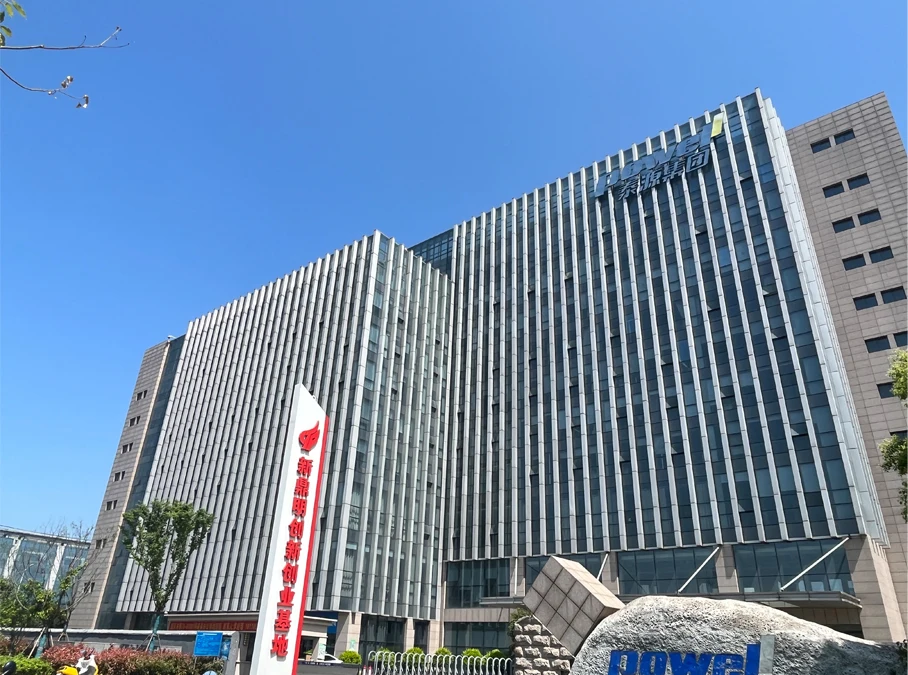
Compact High-Power Rechargeable LED Flashlight with Adjustable Brightness Settings
$3.98 - $4.30
MOQ: 3000 Pieces

Hefei Johold Outdoor Products Co., Ltd.
- Trading Company
- Anhui, China
- Lead time15 days
- Avg. response≤ 2h
Main productsSurvival Kits,Flashlight,Emergency Whistle,Camping Tent,Tactical backpack
Main marketsNorth America(30.00%), Western Europe(20.00%), Northern Europe(15.00%), Eastern Europe(15.00%), Southeast Asia(5.00%), South America(5.00%), Eastern Asia(5.00%), Africa(5.00%)

Guangdong New Electronics Information Import & Export Ltd
- Verified by SGS
- Combined
- China Guangdong
- Lead time15 days
- Avg. response≤ 7h
Main productsPowerful LED Flashlight, Laser Flashlight, Torch, Auto LED Headlight, Hologram, Desk Lamp, Portable Rechargeable Power Station, LED Display, LED Chip, LED Ceiling Light
Main marketsEurope

High Power LED Rechargeable Flashlights with 5400mAh Rechargeable Battery for Camping
$15.15 - $18.33
MOQ: 10 Pieces


Rechargeable Super Bright Flashlight with Laser and Adjustable Focus for Outdoor Activities
$15.09 - $18.25
MOQ: 20 Pieces

Changeable Fire Starting LED Flashlight with High-Rated White Red Yellow Blue Color
$15.09 - $18.25
MOQ: 20 Pieces
Shenzhen Baoan Xinan Lianyi Electronics Business Department
- Manufacturer, Trading Company
- Guangdong, China
- Lead time0 days
- Avg. response≤ 4h
Main productsLED Solar Street Light,Solar floodlight,Solar Garden Light,LED Street Light,Garden Light
Main marketsNorth America(25.00%), Africa(10.00%), Western Europe(10.00%), Eastern Europe(10.00%), South America(10.00%), Northern Europe(5.00%), Central America(5.00%), Southern Europe(5.00%), Eastern Asia(5.00%), Mid East(5.00%), South Asia(5.00%), Southeast Asia(3.00%), Oceania(2.00%)
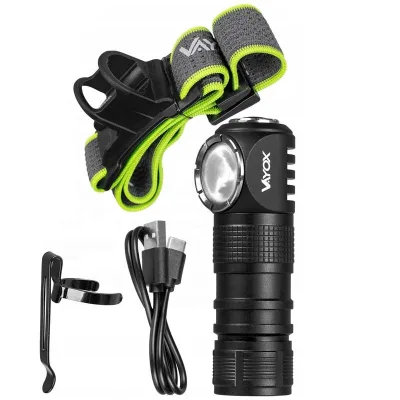
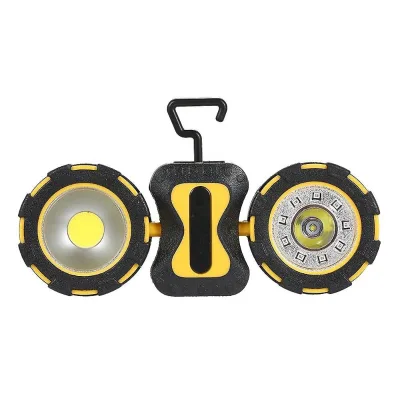
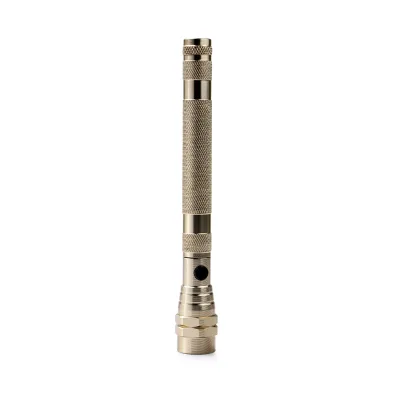
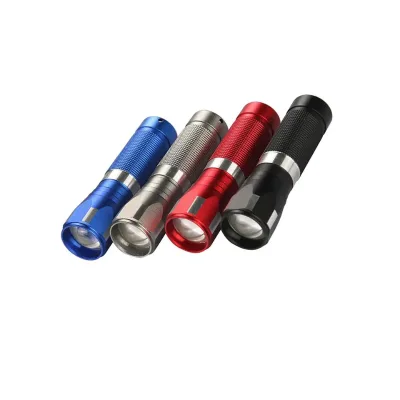
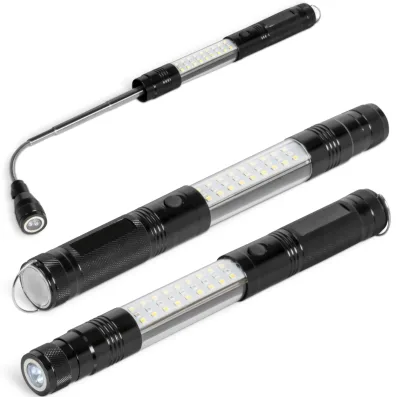
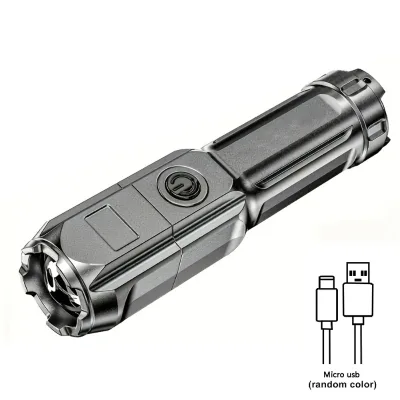
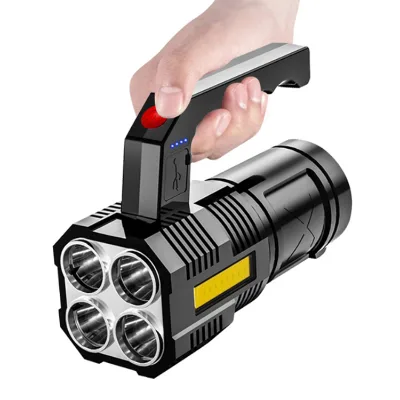
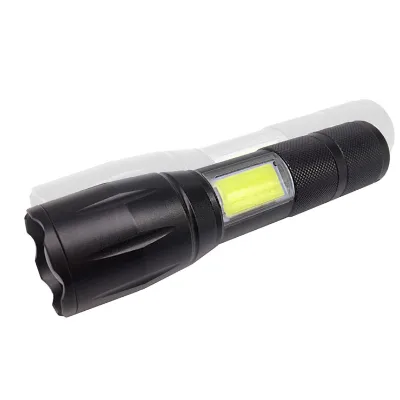


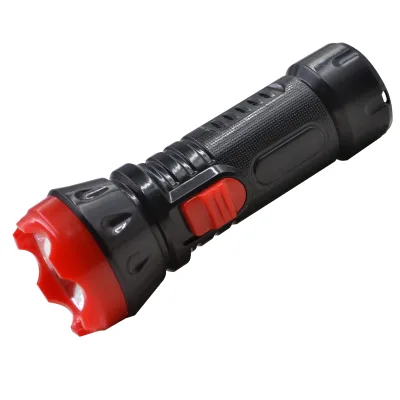
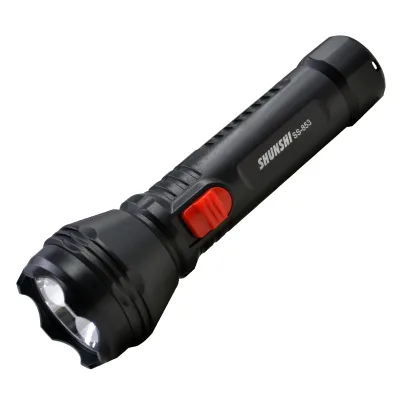


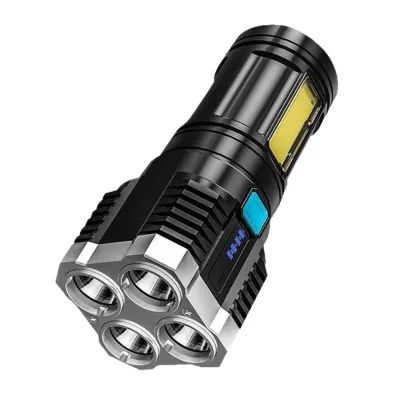
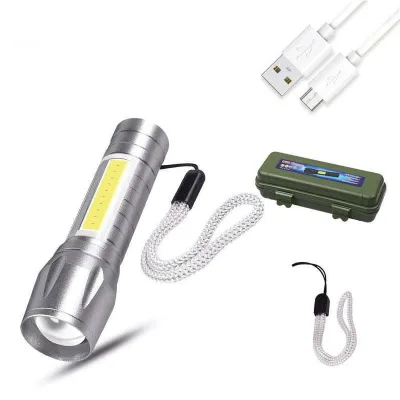
Comprehensive Sourcing Guide
Rechargeable Telescopic LED Flashlight Supplier Concentration and Factory Types
When you begin sourcing a Rechargeable Telescopic LED Flashlight, start by mapping where the supply base actually sits. In the current results, location data points to Zhejiang, China, which appears both as a company location and as the declared place of origin on individual flashlight listings. That consistency matters: when a supplier's registered location and its product origin fields align, you have a first indication that the company is genuinely close to the production it sells. Where location data is missing or inconsistent, treat that as an open question to resolve during inquiry rather than assuming a factory cluster you cannot confirm.
The second dimension to map is company type. At least one supplier in these results identifies as a Trading Company rather than a manufacturer, with main products spanning outdoor survival kits, whistles, compasses, ponchos, and sleeping bags, alongside the flashlights themselves. This breadth is a useful signal: a broad outdoor-goods catalog often indicates a trading operation that consolidates from multiple workshops, while a narrower catalog focused on lighting may indicate a dedicated flashlight producer. Neither model is automatically better. Trading companies can simplify mixed-container orders and communication; direct factories can offer tighter control over tooling and quality. Verify which type you are dealing with, because it changes who answers your technical questions and who bears responsibility when a shipment underperforms.
How to Verify Rechargeable Telescopic LED Flashlight Suppliers
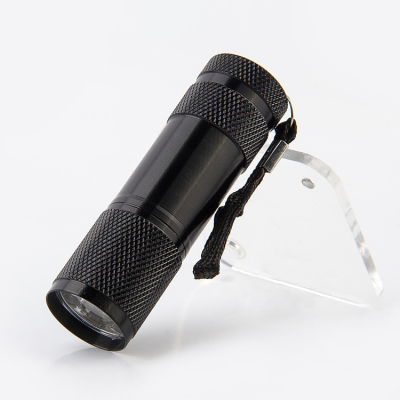
Verification begins with the data a supplier chooses to display, and continues with what you confirm yourself. In these results, useful displayed evidence includes declared model numbers, materials, dimensions, and product weights. One tactical flashlight listing, for example, declares aluminum alloy plus ABS construction, a 128 by 30 mm size, a 100 g weight, rechargeable power, and a one-piece MOQ, while a separate mini torch declares Zhejiang origin, aluminum alloy body, and roughly 46 g weight. Cross-check these fields across a supplier's catalog: internally consistent specifications across several listings suggest genuine familiarity with the products, whereas copy-paste or contradictory entries suggest aggregation.
Response behavior is the next verification layer. The current results show response times ranging from three hours to ten hours among the suppliers shown, which gives you a benchmark but not a guarantee for your own inquiries. Send a technical question rather than a generic price request: ask about battery configuration, charging circuitry, and switch durability on a specific model, and judge whether the answer shows product knowledge or only sales fluency. Because one supplier type identified here is a trading company, ask directly whether the entity is a manufacturer or trader and request evidence appropriate to the claim. Also confirm what the listing attributes actually cover: some entries declare zoomable function, dimmer support, or customized logo acceptance, but others leave those fields blank, so absence of data is not the same as absence of capability. Document every confirmed claim in writing before you invest in samples or audits.
What to Compare Across Rechargeable Telescopic LED Flashlight Suppliers
Build a comparison sheet with the dimensions the results actually expose. Observed lead time among these suppliers is fifteen days, response times span three to ten hours, and company location is Zhejiang with one entry recorded as Zhengjiang, a spelling variant you should reconcile before assuming two different places. Main product lines are comparable too: one supplier lists flashlights, camping lanterns, headlamps, work lights, and mirror lights, while another lists broader outdoor survival gear. A lighting-focused catalog versus a general outdoor catalog tells you different things about specialization, minimum order flexibility, and after-sales depth.
Price and MOQ comparisons need care because they vary sharply by model, not just by supplier. Observed listing prices in these results range from under one dollar for a small two-watt mini torch up to the high single digits for a multi-function long-range rechargeable unit, with MOQs ranging from one piece on some tactical models to fifty pieces on others. Never compare a one-piece MOQ listing against a fifty-piece MOQ listing as if they were equivalent commercial offers. Instead, normalize: record for each candidate supplier the exact model, its declared lamp power, battery type, material, weight, and packaging, then compare pricing only between like-for-like specifications. Also compare declared customization support, since some listings explicitly accept customized logos while others do not mention it. Any supplier attribute not displayed in the results should be treated as unknown and requested, never assumed to exist across the board.
Common Rechargeable Telescopic LED Flashlight Sourcing Risks
The most common risk in this category is specification drift between listing and shipment. A listing may declare aluminum alloy construction, a specific lamp power in watts, a rechargeable battery configuration, and a given weight, but nothing in a product table proves the delivered goods match. Buyers frequently receive units with lower-output LEDs, thinner housings, or non-branded cells that reduce runtime. The observed listings also show ambiguity you should resolve early: one model declares both rechargeable battery and AAA battery power sources, and another lists a battery type of AAA despite a rechargeable designation, so confirm the actual charging method and included components in writing before ordering.
The second risk cluster is around supplier identity and commercial exposure. When a supplier is a trading company with a broad survival-goods catalog, quality accountability for the flashlight may sit with an unnamed upstream workshop, which complicates corrective action after a defect. Location spelling inconsistencies between entries, such as Zhejiang versus Zhengjiang, should be reconciled so your contracts, shipping documents, and inspection bookings all reference the same legal entity and address. Durability claims deserve skepticism as well: one listing declares a working time of ten thousand hours, a figure that describes LED lifespan under ideal conditions rather than real-world battery and switch endurance, so ask how endurance figures were measured. Finally, guard against approval-sample substitution, where the sample you approve differs from mass production. Require that production units match the approved sample's declared model number, and reserve the right to inspect before shipment.
Rechargeable Telescopic LED Flashlight Regional Sourcing and Logistics
Regional context in these results is narrow but concrete: the supplier location is Zhejiang, China, and one product listing independently declares Zhejiang as the place of origin, which suggests the flashlights are produced or shipped from within that province. For logistics planning, what matters most is that the origin region is consistent, because it determines inland freight to port, consolidation options, and which inspection agencies can realistically visit. When a supplier's location field is missing or spelled inconsistently, ask for the full registered address and the actual shipping origin before quoting freight, since a mismatch between registered office and warehouse adds cost and time.
Because observed lead time among these suppliers is fifteen days, treat that as a planning baseline for stocked models, not a promise for customized orders. Logo customization, color box packaging, or battery configuration changes will typically extend that baseline, and you should confirm the revised schedule in writing when you request customization. Battery-inclusive shipments also carry transport considerations: lithium rechargeable cells are subject to carrier restrictions that differ from dry-cell or battery-free shipments, so confirm with your forwarder whether the specific model ships with cells installed, cells separate, or without cells. The observed packing formats, including color box and opp bag options, affect carton dimensions and container fill, so request outer-carton specifications alongside pricing. Build buffer time for pre-shipment inspection regardless of lead time, because a fifteen-day production window leaves little room to correct defects discovered at the dock.
Rechargeable Telescopic LED Flashlight Commercial Terms and Order Planning
Order planning should start from the MOQ structure visible in the results, because it is unusually flexible in this category. Some tactical flashlight listings declare a one-piece MOQ, another declares a three-piece MOQ, and a separate rechargeable model declares fifty pieces, all within the same supplier set. This spread means you can structure a staged order: use low-MOQ listings to test several models and suppliers with minimal commitment, then move to higher-MOQ listings only after the winning model passes your inspection. Observed unit prices for the tested product family range roughly from under one dollar to the high single digits depending on size, power, and features, so budget for a sample phase across at least the low, middle, and high tiers before committing volume.
Commercial terms to confirm explicitly include payment method, escrow availability, customization cost, and packaging charges. Some listings here explicitly accept customized logos and offer color box packing, but customization almost always changes the quoted price and the fifteen-day baseline lead time, so obtain a revised quotation before confirming. One supplier in the results shows a ten-hour response time and another shows three hours; factor responsiveness into your negotiation plan, because slow pre-sale replies usually predict slow problem resolution during production. Finally, align order quantity with verified demand rather than MOQ floors alone: the one-piece minimums make repeated small orders viable, which reduces inventory risk but raises per-unit freight, so model both options before choosing. Document every agreed term in a purchase order that references the exact model numbers and declared specifications.
FAQs
What is the minimum order quantity for these flashlights?
The minimum order quantity varies by model. Some items allow a single piece purchase, while others require fifty units. Buyers should check the specific product page for the exact MOQ to ensure it fits their procurement needs.
How long does production take for these orders?
Standard lead times are approximately fifteen days. This duration allows for manufacturing and quality checks. Buyers should confirm the exact schedule with the supplier before placing large orders to align with their delivery requirements.
What materials are used in these flashlight bodies?
Most models use aluminum alloy or ABS plastic for durability. Some combine both materials for a balanced weight and strength. The choice depends on the specific model, with aluminum offering better heat dissipation and plastic providing lightweight portability.
Are these flashlights rechargeable or battery operated?
Many models support rechargeable batteries, including USB charging. Some also accept AAA batteries for flexibility. Buyers should verify the power source for each specific model to ensure compatibility with their charging infrastructure and usage scenarios.
Where are these suppliers located?
Suppliers are primarily located in Zhejiang, China. This region is known for manufacturing electronics and outdoor gear. Buyers can expect efficient logistics from this area, though shipping times will vary based on the final destination country.
What is the price range for these items?
Prices range from approximately one dollar to five dollars per unit. The cost depends on features like zoom capability, material, and battery type. Bulk orders often secure better pricing, making it essential to request quotes for specific quantities.
Can I customize the logo on these flashlights?
Yes, many suppliers accept customized logos. This service allows buyers to brand the products for their specific market. Buyers should confirm the customization requirements and any additional costs with the supplier before finalizing the order details.