Refillable Round Aluminum Cosmetic Bottle Suppliers and Manufacturers
Source Refillable Round Aluminum Cosmetic Bottle options from 24 verified suppliers. Compare Guangdong and Zhejiang manufacturers on lead times, MOQs, and certifications like FDA and LFGB. Request samples to verify quality and pricing; review the available evidence before requesting comparable quotations from suitable candidates.
Updated
Suppliers List
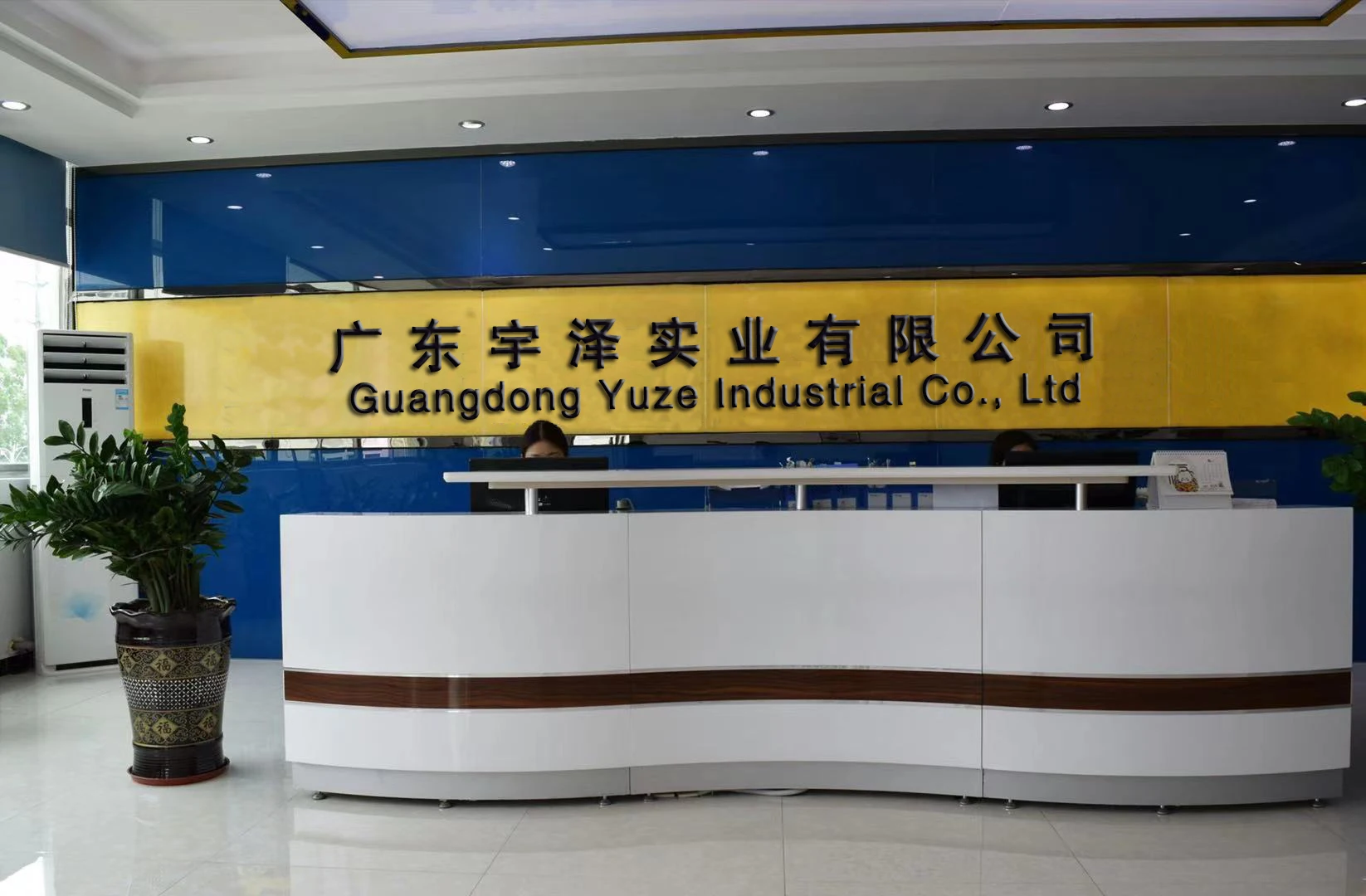
Guangdong Yuze Industrial Co., Ltd.
- Manufacturer, Trading Company, Distributor/Wholesaler
- Guangdong, China
- Lead time10 days
- Avg. response≤ 5h
Main productsGlass bottle,Plastic bottles,Glass Packaging,Cosmetic Packaging,glassware
Main marketsNorth America(30.00%), South America(20.00%), Mid East(12.00%), Western Europe(10.00%), Eastern Europe(10.00%), Africa(10.00%), Eastern Asia(8.00%)

Ningbo Passen Technology Co., Ltd.
- Verified by BV
- Trading Company
- China Zhejiang
- Lead time30 days
- Avg. response≤ 10h
Main productsWide Mouth Jar, Cosmetic Bottle, Plastic Bottle, Cosmetic Jar, Cosmetic Packaging, Aluminum Bottle, Cream Jar, Plastic Packaging, Aluminum Jar, Lotion Bottle
Main marketsSouth America,Africa,Southeast Asia/ Mideast,East Asia(Japan/ South Korea),Europe,Australia,North America
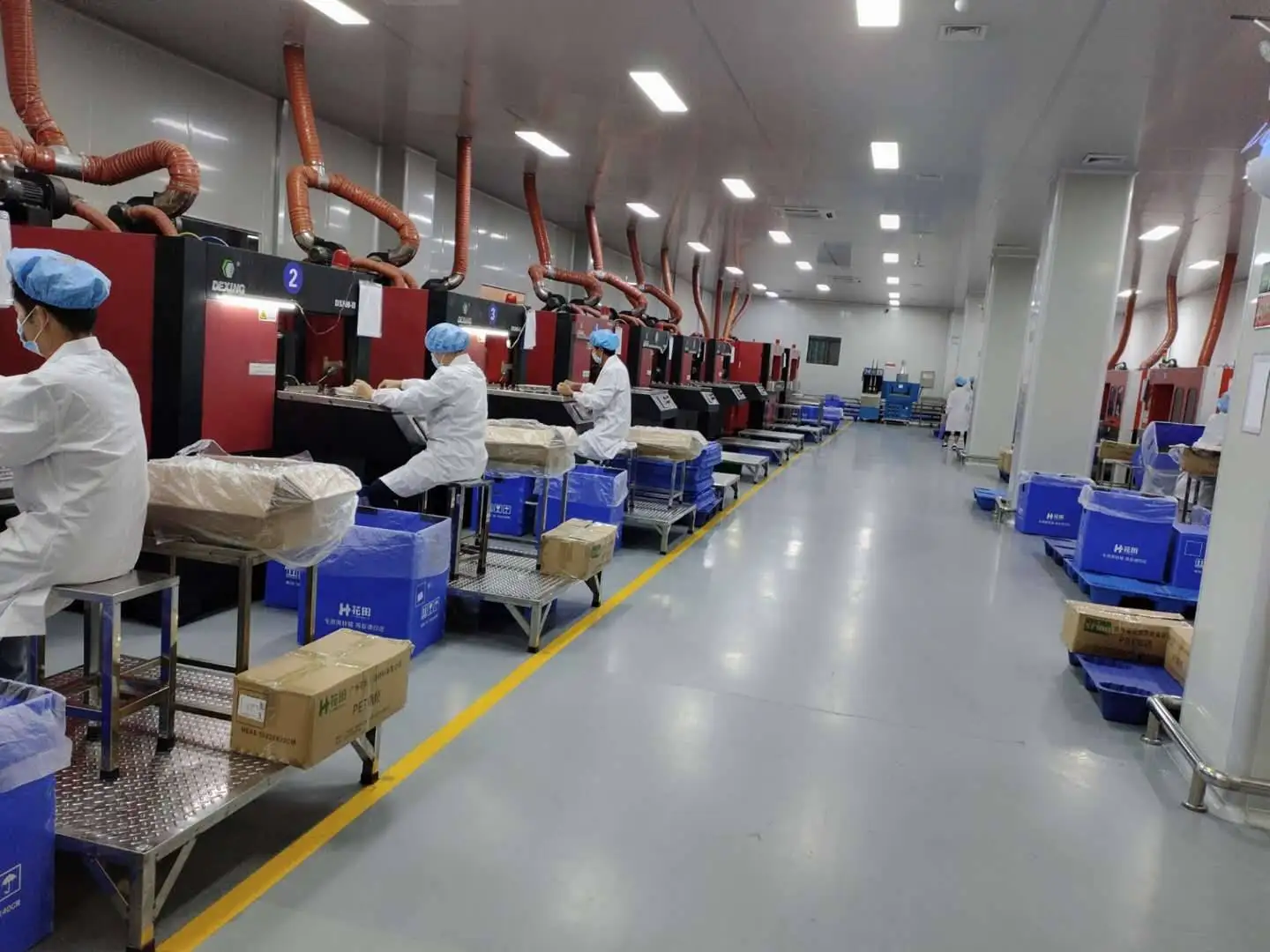
Guangzhou Meiren Packing Products Co., Ltd.
- Manufacturer, Trading Company
- Guangdong, China
- Lead time20 days
- Avg. response≤ 4h
Main productsplastic packages,aluminum packages,glass packages,customized packages,customized label
Main marketsNorth America(30.00%), Southeast Asia(20.00%), Oceania(15.00%), Eastern Europe(10.00%), South America(10.00%), Southern Europe(5.00%), Western Europe(5.00%), Africa(5.00%)
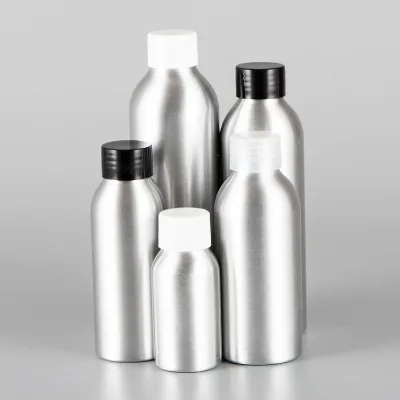
$0.3112 - $0.5176
MOQ: 1000 Minimum
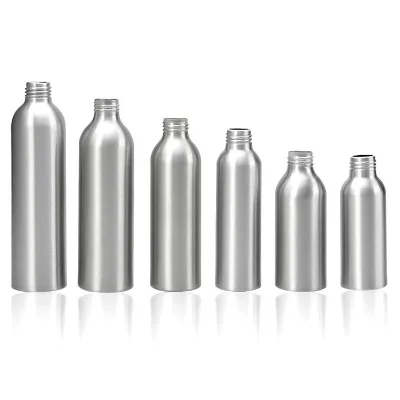
$0.3097 - $0.5146
MOQ: 1000 Minimum
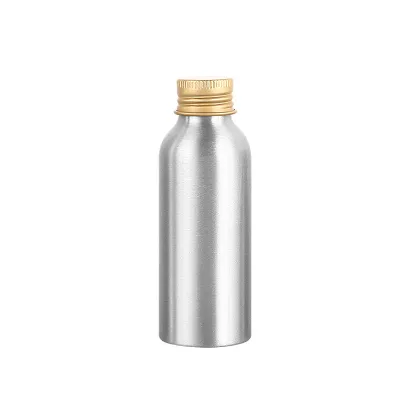
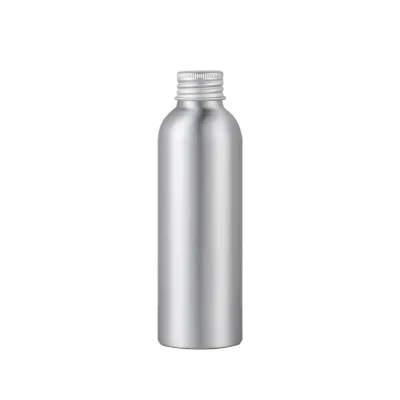
$0.3112 - $0.5176
MOQ: 1000 Minimum
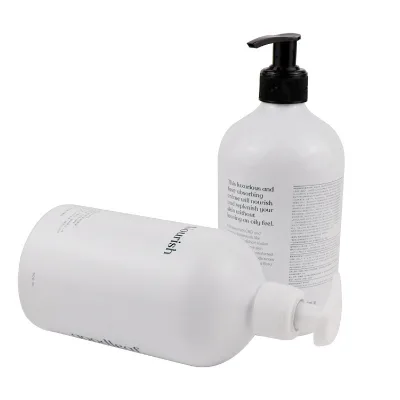
16oz Fancy Lotion Bottles Custom Made Bottles for Cosmetic Customized Aluminum Bottle with Printing
$0.50 - $1.00
MOQ: 5000 Minimum
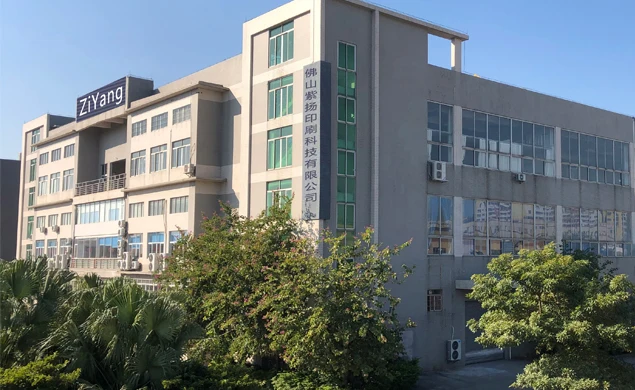
Foshan Ziyang Printing Technology Co., Ltd.
- Manufacturer
- Guangdong, China
- Lead time20 days
- Avg. response≤ 3h
Main productsAluminum Collapsible Tube,Cosmetic Aluminum Tube,Aluminum bottle,Printing aluminum tube custom,Custom aluminum tube
Main marketsDomestic Market(50.00%), North America(15.00%), South America(5.00%), Southern Europe(5.00%), Northern Europe(5.00%), Central America(5.00%), Western Europe(5.00%), Eastern Asia(5.00%), Eastern Europe(5.00%)
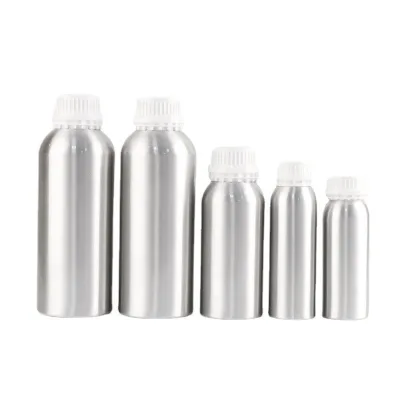
Recommend Refillable Aluminum Bottle for Face & Eye Cream Eco-Friendly Cosmetic Packaging
$0.10 - $0.25
MOQ: 5 pieces
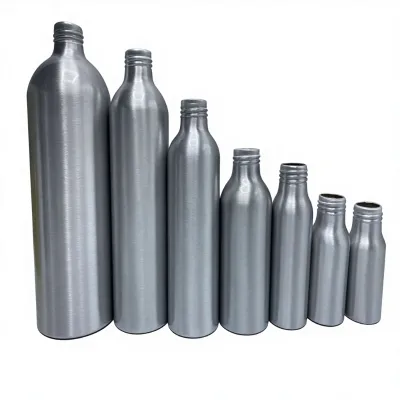
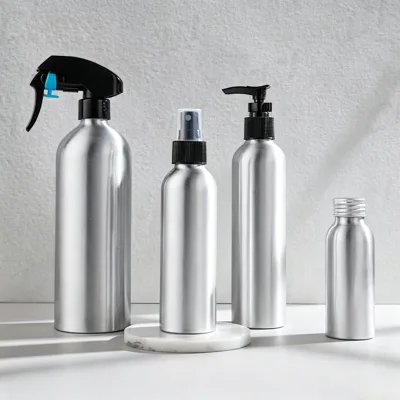

Jiangyin Hanmo Technology Co., Ltd.
- Trading Company
- Jiangsu, China
- Lead time35 days
- Avg. response≤ 4h
Main productsmetal packaging,plastic packaging,glass packaging,wood packaging,paper packaging
Main marketsNorth America(18.00%), South America(17.00%), Western Europe(16.00%), Eastern Asia(14.00%), Eastern Europe(11.00%), Northern Europe(10.00%), Mid East(9.00%), Domestic Market(5.00%)
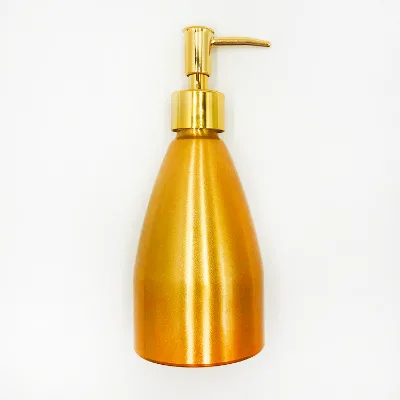
Luxury Refillable Aluminum Cosmetic Bottle - Portable Travel Empty Container
$0.4084 - $0.6119
MOQ: 5000 pieces
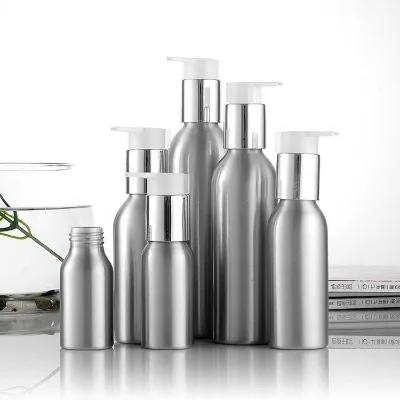
Free Samples Aluminum Bottle with Refillable Pump Screw Design for Cosmetic Bottles
$0.40 - $0.60
MOQ: 5000 pieces
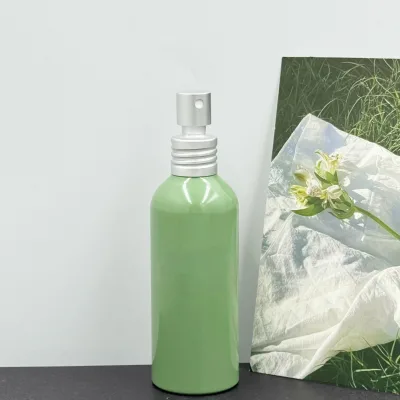
2025 Recycled Aluminum Bottle Metal Spray Portable Refillable With Pump Head Cosmetic
$0.40 - $0.60
MOQ: 5000 pieces
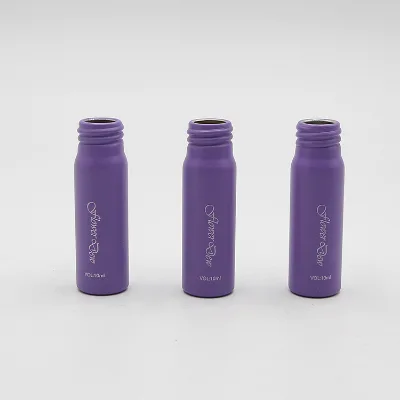
Portable Refillable Aluminum Spray Bottle with Nozzle Cap and Threaded Mouth
$0.4114 - $0.6164
MOQ: 5000 pieces
Recyclable Aluminum Cosmetic Oil Bottle with Screw Lid Custom Capacity Beverage & Aerosol Use
$0.8288 - $0.8811
MOQ: 5000 pieces

Ningbo Xiangshu Packaging Co., Ltd.
- Verified by TUVRHEINLAND
- Trading Company
- China Zhejiang
- Lead time23 days
- Avg. response≤ 7h
Main productsPet Bottle
Main marketsSouth America,Africa,Others(foreignTradeCapacity.exportBusinessCapacityMarketOther),Southeast Asia/ Mideast,East Asia(Japan/ South Korea),Europe,North America

24mm Neck 50ml Silver Aluminum Bottle Metal Refillable Cosmetic Aluminum Bottle
$0.19 - $0.29
MOQ: 10000 Pieces

Hebei Laiyan Technology Co., Ltd.
- Trading Company
- Hebei, China
- Lead time7 days
- Avg. response≤ 2h
Main productsglass storage jar,glass bottles and jars,plastic bottles and jars,aluminum bottles and tins,caps accessories
Main marketsEastern Europe(20.00%), Eastern Asia(20.00%), Africa(15.00%), Western Europe(10.00%), South America(10.00%), North America(10.00%), Oceania(8.00%), Southeast Asia(5.00%), Mid East(2.00%)
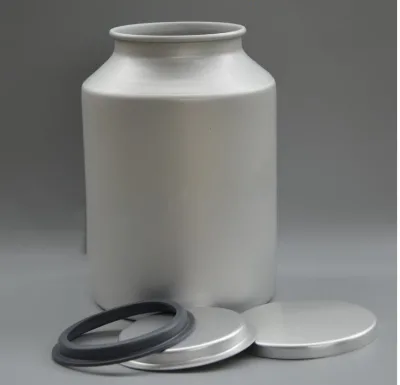
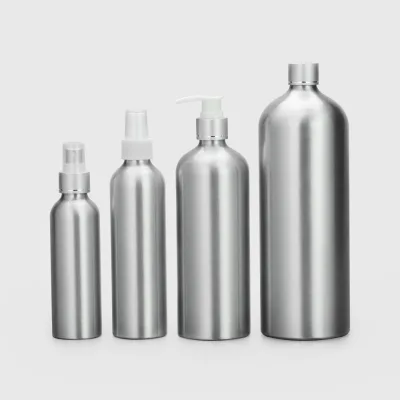
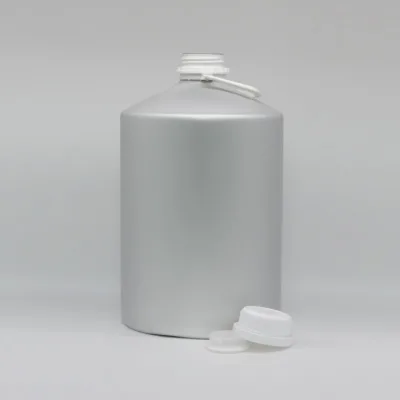
$6.7874 - $50.0741
MOQ: 100 Minimum
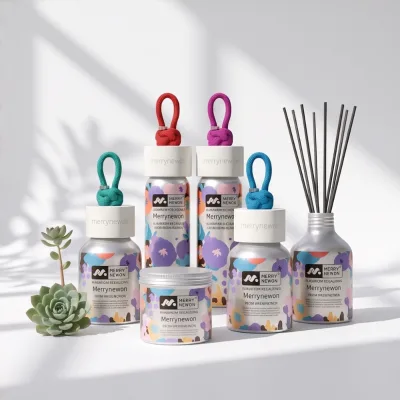
Guangzhou Merrynewon Packaging Technology Co., Ltd.
- Verified by Intertek
- Manufacturer, Trading Company
- Lead time7 days
- Avg. response≤ 4h
Main productsAluminum Bottles, Aluminum Jars, Aluminum Tins, Aluminum Lid
Main marketsDomestic Market(20%), Western Europe(15%), Eastern Europe(11%)

Yuyao Zhuoxin Import & Export Co., Ltd.
- Trading Company,Manufacturer/Factory
- China Zhejiang
- Lead time0 days
- Avg. response≤ 13h
Main productsTrigger Sprayer, Lotion Pump, Mist Sprayer, Cream Pump, Plastic Vacuum Bottle, Plastic Acrylic Jar, Plastic Cap, Card/Pen Perfume Sprayer, Lipstick Case, Cream Jar
Main marketsSouth America,Eastern Europe,Mid East,North America,Southeast Asia,Eastern Asia,Oceania,Western Europe,Africa
Shijiazhuang Guifeng Trading Co., Ltd.
- Verified by Intertek
- Trading Company
- Lead time0 days
- Avg. response≤ 5h
Main productsGlass Bottle, Aluminum Bottle, Plastic Bottle, Cream Jar, Perfume Bottle
Main marketsNorth America(35%), South America(35%), Eastern Europe(10%)
Guangzhou Merrynewon Daily Necessities Co., Ltd.
- Verified by TüVRheinland
- Manufacturer, Trading Company
- Lead time7 days
- Avg. response≤ 4h
Main productsAluminum Tins, Aluminum Can, Aluminum Bottle, Aluminum Jar, Aluminum Lid
Main marketsNorth America(24%), Western Europe(15%), Oceania(10%)

Anhui Everecosip Packaging Co., Ltd
- Trading Company
- Anhui, China
- Lead time15 days
- Avg. response≤ 6h
Main productsGlass Bottles,Aluminum Bottles,Boxes,Candles Jars,thermos cup
Main marketsNorth America(25.00%), Domestic Market(16.00%), Southeast Asia(11.00%), Western Europe(10.00%), Southern Europe(7.00%), Africa(5.00%), Eastern Asia(5.00%), Eastern Europe(5.00%), Mid East(5.00%), Oceania(4.00%), South America(2.00%), South Asia(2.00%), Northern Europe(2.00%), Central America(1.00%)
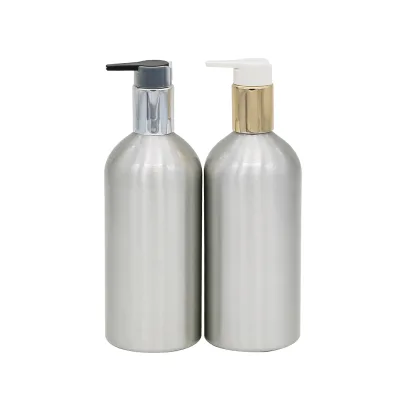
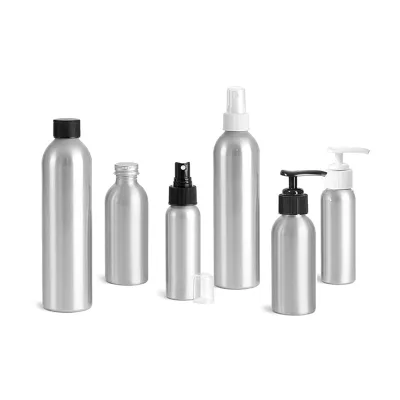
Aluminum Lotion Pump Bottle With Black Pump Tip Refillable Cosmetic Sample Dispenser
$0.05 - $0.07
MOQ: 1000 pieces
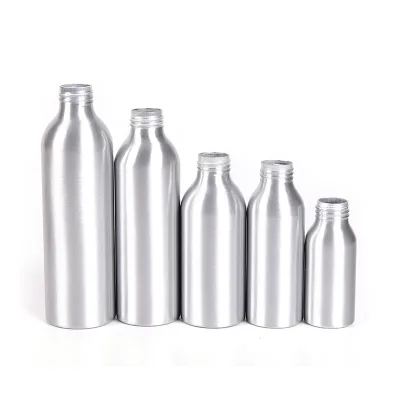
Aluminum Bottle Moisturizing Water Cosmetic Packaging Sub-packaging Replacement Empty Bottle
$0.0514 - $0.072
MOQ: 1000 pieces

- Verified by BV
- Manufacturer/Factory
- China Zhejiang
- Lead time23 days
- Avg. response≤ 6h
Main productsAluminum Bottle, Aluminum Jar, Aluminum Tube, Soap Dispenser
Main marketsSouth America,Eastern Europe,Mid East,North America,Southeast Asia,Eastern Asia,Oceania,Western Europe,Africa
Suzhou Hongyang Metallurgical Materials Technology Co., Ltd.
- Manufacturer, Trading Company
- Jiangsu, China
- Lead time7 days
- Avg. response≤ 3h
Main productsglass dropper bottle,Mist sprayer,Perfume atomizer,Kitchen tools,Cream pump
Main marketsSouth Asia(89.00%), Northern Europe(78.00%), South America(78.00%), Eastern Asia(77.00%), Central America(69.00%), Domestic Market(68.00%), Southern Europe(59.00%), Mid East(58.00%), Oceania(48.00%), Southeast Asia(35.00%), Western Europe(30.00%), Africa(30.00%), North America(20.00%), Eastern Europe(10.00%)
- Verified by SGS Group
- Trading Company
- Lead time0 days
- Avg. response≤ 4h
Main productsGlass packaging, Plastic package, Metal packaging, Environmentally friendly packaging
Main marketsNorth America(45%), Western Europe(25%), Eastern Europe(15%)
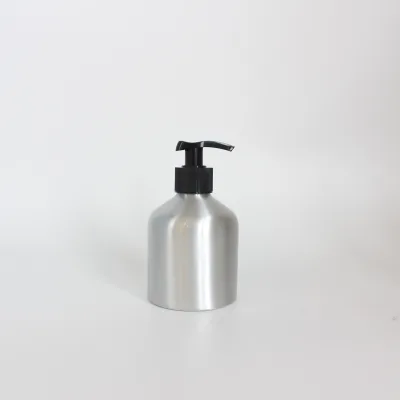
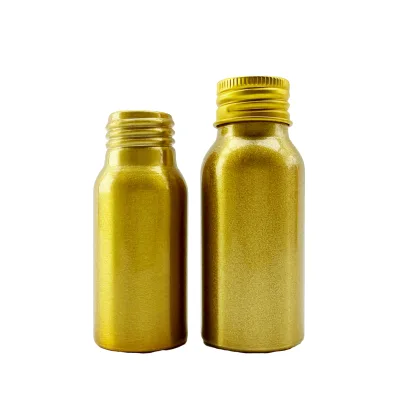
Round Aluminum Cosmetic Bottle with Pump Spray for Skin Care Body Lotion Hand Soap Packaging Custom
$0.05 - $1.00
MOQ: 100 Minimum
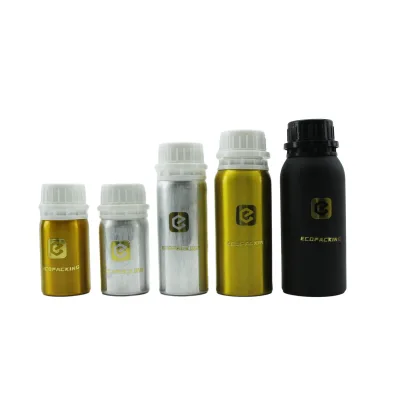
$0.05 - $1.00
MOQ: 100 Minimum

GOLD FORTUNE (GUANGDONG) IMPORT & EXPORT CO., LTD.
- Trading Company,Manufacturer/Factory
- China Guangdong
- Lead time23 days
- Avg. response≤ 24h
Main productsCollapsible Aluminium Tube, Laminated Tube, PE Cosmetic Tube, Aluminium and Tinplate Aerosol Can, Hair Colour Chart, Pet/PE Bottle, Packaging Paper Box, Aluminium Bottle, Aerosol Actuator and Valve, OEM Aerosol Products
Main marketsSouth America,Eastern Europe,Mid East,North America,Southeast Asia,Africa


100ml 150ml 200ml 250ml Black Refillable Aluminum Bottle with Pump Sprayer
$0.35 - $1.20
MOQ: 5000 Pieces

Customized Printing Pure Cosmetic Aluminum Bottles with 24/410 28/410 Caps
$0.35 - $1.78
MOQ: 10000 Pieces

Ningbo Sky Commodity Co., Ltd.
- Manufacturer
- Zhejiang, China
- Lead time15 days
- Avg. response≤ 9h
Main productstrigger sprayer,Plastic Pump,mist sprayer,Airless Bottle,airless bottle
Main marketsAfrica(16.00%), North America(15.00%), South America(13.00%), Southern Europe(8.00%), Northern Europe(7.00%), Eastern Europe(6.00%), Western Europe(6.00%), Southeast Asia(6.00%), Mid East(6.00%), Eastern Asia(5.00%), Domestic Market(5.00%), Oceania(4.00%), South Asia(2.00%), Central America(1.00%)
Hebei Qingen Trading Co., Ltd.
- Manufacturer, Trading Company
- Lead time旺季: "1 - 400":2,"401 - 4000":7,"4001 - 8000":18,"> 8000":"To be negotiated", 淡季: "1 - 400":2,"401 - 4000":7,"4001 - 8000":18,"> 8000":"To be negotiated"
- Avg. response≤ 2h
Main productsAluminum bottles, Aluminum Tins, Plastic Cosmetic Jar, Plastic Bottles, Glass Bottles and Jars

YUYAO SHUOHONG COMMODITY CO., LTD.
- Verified by BV
- Combined
- China Zhejiang
- Lead time23 days
- Avg. response≤ 5h
Main productsMist Sprayer, Lotion Pump, Trigger Sprayer, Perfume Atomizer, Plastic Cap, Plastic Bottle, Cream Jar, Plastic Tube, Foam Pump, out Spring Lotion Pump
Main marketsSouth America,Africa,Southeast Asia/ Mideast,East Asia(Japan/ South Korea),Europe,Australia,North America

Guangzhou Haisuya Technology Co., Ltd.
- Manufacturer, Trading Company, Distributor/Wholesaler
- Guangdong, China
- Lead time10 days
- Avg. response≤ 1h
Main productsAluminum bottle,Plastic bottle,glass bottle,Packaging accessories,aluminum lid
Main marketsNorth America(25.00%), South Asia(15.00%), Central America(15.00%), Mid East(15.00%), Southeast Asia(15.00%), South America(15.00%)

Ningbo Somewang Packaging Co., Ltd.
- Verified by SGS
- Combined
- China Zhejiang
- Lead time23 days
- Avg. response≤ 4h
Main productsCosmetic Packaging, Cosmetic Bottle, Plastic Bottle, Cosmetic Tube, Cream Jar, Lotion Pump, Mist Sprayer, Trigger Sprayer, Plastic Cap, Glass Bottle
Main marketsSoutheast Asia/ Mideast,Europe,North America

High Quality Refillable Series Airless Bottle Airless Jar Cosmetic Packaging
$0.828 - $1.20
MOQ: 10000 Pieces

High Quality Refillable Series Airless Bottle Airless Jar Cosmetic Packaging
$0.828 - $1.20
MOQ: 10000 Pieces

- Verified by BV
- Trading Company,Manufacturer/Factory
- China Zhejiang
- Lead time45 days
- Avg. response≤ 4h
Main productsPet Bottles, PP_PE Bottles, Plastic Tubes, Sustainable Packaging, R&D Service, PCR Pacakgaing, Sugarcane Packaging, Mono Material Packaging, Abl Tubes, Aluminum Tubes
Main marketsSouth America,Eastern Europe,Mid East,North America,Southeast Asia,Eastern Asia,Oceania,Western Europe,Africa
Nanchang Ever Bright Industrial Trade Co., Ltd.
- Verified by TüVRheinland
- Trading Company
- Lead time20 days
- Avg. response≤ 4h
Main productsAluminum Bottle, Aerosol Can, Aluminum Aerosol Can, Perfume Atomizer
Main marketsNorth America(60%), Eastern Asia(13%), Southeast Asia(7%)
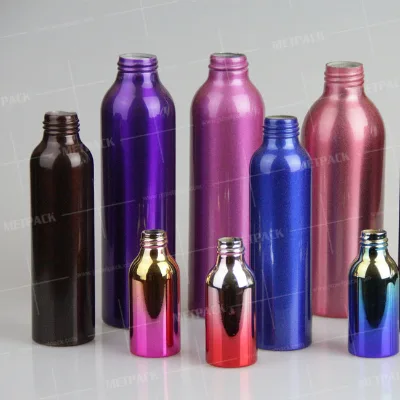
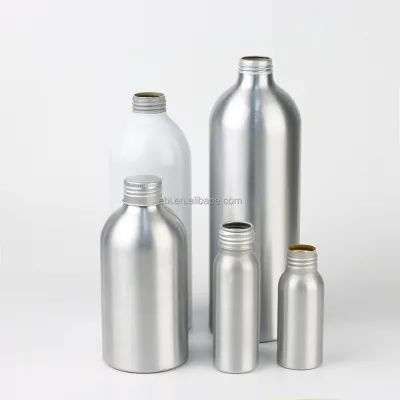
40ml 50ml 60ml Aluminum Screw Bottle Matte Frosted Design Style Empty Bottle for Cosmetics
$0.28 - $0.36
MOQ: 5000 pieces
- Verified by SGS Group
- Trading Company
- Lead time10 days
- Avg. response≤ 2h
Main productsPET Bottle, Powder Spray Bottle, Cosmetic Bottle, Glass Bottle, Continuous Spray Bottle
Main marketsNorth America(37%), Domestic Market(10%), Eastern Europe(8%)
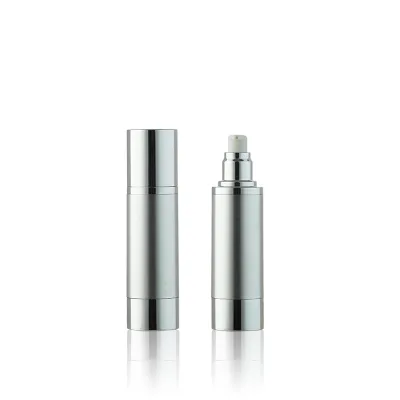
Famous Brand 100ml Airless Recycled Aluminum Bottles Cosmetic Packaging
$0.60 - $1.60
MOQ: 10000 Minimum










Comprehensive Sourcing Guide
Refillable Round Aluminum Cosmetic Bottle Supplier Concentration and Factory Types
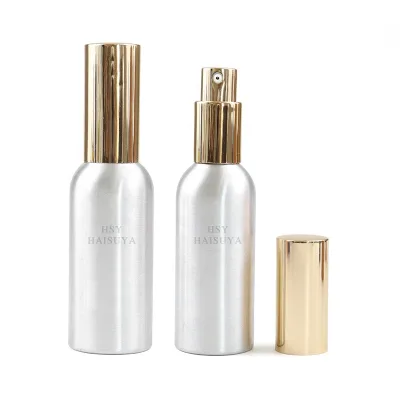
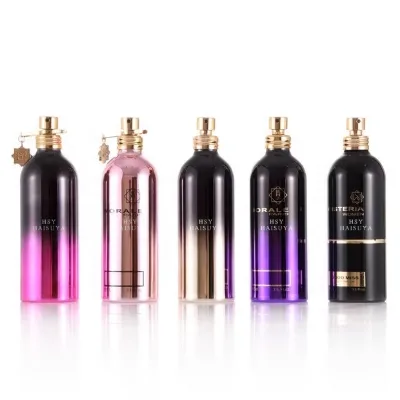
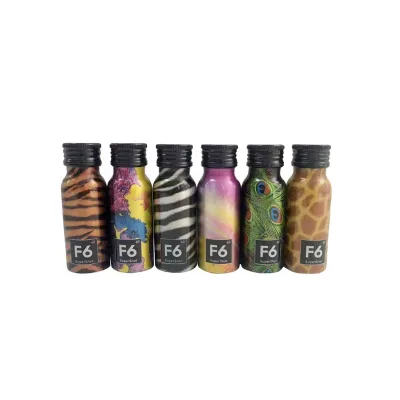
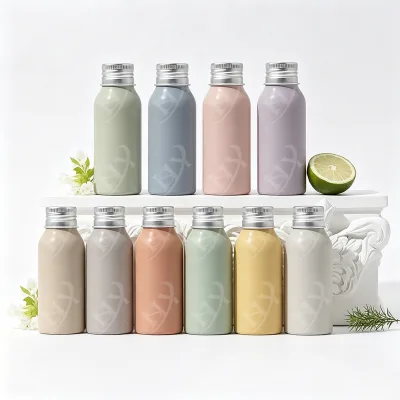
The sourcing landscape for refillable round aluminum cosmetic bottles reveals distinct manufacturing clusters, primarily concentrated in Guangdong and Zhejiang provinces within China. These regions serve as the primary hubs for producers offering a wide array of packaging solutions, ranging from simple metal vessels to complex, customized cosmetic containers. Buyers evaluating suppliers will often encounter manufacturers, trading companies, and distributors/wholesalers operating within these geographic areas. The presence of these diverse entity types indicates a mature supply chain where production capabilities are complemented by extensive distribution networks. Guangdong-based suppliers frequently highlight their ability to provide professional suggestions and offer free samples for quick evaluation, suggesting a focus on customer service and rapid prototyping. Meanwhile, suppliers in Zhejiang often emphasize their verification status, such as BV certification, which adds a layer of trust for international buyers seeking reliable partners. Understanding this geographic distribution helps buyers narrow their search to regions with established infrastructure for metal packaging production, ensuring access to a variety of material options and production scales.
Factory types vary significantly in their operational focus and product offerings. Some suppliers specialize in specific product lines, such as hot-sealing aluminum round metal bottles or pump-top containers, while others offer a broader portfolio including glass bottles, plastic packaging, and cosmetic jars. This specialization allows buyers to find partners with deep expertise in particular sealing technologies or material finishes, such as silk screen printing or paint polish. Trading companies, on the other hand, may aggregate products from multiple factories, providing a one-stop solution for buyers who need diverse packaging types. It is crucial to distinguish between pure manufacturers and trading entities, as this distinction impacts lead times, communication efficiency, and pricing structures. Manufacturers typically have direct control over production processes, which can be beneficial for custom OEM/ODM projects requiring precise adherence to design specifications. Trading companies might offer more flexibility in order quantities and faster response times due to their established relationships with multiple factories. Buyers should assess the company type based on their specific needs, whether they prioritize direct factory interaction for cost savings or the convenience of a consolidated supply chain for mixed orders.
How to Verify Refillable Round Aluminum Cosmetic Bottle Suppliers
Verifying the legitimacy and capability of suppliers requires a multi-faceted approach that goes beyond simple profile reviews. Buyers should prioritize suppliers who display third-party verification badges, such as BV certification, which indicates that an independent agency has audited the company’s business operations. This verification is a strong indicator of reliability, particularly for trading companies that may not own manufacturing facilities but act as intermediaries. For manufacturers, buyers should look for evidence of production capacity and quality control processes. The presence of specific product attributes, such as detailed material specifications (e.g., aluminum collar, base, and body materials) and precise model numbers, suggests a level of professionalism and transparency. Additionally, suppliers that provide free samples, even for small quantities like one or two pieces, demonstrate confidence in their product quality and are willing to invest in building trust with potential clients. Buyers should request these samples to physically inspect the finish, sealing integrity, and overall build quality before committing to larger orders.
Beyond verification badges and sample availability, buyers should scrutinize the supplier’s response time and communication efficiency. A quick response time, such as five hours or less, indicates a responsive sales team that can address queries and resolve issues promptly. This is particularly important for international buyers who may face time zone differences. Buyers should also examine the supplier’s main products to ensure alignment with their specific needs. For instance, if a buyer requires custom color painting or specific printing techniques like silk screen printing, they should verify that the supplier explicitly lists these capabilities. Suppliers that provide detailed product attributes, such as single package sizes, gross weights, and specific sealing types (e.g., easy open end or lotion pump), are more likely to be experienced in handling complex orders. Furthermore, buyers should check for any displayed certifications or standards, such as FDA or LFGB, which are critical for cosmetic packaging to ensure compliance with safety regulations. If such information is not readily available, buyers should directly ask suppliers for documentation to verify compliance, ensuring that the products meet the necessary regulatory requirements for their target markets.
What to Compare Across Refillable Round Aluminum Cosmetic Bottle Suppliers
When evaluating multiple suppliers, buyers must compare key operational metrics to determine the best fit for their business needs. Lead time is a critical factor, as it directly impacts inventory management and product launch schedules. Suppliers may offer varying lead times, ranging from ten days to thirty days or more, depending on the complexity of the order and current production capacity. Buyers should align their order planning with these lead times to avoid stockouts or delays. Similarly, the minimum order quantity (MOQ) is a significant consideration, especially for smaller businesses or those testing new markets. Some suppliers may have MOQs as low as one thousand units, while others might require three thousand or more. Comparing these thresholds helps buyers assess the financial risk associated with initial orders and determine which suppliers are more accessible for smaller-scale production runs. Additionally, response speed should be compared, as faster communication can facilitate smoother negotiations and quicker resolution of technical questions.
Price and customization options are also essential comparison points. While base prices may vary, buyers should look at the total cost of ownership, including shipping and any additional fees for customization. Suppliers offering competitive price ranges, such as those starting from $0.24 to $1.50 per unit, provide flexibility for different budget levels. Buyers should also compare the extent of customization available, including options for custom colors, logos, and specific capacities. Some suppliers offer fully customizable volumes, while others may have standard sizes like 50ml, 100ml, or 250ml. The availability of OEM/ODM services is another key differentiator, allowing buyers to create unique products that stand out in the market. Suppliers that provide professional suggestions and have professional experiences in the industry can offer valuable insights into design and material selection. By comparing these factors across different suppliers, buyers can identify partners that offer the best balance of cost, quality, and service, ensuring a successful sourcing outcome.
Common Refillable Round Aluminum Cosmetic Bottle Sourcing Risks
Sourcing refillable round aluminum cosmetic bottles involves several potential risks that buyers must proactively manage to ensure a smooth procurement process. One significant risk is the discrepancy between sample quality and mass production output. While suppliers may provide high-quality samples, there is no guarantee that the bulk order will match the same standards. This risk is heightened when dealing with trading companies that may not have direct control over the manufacturing process. Buyers should mitigate this by conducting strict quality inspections upon receipt of the goods and establishing clear quality benchmarks in their contracts. Another risk is the variability in lead times, which can be affected by raw material shortages, production bottlenecks, or logistical delays. Buyers should maintain open communication with suppliers and request regular updates on production status to anticipate any potential delays. Additionally, buyers should be cautious of suppliers who do not provide transparent information about their production capabilities or verification status, as this may indicate a lack of reliability.
Material quality and compliance are also critical areas of risk. Aluminum bottles must meet specific safety and environmental standards, particularly for cosmetic applications. Buyers should verify that suppliers adhere to relevant certifications, such as FDA or LFGB, to ensure the products are safe for consumer use. Failure to do so can result in regulatory issues and damage to brand reputation. Furthermore, the risk of intellectual property infringement exists when working with suppliers on custom designs. Buyers should ensure that their designs are protected and that suppliers are bound by confidentiality agreements. Another risk is the potential for hidden costs, such as additional charges for mold fees, printing setup, or shipping. Buyers should request detailed quotations that include all potential costs to avoid surprises later in the process. By identifying and addressing these risks early in the sourcing process, buyers can minimize disruptions and ensure a successful partnership with their suppliers.
Refillable Round Aluminum Cosmetic Bottle Regional Sourcing and Logistics
The geographic location of suppliers plays a crucial role in determining logistics costs and delivery times. Suppliers located in Guangdong and Zhejiang provinces in China benefit from well-established manufacturing ecosystems and efficient port infrastructure, which can facilitate faster and more cost-effective shipping. Buyers should consider the proximity of suppliers to major shipping ports when evaluating logistics options, as this can impact transit times and freight costs. Additionally, the type of supplier, whether a manufacturer or a trading company, can influence logistics arrangements. Manufacturers may offer more flexibility in shipping terms, while trading companies might have established relationships with freight forwarders that can streamline the process. Buyers should also consider the packaging specifications provided by suppliers, such as standard carton packing, to ensure that products are protected during transit. Proper packaging is essential to prevent damage to the aluminum bottles, which can be susceptible to dents and scratches.
Logistics planning should also account for customs clearance and import regulations in the buyer’s destination country. Buyers should ensure that suppliers provide all necessary documentation, such as commercial invoices, packing lists, and certificates of origin, to facilitate smooth customs clearance. Additionally, buyers should be aware of any specific labeling or marking requirements for aluminum packaging in their target markets. Working with suppliers who have experience in exporting to the buyer’s region can help navigate these complexities. Buyers should also consider the environmental impact of their sourcing decisions, as aluminum is a recyclable material. Suppliers that emphasize recyclability and sustainable practices can help buyers meet their corporate social responsibility goals. By carefully planning logistics and considering regional factors, buyers can optimize their supply chain and reduce overall costs.
Refillable Round Aluminum Cosmetic Bottle Commercial Terms and Order Planning
Effective order planning requires a clear understanding of commercial terms and payment structures. Buyers should negotiate favorable payment terms, such as partial upfront payments and balance upon shipment, to manage cash flow and mitigate financial risk. It is also important to clarify the terms for sample orders, including whether samples are free or charged, and how sample costs are handled for bulk orders. Suppliers that offer free samples for small quantities can help buyers reduce initial testing costs. Additionally, buyers should establish clear agreements on warranty and return policies for defective products. This ensures that any quality issues are addressed promptly and fairly. Buyers should also consider the scalability of their orders, ensuring that suppliers can handle increased volumes as demand grows. Suppliers with flexible production capabilities and reasonable MOQs are better suited for businesses that anticipate fluctuating order sizes.
Long-term partnership building is another key aspect of commercial terms. Buyers should aim to establish relationships with suppliers who are committed to continuous improvement and customer satisfaction. Regular communication and feedback can help strengthen these relationships and lead to better service and pricing over time. Buyers should also consider the supplier’s ability to provide ongoing support, such as technical assistance and design updates. Suppliers that offer professional suggestions and have extensive experience in the industry can provide valuable insights that help buyers stay competitive. By focusing on commercial terms and order planning, buyers can create a sustainable sourcing strategy that supports their business growth and ensures a reliable supply of high-quality refillable round aluminum cosmetic bottles.
FAQs
What is the typical lead time for aluminum cosmetic bottles?
Manufacturers in Guangdong, China typically require 10 days for production, while suppliers in Zhejiang, China may need up to 30 days. Buyers should confirm specific timelines with the supplier before placing orders to ensure delivery aligns with project schedules.
What are the minimum order quantities for these bottles?
Minimum order quantities vary by supplier and location. Some Zhejiang-based suppliers require a minimum of 1,000 units, while others may set the threshold at 3,000 units. Buyers should verify the exact MOQ with the specific supplier to plan inventory effectively.
Are free samples available for aluminum cosmetic bottles?
Yes, many suppliers offer free samples, typically limited to one or two pieces. Some providers supply samples freely for evaluation, while others may charge for shipping. Buyers should request samples to verify quality and fit before committing to bulk orders.
What printing options are available for custom branding?
Silk screen printing is the standard method, with options for custom colors and logos. Some suppliers offer customized silkscreen printing to match brand requirements. Buyers should discuss design specifications and color matching with the supplier to ensure accurate branding on the final product.
What certifications do these aluminum bottles meet?
Some suppliers provide bottles that meet FDA and LFGB standards for cosmetic and personal care use. Buyers should request certification documents from the supplier to verify compliance with relevant safety and quality regulations for their specific market and product requirements.
What is the price range for aluminum cosmetic bottles?
Prices typically range from $0.24 to $1.50 per unit, depending on volume, customization, and supplier location. Buyers should request quotes for their specific quantity and design to get accurate pricing, as costs vary based on material thickness and printing complexity.