Reversible Microfiber Blanket Suppliers and Manufacturers
Source 13 verified suppliers for reversible microfiber blankets. Compare key dimensions including location, lead times, MOQ, response times, certifications, and prices. Review product specifications and request quotes to streamline your procurement process; review the available evidence before requesting comparable quotations from suitable candidates.
Suppliers List
Hangzhou Yiying Trade Co., Ltd.
- Verified by CTI
- Trading Company,Manufacturer/Factory
- China Zhejiang
- Lead time23 days
- Avg. response≤ 19h
Main productsComforter, Bed Lines, Pillow, Mattress Topper, Mattress Protector, Blankets, Raw Material of Polyester Down Feather, Pet Bed, Down Products, Fabric
Main marketsSouth America,Eastern Europe,Mid East,North America,Southeast Asia,Eastern Asia,Oceania,Western Europe,Africa

Super Cozy Microfiber Blanket Reversible Faux Fur Throw Blanket for Winter
$6.20 - $6.60
MOQ: 500 Pieces


Reversible Stripe Faux Fur Blanket Breathable Microfiber Blanket with Double Side
$7.80 - $8.40
MOQ: 500 Pieces


Ultra Soft Plush Throw Blanket Fluffy Polyester Wearable Blanket with Pockets
$6.66 - $7.15
MOQ: 500 Pieces
Anhui Sunwin International Trading Co., Ltd.
- Verified by Intertek
- Trading Company
- Lead time30 days
- Avg. response≤ 3h
Main productsComforter Set, Blankets, Sheet Set, Quilt, Sofa Cover
Main marketsNorth America(80%), Western Europe(10%), Northern Europe(10%)
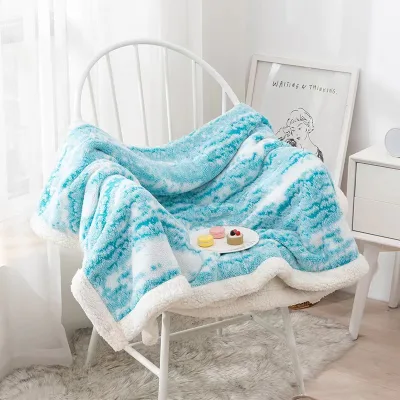
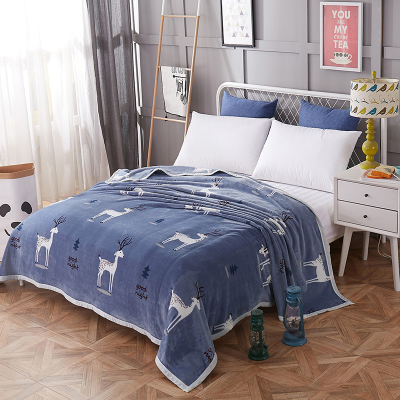
Blue and White Soft Blanket Soft Microfiber Blanket High Thick Blanket for Home
$13.00 - $15.50
MOQ: 50

Jiangyin Moonstar Clean Products Co., Ltd.
- Verified by SGS
- Trading Company,Manufacturer/Factory
- China Jiangsu
- Lead time15 days
- Avg. response≤ 11h
Main productsMicrofiber Cloth, Microfiber Fabric, Nonwoven Fabric
Main marketsSouth America,Eastern Europe,Mid East,North America,Southeast Asia,Eastern Asia,Oceania,Western Europe,Africa

Jinjiang Jiaxing Supply Management Co., Ltd.
- Verified by TUVRHEINLAND
- Trading Company
- China Fujian
- Lead time30 days
- Avg. response≤ 1h
Main productsEVA Clogs, Flip Flop, Shoe Charms, Shopping Bags, Wristbands, Gifts, Promotional Gifts, Slipper, Sport Cap, Ball
Main marketsNorth America

Shandong Angel Home Textile Co., Ltd.
- Combined
- China Shandong
- Lead time30 days
- Avg. response≤ 10h
Main productsMattress Cover, Mattress Protector, Duvet, Comforter, Pillow, Blanket, Bedding Linen, Home Textile
Main marketsSouth America,Africa,Southeast Asia/ Mideast,East Asia(Japan/ South Korea),Domestic,Europe,Australia,North America

Hot Sale Lightweight Microfiber Down Resistant Alternative Quilted Blanket
$10.50 - $14.50
MOQ: 50 Pieces


SHAOXING OLE LEISURE CO., LTD.
- Verified by BV
- Trading Company,Manufacturer/Factory
- China Zhejiang
- Lead time120 days
- Avg. response≤ 25h
Main productsRattan Furniture, Outdoor, Outdoor Furniture, Garden Furniture, Leisure Products, Great Leisure Life, Parasol, Garden Umbrella, Gazebo, Outdoor and Indoor Blanket
Main marketsSouth America,Eastern Europe,Southeast Asia,Oceania,Western Europe,Africa

CHANGZHOU LOYALTY INDUSTRY CO.,LTD
- Verified by TUVRHEINLAND
- Trading Company
- China Jiangsu
- Lead time15 days
- Avg. response≤ 2h
Main productsSingle Needle Quilting Machine, Plastic Injection Molding Machine, Plasitc Extrusion Blowing Molding Machine, Plastic Injection Mould, Home Textile Sewing Machine, Ultrasonic Quilting Machine, Spunbond Nonwoven Fabric, Spun-Bonded Non Woven Production Line, Flexible LED Stripe Light with Water Proof Joint, Nonwoven Fabric Bag Making Machine
Main marketsAfrica,Southeast Asia/ Mideast,Europe

HANGZHOU PERSERPRO GARMENT CO., LTD.
- Other
- China Zhejiang
- Lead time45 days
- Avg. response≤ 21h
Main productsKnitwear, Kid's Knitwear, Pet Clothes, Men's Knitwear, Knitting Blanket, Sweater, Knitting Accessories, Ladie's Knitwear, Blanket
Main marketsSouth America,Eastern Europe,Mid East,North America,Western Europe

Hangzhou Grand Home Textile Co., Ltd.
- Combined
- China Zhejiang
- Lead time30 days
- Avg. response≤ 11h
Main productsPillow, Quilt, Blanket, Mattress, Cushion, Mattress Top, Quilt Cover Set, Down Duvet
Main marketsSouth America,Southeast Asia/ Mideast,East Asia(Japan/ South Korea),Europe,Australia,North America

Shanghai Easun Group Imp & Exp Co., Ltd.
- Verified by TUVRHEINLAND
- Trading Company
- China Shanghai
- Lead time15 days
- Avg. response≤ 21h
Main productsBlankets, Home Slippers, Bedding Sets, Towel, Amenity Kits, Airline Supply, Hospital Supply, Hotel Supply, Railway Supply, Pillow&Case
Main marketsAfrica,Southeast Asia/ Mideast,Europe

Yiwu Sky Imp. & Exp. Co., Ltd.
- Verified by BV
- Trading Company
- China Zhejiang
- Lead time30 days
- Avg. response≤ 25h
Main productsHome Textile, Coral Fleece Blanket, Polar Fleece Blanket, Printed Polyester Fabric, Solid Polyester Fabric, Chenille Fabric, Denim Fabric, Stock, Flannel Blanket, Sewing Thread
Main marketsSouth America,Africa,Southeast Asia/ Mideast,Europe,North America

Jinjiang Jiaxing Import and Export Co., Ltd.
- Verified by CTI
- Manufacturer/Factory
- China Fujian
- Lead time120 days
- Avg. response≤ 1h
Main productsShoes, Slipper, Clothes, Promotion Gifts, Silicone Products, Outdoor Sports Products, Bags, Fashion Accessories, Consumer Electronics
Main marketsSouth America,Eastern Europe,Mid East,North America,Southeast Asia,Eastern Asia,Oceania,Western Europe,Africa

Weihai Woollen Fabric Group Co., Ltd.
- Combined
- China Shandong
- Lead time30 days
- Avg. response≤ 23h
Main productsWool Blanket, Cotton Blanket, Raschel Blanket, Hotel Blanket, Army Blanket, Mink Blanket, Wool Throw, Cashmere Throw, Electric Blanket, Blanket
Main marketsEast Asia(Japan/ South Korea),Australia,North America


Comprehensive Sourcing Guide
Reversible Microfiber Blanket Supplier Concentration and Factory Types
The available data indicates that manufacturers and trading companies offering reversible microfiber blankets are concentrated in specific Chinese provinces, with Zhejiang and Jiangsu appearing as primary hubs for this category. Factories in these regions often list main products including comforters, bed lines, pillows, and various raw materials like polyester down feather, suggesting a robust textile ecosystem capable of supporting complex blanket production. Some suppliers operate as trading companies, while others function as manufacturers with their own brands, such as YIYING, indicating a mix of direct factory access and intermediary sourcing options. Buyers should verify if a supplier's listed location matches their actual production facility, as some entities may be trading companies sourcing from third-party factories in these same provinces.
When evaluating factory types, it is essential to distinguish between entities that handle their own production and those that facilitate trade. The observed supplier profiles show a mix of company types, including Trading Companies and Manufacturer/Factory entities, which impacts how buyers should approach negotiations and quality control. Manufacturers often possess specific capabilities like OEM, ODM, and own-brand production, whereas trading companies might focus on sample processing or broader product aggregation. Buyers must confirm whether the supplier's stated main products align with their specific needs for reversible microfiber blankets, as some suppliers may list blankets alongside unrelated items like pet beds or sofa covers. This distinction helps in identifying whether a supplier has dedicated production lines for the specific textile requirements of reversible blankets.
How to Verify Reversible Microfiber Blanket Suppliers
Verification of suppliers offering reversible microfiber blankets relies heavily on third-party audit reports and specific certification standards that validate their operational integrity. The data shows that some suppliers hold CTI, Intertek, or SGS verification statuses, which serve as critical indicators of their reliability and adherence to international standards. Additionally, system certifications like BSCI, ISO 9001, and Oeko-Tex 100 provide evidence of compliance with social responsibility and safety standards, which are particularly relevant for home textile products intended for consumer use. Buyers should request current verification reports to ensure that the supplier's claims regarding their factory conditions and product safety are up to date and not outdated.
Beyond verification badges, buyers must scrutinize the specific product attributes and customization capabilities listed by the supplier to ensure they match the intended use case. Evidence shows that suppliers offer customization options for patterns, materials, and sizes, with some listing specific knitting methods like machine weaving and features such as anti-pilling or wearability. It is crucial to confirm that the supplier can produce the exact specifications required, such as the "Double Snug Fabric" or specific dimensions like 60x80 inches, rather than relying on generic product descriptions. Buyers should also check if the supplier's main products include the specific type of blanket needed, ensuring they have the necessary expertise in microfiber and faux fur materials rather than just general textile trading.
What to Compare Across Reversible Microfiber Blanket Suppliers
Comparing suppliers requires a detailed analysis of key operational metrics such as lead times, minimum order quantities, and response speeds to determine the best fit for the buyer's timeline and budget. The observed data reveals significant variations, with lead times ranging from 23 to 30 days and response times varying from 3 to 18.15 hours, which directly impacts project planning and inventory management. Buyers should prioritize suppliers with faster response times if they need urgent samples or order adjustments, while those with longer lead times might offer more competitive pricing or specialized production capabilities. It is important to note that these metrics are not uniform across all suppliers, and a direct comparison is necessary to identify the most efficient partner for the specific order volume.
Price and minimum order quantity (MOQ) are equally critical factors when evaluating potential partners for reversible microfiber blankets. The data indicates that prices can range from approximately $2.50 to $15.50 per unit, depending on the specific product features, material composition, and size. MOQs also vary, with some suppliers requiring orders as low as 50 units while others set thresholds at 500 units, influencing the feasibility for small-scale buyers or large-volume distributors. Buyers must calculate the total cost of ownership, including shipping and potential customization fees, rather than focusing solely on the unit price. Additionally, comparing the main products offered by each supplier helps ensure that the vendor has the capacity to handle the specific type of blanket, whether it is a simple throw or a complex weighted blanket with pockets.
Common Reversible Microfiber Blanket Sourcing Risks
One significant risk in sourcing reversible microfiber blankets is the potential mismatch between the supplier's claimed capabilities and their actual production capacity, particularly regarding material quality and customization. Some suppliers list main products that include a wide array of items like pet beds and raw materials, which may indicate a lack of specialized focus on high-quality reversible blankets. Buyers must verify that the supplier's specific product evidence, such as the "Super Cozy Microfiber Blanket" or "Silk Touch Faux Fur Blanket," aligns with their quality expectations, as generic listings can sometimes mask inferior materials or inconsistent manufacturing standards. Relying solely on broad product categories without checking specific item attributes can lead to receiving products that do not meet the required durability or softness standards.
Another critical risk involves the variability in response times and lead times, which can disrupt supply chain planning and delay market entry. The data shows response times ranging from 3 hours to over 18 hours, and lead times from 23 to 30 days, creating uncertainty in delivery schedules. If a supplier has a slow response time, it may indicate a lack of dedicated account management or operational inefficiencies that could hinder communication during critical order phases. Furthermore, the absence of specific establishment year data in some profiles makes it difficult to assess the supplier's long-term stability and experience in the market. Buyers should mitigate these risks by establishing clear communication protocols and requesting detailed production schedules before committing to large orders.
Reversible Microfiber Blanket Regional Sourcing and Logistics
Sourcing reversible microfiber blankets from China involves navigating logistics from specific manufacturing clusters, with Zhejiang and Jiangsu emerging as key regions based on available supplier data. Factories in these provinces often have established infrastructure for exporting textiles, but buyers must confirm the exact place of origin for each product, as some listings indicate origins in Anhui or other provinces. The location of the factory impacts shipping costs, transit times, and the overall logistics strategy, making it essential to verify the specific province listed in the supplier's profile. Buyers should also consider the proximity of the factory to major ports, as this can influence the efficiency of the export process and the reliability of the shipping schedule.
Logistics planning must also account for the specific packaging and shipping requirements of the products, as evidenced by details like "Mail Bag with Export Carton Box" for certain blanket models. Different suppliers may use varying packing standards, which can affect the condition of the goods upon arrival and the efficiency of warehouse handling. Buyers should ensure that the supplier's packaging meets international shipping standards to prevent damage during transit, especially for soft goods like microfiber blankets that are prone to compression. Additionally, understanding the regional logistics capabilities of the supplier, such as their experience with specific shipping routes or customs procedures, can help streamline the import process and reduce the risk of delays or additional costs at the destination.
Reversible Microfiber Blanket Commercial Terms and Order Planning
Commercial terms for reversible microfiber blankets vary significantly based on the supplier's capacity, certification status, and product specifications, requiring careful negotiation to align with buyer expectations. The data shows that some suppliers offer OEM, ODM, and own-brand capabilities, which can influence the flexibility of order terms and the ability to customize products. Buyers should clarify the specific terms regarding customization, such as pattern changes or material adjustments, and ensure that these are documented in the contract to avoid disputes later. Additionally, the presence of certifications like Oeko-Tex 100 or BSCI may affect the pricing structure and the willingness of the supplier to accommodate specific compliance requirements.
Order planning must also consider the minimum order quantities and pricing tiers, which can range from 50 to 500 units with prices varying from $2.50 to $15.50 per unit. Buyers should develop a strategy that balances the need for volume discounts with the risk of overstocking, especially given the variability in lead times and response speeds. It is crucial to establish a clear timeline for sample approval, production, and delivery, taking into account the supplier's specific lead time of 23 to 30 days. Furthermore, buyers should verify the payment terms and any escrow options available to protect their investment, ensuring that the supplier is committed to delivering the agreed-upon quality and quantity within the specified timeframe.
FAQs
What is the price range for reversible microfiber blankets?
Prices for these blankets typically range from 2.50 to 8.40 USD per unit depending on the specific model and material composition. Some options feature polyester blends while others include acrylic for added texture. Buyers should verify the exact cost based on their required size and customization needs before placing an order.
What are the minimum order quantities for these products?
Minimum order quantities vary significantly between suppliers, with some requiring 50 units while others set the threshold at 500 pieces. This difference often depends on whether the supplier offers OEM services or focuses on standard stock items. Always confirm the specific MOQ with the vendor to ensure it fits your budget.
How long does it take to receive these blankets after ordering?
Lead times for manufacturing and shipping these blankets generally range from 23 to 30 days after order confirmation. The duration can be influenced by the complexity of customization requests and the current production capacity of the factory. Plan your inventory accordingly to avoid delays in receiving your shipment.
Are these blankets available in different sizes and patterns?
Yes, suppliers offer various sizes including Twin and standard dimensions like 150x200cm or 180x230cm. Patterns available include stripes, plain colors, and two-tone designs. Customization is often available for specific branding or unique pattern requirements to meet diverse market needs.
What certifications do the manufacturers hold for these textiles?
Manufacturers often hold certifications such as BSCI, ISO 9001, and Oeko-Tex 100 to ensure quality and safety standards. These certifications verify that the production processes meet international requirements for social responsibility and chemical safety. Buyers should request proof of these certifications to ensure compliance with their own standards.
Where are the factories producing these microfiber blankets located?
Production facilities are primarily located in Zhejiang and Jiangsu provinces in China, with some origins noted in Anhui. These regions are known for their textile manufacturing capabilities and supply chain efficiency. Knowing the specific location helps in assessing logistics costs and potential shipping times for your orders.
Can I customize the design and branding of these blankets?
Customization is available for many models, allowing for specific patterns, colors, and branding options. Suppliers offer OEM and ODM services to create unique products tailored to your brand identity. Verify the customization details and any additional costs associated with these personalized features before finalizing your purchase.
How quickly do suppliers typically respond to inquiries?
Response times vary among suppliers, with some replying within 3 hours while others may take up to 18 hours. Faster response times often indicate a more active sales team or higher priority on customer service. Check the specific response time metric for each supplier to ensure timely communication during your sourcing process.