semi-metallic non-asbestos truck brake linings Suppliers and Manufacturers
Source semi-metallic non-asbestos truck brake linings from 20 verified suppliers in Jiangsu and Shandong, China. Compare key dimensions including ISO/TS16949 certifications, lead times of 30-35 days, and MOQs starting at 100 sets. Review pricing and specifications to identify the right partner for your procurement needs.
Updated
Suppliers List
Jiangsu Great Industrials (group) Corp. Ltd.
- Trading Company
- Jiangsu, China
- Lead time35 days
- Avg. response≤ 4h
Main productsClutch Cover,Clutch Disc,Brake Pad,Brake Shoe,Auto Belt
Main marketsSouth America(20.00%), Mid East(20.00%), North America(10.00%), Eastern Asia(10.00%), Africa(10.00%), Southeast Asia(10.00%), Eastern Europe(10.00%), Western Europe(5.00%), Oceania(5.00%)
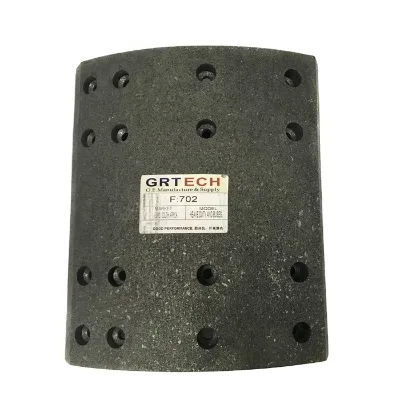
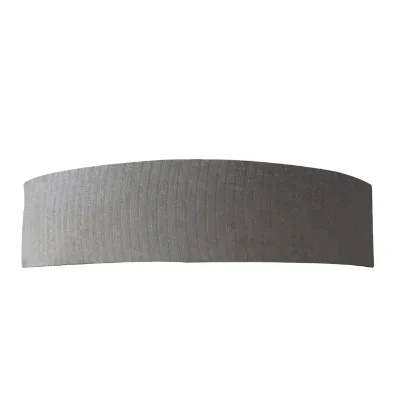
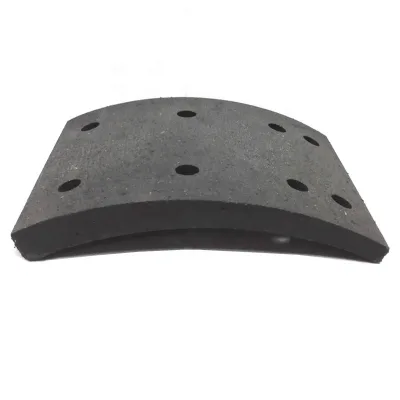
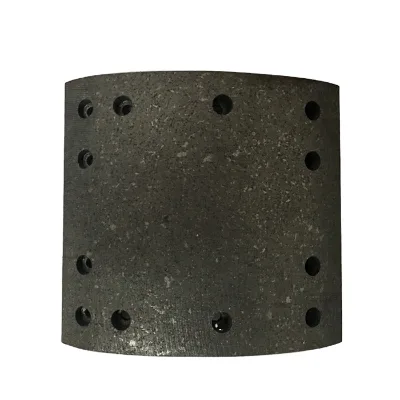
High Performance Truck Brake Systems Asbestos and Non-asbestos Brake Linings Truck Brake Lining
$10.2476
MOQ: 100 Minimum
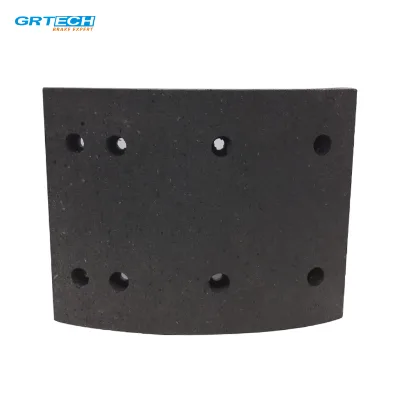
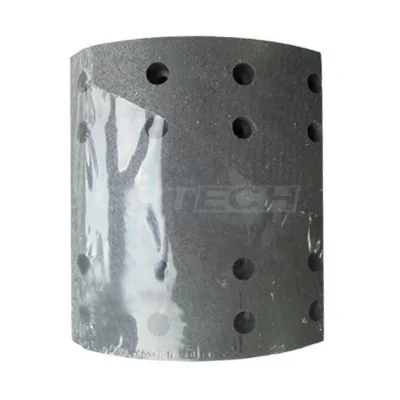

Qingdao Pujie Industry Co., Ltd.
- Trading Company,Manufacturer/Factory
- China Shandong
- Lead time30 days
- Avg. response≤ 13h
Main productsBrake Discs, Brake Drums, Brake Pads, Brake Shoes, Brake Linings, Truck Parts, Auto Parts, Car Parts
Main marketsSouth America,Eastern Europe,Mid East,North America,Southeast Asia,Eastern Asia,Oceania,Western Europe,Africa

Huang Shan Feiying Autoparts Co., Ltd.
- Combined
- China Anhui
- Lead time45 days
- Avg. response≤ 25h
Main productsTruck Brake Lining, Bus Brake Pad, Truck Brake Shoe, Truck Brake Lining Roll, Bus Brake Lining, Bus Brake Lining Roll, Brake Block, Brake Disc, Brake Drum, Auto Parts
Main marketsSouth America,Africa,Southeast Asia/ Mideast,Domestic,Europe

HaiYan OuYaTe Automobile Fittings Co., Ltd.
- Verified by TUVRHEINLAND
- Combined
- China Zhejiang
- Lead time23 days
- Avg. response≤ 14h
Main productsRubber Hose /Silicon Hose/Intake Hose, Brake Lining, Rubber Parts for Auto, High Strength Wheel Bolt, Oil Seal, Fan Belt, Engine Mounting, Steel Bumper Block, Extrusion Hose, Brake Friction Material
Main marketsDomestic
- Manufacturer, Trading Company
- Hubei, China
- Lead time10 days
- Avg. response≤ 4h
Main productsBrake Lining,Brake Pad
Main marketsDomestic Market(86.90%), Southeast Asia(2.30%), South Asia(2.20%), Africa(1.40%), South America(1.10%), Eastern Asia(1.00%), Southern Europe(0.90%), Mid East(0.90%), Central America(0.80%), Northern Europe(0.70%), Western Europe(0.60%), Oceania(0.50%), Eastern Europe(0.40%), North America(0.30%)
Shandong Libang Auto Parts Co., Ltd.
- Verified by SGS Group
- Manufacturer, Trading Company
- Lead time30 days
- Avg. response≤ 1h
Main productsHOWO Parts, SINOTRUK Parts, Chinese Truck Parts, Semi-Trailer Parts, Truck Brake Pad
Main marketsAfrica(40%), Southeast Asia(20%), Eastern Europe(20%)

Yancheng Terbon Auto Parts Co., Ltd
- Verified by SGS
- Trading Company
- China Jiangsu
- Lead time30 days
- Avg. response≤ 4h
Main marketsSouth America,Domestic,Europe,North America

Automobile Part 19246 Truck Brake Parts Non-Asbestos Auto Drum Brake Lining
$10.00 - $18.00
MOQ: 100 Set

OEM 1443 1443es Heavy Duty Truck Parts 23K Non-Asbestos Auto Brake Lining
$13.00 - $21.00
MOQ: 100 Set


Liangshan Changzai Machinery Manufacturing Co., Ltd.
- Manufacturer
- Shandong, China
- Lead time15 days
- Avg. response≤ 2h
Main productslanding gear,germany & american suspension,air tank,king pin,suspension parts
Main marketsMid East(20.00%), Eastern Europe(15.00%), South Asia(10.00%), Eastern Asia(10.00%), North America(10.00%), Oceania(10.00%), Africa(10.00%), Southeast Asia(10.00%)
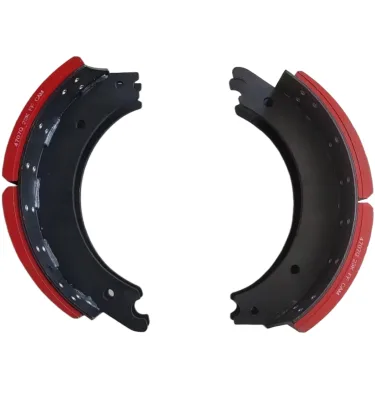
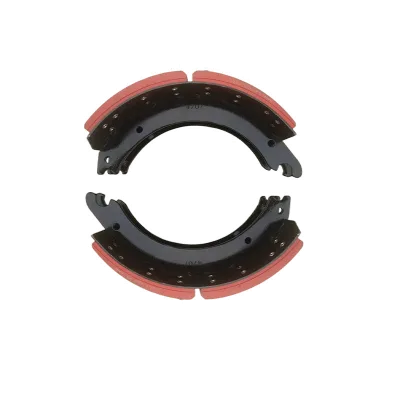
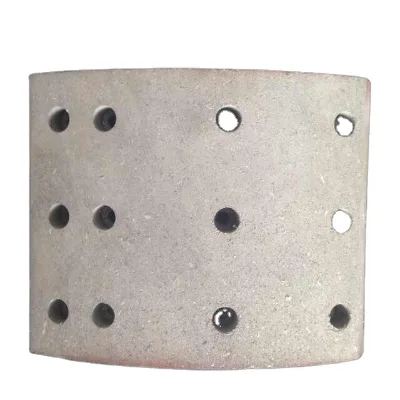
Truck Trailer Brake Lining/ Brake Shoe Lining
$7.00 - $9.00
Zaoyang Hualian Friction Material Co., Ltd.
- Verified by SGS Group
- Manufacturer, Trading Company
- Lead time30 days
- Avg. response≤ 2h
Main productsBrake Lining, Brake Pad
Main marketsSoutheast Asia(25%), Mid East(20%), South America(15%)
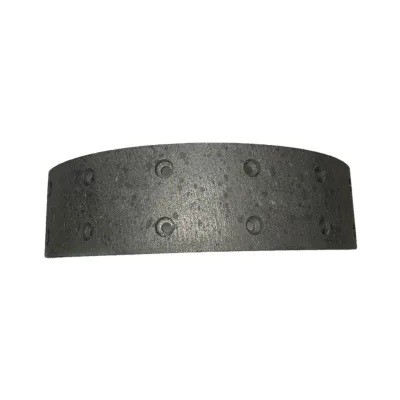
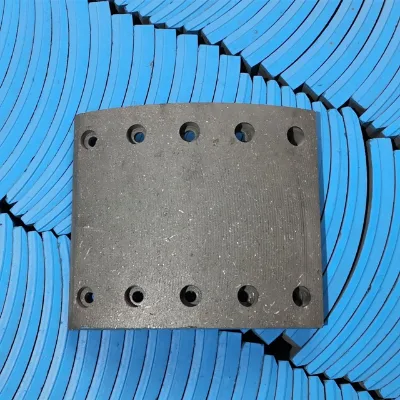
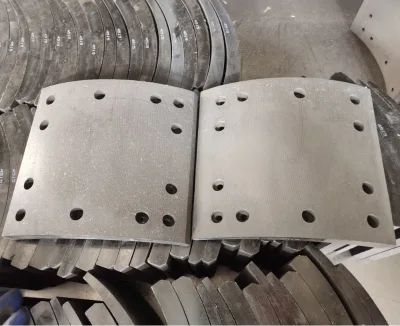
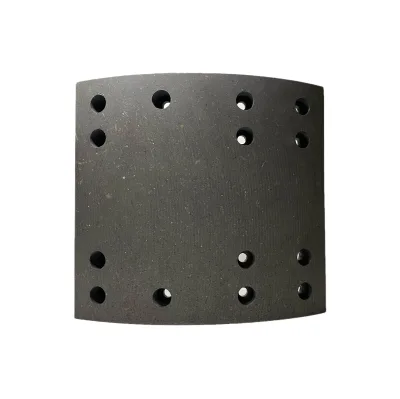
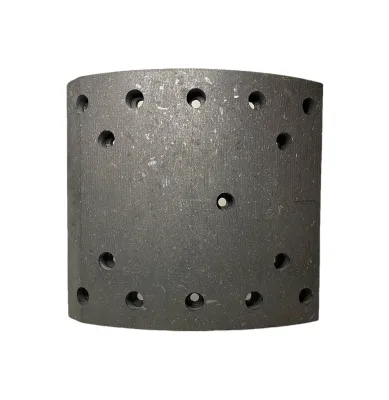
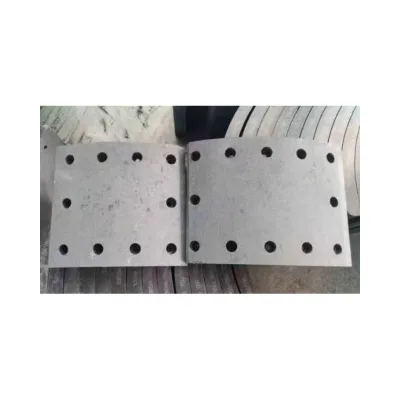
High-Temperature Resistant Semi-Metallic Brake Linings for Mountain Driving
$8.00 - $9.60
MOQ: 100 sets

Hangzhou Xingfeng Industrial Co., Ltd.
- Combined
- China Zhejiang
- Lead time30 days
- Avg. response≤ 24h
Main productsChain, Sprocket, Motorcycle Parts, Auto Parts, Roller Chain, Motorcycle Accessory
Main marketsSouth America,Others(foreignTradeCapacity.exportBusinessCapacityMarketOther)
Dezhou Feo Industry & Trade Co., Ltd.
- Verified by SGS Group
- Manufacturer, Trading Company
- Lead time0 days
- Avg. response≤ 2h
Main productsBrake Linings, Brake Pads, Brake Shoes
Main marketsMid East(40%), Eastern Europe(20%), South America(10%)
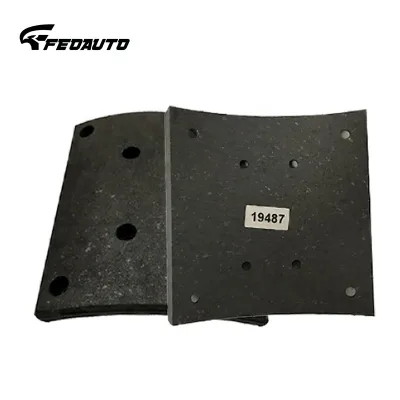
Raw Material 19487 Break Liners Asbestos Free Brake Lining Pad Truck Brake Lining
$27.00 - $29.00
MOQ: 100
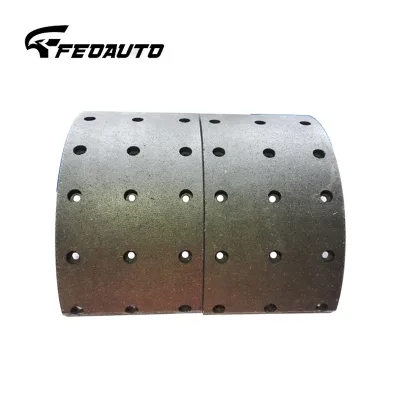
Brake Lining 19463 16 Holes Oem 1946301 BT59 Truck Rear Shoe Brake Lining 19463
$9.00 - $16.00
MOQ: 100

- Verified by SGS
- Manufacturer/Factory
- China Zhejiang
- Lead time45 days
- Avg. response≤ 3h
Main productsFriction Disc, Racing Disc, Clutch Button, Clutch Facing, Clutch Disc, Rivets
Main marketsSouth America,Eastern Europe,Mid East,North America,Southeast Asia,Eastern Asia,Oceania,Western Europe,Africa
Shandong Yijia Import And Export Co., Ltd.
- Trading Company
- Shandong, China
- Lead time15 days
- Avg. response≤ 3h
Main productsHand Tools, Industrial Machinery, Welding and Cutting Equipment, Power Generation Equipment, Lifting Equipment
Main marketsDomestic Market(10.00%), South Asia(10.00%), Northern Europe(10.00%), Central America(10.00%), Eastern Asia(10.00%), Mid East(10.00%), Africa(10.00%), Southeast Asia(10.00%), South America(10.00%), North America(10.00%)
Rizhao Dss International Trading Co., Ltd.
- Verified by TüVRheinland
- Trading Company
- Lead time30 days
- Avg. response≤ 2h
Main productsBrake Pad, Brake Shoe, Brake Accessories, Brake Lining, Brake Backing Plate
Main marketsSouth America(30%), Africa(30%), Oceania(30%)
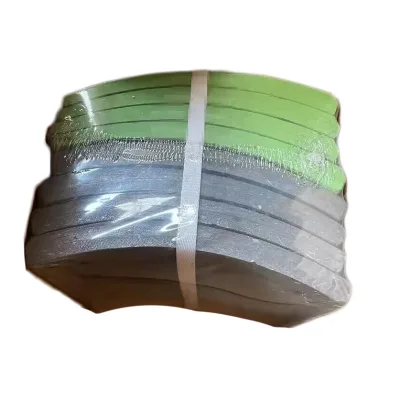
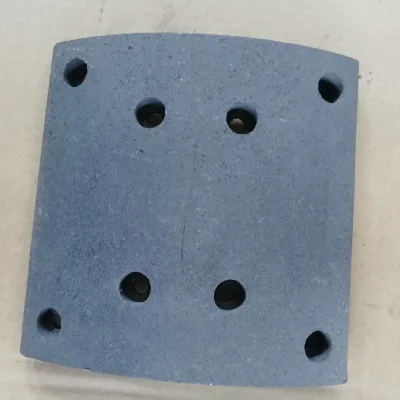
Asbestos Free Truck Brake Lining 19487 19488 Brake Lining for Isuzu Brake Lining
$5.00 - $14.00
MOQ: 50 Minimum
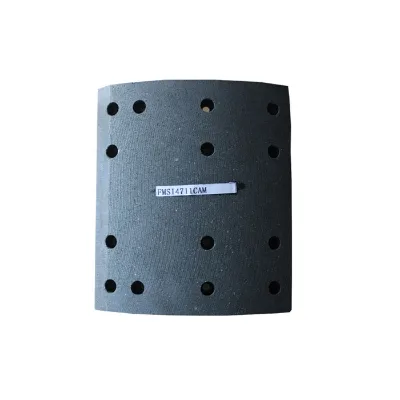
MOQ: 100
Jiangsu Great Industrials (group) Corp., Ltd.
- Verified by TüVRheinland
- Trading Company
- Lead time0 days
- Avg. response≤ 2h
Main productsClutch Facing, Clutch Cover, Clutch Disc, Brake Pads, Brake Shoe
Main marketsSoutheast Asia(20%), Mid East(20%), South America(15%)
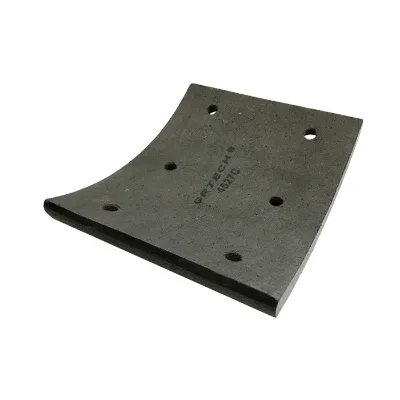
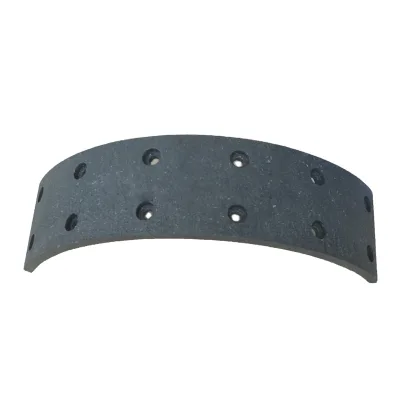
Hot Sale New Condition Semi-Metallic Truck Brake Lining Parts Direct from China Factory
$10.00
MOQ: 100 Minimum
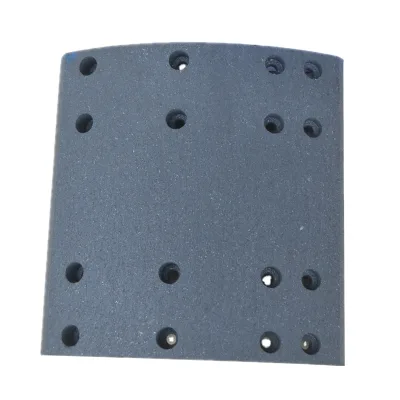
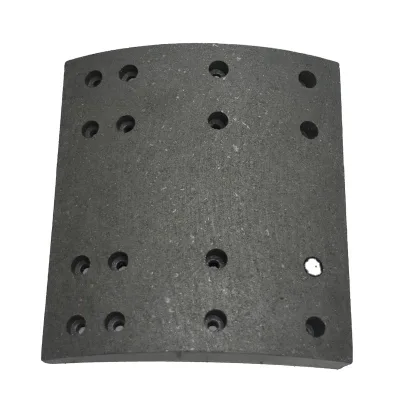
4551 Good Quality Heavy Duty Truck Brake Parts Brake Linings With Standard 23k FF
$15.7364
MOQ: 100 Minimum
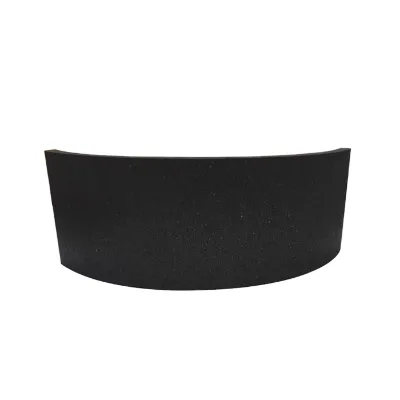

ZHEJIANG KOOYING AUTO PARTS CO., LTD.
- Verified by SGS
- Combined
- China Zhejiang
- Lead time15 days
- Avg. response≤ 7h
Main productsAuto Parts
Main marketsSoutheast Asia/ Mideast
Xingtai Guangji Machinery Technology Co., Ltd.
- Verified by TüVRheinland
- Manufacturer, Trading Company
- Lead time20 days
- Avg. response≤ 4h
Main productsTruck Parts, Tractor Parts, Generator Parts, Construction Machines Parts, Engine Filters
Main marketsEastern Europe(45%), North America(15%), Southeast Asia(15%)
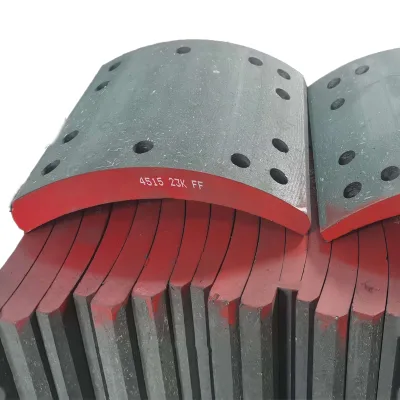
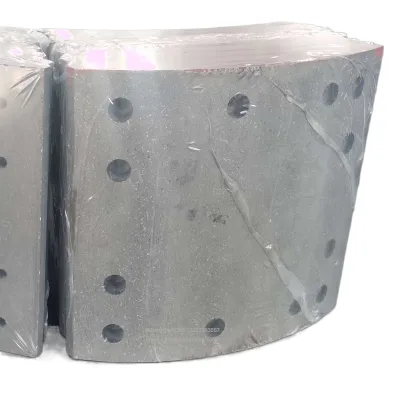
Heavy Duty Truck Brake Linings 4515 4707 4709 Premium Performance for Commercial Vehicles
$15.78 - $20.00
MOQ: 100
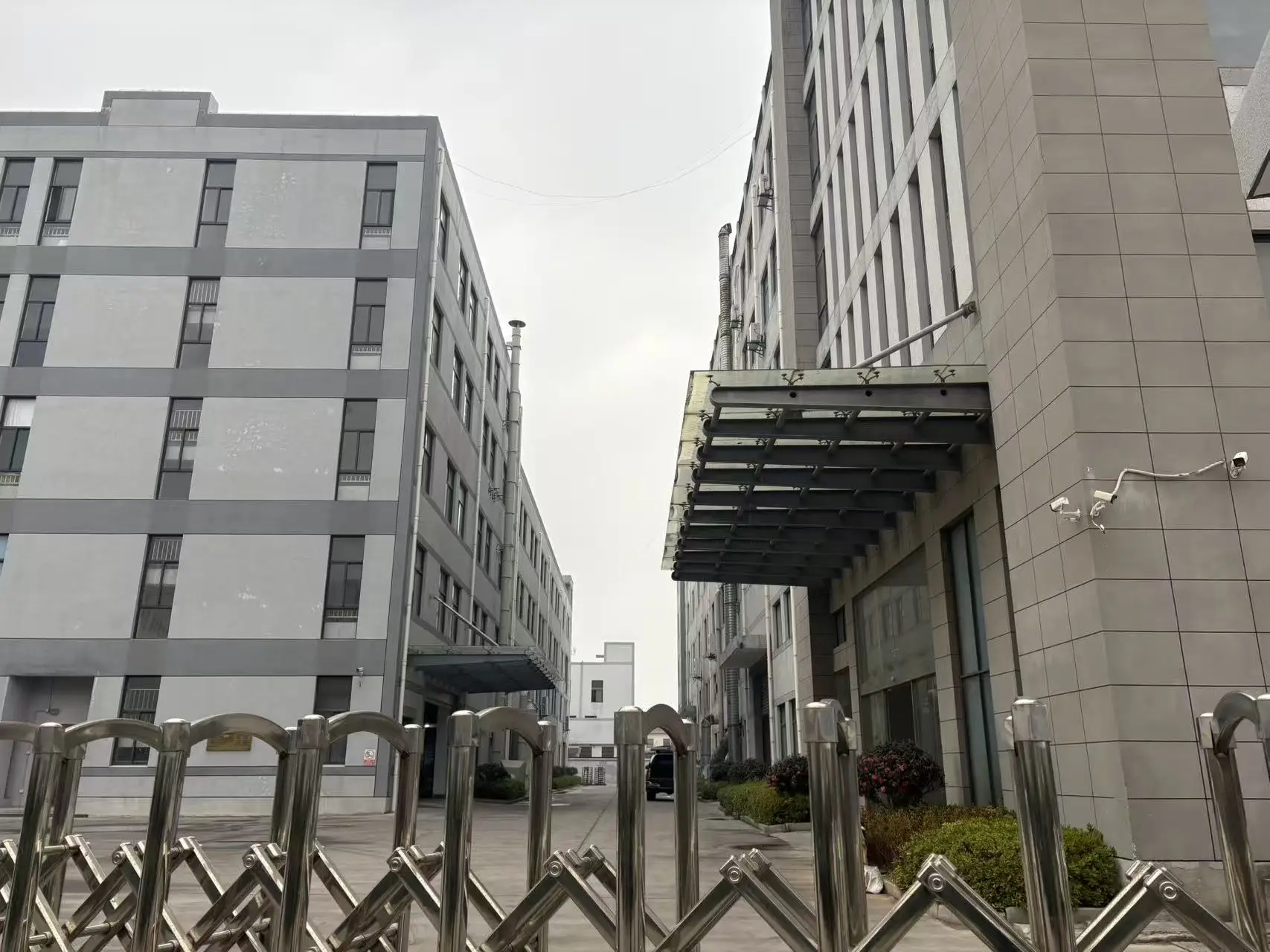
Suzhou Fangtian Industries Co., Ltd.
- Manufacturer, Trading Company
- Jiangsu, China
- Lead time40 days
- Avg. response≤ 11h
Main productsclutch facing,brake lining,trailer plug&socket,trailer cable,trailer hitch coupler
Main marketsSouth America(15.00%), Eastern Europe(15.00%), Mid East(12.00%), Africa(10.00%), Southeast Asia(10.00%), Central America(8.00%), South Asia(5.00%), Domestic Market(5.00%), Eastern Asia(5.00%), North America(5.00%), Oceania(3.10%), Northern Europe(2.70%), Western Europe(2.70%), Southern Europe(1.50%)
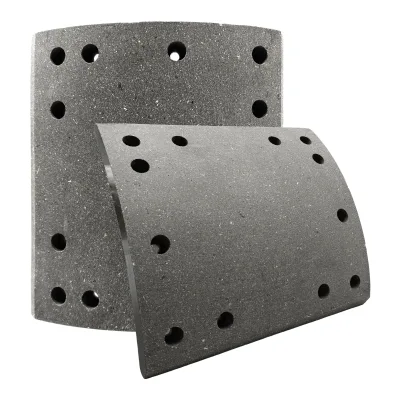
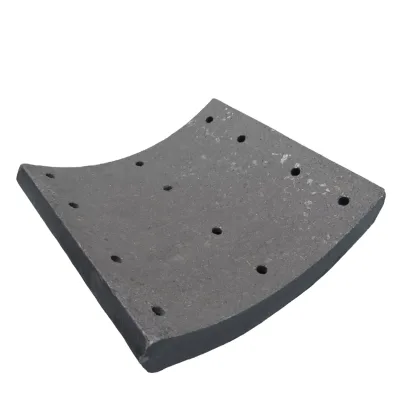
19939 Brake Lining Direct Sales Reasonable Price Truck for Truck Brake Pad Lining
$1.00 - $5.00
MOQ: 100 sets
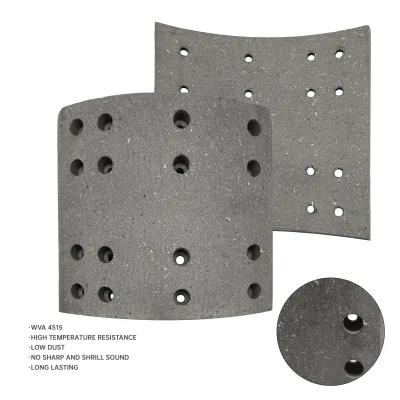
Wholesale Price Custom 16 Holes Hot Sale High Quality 4515 Asbestos Hino Truck Brake Lining
$1.00 - $5.00
MOQ: 200 sets
Jinan Runyuan Automobile Sales Co., Ltd.
- Trading Company
- Lead time旺季: "1 - 20":30,"21 - 50":40,"51 - 100":50,"> 100":"To be negotiated", 淡季: "1 - 20":30,"21 - 50":40,"51 - 100":50,"> 100":"To be negotiated"
- Avg. response≤ 1h
Main productsCargo Trucks, Dump Trucks, Refrigerator Trucks, New Energy Vehicle
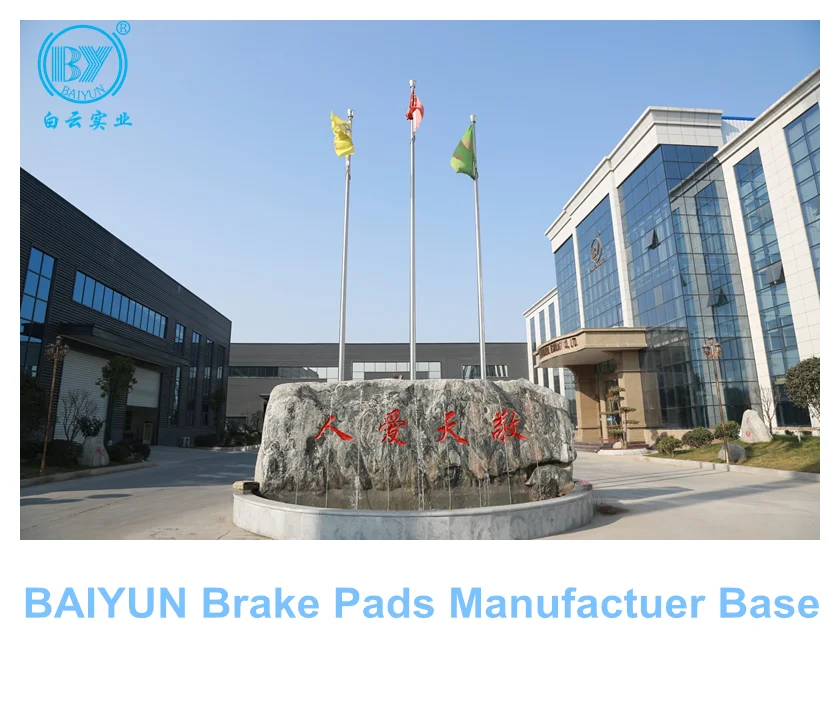
Zhengzhou Baiyun Industrial Co., Ltd.
- Manufacturer, Trading Company
- Henan, China
- Lead time15 days
- Avg. response≤ 6h
Main productsC. V. Brake Linings, Equipment Of Brake Pads
Main marketsDomestic Market(43.00%), Africa(14.00%), Eastern Europe(12.00%), Mid East(9.00%), South America(6.00%), Southeast Asia(6.00%), North America(5.00%), Central America(3.00%), Eastern Asia(2.00%)
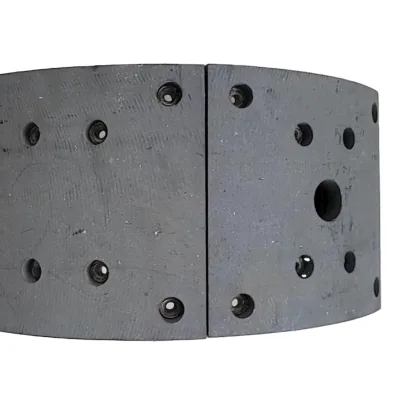
$11.50 - $15.88
MOQ: 50 Minimum


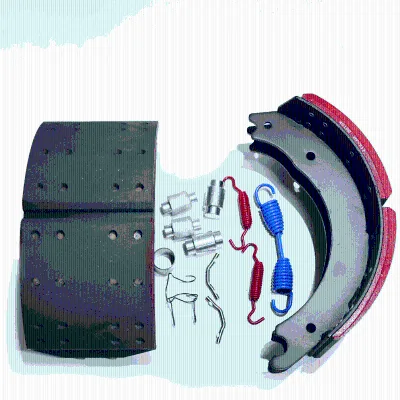
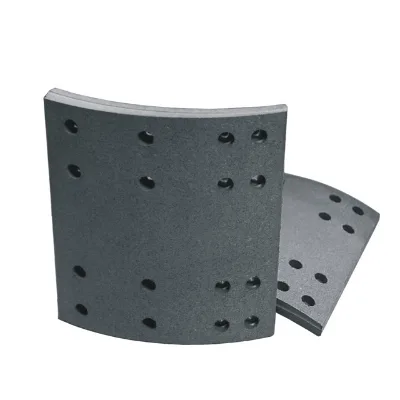
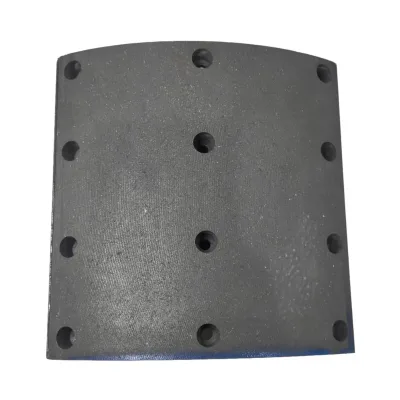
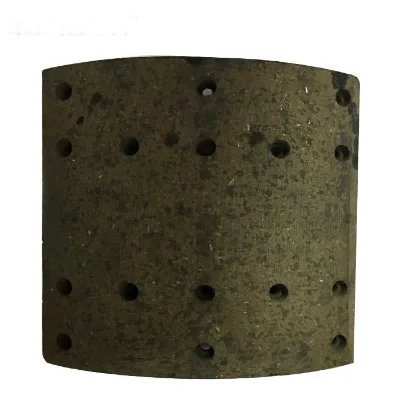
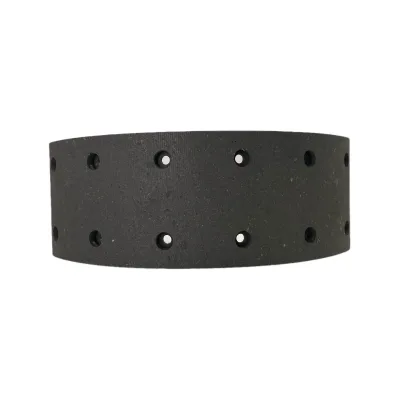
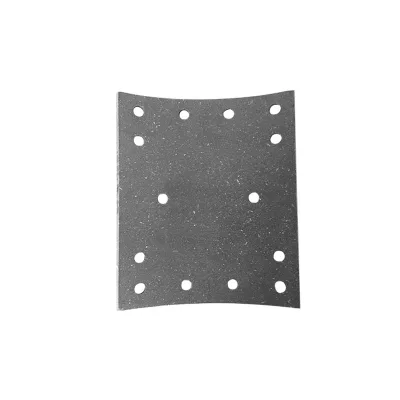
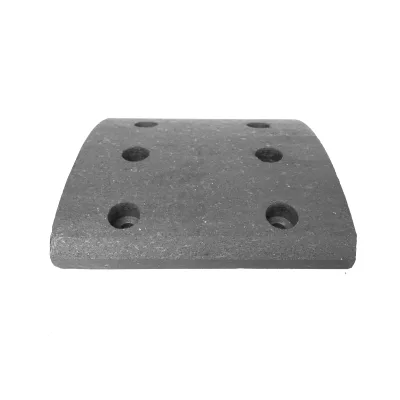
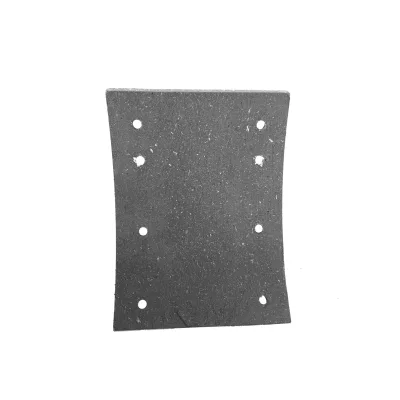


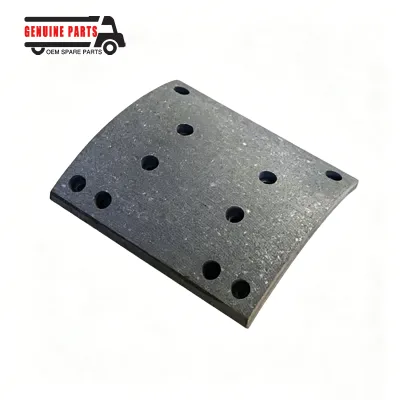
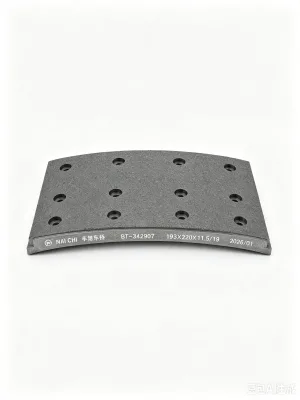


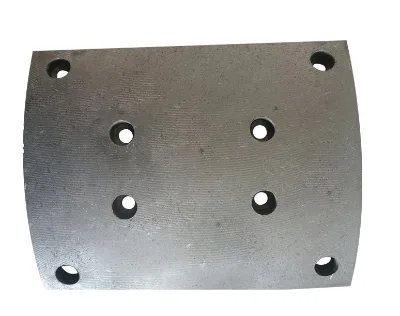
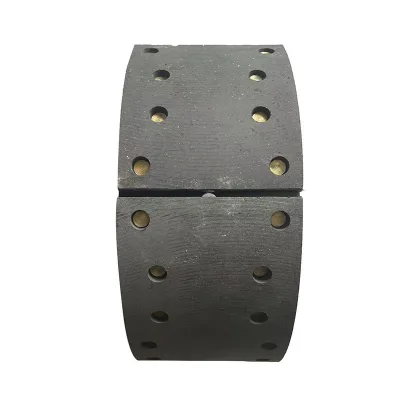
Comprehensive Sourcing Guide
Semi-Metallic Non-Asbestos Truck Brake Linings Supplier Concentration and Factory Types
Suppliers of semi-metallic non-asbestos truck brake linings on this page cluster in two Chinese provinces that appear as verified location results: Jiangsu and Shandong. Jiangsu is represented by listings whose product attributes consistently state "Place of Origin: Jiangsu, China," with dispatch ports listed as Shanghai and Ningbo, which supports the idea of an export-oriented friction cluster near major maritime gateways. Shandong appears as a second concentration, with a supplier profile combining trading and manufacturing roles and covering brake discs, drums, pads, shoes, linings, and broader truck and auto parts. When your own search does not surface a verified location, do not guess a cluster; instead, check the declared place of origin on each listing, the dispatch port, and whether the supplier repeats the same origin across multiple products, since consistency is a reasonable proxy for an actual production base.
The supplier mix includes both pure trading companies and combined manufacturer/traders. One Jiangsu result self-identifies as a trading company whose main products span clutch covers, clutch discs, brake pads, brake shoes, and auto belts, while the Shandong result lists trading company and manufacturer/factory roles together and states OEM capability for research and development. This matters because a trading-only source may subcontract lining production, whereas a factory role with OEM service suggests you can request custom formulations, molded dimensions, and private packaging. Confirm which entity legally manufactures the linings before signing anything.
How to Verify Semi-Metallic Non-Asbestos Truck Brake Linings Suppliers
Verification starts with documentation rather than marketing claims. Several listings on this page declare certifications directly in product attributes: ISO/TS16949 appears on a non-asbestos 4514 truck brake lining listing, and ISO9001 plus TS16949 appear on a 19036/37 and 4515 truck brake lining listing. Treat these as claims to be evidenced, not facts: request the certificate number, issuing body, scope statement, and expiry date, and confirm the scope actually covers friction materials or brake linings rather than unrelated products. The Shandong supplier profile also displays system certifications including QHSE, ISO 9000, TS 16949, ISO 9001, and HSE, but a profile label still needs a current certificate behind it.
Second, verify the material claim itself. Semi-metallic and non-asbestos composition is the core of this category, so ask for a material specification sheet naming the friction formulation, and for independent or third-party test evidence if the supplier has it. The listings here describe materials such as "Non-asbestos, Semi-metalic" and "Non-asbestos, Semi-metal, Ceramic," which shows suppliers differentiate formulations; require that the exact formulation on paper matches what is shipped. Third, verify capacity and warranty claims. One Jiangsu listing states a supply ability of 200,000 sets per month of brake linings and another states 250,000 sets per month for truck brake linings, while warranty figures on the same page range from 30,000 to 300,000 kilometers. Ask how such figures are substantiated and whether sample testing supports them before you rely on either number.
What to Compare Across Semi-Metallic Non-Asbestos Truck Brake Linings Suppliers
Build a comparison sheet using the attributes actually displayed on supplier profiles and listings, without assuming every supplier shows every field. Useful displayed dimensions on this page include location (Jiangsu versus Shandong China), company type (trading company versus trading company plus manufacturer/factory), response time (one profile shows 4 hours, another shows roughly 12 hours), lead time (35 days on one profile, 30 days on another), certification labels, OEM research and development capacity, and main product lines. Rank suppliers on the combination that matches your needs: a buyer needing rapid iteration may weight response speed and OEM capability, while a buyer replenishing stock may weight lead time and capacity statements.
Compare product-level data too, because it varies more than profile data. On this page, one truck brake lining listing shows an MOQ of 100 and a single price point near $10.25, another lining shows a $4.00 price, a 15535 brake shoe lining lists at $10.00, and a heavy-duty 4514 semi-trailer lining lists at $15.00. Sizes also differ: 21122018.7 mm with 16 holes on one listing, and 209178 mm or 213178 mm profiles on another, with models 4514 and 4515 appearing repeatedly. Compare like-for-like: same model number, same size, same material family, same warranty basis. A cheaper lining that does not match your required OE reference or dimensions is not a better deal, so normalize every quote before ranking suppliers.
Common Semi-Metallic Non-Asbestos Truck Brake Linings Sourcing Risks
The first risk is material substitution or mislabeling. Because the category's value rests on being non-asbestos and semi-metallic, an unscrupulous source could ship asbestos-containing or wrongly proportioned linings that still pass a visual check. The product attributes on this page show suppliers naming specific formulations, so insist that your purchase order binds the material description, the model number, and the declared dimensions together, and reserve the right to test incoming shipments. The second risk is warranty inflation. Warranty figures displayed here include 30,000 kilometers, 200,000 kilometers, a range of 30,000 to 80,000 kilometers, and 300,000 kilometers, on broadly similar products; such spread signals that warranty numbers are marketing variables, not verified engineering data. Ask what duty cycle, axle load, and vehicle type each figure assumes.
The third risk is entity confusion. When a supplier is a trading company, as one Jiangsu profile states, the actual lining factory may be unnamed, which complicates quality audits, corrective actions, and recall cooperation. The fourth risk is compatibility error: model families like 4514, 4515, 15535, and 19036/37 and sizes from 18.7 mm down to 10.5 mm thickness mean a small ordering mistake yields unusable stock. Mitigate by sending drawings or samples and requiring a pre-production approval sample. Finally, plan for certification drift: a certificate quoted in a listing may lapse or exclude your product type, so re-verify annually and after any formulation change.
Semi-Metallic Non-Asbestos Truck Brake Linings Regional Sourcing and Logistics
Both verified clusters on this page export through convenient eastern Chinese ports. The Jiangsu listings name Shanghai and Ningbo as ports of dispatch, which are among the largest container ports in the region, so ocean freight consolidation and sailing frequency are rarely the bottleneck for this category. The Shandong supplier is also positioned for export, though its listing does not display a named dispatch port, so confirm the exit port and inland trucking cost during inquiry. For buyers in North America, Europe, the Middle East, or Southeast Asia, the practical logistics questions are container utilization, since brake linings are dense metal-backed items, and whether the supplier will palletize and shrink-wrap to your spec. One listing describes packaging of eight pieces in shrink packing with two sets per carton, and another offers neutral packing or customized color boxes, which shows packaging is negotiable.
Lead times displayed here are 30 to 35 days, and one product listing independently states a 30-day delivery, which is consistent. Treat that as production time only; add inland transit, port cut-off times, and ocean or air leg to build a realistic replenishment calendar. For urgent trials, ask whether a small lot can move by air freight even though linings are heavy. Also confirm who handles export documentation, whether the supplier sells FOB, and which freight forwarder you trust for the destination leg.
Semi-Metallic Non-Asbestos Truck Brake Linings Commercial Terms and Order Planning
Order planning should begin with the MOQ and price structure visible in the category. A displayed MOQ of 100 sets on one Jiangsu listing, and an MOQ of 100 sets stated in the attributes of a 19036/37 and 4515 lining listing, suggest that trial orders at the hundred-set level are realistic. Prices on this page span roughly $4.00 to $15.00 depending on product and specification, so budget per model rather than per category, and remember that a single-point price usually assumes that exact specification. Negotiate tiered pricing against annual volume, and state in writing whether packaging is neutral or custom, since customized color boxes were explicitly offered as an option on one listing and will affect both unit cost and lead time.
Payment and risk controls matter more with mixed trading and manufacturing entities. Where a platform escrow or secure payment option is displayed, use it at least for the first order; otherwise use staged payments tied to production milestones and a passed pre-shipment inspection. Plan orders backward from lead time: with 30 to 35 days production plus ocean transit, a quarterly buyer should reorder roughly two months ahead of stock-out. Finally, lock the commercial anchors that make warranty claims enforceable: material specification, model number, dimensions, warranty basis in kilometers, certificate references, and the manufacturing entity's legal name on the contract.
Word count check: sections average ~230 words; total approximately 1380 words, within the 1350-1450 range.
FAQs
What is the minimum order quantity for truck brake linings?
The minimum order quantity is typically 100 sets. This threshold allows buyers to test product quality and fitment before committing to larger volumes. Suppliers often structure pricing tiers based on these initial batch sizes to accommodate small to medium-sized procurement needs effectively.
How long does production take for brake lining orders?
Standard lead times range from 30 to 35 days. This duration covers material preparation, molding, and quality inspection processes. Buyers should account for this timeframe when planning inventory replenishment cycles to avoid stockouts during peak operational seasons for their fleets.
What certifications do these brake linings hold?
Products commonly hold ISO 9001 and TS 16949 certifications. These standards verify that manufacturing processes meet rigorous automotive quality management requirements. Buyers can rely on these credentials to ensure consistent product performance and compliance with international safety regulations for heavy-duty vehicle applications.
What materials are used in these brake linings?
Materials include non-asbestos, semi-metallic, and ceramic compositions. These formulations provide balanced friction characteristics and heat dissipation properties. The non-asbestos content ensures environmental safety, while semi-metallic additives enhance durability and stopping power under heavy load conditions typical for truck operations.
Where are these suppliers located?
Suppliers are primarily located in Jiangsu and Shandong provinces in China. These regions are established hubs for automotive parts manufacturing. Buyers can benefit from the concentrated supply chain infrastructure and logistical advantages offered by these specific industrial zones for efficient export and shipping.
What is the warranty period for brake linings?
Warranties typically cover 30,000 to 200,000 kilometers. This range depends on the specific product model and material composition. Buyers should verify the exact mileage guarantee for their selected part number to ensure it aligns with their expected vehicle usage patterns and maintenance schedules.