Silent Stair Climbing Electric Handcart Suppliers and Manufacturers
Source 27 verified suppliers for Silent Stair Climbing Electric Handcart. Compare lead times, MOQs, certifications, and prices from manufacturers in Zhejiang and Hebei. Review product specs and request quotes today; review the available evidence before requesting comparable quotations from suitable candidates.
Updated
Suppliers List
Hebei Teyun Environmental Protection Technology Co., Ltd.
- Verified by TüVRheinland
- Trading Company
- Lead time15 days
- Avg. response≤ 1h
Main productsCargo Stair Climber, Manual Stacker, Electric Lifting Machine, Manual Pallet Truck, Hydraulic Lifting Platform
Main marketsEastern Europe(20%), Southeast Asia(20%), Mid East(15%)
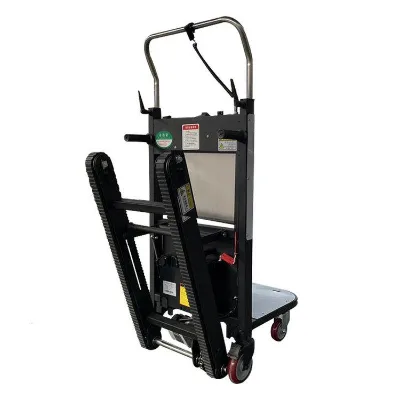
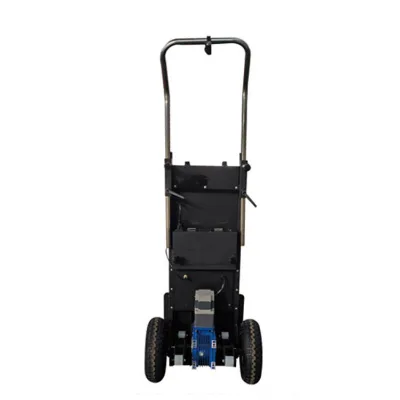
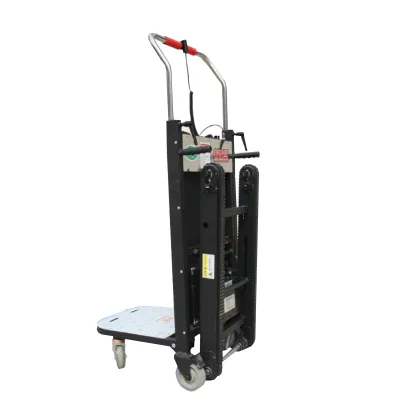
$660.00 - $720.00
MOQ: 1 pieces
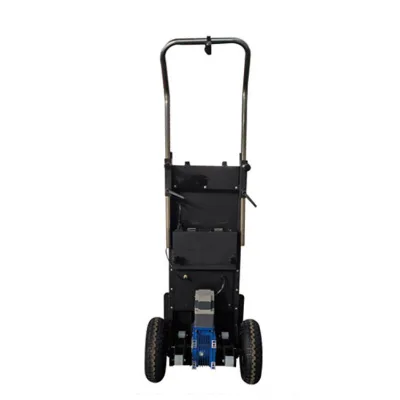
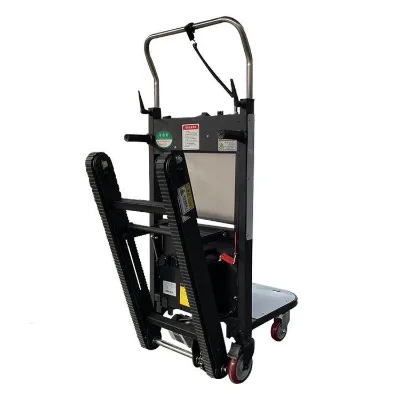
Hangzhou Hangzhu Hoisting Machinery Co., Ltd.
- Trading Company
- Zhejiang, China
- Lead time20 days
- Avg. response≤ 15h
Main productsHoist; Electric Lifting Scaffolding; Hydraulic Truck; Stacker Truck; Electric Stair Climbing Machine
Main marketsNorth America(40.00%), Domestic Market(30.00%), South America(20.00%), Southeast Asia(10.00%)

Suzhou Haoxin Medical Technology Co., Ltd
- Verified by BV
- Combined
- China Jiangsu
- Lead time15 days
- Avg. response≤ 1h
Main productsStretcher, Emergency Trolley, Basket Stretcher, First Aid, Stair Chair, Spine Board, Folding Chair, Funeral Product, Hospital Furniture, Chair Lift
Main marketsSouth America,Europe


Foldable Electric Stair Trolley with Battery Electric Stair Climbing Trolley
$670.00 - $800.00
MOQ: 1 Pieces

Portable Foldable Electric Stair Climbing Trolley Cart with Four Wheels
$655.00 - $800.00
MOQ: 1 Pieces


Fuyang Fujiu Machinery Equipment Co., Ltd.
- Verified by SGS
- Manufacturer/Factory
- China Anhui
- Lead time15 days
- Avg. response≤ 5h
Main productsSolar Panel Lift, Scaffolding, Cargo Lifter, Aluminum Alloy Lift, Stair Climber, Glass Lift, Window Door Lift, Forklift, Small Lift
Main marketsSouth America,Eastern Europe,Mid East,North America,Southeast Asia,Eastern Asia,Oceania,Western Europe,Africa

Jinjiang Shenggong Machinery Co., Ltd.
- Verified by SGS
- Trading Company,Manufacturer/Factory
- China Fujian
- Lead time15 days
- Avg. response≤ 4h
Main productsMachinery for Building Industry
Main marketsSouth America,Eastern Europe,Mid East,North America,Southeast Asia,Eastern Asia,Oceania,Western Europe,Africa

Wholesale 400kg Electric Climbing Handcart Mini Electric Stair Trolley with Lithium Battery
$479.00 - $498.00
MOQ: 4 Pieces

Electric Stair Climbing Trolley Hand Trolley Folding Crawler-Type Electric Stair Climber
$1889.00 - $1920.00
MOQ: 9 Pieces

Electric Building Climber Stair Climbing Trolley Electric Powered Trolley Mountain
$989.00 - $1080.00
MOQ: 4 Pieces


200kg Extended Electric Stair Climbing Trolley Heavy Duty Stair Climber Handtruck
$689.00 - $709.00
MOQ: 9 Pieces
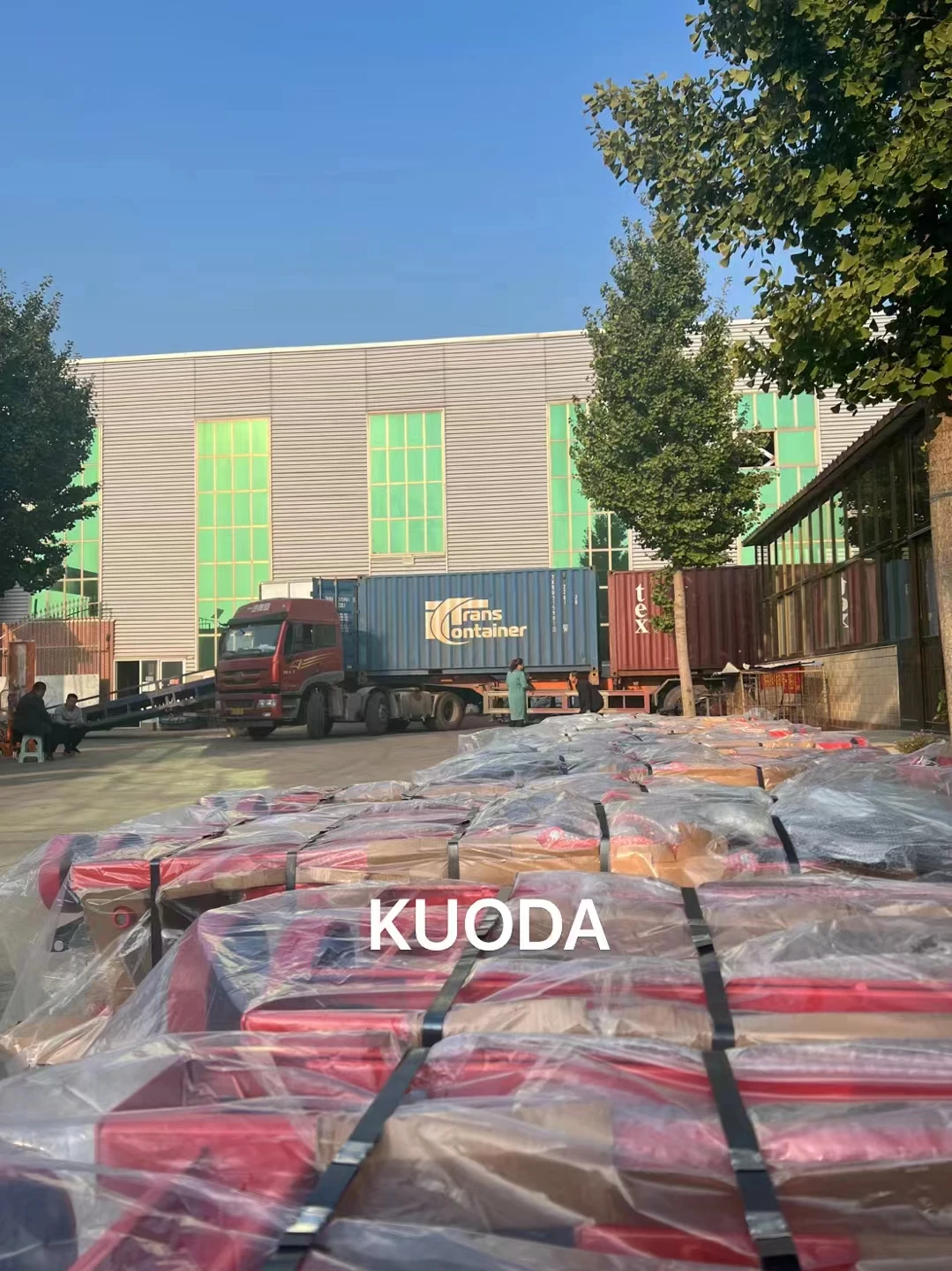
Baoding Kuoye Machinery Co., Ltd.
- Trading Company
- Hebei, China
- Lead time15 days
- Avg. response≤ 4h
Main productsHand Pallet Truck,Hand Stacker,Self Lifter Forklift,Cargo Stair Climber,Lift Table
Main marketsDomestic Market(40.00%), Southeast Asia(15.00%), South Asia(10.00%), Eastern Asia(8.00%), Mid East(6.00%), Eastern Europe(5.00%), North America(2.00%), Oceania(2.00%), Southern Europe(2.00%), Northern Europe(2.00%), Central America(2.00%), Western Europe(2.00%), South America(2.00%), Africa(2.00%)
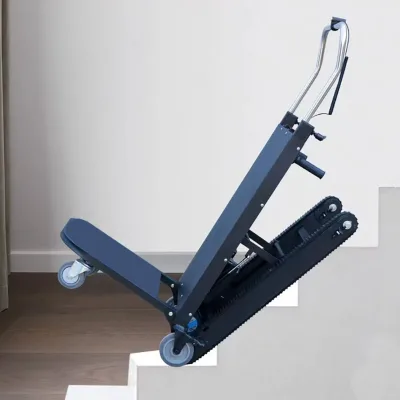
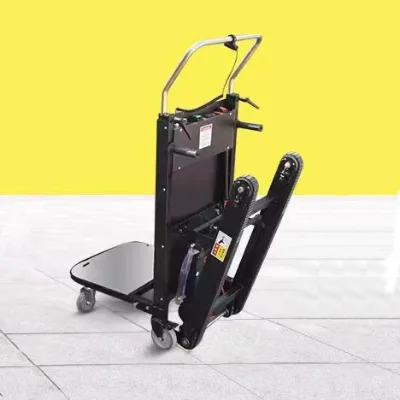
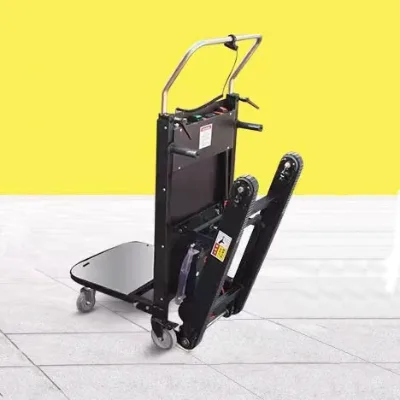
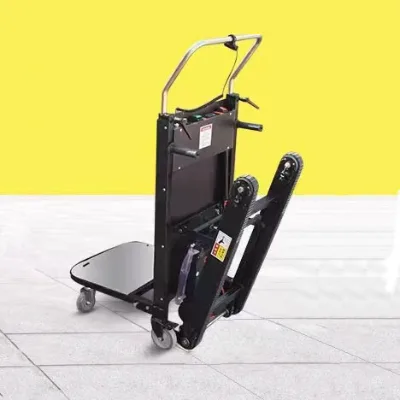
New Products Load Stair Climbing Robot Dolly Trolley Hand Carts
$398.00 - $435.00
$409.2188 - $447.2621
MOQ: 1 pieces

Xingtai Sichuang Machinery Manufacturing Co., Ltd.
- Manufacturer/Factory
- China Hebei
- Lead time23 days
- Avg. response≤ 3h
Main productsElectric Loader, Micro Cultivator, Macaroni Making Machine, Thread Rolling Machine, Well Drilling Machine, Knife Grinding Machine, Winch, Dumpling Machine, Noodle Machine, Electric Forklift
Main marketsMid East,North America,Southeast Asia,Africa


Stair Climbing Hand Truck Capacity 200kg Motorized Stair Climbing Dolly
$980.00 - $1200.00
MOQ: 1 Pieces
Suzhou Haoxin Medical Technology Co., Ltd.
- Verified by Intertek
- Manufacturer, Trading Company
- Lead time15 days
- Avg. response≤ 2h
Main productsStretcher, Medical Transfer Pad, Medical External Fixation Brace, Medical Infant Bed
Main marketsMid East(30%), Southeast Asia(20%), Eastern Asia(20%)
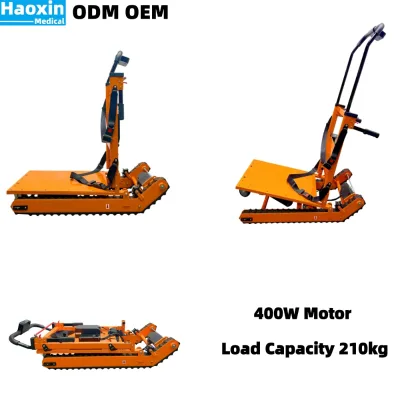
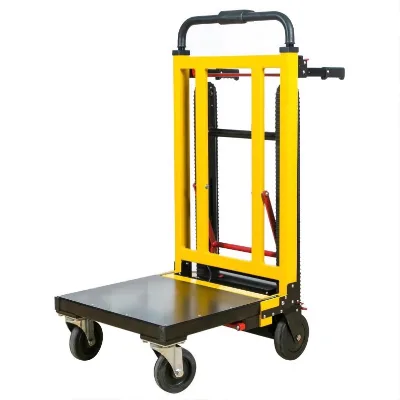
$552.9351 - $639.9708
MOQ: 10 pieces
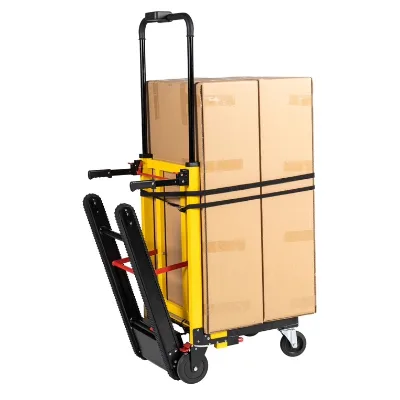
Zhengzhou Liangpu Imp. & Exp. Co., Ltd.
- Trading Company
- Henan, China
- Lead time7 days
- Avg. response≤ 2h
Main productsBone Crushing Machine,Manure Dewatering Machine,Electric Trolley,Rice Mill,Pillow Filling Machine
Main marketsSoutheast Asia(40.00%), North America(20.00%), Mid East(20.00%), South America(10.00%), Africa(10.00%)
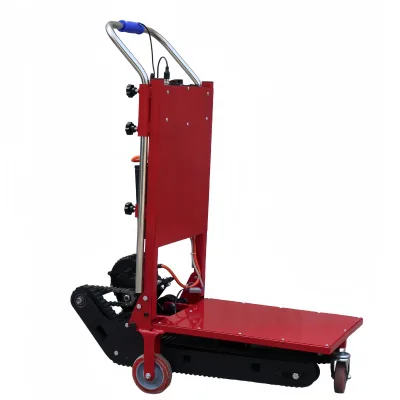
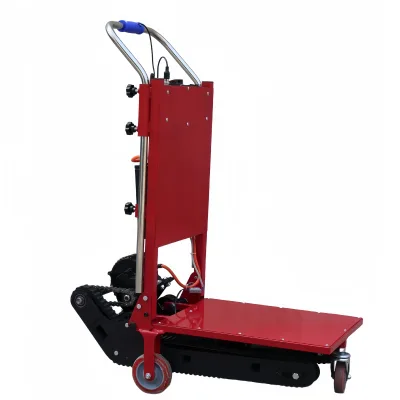
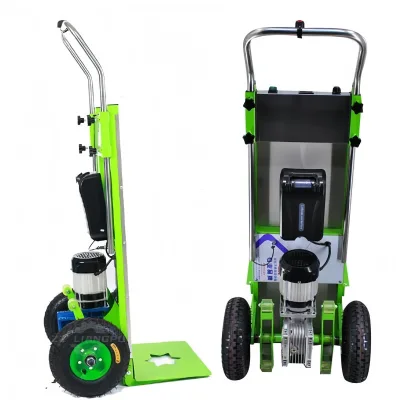
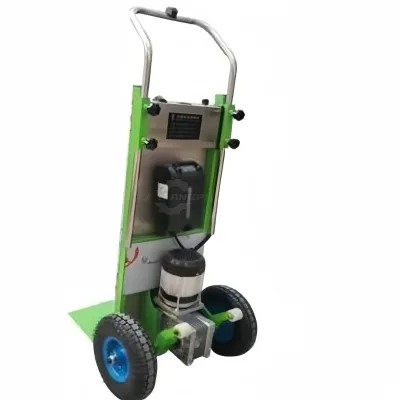
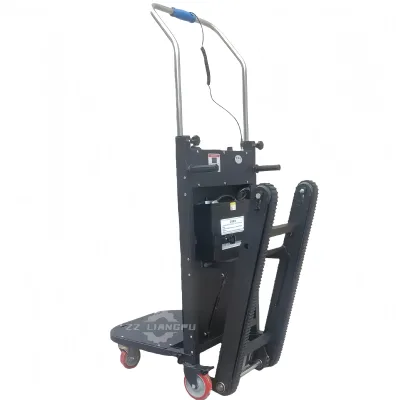
220kg Loading Capacity Lithium Battery Powered Steel Stair Dollys Climbing Electric Trolleys
$440.3656
MOQ: 1 Minimum
Suzhou Ireland Medical Equipment Co., Ltd.
- Verified by TüVRheinland
- Manufacturer, Trading Company
- Lead time25 days
- Avg. response≤ 4h
Main productsStretcher, Spine Board, Electric Wheelchair, Stair Climbing Wheelchair, Stair Climbing Trolley
Main marketsDomestic Market(60%), North America(6%), South America(6%)
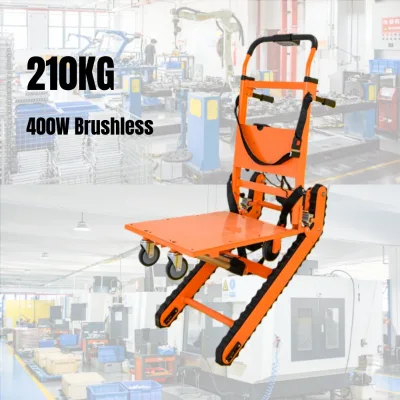
200-400KG Load Stair Climbing RobotTrolley Electric Stair Climbing Hand Carts
$645.4522 - $687.0948
MOQ: 10 pieces
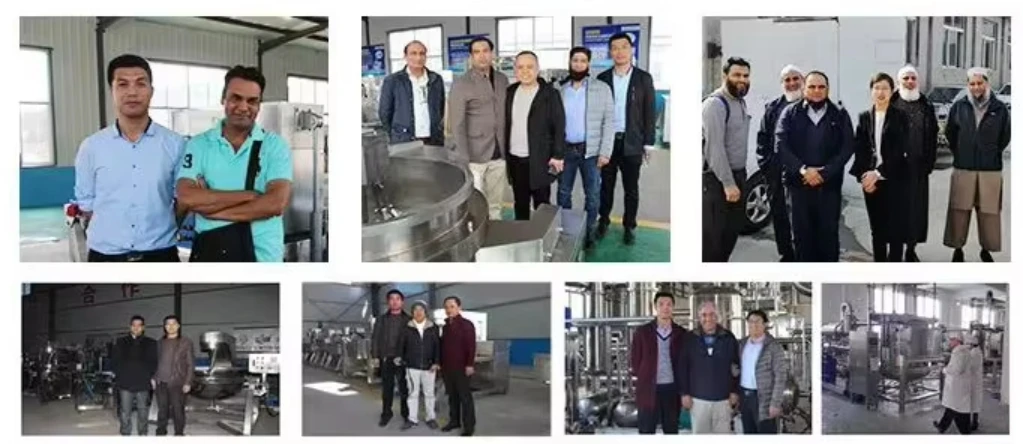
Fuyang Fujiu Machinery Equipment Co., Ltd.
- Trading Company
- Anhui, China
- Lead time10 days
- Avg. response≤ 3h
Main productswind turbine,lifting machine,Material handling,solar panel lift,forklift
Main marketsEastern Asia(20.00%), Northern Europe(15.00%), Southeast Asia(8.00%), Southern Europe(8.00%), Central America(5.00%), South America(5.00%), South Asia(3.00%), Eastern Europe(3.00%), North America(3.00%), Domestic Market(2.00%), Mid East(2.00%), Western Europe(2.00%), Africa(1.00%)

Jiangxi Mide Industrial Co., Ltd.
- Verified by TUVRHEINLAND
- Trading Company
- China Jiangxi
- Lead time23 days
- Avg. response≤ 3h
Main productsFridge Magnet Making Machine, Electric Scaffolding, Elevator Lift, Lift Platform, Forklift, Electric Hoist, Electric Winch, Hydraulic Scissor Lift, Solar Panel Lifter, Stair Climber Machine
Main marketsSouth America,East Asia(Japan/ South Korea),Europe

Folding Stair Climbing Lifting Equipment Electric Stair Climber Trolley with Battery
$550.00 - $600.00
MOQ: 1 Pieces

Electric Automatic Stair Climbing Cart Trolley Foldable Transport Cargo Climbing Vehicle Ladder
$550.00 - $600.00
MOQ: 1 Pieces


Beijing Liediao Weiye Lifting Equipment Co., Ltd.
- Trading Company
- Beijing, China
- Lead time3 days
- Avg. response≤ 9h
Main productschain block,electric hoist,wire rope electric hoist,lever block,webbing sling
Main marketsDomestic Market(40.00%), Mid East(20.00%), North America(10.00%), South America(10.00%), Africa(6.00%), Central America(5.00%), Northern Europe(2.00%), Southeast Asia(1.00%), South Asia(1.00%), Southern Europe(1.00%), Eastern Europe(1.00%), Oceania(1.00%), Western Europe(1.00%), Eastern Asia(1.00%)

Jiangsu Huize Intelligent Technology Co., Ltd.
- Verified by SGS
- Manufacturer
- China Jiangsu
- Lead time15 days
- Avg. response≤ 3h
Main productsElectric Forklift, Lift Table, Reach Truck, Roll Lifter, Warehouse Forklift, Lifting Equipment, Tractor Truck, Electric Crane, Pallet Truck, Pallet Stacker

Portable Electric Hand Trolley Stair Climber Dolly Stair Climbing Trolley for Heavy Loads
$299.00 - $499.00
MOQ: 1 Pieces


800kg Capacity Electric Stair Climbing Folding Cart Hand Trolley Truck
$299.00 - $499.00
MOQ: 1 Pieces
Henan Sincerely Industrial Co., Ltd.
- Manufacturer, Trading Company
- Henan, China
- Lead time10 days
- Avg. response≤ 4h
Main productsfarm machinery,agricultural machinery,forklift,animal husbandry machinery,grass cutters
Main marketsSouth America(20.00%), South Asia(10.00%), Africa(10.00%), Eastern Asia(10.00%), Southern Europe(8.00%), Western Europe(6.00%), Northern Europe(5.00%), Central America(5.00%), Southeast Asia(5.00%), North America(5.00%), Mid East(5.00%), Oceania(4.00%), Domestic Market(4.00%), Eastern Europe(3.00%)

Ningbo Tower Machinery Co., Ltd
- Verified by TUVRHEINLAND
- Manufacturer/Factory
- China Zhejiang
- Lead time30 days
- Avg. response≤ 7h
Main productsSheet Metal Fabrication, CNC Machining Parts, Laser Cutting Parts, Tube Bending Parts, Welding Parts, Stamping Parts, Bus Seat, Trailer Jack, Electric Winch, Wheel Spacer
Main marketsSouth America,Eastern Europe,Mid East,North America,Southeast Asia,Eastern Asia,Oceania,Western Europe,Africa
Hebei Liaoshuo Import & Export Co., Ltd.
- Verified by SGS Group
- Trading Company
- Lead time30 days
- Avg. response≤ 2h
Main productshousehold elevators, freight elevators, self-scissor lifts, cylinder lifting platforms
Main marketsNorth America(30%), South America(20%), Western Europe(20%)
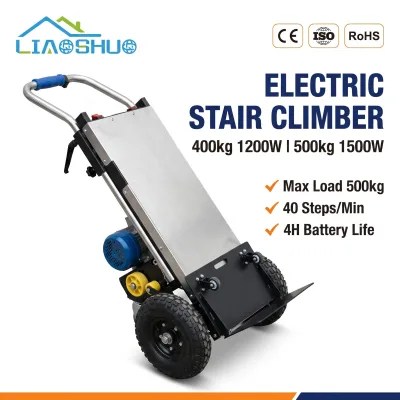
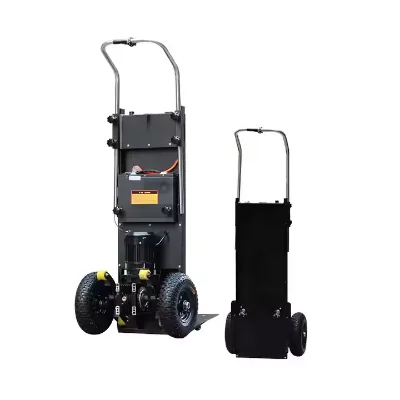
$415.8461 - $467.8276
MOQ: 1 sets
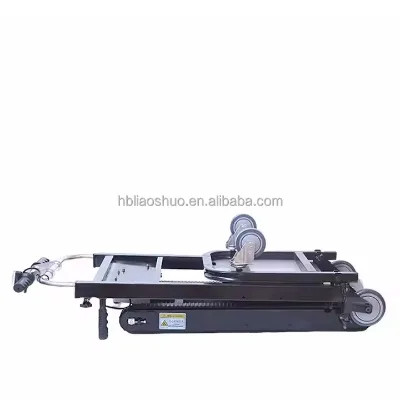
$594.66 - $675.7507
MOQ: 1 units
$586.1029 - $666.0267
MOQ: 1 units
Hebei Hangniu Hoist Equipment Manufacturing Co., Ltd.
- Manufacturer, Trading Company
- Hebei Province, China
- Lead time21 days
- Avg. response≤ 1h
Main productsCrane,Webbing sling,Pallet Truck,Winch
Main marketsNorth America(70.00%), Southern Europe(5.00%), Western Europe(5.00%), Mid East(5.00%), Africa(5.00%), Southeast Asia(5.00%), South America(5.00%)
Jiangxi Mide Industrial Co., Ltd.
- Verified by TüVRheinland
- Trading Company
- Lead time40 days
- Avg. response≤ 4h
Main productsElectric Scaffolding, Electric Hoist, Cranes, Electric Forkift, Lift Platform
Main marketsEastern Asia(30%), South America(20%), North America(10%)
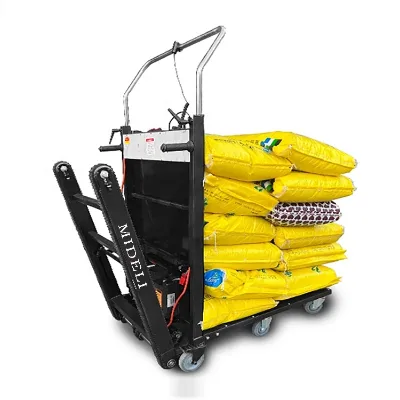
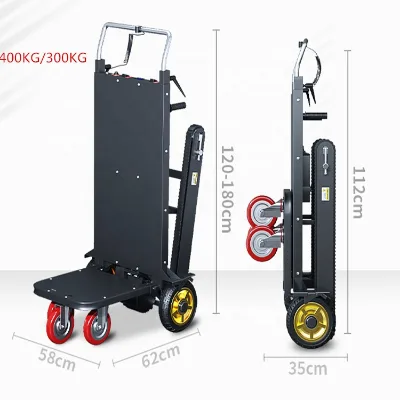
300-400KG Electric Stair Climbing Cart Four-Wheel Platform OEM Cargo Hand Cart Trolley
$603.1573 - $723.1679
MOQ: 1 Minimum
Zhejiang Jndo Hoisting Equipment Co., Ltd.
- Manufacturer, Trading Company
- Zhejiang, China
- Lead time0 days
- Avg. response≤ 2h
Main productselectric hoist,pickup truck crane,permanent lifting magnet,manual chain block,pallet truck
Main marketsEastern Europe(30.00%), Northern Europe(28.00%), North America(18.00%), Western Europe(13.00%), South America(10.00%)

- Verified by TUVRHEINLAND
- Combined
- China Zhejiang
- Lead time23 days
- Avg. response≤ 3h
Main productsChain Hoist, Lever Block, G80 Chain G100 Chain, Rigging Hardware, Cargo Straps/ Ratchet Tie Down, Webbing Sling Endless Sling Round Sling, Wire Rope Pulling Hoist, Hand Winch and Load Restraints, Lifting Clamp / Steel Plate Clamp /Drum Clamp, Lifting Jacks Hand Pallets
Main marketsSoutheast Asia/ Mideast,East Asia(Japan/ South Korea),Australia

Portable Foldable Steel 550lb Stairs Climbing Shopping Hand Cart Stair Climber Trolley
$35.00 - $40.00
MOQ: 300 Pieces


Qingdao Future Tool Co., Limited
- Verified by SGS
- Combined
- China Shandong
- Lead time30 days
- Avg. response≤ 13h
Main productsWheel Barrow, Hand Trolley, Tool Cart, Air Wheel and Solid Wheel, Service Cart, Castor, Agriculture Wheel, Platform Hand Truck, Rim, Tire and Tube
Main marketsAustralia
Xingtai Xingzhi Machinery Manufacturing Co., Ltd.
- Manufacturer, Trading Company
- Hebei, China
- Lead time15 days
- Avg. response≤ 1h
Main productsElectric Forklift,Lifting Platform,Stair Climber
Main marketsNorth America(30.00%), Western Europe(20.00%), Oceania(20.00%), Mid East(10.00%), Southeast Asia(10.00%), Eastern Europe(10.00%)
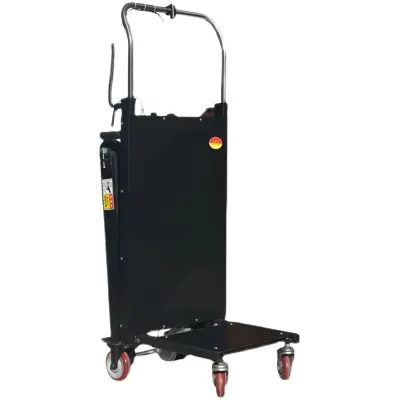
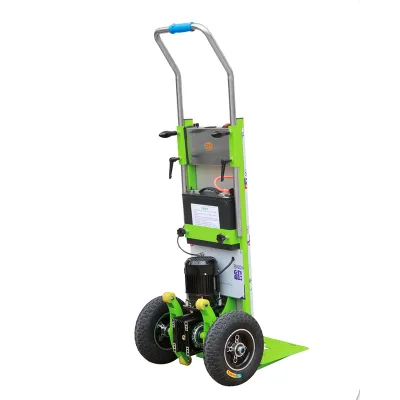
$350.00 - $398.00
MOQ: 1 Minimum
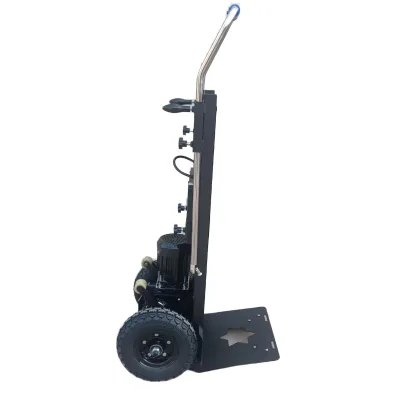

Changchun Jida Logistics Equipment Co., Ltd.
- Manufacturer, Trading Company
- Jilin, China
- Lead time20 days
- Avg. response≤ 4h
Main productsCage,Pallet,Container,Bins,Plastic Box
Main marketsMid East(15.00%), North America(12.00%), Eastern Europe(11.00%), Western Europe(10.00%), Northern Europe(10.00%), South America(10.00%), Southeast Asia(10.00%), South Asia(8.00%), Central America(5.00%), Eastern Asia(5.00%), Southern Europe(4.00%)

Suzhou Kally Machinery Co., Ltd.
- Verified by TUVRHEINLAND
- Trading Company,Manufacturer/Factory
- China Jiangsu
- Lead time45 days
- Avg. response≤ 3h
Main productsForklift Trucks, Material Handling Equipments, Electric Handling Trolleys, Electric Platform Carts, Electric Tow Tug, Tow Tugs, Electric Stairclimbing Hand Trucks, Powered Lift Table, Powered Tow Tugs, Electric Mover
Main marketsSouth America,Eastern Europe,Mid East,North America,Southeast Asia,Eastern Asia,Oceania,Western Europe,Africa


Electric Stair Climber Cart with Ergonomic Handle for Effortless Use
$1000.00 - $1200.00
MOQ: 1 Pieces
Xingtai Changlai Machinery Manufacturing Co., Ltd.
- Verified by Intertek
- Manufacturer, Trading Company
- Lead time10 days
- Avg. response≤ 1h
Main productsPunching Shearing Machine, Hydraulic Shearing Machine, Polishing Machine
Main marketsSoutheast Asia(80%), North America(10%), Eastern Europe(10%)
Henan kellen machinery equipment co., ltd.
- Verified by Intertek
- Manufacturer, Trading Company
- Lead time0 days
- Avg. response≤ 3h
Main productsRound Tube Polishing Machine, Small Desktop Polishing Machine, Vibrating Polishing Machine, Flat Polishing Machine, Deburring Machine
Main marketsNorth America(45%), South America(15%), Mid East(10%)
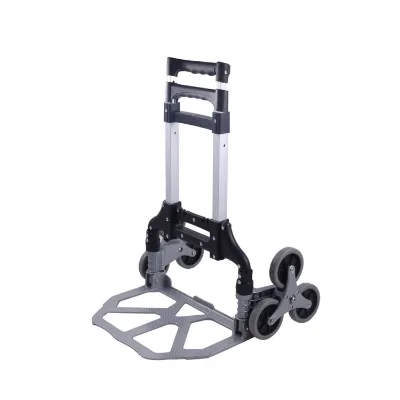
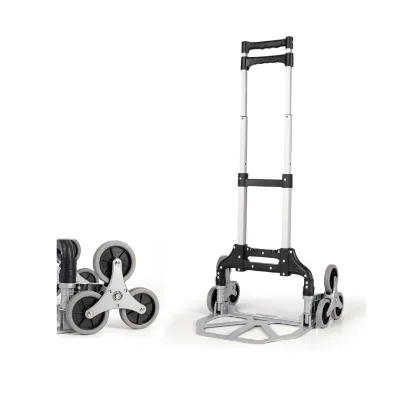
Hot Sale 400kg Electric Trolley Pull Truck Tool Stair Climber Electric for Sale
$22.5118
MOQ: 2 Minimum
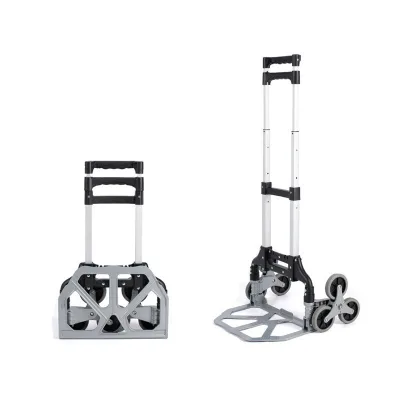
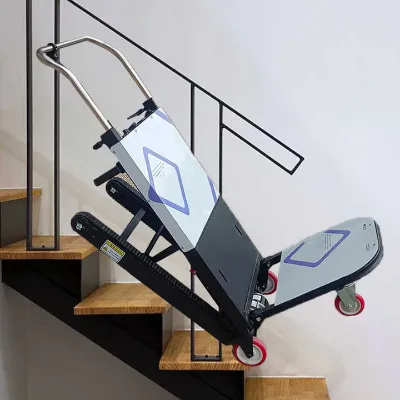
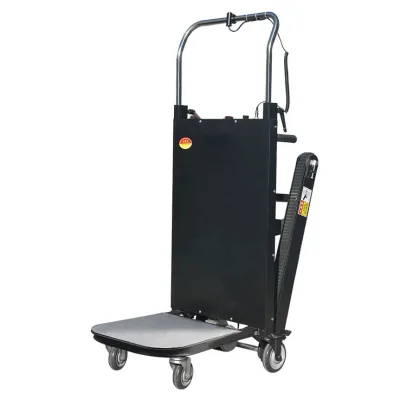
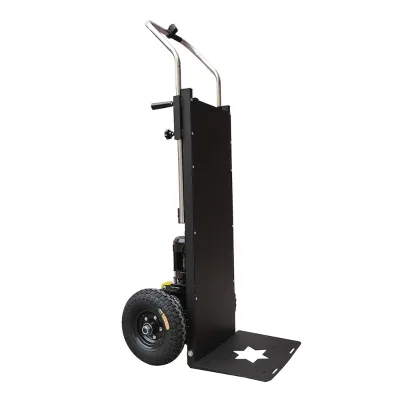
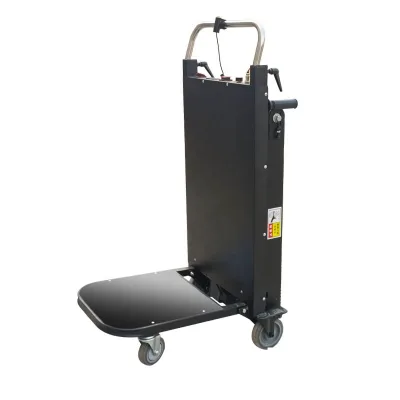
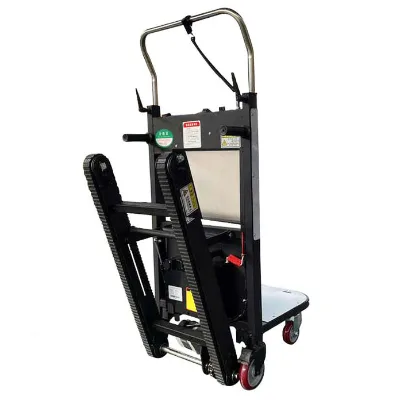


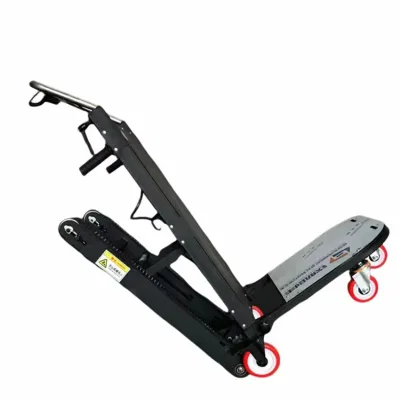




Comprehensive Sourcing Guide
Silent Stair Climbing Electric Handcart Supplier Concentration and Factory Types
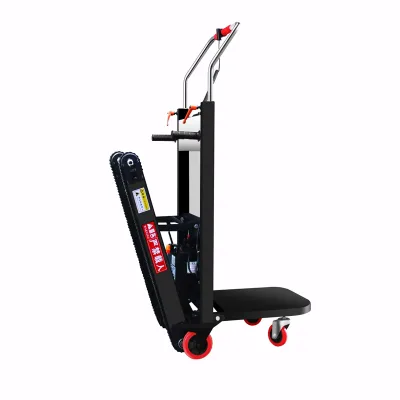
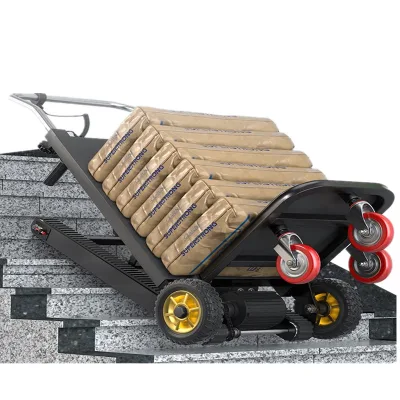
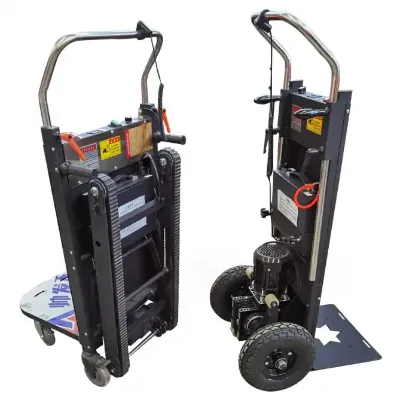
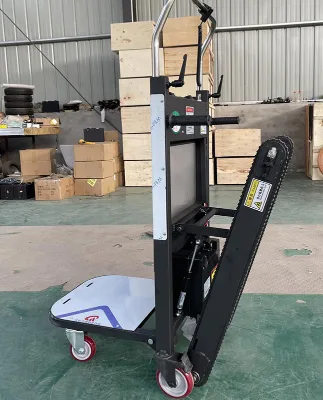
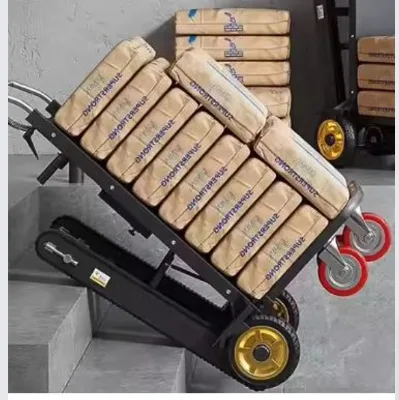
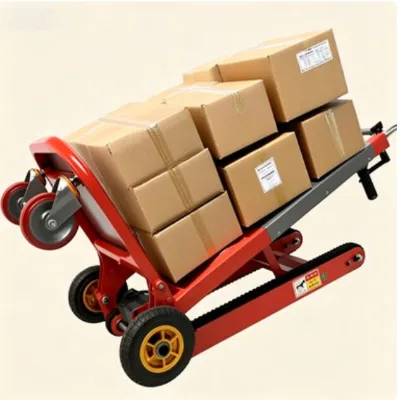
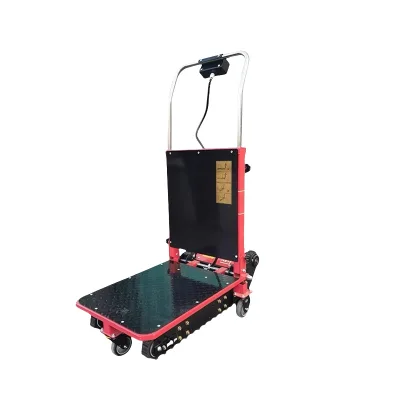
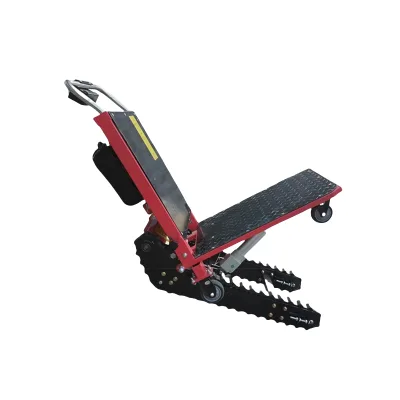
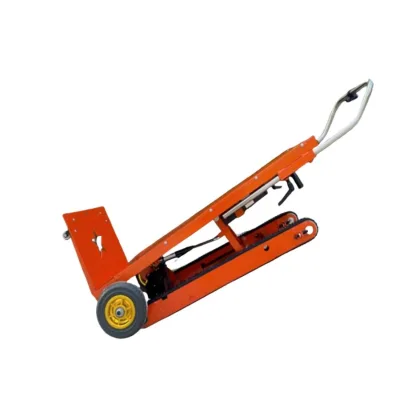
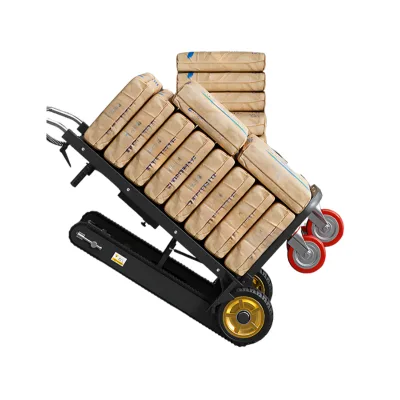
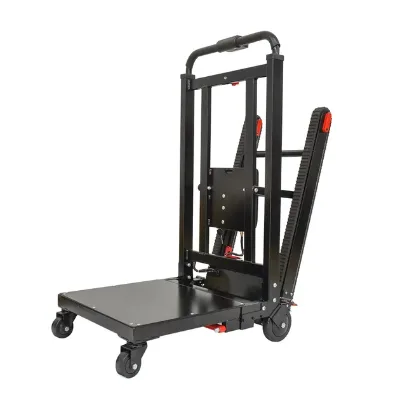
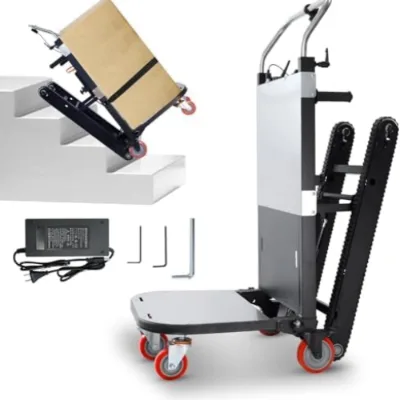
Suppliers of the Silent Stair Climbing Electric Handcart appear on B2B platforms under two main labels: manufacturers and trading companies. Both can supply credible products, but they carry different implications. A trading company may not operate its own production line, so it typically aggregates demand across several factories and coordinates customization, inspection and shipping on the buyer's behalf. This can be useful when you need mixed configurations—crawler-type units, two-wheel climbers, or platform-style carts—sourced from different production bases in one shipment. The trade-off is that technical questions about motors, batteries and load ratings may need to be relayed to an underlying producer, adding a layer between you and the people who build the product.
When identifying clusters, do not rely on assumptions about where a product "must" be made. Instead, use the location data attached to supplier profiles and product listings as your evidence. In this category, listed products show origins in Hebei and in Zhejiang, China, which tells you that at least two provinces are actively producing stair-climbing carts. Confirm the origin at the product level rather than the company level, because a trading company may be registered in one province while the goods ship from another. Map several suppliers' stated locations before deciding where to focus samples and audits, and treat any location not stated in a listing as unverified until the supplier confirms it in writing.
How to Verify Silent Stair Climbing Electric Handcart Suppliers
Verification starts with the credentials actually displayed on a supplier's profile, and it ends with checks you commission yourself. Some suppliers in this category show third-party verification, such as a TüVRheinland verification badge, and one lists a RoHS system certification. Treat these as signals worth pursuing, not as proof of product quality: a verification badge generally relates to the company's identity and operations, while certification scope must be checked against what the certificate actually covers. Ask every shortlisted supplier for the certificate number, the issuing body, the covered product range, and the expiry date, then validate that record directly with the issuer rather than accepting a scanned PDF alone.
The second verification layer is behavioral. Response time is a displayed attribute in this category and varies enormously—one supplier lists a one-hour response window while another lists fifteen hours—so record the stated value and also test it: send the same five technical questions to each supplier and compare how complete the answers are, not just how fast they arrive. Request business licenses, confirm the company type (manufacturer or trading company), and ask which products they build themselves versus resell. For the Silent Stair Climbing Electric Handcart specifically, ask for load-test documentation for the 200kg, 300kg, 400kg ratings commonly advertised, details on the lithium battery cells and any battery certifications, and the warranty terms, which listings in this category typically state as one year. A supplier who answers these precisely is far more trustworthy than one with a polished catalog.
What to Compare Across Silent Stair Climbing Electric Handcart Suppliers
Build a comparison sheet using the attributes that suppliers actually display, and mark blanks as "unknown" rather than assuming parity. Useful columns include company type, location, main products, response time, lead time, MOQ, verification status, and whether escrowed payment is available. In this category, the main-product lists already differentiate suppliers meaningfully: some focus on material handling equipment such as cargo stair climbers, manual stackers, electric lifting machines and pallet trucks, while others combine stair-climbing machines with hoists and scaffolding. A supplier whose catalog centers on stair-climbing and lifting equipment is more likely to have accumulated tooling and service knowledge relevant to your product than a generalist reseller.
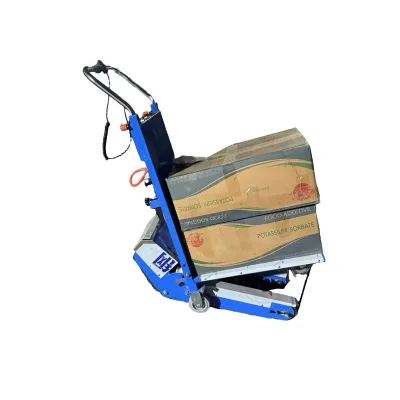
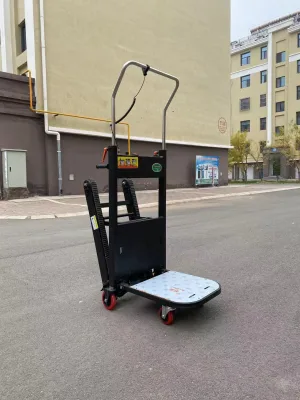
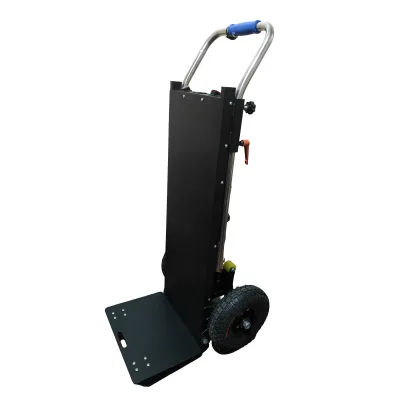
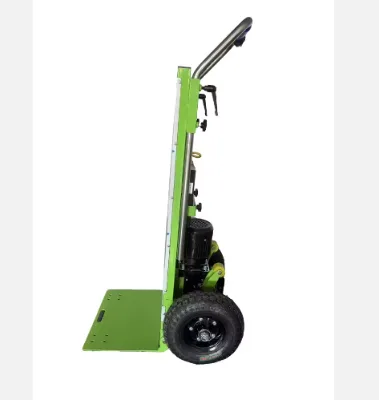
Compare the product data itself, not just the company. Listed stair-climbing handcarts in this category range from roughly 440–500 USD for crawler-style lithium-battery units up to 660–720 USD for customized factory-direct models, with load capacities spanning 120kg to 400kg, motor power options around 800W–1200W, and frame sizes varying from about 500×750mm to 1200×700mm. MOQs can be as low as one unit on some listings, which matters if you want sample-level testing before committing to volume. Lead times shown in this category include 15 and 20 days, and customization support ranges from OEM-only to OBM, ODM and OEM. Note that many advertised specs—especially noise levels, which are central to a "silent" positioning—are not covered by displayed data at all, so add a dedicated row for verified acoustic performance.
Common Silent Stair Climbing Electric Handcart Sourcing Risks
The largest risk in this category is spec ambiguity. Listings advertise load capacities of 200kg, 300kg and 400kg, but rarely state whether those ratings refer to sustained load, peak load, or load at a particular stair angle. A "silent" handcart adds a second ambiguity: noise depends on crawler or wheel design, motor gearing, and speed controller tuning, none of which are standardized across listings. If you order on the basis of catalog photos and headline specs, you may receive a unit that climbs stairs adequately but is far louder than expected. Mitigate this by requiring a recorded video of the exact configuration climbing stairs under rated load, with a sound-level reading visible in frame, before approving mass production.
Battery and compliance risks follow closely. Lithium-battery stair climbers face shipping restrictions and destination-market certification requirements that vary by country, and a displayed RoHS system certification does not cover battery transport documents or electrical safety marks for your market. Other recurring risks include overstated load ratings on aluminum-frame models, warranty terms that list one year but exclude labor and shipping, and trading companies that switch factories between your sample order and your bulk order without telling you. Finally, low advertised MOQs can conceal high unit prices or missing spare-parts availability. Ask each supplier which failure parts—crawlers, wheels, controllers, batteries—are stocked, and get the warranty scope written into the proforma invoice rather than left to the listing text.
Silent Stair Climbing Electric Handcart Regional Sourcing and Logistics
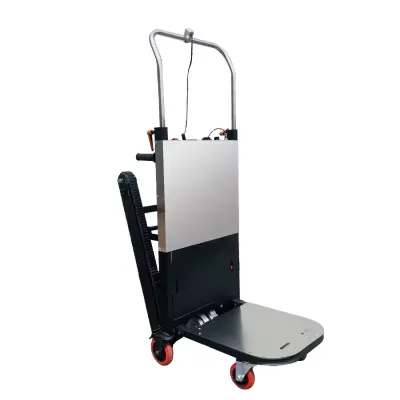
Regional sourcing in this category should follow the evidence you have. The displayed product listings point to two producing provinces, Hebei and Zhejiang, China, so plan to evaluate suppliers from both rather than defaulting to a single region. Hebei-listed units in this category tend to be aluminum-frame crawler or two-wheel designs, while Zhejiang-listed units include stainless-steel platform-style climbers powered by lithium batteries, some weighing around 35kg with single gross weights near 50–57kg and package dimensions around 110×65×45cm. Those weights and box sizes are not trivia: they determine whether a unit ships as an oversized parcel, on a pallet, or in a full container, and they directly drive your landed cost per piece.
Logistics planning should begin with the battery, not the cart. Lithium-battery-powered stair climbers may be restricted from standard air freight and may require UN-tested packaging and dangerous-goods declarations; confirm with your forwarder before sampling, because a supplier who cannot provide battery test documents can strand your order at origin. Sea freight is the default channel for volume, and the compact package dimensions in this category make container utilization favorable, but confirm whether units ship fully assembled or knocked down. Also check lead-time consistency: displayed lead times in this category include 15 and 20 days, but battery availability and customization can extend these. For regional comparison, quote the same 20-unit mixed configuration to suppliers in both provinces and compare not just unit price but freight, documentation support and dispatch date.
Silent Stair Climbing Electric Handcart Commercial Terms and Order Planning
Commercial terms should be negotiated on the attributes you can see, starting with payment protection. Where a marketplace offers escrowed payment, use it at least for your first order, because it gives you recourse if the delivered units do not match the agreed configuration. Structure orders in two stages: a paid sample of one to three units at the listed MOQ—some listings in this category allow a single-unit order—followed by a bulk order contingent on sample acceptance. Write the acceptance criteria into the contract: load capacity, stair angle, speed, battery range per charge, noise level, and packaging method. Price comparisons in this category show meaningful spread, roughly 440–720 USD depending on configuration and customization, so a higher quote is not automatically worse; ask what the difference buys in motor grade, battery cells and frame material.
Order planning should account for the customization path you choose. Listings in this category advertise OEM, ODM and OBM support, with customization options such as frame size, load rating, and branding, and customization reliably extends the 15–20 day lead times shown on some profiles. Confirm tooling or setup fees for custom branding, the minimum quantity at which customization applies, and whether spare parts ship with the order. For warranty, the commonly listed one-year term should be converted into a written remedy: replacement parts, return freight responsibility, and response time. Finally, plan reorders around battery consumables and seasonal demand peaks, and confirm the supplier's production calendar before locking your delivery dates.
FAQs
What is the price range for electric stair climbing handcarts?
Prices typically range from $440 to $720 per unit depending on specifications. Basic models start around $440, while heavy-duty options with higher load capacities can reach $720. Buyers should verify exact pricing based on their required load capacity and battery type before placing orders.
What load capacities are available for these electric handcarts?
Available load capacities generally include 200kg, 300kg, and 400kg options. Some models support up to 400kg, while others offer 120kg or 250kg variants. Select the capacity that matches your heaviest expected cargo to ensure safe and efficient operation during material handling tasks.
What is the typical lead time for these products?
Lead times vary between 15 and 20 days depending on the supplier. Some manufacturers offer faster turnaround times of 15 days, while others may require up to 20 days for production and shipping. Confirm the specific lead time with your chosen supplier before finalizing purchase agreements.
What is the minimum order quantity for these items?
The minimum order quantity is typically one unit, allowing for single-item purchases. This low MOQ facilitates testing and small-scale procurement without requiring bulk commitments. Buyers can order individual units to evaluate performance before scaling up to larger quantities for broader operational needs.
What certifications do these suppliers hold?
Suppliers often hold RoHS system certifications and TüV Rheinland verification. These credentials indicate compliance with environmental standards and rigorous quality assurance processes. Buyers should request valid certification documents to ensure the products meet international safety and regulatory requirements for their specific markets.
Where are these electric handcarts manufactured?
Manufacturing locations primarily include Hebei and Zhejiang provinces in China. These regions are known for producing material handling equipment with specific structural features like aluminum or stainless steel frames. Buyers should verify the exact place of origin to assess logistics costs and supply chain reliability.