Single Handle Waterfall Basin Faucet Suppliers and Manufacturers
Explore 21 verified options for Single Handle Waterfall Basin Faucet from China Fujian, Zhejiang, and Guangdong. Compare response times, lead times, certifications, and prices to source the right product. Contact suppliers directly to request quotes; review the available evidence before requesting comparable quotations from suitable candidates.
Updated
Suppliers List

- Trading Company
- China Fujian
- Lead time23 days
- Avg. response≤ 10h
Main productsSanitaryware, Faucet, Shower Mixer, Hardware, Faucet Accessories, Faucet Machine, Bathroom Accessories, Water Pipe, Bathroom Fittings, Kitchen Tap
Main marketsSouth America,Africa,Southeast Asia/ Mideast,Domestic,Europe,North America


Washbasin Faucet Stainless Steel Spout Brass Body 304 Water-Tap Hot Cold Water Mixer
$5.00 - $35.00
MOQ: 200 Pieces

Taizhou Jiaxin Metals Co., Ltd.
- Verified by SGS
- Manufacturer/Factory,Group Corporation
- China Zhejiang
- Lead time30 days
- Avg. response≤ 8h
Main productsBathtub Drain Kit, Manifold, Ball Valve, Plumbing Fitting, Check Valve, Brass Valve, Bathtub Drain Stopper, Radiator, Basin Waste, Siphon
Main marketsSouth America,Eastern Europe,Mid East,North America,Eastern Asia,Oceania,Western Europe,Africa

Guangzhou Homedec Sanitary Ware Co., Ltd.
- Verified by BV
- Trading Company,Manufacturer/Factory
- China Guangdong
- Lead time105 days
- Avg. response≤ 2h
Main productsShower Faucet Bathtub Toilet, Faucet, Bidet Sprayer, Bathroom Accessories, Hand Shower, Drain, Smart Toilet, Kitchen Sink, Basin, Heater Towel Rack
Main marketsSouth America,Eastern Europe,Mid East,North America,Southeast Asia,Eastern Asia,Oceania,Western Europe,Africa
Wenzhou Yaopeng Sanitary Ware Co., Ltd.
- Verified by SGS Group
- Manufacturer, Trading Company
- Lead time20 days
- Avg. response≤ 3h
Main productsKitchen Faucet , Basin Faucet, Shower set, Bathroom Accessory, Towel Rack
Main marketsEastern Europe(35%), North America(20%), South America(20%)
Lnnry Kitchen And Bath Co., Ltd.
- Manufacturer
- Fujian, China
- Lead time0 days
- Avg. response≤ 4h
Main productsSHOWER SET,Basin Mixer,Kitchen Faucet,Bath & Shower Faucet,Other Accessories
Main marketsSouth Asia(20.00%), Eastern Asia(20.00%), Mid East(20.00%), Africa(15.00%), Southeast Asia(10.00%), South America(10.00%)
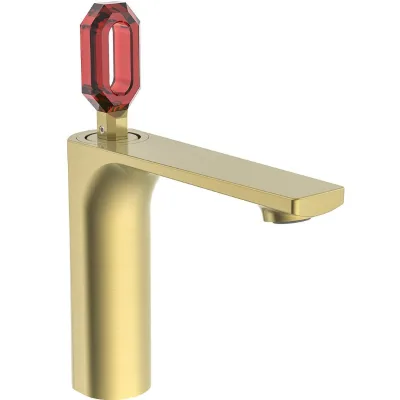
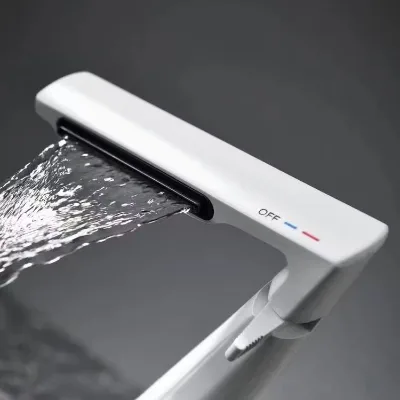
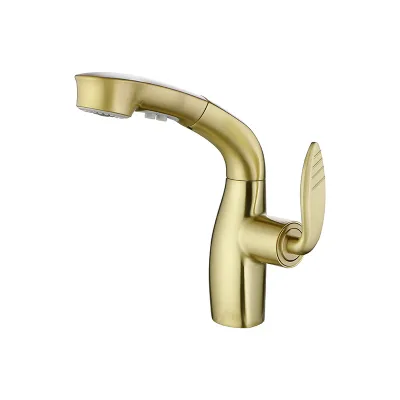
$46.9922 - $51.0964
MOQ: 2 sets

GUANGZHOU PANDA COMMERCIAL DEVELOPMENT CO.,LTD.
- Verified by BV
- Manufacturer/Factory
- China Guangdong
- Lead time23 days
- Avg. response≤ 4h
Main productsGypsum Board, Fiber Cement Board, Fiber Cement Siding, Drywall Metal Frame, PVC Gypsum Ceiling, PVC Panel, WPC Panel, Indoor Flooring, Outdoor Flooring, Aluminum Ceiling
Main marketsSouth America,Eastern Europe,Mid East,North America,Eastern Asia,Oceania,Western Europe,Africa

304ss Brushed Waterfall Basin Faucet Tap Hot Sale Faucet Waterfall Mixer Faucet
$17.15 - $18.15
MOQ: 1 Pieces


$13.00 - $13.50
MOQ: 1 Pieces


Stainless Steel 720 Basin Faucet and Faucet Basin Mixer with Basin Faucets Modern Bathroom Mixer
$11.65 - $12.35
MOQ: 1 Pieces
Urumqi Grosna Sanitary Ware Co., Ltd.
- Trading Company
- Xinjiang, China
- Lead time2 days
- Avg. response≤ 9h
Main productsSanitary Product
Main marketsMid East(60.00%), Domestic Market(10.00%), South Asia(10.00%), Eastern Europe(5.00%), South America(5.00%), Western Europe(5.00%), North America(5.00%)
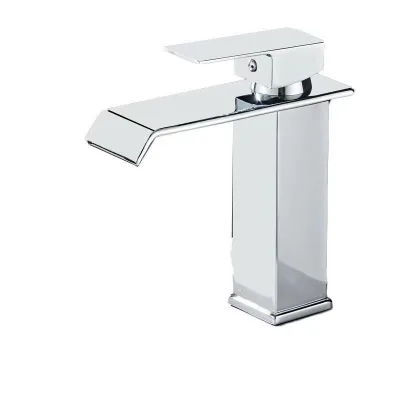
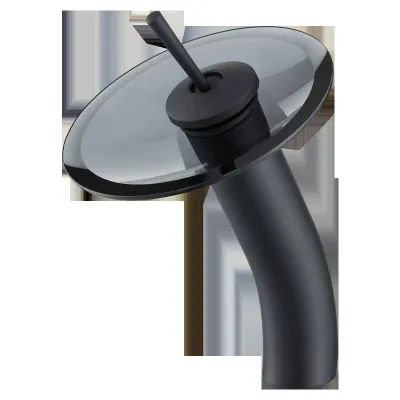
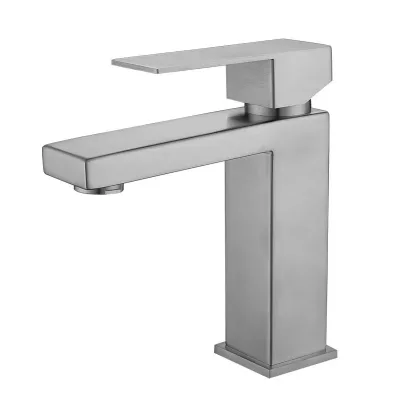
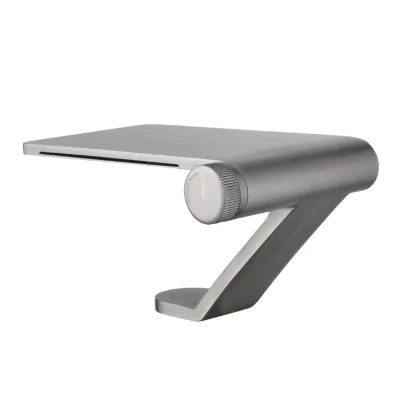
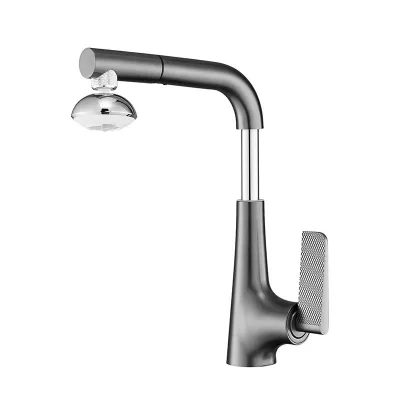
New 304 Stainless Steel Single Cold Water 35-body Brushed Gun Gray Washbasin Faucet
$6.6211
MOQ: 100 Minimum
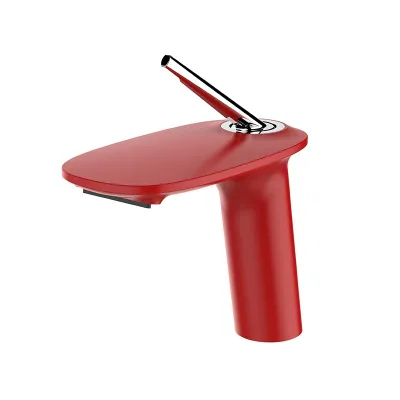

Shaoxing Anruiqi Home Co., Ltd.
- Trading Company
- Zhejiang, China
- Lead time0 days
- Avg. response≤ 2h
Main productsbasin,faucet,kitchen sinks,bathroom hardware set,shower set
Main marketsWestern Europe(30.00%), North America(30.00%), Eastern Europe(20.00%), Southeast Asia(10.00%), South Asia(5.00%), Oceania(5.00%), Mid East(5.00%)
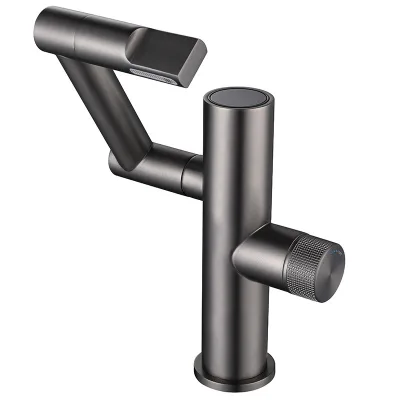
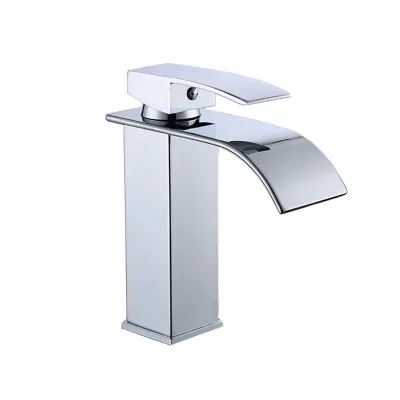
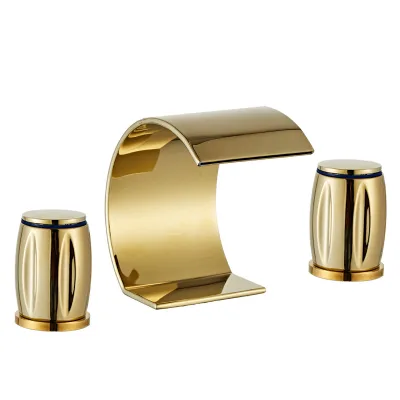
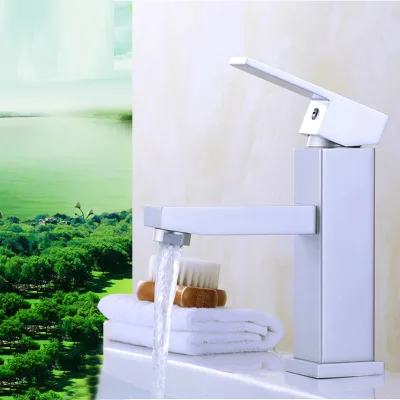
Black waterfall basin stainless steel faucet bathroom basin faucet accessories
$10.1932 - $15.1399
MOQ: 2 Minimum
$6.00 - $9.00
MOQ: 2 Minimum

Xiamen Pinslon Building Materials Co., Ltd
- Verified by BV
- Manufacturer/Factory
- China Fujian
- Lead time23 days
- Avg. response≤ 7h
Main productsKitchen Faucet, Basin Faucet, Shower Set, Bath Faucet, Bathroom Faucet, Grifo, 3 Way Kitchen Faucet, Stainless Steel Faucet, Pull Down Kitchen Faucet, Faucet
Main marketsSouth America,Eastern Europe,Mid East,North America,Southeast Asia,Eastern Asia,Oceania,Western Europe,Africa
Heshan Lesun Sanitary Ware Co., Ltd.
- Manufacturer, Trading Company
- Guangdong, China
- Lead time0 days
- Avg. response≤ 11h
Main productsThermostatic Shower,Shower,Basin Faucet,Kitchen Faucet,Bathroom Accessories
Main marketsNorth America(40.00%), Western Europe(20.00%), Northern Europe(8.00%), Southern Europe(7.00%), Eastern Europe(6.00%), Southeast Asia(5.00%), Eastern Asia(3.00%), Africa(3.00%), South America(2.00%), Mid East(2.00%), Domestic Market(1.00%), Central America(1.00%), South Asia(1.00%), Oceania(1.00%)
$26.7781 - $28.2352
MOQ: 1 Minimum
Kaiping Songbai Sanitary Ware Product Factory
- Manufacturer, Trading Company
- Guangdong, China
- Lead time15 days
- Avg. response≤ 4h
Main productsStainless Steel Faucet,SINK
Main marketsDomestic Market(33.00%), Eastern Europe(25.00%), Southern Europe(20.00%), Western Europe(20.00%), Northern Europe(2.00%)
Yiwu Boyue Hardware Products Co., Ltd.
- Manufacturer, Trading Company
- Zhejiang, China
- Lead time35 days
- Avg. response≤ 9h
Main productsWater faucet,Kitchen sink,Valve,Shower,Commodity shelf
Main marketsSouth America(15.00%), Africa(10.00%), Southeast Asia(10.00%), Northern Europe(10.00%), Central America(10.00%), Domestic Market(5.00%), South Asia(5.00%), Southern Europe(5.00%), Eastern Europe(5.00%), North America(5.00%), Western Europe(5.00%), Eastern Asia(5.00%), Mid East(5.00%), Oceania(5.00%)
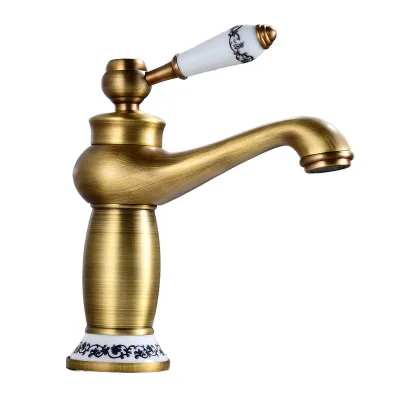
Source Manufacturers Single Hole Full Copper Retro Faucet Hot Cold Washbasin Basin Faucet
$14.3155 - $16.3616
MOQ: 1 pieces
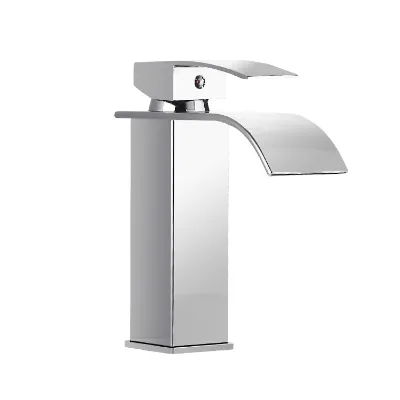
Modern 2 Hole Deck Installation with Basin Head and Flat Waterfall Design Used for School Bathrooms
$11.3175 - $11.8316
MOQ: 60 pieces

Jiangmen Anmei Industrial Company Limited
- Verified by SGS
- Combined
- China Guangdong
- Lead time30 days
- Avg. response≤ 5h
Main productsBasin Faucet, Kitchen Faucet, Shower Faucet, Thermostatic Shower, Bathroom Accessories, Rain Shower Panel, Sanitary Ware Bath Faucet, Steel Shower, Bathroom Fittings, Faucet
Main marketsSoutheast Asia/ Mideast,Europe,North America
Fujian Boyi Plumbing Technology Co., Ltd.
- Verified by Intertek
- Manufacturer, Trading Company
- Lead time15 days
- Avg. response≤ 4h
Main productsFaucet, Flush Valve, Sensor Faucet, Shower Set
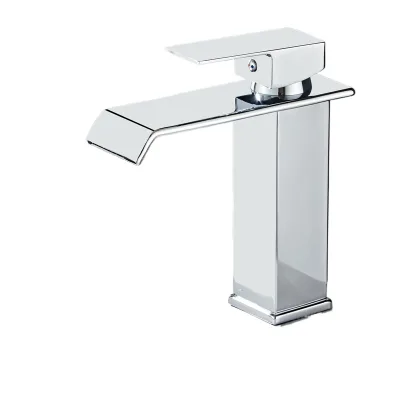
$13.2931 - $15.3378
MOQ: 1 pieces
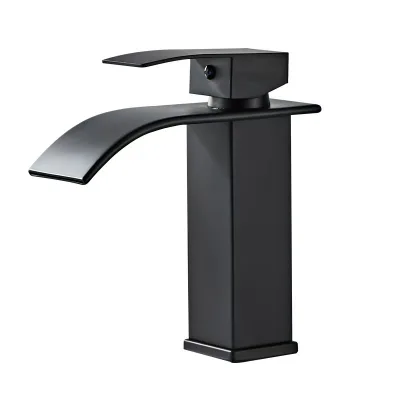
$10.2262 - $12.2708
MOQ: 1 pieces
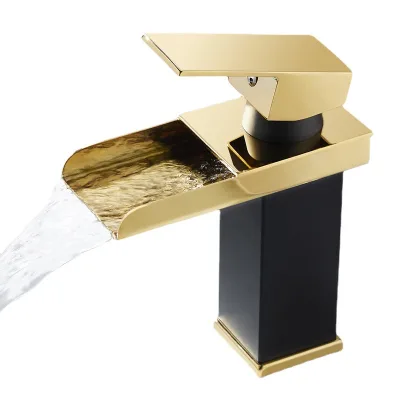
- Manufacturer, Trading Company
- Fujian, China
- Lead time0 days
- Avg. response≤ 3h
Main productsFaucet,Faucet Accessories,flush valve,Shower Mixer,Sensor tap
Main marketsSoutheast Asia(60.00%), South America(30.00%), Western Europe(5.00%), North America(5.00%)

ABLinox (Guangdong) Precision Metal Technology Co., Ltd.
- Verified by TUVRHEINLAND
- Combined
- China Guangdong
- Lead time23 days
- Avg. response≤ 6h
Main productsHandrail, Handrail Fittings, Stainless Steel Balustrade, Glass Clamp, Stainless Steel Spigot, Stair Handrail, Stainless Steel Railings, Stainless Steel Handrail Fittings, Handrail Bracket, Baluster
Main marketsDomestic


Stainless Steel Single Hole Single Bar Handle Basin Faucet Stopcock Water Tap
$25.00 - $30.00
MOQ: 100 Pieces


Taizhou Bobao Industry & Trade Co., Ltd.
- Verified by BV
- Combined
- China Zhejiang
- Lead time30 days
- Avg. response≤ 4h
Main productsFaucet, Shower Faucet, Bathroom Pendant, Bathroom Accessory, Floor Drainer, Waste Drainer
Main marketsEurope,North America
Guangdong Huaxia Ceramic Technology Co., Ltd.
- Verified by SGS Group
- Manufacturer, Trading Company
- Lead time30 days
- Avg. response≤ 2h
Main productsToilet, Bathroom Cabinet, Wash Basin, Bathroom Accessories
Main marketsMid East(15%), North America(10%), South America(10%)

Shanghai Aquacubic Sanitaryware Co., Ltd.
- Trading Company,Manufacturer/Factory
- China Shanghai
- Lead time45 days
- Avg. response≤ 9h
Main productsFaucet, Handmade Kitchen Sink, Ceramic Basin, Ceramic Toilet, Shower Room, Bathtub, Vanity, Bathroom Accessories, Shower System
Main marketsSouth America,Eastern Europe,Mid East,North America,Oceania,Western Europe,Africa


High Quality Bathroom Brushed Nickel Copper Core Cold and Hot Water Basin Faucet
$13.00 - $18.00
MOQ: 100 Pieces

Wenzhou Xinchuan Sanitary Fittings Co., Ltd.
- Verified by SGS
- Combined
- China Zhejiang
- Lead time30 days
- Avg. response≤ 14h
Main productsKitchen Faucets, Shower Faucet, Tub Faucets, Basin Faucet, Kitchen Mixer, Taps, Sanitary Ware, Water Taps, Brass Waterfull Faucets, Bathroom Accessories
Main marketsEurope

- Verified by TUVRHEINLAND
- Combined
- China Guangdong
- Lead time15 days
- Avg. response≤ 11h
Main productsStainless Steel Faucet, Stainless Steel Bathroom Accessories, Stainless Steel Sink, Shower, Basin Faucet, Kitchen Faucet, Water Tap, Floor Drain, Kitchen Ink, Sink
Main marketsEurope




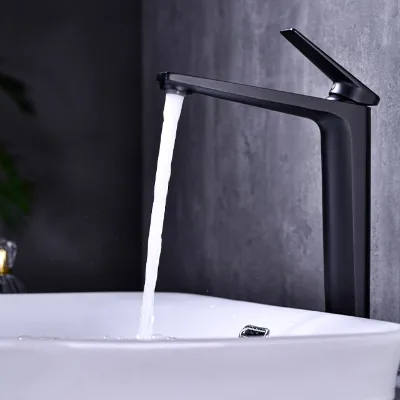


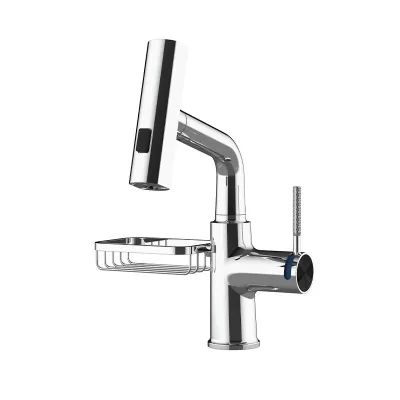
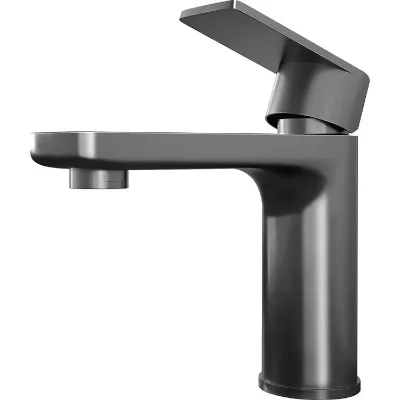


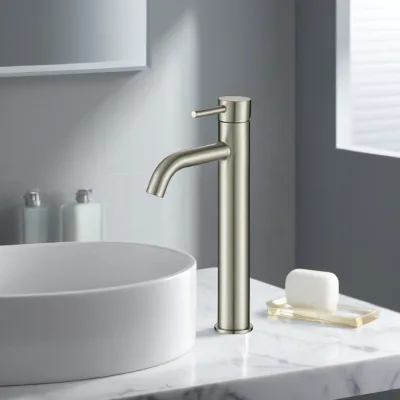


Comprehensive Sourcing Guide
Single Handle Waterfall Basin Faucet Supplier Concentration and Factory Types
The current supplier landscape for single handle waterfall basin faucets reveals a distinct geographic and structural distribution across China. Results indicate active sourcing hubs in Fujian, Zhejiang, and Guangdong provinces, each offering different operational models. Suppliers in Fujian are identified as trading companies, which suggests a focus on aggregation and distribution rather than direct manufacturing. In contrast, suppliers located in Zhejiang are classified as manufacturers or factory groups, indicating direct production capabilities. This distinction is critical for buyers seeking either volume manufacturing or curated product selections. The presence of trading companies in Fujian implies that buyers may access a wider variety of designs through a single point of contact, whereas Zhejiang-based entities offer more direct control over production processes. Guangdong suppliers appear to operate as hybrid entities, functioning as both trading companies and manufacturers. This dual role allows them to offer both proprietary brands and original equipment manufacturing services. The concentration of these diverse supplier types across three major provinces provides buyers with multiple pathways to source single handle waterfall basin faucets, depending on whether they prioritize price, customization, or supply chain transparency.
Understanding the company type is essential for aligning procurement strategies with business goals. Trading companies often provide faster response times and more flexible minimum order quantities, which can be advantageous for smaller buyers or those testing new markets. However, they may have less direct oversight over quality control compared to direct manufacturers. Manufacturer-led suppliers, particularly those in Zhejiang, often possess established production lines and can offer original design manufacturing or original equipment manufacturing services. These suppliers may have higher minimum order quantities but can provide greater consistency in product specifications. The hybrid model seen in Guangdong suppliers offers a middle ground, potentially combining the flexibility of trading with the production control of manufacturing. Buyers should evaluate the supplier type against their specific needs for customization, volume, and direct communication. The geographic spread across Fujian, Zhejiang, and Guangdong also suggests that logistics and lead times may vary significantly depending on the chosen supplier location. This regional diversity allows buyers to balance cost, speed, and quality by selecting suppliers from different industrial clusters.
How to Verify Single Handle Waterfall Basin Faucet Suppliers
Verification of Single Handle Waterfall Basin Faucet suppliers requires a multi-layered approach that examines certifications, response metrics, and production capabilities. Current data shows that some suppliers hold system certifications such as ISO 9001, which indicates a standardized quality management system. Others may display third-party verification badges like SGS or BV, providing an additional layer of trust regarding their business legitimacy and operational standards. Buyers should prioritize suppliers with these verifications, as they suggest a commitment to maintaining consistent quality and operational integrity. Additionally, response time is a key indicator of supplier reliability. Suppliers with response times under two hours, such as those in Guangdong, demonstrate high operational efficiency and readiness to engage with buyer inquiries. This rapid response can be crucial for resolving technical questions or negotiating custom specifications quickly. In contrast, suppliers with longer response times may indicate slower communication channels, which could delay project timelines. Buyers should use response time as a preliminary filter to identify suppliers who are actively engaged and responsive to market demands.
Beyond certifications and response times, buyers must verify product-specific attributes and manufacturing standards. Product listings often include detailed specifications such as material composition, valve core type, and surface treatment. For instance, some faucets are made from brass with ceramic valve cores, while others may use stainless steel. Buyers should cross-reference these specifications with their own quality requirements to ensure compatibility. Certifications like CE, RoHS, ASME, ANSI, DIN, JIS, BS, and GB indicate compliance with various international and regional standards. Suppliers listing multiple certifications may have the capability to serve diverse global markets. However, buyers should verify the validity of these certifications through official databases or by requesting copies of the certificates. Furthermore, the presence of customization options, such as OEM and ODM services, suggests that suppliers can adapt products to specific buyer needs. Buyers should inquire about the customization process, including design approval timelines and tooling costs. By combining verification of business credentials with detailed product analysis, buyers can mitigate risks and select suppliers who meet their specific quality and operational requirements.
What to Compare Across Single Handle Waterfall Basin Faucet Suppliers
When evaluating suppliers for single handle waterfall basin faucets, buyers should compare key operational metrics such as lead time, minimum order quantity, and pricing structures. Lead times vary significantly across the supplier base, ranging from ten days to over one hundred days. Suppliers with shorter lead times, such as those in Guangdong, may be better suited for urgent orders or just-in-time inventory strategies. Conversely, suppliers with longer lead times, potentially due to higher production volumes or more complex manufacturing processes, may offer more competitive pricing for bulk orders. Minimum order quantities also differ, with some suppliers requiring as few as two hundred units, while others may demand three thousand or more. Buyers with smaller order volumes should target suppliers with lower MOQs to avoid excessive inventory costs. Pricing is another critical factor, with ranges varying based on material quality, certification levels, and customization options. Buyers should request detailed quotes that break down costs for materials, labor, and shipping to ensure transparency. Comparing these metrics across multiple suppliers allows buyers to identify the best balance between cost, speed, and volume requirements.
In addition to operational metrics, buyers should compare product features and customization capabilities. Product specifications such as installation type, handle design, and surface finish can significantly impact the final product's suitability for the target market. For example, deck-mounted single handle faucets are common, but buyers may require specific styles like contemporary or classic designs. Suppliers offering a wide range of styles and finishes provide greater flexibility for buyers targeting diverse customer segments. Customization options, including logo printing, packaging design, and material selection, are also important differentiators. Suppliers that explicitly state customization is available can tailor products to meet specific branding or functional requirements. Buyers should assess the extent of customization offered, including any additional costs or lead time implications. Furthermore, comparing main product portfolios can reveal a supplier's expertise and focus. Suppliers specializing in sanitaryware and faucets may have deeper technical knowledge and more refined production processes than generalist traders. By systematically comparing these factors, buyers can select suppliers that align with their product strategy and market positioning.
Common Single Handle Waterfall Basin Faucet Sourcing Risks
Sourcing single handle waterfall basin faucets involves several potential risks that buyers must actively manage. One significant risk is the discrepancy between advertised specifications and actual product quality. Suppliers may list certifications like CE or RoHS, but without proper verification, these claims may not reflect current compliance status. Buyers should request up-to-date test reports and verify them with issuing bodies to ensure authenticity. Another risk is inconsistent lead times, which can disrupt supply chain planning. Suppliers may quote short lead times initially but fail to meet them due to production bottlenecks or material shortages. Buyers should establish clear communication channels and request regular production updates to monitor progress. Additionally, minimum order quantity requirements can pose a financial risk if buyers overestimate demand. Ordering large volumes based on optimistic sales projections can lead to excess inventory and cash flow issues. Buyers should start with smaller orders to test market response before scaling up. Furthermore, customization errors can result in products that do not meet brand standards. Clear design specifications and approval processes are essential to avoid costly rework or rejection of shipments.
Quality control is another critical area where risks often emerge. Suppliers may use lower-grade materials, such as inferior brass or non-ceramic valve cores, to reduce costs. Buyers should specify material requirements in contracts and conduct pre-shipment inspections to verify compliance. Surface treatment defects, such as uneven polishing or poor lacquer application, can also affect product durability and appearance. Buyers should request samples to evaluate finish quality before placing bulk orders. Logistics risks, including damage during transit, are also common. Proper packaging, such as hard paper or brown boxes with pallets, is essential to protect fragile faucet components. Buyers should verify packaging standards and consider insurance for high-value shipments. Additionally, communication barriers can lead to misunderstandings regarding product details or delivery terms. Using clear, written specifications and confirming all details in writing can mitigate this risk. Buyers should also be aware of potential intellectual property issues when working with suppliers offering OEM services. Ensuring that design rights are protected and that suppliers do not sell identical products to competitors is crucial. By proactively addressing these risks, buyers can build a more resilient and reliable supply chain for single handle waterfall basin faucets.
Single Handle Waterfall Basin Faucet Regional Sourcing and Logistics
The geographic distribution of suppliers in China significantly impacts logistics planning and cost structures for single handle waterfall basin faucets. Suppliers are concentrated in Fujian, Zhejiang, and Guangdong provinces, each with distinct logistical advantages. Guangdong, located in southern China, benefits from proximity to major ports like Shenzhen and Guangzhou, facilitating efficient export shipping. This location often results in shorter transit times to international destinations, particularly for markets in North America and Europe. Suppliers in Guangdong also demonstrate rapid response times, which can streamline the initial stages of the procurement process. Zhejiang, situated in eastern China, is another major manufacturing hub with access to Ningbo-Shanghai port, one of the busiest ports in the world. This region is known for its strong manufacturing base, with suppliers often operating as factories or factory groups. The logistical infrastructure in Zhejiang supports large-volume shipments, making it suitable for buyers requiring high quantities. Fujian, also in the southeast, offers similar port access but is primarily associated with trading companies. This may result in slightly longer lead times due to the aggregation process, but it can offer greater product variety.
Buyers must consider regional logistics when planning their supply chain. Shipping costs can vary based on the supplier's location and the chosen shipping method. Sea freight is typically the most cost-effective option for bulk orders, while air freight may be necessary for urgent, smaller shipments. Buyers should calculate total landed costs, including freight, insurance, and customs duties, to accurately compare supplier quotes. Additionally, regional trade policies and tariffs can impact final costs. Buyers should stay informed about any changes in trade regulations that may affect imports from China. Packaging standards also vary by region, with some suppliers using carton with pallets for stability and others using hard paper for compactness. Buyers should select packaging that best protects the product during transit while minimizing shipping volume. Furthermore, local supplier relationships can influence logistics efficiency. Suppliers with established relationships with freight forwarders may offer better shipping rates and more reliable schedules. Buyers should leverage these relationships to optimize their logistics strategy. By understanding the logistical implications of each region, buyers can make informed decisions that balance cost, speed, and reliability.
Single Handle Waterfall Basin Faucet Commercial Terms and Order Planning
Commercial terms and order planning are critical components of successful procurement for single handle waterfall basin faucets. Buyers should negotiate clear payment terms that protect their interests, such as using escrow services or letters of credit for large orders. These financial instruments provide security by ensuring that payment is only released upon satisfactory delivery and inspection of goods. Lead time commitments should be explicitly stated in contracts, with penalties for delays to incentivize timely performance. Buyers should also clarify responsibilities for shipping, insurance, and customs clearance, typically using Incoterms like FOB or CIF to define risk transfer points. Minimum order quantities must be aligned with production capacity and market demand to avoid overstocking. Suppliers with lower MOQs, such as those requiring two hundred units, offer flexibility for new product launches or small-scale retailers. Buyers should plan orders in phases, starting with smaller batches to test quality and market response before committing to larger volumes. Pricing should be fixed for the duration of the order to avoid unexpected cost increases due to material fluctuations.
Order planning also involves coordinating with suppliers on customization and production schedules. Buyers should provide detailed specifications for materials, finishes, and packaging to ensure the
FAQs
What is the price range for single handle waterfall basin faucets?
Prices typically range from $5.00 to $50.00 per unit depending on material and finish. Stainless steel models often start around $15.00, while brass options with polished surfaces may cost up to $50.00. Buyers should verify specific pricing based on order volume and customization requirements.
What certifications are available for these faucets?
Common certifications include CE, RoHS, ASME, ANSI, DIN, JIS, BS, and GB. Some products also meet ISO 9001 standards. Buyers should request specific certification documents to ensure compliance with local regulations and quality expectations before placing bulk orders.
What is the minimum order quantity for these faucets?
MOQs vary significantly, ranging from 200 units for some brass models to 3000 units for others. Stainless steel options may require 1000 units. Buyers should confirm the exact MOQ with suppliers to align with their inventory needs and budget constraints.
How long does production take for these faucets?
Lead times generally range from 10 to 105 days depending on the supplier and order complexity. Some manufacturers offer faster turnaround times, while others may require longer periods for custom orders. Buyers should confirm lead times with suppliers to plan their supply chain effectively.
What materials are used in these faucets?
Common materials include brass, stainless steel, and copper valve cores. Some models feature polished or stainless steel finishes. Buyers should verify material specifications to ensure durability and suitability for their intended application, such as hotel or residential use.
Can these faucets be customized?
Customization is available for many models, including logo printing and packaging options. Buyers should discuss specific requirements with suppliers to ensure feasibility. OEM and ODM services are also offered by some manufacturers, allowing for tailored product designs.