Source eco-friendly stainless steel soap pump for Cosmetics, Chemical, Liquid Soap
Compare 30 listings for eco-friendly stainless steel soap pump options suitable for cosmetics, chemical, and liquid soap applications. Buyers can review specifications like 304 stainless steel material, various finishes, and custom order capabilities from suppliers in Fujian, China; compare the available evidence and request quotations based on your requirements.
Updated
Key considerations
Products List
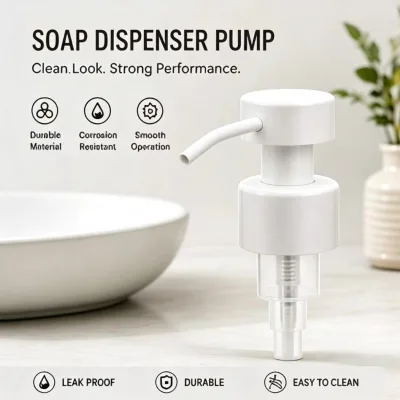
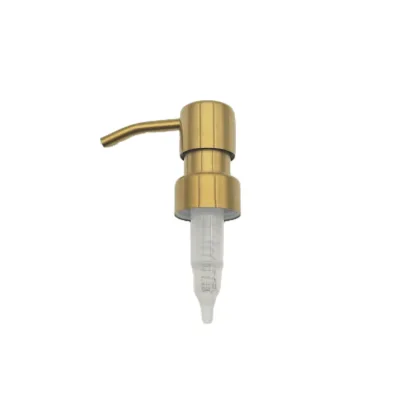
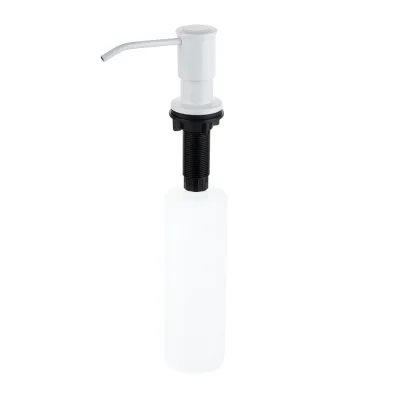
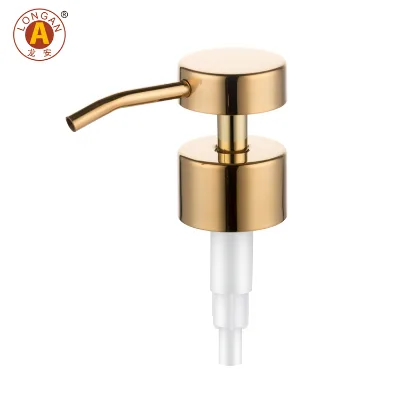
High Quality Stainless Steel Gold 28/410 Soap Sink Small Hand Wash Pump
$0.814 - $1.4016
MOQ: 250 pieces
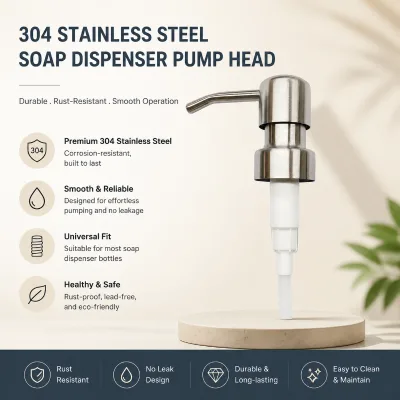
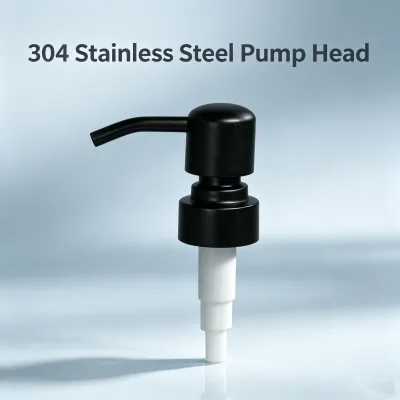
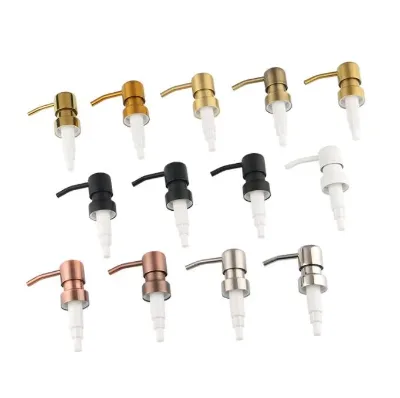
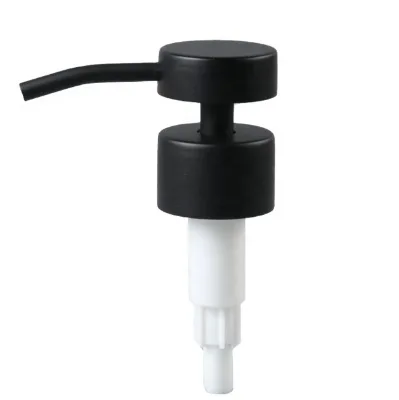

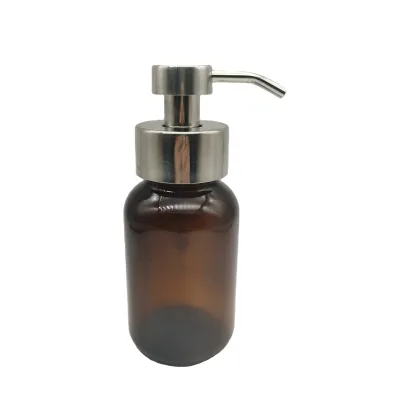
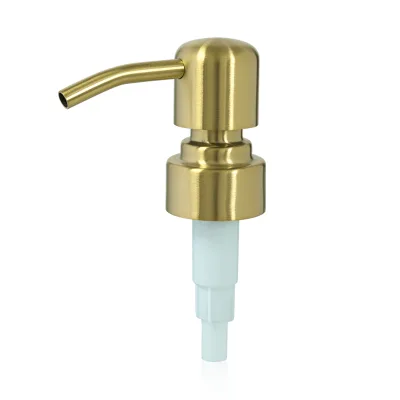
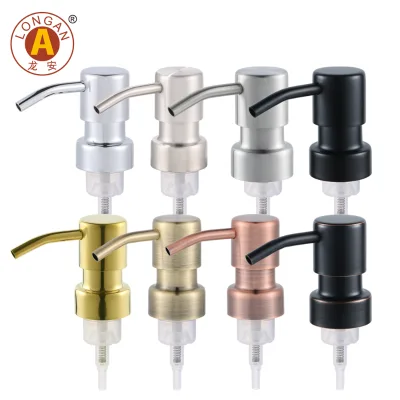
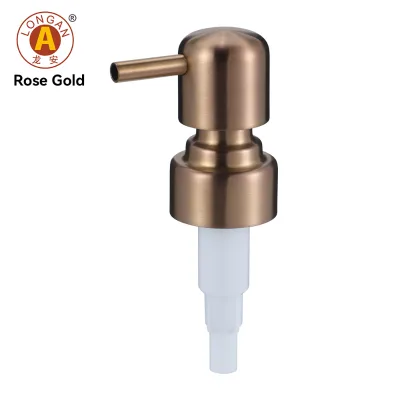
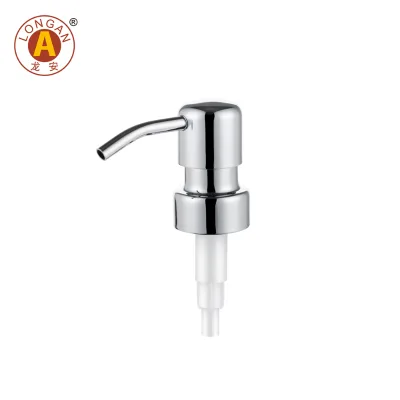
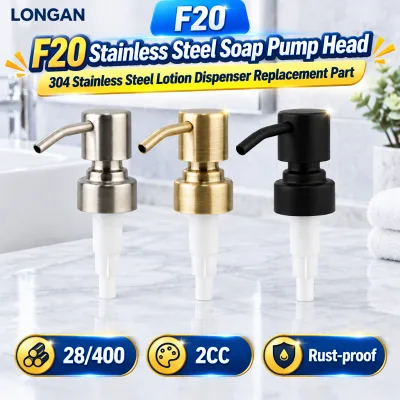
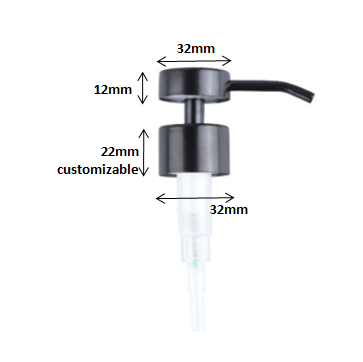


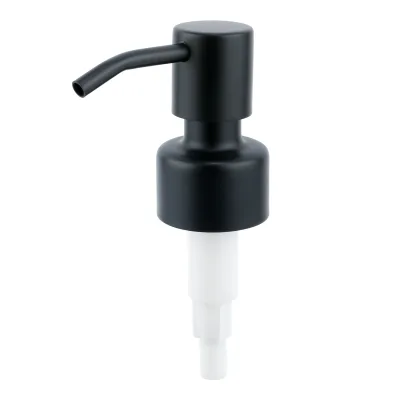
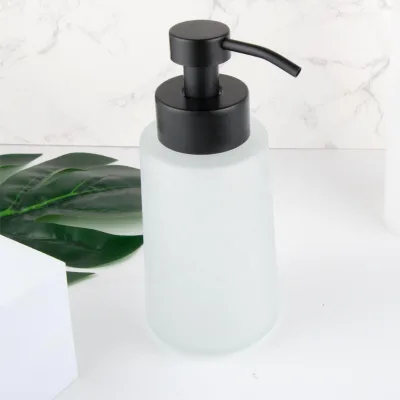
Stainless Steel Hand Sanitizer Body Wash Lotion Pressure Nozzle Black Soap Pump
$0.70 - $1.25
MOQ: 5000 Pieces


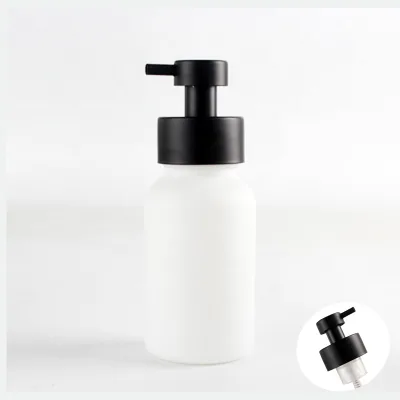
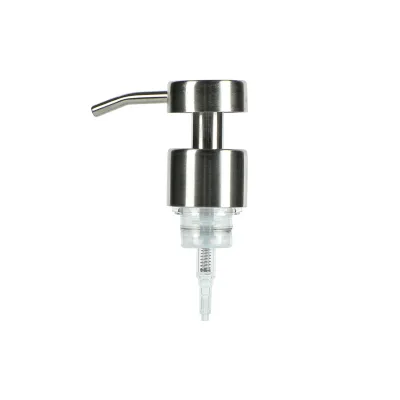
Hot Selling 304 Stainless Steel28mm 24mm Soap Dispenser Pump Liquid Soap Pump
$0.70 - $1.25
MOQ: 500 Pieces


Comprehensive Sourcing Guide
Eco-Friendly Stainless Steel Soap Pump Sourcing Guide
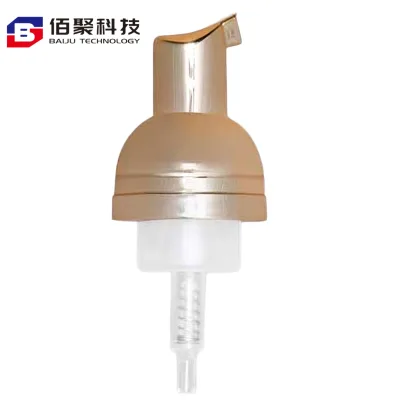
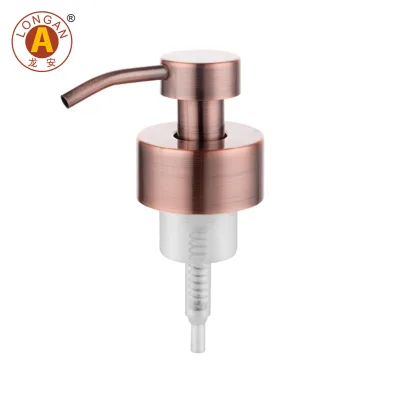
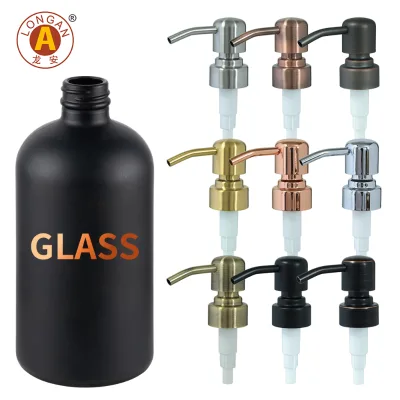
Sourcing eco-friendly stainless steel soap pumps requires a careful balance between aesthetic durability and functional reliability. Buyers must prioritize materials that resist corrosion while maintaining a sleek, modern appearance suitable for high-end cosmetic and personal care packaging. The market offers various finishes, including black, satin, mirror, antique copper, and gold, allowing brands to align the pump head with their specific visual identity. Understanding these material properties is essential for ensuring the product meets both environmental standards and consumer expectations for premium quality.
Procurement teams should focus on verifying the specific grade of stainless steel used, as this directly impacts longevity and resistance to rust. Common specifications include 304 stainless steel, which provides robust performance in humid bathroom environments. Additionally, the closure type, such as screw-on mechanisms, ensures secure attachment to bottles, preventing leaks during transport and use. Evaluating these technical attributes helps buyers select components that enhance the overall user experience while minimizing the risk of product failure or customer complaints.
Product Scope and Observed Listing Signals
The current market landscape for stainless steel soap pumps reveals a diverse range of options tailored to different industrial uses. Listings frequently highlight applications in cosmetics, chemical packaging, and liquid soap dispensers, indicating versatility across multiple sectors. Buyers will observe various model numbers, such as FP-03, CB-03, and JL-01F, each associated with distinct features like foam output or specific port sizes. These signals help narrow down the search to products that match the intended dispensing mechanism and bottle compatibility requirements.
Observed listing attributes also emphasize customization capabilities, with many suppliers offering logo printing, lasering, and custom finishes. This flexibility allows brands to create unique packaging solutions that stand out on retail shelves. Furthermore, the availability of free samples is a common practice, enabling buyers to physically inspect the product quality before committing to large orders. Understanding these listing signals is crucial for identifying suppliers who can meet specific branding and functional needs without compromising on material integrity or design aesthetics.
Technical Specifications to Verify
Verifying technical specifications is critical to ensuring the pump head functions correctly with the chosen bottle necks. Key parameters include port sizes such as 28mm, 24/410, and 28/400, which must match the bottle opening precisely to ensure a secure fit. Buyers should also check the cap inside diameter, which is often listed as 0.06 inches, to confirm compatibility with the bottle’s threading. These dimensional details are vital for preventing leaks and ensuring smooth operation during daily use by the end consumer.
Material thickness and temperature resistance are other essential factors to consider. Some listings specify a thickness of 2.0 mm, providing structural integrity and durability. Additionally, maximum continuous temperature ratings, ranging from 150 °F to 450 °F, indicate the pump’s ability to withstand various environmental conditions. Buyers should verify these specifications against their product’s storage and usage requirements to avoid material degradation or failure. Ensuring these technical details align with the final product design is key to long-term reliability.
Compliance and Safety Documentation
Compliance with safety and environmental standards is paramount when sourcing packaging components for consumer goods. Buyers should request documentation that verifies the material’s food-grade or cosmetic-grade safety, ensuring it does not leach harmful substances into the product. While specific certifications like ISO9001 may be mentioned, it is crucial to confirm that the supplier maintains active quality management systems. This verification process helps mitigate risks associated with regulatory non-compliance and ensures the product meets international safety benchmarks.
Additionally, eco-friendly claims should be substantiated with evidence of sustainable manufacturing practices. Buyers should inquire about the recyclability of the stainless steel components and the environmental impact of the finishing processes. Understanding the supplier’s commitment to sustainability can enhance brand reputation and appeal to environmentally conscious consumers. Requesting detailed compliance reports and material safety data sheets (MSDS) is a necessary step in the procurement process to ensure all regulatory requirements are met.
Cost Drivers and Commercial Terms
Several factors influence the cost of stainless steel soap pumps, including material quality, finish complexity, and order volume. Custom finishes such as antique copper or gold plating may incur higher costs due to additional processing steps. Buyers should also consider the minimum order quantity (MOQ), which can range from 500 to 10,000 pieces, affecting the per-unit price. Understanding these cost drivers helps in budgeting accurately and negotiating favorable terms with suppliers.
Commercial terms such as sample availability and lead times are also significant considerations. Many suppliers offer free samples, which can be valuable for quality assessment but may involve shipping costs. Lead times can vary based on customization requirements and production capacity, so it is essential to clarify these details early in the negotiation process. Establishing clear commercial terms ensures a smooth procurement experience and helps avoid unexpected delays or expenses that could impact the overall project timeline.
Supplier Qualification and Quality Control
Qualifying suppliers involves assessing their manufacturing capabilities, quality control processes, and track record. Buyers should verify the supplier’s production facilities and inquire about their quality assurance protocols. This includes checking for consistent material sourcing and rigorous testing procedures to ensure each pump head meets specified standards. A reliable supplier will have a robust quality control system in place to minimize defects and ensure product consistency across large production runs.
Additionally, evaluating the supplier’s responsiveness and communication skills is crucial for a successful partnership. Buyers should assess how quickly the supplier responds to inquiries and resolves issues. A proactive supplier will provide timely updates on production status and address any concerns promptly. Building a strong relationship with a qualified supplier ensures a steady supply of high-quality components and supports the brand’s reputation for excellence in product design and functionality.
Long-Term Procurement Checks
Long-term procurement success depends on continuous monitoring of supplier performance and product quality. Buyers should establish regular review cycles to assess the supplier’s adherence to agreed-upon specifications and delivery schedules. This includes conducting periodic audits of the production process and reviewing quality control reports. Maintaining open communication channels allows for timely identification and resolution of any emerging issues, ensuring a stable supply chain.
Furthermore, staying informed about market trends and technological advancements in packaging materials is essential for long-term competitiveness. Buyers should regularly evaluate new finishes, materials, and customization options to keep their product offerings fresh and appealing. By proactively adapting to market changes and maintaining high standards for supplier qualification, buyers can ensure their eco-friendly stainless steel soap pumps remain a valuable asset to their brand portfolio.
FAQs
What material is used for the eco-friendly stainless steel soap pump?
The pump is constructed from 304 stainless steel, ensuring durability and resistance to corrosion. This material choice supports eco-friendly standards by offering a long-lasting alternative to plastic components. The robust build quality makes it suitable for repeated use in cosmetic and chemical applications without degrading over time.
Can I customize the logo on the stainless steel soap pump?
Yes, custom logo printing is available for these pumps. Buyers can choose from UV printing or laser engraving to brand the product. The supplier accepts custom orders, allowing for personalized designs that align with your brand identity. This flexibility ensures that the final product meets specific marketing and aesthetic requirements.
What is the minimum order quantity for these stainless steel pumps?
The minimum order quantity is 500 pieces. This MOQ applies to the standard eco-friendly stainless steel soap pump models. Buyers should note that sample orders may have different terms, with free samples available for evaluation. Bulk orders beyond the MOQ may offer more favorable pricing and production scheduling options.
Which closure types are available for the stainless steel bottle caps?
The product line includes screw-on and ribbed closure types. These options provide secure sealing for various bottle sizes, including 24/410 and 28/400 specifications. The ribbed design ensures a tight grip for easy opening, while the screw-on type offers a classic, leak-proof seal suitable for liquid soaps and cosmetics.
What finishes are offered for the stainless steel soap pump heads?
Available finishes include black, satin, ORB, mirror, antique copper, and antique brass. These aesthetic options allow buyers to match the pump to their bottle design. The mirror and chrome finishes provide a shiny look, while antique copper and bronze offer a vintage appeal. All finishes are applied to the durable 304 stainless steel base.
How much does the eco-friendly stainless steel soap pump cost?
The observed price range for these products is between 0.12 and 5000 USD. This wide range reflects variations in material thickness, finish complexity, and order volume. Buyers should request specific quotes based on their required specifications and quantity to receive an accurate price. Bulk purchases typically benefit from lower unit costs within this range.