Villa Bathroom Vessel Sink Suppliers and Manufacturers
Compare 24 verified suppliers offering Villa Bathroom Vessel Sink options from China and Hong Kong. Review dimensions, lead times, certifications, and prices to source porcelain sinks with ISO 9001 standards and OEM capabilities; review the available evidence before requesting comparable quotations from suitable candidates.
Updated
Suppliers List

Xiamen Bellto Sanitary Ware Co., Ltd.
- Verified by SGS
- Manufacturer/Factory
- China Fujian
- Lead time45 days
- Avg. response≤ 3h
Main productsBathroom Sinks, Toilets, Toilet Flush Plates, Wc Pan Connector, Toilet Concealed Cistern
Main marketsSouth America,Eastern Europe,Mid East,North America,Southeast Asia,Eastern Asia,Oceania,Western Europe,Africa


Irregular Glossy Ceramic Washbasin Bathroom Table Top Vanity Vessel Sink
$20.00 - $30.00
MOQ: 5 Pieces


High Quality Sanitary Ware Countertop White Bathroom Vanity Vessel Sinks
$25.00 - $30.00
MOQ: 5 Pieces

- Verified by SGS
- Trading Company,Manufacturer/Factory
- Hongkong_China Hongkong
- Lead time45 days
- Avg. response≤ 1h
Main productsSanitary Ware, Ceramic Toilet, Wc, Close Couple Toilet, Basin, Art Basin, Basin with Pedestal, Under Counter Basin, Urinal, Bidet
Main marketsSouth America,Eastern Europe,Mid East,North America,Southeast Asia,Eastern Asia,Oceania,Western Europe,Africa

Square Ceramic Wash Sink Above Countertop Bathroom Basin for Contemporary Villa Spaces
$28.00 - $56.00
MOQ: 50 Pieces


Zhongshan Ibey Kitchen&Bathroom Co., Ltd
- Verified by BV
- Combined
- China Guangdong
- Lead time30 days
- Avg. response≤ 2h
Main productsStainless Steel Sink, Kitchen Sink, Sink, Handmade Sink
Main marketsSouth America,Africa,Southeast Asia/ Mideast,East Asia(Japan/ South Korea),Europe,North America

- Verified by CTI
- Combined
- China Anhui
- Lead time30 days
- Avg. response≤ 1h
Main productsBathroom Vanity, Bathroom Cabinet, Bathroom Furniture, MDF Bathroom Cabinet, PVC Bathroom Cabinet, Bathroom Accessories, LED Mirror, Basin
Main marketsDomestic


Countertop Bathroom Vanity Vessel Sinks Wash Art Basin Ceramic Sink for Hotel
$23.20 - $32.22
MOQ: 30 Pieces


FOSHAN L'OASIS SANITARY WARE CO.,LTD
- Verified by SGS
- Trading Company
- China Guangdong
- Lead time30 days
- Avg. response≤ 6h
Main productsBasin, Toilet, Urinal, Bidet, Squatting Pan, Water Tank, Faucet, Shower, Bathtub, Shower Room
Main marketsDomestic

Bathroom Household Porcelain Wash Basin Ceramic Wash Basin Vessel Sink
$114.70 - $122.90
MOQ: 1 Pieces


Fuzhou Wincontex Trading Co., Ltd.
- Verified by BV
- Trading Company
- China Fujian
- Lead time15 days
- Avg. response≤ 25h
Main productsFaucets, Bathroom Faucets, Kitchen Faucets, Shower Faucets, Toilet, Mobile Toilet, Towel Rack, Bathroom Accessories
Main marketsSouth America,Southeast Asia/ Mideast

Sanitary Ware Ceramic Wash Basins Bathroom Vessel Vanity Wash Basin Sink
$18.90 - $115.30
MOQ: 20 Sets

Ceramic Sink Stone Wash Vanity Basins Standing Bathroom Bath Vessel Vanity Sinks
$18.90 - $115.30
MOQ: 20 Sets

Ceramic Wash Basin Lavabo Wash Basins Sanitary Ware Bathroom Vessel Vanity Sink
$18.90 - $115.30
MOQ: 20 Sets

Wash Basins Bathroom Sinks Wall Hung Sink Modern Bathroom Vessel Sink Basin
$18.90 - $115.30
MOQ: 20 Sets

Sink & Basin Right Bathroom Vessel Toilet Basin Cabinet Bathroom Vanity Sink
$18.90 - $115.30
MOQ: 20 Sets

Chaozhou Ankapa Sanitary Ware Co., Ltd.
- Manufacturer, Trading Company
- Guangdong, China
- Lead time20 days
- Avg. response≤ 7h
Main productstoilet,basin,cabinet
Main marketsMid East(50.00%), South Asia(5.00%), Northern Europe(5.00%), Central America(5.00%), Eastern Asia(5.00%), North America(5.00%), Oceania(5.00%), Africa(5.00%), Southeast Asia(5.00%), Eastern Europe(5.00%), South America(5.00%)

Shenzhen MSUN Sanitary Ware Co., Ltd.
- Manufacturer/Factory
- China Guangdong
- Lead time23 days
- Avg. response≤ 3h
Main productsSolid Surface Sheet, Solid Surface Wash Basin, Solid Surface Bathtub, Solid Surface Worktop, Corian, Stool, Sanitary Ware, Solid Surface Bathroom Sink, Wash Basin, Bathtub
Main marketsSouth America,Eastern Europe,Mid East,North America,Southeast Asia,Eastern Asia,Oceania,Western Europe

Kingkonree International China Surface Industrial Co., Ltd.
- Verified by TUVRHEINLAND
- Combined
- China Guangdong
- Lead time30 days
- Avg. response≤ 4h
Main productsSolid Surface Sheet, Solid Surface Wash Basin, Solid Surface Bathroom Sink, Solid Surface Bathtub, Solid Surface Countertop, Solid Surface Table, Corian, Bathroom Vanity Top, Sanitary Ware, Marble Table
Main marketsSouth America,Africa,Southeast Asia/ Mideast,East Asia(Japan/ South Korea),Europe,Australia,North America


Modern Countertop White Solid Surface Marble Stone Bathroom Vessel Sink
$50.00 - $150.00
MOQ: 30 Pieces

Xiamen Inhere Import & Export Co., Ltd.
- Verified by Intertek
- Trading Company
- Lead time15 days
- Avg. response≤ 4h
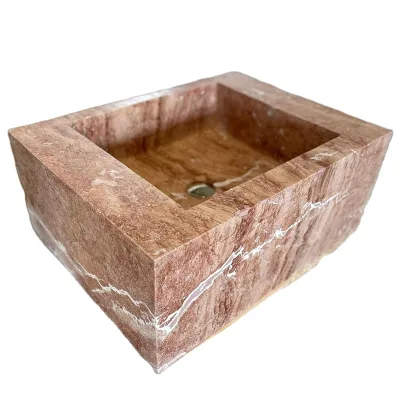
Main productsMarble Furniture, Marble Craft, Travertine Furniture, Natural Stone
Main marketsNorth America(60%), Oceania(30%), Mid East(10%)

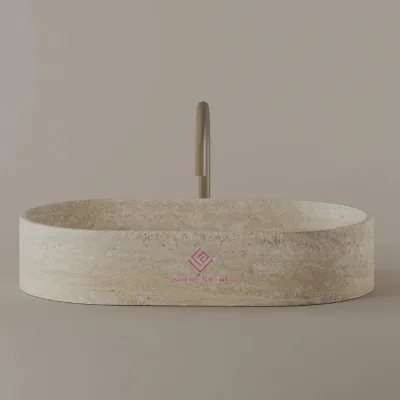
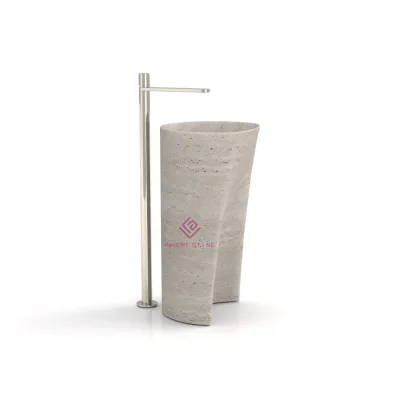
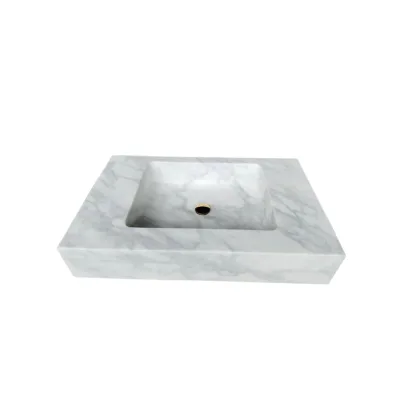
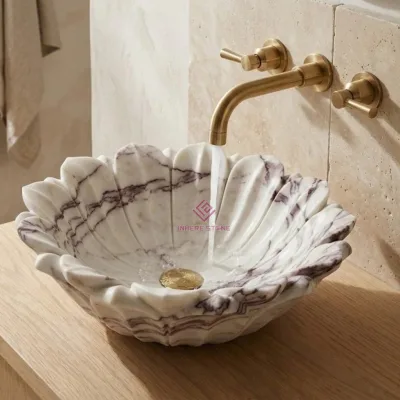
$1034.5049 - $3103.5146
MOQ: 1 Minimum

Guangdong Huaxia Ceramic Technology Co., Ltd.
- Verified by TUVRHEINLAND
- Manufacturer/Factory
- China Guangdong
- Lead time23 days
- Avg. response≤ 4h
Main productsToilet, Mirror, Basin, Urinal, Faucet, Shower, Cabinet, Bathtub, Hardware, Bathroom Accessories
Main marketsSouth America,Eastern Europe,Mid East,North America,Southeast Asia,Eastern Asia,Oceania,Western Europe,Africa

Ceramic Oval Vessel Bathroom Sink Modern Porcelain Sink Bathroom Wash Basin
$15.00 - $17.00
MOQ: 50 sets

$15.00 - $17.00
MOQ: 50 sets

Hot Selling White Bathroom Sink Modern Art Basin Sink Bathroom Vanity Vessel Sink Ceramic Wash Basin
$15.00 - $17.00
MOQ: 50 sets
- Verified by TüVRheinland
- Manufacturer, Trading Company
- Lead time20 days
- Avg. response≤ 2h
Main productsNatural Marble, Marble Table, Marble Sink, Marble Water Jet, Marble Slab
Main marketsNorthern Europe(11%), South Asia(11%), Central America(10%)

Guangdong Jiange Ceramic Co., Ltd.
- Verified by BV
- Combined
- China Guangdong
- Lead time30 days
- Avg. response≤ 3h
Main productsWashbasin, Toilet, Bathroom Faucet, Art Basin, Wall Hung Toilet, Floor Drain, Shower Set, Shower Hand, Wall Hung Basin, Smart Toilet
Main marketsSoutheast Asia/ Mideast


Bathroom Vessel Lavatory Sink Basin Ceramic Art Sink Counter Top Wash Basin
$1.50 - $16.00
MOQ: 20 Pieces
Chaoan Meizhi Ceramics Co., Limited
- Manufacturer, Trading Company
- Lead time旺季: "1 - 5":10,"> 5":"To be negotiated", 淡季: "1 - 5":10,"> 5":"To be negotiated"
- Avg. response≤ 2h
Main productsSanitary Wares
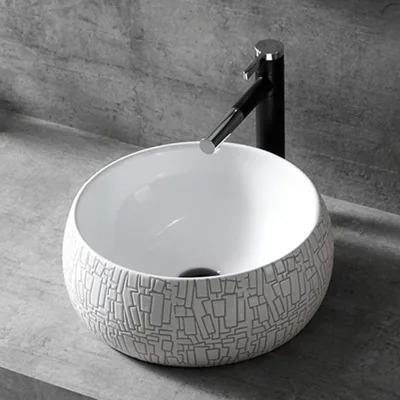
Competitive Price Sanitrary Ware Bathroom Ceramic Vessel Sink Pattern Basin
$24.00 - $29.00
MOQ: 5 Minimum
Jinhua Domo Sanitaryware Co., Ltd.
- Verified by TüVRheinland
- Manufacturer, Trading Company
- Lead time30 days
- Avg. response≤ 4h
Main productsShower Tray, Shower Room, Bathtub, Shower Wall Panel, Wash Basin
Main marketsWestern Europe(50%), North America(30%), Oceania(20%)

Fujian Huian Haobo Stone Company Limited
- Manufacturer
- China Fujian
- Lead time23 days
- Avg. response≤ 17h
Main productsGranite Tile, Marble Tile, Granite Countertops, Quartz Countertops, Granite Slab, Stone Carving, Basin Sinks, Paving Stone&Cobble Stone, Stone Steps&Stair, Monument
Main marketsEurope,North America
Shanghai Aquacubic Sanitaryware Co., Ltd.
- Manufacturer, Trading Company
- Lead time旺季: "1 - 100":25,"101 - 200":30,"201 - 500":35,"> 500":"To be negotiated", 淡季: "1 - 100":25,"101 - 200":30,"201 - 500":35,"> 500":"To be negotiated"
- Avg. response≤ 7h
Main productsKitchen Faucet, Bathroom Sink, Kitchen Sink, Bathroom Faucet, Sanitaryware Accessory

Zhaoqing Hongdao Sanitary Ware Technology Co., LTD
- Combined
- China Guangdong
- Lead time30 days
- Avg. response≤ 3h
Main productsSolid Surface Washbasin, Solid Surface Bathtub, Solid Surface Bathroom Sinks, Pedestal Basin, Bathroom Vanity, Vanity Top, Kitchen Sink, Solid Surface Counter Top, Solid Surface Slabs
Main marketsDomestic,Europe,North America


Wash Basin Bathroom Bowl Vessel Sink Wash Basin Washbasins Bathroom Sinks Prices
$49.90 - $99.79
MOQ: 10 Pieces


Wholesale Popular Simple Design Artificial Stone Vessel Bathroom Washing Sink
$49.30 - $112.30
MOQ: 10 Pieces

Wholesale Art Design Artificial Stone Vessel Bathroom Vanity Washing Sink
$65.00 - $130.00
MOQ: 10 Pieces
Xiamen Eastwood Industry Co., Ltd.
- Verified by SGS Group
- Manufacturer, Trading Company
- Lead time30 days
- Avg. response≤ 3h
Main productsGranite Paver, Marble Slab, Slate Stone Veneer, Limestone Tile, Sandstone Tile
Main marketsNorth America(82%), Oceania(5%), Mid East(3%)

ZHONGSHAN JSD KITCHEN & BATH CO., LTD.
- Verified by SGS
- Combined
- China Guangdong
- Lead time30 days
- Avg. response≤ 1h
Main productsKitchen Sink
Main marketsSouth America,East Asia(Japan/ South Korea),Europe

Handmade Modern Single Bowl Rectangular Stainless Steel Bathroom Sink Hotel Vessel Sink
$60.00 - $80.00
MOQ: 10 sets

Vessel Sinks Bathroom Wash Basin Stainless Steel Handmade Sink Wash Basin Bowl Sink
$55.00 - $70.00
MOQ: 10 sets

Round Bathroom Stainless Steel Vessel Sink Modern Above Counter Bathroom Sink
$60.00 - $80.00
MOQ: 10 sets

Watermark Certification Stainless Steel Vessel Wash Basin Bathroom Sink for Apartment
$55.00 - $70.00
MOQ: 10 sets


Hangzhou Dicheng Technology Co., Ltd.
- Verified by TüVRheinland
- Manufacturer, Trading Company
- Lead time30 days
- Avg. response≤ 5h
Main productsBathroom Vanity, Bathroom Mirror, Bathroom Accessories
Main marketsCentral America(25%), Southeast Asia(20%), Domestic Market(12%)
Shenzhen Meigja Technology Co., Ltd.
- Manufacturer, Trading Company
- Guangdong, China
- Lead time15 days
- Avg. response≤ 2h
Main productsBathroom Vanities,Bathroom Cabinets,Bathroom Furnitures,Chair Covers,Tablecloths
Main marketsWestern Europe(15.00%), North America(15.00%), Southeast Asia(12.00%), Domestic Market(10.00%), South America(10.00%), Mid East(10.00%), Eastern Europe(8.00%), Africa(5.00%), South Asia(5.00%), Oceania(3.00%), Eastern Asia(3.00%), Northern Europe(2.00%), Southern Europe(1.00%), Central America(1.00%)

Quanzhou Allonly Stone Co., Ltd.
- Verified by SGS
- Trading Company,Manufacturer/Factory
- China Fujian
- Lead time23 days
- Avg. response≤ 5h
Main productsGranite/Marble Kitchen and Bathroom Countertop, Marble Furniture Coffee Table Dining Table, Side Table Console Table Marble Travertine, Quartz/Solid Surface, Granite Marble Slab Floor Wall Tile, Marble Mosaic Medallion Waterjet Fireplace, Granite Cobblestone Pavingstone, Pebble Landscape Stone, Column Baluster Stair, Lava Stone/Culture Stone
Main marketsSouth America,Eastern Europe,Mid East,North America,Southeast Asia,Eastern Asia,Oceania,Western Europe,Africa


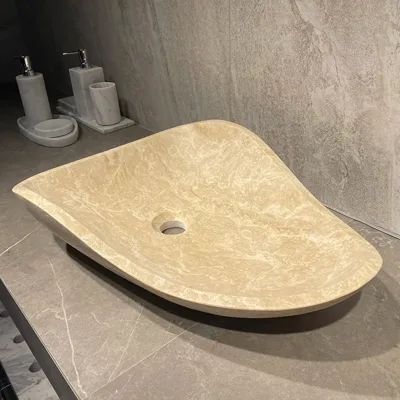
Yellow Sandstone Vessel Sink, Sandstone Basin, Marble Bathroom Sink, Stone Wash Bowl
$80.00 - $270.00
MOQ: 10 Pieces


- Trading Company,Manufacturer/Factory
- China Zhejiang
- Lead time45 days
- Avg. response≤ 5h
Main productsToilets, Wash Basins, Mirror, Bathroom Accessories, Taps, Shower Enclosure, Shower Sets, Kitchen Sink, Bathroom Vanities, Shower Panel
Main marketsSouth America,Eastern Europe,Mid East,North America,Southeast Asia,Eastern Asia,Oceania,Western Europe,Africa






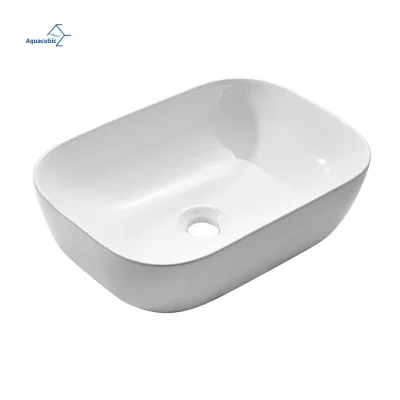
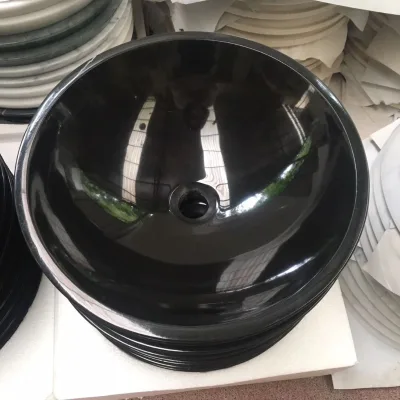
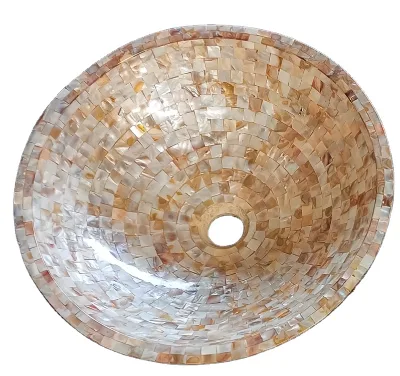
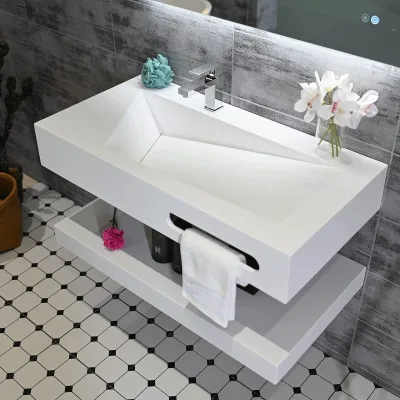
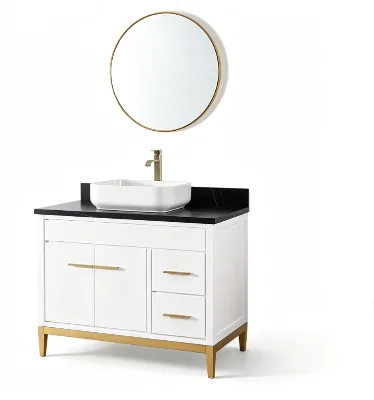
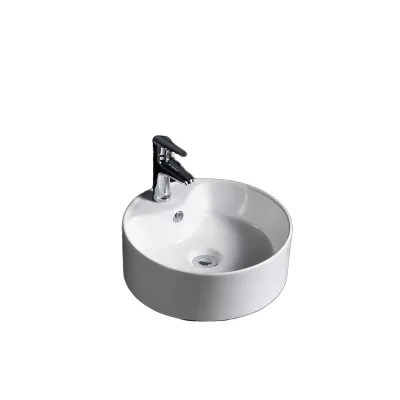
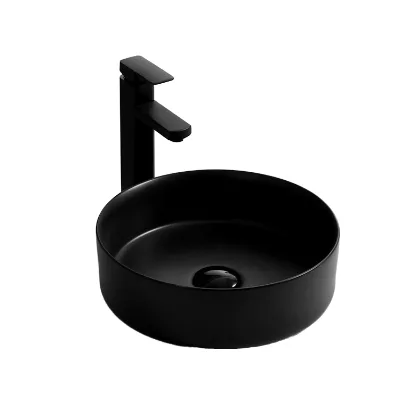


Comprehensive Sourcing Guide
Villa Bathroom Vessel Sink Supplier Concentration and Factory Types
The sourcing landscape for villa bathroom vessel sinks reveals a distinct concentration of manufacturing capabilities within specific Chinese industrial clusters. Current supplier result facts indicate that a significant portion of production originates from Fujian, China, where manufacturers specialize in ceramic sanitary ware. This region is particularly noted for producing high-quality porcelain and ceramic vessel sinks, including square, round, and irregular glossy designs. The presence of these manufacturers suggests that buyers seeking authentic ceramic materials should prioritize suppliers located in this area to ensure material authenticity and production consistency. Additionally, some suppliers are listed with locations in Guangdong, China, and Hongkong, China, indicating a broader geographic spread of trading companies and mixed-operation factories. These entities often serve as intermediaries or offer diverse product lines that include not only vessel sinks but also toilets, flush plates, and concealed cisterns. Understanding this geographic distribution is crucial for buyers, as it helps in identifying whether they are dealing with direct factories or trading companies that may have different pricing structures and communication protocols.
Supplier types vary significantly across the available results, ranging from pure Manufacturer/Factory entities to hybrid Trading Company and Manufacturer/Factory combinations. Direct manufacturers typically offer more control over customization, such as OEM and ODM services, which are explicitly listed as available capacities for several suppliers. This is particularly relevant for villa projects that require unique design elements or specific branding. In contrast, trading companies may offer a wider variety of products, including art basins, pedestal basins, and under-counter basins, providing a one-stop solution for comprehensive bathroom fittings. The company type also influences the verification status and response times; for instance, some suppliers boast rapid response times of less than one hour, while others may take up to three hours. Buyers must carefully evaluate whether the supplier’s primary business model aligns with their specific needs for customization, volume, and speed. Recognizing these distinctions allows for more effective supplier selection, ensuring that the chosen partner can meet the specific demands of villa bathroom installations without unnecessary delays or miscommunication.
How to Verify Villa Bathroom Vessel Sink Suppliers
Verifying the legitimacy and capability of Villa Bathroom Vessel Sink suppliers requires a multi-layered approach that goes beyond simple profile reviews. One critical step is to check for third-party verification badges, such as SGS, which serves as an independent confirmation of the supplier’s operational status. This verification adds a layer of trust, indicating that the company has undergone external scrutiny regarding its business practices and product quality. Additionally, buyers should examine the supplier’s system certifications, with ISO 9001 being a common standard observed in the results. This certification demonstrates a commitment to quality management systems, which is essential for maintaining consistency in ceramic production. It is also important to look for specific product standards compliance, such as BS EN: 997 or Water Mark certifications, which ensure that the sinks meet international safety and performance criteria. These certifications are not just formalities but are indicative of the supplier’s ability to produce goods that meet rigorous regulatory requirements, reducing the risk of non-compliance in the buyer’s destination market.
Beyond certifications, buyers should assess the supplier’s export experience and quality control processes. Facts indicate that some suppliers have been exporting since 2008, suggesting a long-standing presence in the international market and familiarity with global logistics and customs procedures. This experience can be a strong indicator of reliability, as these suppliers are likely to have established protocols for handling international orders. Furthermore, examining the quality control statements, such as "Every piece" checked or "Grade A" quality assurance, provides insight into the supplier’s internal standards. Buyers should also verify the supplier’s response time, as a quick response often correlates with efficient internal communication and customer service. For instance, a response time of 0.71 hours suggests a highly responsive team, which is beneficial for resolving issues quickly. By combining these verification steps, buyers can build a comprehensive profile of each supplier, ensuring that they partner with entities that are not only legitimate but also capable of delivering high-quality villa bathroom vessel sinks consistently.
What to Compare Across Villa Bathroom Vessel Sink Suppliers
When evaluating multiple suppliers for villa bathroom vessel sinks, buyers must compare key operational metrics to determine the best fit for their project. One of the most critical factors is the minimum order quantity (MOQ), which can vary significantly depending on the supplier and product type. For example, some suppliers may have an MOQ of just five pieces, making them suitable for small-scale or prototype orders, while others may require a minimum of 1000 pieces, which is better suited for large-volume commercial projects. Understanding these MOQ differences is essential for budgeting and inventory planning, as ordering in bulk may offer cost advantages but requires storage space and capital. Additionally, buyers should compare the lead times, which are crucial for project scheduling. While some suppliers list a general lead time of 45 days, specific product attributes may indicate a delivery time of about 30 days. These variations can impact the overall project timeline, so buyers must align their procurement schedule with the supplier’s production capacity to avoid delays.
Price and customization options are also vital comparison points. The price range for vessel sinks can vary, with some products listed between $20 and $40, while others may range from $28 to $56. Buyers should analyze these prices in the context of the product’s specifications, such as material, size, and surface treatment. For instance, a square porcelain sink with a polished finish may have a different price point than a round vessel sink with an overflow feature. Customization availability is another key differentiator, with many suppliers offering OEM and ODM services. Buyers should inquire about the extent of customization, including design style, color, and installation type, to ensure the sinks meet the specific aesthetic requirements of the villa. Furthermore, comparing the supplier’s main products can help identify specialists versus generalists. Suppliers focusing primarily on bathroom sinks may offer deeper expertise and better quality control compared to those with a broader range of sanitary ware. By systematically comparing these factors, buyers can make informed decisions that balance cost, quality, and delivery requirements.
Common Villa Bathroom Vessel Sink Sourcing Risks
Sourcing villa bathroom vessel sinks from international suppliers introduces several risks that buyers must proactively manage to ensure project success. One significant risk is the potential for quality inconsistencies, particularly when dealing with ceramic products that are prone to defects such as cracks, chips, or glaze imperfections. While suppliers may claim "Grade A" quality, the actual condition of the goods upon arrival may vary. This risk is heightened when ordering large quantities, as the probability of defects increases. Buyers should mitigate this by requesting detailed quality control reports and, if possible, conducting pre-shipment inspections. Additionally, the risk of miscommunication regarding product specifications is prevalent, especially when customization is involved. Differences in understanding dimensions, installation types, or color shades can lead to products that do not fit the villa’s design intent. To address this, buyers should provide precise technical drawings and confirm all specifications in writing before placing orders. Clear communication channels and regular updates can help prevent misunderstandings and ensure that the final products meet the expected standards.
Another common risk is the delay in delivery, which can disrupt the villa’s construction or renovation timeline. Lead times may be affected by various factors, including raw material shortages, production bottlenecks, or logistical issues. While some suppliers advertise a 30-day delivery time, actual performance may vary. Buyers should also be aware of the risks associated with packaging and shipping damage. Ceramic sinks are fragile and require careful handling to prevent breakage during transit. Inadequate packaging, such as insufficient foam or carton protection, can lead to damaged goods upon arrival. Buyers should verify the supplier’s packaging standards, such as "Foam+Carton" or "1PCS/CTN," and ensure that they are robust enough to withstand international shipping. Furthermore, there is a risk of hidden costs, such as customs duties, taxes, or additional shipping fees, which can impact the total cost of ownership. Buyers should clarify all commercial terms, including Incoterms, to avoid unexpected expenses. By identifying and addressing these risks early in the sourcing process, buyers can minimize disruptions and ensure a smooth procurement experience.
Villa Bathroom Vessel Sink Regional Sourcing and Logistics
The regional origin of villa bathroom vessel sinks plays a crucial role in determining logistics strategies and supply chain efficiency. Suppliers located in Fujian, China, offer a strategic advantage for buyers due to the region’s established infrastructure for ceramic manufacturing and export. This area is known for its specialized production clusters, which facilitate economies of scale and efficient resource utilization. Buyers sourcing from Fujian can benefit from shorter lead times and lower transportation costs, as the region has well-developed ports and logistics networks. Additionally, the proximity to raw material sources, such as high-quality clay and porcelain stone, ensures a steady supply of materials, reducing the risk of production delays. For buyers in international markets, understanding the logistical advantages of sourcing from Fujian can help in optimizing shipping routes and reducing overall procurement costs. It is also important to consider the time zone differences and communication protocols when working with suppliers in this region, as these factors can impact the efficiency of the sourcing process.
Suppliers in Guangdong, China, and Hongkong, China, offer alternative sourcing options with their own logistical benefits. Guangdong is a major manufacturing hub with advanced industrial capabilities, making it suitable for buyers seeking high-tech production methods or diverse product ranges. Hongkong, as a global trading center, provides access to a wide network of suppliers and facilitates international trade through its efficient financial and logistics services. Buyers sourcing from these regions may benefit from the flexibility offered by trading companies, which can consolidate orders from multiple factories and streamline the shipping process. However, buyers should also consider the potential for higher costs associated with trading intermediaries. To optimize logistics, buyers should work closely with their suppliers to determine the most cost-effective shipping methods, such as sea freight for bulk orders or air freight for urgent replacements. Additionally, understanding the import regulations and documentation requirements of the destination country is essential to ensure smooth customs clearance. By leveraging the regional strengths of different sourcing locations, buyers can build a resilient and efficient supply chain for their villa bathroom vessel sinks.
Villa Bathroom Vessel Sink Commercial Terms and Order Planning
Effective order planning for villa bathroom vessel sinks requires a thorough understanding of commercial terms and payment structures. Buyers should carefully review the supplier’s pricing models, which may include fixed prices or negotiable rates based on order volume. For instance, prices ranging from $20 to $56 per unit suggest that there is room for negotiation, especially for larger orders. Buyers should also clarify the payment terms, such as whether a deposit is required upfront or if payment is due upon shipment. Understanding these terms is crucial for cash flow management and risk mitigation. Additionally, buyers should inquire about the supplier’s return and refund policies in case of defective products or shipping damages. A clear policy ensures that buyers are protected against potential losses and can hold suppliers accountable for quality issues. It is also important to confirm the validity of the quoted prices, including whether they include packaging, labeling, and any additional customization fees. Transparent pricing helps avoid hidden costs and ensures that the budget is accurately allocated.
Logistics and delivery terms are equally important in order planning. Buyers should specify the Incoterms, such as FOB (Free on Board) or CIF (Cost, Insurance, and Freight), to define the responsibilities of both parties regarding shipping and insurance. This clarity helps in determining who bears the risk during transit and who is responsible for arranging transportation. Buyers should also plan for potential delays by building buffer time into their project schedules. For example, if a supplier advertises a 30-day lead time, buyers should account for additional time for production variations
FAQs
What is the price range for ceramic vessel sinks?
Prices for ceramic vessel sinks typically range from $20 to $56 per unit. The final cost depends on the specific model, size, and customization options selected. Buyers should verify the exact quote based on their order quantity and shipping requirements to ensure accurate budgeting for their project.
What is the minimum order quantity for these sinks?
Minimum order quantities vary significantly by supplier and product model. Some manufacturers accept orders as low as 5 pieces, while others require 20 or up to 1000 pieces. Buyers must check the specific MOQ for each item to align with their inventory needs and budget constraints.
How long does production take for these sinks?
Production lead times generally range from 30 to 45 days. This duration allows for manufacturing, quality control, and packaging. Buyers should confirm the exact delivery schedule with the supplier before placing an order to ensure timely arrival for their construction or renovation projects.
Are these sinks customizable for specific designs?
Yes, customization is available for many ceramic vessel sinks. Suppliers offer OEM and ODM services to accommodate specific shapes, sizes, and styles. Buyers can request modifications to meet their unique design requirements, ensuring the final product fits their intended bathroom or vanity space perfectly.
Where are these bathroom sinks manufactured?
These sinks are primarily manufactured in China, with key production hubs in Fujian and Guangdong provinces. Some suppliers are based in Hong Kong. Buyers can verify the specific origin of each product to assess shipping logistics and potential tariffs for their international sourcing needs.
What certifications do these sinks hold?
Many suppliers hold ISO 9001 certification for quality management systems. Products often comply with standards such as BS EN 997 and Water Mark. Buyers should request valid certification documents to ensure the sinks meet international safety and quality requirements for their specific market.