Source dual-flush composting toilet for Home, Office, and Outdoor
Compare 17 dual-flush composting toilet options from verified suppliers. Explore ceramic and plastic models with gravity flushing, water-saving features, and online technical support for various bathroom and outdoor applications; compare the available evidence and request quotations based on your requirements.
Updated
Key considerations
Products List
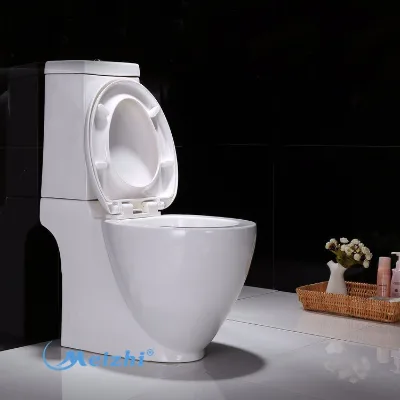
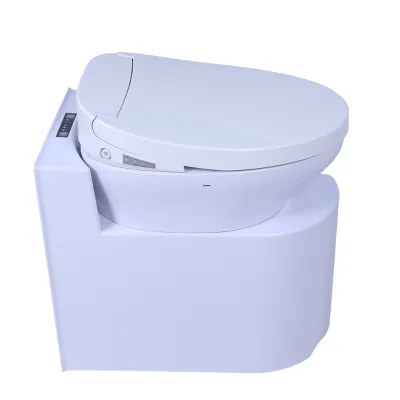
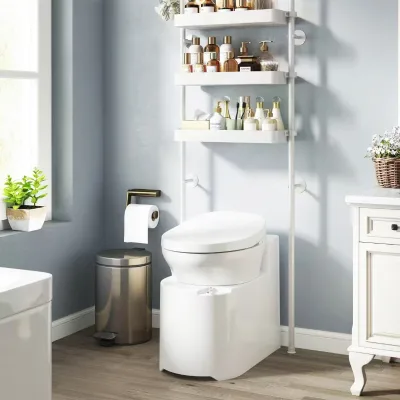
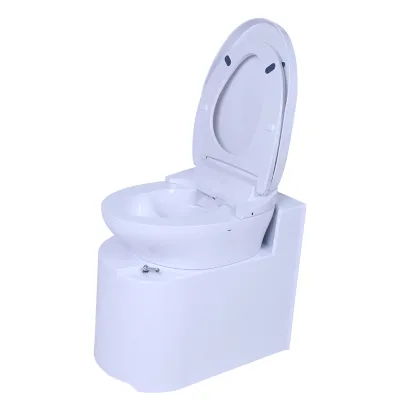
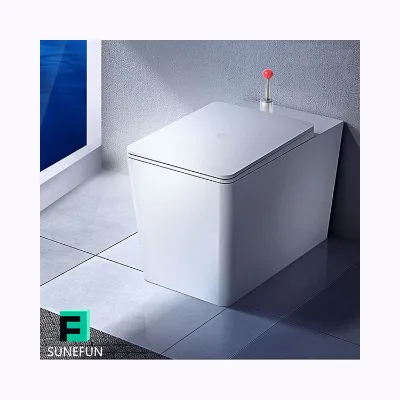
Fast-degrading Composting Toilet, Waterless and Odorless Smart Toilet
$513.3835 - $1152.2828
MOQ: 2 pieces
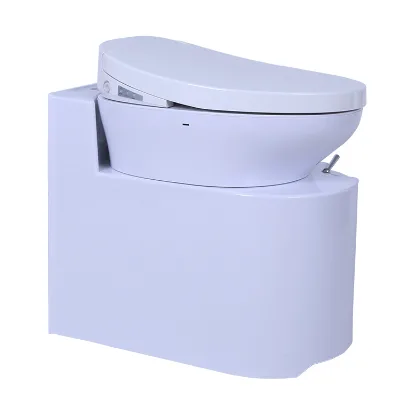
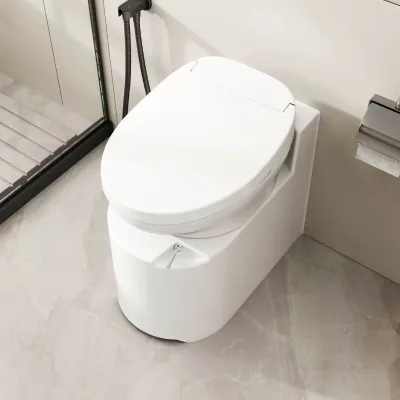
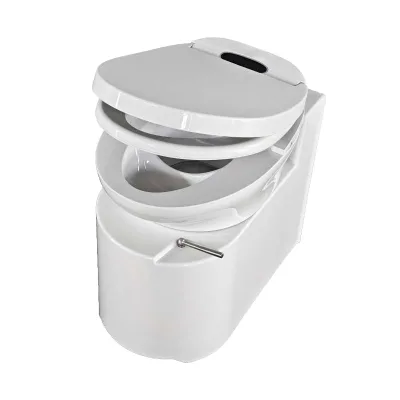
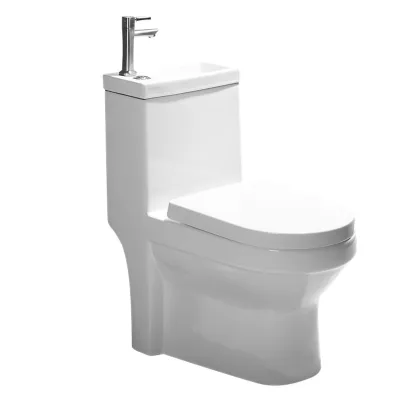


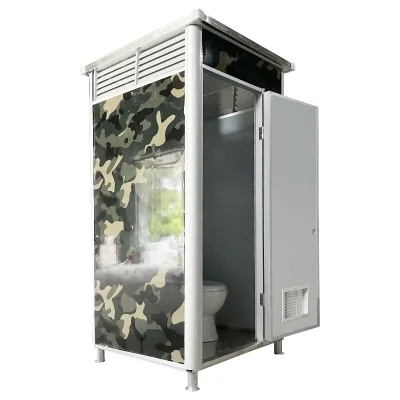
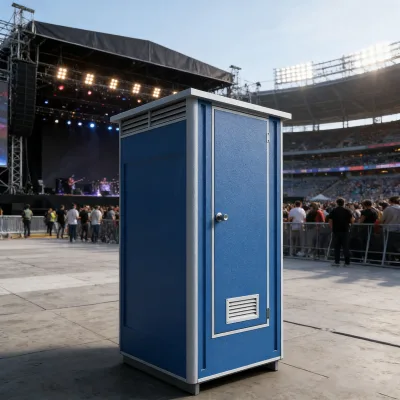
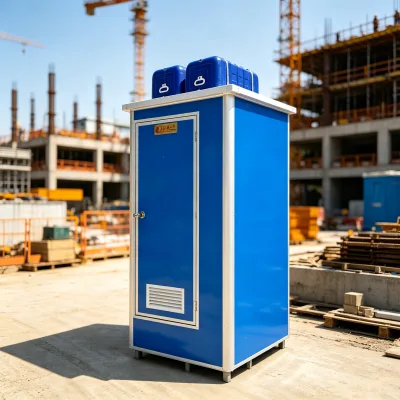

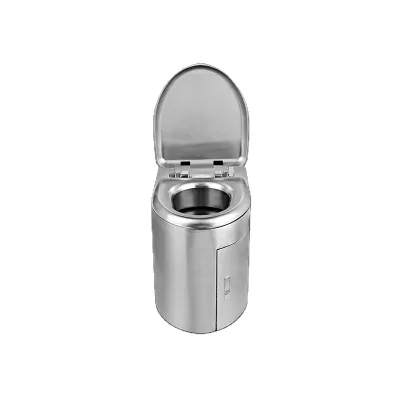
Stainless Steel Portable Composting Toilet Price Ecological Toilet Water Free Bio-Toilet
$160.00 - $480.00
MOQ: 10 Pieces
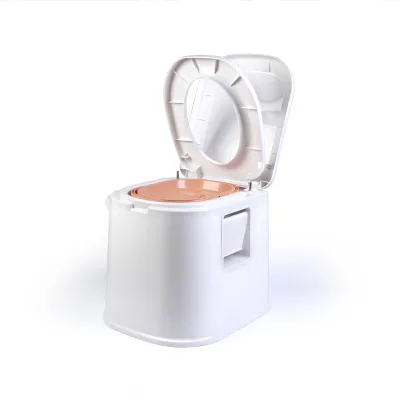
Comprehensive Sourcing Guide
Dual-Flush Composting Toilet Sourcing Guide
Procurement teams must distinguish between traditional ceramic units and specialized composting systems when sourcing dual-flush solutions. The market presents distinct product categories, including gravity-flushing ceramic toilets designed for standard bathrooms and waterless biodegradable units intended for outdoor or off-grid applications. Buyers should verify the specific flushing mechanism and waste handling method to ensure the selected unit aligns with the intended installation environment and regulatory requirements.
Understanding the structural differences is critical for accurate specification. While some listed products feature a two-piece ceramic design with a P-trap drainage pattern, others utilize a one-piece structure made from ABS or PP materials for waterless operation. These variations dictate the necessary plumbing infrastructure, power requirements, and maintenance protocols, requiring buyers to carefully match the product attributes to their specific project constraints before initiating any purchase order.
Product Scope and Observed Listing Signals
The observed product range includes ceramic toilets with dual-flush features and waterless composting units, indicating a broad spectrum of technological approaches. Listings show prices ranging from 26 to 1800 USD, reflecting significant differences in material composition, such as glazed ceramic versus plastic composites, and the inclusion of advanced features like automatic deodorization or smart seat options. Buyers must scrutinize these price points to understand the value proposition of each unit type relative to their budget and performance expectations.
Listing signals also reveal diverse packaging and logistical details that impact total landed costs. Some units are packaged in standard export cartons with specific dimensions, while others have distinct gross weights and single package sizes that affect shipping calculations. The presence of accessories like soft-closing seat covers or buffer cover plates varies by model, necessitating a detailed review of the product description to confirm exactly what components are included in the supply package.
Technical Specifications to Verify
Buyers must rigorously verify dimensional compatibility and installation requirements before finalizing a selection. Specific models list precise dimensions such as 655400850mm or 550mm length, which must align with the available floor space and mounting points. The installation type, whether floor-mounted or designed for specific pit spacing, is a critical technical parameter that determines the feasibility of the installation without requiring extensive structural modifications to the site.
Power and material specifications are equally vital for operational success, particularly for units with electronic components. Some waterless models require DC voltage inputs ranging from 12V to 48V and include features like automatic deodorization, while others operate without electricity. Verifying the material composition, such as uniform glazed ceramic with specific thickness and roughness values, ensures the unit meets durability standards and can withstand the intended usage frequency without premature degradation.
Compliance and Safety Documentation
Certification status serves as a primary indicator of manufacturing quality and adherence to international standards. The available data highlights ISO9001 certification for certain ceramic models, suggesting a commitment to quality management systems during production. Procurement teams should request valid certification documents for all potential suppliers to confirm that the manufacturing processes meet recognized safety and quality benchmarks before proceeding with large-scale orders.
Safety documentation must also address the specific operational risks associated with the chosen technology. For waterless composting units, verifying the absence of water flow and the presence of biodegradable filler materials is essential for environmental compliance. Buyers should ensure that the supplier provides clear instructions on waste management and that the product design, including features like buffer cover plates, mitigates potential hygiene risks in the intended application environment.
Cost Drivers and Commercial Terms
Pricing variability is driven by material costs, manufacturing complexity, and the inclusion of advanced functional features. Units with dual-flush mechanisms and ceramic construction often differ significantly in cost from plastic-based waterless models, which may include electronic components for deodorization. Buyers should analyze the unit price against the total cost of ownership, considering factors like the supply ability of the manufacturer and the potential need for specialized spare parts over the product lifecycle.
Commercial terms such as Minimum Order Quantity and warranty provisions directly influence the financial risk of the procurement. Observed MOQs range from 1 to 10 sets, offering flexibility for smaller projects, while warranty periods of up to five years provide long-term assurance for ceramic units. It is essential to clarify the scope of after-sale services, including online technical support and free spare parts availability, to ensure that the supplier can effectively support the product throughout its operational life.
Supplier Qualification and Quality Control
Supplier qualification requires a thorough assessment of their production capacity and geographic location. The data indicates origins in Guangdong and Shandong, China, with supply abilities reaching 10,000 sets per month for certain models. Buyers should verify the actual production volume and lead times to ensure the supplier can meet project deadlines, especially when dealing with custom requirements like OEM branding or specific logo designs.
Quality control processes must be validated through on-site audits or third-party inspection reports. The presence of specific glazing standards, such as thickness greater than 0.6mm and low roughness values, indicates a focus on surface quality and hygiene. Procurement teams should request evidence of these quality metrics and confirm that the supplier has robust procedures in place to maintain consistency across batches, particularly for products with complex features like smart seats or automatic deodorization systems.
Long-Term Procurement Checks
Sustainable procurement strategies require ongoing monitoring of product performance and supplier reliability. Buyers should establish a schedule for reviewing the durability of materials, such as the water-absorptivity rates of ceramic units, to ensure they remain below critical thresholds over time. Regular checks on the functionality of mechanical parts, like the soft-closing seat covers and flushing mechanisms, will help identify potential issues before they escalate into costly repairs or replacements.
Long-term success also depends on maintaining a clear record of warranty claims and after-sale service interactions. The availability of online technical support and free spare parts is a key factor in minimizing downtime and operational disruptions. Procurement teams should maintain open communication channels with suppliers to address any emerging issues promptly and ensure that the product continues to meet the evolving needs of the facility or project it serves.
FAQs
What is the flushing method for the dual-flush composting toilet?
The dual-flush composting toilet utilizes a gravity flushing method to ensure reliable waste removal. This design supports water-saving operations while maintaining effective sanitation. The system is engineered for consistent performance in bathroom applications, providing a practical solution for users seeking efficient waste management without complex mechanical interventions.
Can the toilet be customized with a specific brand logo?
Yes, the manufacturer accepts OEM customization for brand logos and graphic designs. Buyers can request specific labeling to align with their brand identity. This service allows for tailored marketing solutions while maintaining the standard product quality and specifications. It is ideal for businesses looking to establish a unique presence in the sanitary ware market.
What is the warranty period for the ceramic composting toilet?
The product comes with a five-year warranty to ensure long-term reliability. This coverage provides peace of mind for buyers investing in durable sanitary ware. The warranty supports the high-quality ceramic construction and uniform glazing, which are designed to resist wear and maintain cleanliness over extended periods of use in various bathroom environments.
Which certification does the dual-flush toilet manufacturer hold?
The manufacturer holds ISO9001 certification, indicating adherence to international quality management standards. This certification ensures consistent production processes and product reliability. Buyers can trust the manufacturing quality, as the facility follows rigorous protocols to maintain high standards in material selection, assembly, and final inspection for all exported ceramic toilet units.
What is the supply ability for the dual-flush toilet model?
The supplier has a monthly supply ability of 10,000 sets for the dual-flush toilet model. This capacity supports large-scale procurement needs and ensures timely delivery for bulk orders. The robust production capability allows buyers to secure consistent inventory levels, making it suitable for distributors and large project requirements in the global sanitary ware market.